




A guard dog sounds like a smart idea until people start thinking about what usually comes with one. Endless barking, constant intensity, heavy training demands, and a dog that turns everyday life into something exhausting instead of reassuring.
That concern stops many people from choosing protective breeds at all, especially those living in calmer households where peace matters just as much as security. The truth is, not every guard dog brings chaos into a home. Some are naturally composed, observant, and surprisingly easy to manage once they settle into a routine.
They stay aware of their surroundings without creating tension over every sound or movement. More importantly, they do not demand nonstop stimulation just to stay balanced indoors. That combination makes a huge difference for owners who want protection without constant pressure.
Ahead are guard dog breeds that stay dependable, manageable, and steady without making daily life feel overwhelming from the moment they arrive home.
Key Takeaways
Plenty of people want a protective dog until they picture the barking, tension, and constant intensitythat usually come with one.
The Rhodesian Ridgeback built its reputation tracking lions with restraint, while the Boerboel learned to stay calm even around serious threats on South African farms.
Breeds like the Bullmastiff and Rottweiler stay watchful without reacting to every little sound, which makes daily life feel calmer and more balanced.
Keep going, and you may find the kind of protective dog that fits naturally into your routine instead of taking it over completely.
Low-Maintenance Guard Dog Breeds That Stay Calm
1. Rhodesian Ridgeback
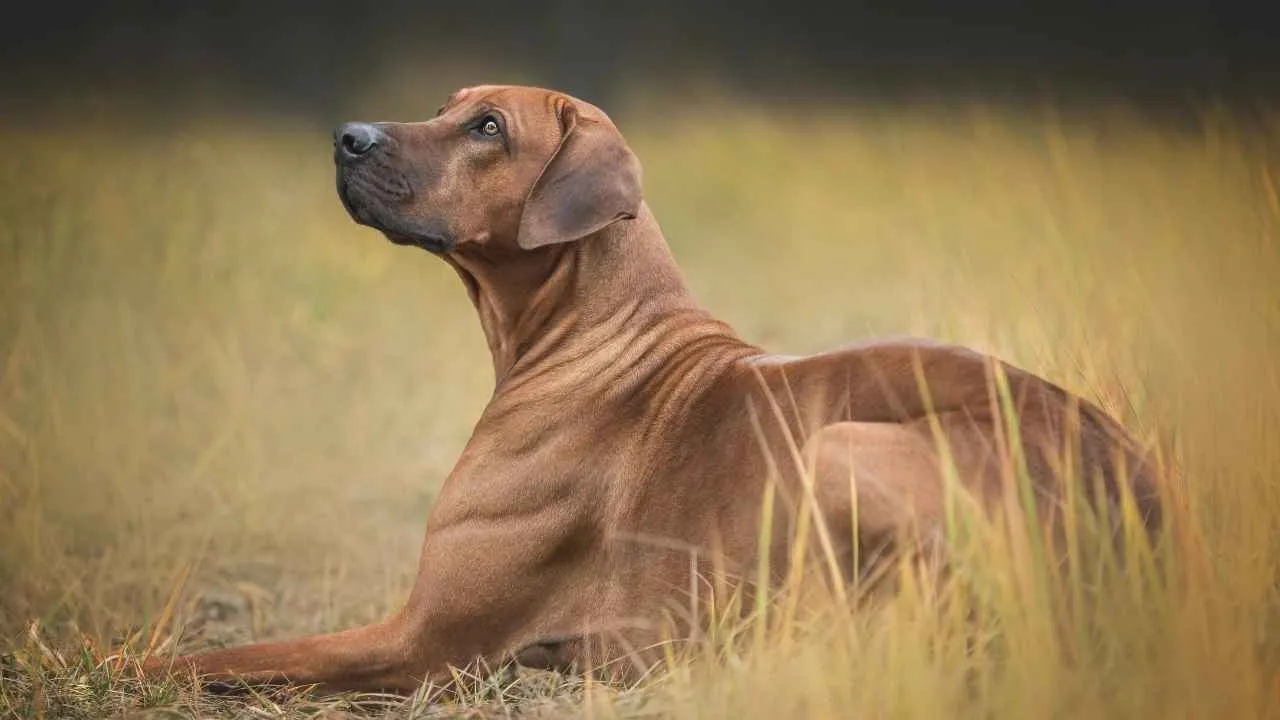
Rhodesian Ridgeback draws attention through the ridge of backward-growing hair running along its spine, a trait closely tied to its identity.
In Africa, the breed earned recognition for tracking and cornering lions without attacking them directly. This balance between restraint and capability shaped its working character.
Controlled instincts and independent thinking
They handle situations with a self-directed mindset, often assessing surroundings before responding. Its strong prey drive and territorial awareness require early structure and consistent handling from puppyhood.
That nature becomes clearer through several traits:
Tracks scents with focused determination
Reacts quickly to fast-moving animals
Prefers confident and consistent guidance
Practical care and daily upkeep
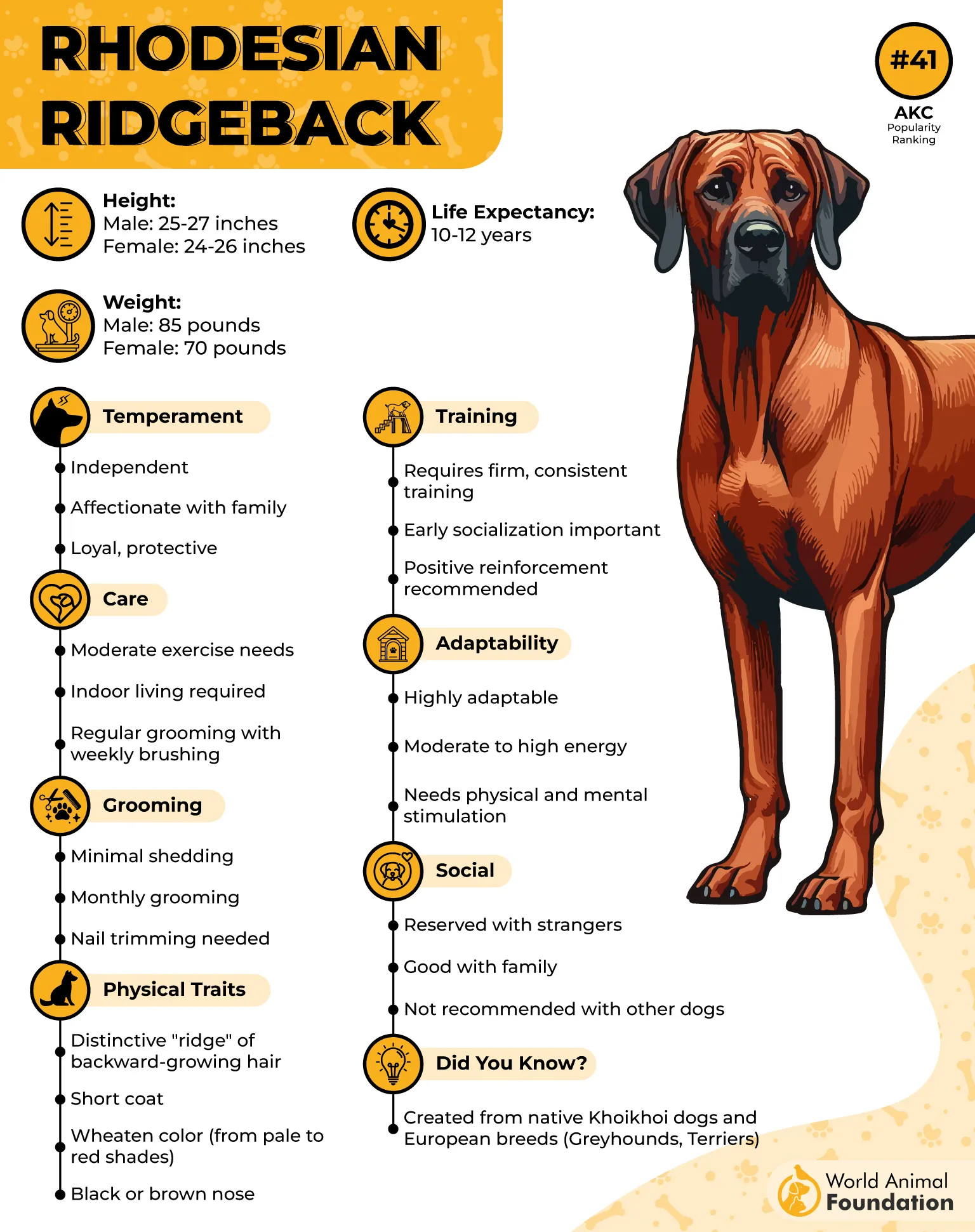
Rhodesian Ridgeback requires relatively little coat maintenance, with weekly brushing usually enough to manage loose hair and coat condition, as per the AKC.
Its short coat keeps grooming routines straightforward compared to heavier-coated guardian breeds. An occasional bath generally keeps the breed clean and polished.
2. Bullmastiff
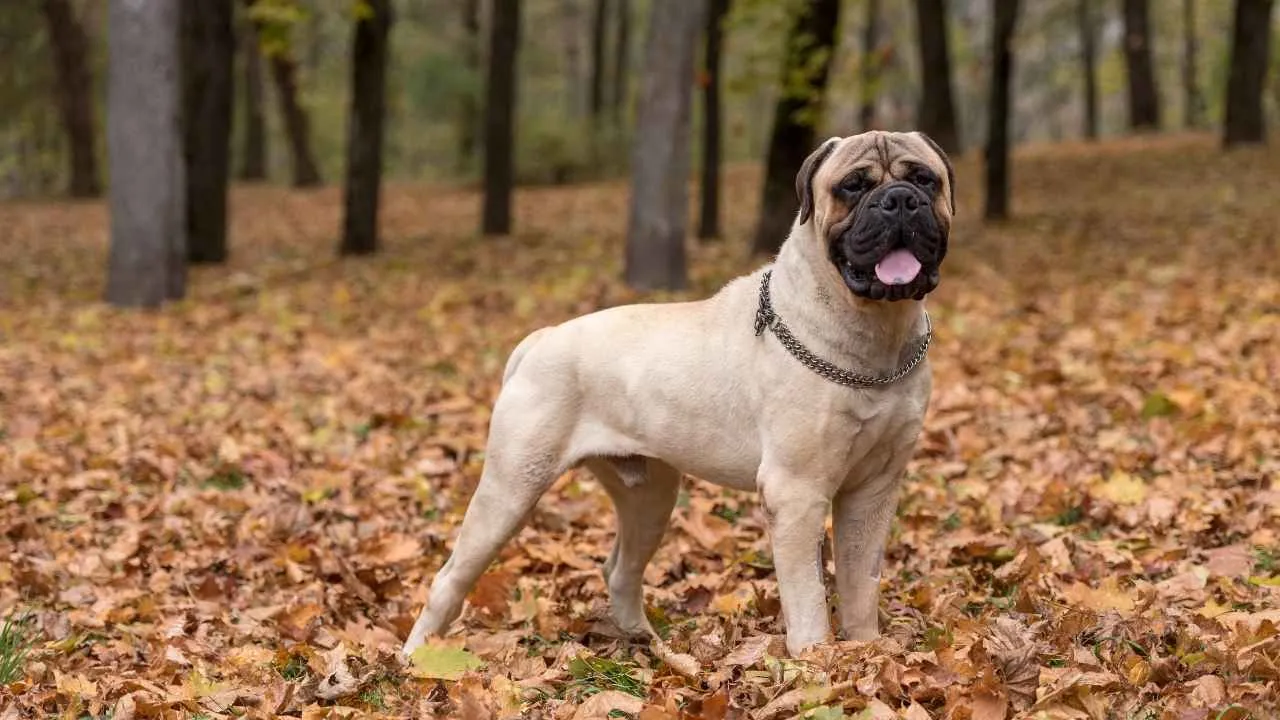
Bullmastiffs came from Bulldog and Mastiff pairings, creating a muscular guardian trusted to track and pin down poachers without chaos, as Orvis describes. Its physical strength feels controlled rather than restless, shaped around close-range intervention instead of constant activity.
Calm habits inside the home
This protective dog breed lives comfortably in slower household routines, requiring little coat maintenance beyond regular brushing to manage shedding. Its short fur avoids tangles and heavy grooming routines, keeping care practical for everyday life.
That simplicity appears through a few clear traits:
Short coat with minimal grooming needs
Comfortable with moderate daily exercise
Prefers walking routines over intense running
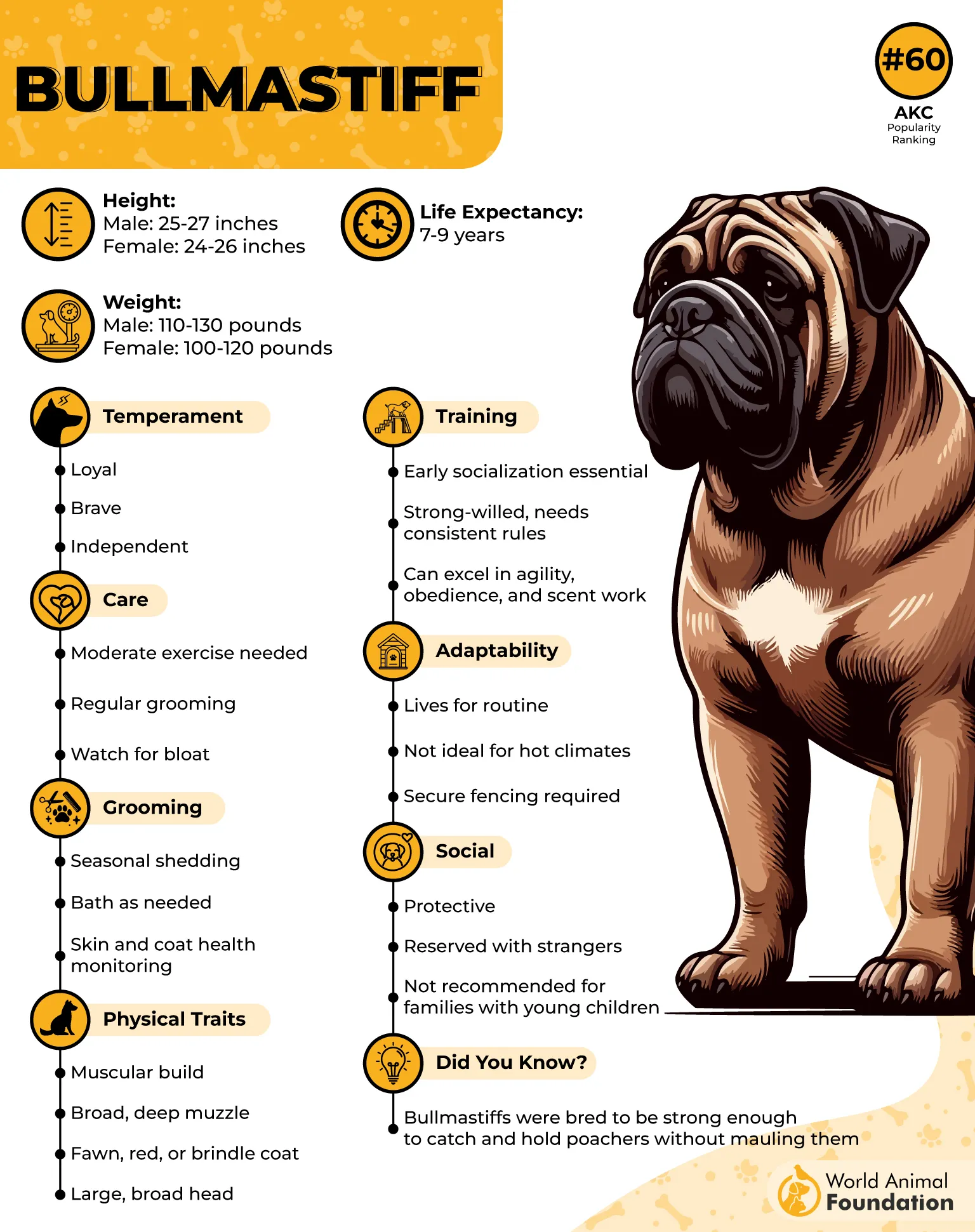
Exercise with measured intensity
Bullmastiffs react strongly to unfamiliar intrusion near their space, making secure outdoor areas important. Its guarding instinct relies on physical presence and close observation rather than unnecessary noise. Around familiar people, the breed becomes calmer and more settled.
3. Boerboel
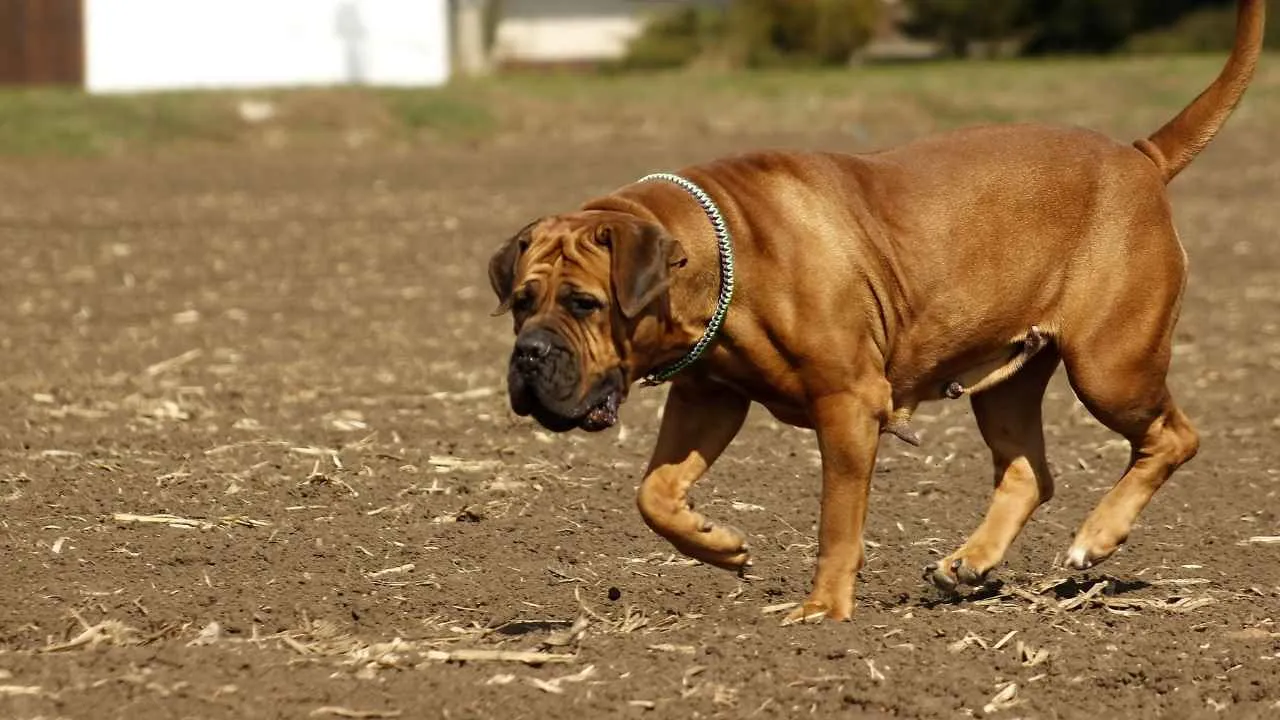
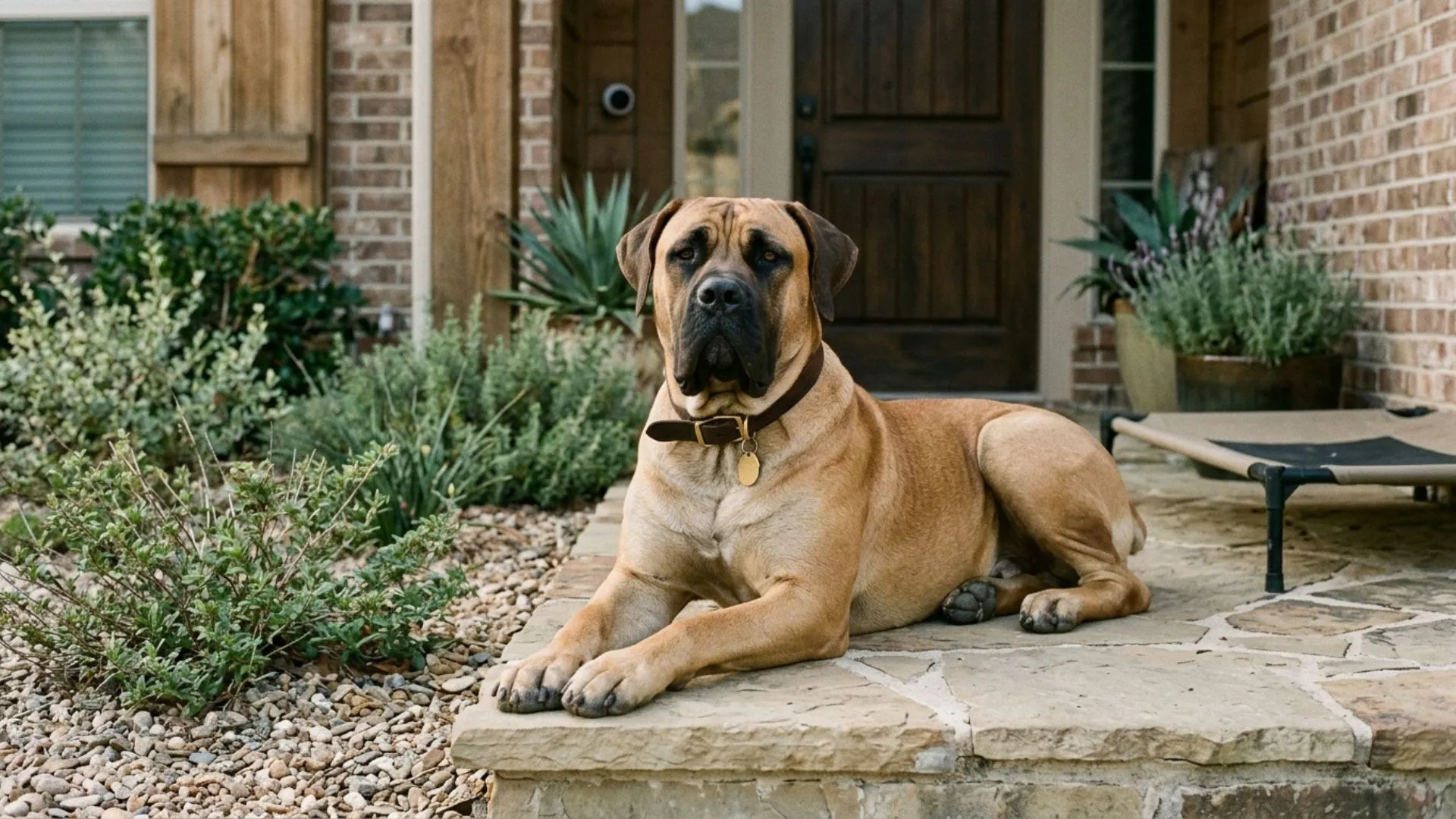
The Boerboel was originally bred on South African farms, where strength alone was not enough against predators like hyenas and lions. Its broad frame and dense muscle reflect a dog expected to confront danger directly while remaining composed around the household.
Calm presence indoors
This protection dog interacts with its family in a measured and affectionate way, especially around children within familiar surroundings, as PetMD claims. The breed’s steady temperament pairs with intelligence, allowing guidance to shape behavior clearly over time.
Several traits reinforce this balance naturally:
Dense coat requiring simple weekly brushing
Strong attachment to household routines
Responsive attitude during consistent training
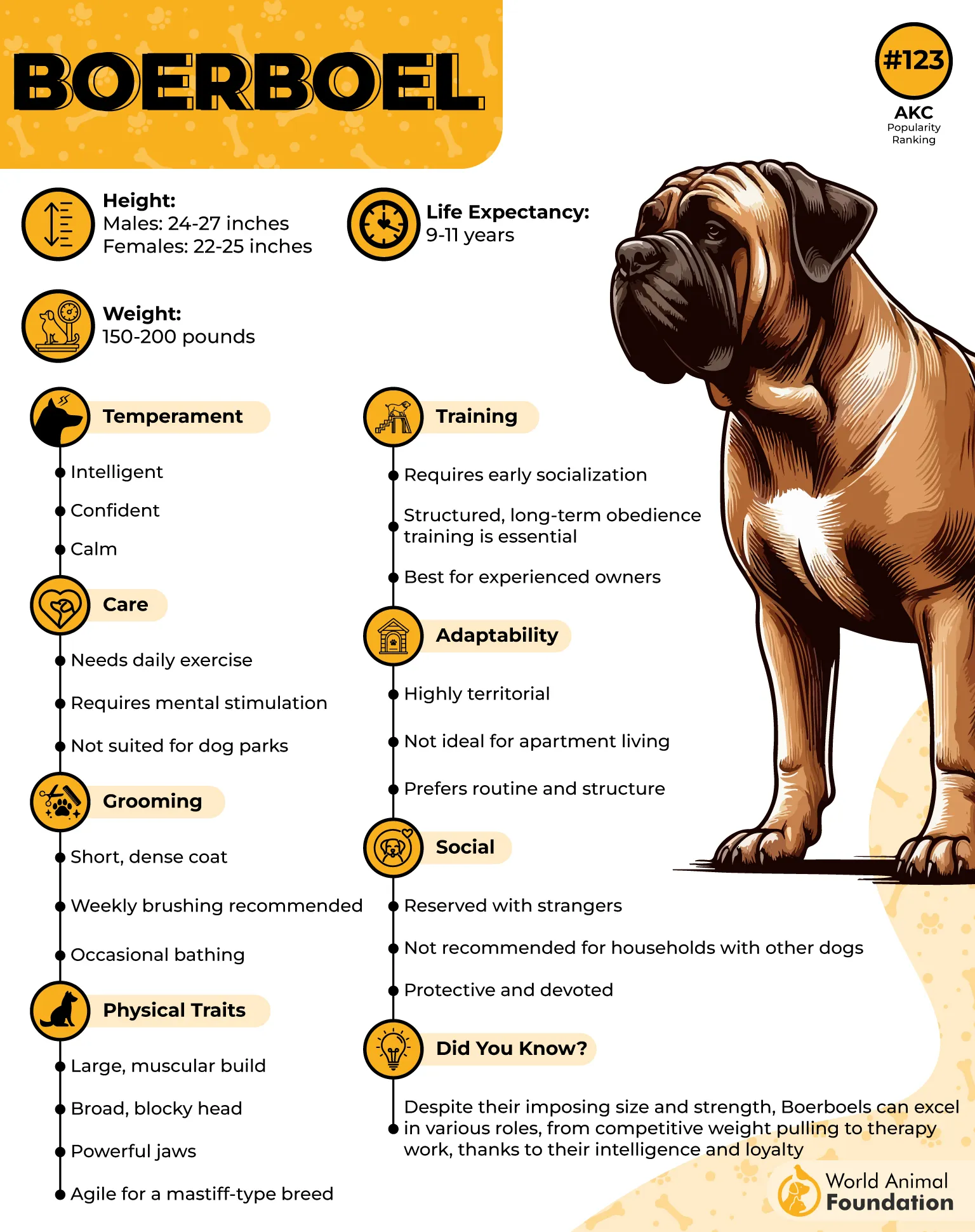
Built for controlled activity
Boerboel relies on structured physical outlets such as long leash walks and enclosed play sessions with its people. Its athletic build reflects working ability rather than restless behavior, keeping mental stimulation instead of being frantic. Daily interaction matters as much as exercise for this breed.
4. Rottweiler
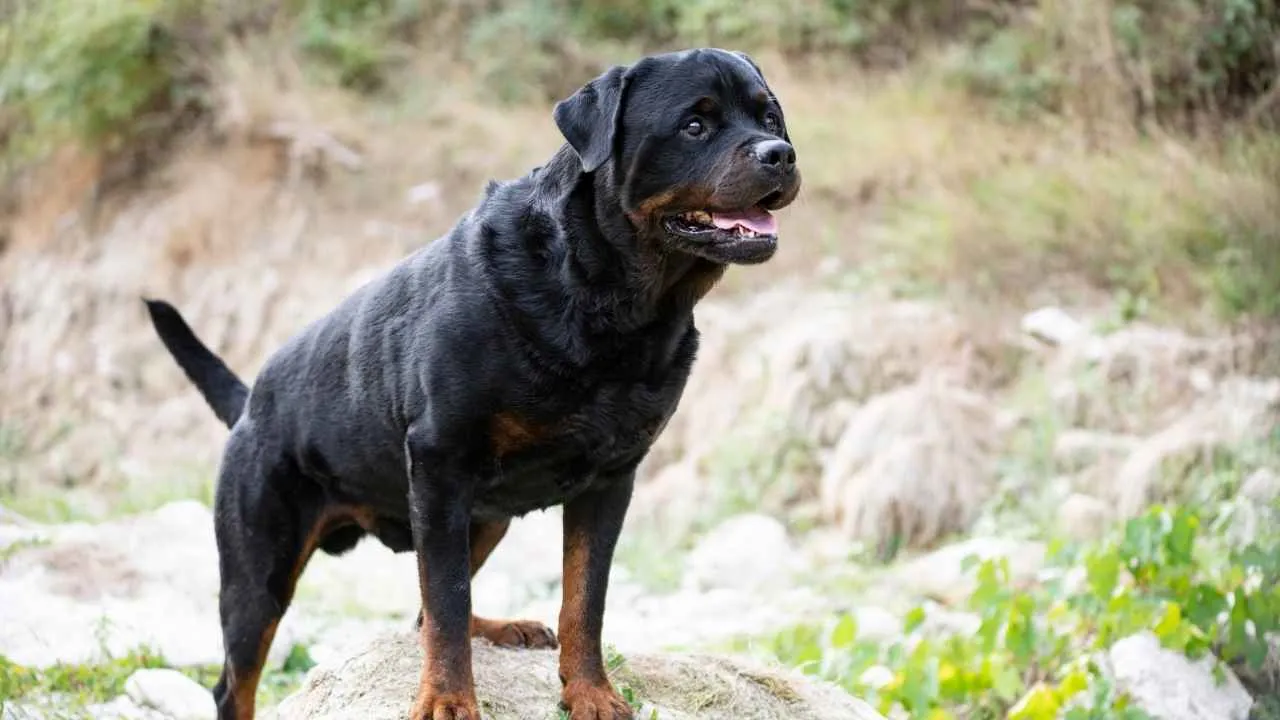
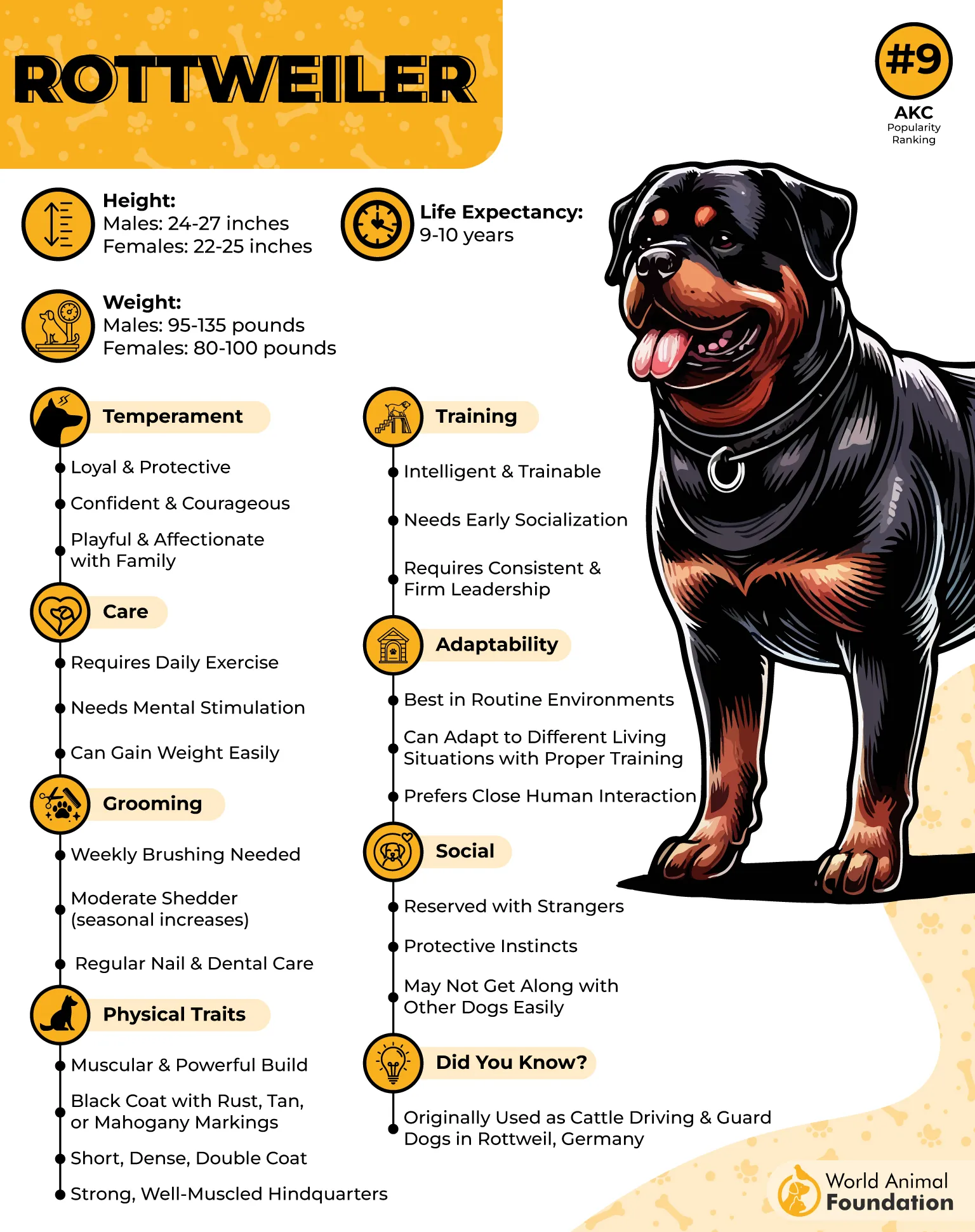
Rottweiler originates from the mastiff dogs once used beside Roman legions, reflected in its dense frame and grounded physical presence. Inside the home, it often acts composed and observant rather than restless or noisy. Its attention shifts carefully between familiar people and surrounding activity.
Coat care without constant upkeep
Rottweiler’s short coat keeps grooming straightforward, requiring only occasional brushing to remove loose hair and keep the surface clean. Seasonal shedding increases during spring and autumn, though daily maintenance is rarely necessary.
That practical upkeep includes:
Weekly brushing for loose hair control
Short coat with minimal tangling issues
Heavier shedding during seasonal changes
Protective instinct with restraint
As an excellent guard dog, they handle unfamiliar people with a reserved attitude, relying more on observation than immediate reaction.
Its territorial awareness blends with calm decision-making when raised through early structure and social exposure. This controlled nature gives the breed a measured guarding style around the home.
5. Neapolitan Mastiff
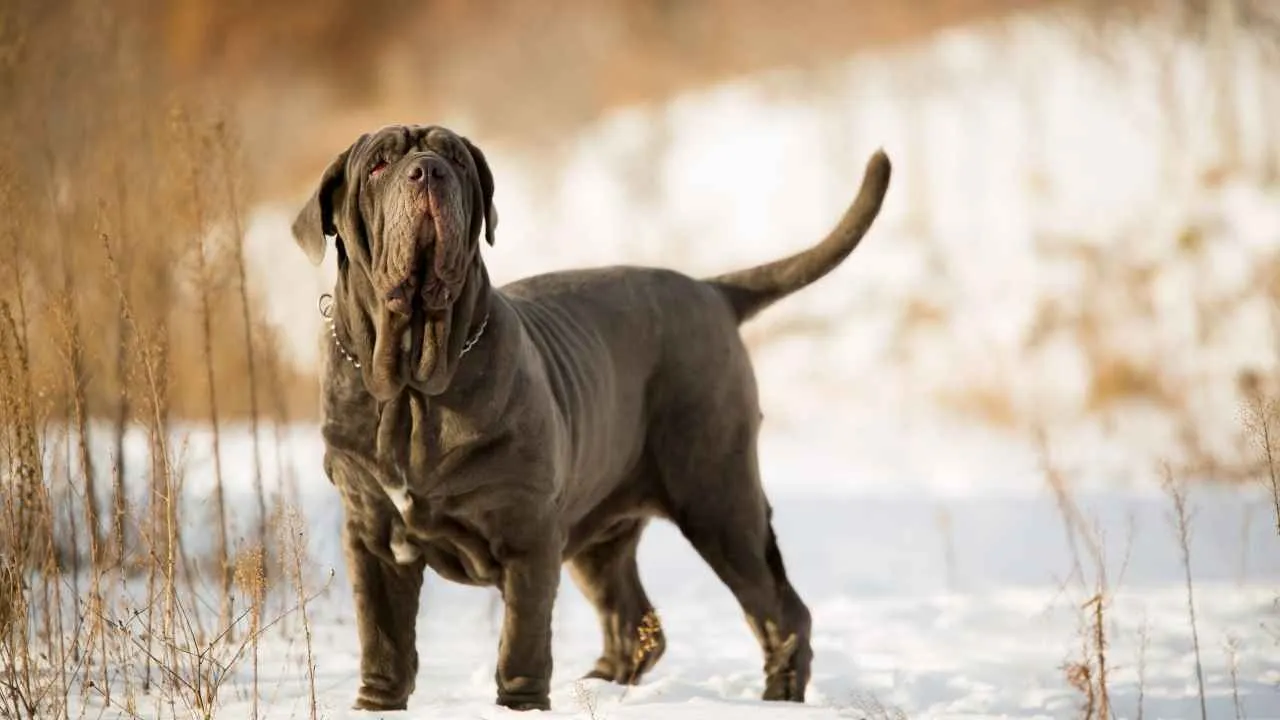
Neapolitan Mastiff commands attention through its enormous frame, heavy wrinkles, and deeply lined face shaped across centuries of guarding work.
Ancient Roman estates relied on this breed for intimidation as much as protection. Even its silhouette creates hesitation before interaction begins.
Structure built for intimidation
These loyal companions combine thick muscle, loose skin, and a massive head into a form that feels almost unreal at first glance. The deeply folded face and hanging lips create an appearance rarely matched among guardian breeds.
Several physical details define that impression:
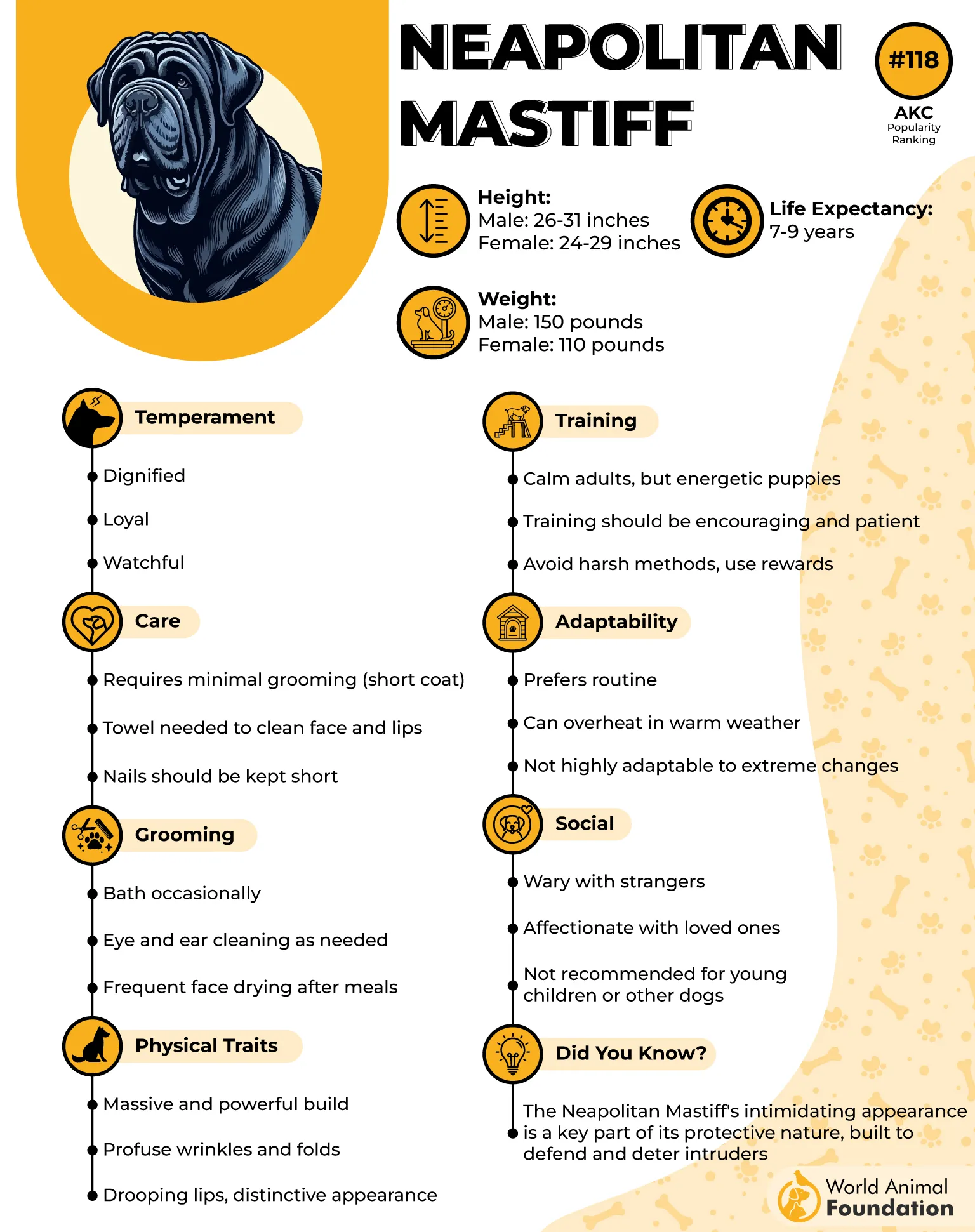
Profuse facial wrinkles and folds
Massive head with heavy expression
Short coat requiring minimal upkeep
Dignity beneath the rugged appearance
This family pet balances its rough, weathered look with an unexpectedly noble demeanor that becomes clearer through daily interaction. Basic grooming remains straightforward, usually limited to occasional bathing and routine cleaning around the eyes, ears, and facial folds.
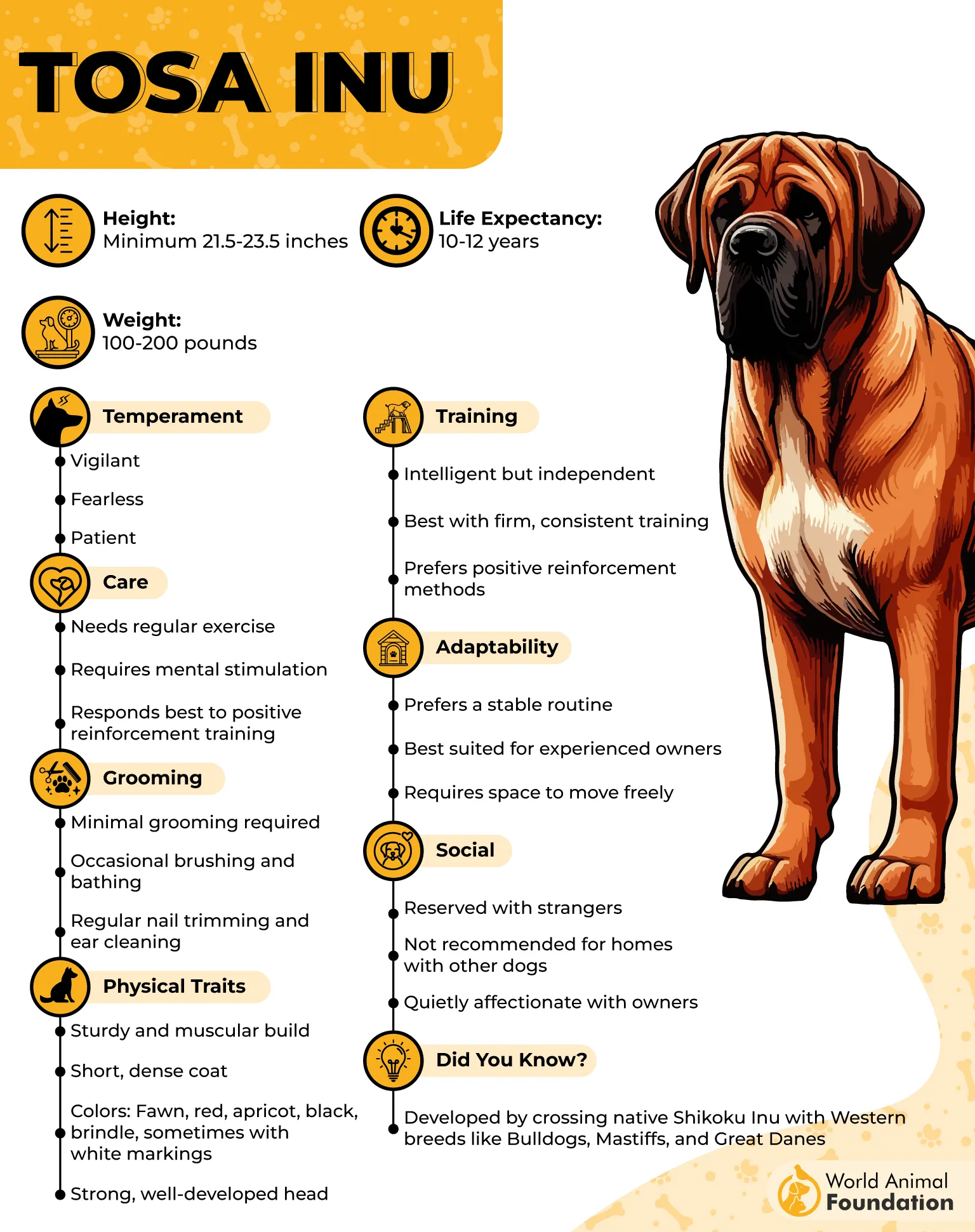
6. Tosa Inu
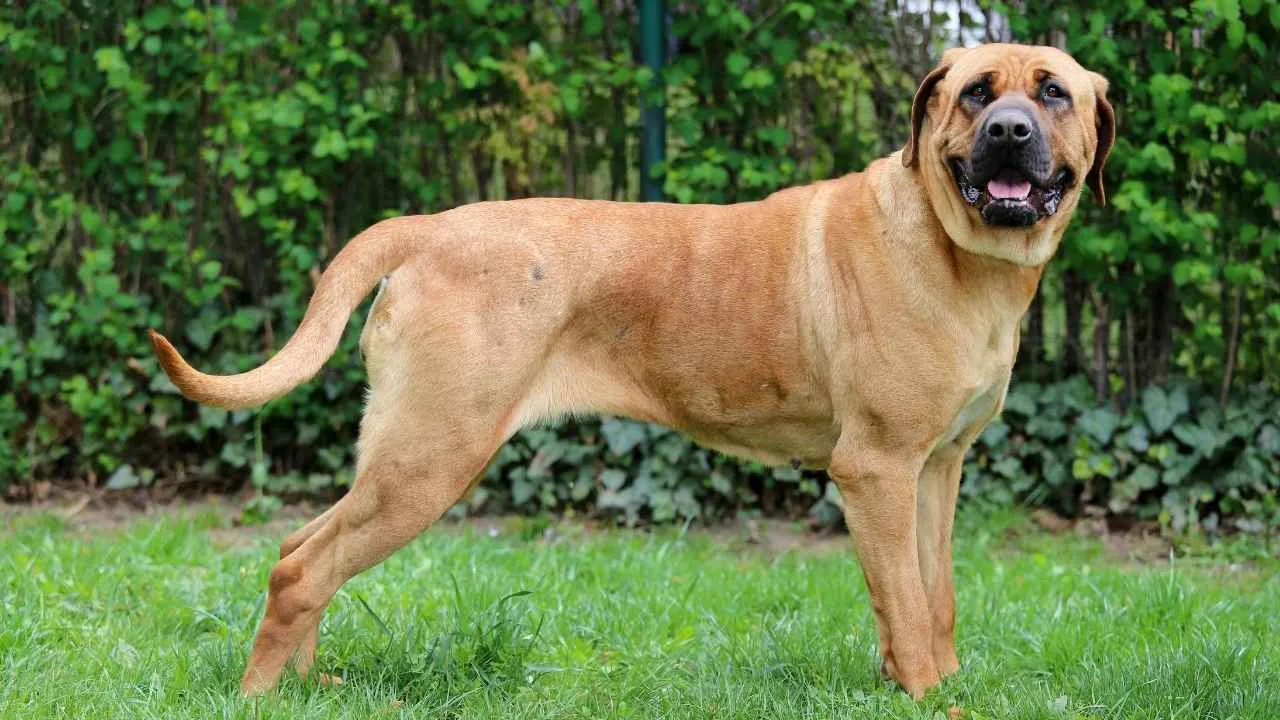
Tosa Inu approaches its surroundings with patience and composure, reflected through a restrained temperament and a solid, stately build. Its behavior leans toward observation rather than unnecessary reaction, creating a quieter form of household protection.
Minimal upkeep
This great guard dog fits easily into routines where constant grooming is not practical, thanks to its short and dense coat. Basic brushing and occasional bathing usually keep the coat clean without extensive maintenance.
Its routine stays fairly straightforward:
Short coat with simple grooming needs
Occasional brushing keeps shedding manageable
Basic bathing routine suits the breed well
Calm around familiar people
They form a quiet attachment within their family circle, often choosing composed interaction over constant attention-seeking behavior.
Around unfamiliar people, the breed tends to remain reserved instead of being overly social. Its reactions toward other dogs can become defensive when territorial boundaries are felt to be challenged.
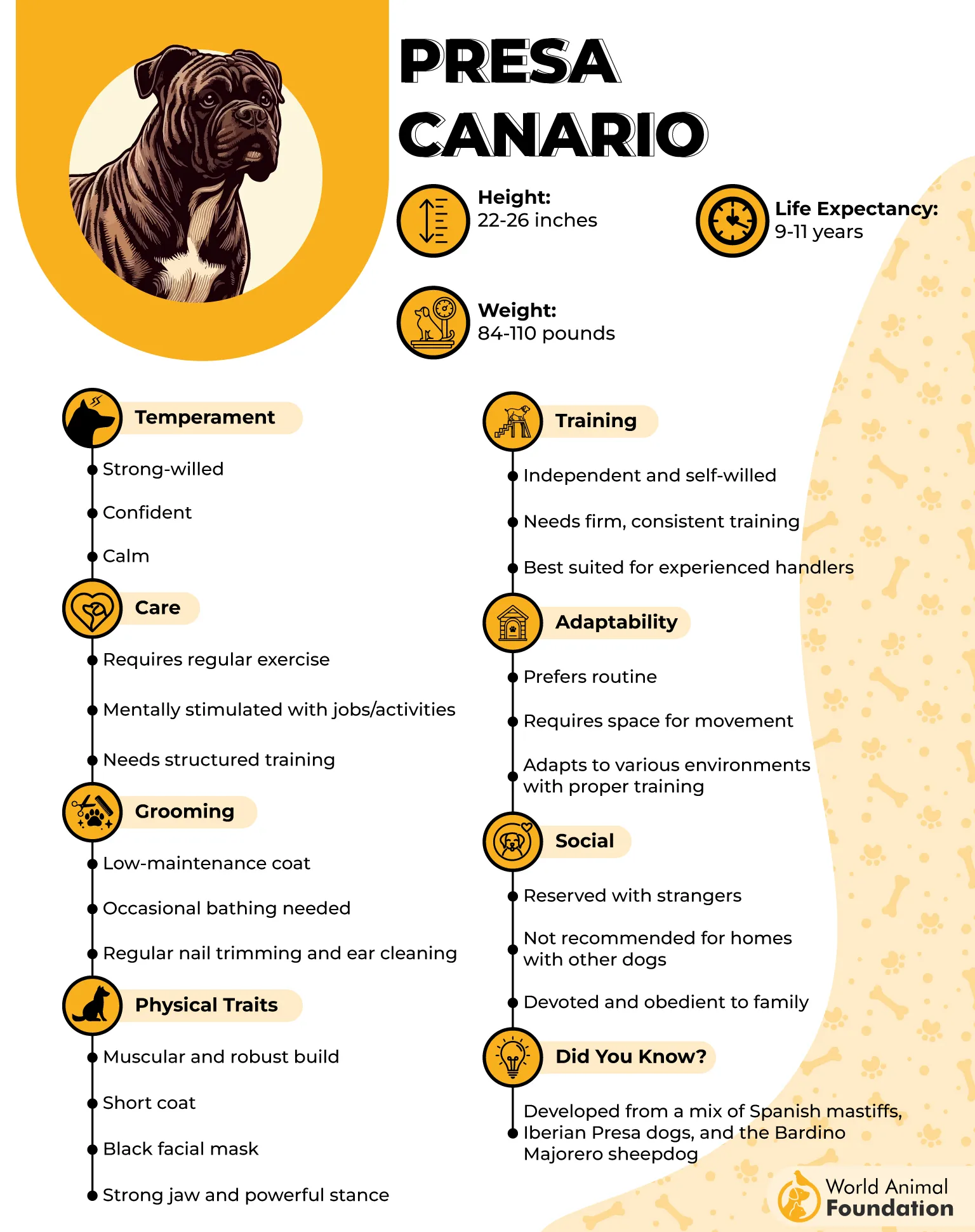
7. Presa Canario
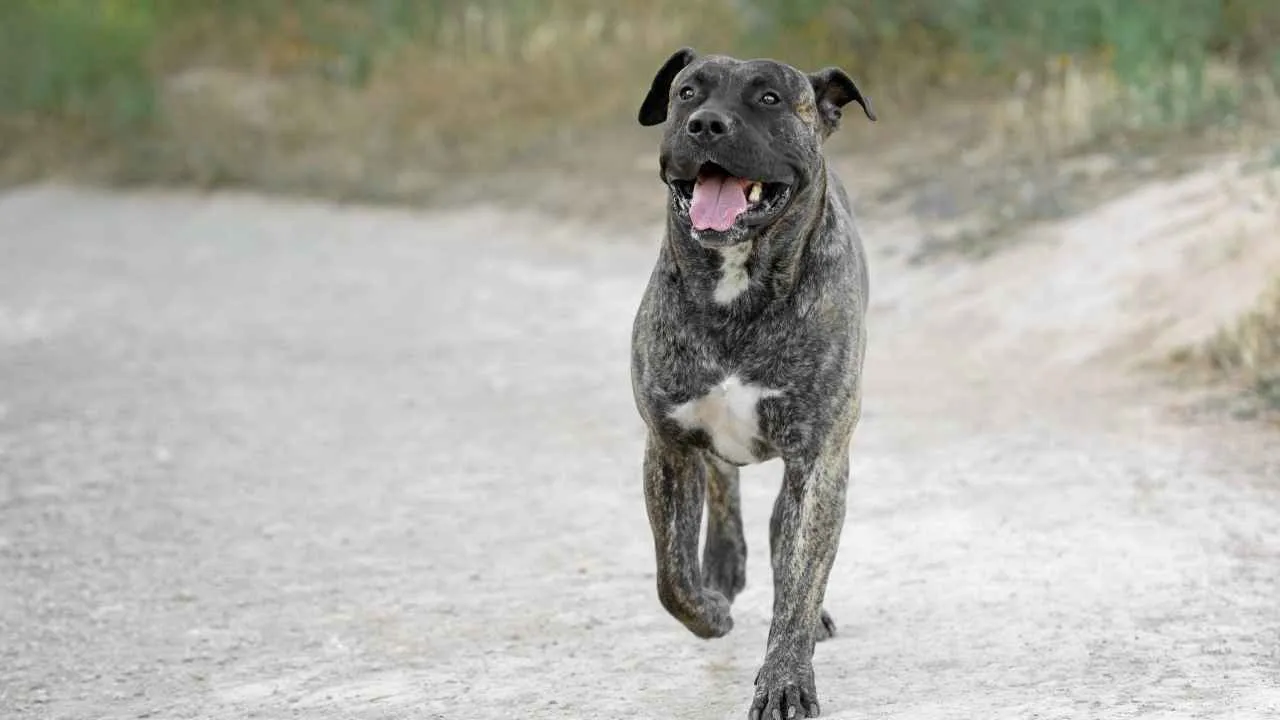
Presa Canario enters a space with a composed expression, dark facial mask, and heavily built structure shaped for control rather than display. Its firm posture and measured awareness create an immediate sense of authority. The breed’s deep, low bark adds to that grounded presence without constant noise.
Built for practical guarding
This furry friend worked closely with cattle handling, shaping a dog that reacts with steadiness and physical confidence. Its balanced temperament reflects a guardian that assesses situations carefully before responding.
That purpose appears through defining traits:
Rectilinear profile with solid muscle distribution
Firm alert stance during unfamiliar situations
Deep bark with controlled vocal behavior
Easy upkeep indoors
They keep grooming demands simple through their short, smooth coat that requires only routine brushing for shed control.
The coat lacks the thick underlayer common in heavier working breeds, reducing intensive maintenance. Weekly grooming sessions usually focus more on loose hair management than coat detangling.
Conclusion
A protective companion does not always need to feel intense or difficult to manage. Some family guard dogs naturally settle into calm household rhythms while still staying aware of what happens around them. They observe first, respond only when needed, and avoid turning small changes into constant noise or stress through their natural guarding instincts.
This steady behavior makes daily life easier, especially in homes that value quiet structure. With early socialization and routine, their presence becomes reassuring rather than overwhelming. The result is a companion that can make excellent guard dogs while still blending smoothly into everyday living.
