




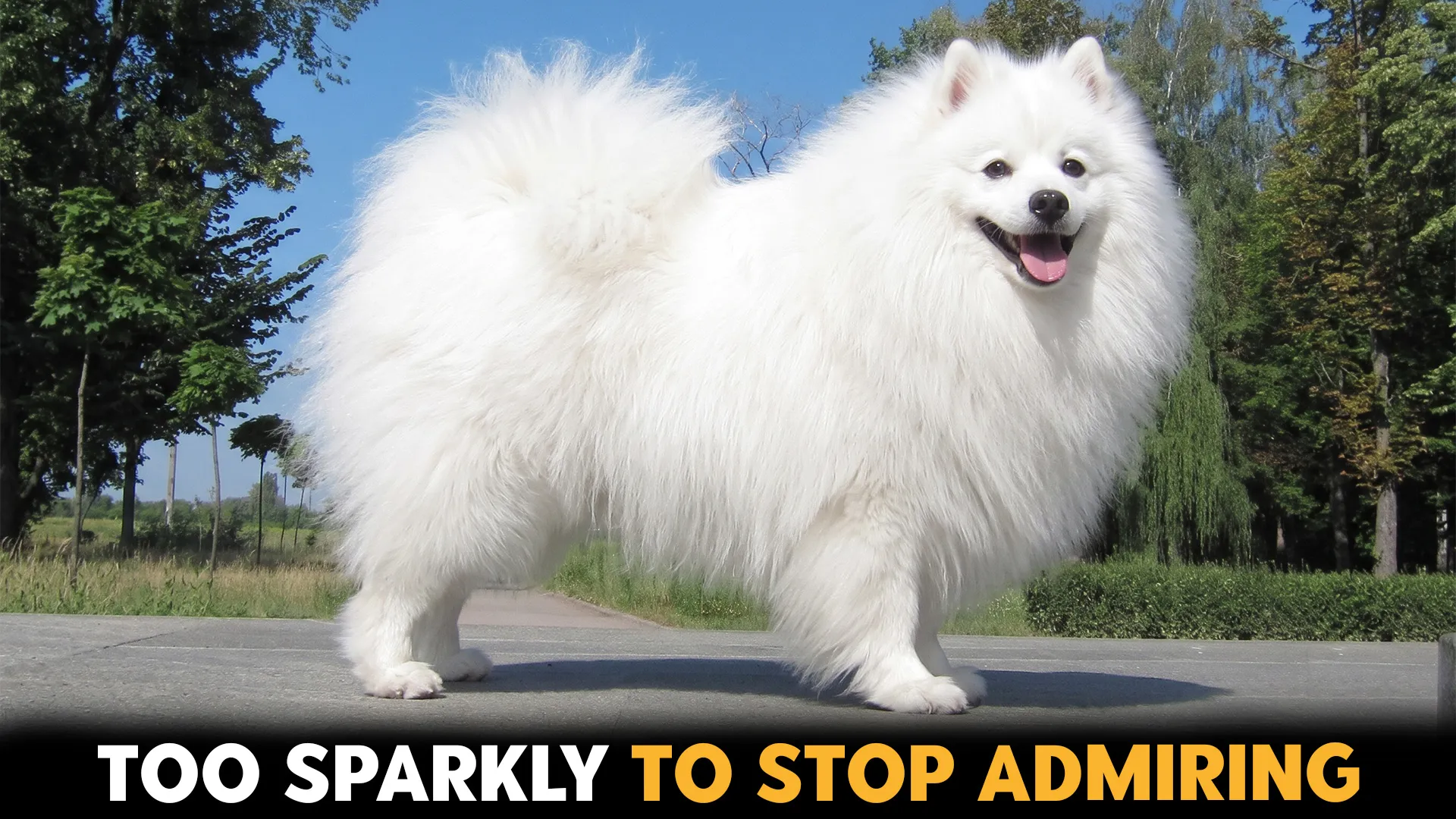
A dog can stand barefoot on ice for hours and never get frostbite, and scientists only recently figured out why.
Researchers found a built-in heat exchange system inside dog paws, keeping blood just warm enough to dodge frostbite in brutal cold, according to Science News Explores.
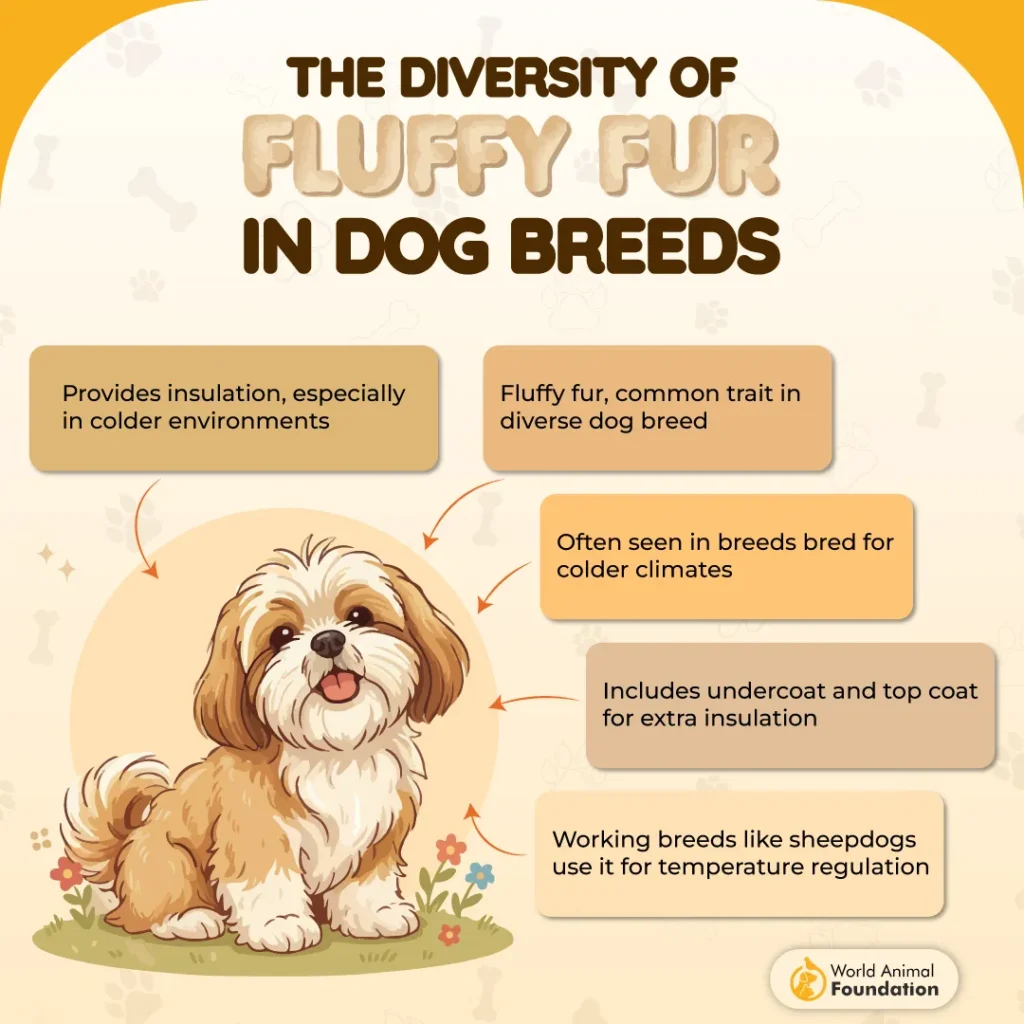
Not every fluffy dog relies on the same trick, though. Some of the fluffiest dog breeds pair that paw system with dense coats, built for the same job.
From compact, teddy bear faces to massive coats made for snow, these small dogs and gentle giants hide real engineering under all that fur. Grooming needs, shedding levels, and comfort in hot weather all differ more than the fluffy look lets on.
Curious which plush paws and coats actually fit your climate and your patience for brushing? Keep reading to find out.
Dog Breeds with Dreamy, Sparkling, Soft Paws and Plush Coats
1. Samoyed
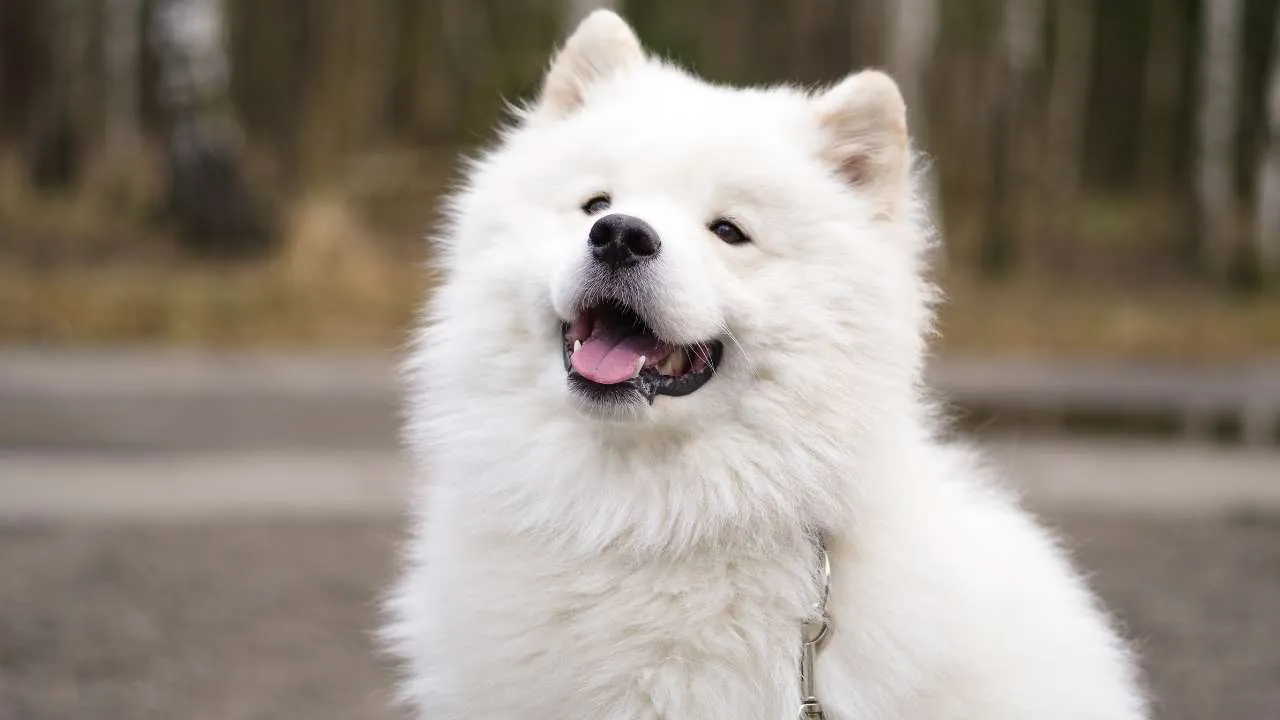
Samoyeds trace back to Siberia, where the Nenets people bred them to herd reindeer and pull sleds. Snow covered the ground most of the year, so sturdy paws mattered. Thick fur grew between the toes for extra grip on ice, according to the AKC.
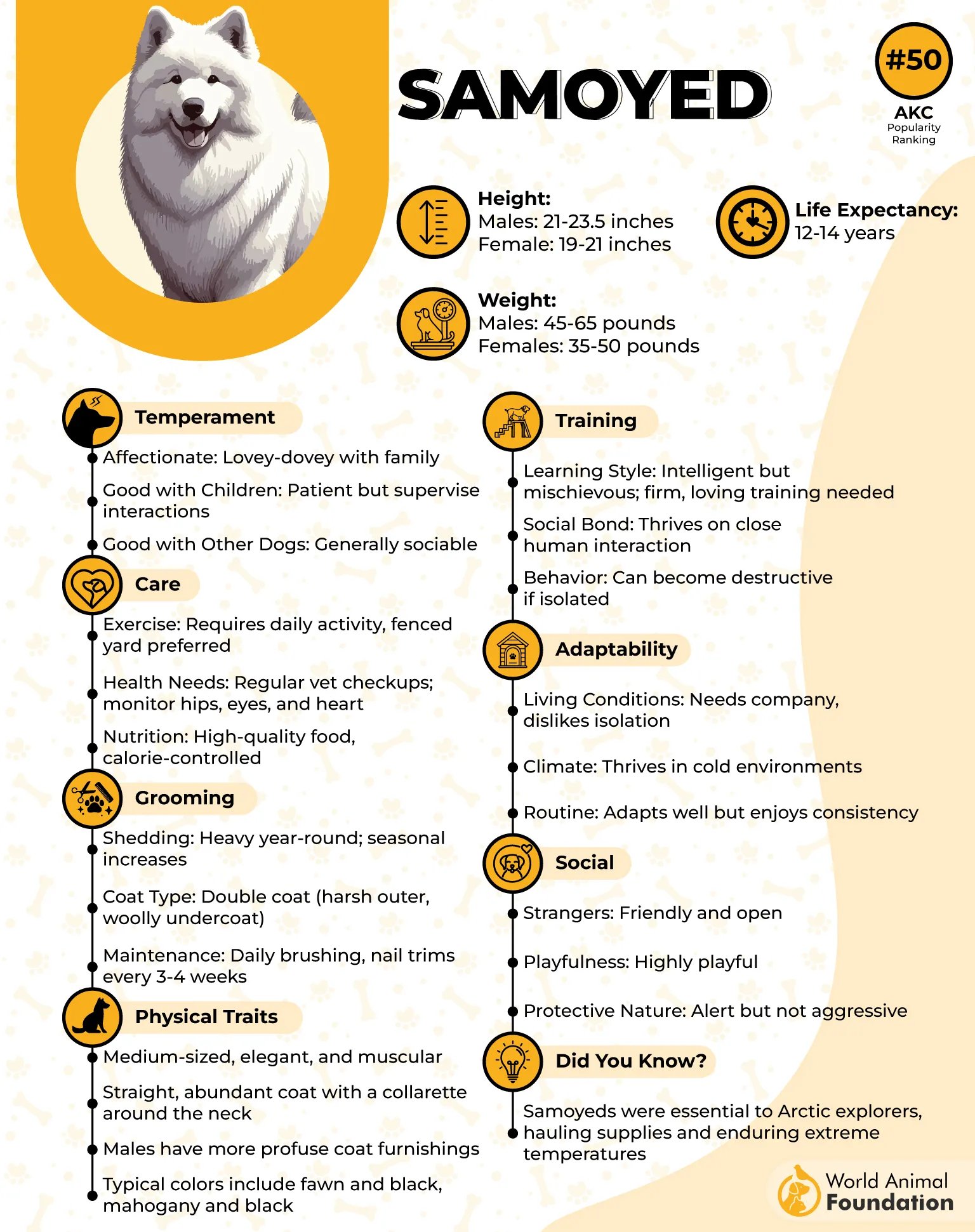
That same thick double coat gives Samoyeds their famous fluffy white coat. A soft undercoat sits beneath a straight, silvery topcoat, built to handle cold climates. The texture feels more like a cloud than fur.
Shedding: Heavy, with a seasonal blowout 2 times a year.
Grooming commitment: Weekly brushing keeps loose hair under control.
Samoyeds have a permanent upturned mouth, nicknamed the Sammy smile. It stops drool from freezing onto their fur in freezing weather. A built-in cold weather trick hiding behind a grin.
2. American Eskimo Dog
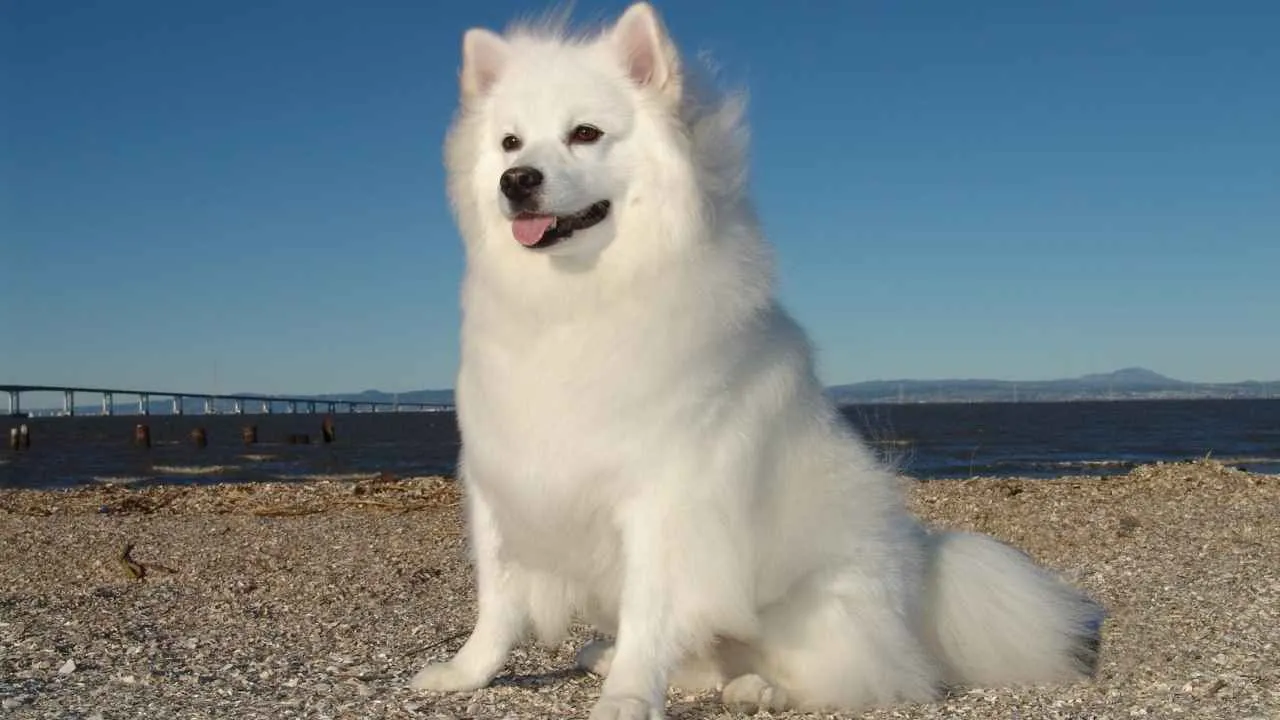
American Eskimo Dogs descend from European Spitz breeds raised on cold German farms. Those farms demanded dogs that could work outside through harsh winters. Fur-covered paws kept the cold from creeping in during long days outdoors.
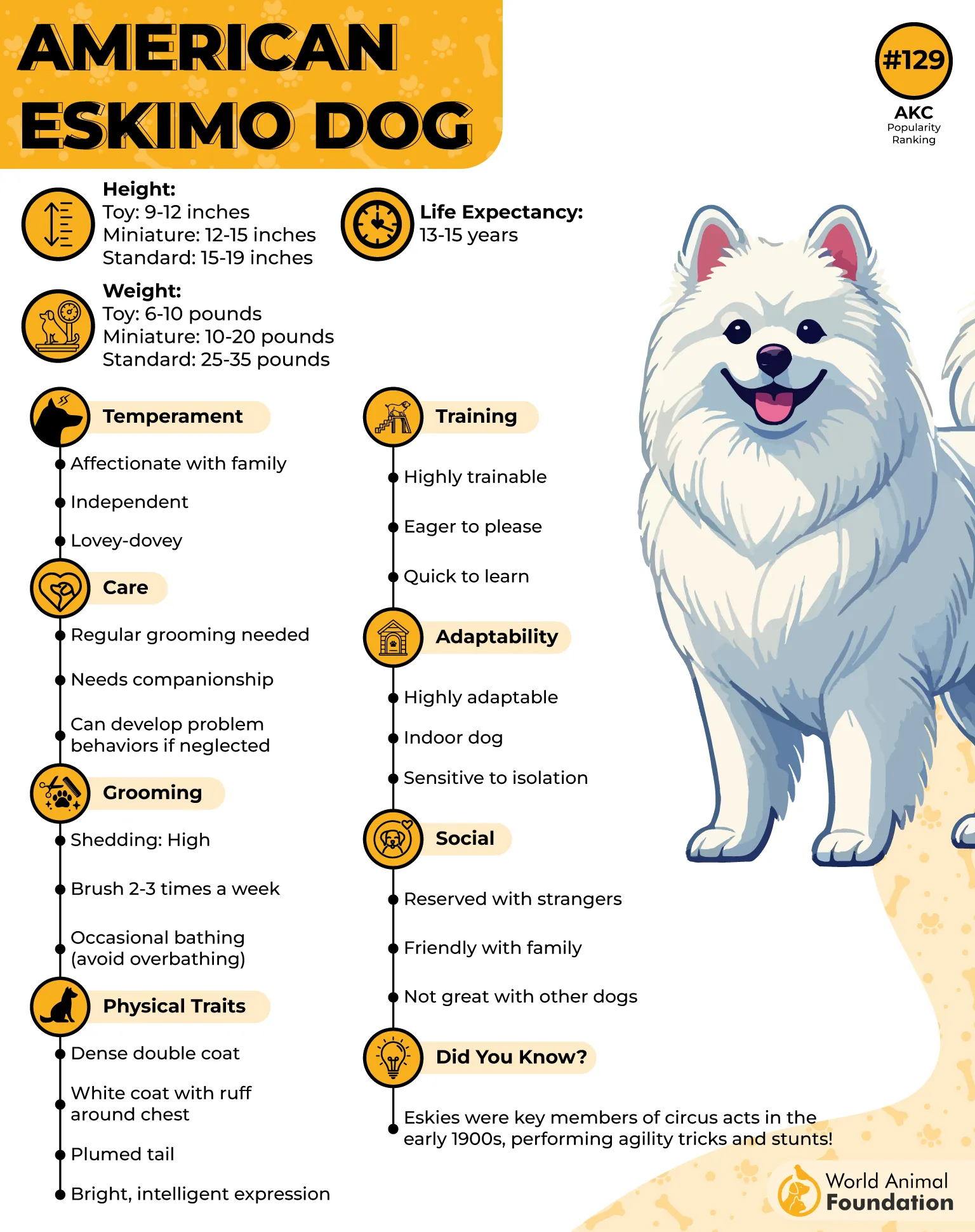
The breed carries a thick double coat in white fur or cream. It stands off the body in a fluffy appearance. Underneath, a dense undercoat does the real work.
Shedding: Constant shedding year-round, with heavier bouts 2 times a year.
Grooming commitment: Brushing 2 to 3 times a week prevents tangles.
The name is a bit of a myth, though. American Eskimo Dogs actually came from German Spitz stock, renamed during anti-German sentiment in the early 1900s. It is one of the oddest name stories in the dog world.
3. Pomeranian
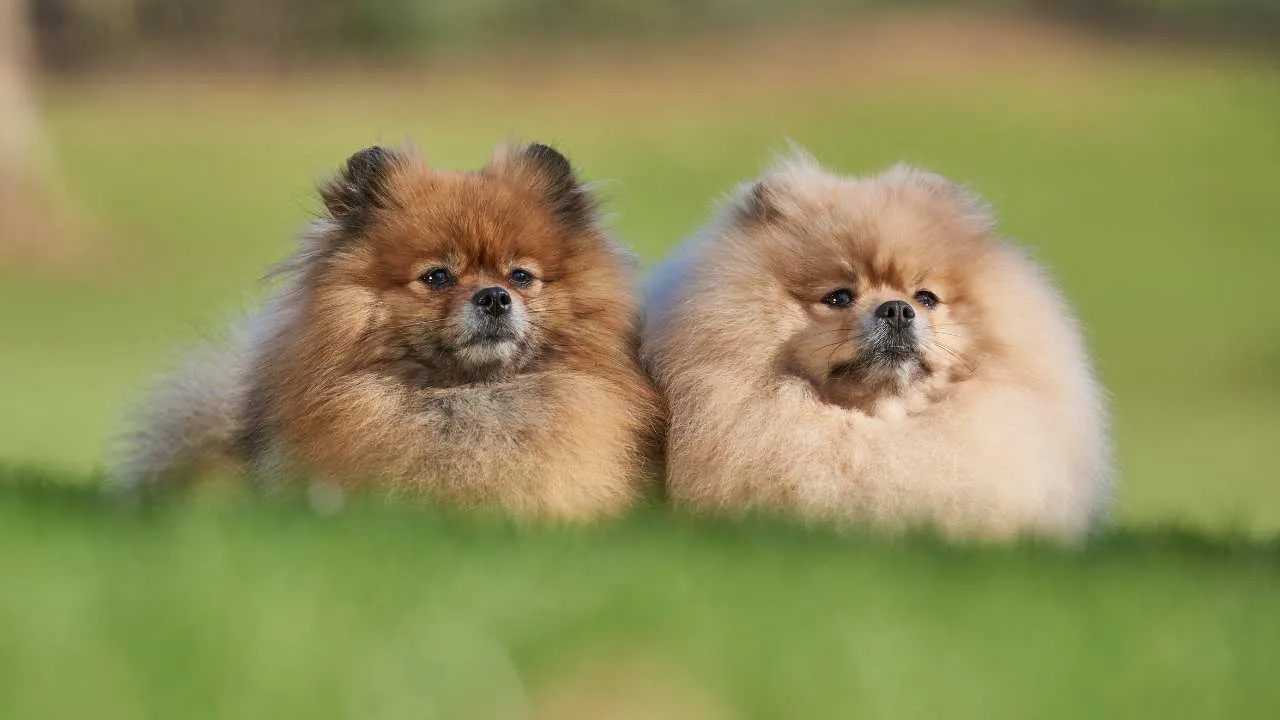
Pomeranians descend from much larger Spitz dogs once used for sledding in cold regions. Breeders in the Pomerania region shrank the breed down over generations. Tiny paws still carry a dusting of the original fur padding for warmth.
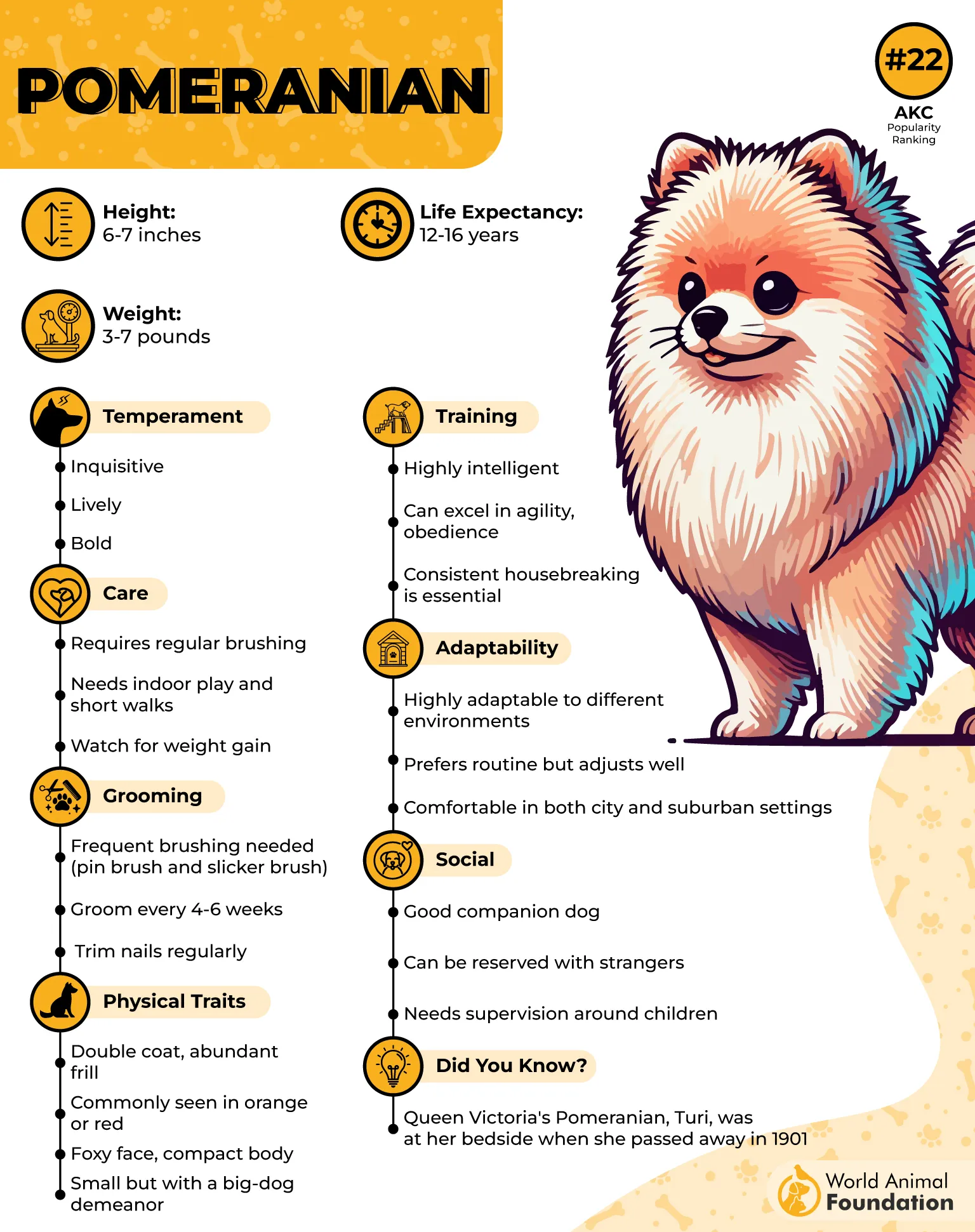
A Pomeranian’s coat is pure drama, with a dense undercoat pushing a long, harsh topcoat straight out. That fluffy fur gives this small fluffy dog breed its signature round silhouette.
Shedding: Moderate shedding, with heavier loss during coat blowouts.
Grooming commitment: Daily brushing prevents mats close to the skin.
Pomeranians once weighed far more before Queen Victoria fell for a smaller one and popularized the pint-sized version. That royal fashion shrank the breed within a few generations. A toy dog with a sled dog’s family tree.
4. Old English Sheepdog
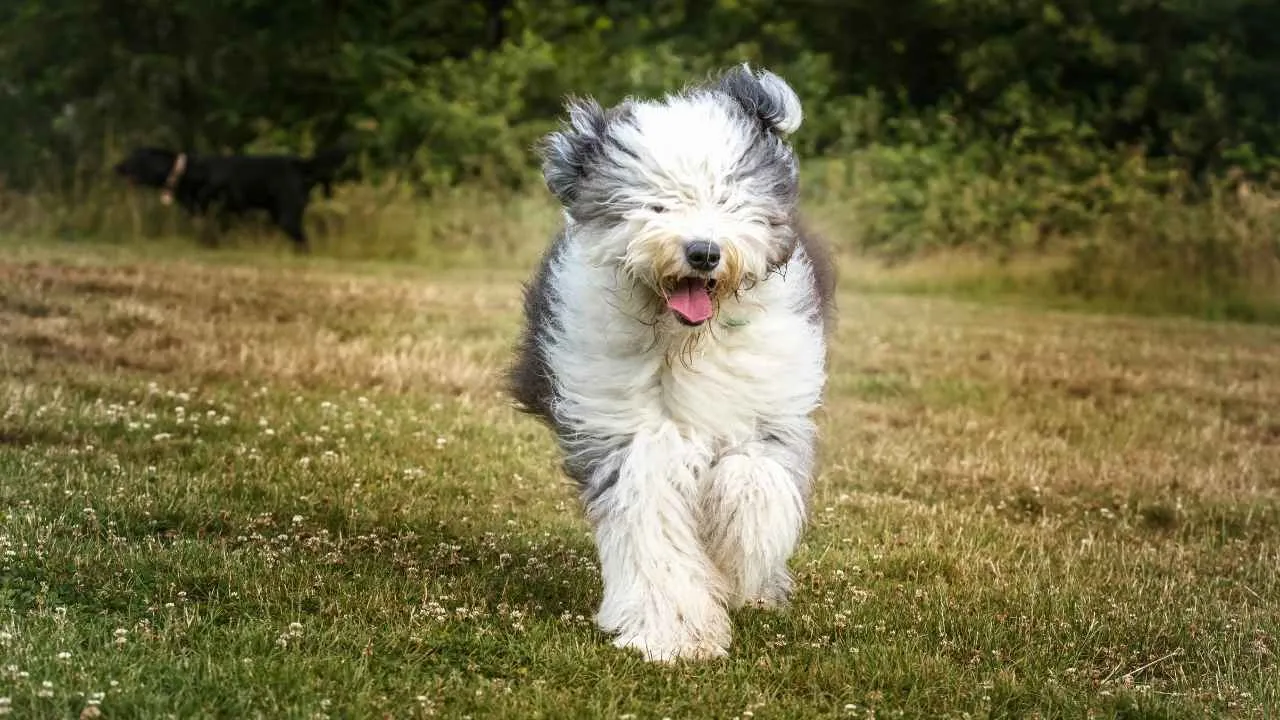
Old English Sheepdogs were bred in the English countryside to drive cattle and sheep to market. Long days outdoors meant paws exposed to mud, brambles, and damp cold. Fur grew thick around the feet to guard against the mess.
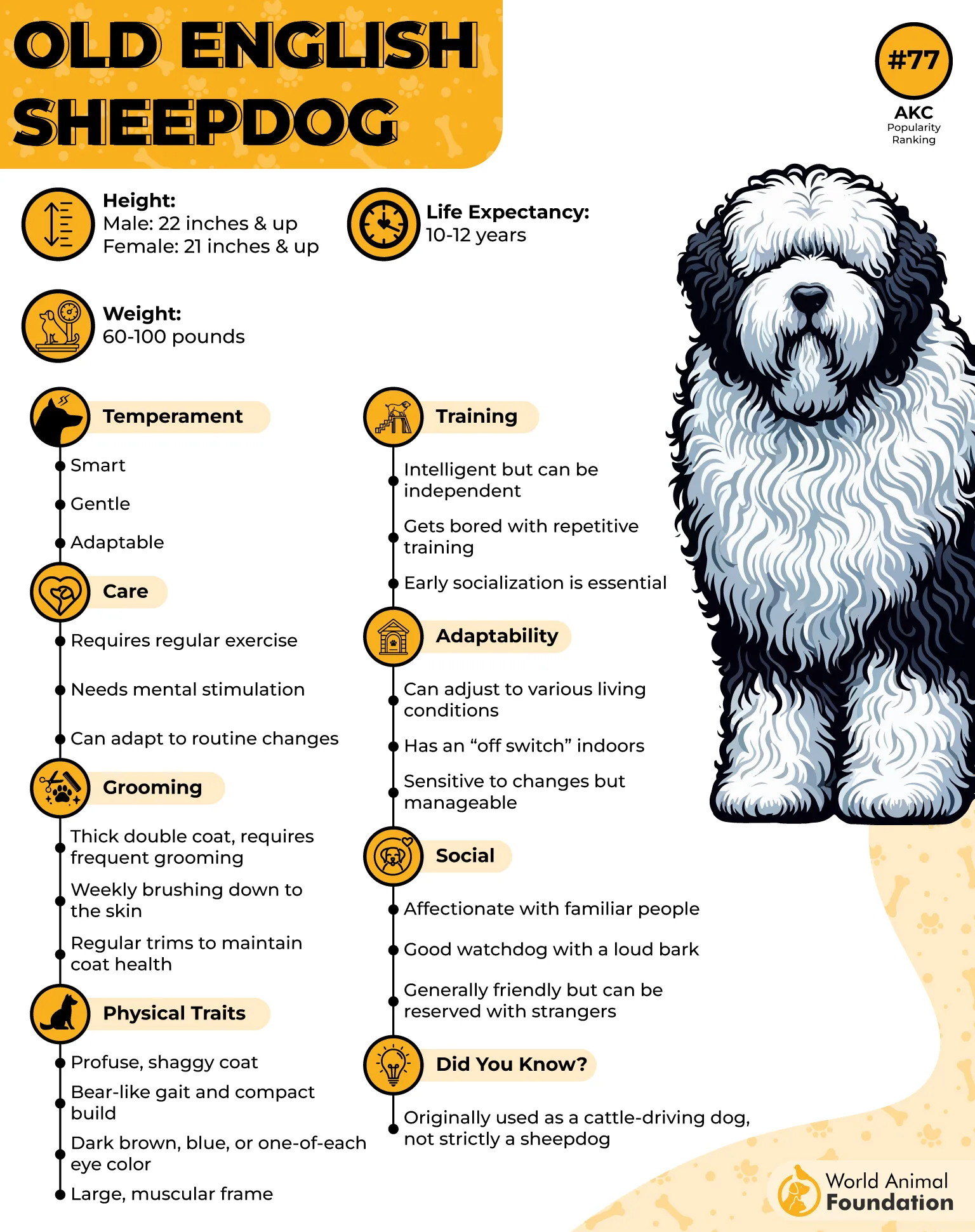
The breed’s coat is famously shaggy, falling over the eyes in a hallmark look. That thick double coat insulated working dogs through cold, wet English winters. Many owners say the gray and white pattern makes the coat even more eye-catching.
Shedding: Moderate shedding, but mats form fast without upkeep.
Grooming commitment: Professional grooming every few weeks, plus daily brushing.
That heavy fringe hides the eyes completely, yet the breed still carries an expressive face. Herders say the dog works more by bump and nudge than bark. A gentle giant hiding under all that fur.
5. Chow Chow
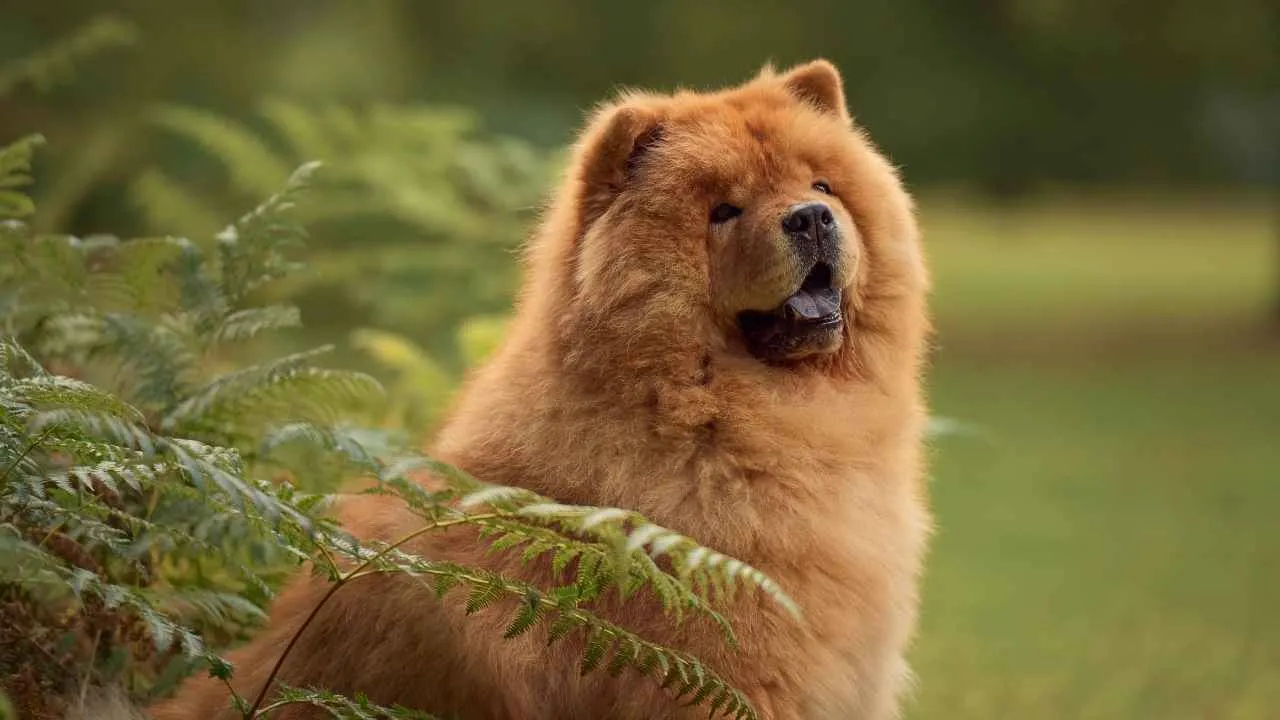
Chow Chows originated on the cold plateaus of northern China. The terrain demanded sturdy, round paws for solid footing. Historical accounts describe the breed pulling carts, guarding property, and hunting there, according to PDSA.
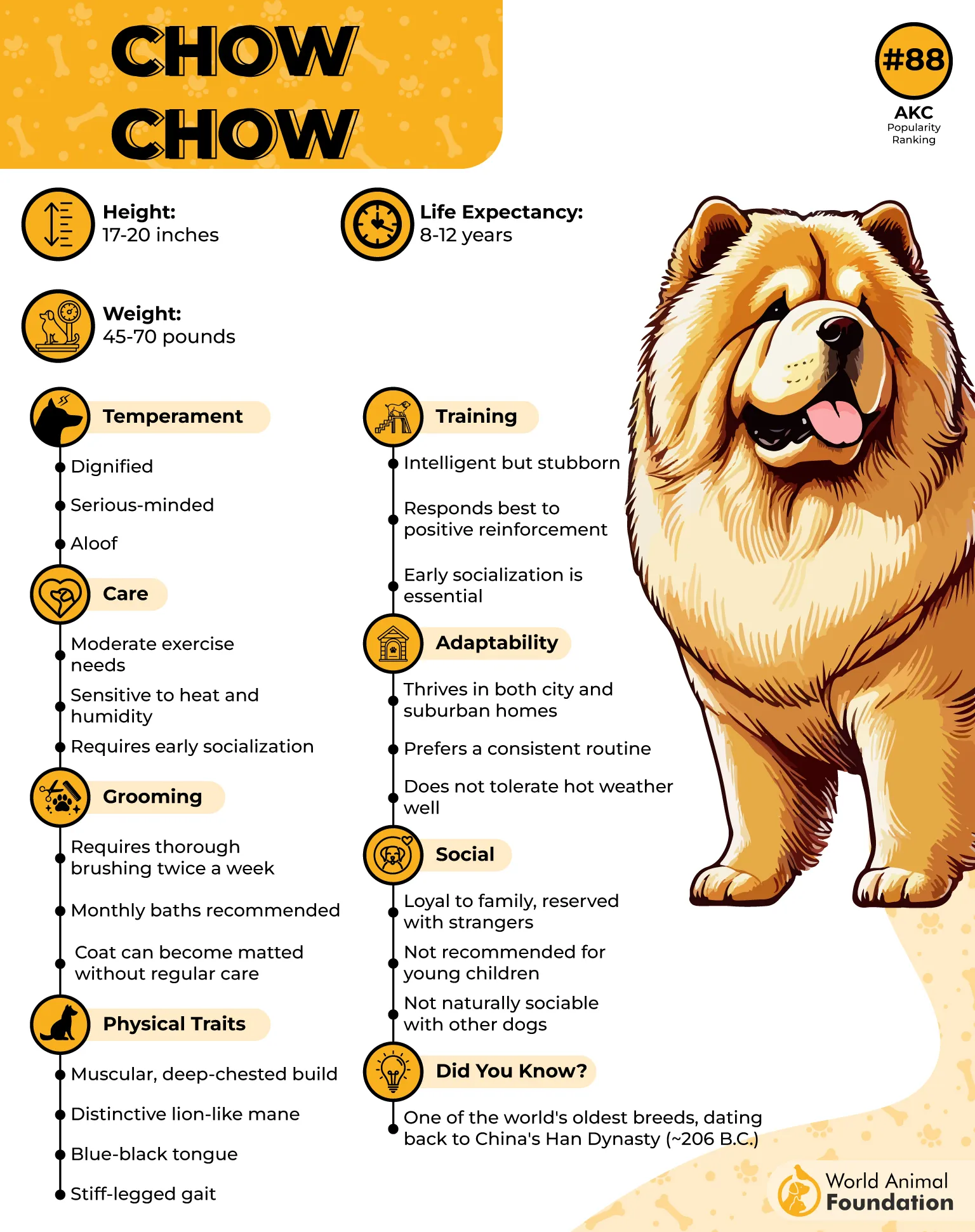
A Chow Chow’s coat forms a thick mane around the neck, often compared to a lion-like mane. Underneath, a dense, standoff double coat traps warmth close to the skin. The texture feels coarse on top but surprisingly soft underneath.
Shedding: Constant shedding with 2 major blowouts a year.
Grooming commitment: Consistent brushing several times a week prevents matting.
Chow Chows walk with an unusually stiff, straight-legged gait found in few other breeds. The hind legs barely bend, giving each step a small bounce. A quirky trait tied directly to those sturdy paws.
6. Great Pyrenees
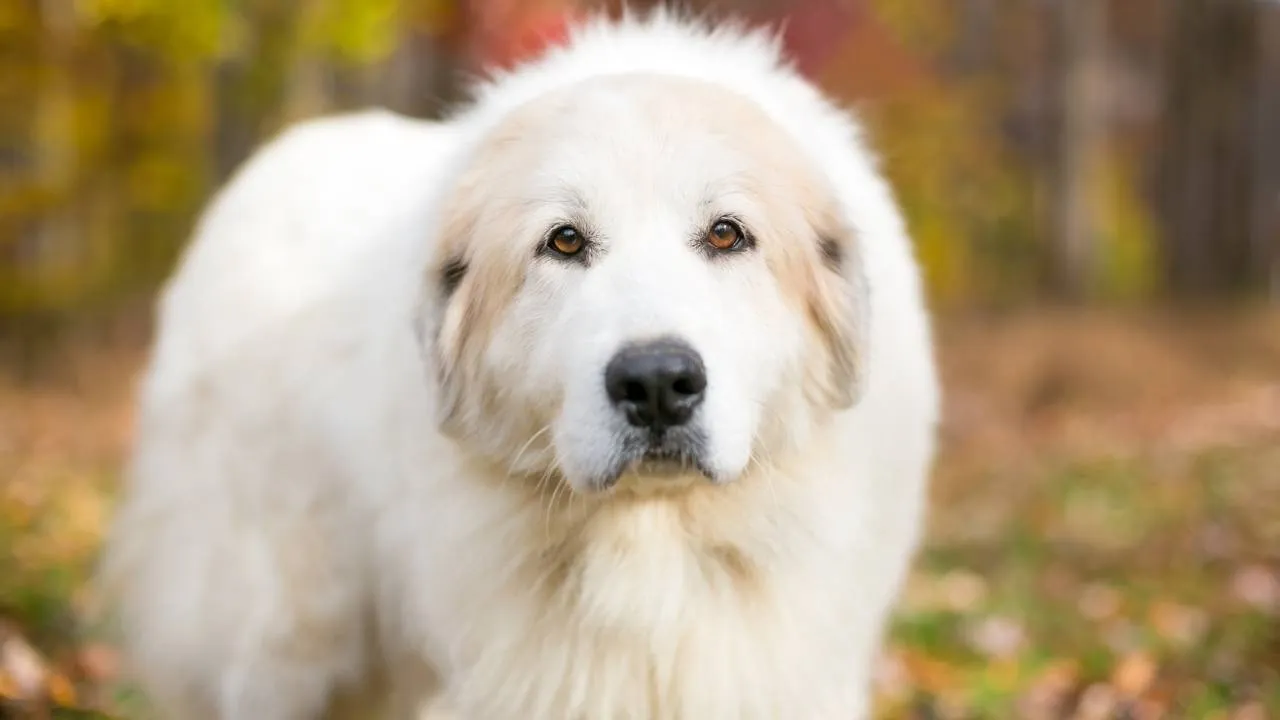
Great Pyrenees were originally bred to protect livestock high in the Pyrenees Mountains. Snow and loose rock covered much of that terrain year-round. According to Britannica, the breed developed double dewclaws on its back feet for extra grip.
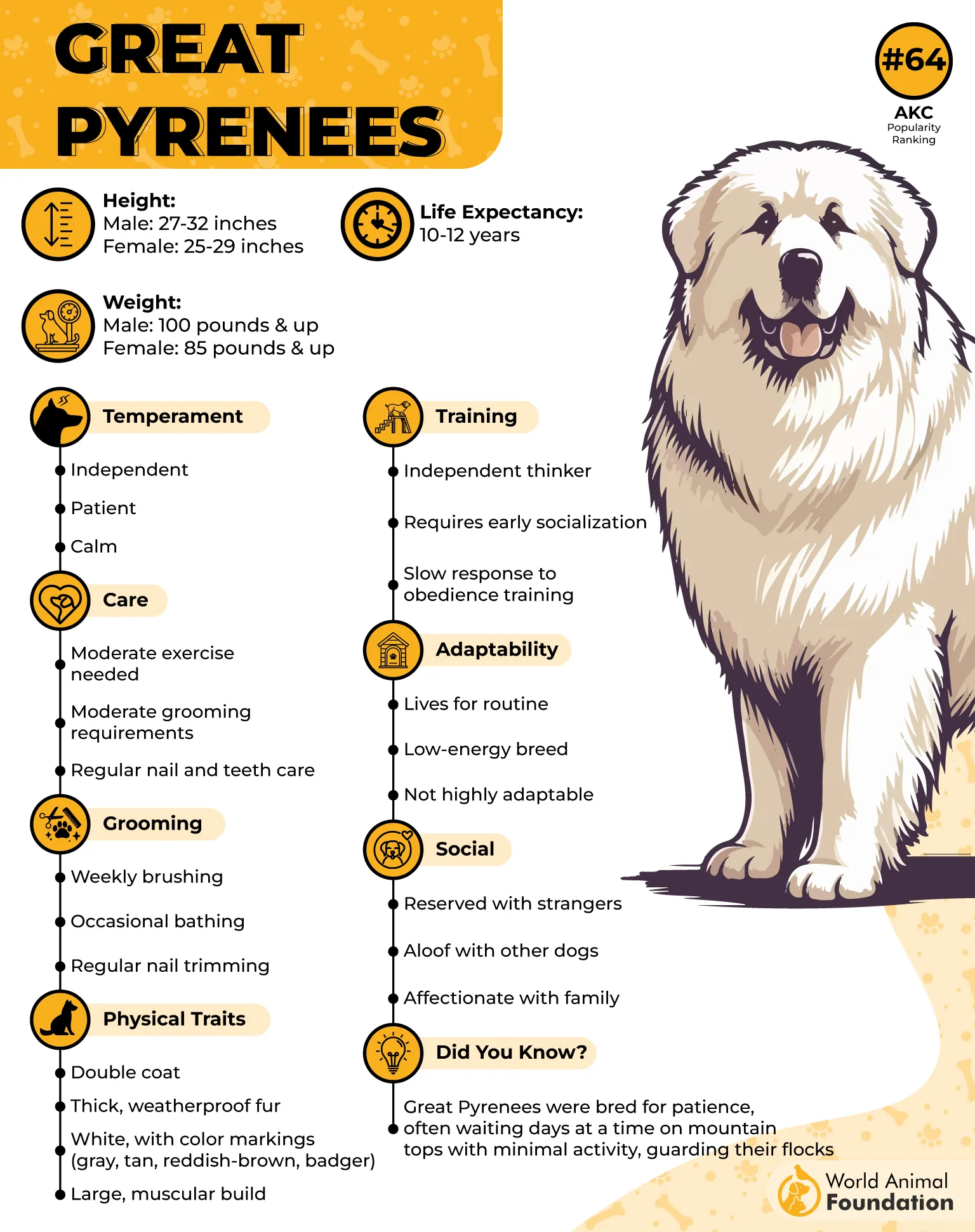
The coat combines a coarse, weather-resistant topcoat with a soft, dense undercoat below. That pairing gives Great Pyrenees their luxurious coats and that classic white fluffy dog look. It also explains the breed’s massive size and heavy, insulated frame.
Shedding: Heavy shedding, with a dramatic blowout each spring.
Grooming commitment: Weekly brushing, more often during peak shedding season.
Great Pyrenees once worked alone for days, guarding flocks without human instruction. That independent streak can look a bit aloof to new owners. A true gentle giant with a mountain guardian’s confidence.
7. Japanese Spitz
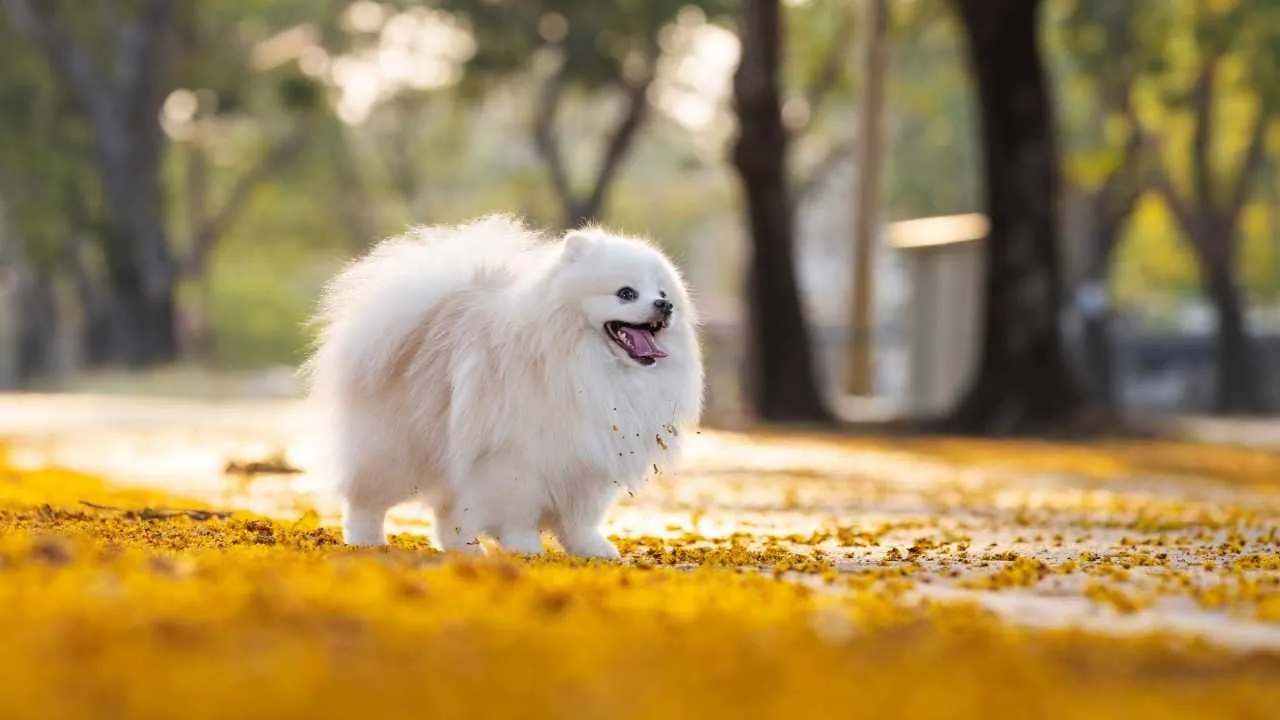
Japanese Spitz dogs descend from German Spitz and Samoyed-type ancestors bred for cold weather. Breeders in Japan refined the look in the early 1900s into a companion dog. The paws still carry that northern heritage, with fur growing between the toes.
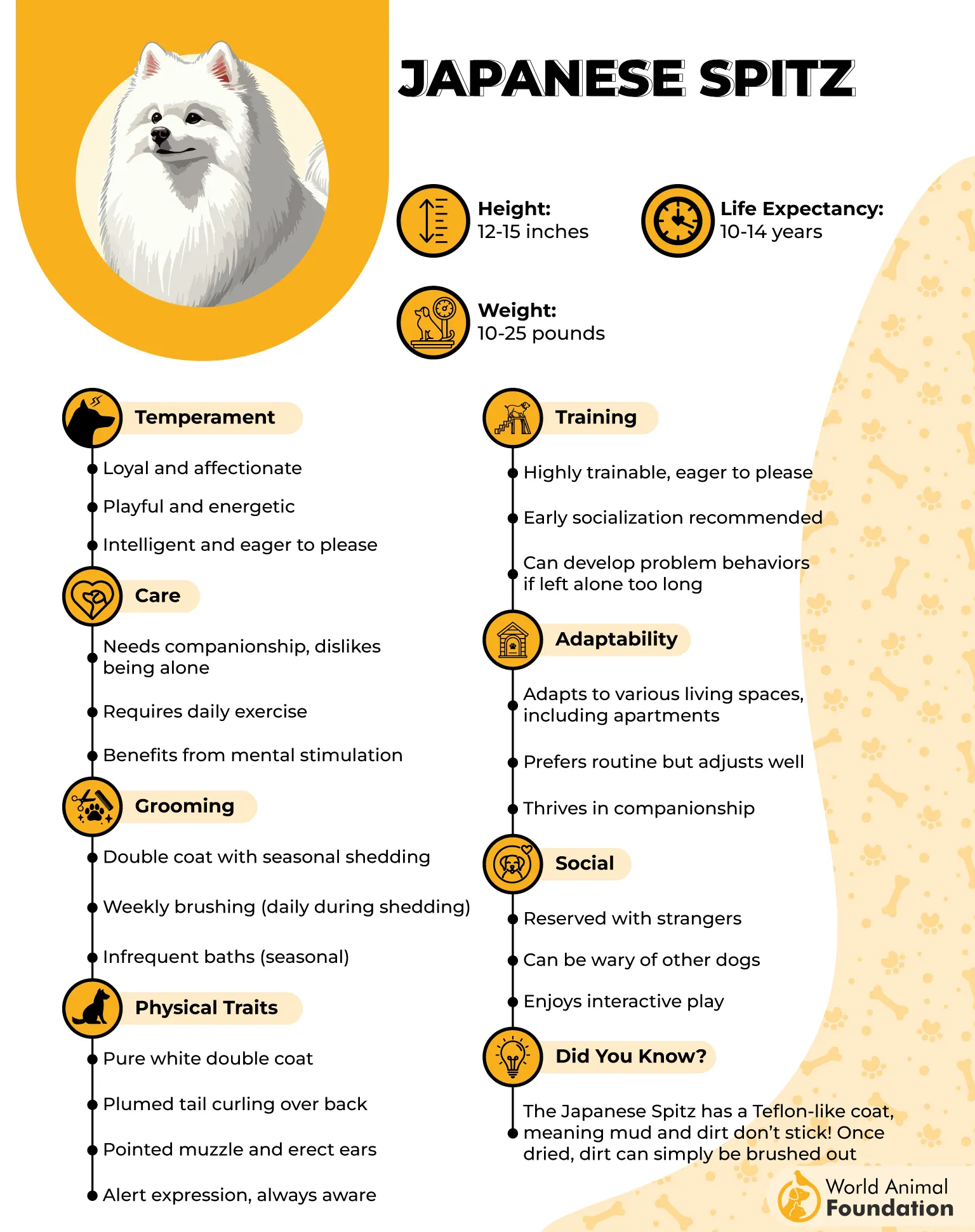
The coat stands straight out from the body in a pure white coat that never seems to dull. That fluffy white coat sheds dirt almost on its own, staying remarkably clean. Underneath sits a soft, dense undercoat doing the insulating work.
Shedding: Moderate shedding, with seasonal coat blowouts.
Grooming commitment: Weekly brushing keeps the coat looking its best.
Japanese Spitz coats resist dirt so well that owners nickname them the wash-and-wear breed. Mud tends to dry and brush right out instead of staining. Easier maintenance than the fluffy look suggests.
8. Newfoundland
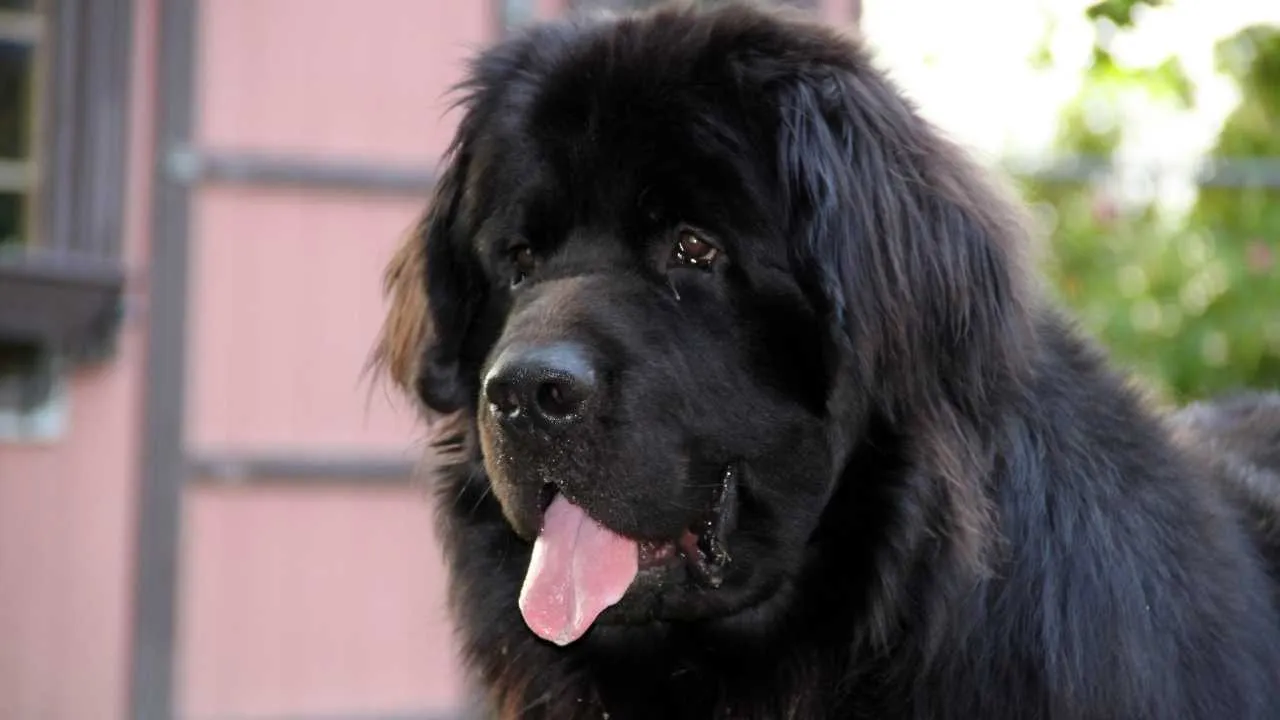
Newfoundlands were bred on the island of Newfoundland to help fishermen haul nets and gear. Cold ocean water demanded strong swimming ability, not just snow resistance. According to PetMD, the breed developed webbed feet built specifically for powerful swimming.
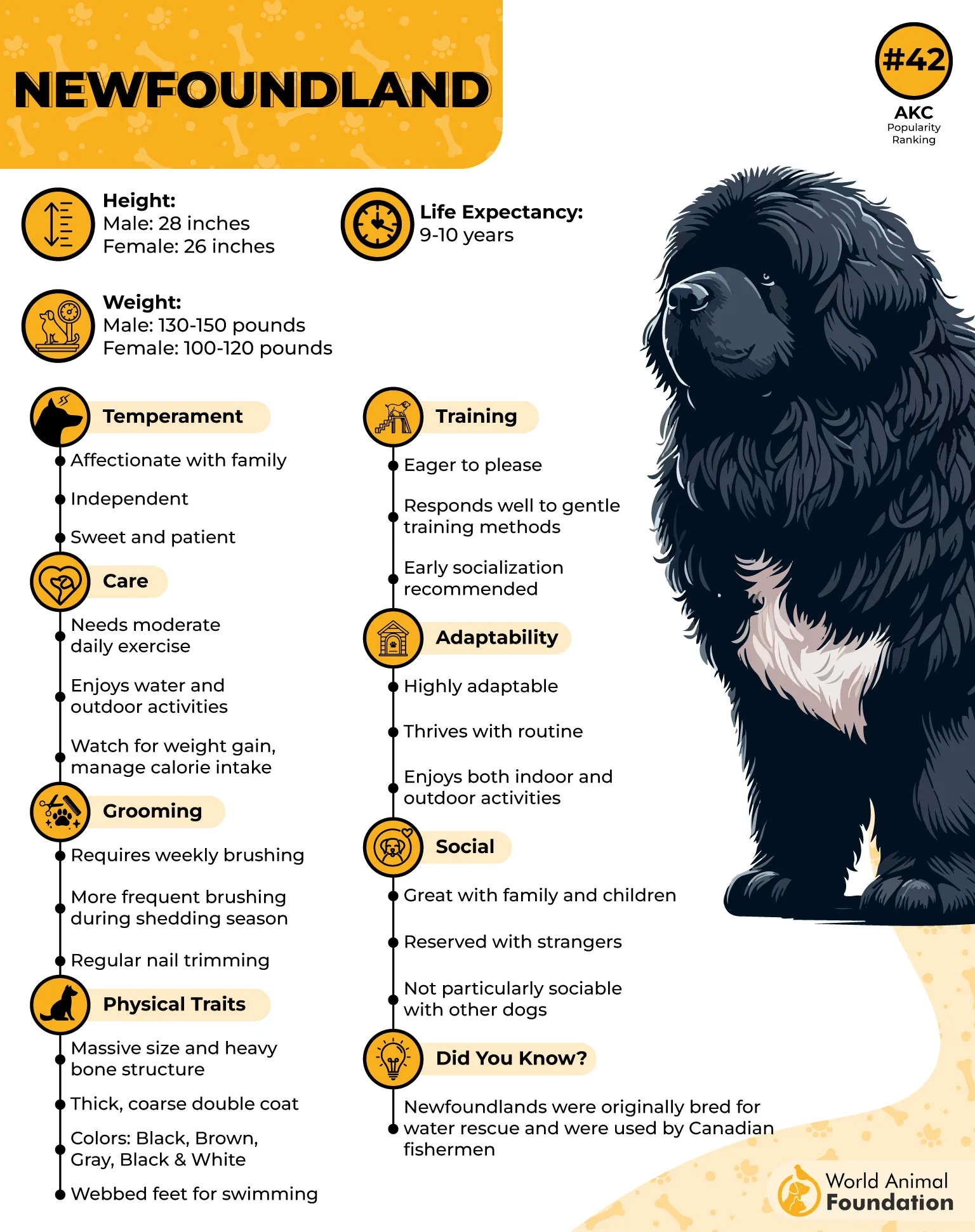
A Newfoundland’s coat is a thick double coat that repels water almost like a raincoat. That same coat handles cold climates on land just as well as cold water. The outer layer feels coarse, while the undercoat stays soft and dense.
Shedding: Heavy shedding, especially during seasonal coat changes.
Grooming commitment: Daily brushing prevents the dense undercoat from matting.
Newfoundlands are nicknamed gentle giants for good reason, with a calm nature around children. Lifeguards once used the breed for actual open water rescues. A paw built for water, wrapped in a coat built for cold weather.
9. Keeshond
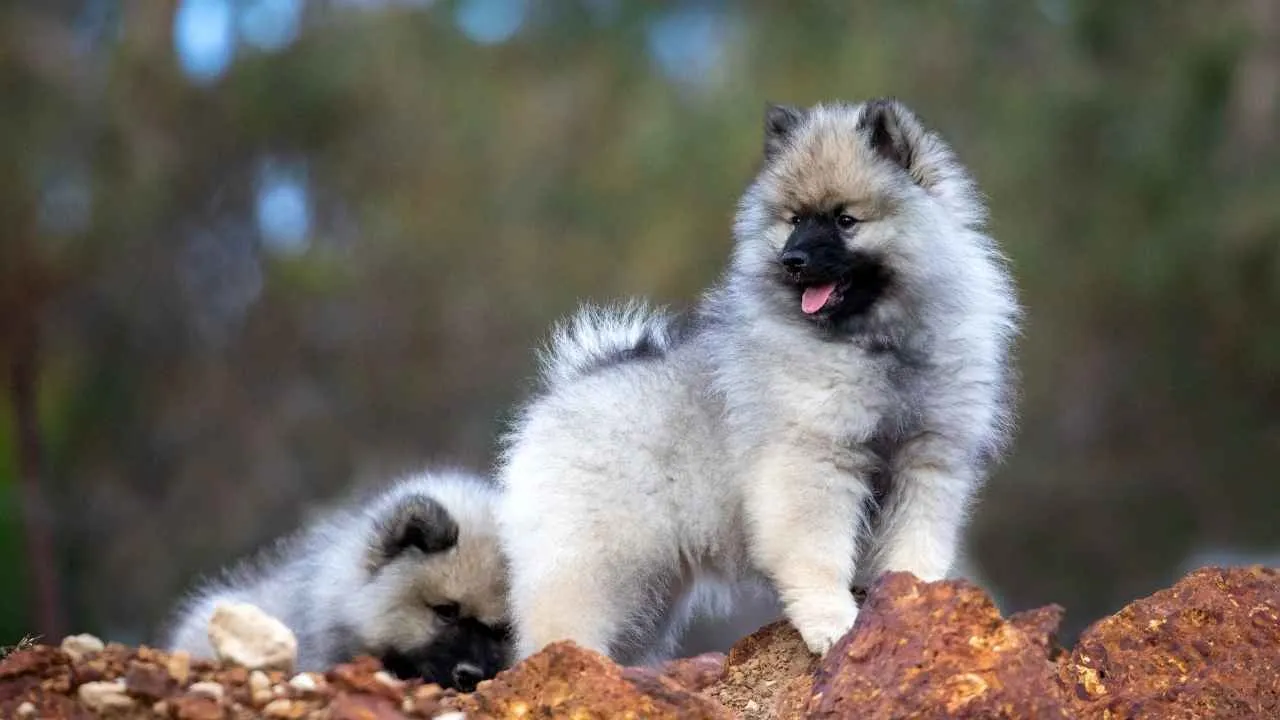
Keeshonden worked as watchdogs aboard barges navigating the cold rivers of the Netherlands. Chilly, damp decks called for paws with real insulation built in. Fur grew dense around the feet, a trait inherited from spitz ancestors bred for cold weather.
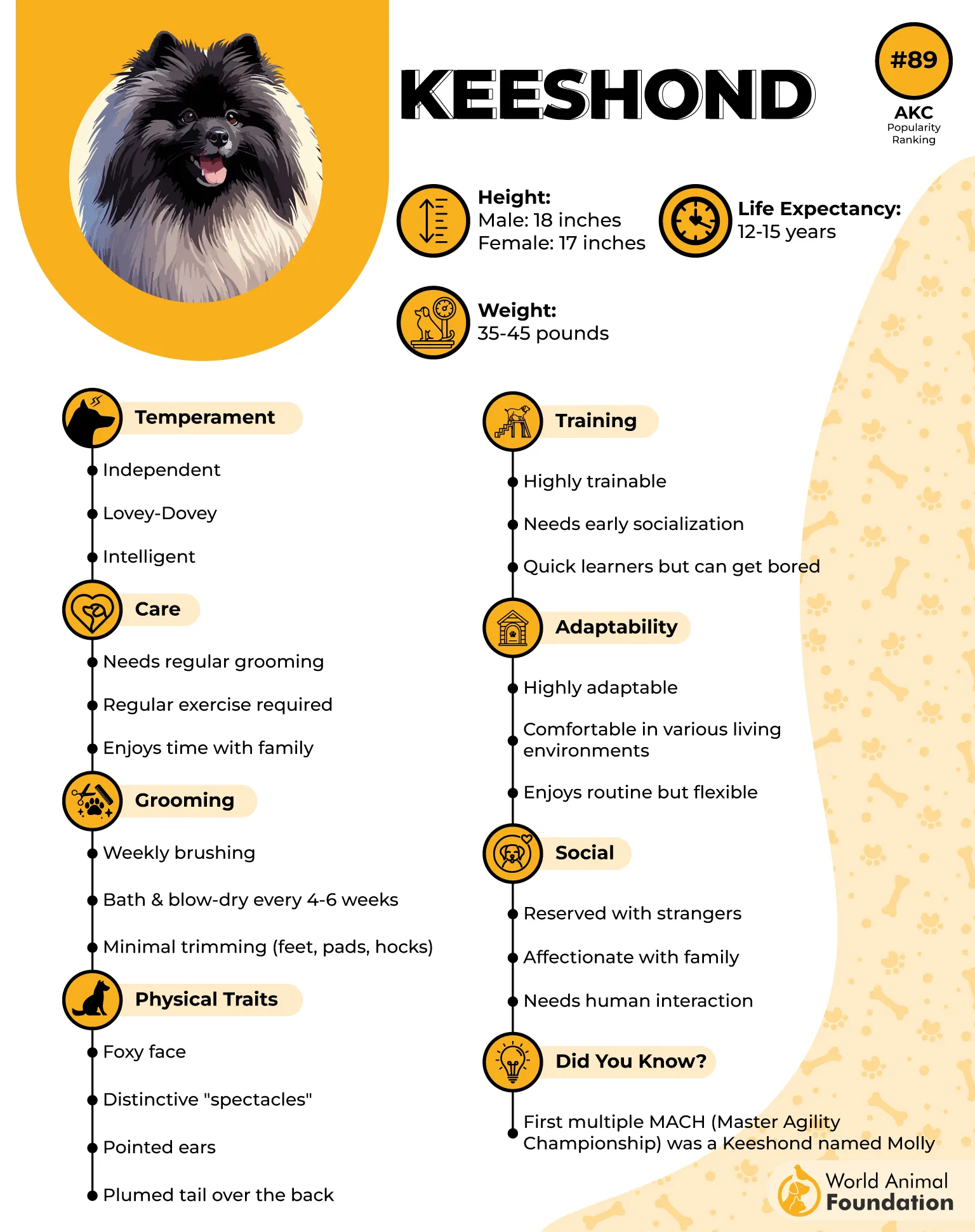
The coat stands out in a thick double coat with a soft undercoat beneath a longer ruff. That combination gives the Keeshond a fluffy appearance and a lion-like mane around the neck.
Shedding: Moderate shedding with a heavier blowout 2 times a year.
Grooming commitment: Regular brushing 2 to 3 times a week.
Keeshonden have a distinctive marking around each eye, often called spectacles. According to Purina, this facial pattern is a defining feature of the breed. A small detail that makes an expressive face even more memorable.
Conclusion
Not all fluffy dogs handle the same weather, and that is the real lesson behind these 9 breeds. Thick coats and well-padded paws look dreamy, but double-coated breeds like these come with real grooming needs, shedding seasons, and health concerns once hot weather rolls around, so keeping that coat healthy takes more than admiring it from a distance.
Pick the breed whose coat and paws actually fit your climate and grooming routine, not just the dreamy photos. Browse the full breed guide and find your perfect fluffy companion today.
