




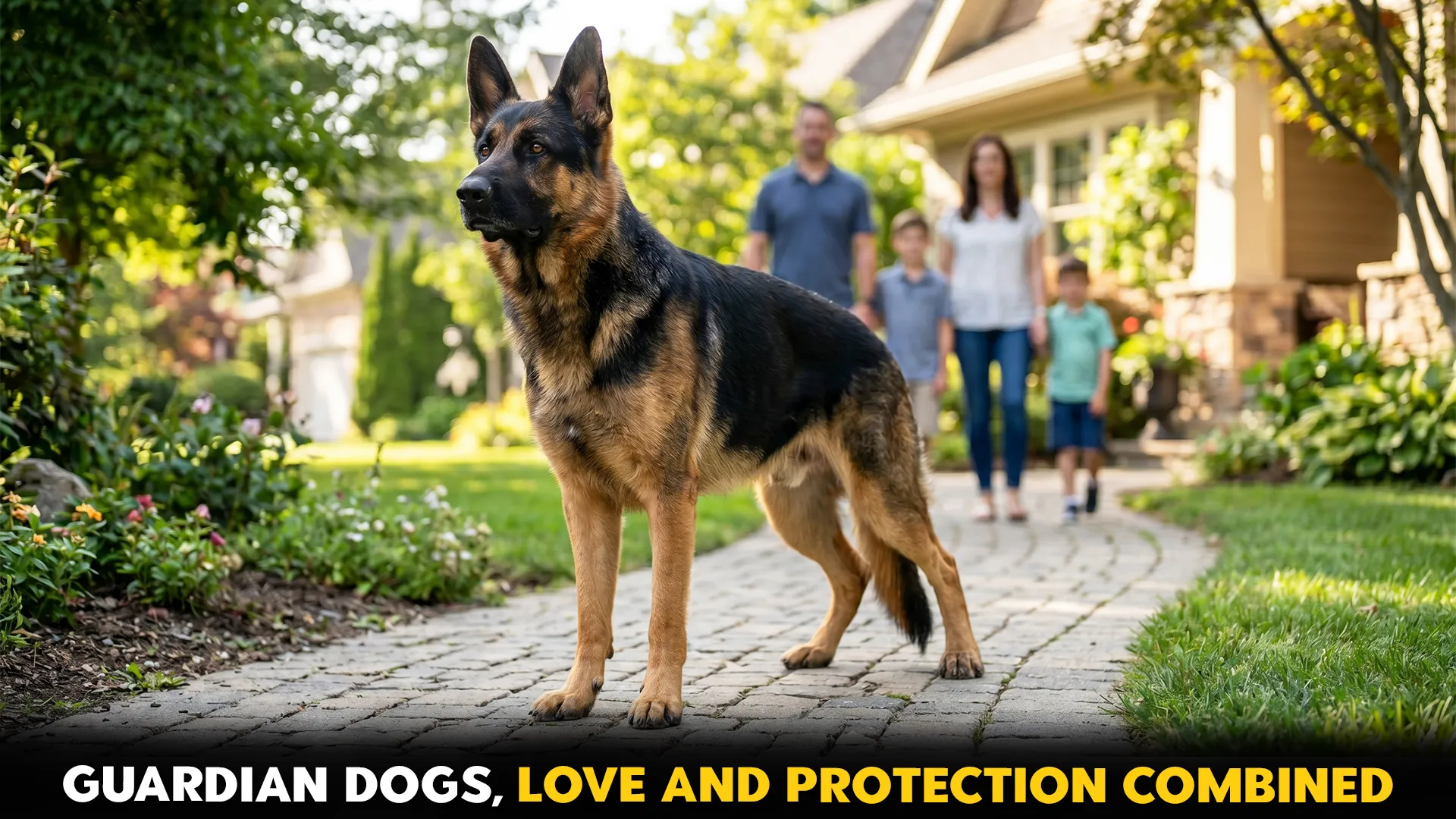
Some dogs don’t just live with you—they watch over you. From quietly following you from room to room to instantly sensing when something feels “off,” certain dogs seem to have a built-in instinct to protect the people they love.
What makes these protective dogs so special is that their loyalty isn’t just emotional—it’s deeply instinctive. Dogs can pick up on subtle changes in human body language, tone of voice, and even stress-related scent changes like increased cortisol levels.
Yet, despite this strong protective drive, they are often gentle, affectionate, and deeply attached to their families. In simple terms, these are the dogs that don’t just love you—they look out for you.
With the right training and socialization, their natural guarding instincts turn into a balanced mix of companionship and protection, making them some of the most reliable and devoted family partners you can have.
Key Takeaways
Meet loyal protective dog breeds like German Shepherd, Rottweiler, and Doberman Pinscher, built to guard and bond
Discover calm guardians like the Great Pyrenees and the Bullmastiff who protect with quiet strength
Explore bold breeds like Akita, Ridgeback, and Giant Schnauzer with natural guarding instincts
Learn how to train, socialize, and choose the right protector for your lifestyle
Dog Breeds With a Built-in Love for Protecting Their Owners
1. German Shepherd
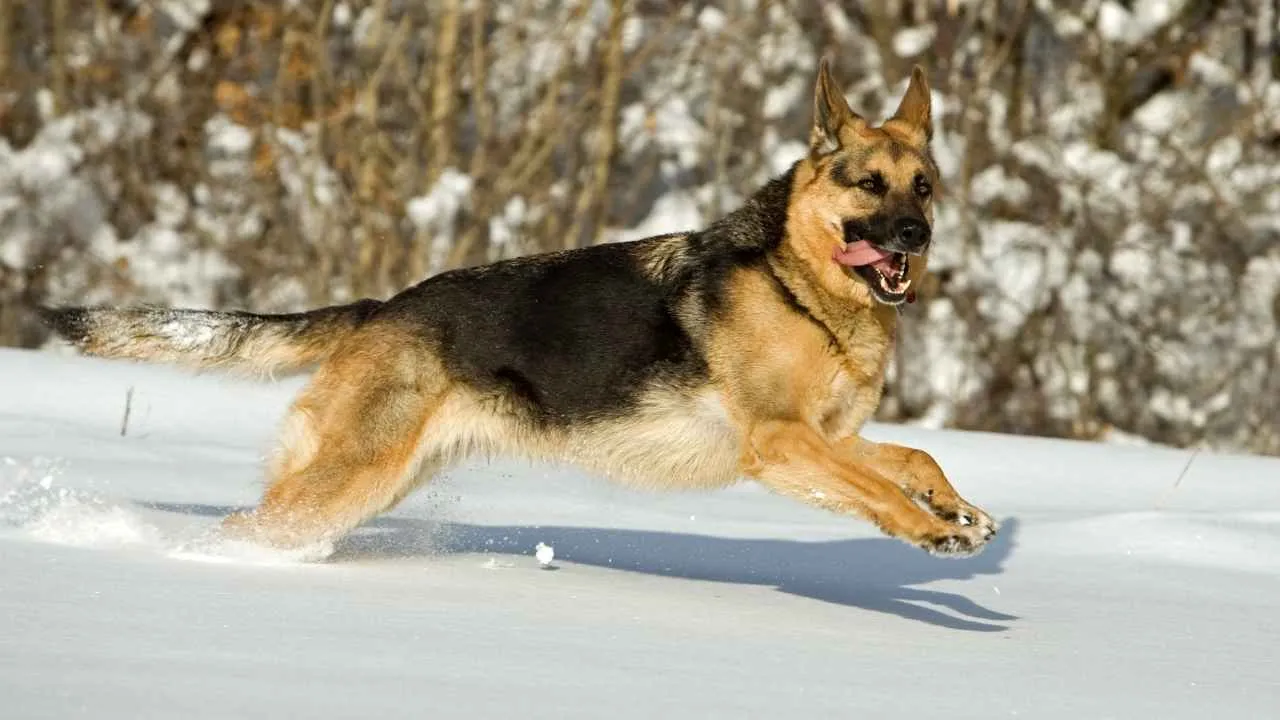
The German Shepherd is one of the best guard dog breeds in the world. It is widely known for its loyalty, courage, and strong bond with its human family. This breed is highly intelligent and easy to train, which is why it is often used in police work, military roles, search and rescue, and security tasks.
It is confident, steady, and always alert, making it naturally suited for protecting its loved ones. At the same time, it is gentle and affectionate with its family, often forming a deep emotional attachment with them.
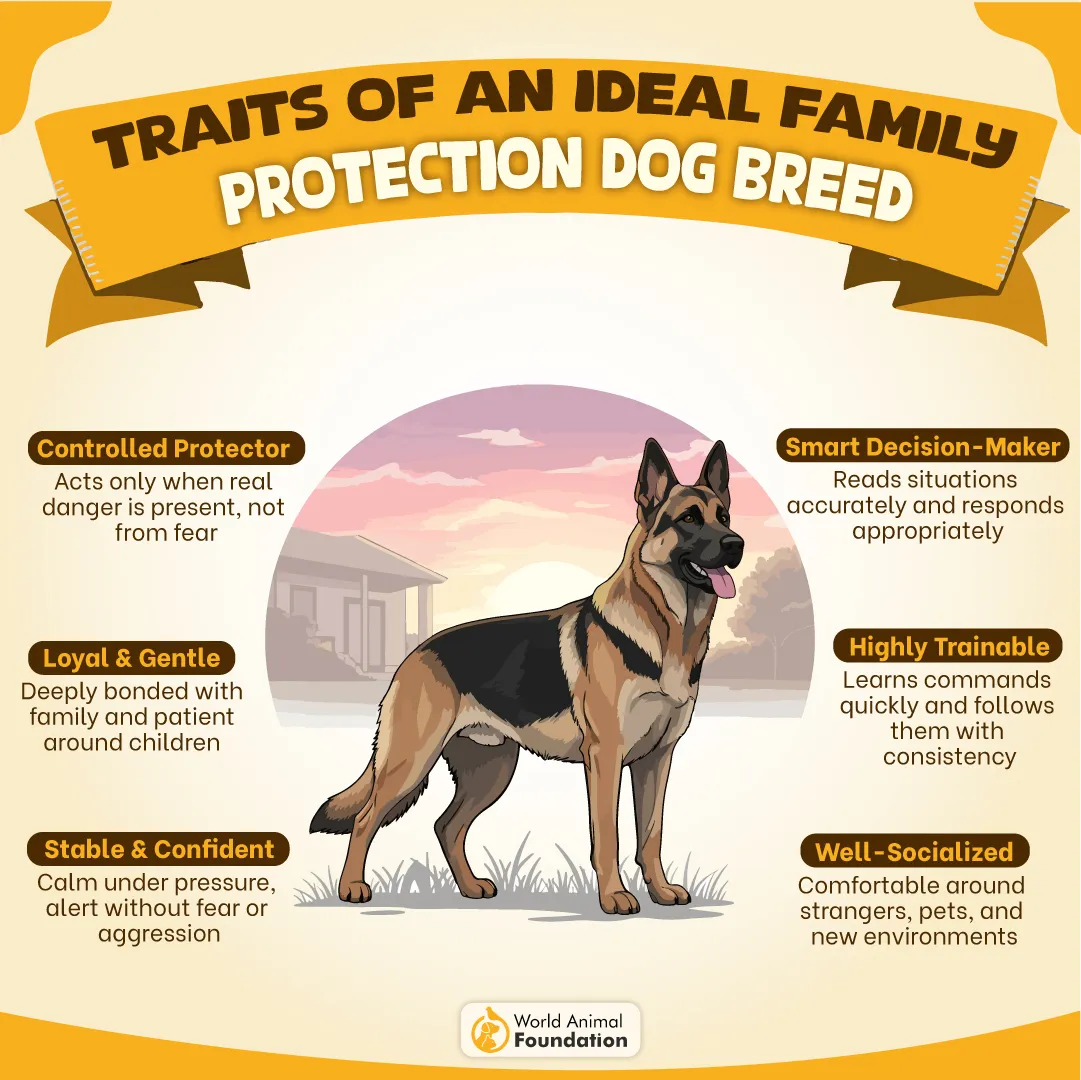
Built for Work, Loyalty, and Protection
German Shepherds are energetic dogs that need regular physical and mental activity every day. Without proper exercise and stimulation, they can become restless or develop unwanted behaviors. They are known for their strong work drive and enjoy having tasks or responsibilities.
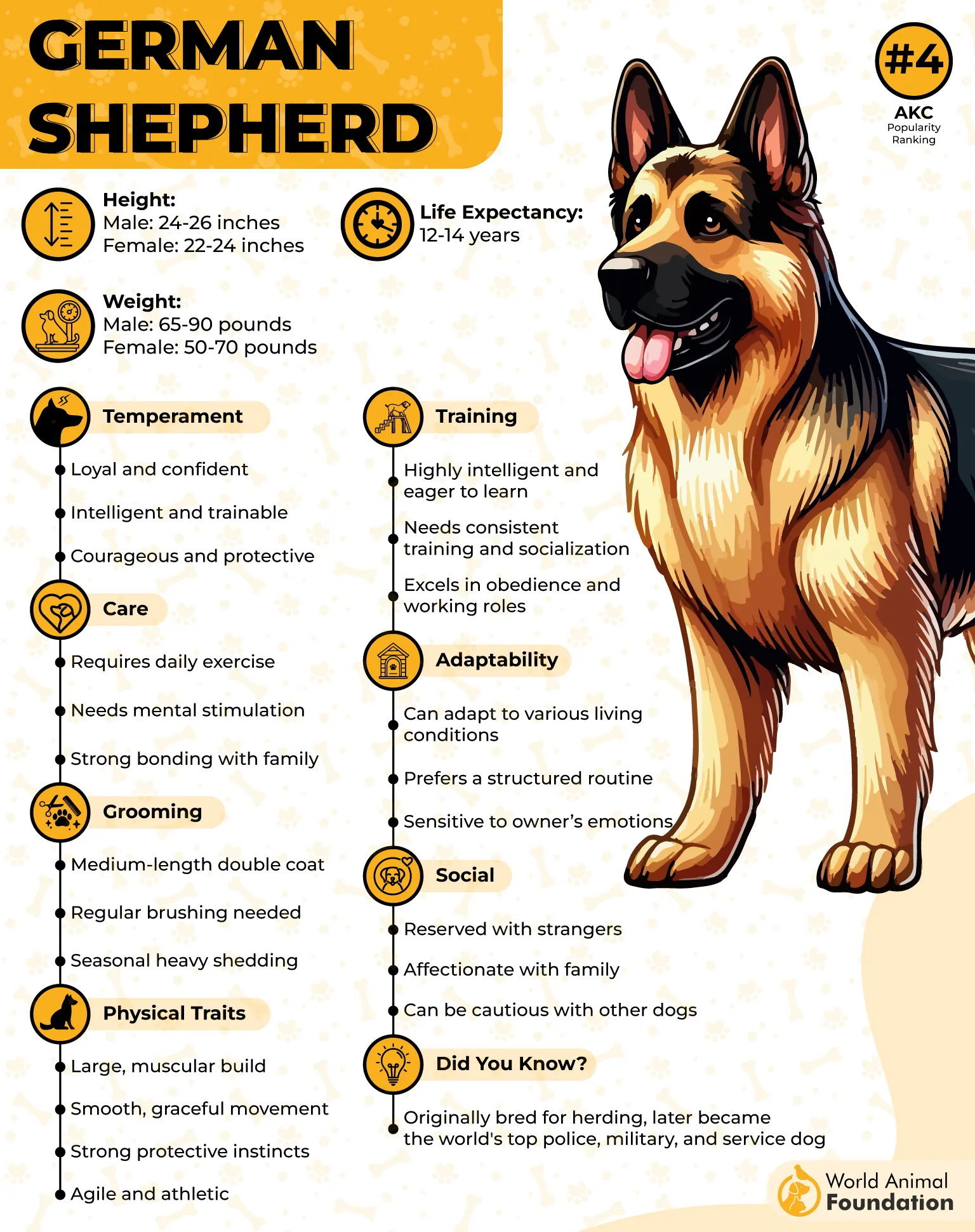
Their guarding instinct is natural, so they may be reserved around strangers but warm and loving with their family. With children, they can be very friendly and protective when properly trained and socialized from an early age.
Training, Care, and Temperament
This breed thrives on consistent training, positive reinforcement, and reward-based learning. Early socialization is very important to help it grow into a well-balanced and confident dog.
They should always be properly guided because their strong protective instinct can sometimes turn into over-guarding if not managed. German Shepherds also shed heavily, especially during seasonal changes, so regular grooming is needed.
2. Rottweiler
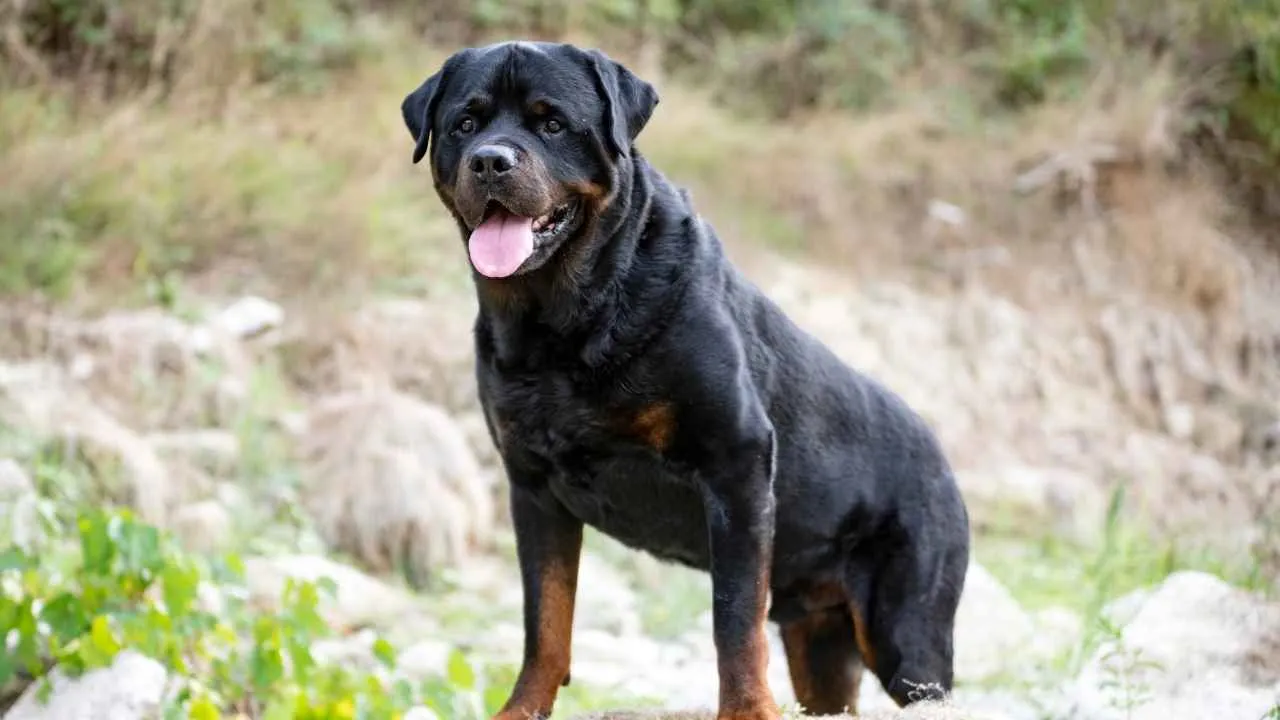
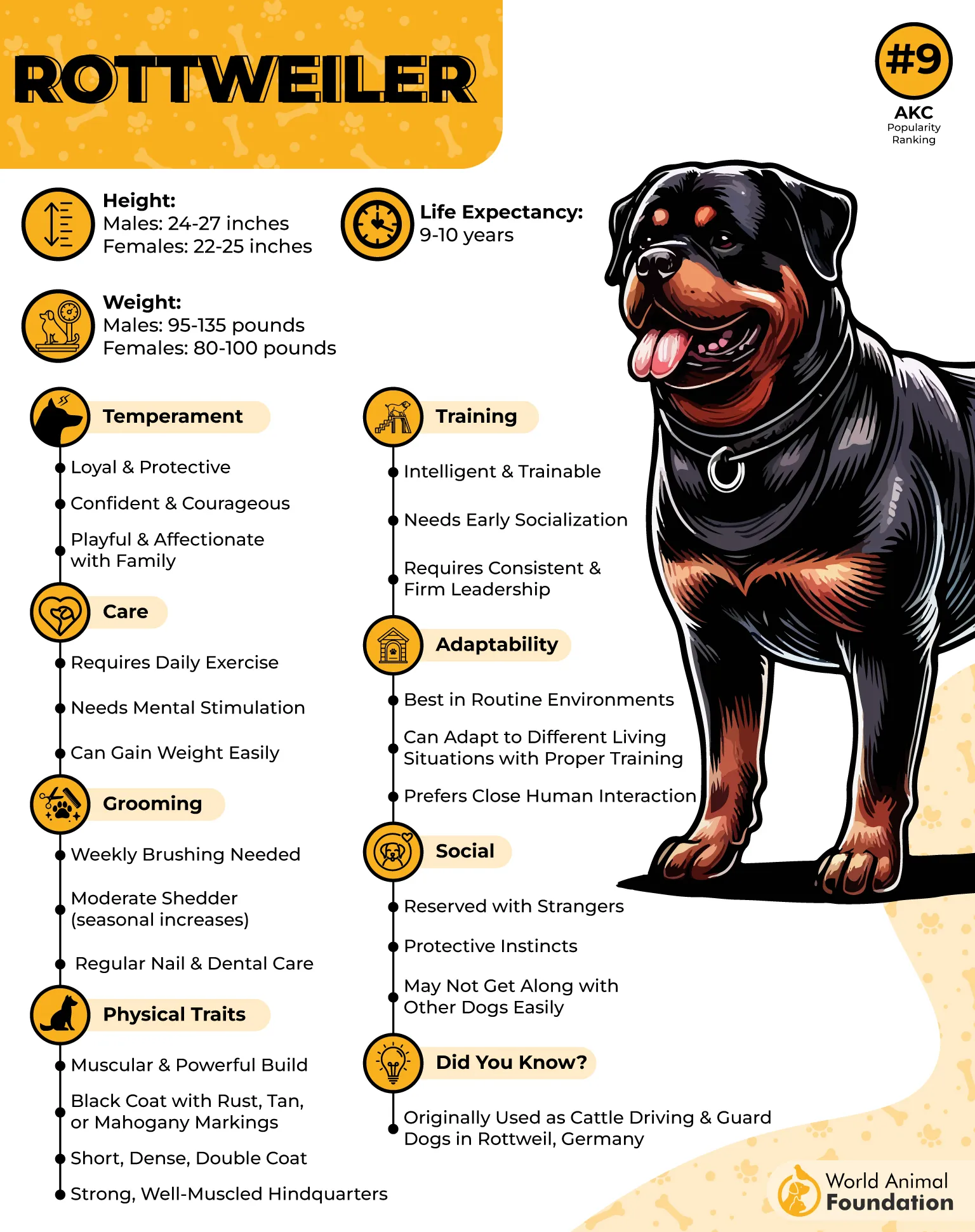
The Rottweiler is a strong and confident working breed known for its deep loyalty and natural guarding ability. It descends from ancient Roman mastiff-type dogs that were used for herding and protection. Today, it is trusted as a family guardian, service dog, and working companion.
This breed is calm and self-assured, often observing strangers with quiet alertness. However, with its own family, it becomes extremely affectionate, playful, and deeply devoted.
A Natural Protector with a Balanced Temperament
Rottweilers are known for their courage and steady nature. They are not unnecessarily aggressive but are highly protective when needed. Many people are surprised by their playful and even silly side at home, where they enjoy close companionship and affection.
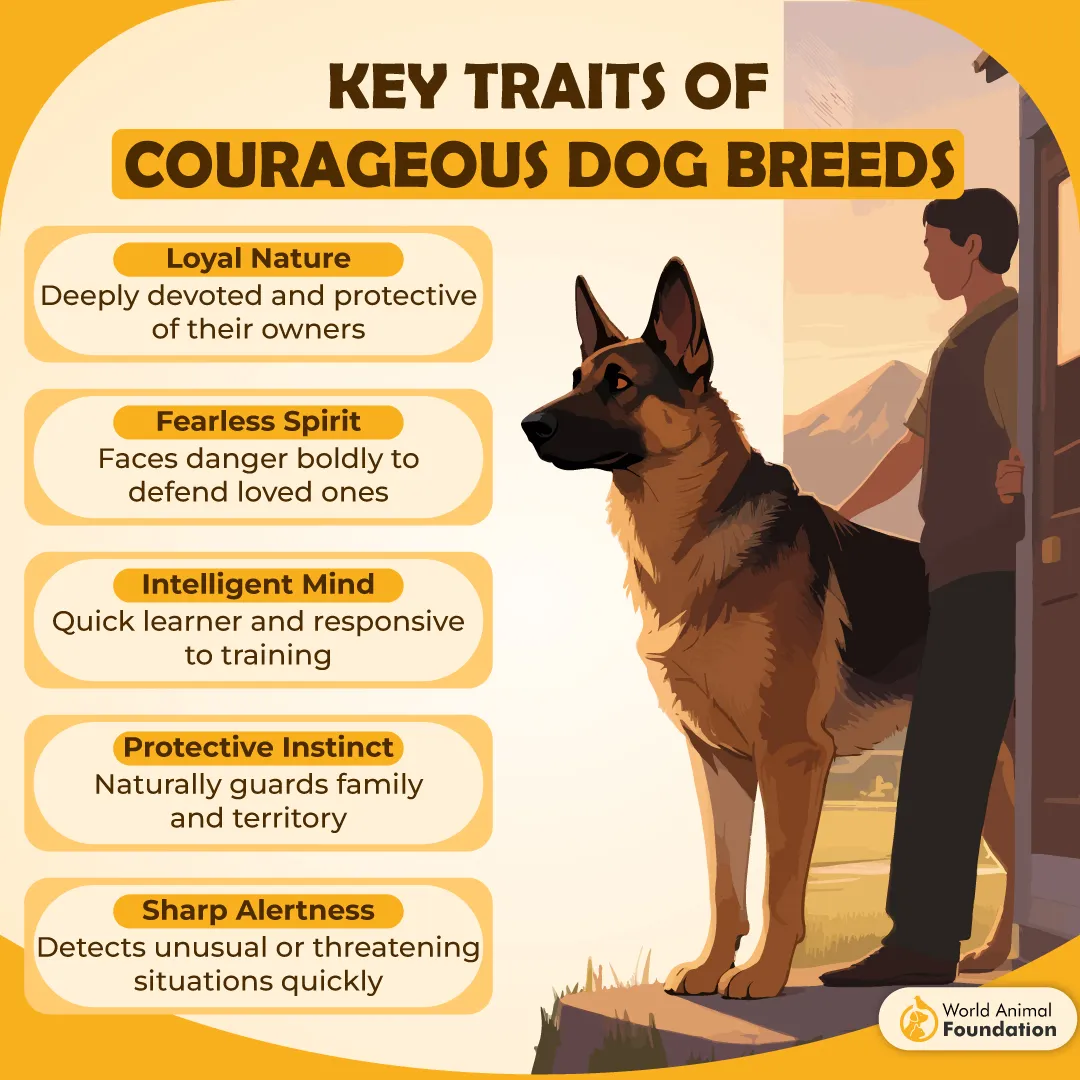
They often form strong bonds with their family and may follow their owners around the house. With children, they can be gentle and loving, but supervision and proper training are always important due to their strength and protective instincts.
Training, Care, and Responsible Ownership
This breed is intelligent, highly trainable, and responds well to positive reinforcement. Early socialization is extremely important so that it grows into a balanced and well-mannered dog. Without proper training and guidance, its territorial instincts can become too strong.
Rottweilers also need daily exercise and mental stimulation to avoid boredom and unwanted behavior. Their short coat requires minimal grooming but sheds throughout the year.
3. Giant Schnauzer
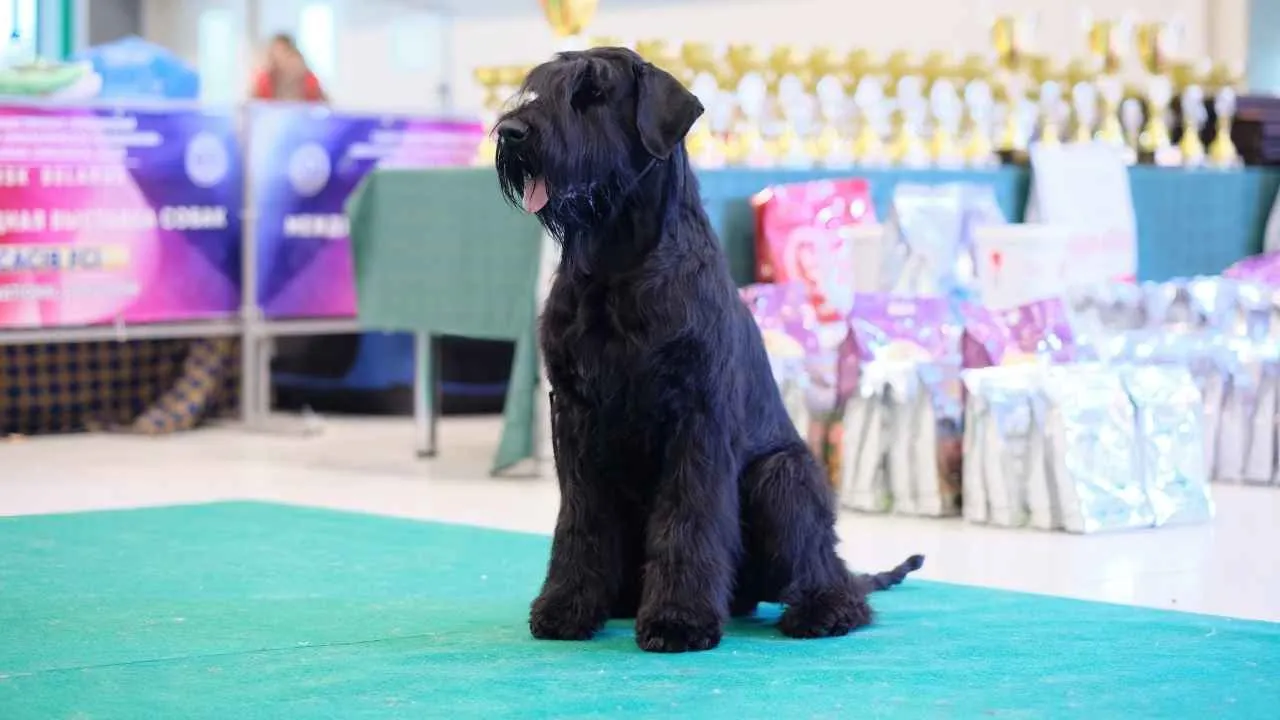
The Giant Schnauzer is a powerful and intelligent working breed known for its courage and strong protective instincts. The American Kennel Club often describes it as a “bold and valiant figure of a dog,” reflecting both its physical presence and confident nature.
Originally developed in Germany for guarding farms and driving livestock, it has now become a trusted police, military, and home protection dog. Despite its imposing look, it is an incredibly loyal companion and forms a strong bond with its family.
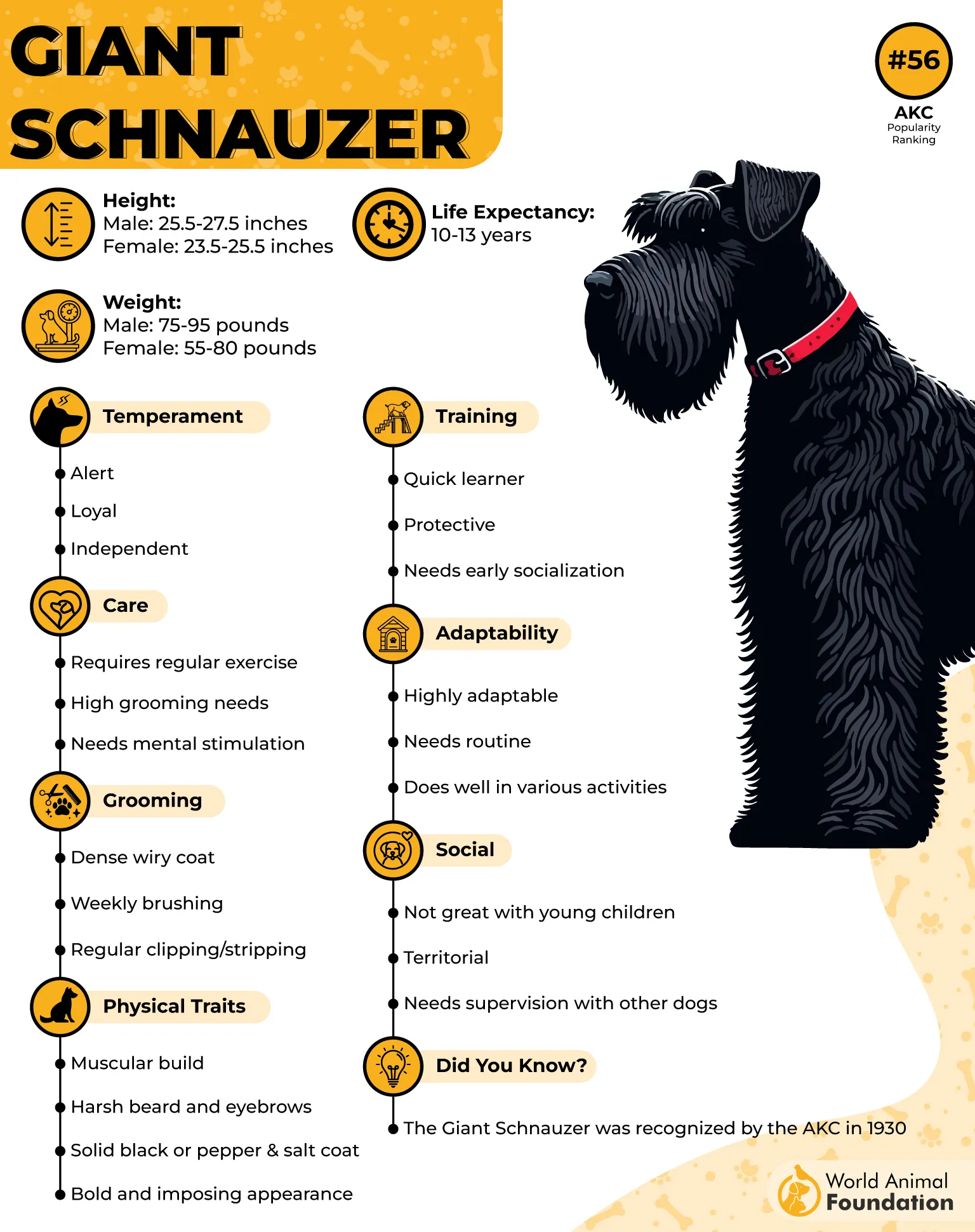
A Watchful Guardian with High Energy and Intelligence
This breed is highly alert and naturally suspicious of strangers, which makes it an excellent watchdog. It is always attentive to its surroundings and will bark to warn its family of anything unusual. At the same time, it is playful, affectionate, and enjoys being close to its owners.
Giant Schnauzers are very energetic dogs and need daily physical exercise and mental stimulation. Without enough activity, they can become restless and create their own “games” at home. They also thrive in active households where they can run, walk, or engage in structured play.
Training, Socialization, and Daily Care
Giant Schnauzers are highly intelligent and respond well to training, especially when positive reinforcement is used. Early socialization is essential to help them accept new people, animals, and environments calmly.
Without it, they may become overly territorial or cautious around strangers. They do best in homes where owners are consistent, active, and experienced with large, strong dogs. Their dense coat also needs regular brushing and professional grooming every few months.
4. Great Pyrenees
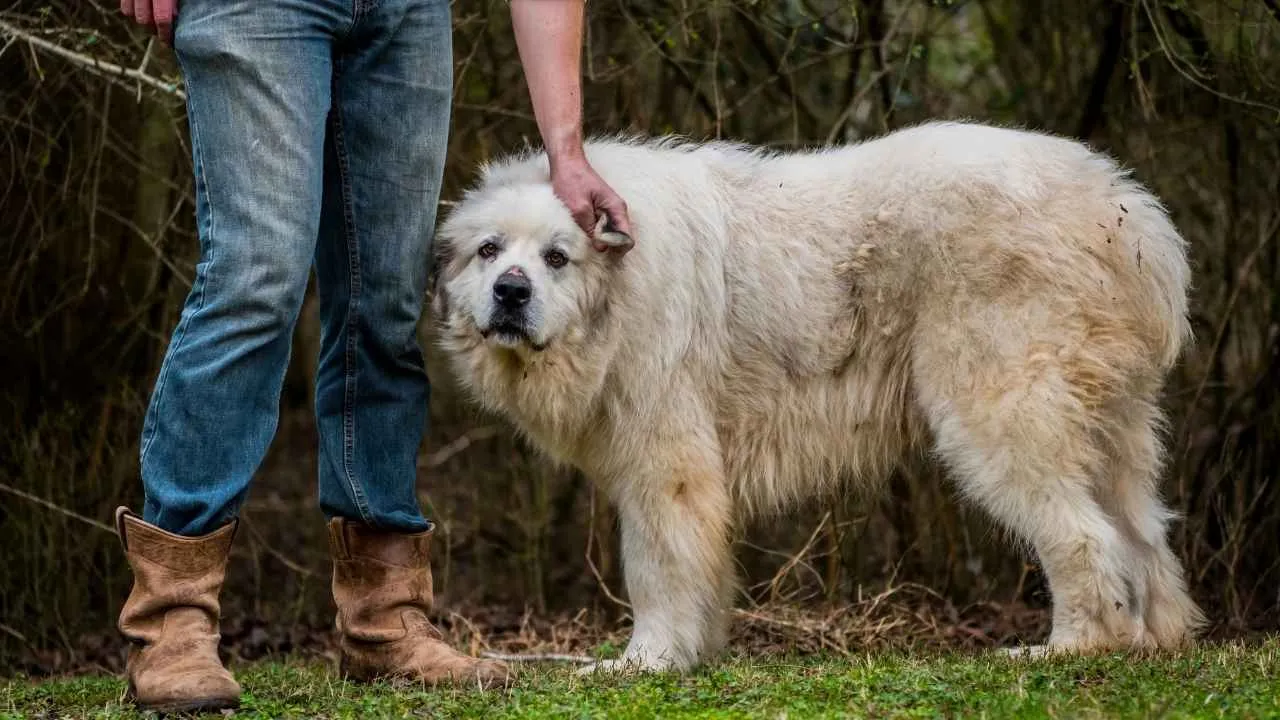
The Great Pyrenees is a large and powerful guardian breed originally developed to protect livestock in the snowy Pyrenees Mountains between France and Spain. It is known for its majestic appearance, calm nature, and strong instinct to protect its family.
Despite its size and strength, this breed is gentle, patient, and deeply devoted to the people it loves. It was bred to work independently, watching over sheep and deterring predators like wolves and bears, which is why it naturally stays alert and protective even today.
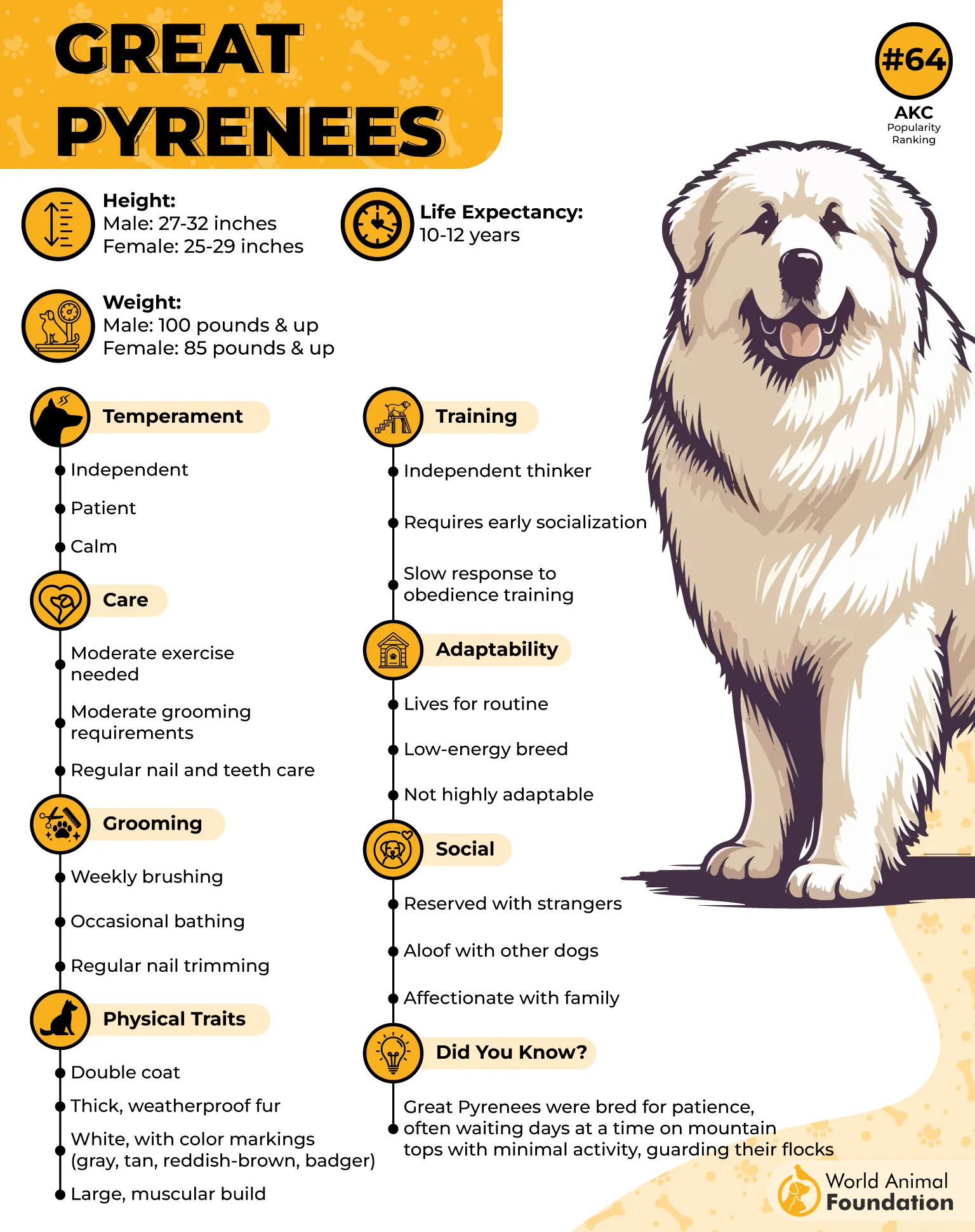
A Gentle Companion with Strong Guardian Instincts
This breed has a calm, steady temperament and is not overly active. It prefers a peaceful routine and enjoys quiet time at home. However, it remains highly watchful and will quickly respond if it senses a threat.
The Great Pyrenees is affectionate and trustworthy with its family, including well-behaved children, but its large size means supervision is always important. It is also naturally independent, which comes from its history of working alone in mountain regions.
Training, Socialization, and Care Needs
Great Pyrenees dogs are intelligent but strong-willed, which can make training a bit challenging. They respond best to patience, consistency, and positive reinforcement.
Early socialization is very important so they learn to stay calm around different people, places, and situations. They are not highly energetic but do enjoy roaming in safe, fenced areas. Grooming is moderate, but they shed heavily once a year.
5. Rhodesian Ridgeback
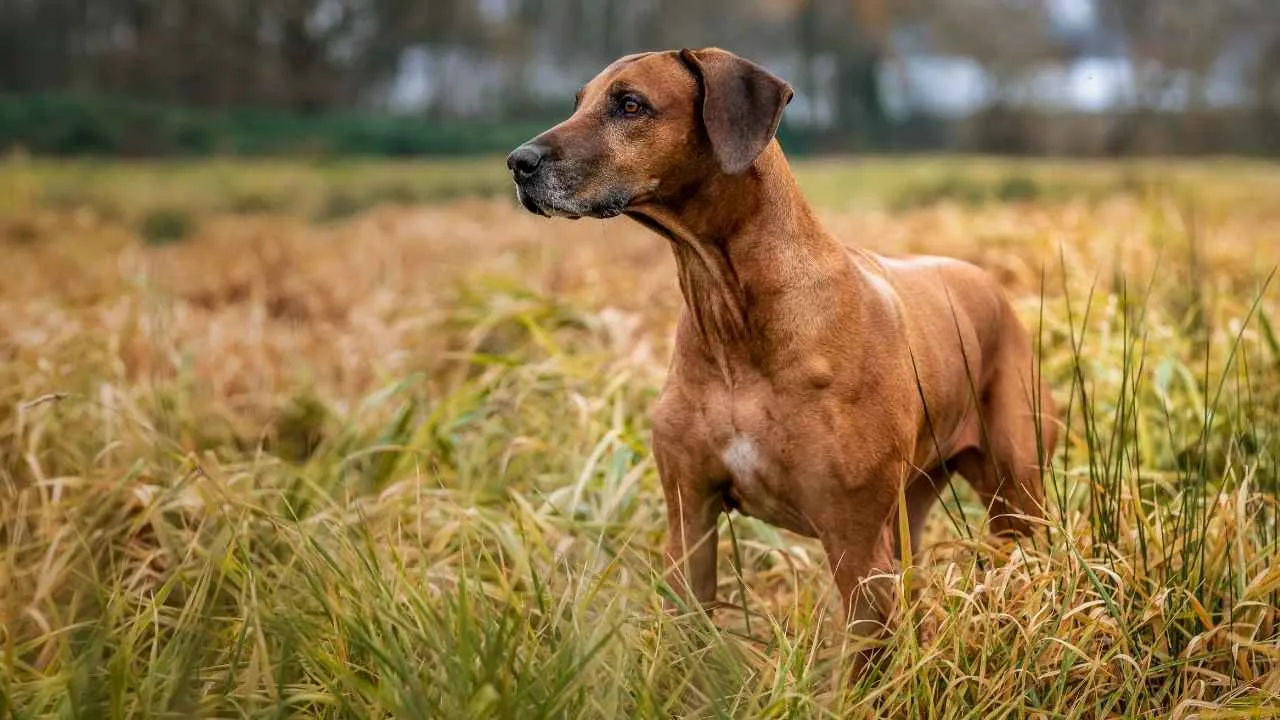
The Rhodesian Ridgeback is a strong, athletic, and intelligent hound breed known for the unique ridge of backward-growing hair along its back. Originally bred in Africa, it earned fame as a fearless hunter used for tracking and cornering large game, including lions, without directly killing them.
Today, it is valued as a loyal family companion and natural protector. Despite its calm and dignified appearance, it has a strong instinct to guard its home and stay alert to its surroundings.
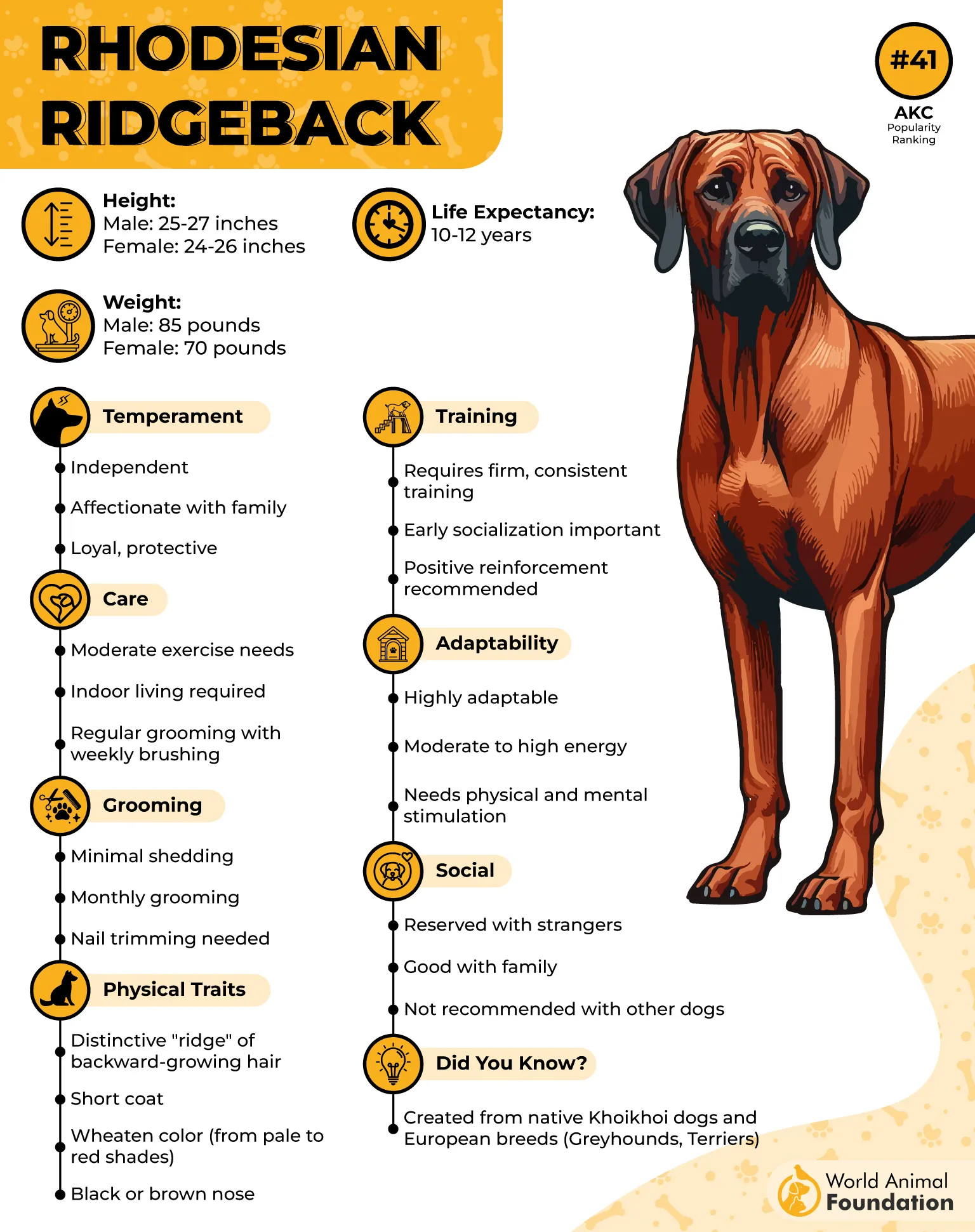
A Balanced Mix of Independence, Strength, and Loyalty
This breed is powerful, fast, and highly energetic, built for endurance and movement. It forms strong bonds with its family and is deeply affectionate with those it trusts. However, it is also independent, strong-willed, and naturally cautious around strangers.
Ridgebacks are not heavy barkers, but they are excellent watchdogs who will quickly notice anything unusual. They are generally gentle with children and can live well with other pets if raised together, but early socialization is important to manage their strong prey drive and protective instincts.
Training, Care, and Daily Needs
Rhodesian Ridgebacks require consistent training from an early age because of their independent and sometimes dominant personality. They respond best to firm, fair, and positive reinforcement-based training.
They are highly intelligent and can be easily trained, but they are not ideal for first-time dog owners. Regular exercise is essential, as they are active dogs that enjoy running and outdoor activity. They are also very clean dogs with minimal shedding and little odor.
6. Akita
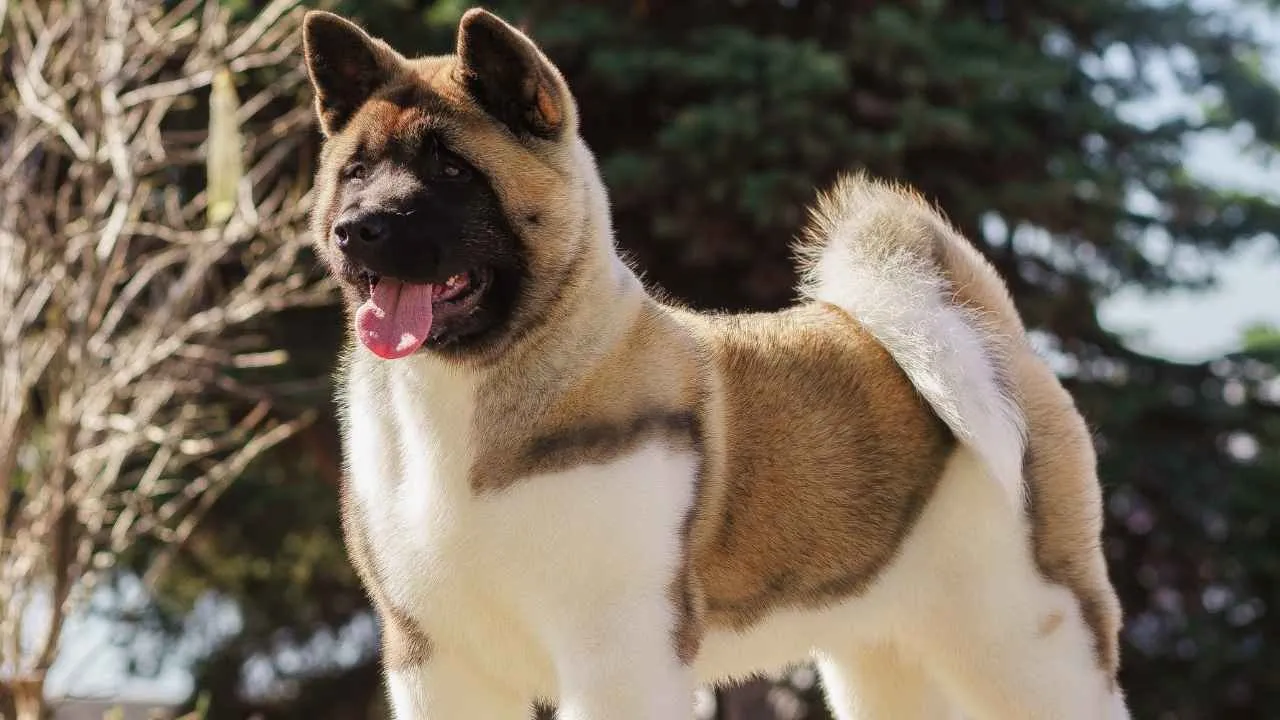
The Akita is a powerful and dignified dog breed of ancient Japanese origin, known for its strong loyalty, courage, and calm confidence. In Japan, it is highly respected as a symbol of protection, good health, and long life, as mentioned by Hill’s Pet.
This breed is naturally independent but deeply devoted to its family, often forming a strong emotional bond with its trusted humans. With its quiet nature and alert personality, the Akita is always aware of its surroundings and makes an excellent guard dog.
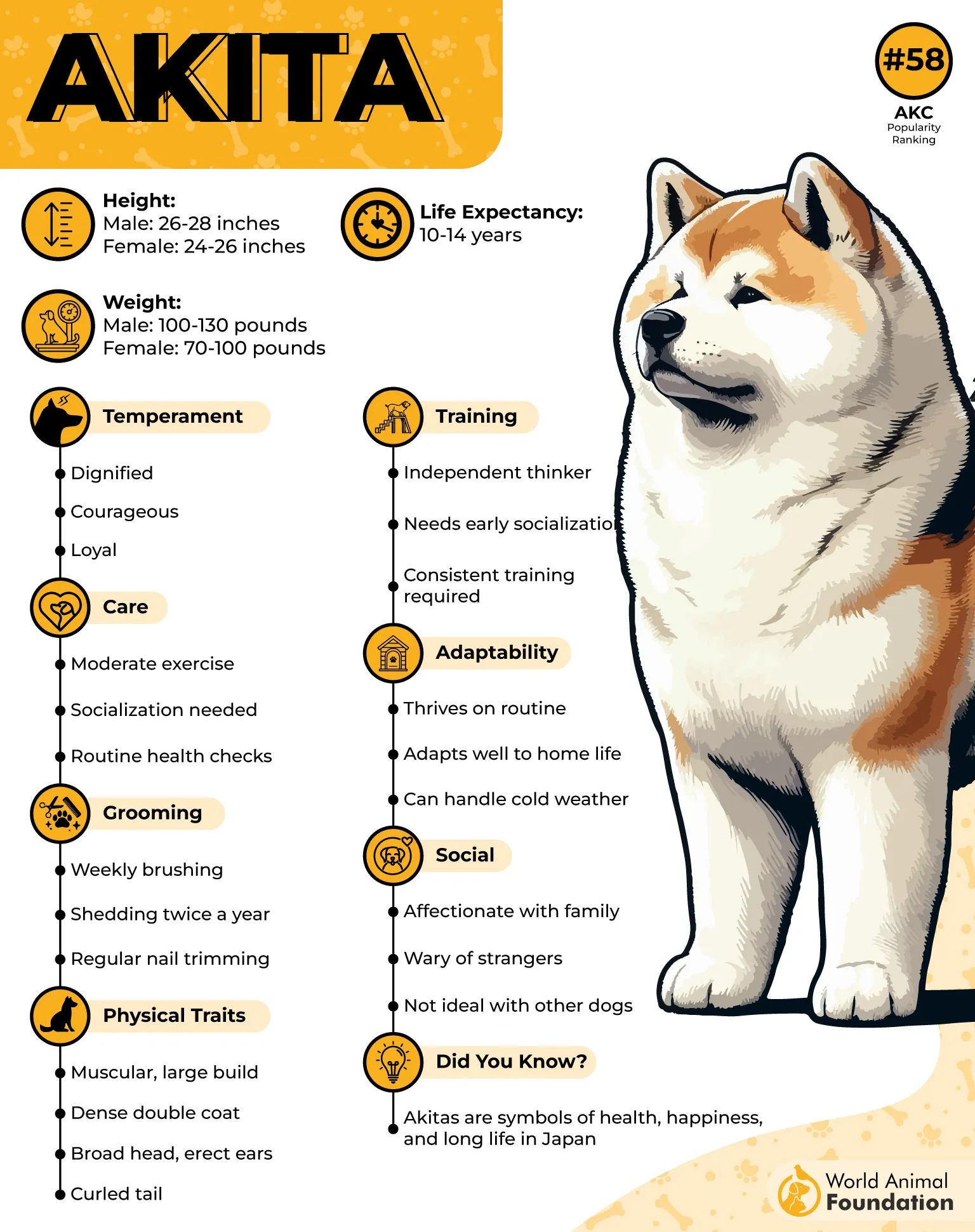
A Calm Yet Powerful Family Guardian
Akitas are quiet, clean, and reserved dogs that prefer peaceful environments over noisy or crowded spaces. They are affectionate and playful with their family but cautious and distant with strangers. This makes them excellent natural watchdogs, as they remain alert without being overly noisy.
They are also intelligent and enjoy both physical activities and mental challenges like long walks, hikes, and puzzle games. However, due to their independent nature, they may not always seek constant attention and prefer bonding on their own terms.
Training, Socialization, and Responsible Care
This breed requires early training and proper socialization to grow into a well-balanced adult dog. Without proper guidance, its natural independence and protective instincts can lead to over-guarding or aloof behavior.
Akitas respond best to patient, firm, and positive reinforcement-based training, especially under an experienced owner. They may not always be comfortable around other pets or small children, so supervision is important in mixed households.
7. Bullmastiff
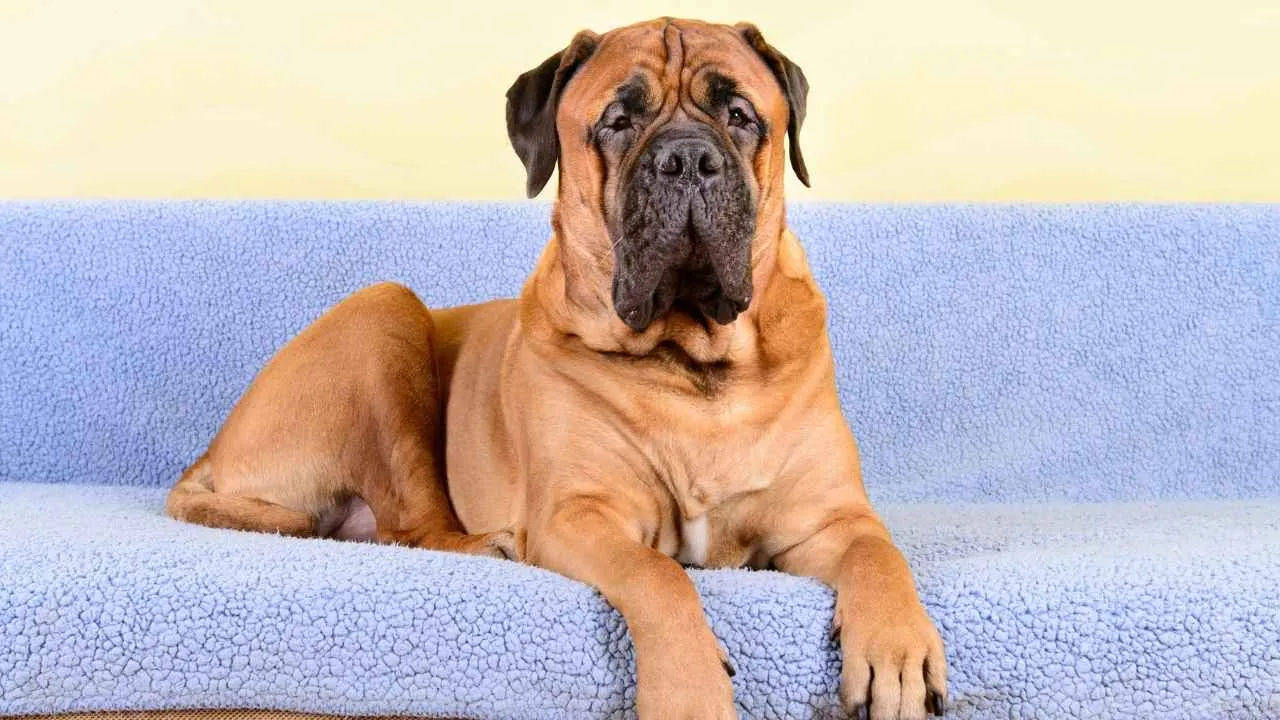
The Bullmastiff is a large, muscular guardian breed known for its fearless protection and calm behavior at home. It was originally developed in England by crossing Bulldogs and Mastiffs to create a strong yet obedient dog capable of stopping poachers.
Today, it is valued as a loyal family protector that combines strength with a gentle and affectionate nature. Despite its intimidating size, the Bullmastiff is known for being quiet, steady, and deeply devoted to its family.
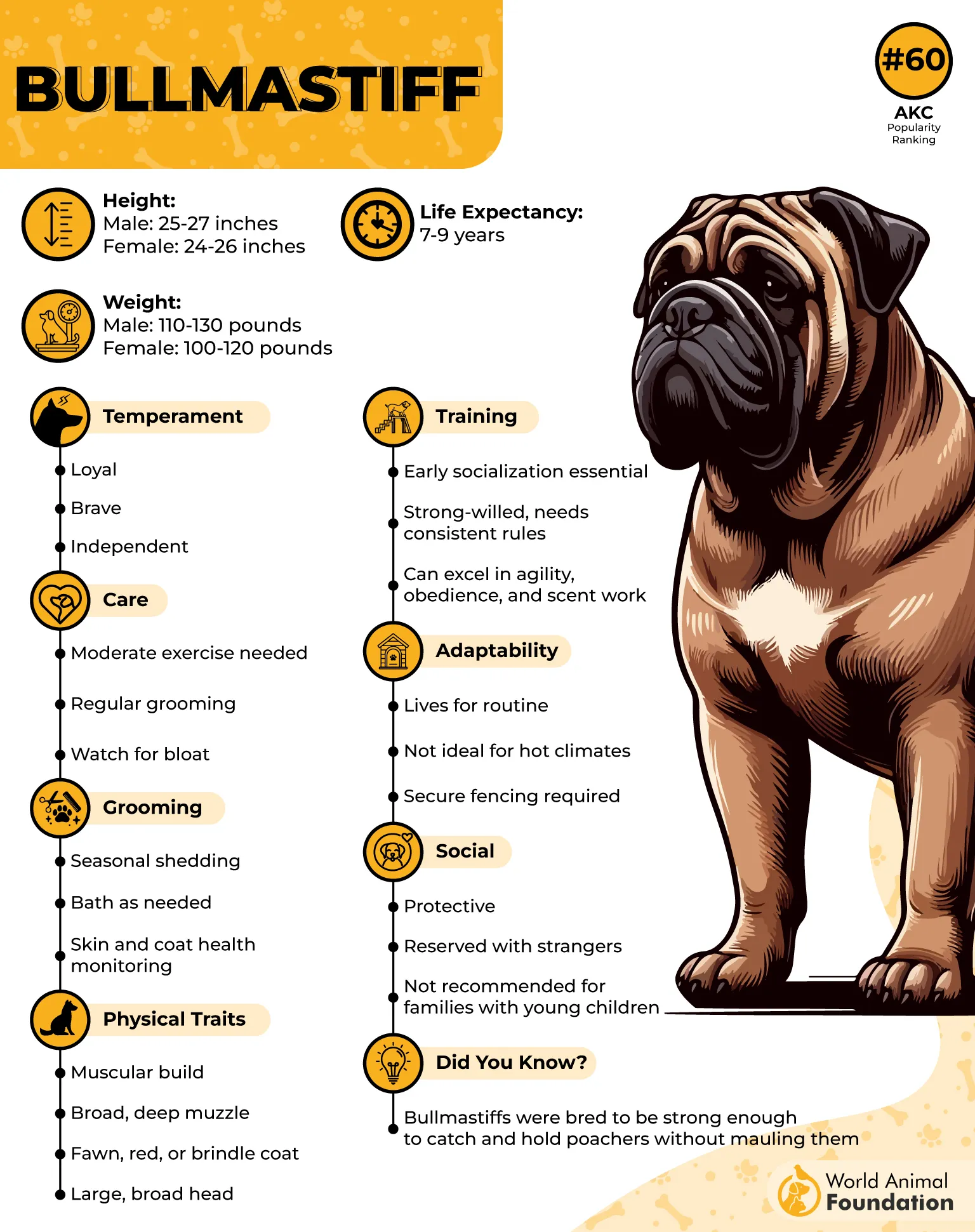
A Calm Companion with a Natural Guarding Ability
This breed is often described as a “gentle giant” because of its calm temperament and loving bond with family members. It is affectionate with those it trusts and can be good with children and other pets when properly socialized.
However, it may be reserved or cautious around strangers, which makes it an excellent natural watchdog. The Bullmastiff is not an excessive barker, but it will alert its family if something feels unusual or suspicious.
Training, Socialization, and Daily Management
Bullmastiffs are intelligent and quick learners, but they need early training and consistent socialization to develop into well-mannered adults. Without proper guidance, their strength and independence can become difficult to manage as they grow.
They respond best to calm, positive reinforcement-based training and do well in obedience and structured activities. Early exposure to different people, pets, and environments is essential to balance their protective instincts.
8. Doberman Pinscher
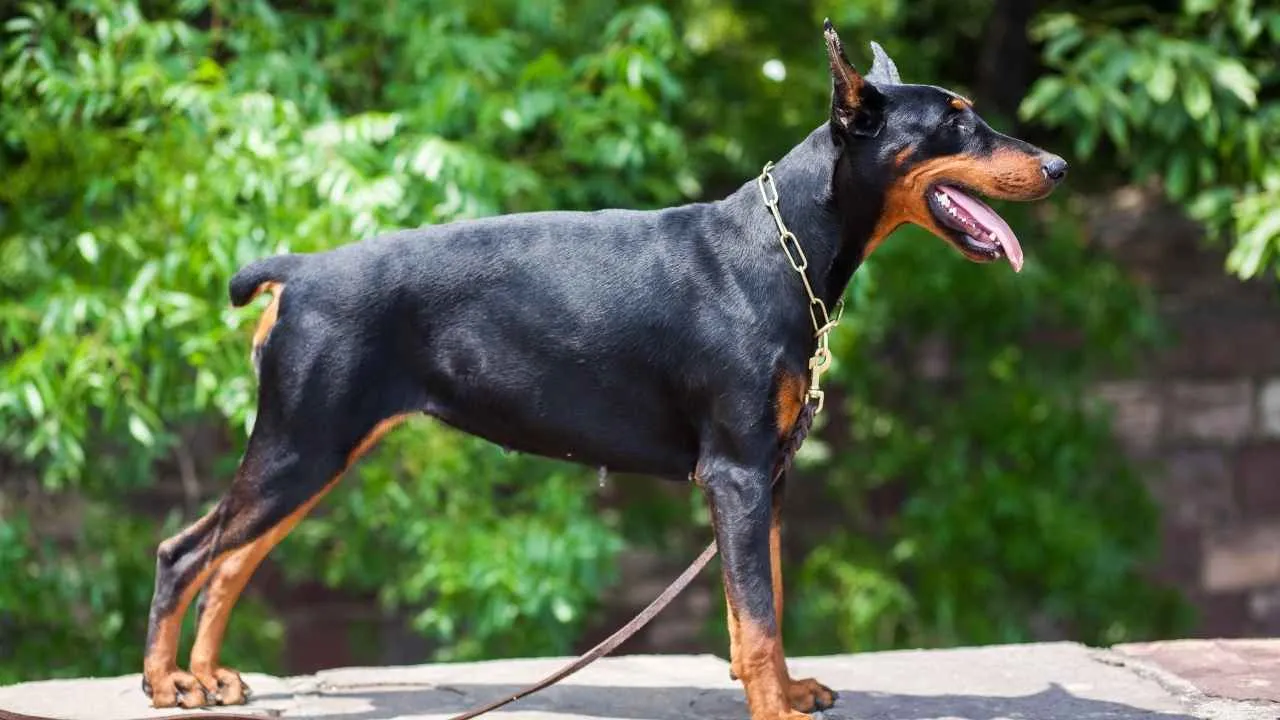
The Doberman Pinscher is a sleek, powerful, and highly intelligent breed known for its fearless nature and strong protective instincts. Originally developed in Germany by Louis Dobermann, this breed was created to be a loyal guardian and dependable working dog.
Today, Dobermans are widely respected for their role in security, police work, and search and rescue. With their alert posture and confident presence, they naturally deter threats and stand among the most reliable protection dogs.
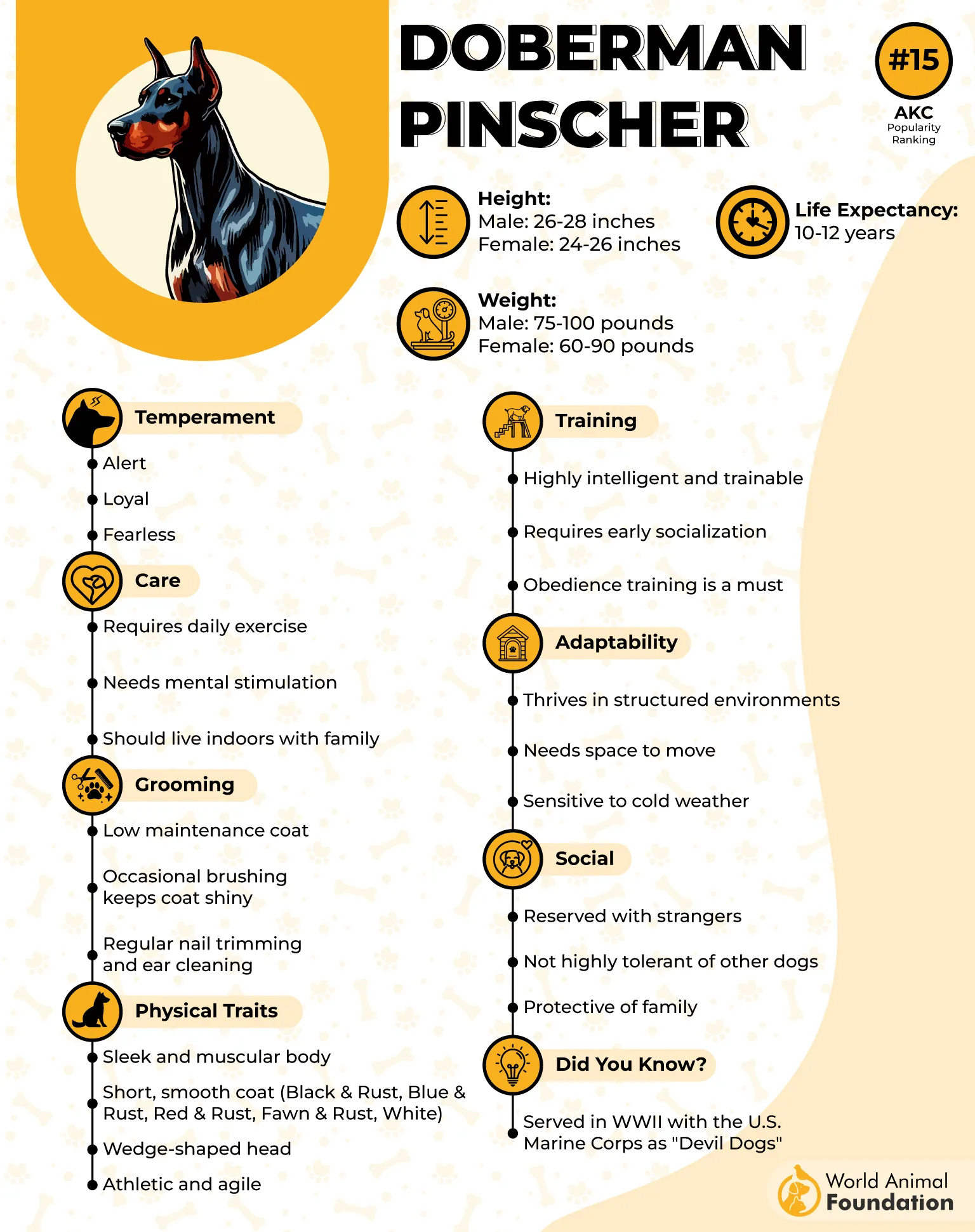
A Loyal Guardian with Energy and Awareness
Dobermans are deeply loyal and form strong bonds with their family. PetPlan mentions that they are affectionate and loving at home but naturally cautious around strangers, making them excellent watchdogs. They are energetic, curious, and always aware of their surroundings.
Because of their high energy levels, they thrive in active homes where they can stay physically and mentally engaged. Without enough activity, they may become bored and develop destructive behaviors.
Training, Socialization, and Daily Needs
Dobermans are extremely intelligent and respond very well to training, especially when positive reinforcement is used. Early and consistent socialization is essential to help them grow into well-mannered and confident dogs.
They need regular exercise, structured routines, and mental challenges like obedience training or agility activities. Due to their strong prey drive, they may chase smaller animals if not properly trained.
9. Boxer
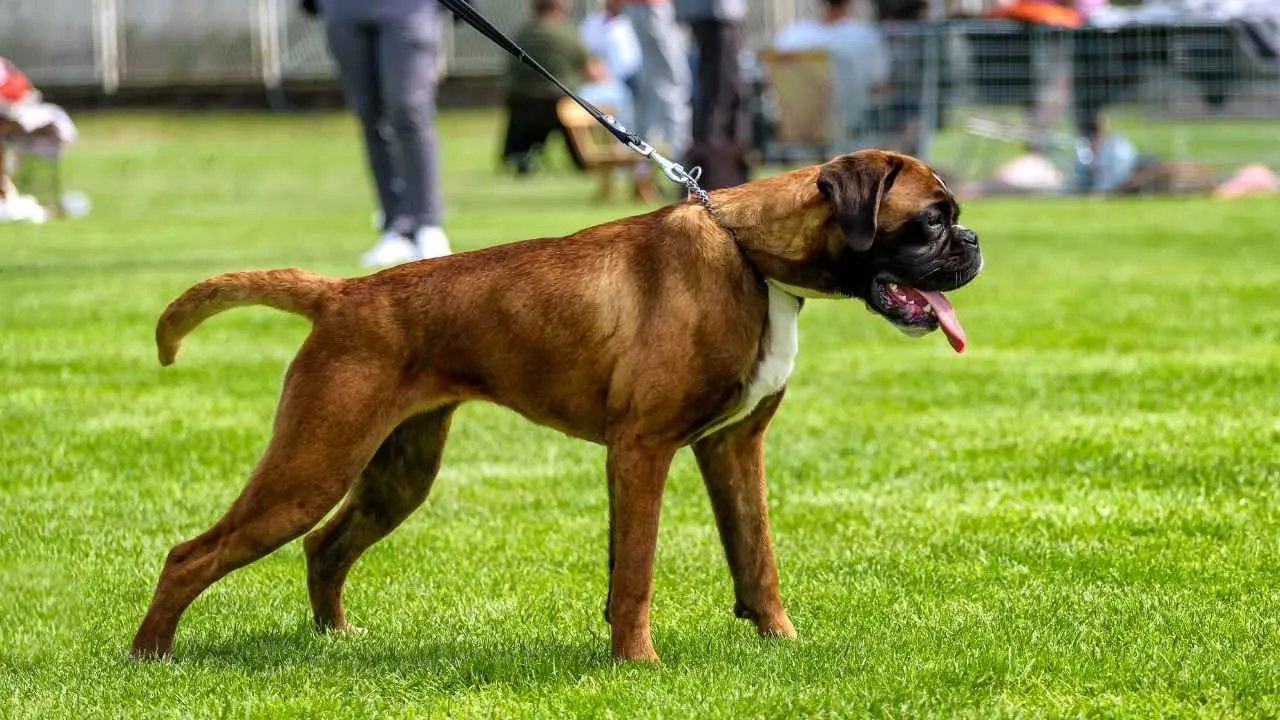
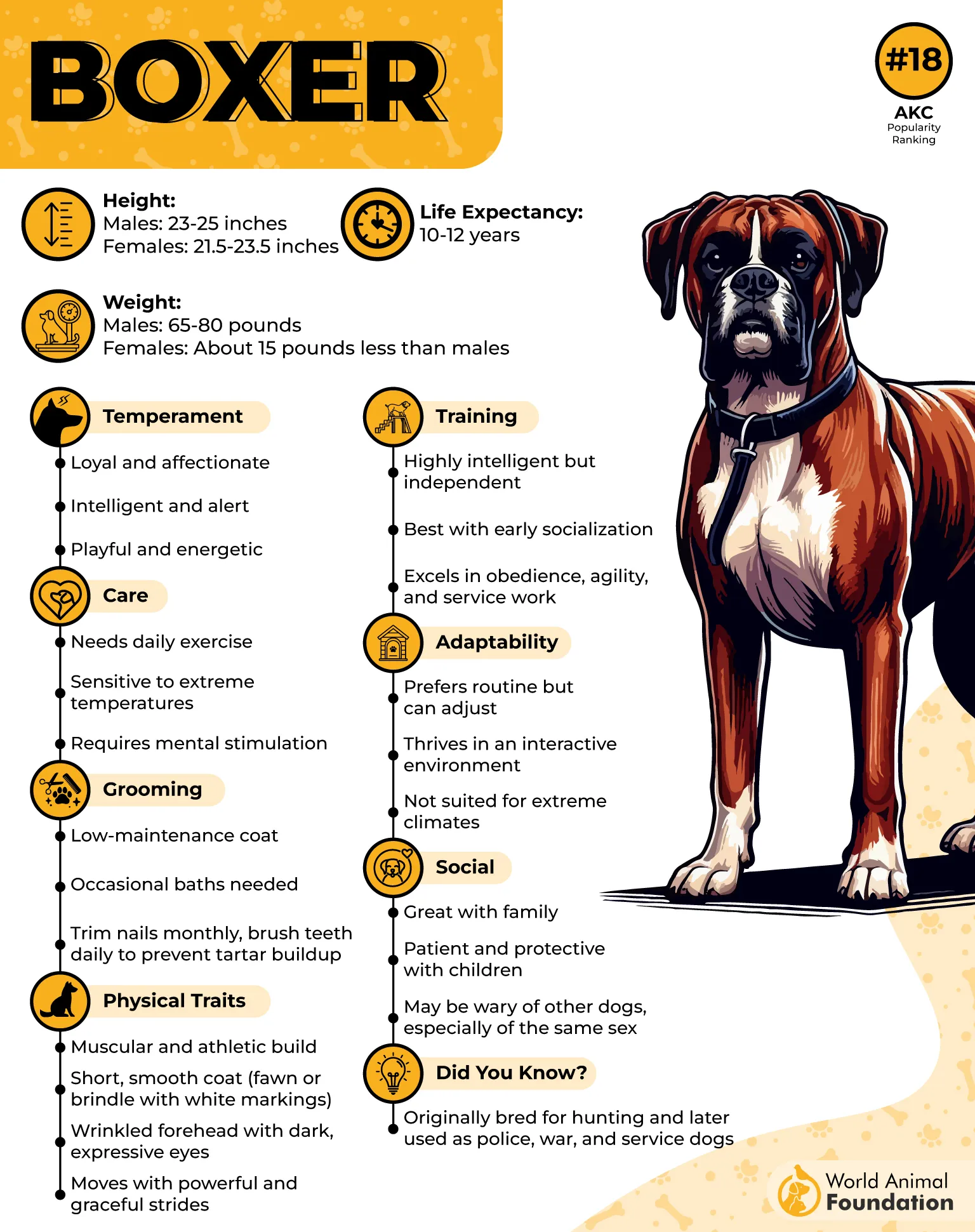
The Boxer is a muscular and energetic dog breed that combines playfulness with an instinct to protect its family. Originally brought from Germany and used for hunting, this breed is strong, alert, and always ready for action.
Despite its protective nature, the Boxer is known for its cheerful personality and playful behavior, often staying puppy-like well into adulthood. It forms close bonds with its family and is both loyal and affectionate.
A High-Energy Companion with Protective Instincts
Boxers are lively, confident, and naturally watchful, making them reliable family guardians. They are not aggressive by nature but are fearless and capable of defending their loved ones if needed.
Their playful side means they love jumping, running, and engaging in games, which makes them a great fit for active households. However, their energetic and sometimes boisterous behavior may require supervision around very young children unless they are well-trained.
Training, Exercise, and Daily Care
This breed needs regular exercise and mental stimulation every day to stay happy and well-behaved. Activities like running, fetch, and agility training suit them well. It is an intelligent and trainable dog, but its high energy means training requires patience and consistency using positive reinforcement.
Early socialization is important to help them become confident around new people and animals. They also have a prey drive, so outdoor supervision is necessary.
Conclusion
Choosing a dog with an instinct to protect isn’t just about security—it’s about building a deep, trusting bond with a companion who truly looks out for you. From calm and watchful guardians to energetic and alert protectors, each breed brings its own balance of loyalty, intelligence, and courage.
If you’re thinking about bringing one of these dogs into your life, take a moment to consider your lifestyle, experience level, and the time you can dedicate to training and exercise. A protective dog thrives in a home where they feel guided, included, and understood.
When raised right, they don’t just guard your home—they become a constant, loyal presence by your side, offering both comfort and confidence in everyday life.
Looking for more great guard dog breeds? You can also check out the Belgian Malinois, Tibetan Mastiff, Australian Shepherd, Staffordshire Bull Terrier, and Cane Corso.
