




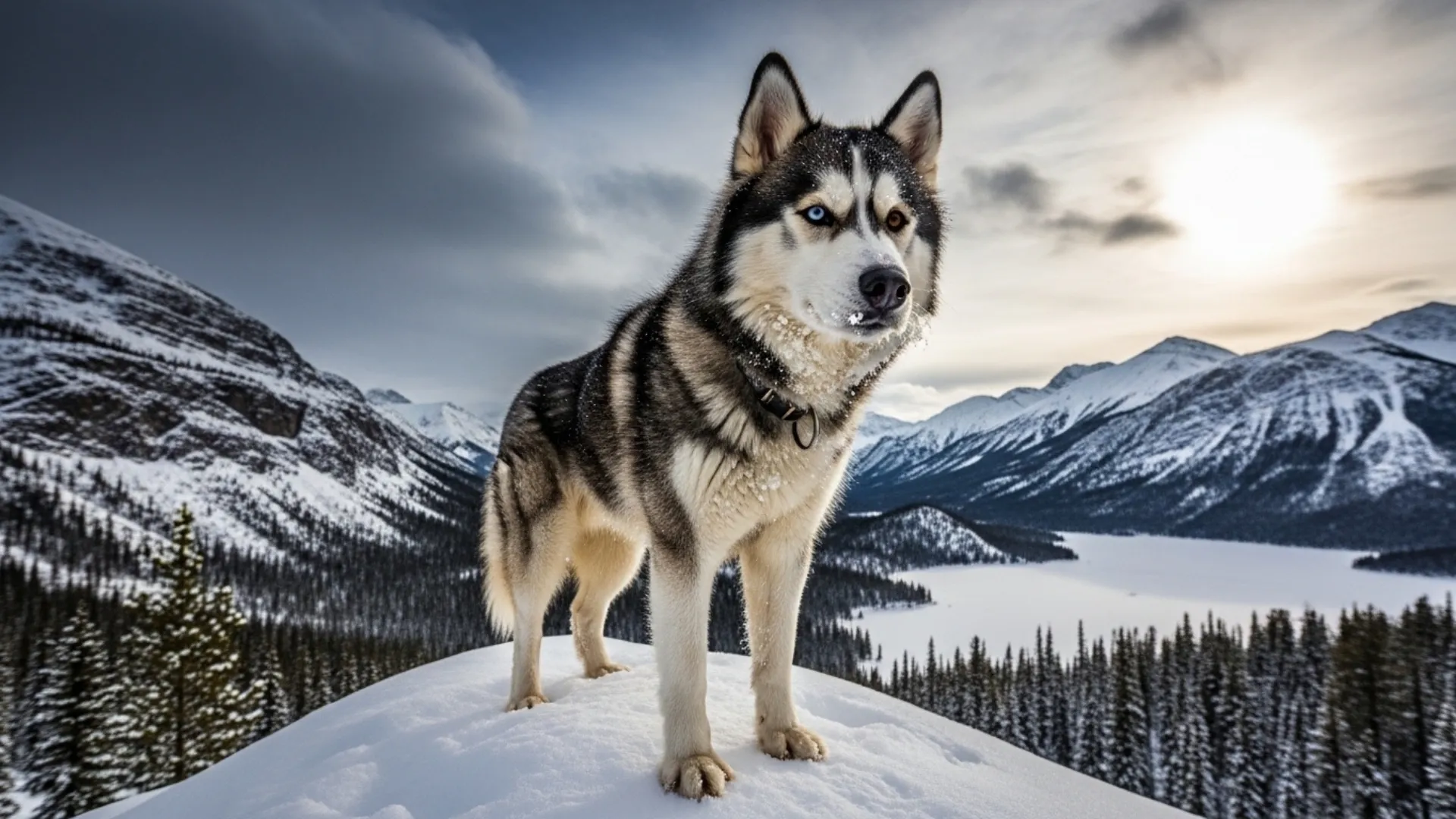
When it comes to tackling the wild or braving extreme weather, not all dogs are created equal. Some pups are perfectly content lounging in the sun, while others are built for snow, ice, and rugged terrain.
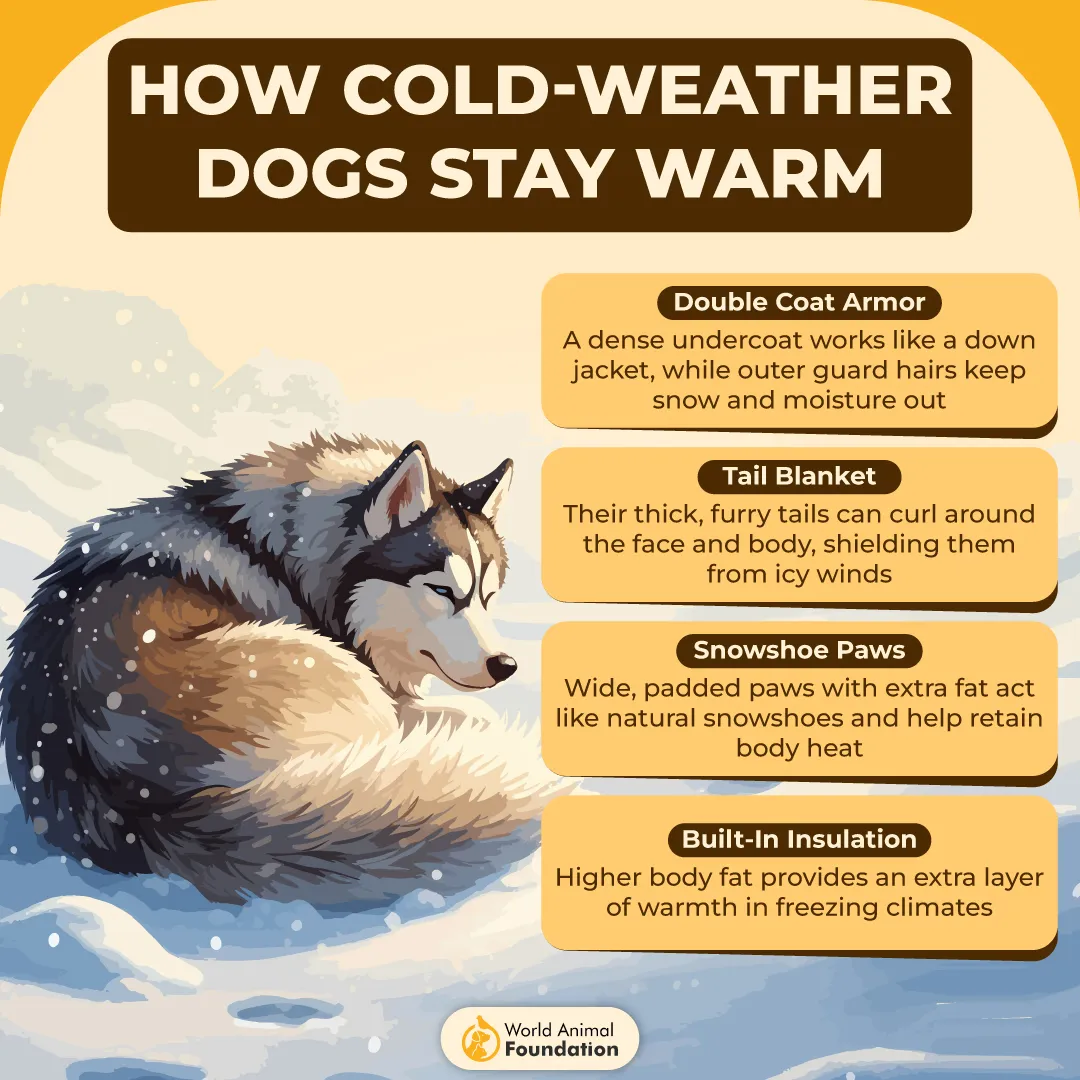
Cold-weather breeds, like those with thick double coats, evolved in frigid regions such as the Arctic, giving them the insulation and endurance to thrive in freezing temperatures.
These hardy dogs can handle winter adventures that would leave most pets shivering, but owners should still monitor conditions and never leave them exposed for too long.
On the flip side, dogs with lighter coats and leaner builds fare better in heat, though caution is key: extreme temperatures can quickly lead to heatstroke, exhaustion, or worse. Even the most athletic breeds struggle without shade, water, or proper pacing.
If you’re drawn to the outdoors, choosing an outdoor dog breed suited to your climate is essential.
From snow-laden trails to sun-scorched deserts, the right breed can be your ultimate adventure companion, ready to explore every extreme the wilderness throws your way.
Dog Breeds That Thrive in Wilderness and Extreme Weather
1. Siberian Husky
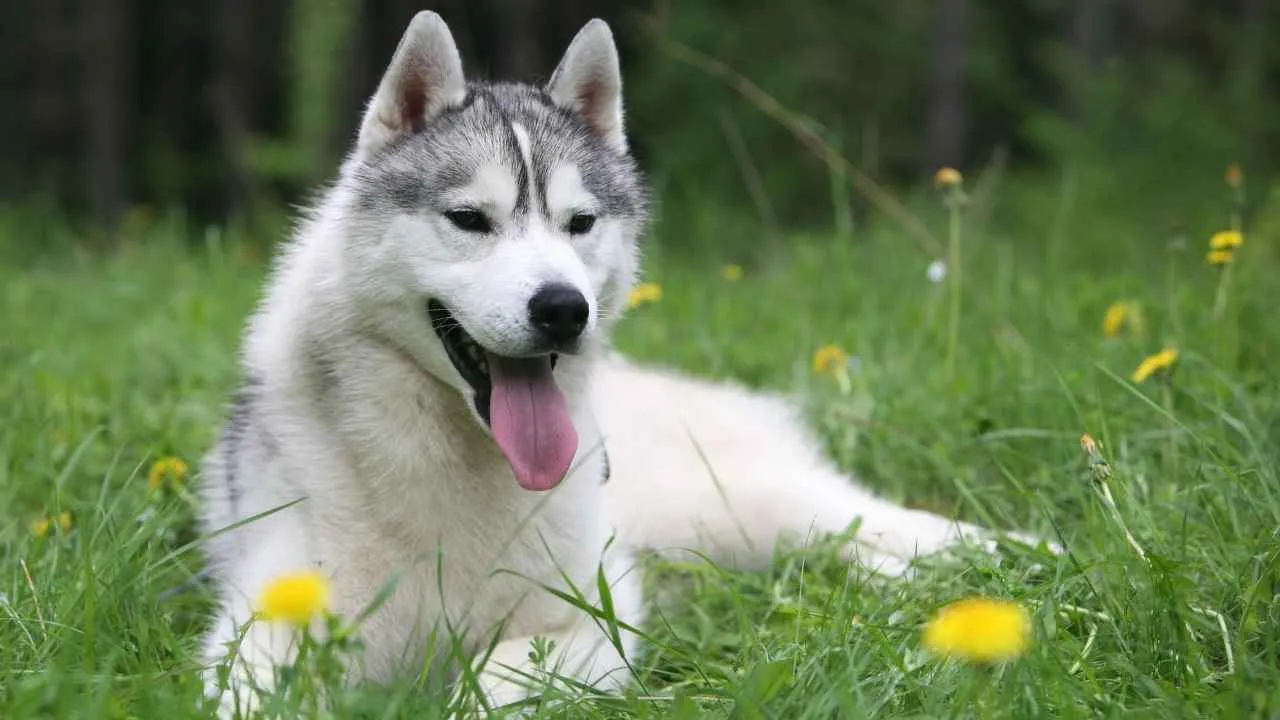
Siberian Huskies are the ultimate winter warriors, built for endurance and adventure in some of the harshest climates on Earth.
Originally bred by the semi-nomadic Chukchi people of Siberia, these dogs were designed as sled dogs to pull sleds over long distances in freezing temperatures while staying warm and energetic, as noted by PetMD.
Their thick double coat acts like a natural thermal blanket, insulating them against snow, wind, and icy trails, making them perfect companions for cold-weather expeditions.
Huskies are spirited, highly social, and endlessly curious, thriving not only in the wild but also alongside families who can match their high energy.
However, their dense fur comes with a cost: expect heavy shedding, especially during seasonal “blowouts” in spring and fall, which means brushing isn’t optional—it’s essential.
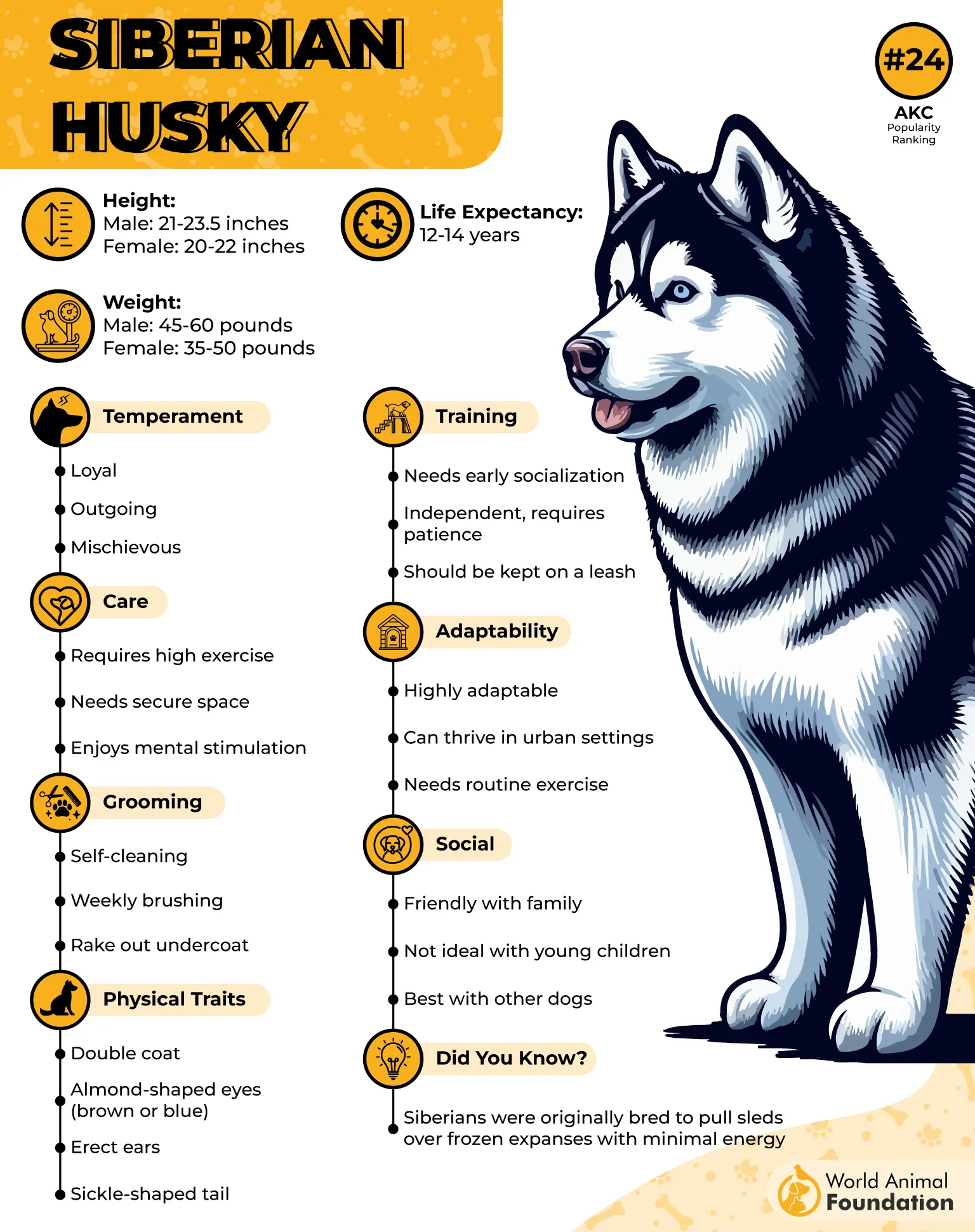
These dogs are happiest when active, whether running through snowfields, hiking rugged trails, or exploring frozen landscapes, and they require both mental and physical stimulation to stay content.
For anyone seeking a resilient, adventure-ready active dog that can handle the extremes of nature, the Siberian Husky is a top choice.
2. Alaskan Malamute
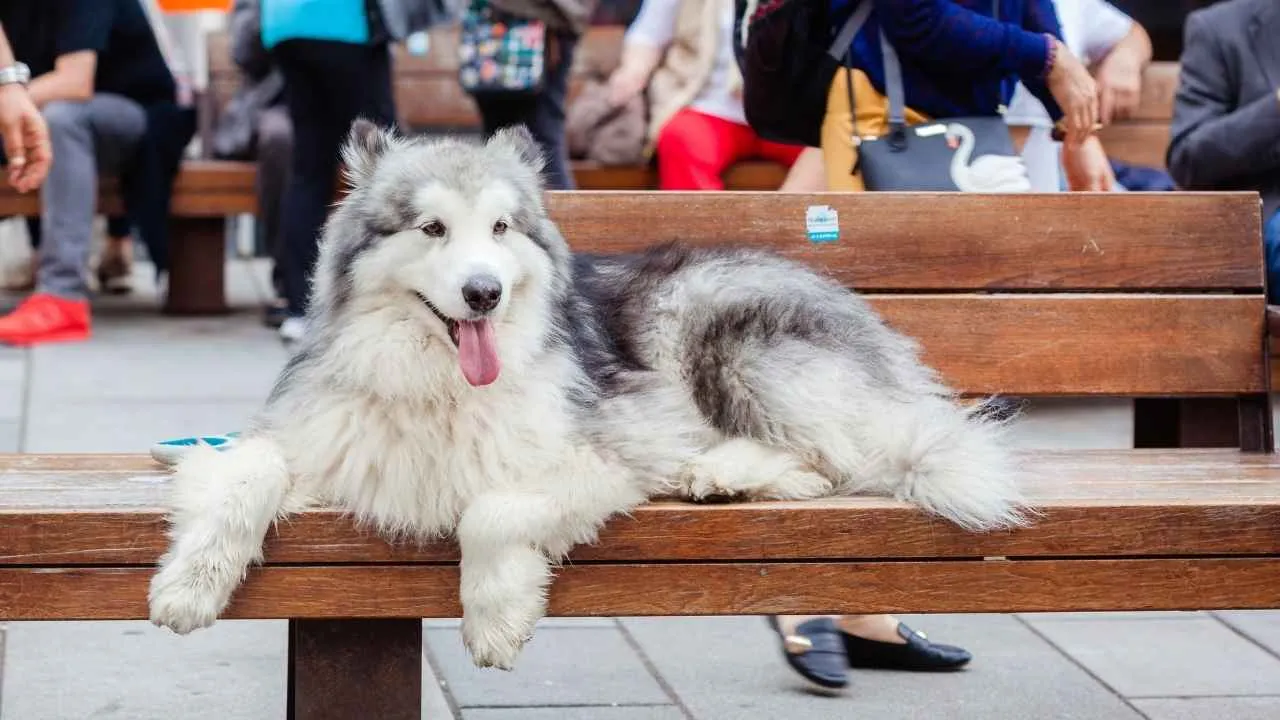
Alaskan Malamutes are true icons of endurance and strength, built to thrive in some of the planet’s most extreme environments.
Bred by the native Mahlemut people of Alaska, these powerful dogs were indispensable for survival—hunting seals, warding off polar bears, and hauling heavy sleds across icy terrain.
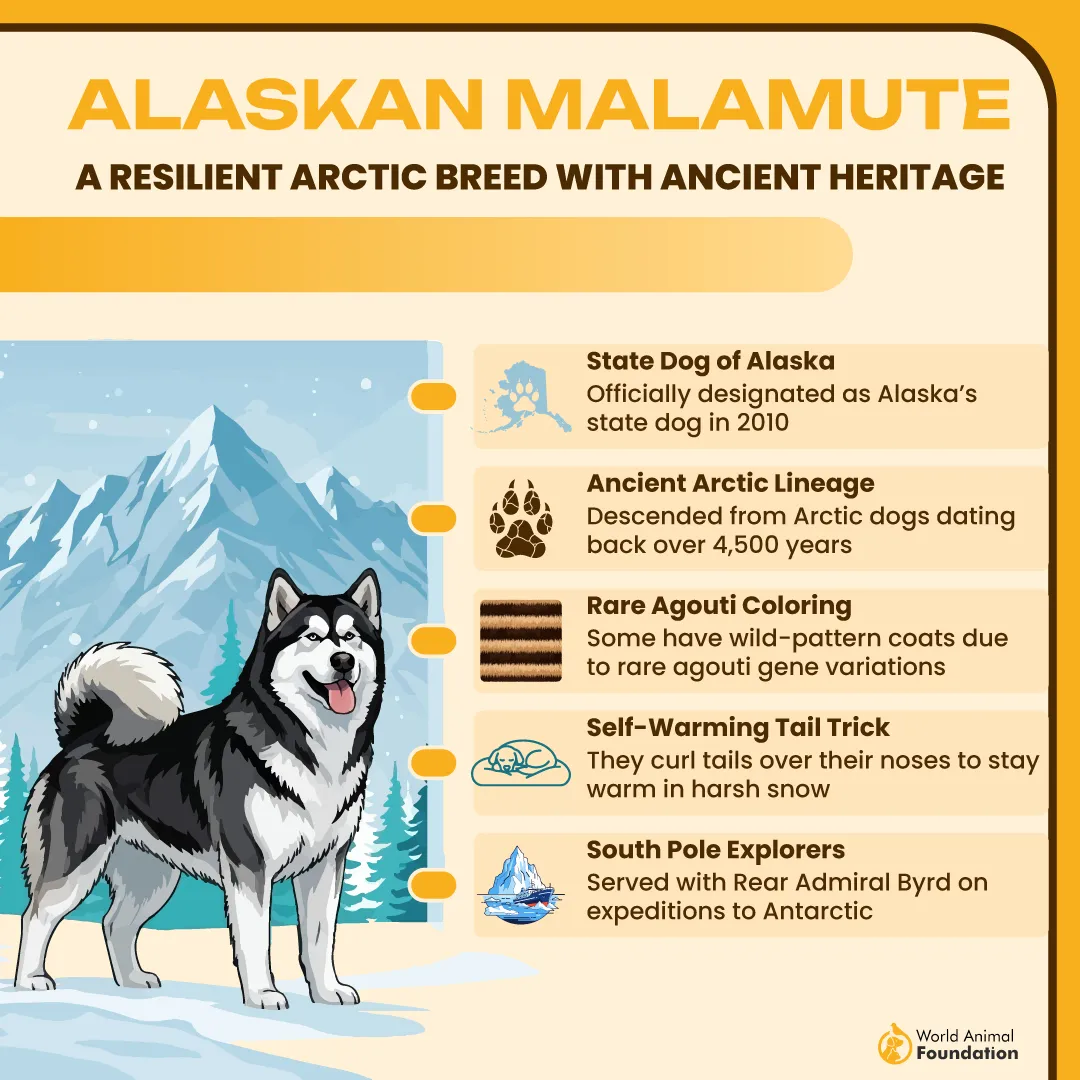
Larger and more robust than their close relatives, the Siberian Huskies, Malamutes can weigh 20 pounds more and stand taller, with a double, exceptionally thick coat that provides unmatched insulation against frigid winds and snow.
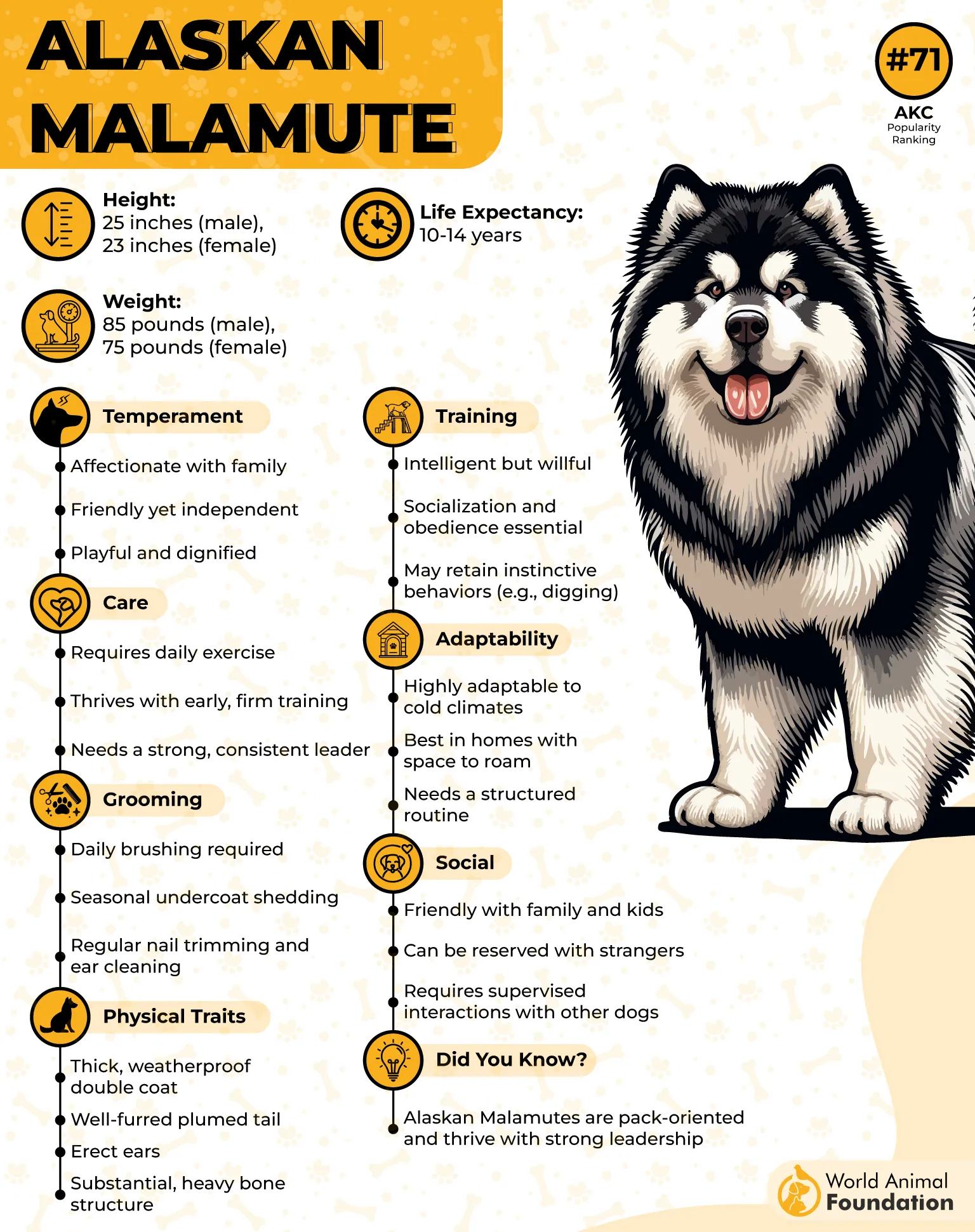
Their dense fur, however, means regular grooming is essential, particularly during seasonal shedding.
Beyond their physical resilience, Malamutes are highly intelligent, loyal dogs, and remarkably social, thriving when given purposeful work and plenty of physical exercise.
They’re happiest roaming open wilderness, pulling sleds, or exploring snow-covered trails, making them ideal companions for adventurers who crave activity alongside a steadfast, hearty dog.
If you’re seeking a breed capable of facing the harshest cold temperatures while combining power, endurance, and unwavering loyalty, the Alaskan Malamute stands in a league of its own.
3. Samoyed
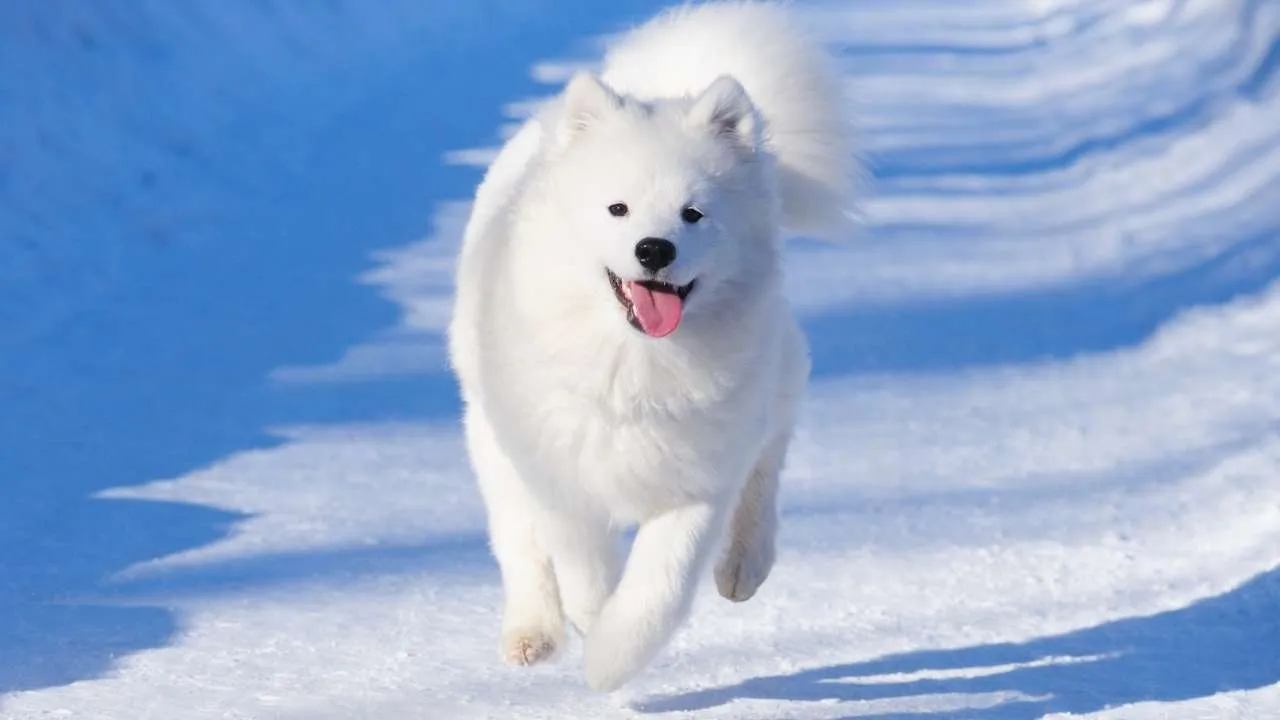
Samoyeds are the ultimate cold-weather companions—beautiful, hardy, and built for life in some of the planet’s most extreme climates.
Originally bred in Siberia for sledding, herding, and hunting in subzero temperatures, these “smiling” dogs were made to work tirelessly in conditions where most breeds would struggle, as mentioned by the AKC.
Their thick double weather-resistant coat, with a harsh outer layer and soft, woolly undercoat, insulates them against wind, snow, and temperatures as low as minus-60 degrees, making them perfectly suited for Arctic adventures.
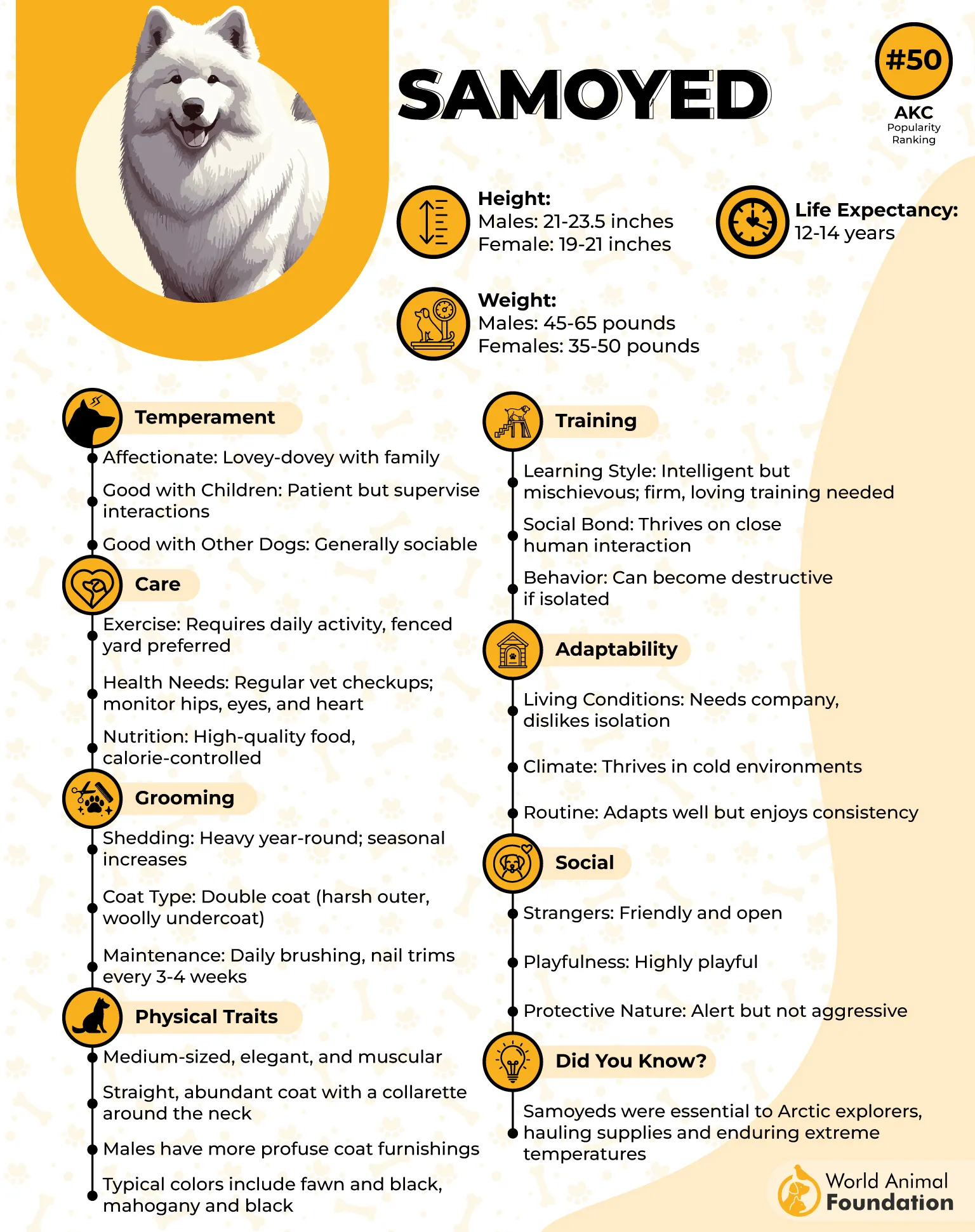
Even their trademark smile serves a practical purpose: the upturned corners of the mouth prevent drooling, which keeps icicles from forming on their faces.
While stunning, their dense coat requires daily grooming, particularly during seasonal blowouts, to manage shedding and prevent mats.
Samoyeds are strong, agile, and endlessly energetic dogs, thriving on outdoor activity and exercise, whether pulling sleds, trekking snowy trails, or playing in winter fields. For anyone seeking a resilient
4. Tibetan Mastiff
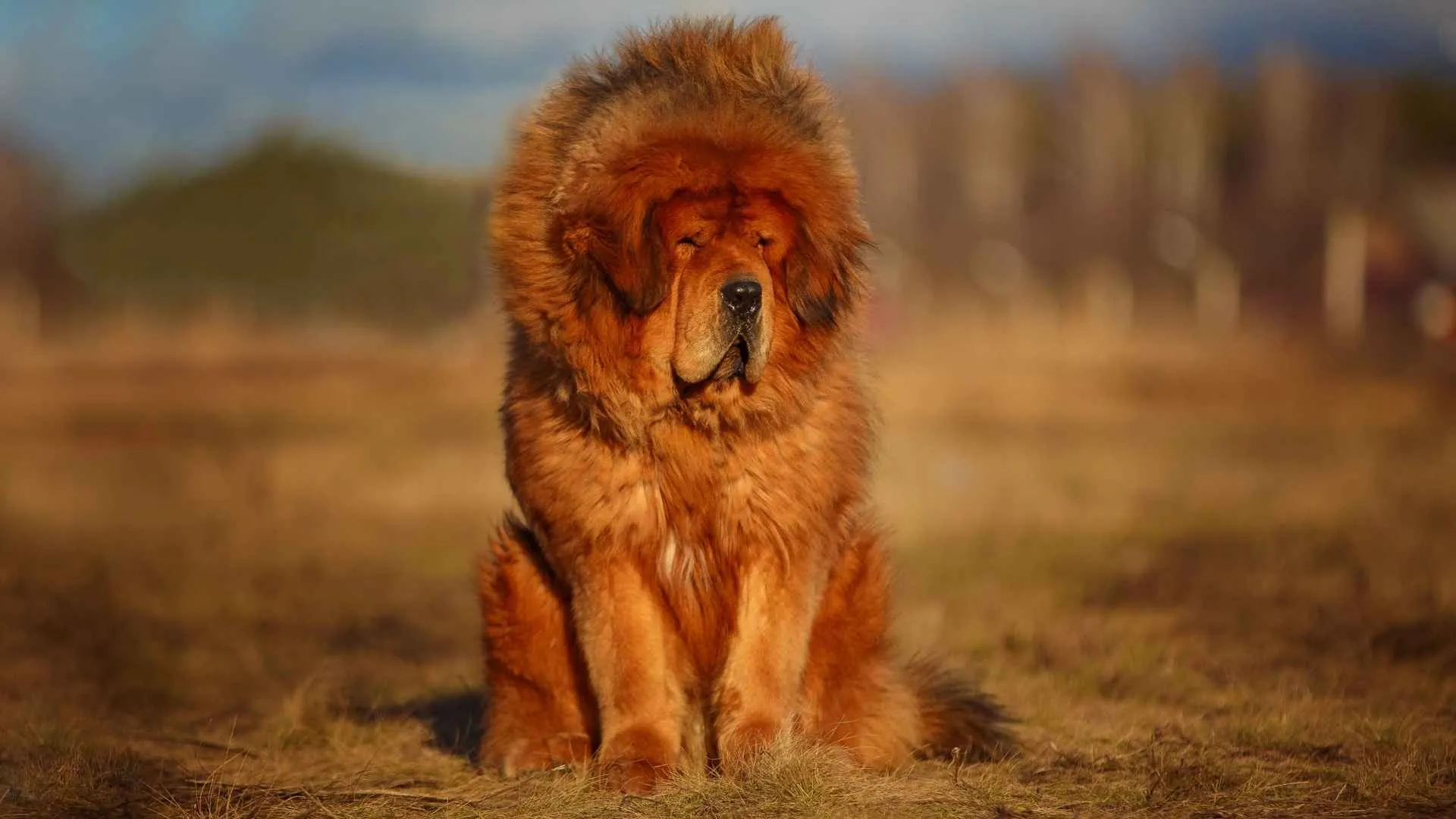
The Tibetan Mastiff is the ultimate guard dog of high-altitude wilderness, built to withstand some of the planet’s harshest climates.
Originating in Tibet and the Himalayan regions of Ladakh, this imposing breed was developed to protect flocks from predators and herding livestock, using instinctive tactics like barking, scent-marking, and strategic intimidation rather than confrontation.
Its survival in extreme environments relies not only on sheer strength but also on deep-rooted pack instincts, a trait shared with wild canids such as wolves.
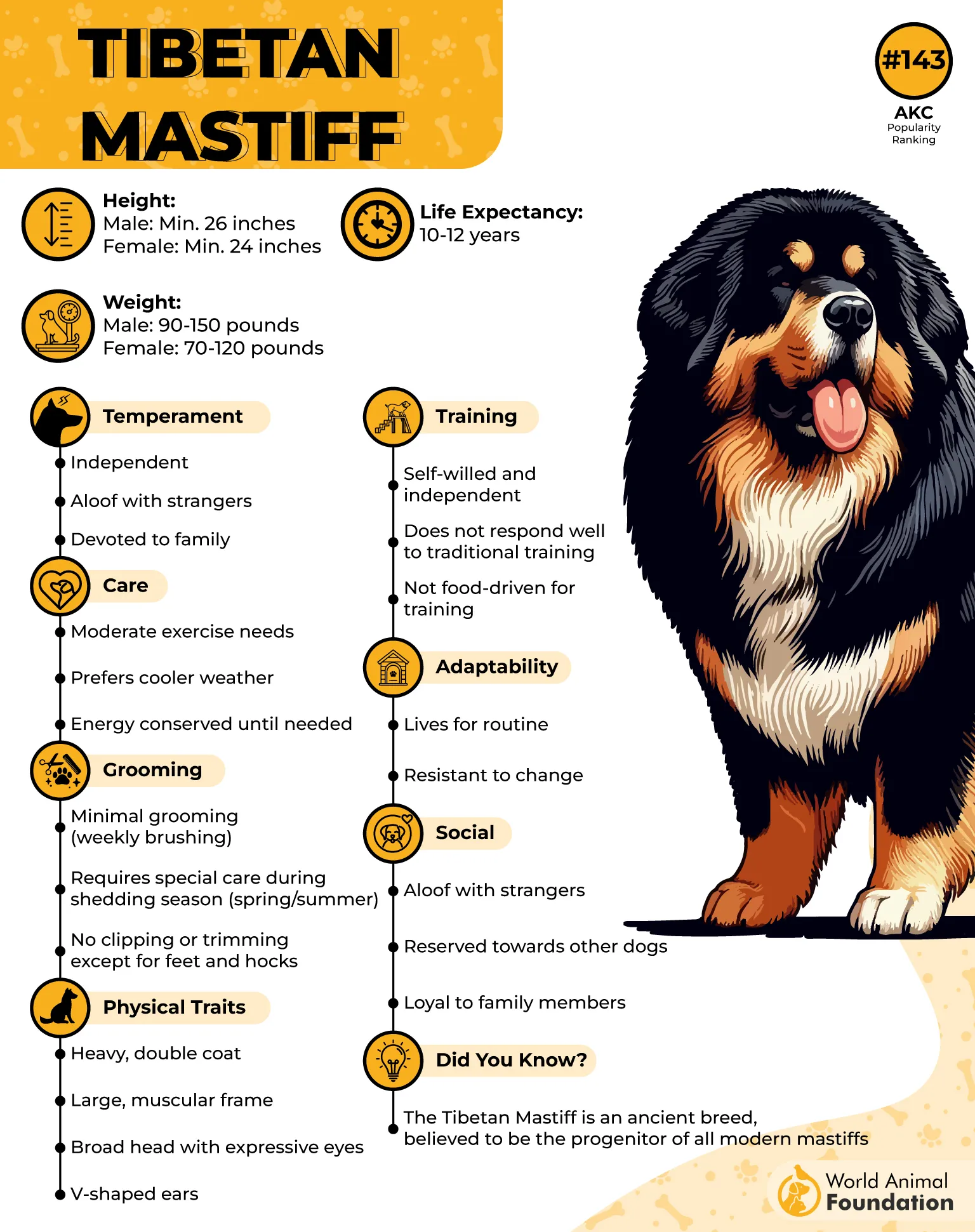
Remarkably, Tibetan Mastiffs retain a single estrus cycle per year—a rare primitive characteristic that reflects their ancestral ties to wild animals and ensures puppies are born in the dead of winter, fully suited to frigid conditions.
Their long, double coat offers exceptional insulation, shedding dirt and odors naturally, and comes in a striking range of colors from deep reds to black, bluish-gray, or white.
With endurance, resilience, and natural independence, the Tibetan Mastiff thrives in rugged wilderness while remaining a loyal and protective companion for those willing to match its formidable spirit.
5. Saint Bernard
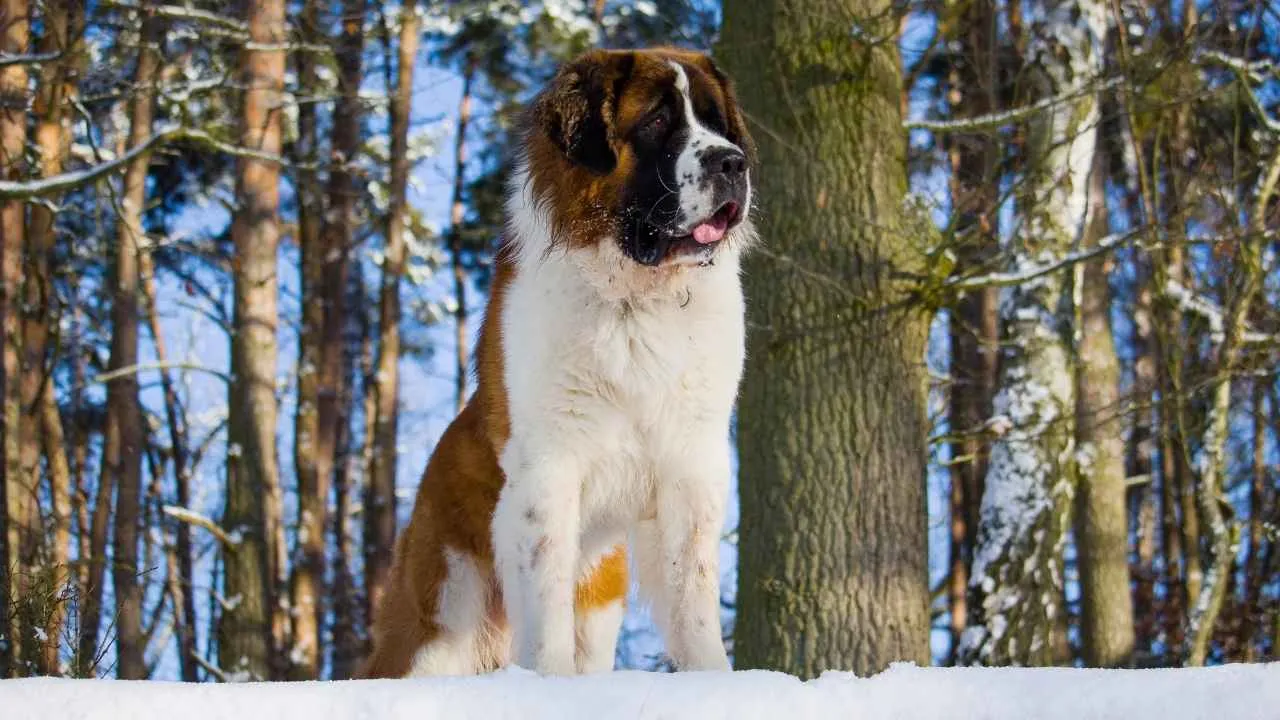
Saint Bernards are the quintessential snow guardians, legendary for their ability to brave harsh alpine conditions while saving lives.
For centuries, these massive, muscular dogs were trusted in the Swiss Alps as search-and-rescue heroes, skillfully locating travelers and villagers buried beneath heavy snow.
Their dense, weather-resistant coat shields them from freezing temperatures, while their strength and endurance allow them to navigate deep snow and treacherous mountain terrain with ease.
Though still occasionally called upon for avalanche rescue missions, Saint Bernards have earned a place in homes worldwide as gentle giants.
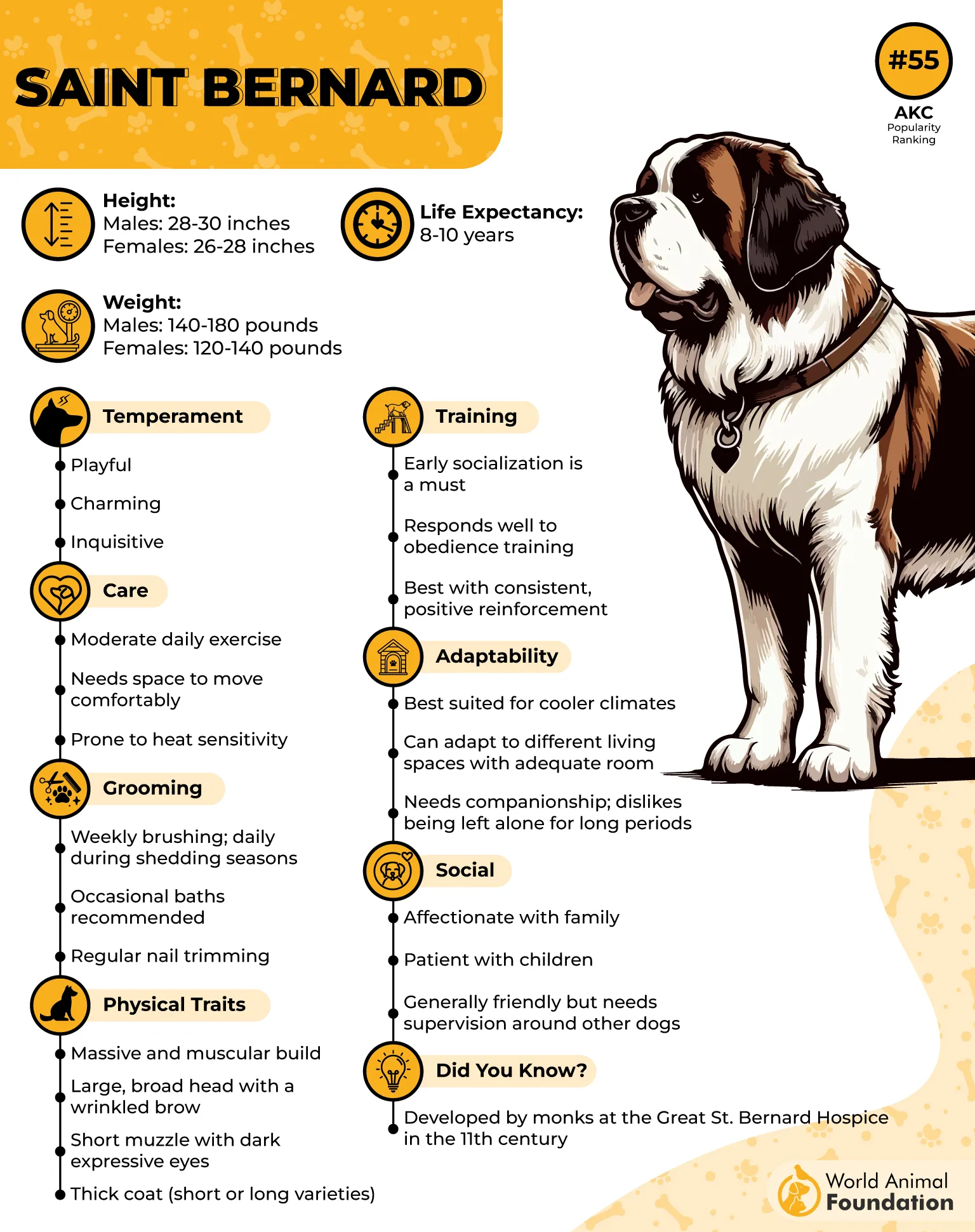
Known for their calm, friendly temperament, they balance their heroic capabilities with an affectionate, patient nature that makes them excellent family companions.
Despite their imposing size, they thrive on social interaction and moderate exercise, enjoying outdoor adventures that match their stamina.
For anyone seeking a dog built for extreme cold conditions and rugged wilderness yet capable of warmth and companionship indoors, the Saint Bernard embodies the perfect harmony of strength, resilience, and heart.
6. Great Pyrenees
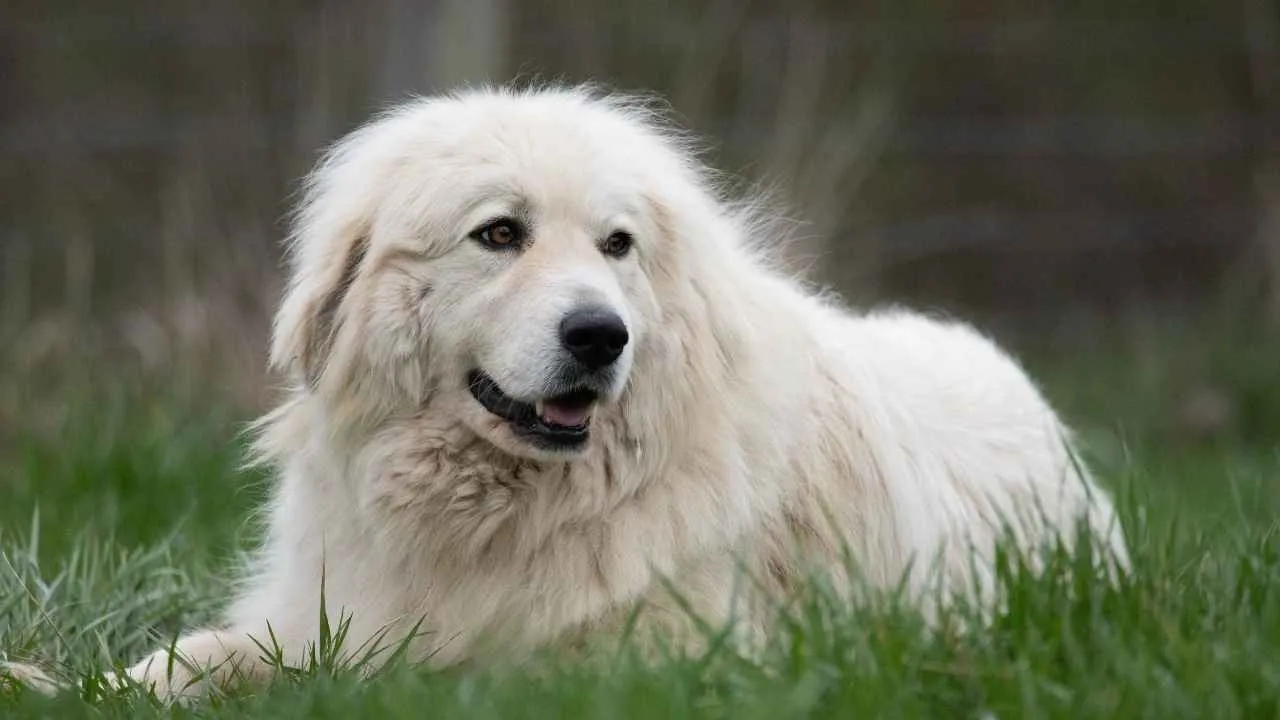
The Great Pyrenees is a majestic guard dog built for cold, rugged landscapes rather than sweltering heat.
Originating in the high mountains between France and Spain, this breed was developed to protect flocks from predators with courage, intelligence, and bursts of explosive energy.
Unlike endurance runners, these incredibly intelligent dogs rely on strategic strength—they are designed to charge and intimidate threats, conserving their energy for decisive action.
Friendly, calm, and deeply devoted, they thrive when close to people, though a secure fenced yard allows them space to patrol and survey their territory safely.
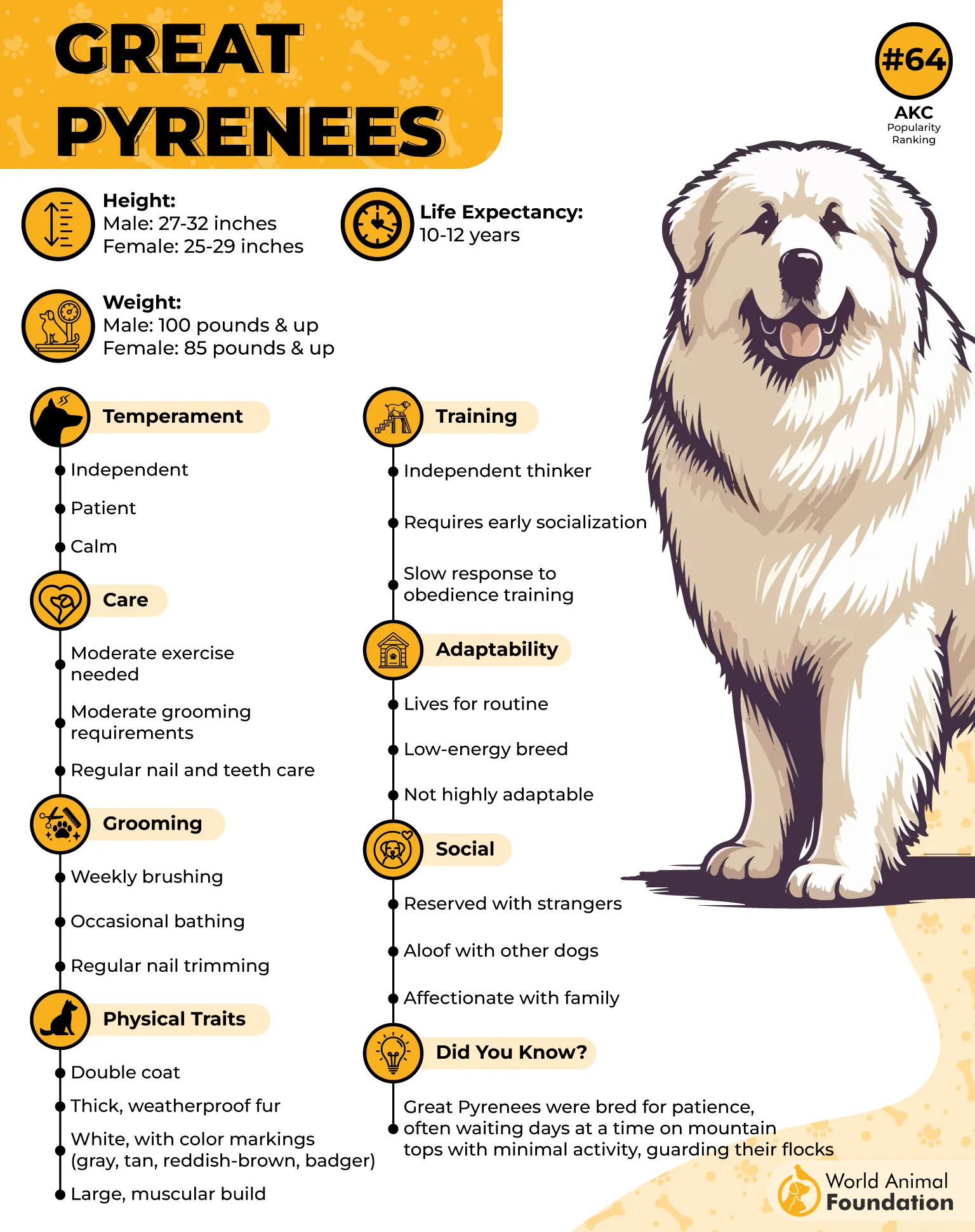
Their thick double coat shields them from snow, wind, and freezing temperatures, but makes them vulnerable in hot or humid conditions, so strenuous exercise in warm weather should be avoided, as mentioned by Orvis.
While they can handle outdoor life in wintery or mountainous regions, their preference for companionship ensures they remain both protective and affectionate with their families.
For anyone seeking a noble, vigilant, cold-weather guardian capable of facing wilderness extremes, the Great Pyrenees combines heart, brains, and brawn in one impressive package.
7. Norwegian Elkhound
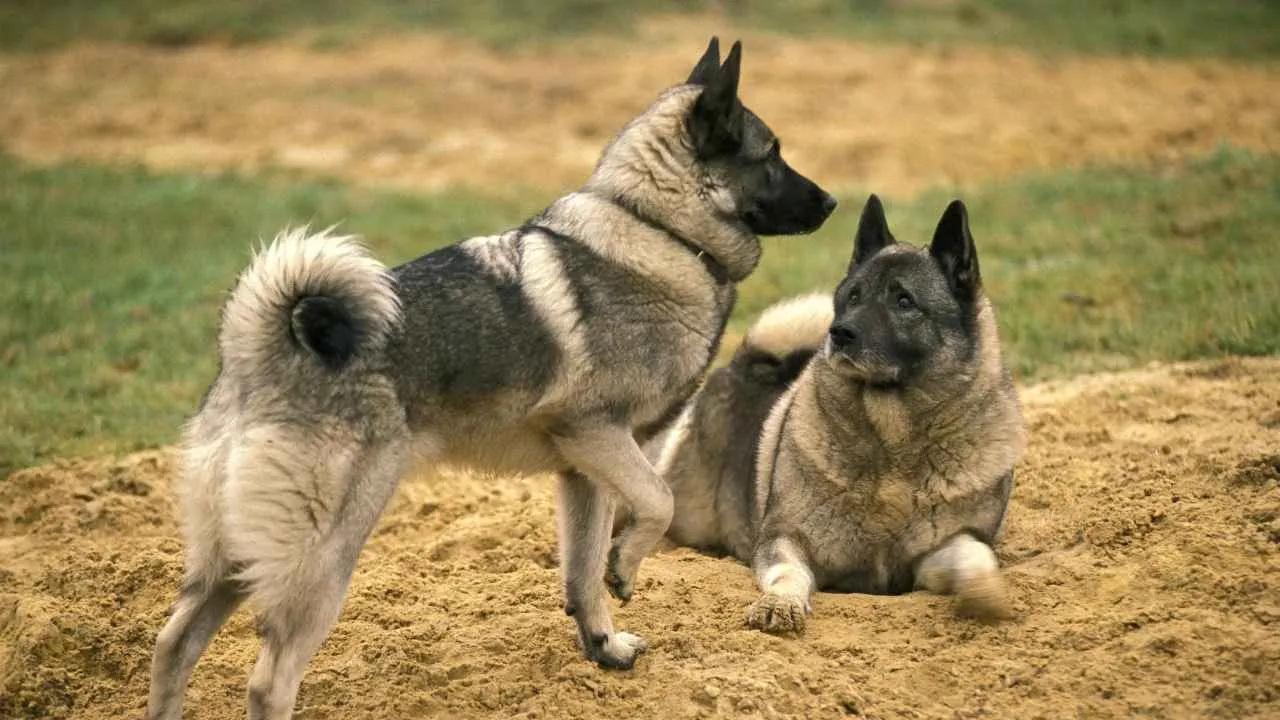
The Norwegian Elkhound is a hardy, adventure-ready companion built for cold, rugged landscapes.
Weighing 45–57 pounds, this breed’s strength comes wrapped in a thick, weatherproof double coat of gray, black, and silver fur that shields them from snow, wind, rain, and icy temperatures.
Originating in Scandinavia, Elkhounds were bred to hunt and track large game in harsh climates, giving them endurance, intelligence, and courage in the wilderness.
Their dense, coarse coat excels in wintery conditions but demands daily grooming—expect plenty of shedding, especially during seasonal blowouts in spring and fall, and consider professional de-shedding sessions to manage the silver tumbleweeds.
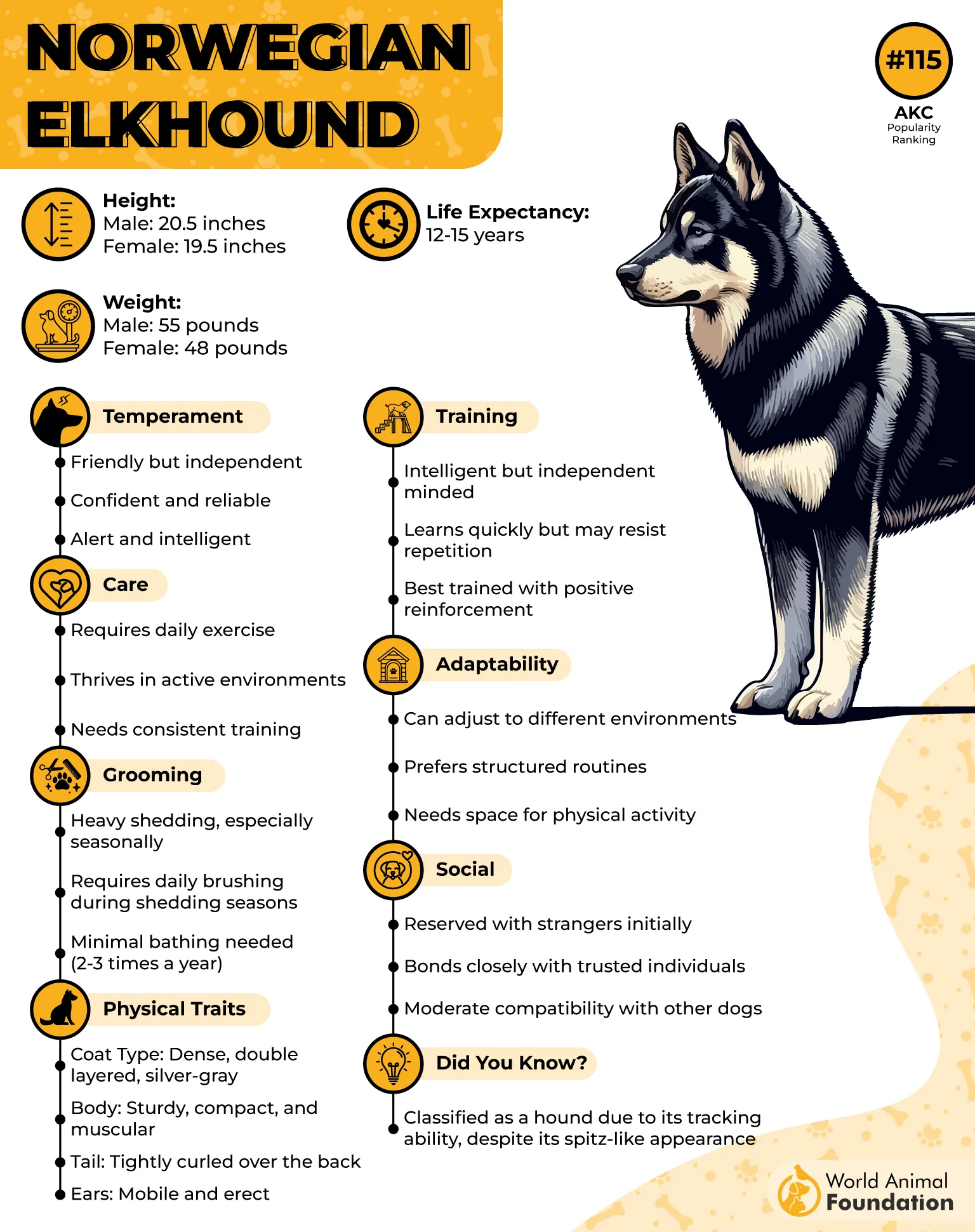
Despite their cold-weather prowess, Norwegian Elkhounds are prone to overheating in summer, so owners must provide shade, water, and cooling activities to keep them safe.
Energetic, loyal, and endlessly curious, Elkhounds love spending time outdoors with their families, exploring trails, forests, and snow-covered terrain.
For those seeking a resilient, weather-ready dog that can thrive in extreme cold while sharing adventures with humans, the Norwegian Elkhound is a perfect wilderness companion.
Conclusion
Choosing a dog that can thrive in extreme weather isn’t just about looks—it’s about resilience, stamina, and adaptability.
These hardy companions are built to handle snow, ice, and rugged wilderness, excelling in environments that challenge ordinary pets.
They require dedicated care, proper grooming, and regular exercise suited to their climate, but in return, they offer loyalty, protection, and an unmatched adventure-ready spirit.
For outdoor enthusiasts or anyone living in harsh climates, these dogs become more than pets—they are steadfast partners ready to explore, endure, and thrive in the wild.
