




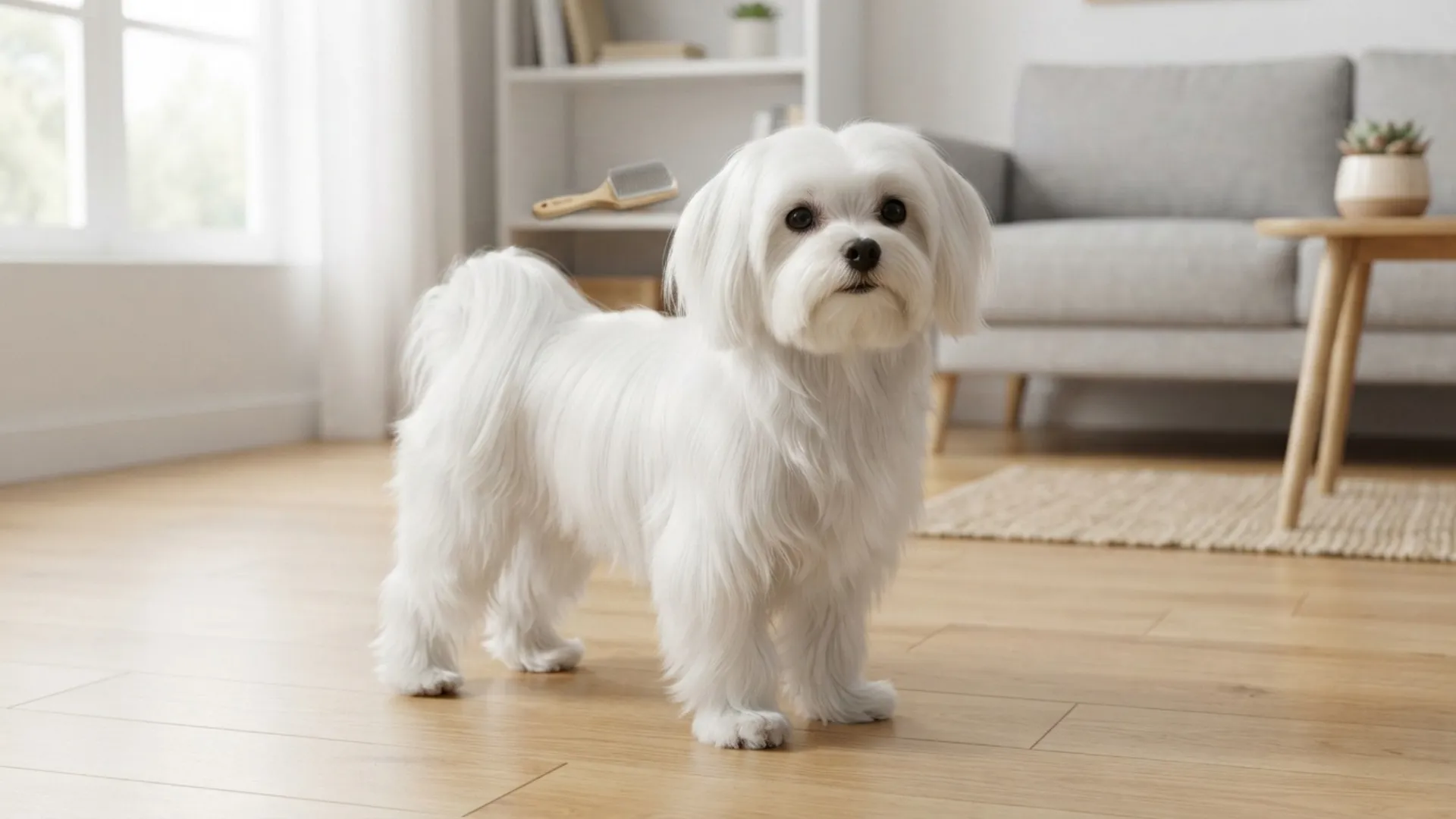
If you love dogs but hate finding fur on your clothes, furniture, and floors, you’re definitely not alone. Some dogs leave behind hair almost everywhere they go, while others shed much less and can make everyday cleaning feel far more manageable.
Low-shedding dogs can also be appealing to people who deal with dog allergies. However, less shedding does not mean completely allergy-free.
Allergies can be triggered by dander, saliva, and other proteins, so no dog is truly hypoallergenic. Still, dogs that shed less may spread fewer allergens around the home. The good news is that you don’t have to choose between having a dog and constantly battling loose hair.
In this article, we’ll look at hypoallergenic dog breeds that shed the least and what makes them easier to keep clean, so you can find a companion that fits more comfortably into your home and daily routine.
Dog Breeds That Shed the Least: Easy Cleaning and Care
1. Chinese Crested
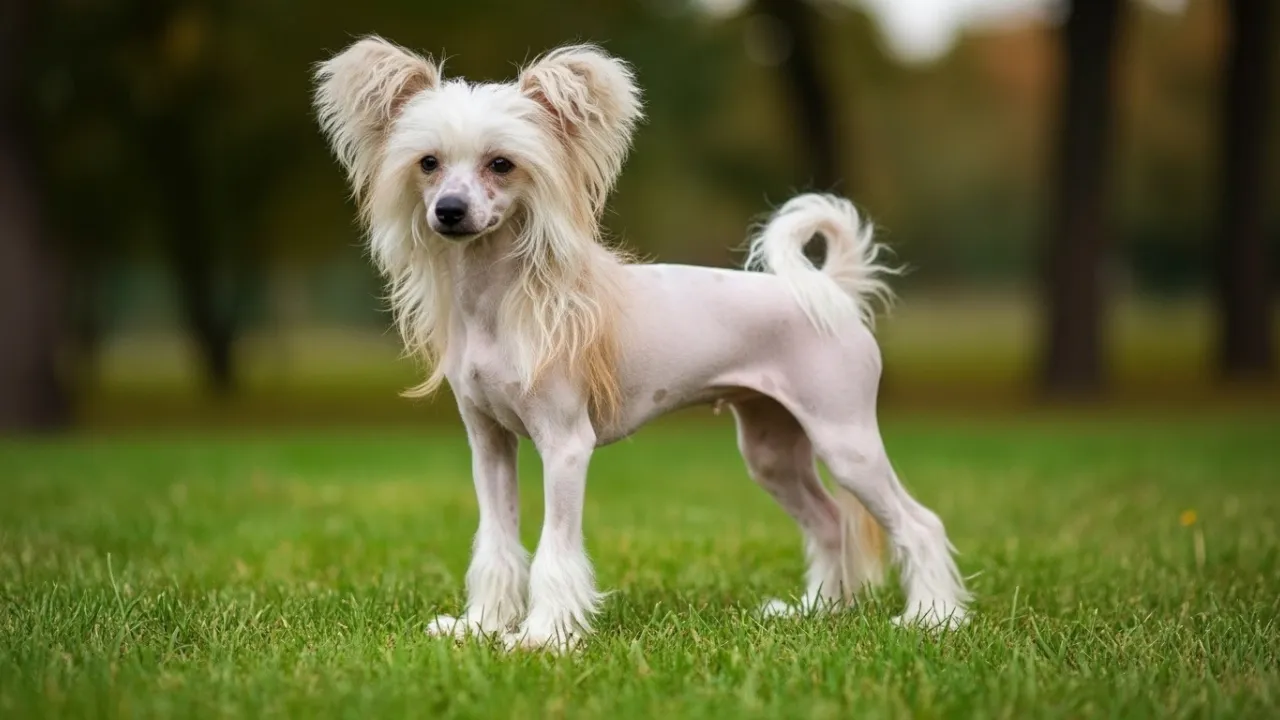
The Chinese Crested stands out with its unusual appearance and hypoallergenic coat. The breed comes in two varieties: Hairless and Powderpuff.
The Hairless type has smooth, exposed skin with soft hair on the head, feet, and tail. The Powderpuff has a soft, silky coat covering the entire body. Both varieties can be born in the same litter.
Personality and Care
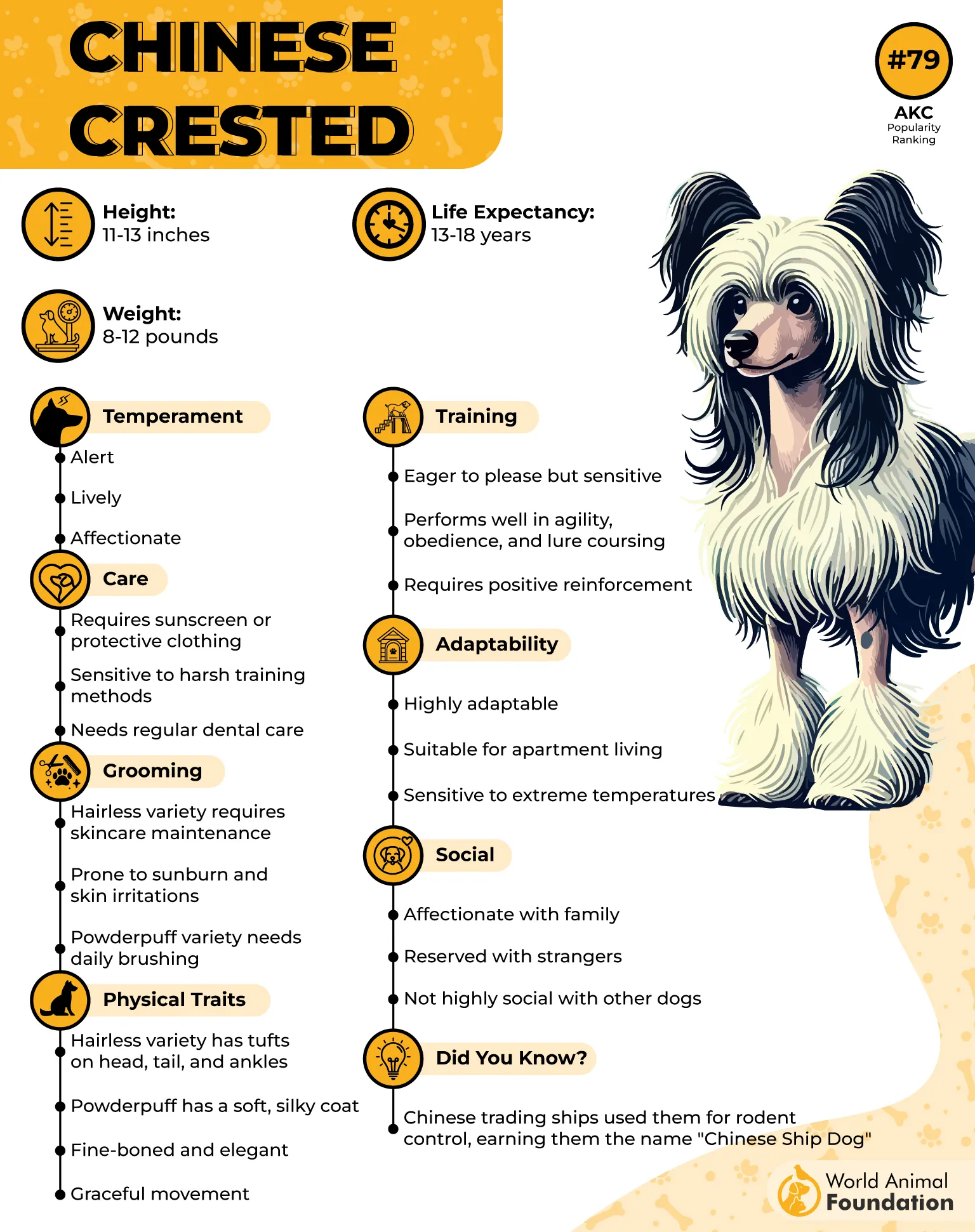
Chinese Crested dogs are cheerful, playful, and affectionate companions. They enjoy being close to their people and are often happiest sitting on a loved one’s lap.
They are also bright and easy to train, whether you are teaching basic obedience or fun tricks. Their small size and modest exercise needs make them suitable for apartments and older adults.
Coat and Cleaning
The Hairless variety has very little body hair, which means less loose fur around the home. However, the exposed skin is sensitive to bright sunshine and cold, according to Orvis.
The Powderpuff has more hair but is still included among low-shedding dogs. Both types are fine-boned and delicate, so interactions with children should be supervised to prevent accidental injuries.
2. Poodle
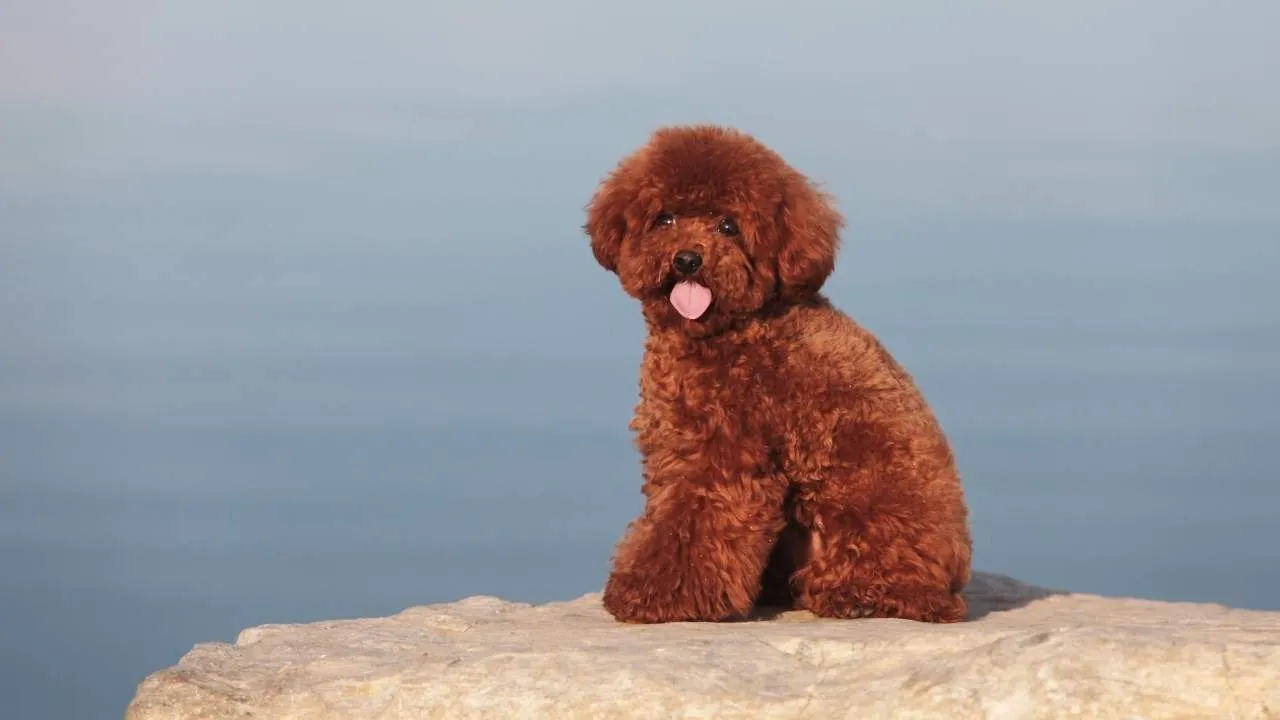
Poodles come in three varieties: Standard, Miniature, and Toy. They are known for being intelligent, athletic, and highly versatile companions.
Originally used as water retrievers, they became skilled at following signals from a distance and later even performed in circuses. Today, they are known for their success in obedience, agility, and service work.
Personality and Training
Poodles are eager, playful, friendly, and willing to please. They are considered one of the most intelligent and easiest breeds to train. They can learn basic obedience, tricks, and complex tasks with great success.
They are usually friendly toward people and are not known to be fighters. They can also make good watchdogs, though some may bark excessively.
Coat and Care
Poodles have a curly, dense, single-layer coat that sheds very little. Their coat is considered low-allergen and may suit allergy sufferers. If it is left unclipped and unbrushed, it can form cords.

Regular grooming helps keep the coat manageable. All varieties are energetic and need daily exercise, with fetch, swimming, walks, and jogs being good ways to keep them active.
3. Shih Tzu
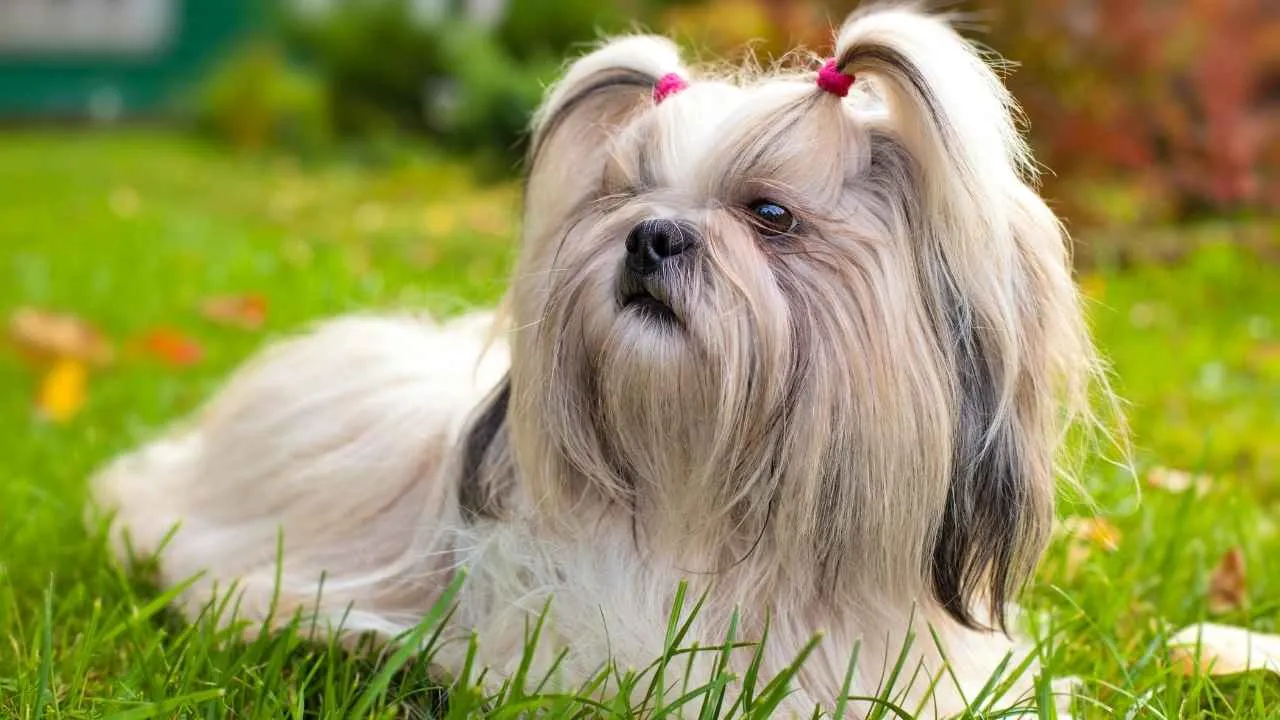
The Shih Tzu is an ancient toy breed that was bred to be a loving companion. Known as a “lion dog,” it was associated with Buddhism and was once pampered by Chinese imperial rulers.
Over time, its role changed from alerting households to becoming a family dog. Today, the breed is known for its cheerful, outgoing, and playful nature.
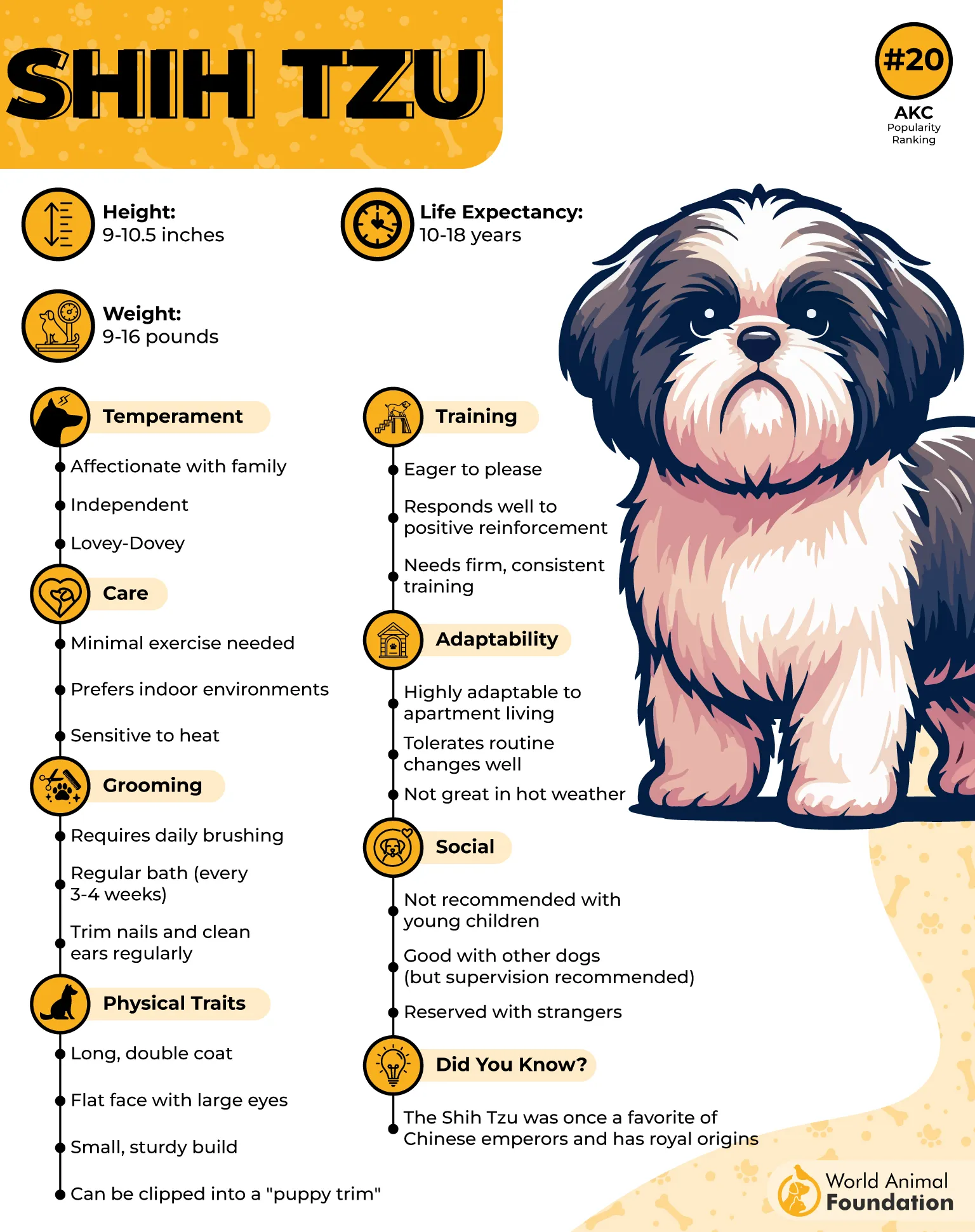
Personality and Lifestyle
Shih Tzus enjoy being around people and generally get along well with other animals. They are affectionate and love attention, whether they are playing, going for a walk, or relaxing on the sofa.
They can learn quickly despite sometimes being slow to obey. Their small size and friendly nature also make them suitable companions for gentle older children and seniors.
Coat and Care
Shih Tzus have a long, flowing double coat that can grow to the ground. They shed very little, and their coat is considered hypoallergenic. However, it needs regular grooming to stay manageable.
Their exercise needs are fairly simple, with around 30 minutes of walking and some playtime at home often being enough. They also prefer not to spend long periods alone.
4. Maltese
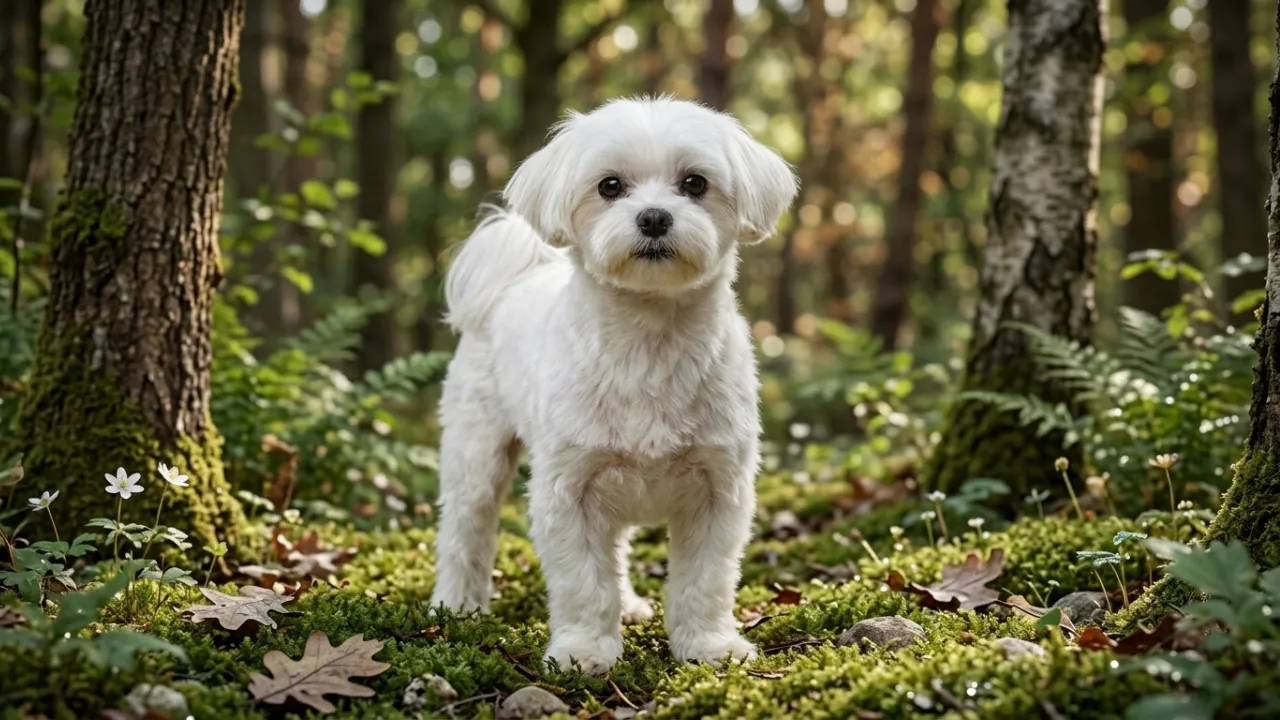
The Maltese is a small companion breed that originated on the Mediterranean island of Malta. It has been a loyal companion for centuries, with references to the breed appearing in Ancient Greek and Roman literature. Despite its tiny size, the Maltese is lively, bold, and playful.
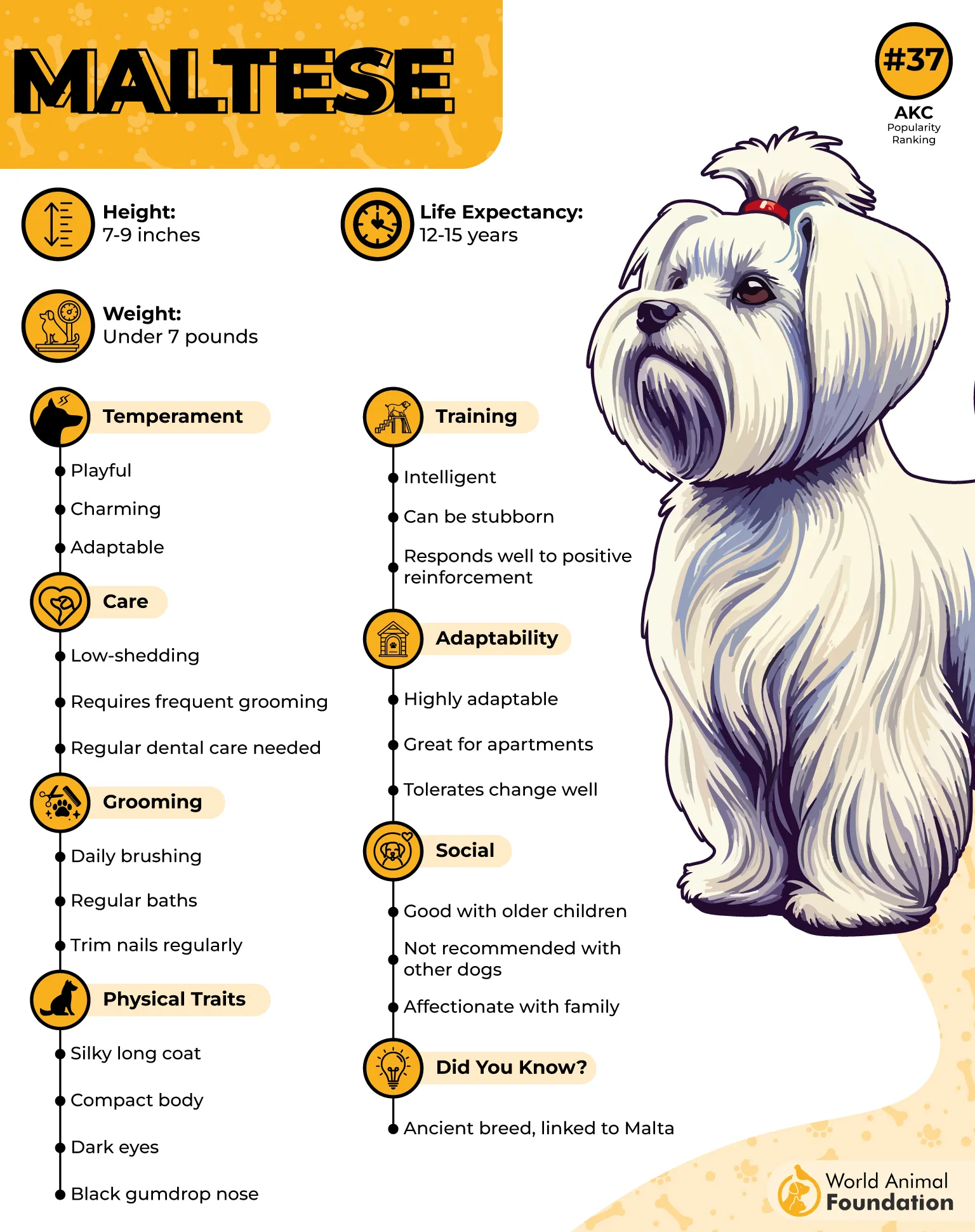
Personality and Training
Maltese are gentle, trusting, and devoted to their families. They enjoy learning tricks, especially when rewards are involved. Britannica says they are alert and can be enthusiastic watchdogs, often barking at unfamiliar noises.
They can be snappy around noisy children and may be aloof with strangers. Their playful nature also makes them good companions for older, gentle children and seniors.
Coat and Care
The Maltese has a long, silky white coat that sheds very little and is often described as hypoallergenic, although no dog is completely allergen-free. The coat can easily develop mats and tangles, so daily brushing or combing is needed.
Regular bathing also helps keep the coat clean and healthy. For easier upkeep, shorter haircuts are an option. Along with grooming, Maltese need daily exercise, positive training, and mental stimulation.
5. Yorkshire Terrier
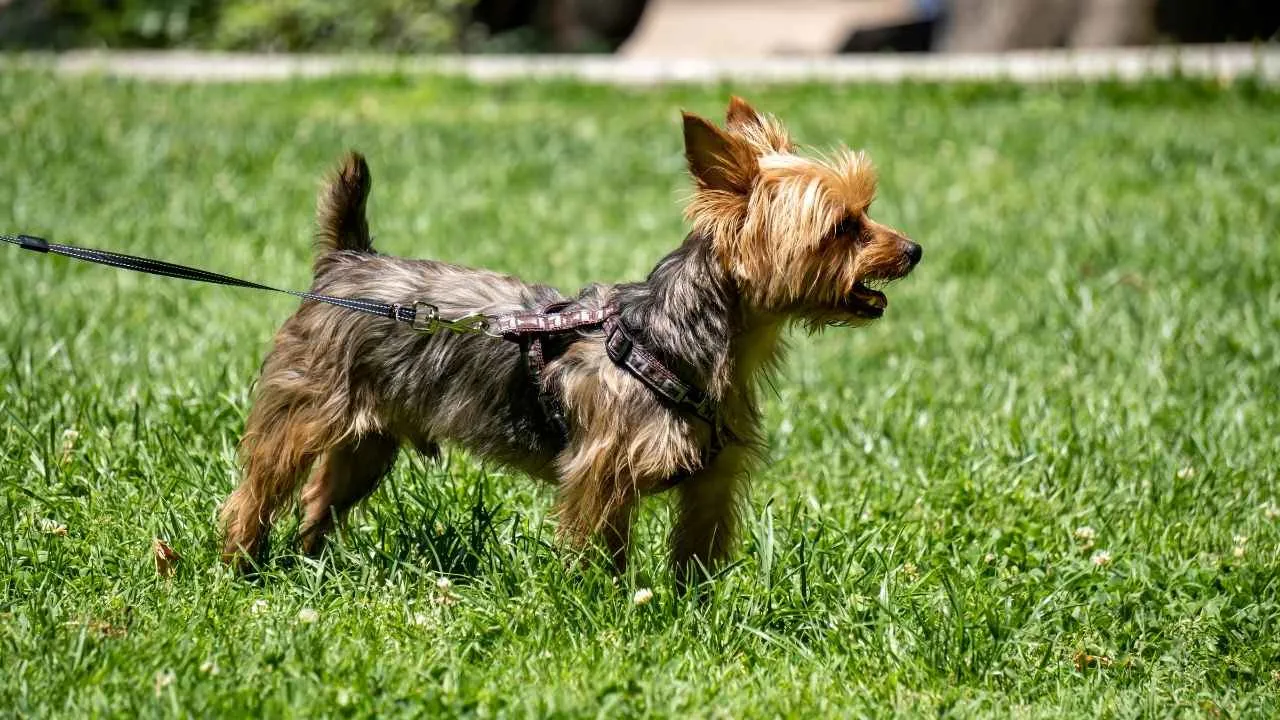
The Yorkshire Terrier, or Yorkie, originated in Yorkshire, England, in the mid-19th century. Scottish workers brought small terriers to the area, where the dogs were developed to catch rats in cotton mills.
The breed was later bred to a smaller size and became a popular companion. Despite their tiny frames, Yorkies have a bold and determined nature.
Personality and Training
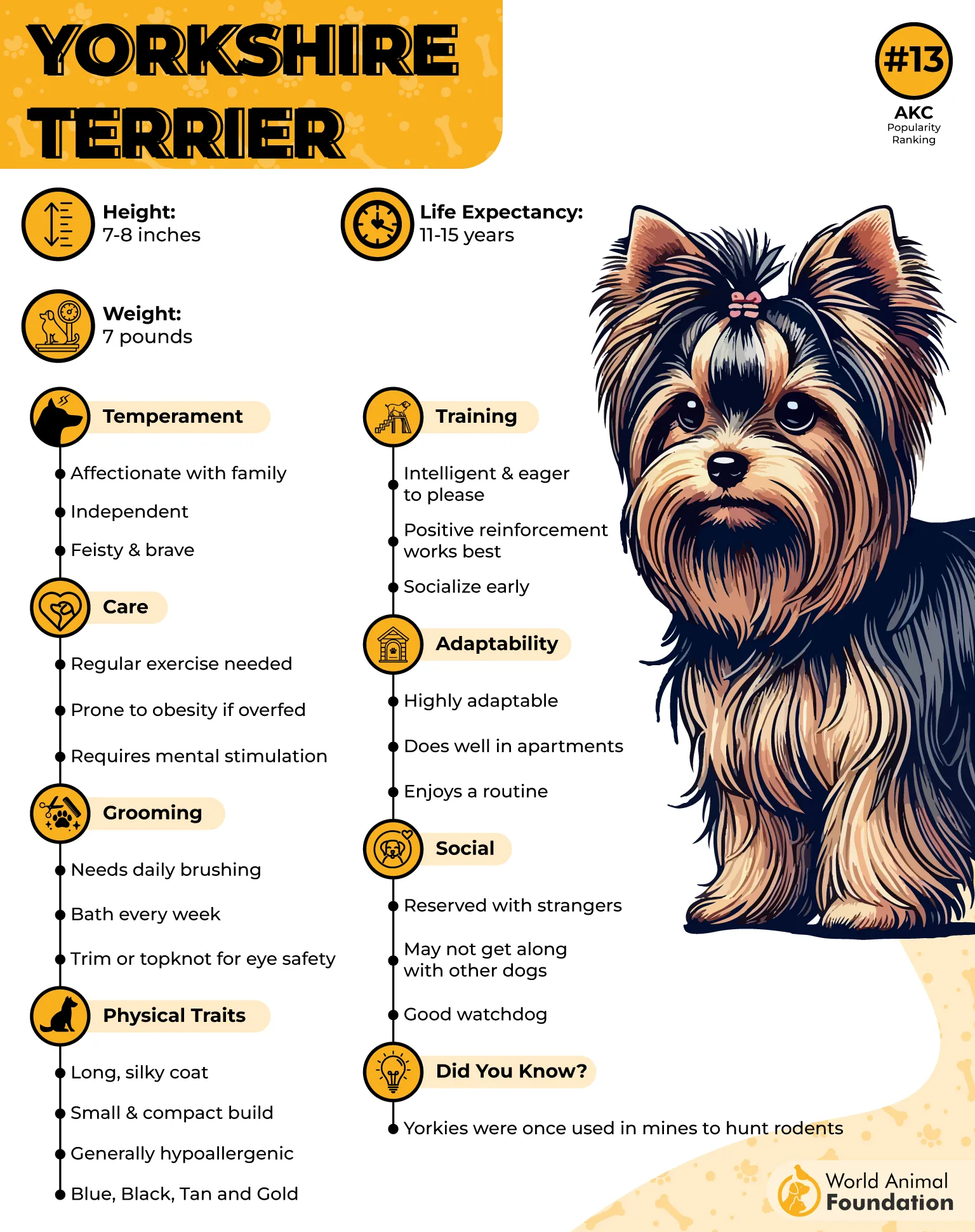
Yorkies are lively, curious, affectionate, and always ready for an adventure. They can be protective of their owners and make alert watchdogs. They often bark when someone approaches the home. Socialization from a young age is important, especially around strangers and children.
These intelligent dogs are quick learners and enjoy training, games, walks, and other mental stimulation. They do not like being left alone for long periods and may chase small furry pets because of their hunting background.
Coat and Care
The Yorkshire Terrier has a long, straight, silky coat that is more like human hair than typical fur. It needs regular trimming to keep it neat and prevent the hair from becoming a tripping problem.
Their coat comes in several combinations, including black and tan, black and gold, blue and gold, and blue and tan. Although their coat looks glamorous, Yorkies are often called “tomboy toys” because they enjoy staying involved in everyday activities.
6. Afghan Hound
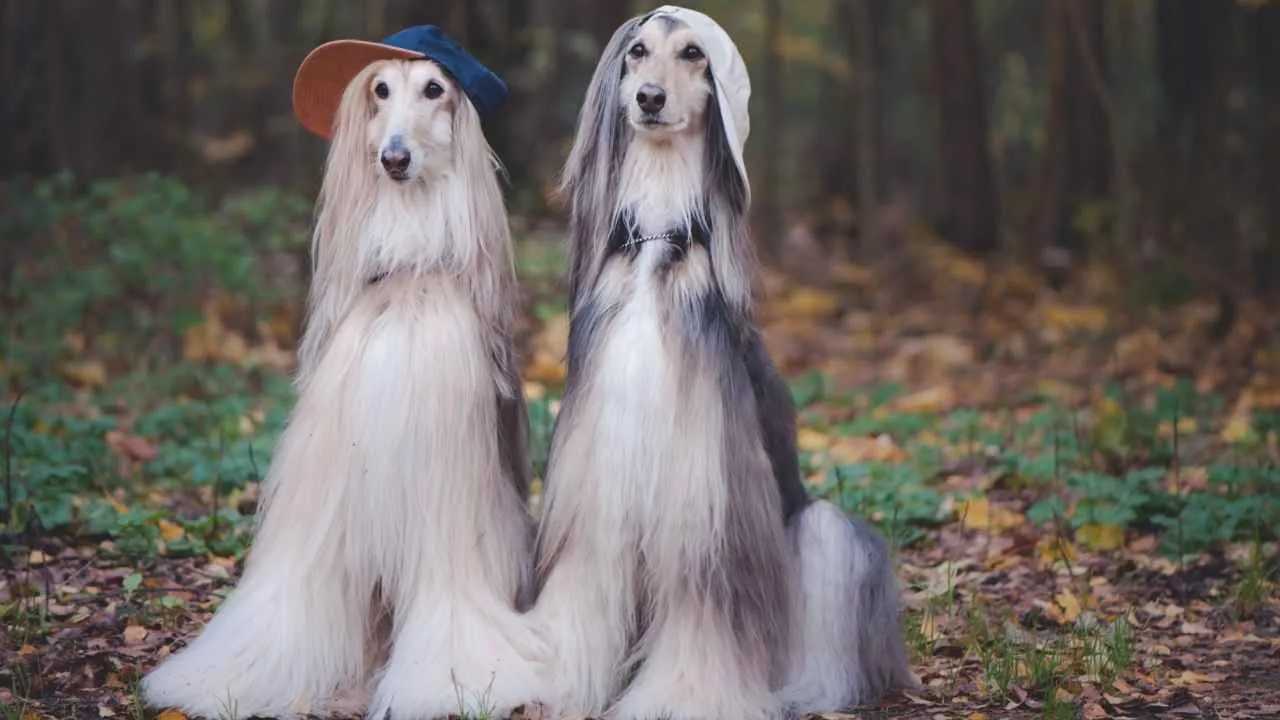
The Afghan Hound was developed as a hunter in the hill country of Afghanistan. It was bred to hunt independently, which helps explain its strong-willed nature today.
The breed was brought to Europe in the late 19th century by British soldiers returning from the Indian-Afghan border wars. As a sight hound, it has sharp eyesight and quick feet and can also take part in activities such as lure coursing.
Personality and Training
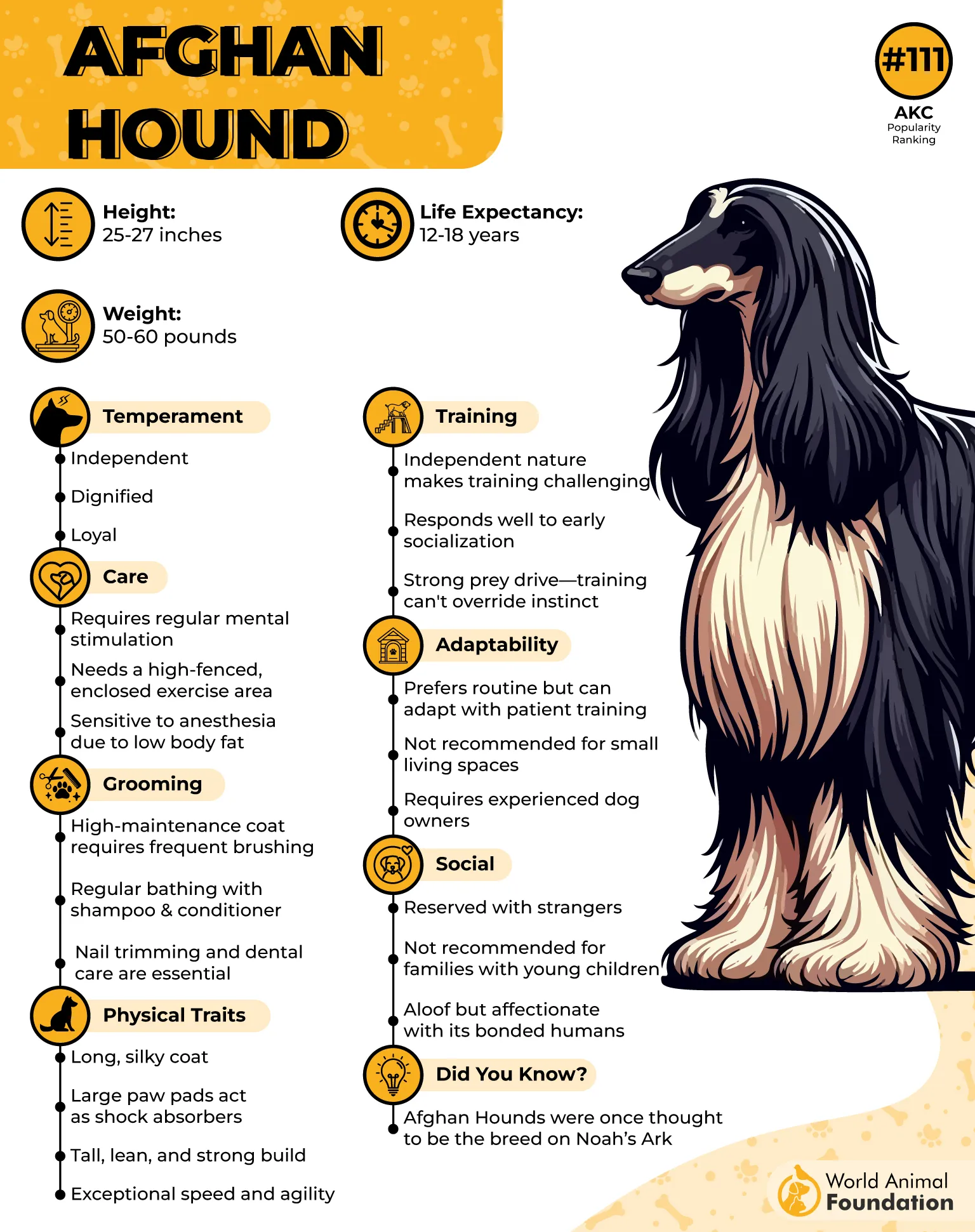
Afghan Hounds are independent, self-confident, and dignified. They can be reserved with strangers but form close bonds with their families and can be loyal and loving with people they know.
Early socialization and consistent training are important. PetMD mentions their strong prey drive also means they need supervision around children and should not be allowed loose in unfenced areas. They are high jumpers, so secure, tall fencing is worth considering.
Coat and Care
Afghan Hounds shed very little, making them one of the lower-shedding breeds. However, their long, silky coat requires extensive grooming and can make their care more demanding.
They also need regular daily exercise, such as a long walk or jog. Their coat can come in colors including black, cream, blue, tan, red, and brindle.
7. Basenji
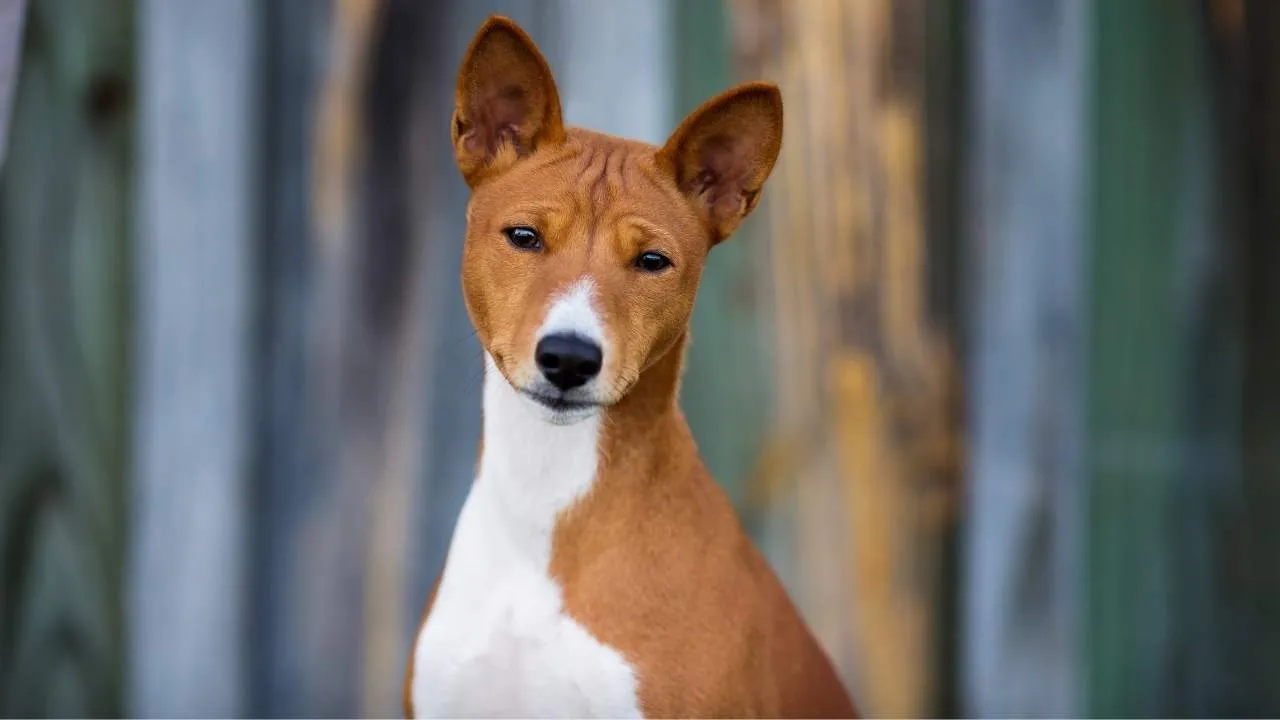
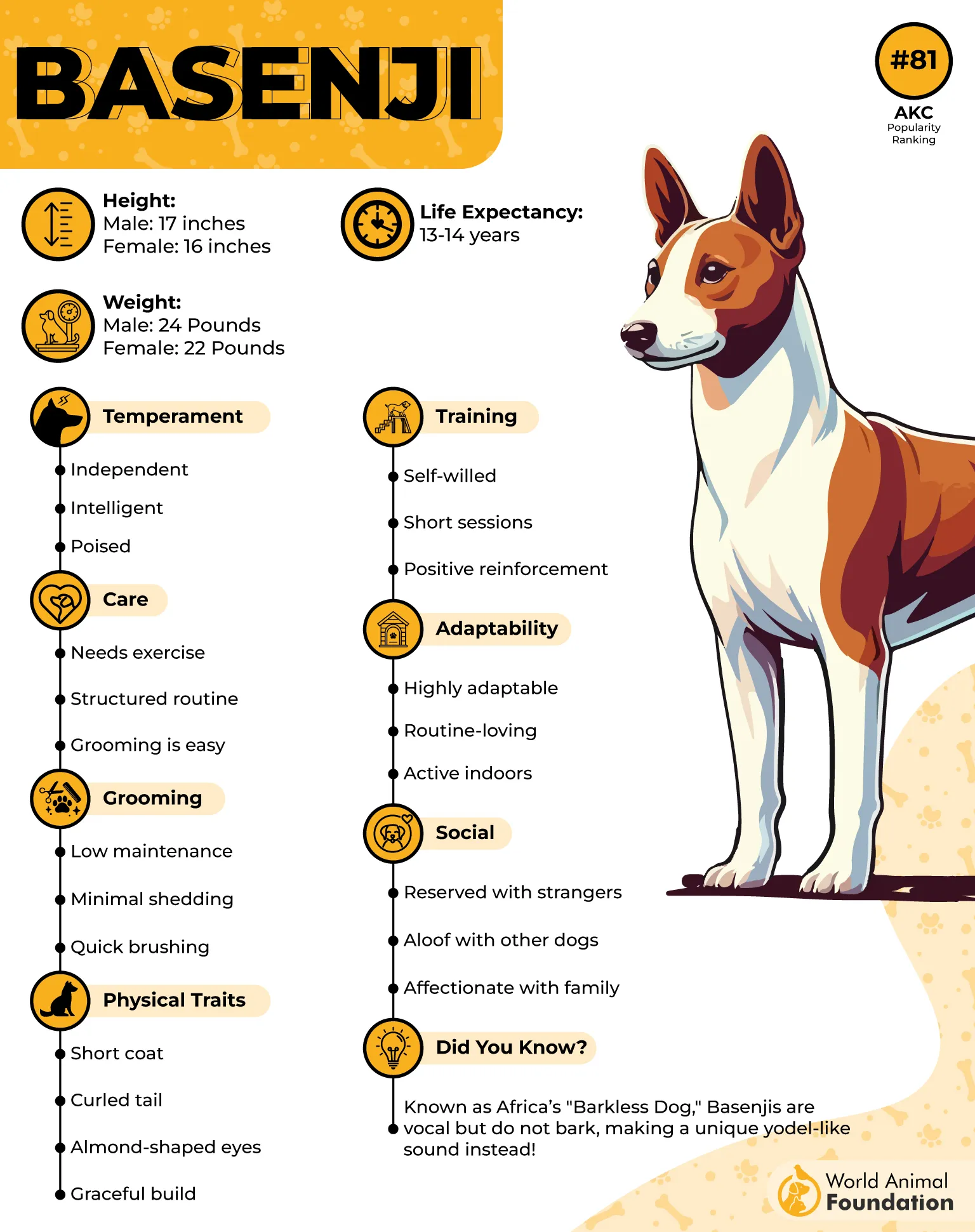
The Basenji is an ancient breed from Africa, with evidence of Basenji-type dogs appearing in old cave paintings in Libya. They were hunting companions of people in the Congo region and were later brought to England in the 1930s.
The breed became more popular as a pet and show dog by the 1950s. Basenjis are famous as “barkless dogs,” but they can yodel, howl, chortle, or crow when excited.
Personality and Training
Basenjis are alert, curious, intelligent, and energetic. They are often described as catlike because they are independent and very clean. They can be playful and companionable with their families but may be reserved with strangers.
Their strong prey drive means small furry animals can be unsafe around them. They are also skilled climbers and fast runners, so secure fencing is important. Training can be challenging because they are stubborn and independent, but patient, reward-based training can help.
Coat and Care
Basenjis have a short, smooth coat that sheds very little and needs only occasional grooming. They are also fastidious about cleaning themselves and often groom like cats.
They tend to dislike getting wet and may avoid going outside in rainy weather. Although their coat is easy to maintain, they need plenty of physical and mental activity to prevent boredom and destructive behavior.
Conclusion
Choosing a non-shedding dog can make everyday cleaning and care much easier. From curly coats to short, smooth coats, these breeds offer different personalities, exercise needs, and grooming routines while keeping loose hair around the home to a minimum.
Minimal shedding does not always mean low maintenance, so consider the coat care, activity level, and temperament that fit your lifestyle. With the right dog and regular care, you can enjoy a cleaner home while still having a loving companion by your side.
Looking for more low-shedding dog breeds? You can also check out the Bichon Frise, West Highland White Terrier, Portuguese Water Dog, Miniature Schnauzer, Brussels Griffon, and Coton de Tulear.
