




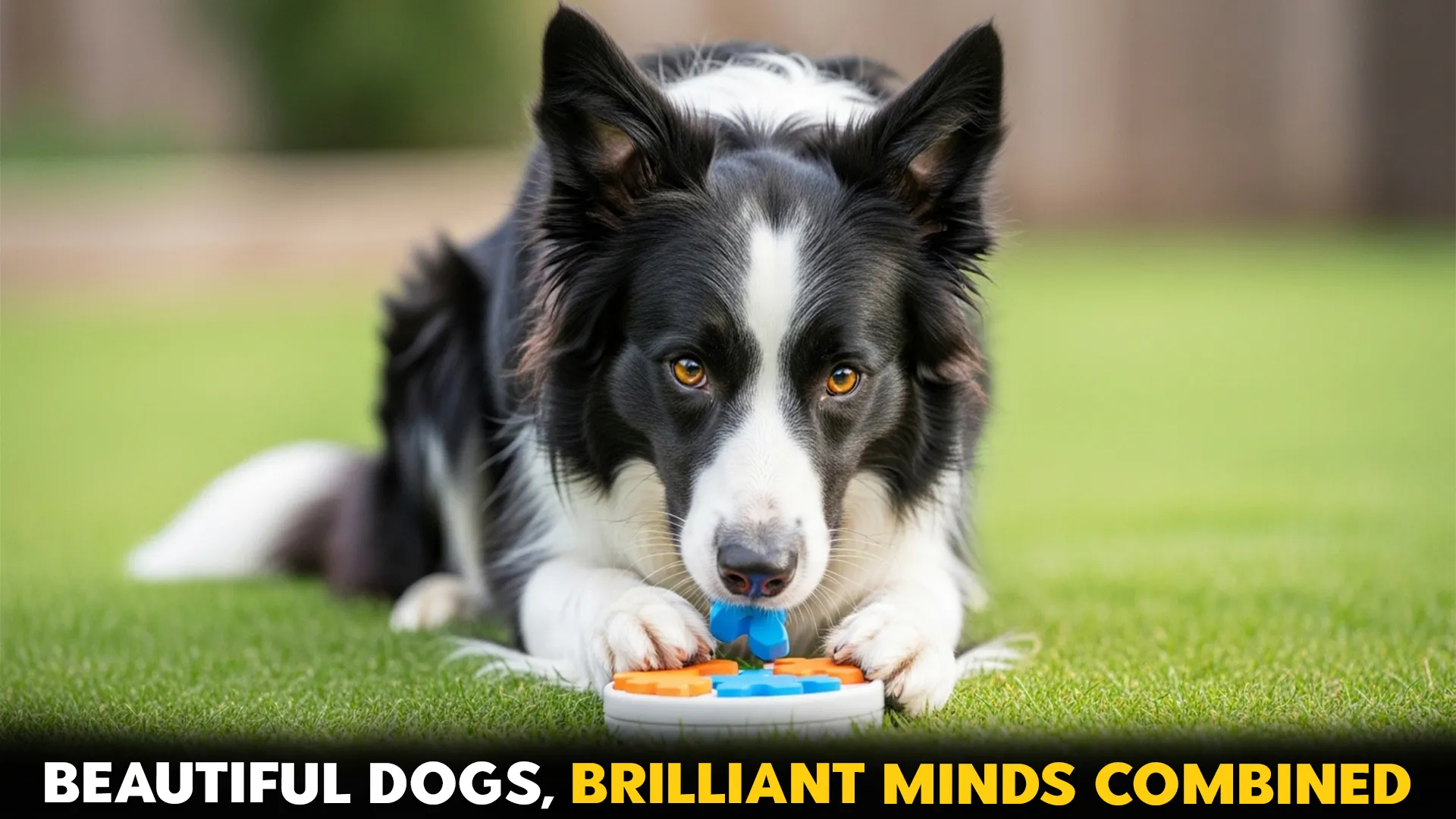
You notice it almost immediately when a dog looks striking but struggles to keep up mentally. The appearance draws attention, but the experience feels incomplete.
A dog that lacks awareness or responsiveness can make even simple interactions feel one-sided. Over time, that gap becomes more noticeable. You start wishing for something more balanced, where beauty is matched with understanding and presence.
Not every breed offers that combination. Some lean heavily toward looks, while others are known more for their intelligence but lack visual appeal. Finding both in one dog is what many owners actually want, even if they don’t say it directly. It creates a different kind of connection, one that feels natural in daily life.
This article focuses on those breeds that manage to combine elegance with sharp thinking, giving you a clearer picture of what that balance truly looks like.
Key Takeaways
Beauty in dogs often catches attention first, but intelligence is what truly defines how they behave once you spend time with them.
Border Collie leads with a gaze that feels almost like focus turned into behavior, especially when it starts guiding movement with pure instinct.
Poodles and German Shepherds take intelligence further, turning training, structure, and problem-solving into something they naturally enjoy rather than struggle with.
Stay till the end to see how each of these ten breeds blends beauty with intelligence in a way that feels effortless yet remarkable.
Dog breeds that perfectly blend beauty and intelligence
1. Border Collie
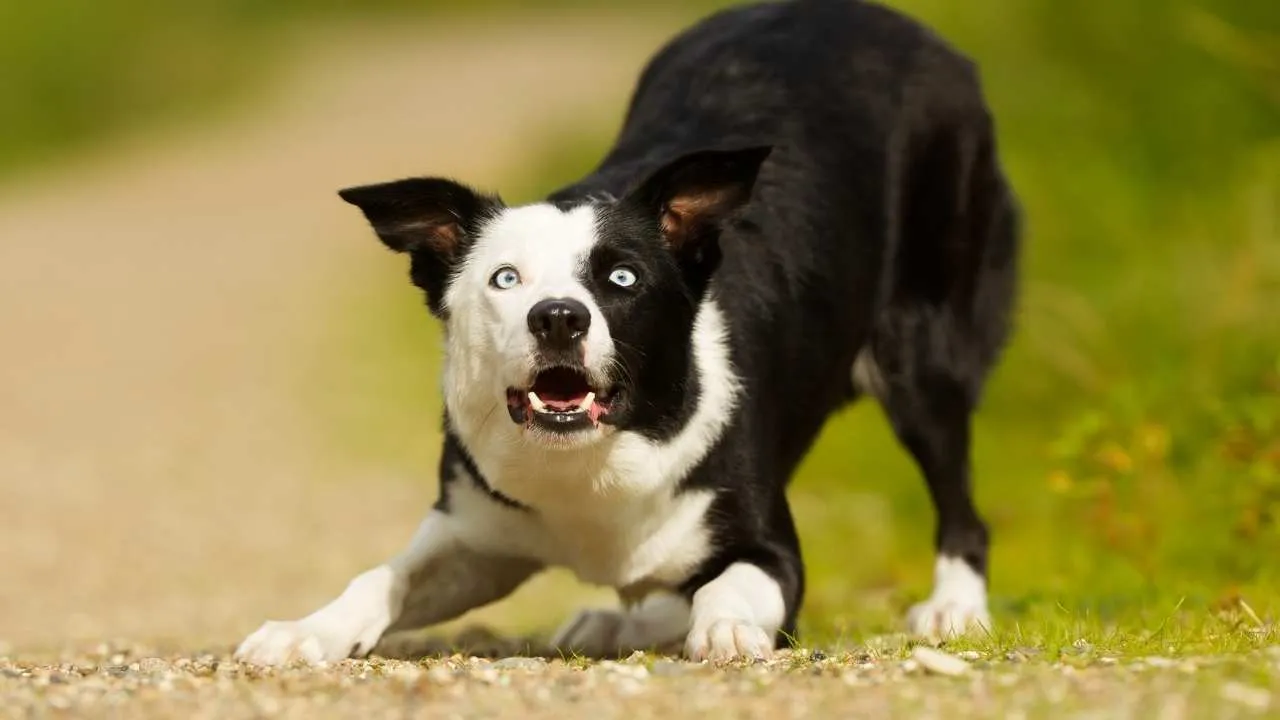
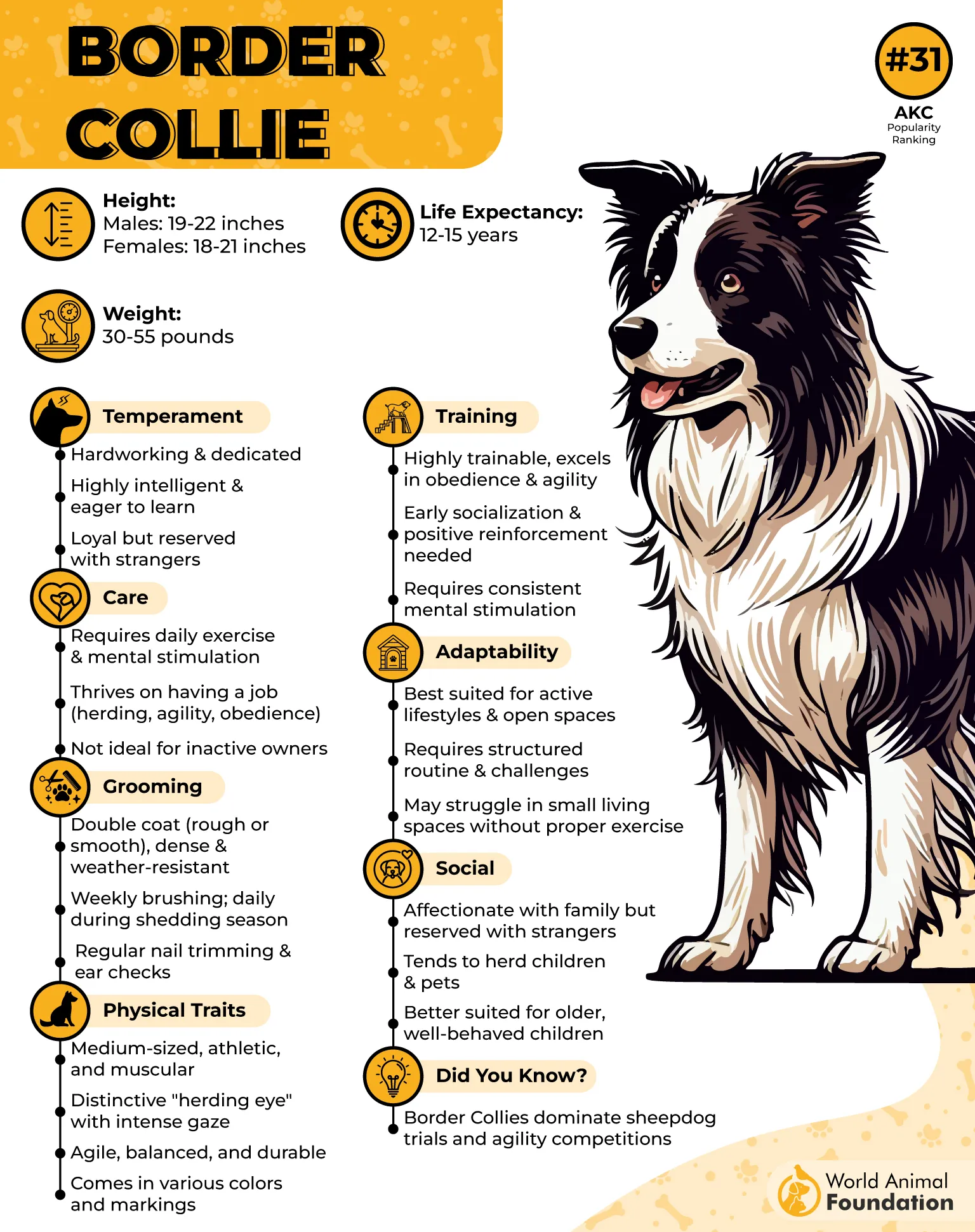
Border Collie shows its defining trait through an intense, focused gaze often referred to as the herding eye. This sharp expression reflects constant mental activity, rarely settling into idle observation. Its overall build stays functional, muscular yet light, shaped around work rather than appearance trends.
Herding instinct in real behavior
As one of the most intelligent dog breeds, they direct their intelligence into controlled herding actions, often applying the same instinct toward animals, other dogs, or even children. Its behavior follows patterns of control rather than randomness, guided by focus and precision.
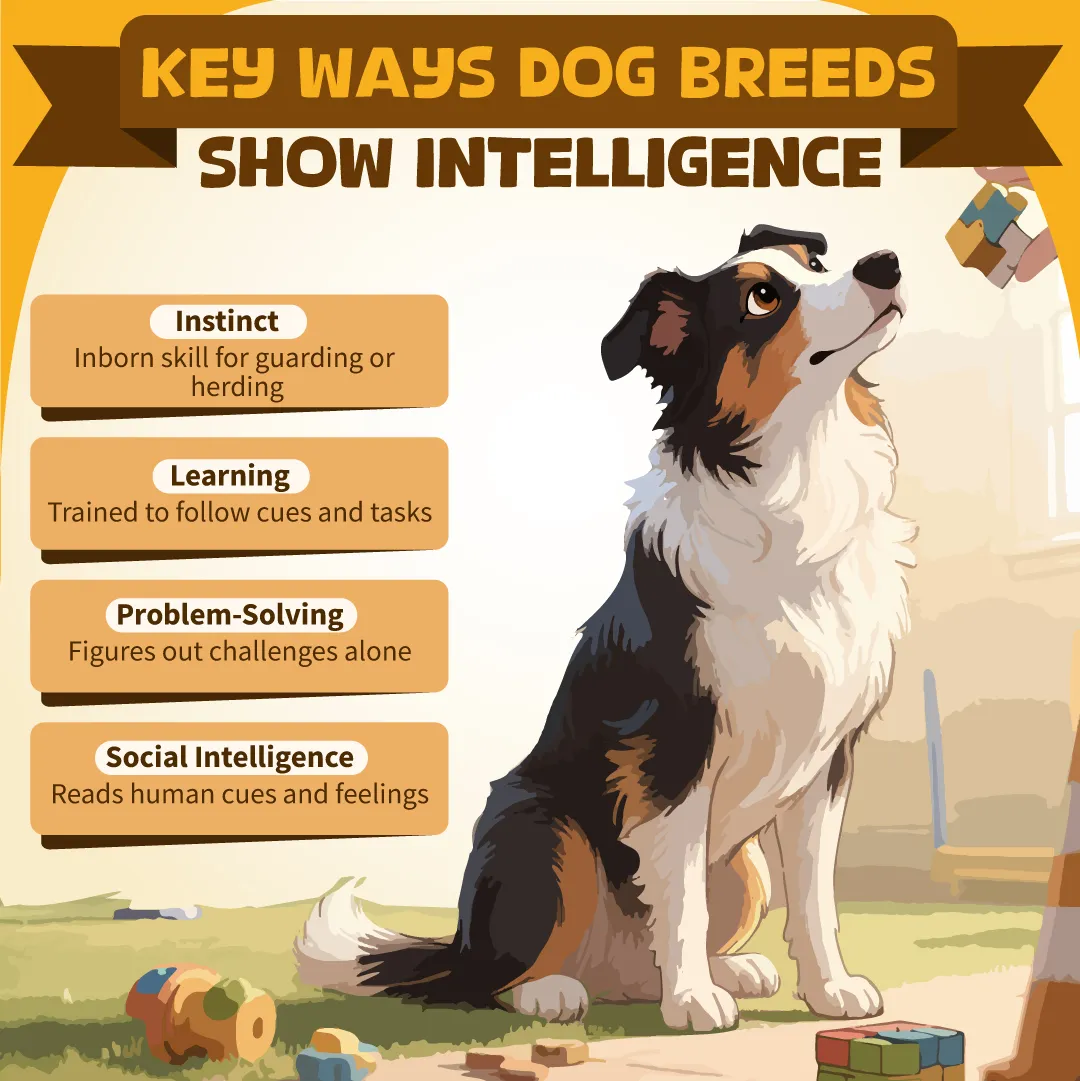
This instinct reveals itself in clear ways:
Fixes gaze to guide and control movement
Circles aim to maintain direction
Responds quickly to shifting positions
Energy tied to purpose
This herding breed channels a high level of energy into structured activity, often seeking tasks that involve movement and coordination.
Dog sports and activities like agility, flyball, or long-distance walking align closely with its working nature. Without structured engagement, this energy builds into restless behavior.
2. German Shepherd
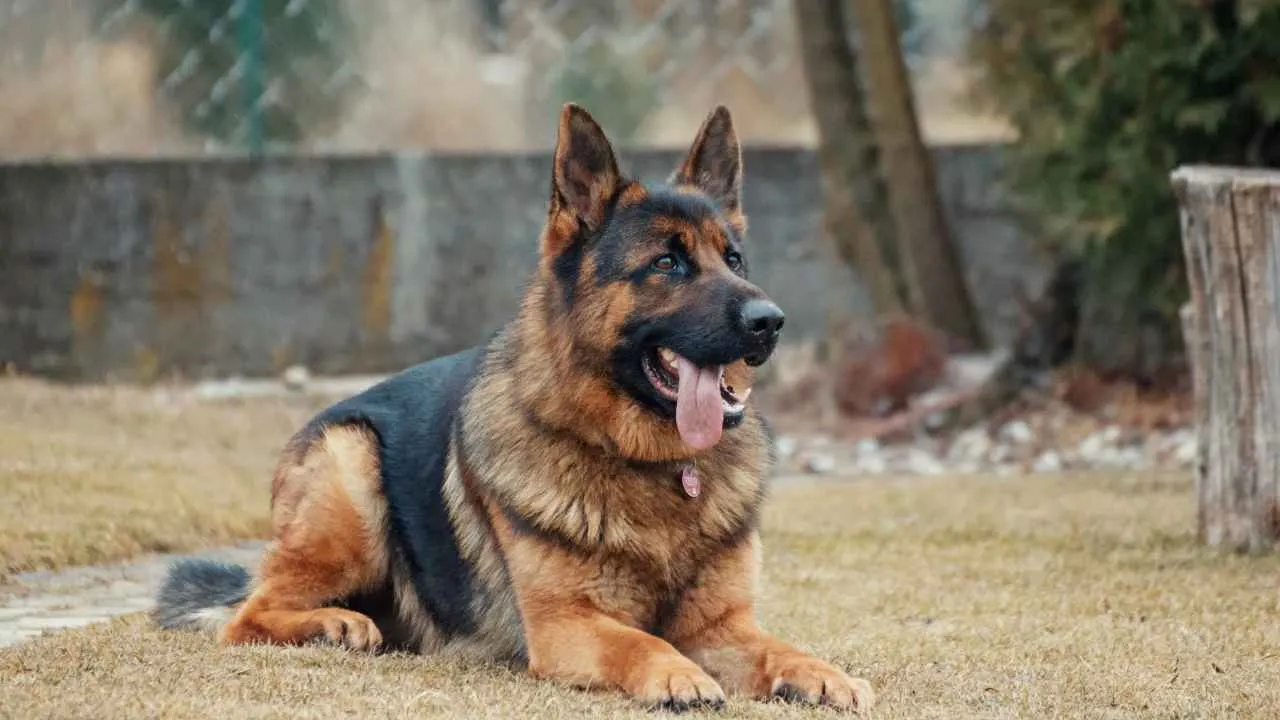
The German Shepherd dog presents a balanced outline of smooth curves, with a body built for controlled movement rather than rigid structure.
Its athletic frame supports a natural trot that flows easily and can shift into higher speed when needed. This physical design reflects both grace and working efficiency.
Canine Intelligence that demands engagement
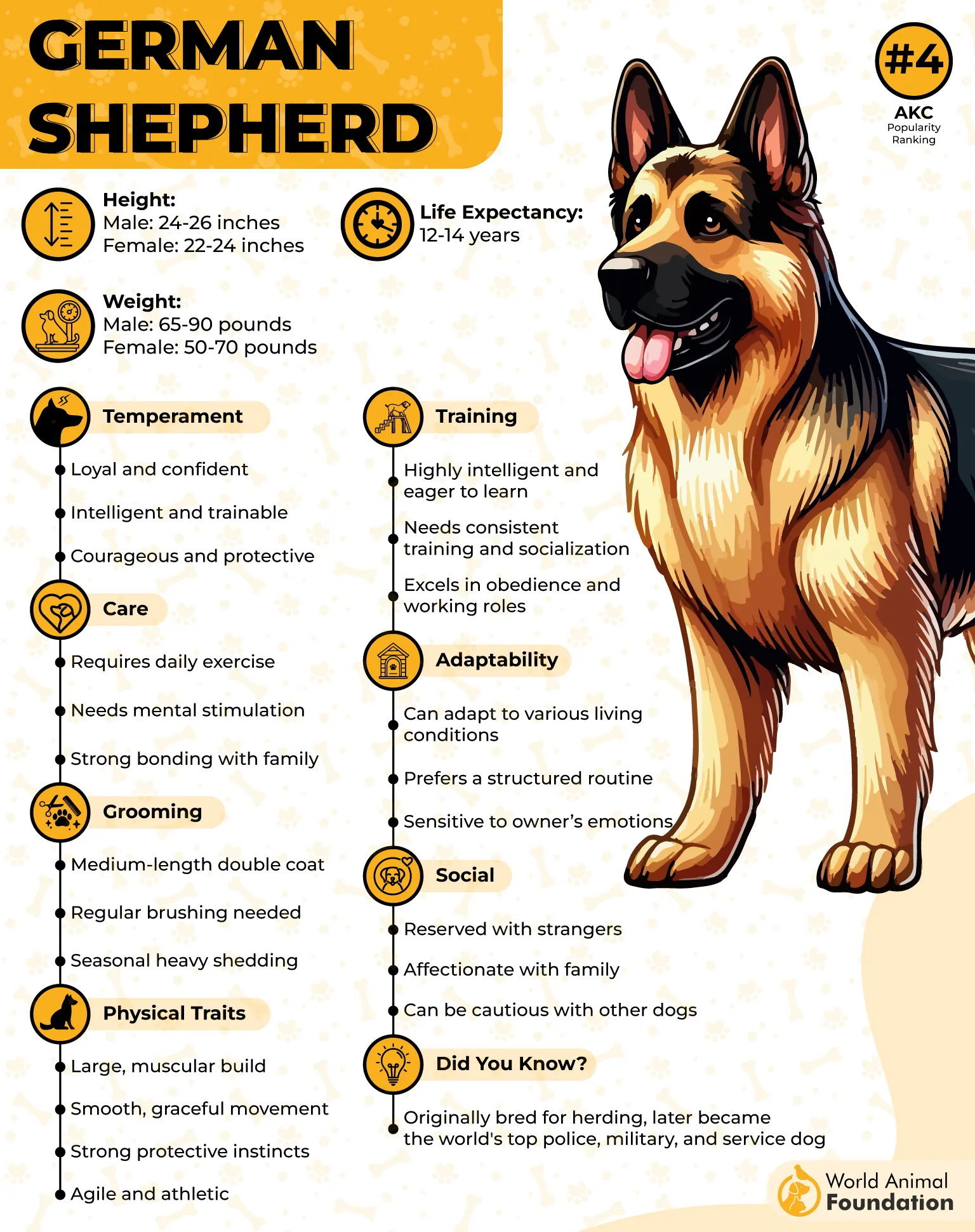
This responds to learning with focus, showing a clear need for ongoing mental challenges to stay balanced. It connects closely with proper training, where tasks provide direction and purpose.
That need becomes clear in how it handles daily engagement:
Seeks advanced training beyond basic commands
Reacts quickly when mentally stimulated
Shows restlessness when left without tasks
Behavior guided by early structure
This energetic dog requires clear leadership from an early stage, often taking the initiative if boundaries are not established, as PetMD noted. Social exposure influences how it interacts with other dogs and new situations. Regular exercise and interaction keep its behavior steady and controlled.
3. Golden Retriever
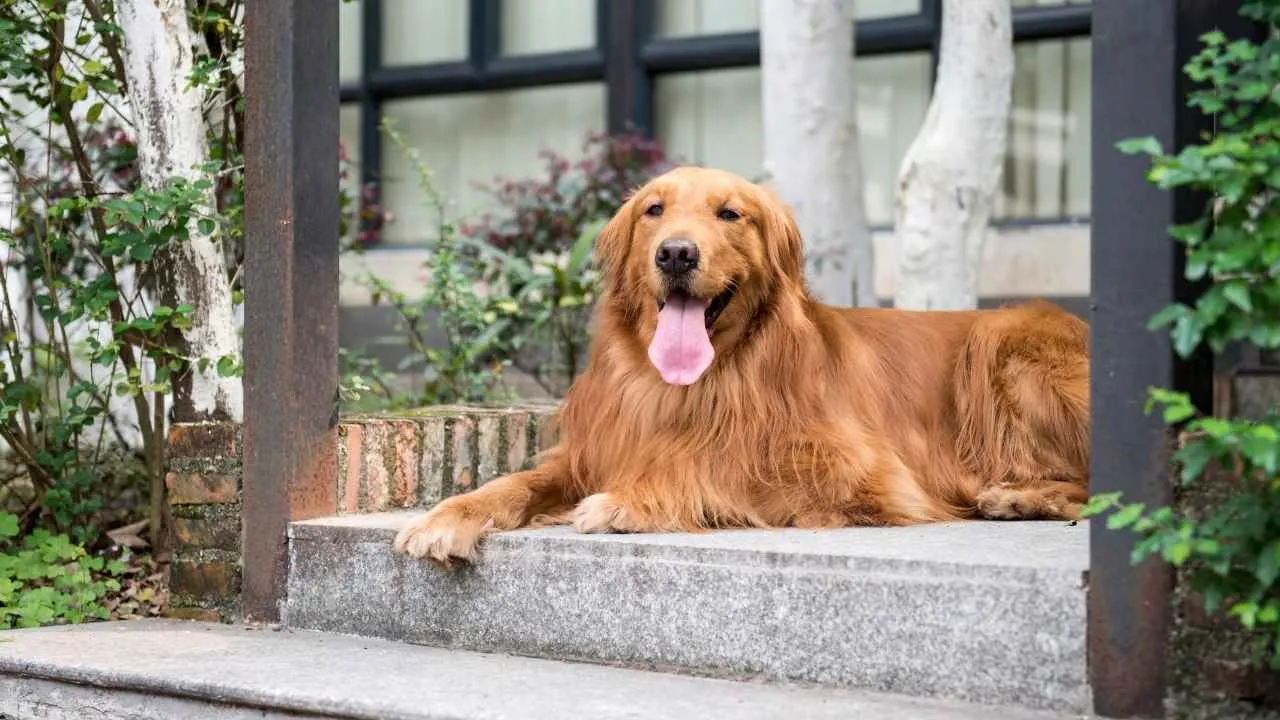
The Golden Retriever was originally bred in Scotland by Lord Tweedmouth, combining working ability with a striking golden coat that became its defining feature, according to the AKC.
Its broad head, intelligent eyes, and balanced frame reflect both function and visual appeal. The overall look blends field readiness with a calm, approachable presence.
Intelligence expressed through work
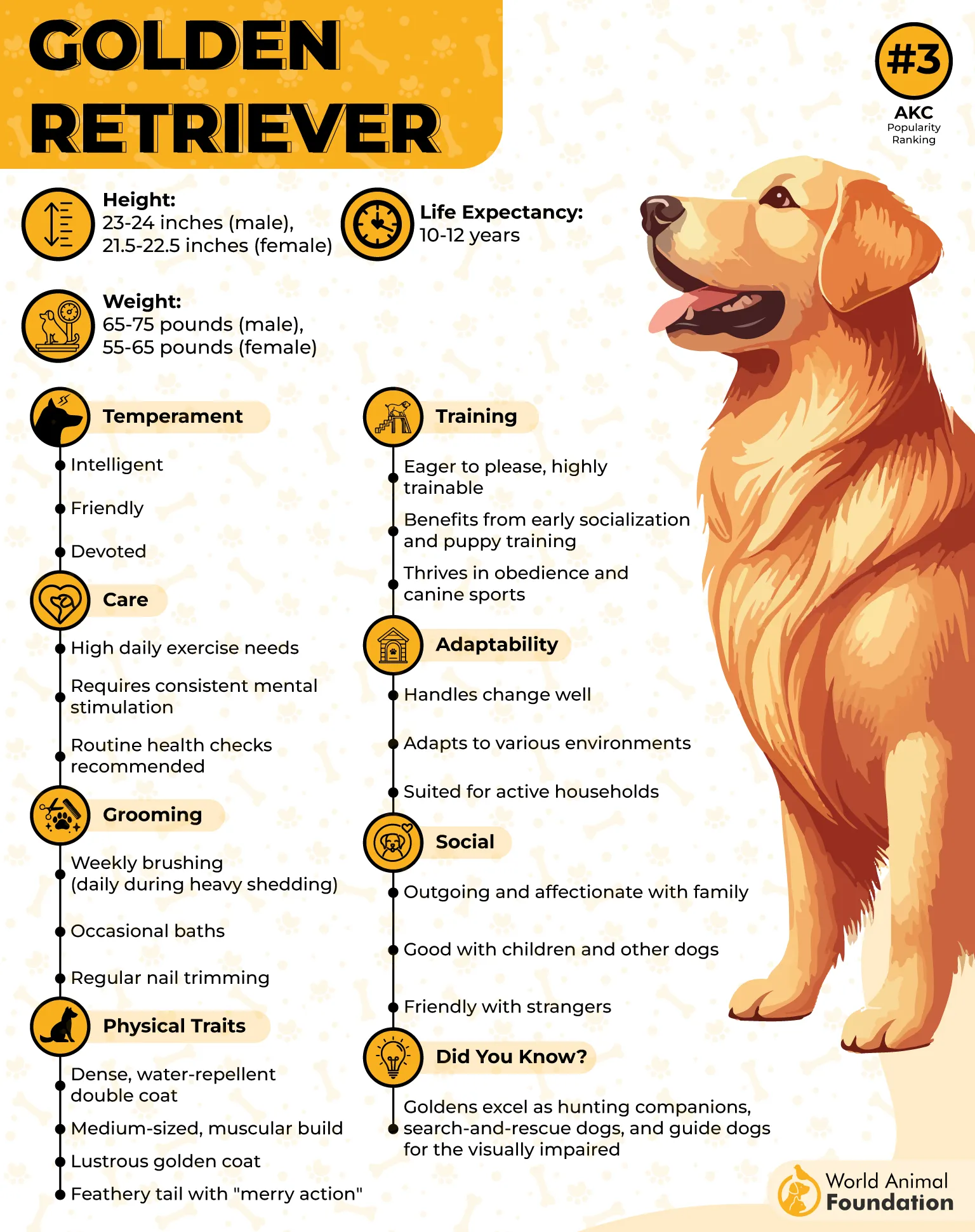
Often working as therapy dogs, these loyal family pets engage deeply in tasks, whether in field trials, rescue roles, or structured training environments. Its eagerness to respond makes learning feel fluid rather than forced.
That working ability shows in specific ways:
Performs reliably in search and rescue roles
Excels in obedience and agility tasks
Responds quickly to training cues
Movement and natural ability
They have a smooth, powerful gait supported by a sturdy, muscular body built for endurance. Its natural connection to water is reflected in its strong swimming ability, often used in water rescue work. The feathery tail adds to its characteristic motion, often seen with a lively, lifted action.
4. Labrador Retriever
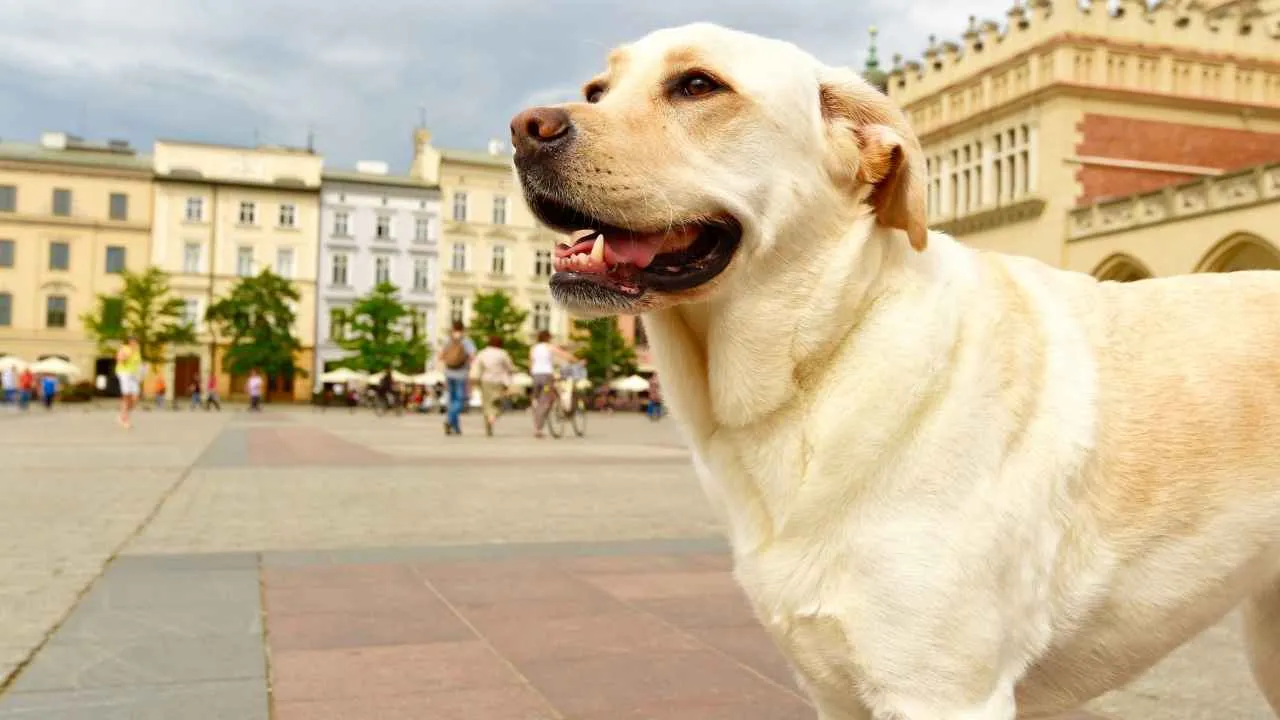
Labrador Retriever shows its nature through a wide head, kind eyes, and a thick “otter tail” that rarely stays still. The dense coat in black, yellow, or chocolate adds to a solid, balanced appearance. Every feature reflects a dog built to engage, not withdraw.
Intelligence applied in real roles
As a remarkable dog breed, they adapt easily across demanding roles, from assistance work to detection and therapy settings. Its ability to understand direction and remain steady under guidance makes it dependable in structured environments.
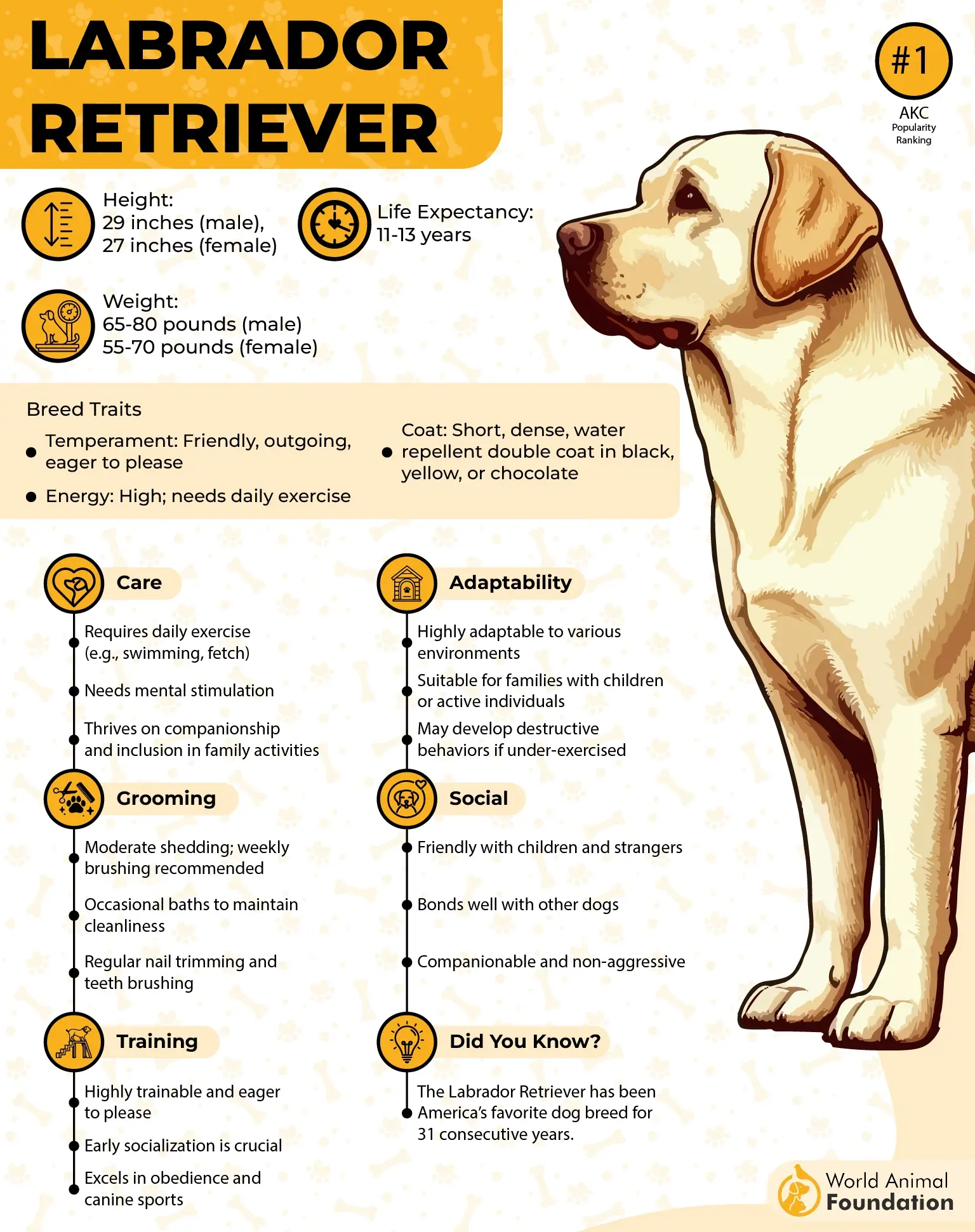
That ability is seen through practical strengths:
Learns commands quickly with early training
Adjusts to different working roles with consistency
Maintains focus during guided tasks
Behavior shaped around people
This breed stays closely connected to human presence, often following from room to room or leaning in for contact. Its affectionate nature extends across children, other dogs, and unfamiliar people without hesitation, as Petplan notes. This constant engagement defines its everyday interaction style.
5. Doberman Pinscher
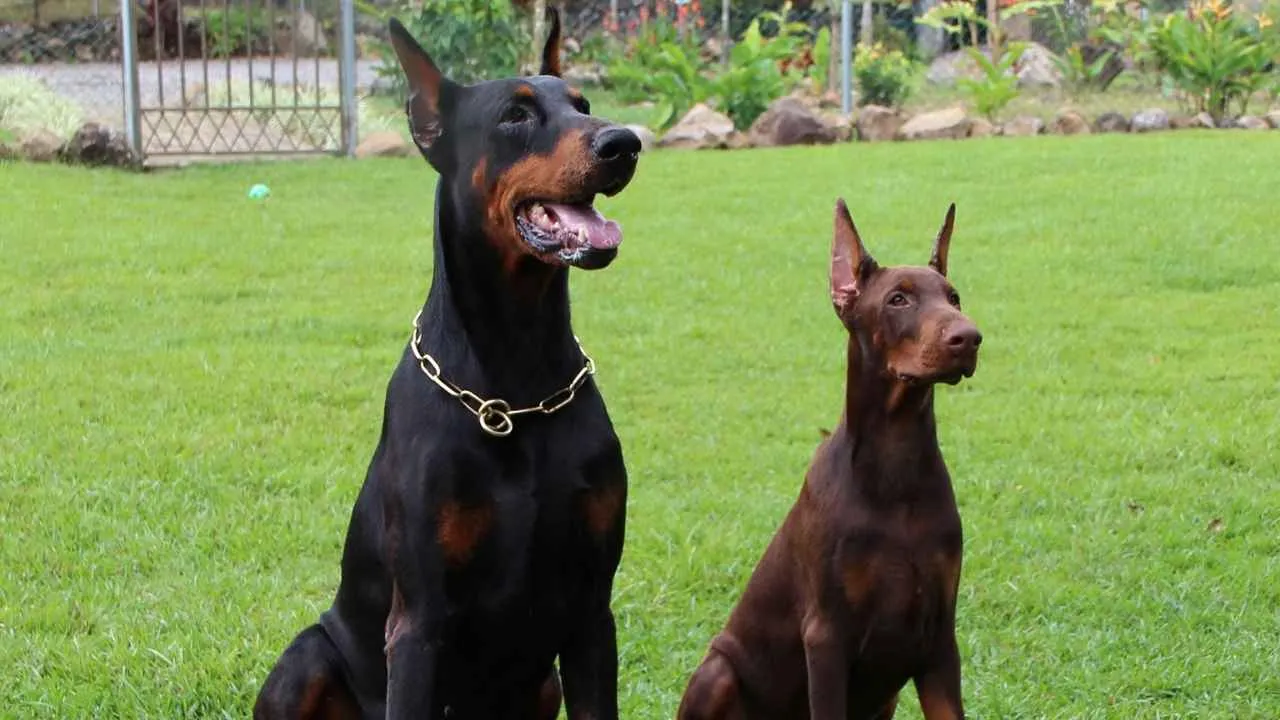
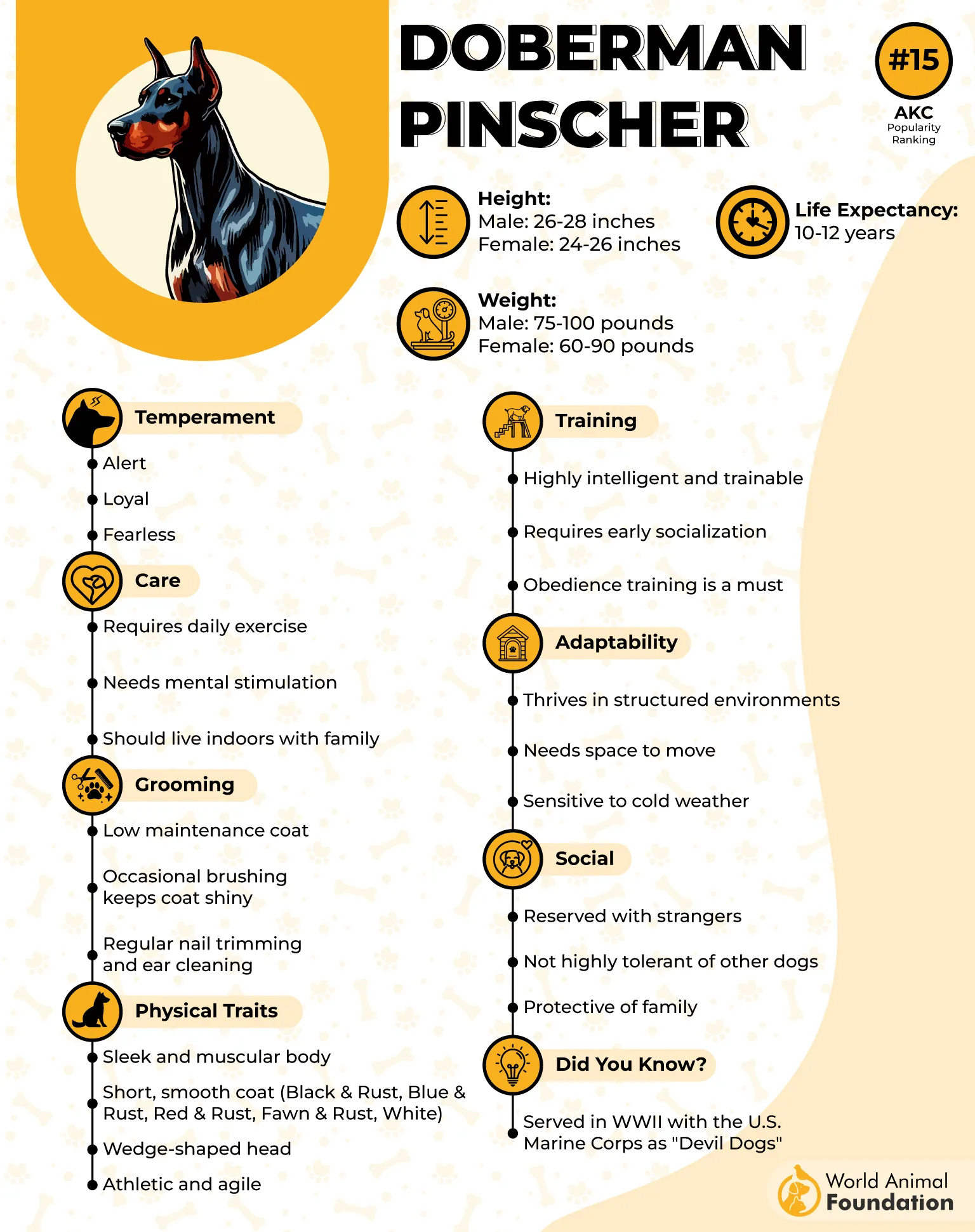
Doberman Pinscher presents a sleek, muscular frame paired with a clean, wedge-shaped head and a smooth, glistening coat.
Its appearance reflects both power and refinement, with an athletic outline that feels controlled rather than bulky. The structure aligns closely with a dog built for speed, awareness, and presence.
Alertness guided by instinct
This intelligent breed stays highly aware of its surroundings, maintaining readiness through constant observation and quick response. Its protective instinct shows in how it reacts to unfamiliar people or animals without hesitation.
That instinct becomes visible through:
Quick reaction to an unfamiliar presence
Focused attention on environmental changes
Readiness during unexpected situations
Engagement through mind and movement
This guard dog responds strongly to structured tasks, often enjoying obedience-based work that keeps its attention active.
Its intelligence requires consistent mental engagement, paired with physical activity such as running or long walks. Without this balance, its energy can become difficult to manage for a dog owner.
6. Poodle
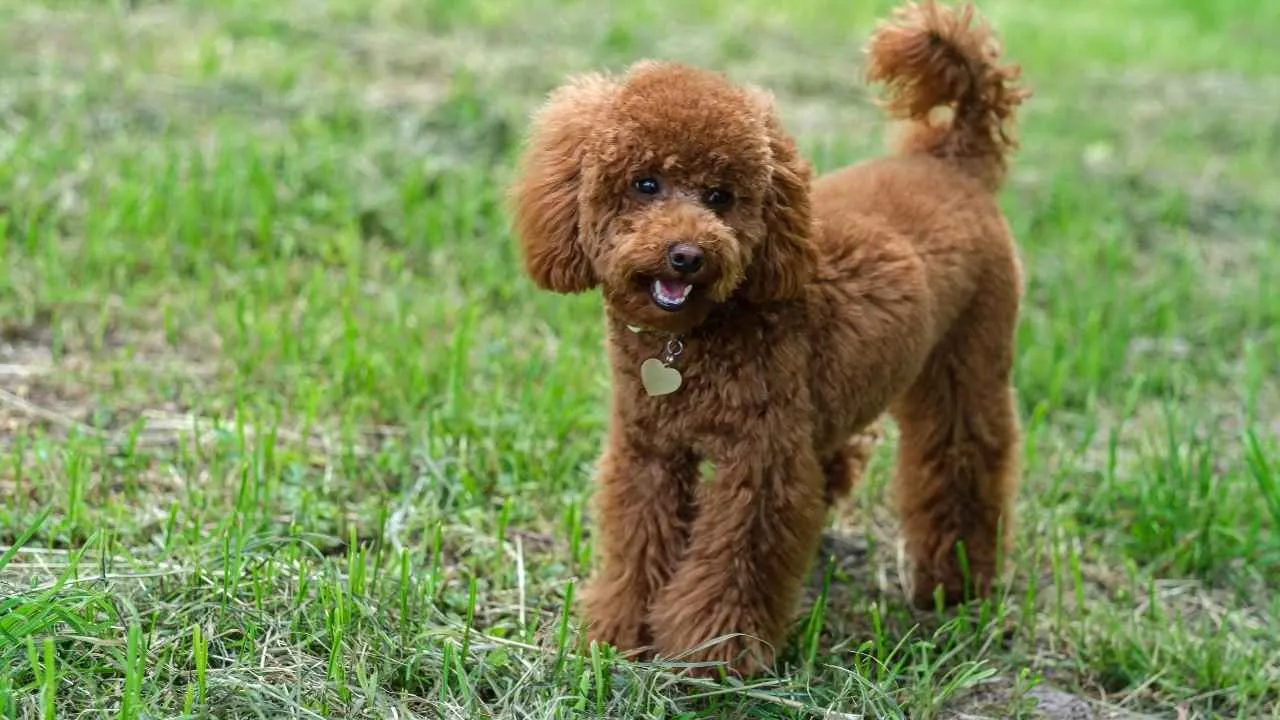
Poodle catches attention through refined outline with a square, muscular frame beneath its curly, low-allergen coat. Its appearance reflects more than grooming styles, revealing an athletic build suited for varied activity. This balance between visual elegance and physical capability defines its identity.
Quick-thinking and a responsive mind
As the smartest breed, they process information rapidly, often understanding commands after only a few repetitions. Its eagerness to engage makes training feel interactive rather than forced, especially when praise is involved.
That mental sharpness shows in clear ways:
Learns commands with minimal repetition
Seeks tasks that involve thinking and response
Engages actively during structured training
Activity tied to mental engagement
They stay involved through both physical and mental tasks, responding well to activities like retrieving, agility work, and swimming. Its behavior reflects a need for consistent engagement rather than idle time. Structured routines help maintain focus and prevent over-independence.
7. Shetland Sheepdog
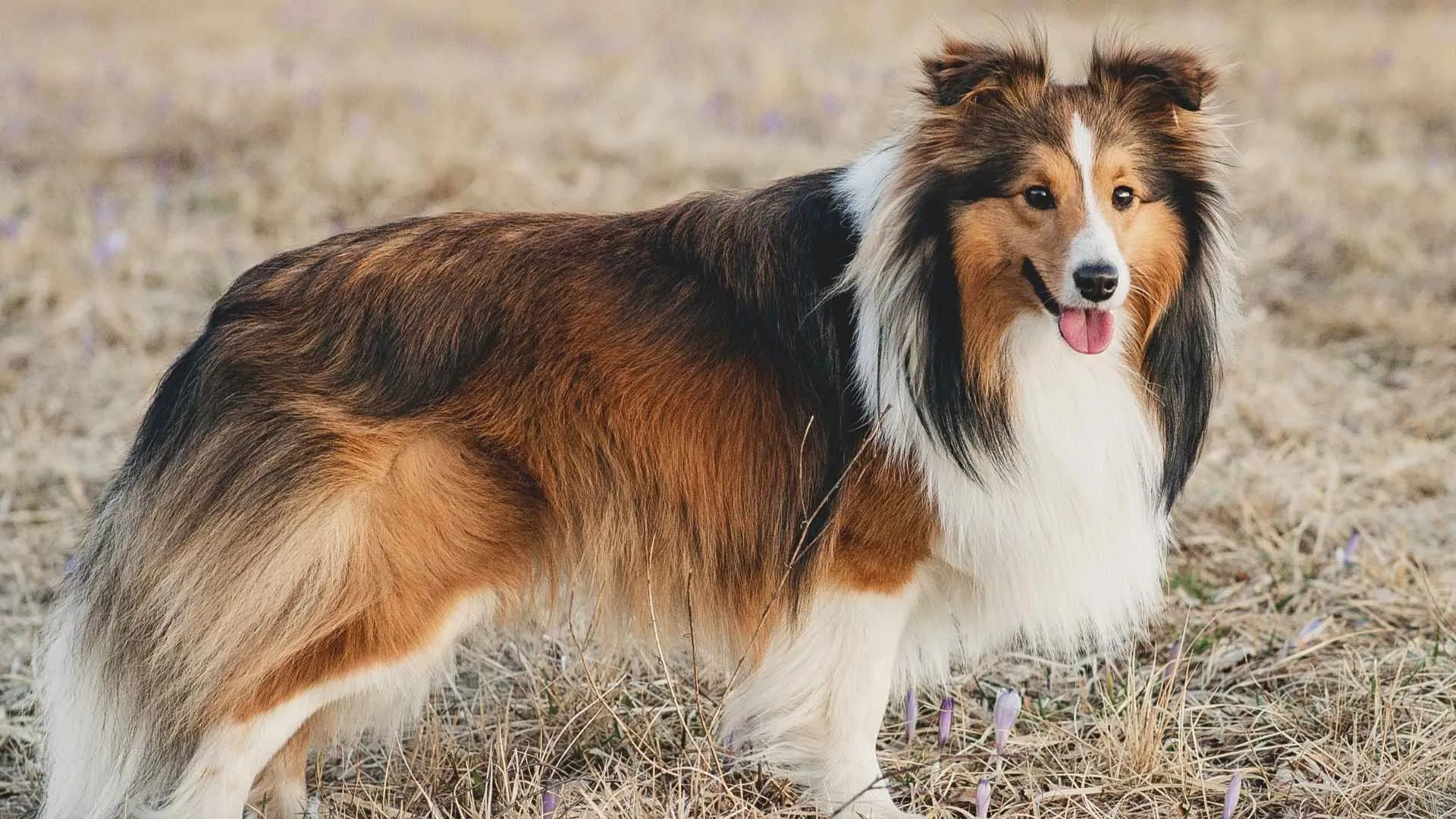
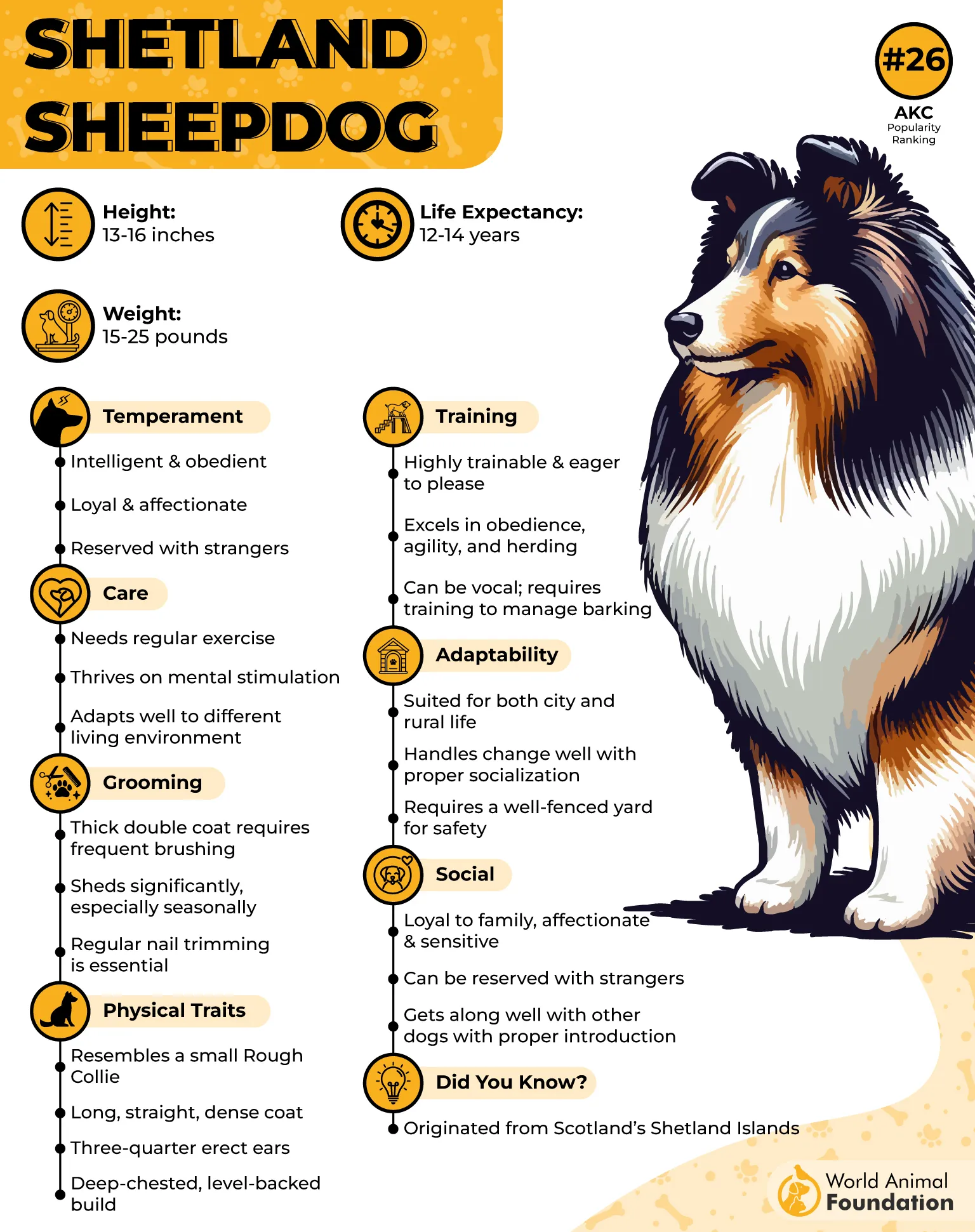
Shetland Sheepdog presents a polished outline with a long, straight coat layered over a dense undercoat, paired with a wedge-shaped head and alert ears.
Its resemblance to a smaller Collie gives it a composed and balanced appearance. This structure reflects a herding dog built for awareness and control.
Mental sharpness in daily behavior
Shelties stay mentally engaged, often reacting quickly to small environmental changes and staying aware even during rest. Its tendency to vocalize comes from this constant alertness rather than random noise.
This sharpness appears through clear patterns:
Reacts to distant or subtle sounds
Maintains awareness even while resting
Uses barking as a form of communication
Learning style shaped by sensitivity
They respond quickly to structured training, showing a strong desire to learn and follow directions. Its sensitivity makes it more receptive to calm, reward-based guidance instead of harsh handling. This mindset supports success in activities like agility and obedience tasks.
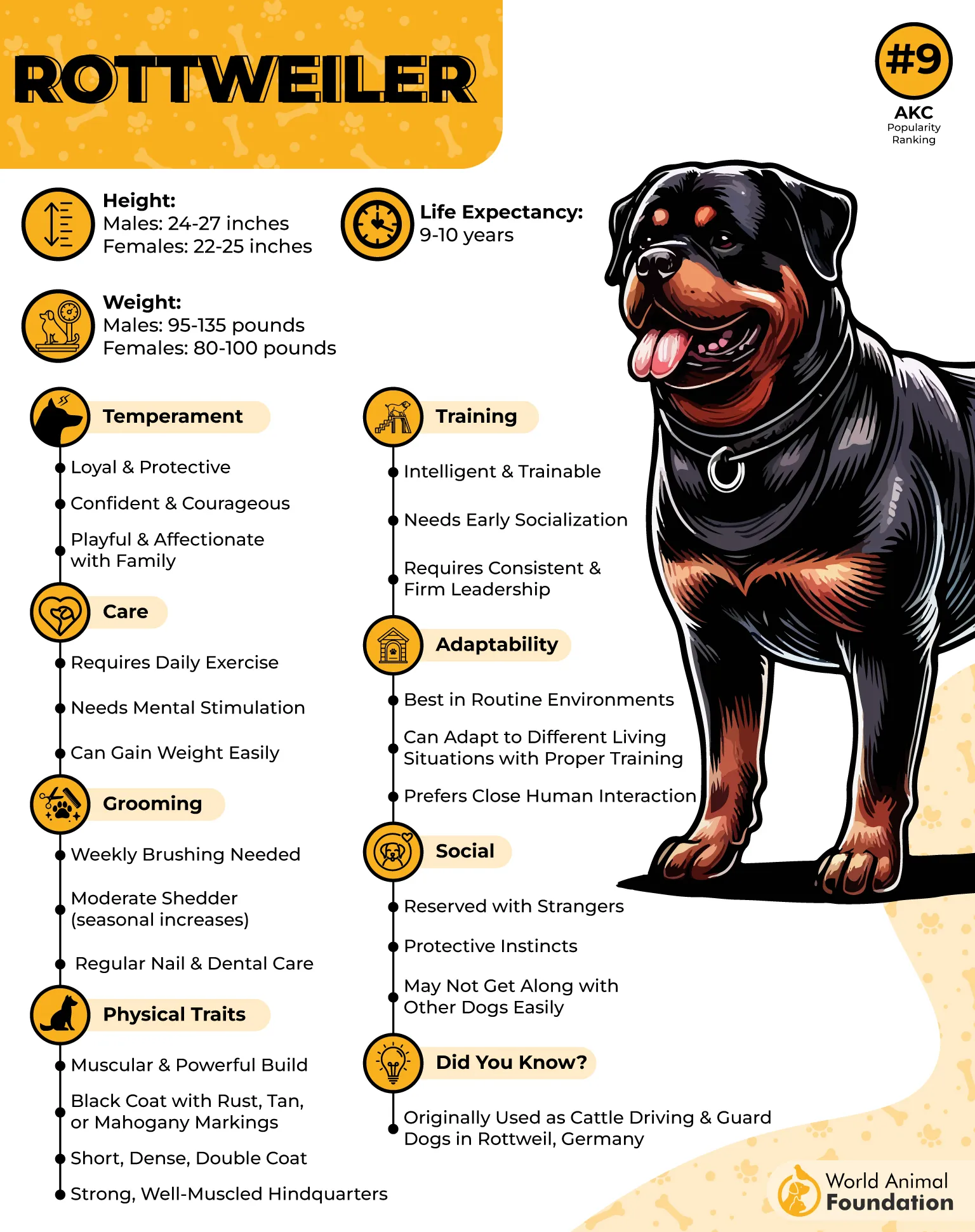
8. Rottweiler
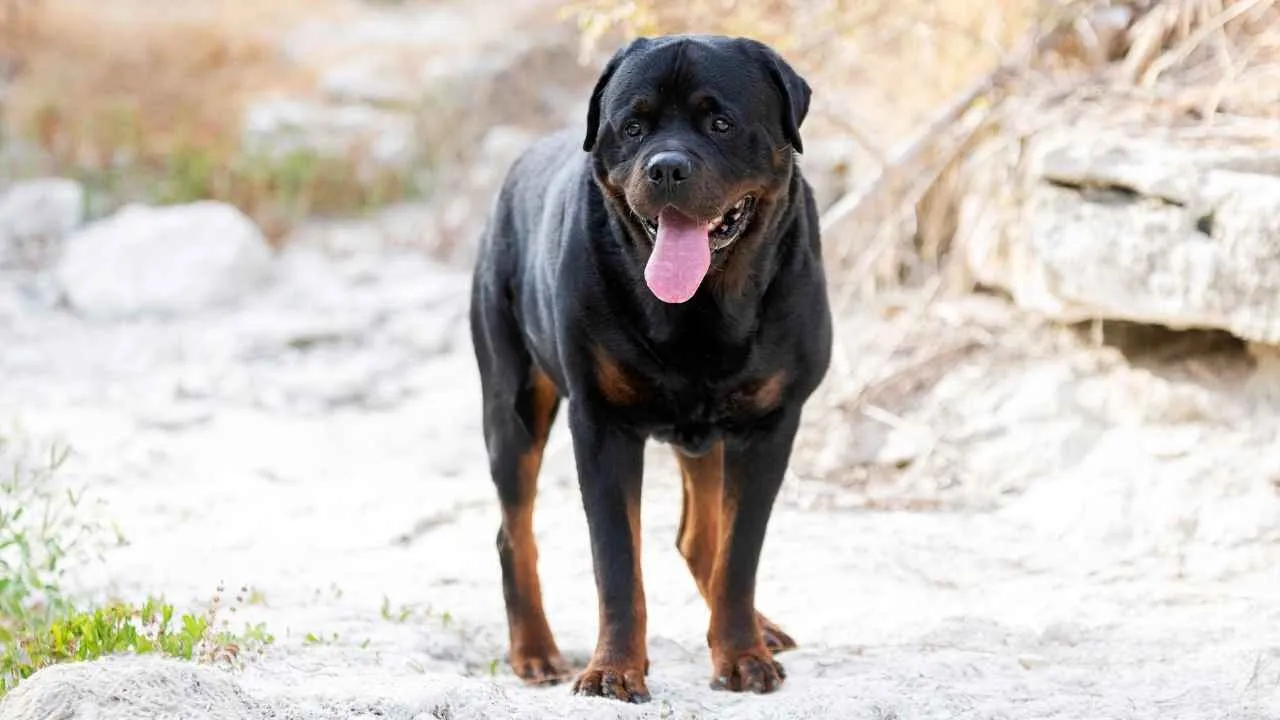
Rottweiler shows strength through a compact, heavily muscled frame shaped for steady power rather than speed. Its black coat with rust markings gives a sharp contrast that reinforces its solid appearance. Movement is smooth and controlled, driven by strong hindquarters.
Appearance linked to physical expression
Rotties carry a strong visual identity shaped by structure, movement, and marking patterns that reflect their working nature. Its frame supports both stability and grounded motion during daily activity.
This structure becomes clear through key features:
Thick muscular hindquarters supporting a steady gait
Short black coat with distinct rust markings
Balanced build suited for controlled strength
Training response and instinct control
They learn effectively when guidance is consistent, responding well to calm and structured instruction. Its natural protective instinct becomes manageable through early social exposure and clear boundaries. This shapes a controlled behavior pattern that reflects both intelligence and restraint.
9. Miniature Schnauzer
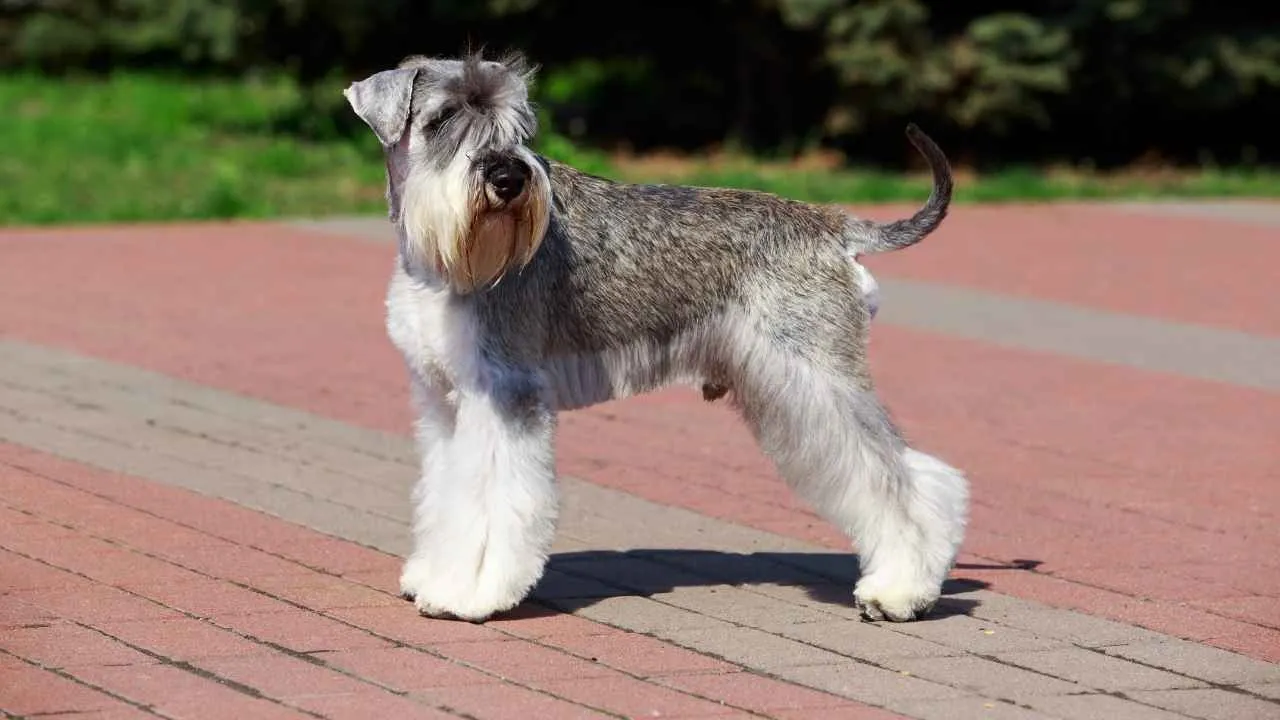
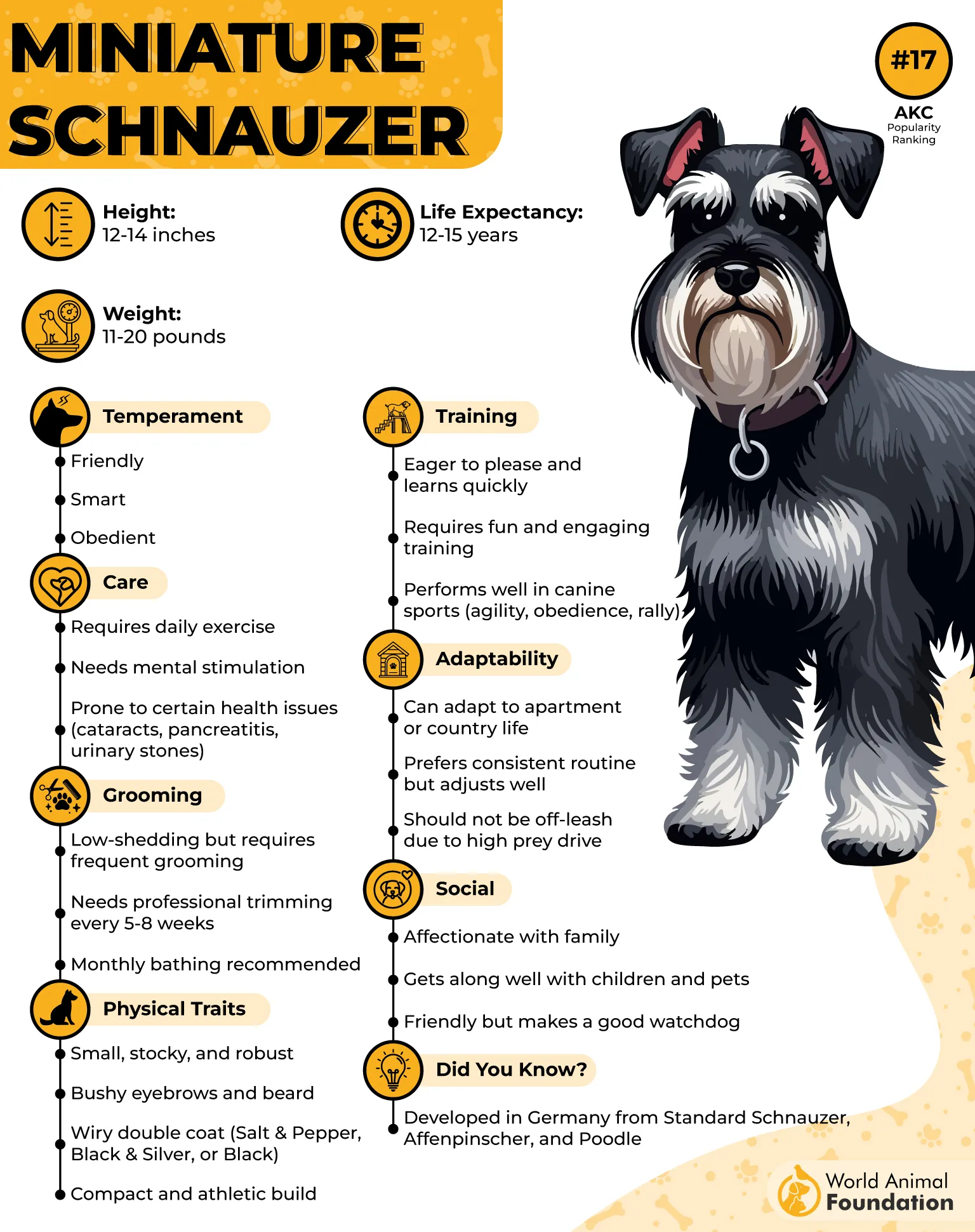
Miniature Schnauzer sits as the smallest of the Schnauzer group, carrying a stocky frame and a face shaped by bushy eyebrows and beard that create a human-like expression.
Its structure comes from being bred down from Standard Schnauzers, keeping a sturdy and balanced body. The wiry coat adds to its sharp, well-defined appearance.
Behavior shaped by alert energy
These Mini Schnauzers react quickly to their surroundings, often vocal when something unusual catches their attention, rather than remaining silent. Due to their friendly nature, they bond well with people and other pets when introduced properly.
That behavior appears in everyday patterns:
Responds quickly to environmental changes
Shows strong friendliness after the introduction
Uses barking more than physical aggression
Playful learning and structured guidance
This clever dog has exceptional problem-solving skills and learns commands fast, but may show brief stubborn moments, requiring steady and clear guidance during training.
It stays energetic for long periods and often turns to self-made activities when under-stimulated. Agility-based tasks and interactive games match its learning rhythm well.
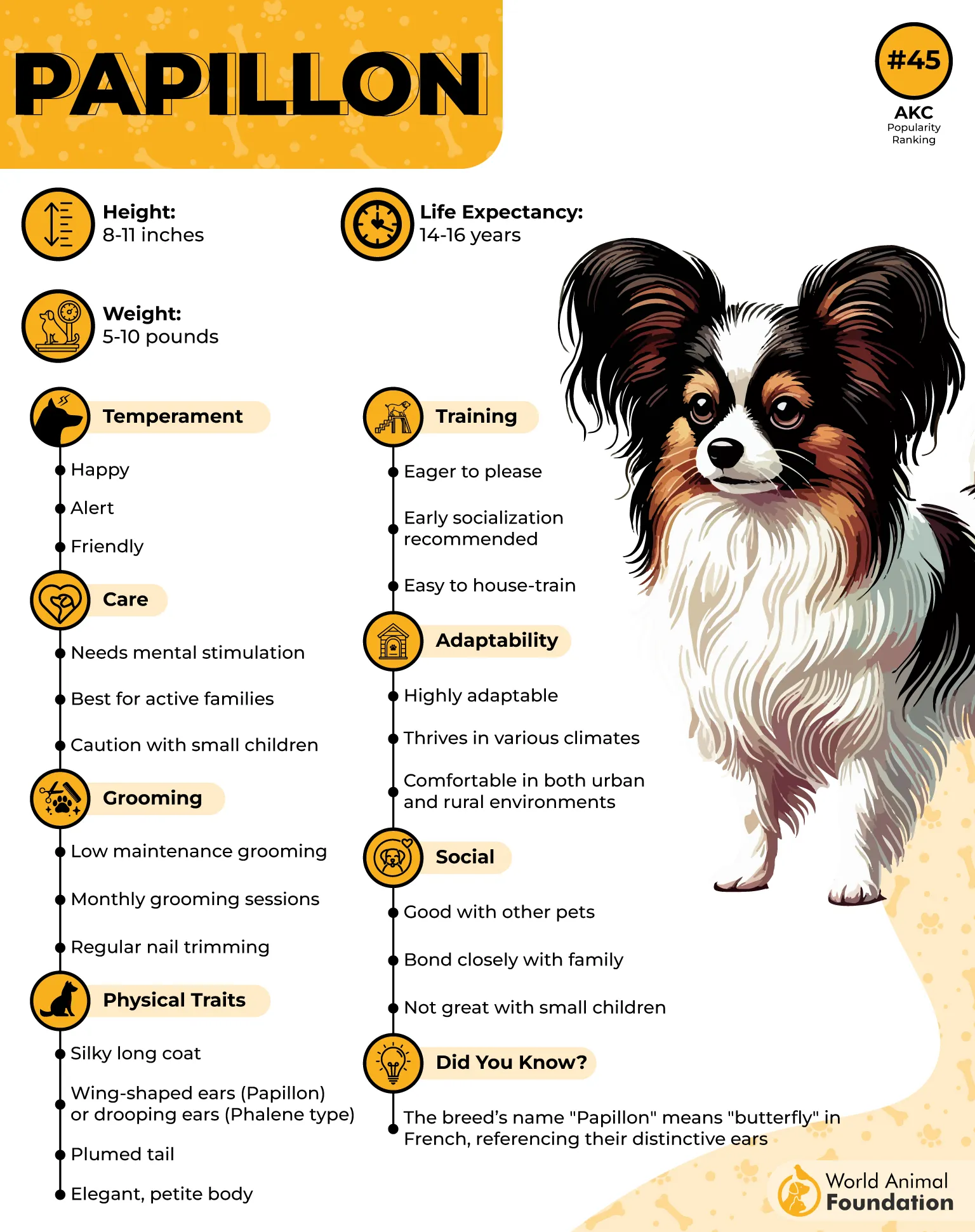
10. Papillon
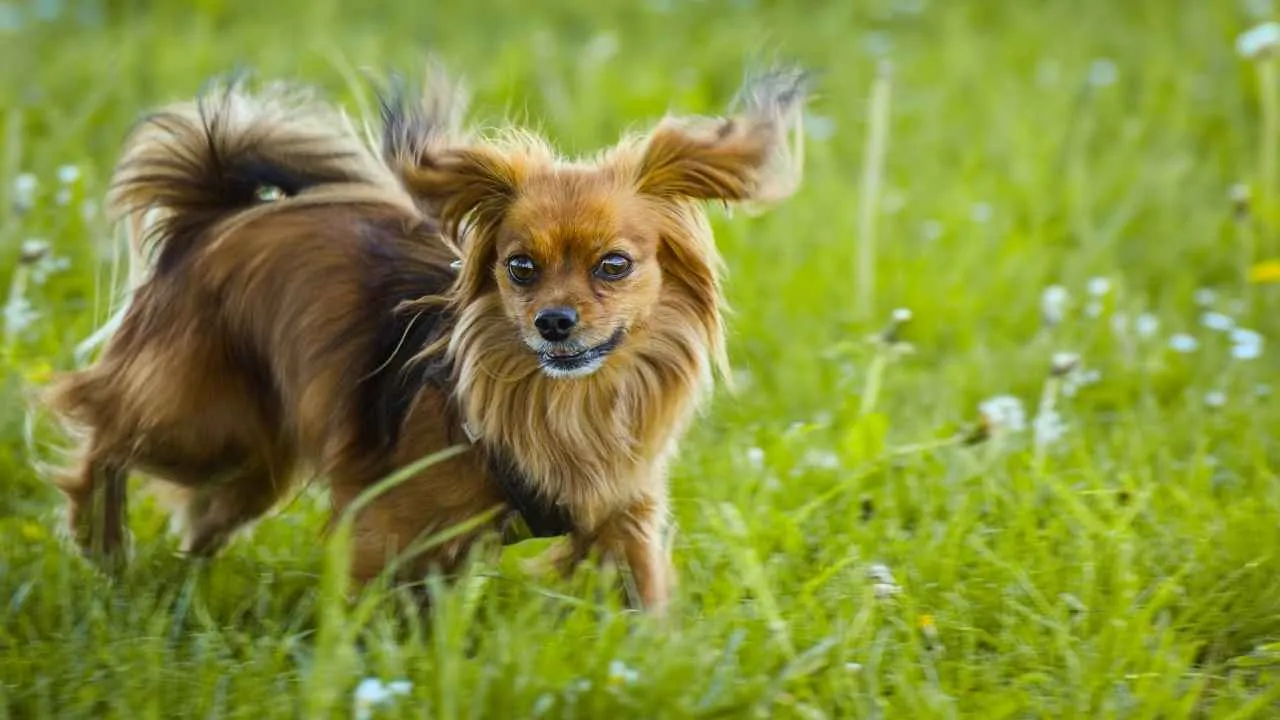
Papillon is recognized by its butterfly-shaped ears and refined outline, paired with a light, agile frame that reflects constant curiosity.
Its silky coat and plumed tail add visual detail that makes its presence noticeable even at a distance. Despite its delicate appearance, its structure holds surprising firmness.
Behavior shaped by curiosity and attention
Paps stay engaged with its surroundings, often positioning itself where activity or human interaction is happening. It responds quickly to environmental changes and remains socially alert without hesitation.
That behavior shows clearly in daily patterns:
Reacts quickly to sounds at doors or movement
Stays close to people during activity shifts
Maintains awareness while exploring spaces
Learning style and social balance
Often working as a service dog, they respond well to instruction, especially when learning is paired with praise and interactive engagement.
It enjoys learning tricks and often participates willingly in structured training sessions. Its confidence allows it to interact with larger dogs while still maintaining its own rhythm in social settings.
Conclusion
Selecting a dog that offers both beauty and intelligence creates a different kind of connection from the start. The smartest dog breeds in this list reflect how visual appeal and mental sharpness come together in a balanced way. Some catch the eye immediately, while others hold attention through their ability to respond and adapt.
Over time, these traits begin to work together rather than stand apart. When the balance feels right, the experience becomes steady and rewarding. This combination shapes a companion that feels present in every moment, making daily life more engaging, consistent, and naturally connected without losing its sense of ease.
