





Finding the right companion while keeping your living space clean can feel challenging, especially if shedding and allergies are concerns.
Many dog lovers want a furry friend without constantly dealing with hair on furniture, clothes, and floors. This is where low-shedding dog breeds stand out.
Often referred to as hypoallergenic, these breeds tend to release fewer airborne allergens because they shed less dander and hair compared to other dogs.
While no breed is completely free of allergens, some dogs are known to be easier to maintain in a tidy home environment. Their coats typically trap loose hair instead of scattering it widely, making regular grooming more effective.
Choosing a low-shedding breed can help reduce cleanup time and may also ease mild allergy symptoms for sensitive individuals.
Understanding which breeds fit this lifestyle can make a big difference in maintaining both comfort and cleanliness at home.
With consistent brushing, proper diet, and routine care, these dogs can remain healthier while keeping shedding minimal throughout the year. Perfect for neat, organized households.
Best Dog Breeds That Don’t Shed Much: A Clean Home
1. Chinese Crested
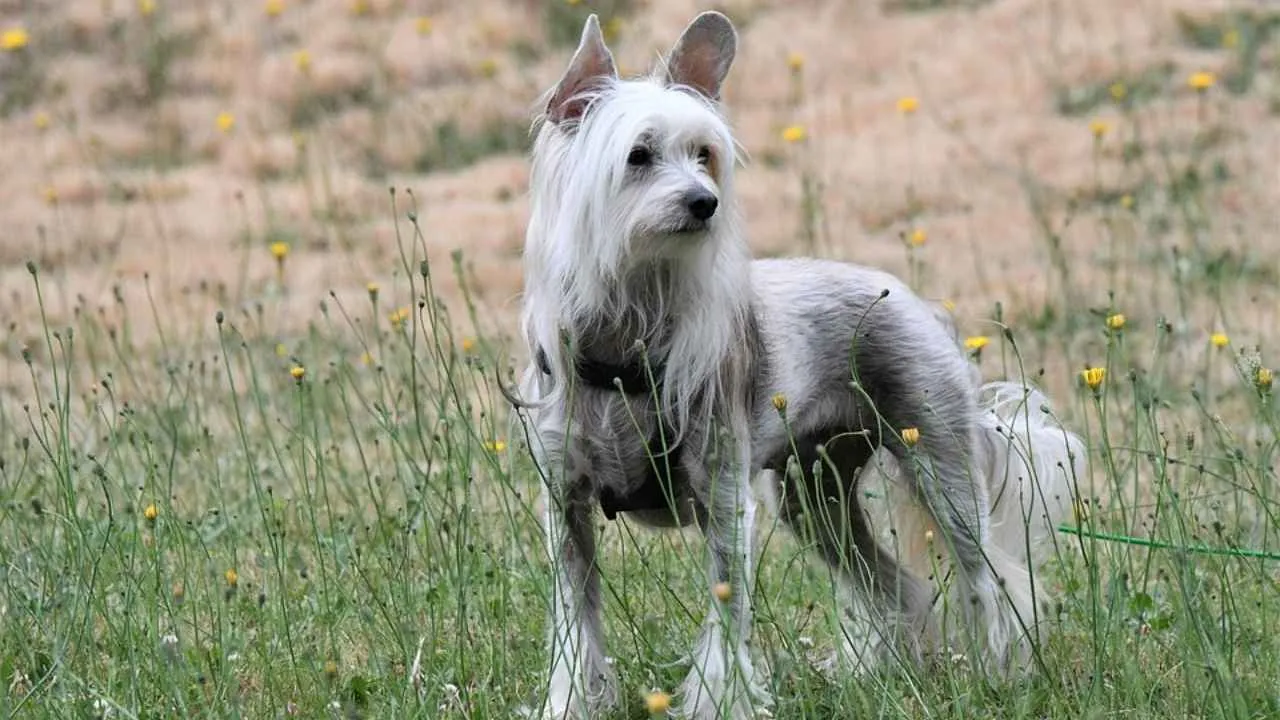
Living with a Chinese Crested can suit households that value a neat, low-hair environment while enjoying a lively companion, as noted by Orvis.
The Chinese Crested comes in two coat varieties, both known for minimal shedding. The hairless type has soft skin with only tufts of hair on the head, tail, and lower legs, which helps limit loose fur around the home.
The Powderpuff variety carries a fine, silky double coat across the body, yet it still releases very little hair compared to many other breeds. Regular grooming keeps both varieties comfortable and maintains their coats without creating excessive mess.
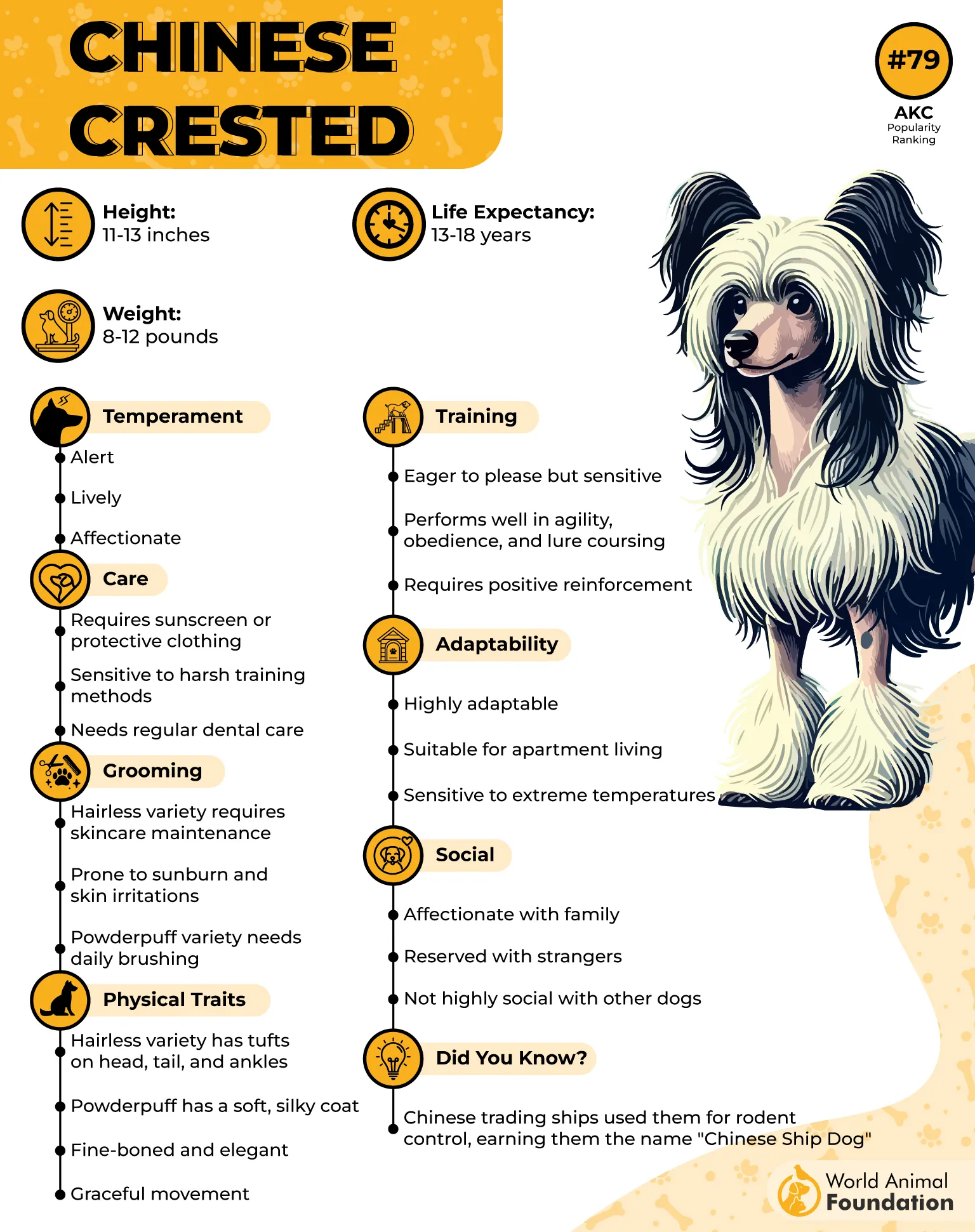
Because shedding is light, surfaces, fabrics, and floors tend to stay cleaner, reducing the need for constant vacuuming.
Their indoor-friendly nature also means they adapt well to close family living, often staying nearby and interacting closely.
With consistent care and routine brushing, this breed supports a cleaner home environment while remaining affectionate, alert, and easy to live with daily.
They offer companionship without adding heavy cleanup demands to everyday household routines for busy owners.
🎧 Dogcast
Episode 37 — Why Dogs Stay Close without Touching
If you don’t hear sound, tap the button above to enable audio.
2. Yorkshire Terrier
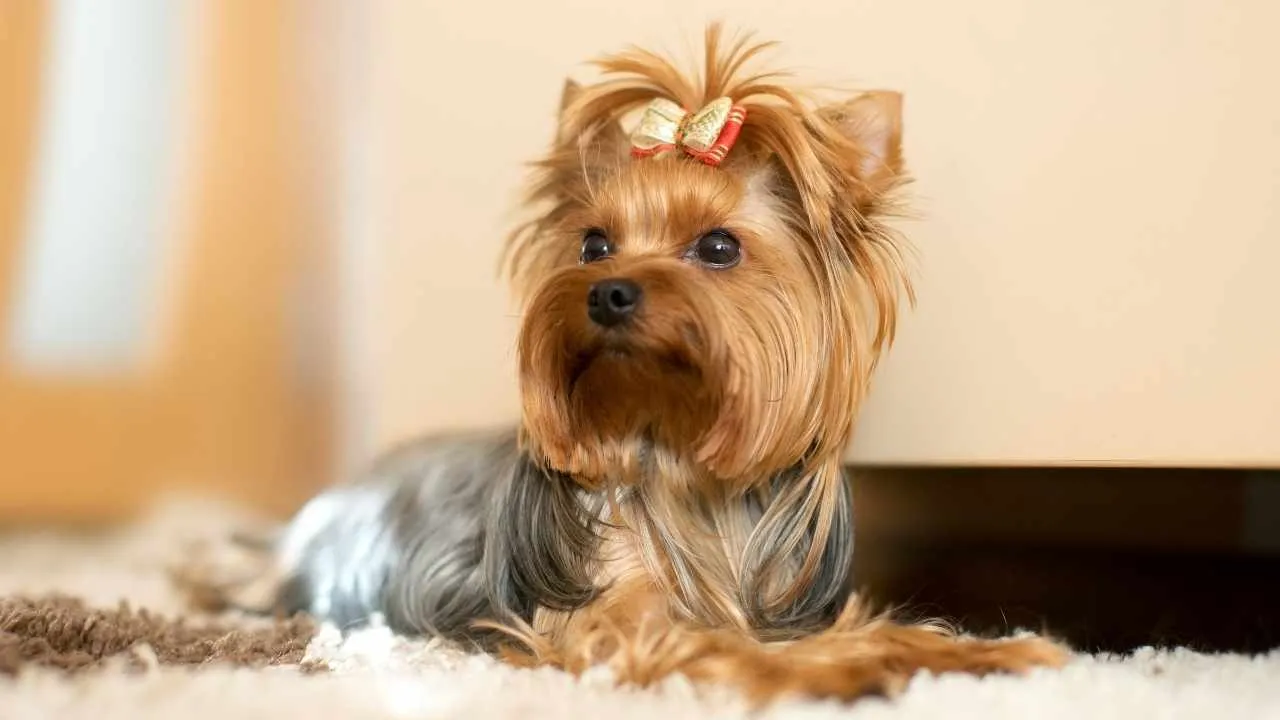
Originating in 19th-century Britain, the Yorkshire Terrier is admired for its fine, human-like, silky coat that grows continuously rather than shedding in the usual way.
Because loose hairs are often retained within the coat instead of falling freely, homes tend to stay noticeably cleaner with fewer stray strands on furniture and floors.
This characteristic makes the Yorkies appealing to those seeking a low-shedding companion that aligns with a tidy household. However, the same coat that reduces shedding also requires attentive maintenance.
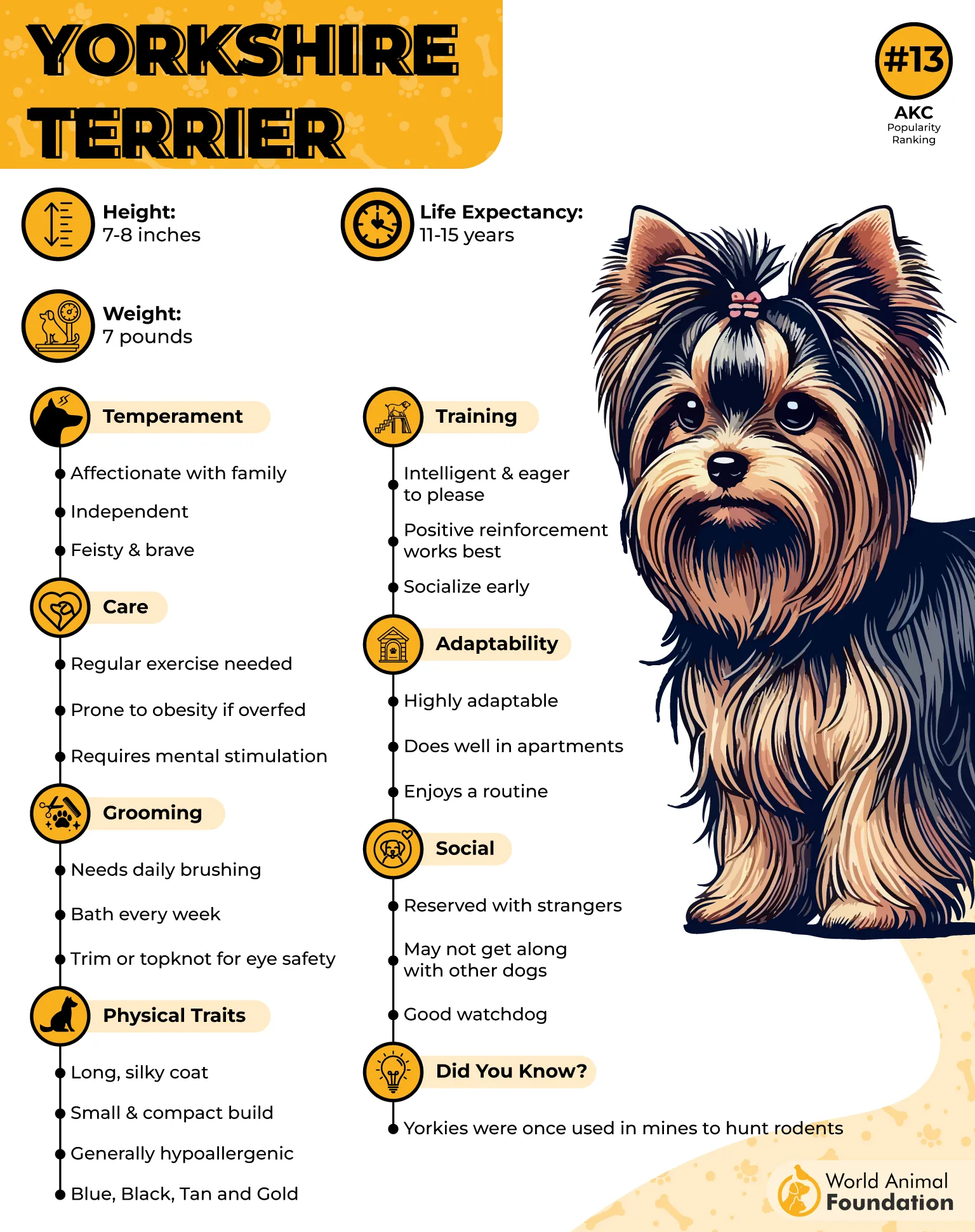
Regular brushing is essential to prevent tangles and matting, as the long, delicate strands can easily knot without consistent care.
Many owners opt for routine grooming schedules, including trimming or professional grooming, to keep the coat manageable and comfortable for the dog.
Despite the upkeep, the Yorkshire Terrier’s minimal shedding contributes to a cleaner living environment while still offering a small, affectionate companion well-suited for indoor lifestyles.
Consistent care also helps maintain coat health, supports hygiene, and ensures the dog remains comfortable and well presented daily.
3. Xoloitzcuintli
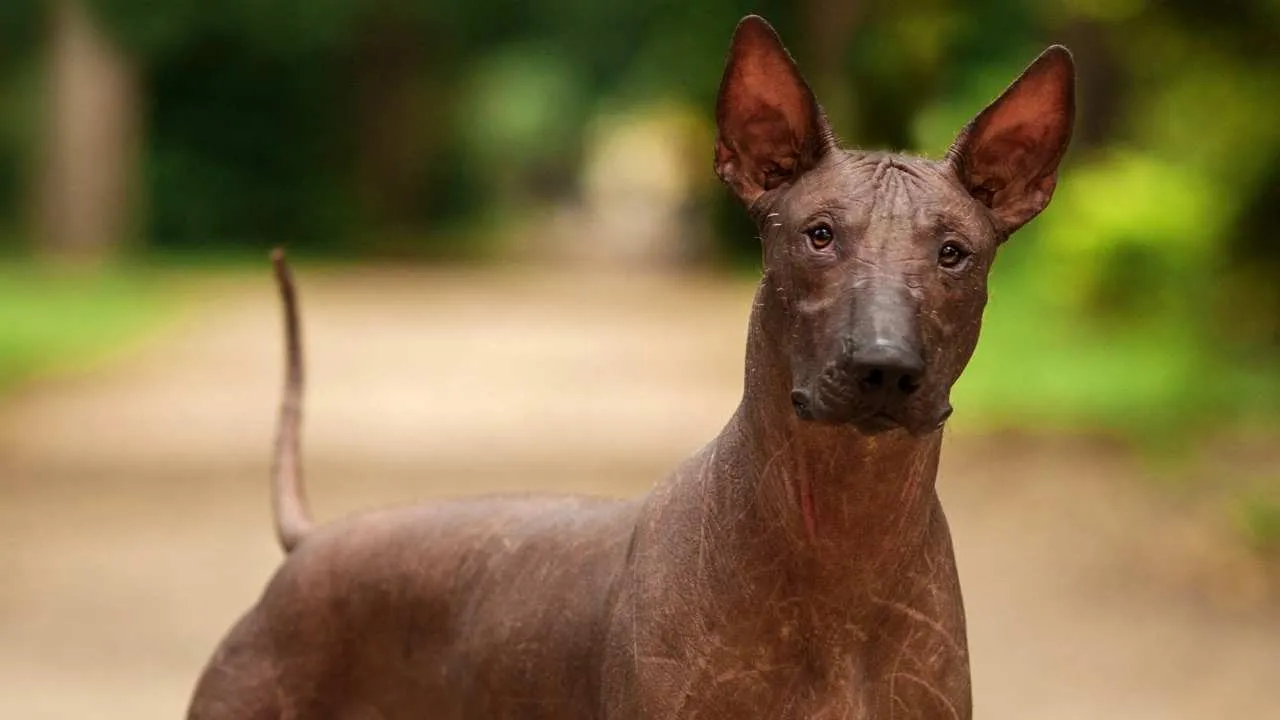
Among low-shedding companions, the Xoloitzcuintli stands out for its unique appearance and consistently minimal hair loss, as mentioned by WebMD.
Known for existing in both hairless and coated varieties, this ancient breed from Mexico offers options for different preferences while still supporting a cleaner home environment.
Hairless dogs typically have smooth skin with little to no fur, which greatly reduces loose hair around living spaces. The coated variety carries a short, close-lying layer of fur that also sheds very lightly compared to many other breeds.
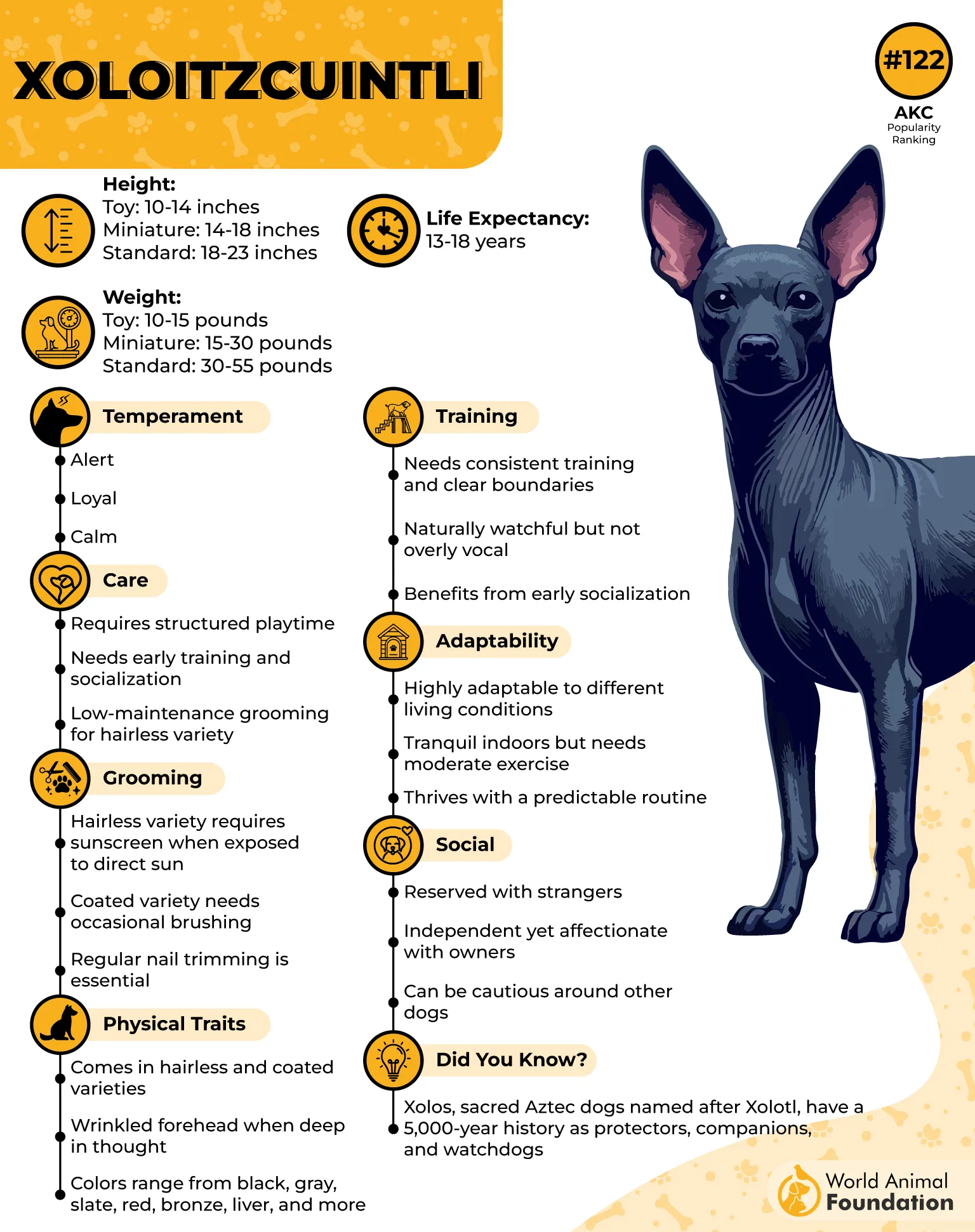
Xolos come in a wide range of colors, including black, gray, bronze, and reddish tones, often with subtle markings. Their upright, bat-like ears are a distinctive feature, although some may have slightly folded ears.
The skin of the hairless type is generally strong and resilient, requiring basic care to stay healthy. With minimal shedding and minimal grooming needs, this breed helps maintain a tidy household while offering a calm, loyal presence indoors.
Gentle regular cleaning and occasional moisturizing also help keep their skin comfortable and well-maintained over time.
4. Coton De Tulear
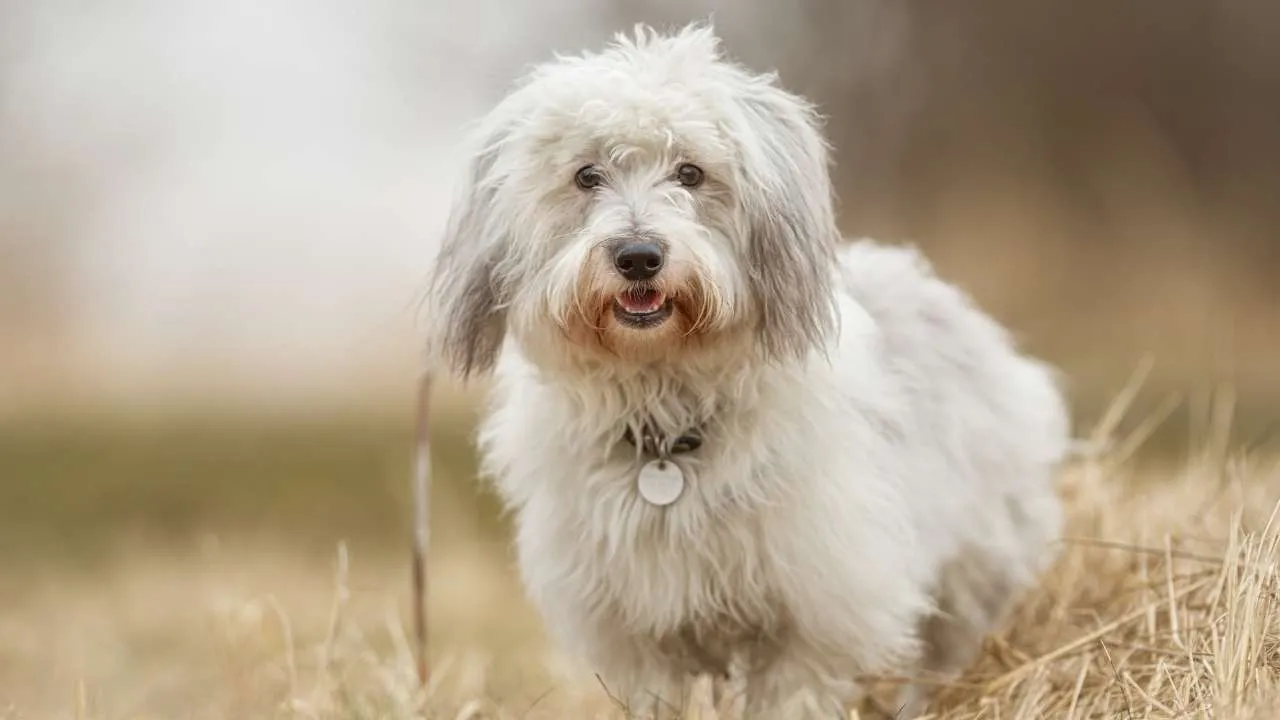
The Coton de Tulear is well known for its low-shedding coat, making it a great option for those aiming to keep their living space cleaner and more manageable.
This breed’s soft, cotton-like fur does not fall out heavily like many other dogs, which helps reduce the amount of hair left on floors, furniture, and clothing.
While they are not completely free of shedding, any hair loss is typically minimal and may increase slightly during seasonal changes, especially in spring.
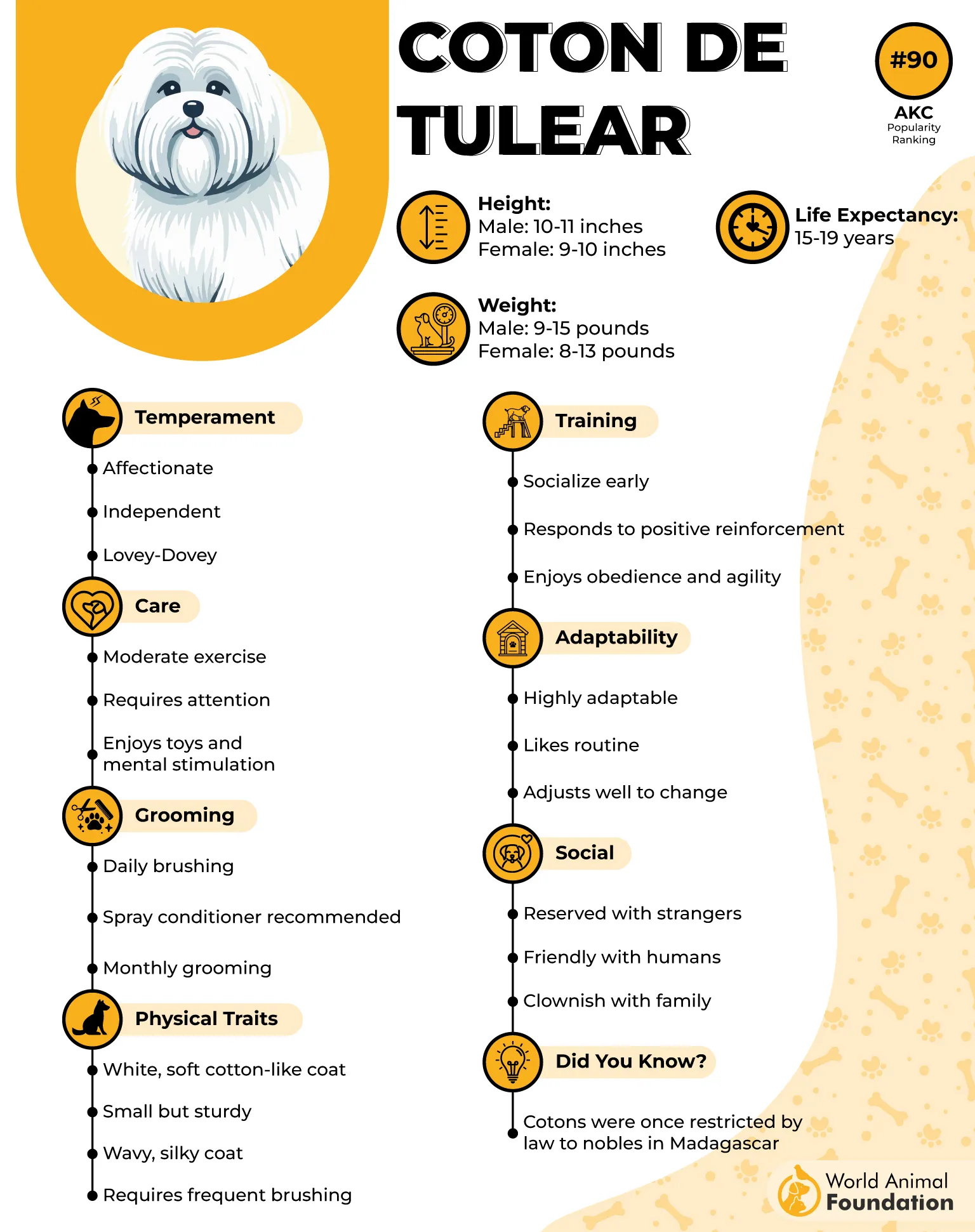
To maintain both cleanliness and coat health, regular brushing a few times each week is important, as their long, fluffy coat can become tangled if neglected.
Particular attention should be given to areas such as the ears, legs, and elbows, where knots are more likely to form.
Puppies often require more frequent grooming as their adult coat develops between seven and fifteen months.
With consistent care and occasional professional grooming, this breed remains neat, comfortable, and well-suited for households that prefer a low-shedding companion and a cleaner indoor environment overall.
5. Bichon Frise
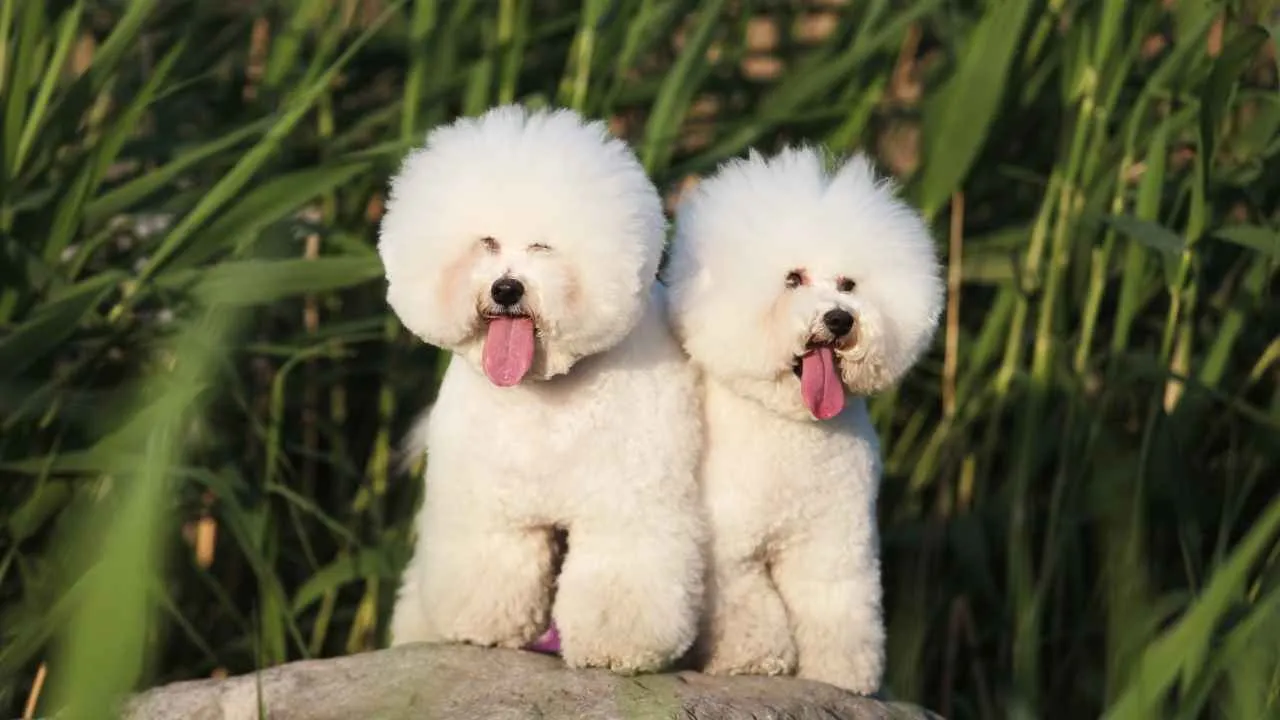
The Bichon Frise is widely appreciated for its low-shedding coat, making it a strong choice for maintaining a cleaner and more organized home, as noted by the AKC.
Its soft, curly coat tends to trap loose hair within the underlayer instead of releasing it into the environment, which significantly reduces the amount of visible shedding around the house.
However, this same trait means the loose hair must be regularly removed through consistent grooming to prevent dog allergies.
Brushing a few times a week is essential, with daily brushing often recommended to keep the coat in good condition and minimize buildup.
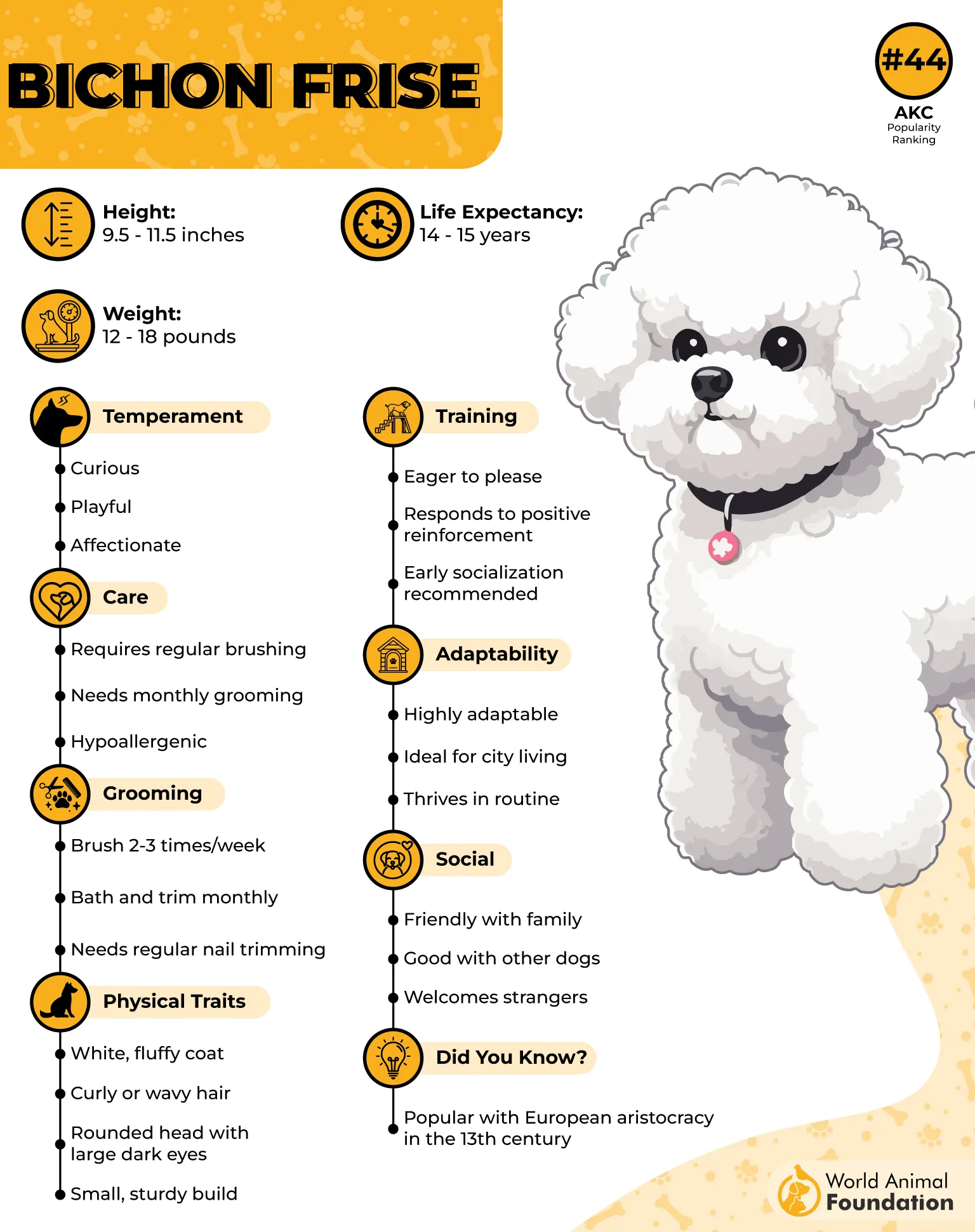
Routine maintenance also includes regular baths and trimming, typically every four to six weeks, which helps keep the coat neat and manageable.
Nail care is another important aspect of overall grooming for this breed. Because the hair is retained rather than shed freely, the Bichon Frise contributes to a tidier indoor space while still requiring attentive upkeep to maintain coat health and comfort.
With proper care, this breed remains both visually appealing and practical for households seeking reduced hair around the home.
6. Portuguese Water Dog

The Portuguese Water Dog is a well-known choice for households seeking a low-shedding breed that helps maintain a cleaner indoor environment.
Originally developed to assist fishermen along the coast of Portugal, this athletic and intelligent breed has a dense, curly or wavy coat that does not shed heavily like many other dogs.
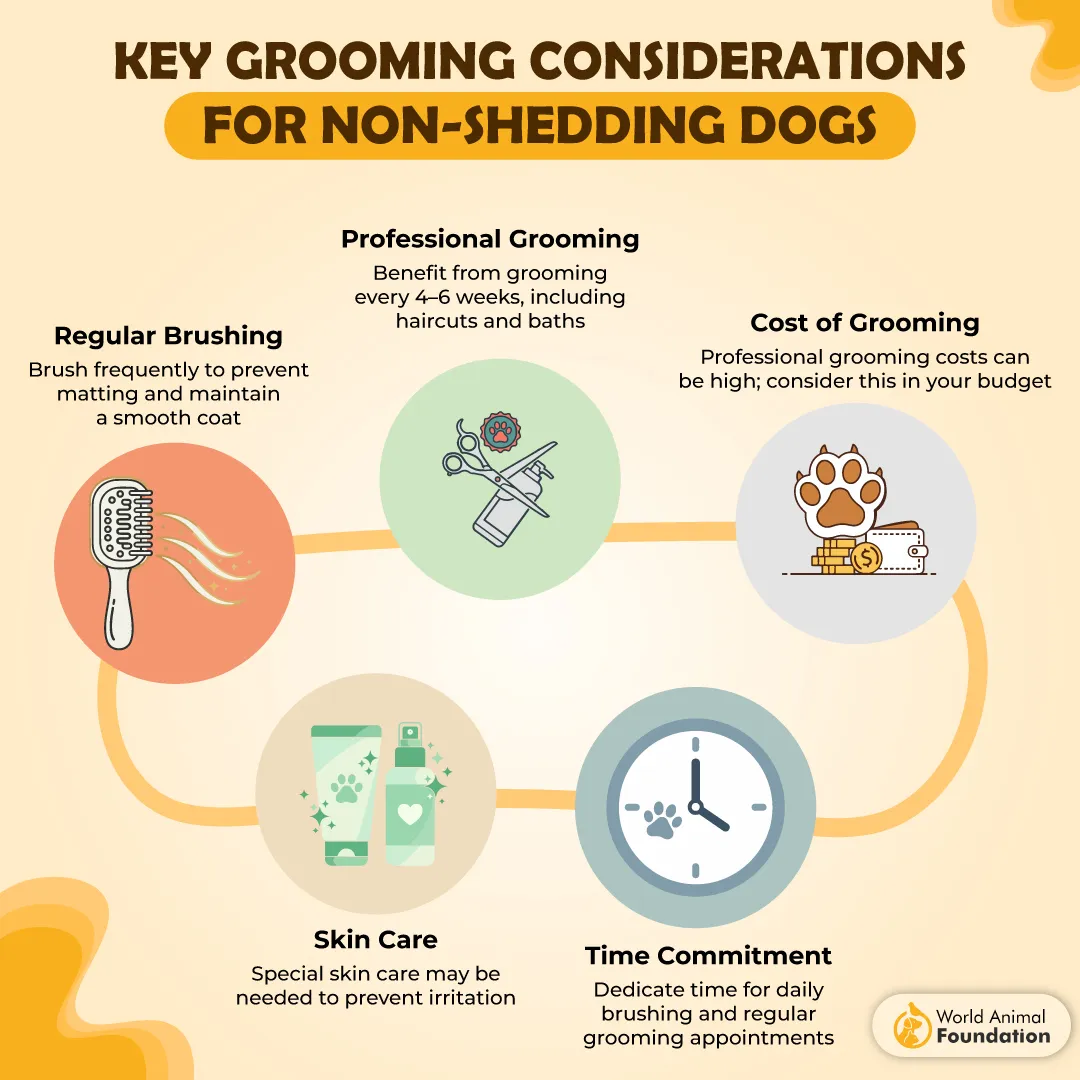
Instead of releasing loose hair into the home, their coat tends to retain it, which reduces the amount of visible fur on furniture and floors. However, this same coat requires consistent grooming to stay healthy and tangle-free.
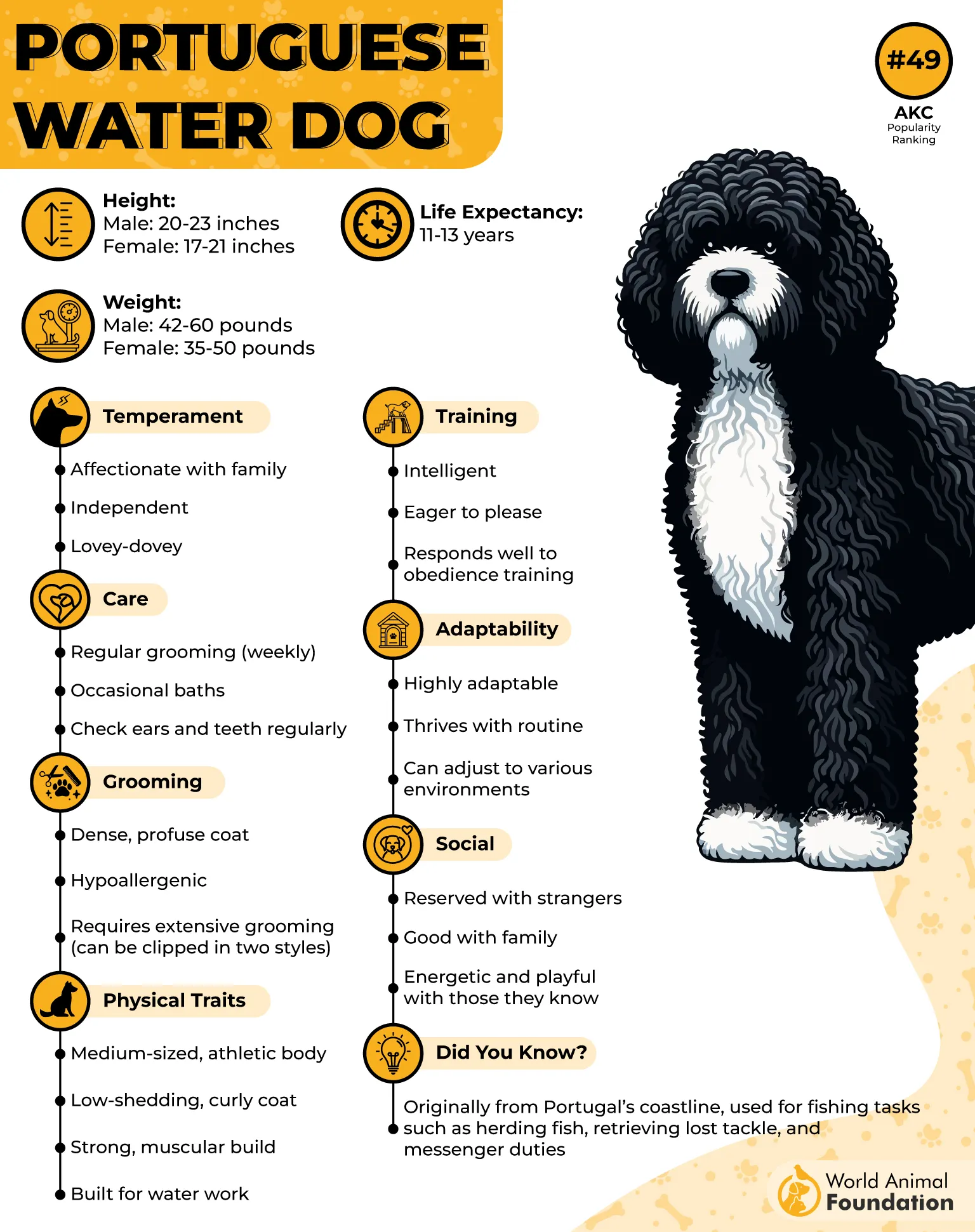
Regular brushing and routine professional grooming every four to six weeks are commonly recommended to prevent matting, as their hair continues to grow over time.
Their active and affectionate nature makes them well-suited for families who can provide daily exercise and attention.
While often described as hypoallergenic dog breeds due to minimal shedding, individual reactions to allergens can still vary.
Overall, their low-shedding coat combined with proper care makes them a practical option for those aiming to balance companionship with a cleaner, more manageable living space.
7. Basenji
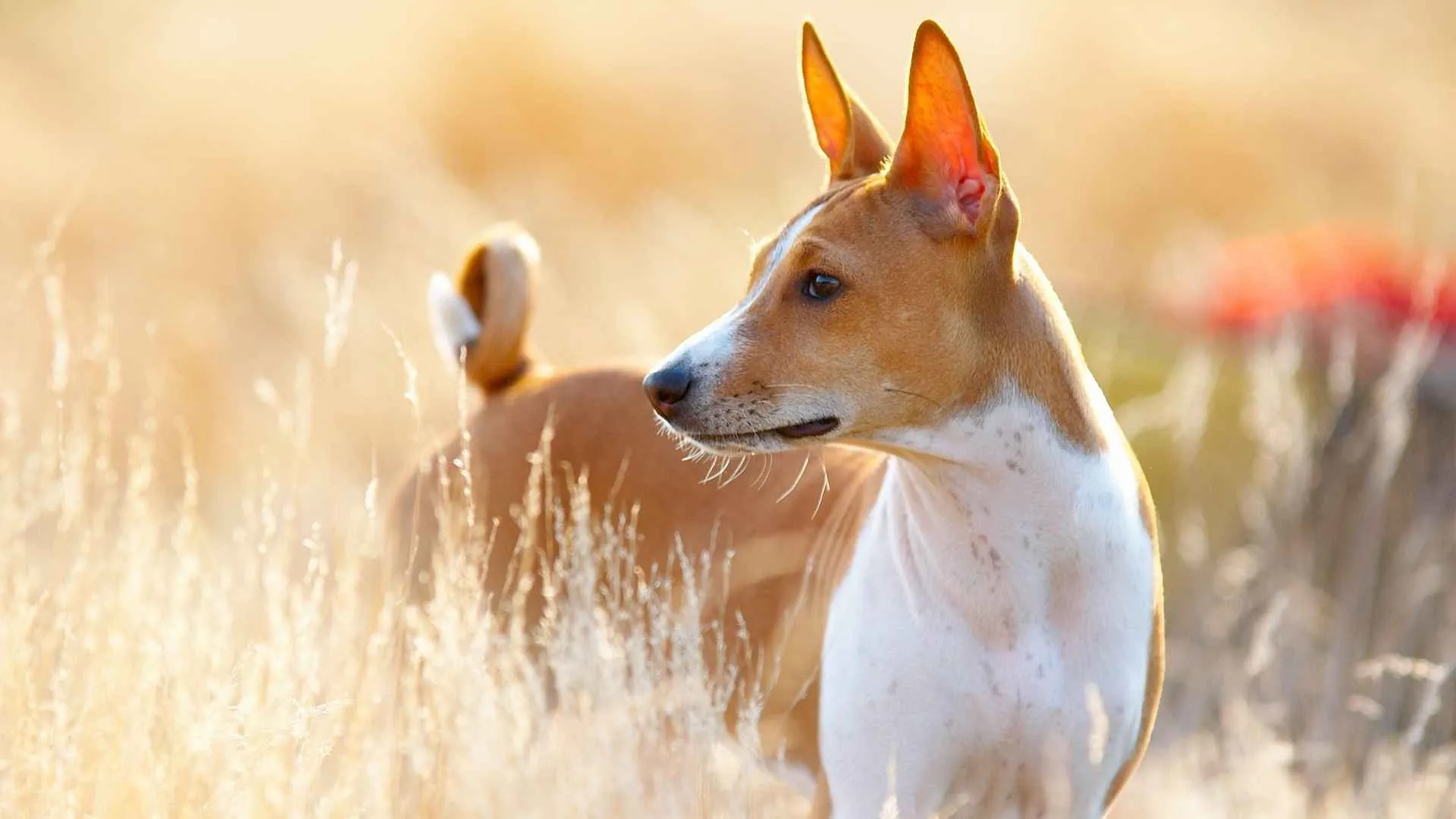
The Basenji is a distinctive choice among low-shedding companions, making it appealing for those who want a cleaner home with minimal loose hair.
This low-maintenance breed is known for its short, fine coat that releases very little fur, reducing the amount of cleaning needed around living spaces.
Because shedding is limited, surfaces such as sofas, bedding, and floors tend to stay noticeably tidier compared to heavier-shedding breeds.
The coat itself is smooth and easy to maintain, typically requiring only occasional brushing to remove dead hair and keep it looking healthy. Another practical advantage is the breed’s generally clean nature, which complements its low-maintenance coat.
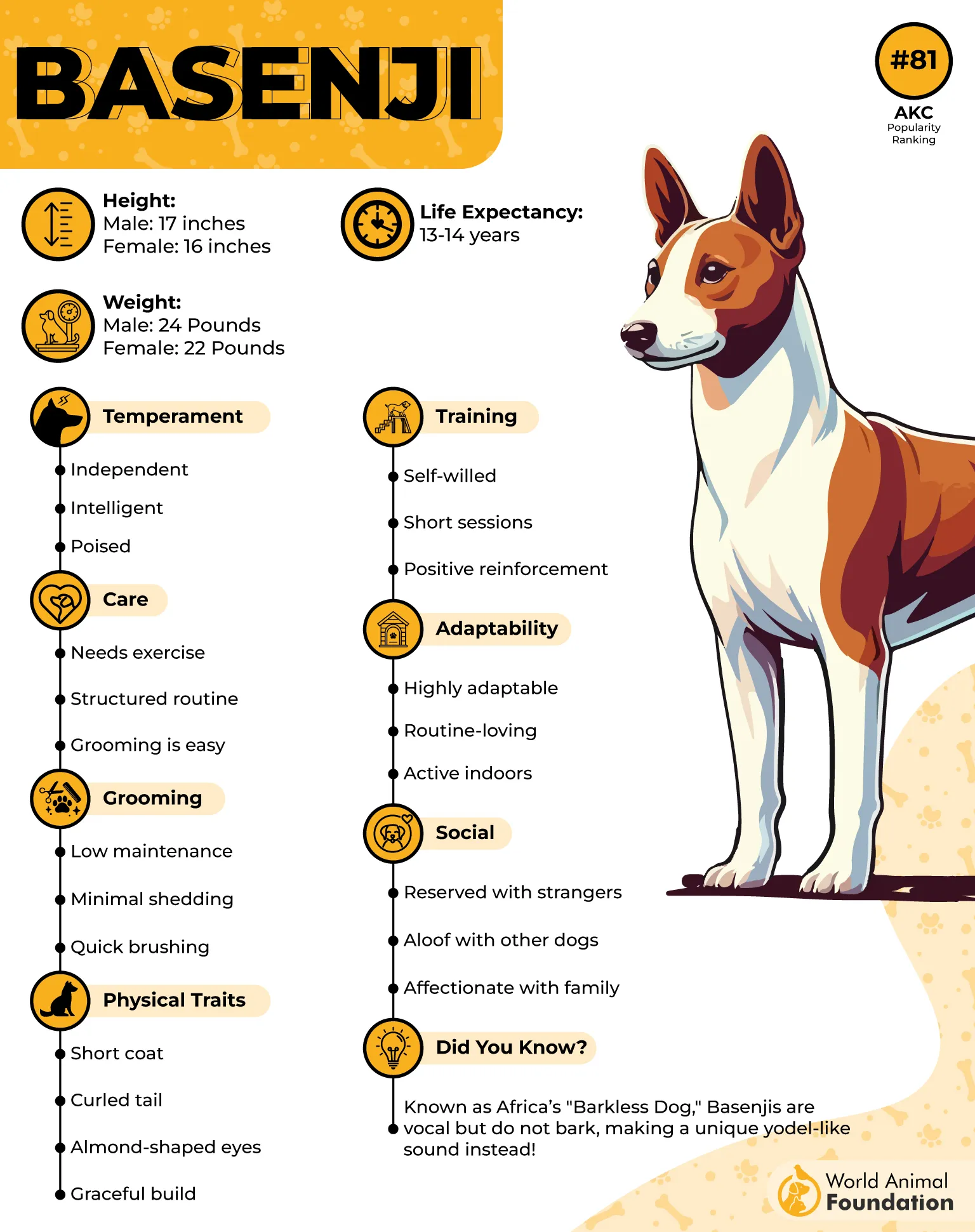
While they still require regular exercise and mental stimulation, their grooming needs remain relatively simple.
Occasional brushing helps maintain coat condition and supports overall hygiene without demanding extensive effort.
Combined with their minimal shedding, these traits make the Basenji a practical option for individuals seeking a companion that supports a neat, well-kept home environment without frequent fur cleanup.
Consistent care and activity ensure they remain happy, balanced, and well-adjusted indoors.
Conclusion
Choosing a low-shedding companion can make a noticeable difference in maintaining a cleaner and more comfortable home.
While no dog is completely free of allergens or grooming needs, certain coat types naturally retain loose hair, reducing the amount that ends up on furniture and floors.
With consistent brushing, regular grooming, and proper care, these dogs can remain healthy while minimizing mess.
For individuals who value tidiness or have mild sensitivities, selecting a dog with minimal shedding helps balance companionship with a more organized living environment, making daily upkeep easier and more manageable overall.
Low-Shedding Dog Breeds Quiz 🐶 Can You Score 5/5?
Which breed comes in both hairless and Powderpuff varieties?
Which dog has a silky coat that grows like human hair instead of shedding normally?
Which ancient Mexican breed is known for its hairless variety and minimal shedding?
Which breed has a cotton-like coat that may need extra grooming between 7–15 months?
Which breed traps loose hair in its curly coat, requiring frequent grooming?
Which low-shedding breed was originally developed to assist fishermen in Portugal?
