




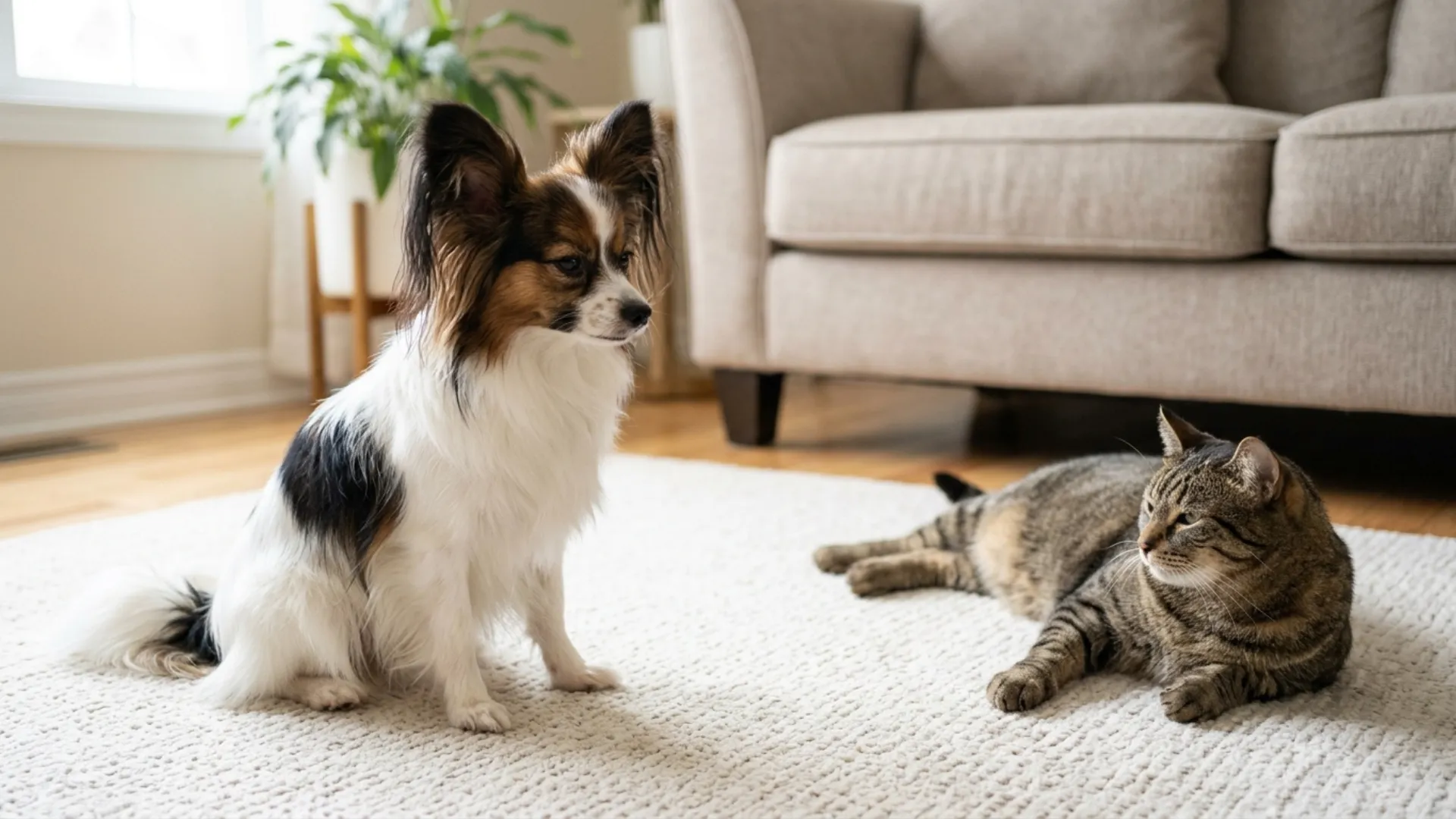
Bringing a dog into a home where a cat already lives can work beautifully when the right temperament and introduction approach are involved.
Dogs have shared households with cats for generations, and certain breeds are often recognized for being adaptable, sociable, or less inclined to treat smaller animals as something to chase. Still, breed alone cannot predict how two individual animals will behave together.
A peaceful relationship usually develops through gradual introductions, appropriate supervision, and giving both animals places where they can retreat. A dog that has previously lived comfortably around cats may have an advantage, while a puppy raised around feline companions may also learn household boundaries early. The cat’s personality matters just as much as the dog’s.
The following breeds can be promising choices for cat-owning households because of traits such as patience, sociability, trainability, or comparatively gentle dispositions. However, every introduction should be handled according to the personalities of the individual animals rather than relying solely on breed reputation.
Dog Breeds That Coexist Peacefully With Cats – The Ultimate List
1. Basset Hound
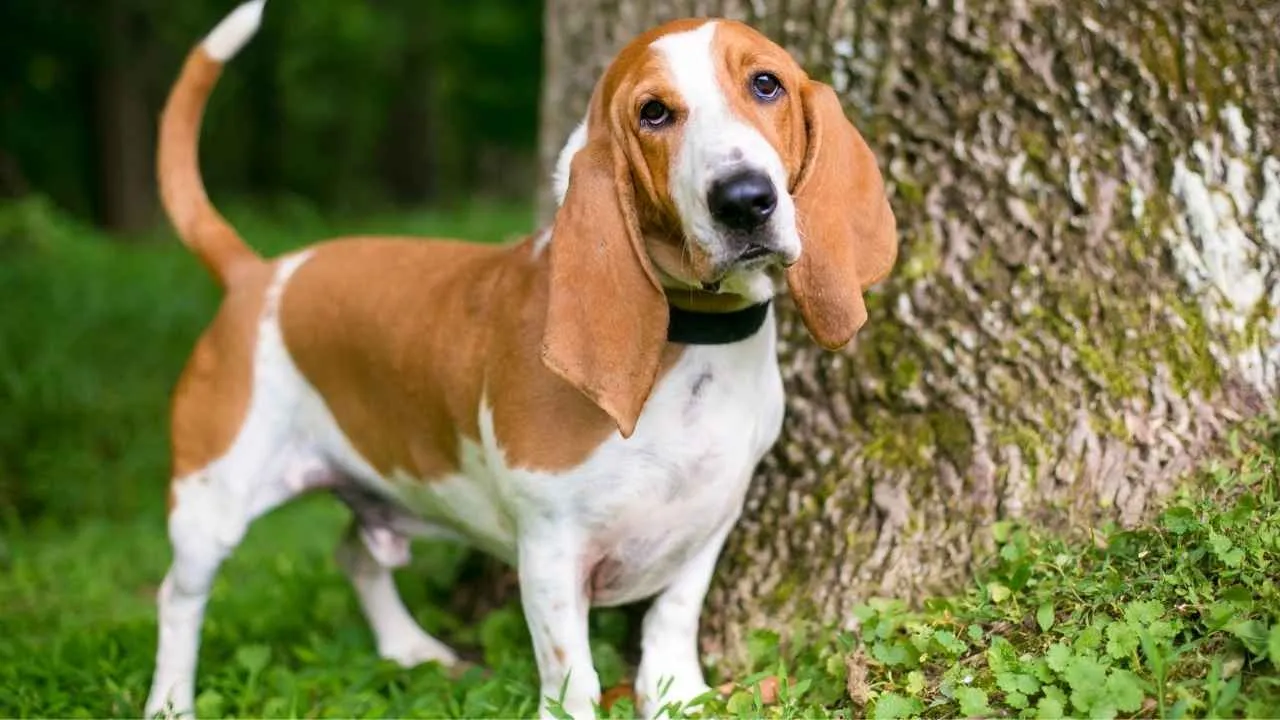
Basset Hounds originated in France and were developed from scent hounds selected for their ability to follow trails at a slower pace. Their short legs and powerful noses made them useful for tracking rabbits and other small game through dense vegetation.
Eventually, their distinctive appearance and relaxed manner helped establish them as popular companion dogs.
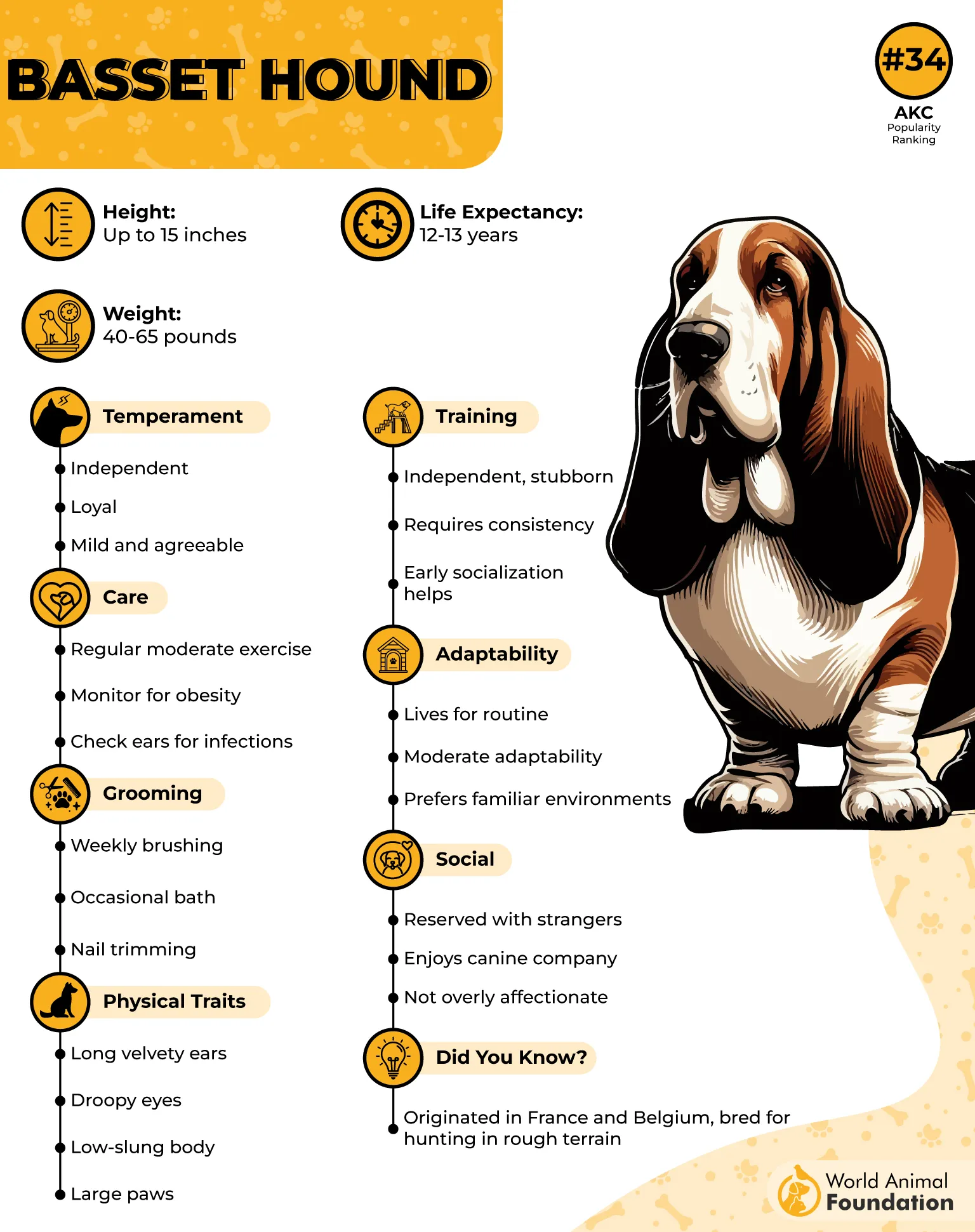
Low-Maintenance Grooming and Relaxed Activity
The Basset Hound’s short coat is generally easy to care for, although its loose skin, long ears, and facial folds require regular attention.
These affectionate dogs enjoy walks and opportunities to sniff but typically do not need intense athletic exercise. Moderate daily activity can help maintain a healthy weight and provide mental stimulation.
A Patient Personality Around Feline Housemates
Basset Hounds are often easygoing and good-natured, qualities that can help them adjust to living alongside cats. Their leisurely approach to life may make them less inclined toward frantic pursuit.
Individual dogs can still show interest in a running cat, so early supervision and careful boundary-setting remain important.
2. Beagle
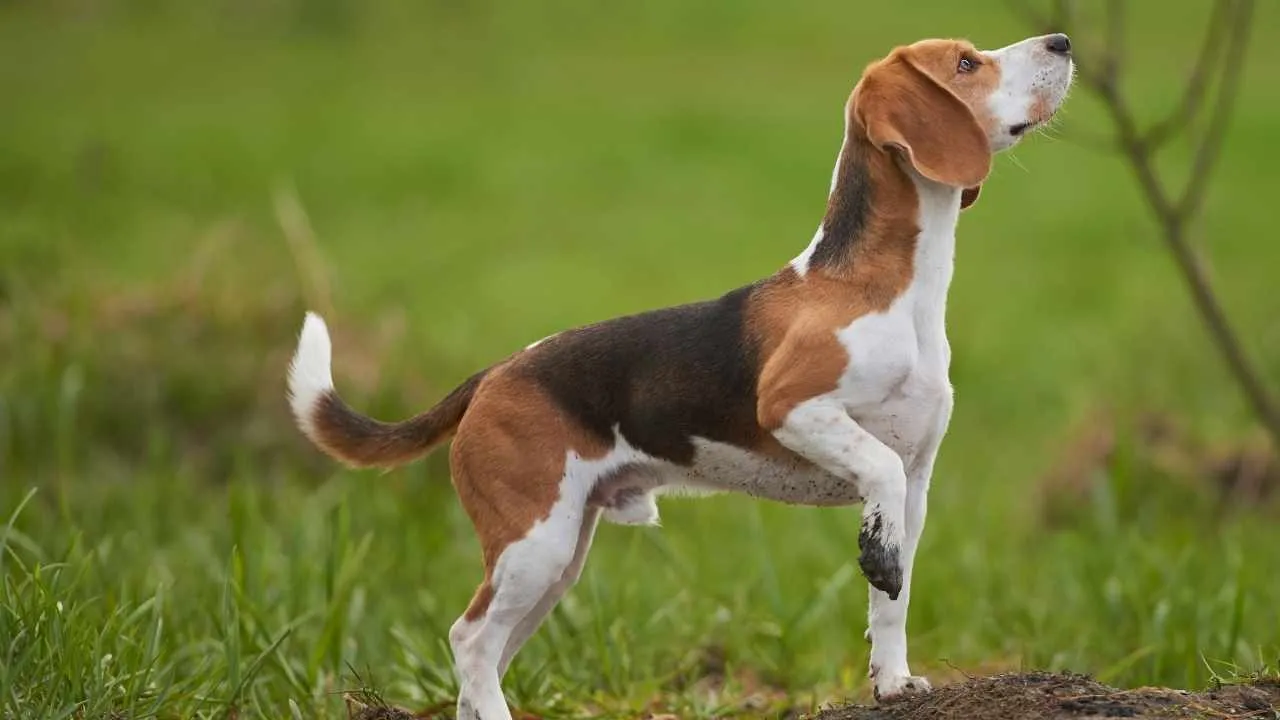
Beagles developed in Britain as small scent hounds used for tracking rabbits and other small game. Their exceptional noses and compact bodies made them useful hunting companions, while their friendly appearance eventually helped them become beloved household dogs, as per Britannica.
Their history gives them a strong connection to scent-driven exploration.

A Short Coat and a Busy Little Body
Beagles have short coats that usually require only regular brushing and basic grooming. They are much more active than their compact size might suggest and benefit from daily walks, scent games, play sessions, and opportunities to investigate new environments.
Mental stimulation is especially valuable for this curious breed.
Social Energy Can Work Well With Cats
Beagles are often outgoing and enjoy interaction with both people and other animals. Their sociable nature can make them suitable candidates for multi-pet households, particularly when introduced to cats gradually.
Their hunting background does mean that some individuals may chase fleeing animals, so supervision and recall training should remain part of the process.
3. Bulldog
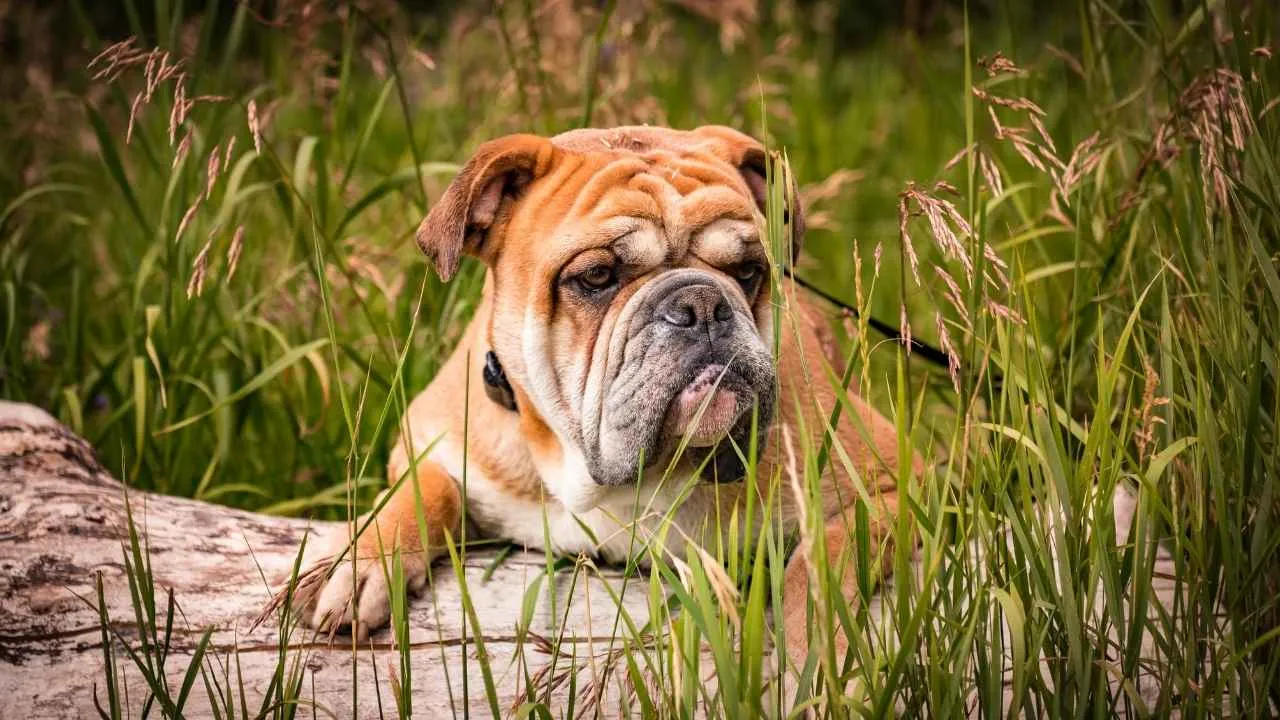
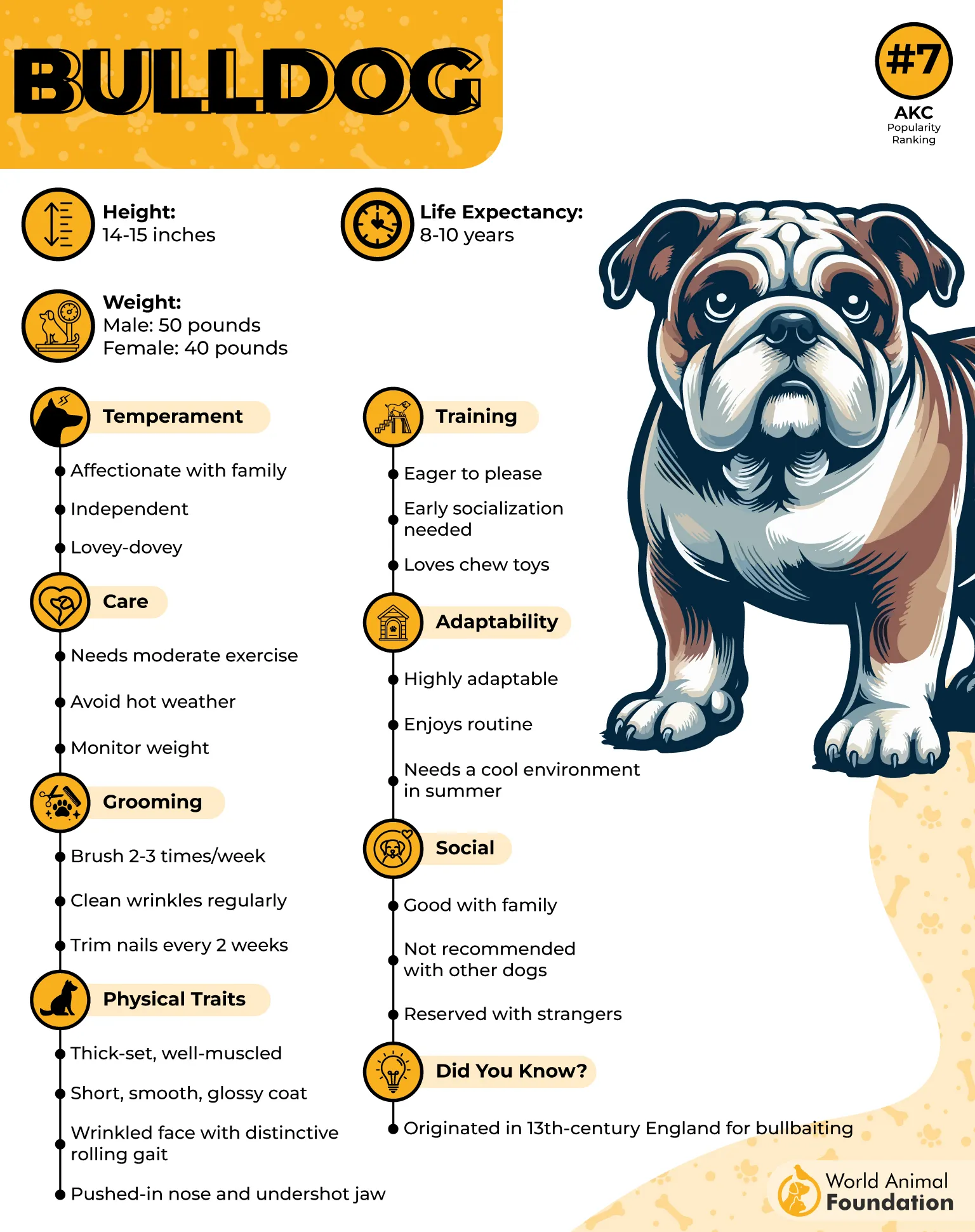
Bulldogs were developed in Britain and have a history connected to the now-outdated sport of bull-baiting. After that practice was outlawed, breeders gradually shifted the dog’s purpose and temperament toward companionship, as per PetMD.
Modern Bulldogs are markedly different from their early ancestors and are widely kept as relaxed family pets.
Straightforward Coat Care and Gentle Exercise
The Bulldog’s short coat generally needs simple brushing and routine cleaning, particularly around facial folds. Because of its compact build and shortened muzzle, strenuous exercise and excessive heat can be problematic.
Several gentle walks and short periods of play are generally more suitable than demanding physical routines.
A Laid-Back Companion for a Calm Cat
Many Bulldogs have an easygoing temperament and are happy to spend considerable time relaxing near their families. Their lower activity level can make them less likely to constantly pursue a cat around the house.
Individual behavior still varies, and every dog should be observed during its adjustment to a feline companion.
4. Labrador Retriever
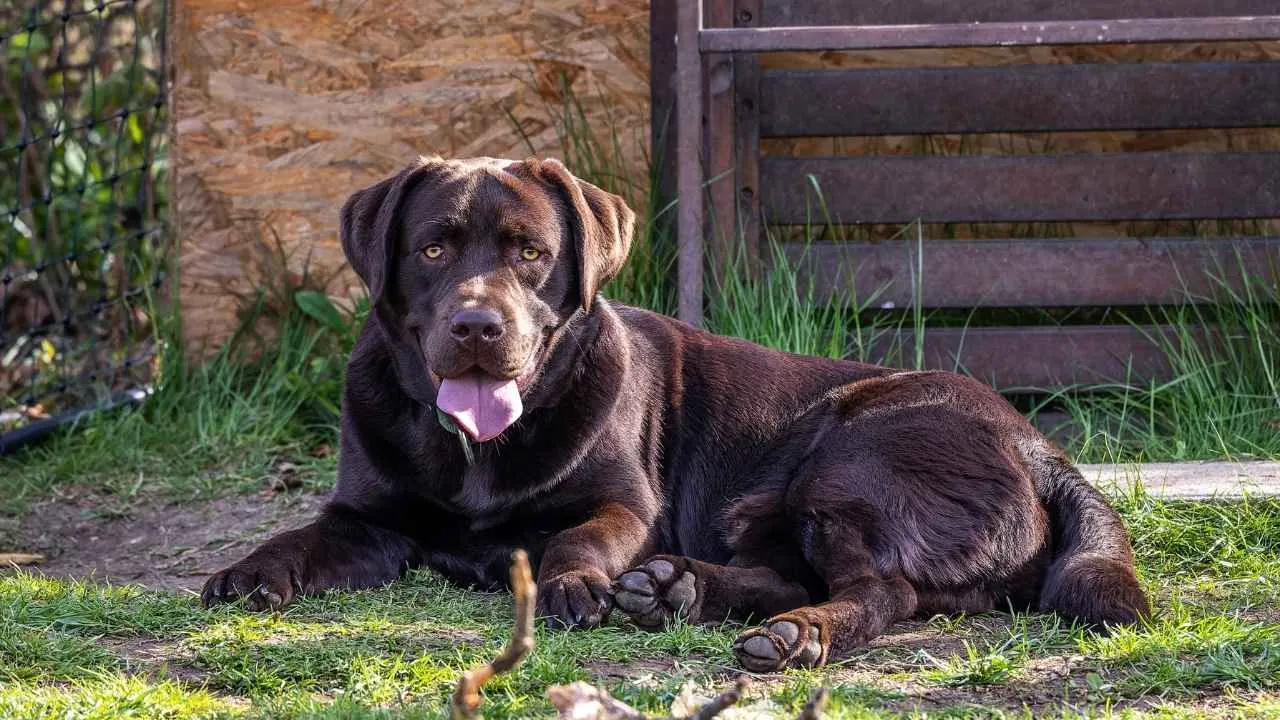
Labrador Retrievers trace their early ancestry to Newfoundland, where smaller working dogs assisted fishermen with retrieving objects and nets from the water.
The breed was later refined in Britain as a sporting retriever and became valued for its trainability, swimming ability, and willingness to work closely with people.

A Shedding Coat and Plenty of Exercise
Labradors have dense double coats that shed throughout the year and often more heavily during seasonal changes. Regular brushing can help manage loose hair.
These energetic dogs need considerable daily activity, with swimming, retrieving, hiking, running, and interactive games among the activities that can suit them well, as per the AKC.
Friendly Enthusiasm Can Support Social Living
Labradors are commonly known for their outgoing and cooperative nature. A well-socialized individual may learn to treat a resident cat as part of the household rather than as something to pursue.
Their youthful exuberance can nevertheless overwhelm a nervous feline, making controlled introductions and impulse-control training particularly useful.
5. Papillon
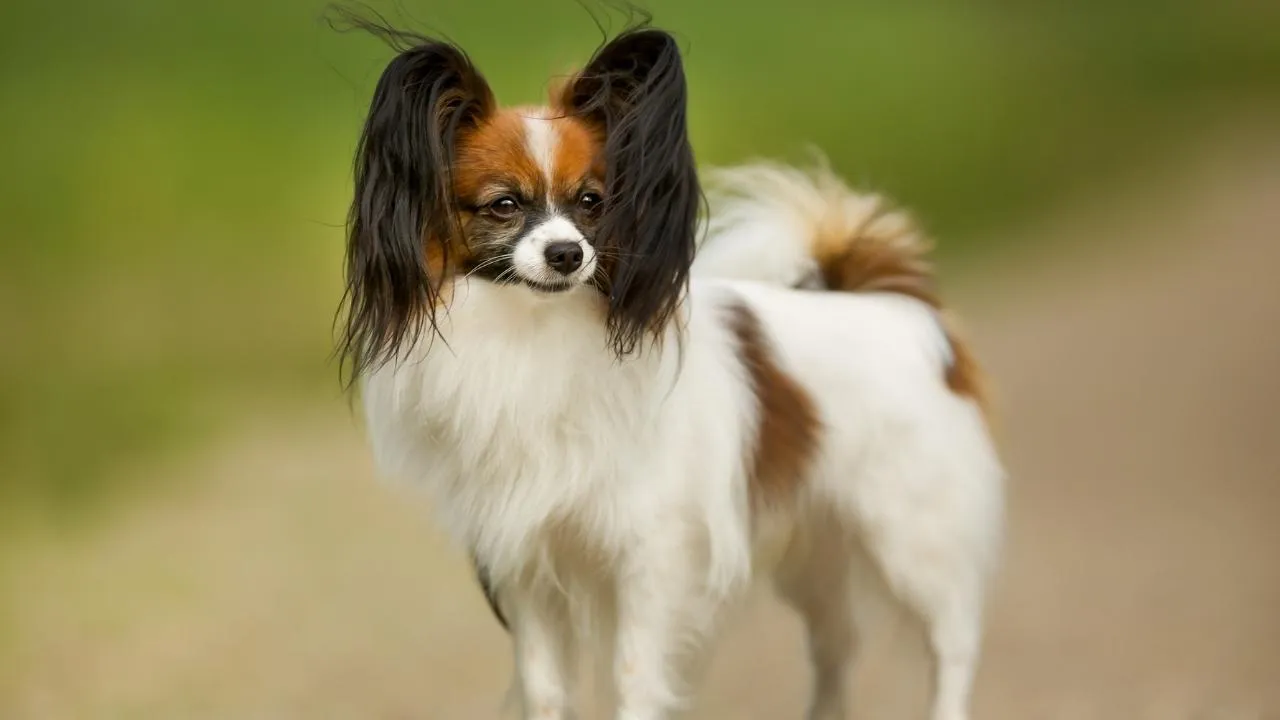
Papillons have roots in Europe and were favored as small companion dogs among aristocratic households. Their distinctive butterfly-shaped ears appear in numerous historical paintings, demonstrating their long association with European court life.
Despite their delicate appearance, they were bred as alert and active companions.
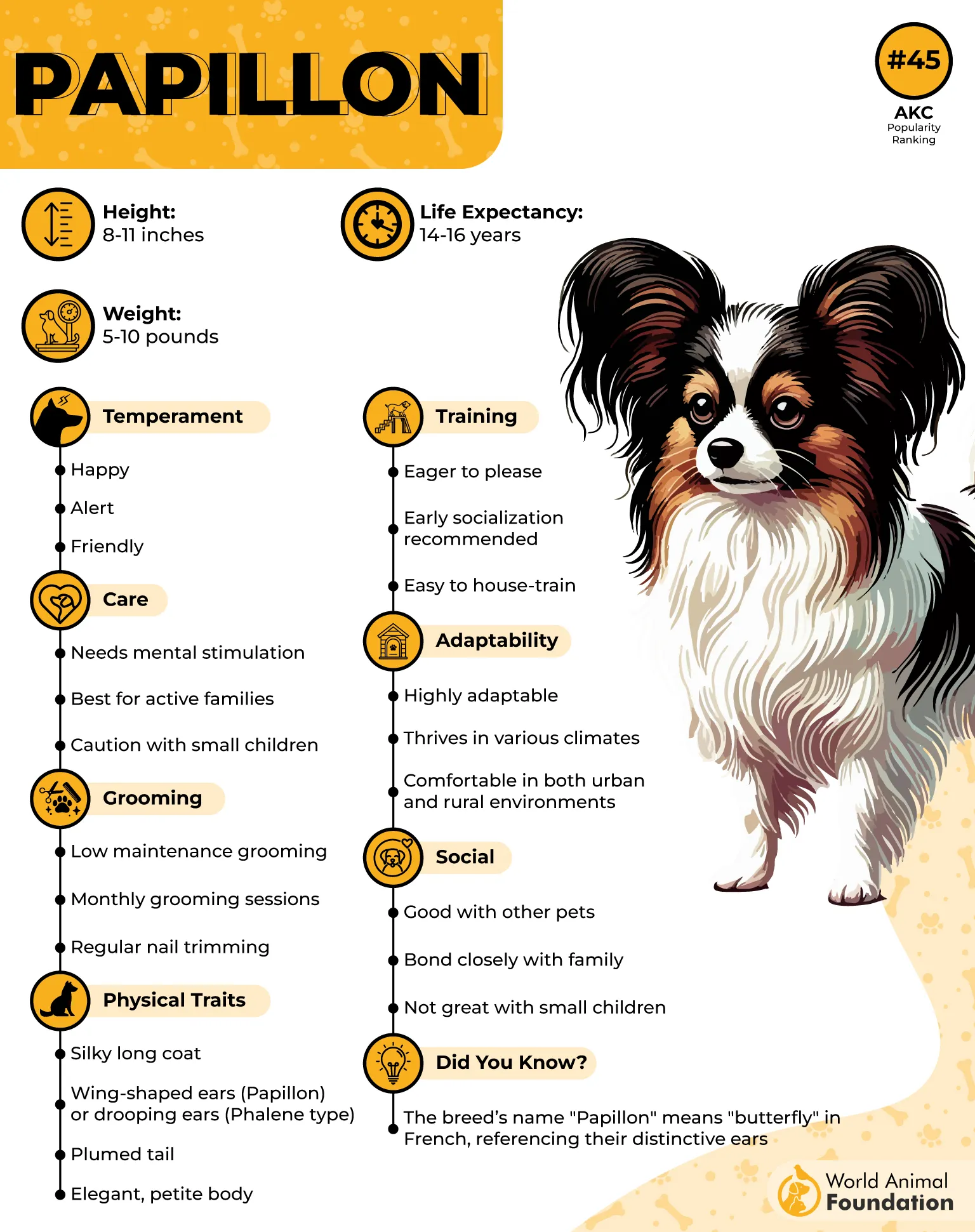
Feathered Fur With Surprisingly High Energy
The Papillon’s fine, flowing coat has feathering that benefits from regular brushing, but it does not usually require elaborate grooming.
These small dogs are energetic and intelligent, enjoying walks, training games, puzzle toys, agility exercises, and interactive play.
A Tiny Dog That Often Enjoys Other Animals
Papillons can be remarkably adaptable and frequently enjoy social interaction. Their intelligence makes it possible to teach them appropriate behavior around cats, including leaving a feline companion alone when asked.
Their playful enthusiasm should still be managed around older or timid cats because their energy can become overwhelming.
6. Pug
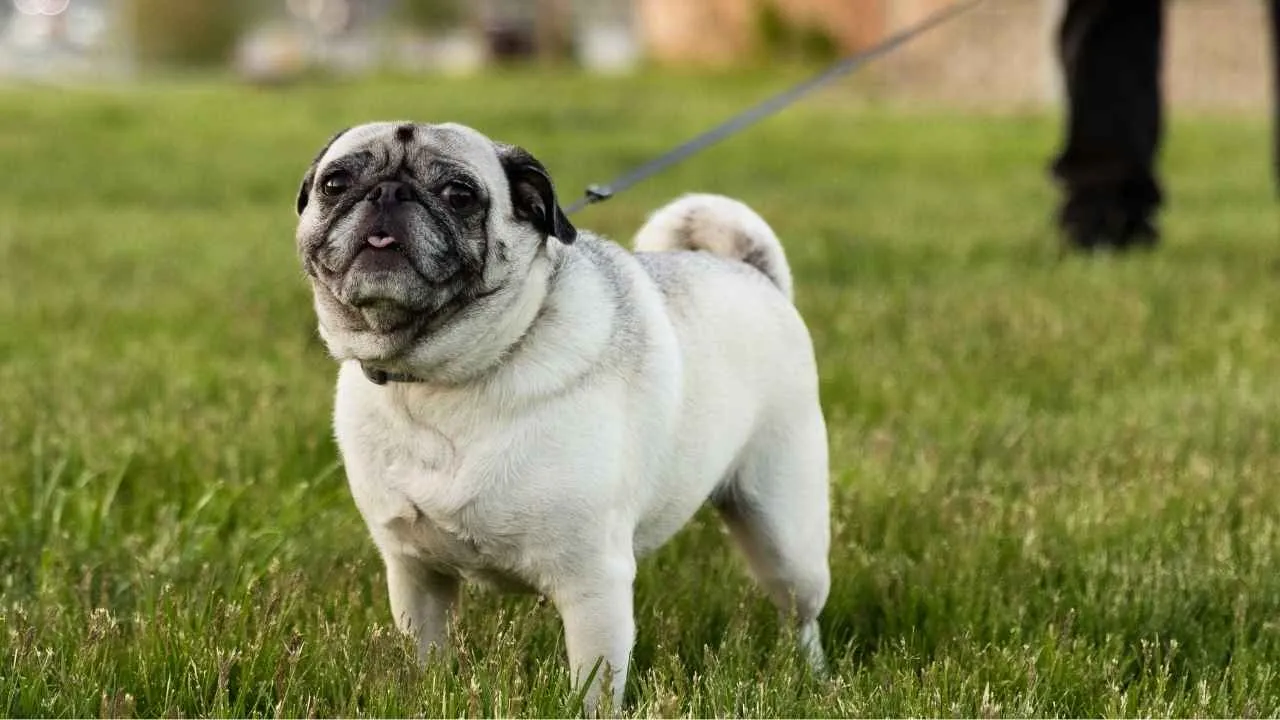
Pugs have an ancient history associated with China, where small, flat-faced companion dogs were favored by members of imperial households.
These ancient dogs were later introduced to Europe and became fashionable among aristocratic families. Their primary role has long been companionship rather than demanding outdoor work.

Minimal Coat Styling With Moderate Exercise
Pugs have short coats but can shed considerably, making regular brushing useful. Their facial folds also need routine cleaning and drying.
Because their short muzzle can make strenuous activity and hot weather difficult, gentle walks and brief play sessions are generally preferable to intense exercise.
An Affectionate Personality Suited to Shared Spaces
Pugs often enjoy being around people and may readily settle into the rhythm of a busy household.
Their playful but comparatively relaxed character can make them compatible with cats when properly introduced. A Pug should still be taught not to pester a cat that wants personal space.
7. Boxer
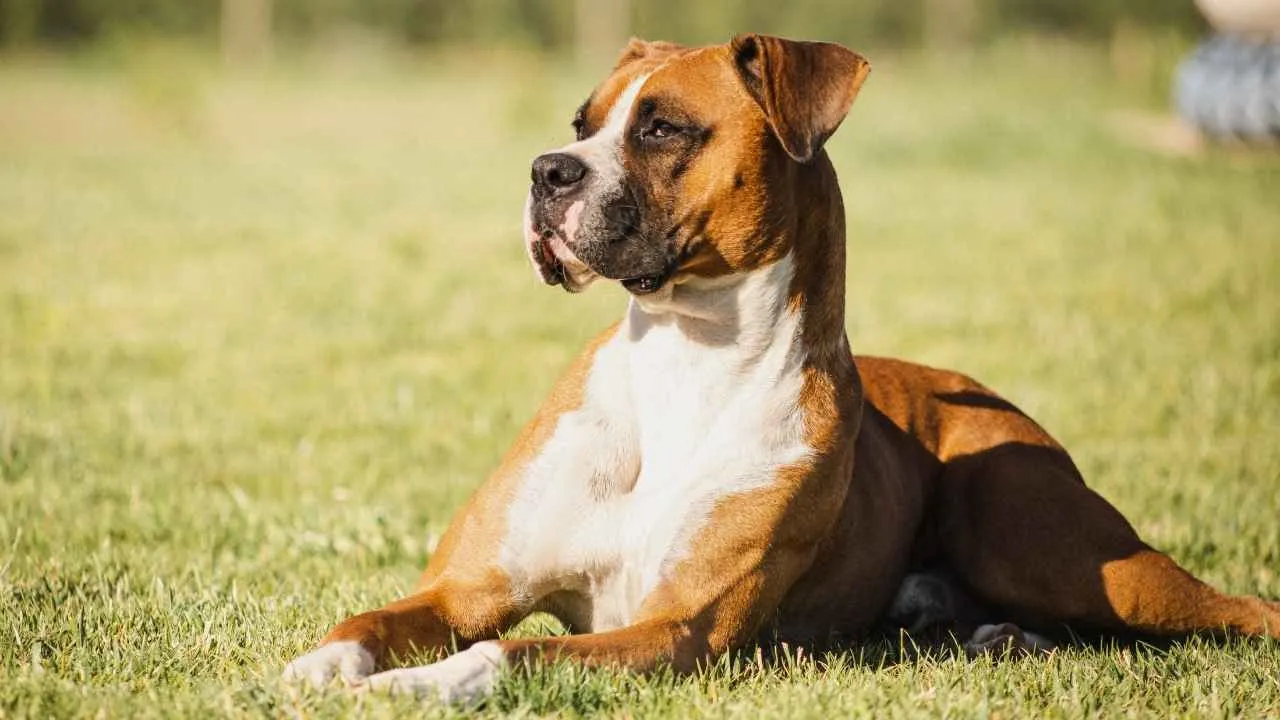
Boxers originated in Germany and descended from earlier hunting and working dogs. Their ancestors were used for tasks involving hunting and holding game, while later breeding transformed the type into a versatile working and companion dog.
Modern Boxers are known for their athleticism, loyalty, and lively personalities, as per PDSA.

A Short Coat and a Need for Daily Activity
The Boxer’s short coat is relatively simple to maintain with regular brushing. Its exercise requirements are much higher than those of many companion breeds.
Brisk walks, training sessions, running, play, and interactive activities can help channel its considerable energy.
Playful Interaction Requires Good Manners
Boxers can be affectionate and social, but their exuberant play style may be too much for a cautious cat. A well-trained Boxer can learn to remain calm around feline housemates, particularly when introductions begin gradually.
Teaching impulse control and respecting the cat’s escape routes are important parts of creating a peaceful household.
8. Maltese
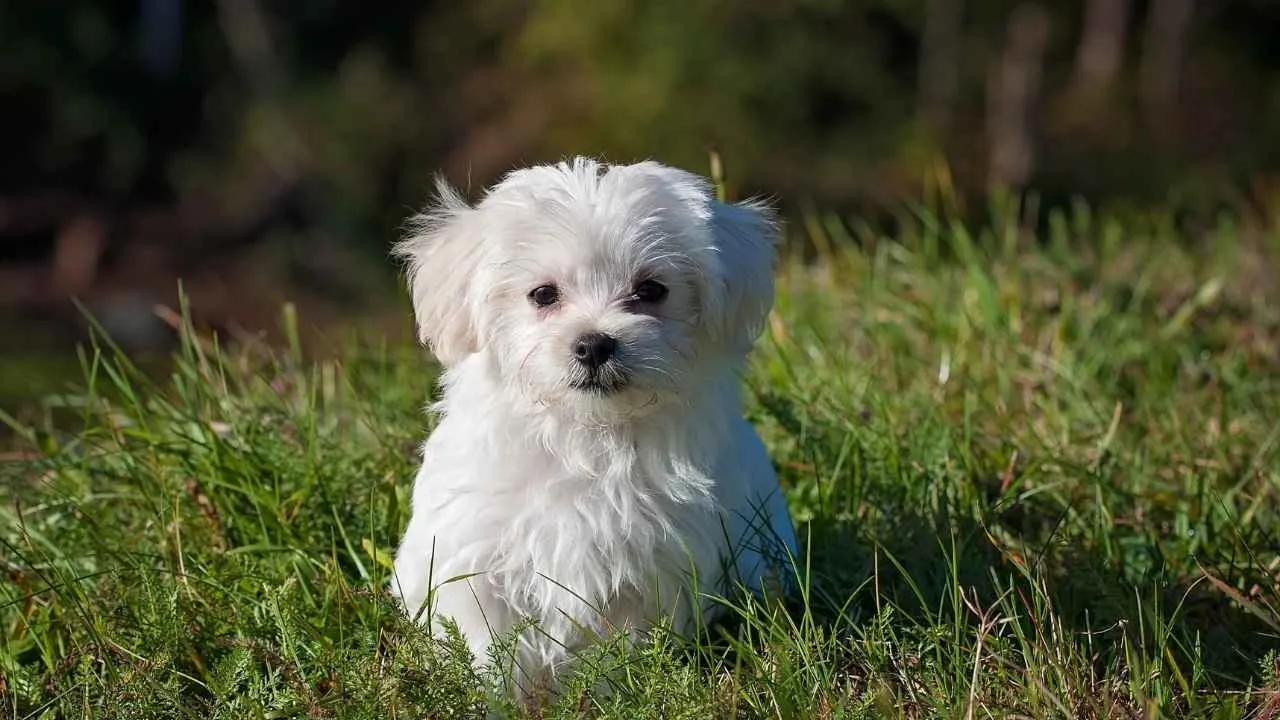
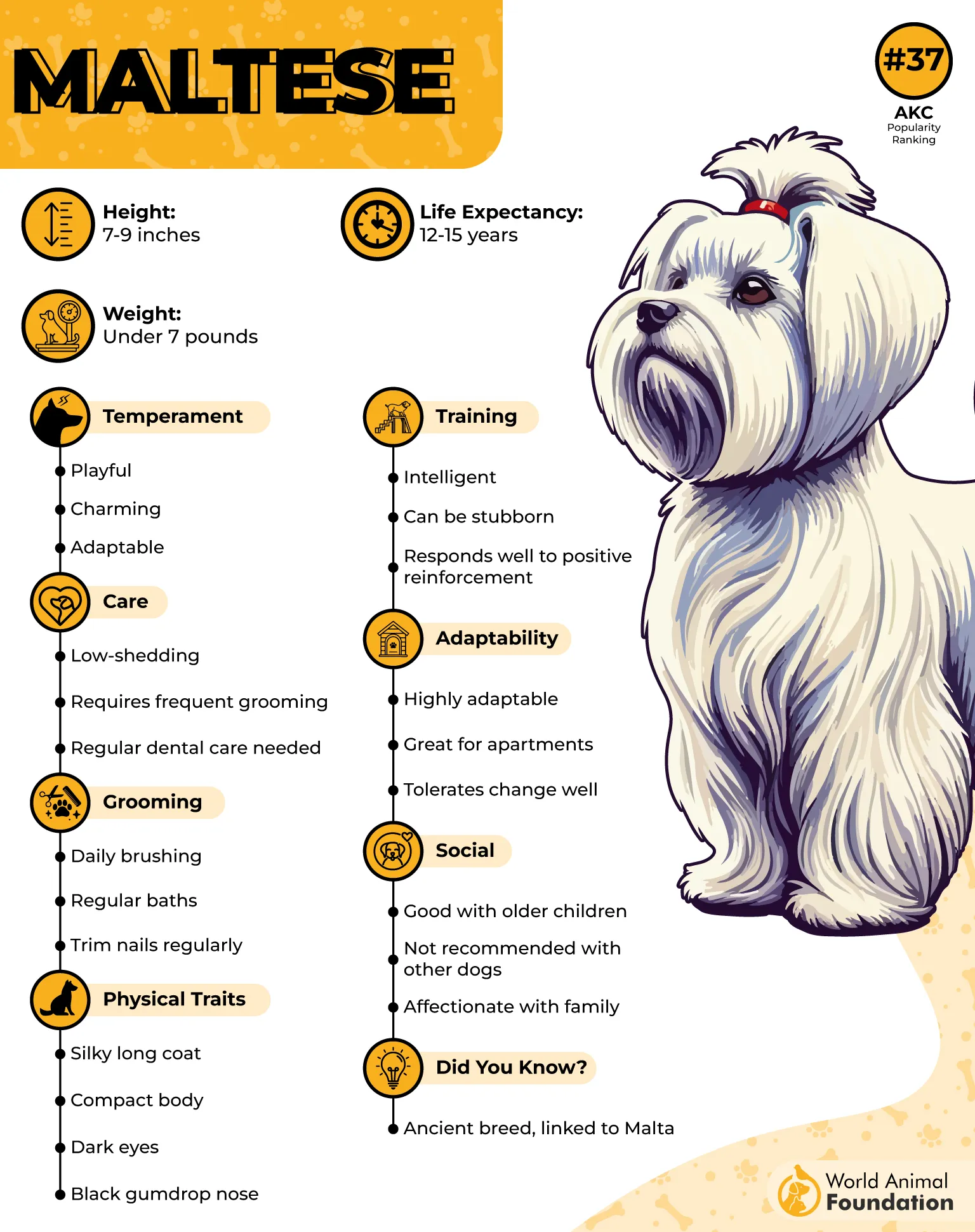
The Maltese is an ancient companion breed associated with the Mediterranean island of Malta. Small white dogs resembling the breed have been documented for centuries, and their compact size made them popular among wealthy households.
Unlike many working breeds, the Maltese was primarily valued for companionship.
A Silky Coat and Manageable Exercise Needs
The Maltese has a fine coat that can grow very long and requires regular brushing to prevent tangles. Many owners choose shorter trims for easier maintenance.
Its exercise requirements are modest, with short walks, indoor games, and interactive activities often providing suitable daily stimulation.
A Gentle Household Presence
Maltese dogs often form close relationships with their owners and can be comfortable living in smaller spaces. Their affectionate nature may allow them to settle peacefully around cats, especially when both animals are introduced slowly.
Their small size also means owners should protect them from accidental rough play by larger pets.
9. Shih Tzu
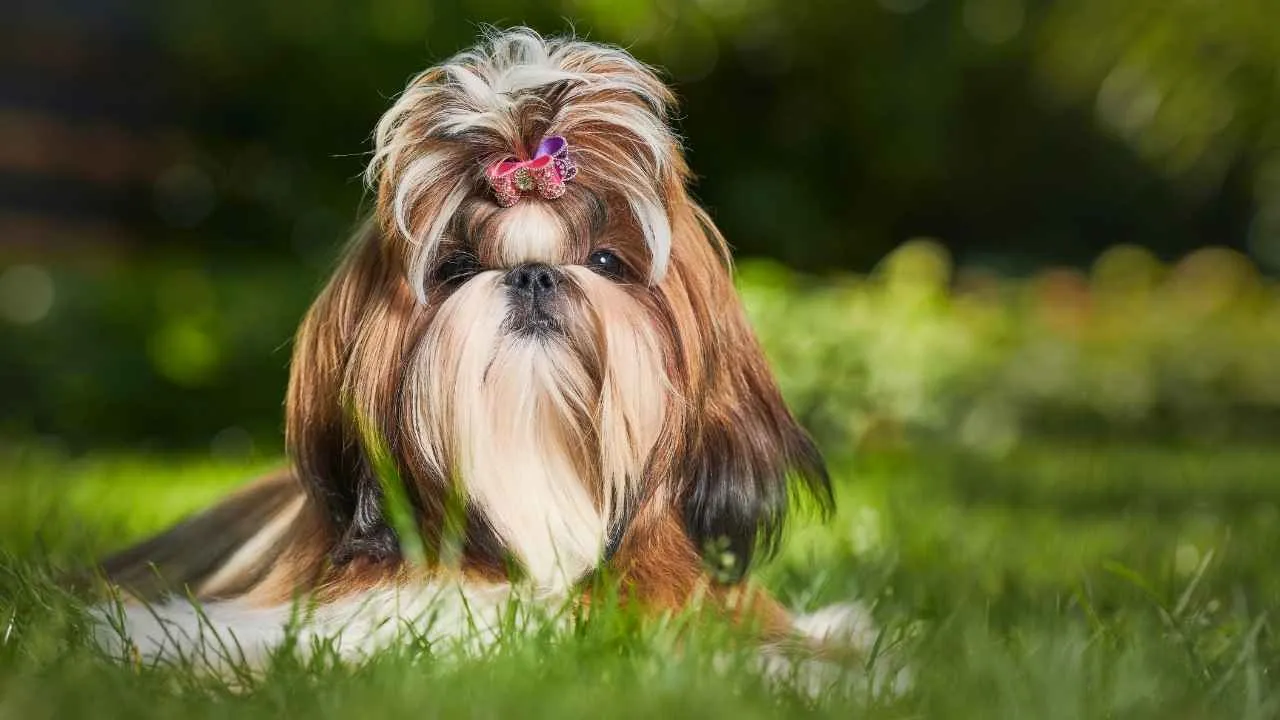
Shih Tzus have historical ties to China and Tibet, where small companion dogs were kept in royal and religious settings.
The breed became especially associated with China’s imperial court and was prized for its attractive appearance and companionable nature. Its development centered far more on companionship than hunting or guarding.

Long Hair Means Consistent Coat Maintenance
A Shih Tzu’s abundant coat requires frequent brushing when kept long, while shorter trims can significantly reduce daily maintenance.
These dogs generally have moderate exercise requirements and can remain content with short walks, indoor play, and regular interaction with their families.
A Companionable Temperament Around Other Pets
Shih Tzus are often affectionate, adaptable, and comfortable spending time with their human families.
Many can share space with cats successfully because they were bred primarily for companionship rather than pursuing prey. Even so, a calm introduction is essential, especially when the resident cat is cautious or easily stressed.
10. Cavalier King Charles Spaniel
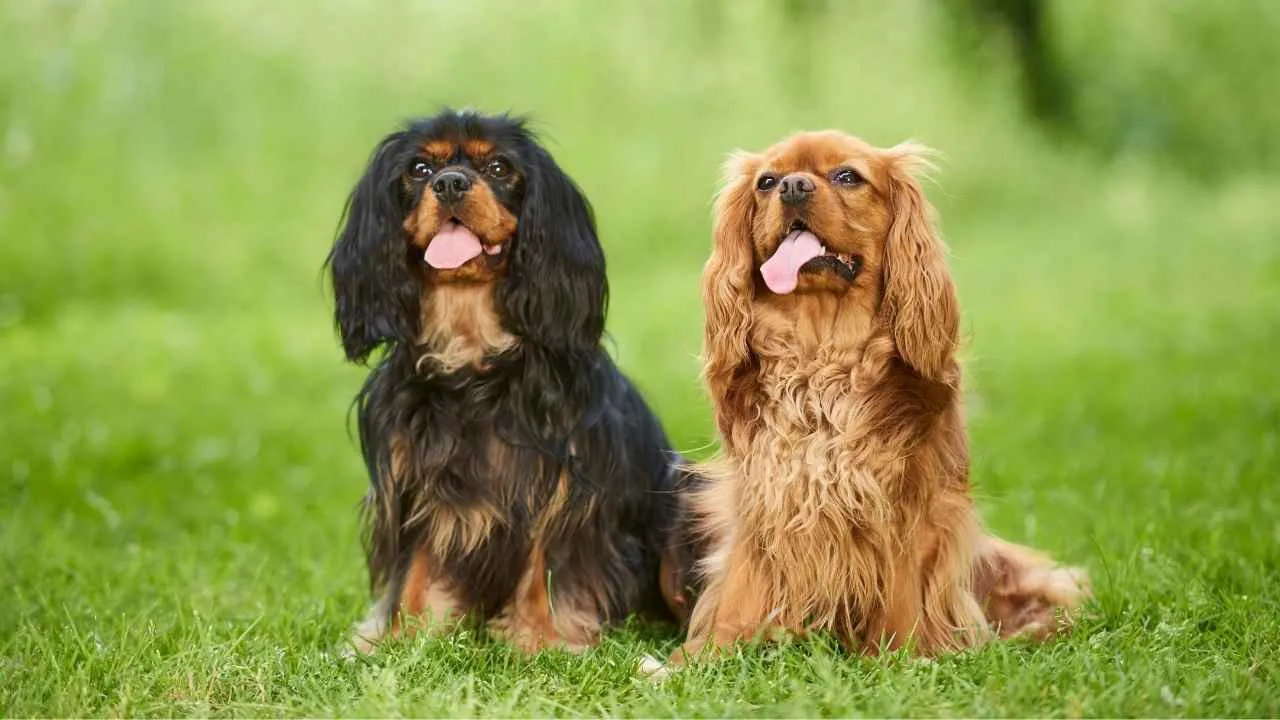
The Cavalier King Charles Spaniel descends from small spaniels that were popular dogs among British royalty and aristocracy. Toy spaniels appear in numerous historical portraits, reflecting their long-standing role as companion dogs.
The modern Cavalier was developed with an emphasis on preserving the classic small-spaniel appearance and affectionate nature.
Silky Feathering and Moderate Daily Movement
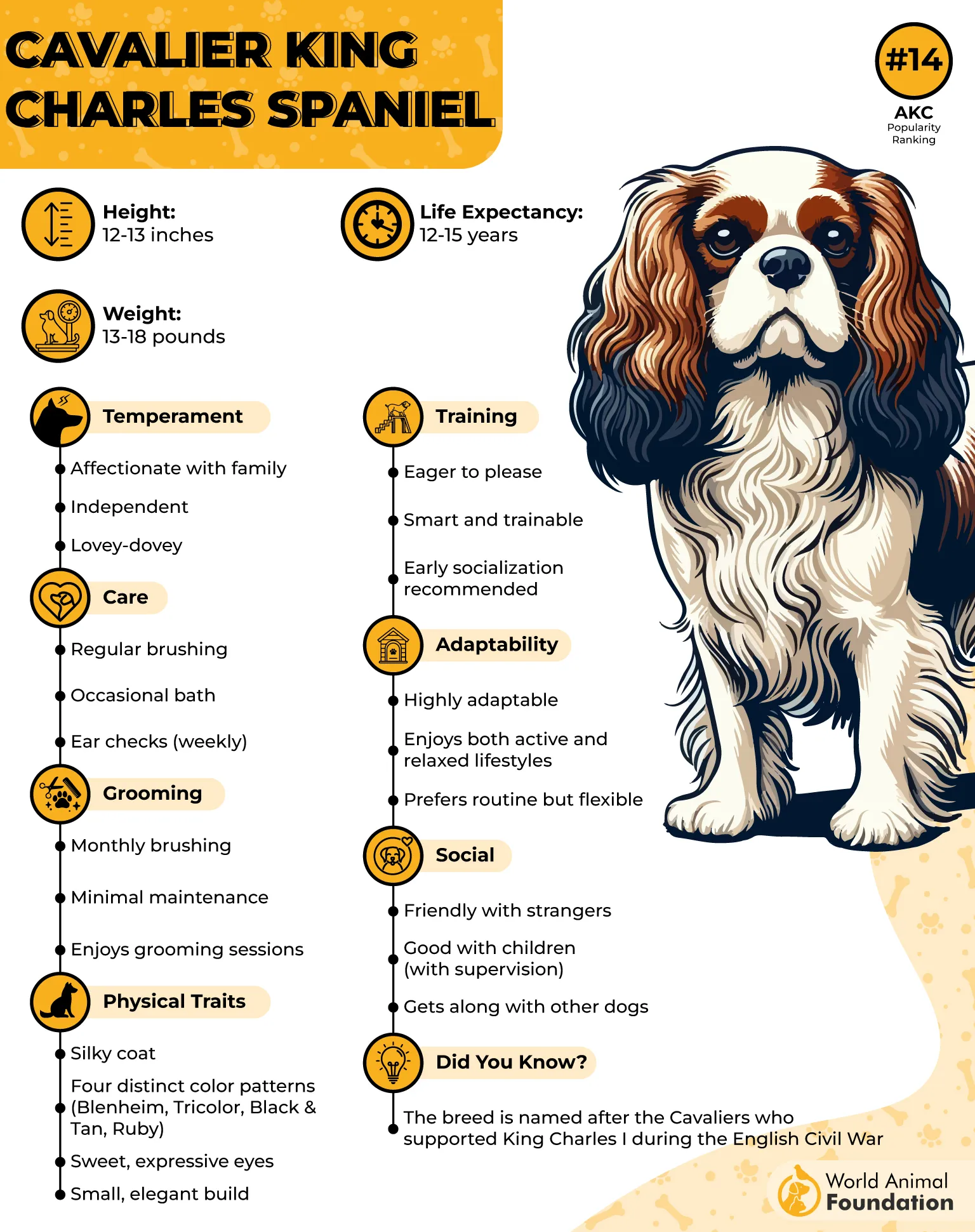
Cavaliers have soft, medium-length coats with feathering that benefits from regular brushing. Their exercise requirements are moderate, and they generally enjoy a combination of walks, playtime, training, and time spent alongside their families.
Their enthusiasm for outdoor activity can be balanced with plenty of indoor companionship.
A Sociable Nature That Can Encourage Peaceful Introductions
Cavalier King Charles Spaniels are often friendly, affectionate, and eager to interact with their families. Their companion-dog background can make them promising candidates for homes with cats, particularly when they learn feline boundaries from an early age.
Their interest in chasing moving objects varies by individual, so introductions should still be gradual and supervised.
Conclusion
All of the dog breeds discussed above may be considered when searching for a dog that may adapt to life with cats. Their backgrounds and personalities differ considerably, but many possess social, companionable, or trainable qualities that can support successful multi-pet households.
There is no breed that can guarantee a harmonious relationship with every cat. A dog’s previous experiences, age, temperament, socialization, and prey response can all influence the outcome. The cat’s confidence and behavior are equally important, particularly during the first few weeks.
Successful introductions should give both animals time to become comfortable without forcing interaction. Separate spaces, controlled meetings, elevated areas for the cat, positive reinforcement, and close supervision can make the transition easier.
With patience and appropriate management, dogs and cats can develop a comfortable relationship that becomes a natural part of everyday family life.
