




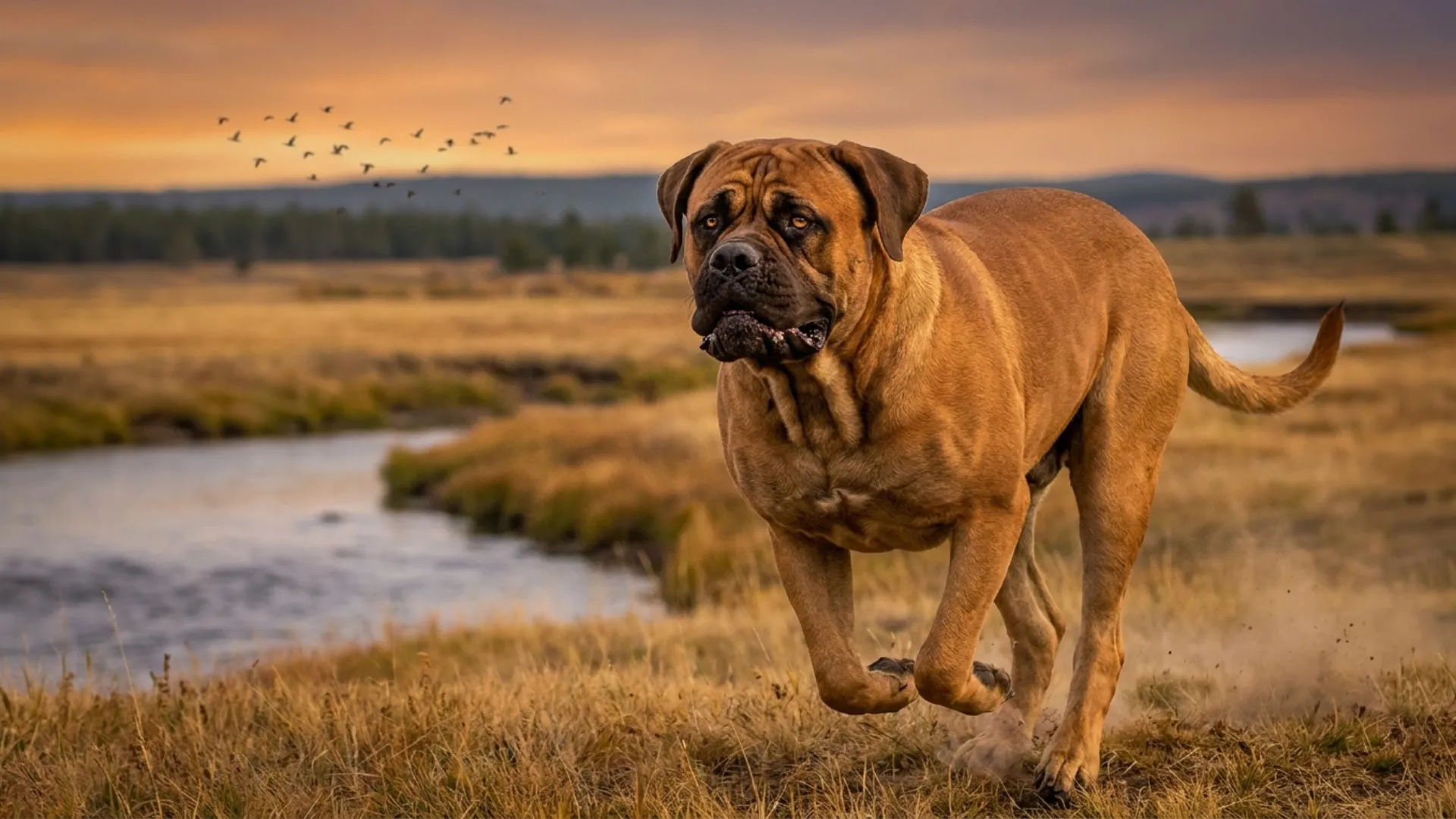
Picture an open grassland stretching toward the horizon, a covey of birds hiding somewhere in the cover, and one extremely focused dog zigzagging through the wind like it just accepted the most important side quest of its life. Bird dogs have spent generations helping hunters locate, flush, point, and retrieve feathered game across fields, wetlands, riverbanks, and marshes.
Different landscapes demand very different canine skills. An upland dog racing across dry prairie needs speed, scenting range, and endurance. In contrast, a dog working rivers or duck marshes needs swimming confidence, trainability, and enough determination to push through reeds, mud, and changing currents.
The seven breeds below represent different styles of bird work, from wide-ranging pointing dogs to compact flushing spaniels and legendary water retrievers.
Dog Breeds That Chase Birds Across Open Plains and Rivers
1. Weimaraner
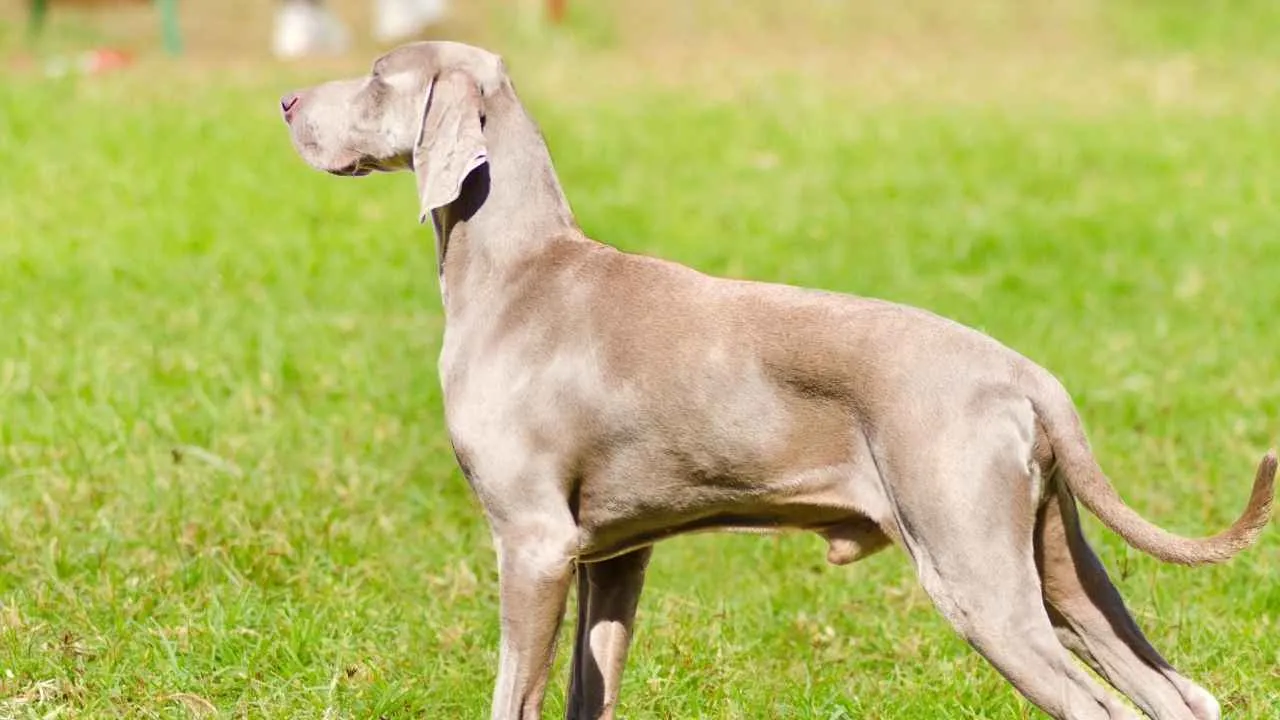
Developed in Germany, the Weimaraner is an athletic breed that became known as the “Gray Ghost” because of its sleek gray coat and quiet, purposeful movement through the field. They are versatile gun dogs capable of searching for feathered game across large areas.
Open plains make excellent use of the Weimaraner’s speed and impressive stamina. They are swift, active, tireless athletes that can keep moving for long periods, which is exactly what a bird dog needs when scattered game requires covering acres of ground.
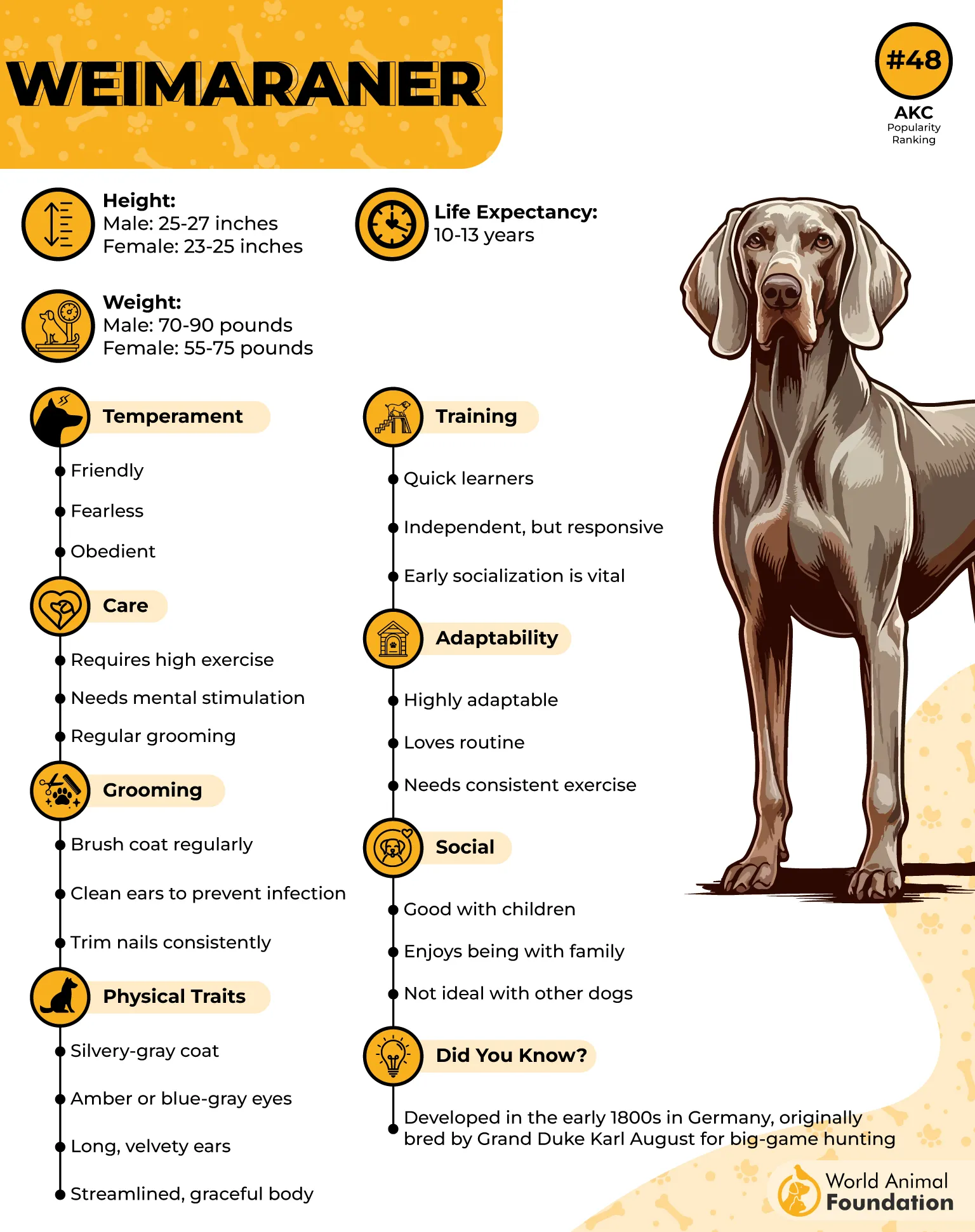
That nose deserves its own appreciation post because Weimaraners were developed for serious scent work. In bird hunting, PDSA mentions that they can search grasslands for species such as quail and pheasant, establish scent, hold a point, and later retrieve game when trained to perform the complete sequence.
How Do They Chase Birds Across Open Plains and Rivers
On open plains, the Weimaraner can range efficiently, use airborne scent to locate hidden birds, and freeze into a point so the handler knows exactly where the action is brewing.
Along rivers and wetlands, a conditioned dog can cross water and retrieve while shifting smoothly between swimming, shoreline searching, and dry-ground work.
2. Vizsla
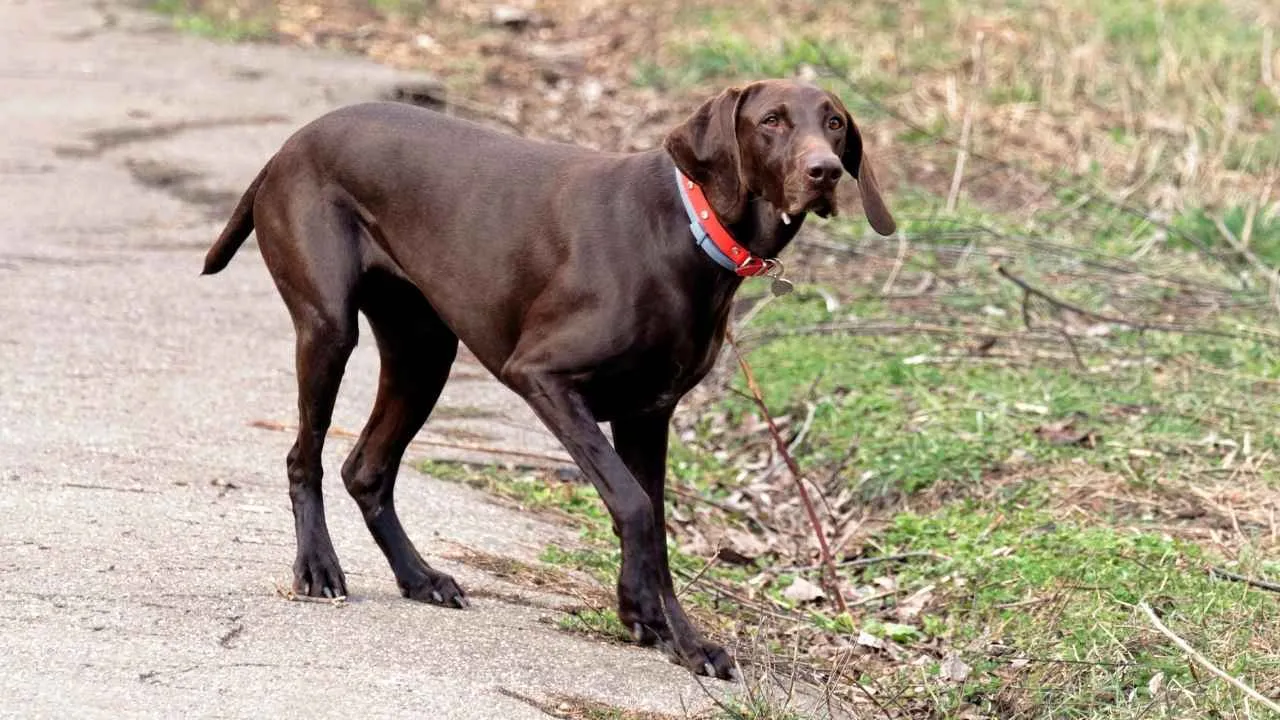
The Vizsla is basically the Formula One car of affectionate bird dogs: lean, fast, responsive, and constantly interested in where its person went. This Hungarian sporting breed traces its hunting heritage far back in European history.
Put a Vizsla in open bird country, and Purina claims that its athletic build immediately makes sense. These dogs can sweep through grassland at an efficient pace, checking likely cover while using scent rather than random visual chasing to locate game.
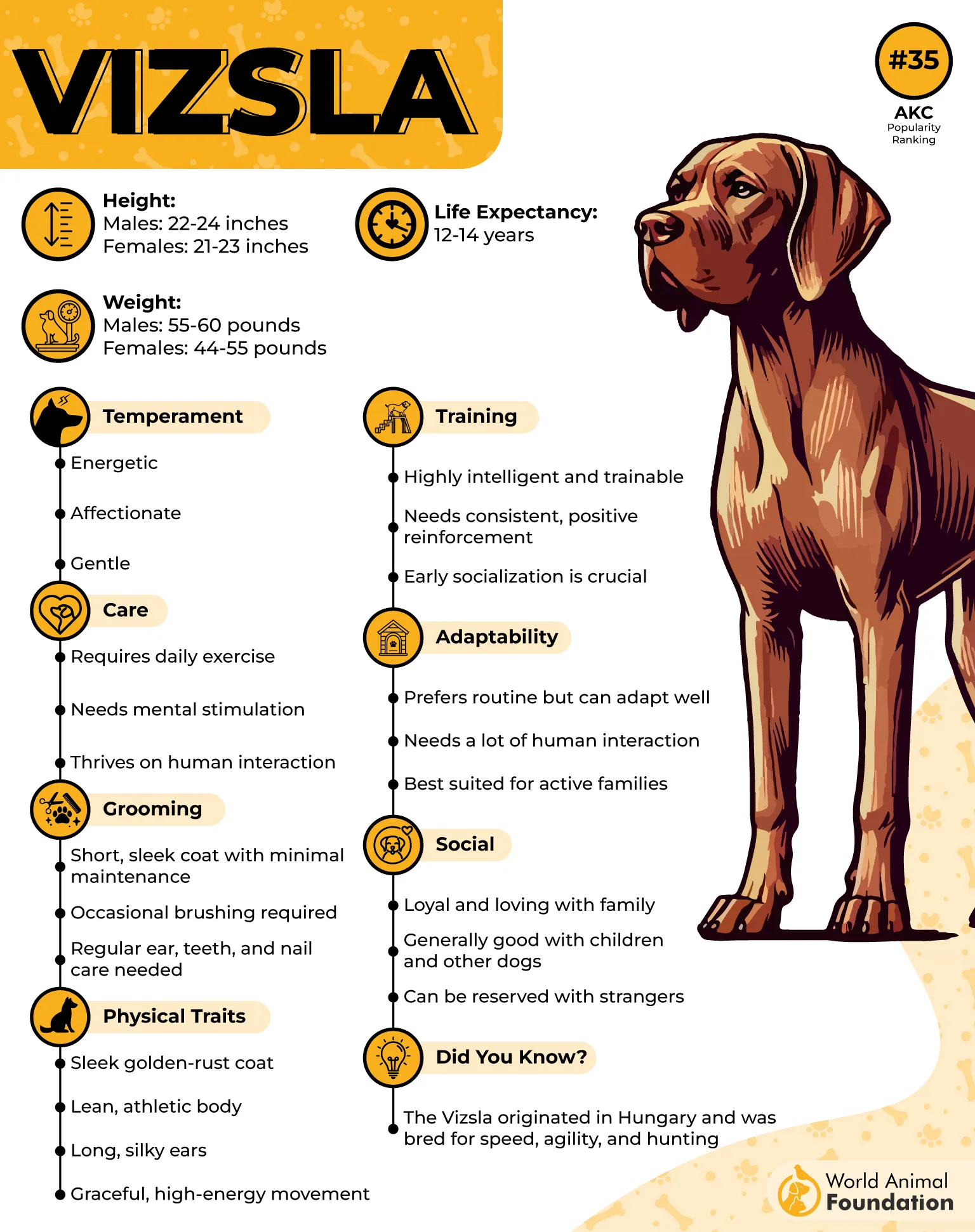
Their style can be particularly effective on upland species scattered across broad agricultural ground, prairie-like fields, and rolling country. This pointing breed was traditionally used to track upland game, and pointing breeds commonly work by freezing with the nose oriented toward the scent source.
How Do They Chase Birds Across Open Plains and Rivers
Across grasslands and broad fields, their light, athletic frame helps them cover ground rapidly while continually sampling scents carried on the wind.
When birds hold near riverbanks, ponds, or marsh edges, the Vizsla can transition from pointing on land to retrieving through shallow or deeper water.
3. German Shorthaired Pointer
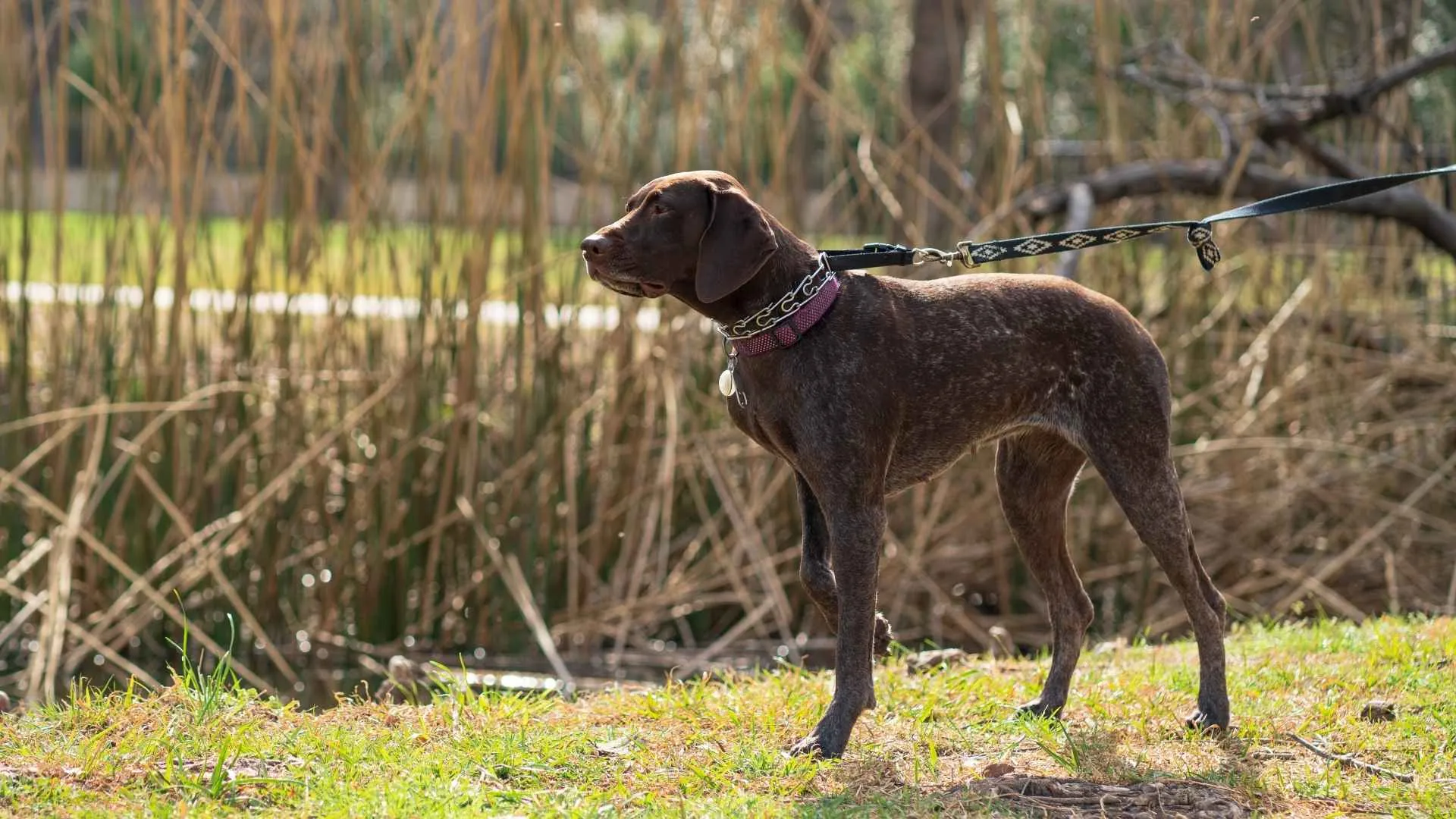
If versatility were a dog competition, the German Shorthaired Pointer would arrive early, enter every category, and somehow still have energy afterward. German hunters developed the breed to perform multiple tasks in forests, on vast fields, and in water.
Open country is where the GSP’s athletic design becomes seriously obvious. Long legs, strong muscles, substantial endurance, and a keen nose allow these dogs to cover large stretches while searching for pheasant, quail, grouse, and other upland birds.
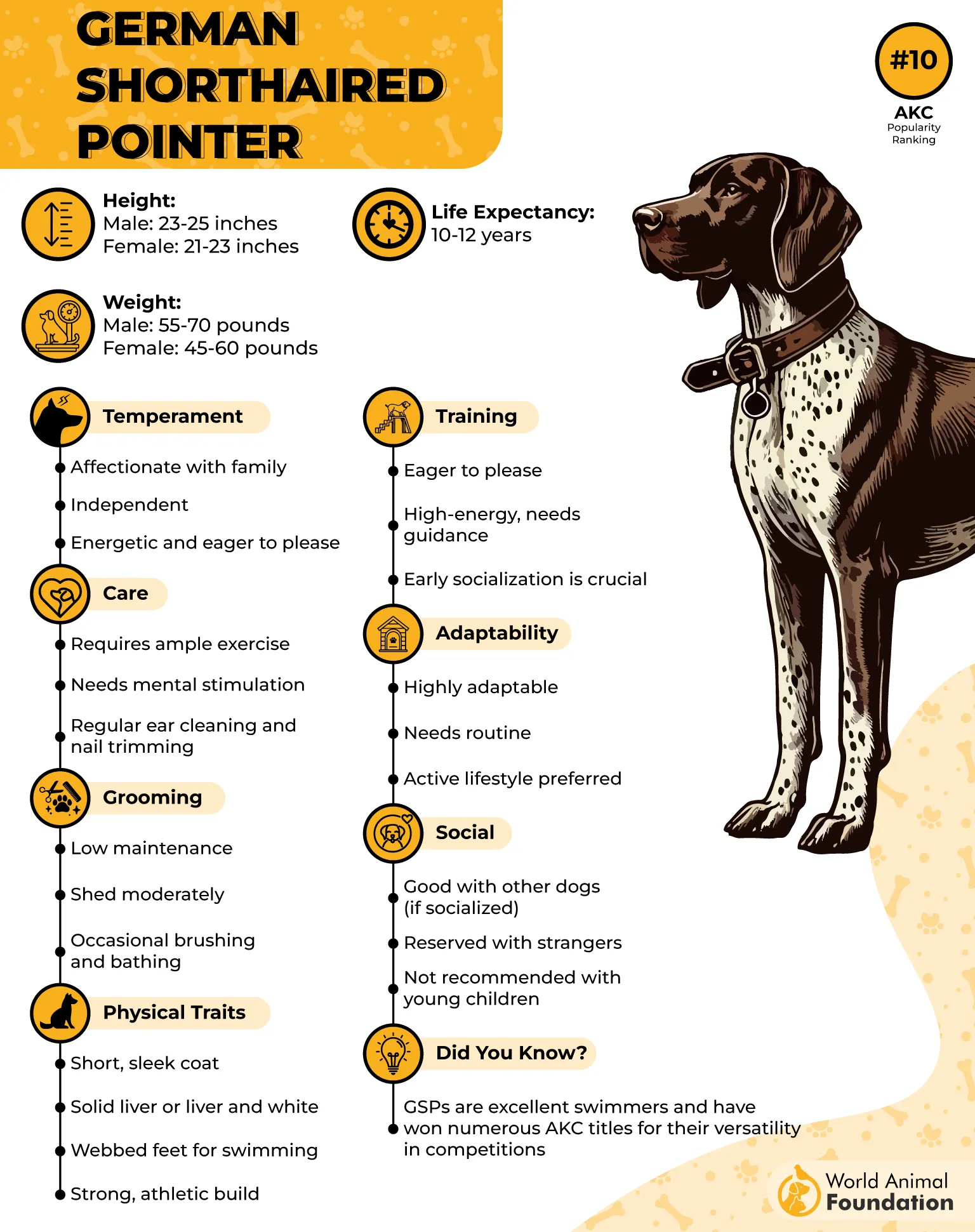
Their efficiency is not just about speed, because smart coverage matters more than collecting canine step counts. Well-trained GSPs move across the wind, repeatedly moving through zones where airborne scent is most likely to reveal hidden birds.
These Pointer dogs are strong swimmers, aided by their webbed feet and muscular build, and the breed was explicitly developed for performance in both the field and the water.
How Do They Chase Birds Across Open Plains and Rivers
A GSP can quarter huge expanses of open ground, repeatedly crossing scent currents until a hidden bird’s location becomes clear.
Its webbed feet and strong swimming ability make river crossings and water retrieves far more natural than they are for many land-oriented hunting dogs.
4. English Setter
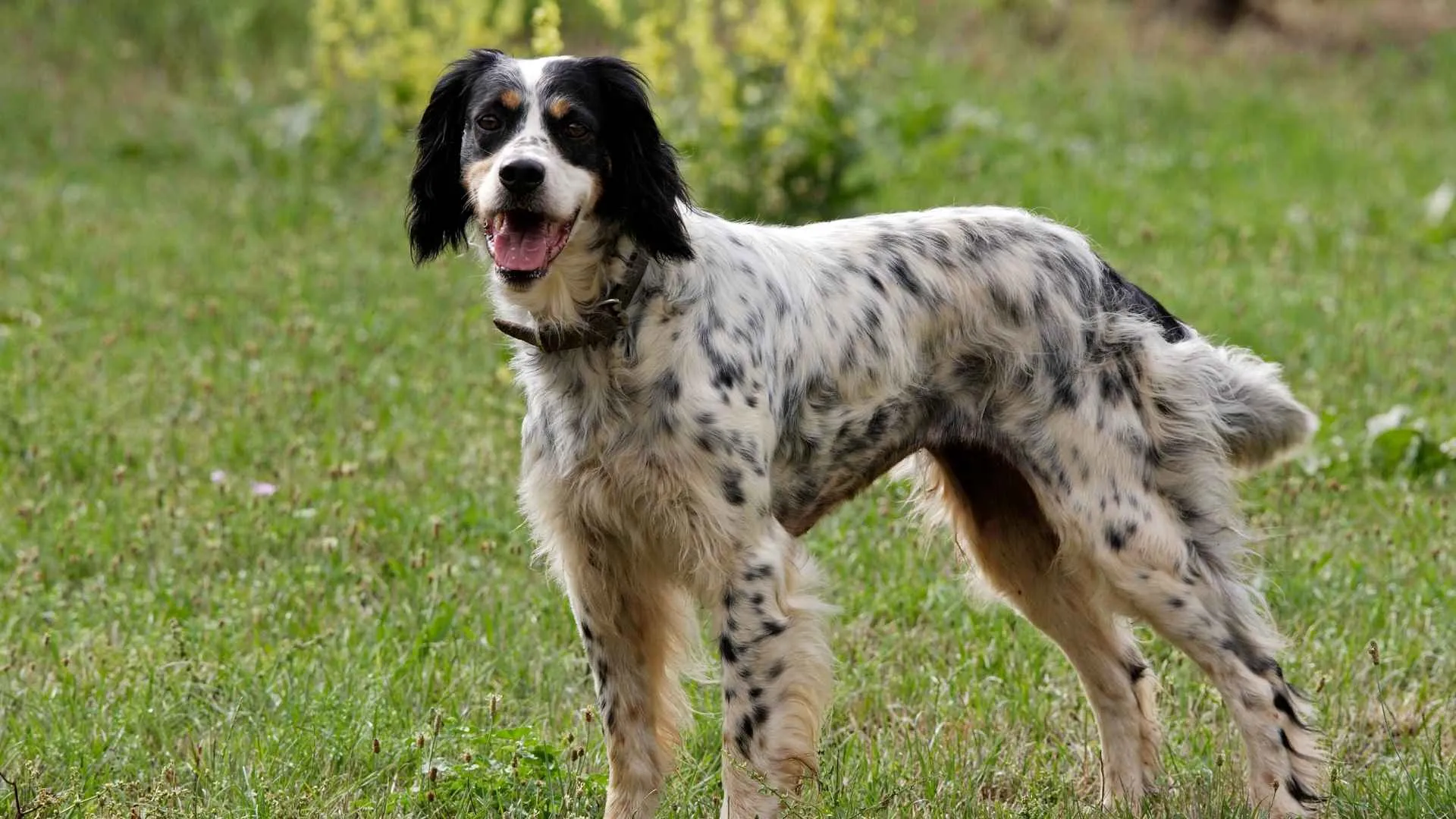
The English Setter has been doing the bird-dog thing since long before hunting dogs had social media fan pages—or even modern firearms.
Modern English Setters remain specialists at finding birds hidden in ground cover. Instead of crashing directly into scent, they search, their heads working the air, and then stop when they have pinned down the likely location.
Open land suits them beautifully because a Setter can stretch out its search and use wind direction to examine enormous scent corridors. Field-bred English Setters, in particular, are known for fluid movement and efficient ground coverage, making them well suited to wide grasslands and upland habitats.
The breed’s combination of nose, style, and persistence makes it especially effective where birds are spread thinly across substantial territory.
How Do They Chase Birds Across Open Plains and Rivers
English Setters shine when wind carries bird scent across broad grassland, allowing them to search outward and establish a precise point from surprisingly subtle scent information.
Their edge is not brute-force pursuit but careful location and controlled pointing, which keeps birds from being unnecessarily pushed out of workable range.
5. Boykin Spaniel
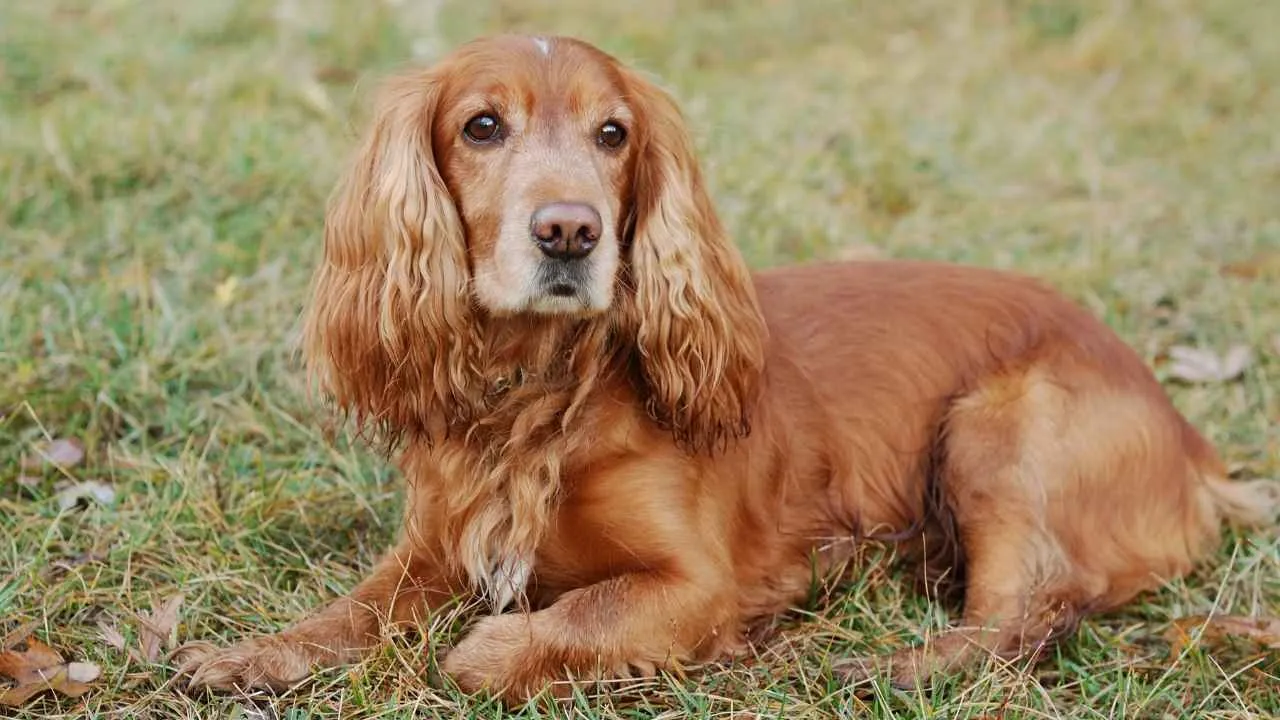
Developed in South Carolina during the early 1900s, the breed became closely associated with hunting in the Wateree River Swamp, an environment packed with water, vegetation, boats, and feathered game. South Carolina hunters needed a versatile dog small enough to ride safely in their section boats while still capable of finding, flushing, and retrieving birds.
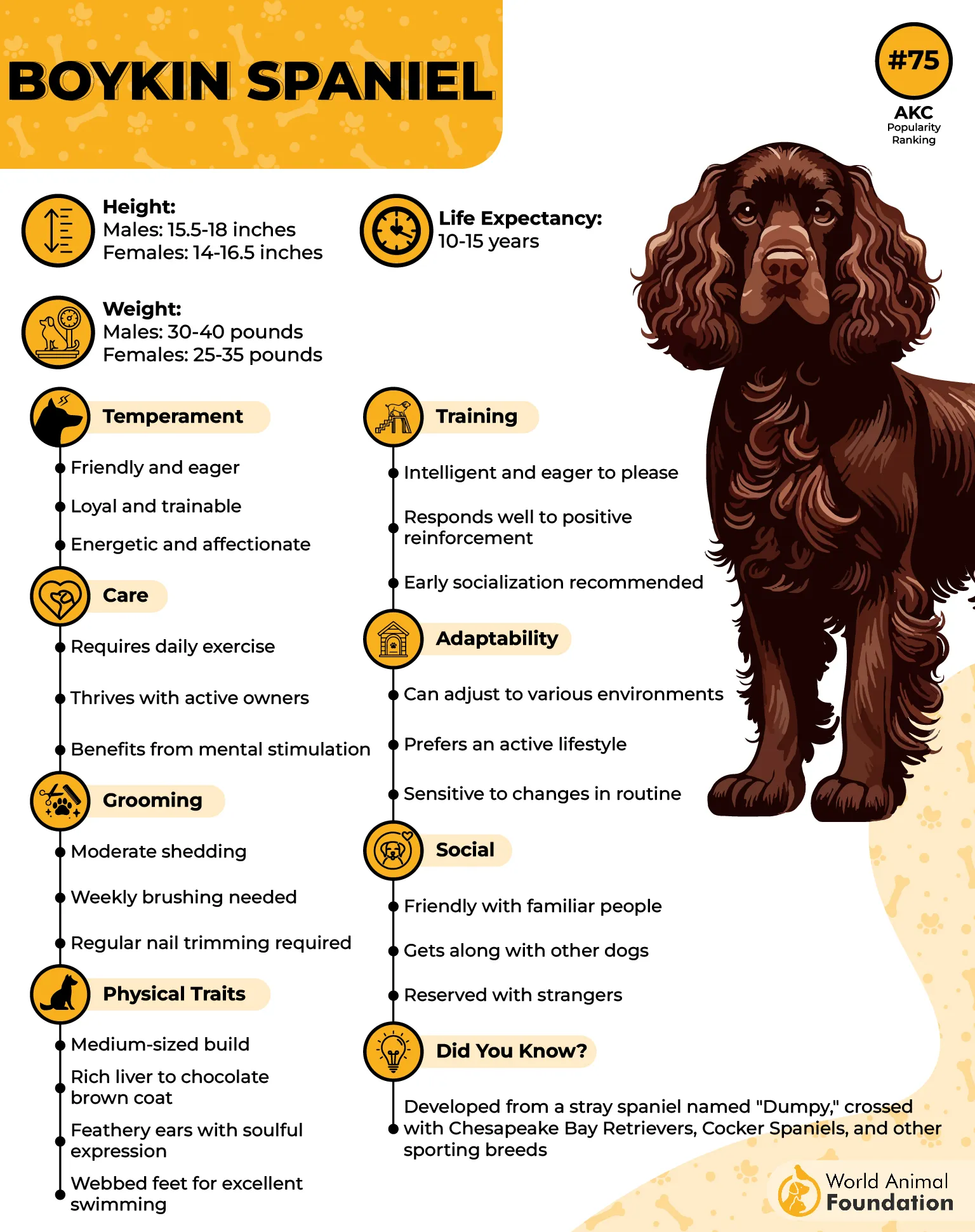
According to the UKC, dogs were developed around rivers, lakes, swamps, and other flooded habitats where a large dog could be cumbersome in small boats or in thick cover. Their manageable size gives them excellent maneuverability when hopping between a boat, muddy bank, dense vegetation, and water.
This top hunting dog breed is equally interesting once the bird reaches water. Boykin hunting standards describe it as a strong swimmer that should willingly enter the water and perform retrieves.
How Do They Chase Birds Across Open Plains and Rivers
In fields, Boykins quarter within practical working range, probing grasses and vegetation until scent leads them directly toward concealed birds.
Once game is located, the Boykin can flush and retrieve in the same working sequence, making it unusually complete for such a portable sporting dog.
6. Irish Setter
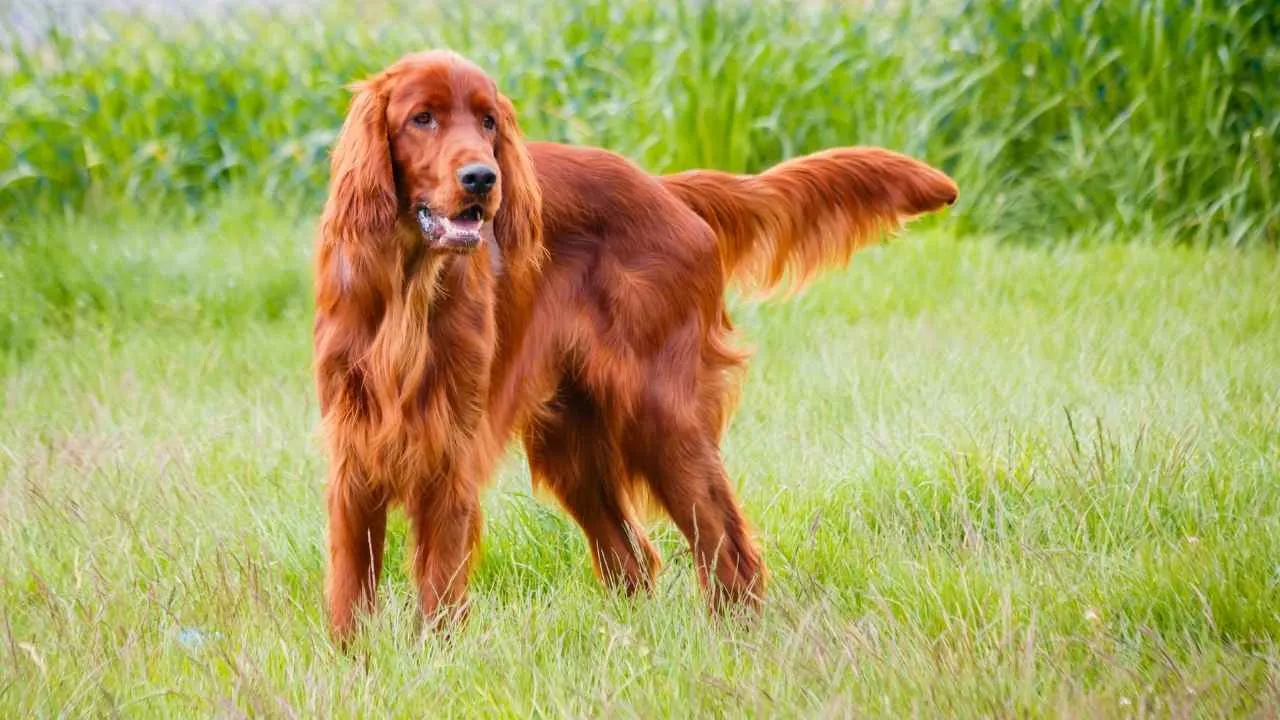
Beneath that flowing mahogany or chestnut coat of the Irish Setter sits an energetic sporting dog developed to locate upland game across the Irish countryside. This hunting dog breed, during the 1800s, ran swiftly through expansive, comparatively open terrain in search of birds.
Speed across open ground is one of the breed’s obvious advantages. Irish Setters were built to move, and their long limbs allow them to cover distance when birds are widely scattered rather than concentrated in one convenient patch of cover.
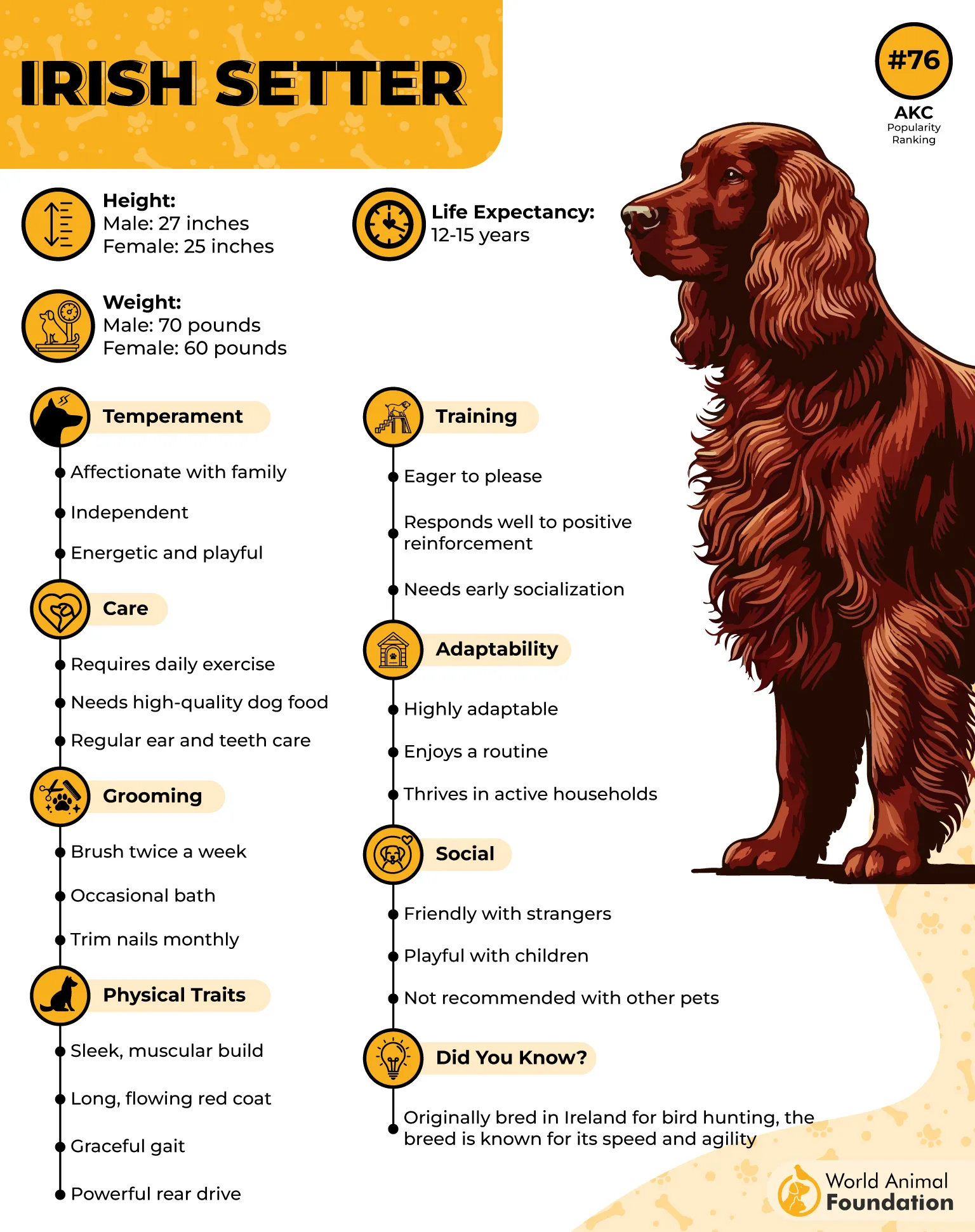
The breed’s nose is equally important because many upland birds survive by becoming nearly invisible once they settle into vegetation. Rather than depending on eyesight, the Setter analyzes scent carried across the landscape and works toward its source.
How Do They Chase Birds Across Open Plains and Rivers
Their long, ground-covering stride is valuable when birds are scattered across large plains and the dog must inspect a substantial amount of habitat.
Once airborne scent reveals hidden game, their traditional role is to locate and point first, conserving far more energy than pointless nonstop chasing would.
7. Labrador Retriever
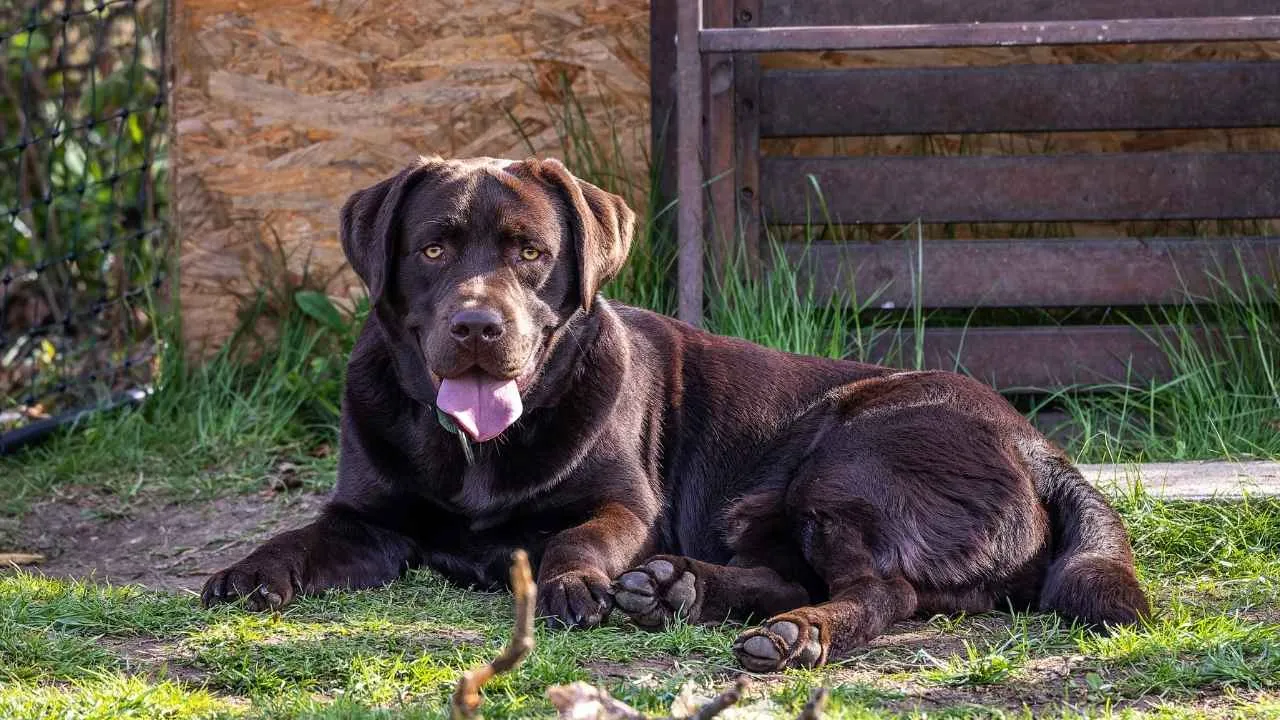
Long before Labs became famous family companions, their ancestors worked alongside fishermen in Newfoundland, retrieving objects from cold water and helping with nets and lines. Those early water-working abilities eventually translated beautifully into the retrieval of ducks and other game birds.
Water is where the Labrador’s design really starts to show off. The breed developed a dense water-resistant coat, tremendous enthusiasm for swimming, and the famous thick “otter” tail associated with its aquatic heritage.
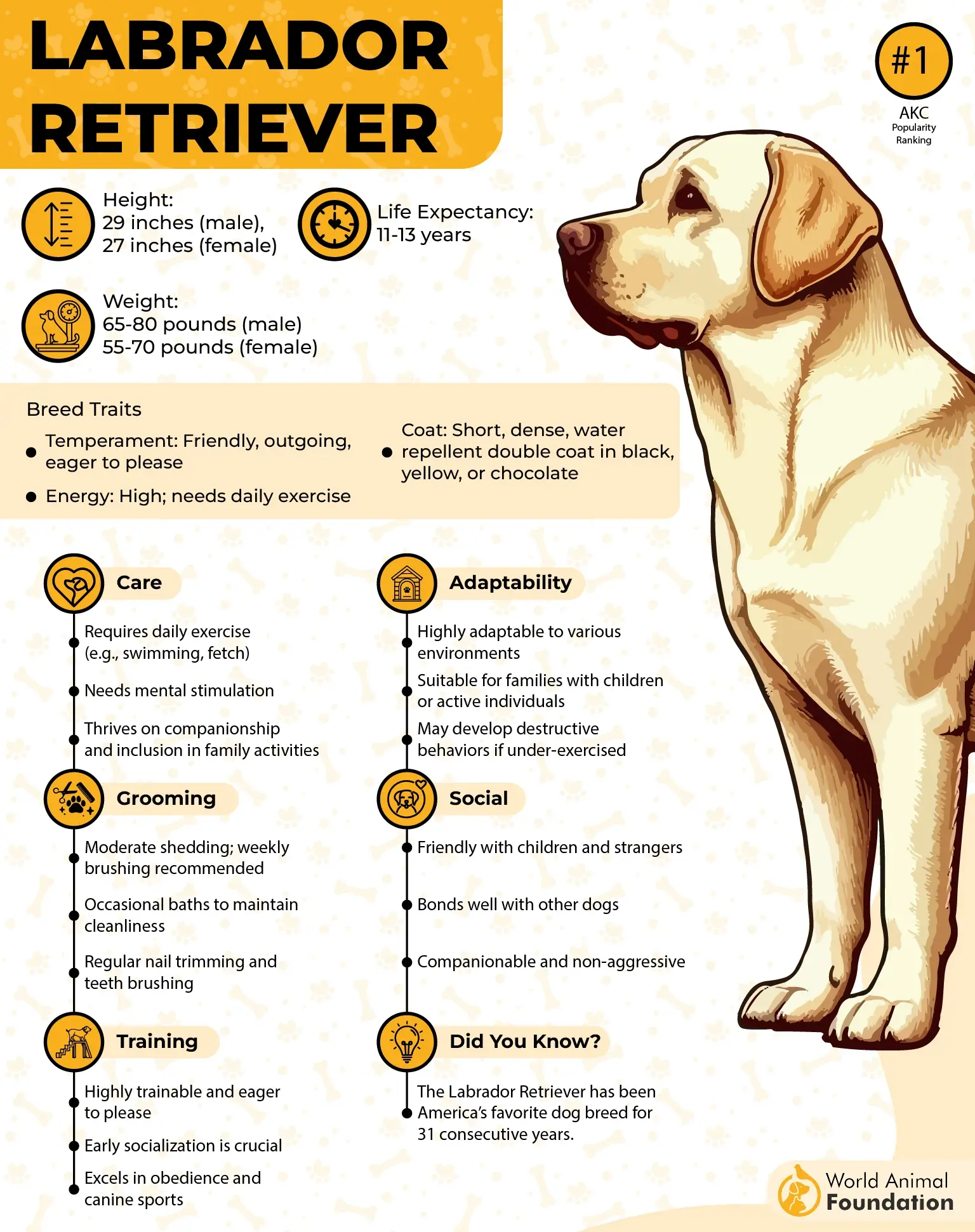
A skilled waterfowl Lab may sit quietly beside a handler, watch where a bird falls, enter the water on command, swim directly toward the area, locate the bird, and deliver it back. That requires far more than enthusiasm because memory, directional control, scenting, steadiness, and trainability all influence an efficient retrieve.
This bird dog breed can search field edges, negotiate reeds and mud, enter a river, complete a swimming retrieve, and then get right back to terrestrial work.
How Do They Chase Birds Across Open Plains and Rivers
On upland ground, a trained Lab can search cover, push concealed birds into flight, mark where they fall, and complete the retrieve
Their specialty is not simply finding birds; it is finishing the job by bringing them back, whether the retrieve ends in dry grass, thick reeds, mud, or open water.
Conclusion
Bird hunting has never been a one-skill job, and these seven breeds prove it. Different methods, same overall mission: find the bird efficiently and work with the handler, rather than turning the countryside into uncontrolled dog-park energy.
German Wirehaired Pointers, Golden Retrievers, and Brittany Spaniels are also great at retrieving downed birds. For massive open plains, speed, scenting range, stamina, and intelligent quartering often determine how efficiently a dog can locate scattered birds.
