





Many people believe dogs and cats are natural enemies that simply learn to tolerate one another over time. That idea has survived for years, but it doesn’t reflect what happens in many households today.
Plenty of dogs share their homes with cats without constant conflict, endless chasing, or daily tension. The secret usually isn’t intensive training alone. It often begins with selecting a breed that naturally shows patience, self-control, and a more relaxed attitude around smaller animals.
While no dog arrives with perfect manners, some have personalities that make peaceful introductions far easier from the start. That gives both pets a better chance to build trust instead of fear. A thoughtful choice can transform what seems like an impossible pairing into a comfortable everyday reality.
In this article, you’ll explore dog breeds that are known for getting along with cats and learn why they fit so well into calm, multi-pet homes.
Key Takeaways
Do dogs and cats really need weeks to accept each other, or have we believed the wrong story all along?
Labrador Retrievers, Beagles, and Golden Retrievers are among the breeds that often welcome feline housemates with surprising patience when introductions are handled well.
Even a playful Bichon Frise or a laid-back Basset Hound can help turn those first awkward meetings into the beginning of a peaceful friendship.
You might be surprised by which breed earns the top spot and what makes these dogs so easy for cats to trust.
Dog Breeds That Bond With Cats Right from First Meeting
1. Labrador Retriever

Labrador Retriever first took shape in Newfoundland, where it assisted fishermen by retrieving fish, swimming through cold water, and even pulling boats across lakes. That natural comfort around water continues to be one of the breed’s most recognizable qualities today.
Friendly Nature
This cat-friendly dog responds well to training and adapts easily to different roles, from assistance work to family life. A calm, patient temperament also helps this breed accept children, visitors, and other household pets with little fuss, as WebMD writes.
Here’s another side to it:
Originally born with solid black coats
Retrieves the game as well as the fish
Frequently chosen for therapy and service work

Easy to Live With
The Labrador Retriever enjoys close contact with its family and often follows people from room to room, looking for interaction or a quiet place nearby. That easygoing personality can help create smoother introductions when a confident, well-socialized cat is already part of the household.
2. Beagle

Beagles spent centuries alongside hunting groups in England, where teamwork mattered just as much as a keen nose. By the late 1800s, the modern Beagle had taken shape, combining a cheerful personality with an exceptional ability to follow scent trails, as mentioned by Omlet.
Friendly by Nature
Living as part of a pack helped shape the Beagle into a social dog that enjoys sharing its space with others. That easygoing attitude can also help it accept cats more readily when introductions are gradual and properly supervised.
The details speak for themselves here:
Have a patient and easygoing attitude
Distinctive baying when a fresh scent is detected
Used in research laboratories because of its calm temperament

Nose Before Everything
A Beagle can lock onto an interesting scent and continue following it for remarkable distances without losing interest. Secure outdoor spaces or a reliable lead become especially important because an exciting trail can quickly become the day’s only priority.
3. Golden Retriever

Golden Retrievers trace their roots to mid-1800s Scotland, where Lord Tweedmouth developed dependable dogs for retrieving game through dense undergrowth. That same versatility is still seen today in guide and hearing assistance, search-and-rescue, and explosives detection.
Easy Housemate
This breed usually welcomes respectful cats with the same gentle attitude it extends to children, visitors, and other pets. Early introductions still matter, but this breed’s patient temperament helps shared living spaces feel more comfortable for everyone.
A few additional details are worth knowing:
Often nudges people for extra petting
Puppies may chew socks, shoes, or furniture
Can rummage through trash if unsupervised

Smart Minds Need Purpose
Golden Retrievers learn quickly and enjoy having meaningful tasks throughout the day because an active mind is just as important as physical activity. When boredom takes over, chewing household items or finding other ways to stay occupied can quickly become part of the routine, as PetMD noted.
4. Pug

Pugs first appeared in China more than 2,000 years ago before becoming cherished companions in royal households across different parts of the world. Even today, this little dog prefers being involved in everyday family life instead of spending long hours alone.
Easy Introductions
They enjoy companionship and usually welcome life with other household pets when socialization begins early and introductions are handled with care. That calm, people-focused personality can also make first meetings with cats feel less overwhelming for everyone involved.
Beyond those first impressions:
Suitable for first-time dog guardians
Enjoys feeling included in daily routines
Needs regular mental enrichment to avoid mischief

Comfortable Indoors
This dog breed spends much of the day relaxing indoors, with several 15- to 20-minute walks and short play sessions providing enough activity for most individuals. Hot weather deserves extra attention because the breed’s flat face can make breathing and overheating more challenging.
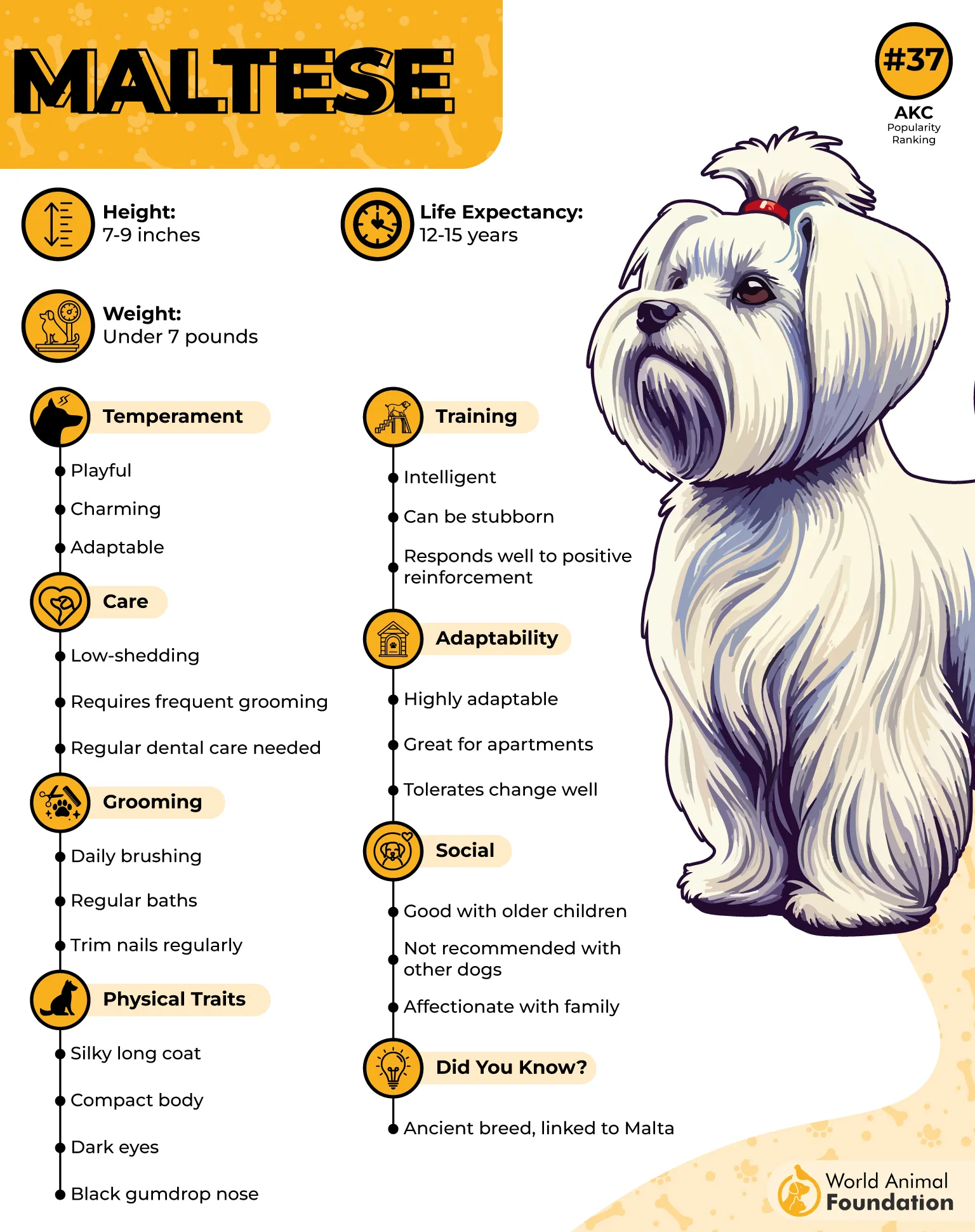
5. Maltese

Maltese has been cherished since ancient times, with references appearing in both Greek and Roman literature long after the breed first appeared on the Mediterranean island of Malta. Its flowing white coat and cheerful personality have remained defining features across generations.
Calm Introductions
This small breed usually approaches family life with a friendly and affectionate nature, which can help early introductions with a household cat feel more relaxed when both animals are given time and supervision.
The following interesting details add another layer:
Respond well to positive reinforcement
Brief training sessions help keep its attention focused
May bark more if bored
Close Company
The Maltese enjoys spending much of the day near familiar people and can become unsettled after long periods without company. Short walks, indoor games, and learning new tricks provide enough variety to keep this bright little dog interested without demanding intense activity.
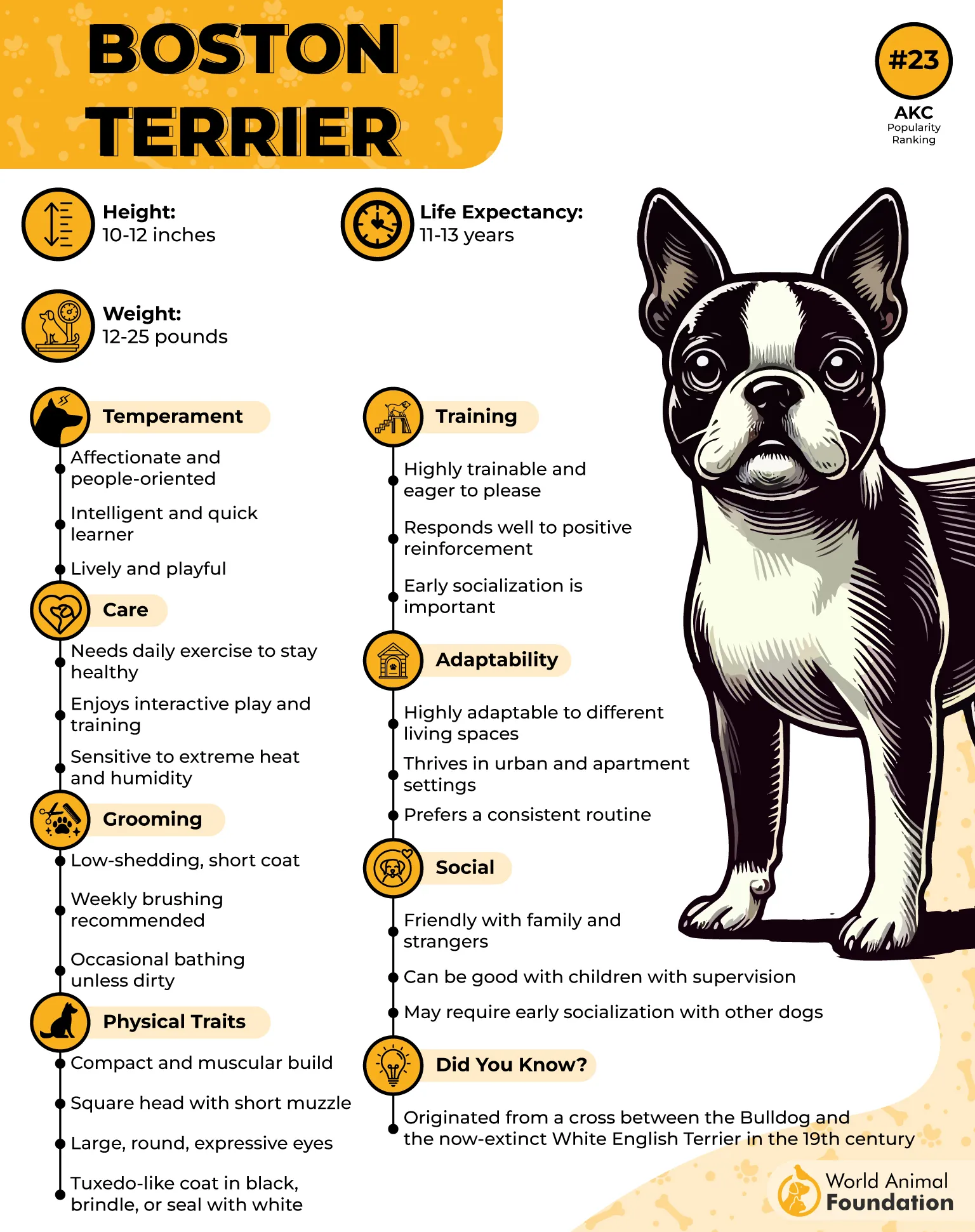
6. Boston Terrier

Boston Terrier first appeared in Boston and quickly became recognized as the “American Gentleman” thanks to its neat tuxedo-style coat and cheerful personality. Black and white is the most familiar color combination, though brindle coats are also part of the breed.
Easy Introductions
Bred as companions, they adjust well to homes with other pets after proper introductions and early socialization. That balanced nature can make first meetings with cats calmer when each pet is given time to become comfortable.
A few additional facts are worth knowing:
Positive reinforcement works best
Early puppy socialization is important
Can become independent during training
Bright and Busy
The Boston Terrier learns quickly when training feels rewarding and engaging instead of repetitive drills. Without enough attention, exercise, and mental stimulation, this clever little dog may begin barking excessively or chewing household items to occupy its time.
7. Basset Hound

The Basset Hound was developed in France and descends from the now-extinct St. Hubert Hound, a breed closely related to today’s Bloodhound. Its short legs, loose skin, droopy ears, and smooth coat create one of the most recognizable appearances in the dog world.
Easy Introductions
They have a calm, easygoing personality that helps new introductions feel less overwhelming for other household pets, including cats. When socialization, supervision, and gradual introductions are part of the process, this breed generally shares living space comfortably with feline companions.
Some worth-knowing traits of the breed include:
Can be prone to separation anxiety
A baying voice is naturally loud
Food rewards improve training sessions

Relaxed at Home
Basset Hound enjoys long naps and a slower daily routine, although regular walks still play an important role in preventing excess weight. Alone time for several hours may become frustrating, so toys or companionship can help keep this breed occupied and content.
8. Cocker Spaniel

Cocker Spaniel quickly catches attention with its expressive eyes, long ears, and balanced sporting build that blends agility with an affectionate personality. Although it began as a hunting dog, this breed gradually became a popular household companion because of its gentle and approachable nature.
Calm Around Cats
They approach new household companions with a friendly attitude, which often helps introductions with cats feel smoother when handled patiently. Its manageable energy level and relaxed personality make sharing living space easier than with more intense sporting breeds.
The breed keeps surprising people with:
Compact enough for fieldwork and travel
Responds well to praise and food rewards
Enjoys agility-based activities

Close to Family
The Cocker Spaniel enjoys following family members from room to room and prefers being involved in everyday activities instead of spending long periods alone. That people-oriented personality also makes early socialization and consistent training worthwhile from puppyhood.
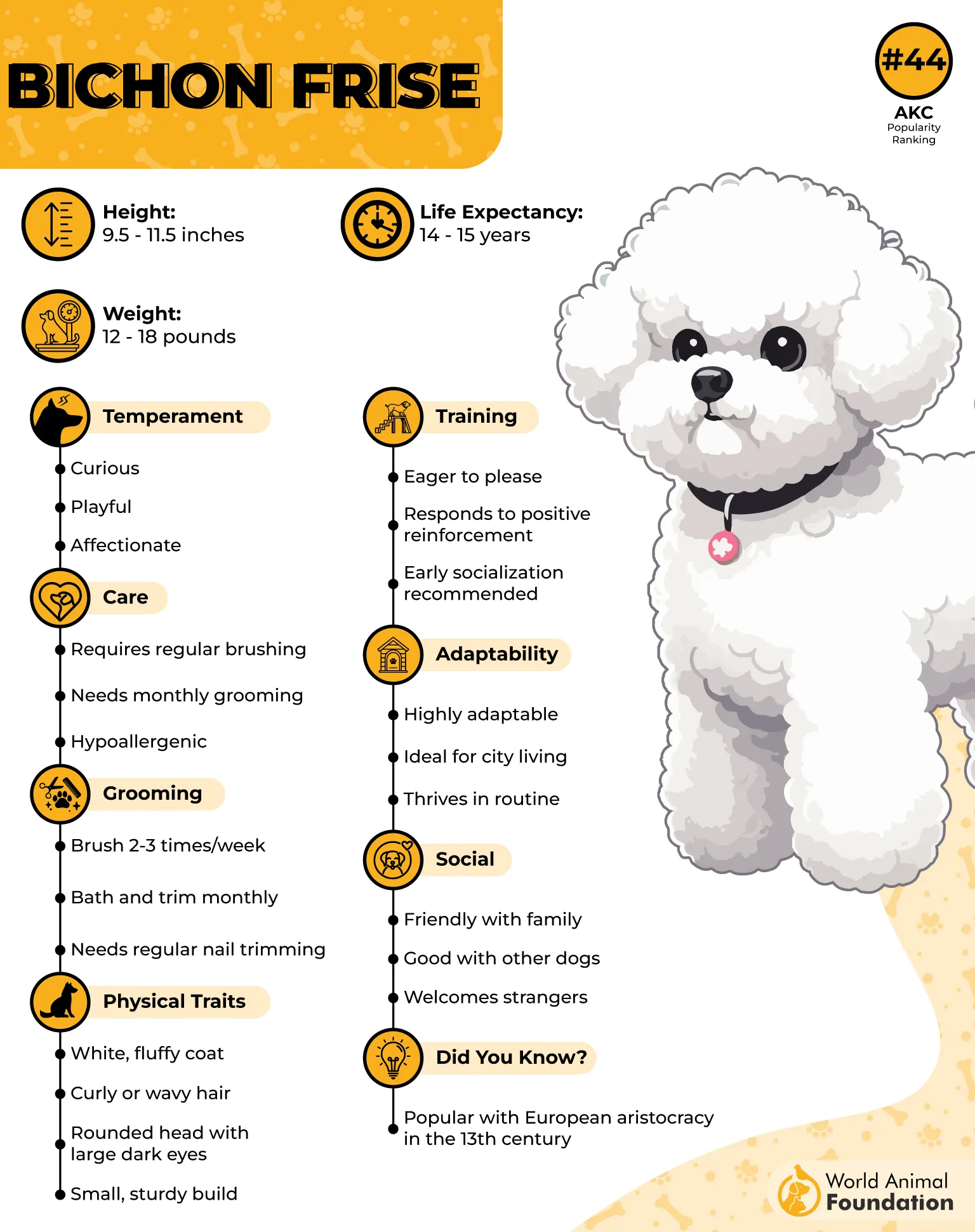
9. Bichon Frise
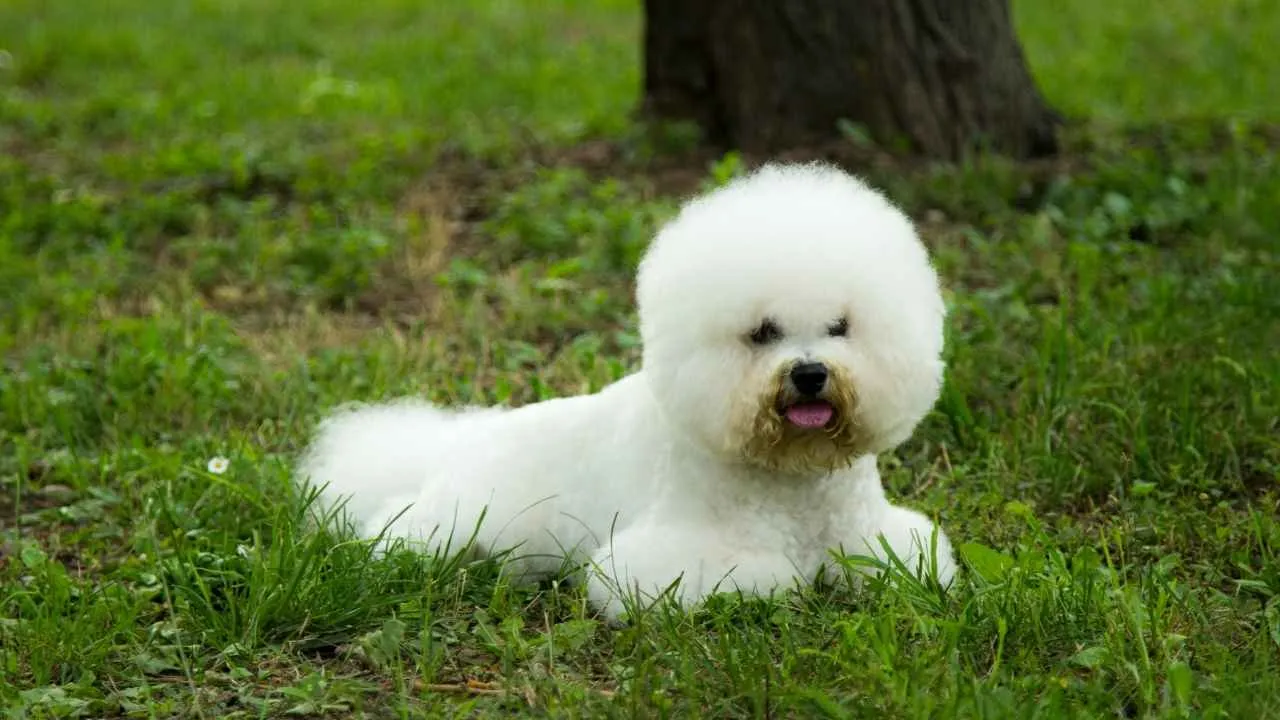
Bichon Frise brings an outgoing personality into almost every introduction, enjoying the chance to greet unfamiliar people, dogs, and new surroundings with cheerful curiosity. This naturally social approach helps create calm first impressions in homes with more than one pet.
Easy Introductions
With early socialization, this fluffy breed usually handles first meetings with cats more smoothly when introduced during puppyhood. Their gentle nature and playful attitude often encourage relaxed interactions instead of overwhelming a feline companion.
The following details make this breed easy to understand:
Eager to please during training
Adapts well to different home environments
Fits comfortably into apartment living
Life at Home
Bichon Frise enjoys learning tricks, chasing favorite toys, and joining everyday family activities before happily curling up beside the people it loves. This balance between playful energy and quiet relaxation helps the breed adjust to shared indoor routines with ease.
10. Cavalier King Charles Spaniel

Cavalier King Charles Spaniels carry their name from King Charles I and King Charles II, who were so attached to these little dogs that they even brought them into Parliament. That close connection with people still shapes the affectionate personality this breed is appreciated for today.
Gentle Company
Originally chosen to keep laps warm in chilly castles and carriage rides, this breed enjoys being close to people throughout the day. Its calm and patient nature also helps introductions with cats feel less overwhelming in many households.
The following points add even more character:
Ranked as the 14th most popular dog breed
Descends from the sporting dog family
Comfortable in both active and quieter homes
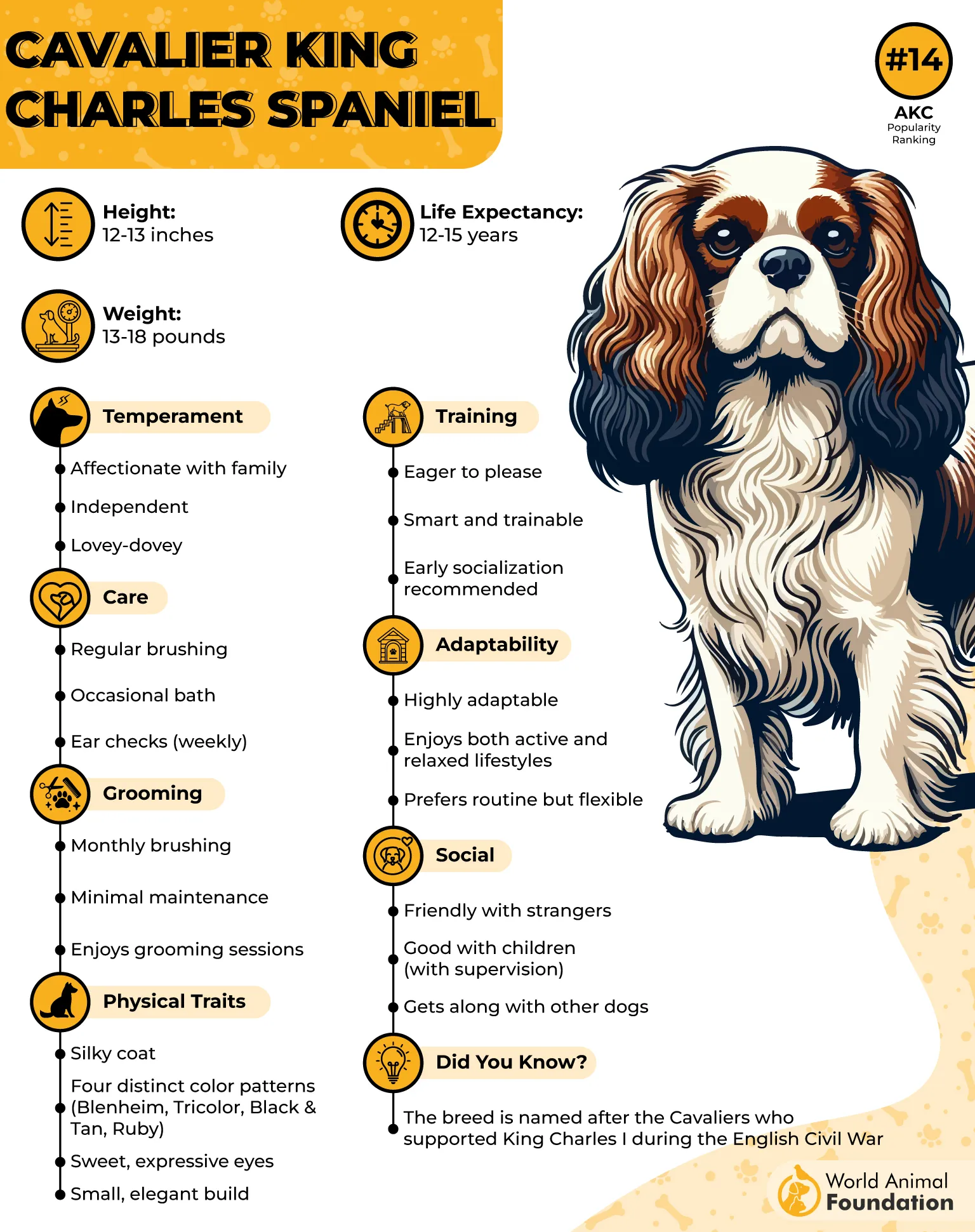
Easygoing Nature
The Cavalier King Charles Spaniel gets along well with children, other dogs, and cats because of its tolerant and friendly temperament. Two daily walks of about 20 to 30 minutes, along with regular playtime, are usually enough to satisfy its activity needs.
Conclusion
A peaceful home with both dogs and cats begins with realistic expectations and the right companion from the start. Selecting one of the best dog breeds, along with introducing dogs patiently, gives both animals time to become comfortable without feeling rushed. Every pet adjusts differently, but gentle personalities and consistent supervision can make those first meetings far less stressful.
Daily routines, shared experiences, and positive interactions gradually replace uncertainty with trust. With patience and thoughtful guidance, many dogs and cats learn to relax together, making a multi-pet household a happy home where canine companions and their feline friends feel secure, comfortable, and welcomed every day.
