





Love dogs but not the bonus layer of fur decorating your couch, black jeans, car seats, and somehow even your coffee mug? Luckily, several dog breeds shed surprisingly little, which means fewer tumbleweeds rolling across the floor and less time aggressively bonding with your vacuum cleaner.
Low-shedding dogs aren’t necessarily low-maintenance, though, and that distinction matters. Many of these breeds have continuously growing hair that stays trapped in the coat instead of falling everywhere, so the trade-off is often more brushing, trimming, or professional grooming.
For clean-home enthusiasts and allergy sufferers, however, non-shedding dogs can be a game changer. Instead of pulling handfuls of fur from rugs every week, you are more likely to deal with loose strands during brushing or hair trapped inside the coat itself. Here are seven top dog breeds that barely shed, plus the grooming realities you should know before adding one to your clean-home era.
Top Dog Breeds That Barely Shed: Keep Your Home Clean
1. Poodle
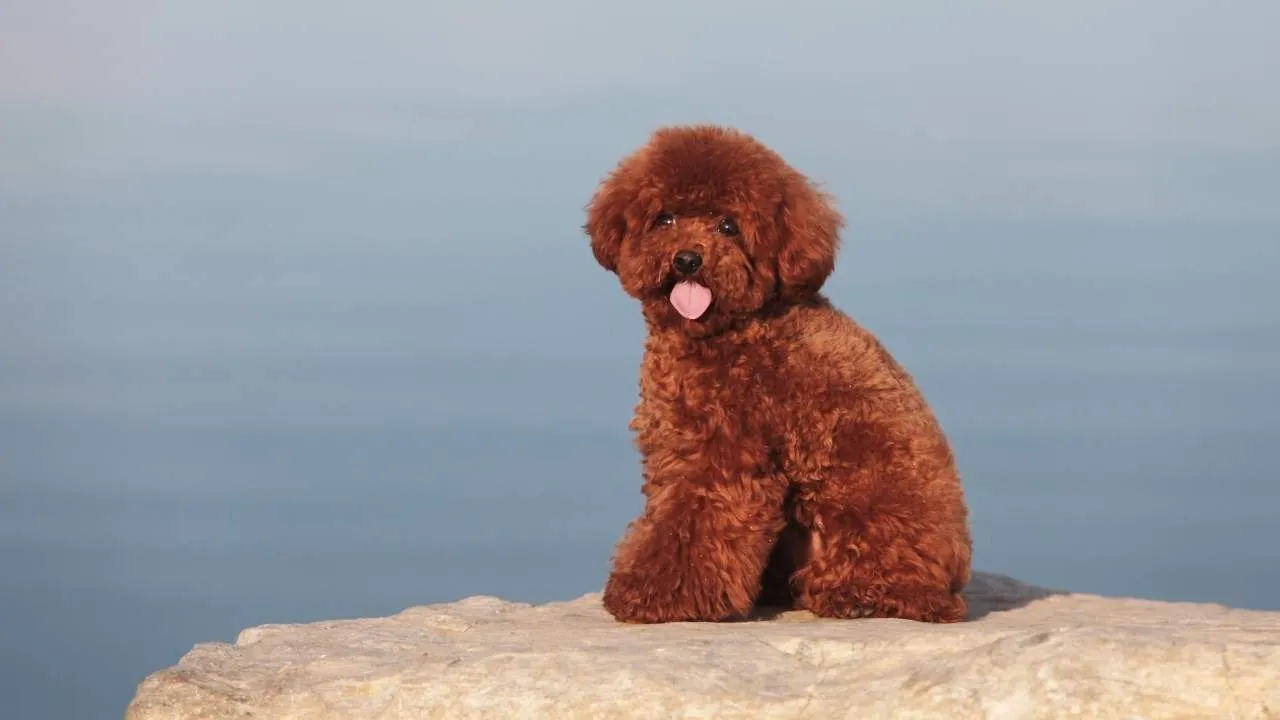
Poodles are basically the celebrity representatives of the low-shedding dog world. Their dense curly coat has a long growth phase, so hair continues growing instead of constantly cycling out in the dramatic seasonal way seen in many double-coated breeds.
What makes their shedding feel especially minimal is that loose strands often become caught within those curls instead of dropping directly onto floors and furniture. So yes, your Poodle still loses hair, but your sofa is far less likely to look like it developed its own winter coat overnight.
There is one huge catch, because nature apparently decided there had to be a subscription fee for having such a tidy coat. A long Poodle coat needs thorough brushing right down to the skin because hidden tangles can quickly tighten into painful mats, particularly around high-friction areas.
Poodles are not just pretty coats with excellent PR, either, because they are active, highly intelligent dogs originally developed from retrieving stock. They need meaningful exercise, mental challenges, training, games, and human interaction, so they shouldn’t spend all day as decorative furniture.
Fun Fact You Didn’t Know
A Poodle’s famous curls aren’t just aesthetic; they help trap loose hairs before they migrate onto your furniture.
Standard, Miniature, and Toy Poodles share the same basic coat type, so low shedding is not exclusive to one size.
2. Bichon Frise
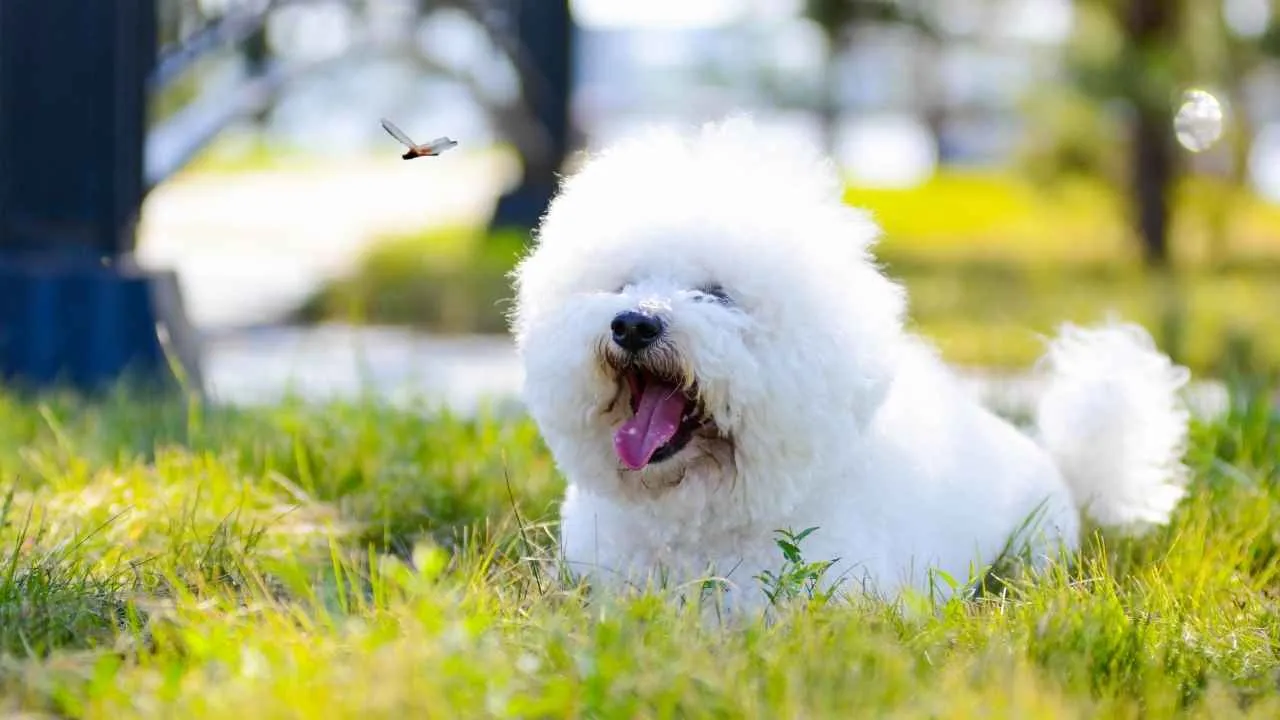
The Bichon Frise looks like a walking cotton ball, which makes it feel almost suspicious that it barely leaves pet hair around the house. Its fluffy coat catches much of the loose hair instead of allowing it to fall freely onto your carpet, clothes, and furniture.
That means you might go days without seeing much evidence of shedding even though the normal hair-growth cycle is still happening. Instead, loose strands wait inside the coat until brushing removes them, which is great for the floor but potentially terrible for the dog if you ignore grooming.
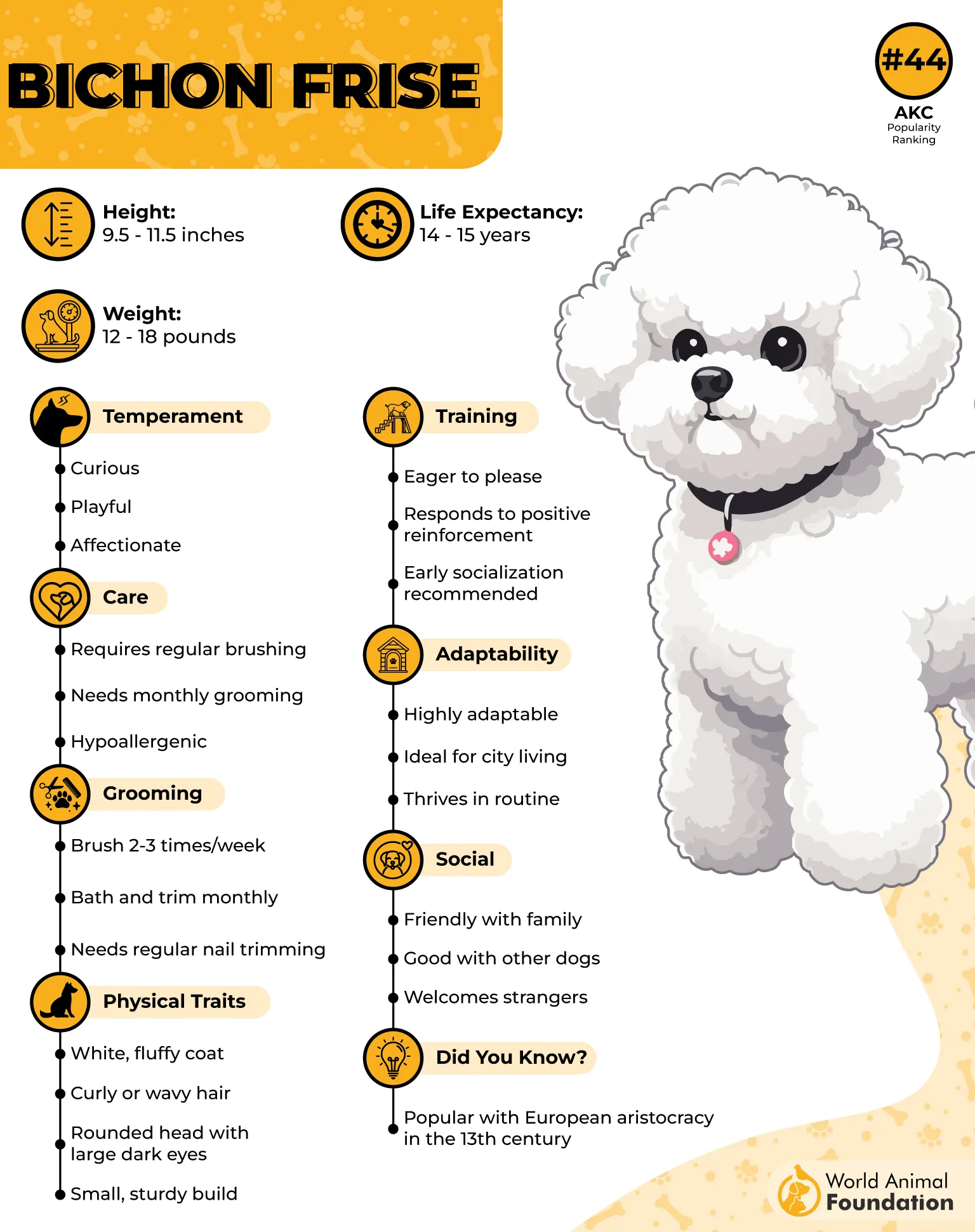
The Bichon’s grooming schedule is therefore very much giving “high-maintenance hairstyle, low-mess apartment.” Brushing at least two or three times a week is necessary, with daily brushing considered ideal, particularly when the coat is kept fuller.
Fortunately, grooming sessions do not need to be the only activity in this little dog’s life. They are playful, cheerful companions that often alternate calm downtime with random high-speed zoomie episodes, making them entertaining without demanding marathon-level exercise.
Fun Fact You Didn’t Know
Loose Bichon hairs often stay hidden inside the coat, which is why brushing can remove much more hair than you ever noticed around the house.
Their fluffy appearance has serious historical entertainment credentials; Bichons became known for performing and charming audiences long before social media existed.
3. Yorkshire Terrier
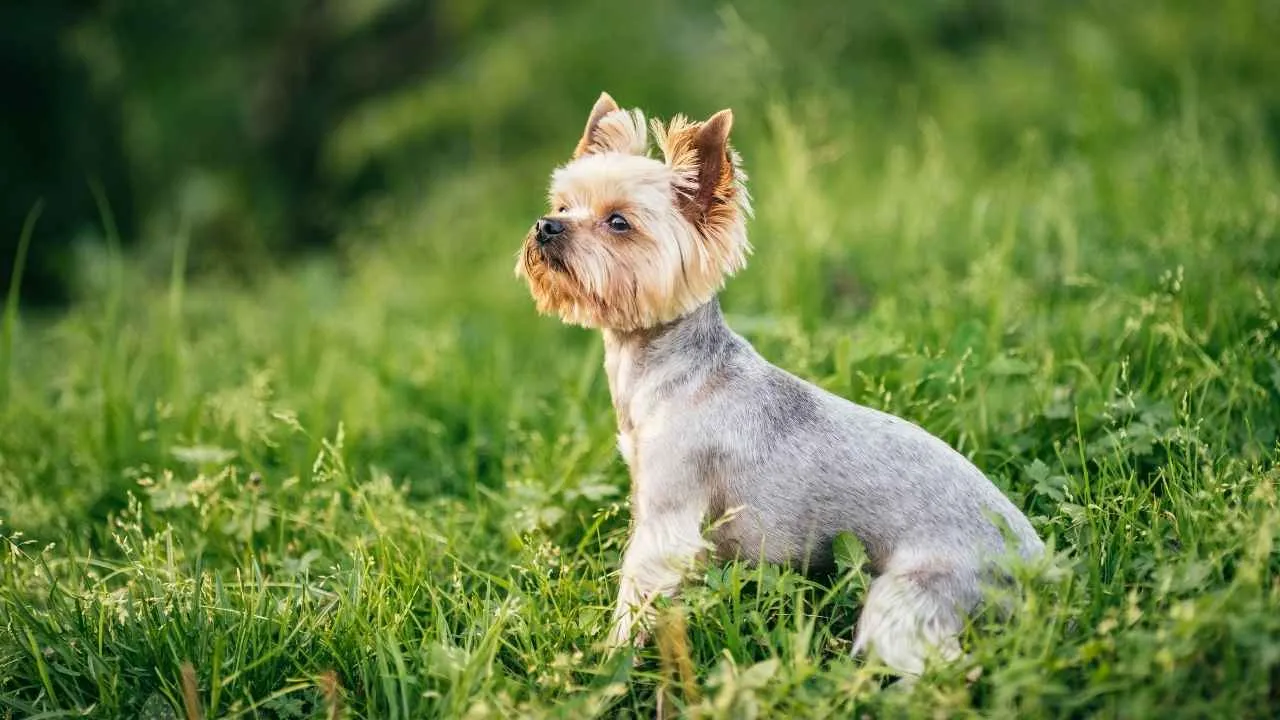
Yorkshire Terriers prove that an absurdly glamorous, floor-length coat doesn’t automatically mean your home will be buried under hair. Their coat is silky and grows more like human hair than the typical coat of many double-coated breeds.
Because these lap dogs lack the big seasonal undercoat blowouts seen in many furry breeds, you generally will not encounter handfuls of Yorkie hair floating through the house. Some strands naturally fall out during grooming, bathing, or normal movement, but the volume is usually small.
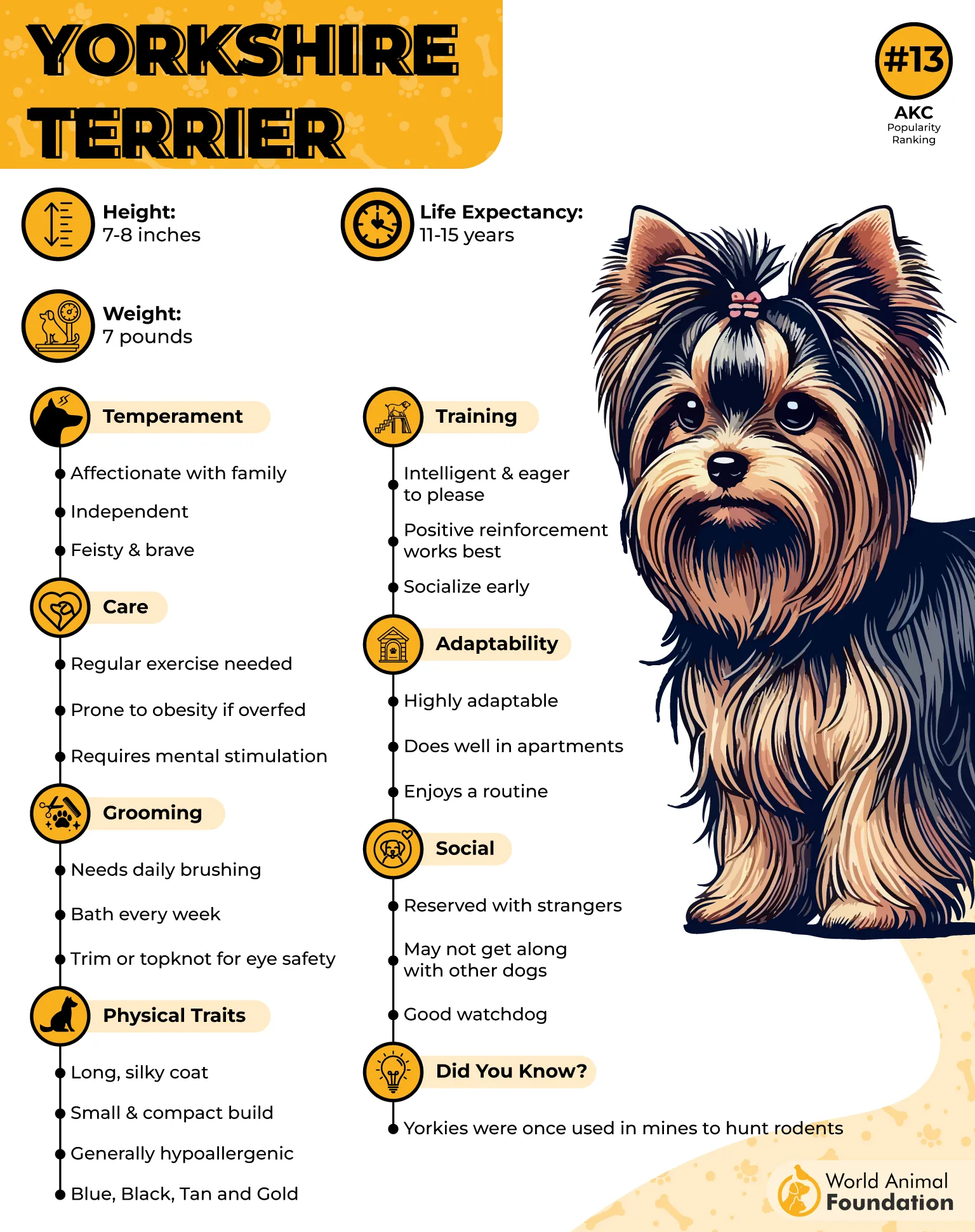
Keeping that silky coat long, however, requires serious consistency. Expert owners recommend brushing long-coated Yorkies daily because tangles can form quickly, especially when hair rubs against harnesses, legs, ears, and the body.
That cleaner-home advantage can be particularly attractive to people with mild sensitivities, and Yorkies are sometimes described as nearly a hypoallergenic dog breed because they shed relatively little hair. Still, dander and saliva contain allergens regardless of whether your dog leaves visible pet hair behind.
Fun Fact You Didn’t Know
Yorkie hair can keep growing much like human hair, which is why show coats can become astonishingly long.
Their polished modern appearance hides working-class roots, since early Yorkshire Terriers helped control rodents.
4. Shih Tzu
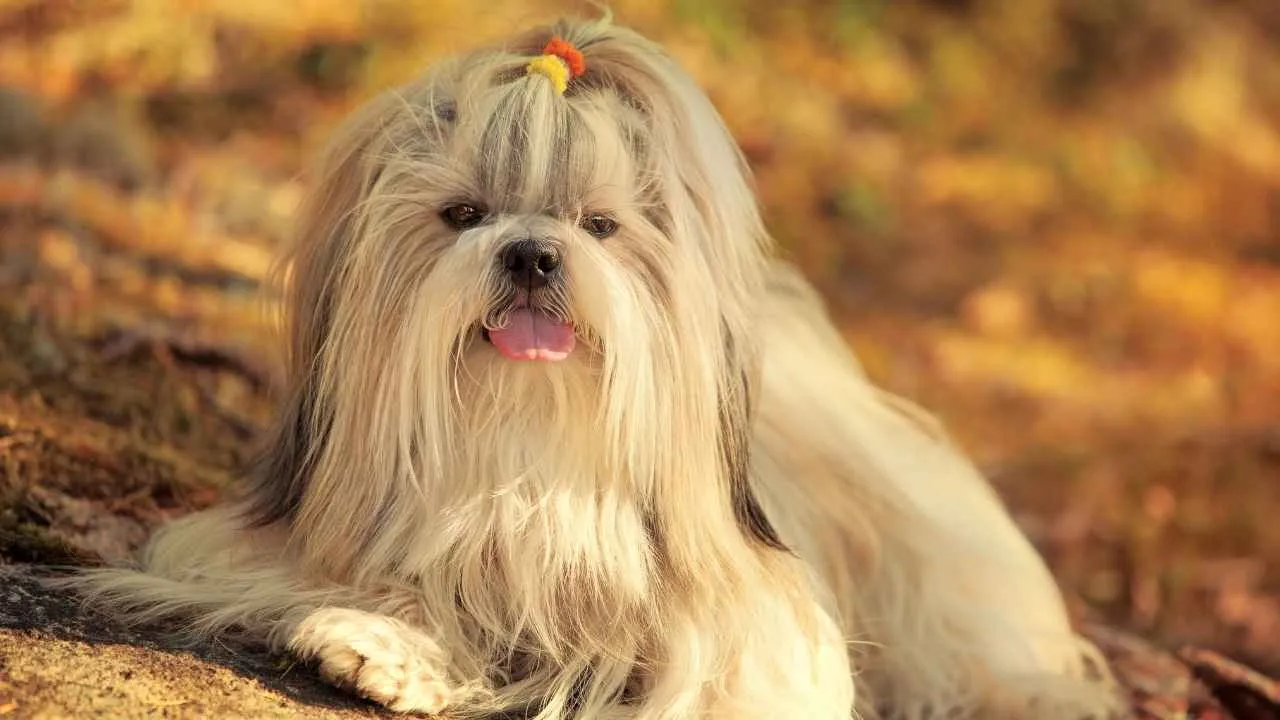
A Shih Tzu wearing a full flowing coat looks like it should shed enough hair to knit another Shih Tzu, yet the reality is surprisingly different. Their long, silky coat sheds very little compared with many common breeds because loose hairs tend to remain caught among the surrounding strands.
Most owners therefore notice loose hair on a brush rather than finding big clumps scattered around rooms. That trapped hair is exactly why ignoring grooming can backfire, though, because tangles are basically loose strands joining forces through friction and refusing to let go.
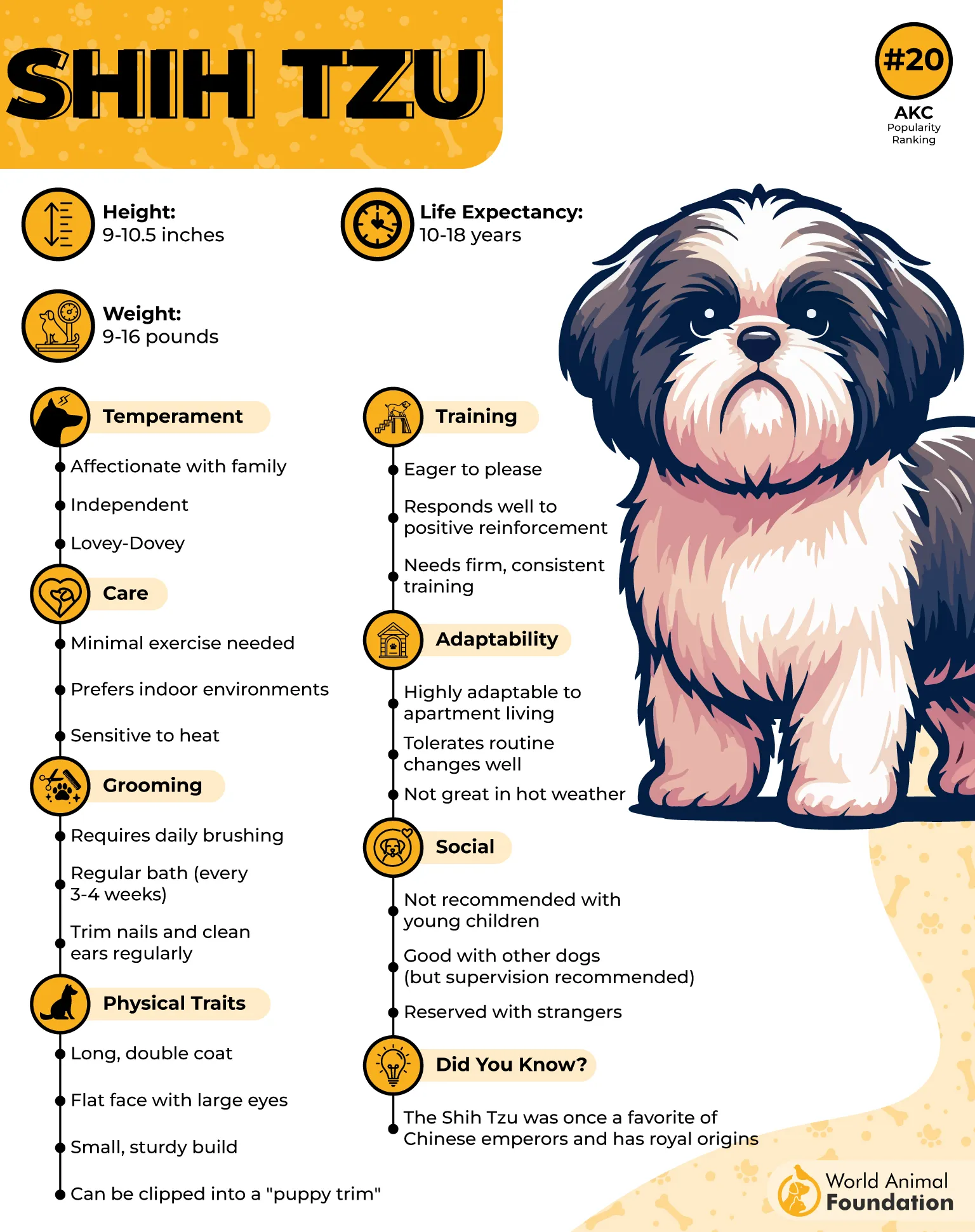
Owners who maintain a traditional long coat should expect regular brushing and careful coat maintenance. For real-world convenience, many people choose the shorter “puppy cut,” which keeps the same lovable face while dramatically reducing daily detangling.
These small dogs are sometimes described as hypoallergenic because they shed less, but the usual allergy disclaimer still applies. Less loose hair may mean fewer allergens hitching rides across furniture, yet dander and saliva remain present.
Fun Fact You Didn’t Know
“Shih Tzu” is commonly translated as “lion dog,” which is an impressive title for something that may weigh less than your grocery bag.
Those sweeping coats barely shed despite looking incredibly abundant, making them a low-hair household option with high-fashion energy.
5. Havanese
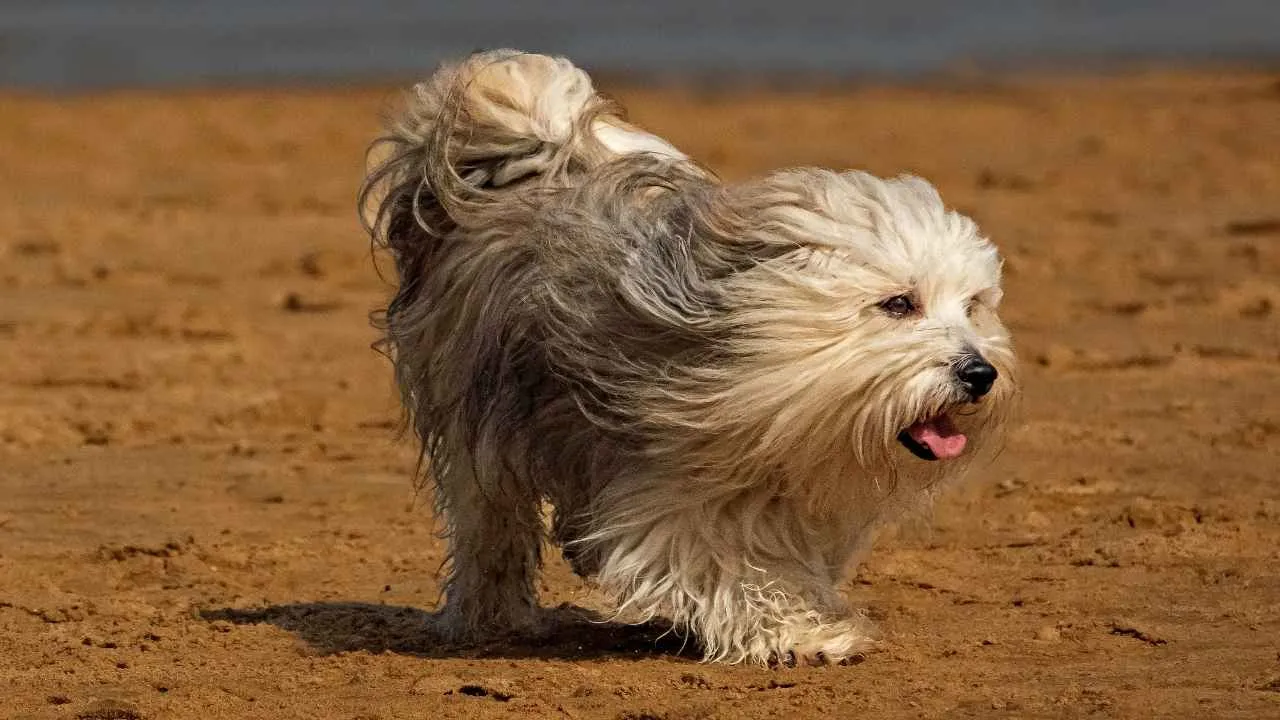
The Havanese are low shedders with loose hair that tends to stay in the coat instead of spreading everywhere. Their hair-type coat is one reason the breed regularly appears in discussions of lower-allergen companion dogs.
That does not mean you can admire all that hair and hope the grooming fairies handle the rest. Orvis recommends daily grooming for long-coated Havanese to prevent tangles and mats, using gentle brushing or combing right through the coat.
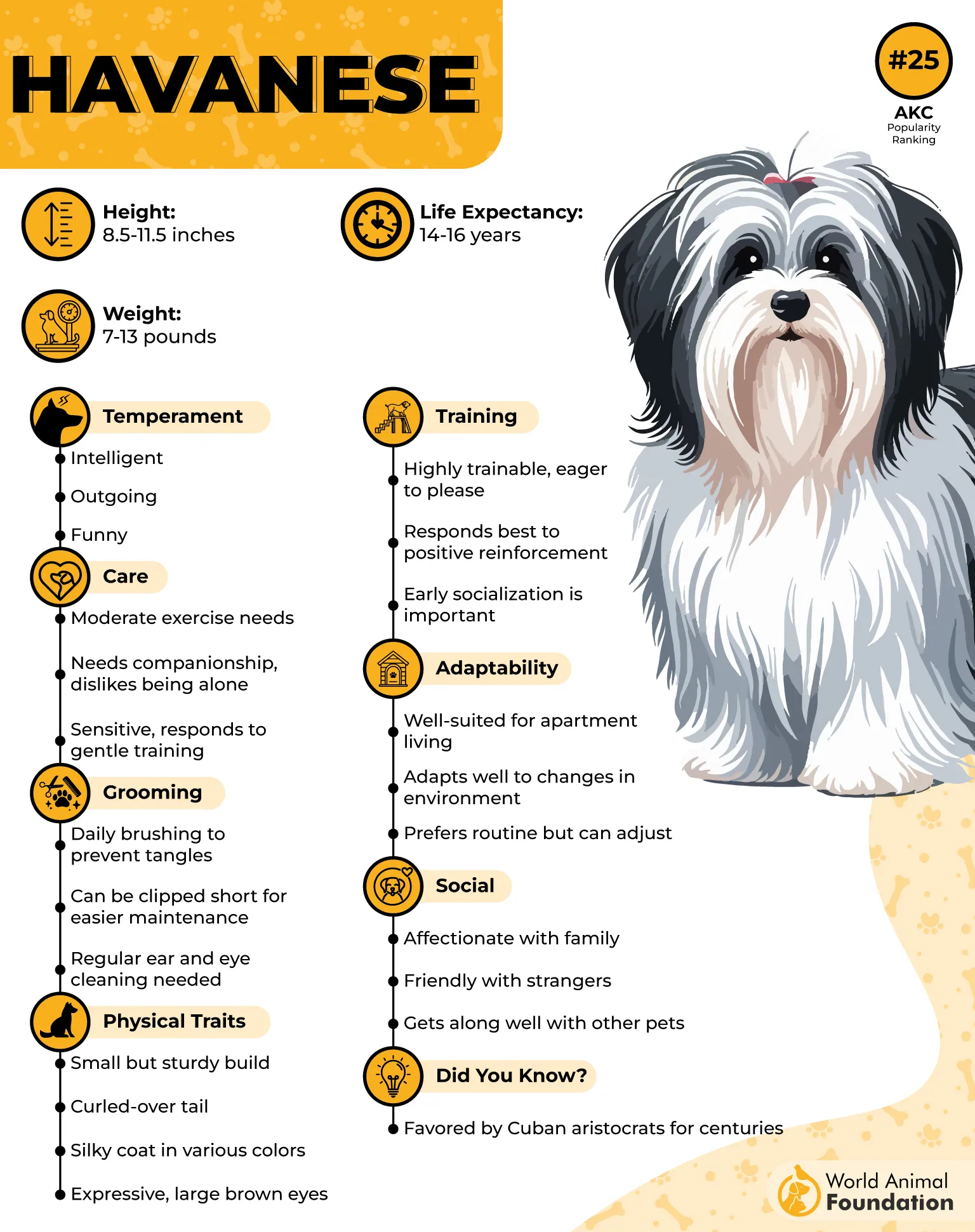
The Havanese coat can also vary considerably in appearance, ranging from soft waves to curlier textures and coming in a huge selection of colors. Regardless of color, the basic low-shedding advantage remains, so your black trousers are considerably safer than they would be around many double-coated dogs.

One reason this breed fits tidy indoor homes especially well is that Havanese are classic companion dogs. Their exercise needs are moderate, and brisk daily walks or active play can provide useful physical activity.
Fun Fact You Didn’t Know
The Havanese is Cuba’s national dog breed, giving this silky little companion some serious cultural bragging rights.
Their coat can look ridiculously abundant while releasing surprisingly little loose hair into the home.
6. Maltese
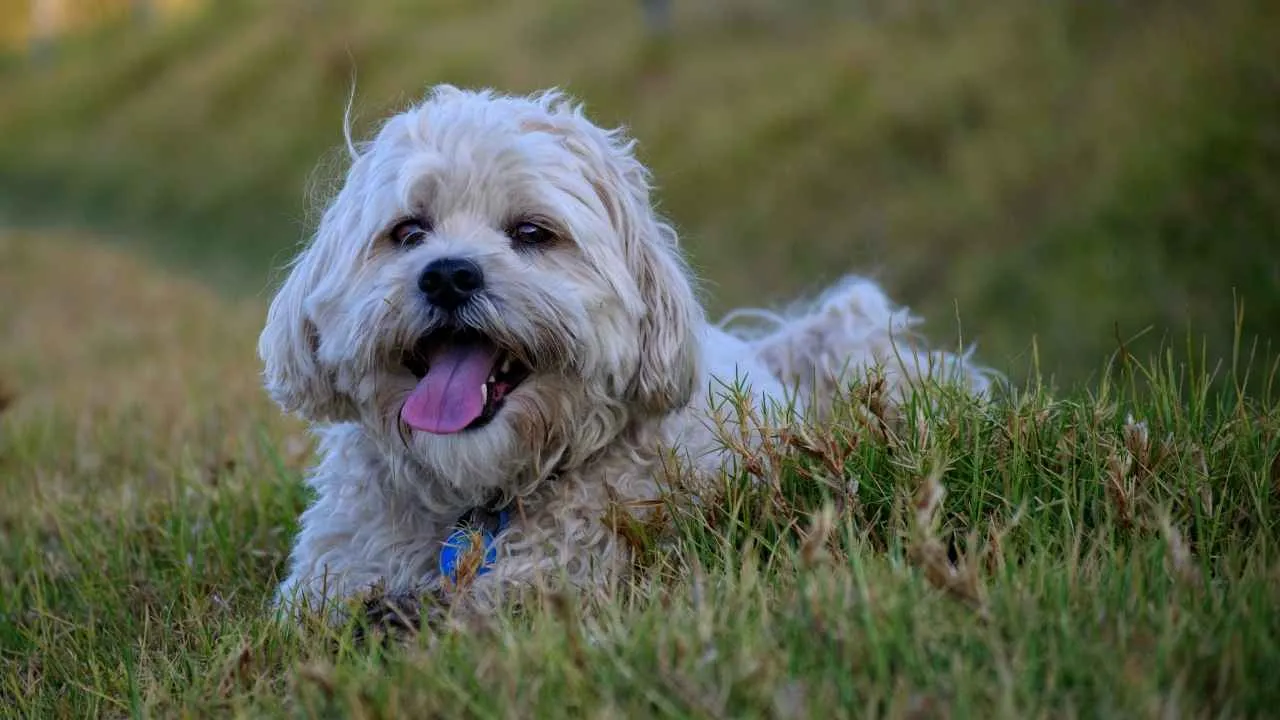
The Maltese has been rocking the luxurious white-hair aesthetic for centuries, and somehow that dramatic coat produces very little household shedding. These dogs have a long, silky single coat and are widely recognized as low shedders.
Their hair keeps growing and lacks the dense seasonal undercoat that causes massive coat-blowing episodes in many other breeds. That makes shedding relatively steady and subtle, rather than a springtime event that demands emergency vacuum deployment.
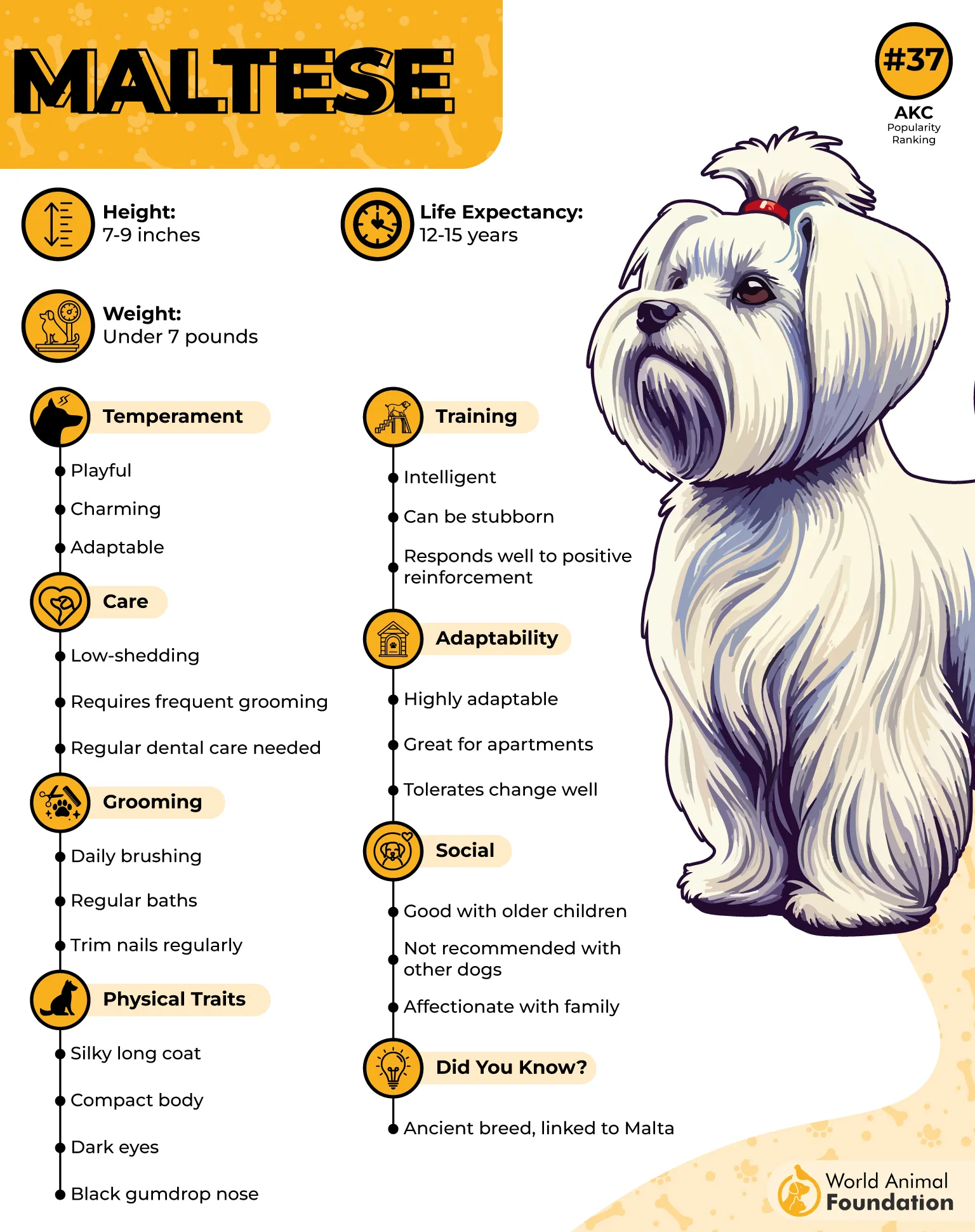
The beauty bill arrives in the form of grooming. According to the Greeencross Vets, a full-length Maltese coat should be gently brushed and combed down to the skin every day to prevent tangles and mats. Regular bathing and conditioning also help preserve that silky texture, while shorter trims can make life much easier for anyone not preparing for a dog show.
These pretty, white dogs are not just decorative lap ornaments. They can be playful, alert, spirited, and surprisingly bold, while their small size and modest exercise requirements fit many indoor lifestyles beautifully.
Fun Fact You Didn’t Know
Maltese are one of the ancient companion breeds, with a history stretching back thousands of years around the Mediterranean.
Their white coat barely sheds, but its color makes even tiny bits of dirt or staining extremely obvious—a clean home, a high-definition dog.
7. Basenji
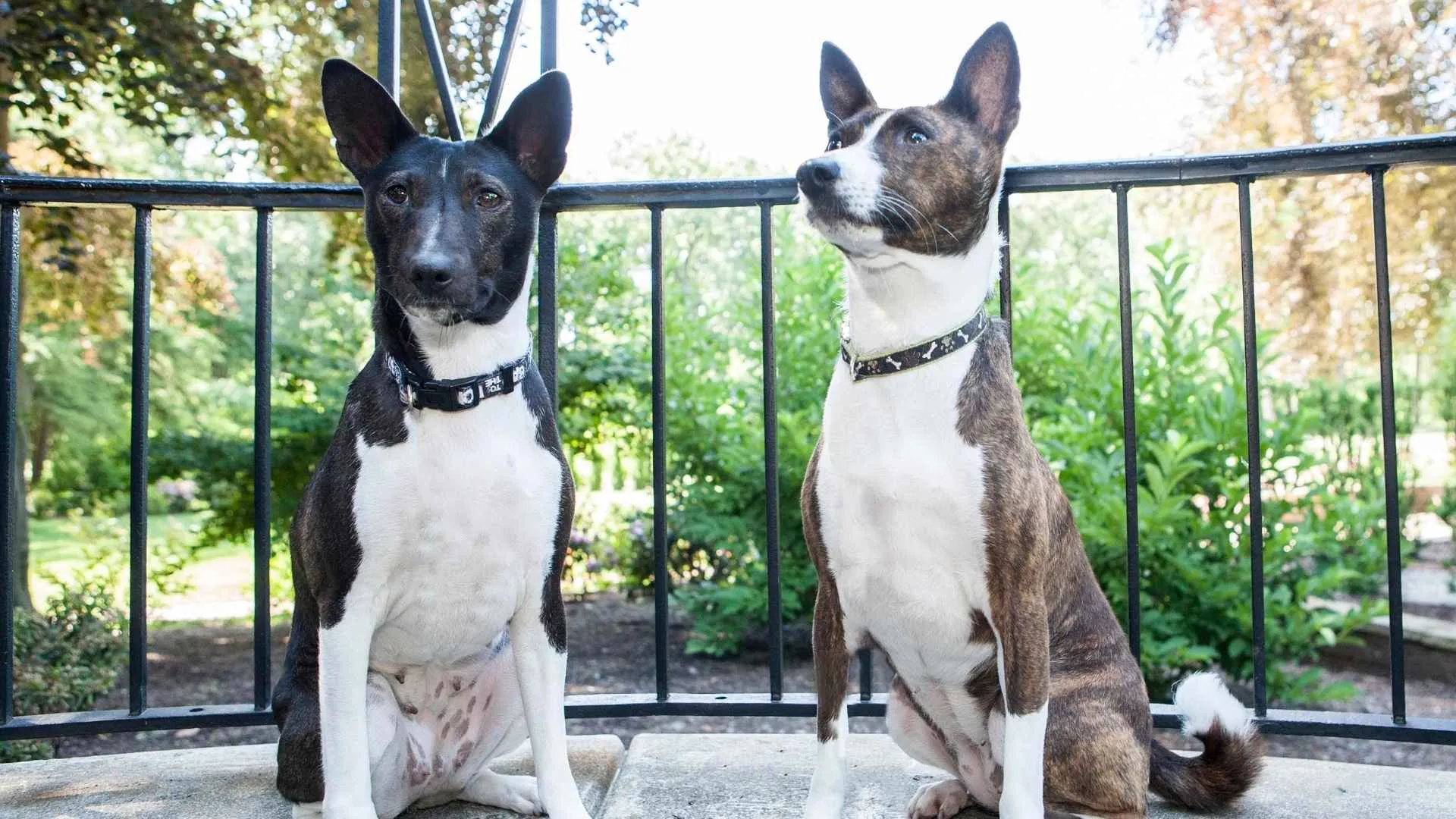
The Basenji is the wildcard of this list because unlike all the flowing-haired divas above, this breed keeps things short, sleek, and wildly uncomplicated. Their fine coat sheds only minimally and generally needs little more than an occasional once-over with a soft brush or grooming mitt.
Basenjis also famously groom themselves in an almost cat-like way, which feels like winning the tidy-pet lottery. PetMD notes that they are fastidious dogs and generally don’t have much of the classic “doggy” smell some owners notice with other breeds.
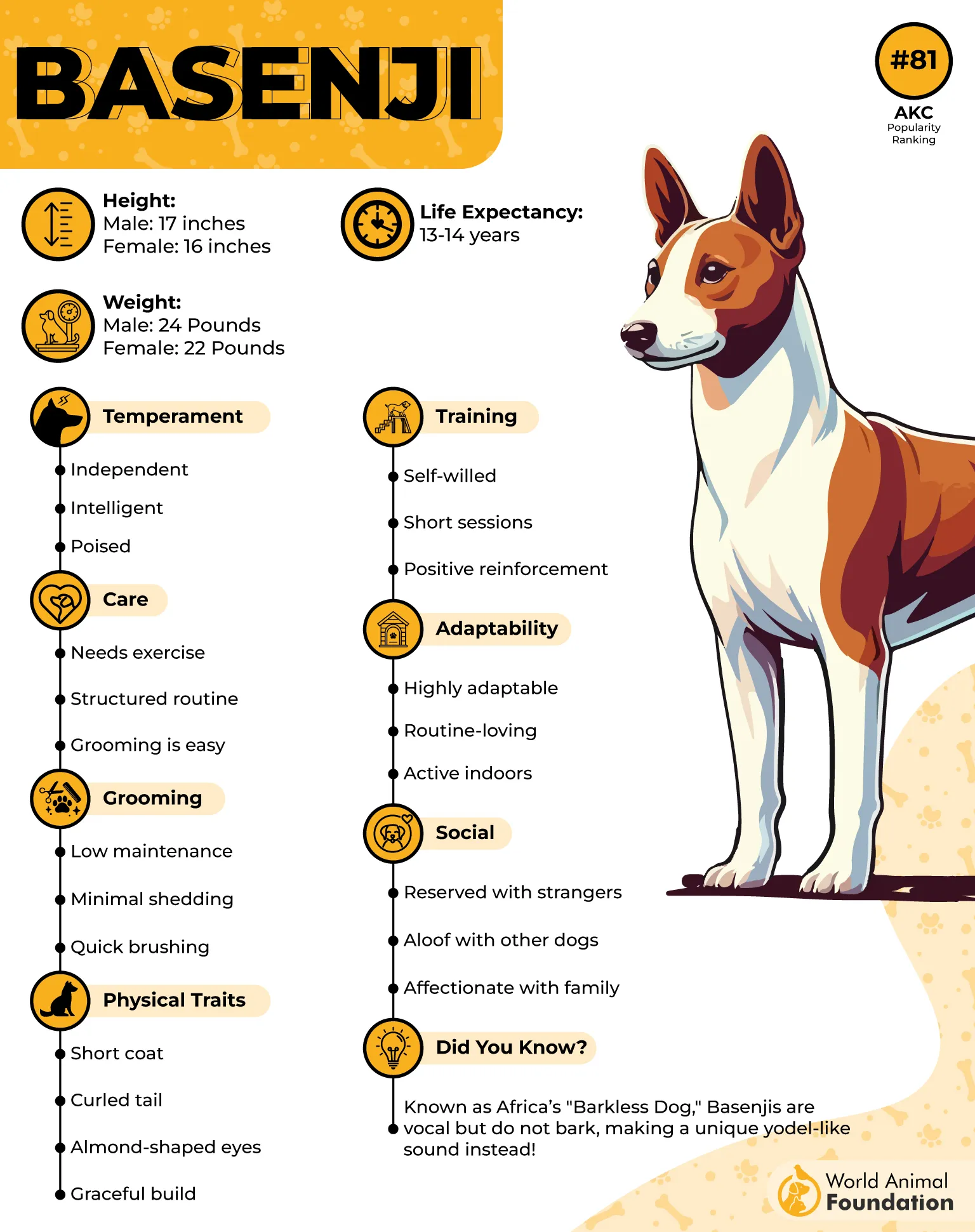
Weekly brushing is typically enough to collect loose hairs and spread natural skin oils through the coat. No professional haircut schedule, no flowing locks to detangle, and no curly coat hiding secret mats near the skin.
However, there is a personality plot twist: easy coat care doesn’t mean easy dog ownership. Basenjis are energetic hunting hounds with strong prey drives, independent minds, and a serious need for secure exercise and mental stimulation.
Fun Fact You Didn’t Know
Basenjis do not typically bark like most dogs; they are known for an unusual vocalization often described as a yodel.
Their self-grooming habits are famously cat-like, which pairs perfectly with their low-shedding coat.
Conclusion
Choosing a dog that barely sheds can make everyday cleaning much easier, but no breed delivers zero hair, zero grooming, zero allergens, and zero effort. Portuguese Water Dog, Miniature Schnauzer, Border Terrier, Irish Water Spaniel, and Lagotto Romagnolo are also some good watchdogs that keep the house clean!
Remember that low-shedding and hypoallergenic are not interchangeable terms. Hair, fur, dander, saliva, and individual sensitivity all influence allergic reactions, so meeting the specific dog before adoption is far smarter than relying exclusively on a breed label. Even within the same breed, one person can react differently from another.
