




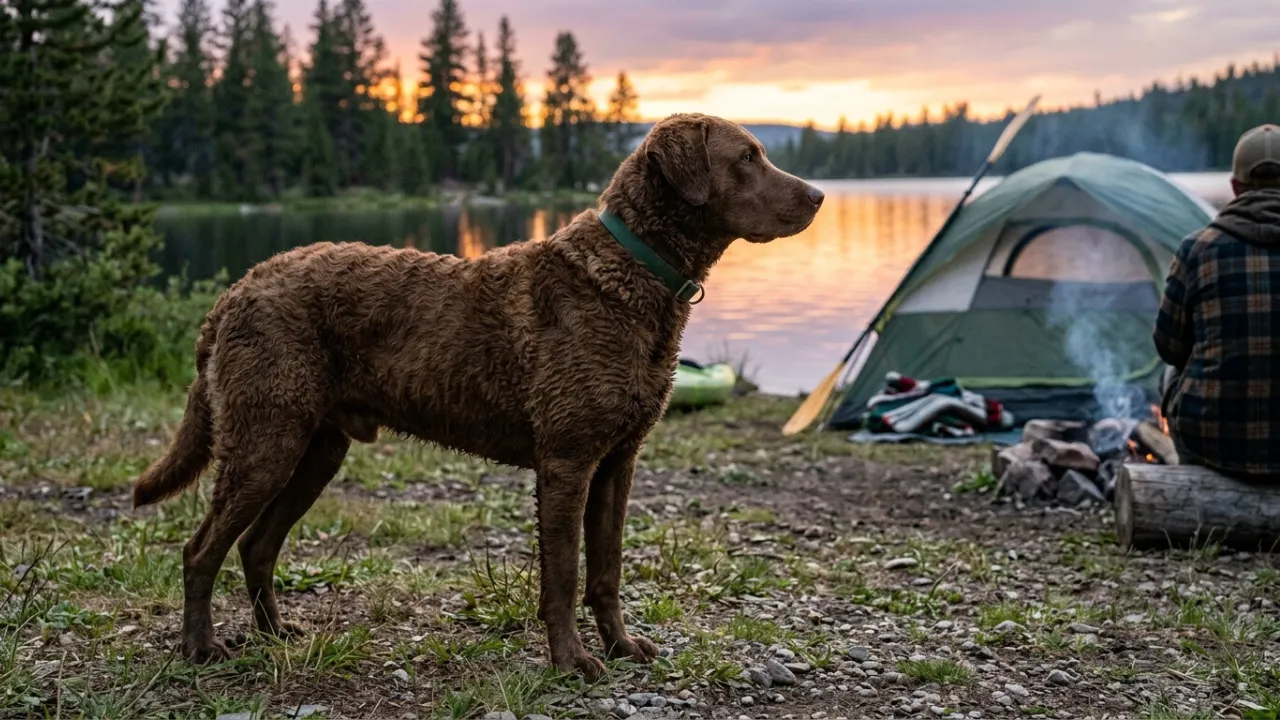
The tent had barely been set up before the dog was already pacing near the shoreline, watching the water with complete focus. Every sound coming from the woods pulled its attention for a second before it hurried back toward the lake again, ready for whatever came next.
While everyone else settled into chairs and unpacked supplies, the dog seemed fully prepared for the weekend from the moment it arrived. Long walks along muddy trails, cold mornings outside the tent, and hours spent moving through unfamiliar surroundings never seemed to slow it down.
Instead, the outdoor setting appeared to bring out its best qualities. That trip made one thing very clear. Some dogs are naturally suited for lakeside camping, while others simply tolerate it. The difference shows in their energy, adaptability, and enthusiasm for outdoor life.
Up ahead are the breeds that truly belong beside campfires, hiking trails, and open water adventures.
Key Takeaways
A weekend near the lake feels different when your dog is just as excited about the outdoors as you are.
Labrador Retrievers and Golden Retrievers stand out for their strong swimming ability and eagerness to retrieve, turning every shoreline into a playground.
Portuguese Water Dog and Chesapeake Bay Retriever bring history, stamina, and a natural connection to water, making long outdoor days feel purposeful and exciting.
Keep reading to see which breeds thrive beside campfires and lake views, and which ones are built for adventures that last all weekend.
Dog Breeds Perfect for Lakeside Camping and Outdoor Fun
1. Labrador Retriever
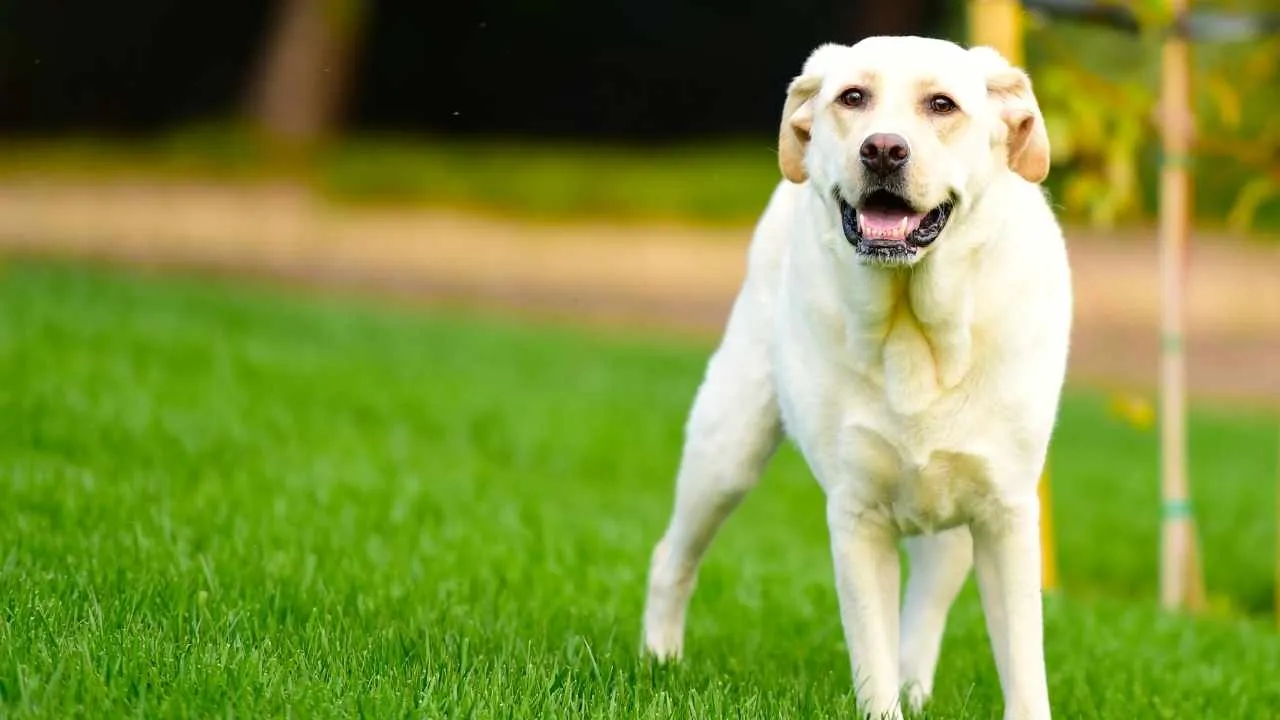
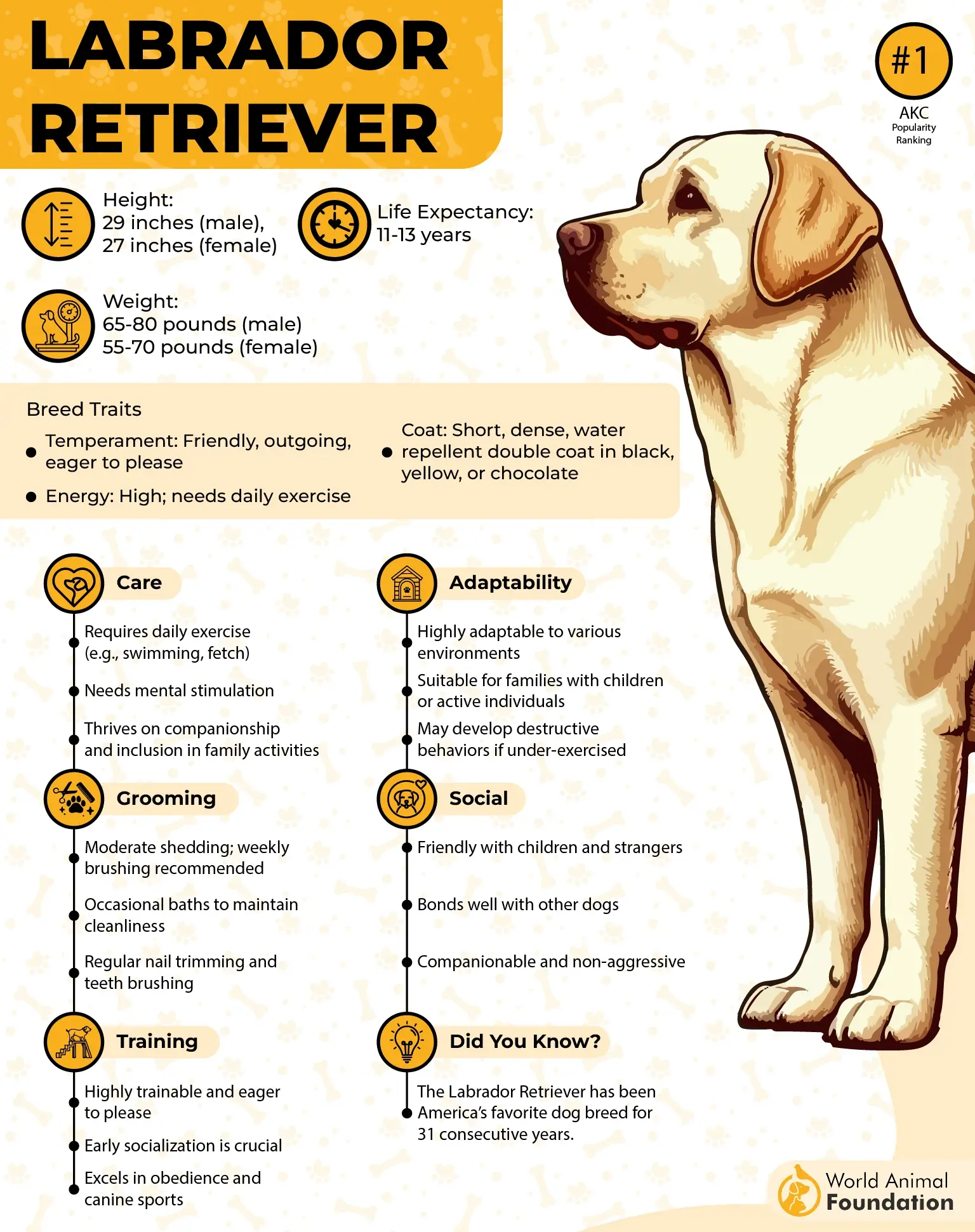
The Labrador Retriever is recognized for its broad head, expressive eyes, and thick otter-like tail that signals readiness for action. Its sturdy frame supports strong swimming ability, linking naturally to water-based environments. The overall structure reflects an enthusiastic working athlete.
Activity patterns that fit outdoor settings
Labs engage most confidently when tasks involve retrieving, swimming, or structured play, as WebMD writes. Their energy level calls for consistent outlets that match their athletic drive and eagerness to participate.
This energy becomes clearer through its preferred pursuits:
Swimming in open water
Marathon-style games of fetch
Participation in tracking and agility work
Drive that connects to open space
The adventurous spirit of this breed performs well in environments that allow sustained movement and repeated action, especially during hunting trips or organized field activities. Its enthusiasm supports prolonged engagement in outdoor settings where water and land are both available.
2. Portuguese Water Dog
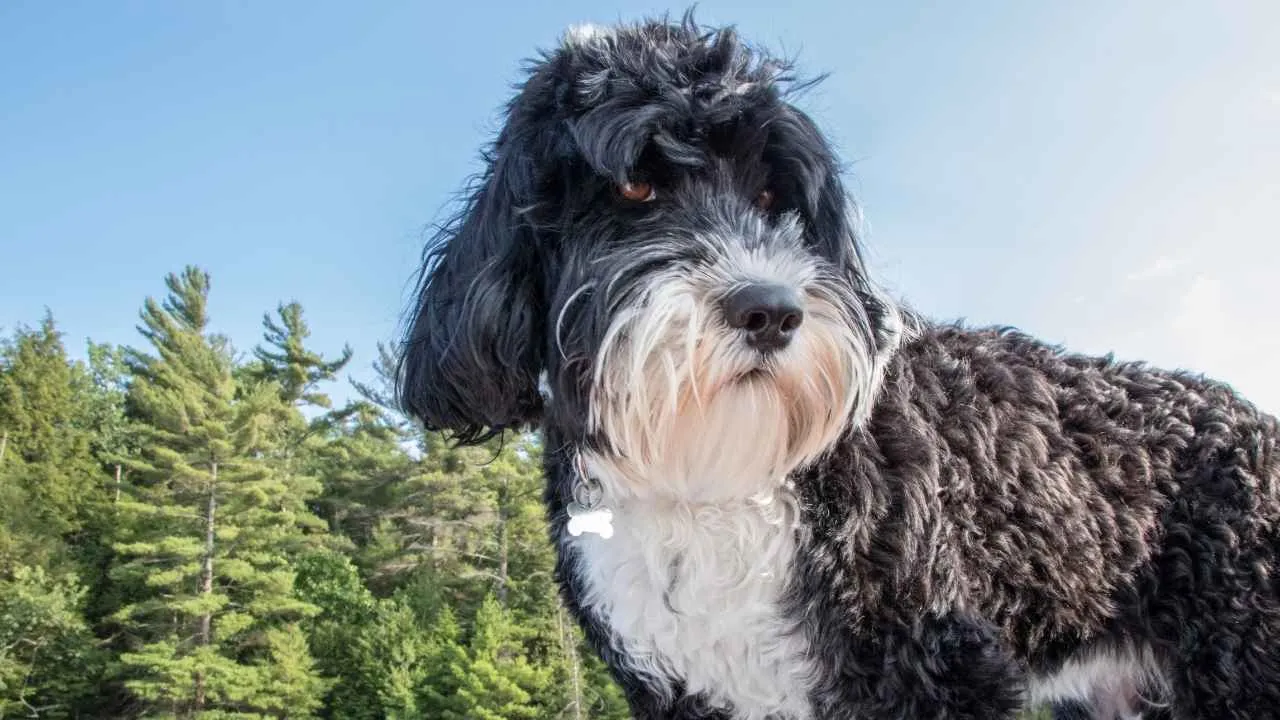
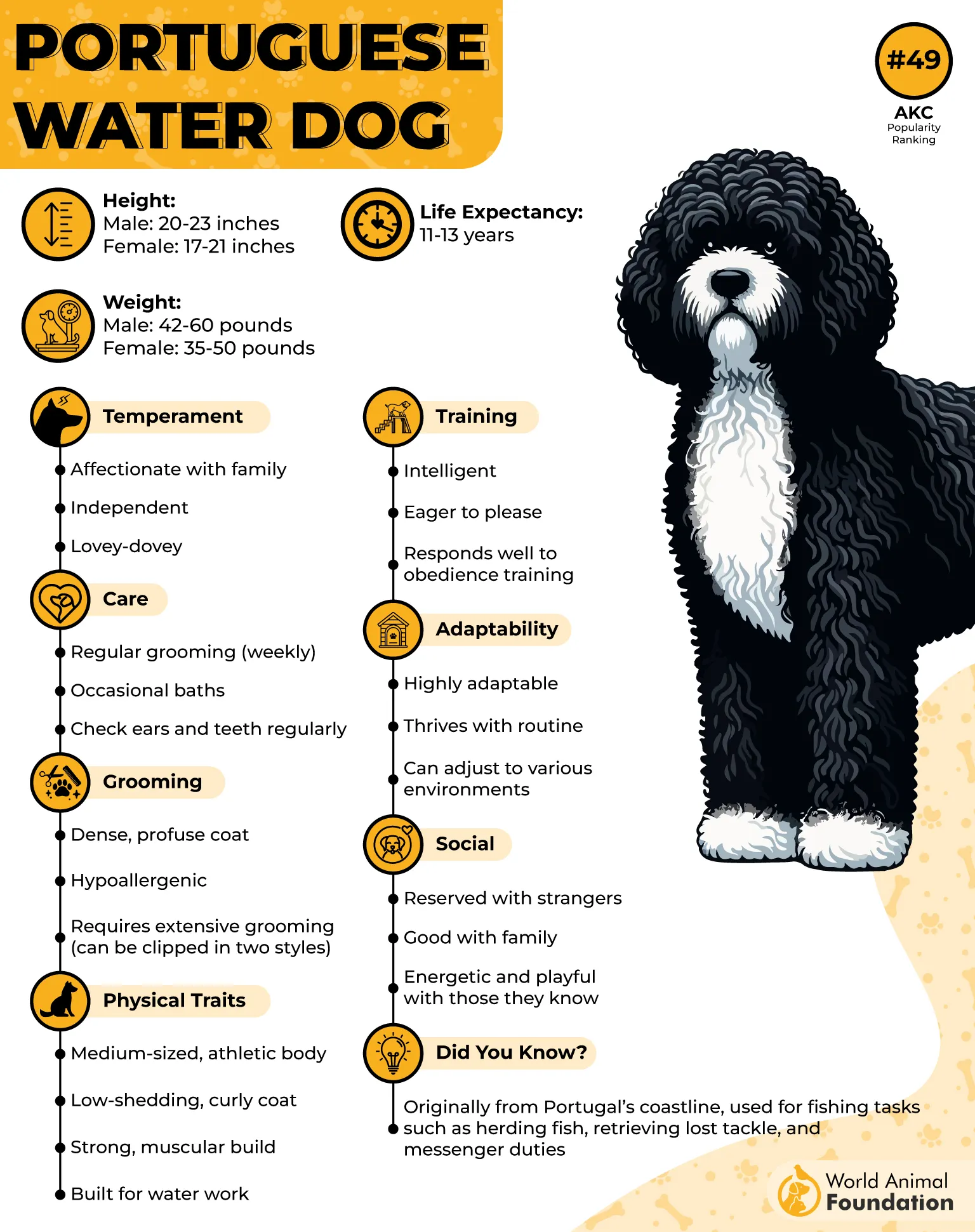
The Portuguese Water Dog is an athletic breed, originally bred to assist fishermen along Portugal’s coastline, valued for its strong swimming ability and endurance in marine tasks.
Its energetic build supports extended activity near water, reflecting a working style centered on coordination and responsiveness.
Activity patterns linked to engagement
This herding dog thrives on regular interaction and structured exercise, needing consistent daily outlets to channel its energy. It forms close bonds, often attaching strongly to one main handler while remaining affectionate within the household.
These patterns appear in practical behavior:
Excels in swimming-based tasks
Enjoys hiking and jogging routines
Responds best with steady daily activity
Social behavior around people
Portuguese Water Dog prefers proximity to its family, staying aware of nearby activity without constant hovering. It may approach new people cautiously at first, then warm up with time and familiarity, as Hills Pet stated. This balanced interaction style suits shared outdoor spaces.
3. Chesapeake Bay Retriever
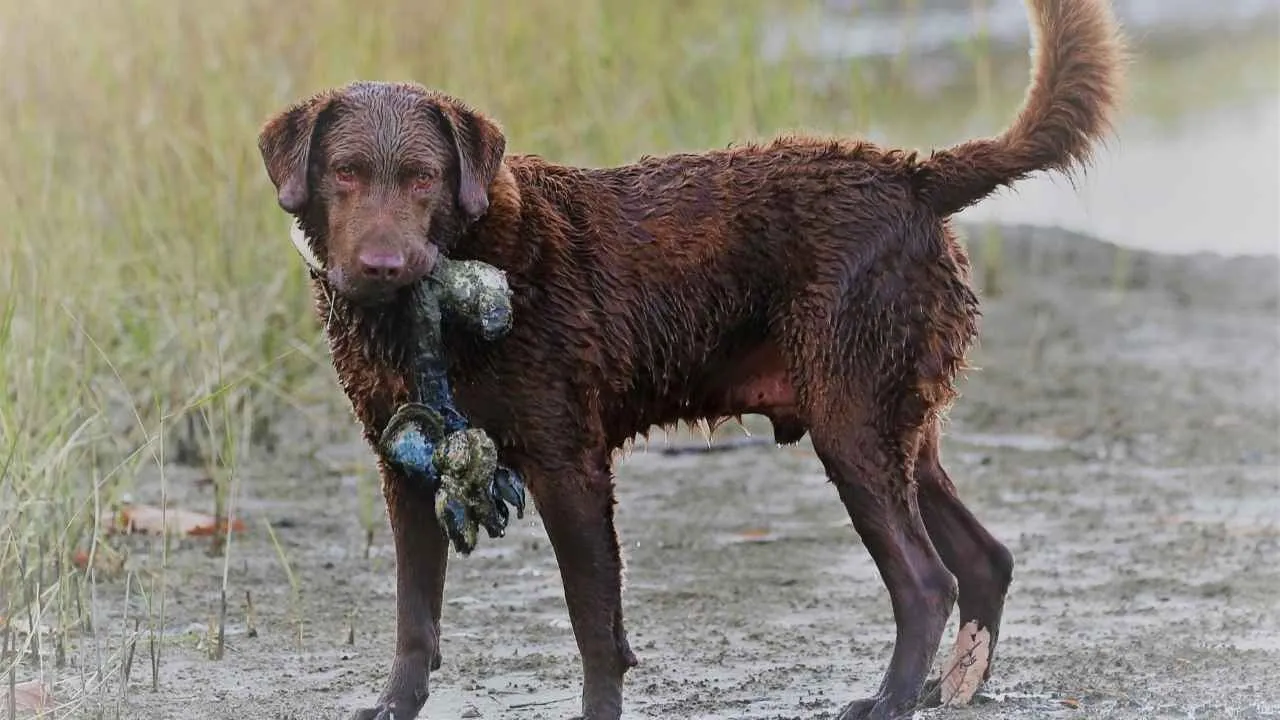
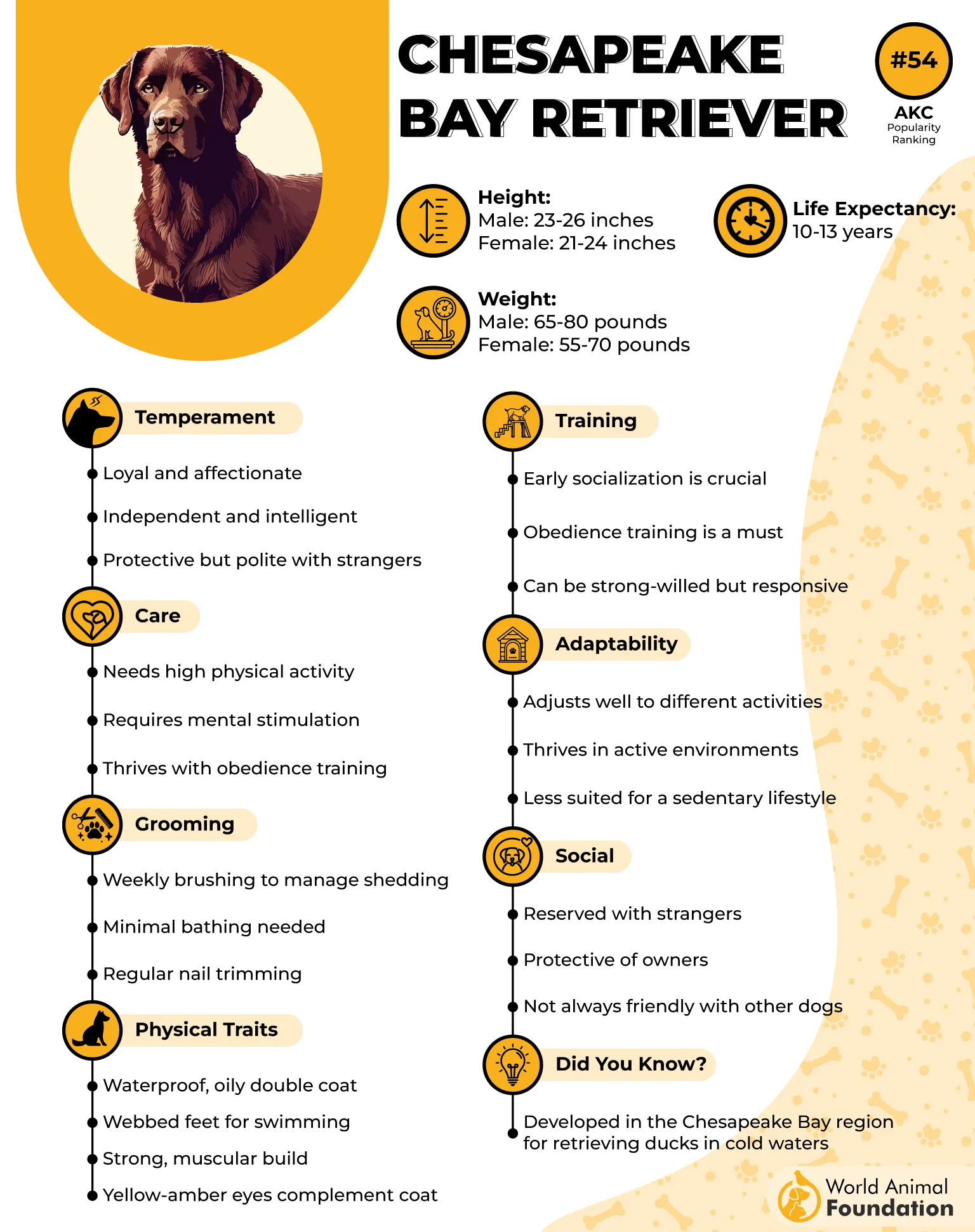
The Chesapeake Bay Retriever, often called “Chessie,” is a strong water-focused breed linked to early 1800s origins and work around the Chesapeake Bay. Its build supports long hours near cold water while retrieving waterfowl in demanding conditions.
Activity centered around purpose
The Chessie responds best when engaged in structured tasks, reflecting a mindset that connects effort with responsibility. Its high energy supports continuous involvement in outdoor environments where movement and water play are frequent.
This working drive appears clearly in action:
Retrieves in both land and water settings
Participates in dock diving and swimming tasks
Handles camping, running, and hiking across varied terrain
Independent yet family-connected
It approaches daily life with self-directed thinking, often viewing itself as an active part of the household group, as mentioned by Purina.
It forms strong bonds and may follow family members between spaces, reflecting attachment through proximity. Early social exposure shapes how this intensity blends with home routines.
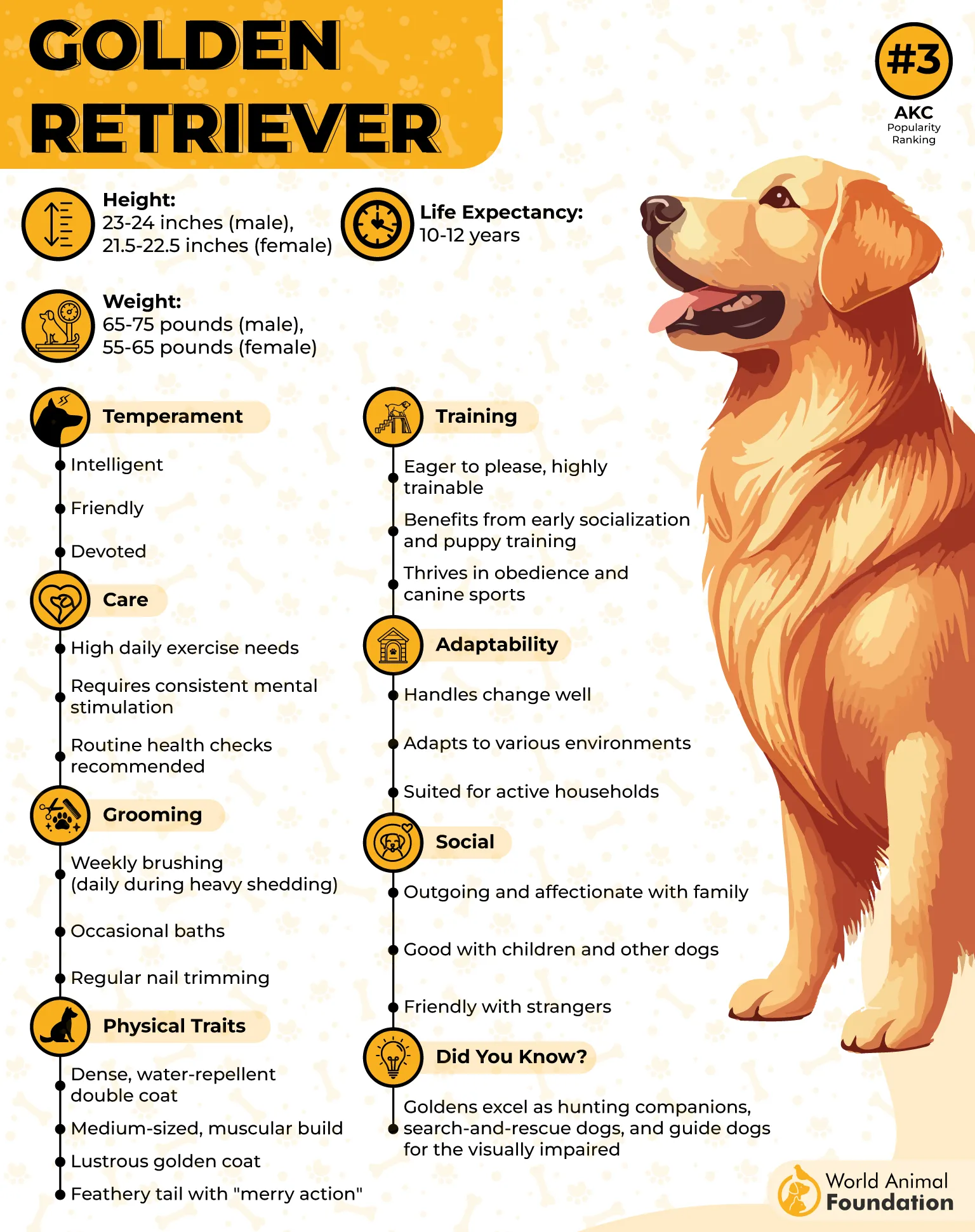
4. Golden Retriever
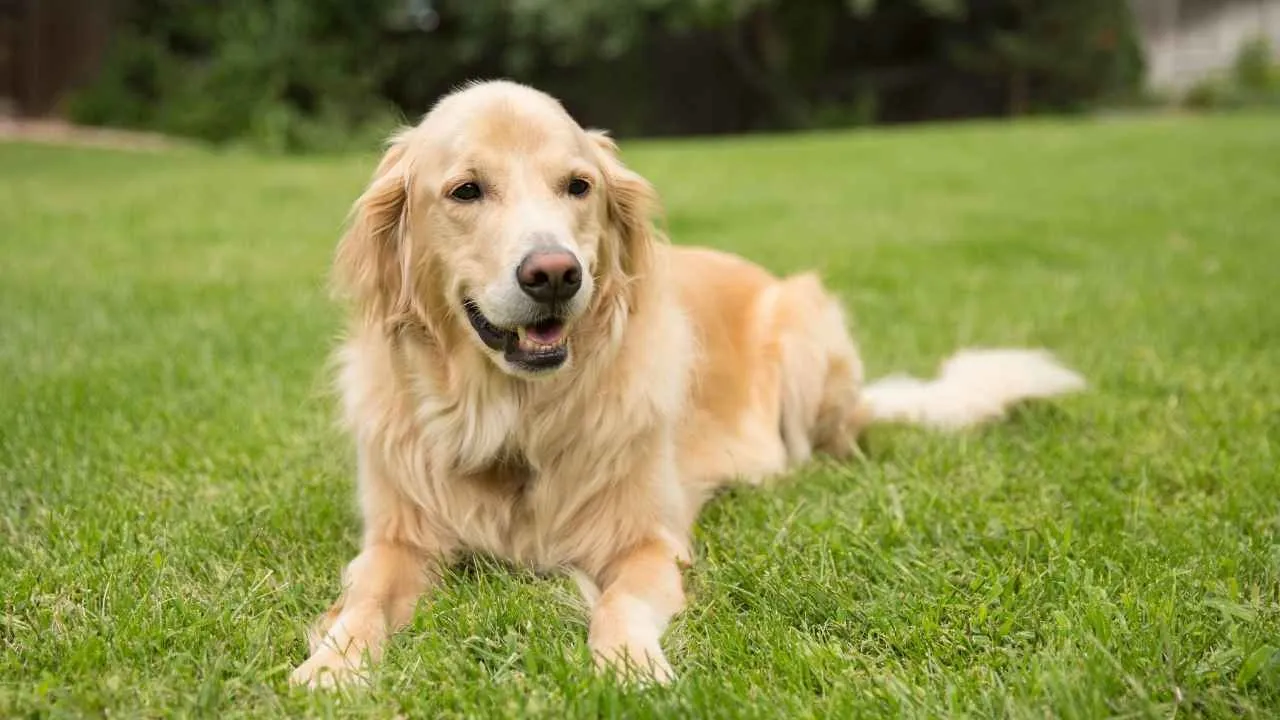
The Golden Retriever is a sturdy, muscular gundog recognized for its dense golden coat and broad head with friendly, intelligent eyes.
Its smooth, powerful gait and distinctive tail movement reflect a breed built for purposeful activity. The overall structure supports extended engagement in outdoor adventures.
Working capability in action
The Golden Retriever performs reliably in hunting fields, assistance roles, and structured canine events, reflecting strong trainability and focus. Its eagerness to respond allows it to participate in demanding tasks with consistency.
These abilities appear clearly in performance settings:
Retrieves waterfowl for extended periods
Participates in tracking and field trials
Competes successfully in obedience and agility events
Comfort in water and open spaces
It enjoys swimming and retrieving, activities that align with its sporting nature and physical build. Long runs and cycling outings suit its energetic frame when properly guided. Regular outdoor engagement keeps its drive directed toward structured activity rather than restlessness.
5. Nova Scotia Duck Tolling Retriever
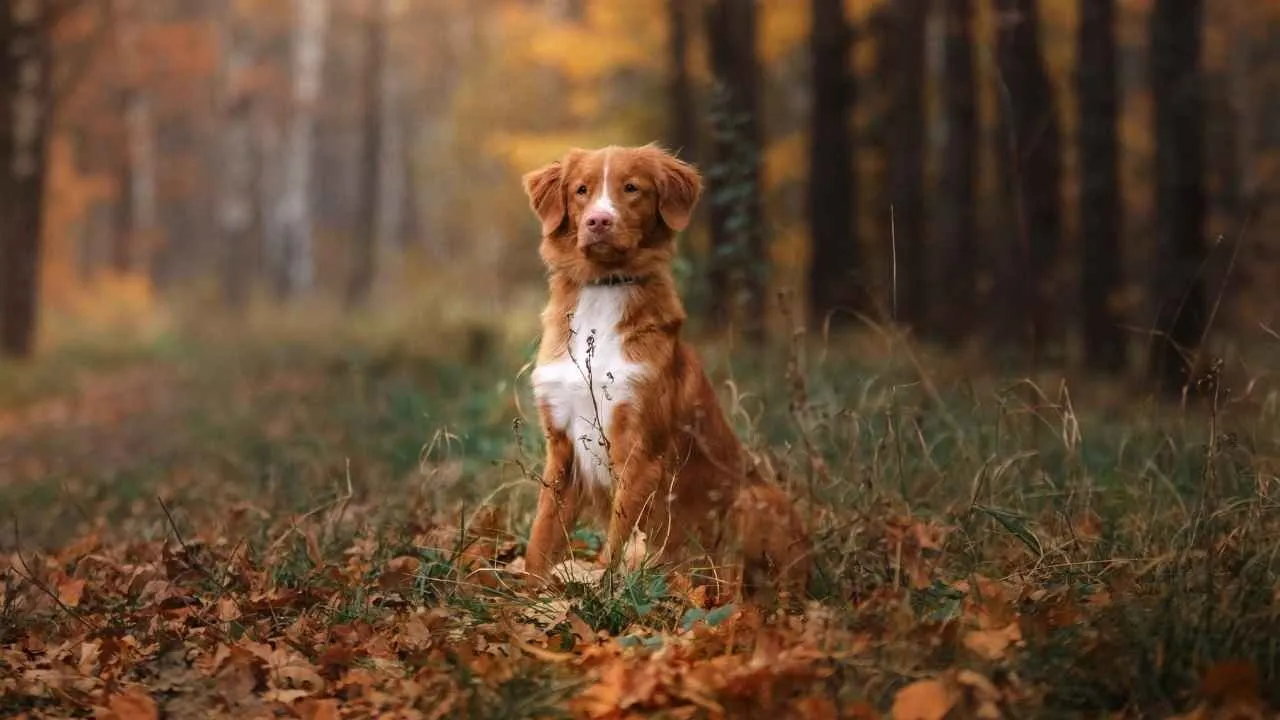
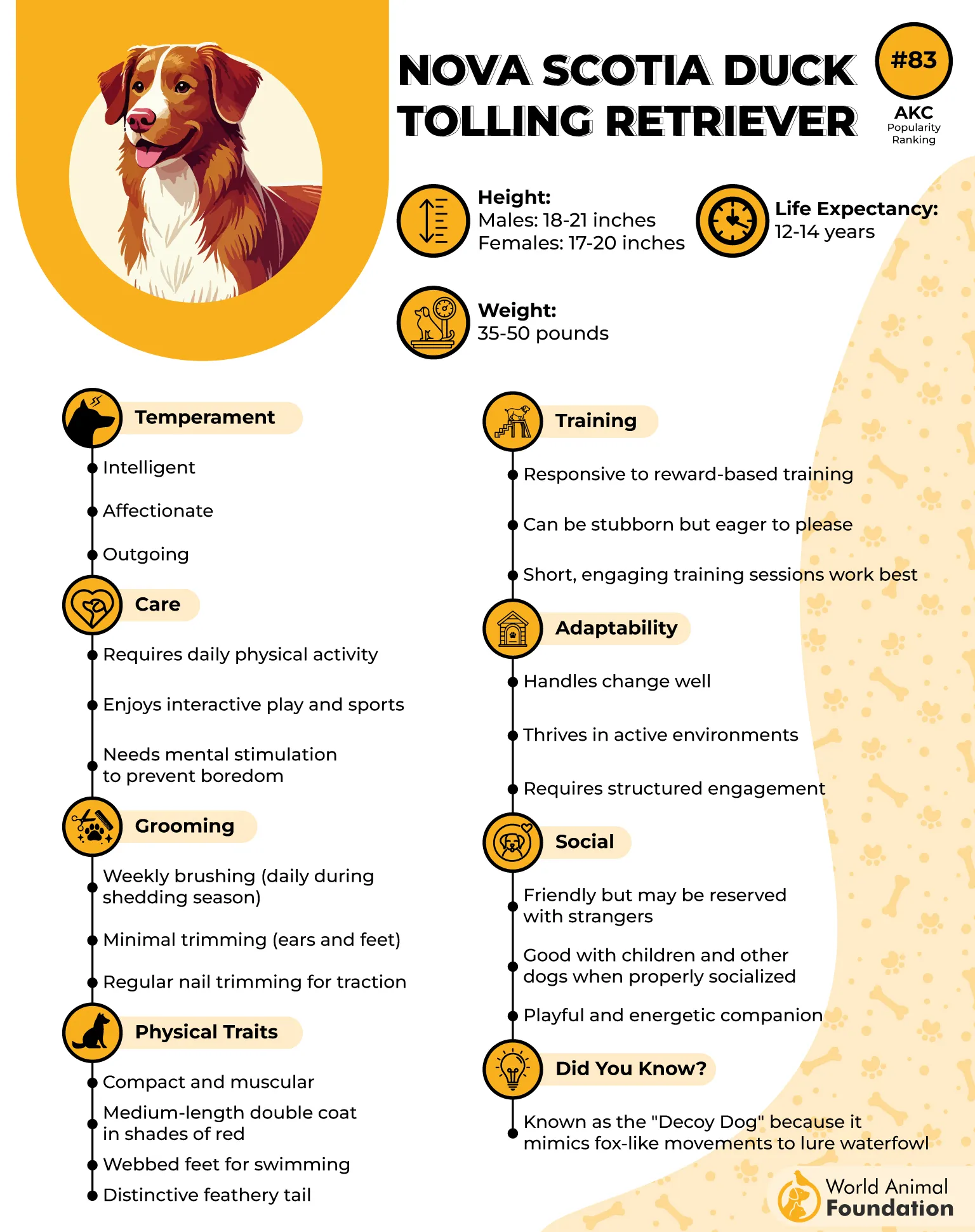
The Nova Scotia Duck Tolling Retriever is the smallest AKC retriever, built as an agile gundog with strong enthusiasm for action. Its alert, almond-shaped eyes and athletic frame reflect constant readiness for engagement. This breed responds best when tasks involve movement and interaction.
Activity patterns that define engagement
The Nova Scotia Duck Tolling Retriever enjoys repetitive games and structured tasks that involve retrieving and water work. Its webbed feet support swimming, making aquatic environments especially suitable for focused activity.
These traits appear clearly in daily routines:
Excels in swimming sessions
Engages enthusiastically in fetch games
Performs well in agility and field-based sports
Outdoor energy in practical use
It connects strongly with hunting, hiking, and camping activities, using its stamina in open environments. Its medium to high energy level requires consistent outlets rather than occasional bursts. This drive makes structured outdoor engagement a natural fit.
6. Flat-Coated Retriever
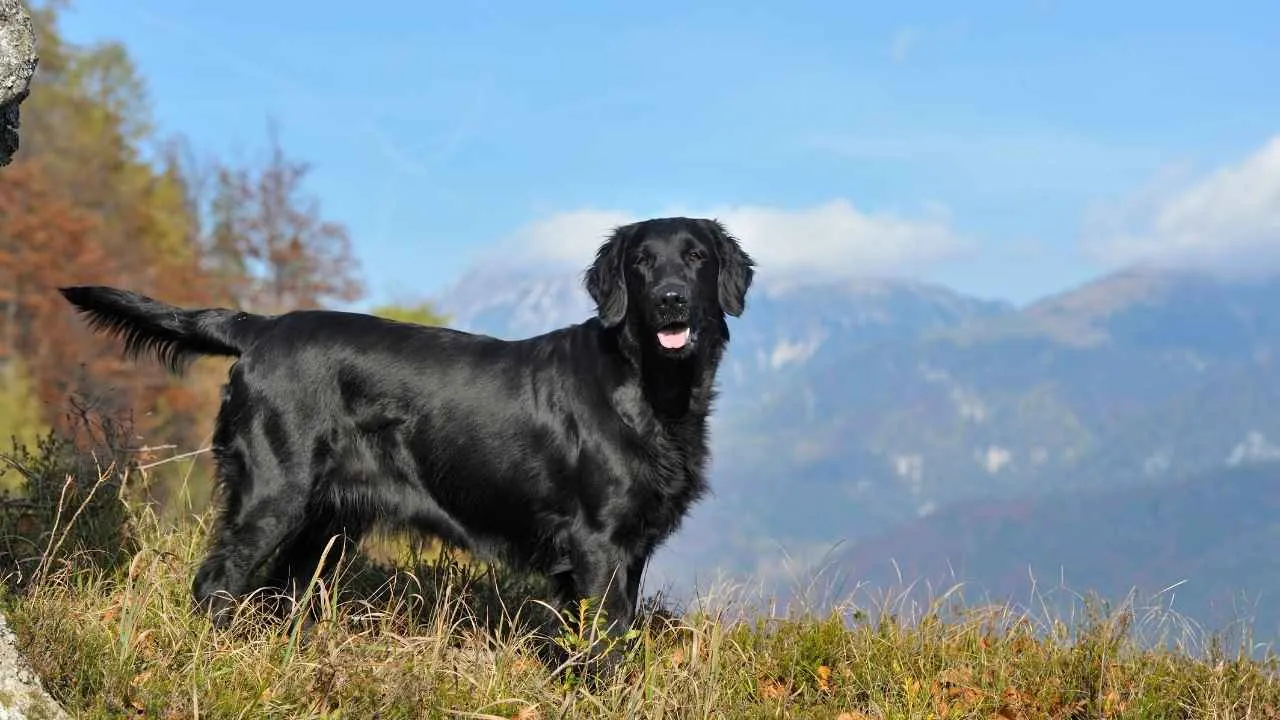
The Flat-Coated Retriever is often called the ebony retriever, recognized for its glossy dark coat and lively presence. Originating in 19th-century Britain, it was bred for retrieving game, which shaped its drive for active tasks. Its cheerful nature pairs with steady enthusiasm, giving it a bright and engaging character.
Activity patterns that require outlets
As an outdoor enthusiast, it depends on regular physical engagement to balance its high energy, especially through walks, hikes, swimming, camping, or play sessions. Training also plays a strong role in channeling its intelligence into structured focus.
When properly guided, its daily rhythm can include:
Obedience practice for mental focus
Agility drills for coordination
Outdoor swimming for energy release
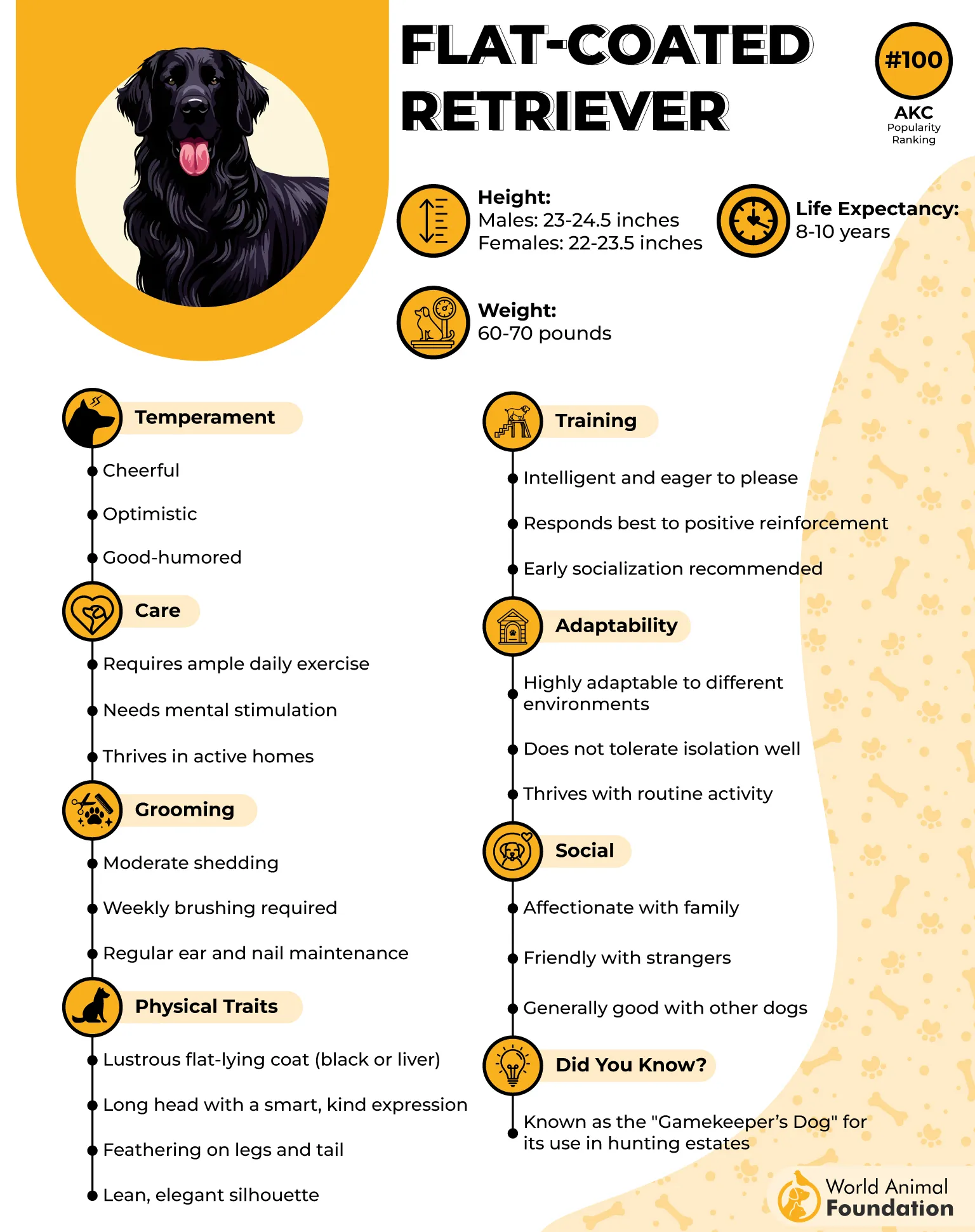
Behavior when energy is managed
These retrievers become relaxed and adaptable indoors after sufficient activity, often retaining a youthful personality well into later years.
Without engagement, they may redirect their energy into digging, chewing, or exploring barriers. This contrast highlights the importance of consistent outlets rather than idle time.
7. Irish Water Spaniel
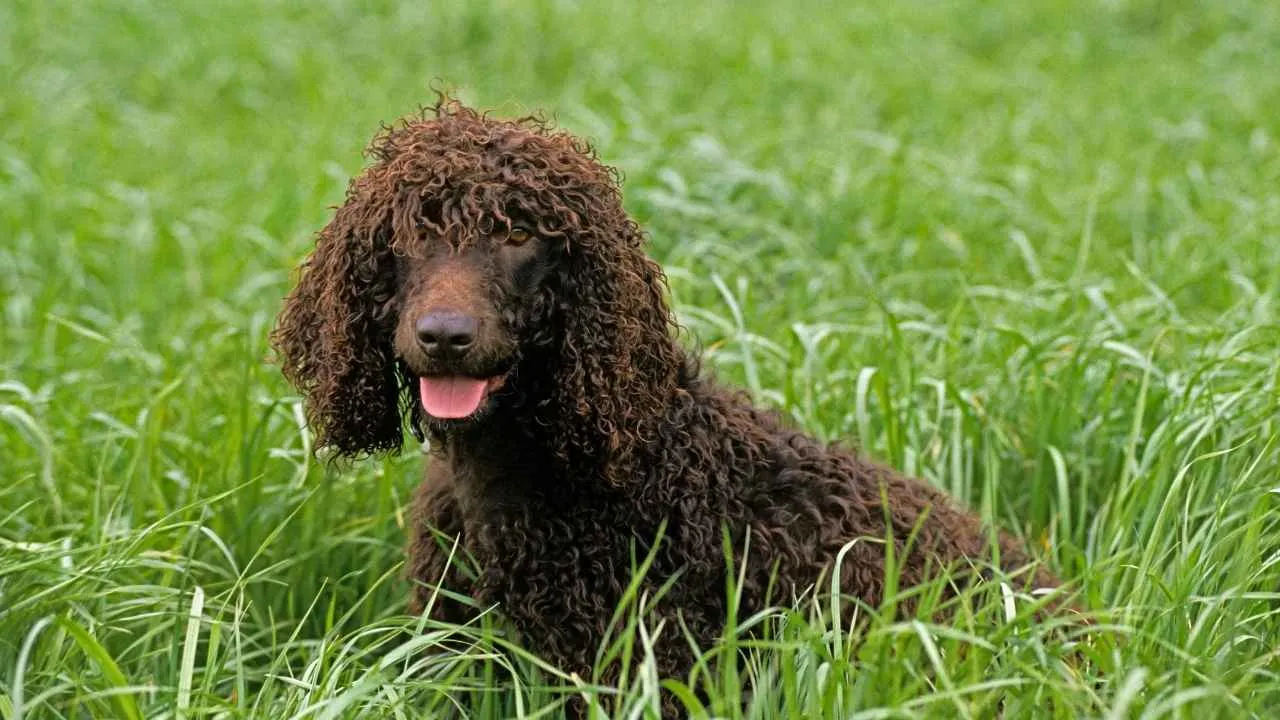
The Irish Water Spaniel comes from Ireland and was bred for retrieving game from water, making aquatic environments a central part of its working identity.
It is recognized as one of the oldest and rare spaniel types, with a lineage reaching back centuries. Its dense curly coat supports time spent around wet terrain.
Activity patterns and field behavior
It brings strong stamina to outdoor settings, handling long walks and repeated water-based tasks with steady energy. Its enthusiasm fits swimming and dock-style retrieval work, reflecting comfort around lakes and open water.
This working style is visible in practical habits:
Retrieves efficiently from water environments
Engages in swimming-based activity
Sustains energy during extended play sessions
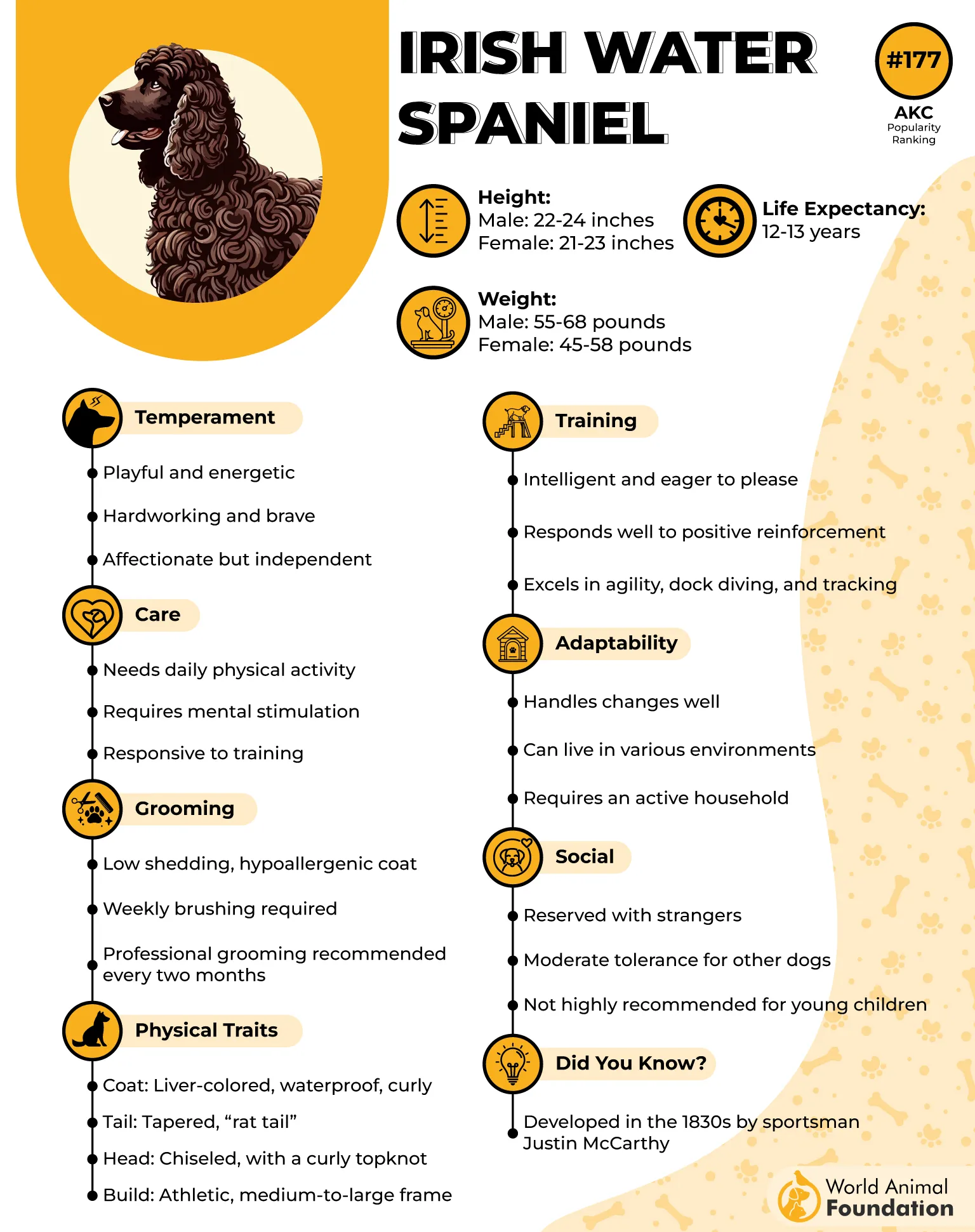
Curiosity in natural surroundings
The Irish Water Spaniel explores new sights and scents with an investigative approach, often inspecting changes in its environment.
Interactive toys and structured games help channel this inquisitive drive into productive engagement. Without stimulation, restlessness may appear in the form of excessive vocalization or digging.
Conclusion
Some dogs enjoy being outside for a little while, but others seem completely connected to the rhythm of outdoor life from the moment the trip begins. The sound of water, long trails through the woods, and quiet evenings beside a campfire give these sturdy dogs the kind of environment where their instincts stand out most, even across rough terrain.
Whether retrieving from cold lakes, swimming for hours, or staying active from sunrise until nightfall, they handle cold environments with ease and bring energy into every part of the experience. For pet parents who love weekends near the water, these dogs become more than a hiking partner. They become a reliable companion every single time outdoors.
