




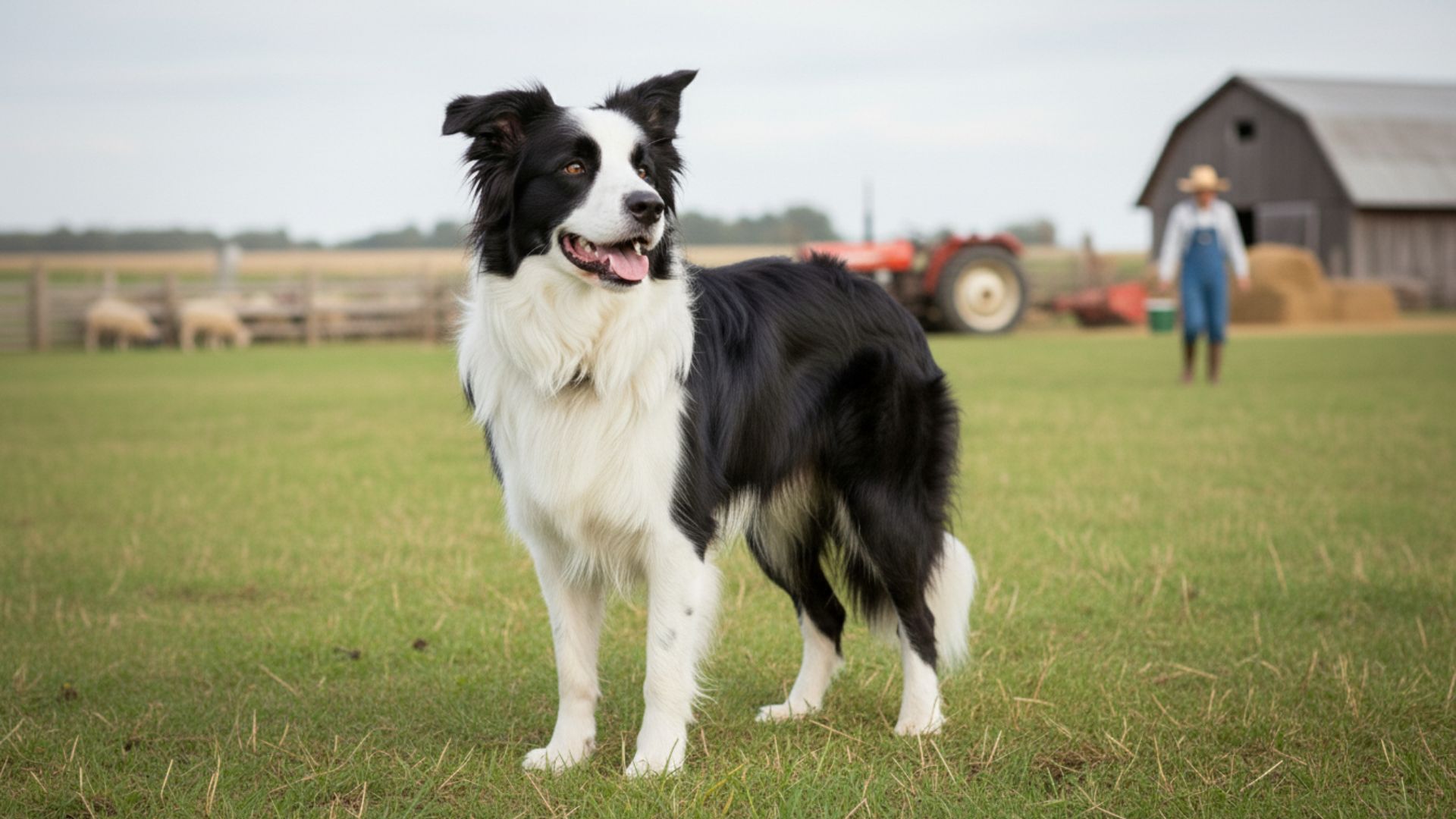
Mud on boots, sunrise chores, and a dog that never quits today.
Farm life asks a lot from dogs. Gates jam. Rain hits sideways. A hungry herd tests every fence. Good farm dogs stay steady when noise, mud, and pressure show up at once.
According to Britannica, some farm dogs are herding dogs from classic herding breeds, built for herding and quick turns.
Some are ranch dogs that stand watch and help protect livestock near barns and feed rooms.
Others are steady farm dogs that hike fence lines, ride along in the truck, and then settle near the porch.
But why bother with that? Because tired, confused dogs can turn small problems into big messes.
This blog will walk you through what each dog breed is good at, what dogs require to stay balanced, and how to pick the right breed for your day.
Top Dog Breeds for Farm Work: Strength, Endurance, and Loyalty You Can Trust
1. Australian Cattle Dog
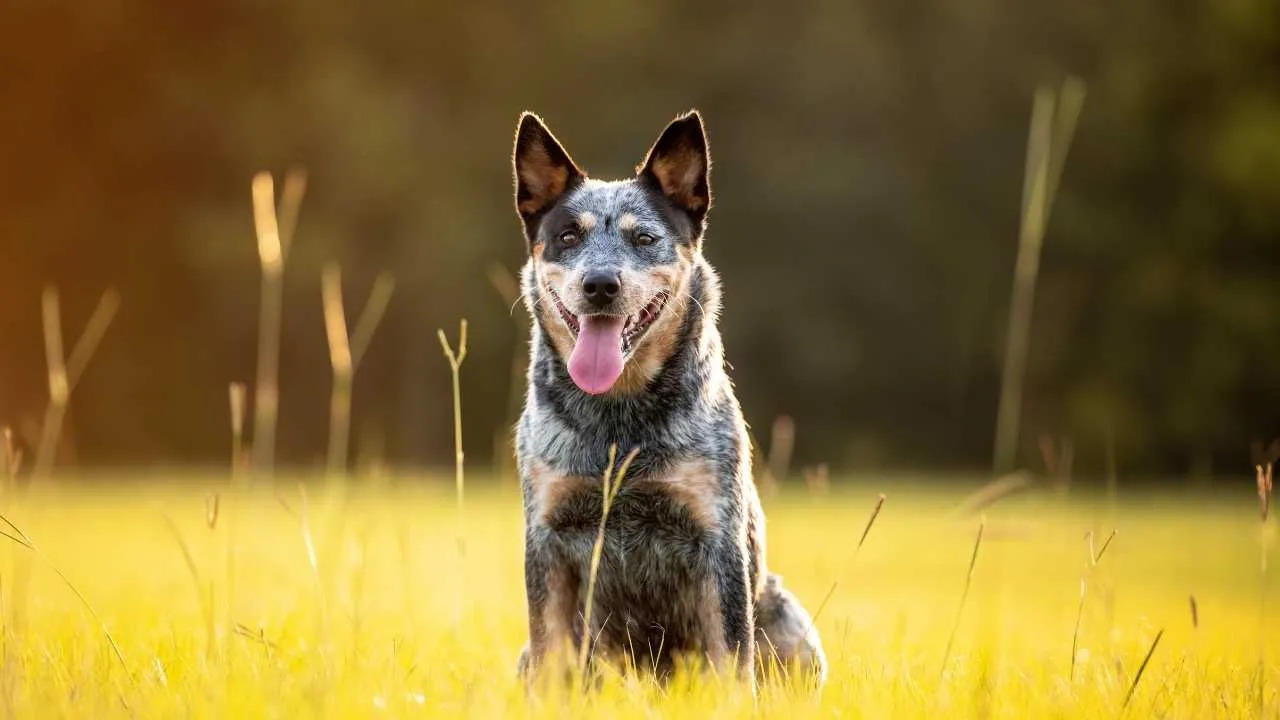
On a busy yard, this dog breed is all business. The Australian Cattle Dog was originally bred to push tough stock across big distances, according to PetMD. It is famous for heeling, which means nipping at the heels to keep moving animals in line.
That habit isan instinctt, so start young with clear rules. When training begins early, the herding instincts stay useful instead of turning into ankle games. These dogs also watch foot placement and shadows, so calm handling helps.
This is one of the classic cattle dogs, and the cat dog label fits for a reason. These cattle dogs handle herding cattle with tight control, quick pivots, and grit. The body is compact, with stamina and physical endurance, and the brain is quick.
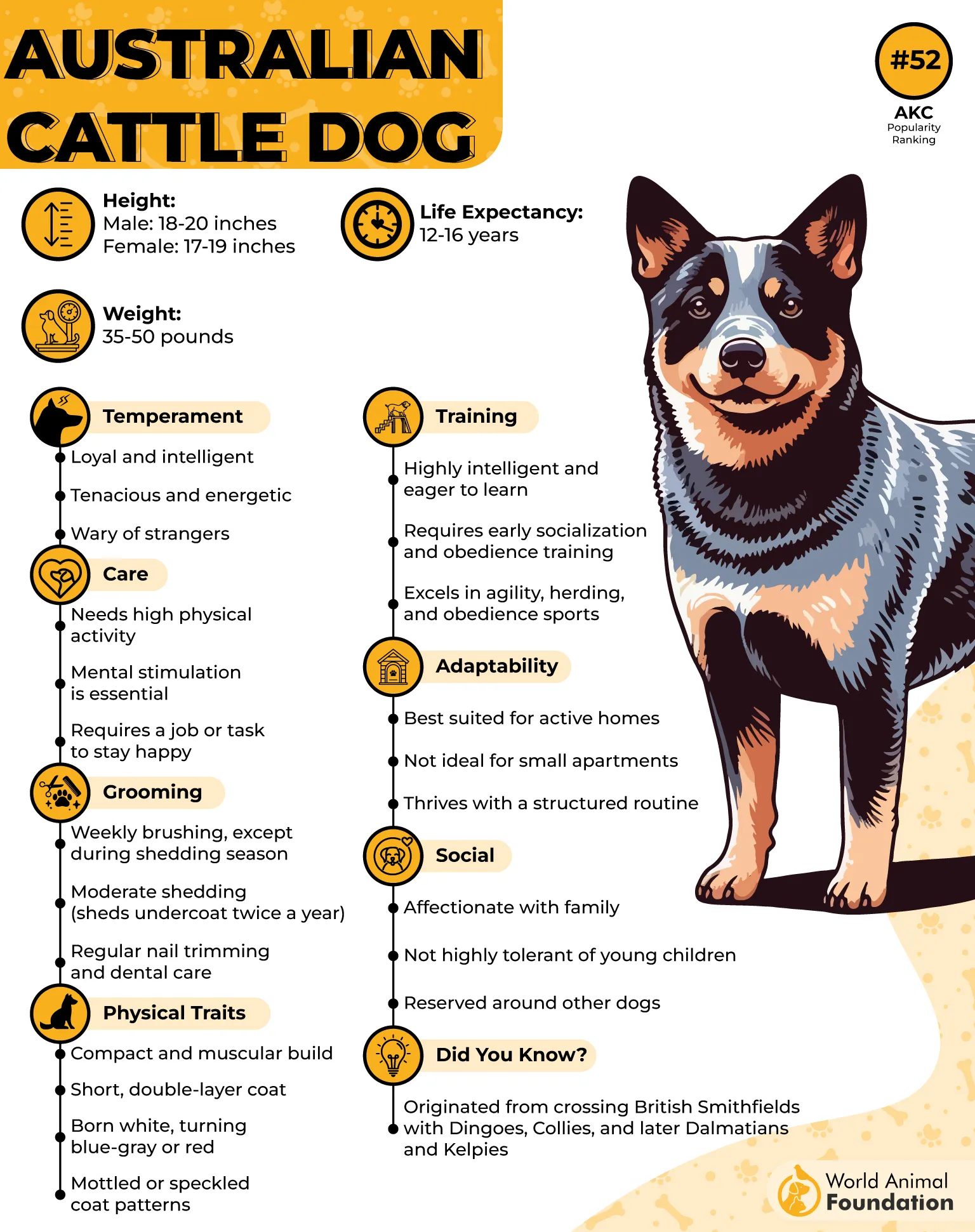
These working dogs love problem-solving tasks. These dogs like clear patterns, like the same gate order each morning. Short breaks keep them sharp.
But why bother with that? Bored dogs may chase wheels, nip, or boss stock animals. Give routes, gates to learn, and a clear job, and this becomes one of the most effective farm dogs for managing cattle.
There is also a watchdog side. The breed can be wary of strangers and has protective instincts that show up around gates and barns. With calm social time, those instincts can settle into a steady guard dog style without turning sharp.
Strong at moving stock through lanes and pens
Needs mental stimulation and a job most days
Dogs require daily outlets, or they may nip and chase
2. Border Collie
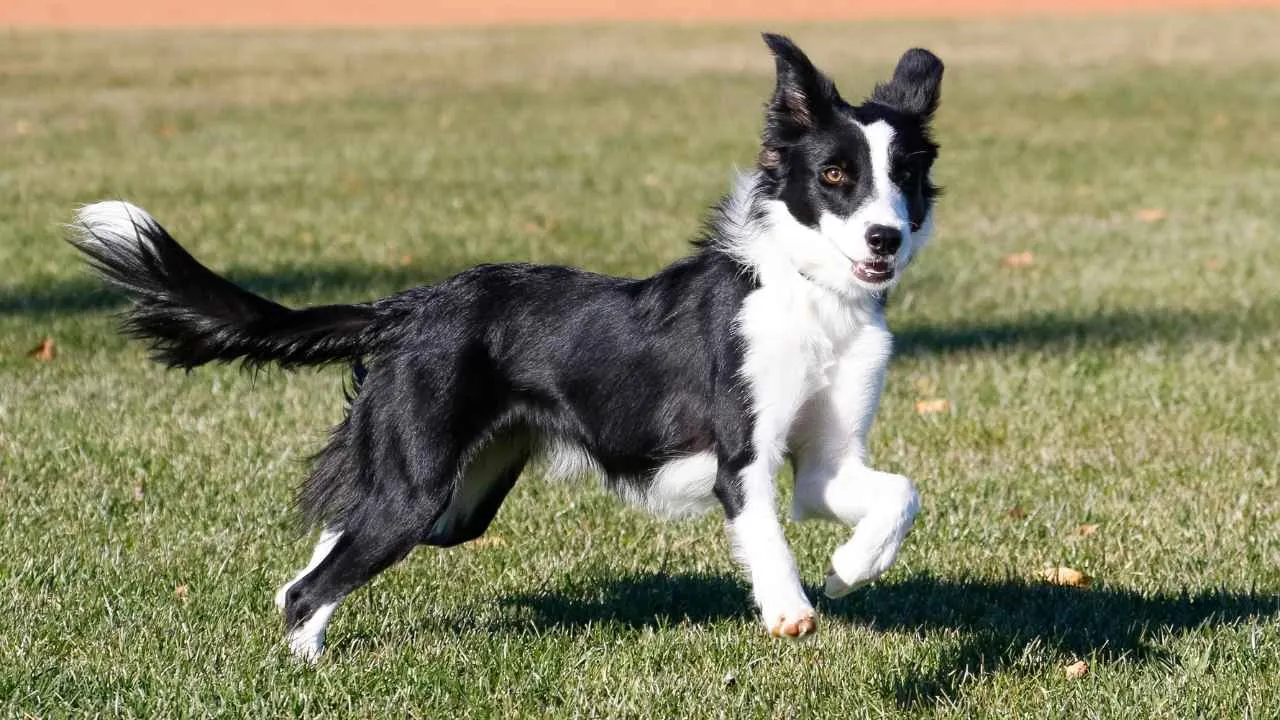
If herding sheep is on the daily list, the Border Collie often becomes the first name on it. This dog breed was originally bred on the Scottish-English border with intense focus and a deep drive for herding.
The classic “eye” is not a trick. It is part of the herding instincts that help guide entire flocks with quiet pressure and quick turns. They can hold a line without barking, which keeps stock calmer.
A Border Collie learns fast and stays locked on the handler’s cues. Many people call the Border Collie the smartest dog breed because obedience comes so naturally.
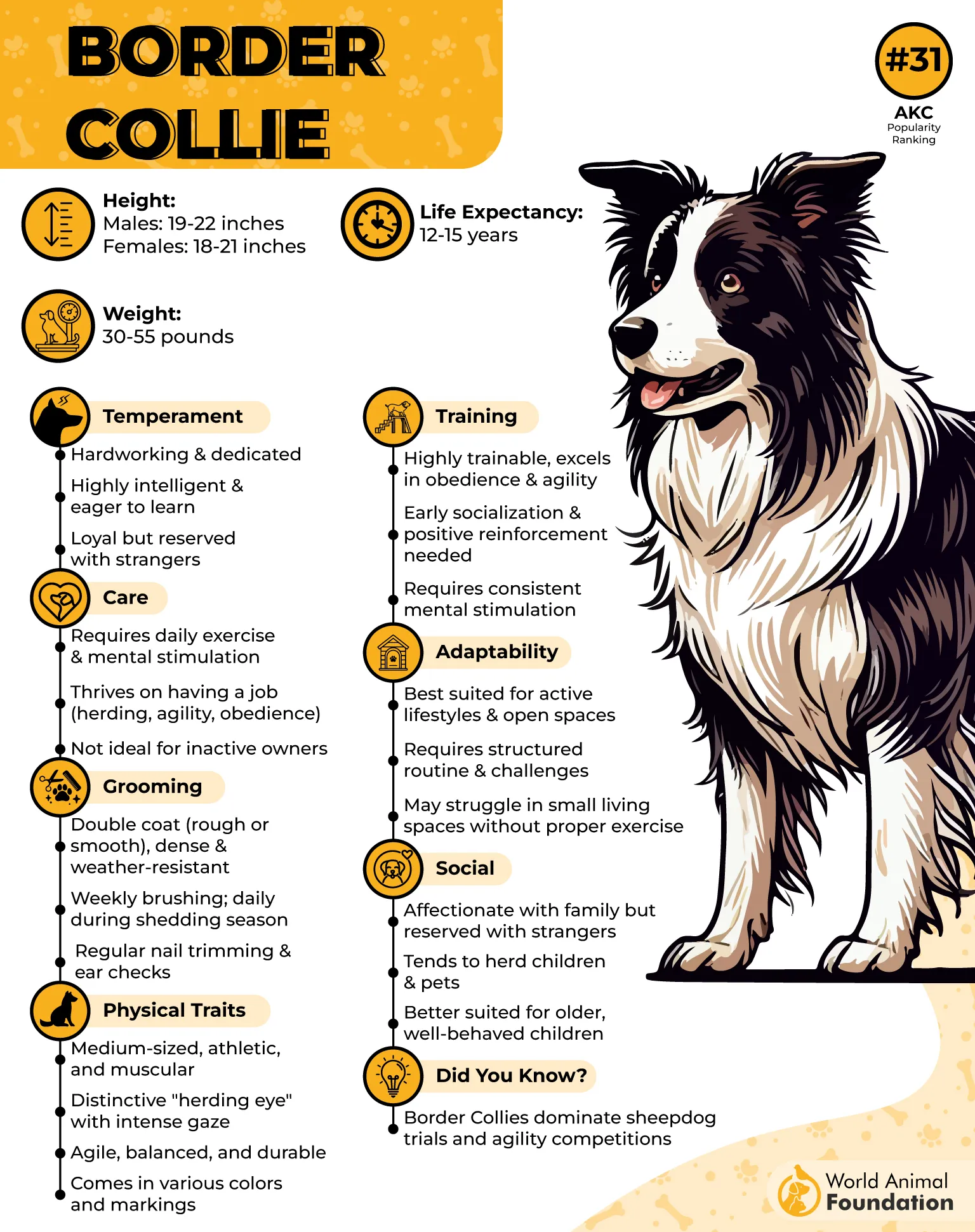
Still, smart dogs need work. Border Collies thrive when they can herd with purpose, not just run in circles. Give clear chores, calm rules, and steady routines, and they become effective farm dogs for herding livestock and smooth livestock management.
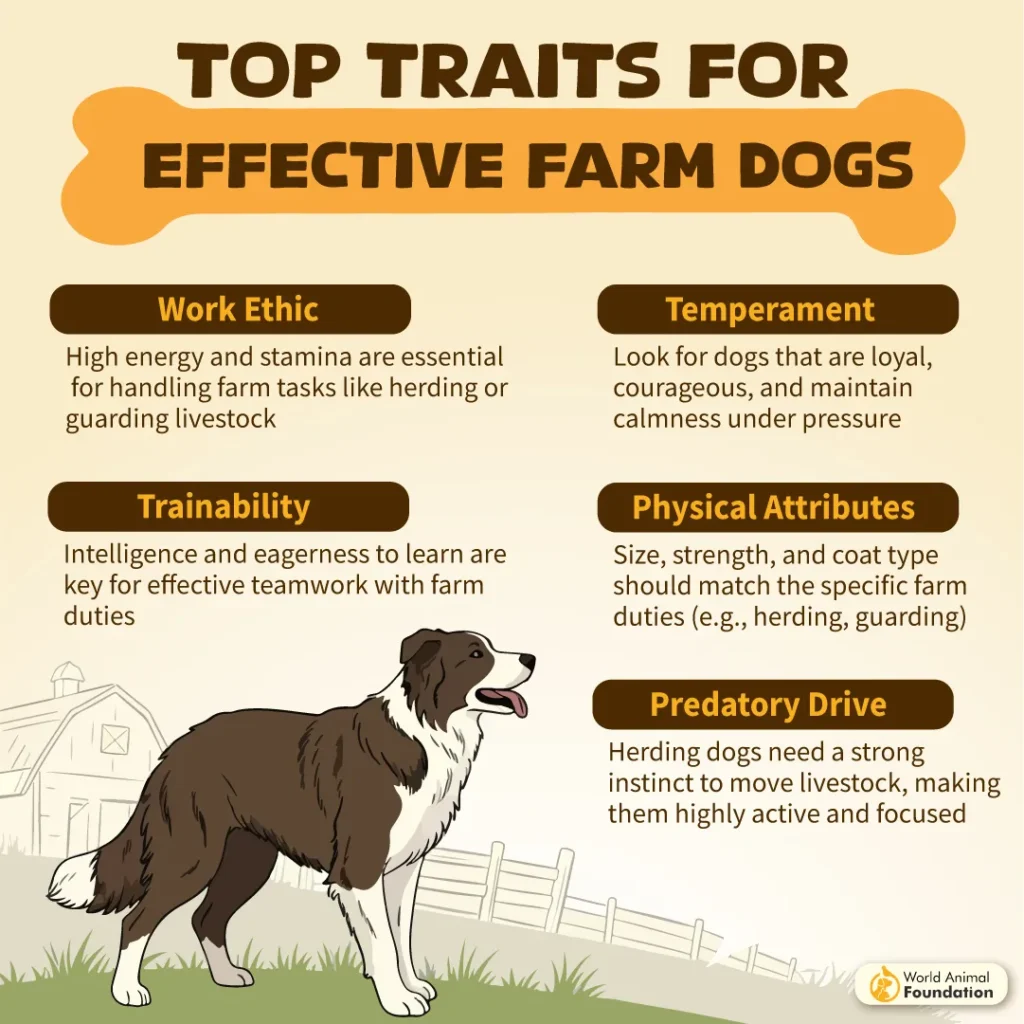
These are energetic breeds, so short daily challenges matter.
And here’s the best part! That same drive can spill into dog sports when the day is done. Agility, flyball, and disc play help burn energy.
With a good routine, these can be family dogs that relax at home, then snap back into herding mode the moment the field calls. Farm dogs like this do best when the day ends with a calm cooldown walk.
Strong herding and quick response to whistles
Loves routines and consistent training
Best with space and daily tasks
3. Cane Corso
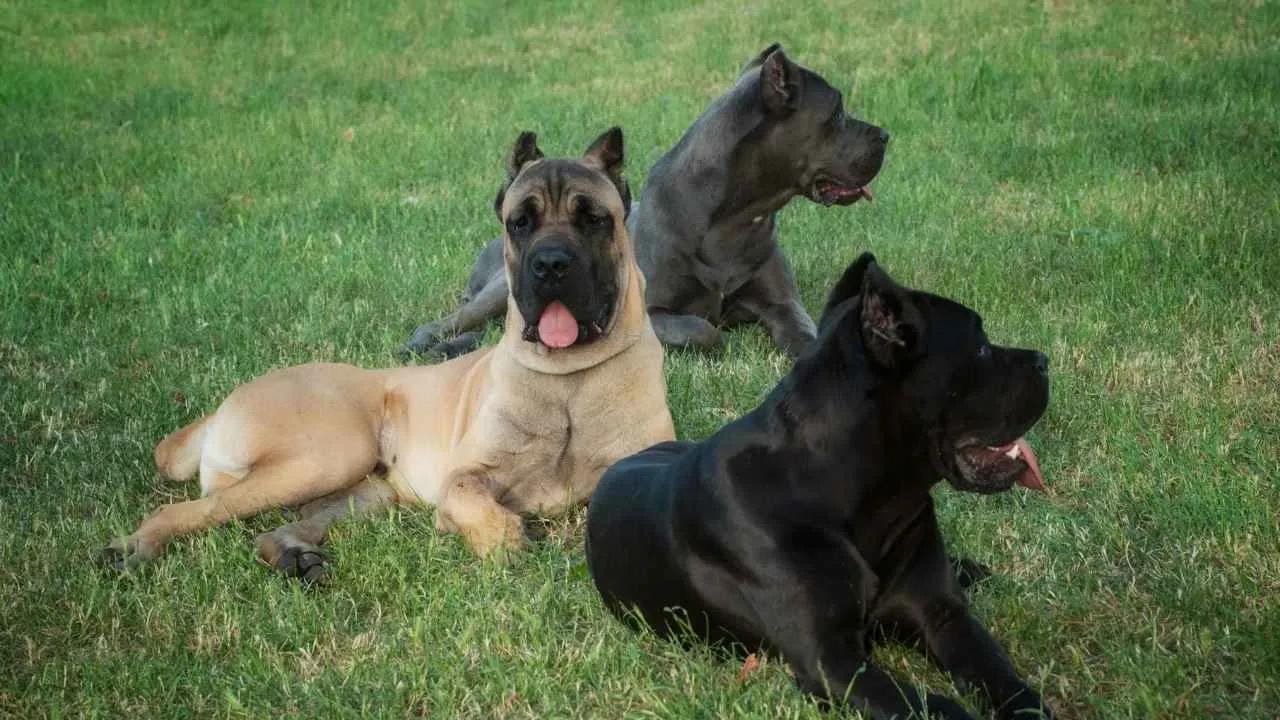
Some ranch dogs are not there to move animals. They are there to make sure trouble stays away. The Cane Corso is a large, athletic breed that was originally bred in Italy for demanding work, including guarding and handling big tasks.
On rural land, this dog breed can fit the role of a guard dog with a steady, confident presence.
This is not a “set and forget” pick. These working dogs bond hard with their people and can be reserved with strangers. That is part of their protective instincts. Social time from puppyhood helps shape polite behavior, especially when visitors come through the yard.
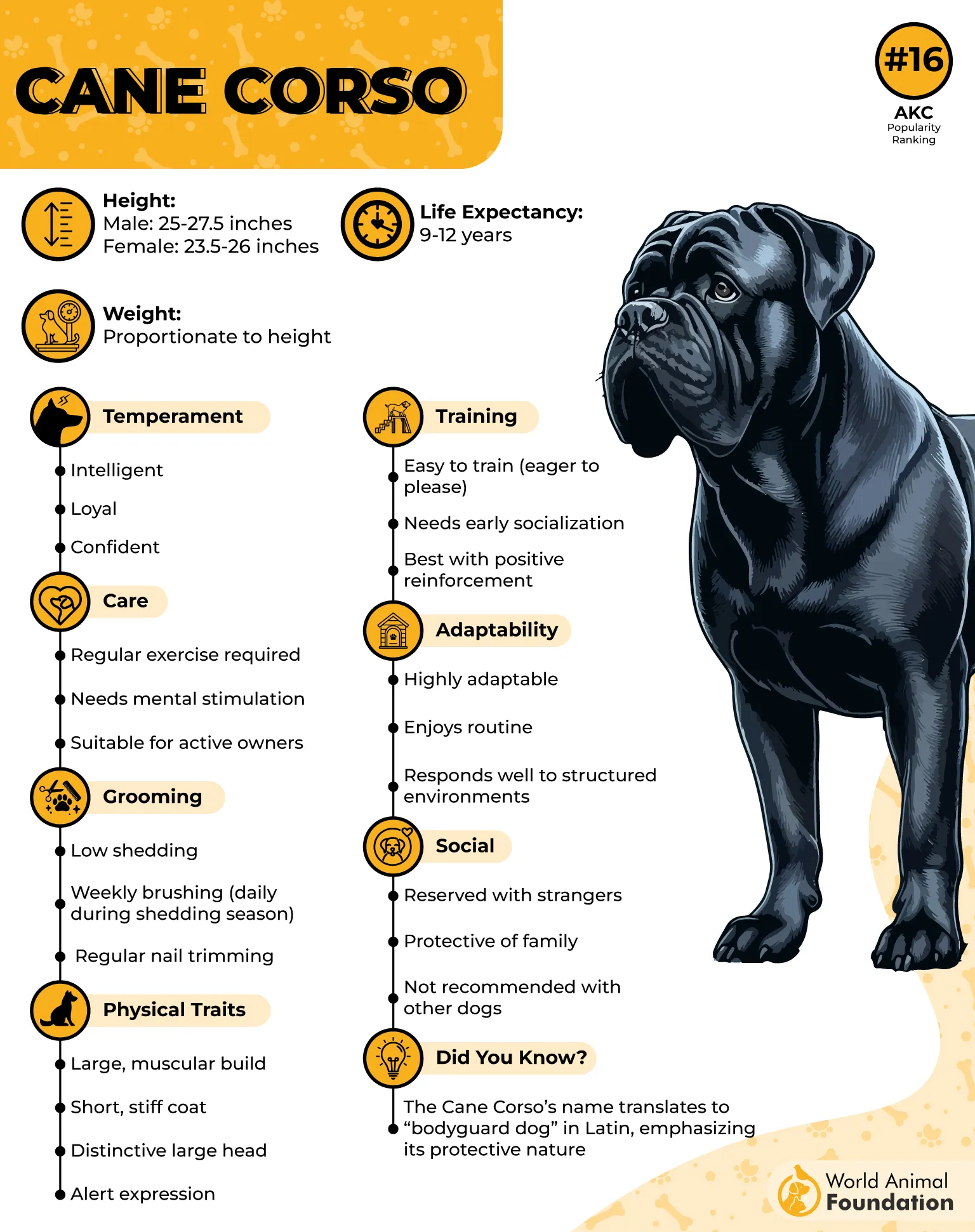
They should meet new sights in small doses, so confidence grows without drama. Proper training is key because size plus confidence needs clear direction.
When raised with structure, the Cane Corso can help protect livestock and also watch over barns, sheds, and driveways.
For many farm dogs, that quiet watch is the whole point. Some lines were used to hunt wild boar, so the body is built for power and push. That history is why calm handling and steady leadership matter for dogs that take guarding seriously.
Confident livestock guardian style presence
Needs training to stay calm and clear
Best in homes that can give space and structure
4. Labrador Retriever
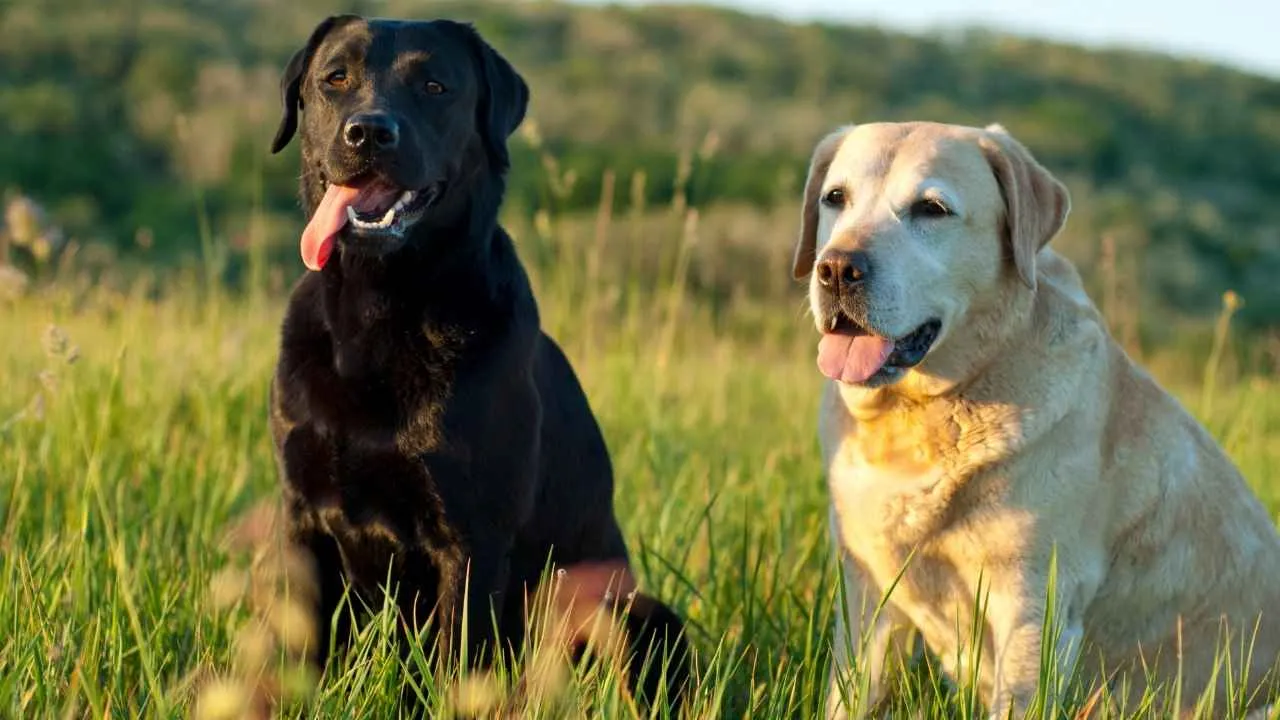
According to Purina, the Labrador is often seen as pure sunshine. Yet this dog breed can be a real farm helper in the right setup. Labs are working dogs at heart, with a love for carrying, fetching, and staying close.
They fit many rural days because they enjoy movement, water, and being part of the action. These dogs usually greet chores with a wag, even on long days.
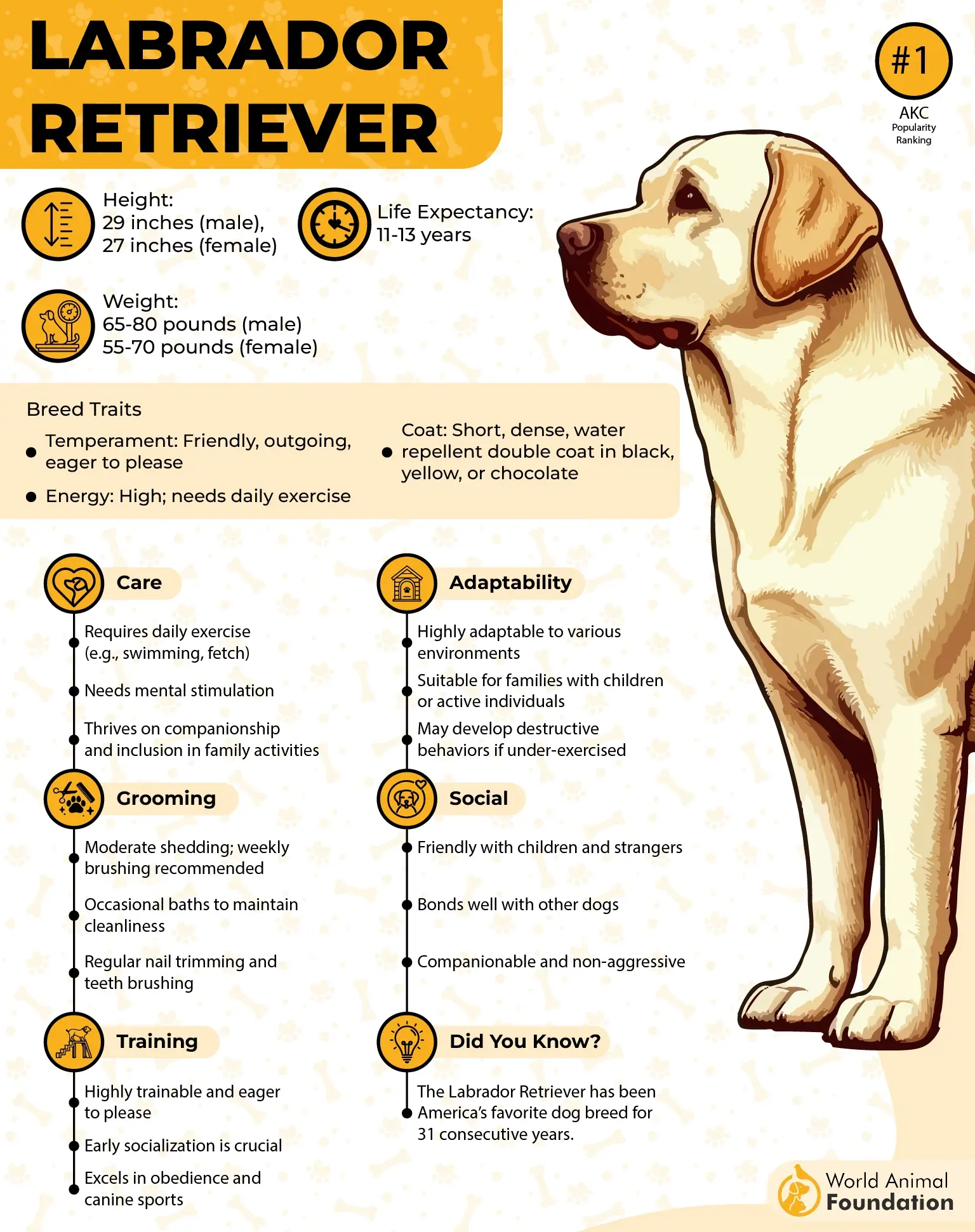
On land with ponds, irrigation ditches, or wet seasons, this breed handles splashes like a champ. Many farm dogs use them as gundogs, and that same drive can support chores that involve retrieving tools, flushing pests, or joining long walks around fences.
Some dogs will even carry small bags or a light rope when taught safely. Their gentle nature also makes them easy to live with when the house is busy, which helps when kids, guests, and noisy days are part of the routine.
But wait, there’s more! Labs often slide into life as great family pets without losing the will to work. They can even become therapy dogs or service dogs in other settings, which shows steady nerves and friendliness.
Keep the diet clean, give daily movement, and add small jobs, and you may find the perfect farm dog in a cheerful package.
Friendly with visitors and stock animals
Enjoys tasks, water, and steady play
Regular grooming helps manage shedding
5. German Shepherd
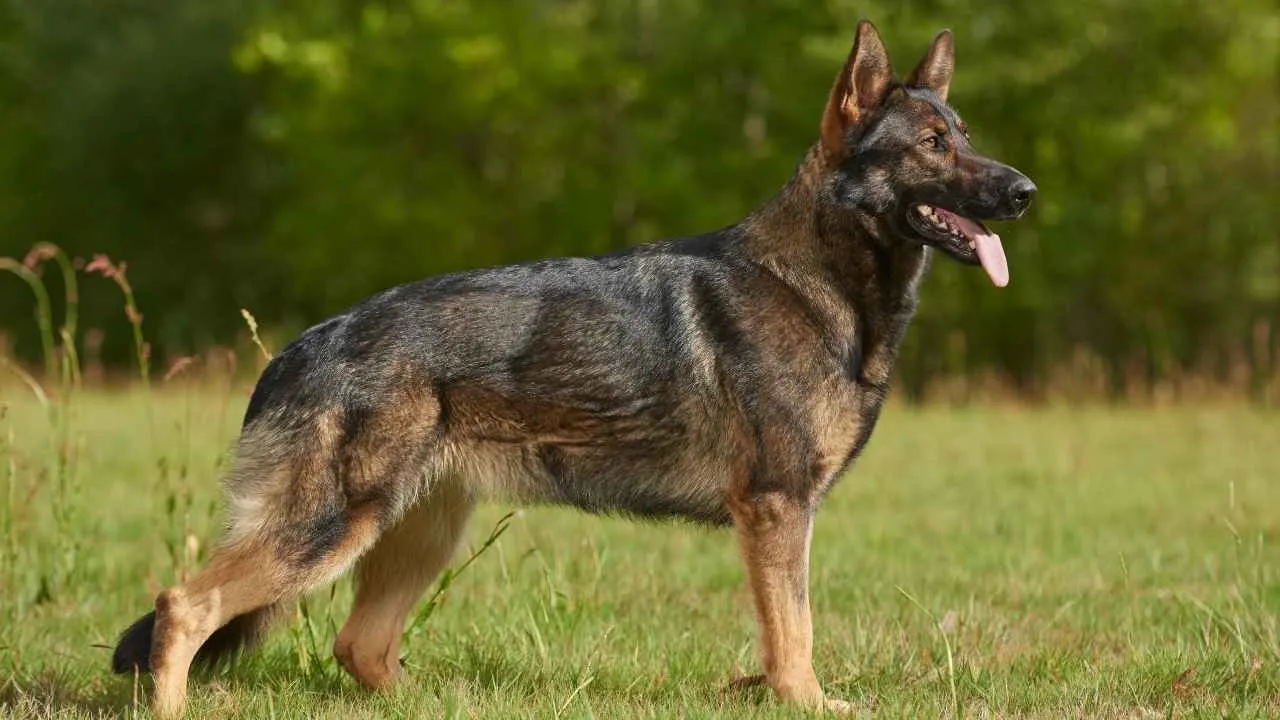
For people who want a dog that reads the room fast, the German Shepherd is a strong pick. This dog breed is known for loyalty, sharp learning, and a protective drive.
Many lines of working dogs thrive with a job, and they often do best when the plan includes structure and social practice. These dogs tend to check in often, which helps in busy yards.
On rural property, this breed can be an excellent guard dog choice because it tends to watch, assess, and respond. Protecting property can become a natural habit, so start young and keep visitor practice calm and fair.
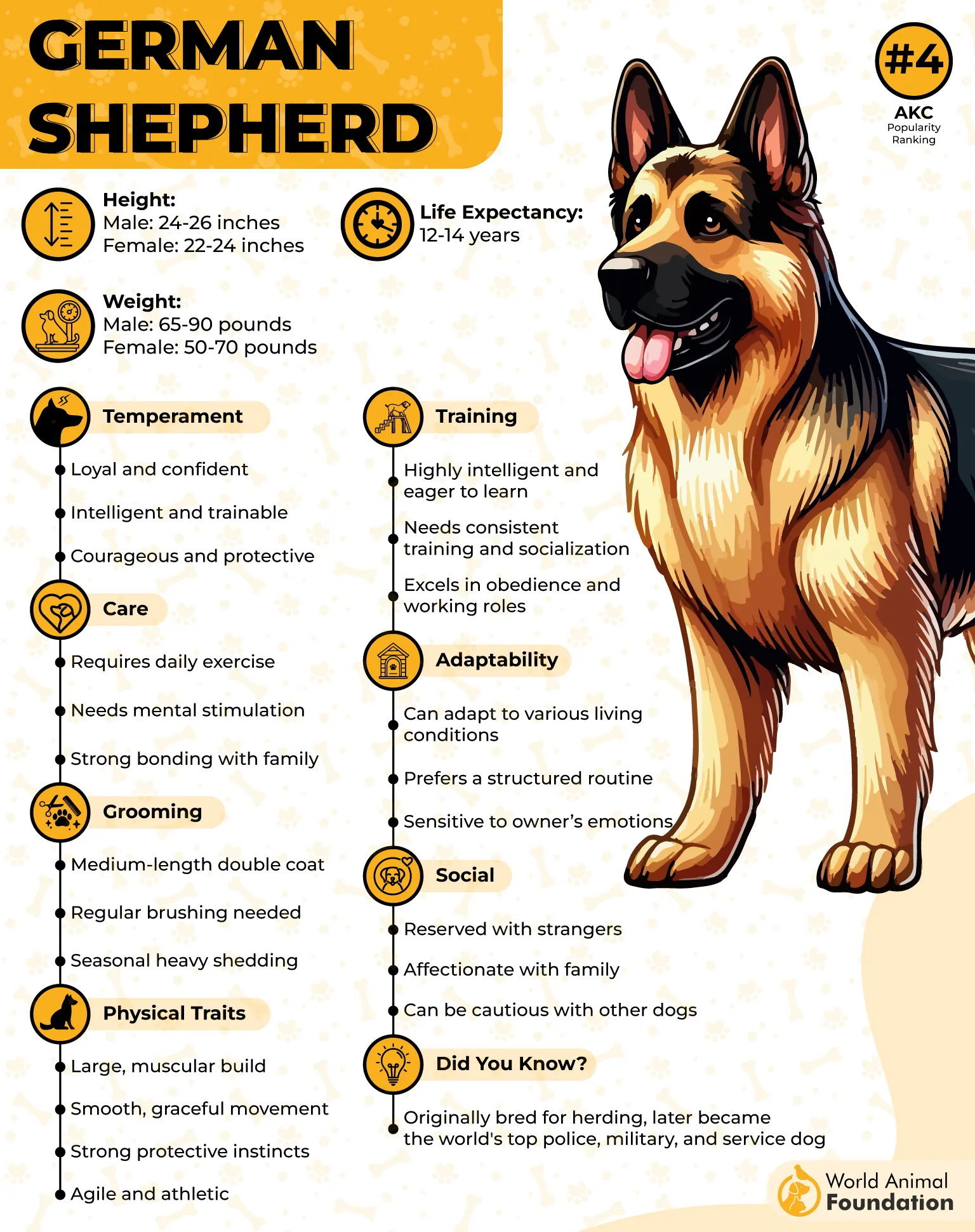
Without that, barking and suspicion can grow. With it, dogs become confident and clear-headed. Many farm dogs relax more when their person stays calm and predictable.
German Shepherds can also support livestock management in ways that go beyond guarding. Their herding instincts exist, and with coaching, they can help move stock without chaos.
They also show up in search and rescue work because of their drive and scent ability, which is handy when something goes missing on big land.
Strong protective instincts with steady handling
Needs consistent training and space to move
Best with experienced owners who like structure
6. Akita
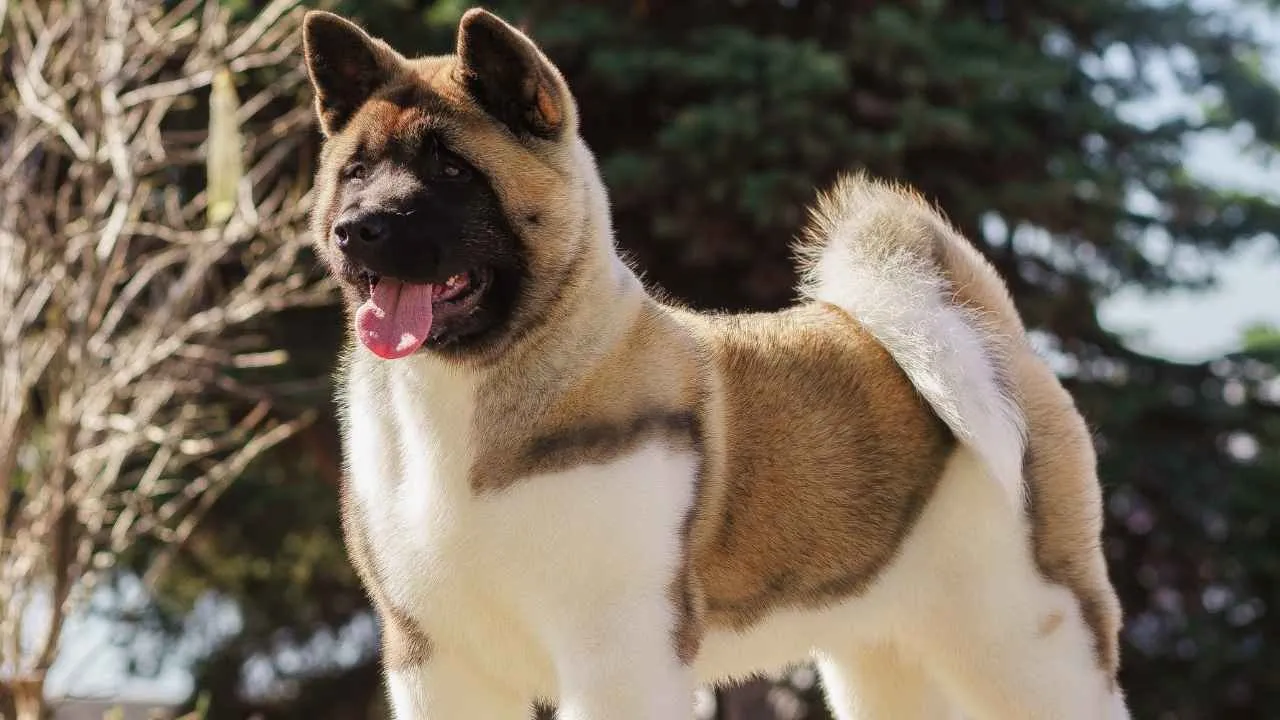
The Akita is a bold breed with a calm, watchful style. This dog breed was originally bred in Japan for guarding and big game work. That background shows up as independence, dignity, and strong bonds with home.
On a farm, it can look like a dog that stays near key spots, then steps in when something feels off. These dogs often choose one spot to watch from, like a porch step or hay shed door.
Akitas are often quiet until they have a reason to speak up. That makes them useful as a guard dog that does not bark at every leaf.
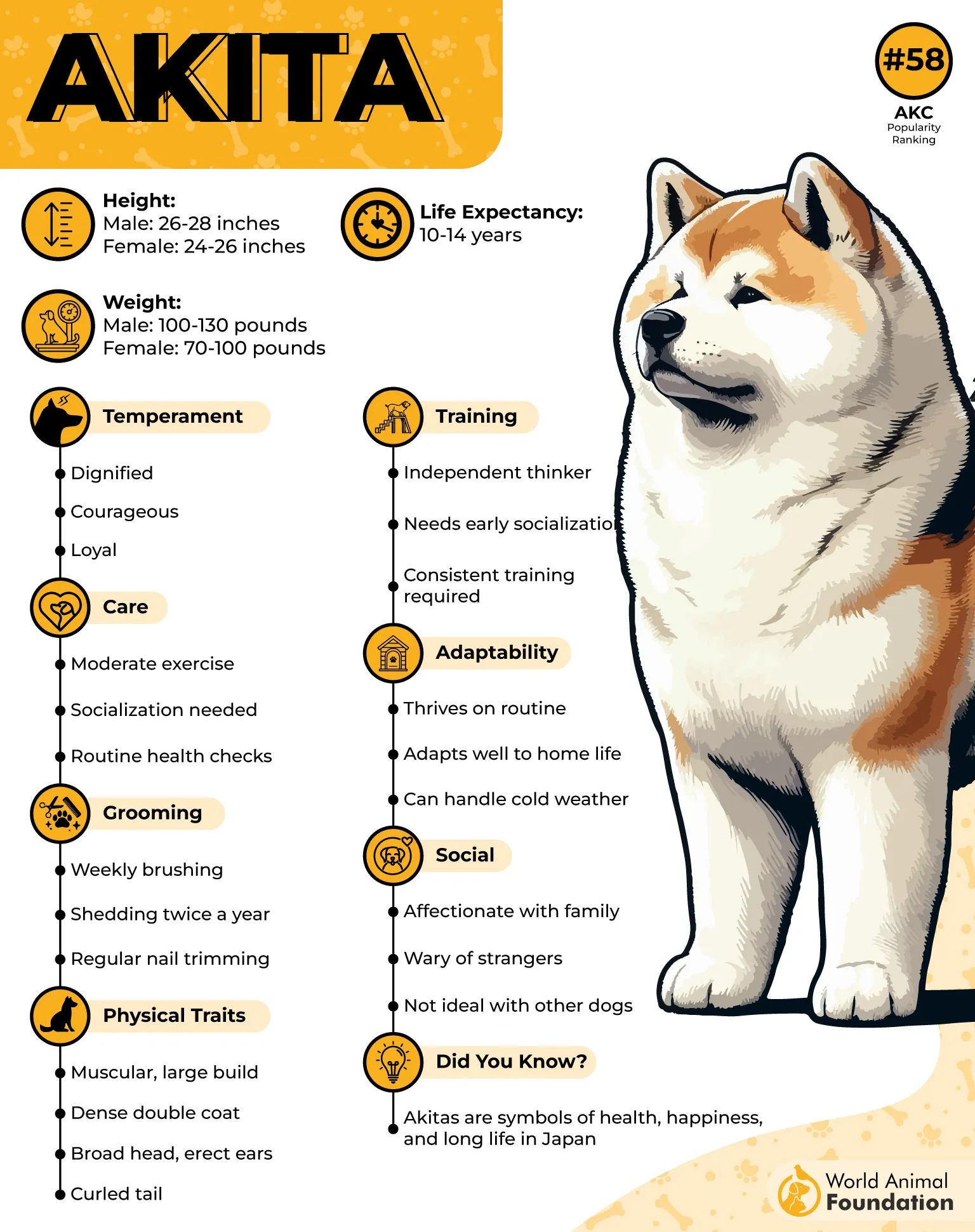
At the same time, protective drive can run deep, so social practice needs to be steady and kind. Consistent training helps keep boundaries clear, especially around new people and busy mornings.
Cold weather is usually not a big worry for this heavily coated breed. With space, calm leadership, and clear routines, the Akita can act as a livestock guardian partner around outbuildings.
Sounds crazy, right?. A calm dog can still be a serious protector. Just remember that dogs require thoughtful handling when they are strong-minded. Give them a simple routine and a quiet place to rest between checks.
Loyal and watchful around the home range
Needs training that starts young and stays fair
Daily movement supports healthy behavior
7. Saint Bernard
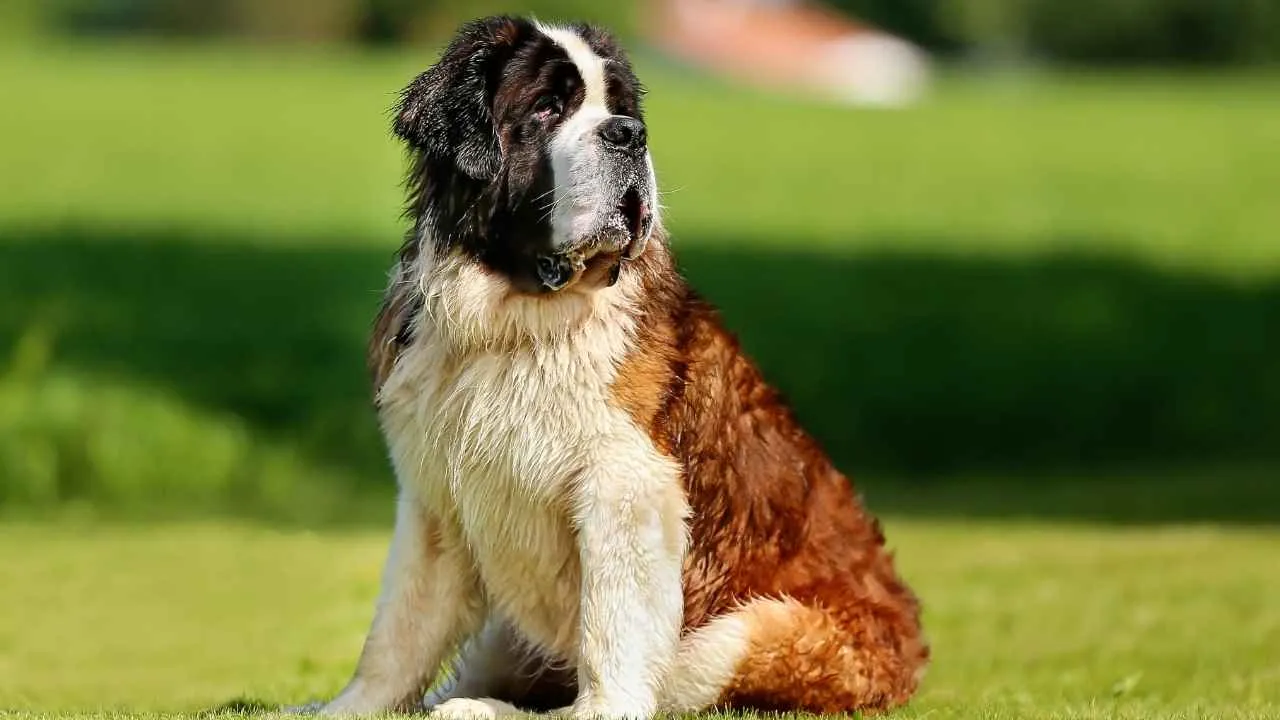
The Saint Bernard is famous as one of the gentle giants, and that reputation is earned. This is a large dog breed with a patient and sweet nature, which can be a gift on a busy farm with kids and visitors.
Many become family dogs that bring a calm vibe to the whole place. Drool is part of the deal, so keep a towel handy.
This mountain dog has roots in rescue and hard weather. That sturdy build helps when winter hits, and it supports long walks on rough ground. While not a fast herding pick, this is a working companion that can help with guarding property simply by being huge and present.
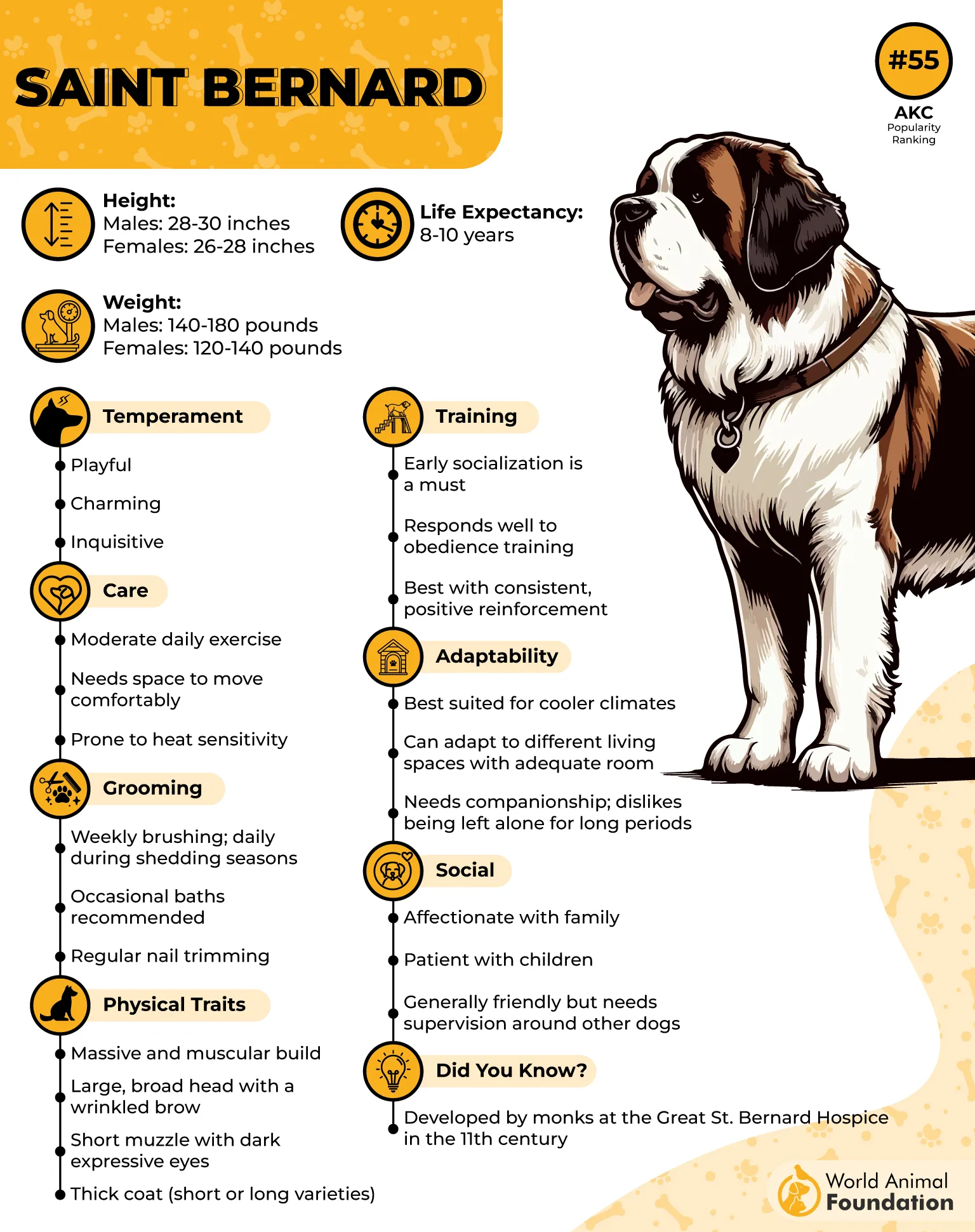
Many dogs back off from conflict when a Saint steps forward. They can also pull a cart, which fits farm days.
And here’s the best part! With good habits, these working dogs, true working dogs, can enjoy jobs like cart pulling, light hauling, or steady hikes that build stamina. Many dogs love a job that ends with praise and a cool drink.
They may also do search and rescue in some settings because of their scent work interest. Keep sessions short, watch the joints, and focus on comfort.
Calm and steady with people and routines
Thick coat suits cold seasons and big yard
Needs smart exercise and a cool place to rest
Conclusion
A farm runs better when dogs and people trust each other.
Start by naming the job. Do you need herding dogs for sheep, or ranch dogs that guard gates at night? Then match energy to time. Working dogs need daily plans, not weekend bursts.
The best dog is built by good training, steady routines, and kindness. Herding breeds can shine when tasks are clear, and guardian dogs do best when boundaries are fair. If the goal is both property and livestock safety, pick the role first and build habits around it.
Grab a notebook, list chores, and choose the right farm dog with confidence. Many of the best farm dog breeds become the best farm dogs when their work feels clear.
