




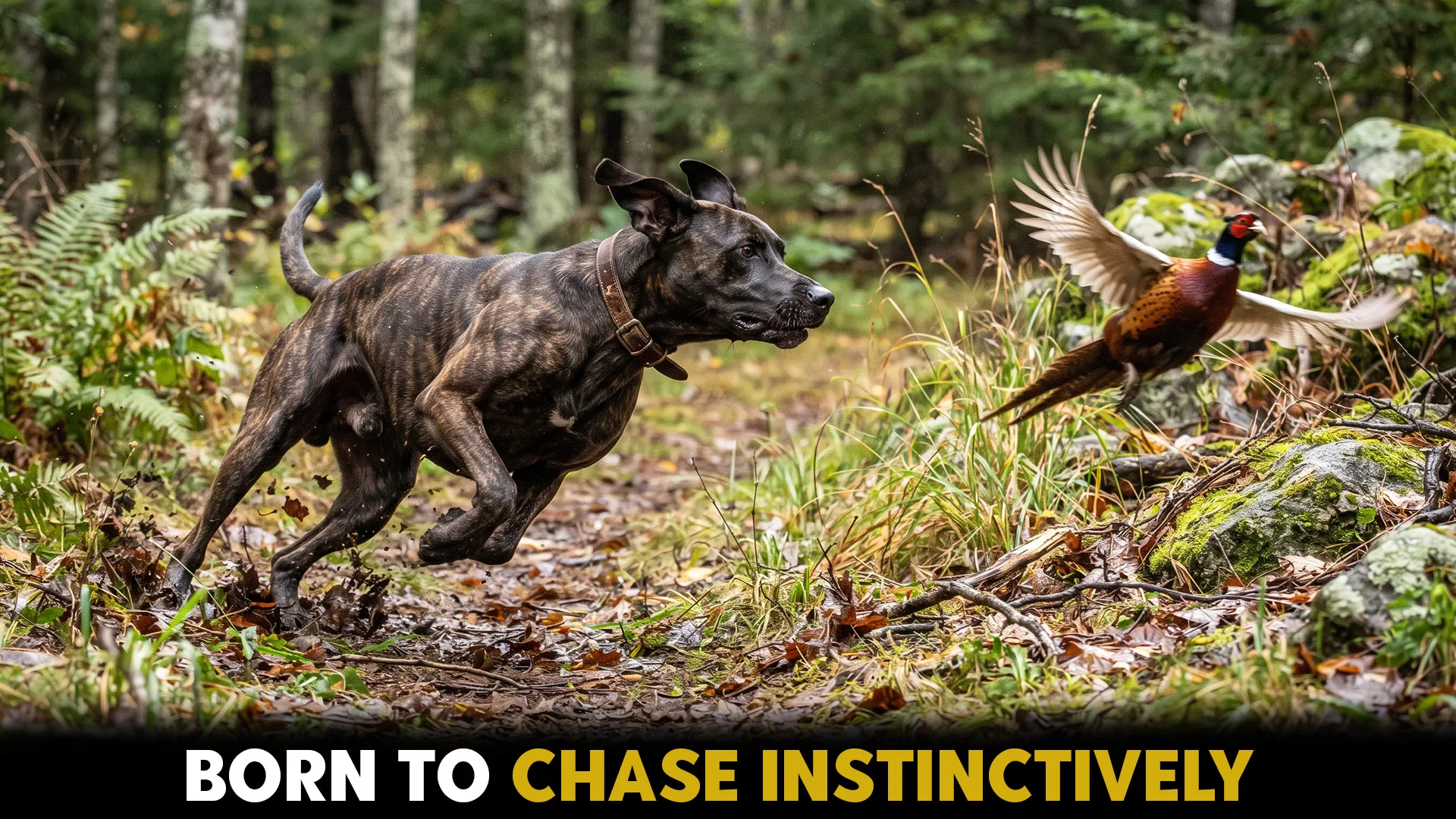
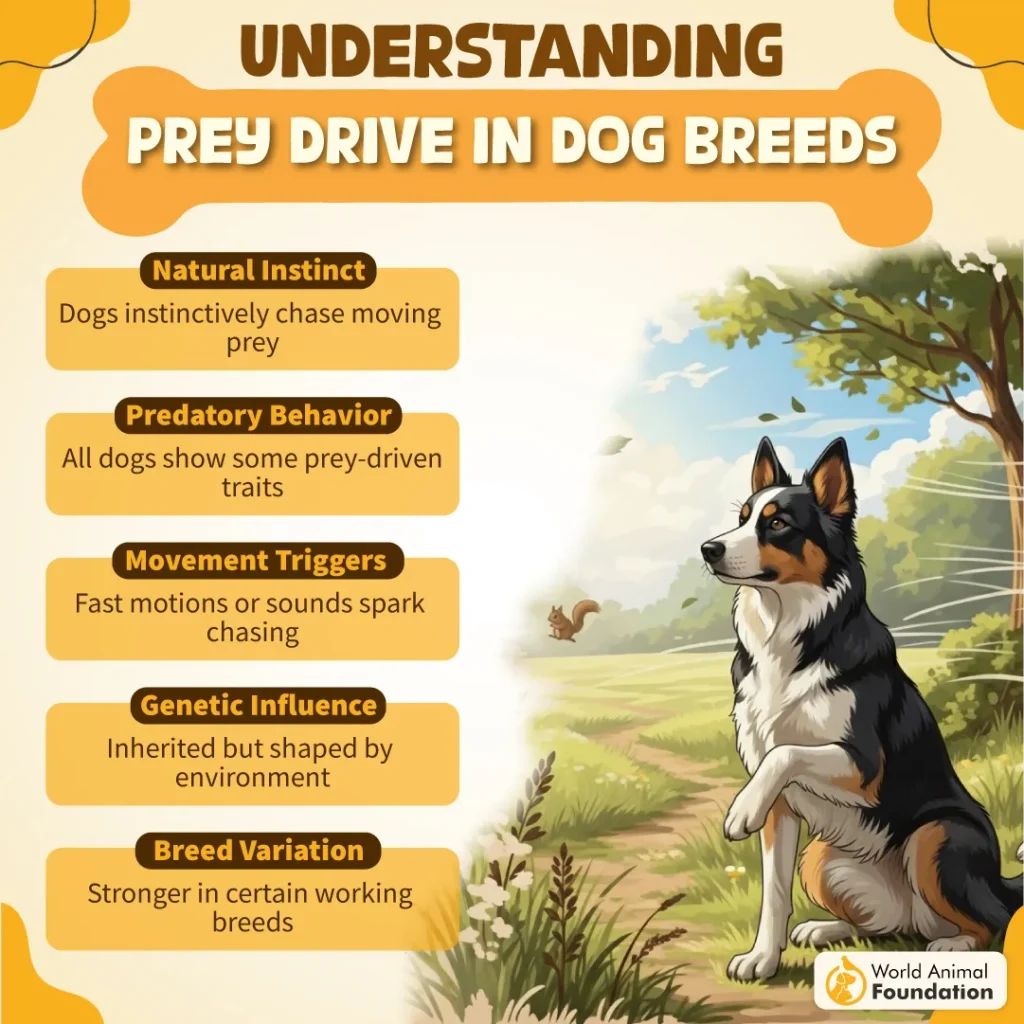
Picture a quiet walk suddenly turning into a full-speed chase when your dog spots a squirrel disappearing through the trees. For some breeds, that instant reaction is no accident—it reflects generations of selective breeding for stalking, chasing, tracking, or pursuing prey.
A high prey drive can make a dog an impressive hunting companion, but it also brings practical responsibilities. Strong recall, secure fencing, supervision, and appropriate outlets are especially important when a dog becomes intensely focused on moving animals.
Before choosing a high-drive breed, consider whether your lifestyle can match its instincts and energy. The right environment can turn that powerful drive into a rewarding strength rather than a daily challenge.
FACT: Prey drive varies between individual dogs, but selective breeding has made certain breeds especially inclined to chase and pursue moving animals.
Dog Breeds Built for the Hunt – High Prey Drive Explained
1. American Foxhound
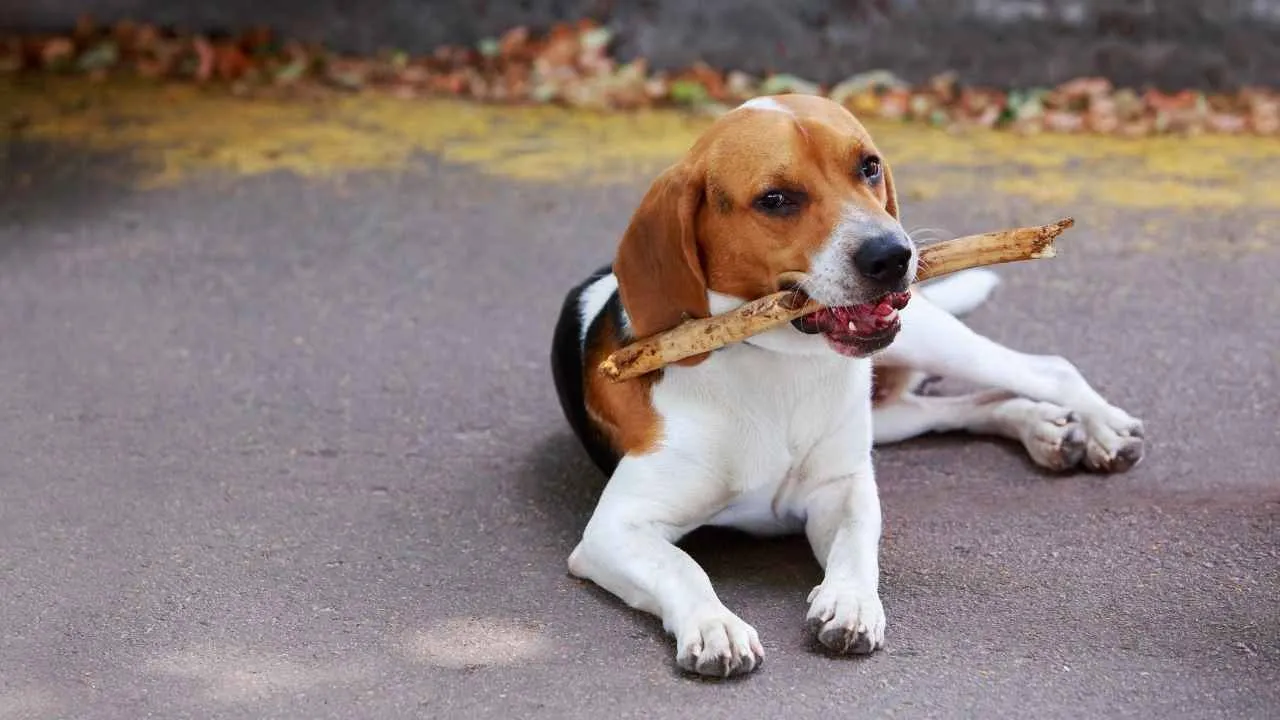
The chase can begin with nothing more than a faint scent drifting across the ground. Once an American Foxhound catches it, this tireless runner is built to keep going, using its exceptional nose to follow the trail across challenging terrain.
Its history is deeply tied to American foxhunting, with breeding influenced by British hounds and later French stock. The breed was further developed after the Revolutionary War and eventually became distinct from its English relative.
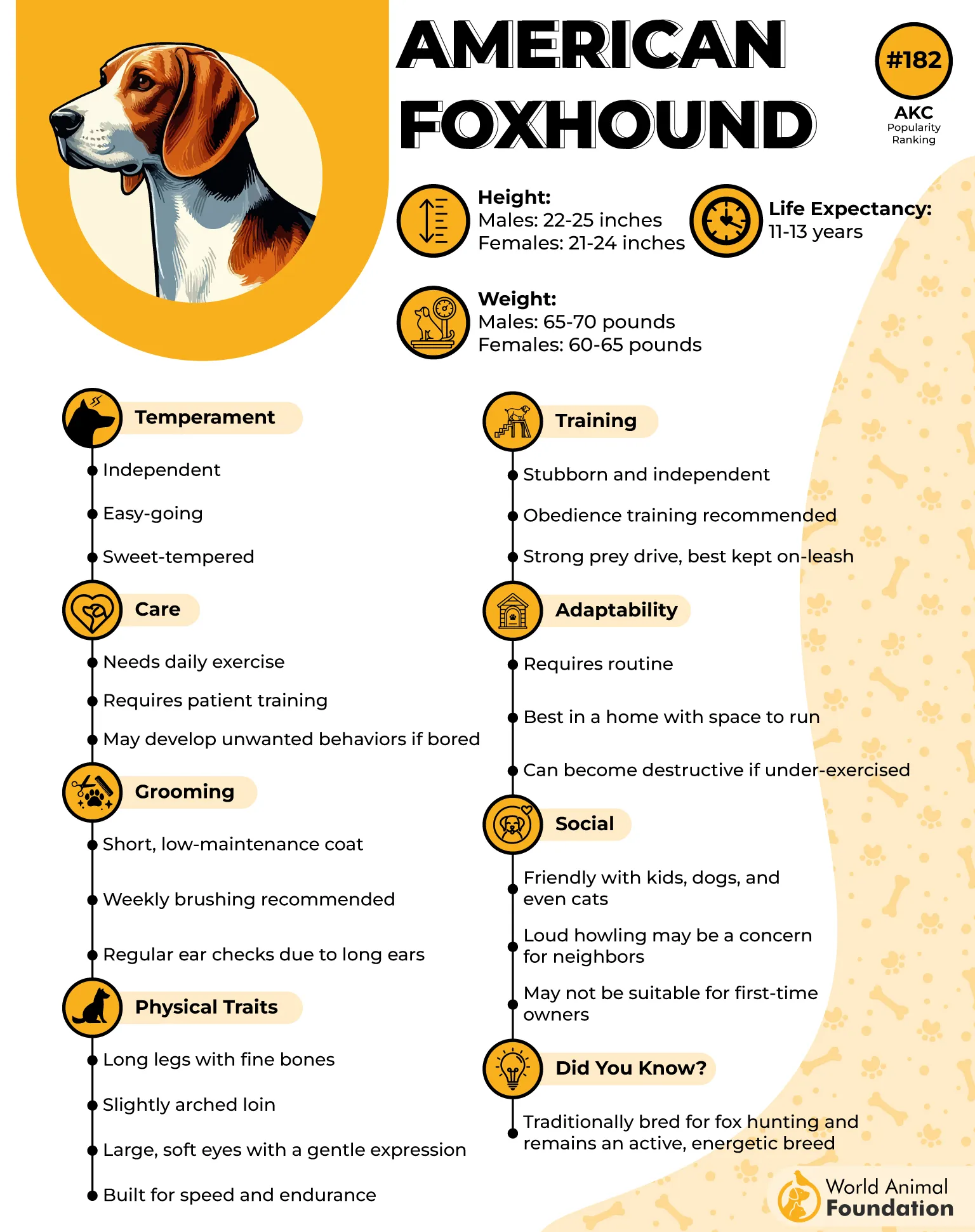
Speed, agility, and remarkable stamina make this hound capable of running for miles; therefore, it requires plenty of outdoor activity. Hiking, jogging, and running alongside a bicycle can help satisfy its powerful urge to move and chase.
Behind that athletic drive is an affectionate and intelligent dog that can get along well with family and other pets. However, independence and stubbornness may appear during training, while long periods alone can trigger anxiety, whining, and destructive chewing.
2. Bluetick Coonhound
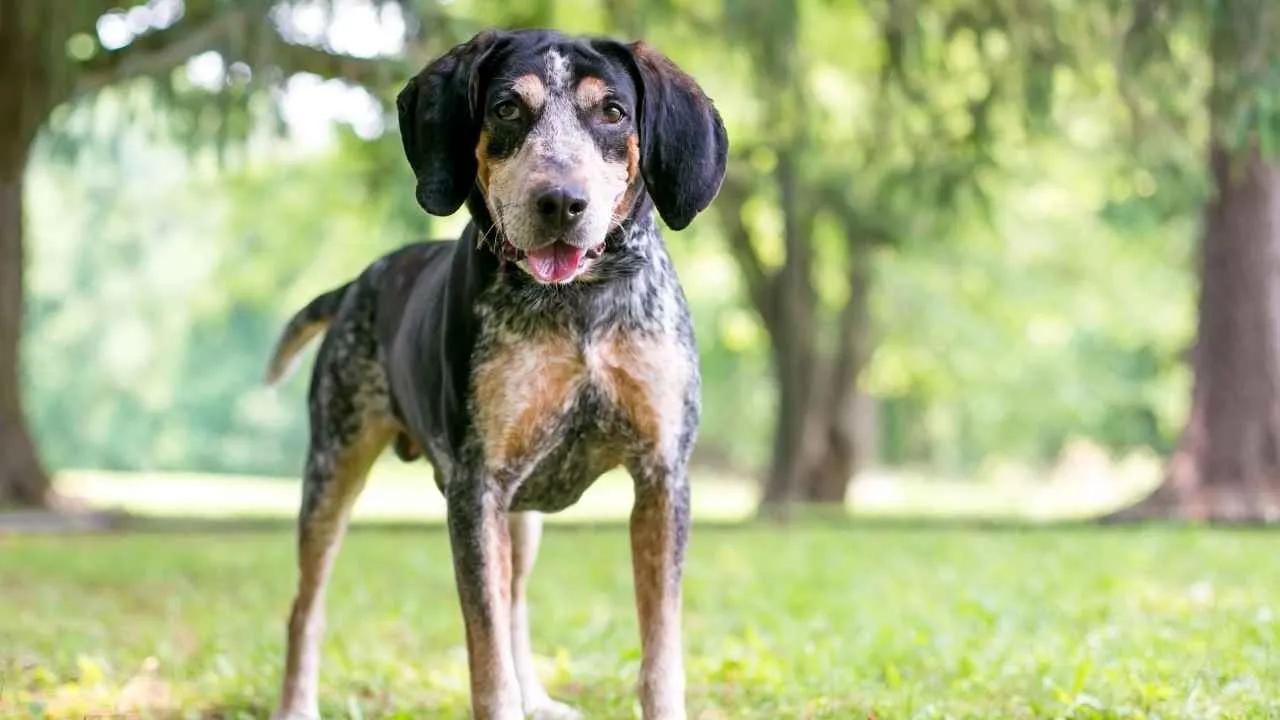
The Bluetick Coonhound brings warmth and affection to family life, but its hunting instincts become unmistakable once it catches an interesting scent. Friendly and playful at home, it can switch into a determined tracker within moments. According to the AKC, Blueticks are fast, compact nocturnal hunters named for their distinctive mottled black-and-blue coat.
This American breed was developed from hounds bred for exceptional scenting ability. Frontiersmen relied on Blueticks to pursue raccoons and larger game, including wild boar, cougars, and bears, across challenging terrain.
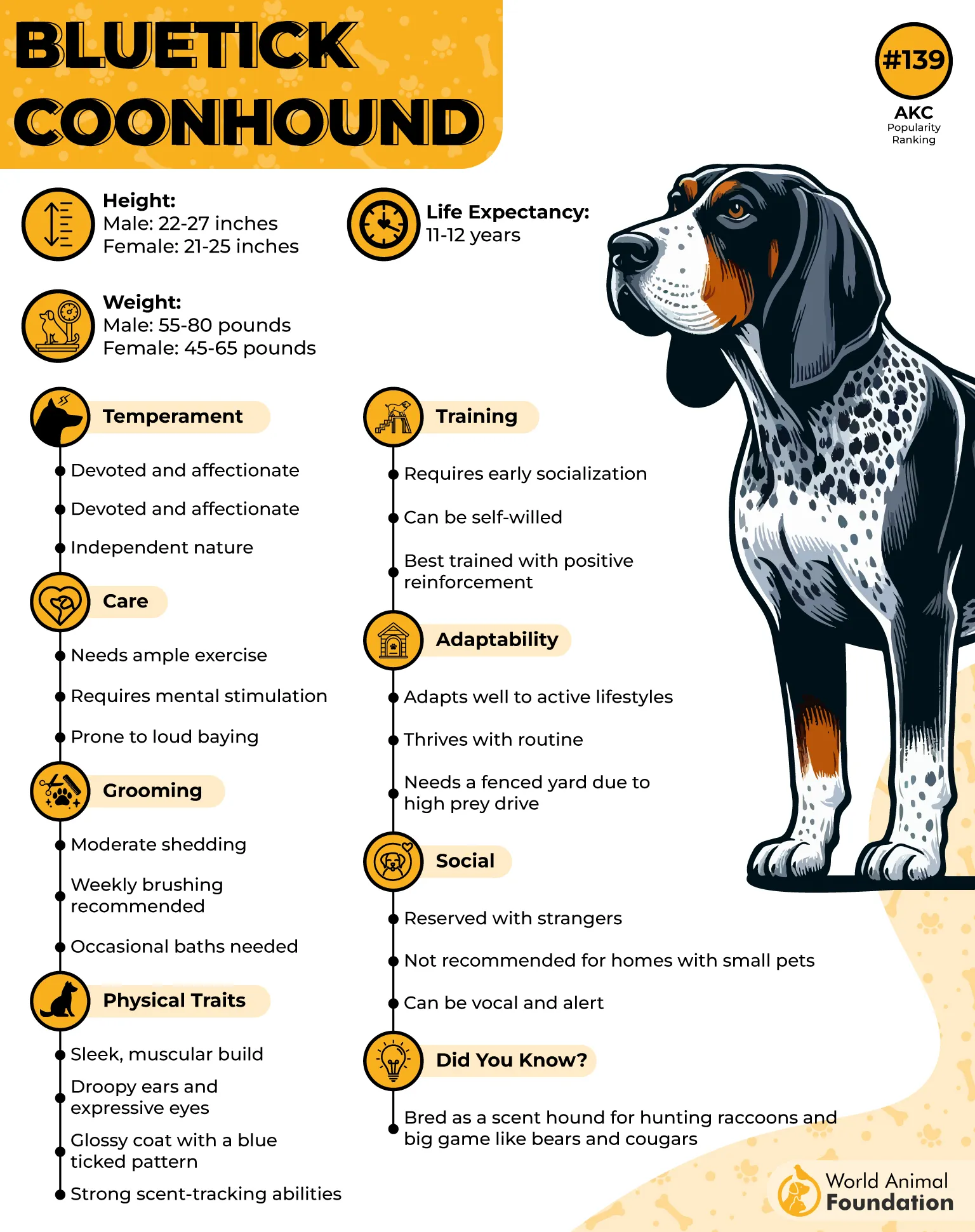
Its remarkable focus makes it a true nighttime tracker. A trail can keep this adventure-loving hound moving through woods and fields with relentless determination, often making distractions difficult to overcome once its nose is engaged.
Blueticks thrive on active outdoor adventures and need plenty of exercise and room to explore. Their strong prey drive means supervision around smaller pets is important, while their loud bark, howl, and bay reflect the vocal instincts that once helped hunters follow their progress.
3. Plott Hound
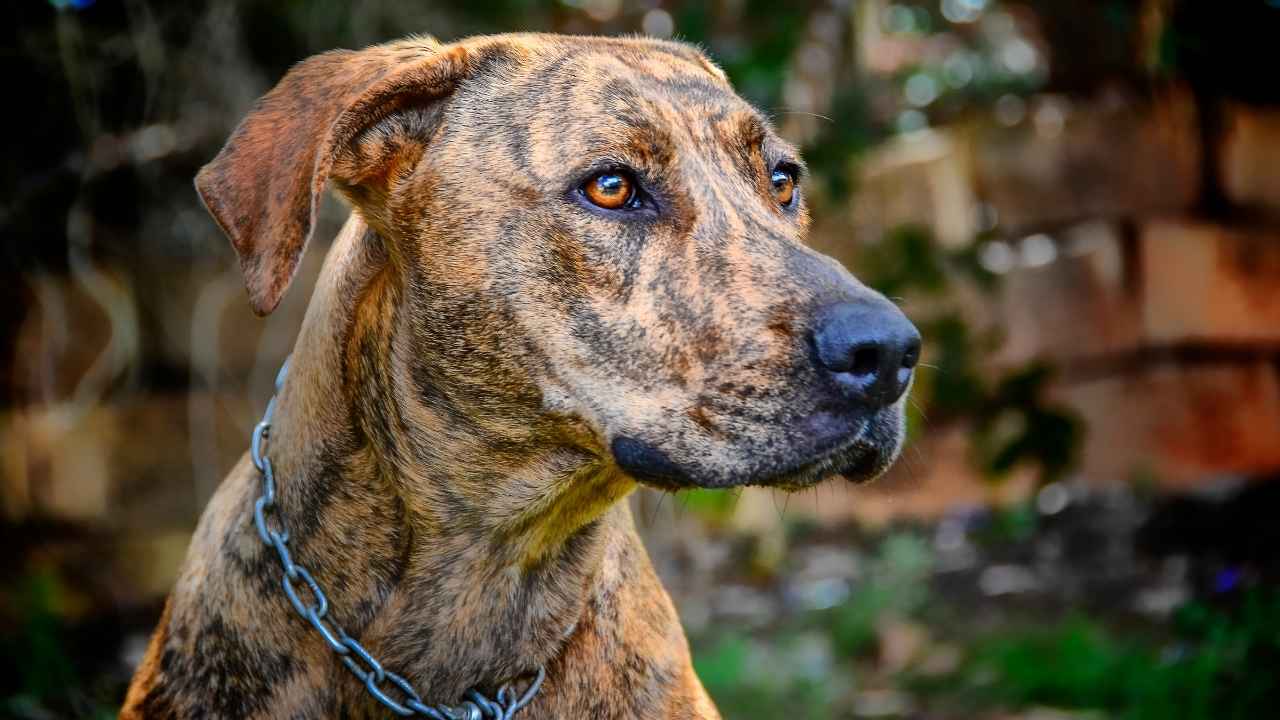
The Plott Hound is a fearless scent hound developed for demanding pursuits. Descended from German Hanover hounds refined in North Carolina by Johannes Plott, this breed was shaped to follow challenging trails and confront formidable quarry. According to WebMD, Plott Hounds are rugged and determined, yet they are generally well-behaved at home.
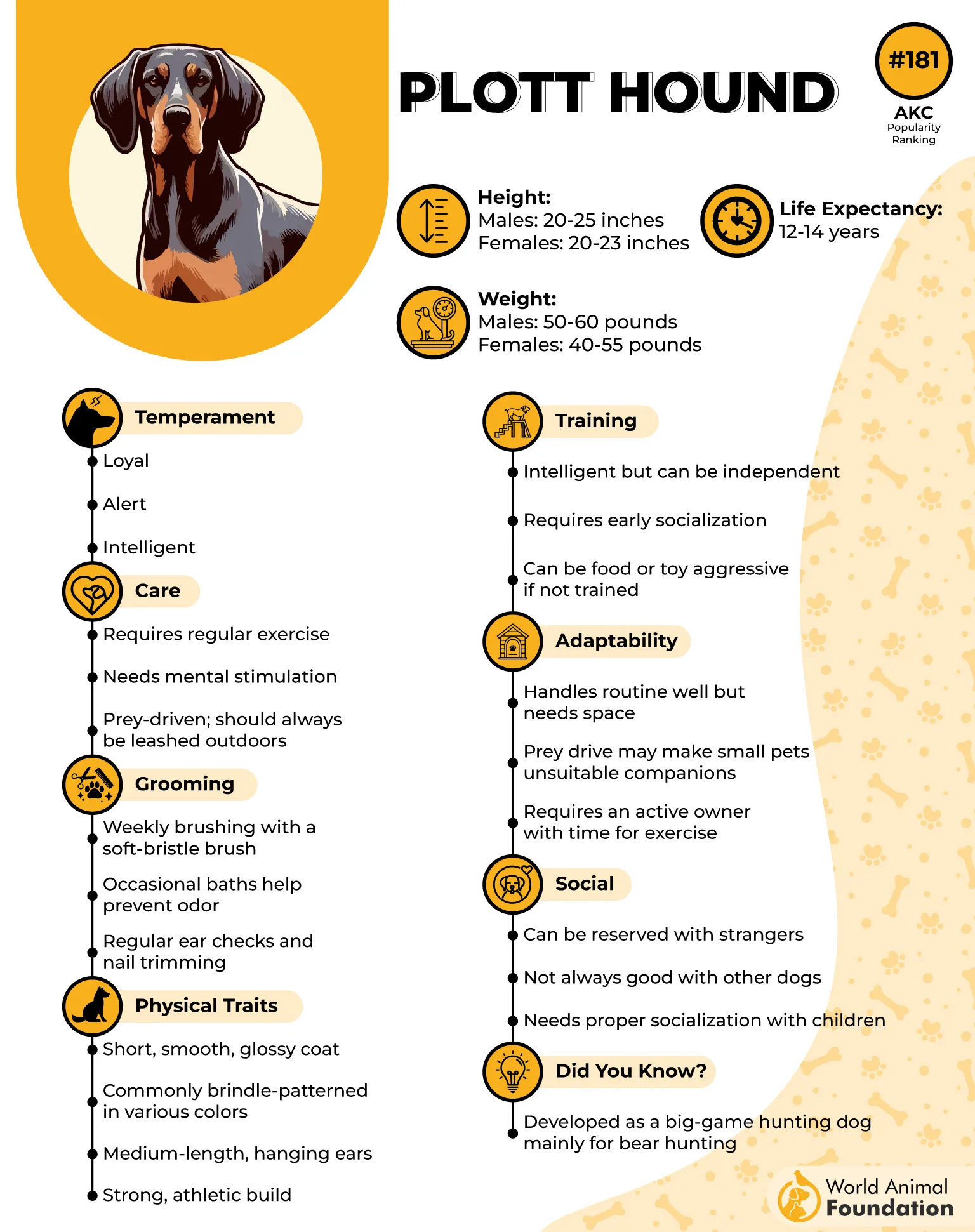
Its strong prey drive remains central to its hunting ability. Plotts may view smaller animals as prey and can quickly take off after the scent of a rabbit or squirrel, making reliable recall and leash control especially important.
Stamina, agility, and determination allow this athletic hound to excel during long hunts and vigorous outdoor activities. Hiking, extended walks, agility work, and lure coursing provide valuable outlets for its physical energy and sharp mind.
Although confident and intelligent, the Plott Hound can be stubborn without consistent leadership. Early socialization, structured training, and regular mental stimulation help channel this tough pursuer’s independence into focused, controlled behavior.
4. Weimaraner
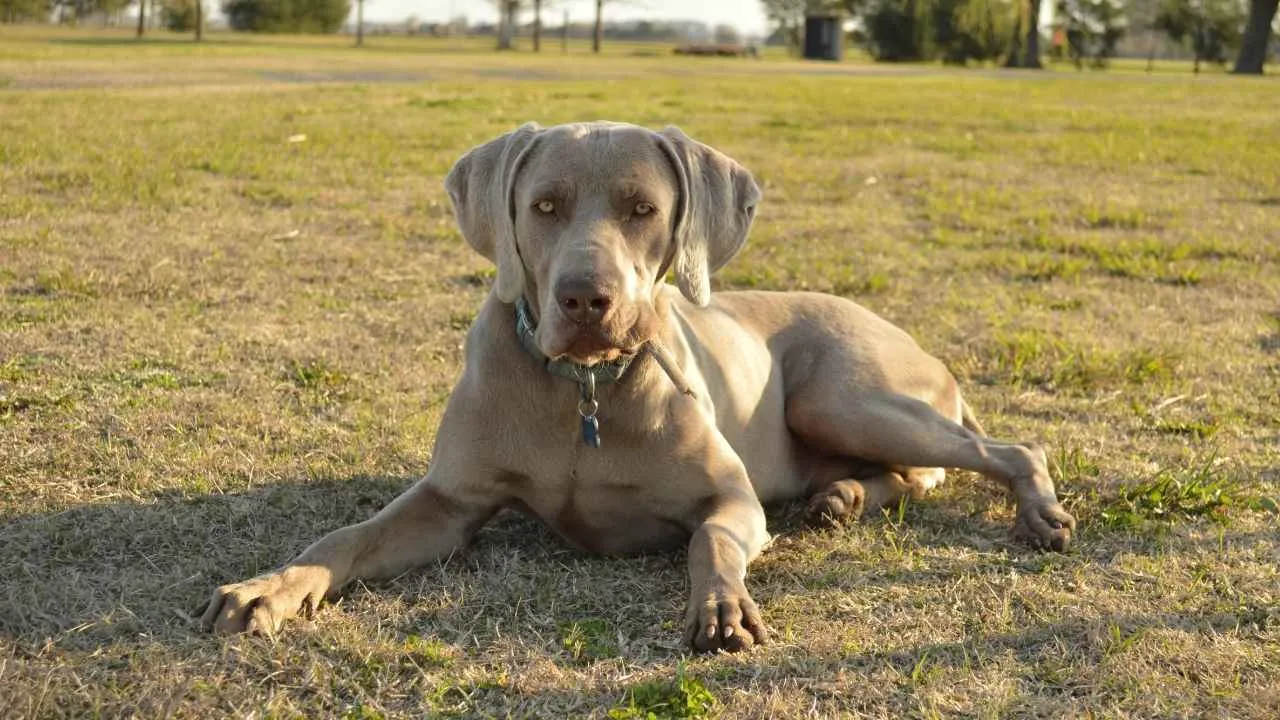
The Weimaraner is a sleek German sporting dog whose hunting instincts make it highly alert to every moving target. As an HPR breed—hunt, point, and retrieve—it uses its nose to locate birds and may then become intensely focused and hold position until directed otherwise.
Originally developed to pursue large game, including deer and boar, the breed later became a capable bird hunter. Its speed, endurance, and intelligence suit active owners, but its strong prey drive means wildlife can quickly capture its attention during walks.
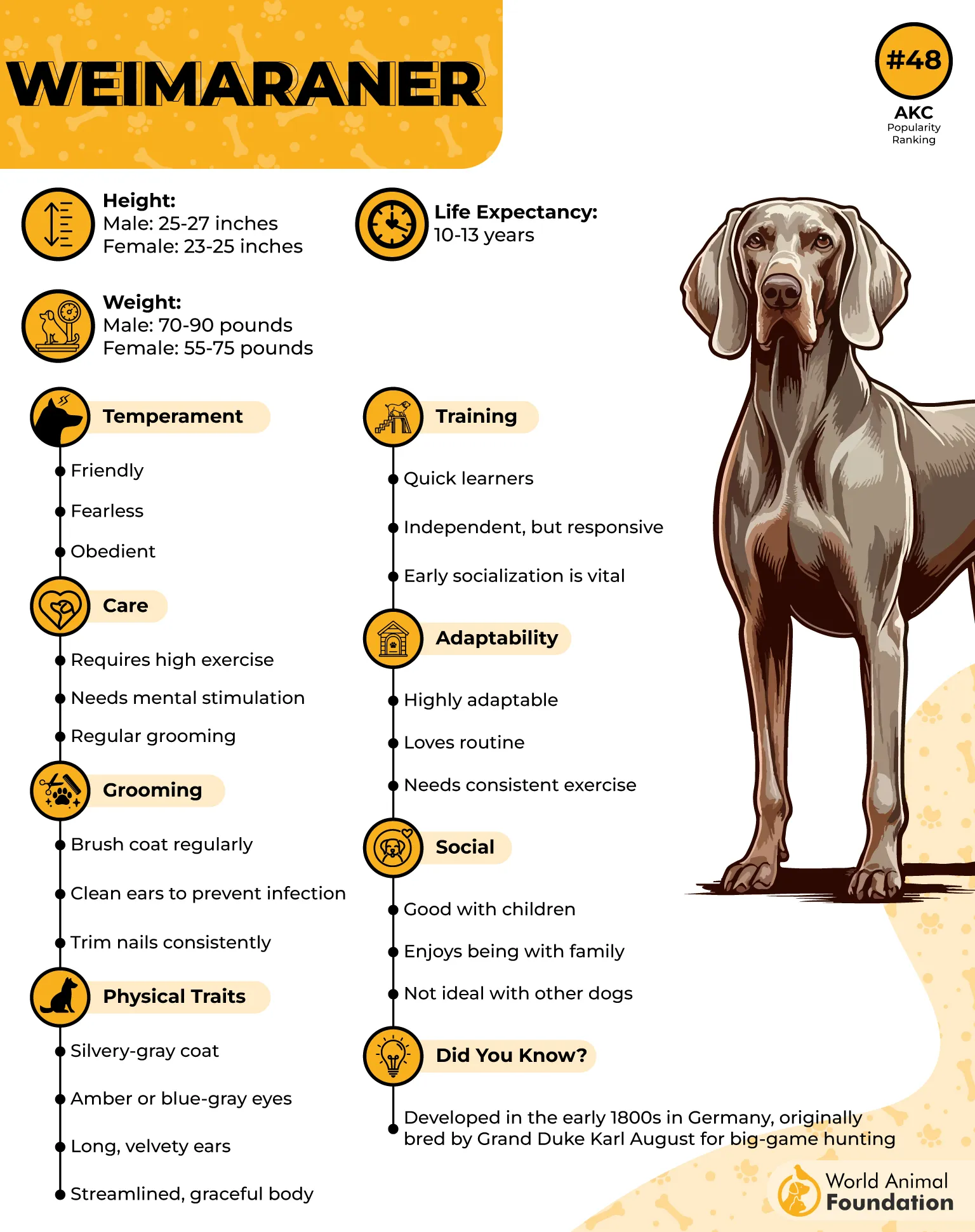
A Weimaraner thrives when hunting instincts are given safe outlets rather than being ignored. Scent games, such as hiding toys or food in long grass, provide rewarding mental work, while mantrailing allows it to follow scents in a structured activity.
Teaching and companionship are equally important because these dogs were bred to work closely with people. Regular exercise, interactive training, and activities like canicross can help prevent boredom, while frequent company may also suit their tendency toward separation anxiety.
5. Beagle
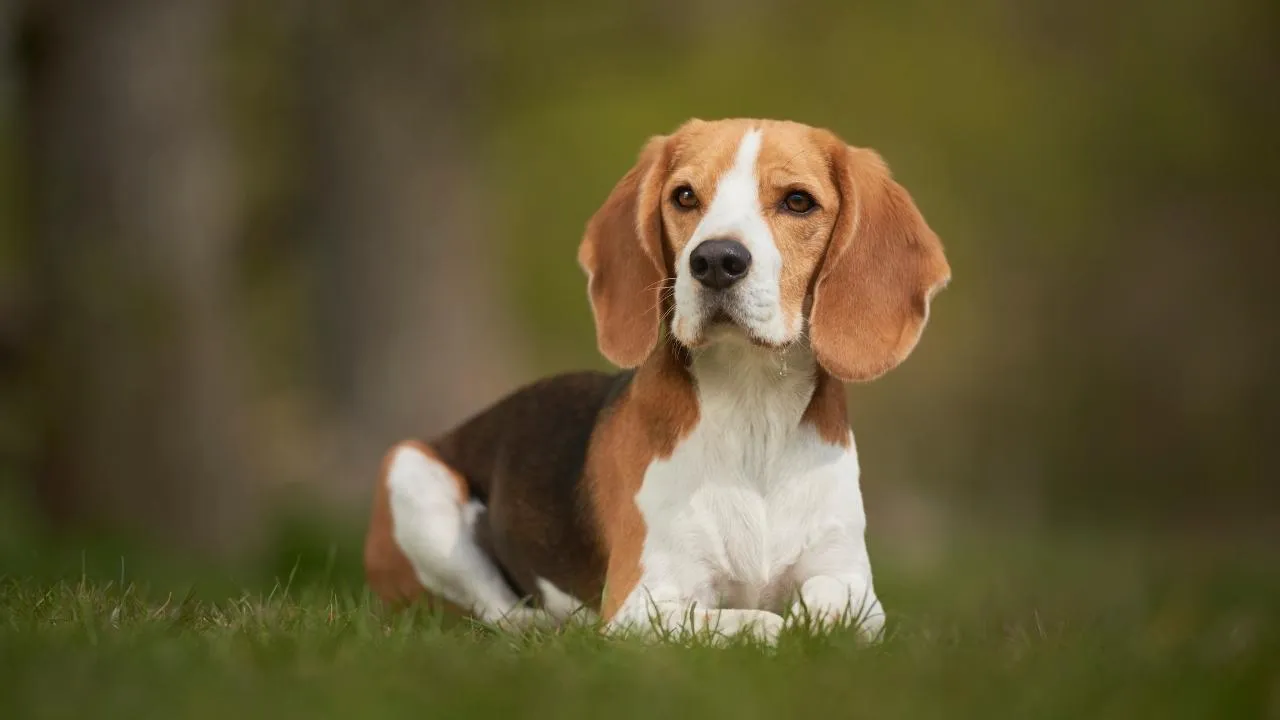
The Beagle may be compact, but its hunting instincts are anything but small. Developed in England as a scent hound, this intelligent breed was built to follow game with remarkable determination.
Its exceptional nose can pick up and follow scent trails long after they were left behind. Once a Beagle catches the scent of something interesting, that powerful instinct can take over, making rabbits and hares particularly suitable quarry.
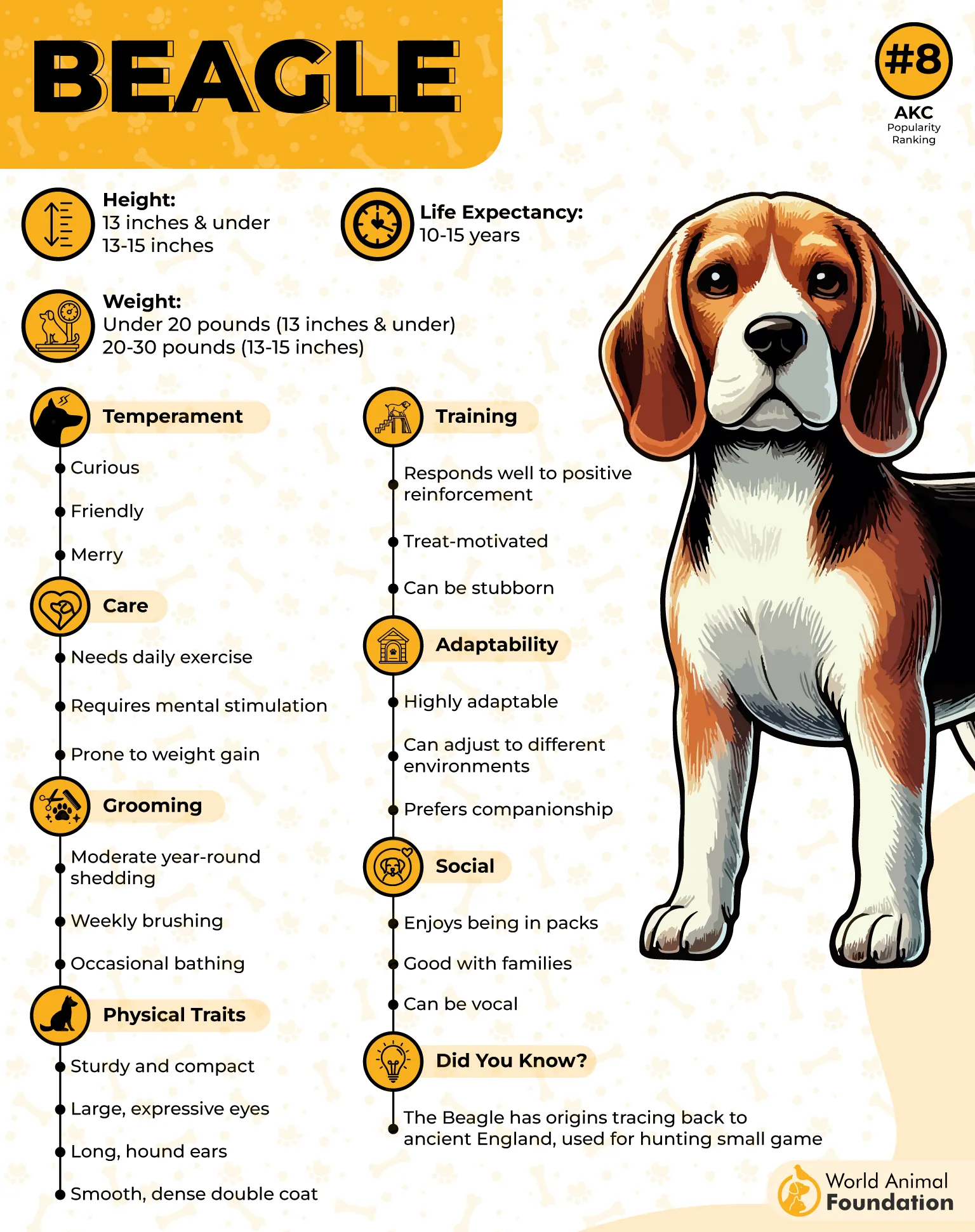
Intelligence also plays a role in its hunting ability, as Beagles learn to work through changing scent trails. However, their independent mindset can turn training into a test of patience, especially when an exciting smell proves more interesting than an owner’s command.
Persistence is one of this hound’s greatest strengths, but it also needs careful management. Regular exercise and controlled feeding are important, as Beagles can be prone to obesity and certain health concerns. According to PetMD, Beagles are often easy to train with food rewards and may respond well to treats before mealtime.
6. Mountain Cur
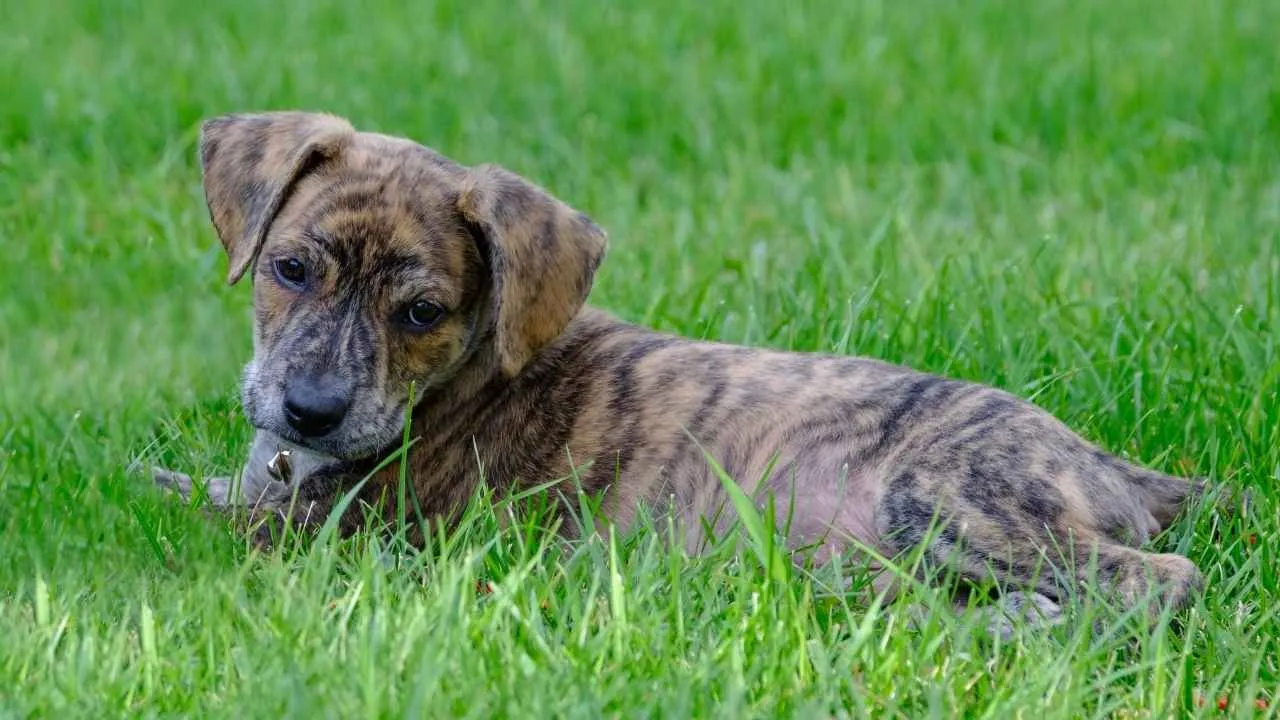
The Mountain Cur earned its place beside frontier families in the rugged backwoods of Kentucky and Tennessee. As settlers built farms in remote mountain regions, these hardworking dogs helped guard property, manage livestock, and put food on the table through their impressive hunting abilities.
Their sharp instincts make them particularly skilled at trailing and treeing squirrels, raccoons, and other small game. Yet their versatility extends beyond the treetops, as they have also been used to pursue larger quarry, including wild boar and bears, while helping keep farms free of unwanted pests.
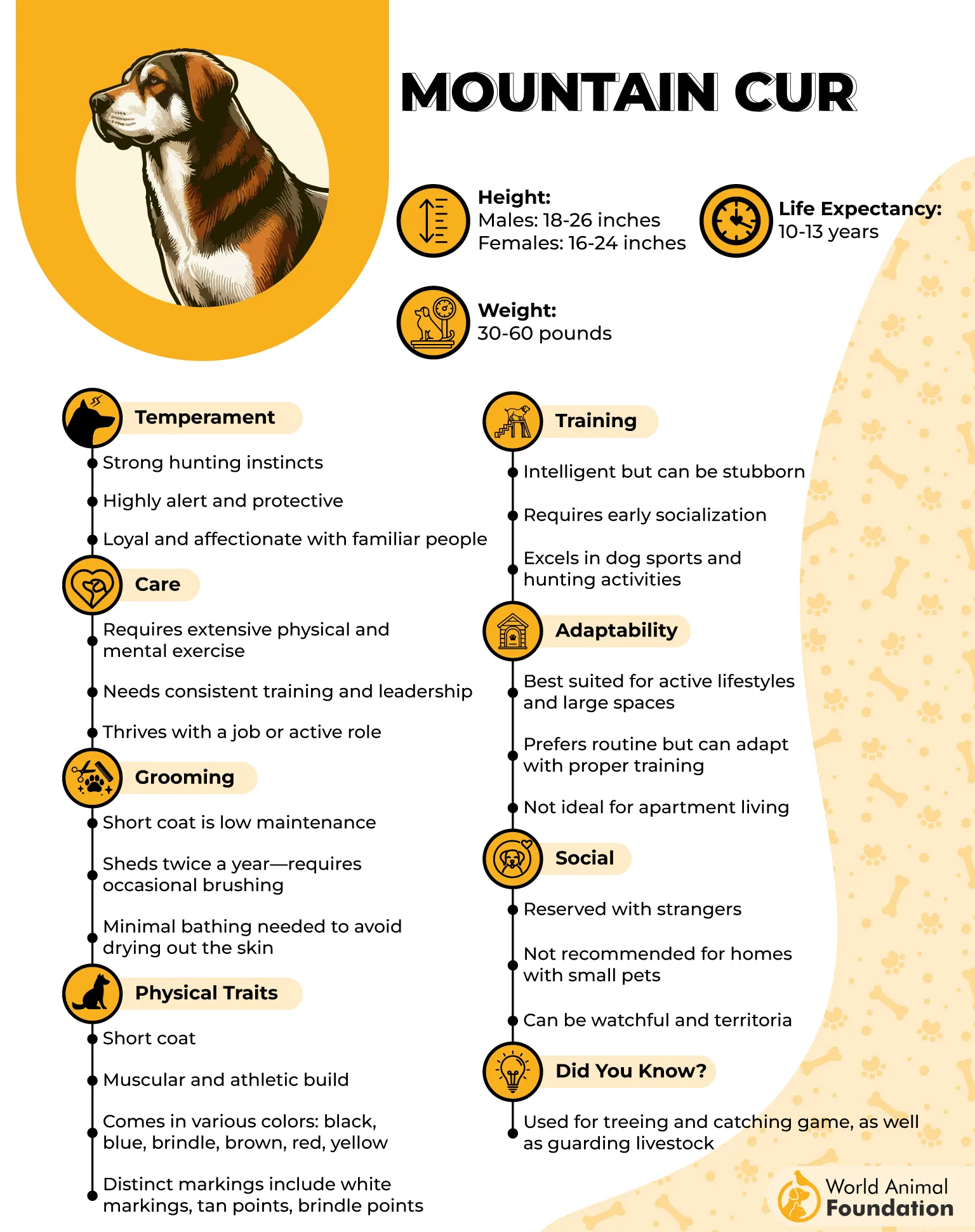
Intelligent and eager to work, Mountain Curs thrive when given a purpose. Their loyalty to their families can be intense, making early training and socialization essential to prevent excessive protectiveness around unfamiliar people or animals.
This energetic breed also needs plenty of physical and mental stimulation. Long outdoor activities, play, and regular work help channel the drive that once made the Mountain Cur such a valuable backwoods hunting companion.
7. German Shorthaired Pointer
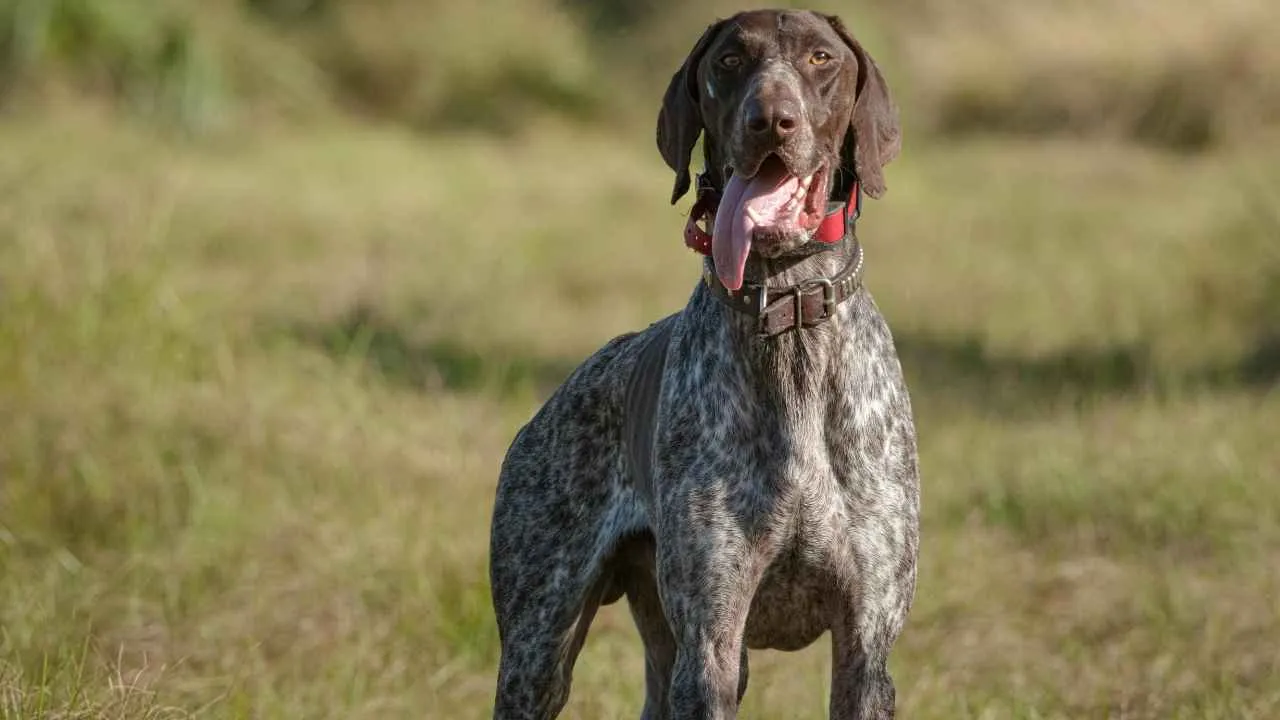
The German Shorthaired Pointer is the all-purpose field athlete of the hunting world, combining speed, stamina, and intense drive. Developed in Germany to work across varied terrain, this active breed can track, locate, point, flush, and retrieve game.
Its strong searching behavior makes it particularly effective at finding birds, while its pointing instinct allows it to freeze and alert the hunter before the game is pushed from cover. German Shorthaired Pointers can also retrieve from water, making them well suited to both upland game and waterfowl.
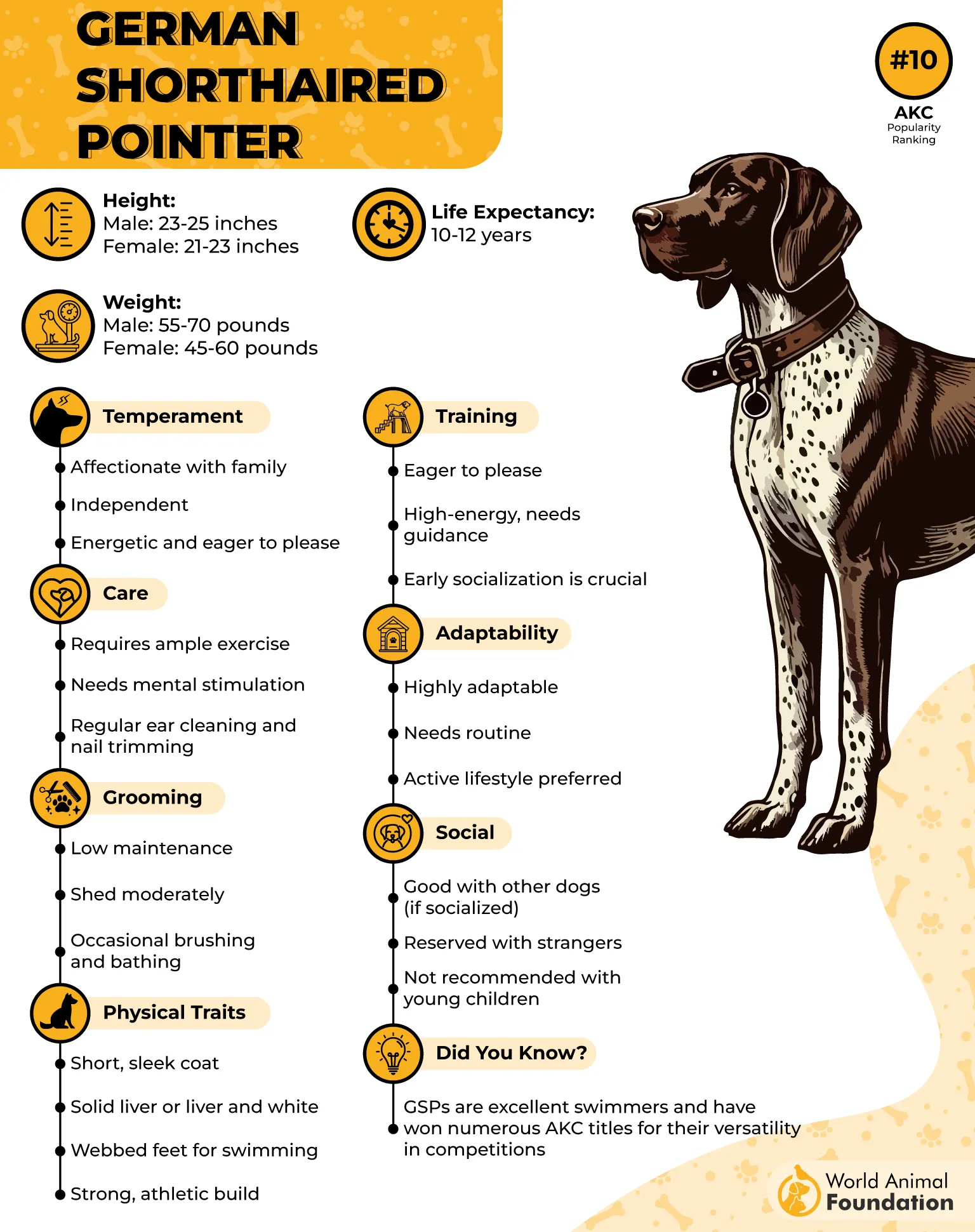
Some working lines have historically been expected to track and confront larger game, which may contribute to a stronger instinct to grab prey. Their hunting drive therefore requires training and appropriate outlets.
With exceptional endurance, they need plenty of exercise and mental stimulation. Activities involving scent work, long-distance running, mantrailing, or searching for hidden toys can help satisfy their need for purposeful activity.
Conclusion
High-prey-drive dogs were developed to use their instincts, energy, senses, and determination for specific hunting tasks. From searching and tracking to pointing, flushing, chasing, and retrieving, these breeds often have a strong desire to engage with moving animals.
Their instincts can make them exceptional working companions, but they also require responsible ownership. Training, supervision, and early guidance are important, particularly around smaller animals and wildlife.
These active dogs usually need more than ordinary walks. Scent games, running, retrieving, and other purposeful activities can provide valuable outlets for their physical and mental energy.
Before bringing home a hunting breed, consider whether you can meet its exercise and stimulation needs. With the right environment and guidance, these driven dogs can become deeply rewarding companions while still having healthy outlets for their instincts.
