




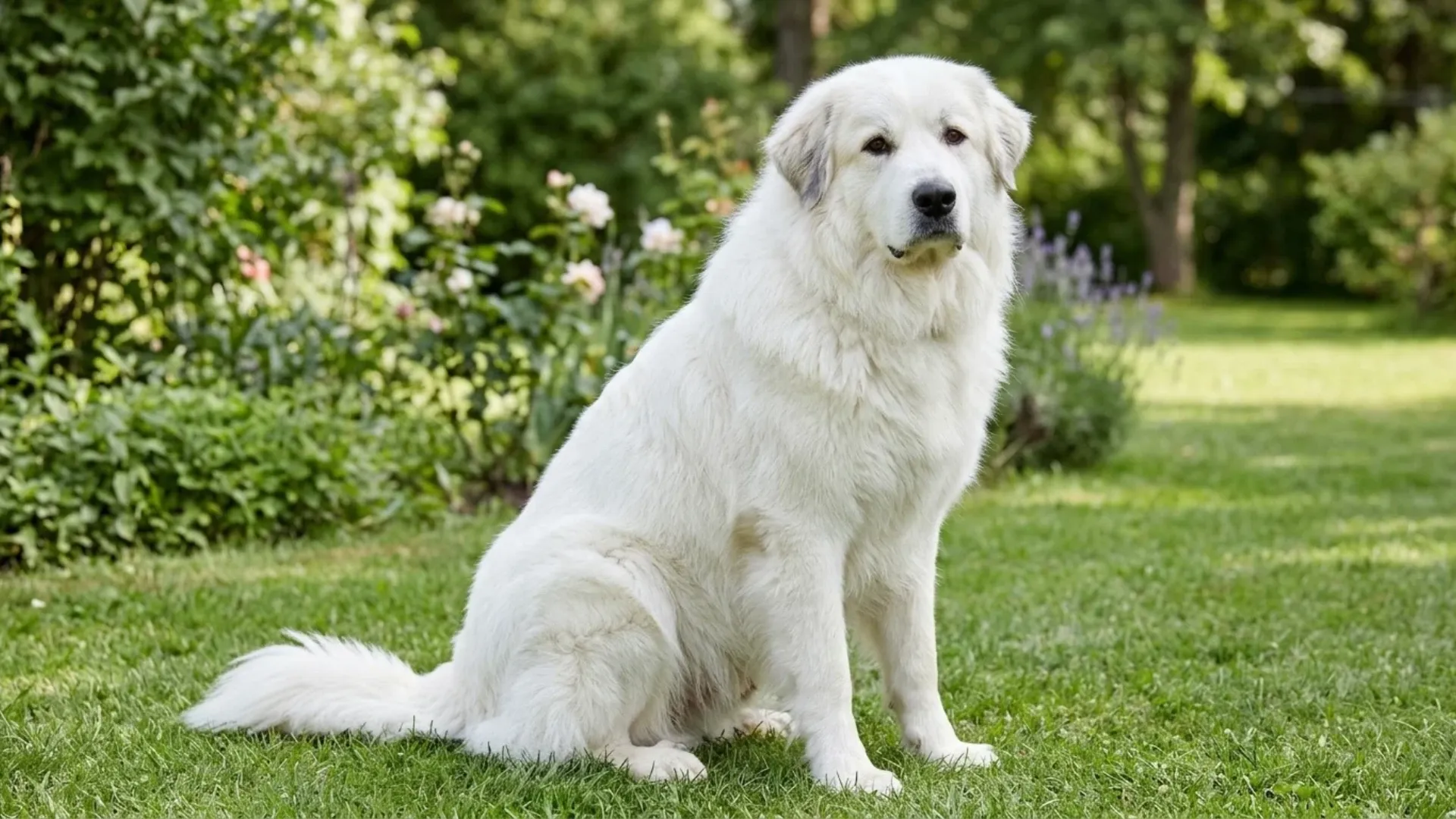
Some dogs look like they were designed by someone who said, “Make it adorable, then add more fur.” These teddy bear–like breeds have that special mix of round faces, thick coats, soulful eyes, and a cuddle-ready appearance that makes people stop mid-walk and ask, “Can I pet this pup?”
But a teddy bear look is only the start. Some of these dogs are tiny household comedians; others are enormous guardians with serious jobs in their family history.
The Chow Chow carries itself like royalty, the Pomeranian believes it owns the room, and the Samoyed smiles as if every day is a snow day. Before falling for the fluff, it helps to know the real personality, exercise needs, grooming demands, and space requirements behind each breed.
Dog Breeds You’ll Love for Their Teddy Bear‑Like Charm
1. Chow Chow
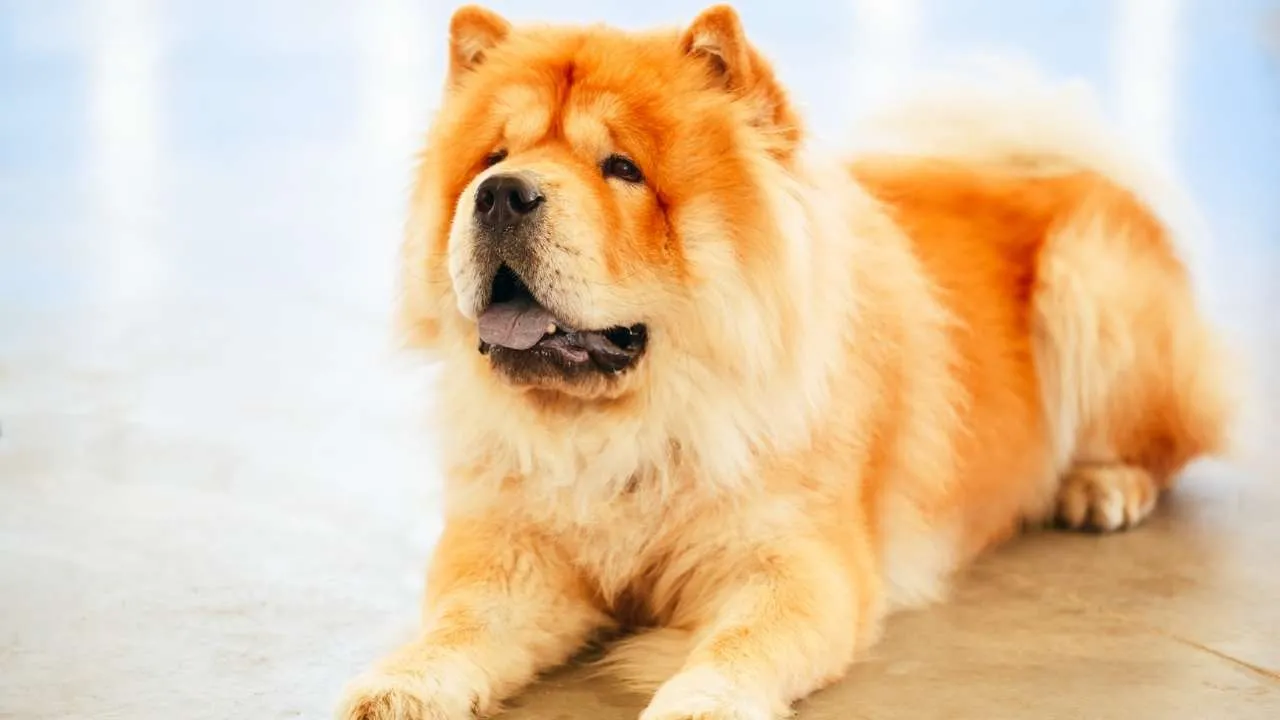
The Spitz-type dog breed was originally bred in northern China in the 19th century; however, the roots date back 8,300 years, when a similar indigenous dog was present in central China, according to Wikipedia.
It has a short and flat skull with a short muzzle, lacking the sharp tape in other breeds seen. It has a natural scowling expression because of the deep skin folds on the forehead. The thick and triangular ears are rounded at the tips, giving it a bear cub’s ear posture. It has an “off-standing” topcoat with a thick ruff around its neck.
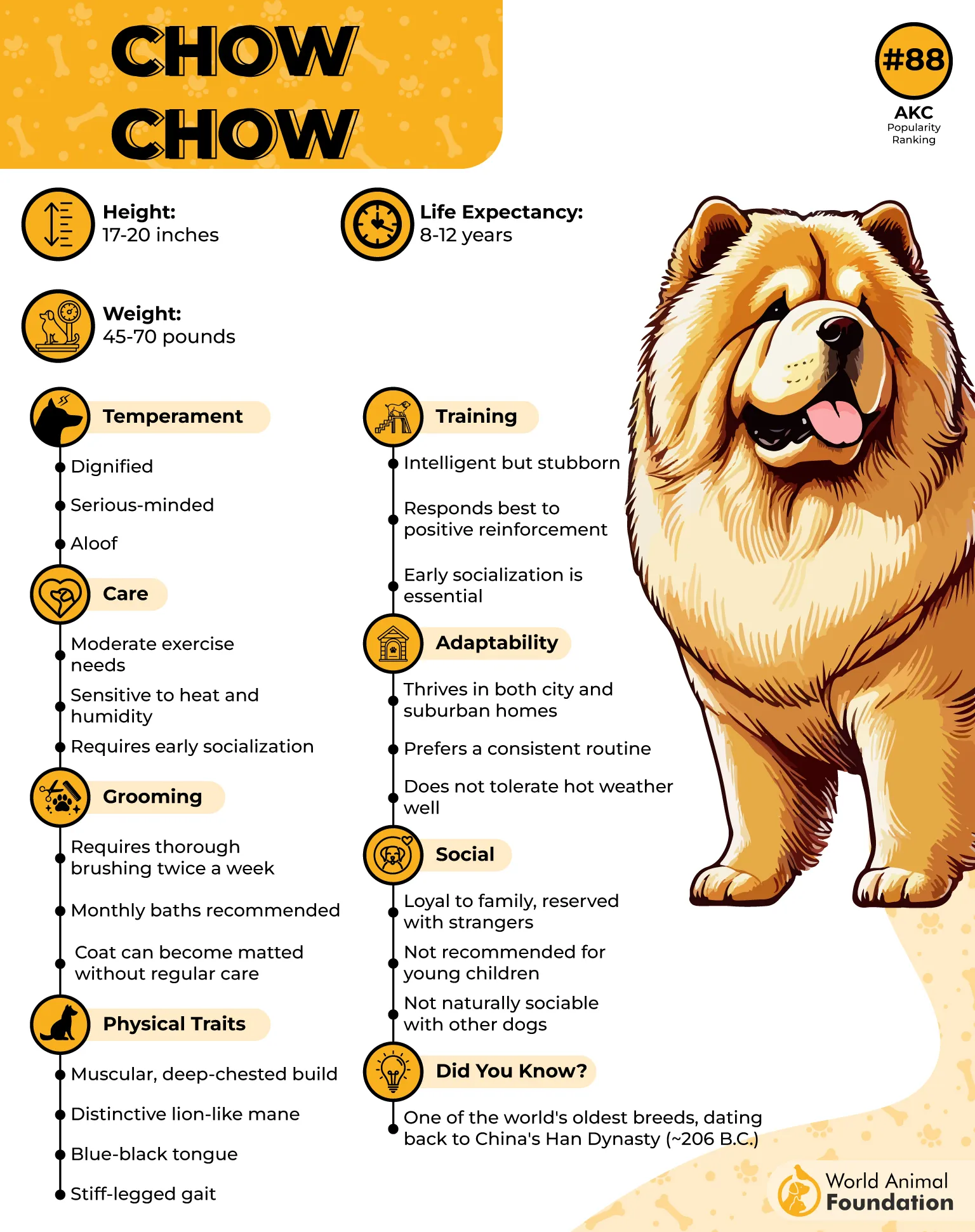
The small dog has a short-striding, stilted gait because of the straight hocks. The coat needs moderate grooming: 2-3 times brushing a week, monthly baths, and ear and eye cleanups.
2. Pomeranian
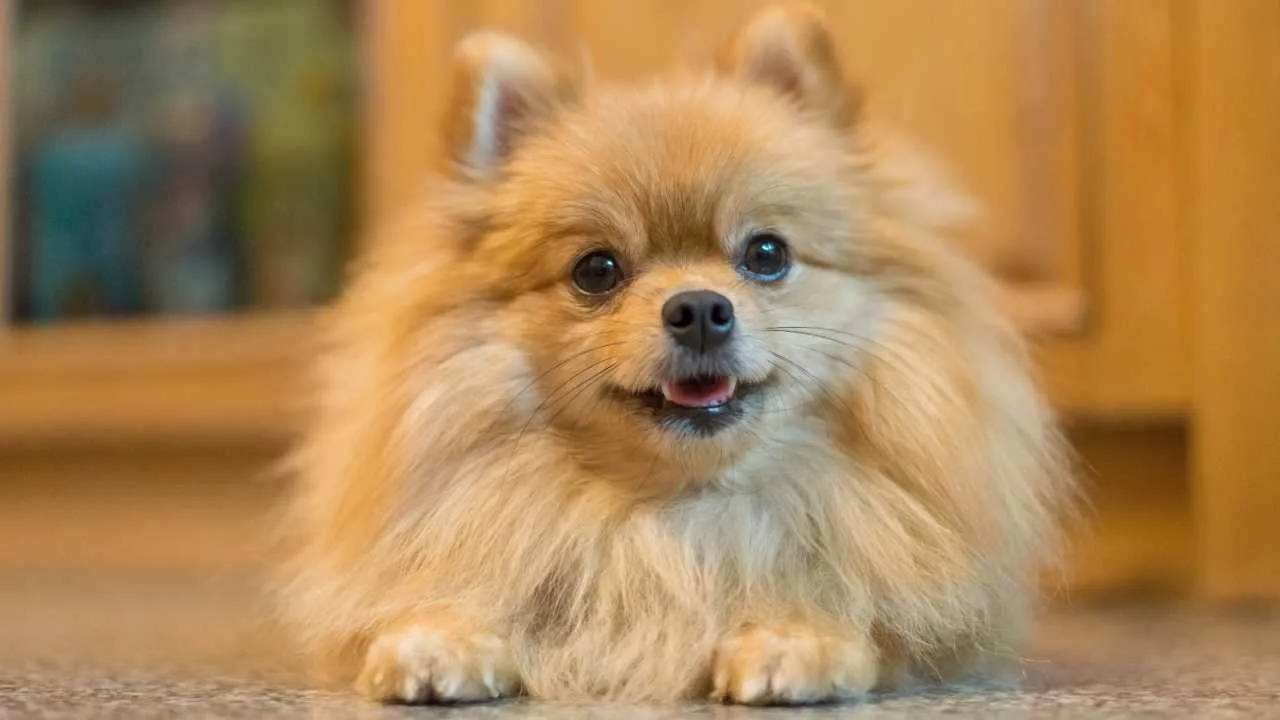
The teddy bear dog breed is thought to have descended from the Spitz-type dog breed once found in Iceland. It had wolf-like characteristics. The Arctic dog was then bred to pull carts and herd reindeer, resulting in the Pomeranian.
The soft and woolly hair has a stand-off texture, where the coat grows outward in all directions, giving it a fluffy look. It has a square physique with a 1:1 body length-to-height ratio. The fuller cheeks, a round head, broad muzzle, and high-set erect ears give it a teddy bear appearance.
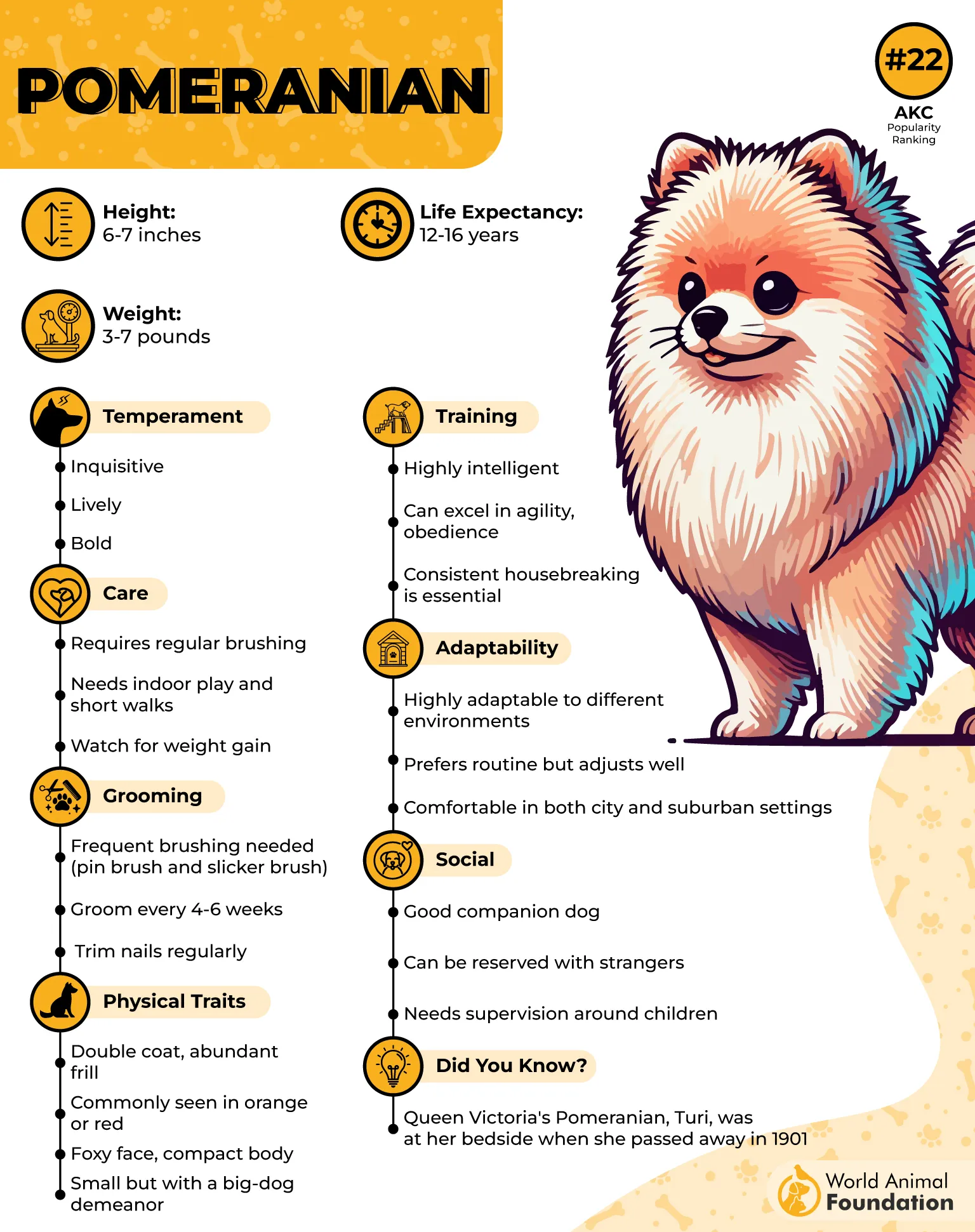
Known for its smile, the small breed has an open mouth, exposing all its teeth. The tiny dog has a moderate energy level and needs 30-60 minutes of exercise daily.
3. Akita
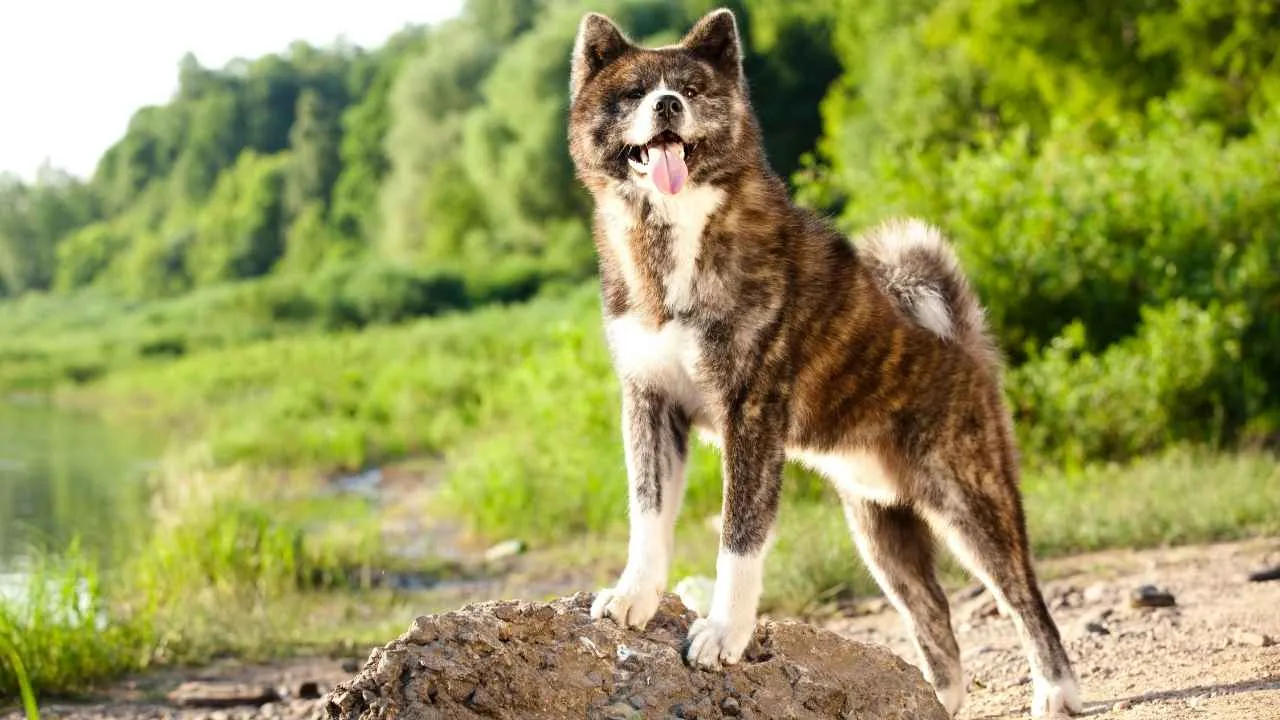
The larger dog was developed in Japan centuries ago as a hunting dog and a protection dog for the royalty. It gained popularity in the United States after the visit of a famous author, Helen Keller, to the country in 1937, as noted by the AKC.
It has a massive head with a flat area between both ears. The highly developed temporal and cheek muscles give it a polar bear look. Weighing up to 130 pounds, the cuddly dog breed has a blocky frame and looks like a giant plushie. It has a thick double coat that traps air inside to regulate internal temperature.
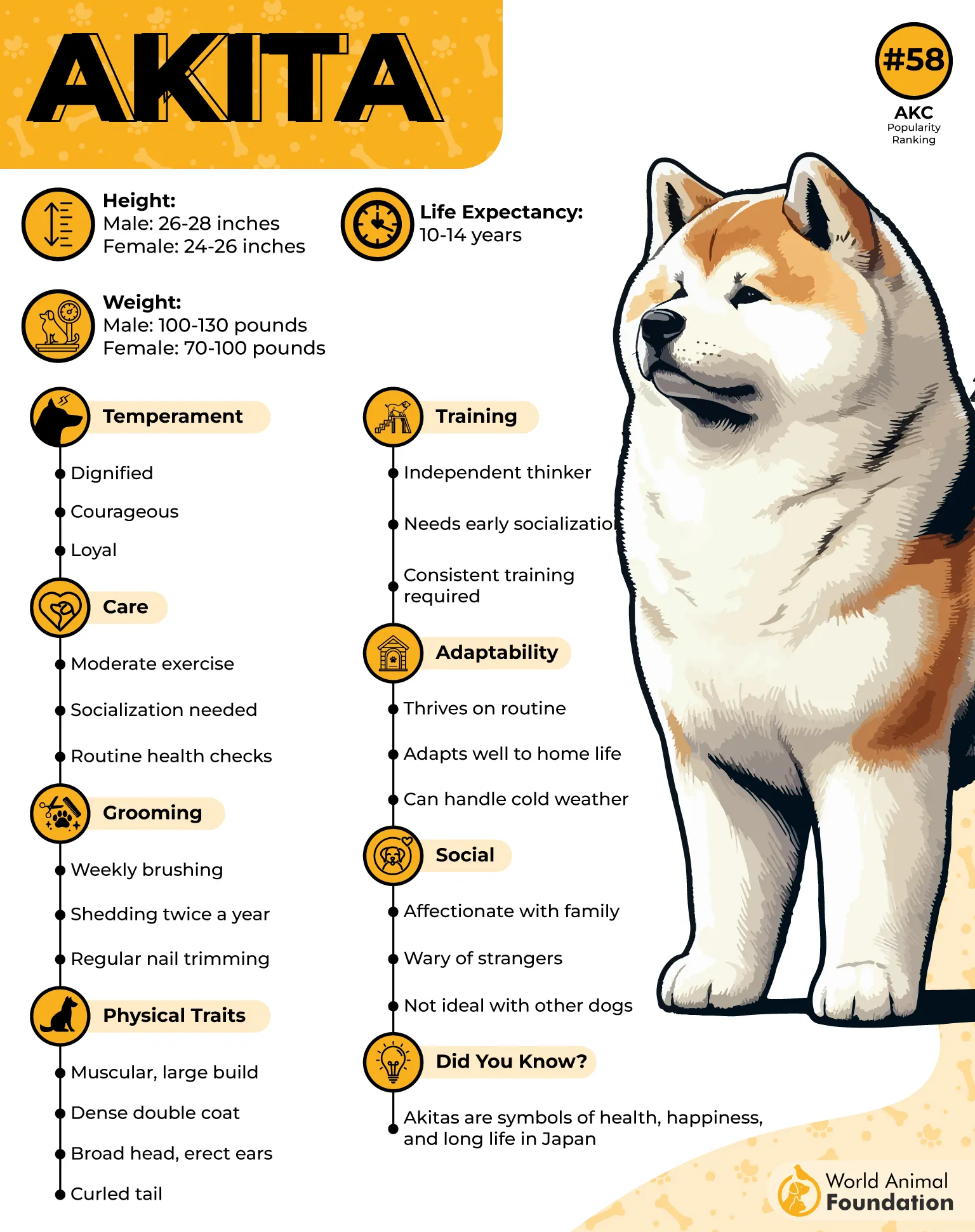
The heavily plumed tail is curled over the lower back, allowing the dog to warm its nose in intense cold temperatures. The breed has cat-like feet with unusually thick pads, acting like natural snowshoes.
4. Great Pyrenees
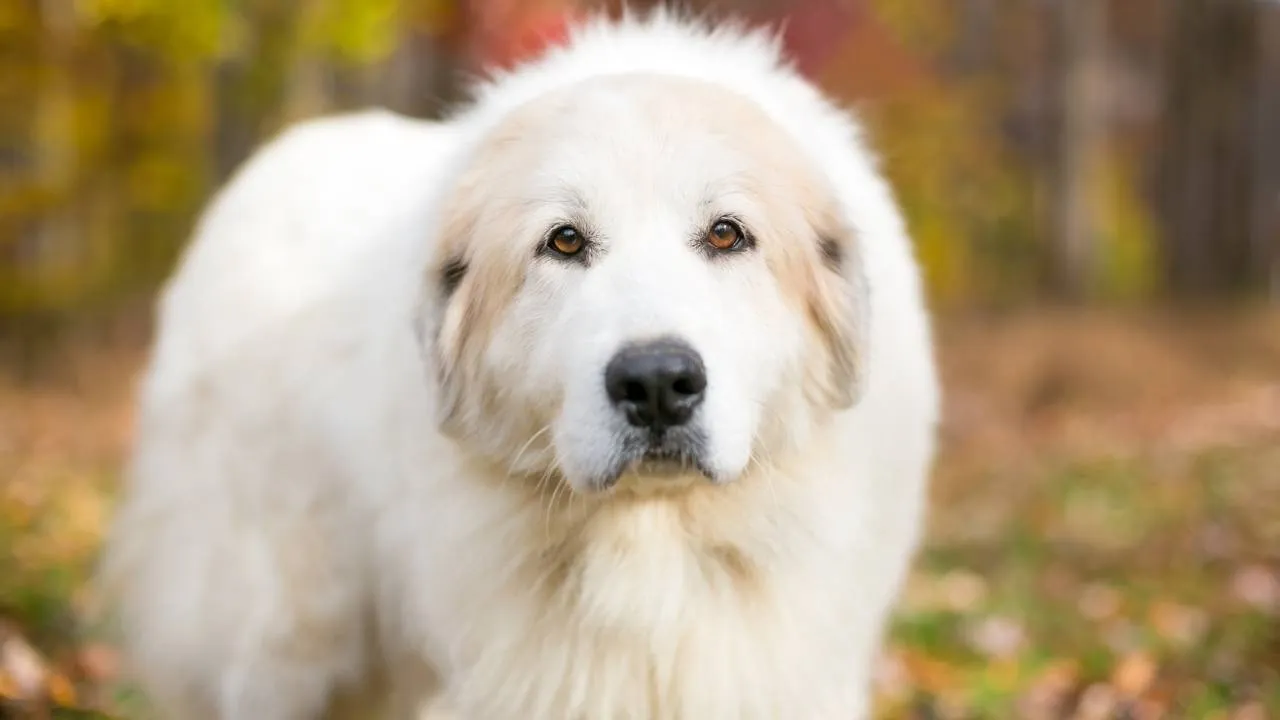
The giant breed was developed in the mountainous regions of Spain and France. The history of the ancient breed dates back to the Bronze Age, when it was originally bred to herd and protect livestock and other animals.
The thick mane around its neck is to protect the breed’s jugular vein from predators’ bites. Because of the functional double dewclaws on the hind legs, the mixed-breed dog can easily climb steep and icy terrain. It has a white base, but some may have grey or tan patches around the head, aka the ‘badger markings.’
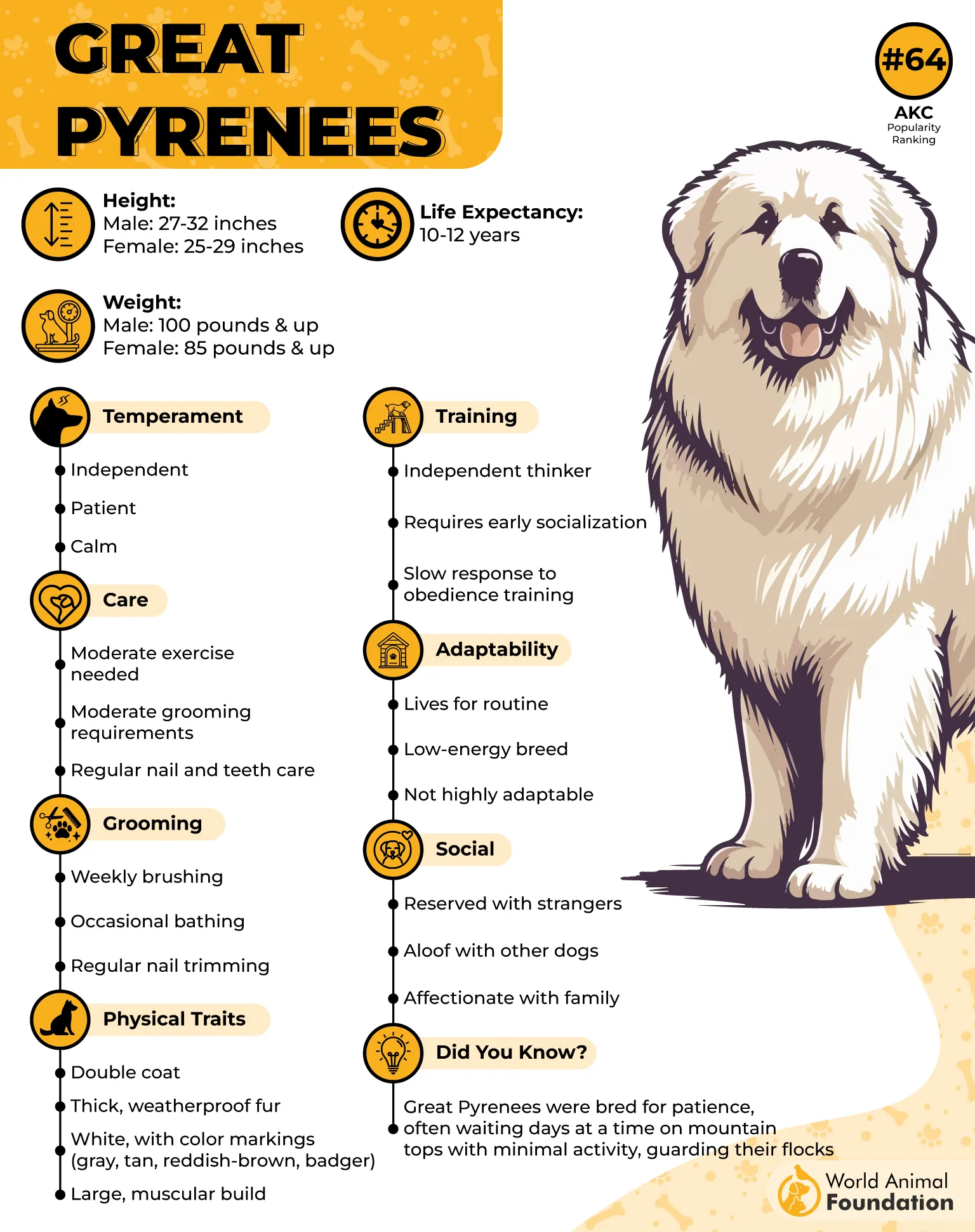
The great family pet often acts like a lounging bear because of its slow movement and low energy levels indoors. Being a nocturnal dog, it conserves its energy during the day and becomes active at night.
5. Samoyed
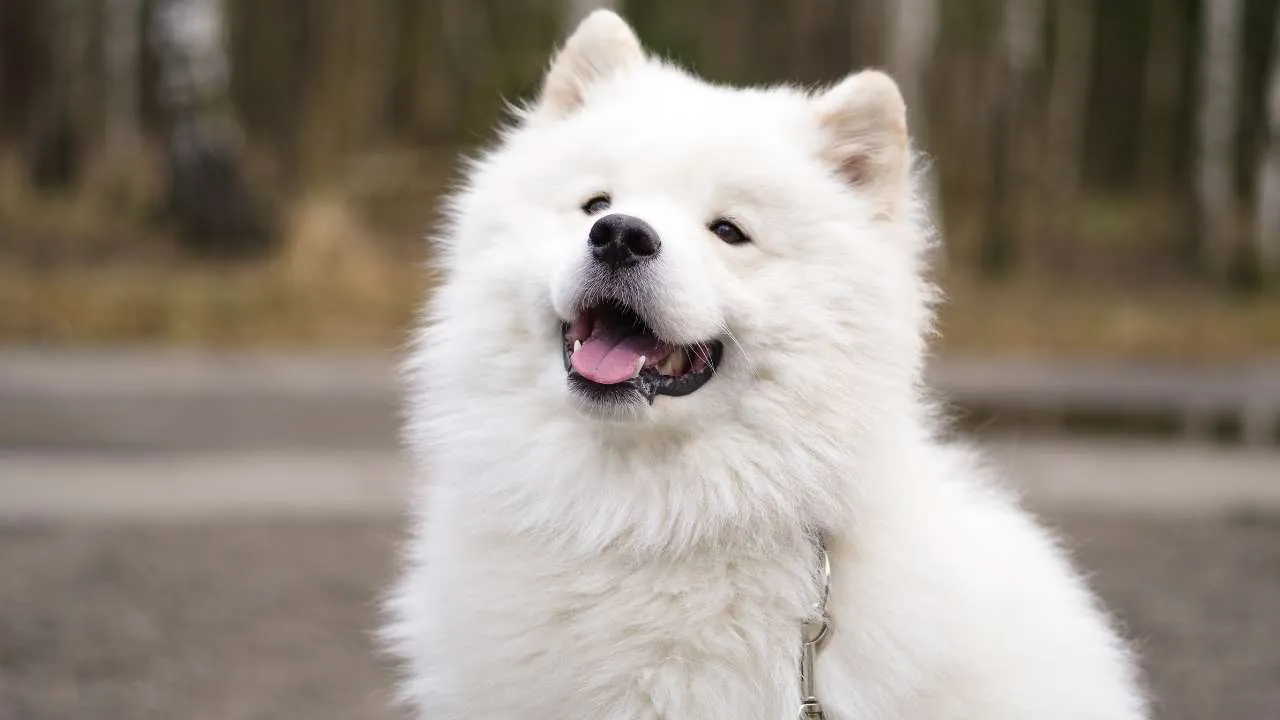
The multi-purpose white fur dog was developed in Siberia and was used for hunting, pulling sleds, and herding reindeer. It gained popularity outside Siberia in the 19th and 20th centuries. It is believed to have descended from the Spitz-type dogs.
The compact body has a heavier boned structure, giving it a muscular and teddy bear-like appearance. Bred to work in freezing Arctic air, it has a moderately long muzzle that warms the air before it hits the lungs. The long and flat paws act like snowshoes and have thick fur between the pads.
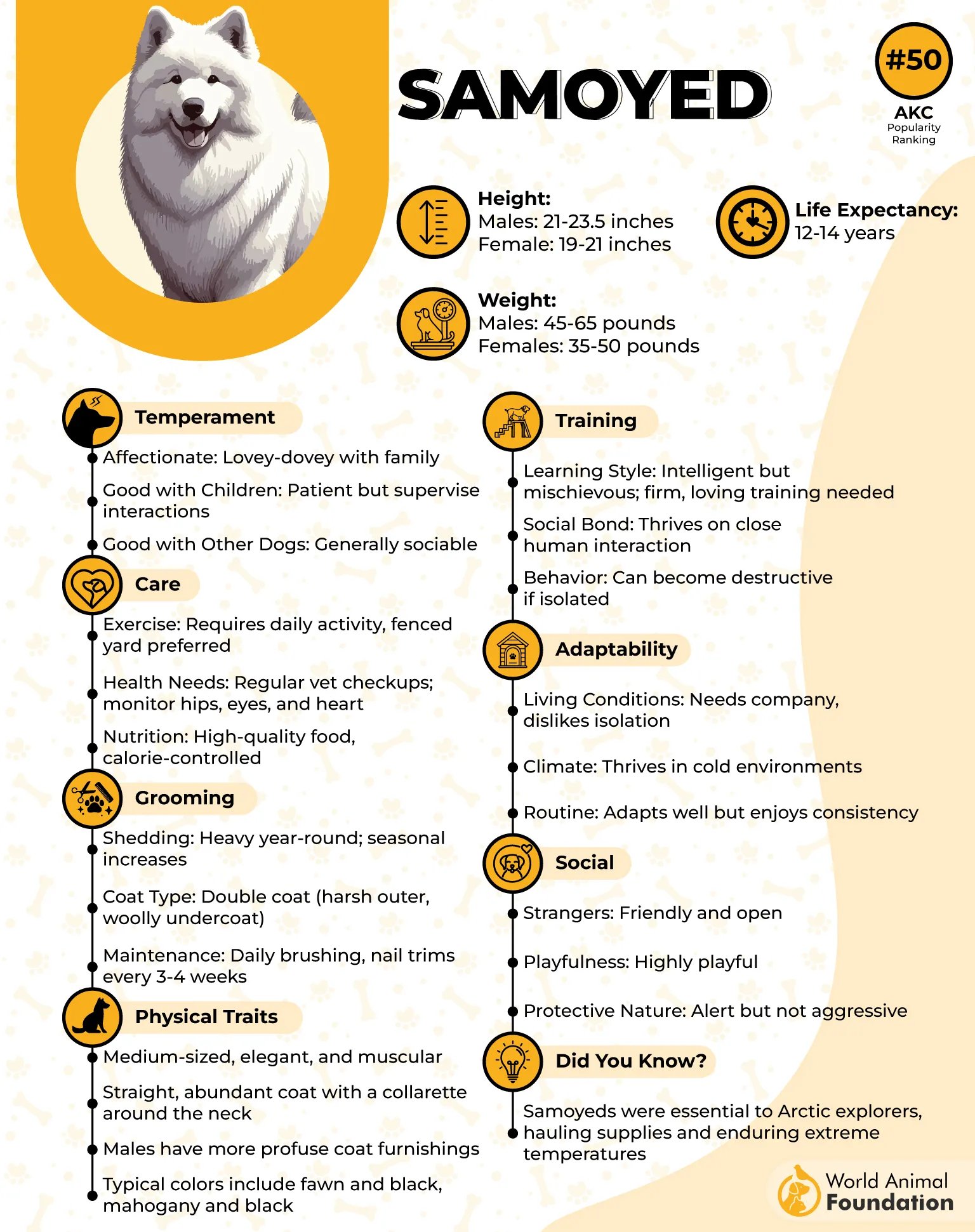
The pigmented black rims have dark brown eyes, and the leathery-black eyelids absorb bright sunlight to reduce snow-blindness glare. Though it produces minimal oil, the active dog self-cleans the coat of dust using its paws.
6. Caucasian Shepherd
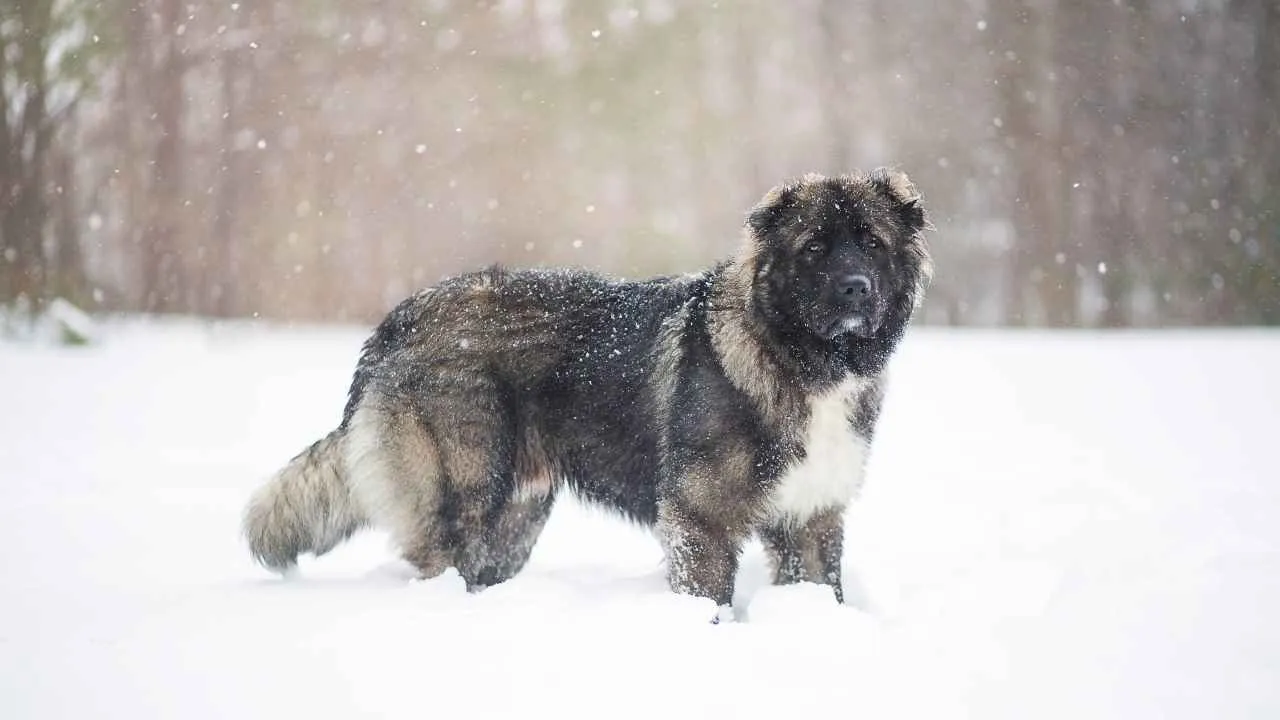
This similar dog was found in Europe and Asia centuries ago to protect property and livestock from large game, including bears and wolves. There are two strains of the breed: the mountainous type (heavier with a longer coat) and steppe type (lighter with a short coat).
It has a slightly rectangular physique with a low-set head to conserve its energy while moving. This gives it an explosive agility when a threat appears. It has tightly closed, compact paws, allowing it to traverse snow. It possesses an incredibly strong jaw structure, providing it with crushing power.
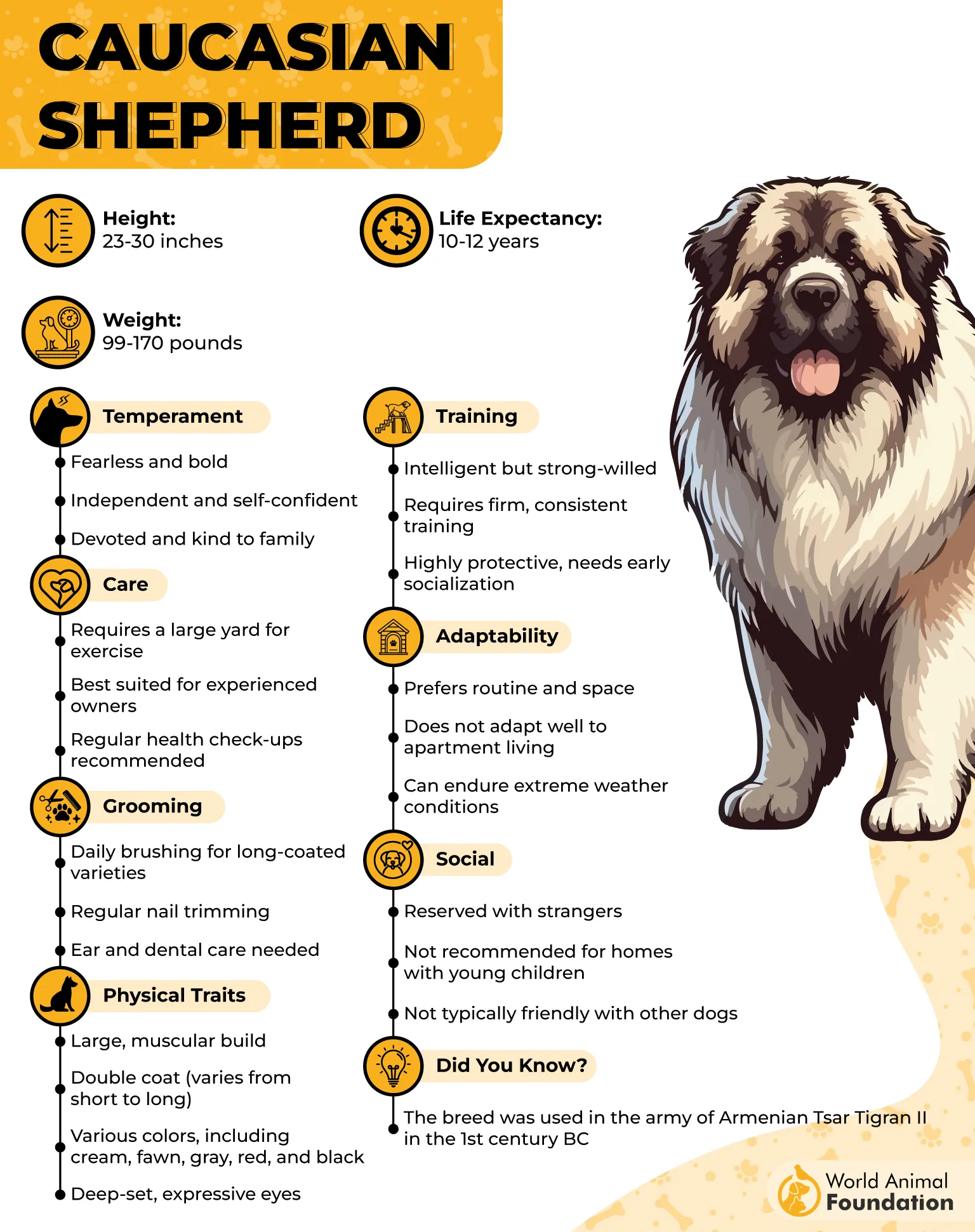
The coat sheds heavily during summer and spring and needs daily brushing during these seasons. Weekly ear checkups are recommended for wax buildup.
7. Leonberger
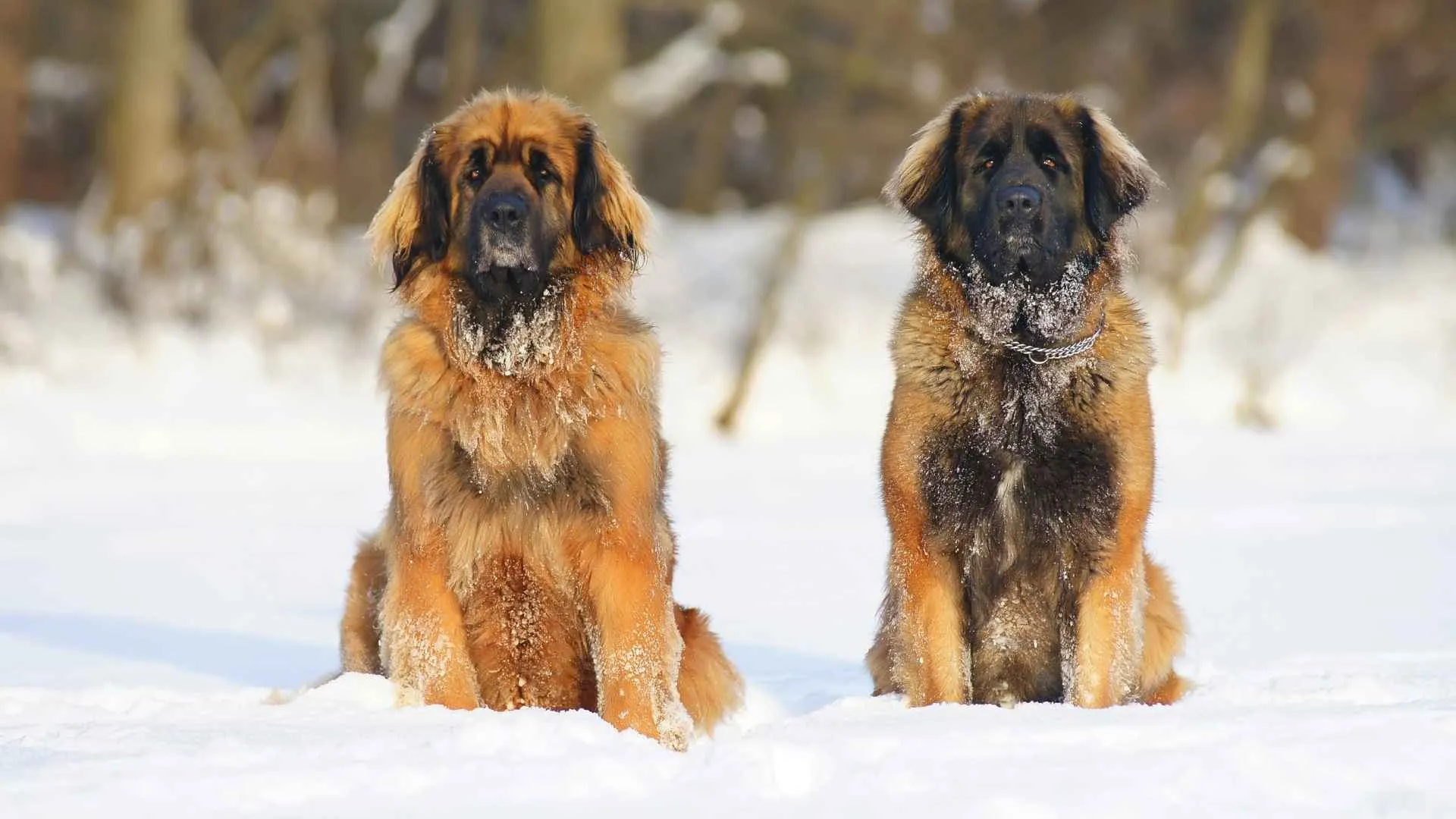
Some legends claim the breed was developed in the late 16th century to protect livestock, while some believe that it is descended from the Landseer Newfoundland in Germany. However, the modern-day breed was developed in the 20th century, says Orivs.
The standard breed has a black mask, extending from the nose to the eyes. This softens the facial contours. The powerful muzzle with the gently sloped brow gives it an expressive look. There is webbed tissue between the toes, a genetic adaptation for water rescue and stability.
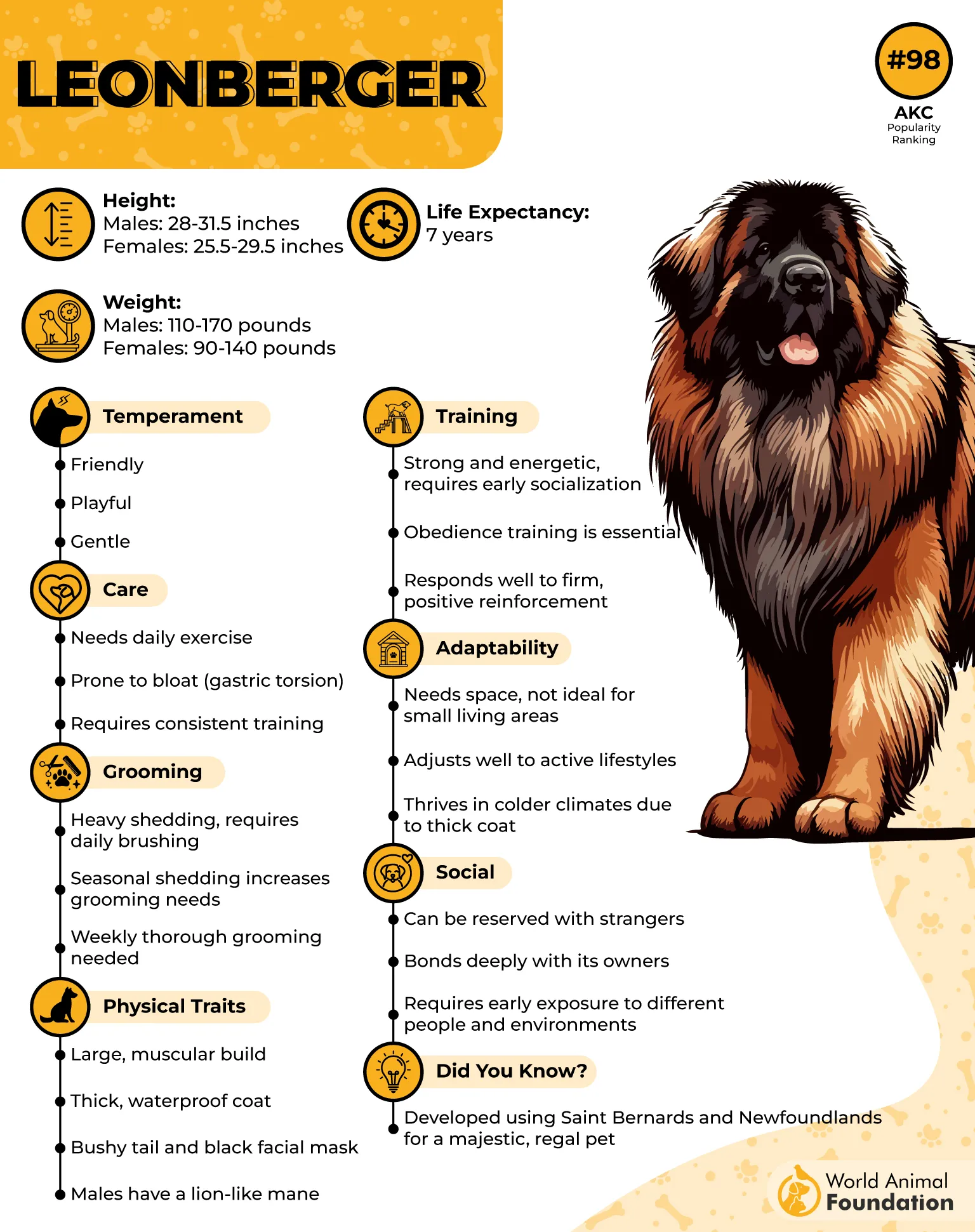
The breed exhibits ‘single-tracking,’ where the rear paws are in direct alignment with the front legs. It has a thick double coat that needs to be brushed 2-3 times a week using an undercoat rake and a slicker brush.
8. Keeshond
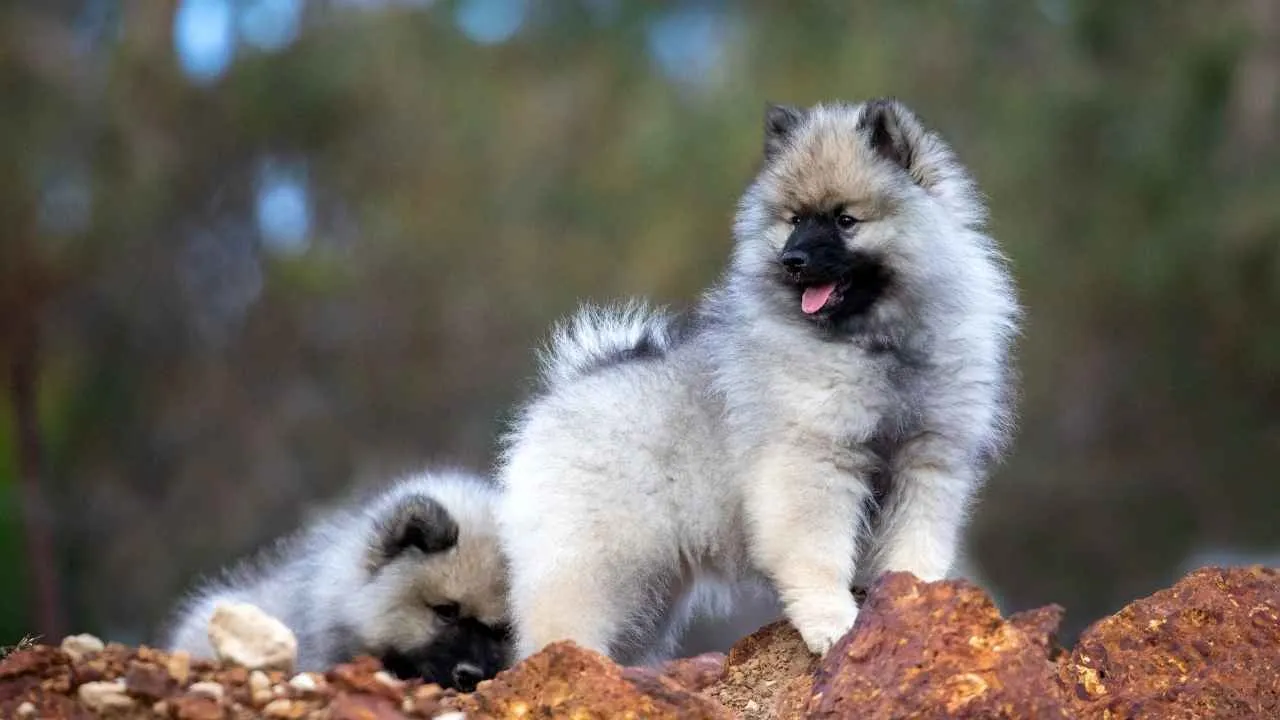
Also known as the Dutch Barge Dog, this popular breed was widely used in the 17th and 18th centuries as a watchdog. The breed has a close resemblance to other dogs, such as Chow Chow, Samoyed, and Pomeranian.
The medium dog breed has a lion-like appearance because of the mane around its neck and chest. There is thick fur on the rump and hind legs, completing a heavily padded look. It has a heavily furred, wedge-shaped head with rounded ears of cold-weather ursids.
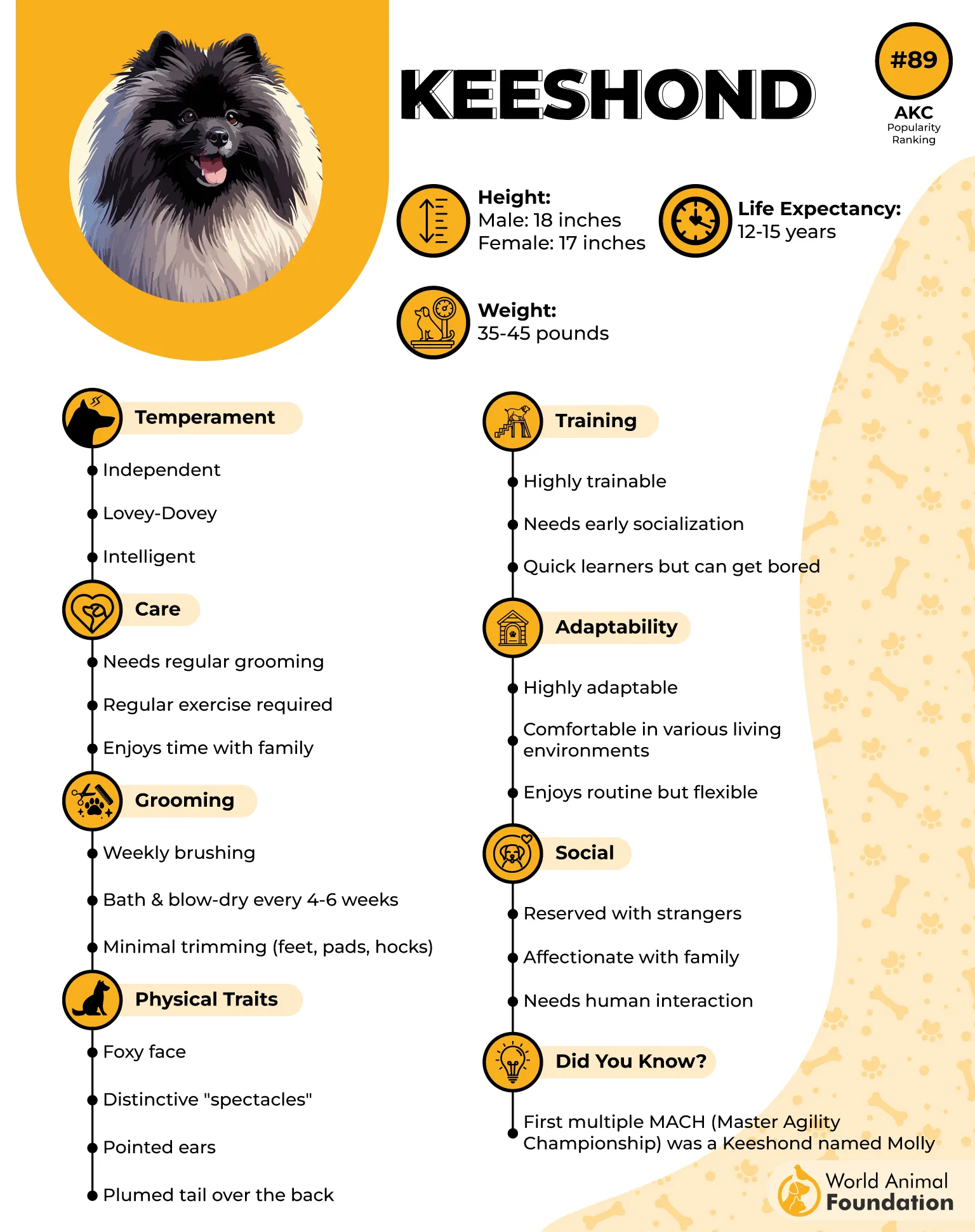
Known for having fox-like features, the breed has delicate lines running from the outer corner of each eye to the lower corner of each ear. The cuddly toy breed has a moderate energy level and needs 30-60 minutes of daily exercise.
9. Tibetan Mastiff
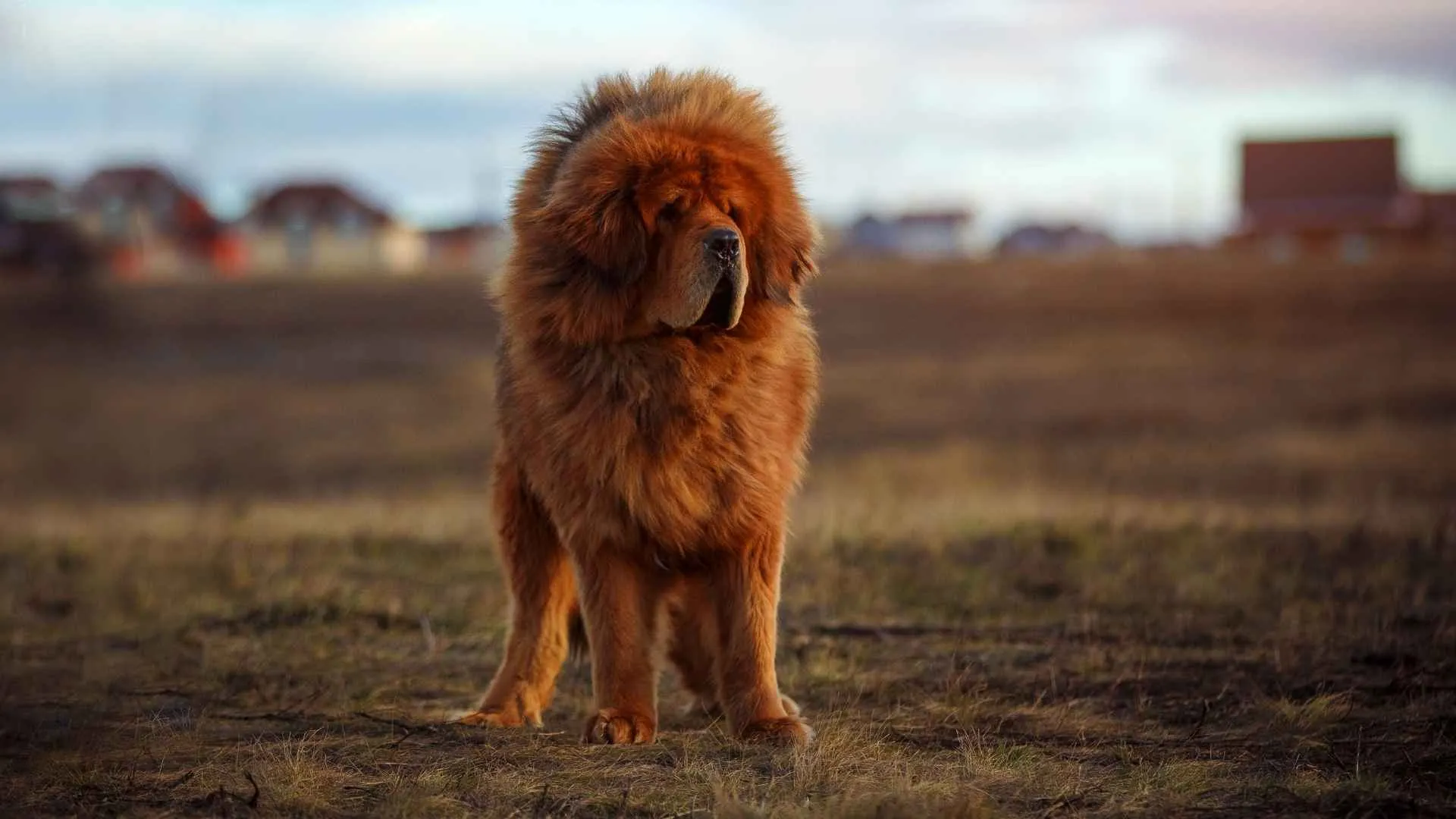
The ancient breed was developed in Tibet and was originally used to protect monasteries. The population declined during the Chinese invasion of Tibet; however, the breed revived in the mid-20th century in remote villages.
It has deep-set eyes, a broad skull, and a brown bear’s facial structure. The cat-feet have feathering between the toes. Despite its massive size, the dog has lower daily energy requirements and eats less food relative to its size. High-impact exercise is not recommended for the puppies because of the developing joints.
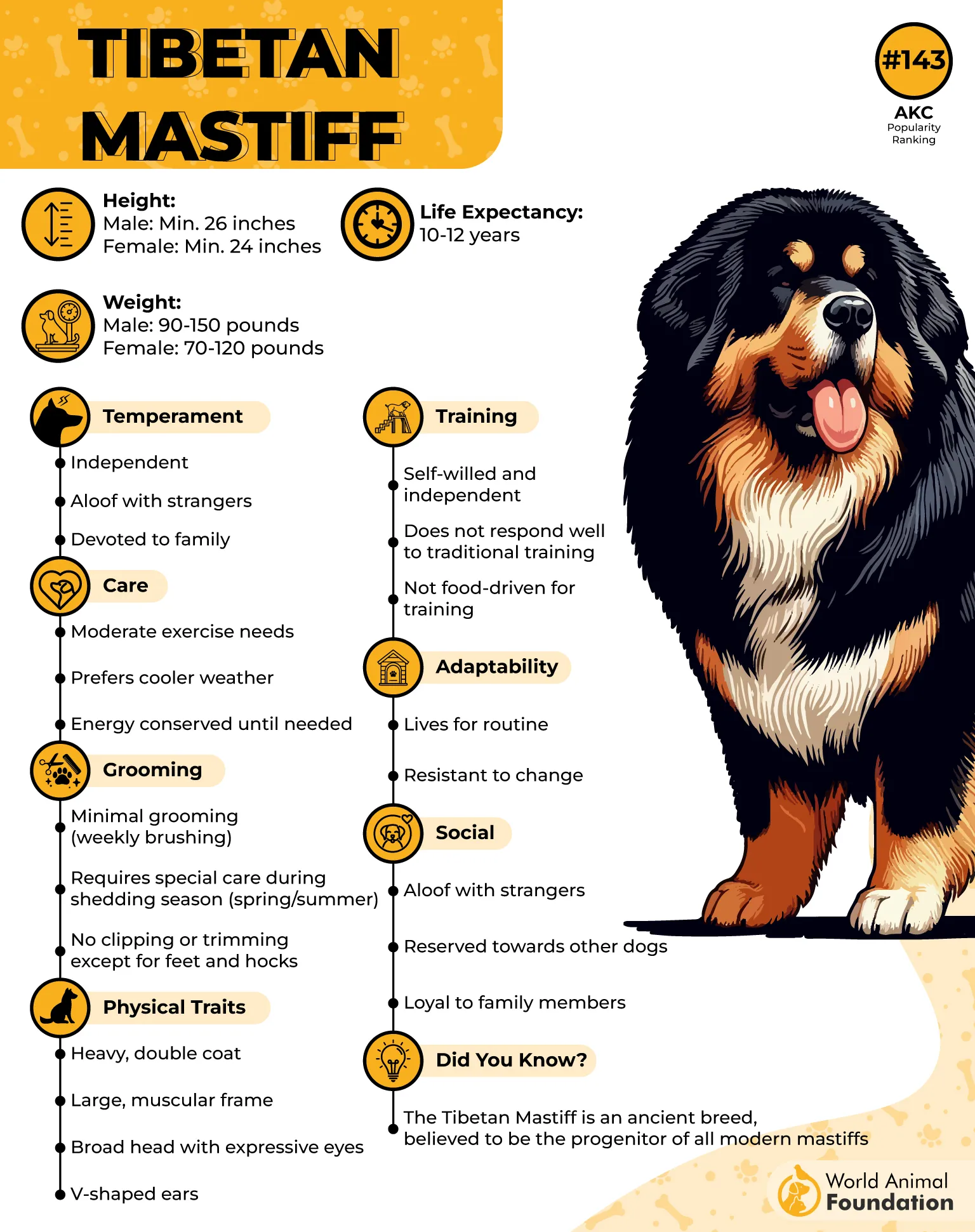
The coat blows during the shedding season. Hence, use a de-shedding tool to remove loose hair. Nail trimming is required monthly. Go for daily teeth brushing and monthly baths.
Conclusion
Teddy bear dogs may win hearts at first glance, but the best match goes beyond fluffy fur and a sweet face. A Chow Chow brings quiet loyalty, a Pomeranian adds big personality to a tiny body, and the Samoyed turns ordinary days into snowy adventures. Meanwhile, breeds such as the Great Pyrenees, Caucasian Shepherd, Leonberger, and Tibetan Mastiff offer devotion on a much larger scale.
When personality, care needs, and lifestyle line up, one of these nine breeds can become more than an adorable companion. It can become the furry heartbeat of your home, with a little extra fur on your favorite sweater.
