




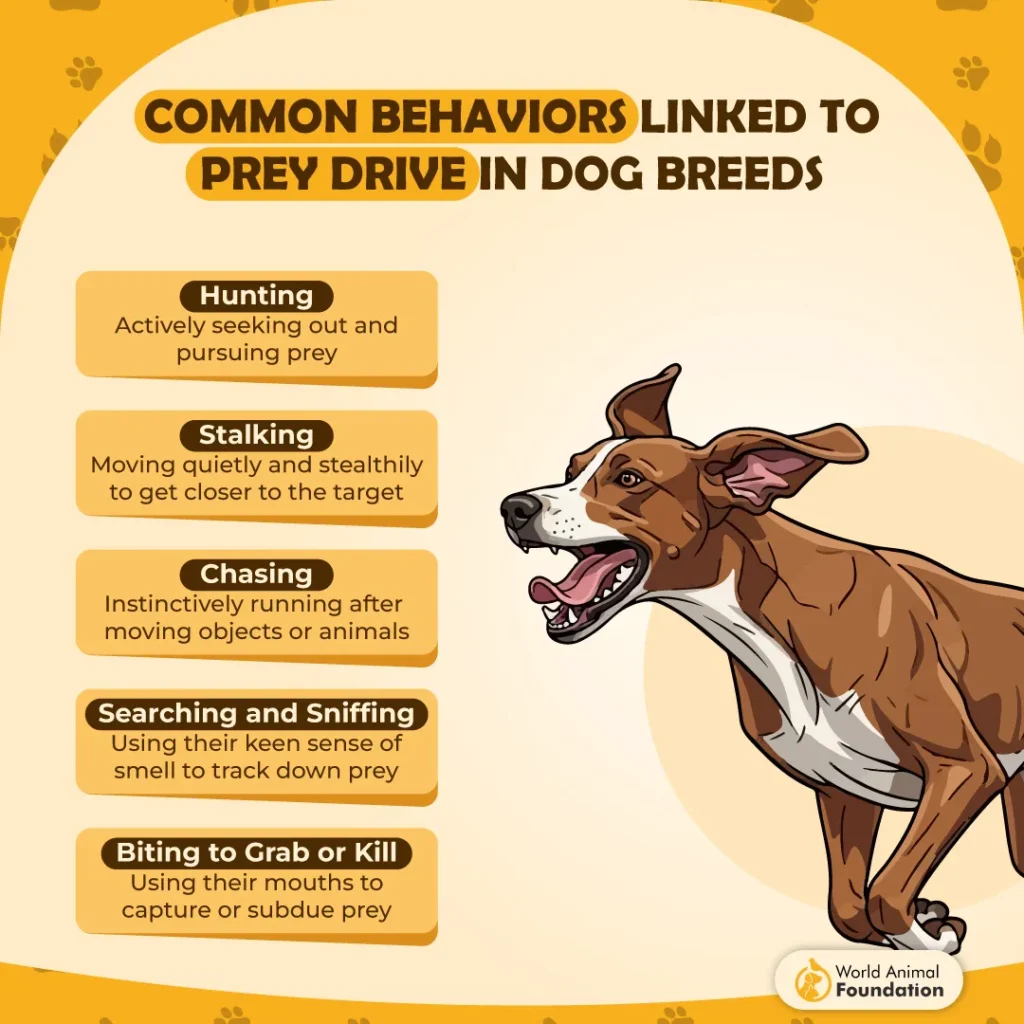
Some dogs are born to chase. While most dogs enjoy spending quality time with their owners, others are constantly on the hunt. You might be wondering what prey drive really is and why it is worth discussing. A dog’s prey drive is a natural behavior to chase small animals when they see them.
While this may sound challenging, having a high prey drive doesn’t have to be a negative thing. It’s normal for certain breeds, especially those developed for hunting or herding instincts. Their alertness and strong instincts were not accidental; they were designed to perform specific tasks with persistence.
Only experienced owners know how to handle them, and honestly, it’s a highly rewarding experience to have such a dog around. With the right training and tips, these dogs can positively redirect their prey drive and turn into delightful family companions.
Below are seven wonderful breeds with very high prey drive traits. Read till the end to find more about their characteristics, and tips for enthusiasts to handle them properly.
Dog Breeds with Very High Prey Drive Traits
1. Greyhound
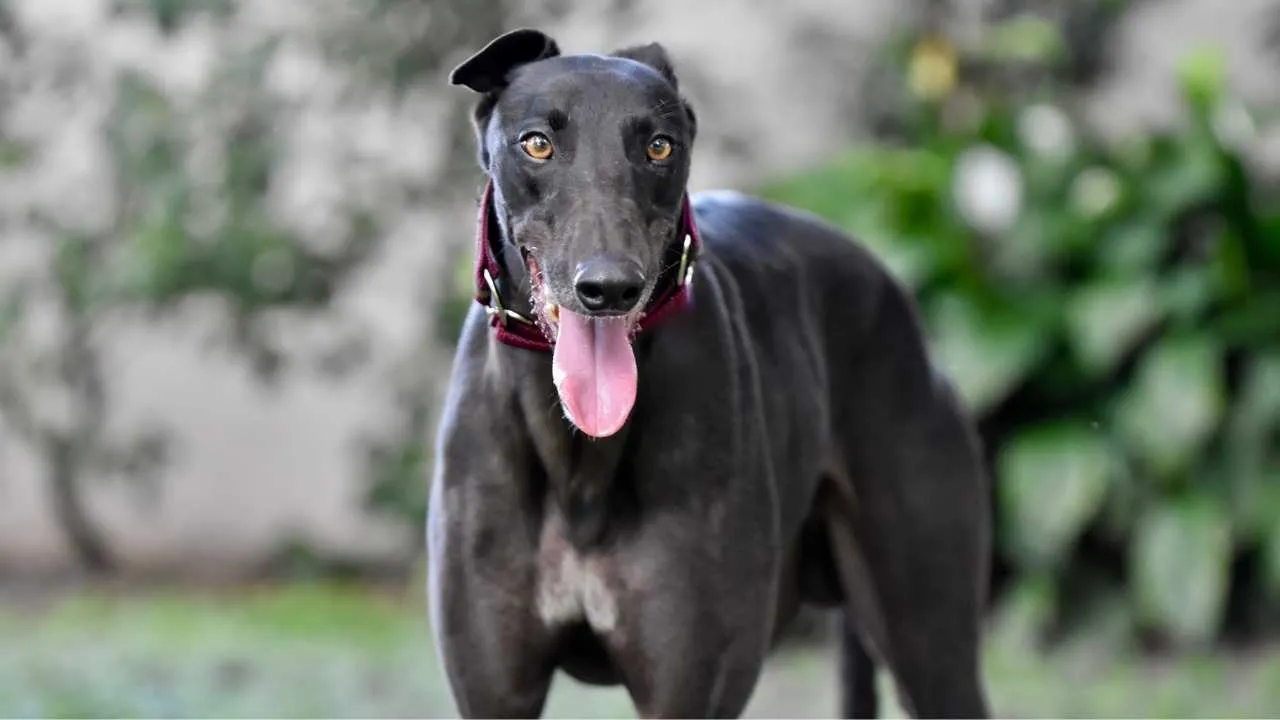
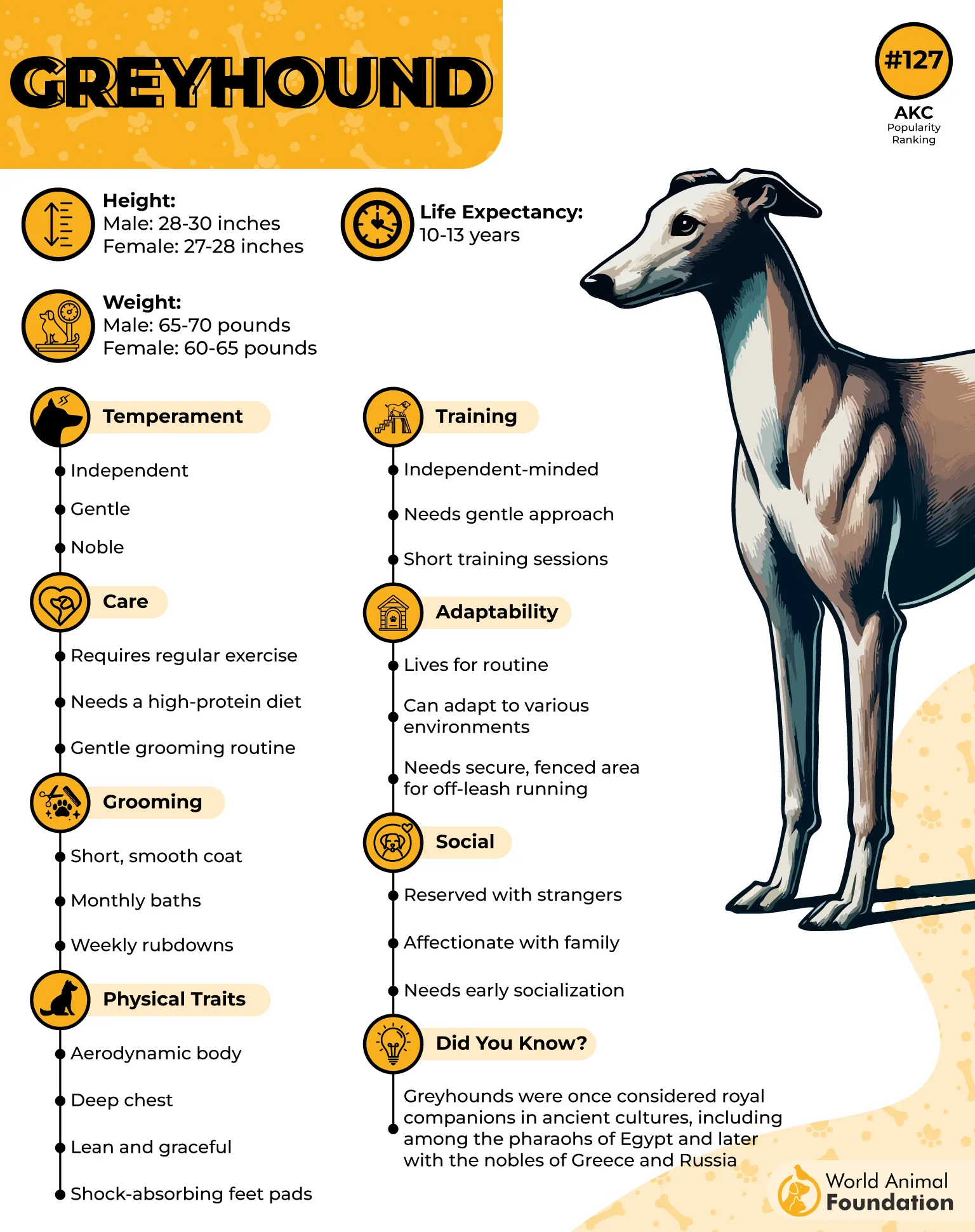
The graceful Greyhound is one of the oldest and fastest dog breeds in the world. They’re generally gentle in nature, but they do have a very high prey drive. Unlike other hounds, Greyhounds rely on speed, sight, and agility to catch and pursue prey. The perfectly sleek ‘S’ shaped physique is ideal for their pace.
Bred as a hunter, these super-fast sight hounds instinctively chase running animals. Anything small, like rabbits and squirrels, this hound is likely to give chase.
But the main thing is, they’re non-aggressive and will probably try to walk away from the fuss. These quiet dogs love to bond closely with their owners and do well in homes with short play sessions and soft bedding.
Training needs
First and foremost, the training session needs to be short, as these dogs easily lose interest. They excel in agility courses, so enroll them in agility classes. Engage them in scent work and interactive games for mental and physical enrichment. Emphasize reward-based training to manage instincts and avoid problematic behavior.
Care Tips
The Greyhound needs a fenced area where it can get some off-leash walking or exercise.
Both proper training and socialization are crucial for these energetic dogs
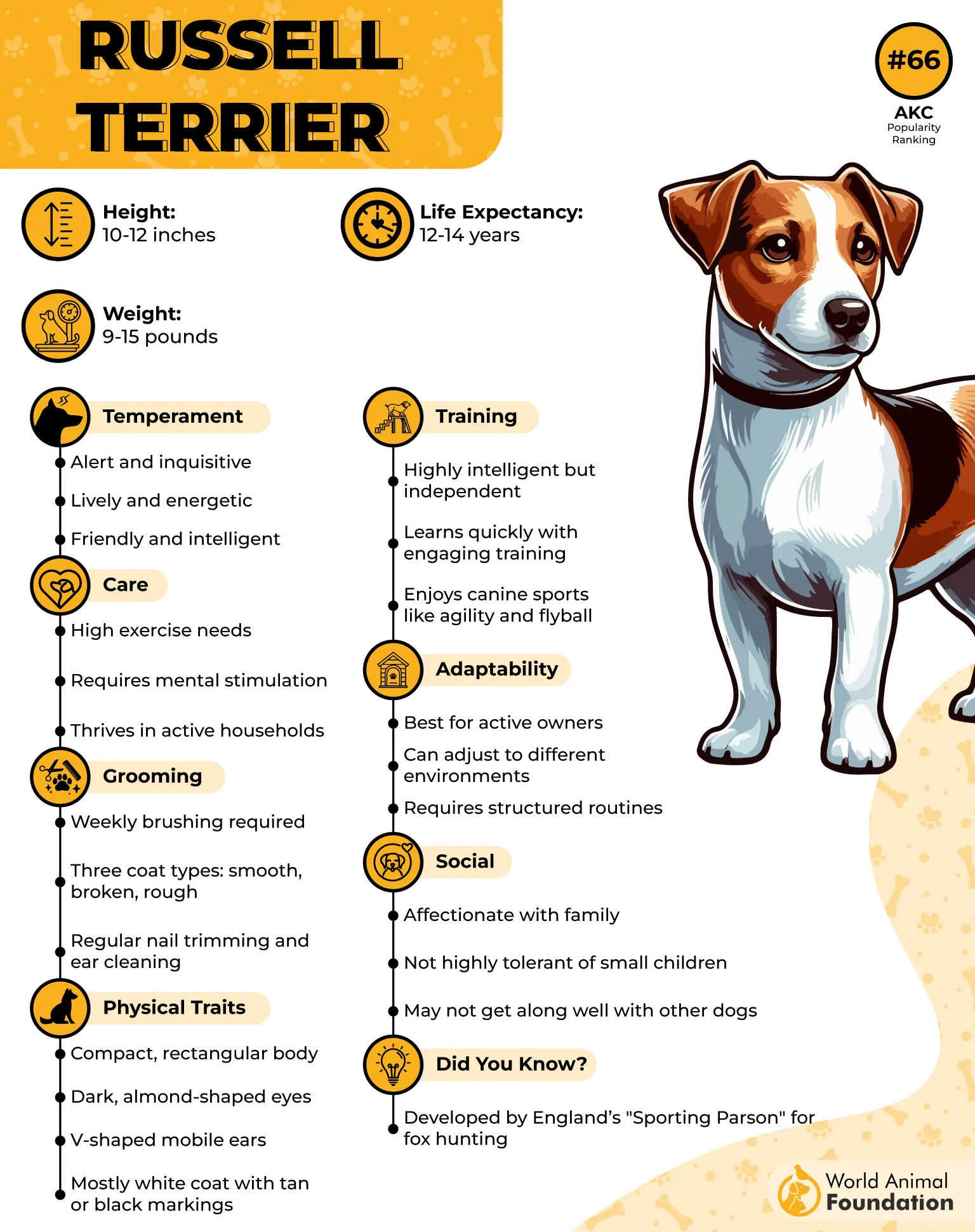
2. Jack Russell Terrier
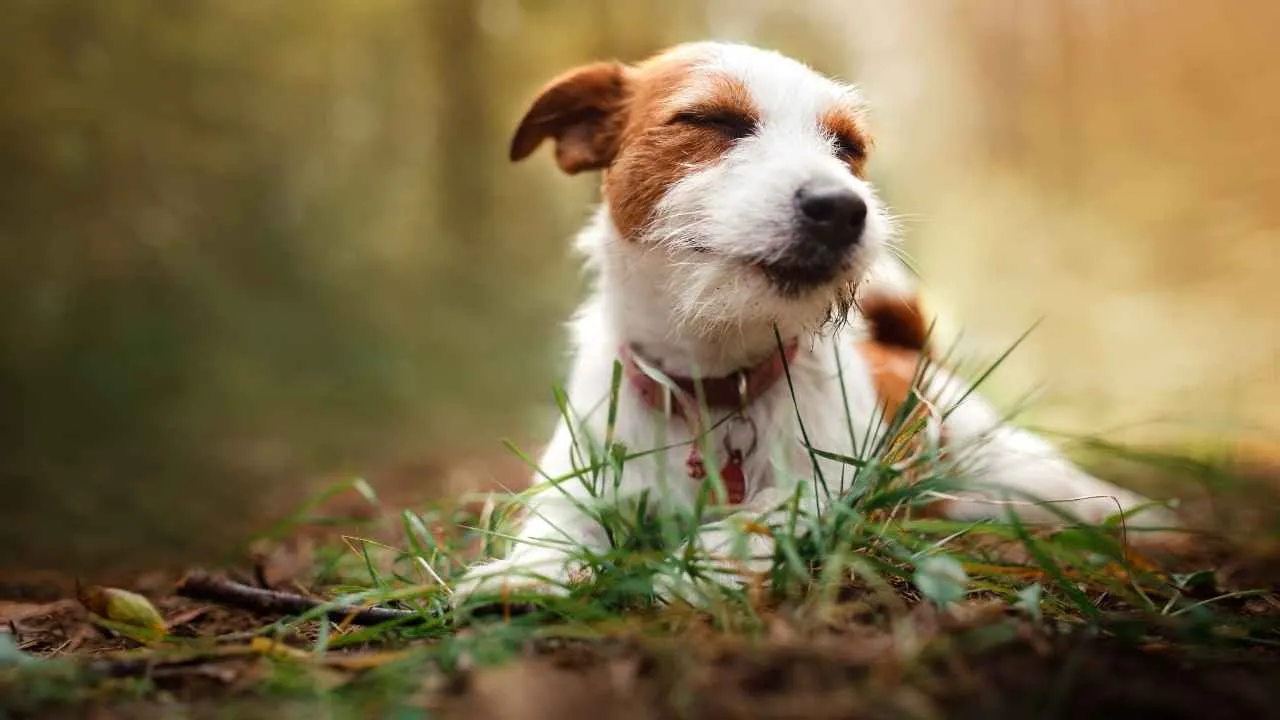
This small pup from the terrier group has been widely recognized as a companion and sporting dog. They have long been popular, thanks to their strong prey drive and bold terrier temperament. Short but muscular, Jack Russell Terriers are extremely active and playful working dogs.
As a fox terrier, these dogs were originally bred to catch foxes from their dens during hunts. JRTs are excellent family companions as well, although not suitable for households with small animals. They have surprisingly high stamina, which may be too much to handle for a new dog owner.
Training needs
JRTs are smart but strong-willed and independent in nature. Consistency and positive reinforcement methods work best in the training process. Their high prey drive can easily distract them, so start Recall Training from indoors. Call your pup’s name, followed by the ‘come’ command, and quickly reward them when they respond.
Care Tips
These high-energy working dogs require several hours of mental and physical activity every day.
They’re natural-born diggers, so keep them in supervision, in case they make a little escape attempt.
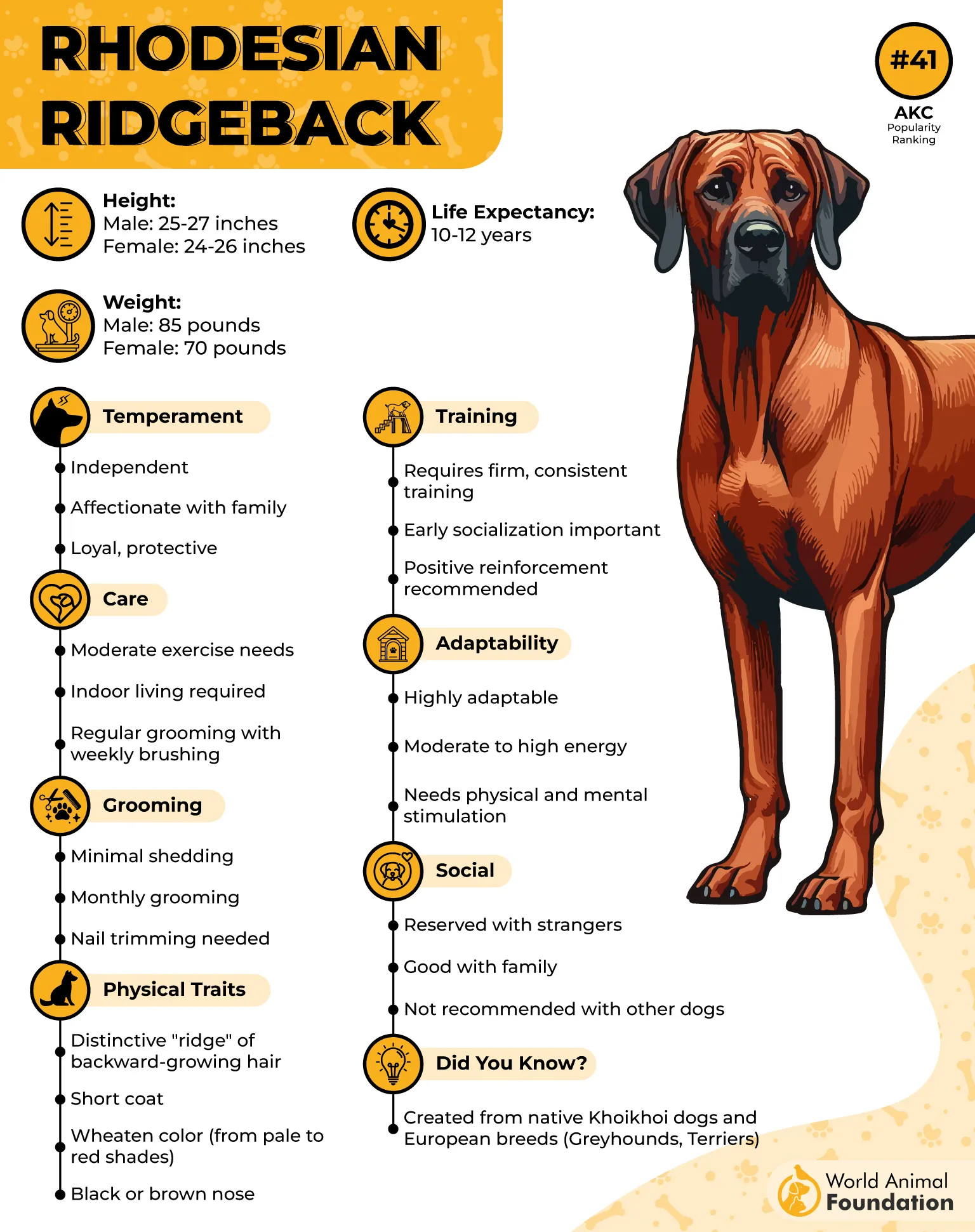
3. Rhodesian Ridgeback

Rhodesian Ridgebacks are large hound dog breeds known for the distinctive stripe of backward-growing hair on their back. They originally belonged to South Africa, where they were bred with intelligence to navigate the African environment and outwit predators.
According to AKC, Ridgebacks were primarily used for lion hunting (without actually killing them). They have excessively high prey drive, which means they’re not suitable for novice owners. These athletic dogs are extremely affectionate, too, making them devoted family dogs. The owner must be used to training such intelligent dogs.
Training needs
Ridgebacks are highly trainable but have an independent streak that sometimes comes off as stubbornness. Advanced training like agility, tracking, and off-leash control can channel their energy constructively. To discourage unwanted behavior, reward them with treats and verbal praise. Try your best to remain patient and consistent throughout the process.
Care Tips
Due to high prey drive, early socialization and basic obedience training are compulsory to keep them on track.
Ridgebacks need at least an hour of daily exercise and mental stimulation to keep them healthy.
4. Beagle
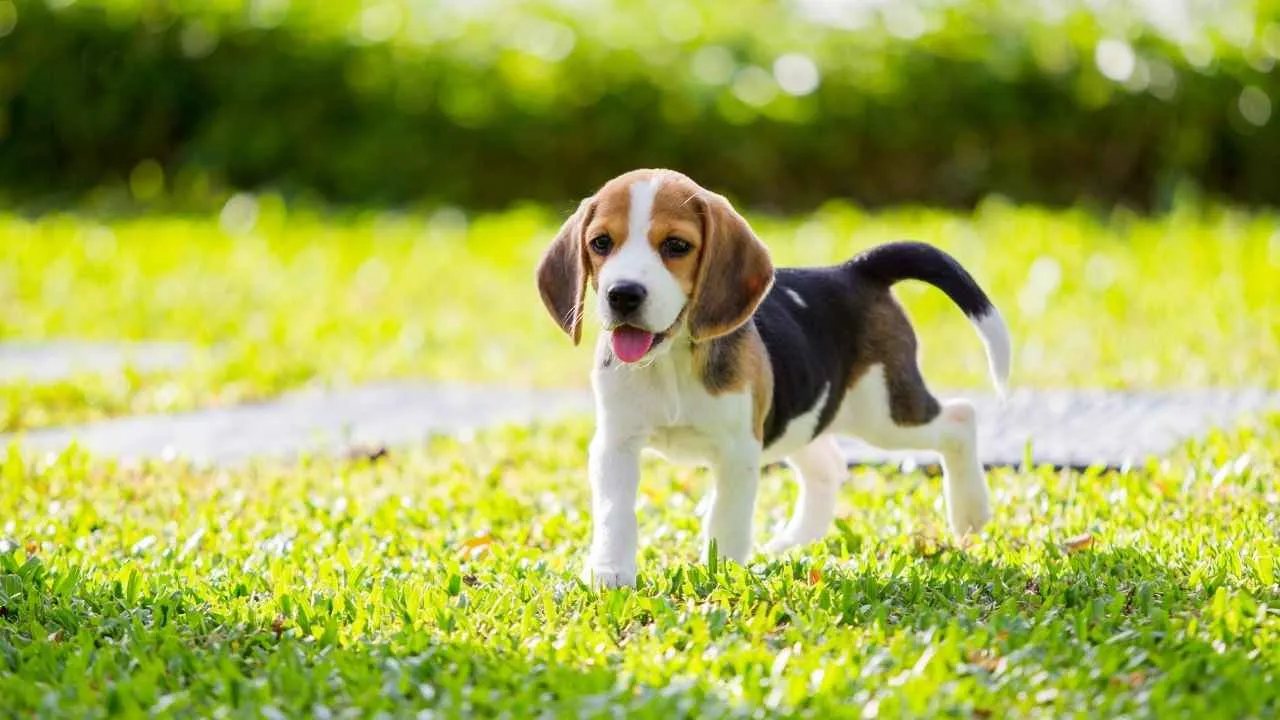
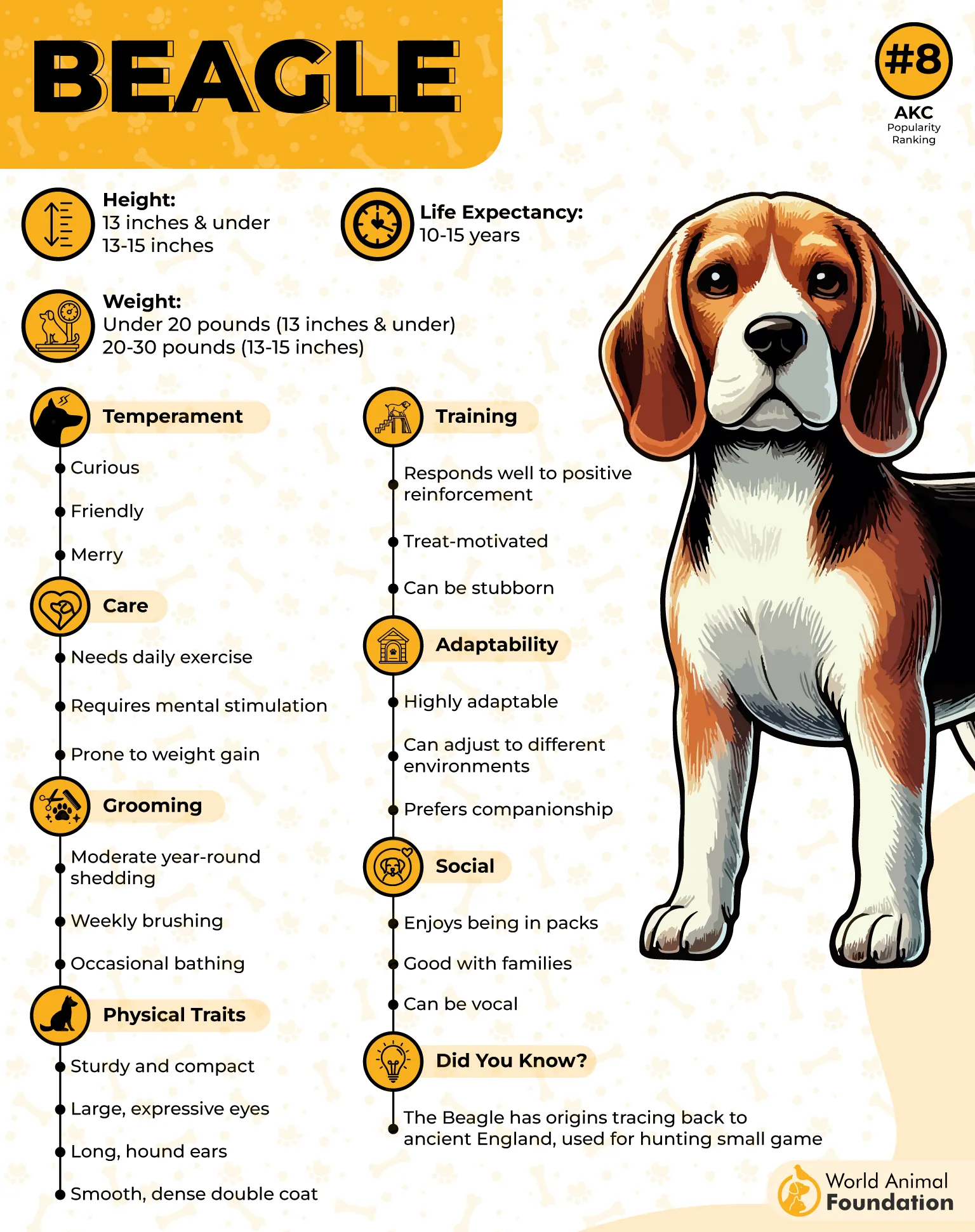
Beagles are medium-sized scent hounds with large, expressive eyes and floppy ears. They usually come in tricolor, famous as both a pet and a hunter. These small dogs are also known for their friendly demeanor. According to Britannica, they’re highly alert and excel at small animals like rabbits and squirrels.
Many beagle fanciers express their fantastic experience with these pups. They’re amiable with other dogs and pets. Beagles have an excellent sense of smell, and they use this ability to track and follow scents. They’re still used as hunting breeds but are more popular as companions.
Training needs
Begles are more eager to learn when rewards are involved. Leash training is also necessary, as it keeps them under control during walks. Interactive play sessions, scent games, and puzzle toys help to distract these prey-driven dog breeds. Even with proper training, it’s important to create a safe environment for both the beagle and the prey animal.
Care Tips
Beagles are easygoing in general, but still need a fenced yard, regular play sessions, or leash walks.
Random dog park interactions can help them get rid of specific unwanted behaviors.
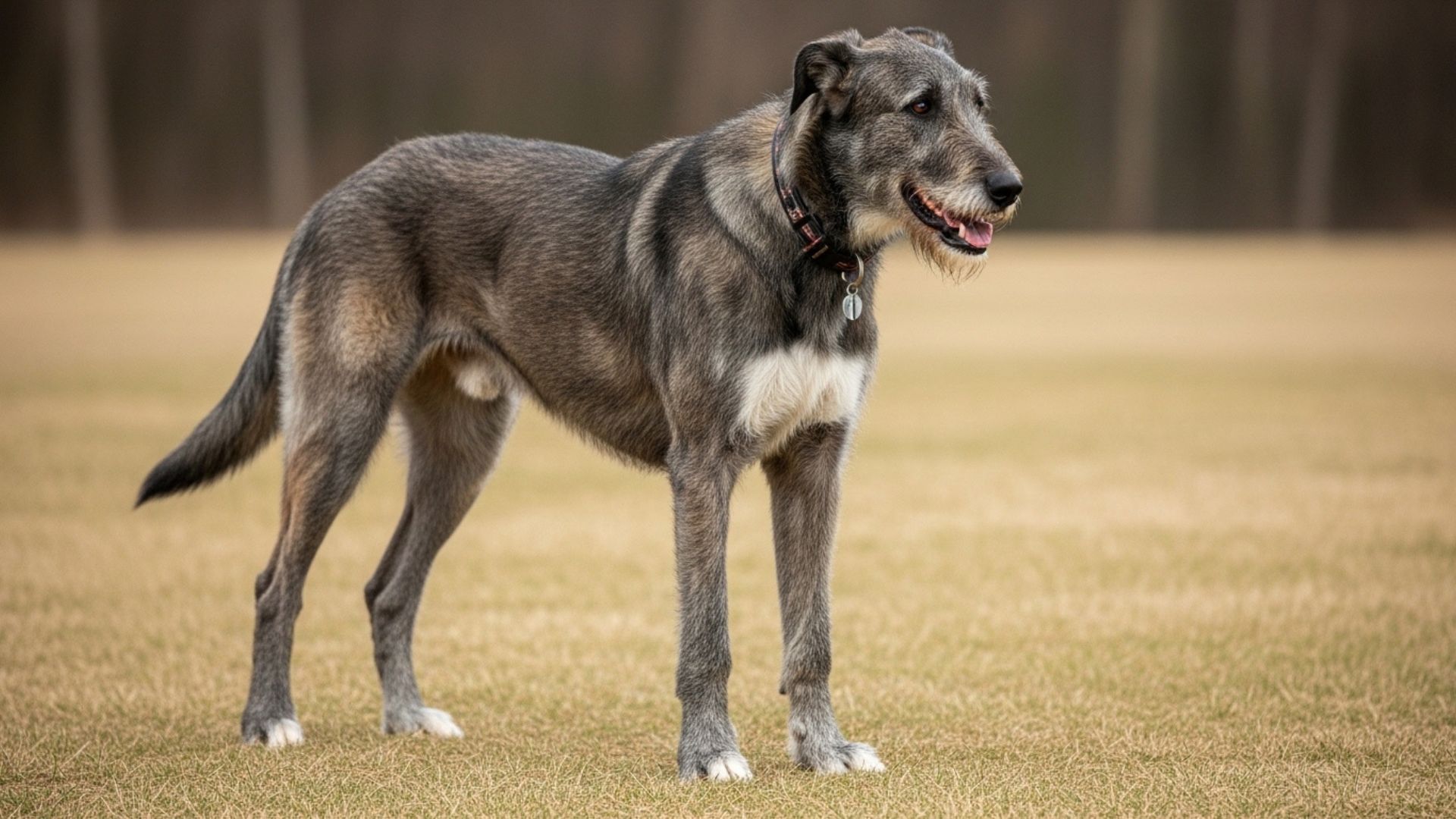
5. Irish Wolfhound
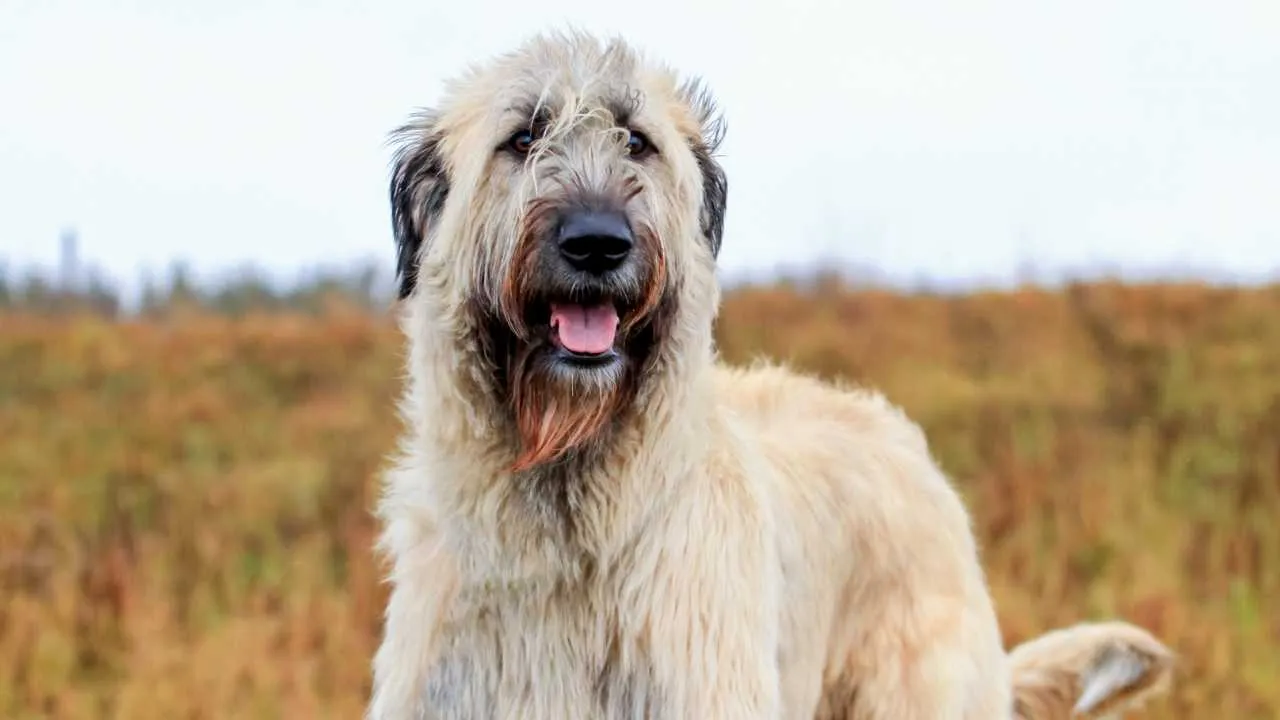
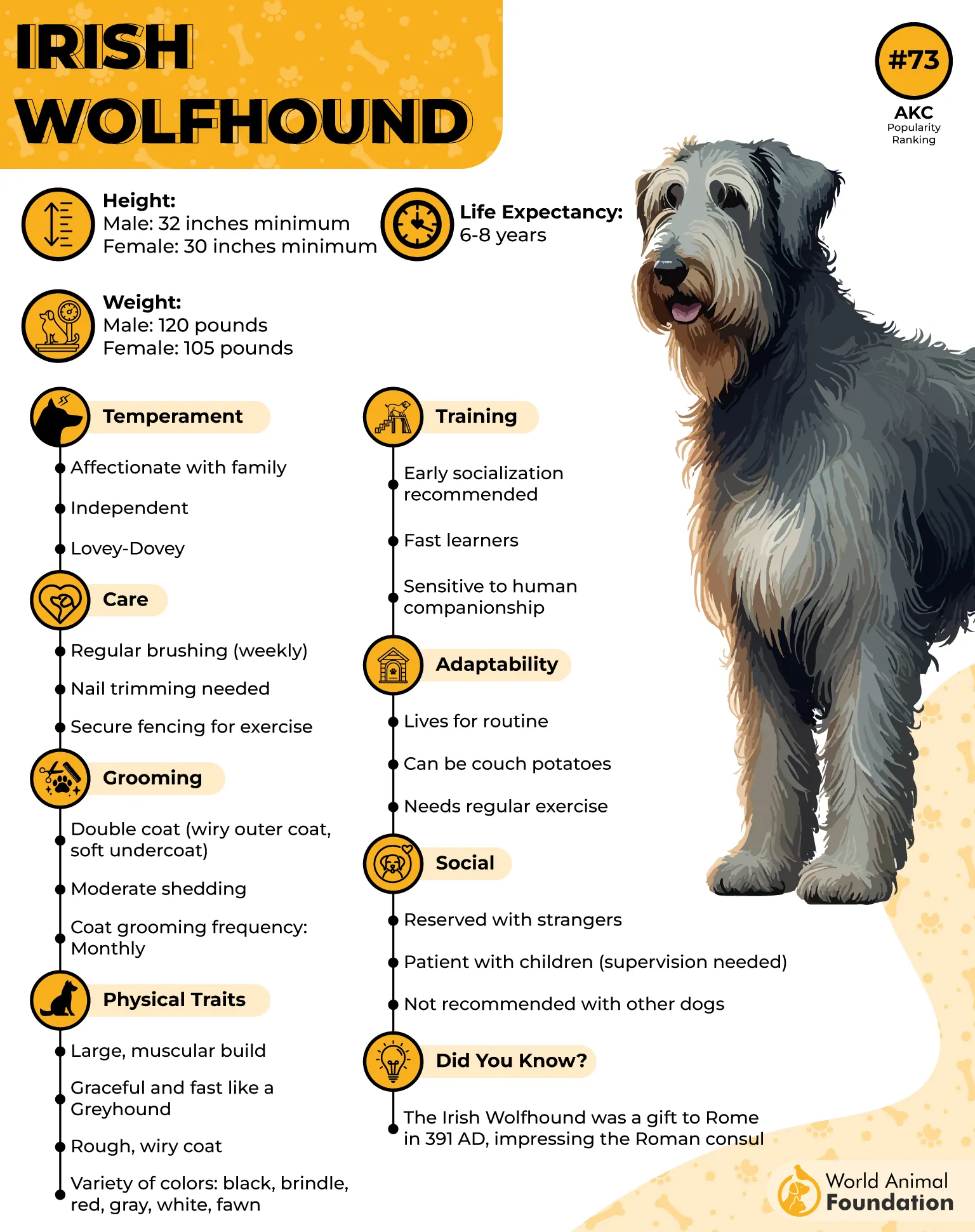
This gentle giant is a sighthound native to Ireland and is the tallest of all AKC breeds. They can reach a height of around 7 feet when standing on their hind legs (taller than most humans). They may look intimidating at first glance, but the PDSA describes them as ‘big softies’ at heart. Not every breed with a strong prey drive is as composed as an Irish Wolfhound.
These fearless breeds were originally developed to protect livestock against wolves. Like many dogs, they’re also hounds with one of the highest natural prey drives. In this modern era, Irish Wolfhounds are now highly praised as loyal family dogs.
Training needs
Early training is crucial for Irish Wolfhounds due to their large stature and naturally high prey drive. Reward-based training and verbal praise can strengthen the bond between dog and owner without stress. Because they’re hounds, they’re compelled towards chasing moving objects, so recall training should be practiced regularly in secured areas.
Care Tips
Irish Wolfhounds need moderate exercise every day. Take them for a walk or play with them outside.
Due to high prey drive, keep them on leash for walks and engage them in sporting activities.
6. Saluki
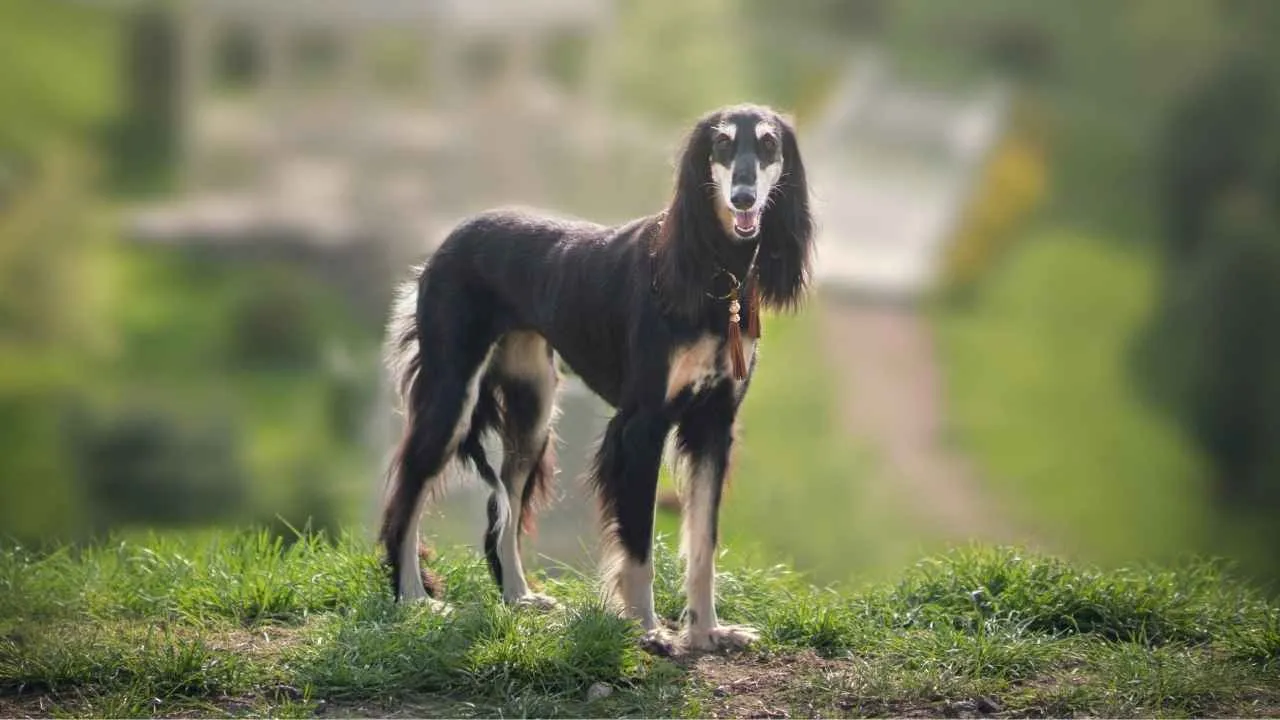
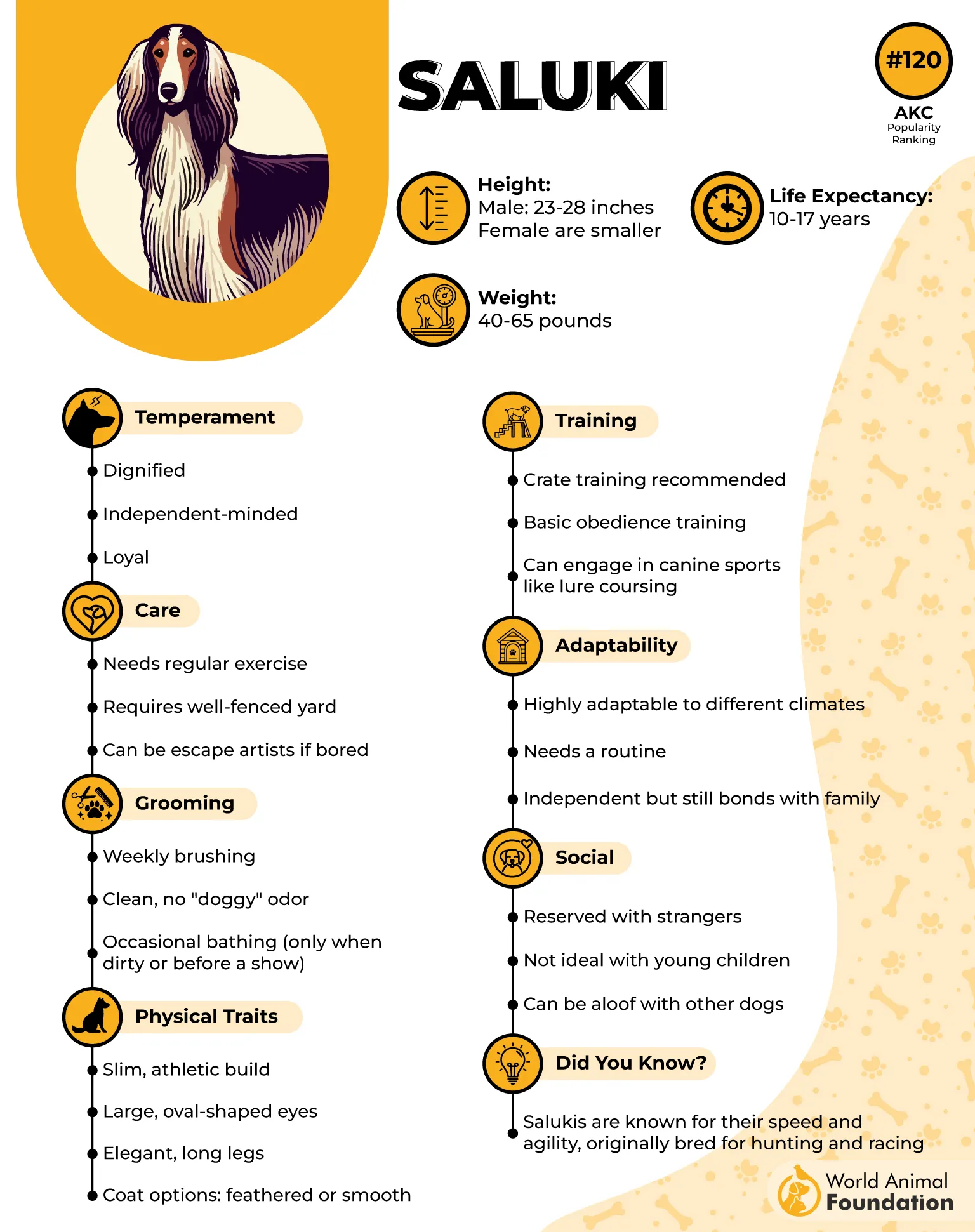
The Saluki is a gorgeous breed that has captivated the hearts of many dog lovers for thousands of years. With a slim build, deep chest, and long legs, this breed combines grace with remarkable speed. Salukis are believed to have originated in the Middle East, where they were beloved by the royals, especially Egyptian Pharaohs.
Despite their beautiful appearance, they’re also great hunters and rank among the oldest domestic dogs in written records. These dogs possess such great speed that they were used to track and hunt gazelles. In the Saluki, prey drive refers to their instinctive urge to chase moving animals and kill them.
Training needs
Salukis are high-energy dogs with strong prey instincts, so they require a lot of time to invest. Teaching them to respond promptly when called and to stay focused can help manage their urge to chase. It’s essential to establish strong recall commands early on. Positive reinforcement also works best, and patience is the key.
Care Tips
Socialization from puppyhood is crucial for Salukis, as it helps relieve their natural shyness.
They will require at least two hours of walking and exercise regularly, for both mental and physical stimulation.
7. Belgian Malinois
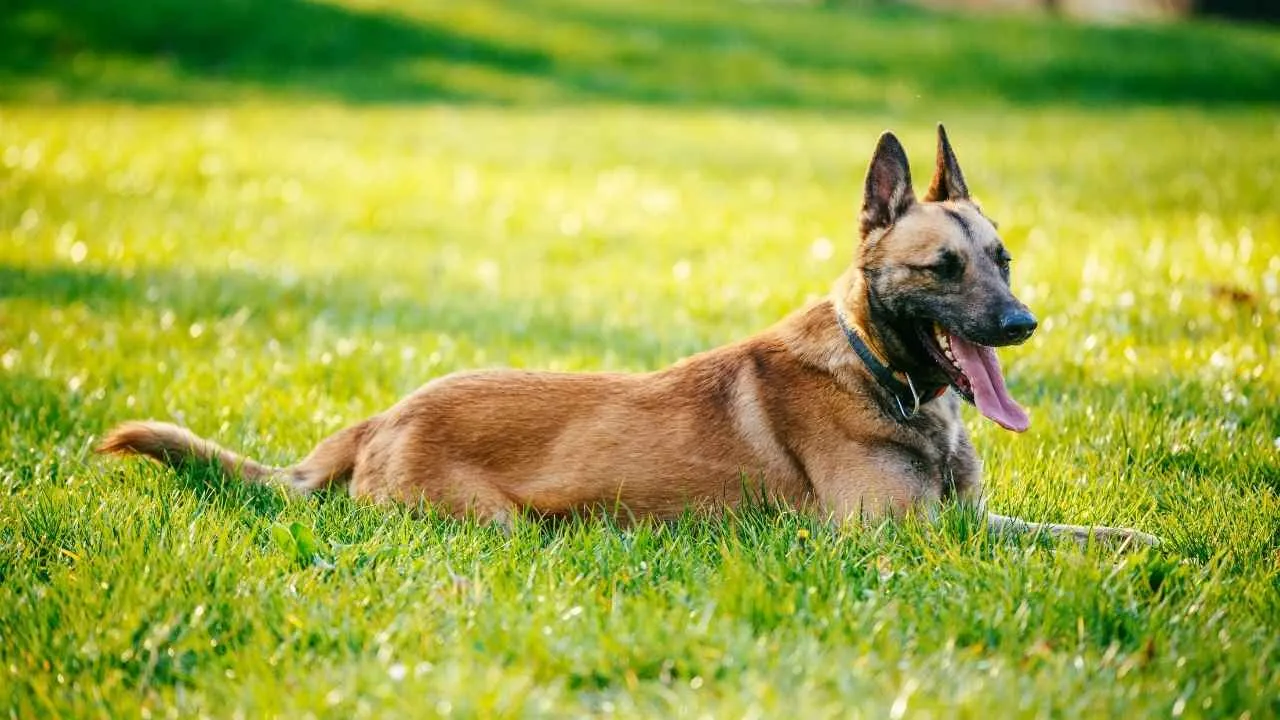
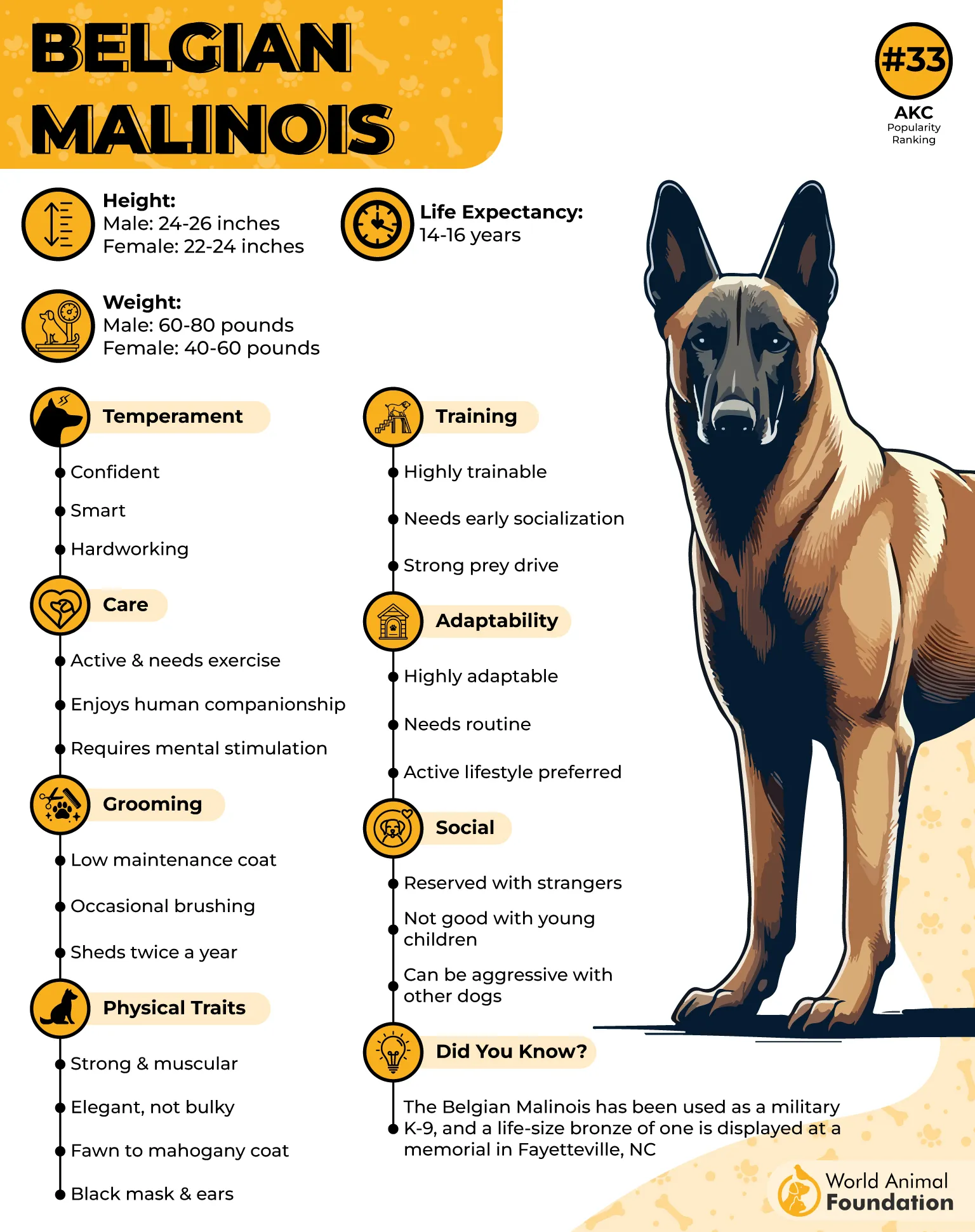
The Belgian Malinois is a large-sized herding breed, and one of the four Belgian Shepherd breeds that originated in Malinois. Bred primarily for herding livestock, these confident dogs are totally work-oriented. Today, they excel in police and service roles due to their obedience and strong build.
Their prey drive is exceptionally high, often triggered by fast movement, which encourages the need to chase and pursue. Their intelligence and athleticism come from natural prey and herding instincts. Beyond their working abilities, Malinois can be loyal and deeply bonded to their handlers.
Training needs
Training a Belgian Malinois requires structure, consistency, and experience. Positive reinforcement combined with clear boundaries works best, as they respond strongly to purposeful tasks. Because of their strong prey drive, obedience training, impulse control exercises, and advanced engagement drills are essential. Activities like agility and fetch help channel their energy.
Care Tips
Provide vigorous daily exercise for at least one or two hours along with mental enrichment.
These dogs need exposure to different people and environments to ensure they are well-mannered.
Conclusion
In the end, understanding prey drive is essential for pet owners. These traits are not flaws; their natural behavior varies widely from one breed to another. Some dogs were selectively bred to guard livestock, some to track prey, and others to control movement with strong herding instincts.
Because a dog retains parts of its original purpose, those instincts can still surface in everyday life. Without proper guidance, that energy may turn into destructive behavior or attempts to engage in harmful activities like chasing cats or other pets sharing the home. House training can be challenging, especially in households with very small children or small pets.
While many breeds may become effective guard dogs, consistent training and socialization are key to ensuring they do not hurt children or other animals. Pet owners should seek professional guidance early if problems arise.
