




Some dogs are born independent, spirited, or downright stubborn. Dog breeds with unruly temperaments test an owner’s patience, creativity, and training skills—but the rewards can be incredible. These breeds aren’t unruly out of malice; they are intelligent, strong-willed, and sometimes highly energetic dogs who need structure to thrive.
From herding instincts to guarding tendencies, these breeds were often developed for jobs that required focus, confidence, and independence. When placed in modern homes, their strong personalities can manifest as stubbornness, excessive energy, or curiosity.
Experienced owners often find that training these breeds is a fulfilling challenge. Consistency, patience, and positive reinforcement unlock their potential, revealing a dog with personality, devotion, and drive unlike any other.
We’ll explore the top 10 dog breeds with unruly temperaments that need extra training, offering insight into their behavior, how to manage their challenges, and why these spirited dogs are incredibly rewarding for the right owner.
Quick Insight: Breeds like Mastiffs and Great Danes combine enormous size with strong personalities. Studies show that trained dog breeds need early socialization, consistent training, and structured routines to thrive safely alongside humans.
Top Dog Breeds With Unruly Temperaments That Need Extra Training
1. Siberian Husky
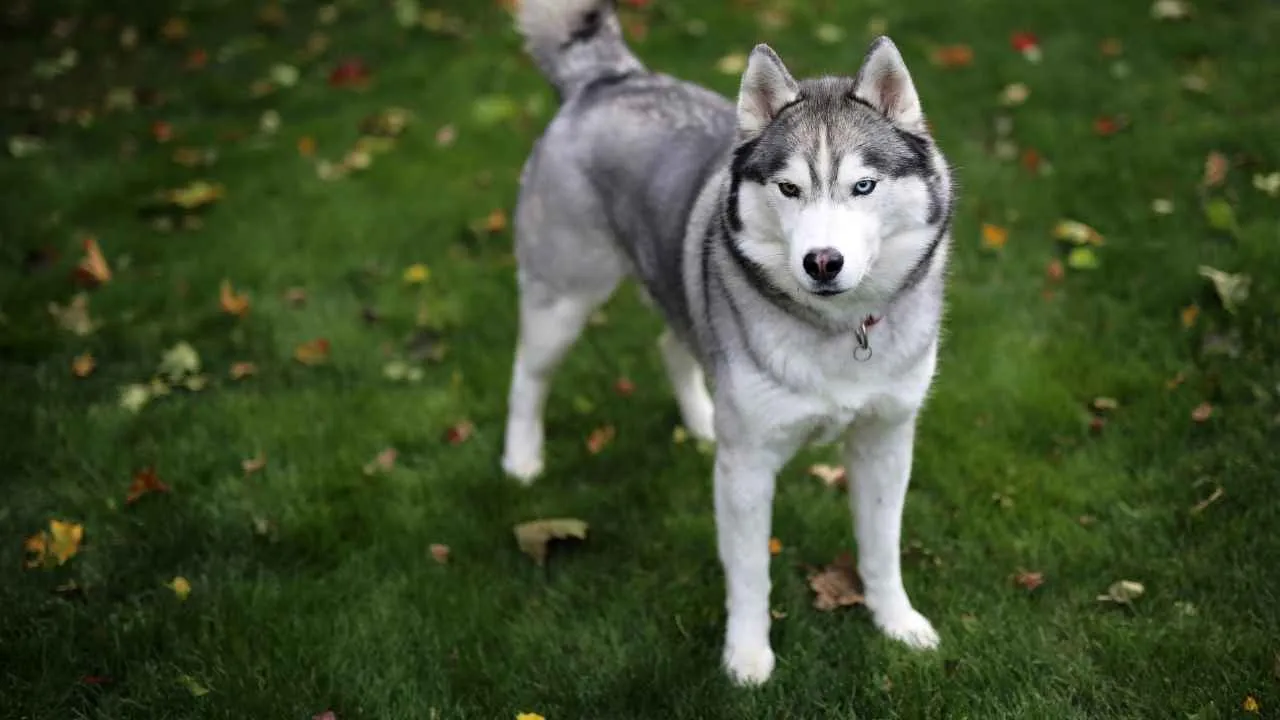
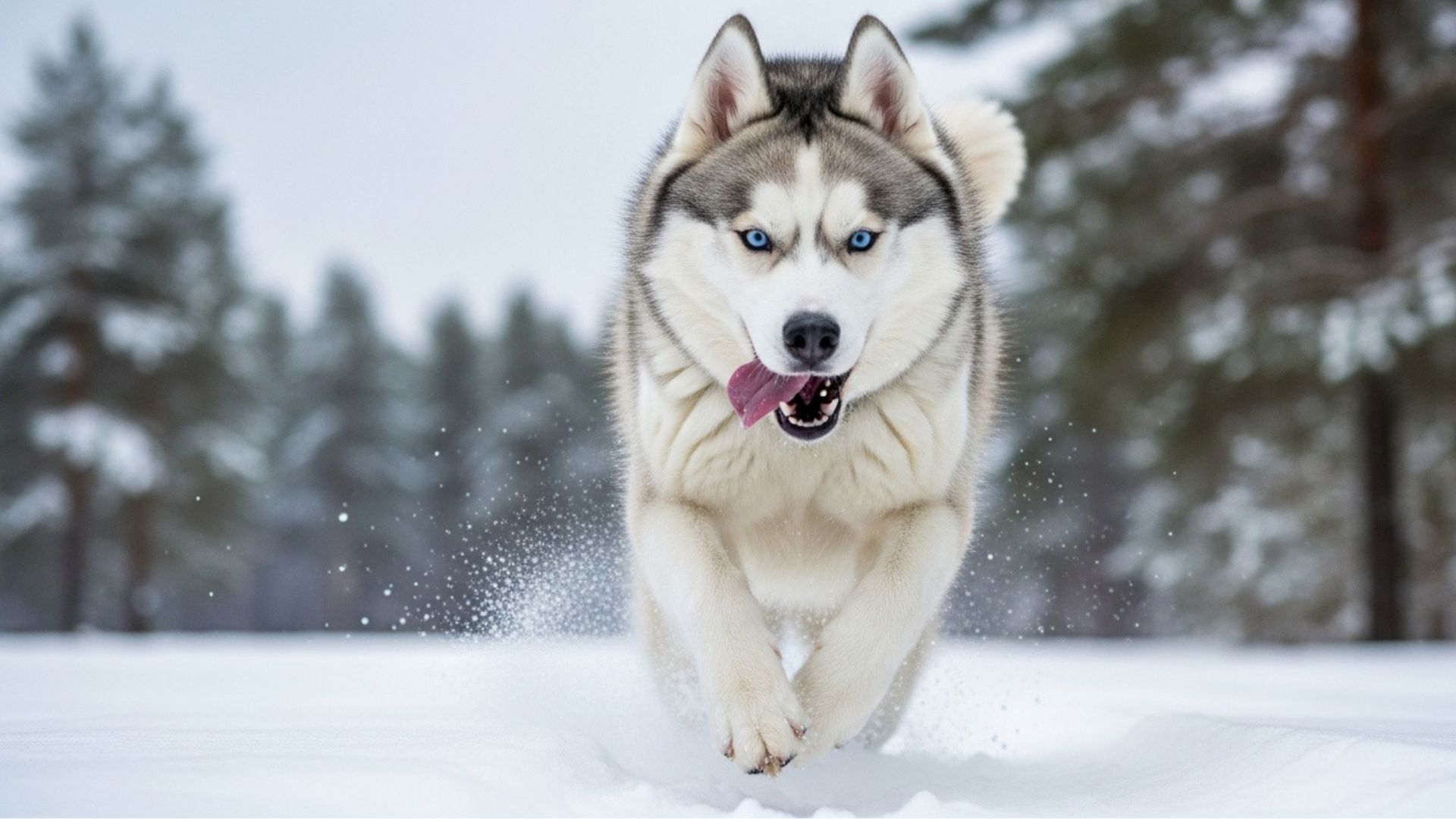
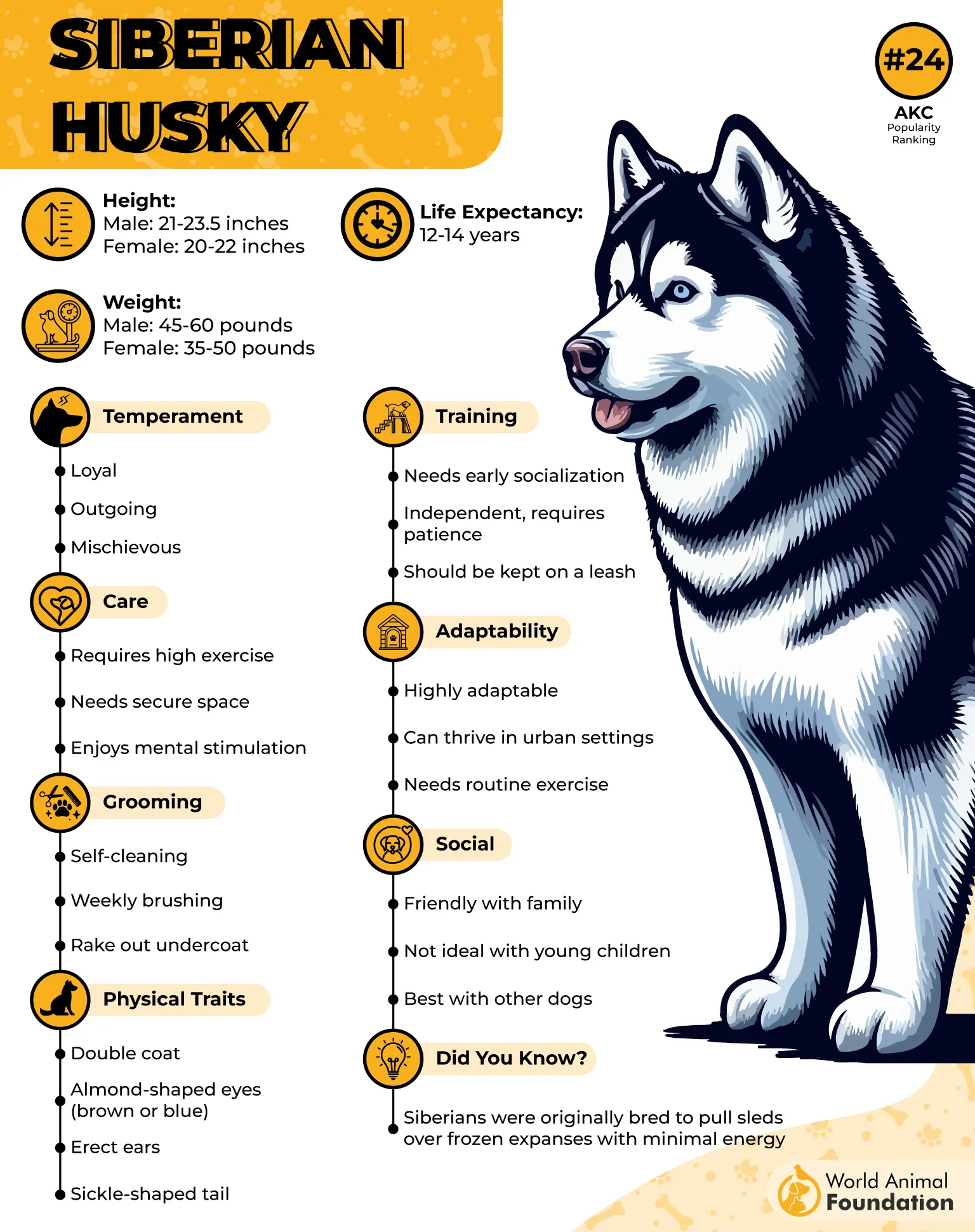
If you’ve ever seen a Siberian Husky in action, you know they’re basically four-legged bundles of energy… with a PhD in “How to Drive Humans Crazy.” These high-energy breeds, hailing from the icy expanses of Siberia, were bred to pull sleds for miles in freezing temperatures.
Translation: they have endless stamina and a strong independent streak. Huskies are famously friendly—sometimes too friendly. They’ll greet strangers with a wagging tail and a mischievous glint in their eye, which is adorable… until they convince your neighbor’s cat that it’s playtime.
And oh, the famous Husky howl! It’s like living with a tiny wolf opera, often in the middle of the night, when all you want is sleep.
But let’s be honest, their reputation for “unruly” behavior is well-earned. These dogs are escape artists. Fences? Mere suggestions. Leash manners? Optional. They have minds of their own, and if they spot a squirrel, a bunny, or even a suspicious-looking leaf, all bets are off.
The American Kennel Club mentions that because of this spirited independence, Huskies need consistent training, lots of mental stimulation, and a home that can handle high-octane energy. Without it, you may find yourself in a sitcom scenario: you, chasing a gleeful Husky down the street while your coffee goes cold and your dignity goes missing.
But if you invest the time, the payoff is worth it. A well-trained Husky is playful, loyal, and endlessly entertaining—a furry friend who’ll keep your life exciting and your arms perpetually sore from tug-of-war. In short: adopt a Husky if you’re ready for the adventure… and maybe some chaos.
2. Jack Russell Terrier
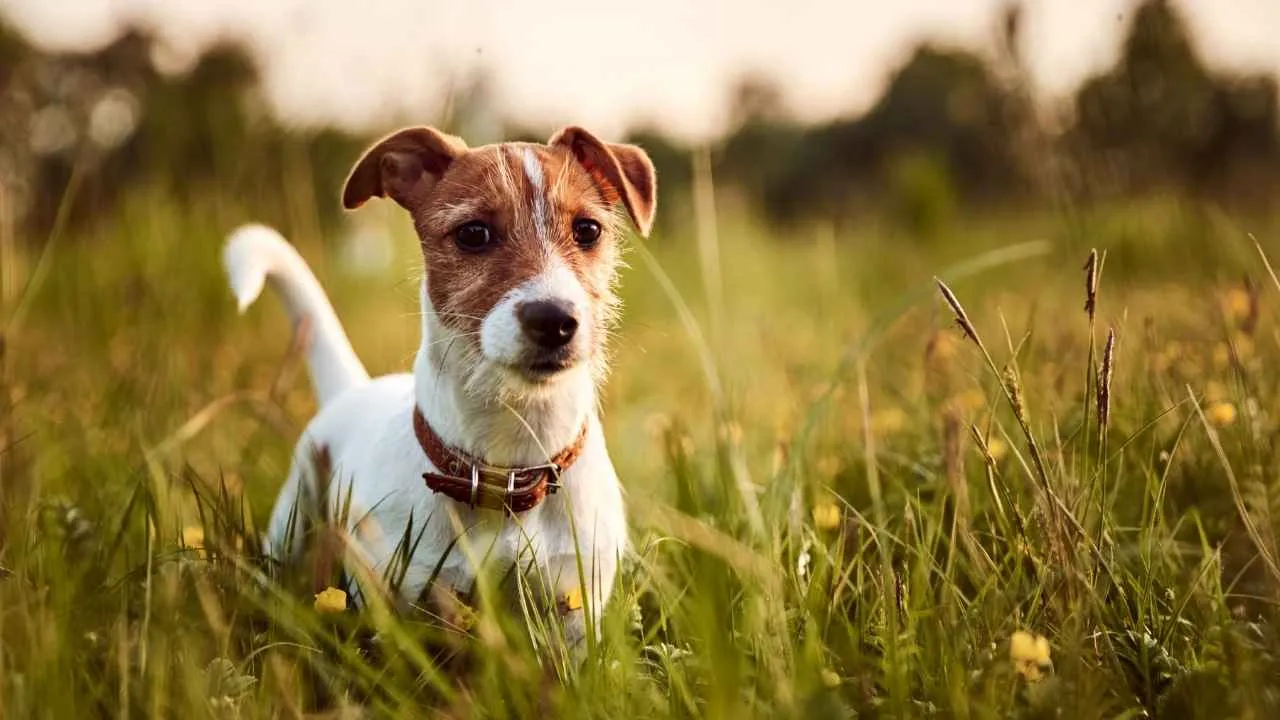
Don’t let that pint-sized body and big puppy eyes fool you—Jack Russell Terriers are basically a pocket-sized hurricane of energy and mischief. Originally bred to hunt foxes, these little dynamos have a prey drive that could rival a hawk’s, meaning squirrels, cats, and even your neighbor’s garden gnome are fair game.
Jack Russells are smart—borderline genius smart—but that intelligence comes with a side of stubbornness. Trying to train one? Think of it as negotiating with a tiny, furry CEO who doesn’t take “no” for an answer.
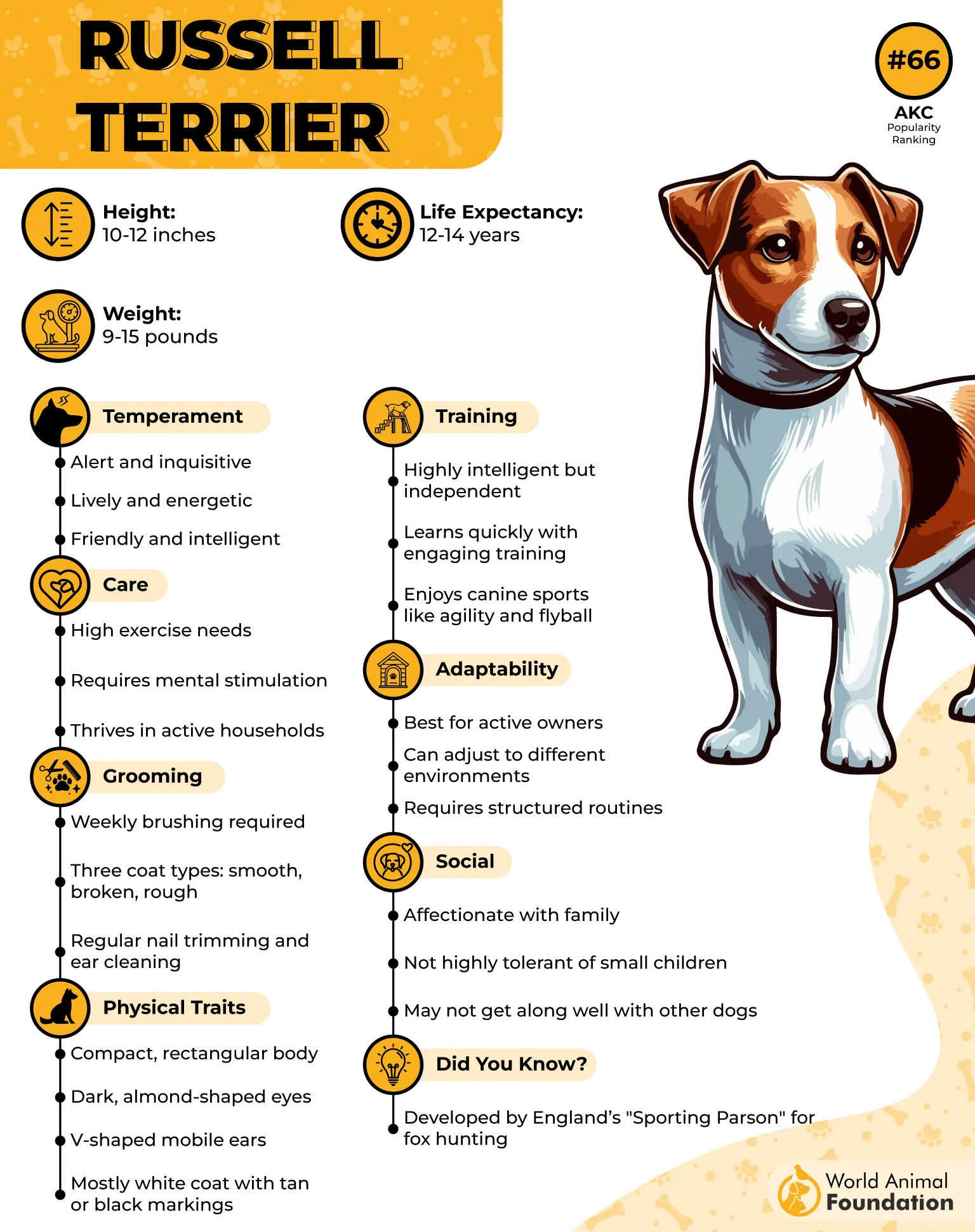
One minute you’re teaching a new trick, the next they’re off zooming around the house like a caffeinated pinball. These most difficult dog breeds need loads of daily exercise and mental stimulation just to keep their brains and bodies from staging a revolt.

Puzzle toys, trick training, agility courses—bring it all on. If you leave them under-stimulated, you’ll quickly discover that a bored Jack Russell can be creatively destructive. Yes, your favorite shoes might be in danger.
But here’s the kicker: Despite the chaos, these tiny tornadoes are affectionate, loyal, and endlessly entertaining.
With the right owner—someone patient, consistent, and ready for high-octane energy—they can be the most delightful little companions. Just don’t underestimate them. They may be small, but their personality. Monumental.
3. Akita
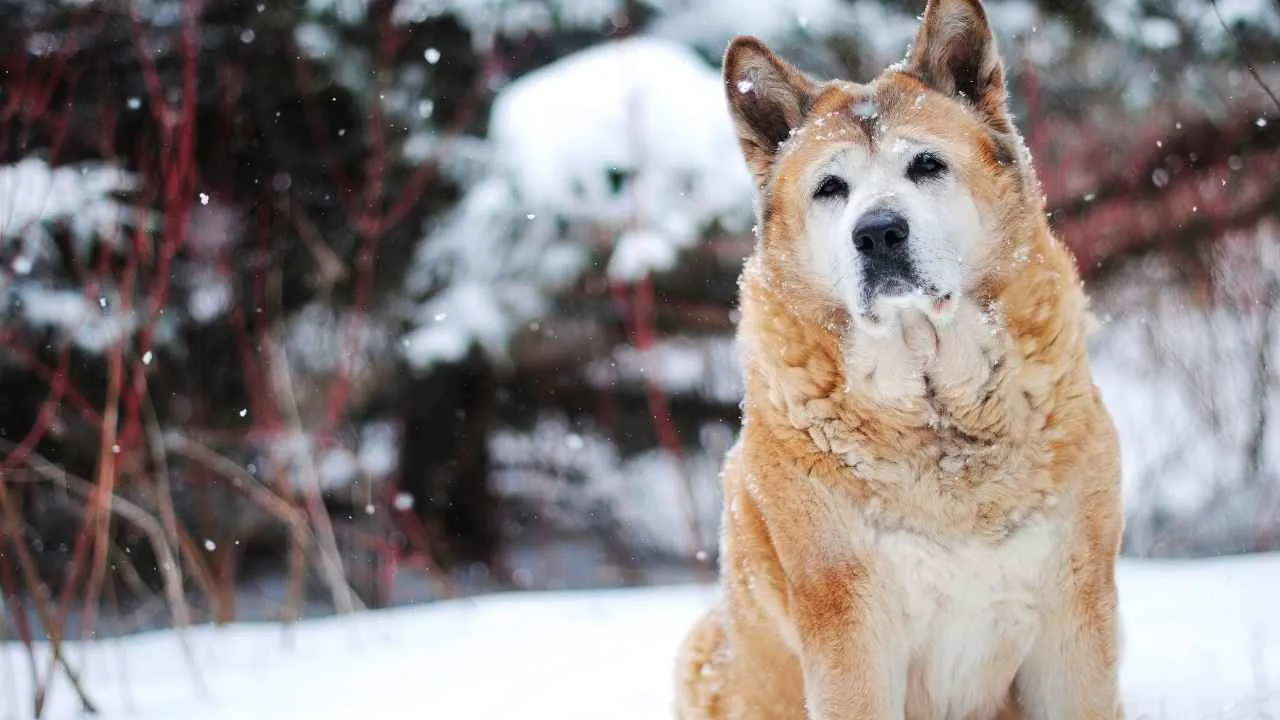
If Huskies are the escape artists and Jack Russells are tiny tornadoes, Akitas are the stoic royalty of the dog world… who sometimes moonlight as drama queens. These majestic dogs hail from Japan, where they were originally bred for hunting and guarding, so independence is baked into their DNA.
Translation: They don’t always feel like following orders… ever. Akitas are loyal to the bone—especially to their families—but they can be aloof or suspicious around strangers, as noted by WebMD.
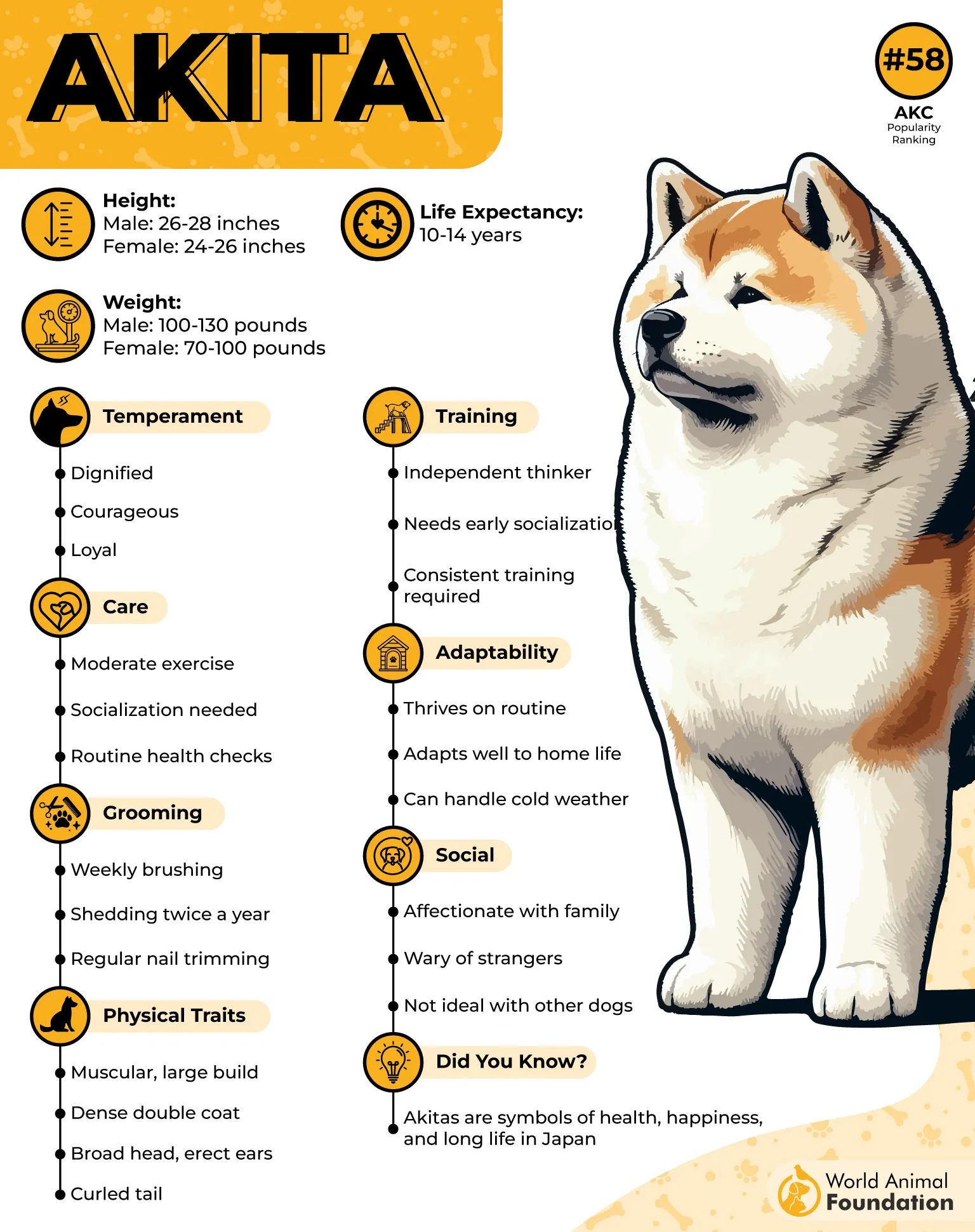
That combination of intelligence, pride, and stubborn streak means training can be… let’s just say, a delicate art form. You’ll need consistency, patience, and a confident hand. Treat them like a negotiation with a tiny samurai lord, and you’ll do just fine.
They also need early socialization. Without it, an Akita might develop selective friendships: “I like you, human, but that delivery guy? Not so much.”
Exercise is important too—not just to burn energy, but to give their mind something to focus on, because boredom + Akita independence = a recipe for creative trouble.
Here’s the silver lining: once an Akita trusts you, you have a lifelong, fiercely devoted companion who’s elegant, brave, and surprisingly goofy when they feel like it. They may have a mind of their own, but that’s part of their charm—think of it as living with a very fluffy, very opinionated noble.
4. Chow Chow
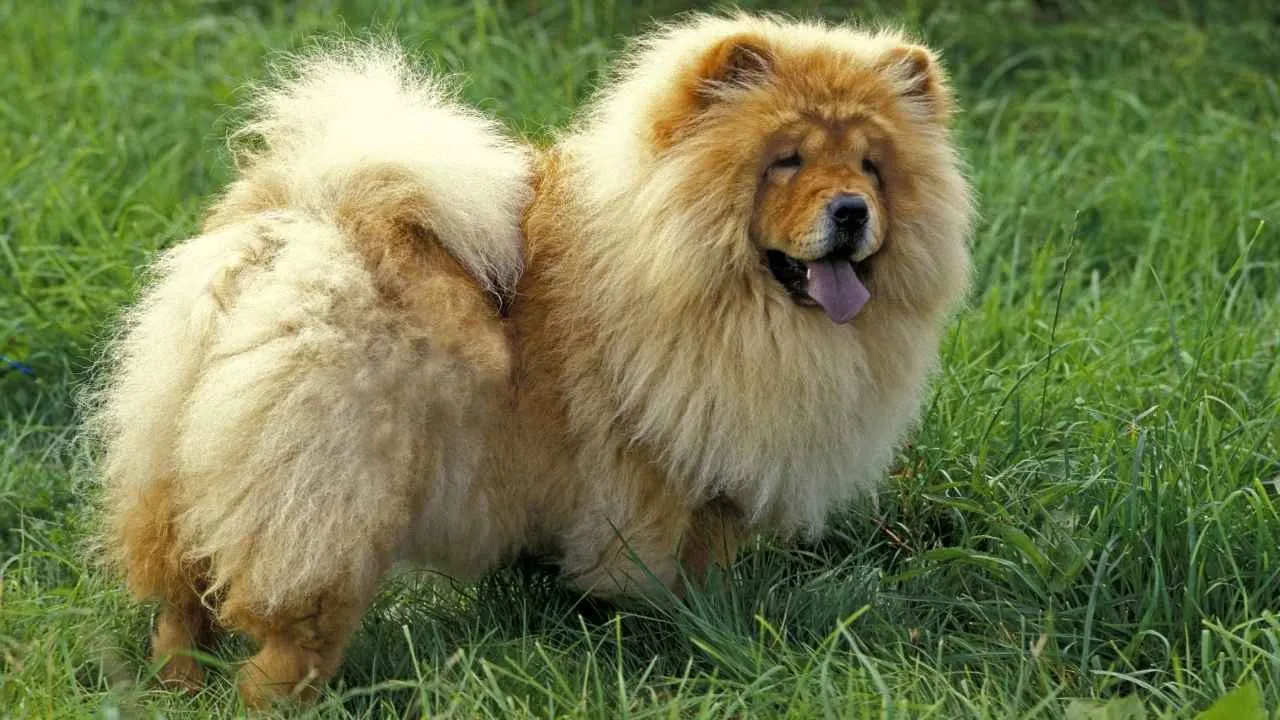
If dogs were royalty, the Chow Chow would sit on a velvet throne, silently judging your every move… and occasionally licking its paws like it owns the place. These majestic, lion-mane–like fluffballs hail from China, and they come with an attitude to match their regal appearance.
Chows are strong—both physically and in personality. Petplan says they are stubborn, independent, and occasionally downright aloof, making them a breed that prefers to think about obeying commands… rather than actually doing them.
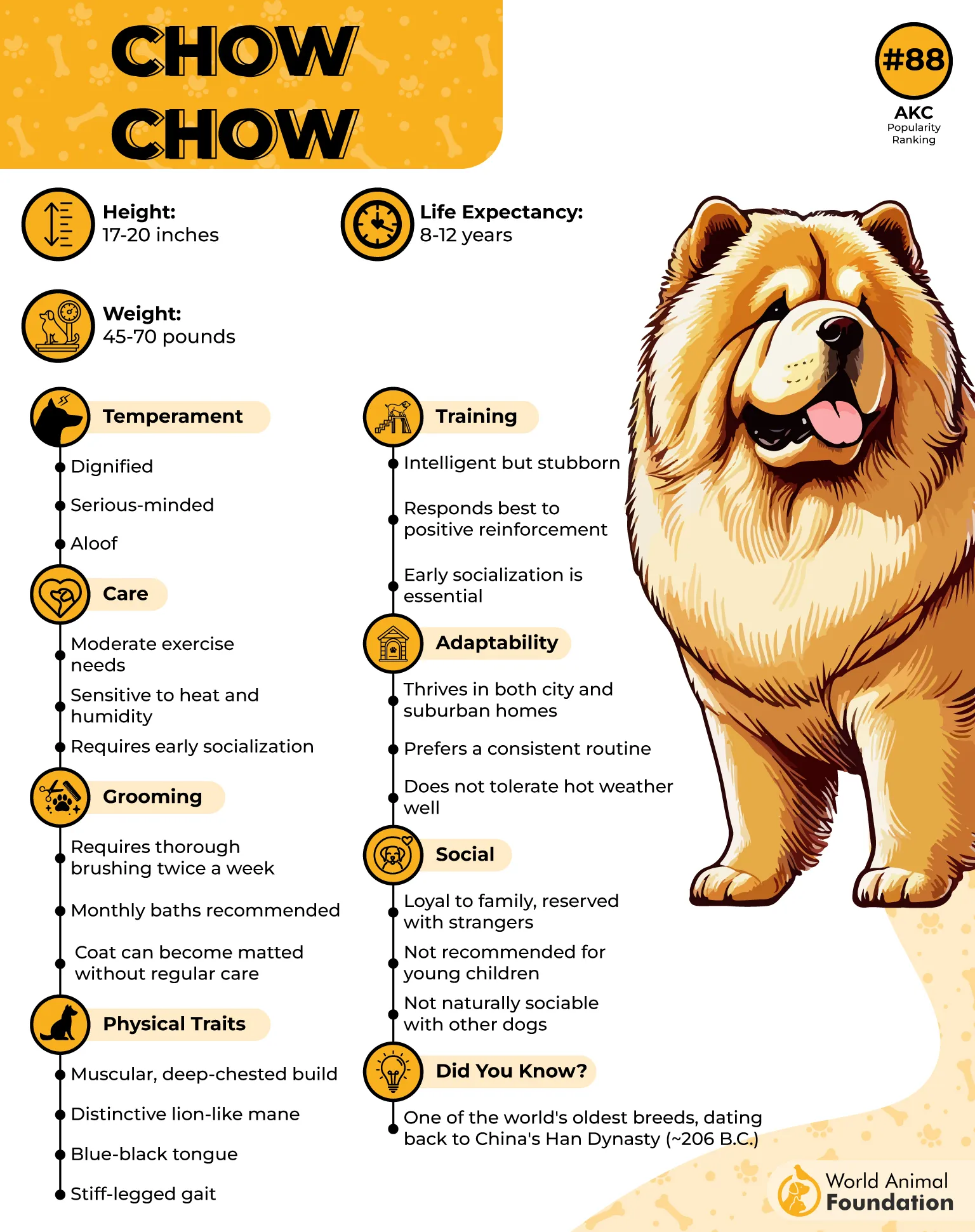
Patience is required, because training a Chow is less “teach a trick” and more “engage in a diplomatic negotiation.” Family dynamics matter too.
While they can be loyal and loving to their humans, Chow Chows are not known for their playfulness or tolerance of boisterous kids. This is one case where the phrase “look but don’t touch” might actually apply to the little humans in the household.
The upside? Once they accept you as part of their inner circle, a Chow Chow is a devoted, dignified companion. They’re the kind of dog that brings elegance to your home—and maybe a little sass, just to keep things interesting. Just don’t forget: with great fluff comes great responsibility.
5. Basenji
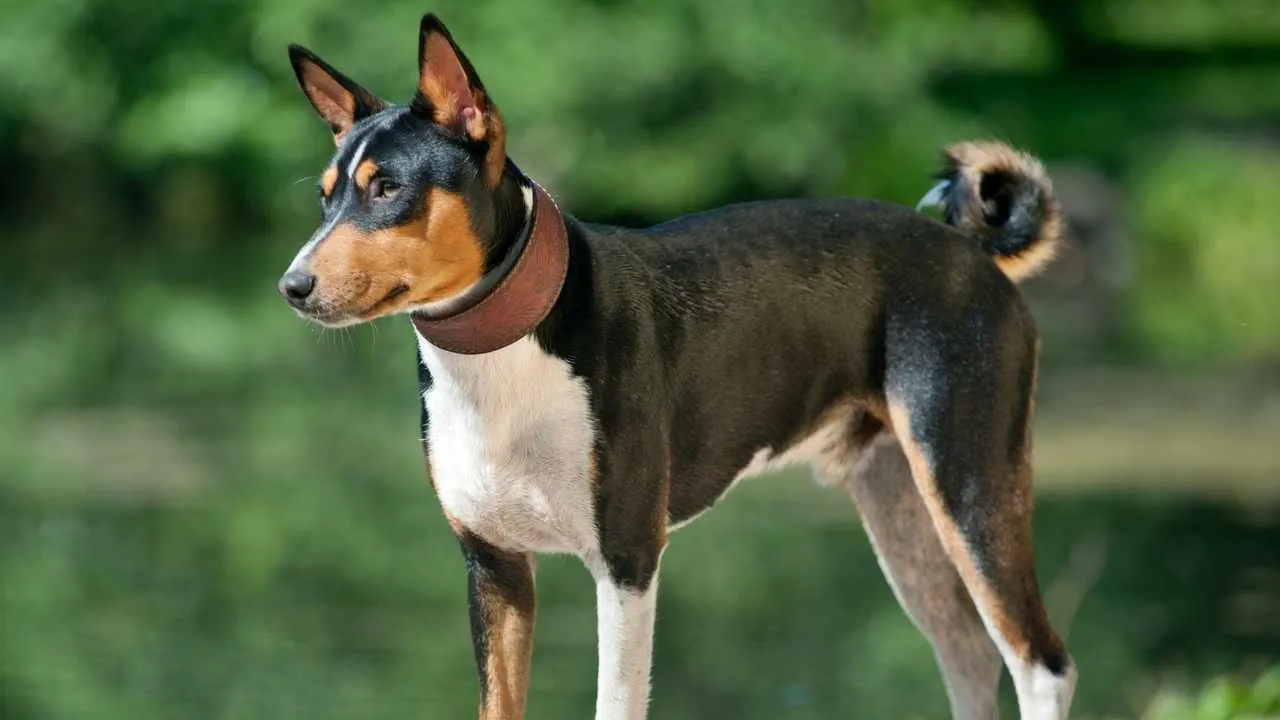
Meet the Basenji: A dog that looks like a model and behaves like a mischievous magician. Known as the “barkless dog,” Basenjis don’t yap, woof, or growl like your average pup.
Instead, they emit a sound often described as a “yodel” or “baroo,” which is equal parts confusing and adorable—especially at 3 a.m. But don’t let their quiet demeanor fool you.
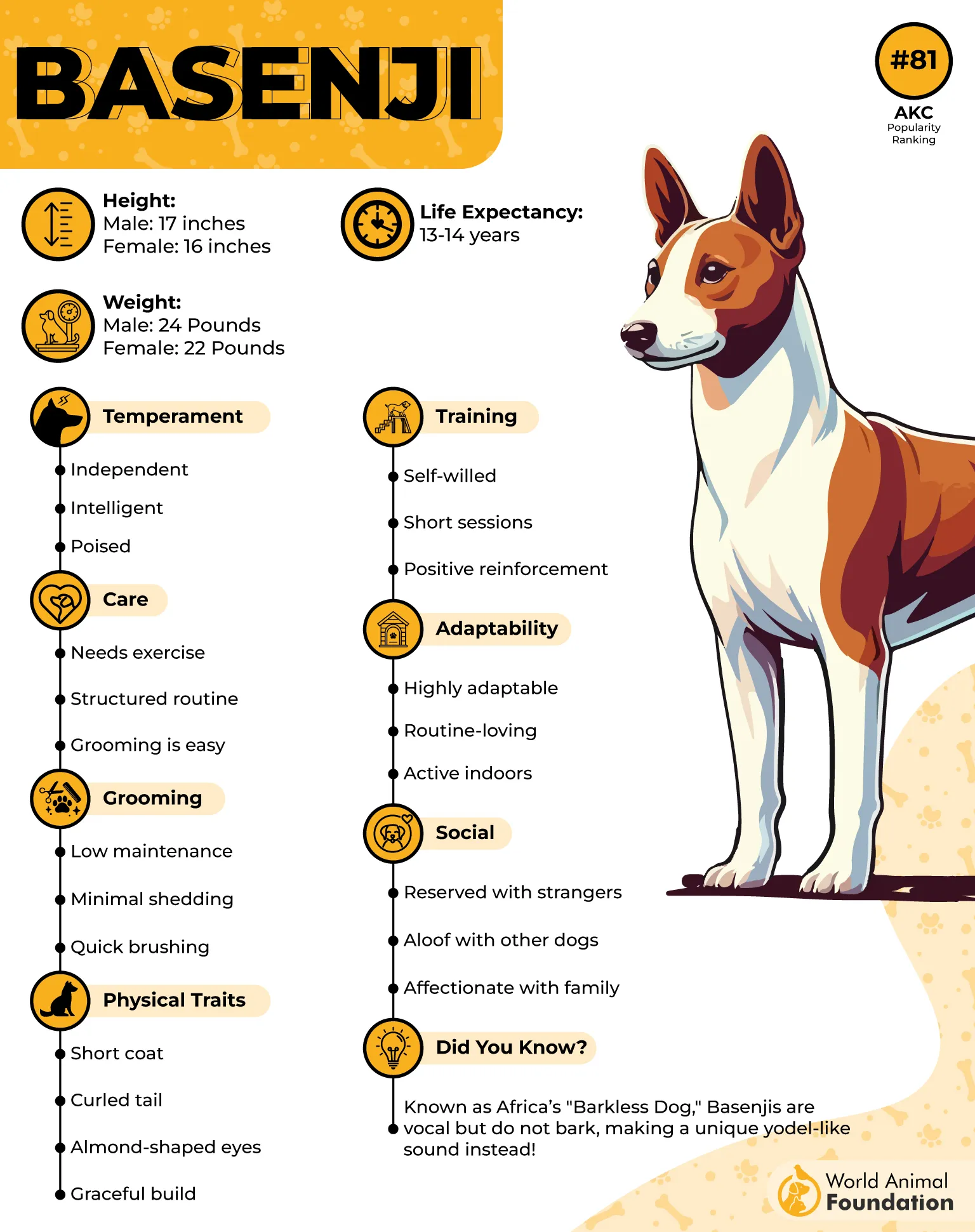
Basenjis are independent, clever, and occasionally sneaky, with energy levels that could put a caffeinated squirrel to shame. They were bred for hunting in Africa, so their prey drive is strong—they’ll chase anything that moves, from a rolling ball to your neighbor’s cat.
Training a Basenji? Good luck. They learn fast, but only when it suits them, which makes traditional obedience more of a suggestion than a rule. Patience, consistency, and creative motivation (treats, games, or even a good old-fashioned negotiation) are key.
Despite their tricky nature, Basenjis are affectionate with their families, funny in their antics, and endlessly fascinating.
They’re the kind of dog that keeps you on your toes—quietly plotting, charming you with their antics, and reminding you that life is more fun when there’s a little mystery involved.
6. Alaskan Malamute
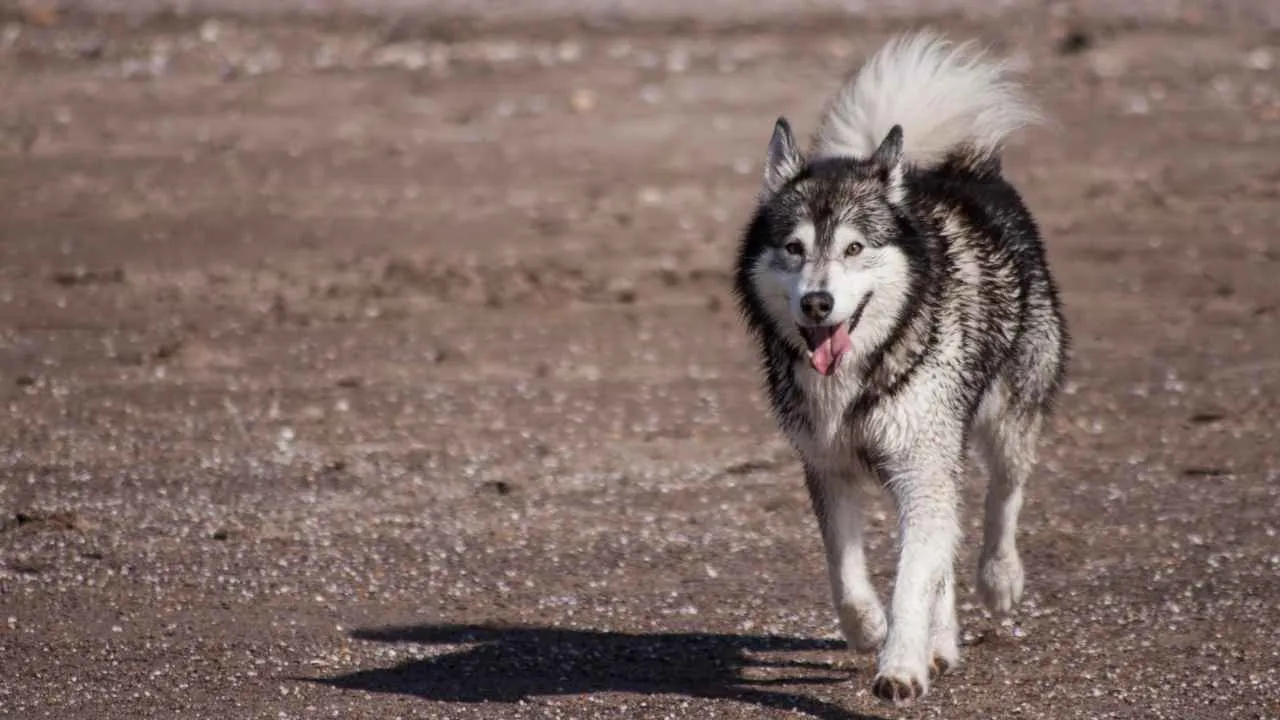
If Siberian Huskies are the mischievous escape artists, Alaskan Malamutes are their bigger, stronger, and slightly more stubborn cousins.
These gorgeous, fluffy giants were bred to haul heavy loads across icy tundras, so it’s no surprise they come with a work ethic that could intimidate a construction crew… and an independent streak that could humble a cat.
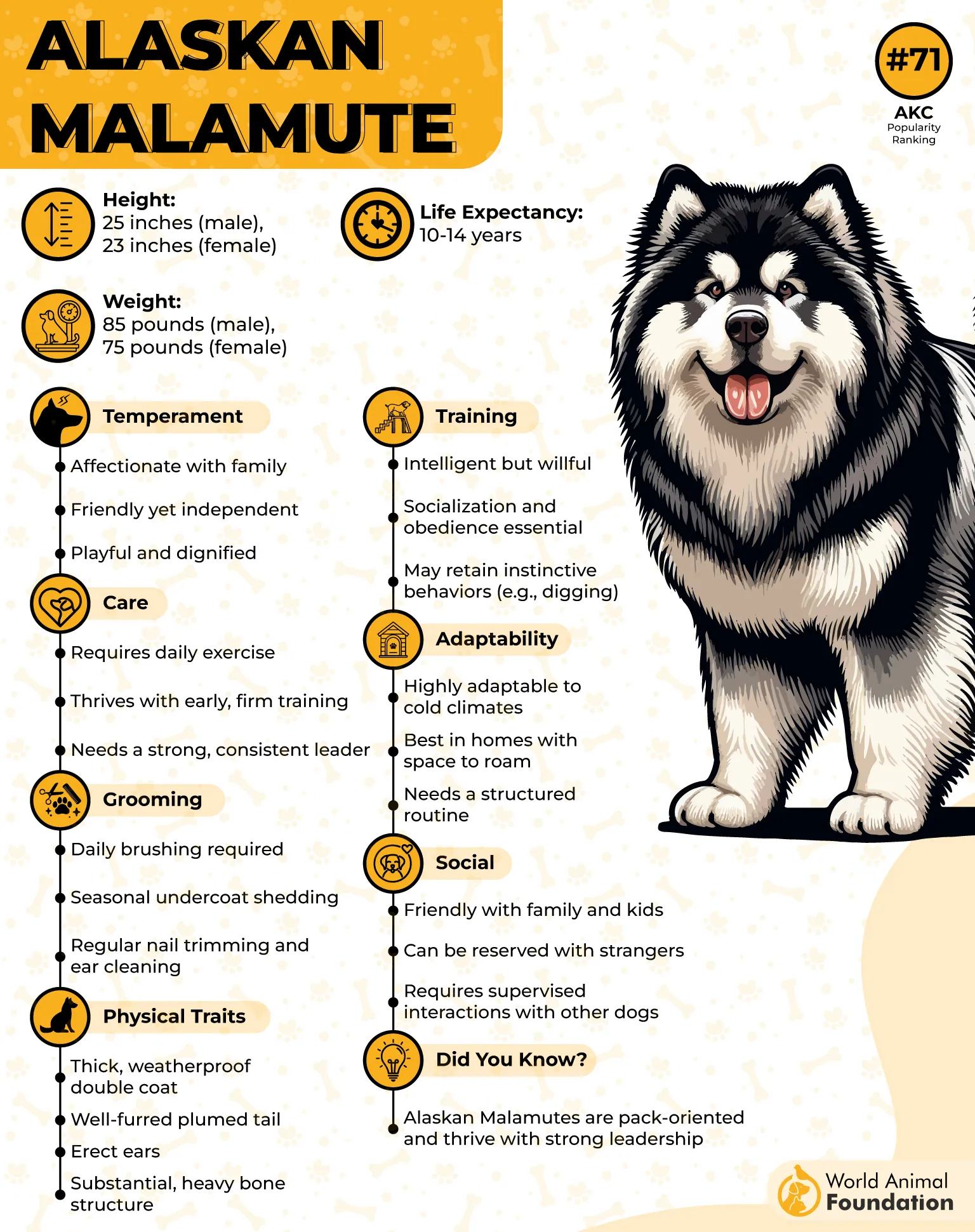
Malamutes are loyal to their families, but don’t expect them to respond to treats, praise, or puppy eyes the way other dogs might.
They do what they want, when they want, and sometimes the “reward” for listening is simply… well, your happiness in their company. Think of them as four-legged philosophers: obedient only when it suits them, contemplative otherwise.
They’re also highly energetic, dominant, and prey-driven, which means a bored Malamute can invent creative (and occasionally chaotic) ways to entertain themselves. Running laps around your yard? Check. Pulling your sled…or your trash can? Double check.
If you’re considering bringing one of these Arctic powerhouses home, professional training is almost a must. Even then, some quirks—like stealing your socks or giving you the “I do what I want” look—are basically part of the package.
But for those willing to invest the time, a Malamute is a loyal, loving, and majestic companion—a true snow-dwelling king of fluff with a personality as bold as their paws.
7. Shiba Inu
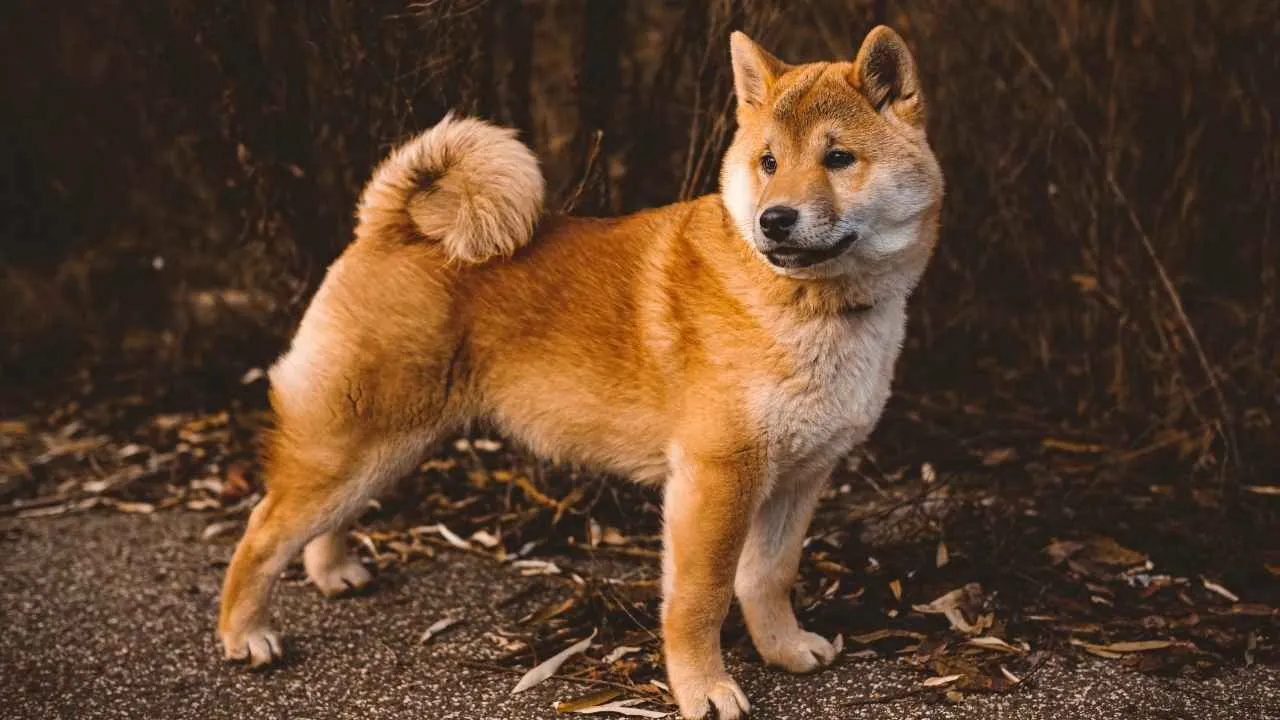
The Shiba Inu: small in size, big in personality, and loud enough to make you question your life choices. Originally bred in Japan to hunt birds, small game, and even wild boar, today’s Shiba is more likely to be found lounging on the couch like a furry little royalty… unless something—anything—threatens their personal kingdom.
Shibas are friendly, but don’t confuse that with obedience. These dogs are independent, opinionated, and sometimes downright dramatic.
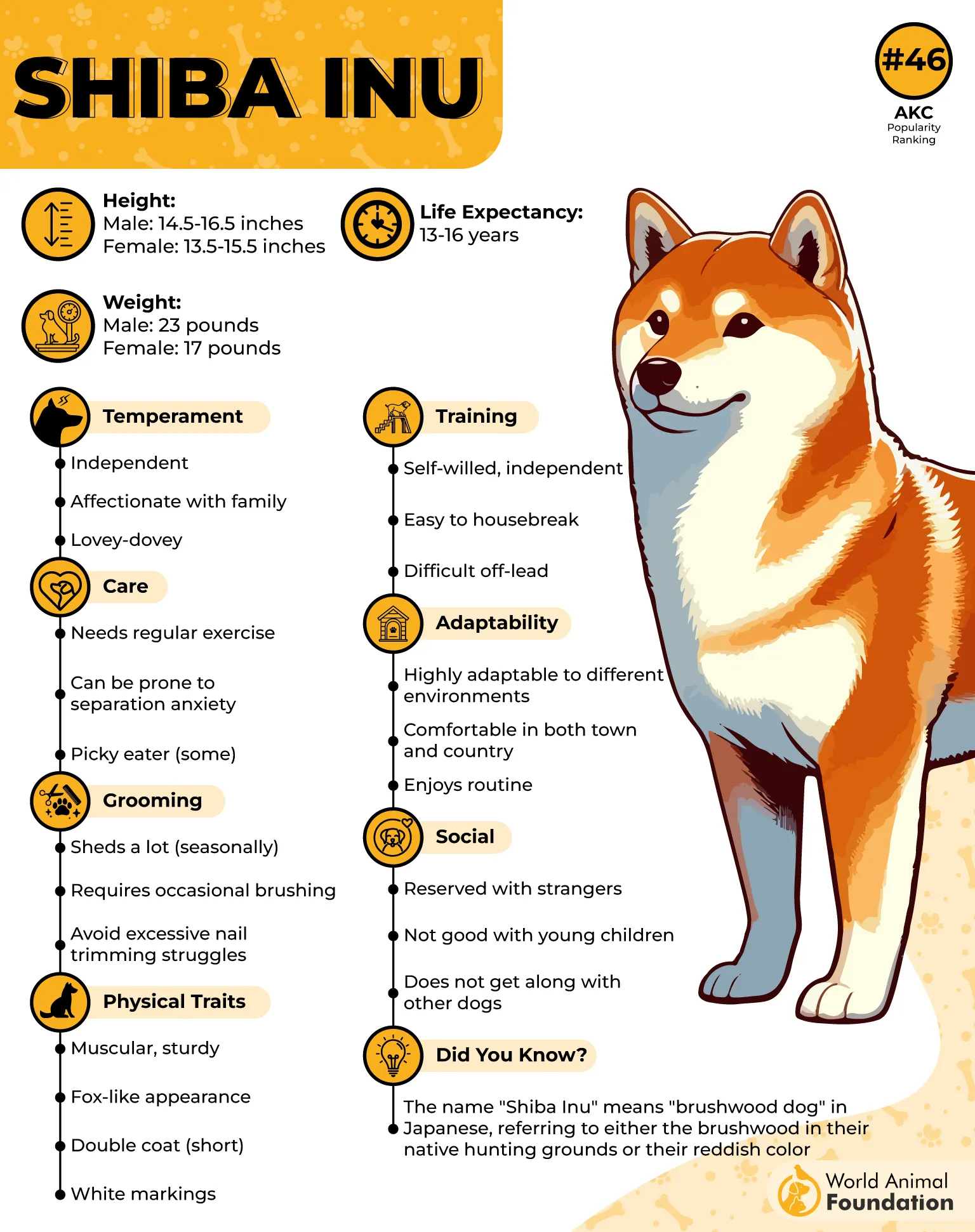
And when they get stressed, anxious, or just want to express their dissatisfaction with life, they give us the infamous “Shiba scream”—a high-pitched, ear-piercing vocalization that will make even seasoned dog owners jump. Imagine a tiny opera singer trapped in a fluffy body, performing exclusively for your panic-stricken attention.
Training a Shiba Inu is… tricky. They are clever, but they also like to do things on their terms. Treats, praise, and coaxing often work about 50% of the time—if you’re lucky. Consistency, patience, and a sense of humor are essential.
Despite their quirks, Shibas are loyal, clean, and endlessly entertaining. They may be small, but they have majestic confidence, a flair for drama, and the ability to make every day feel like a sitcom.
Just be prepared: Living with a Shiba is like sharing your home with a tiny, opinionated emperor… who happens to be adorable.
8. Central Asian Shepherd
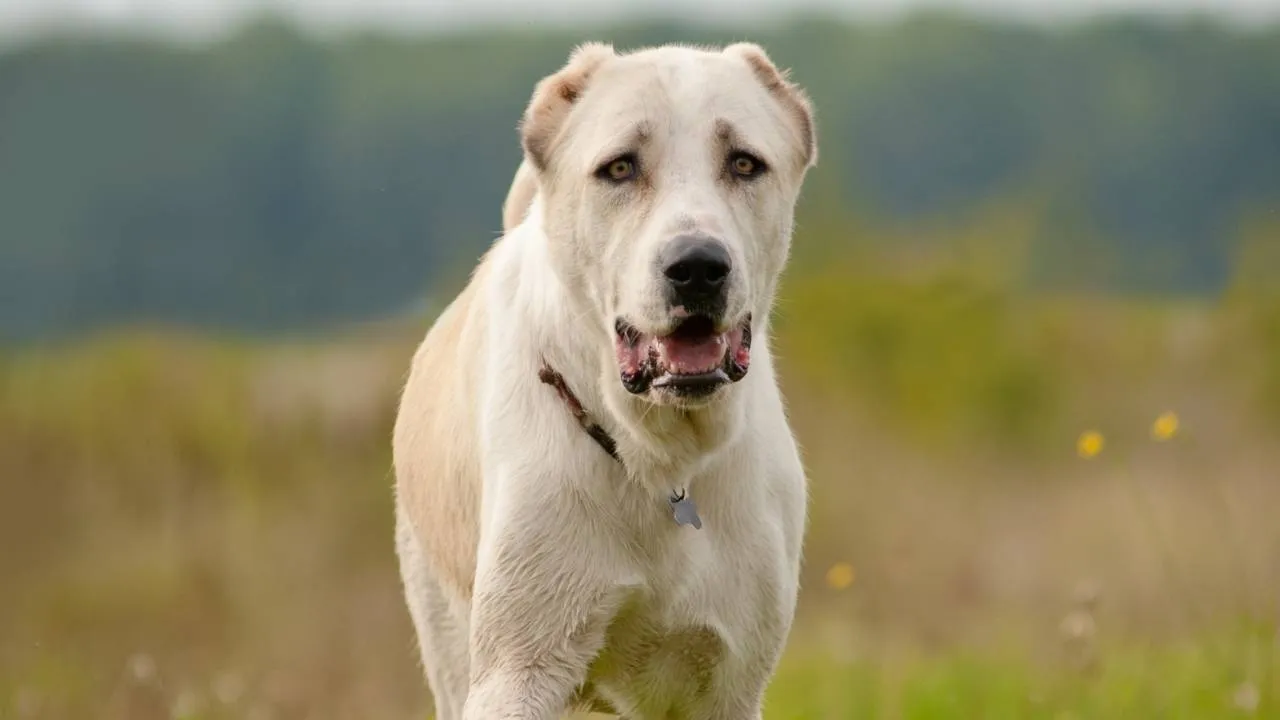
Meet the Central Asian Shepherd, also known as the Alabai—a dog that looks like a fortress on four legs and behaves… well, like a fortress with opinions.
Bred to guard livestock across the rugged landscapes of Central Asia, these dogs are powerful, independent, and not afraid to make decisions on their own—often without asking you first. Don’t mistake their size and strength for cuddly compliance.
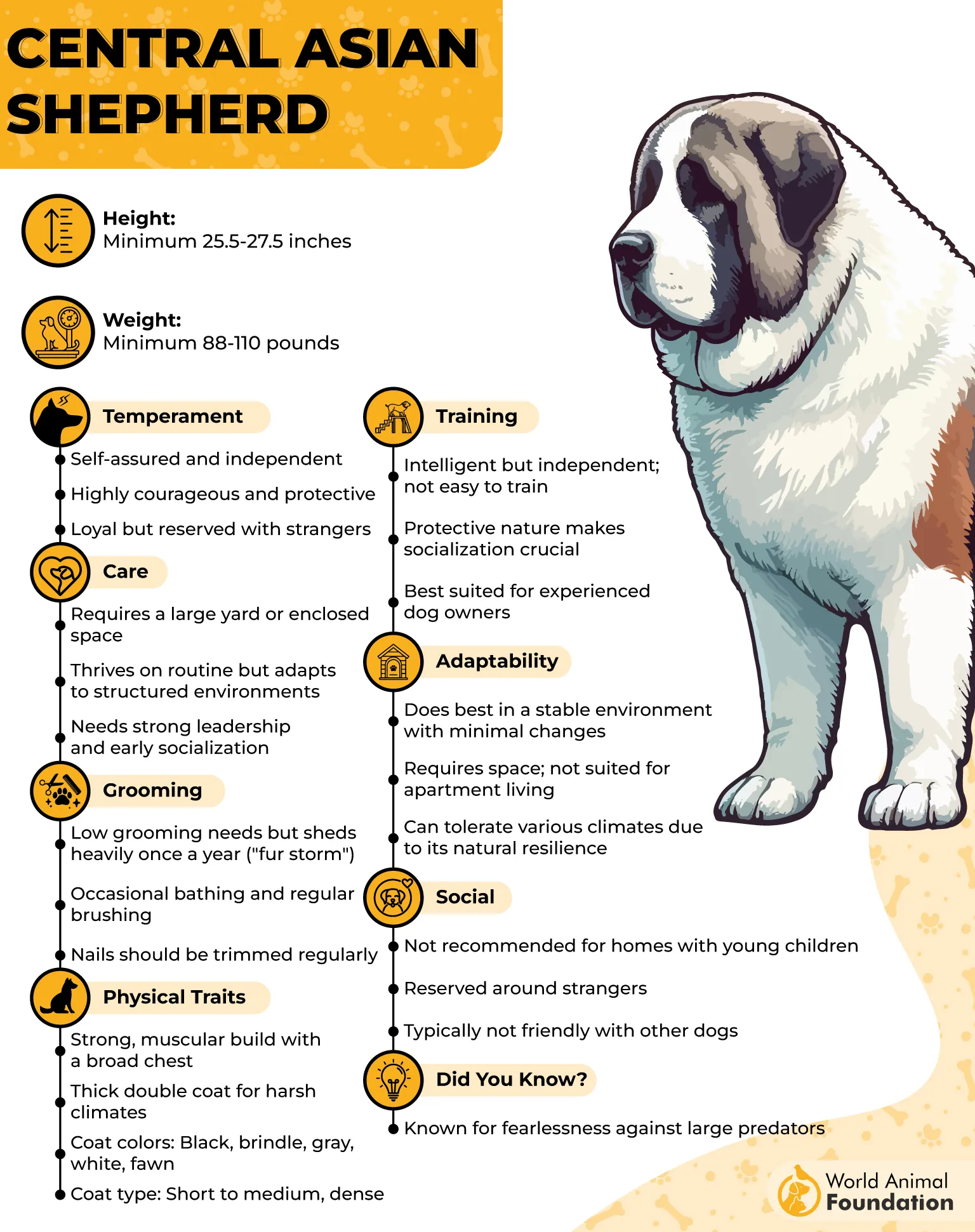
Central Asian Shepherds have a dominant streak and a protective instinct that can turn even a calm backyard into a strategic security zone. Training them isn’t impossible, but it requires consistency, experience, and nerves of steel—basically, you need to earn their respect, not just hand out treats.
They aren’t particularly playful or mischievous like a Husky or Jack Russell, but their stubbornness and intelligence can still lead to… let’s call it “creative problem-solving.” Left unsupervised, these gentle giants might find ways to explore their domain that make you wonder who’s really in charge.
The reward? Once trust is established, the Central Asian Shepherd is fiercely loyal, protective, and surprisingly affectionate with their family.
Think of them as a living, breathing bodyguard with a soft spot for those lucky enough to earn it—just be prepared for a few battles of wits along the way.
9. Beagle
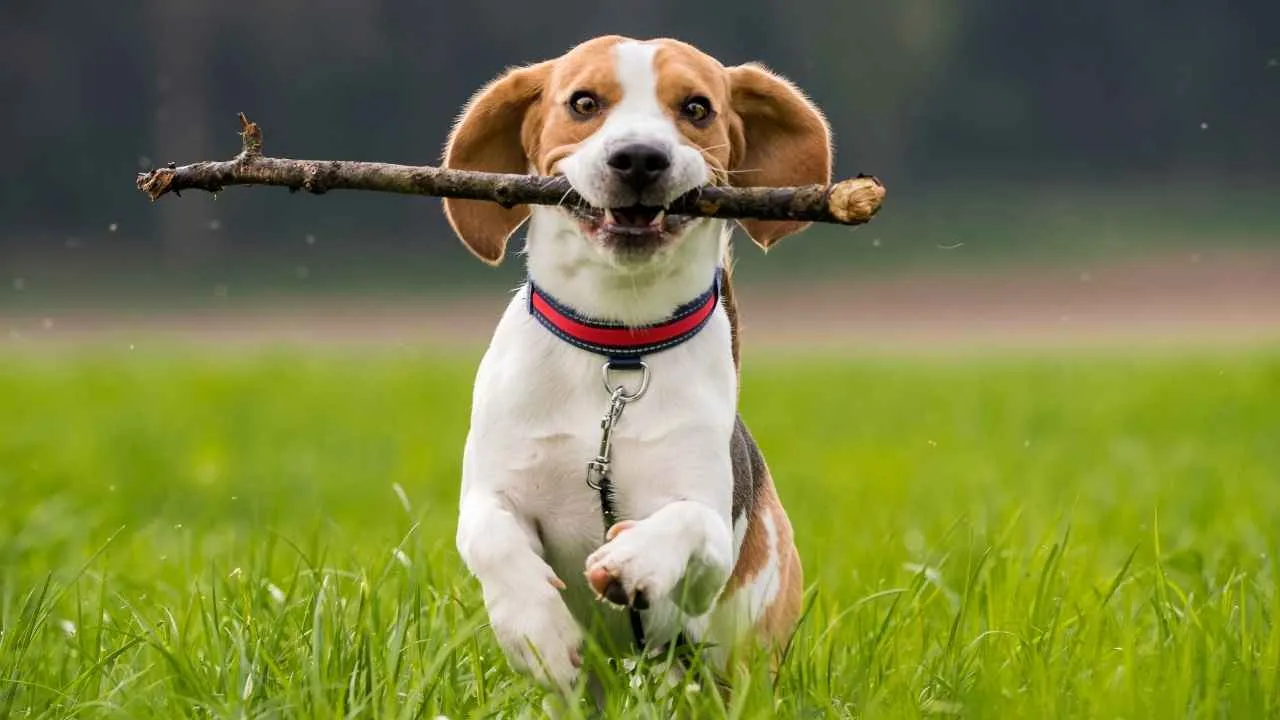
Beagles: Small, adorable, and seemingly perpetually happy, with a face that could melt even the coldest heart.
But don’t let that cuteness fool you—these little hounds have a nose with a mind of its own. Beagles were bred to track scents, and once their nose picks up a trail, nothing—and I mean nothing—can distract them.
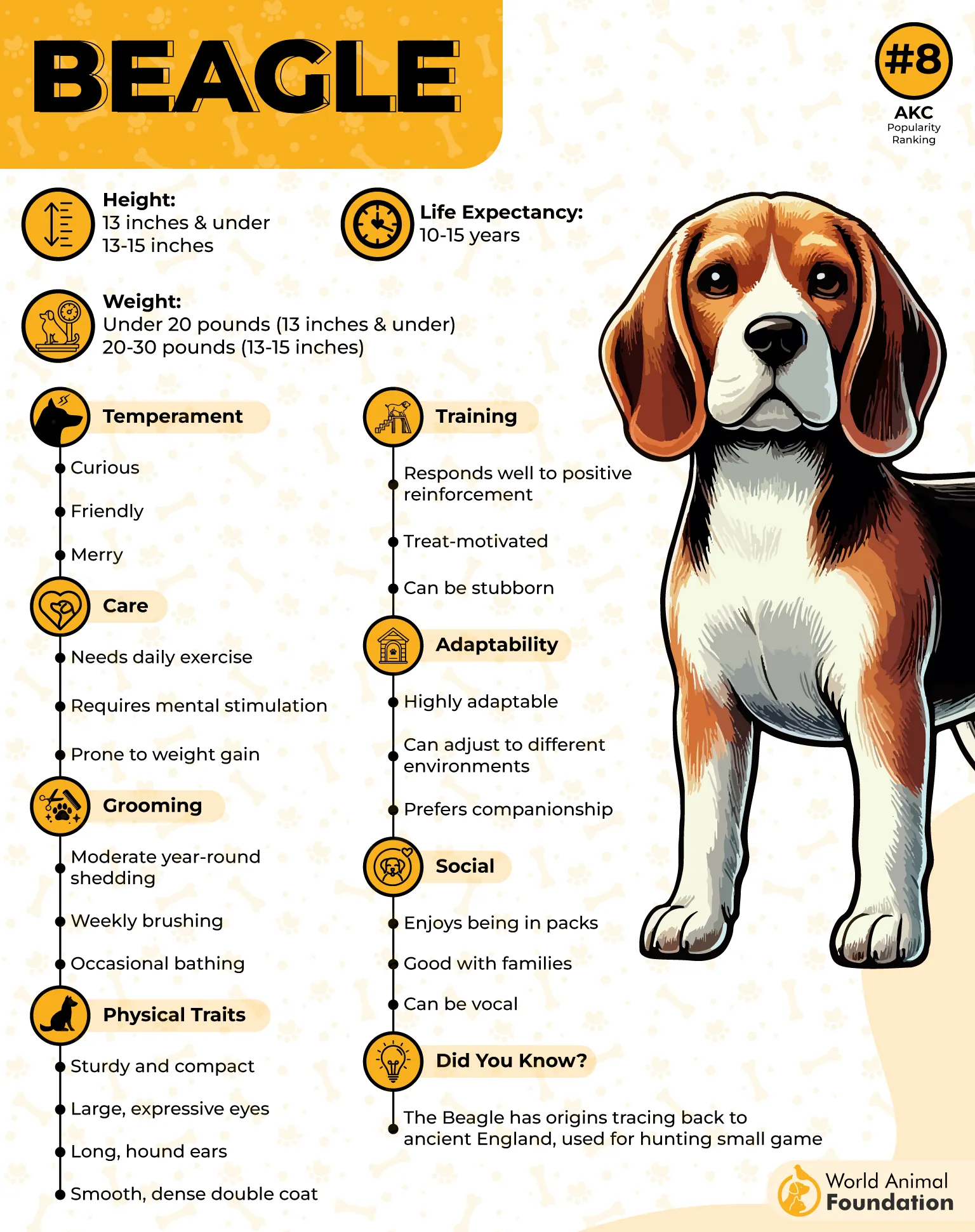
Goodbye commands, goodbye treats, goodbye dignity as you chase your beagle around the yard while they follow the “obviously urgent” smell of a passing leaf. Training a Beagle can be a challenge. They are stubborn, independent thinkers who like to do things their way… which is usually wherever the smell leads them.
But here’s the saving grace: they are extremely food-motivated, which means you can usually bribe them into cooperation with the right high-value treat. Think of it as negotiation via snacks.
Despite their scent-driven distractions, Beagles are friendly, affectionate, and fantastic family dogs. They bring laughter, energy, and endless curiosity to a home—along with the occasional stolen sandwich or sudden, dramatic disappearance in pursuit of an intriguing aroma. Life with a Beagle is never boring… and usually smells pretty interesting too.
10. Border Collie
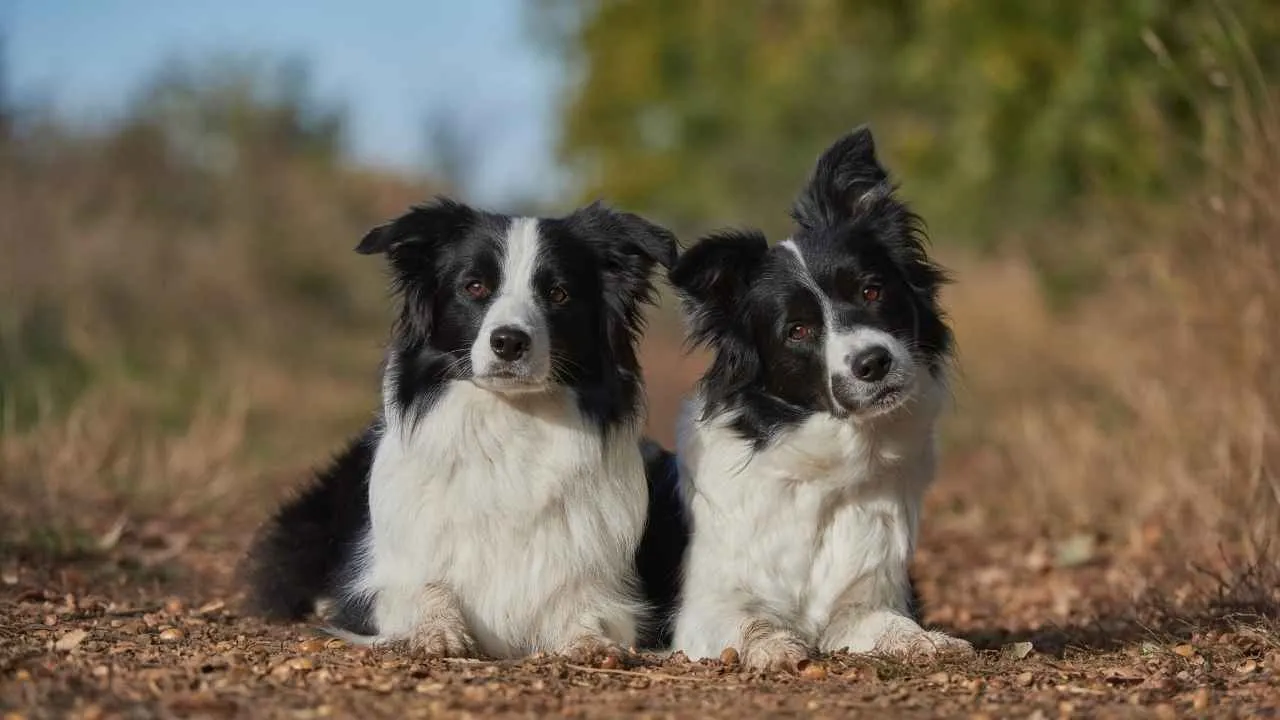
Border Collies: The Einstein of the dog world… if Einstein also had the energy of a caffeine-fueled marathon runner. These dogs are incredibly smart, loyal, and endlessly energetic, which sounds perfect—until you realize that intelligence plus high energy can equal creative chaos.
Training a Border Collie isn’t exactly difficult… if you also have the stamina of a professional athlete. These dogs need mental challenges and physical activity every single day, or they’ll find their own way to burn off steam—which usually involves rearranging your furniture, shredding your newspaper, or convincing the cat to participate in a high-speed chase.
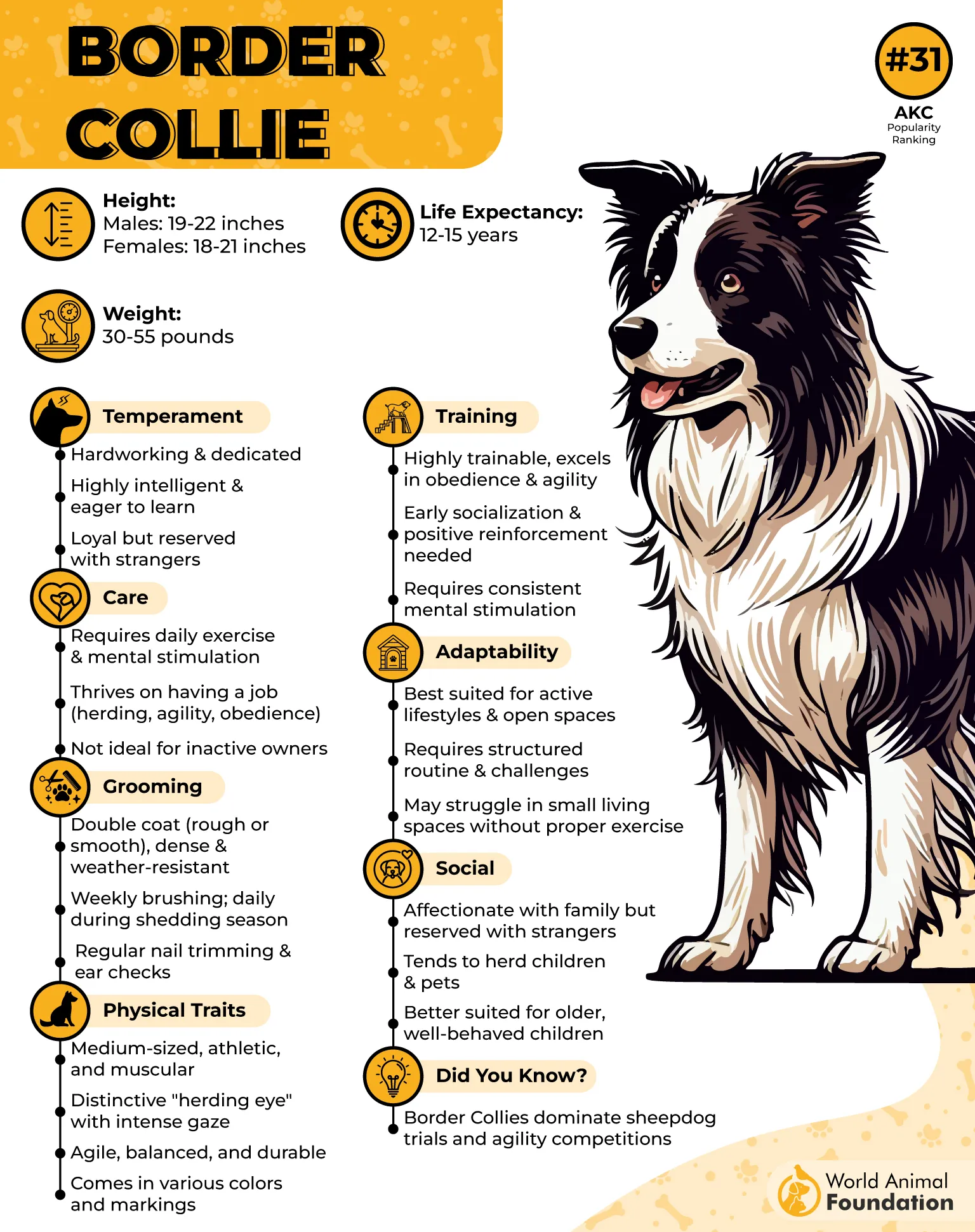
The key to a well-behaved Border Collie is giving them a “job,” whether that’s agility training, fetch, herding, or brain games.
Burn that energy, challenge that mind, and suddenly obedience becomes much easier. Ignore it… and you may end up with a dog who is smart enough to outwit you at every turn.
In short, Border Collies are loyal, affectionate, and brilliant, but they’re not for the faint of heart. Bring one into your home, and you’re signing up for a dog that keeps both your body and brain active, whether you like it or not.
Conclusion
Some stubborn pups are easily distracted and challenging, while friendly dogs and loving companions benefit from patience, discipline, consistent training methods, and long periods of training sessions. Not all dogs are created equal, so understanding characteristics, canine intelligence, trainability, and the training process ensures successful outcomes, though results rarely happen overnight.
Top dog breeds with unruly temperaments that need extra training may also include breeds like the Afghan Hound, Basset Hound, Bull Terrier, English Bulldog, Rhodesian Ridgeback, Chinese Shar Pei, Lakeland Terrier, and Labrador Retriever.
These breeds are stubborn breeds with an independent nature, high intelligence, keen sense, and unique traits that make them difficult to train.
Originally developed as hunting dogs, working dogs, or guard dogs, these loyal dogs require professional help, proper training, obedience training, and extensive socialization to manage the dog’s behavior around family members and other animals.
