




Some dogs notice everything long before their owners do. A distant sound outside the house, unfamiliar footsteps near the gate, or a stranger lingering too close can immediately change the way they behave.
What surprises many people is how naturally these instincts appear without constant direction or training. Certain breeds seem to understand responsibility in a way that feels unusually human. They stay alert during quiet hours, remain observant in unfamiliar places, and react quickly when they sense tension around their families.
This level of awareness is not something every dog possesses equally. While many breeds can learn obedience, only a select few consistently carry the calm confidence and protective judgment people look for in a serious guardian companion. The difference becomes obvious once you spend time around them.
Coming ahead are the breeds known for fearless loyalty, sharp instincts, dependable reactions, and the strong protective nature that continues to earn lasting respect from owners everywhere.
Key Takeaways
A sudden sound at night or an unfamiliar presence near home can change everything for certain dogs in an instant.
German Shepherds and Doberman Pinschers stand out with sharp awareness, reacting fast to anything unusual while staying steady around their families.
Bullmastiff and Rottweiler bring a calmer kind of strength, watching quietly before stepping in only when it truly matters.
Stay till the end to see how each breed carries its own way of protecting the people they trust most
Top Dog Breeds With Unmatched Protective Instincts
1. German Shepherd
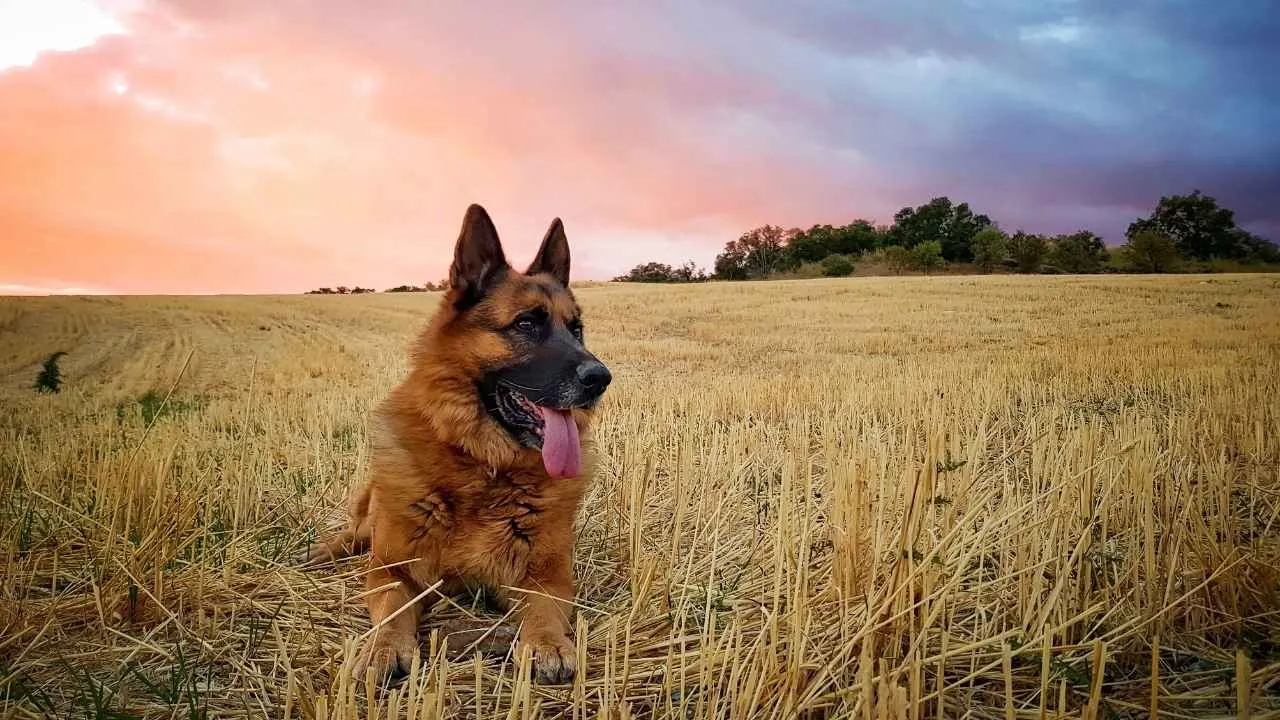
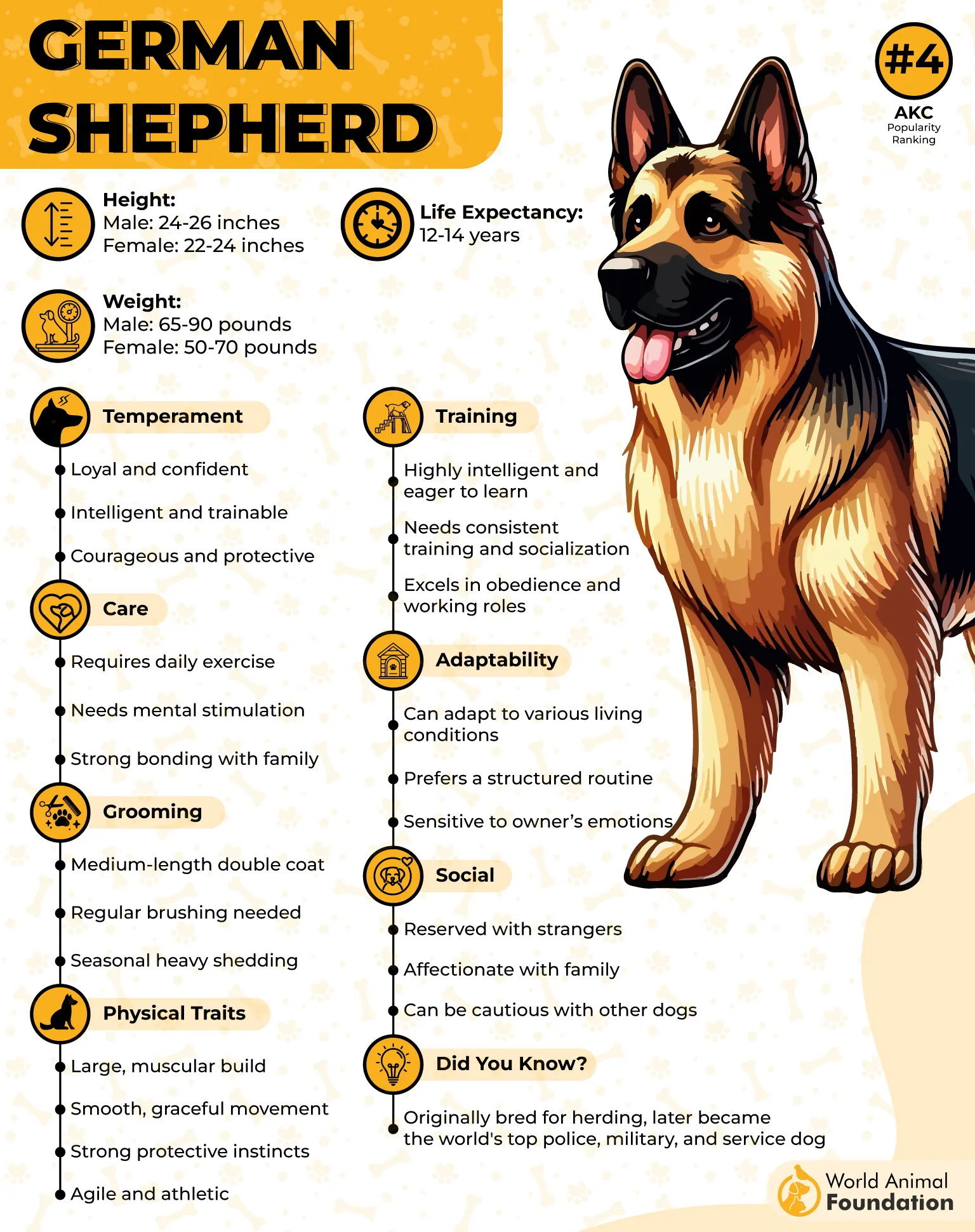
German Shepherd is large, muscular, and highly agile, with intelligence and loyalty shaping its working nature. Its body supports quick responses and precise action during demanding tasks. These characteristics make it a preferred working dog across service roles.
Task-driven working behavior
This protective dog breed operates with a strong focus when assigned work, especially in structured environments requiring discipline and accuracy. Its role in patrol, detection, and rescue tasks reflects controlled decision-making under pressure, as PetMD notes.
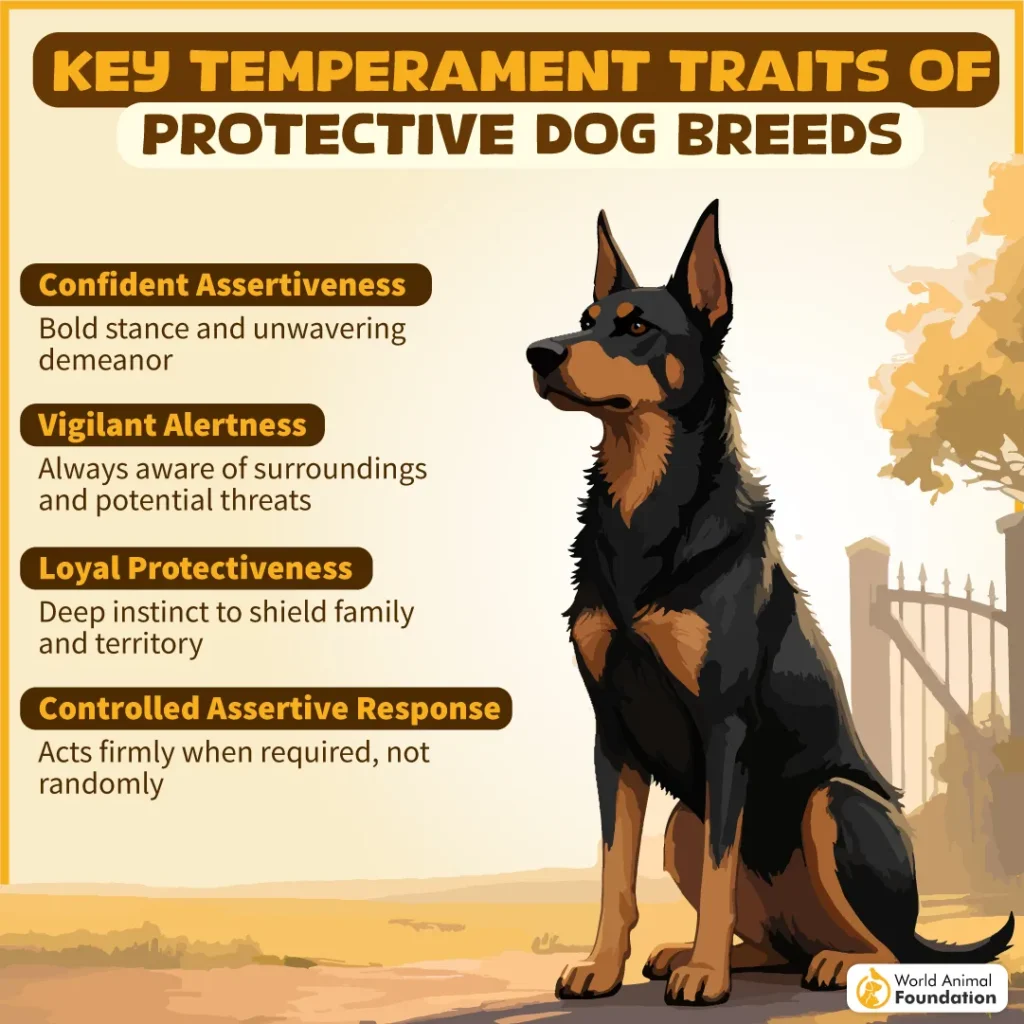
Key working patterns include:
Engages quickly in assigned commands
Handles search and patrol tasks with precision
Reacts to movement with controlled alertness
Energy tied to purpose
German Shepherd channels high energy into structured activity, often requiring regular outlets to prevent restlessness. Its herding instincts influence strong attention toward moving objects, which can trigger pursuit behavior if unmanaged. Controlled environments help guide this drive effectively.
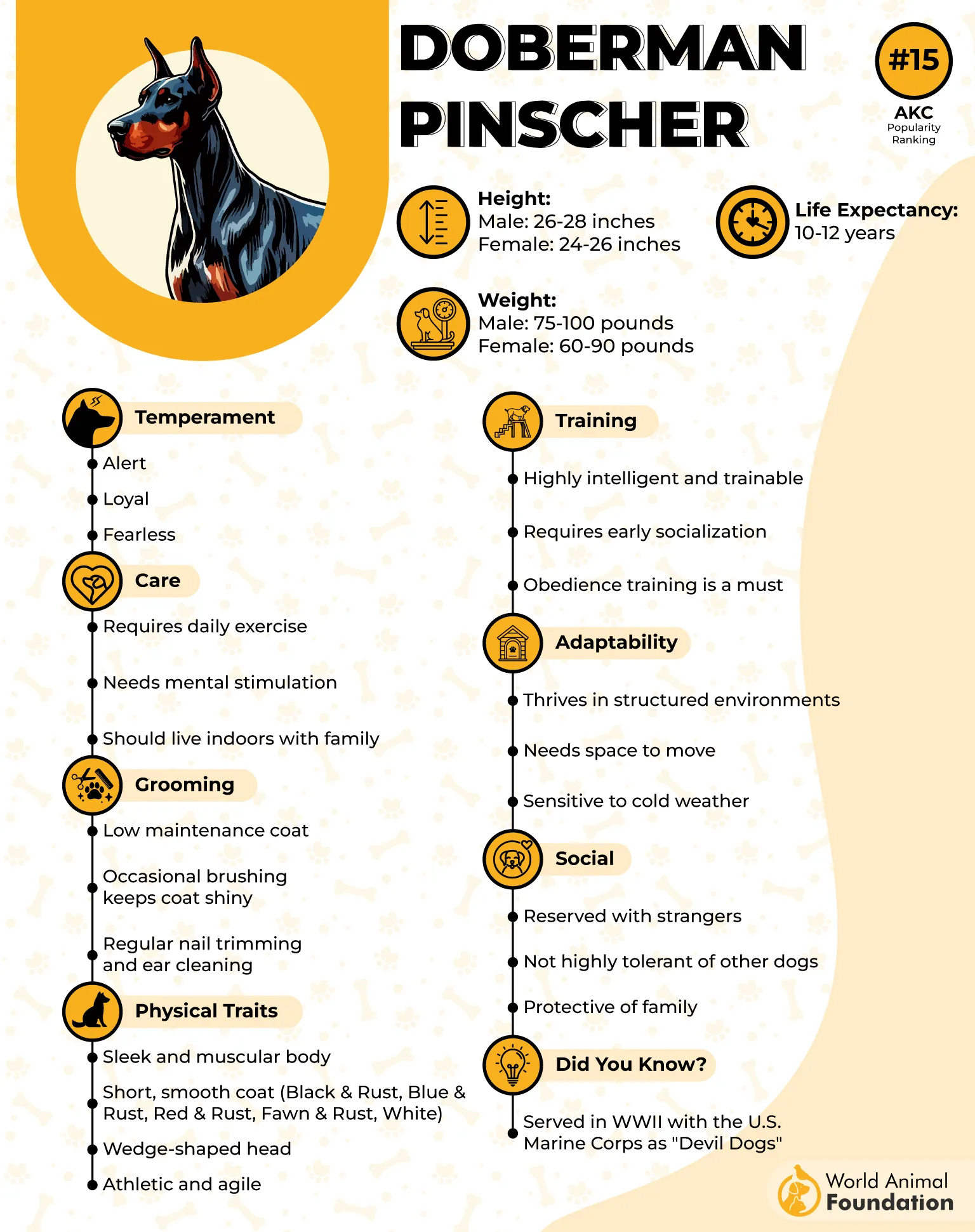
2. Doberman Pinscher
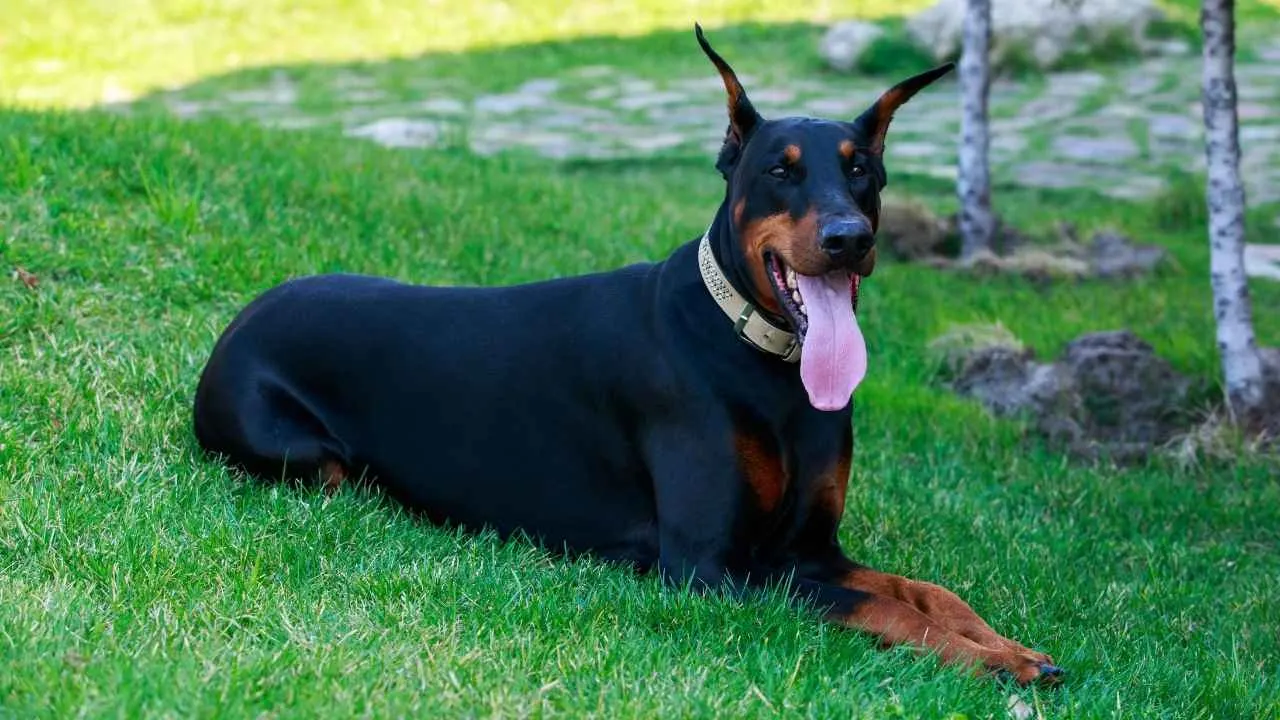
The Doberman Pinscher was originally bred in Germany during the late 1800s by Louis Dobermann, designed around alertness, speed, and task precision.
Its frame reflects a balance of agility and controlled strength suited for structured roles. The breed’s core identity centers on responsiveness to direction and environmental awareness.
Energy directed through purpose
As one of the best guard dog breeds, they work with high intensity, often requiring structured exercise and mental stimulation to avoid restlessness. Its curiosity and intelligence drive constant problem-solving behavior when under-stimulated.
This working nature appears through clear tendencies:
Reacts quickly to unfamiliar movement or sound
Seeks continuous task-based engagement
Requires guided activity to channel energy effectively
Drive shaped by instinct control needs
According to Petplan, Dobbies carry a strong chase instinct, particularly around smaller animals, which requires managed outdoor control.
Leash use or secure boundaries become important due to the tendency to pursue movement. Proper training helps shape how these impulses are expressed in everyday situations.
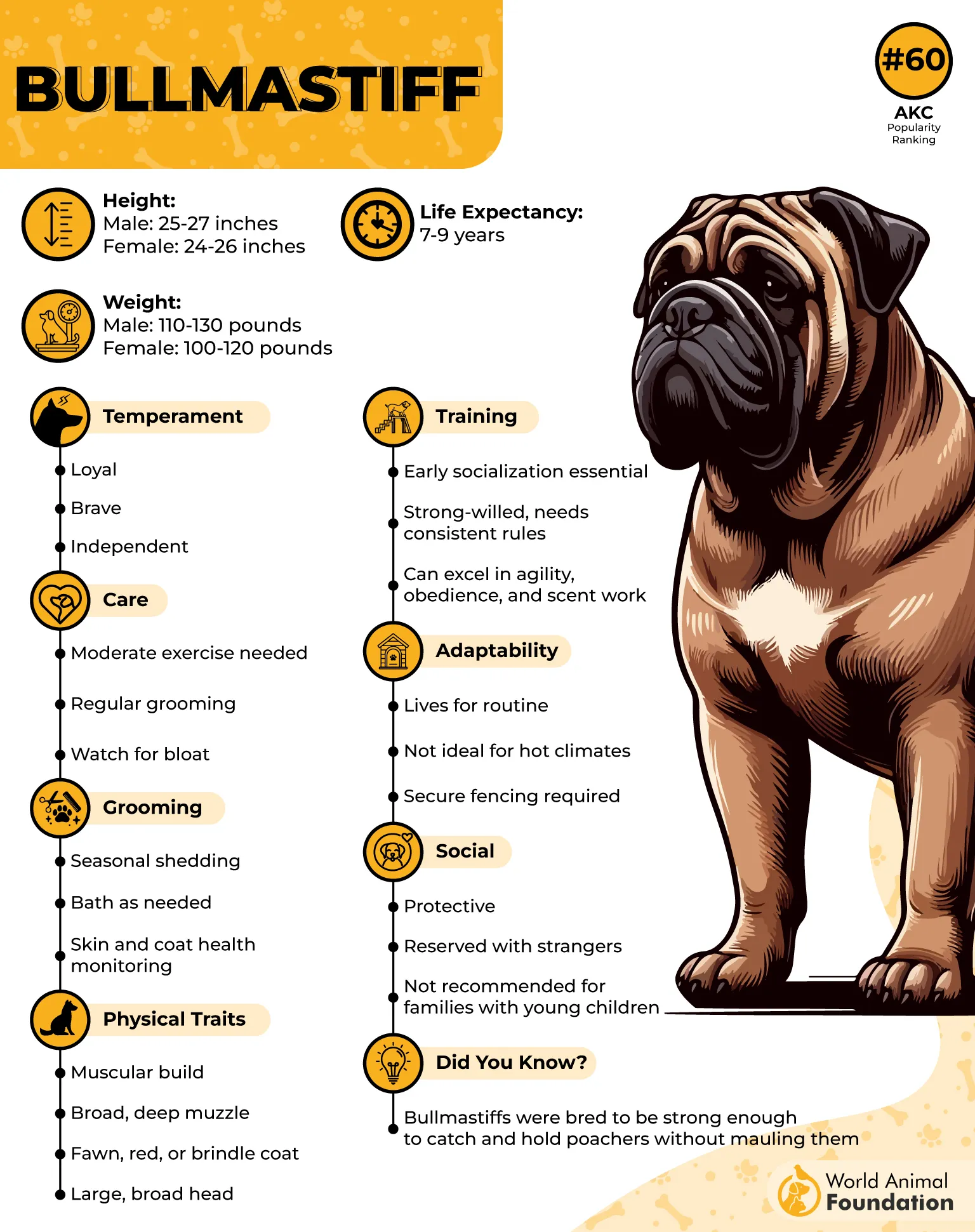
3. Bullmastiff
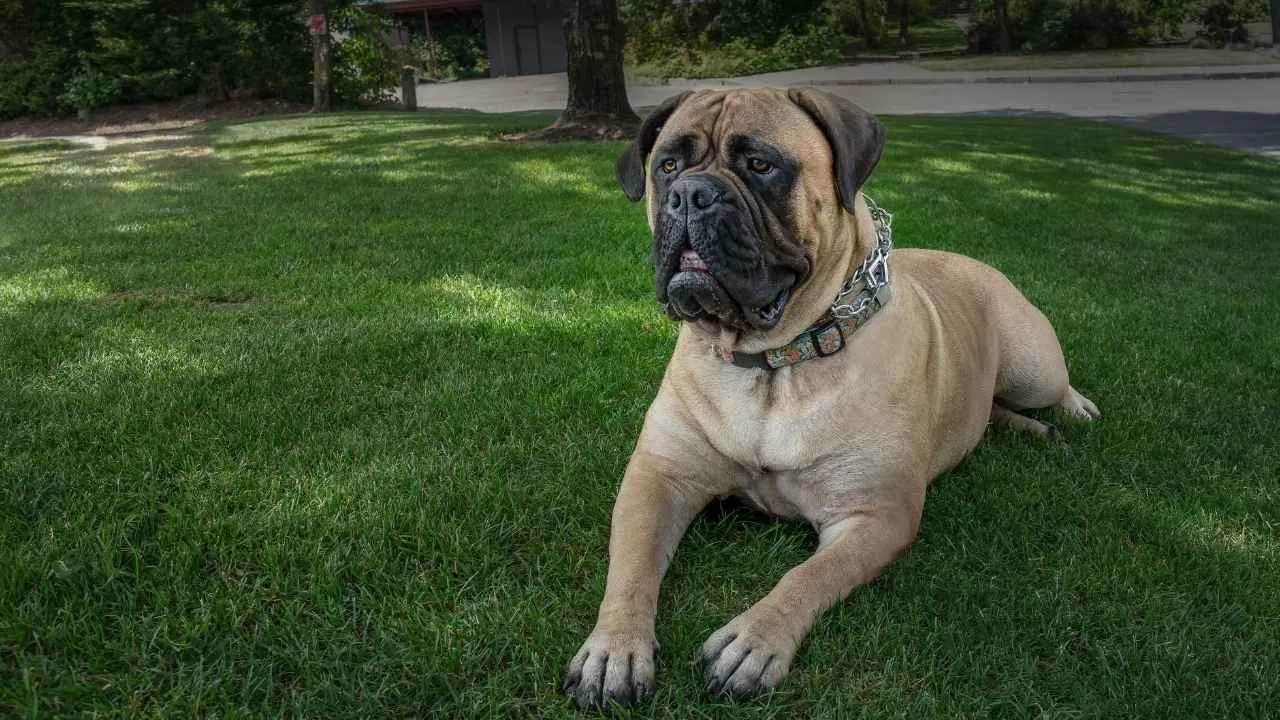
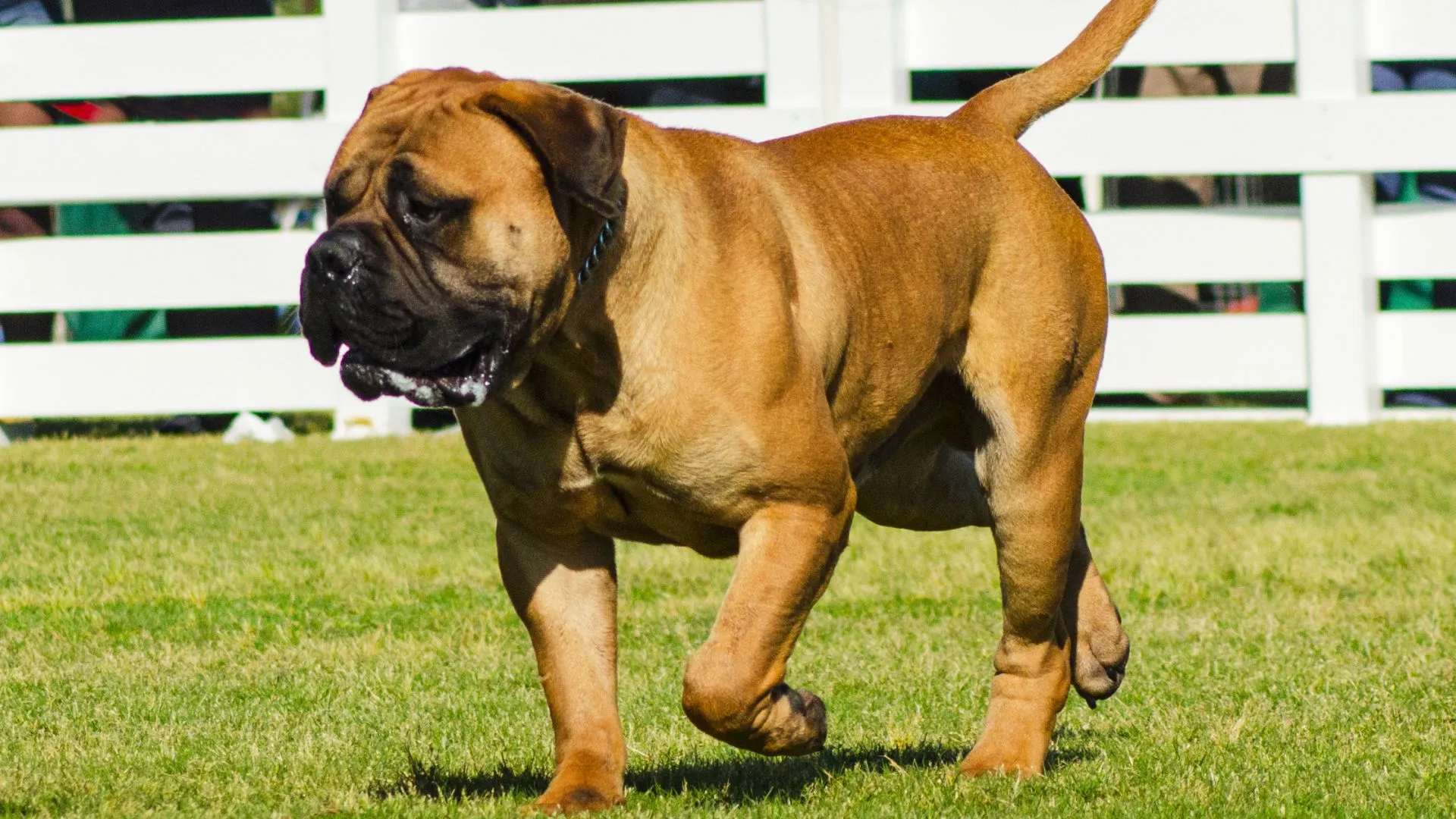
Bullmastiff is a large guard dog created from Bulldog and Mastiff crosses, built for holding intruders rather than chasing them, as highlighted by the AKC.
Its role focused on tracking and physically stopping poachers in open English estates. The result is a dog built around controlled strength rather than speed-based pursuit.
Physical structure that communicates authority
Bullmastiff relies on a broad head, deep muzzle, and compact muscular frame to express presence before action. Its dark eyes and high-set ears add to a focused, alert expression that reads situations quickly.
These structural elements reflect its working design:
Broad skull built for strong physical control
Compact frame supporting steady, grounded power
Alert facial structure guiding quick assessment
Behavior shaped by calm control
Bullmastiff reacts with measured response rather than constant activity, making decisions based on direct environmental cues. It is capable of both calm indoor behavior and firm action when the territory feels challenged. Secure boundaries play a key role in guiding its natural protective drive.
4. Rottweiler
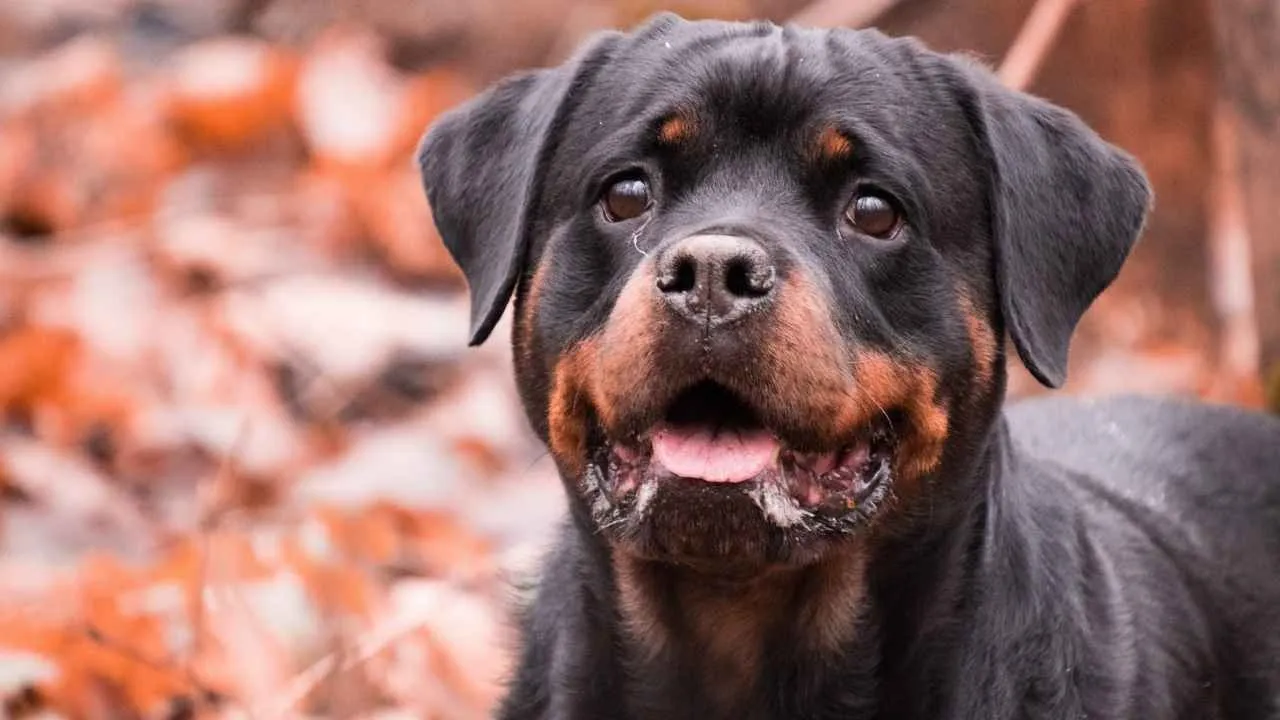
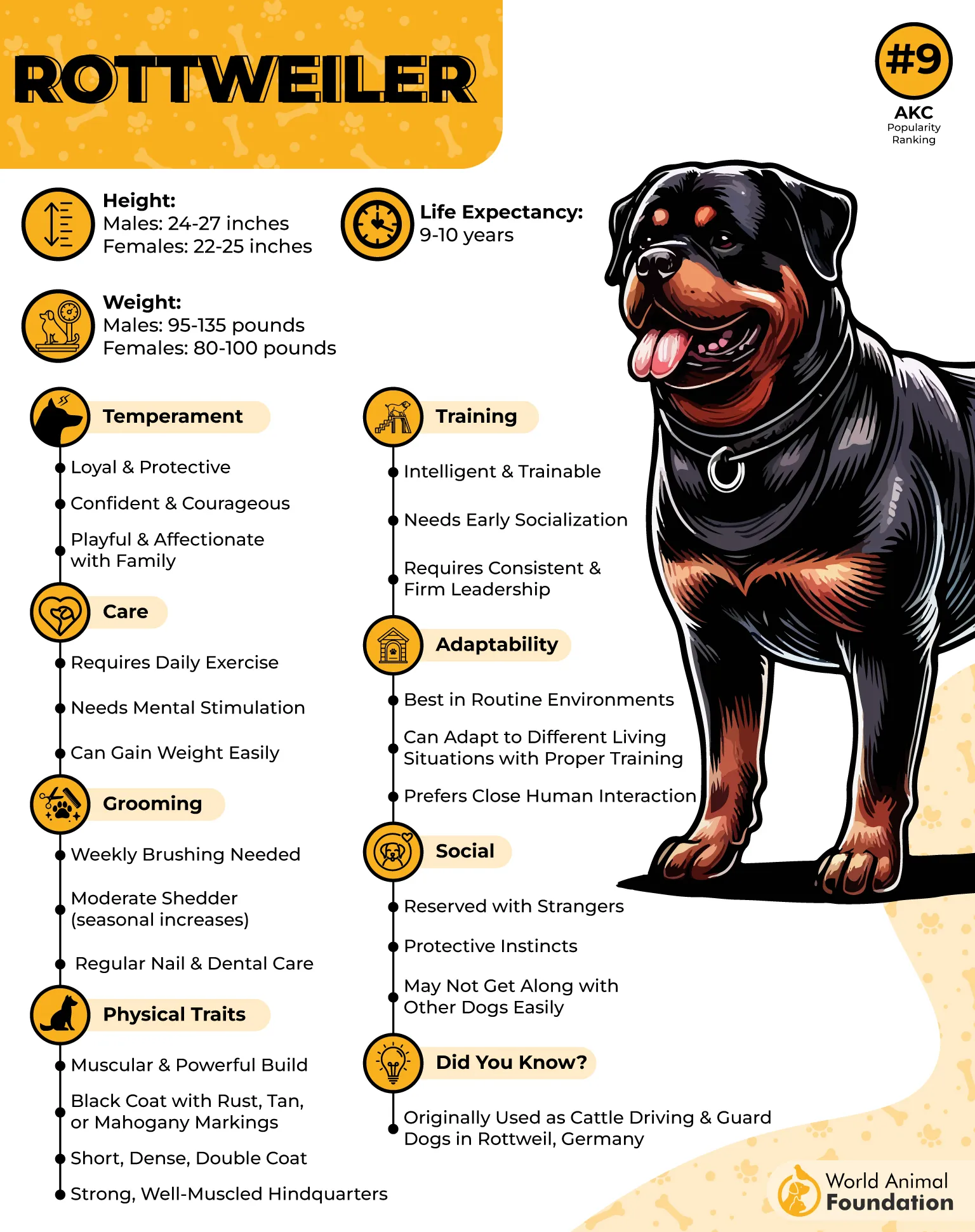
Rottweiler carries a strong build rooted in mastiff-type dogs once used alongside Roman legions. Its frame is dense and athletic, powered by strong hindquarters that support steady, effortless trotting. The overall structure reflects controlled strength rather than constant tension.
Behavior shaped by controlled awareness
Rotties respond to surroundings with a reserved outlook, often observing unfamiliar people before engaging. Within its family life, it shifts into a softer, more relaxed interaction style that contrasts its outer caution.
That balance appears in clear working traits:
Observes strangers before reacting
Switches tone within trusted environments
Uses energy only when the situation demands it
Physical drive and working ability
Rottweiler performs well in activities involving pulling, tracking, herding, and obedience-based work, using strength in a coordinated way. Its athletic structure supports swimming and long walks without losing control of pace. This drive needs a regular outlet to avoid excess weight buildup.
5. Rhodesian Ridgeback
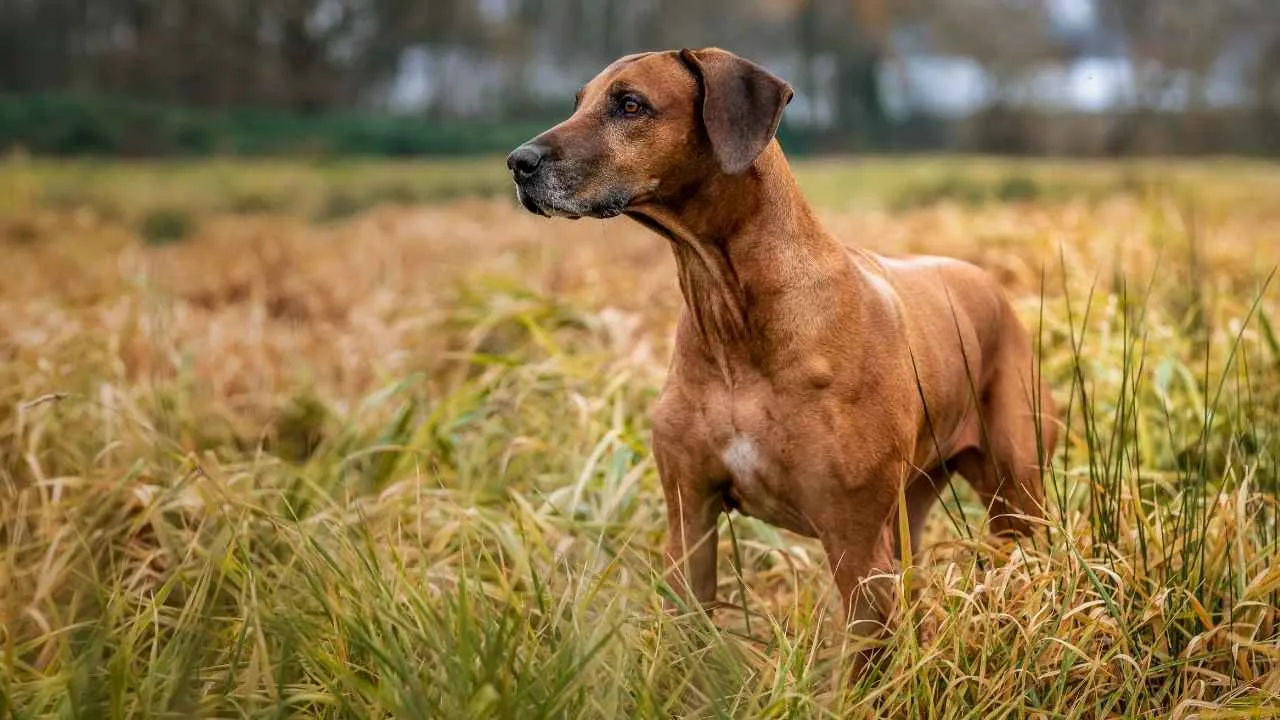
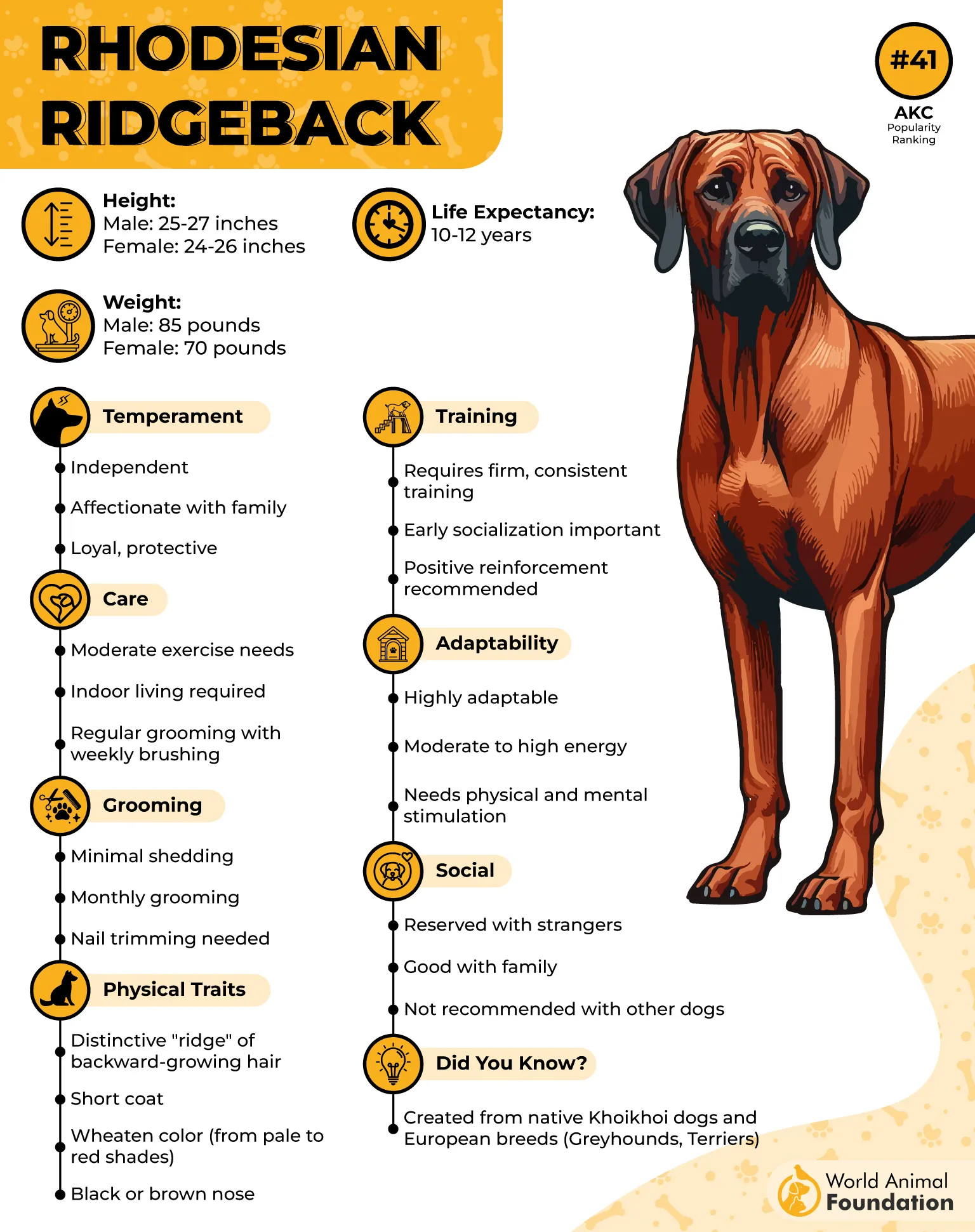
Rhodesian Ridgeback is identified by the backward-growing ridge of hair along its back, paired with a fast, muscular build made for covering ground with ease.
Its structure reflects an all-purpose hound built for speed and strength rather than slow control. The body carries a natural athletic tension suited for demanding terrain.
Tracking instinct shaped by precision
This large dog worked in Africa for tracking and holding large game without engaging in direct attack, relying on control and pursuit awareness. This instinct creates a strong prey drive paired with independent decision-making in open spaces.
That working pattern can be broken into clear behaviors:
Tracks movement with sustained focus across distance
Holds engagement without immediate aggression
Reacts strongly to fast-moving prey instincts
Independent temperament in daily life
They often operate with a self-directed mindset, making decisions with limited reliance on constant instruction. Its loyalty appears strongly toward familiar people, while unfamiliar interactions receive cautious evaluation. This creates a personality that balances attachment with independence.
6. Boxer
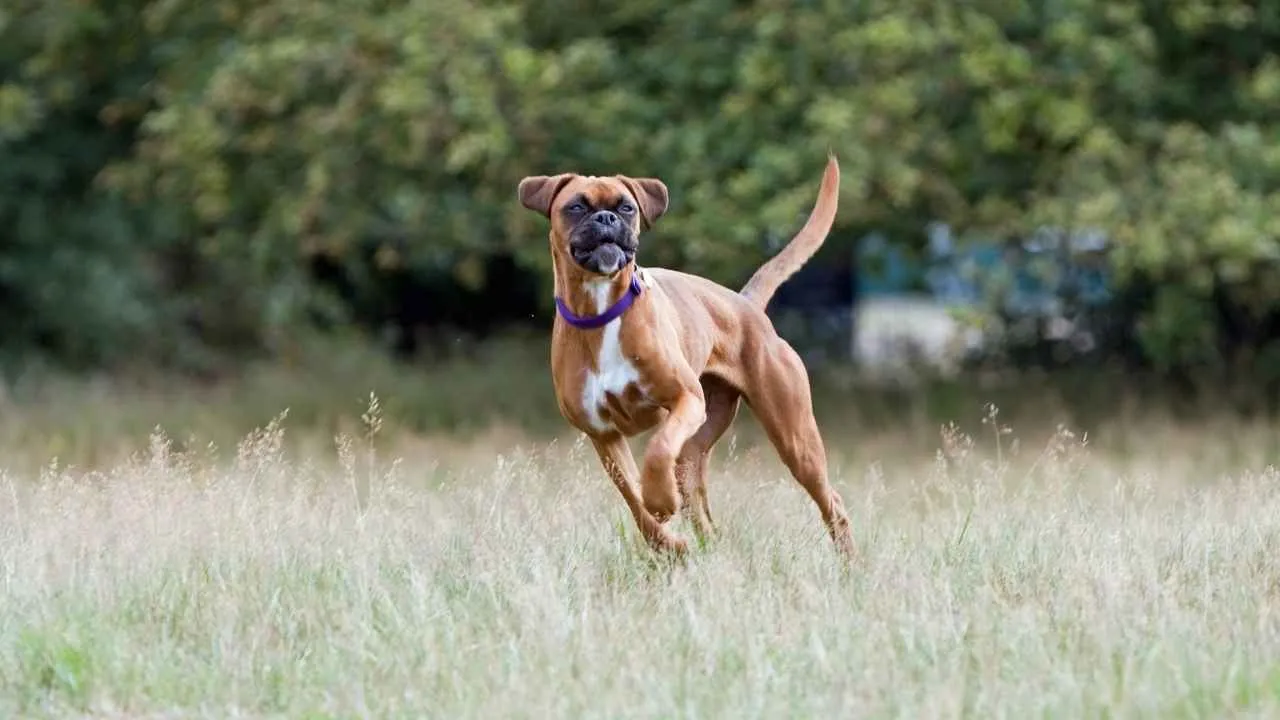
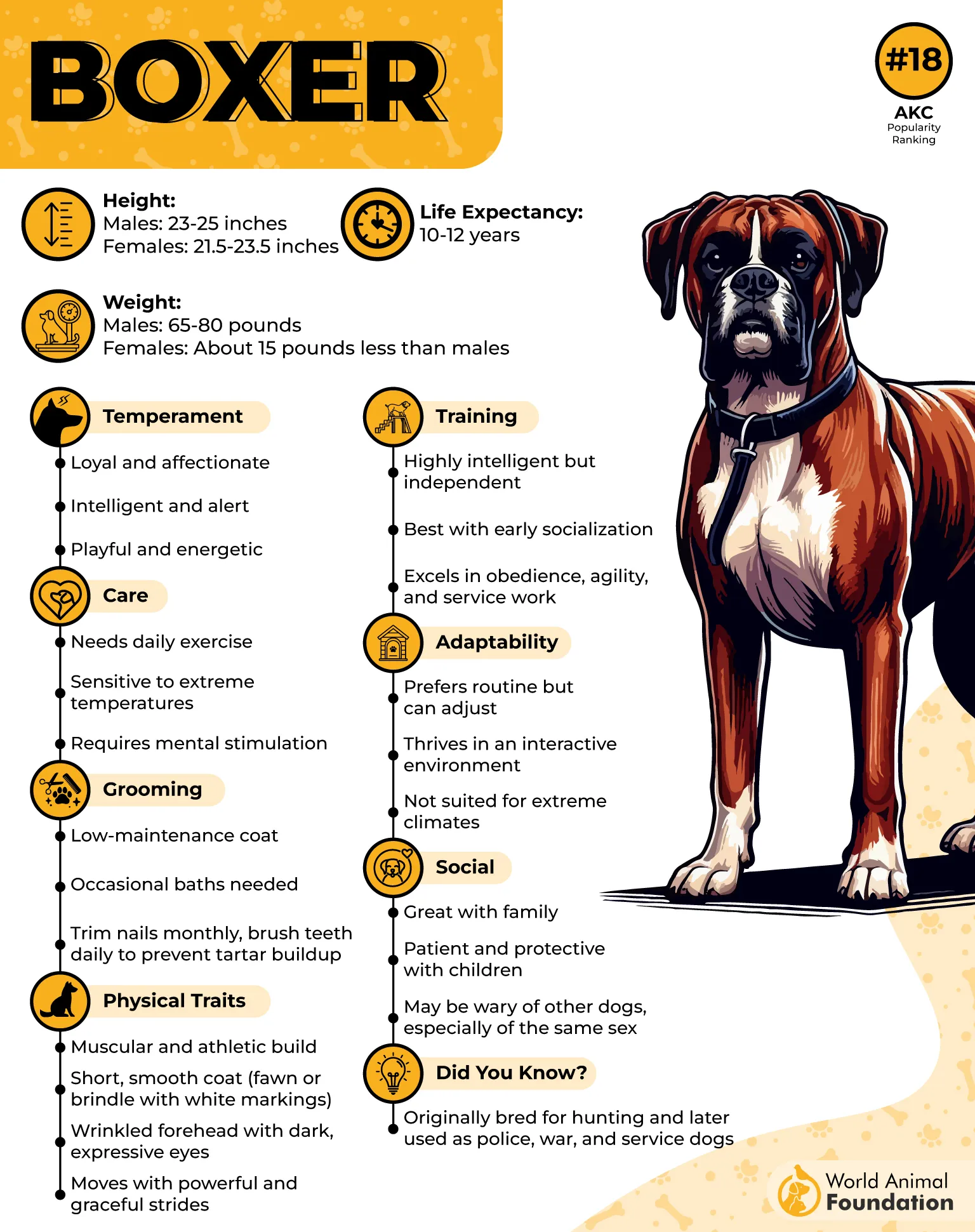
Boxers arrived in the United States from Germany in the 1930s after being used in hunting work, shaping a dog built for speed and endurance.
Its deep chest and firm musculature sit under a smooth coat designed for rapid movement. This structure supports sudden bursts of physical intensity in open spaces.
Action patterns in daily behavior
Boxers react to stimulation with jumping, pawing, and constant motion, which reflects their high-energy working style. Early leash handling becomes important due to pulling tendencies during walks.
This energy-driven behavior appears clearly in practice:
Jumps during play and interaction moments
Attempts to chase birds and small animals
Digs and may tunnel under fenced areas
Learning curve shaped by energy
This excellent guard dog has strong protective instincts and responds well to structured guidance, but requires patience due to its strong activity level.
Positive reinforcement helps guide its behavior, especially when consistent direction is maintained. Early and consistent training supports control over impulse-driven reactions.
7. Cane Corso
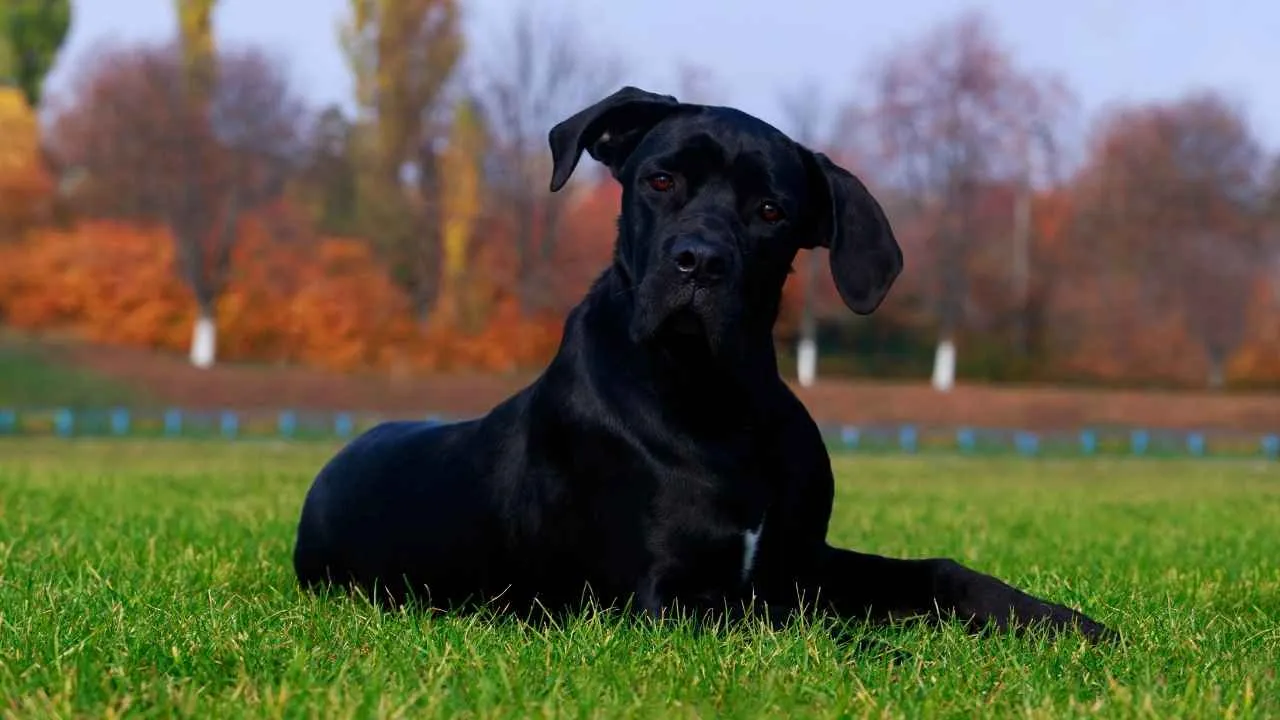
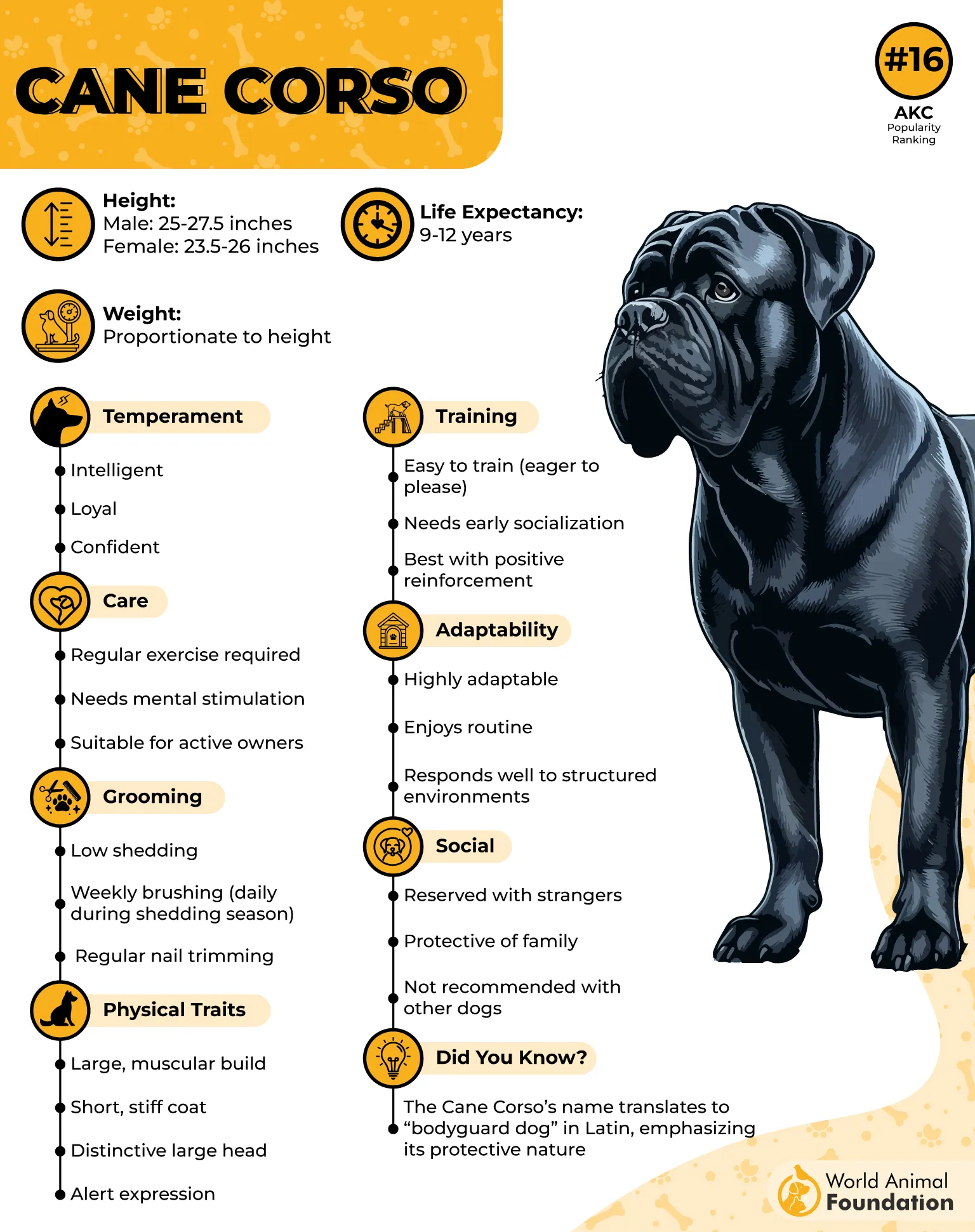
Cane Corso, also called Italian Mastiff, is a large working breed shaped around guarding duties and close human loyalty.
Its powerful frame reflects its role as a “bodyguard dog,” once used for farm protection and security tasks across working environments. The structure is dense and purposeful rather than decorative.
Working intelligence and functional roles
This protection dog performs multiple working roles with focus, including guarding property and assisting in farm tasks. Its intelligence allows it to respond to instruction while adjusting to different environments when raised correctly.
These working patterns appear in practical ways:
Assigned to watchdog duties in rural settings
Used in farm-related labor tasks alongside humans
Recognized among the smartest breeds in working categories
Control shaped through early guidance
They require structured handling from an early stage, especially through controlled exposure to people and animals. Without proper direction, its strong-willed side can become difficult to manage in unfamiliar situations. Balanced care helps reduce reactive behavior in complex environments.
Conclusion
Protective dogs leave a lasting impression because their loyalty feels purposeful rather than casual. They notice unusual movement, remain alert during quiet moments, and often stay close to the people they trust without needing constant instruction. That awareness comes from a natural instinct seen in breeds that make excellent guard dogs.
Some stay calm until pressure appears, while others quietly observe changes around the home or property. With proper socialization, they become deeply loyal companions for both first-time dog owners and experienced owners. Strength matters, but steady judgment and confidence truly separate serious protection dogs from ordinary companions.
