




Why do some dogs appear sleek and aerodynamic while others look charmingly squished? A quick look at a dog’s face can reveal far more than personality, offering clues about history, purpose, and design shaped over centuries.
Snout shape plays a quiet but important role in a dog’s daily life. It influences breathing, movement, scent detection, stamina, and even how a dog responds to its environment and favorite humans.
In this guide, we take a closer look at the science and history behind distinctive snouts, connecting form to function in ways many pet parents never notice. Each nose tells a story shaped by human choices and natural adaptation.
Dogs generally fall into three snout categories: long, medium, and short. These designs developed through evolution, climate, working roles, and changing human preferences across generations.
From exercise tolerance to climate adaptability, snout structure affects everyday routines. As you read on, you will discover how something as simple as a nose can shape life with other dogs and the bonds we share.
Dog Breeds with Unique Snouts: A Detailed Look
1. Bull Terrier
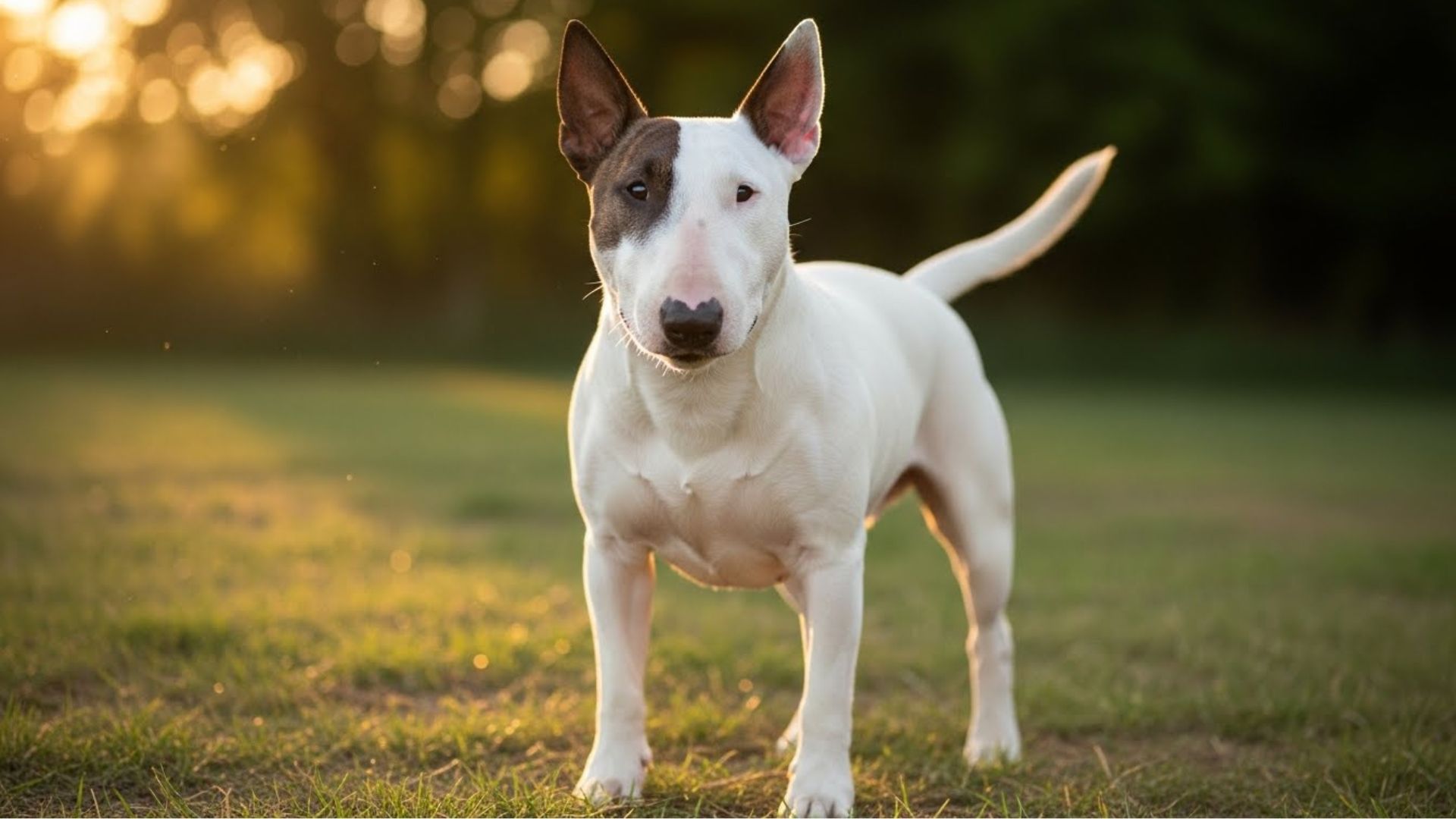
The Bull Terrier’s snout stops readers in their tracks almost instantly. Its smooth, egg-shaped head flows into a gently curved nose, creating a profile that looks sculpted rather than assembled. This unmistakable silhouette gives the breed a bold, almost mischievous expression that feels full of personality.
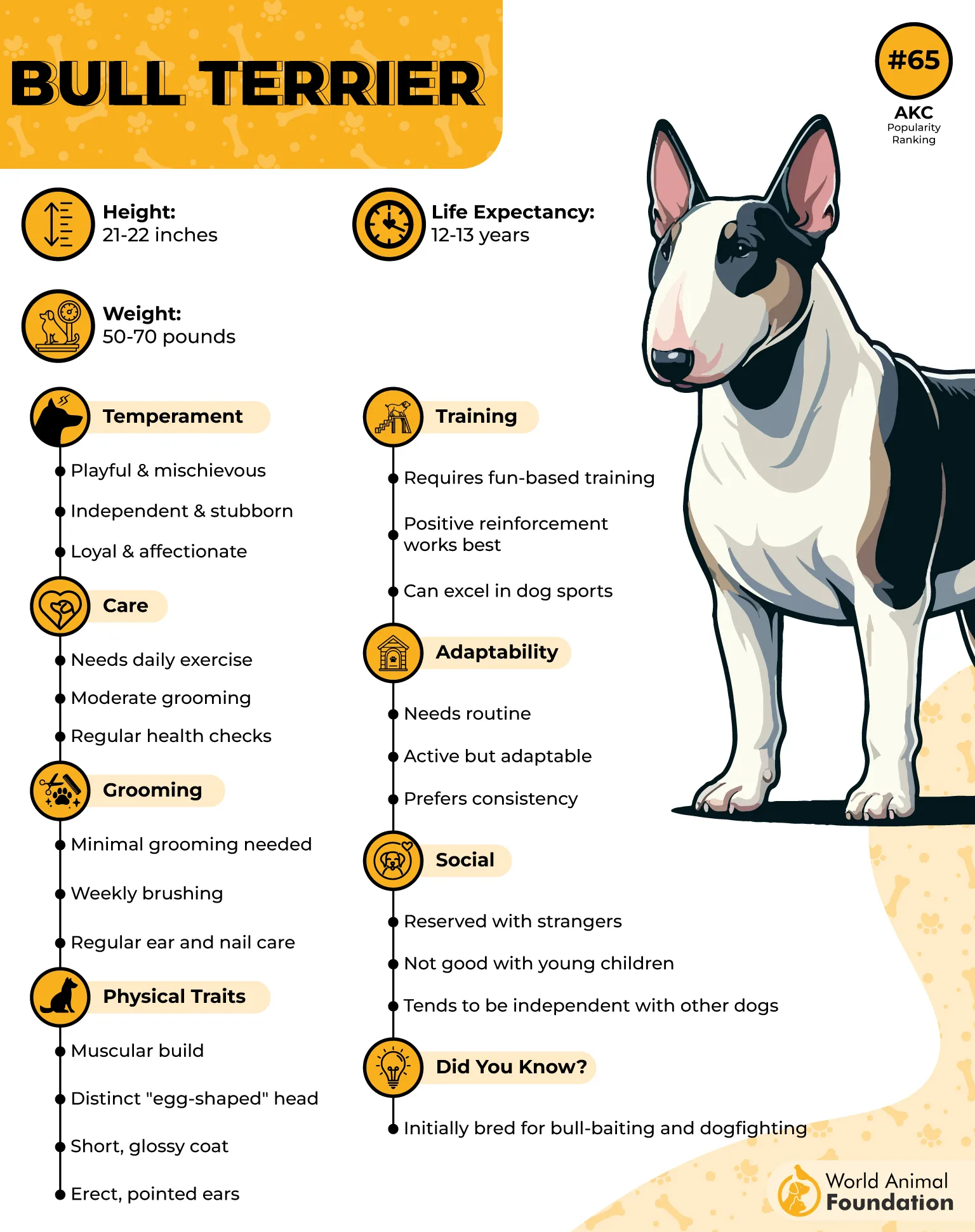
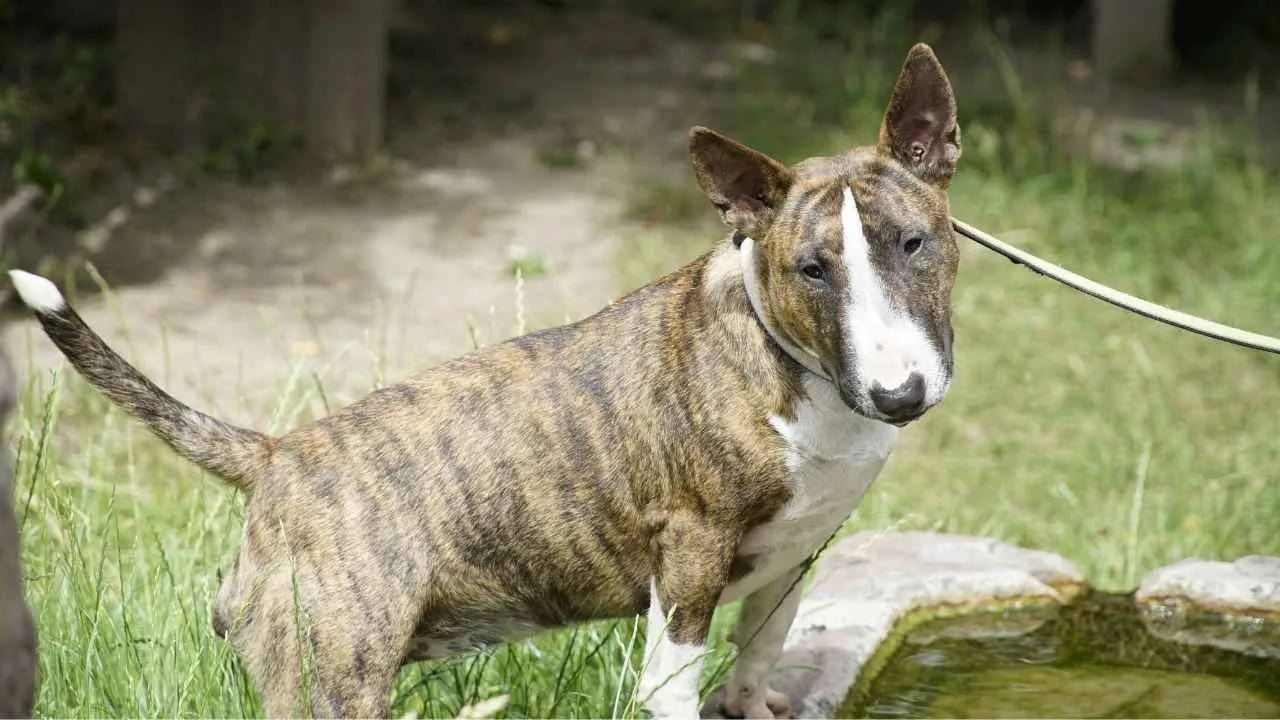
This unusual snout was shaped largely by human preference rather than working necessity. Over generations, breeders refined the convex profile to create a strong yet playful look that set the Bull Terrier apart in both show rings and popular culture. The result is a head built more for visual impact than for scent tracking or endurance tasks.

Care considerations you might not expect
- Dental alignment should be monitored, as the curved jaw can lead to crowding.
- Moderate heat sensitivity means activity is best planned thoughtfully.
- Regular facial checks help catch skin irritation early.
How the snout influences behavior and interaction
- Encourages expressive communication, often reflected in animated facial movements.
- Supports short bursts of energy, paired with playful curiosity.
- Limits prolonged endurance activity, shaping exercise routines.
In daily life, the Bull Terrier’s snout supports a lifestyle centered on engagement rather than endurance. AKC notes that owners who enjoy interactive play, training games, and close companionship often find this breed especially rewarding. The facial structure contributes to an alert, people-focused presence that thrives on attention.
Looking beyond the nose reveals a dog shaped by intentional design and human connection. The Bull Terrier’s snout tells a story of individuality, confidence, and charm wrapped into a single unforgettable profile.
2. Borzoi
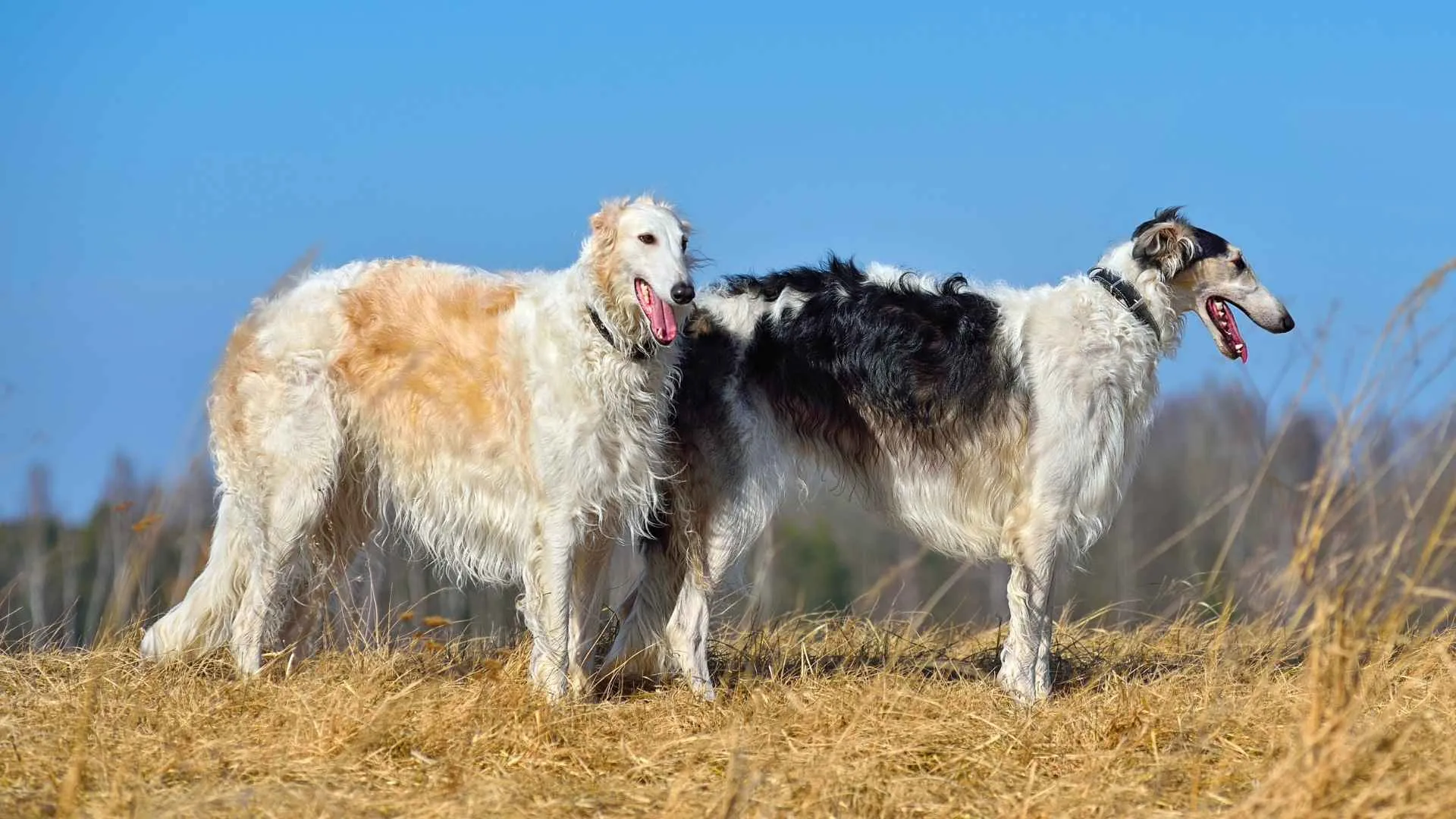
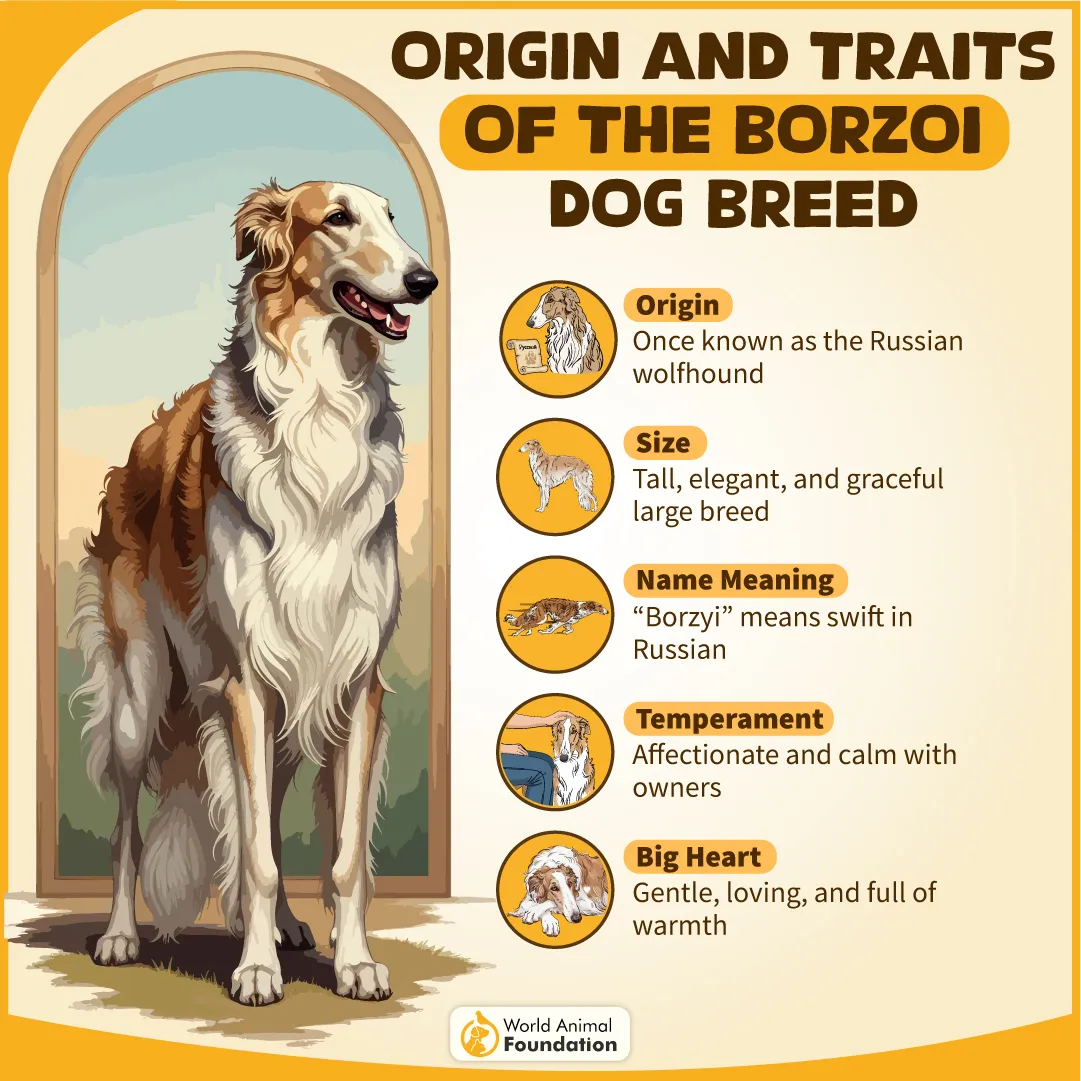
A Borzoi’s snout creates an immediate impression of elegance and refinement. Long, narrow, and finely tapered, it gives the face a serene expression that feels almost aristocratic. This shape hints at speed and grace before the dog ever takes a step.
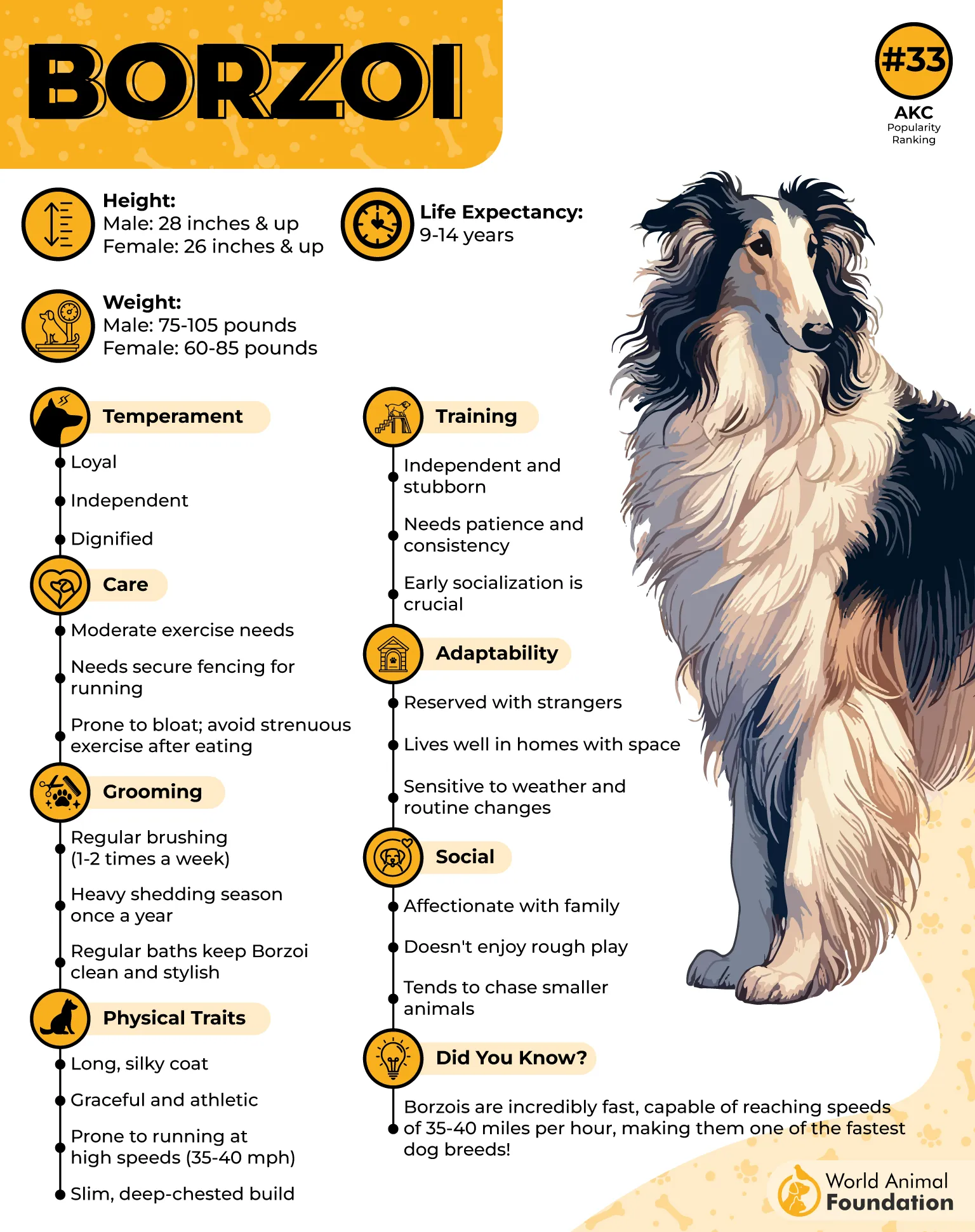
Britannica explains that the Borzoi’s snout developed through centuries of functional breeding tied to sight-based hunting. Its length supports efficient airflow and aligns the eyes for long-distance visual tracking across open terrain. This design reflects a history rooted in performance, endurance, and precision rather than ornamentation.
Care considerations you might not expect
- Narrow muzzles benefit from appropriately shaped bowls to avoid discomfort.
- Gentle handling is important, as the long face can be sensitive.
- Cold-weather tolerance is strong, but drafts should still be minimized indoors.
How the snout influences behavior and interaction
- Enhances visual awareness, creating a watchful, observant demeanor.
- Supports calm indoor energy, balanced by intense outdoor focus.
- Encourages quiet independence, shaping social interactions.
In everyday life, this snout contributes to a dog that values space, rhythm, and routine. Borzois often suit owners who appreciate relaxed companionship punctuated by moments of graceful athleticism. Their facial structure complements a temperament that feels thoughtful and composed.
Seeing past the length of the nose reveals a breed designed for harmony between form and function. The Borzoi’s snout stands as a refined symbol of purpose-driven canine anatomy.
3. Pug
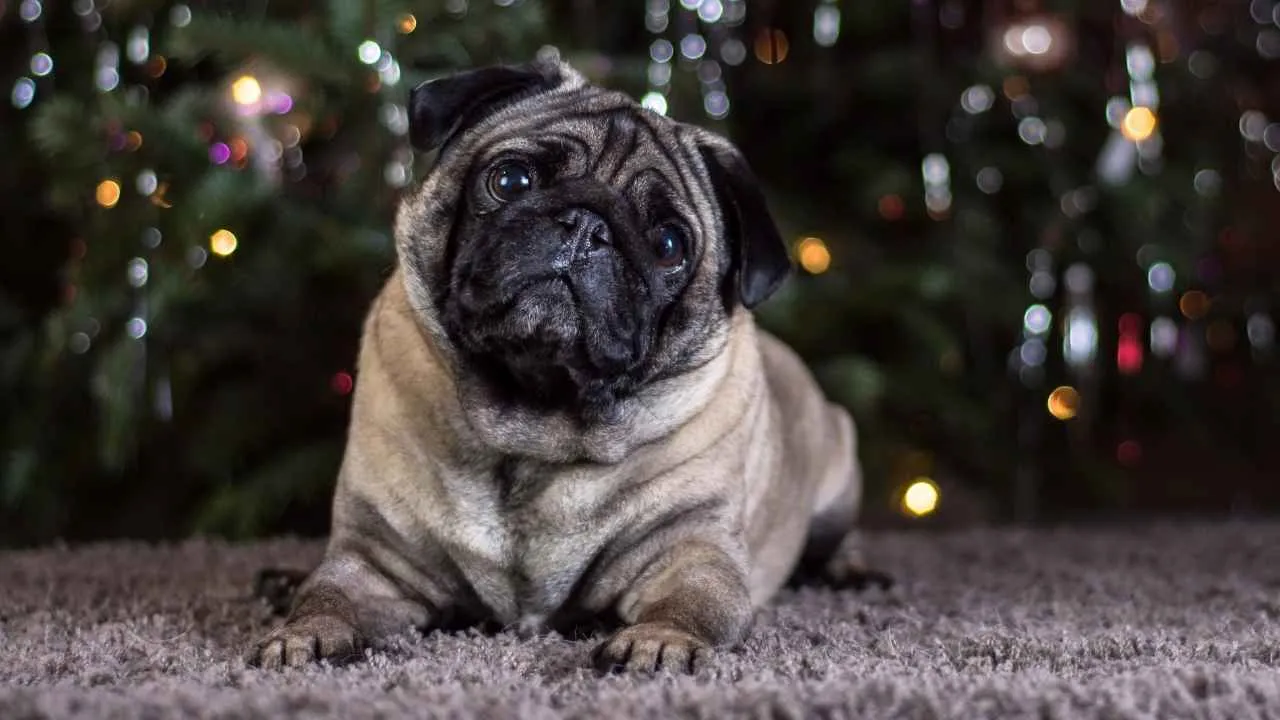
The Pug’s snout makes an impression through its absence of length. Compact and flat, it creates a face packed with expression, framed by deep wrinkles and wide, curious eyes, claims PDSA. This structure gives the breed its famously endearing, almost human-like charm.
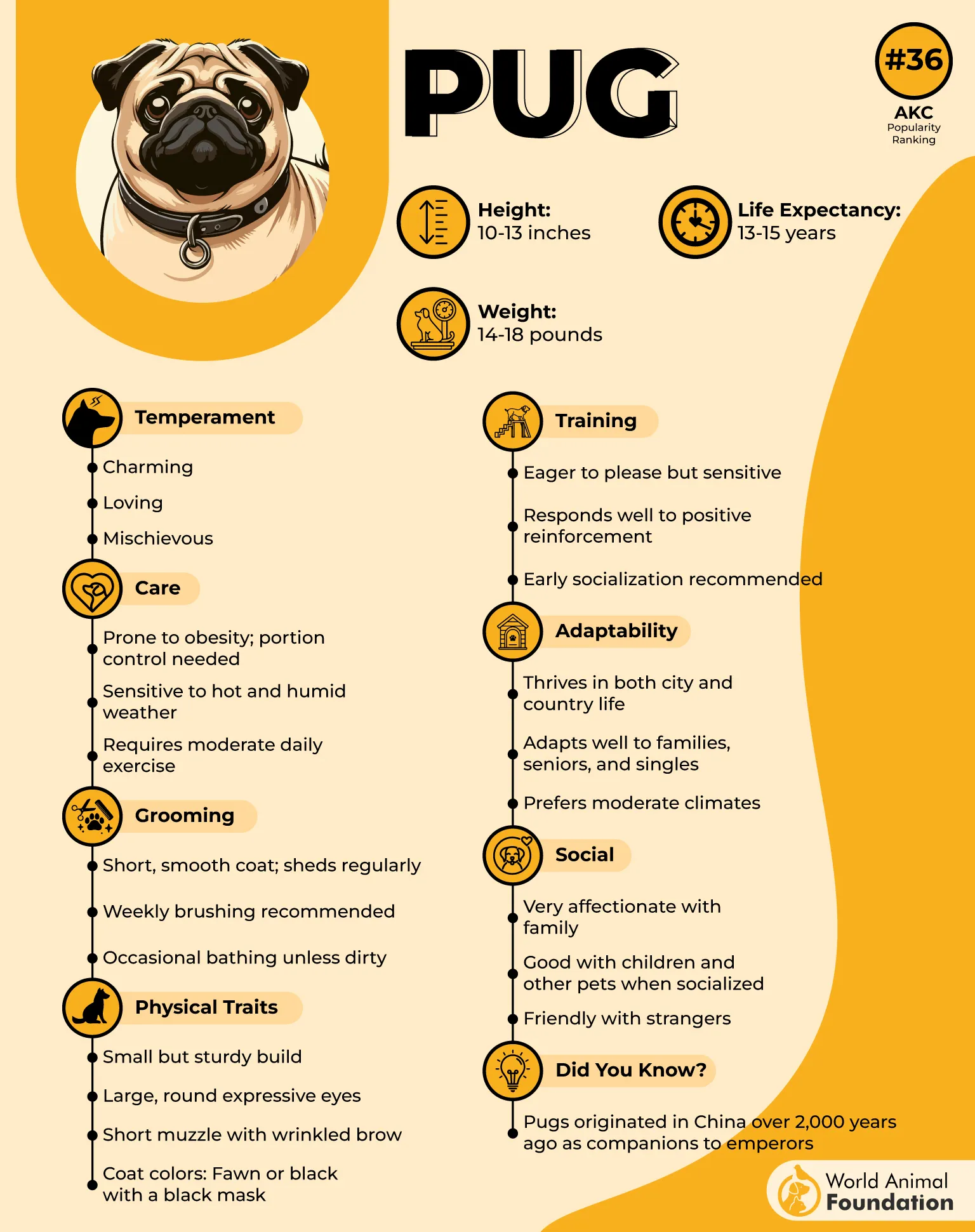
Historically, this snout evolved through selective breeding that favored companionship and appearance over physical utility. The shortened muzzle contributes to the Pug’s distinctive look while shaping how the dog breathes, rests, and plays. Style took priority, resulting in a face designed to delight.
Care considerations you might not expect
- Airway health requires ongoing attention, especially during activity.
- Wrinkle hygiene is essential to prevent irritation.
- Temperature control matters, as heat tolerance is limited.
How the snout influences behavior and interaction
- Encourages lower-impact play, favoring short activity sessions.
- Enhances expressive communication, positive reinforcement, and makes emotions easy to read.
- Shapes a people-focused personality, driven by closeness.
Daily life with a Pug revolves around comfort and connection. This snout structure suits owners who prefer relaxed routines, indoor companionship, and frequent social interaction. Exercise plans tend to emphasize consistency over intensity.
Looking beyond the flattened nose reveals a breed built for closeness and charm. The Pug’s snout tells a story of devotion, warmth, and intentional companionship.
4. Greyhound
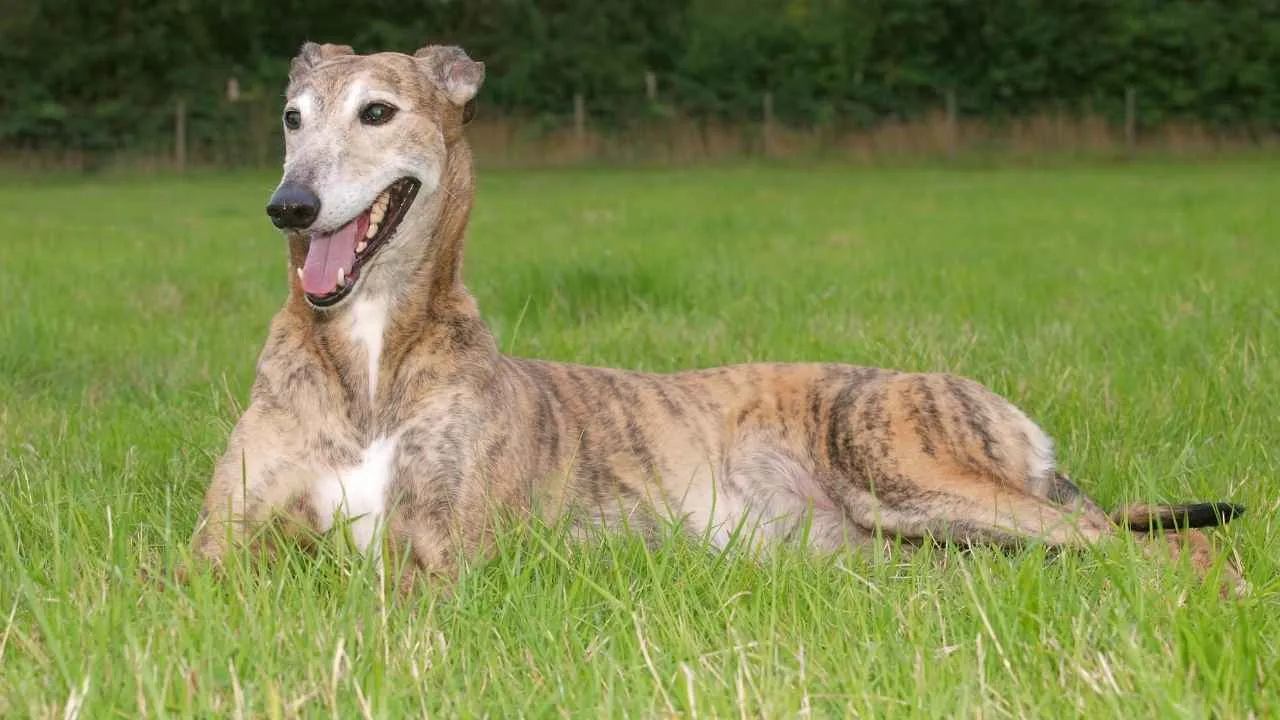
The Greyhound’s snout appears sleek, aerodynamic, and purpose-built. Long and narrow, it mirrors the breed’s streamlined body, creating a face that suggests motion even at rest. Every angle seems designed for speed.
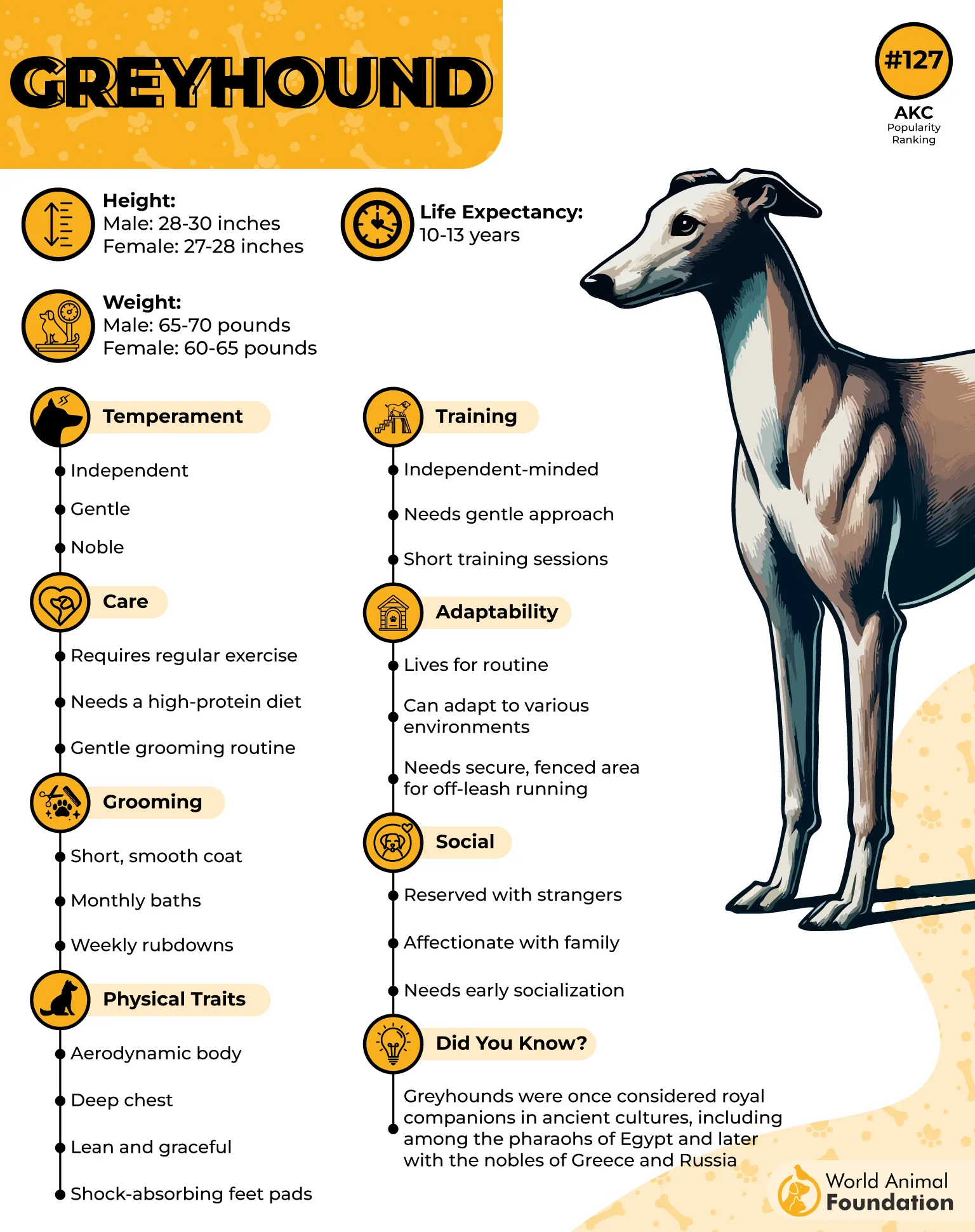
This long-nosed dog evolved to maximize airflow during high-speed pursuits. Its length supports efficient breathing while maintaining a lightweight skull structure essential for sprinting. The design reflects centuries of refinement centered on performance and efficiency.
Care considerations you might not expect
- Long noses are prone to minor scrapes, requiring occasional checks.
- Sensitive skin benefits from gentle grooming products.
- Comfortable bedding supports facial and neck alignment.
How the snout influences behavior and interaction
- Supports explosive bursts of energy, followed by extended rest.
- Enhances visual focus, creating strong chase instincts.
- Encourages quiet indoor manners, contrasting with outdoor athleticism.
In daily life, this snout pairs with a surprisingly calm household presence. Greyhounds often fit well with owners who enjoy short, purposeful exercise sessions and relaxed downtime. Their facial structure complements a balance of intensity and tranquility.
Looking beyond the streamlined nose reveals a beautiful dog breed defined by efficiency and grace. The Greyhound’s snout reflects a legacy of speed refined into everyday companionship.
5. Boston Terrier
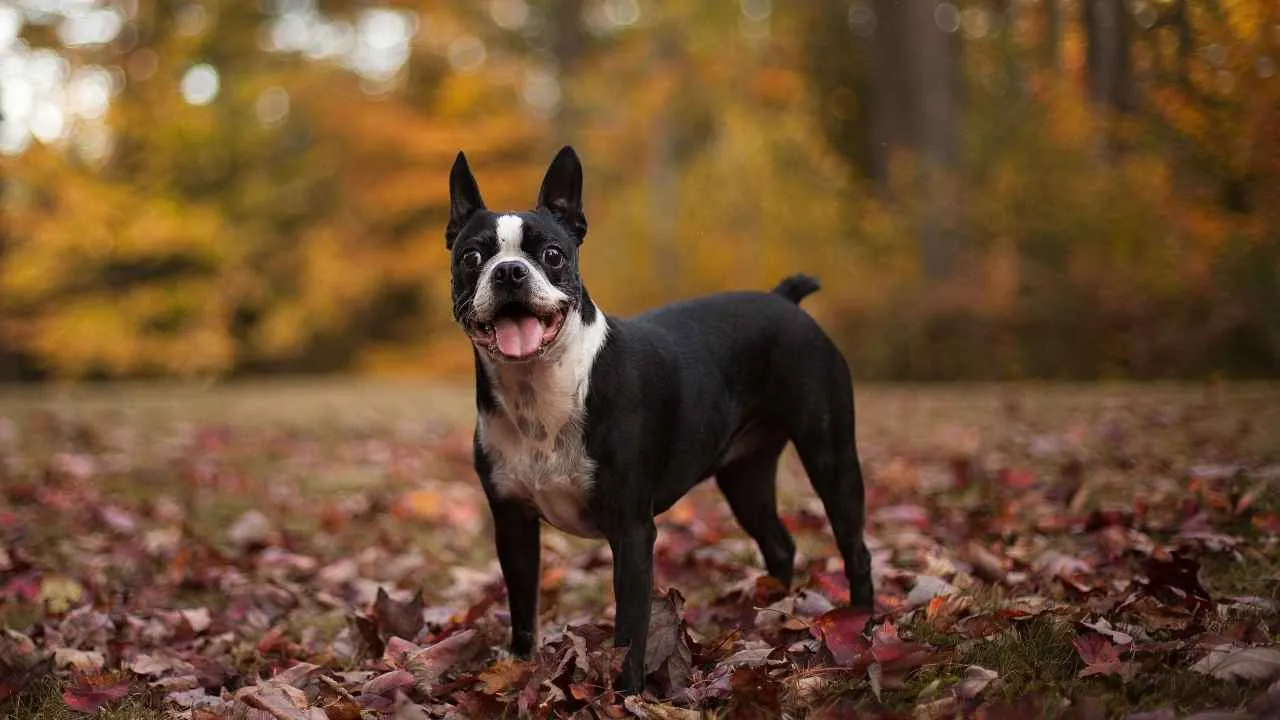
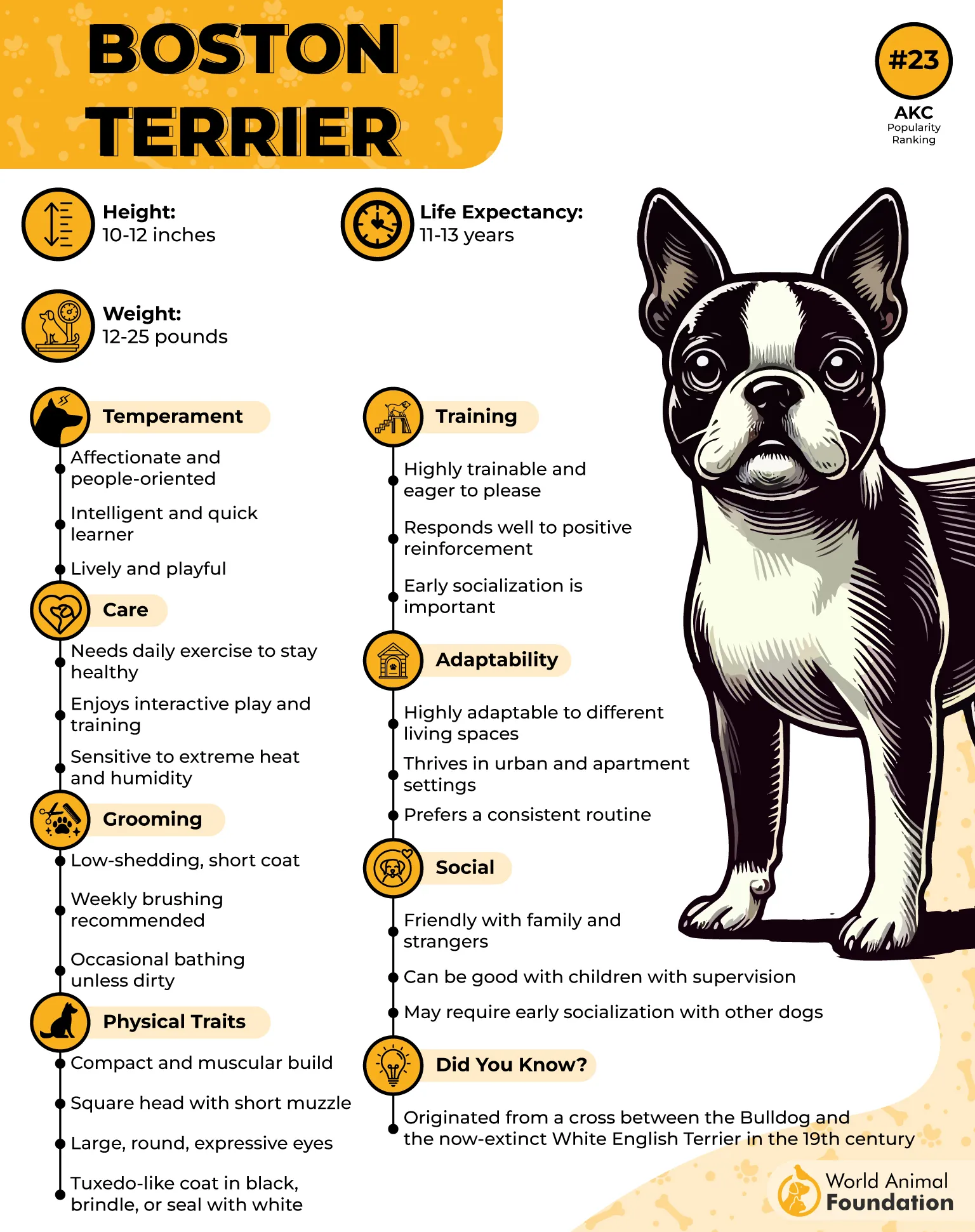
The Boston Terrier’s snout delivers character in a compact package. Short and square, it gives the face a bright, alert expression that feels friendly and approachable. This distinctive look pairs neatly with the breed’s expressive eyes.
The snout developed through selective breeding aimed at creating a sociable, city-friendly companion. Its structure emphasizes appearance and approachability while influencing breathing and stamina. The result is a dog shaped for social environments rather than endurance tasks.
Care considerations you might not expect
- Moderate exercise pacing helps maintain comfort.
- Breathing should be monitored during excitement.
- Facial cleanliness supports skin health.
How the snout influences behavior and interaction
- Promotes playful, people-oriented behavior.
- Supports quick bursts of energy, ideal for games.
- Shapes strong adaptability to indoor living.
Day-to-day life with a Boston Terrier often centers on engagement and routine. This snout structure suits owners who value interaction, manageable activity levels, and adaptability to urban settings. The breed thrives on shared experiences.
Looking past the compact nose reveals a dog built for connection. The Boston Terrier’s snout reflects a balance between charm, sociability, and modern companionship.
6. Saluki
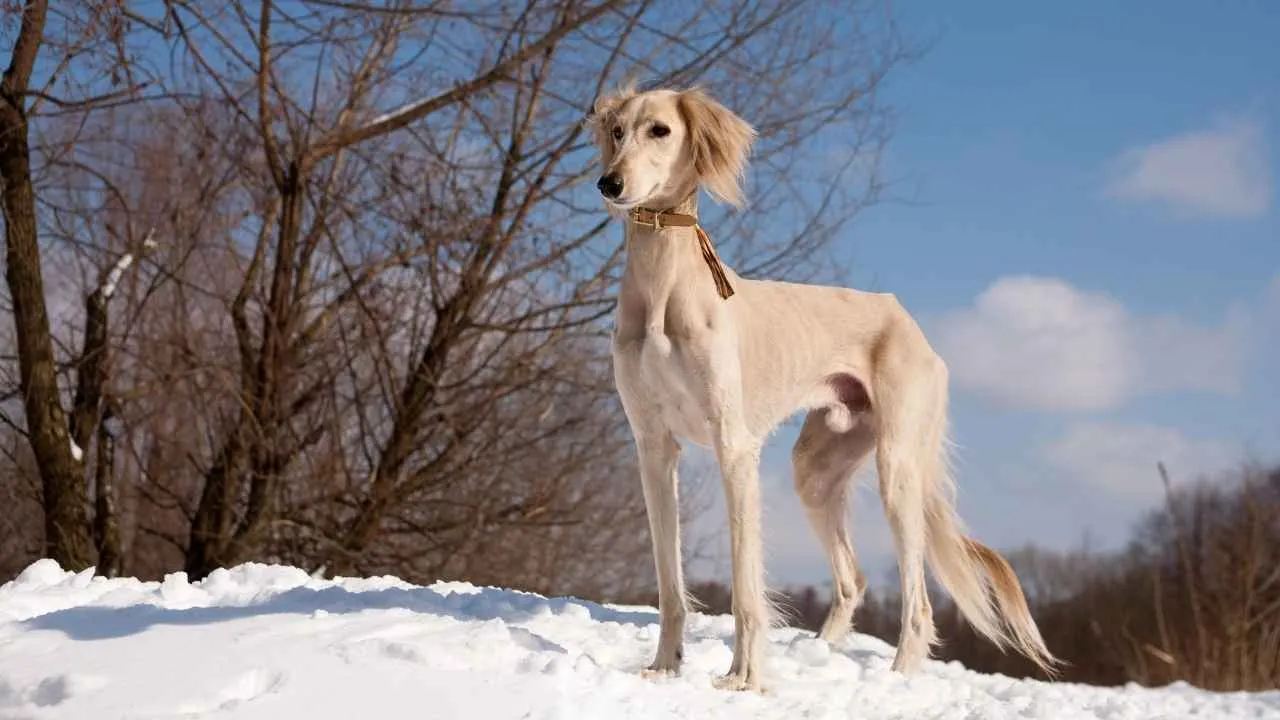
The Saluki’s snout is refined, narrow, and elegantly long. Its smooth lines create a calm, dignified expression that feels timeless and understated. This facial structure reflects a heritage steeped in history.
Designed for endurance hunting across open landscapes, the Saluki’s snout supports efficient airflow and sustained movement. Its length aligns with keen eyesight and stamina, shaping a dog built for distance rather than bursts. Function guided every detail of its development.
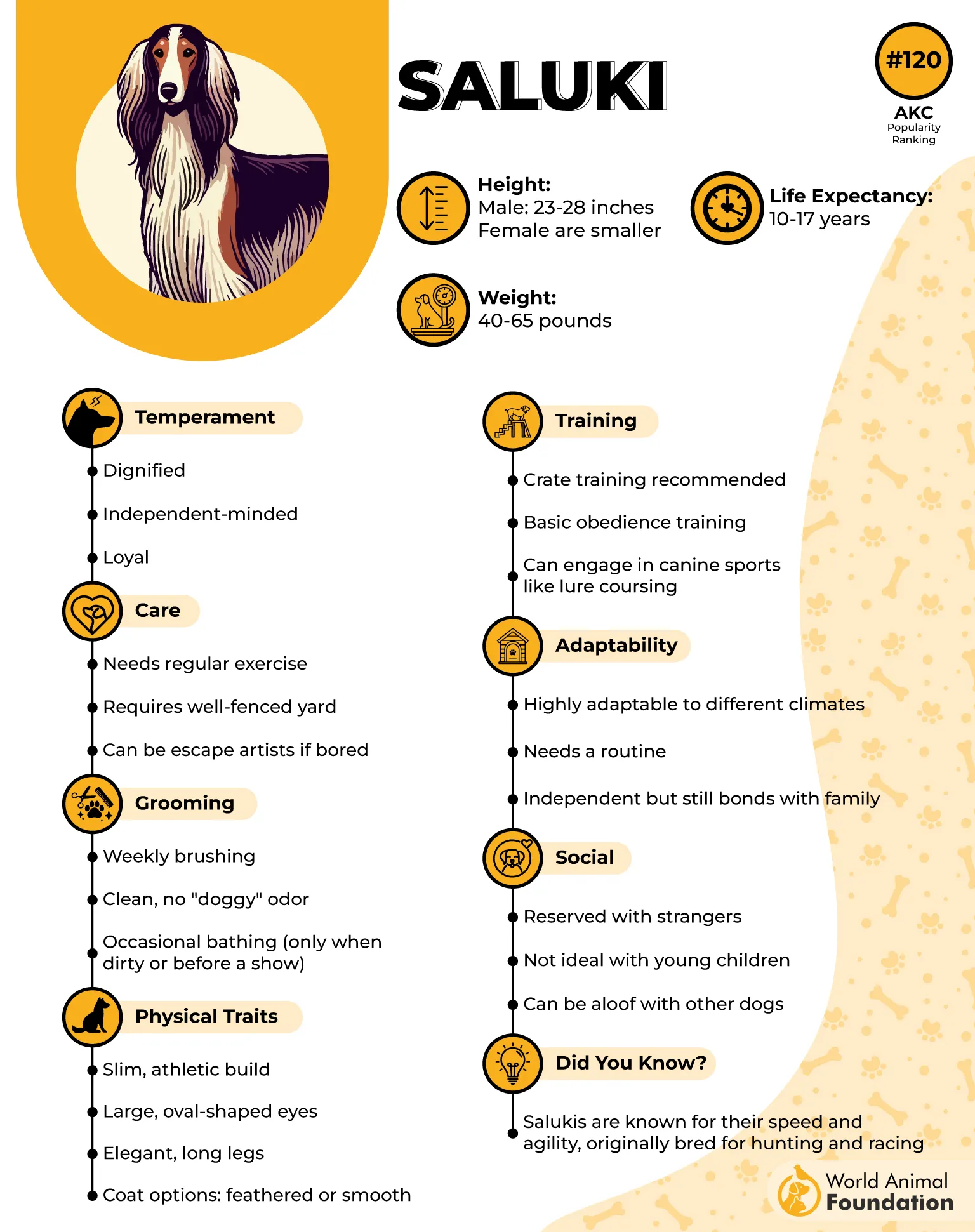
Care considerations you might not expect
- Lean facial structure benefits from padded resting areas.
- Gentle restraint methods protect the narrow muzzle.
- Cold sensitivity may appear in cooler climates.
How the snout influences behavior and interaction
- Encourages alert observation, often from a distance.
- Supports sustained physical activity, favoring long walks.
- Shapes an independent, thoughtful demeanor.
In everyday life, this snout aligns with owners who respect space and subtle communication. Salukis often bond deeply while maintaining a reserved nature. Their facial design complements a lifestyle rooted in calm consistency.
Looking beyond the elegant nose reveals a rare breed shaped by history and purpose. The Saluki’s snout stands as a quiet symbol of endurance and refinement.
7. Whippet
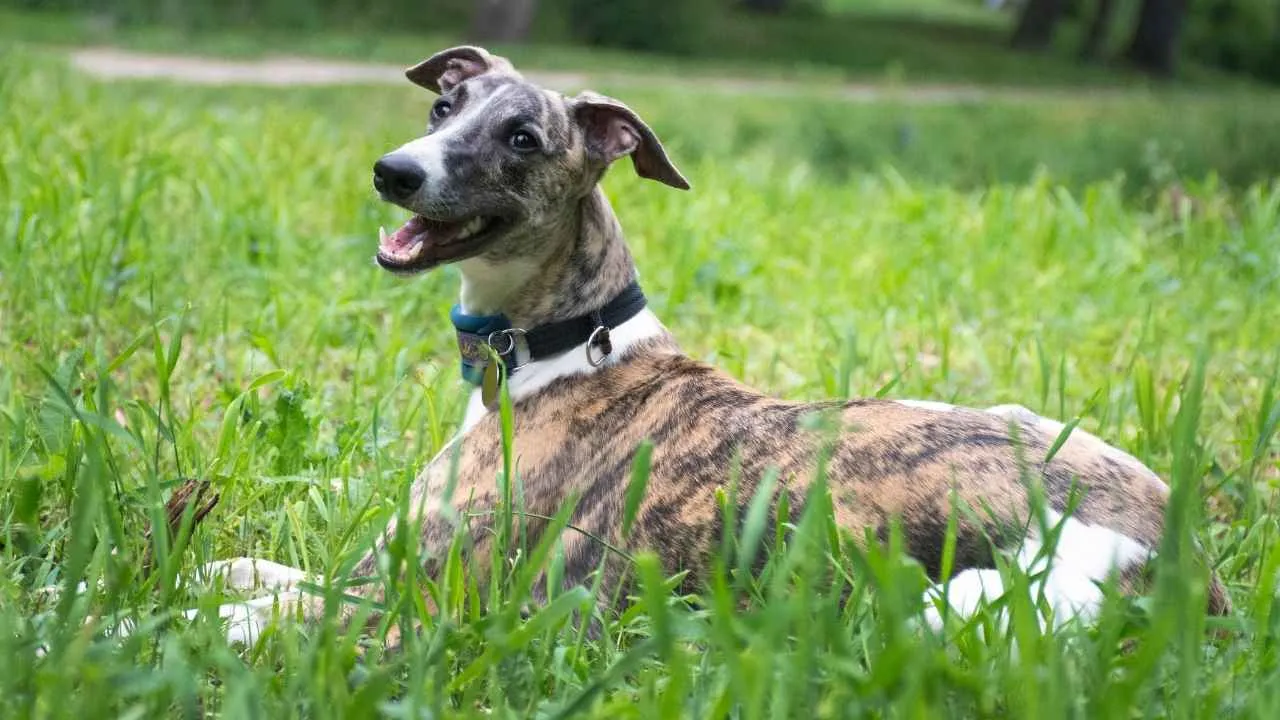
The Whippet’s snout balances length and delicacy. Slim and tapered, it gives the face a gentle, inquisitive look that feels both athletic and soft. This harmony reflects the breed’s versatile nature.
Developed for speed and agility, the snout supports efficient breathing during rapid acceleration. Its lighter structure reduces drag while maintaining strength, contributing to the Whippet’s impressive athletic ability. Function and balance guided its form.
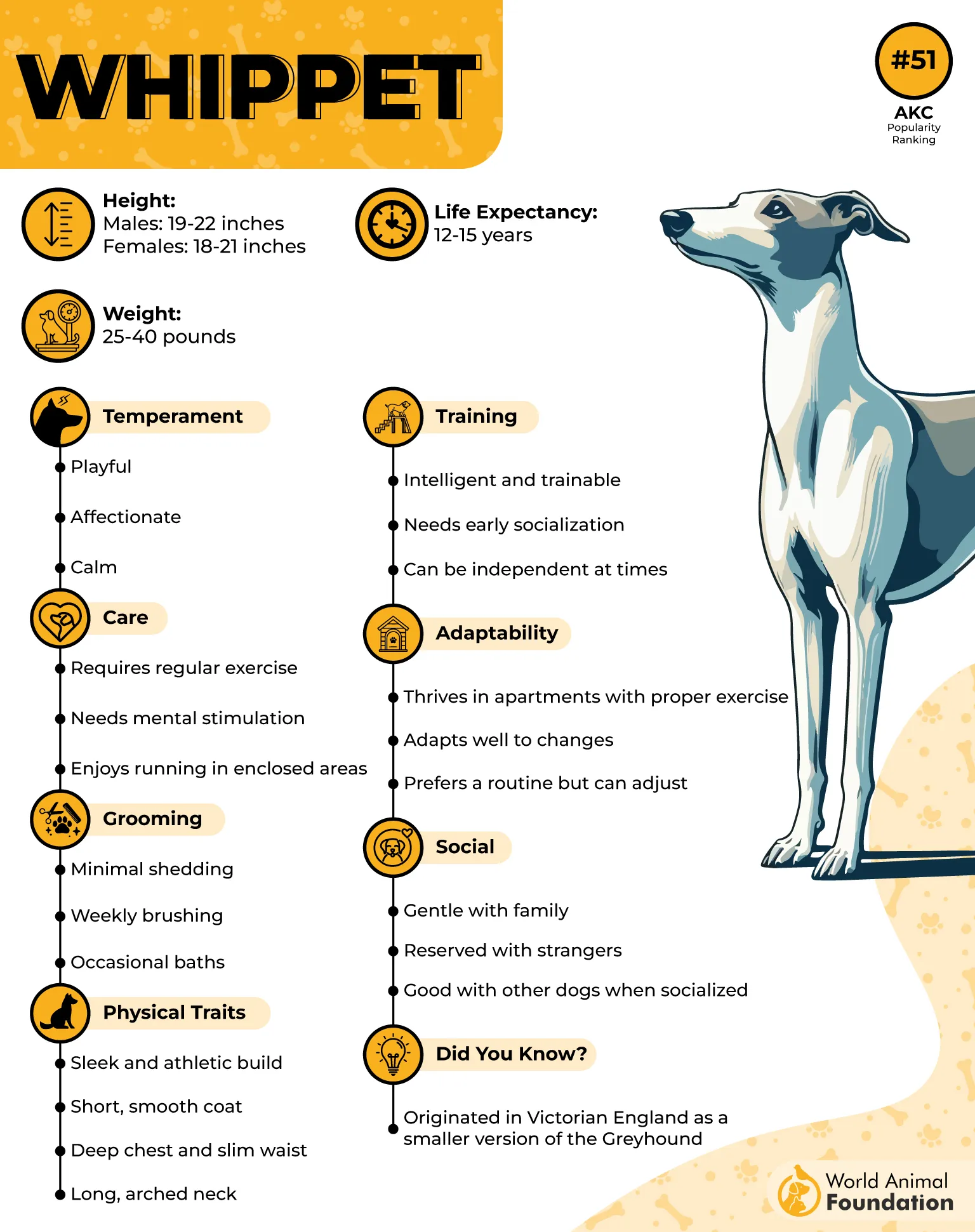
Care considerations you might not expect
- Thin skin requires protection in colder weather.
- Snout length calls for cautious play in tight spaces.
- Comfort-focused collars help protect the neck and face.
How the snout influences behavior and interaction
- Supports fast-paced play, followed by relaxation.
- Enhances awareness of surroundings, aiding responsiveness.
- Encourages adaptable energy levels, shifting easily.
In daily life, the Whippet’s snout suits owners seeking flexibility. The breed adapts well to active moments, regular exercise, and quiet evenings, making it an easy household companion. Its facial structure mirrors this duality.
Looking beyond the nose reveals a dog built for balance. The Whippet’s snout reflects athletic grace paired with affectionate simplicity.
Conclusion
From the German Shepherd to the Pharaoh Hound, snout shapes reflect a long history of dogs originally bred as working dogs, hunting dogs, herding dogs, guard dogs, and racing dogs. A long snout or short snout can influence the sense of smell, enhanced scent, and the ability to detect scents, supported by scientific evidence.
Breeds not covered here include the Afghan Hound, Russian Wolfhound (a Russian word affectionately called), Airedale Terrier, and French Bulldog. These range from long snouted dogs with elongated noses and flowing coats to short muzzles, each suited for roles like search and rescue missions, lure coursing, or companionship.
For many pet parents, the right choice balances daily exercise, mental stimulation, and human companionship. Whether visiting the dog park, enjoying short walks, or using interactive toys, spending time helps build strong bonds with these excellent companions and other pets.
