




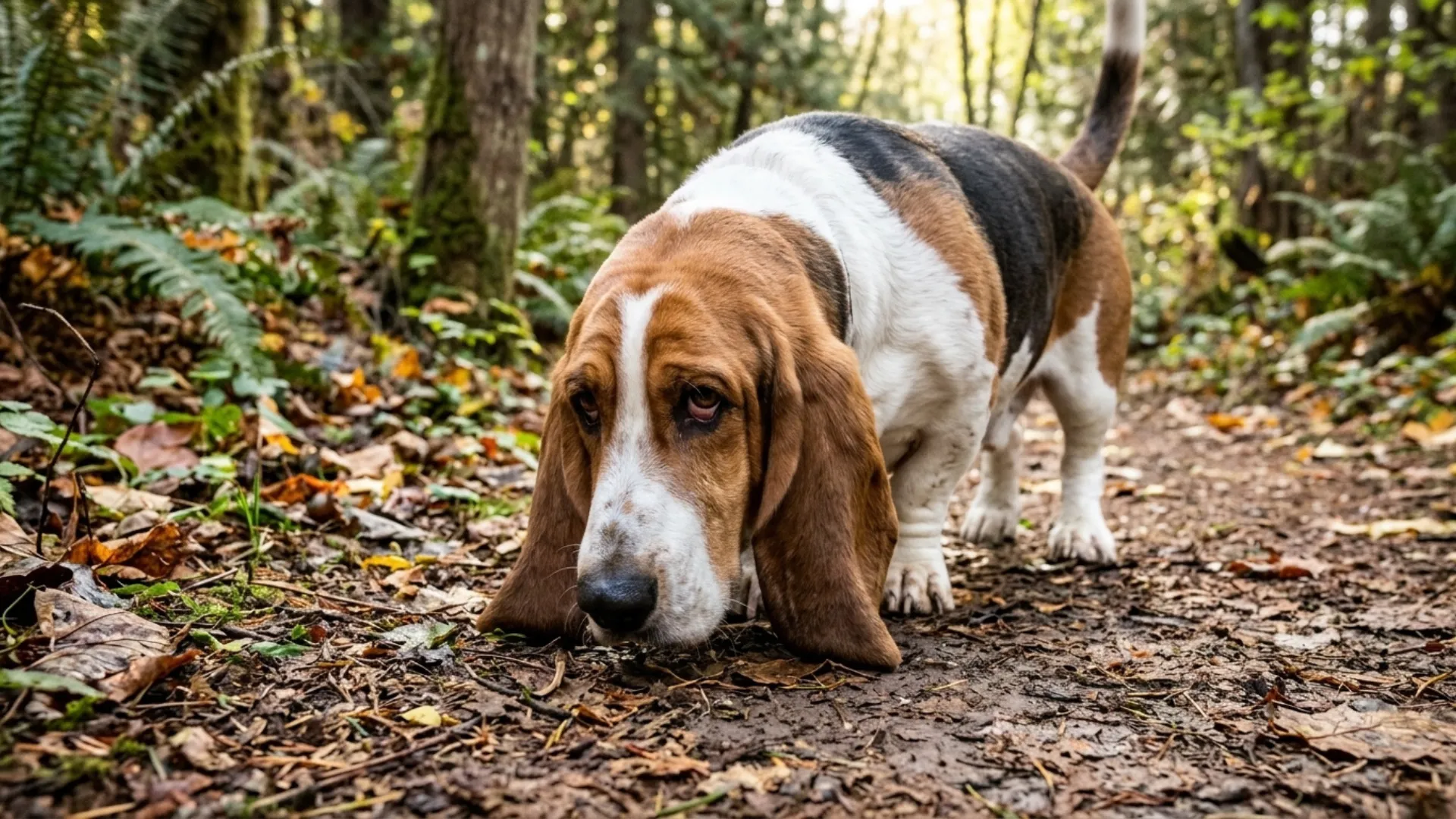
A dog’s nose can pick up a scent that humans would never notice, and some dogs are gifted at turning that ability into useful information.
Their sense of smell is closely tied to the structure of the canine nose, which contains far more scent receptors than the human nose. Dogs can also separate individual odors within a mixture, helping them follow trails, locate hidden objects, and detect scents carried through the air. For certain breeds, scent work is more than a party trick.
It has supported jobs such as tracking, search and rescue, detection work, and hunting for generations. But which dogs have the strongest noses, and what makes their abilities so impressive? The answer depends on more than receptor numbers. Nose shape, breathing patterns, training, and natural drive all matter.
Keep reading to discover the remarkable scent specialists that can turn an ordinary smell into a trail worth following.
Key Takeaways
A single smell can tell a dog far more than we might expect, especially when that dog has been bred for scent work.
Bloodhounds can track a scent for up to 130 miles, while Beagles have an olfactory system that makes human scent detection seem very limited.
Belgian Malinois and Bluetick Coonhounds show how useful that nose can be in detection and hunting, with each breed bringing a different kind of skill to the trail.
The final breeds make the story even more interesting, with scent work that reaches beyond fields and forests into search, rescue, and law enforcement.
Top Dog Breeds with the Strongest Sense of Smell
1. Bloodhound
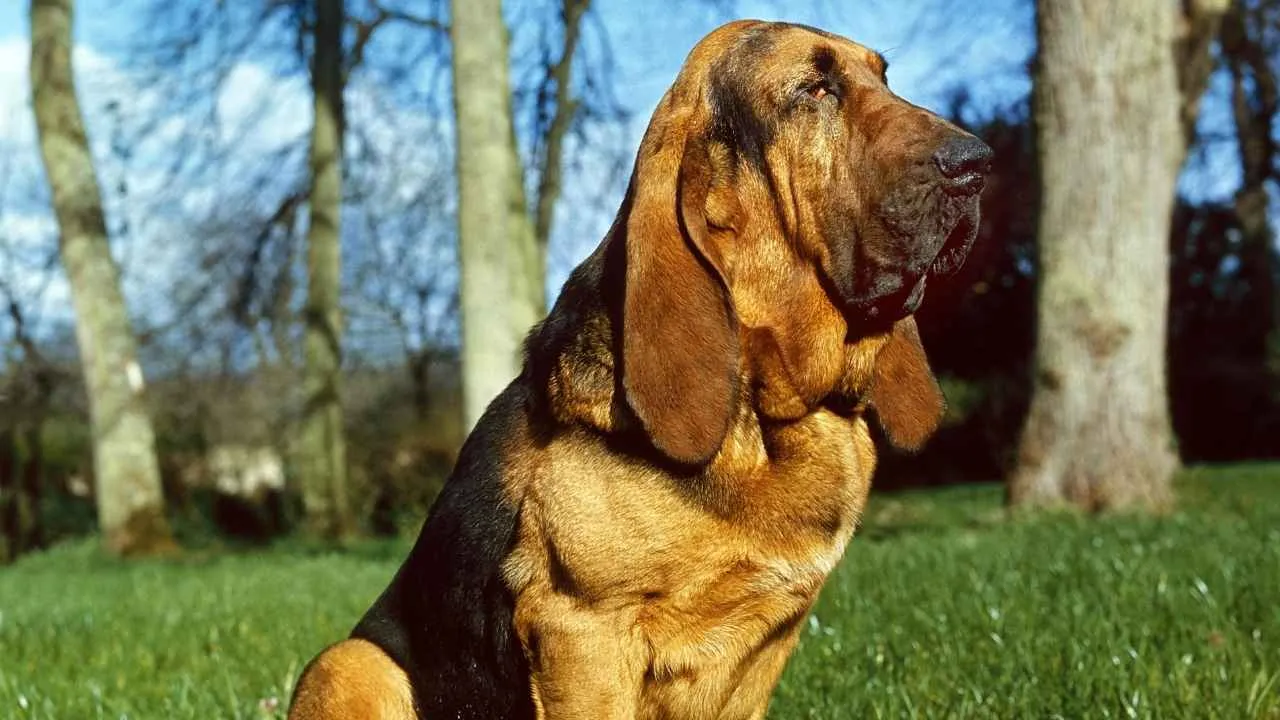
Bloodhounds spent medieval Europe serving as hunting dogs and were respected at French monasteries, where these dogs were carefully bred and valued. The earlier name “blooded hound” referred to their noble lineage before the name Bloodhound became established.
A Nose Built for Tracking
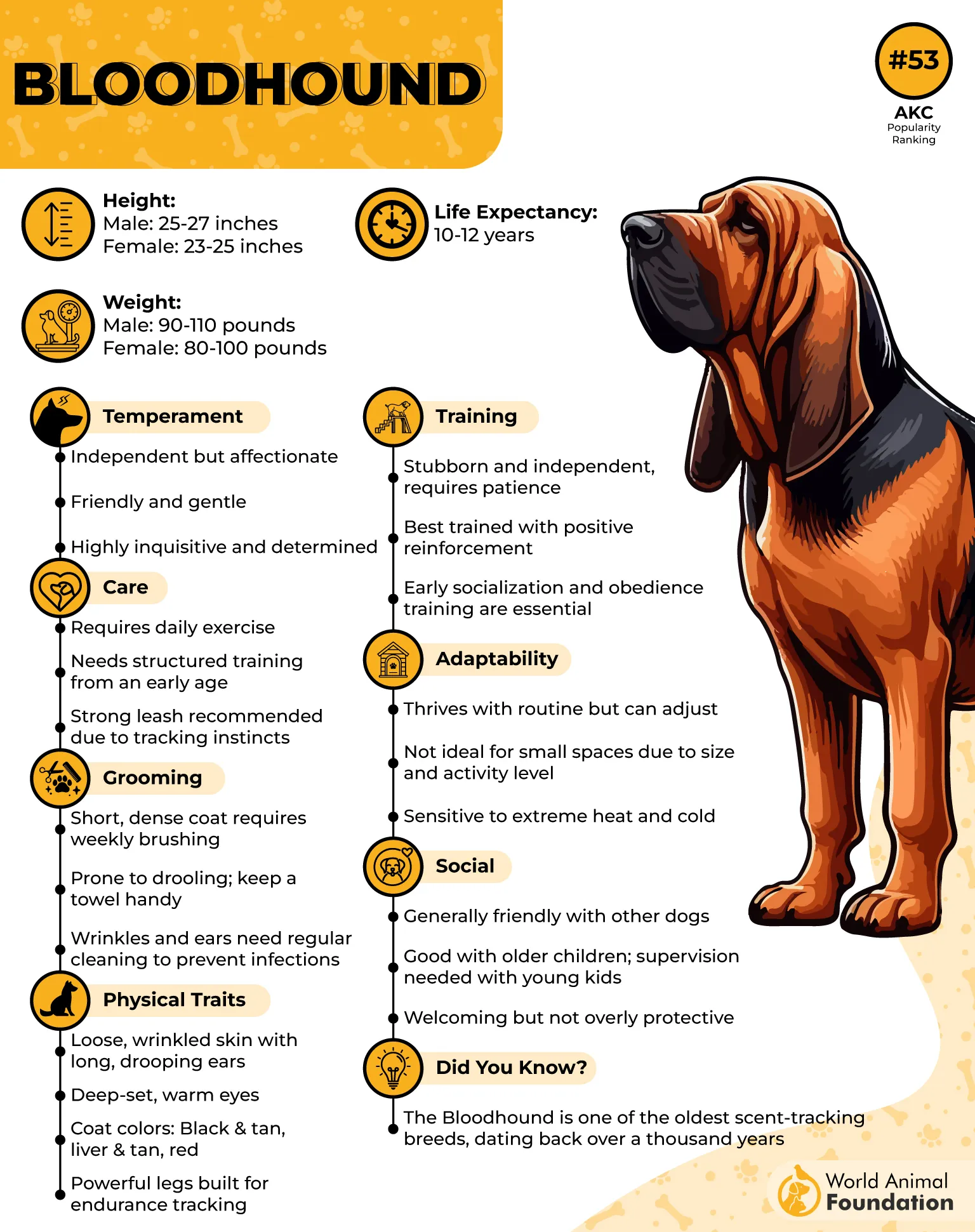
Bloodhounds can follow a scent trail for up to 130 miles, giving this breed an extraordinary ability to remain focused on one odor over long distances. Its large, drooping ears help direct scent toward the nose, while the wrinkles around them can trap scent particles.
Three details make that ability even more remarkable:
About 300 million scent receptors
Used in search-and-rescue work
Can locate lost pets by scent
From Criminal Cases to Rescues
By the 1800s, English police began using Bloodhounds to track criminals, and their trailing work later gained recognition in law enforcement worldwide. Their scent evidence is now accepted in almost every court of law, while rescue teams can work with them even days after a disaster.
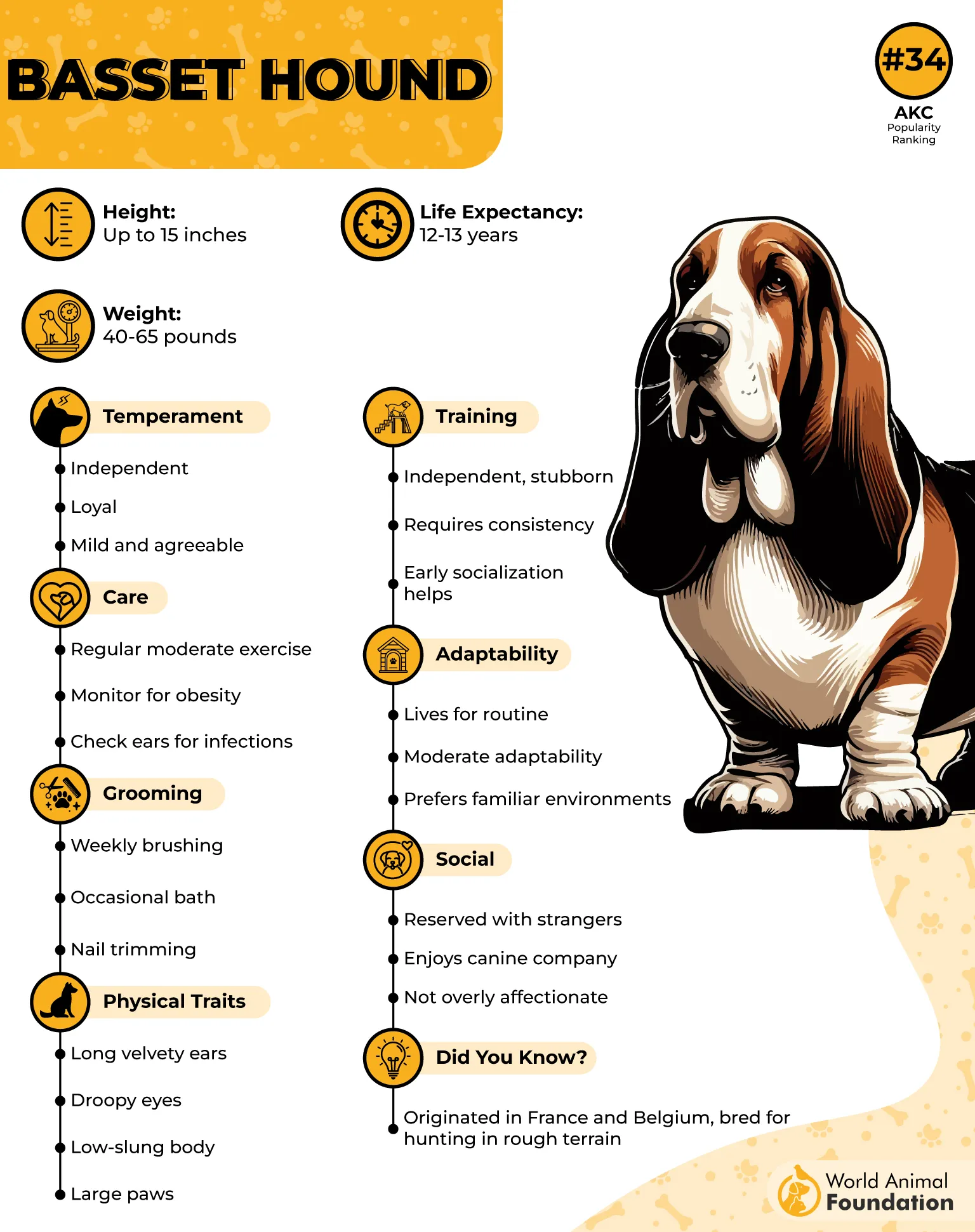
2. Basset Hound
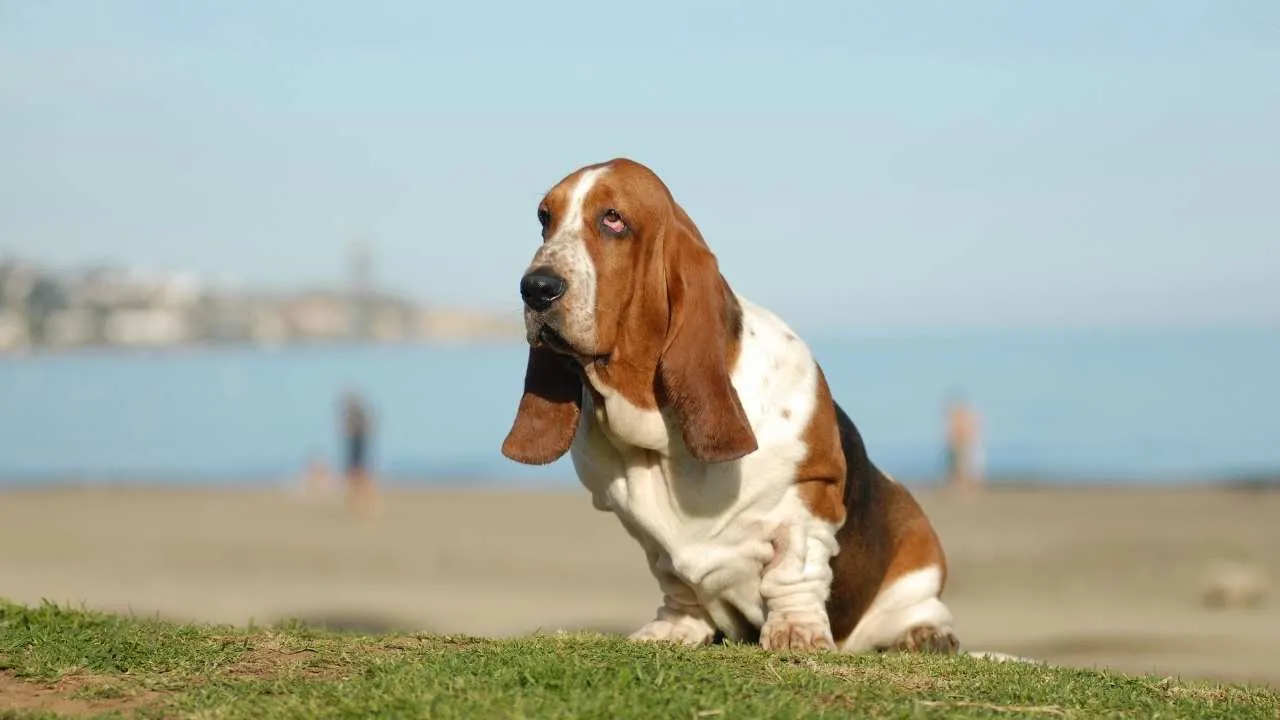
Basset Hound became the 10th breed recognized by the American Kennel Club in 1885, after originating in France and Belgium. Its name comes from the French word bas, meaning low, and the breed later gained major U.S. attention through TIME magazine, Hush Puppies, and the Fred Basset comic strip.
Nose at Work
Basset Hound has more than 220 million smell receptors, placing its scenting ability just behind the Bloodhound, as Zealandia Pets writes. Its long ears help direct ground-level odors toward the nose, while facial skin folds can hold those scents close during tracking.
That remarkable setup becomes especially useful when following a trail:
Follows trails in slow zigzagging patterns
Needs a leash outside secure fenced areas
Distinctive baying during exciting trails
A Clever Independent Mind
This hound breed has a calm, good-natured personality around family members and visitors, with an easygoing manner at home.
Its intelligence becomes especially apparent during nose work, while training can require patience because this independent scent hound may give its nose priority over a command.
3. Beagle
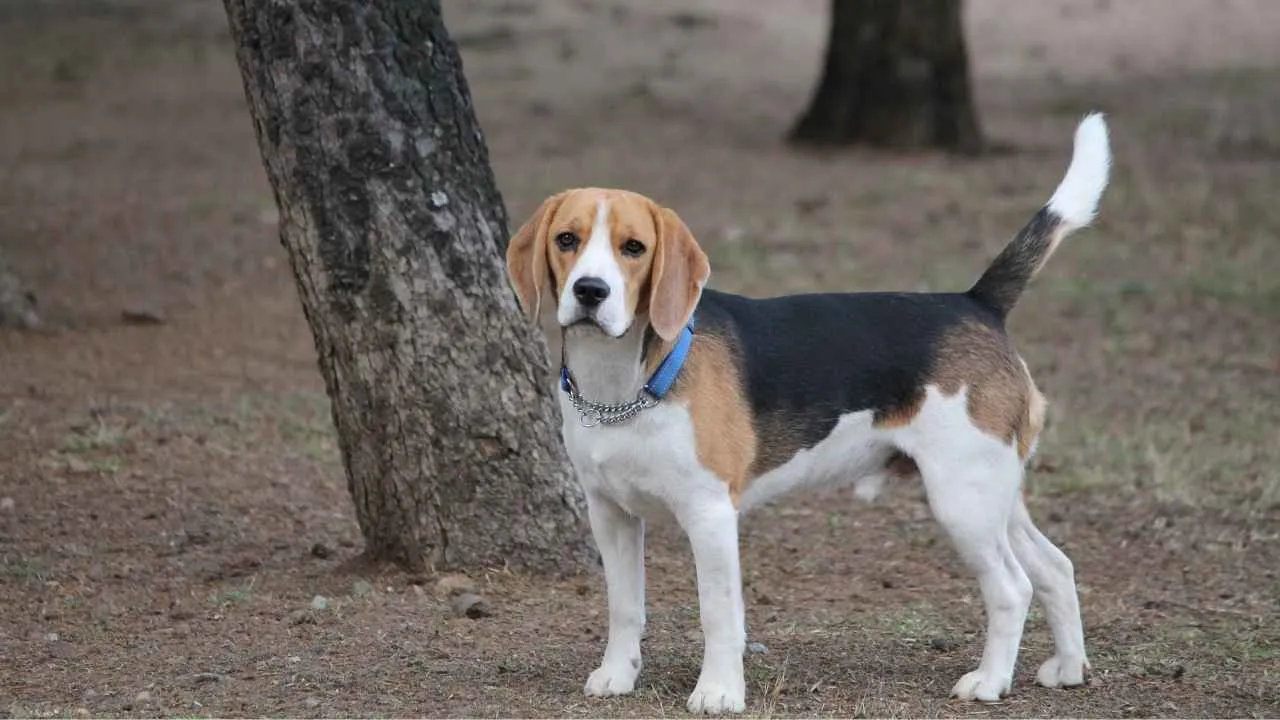
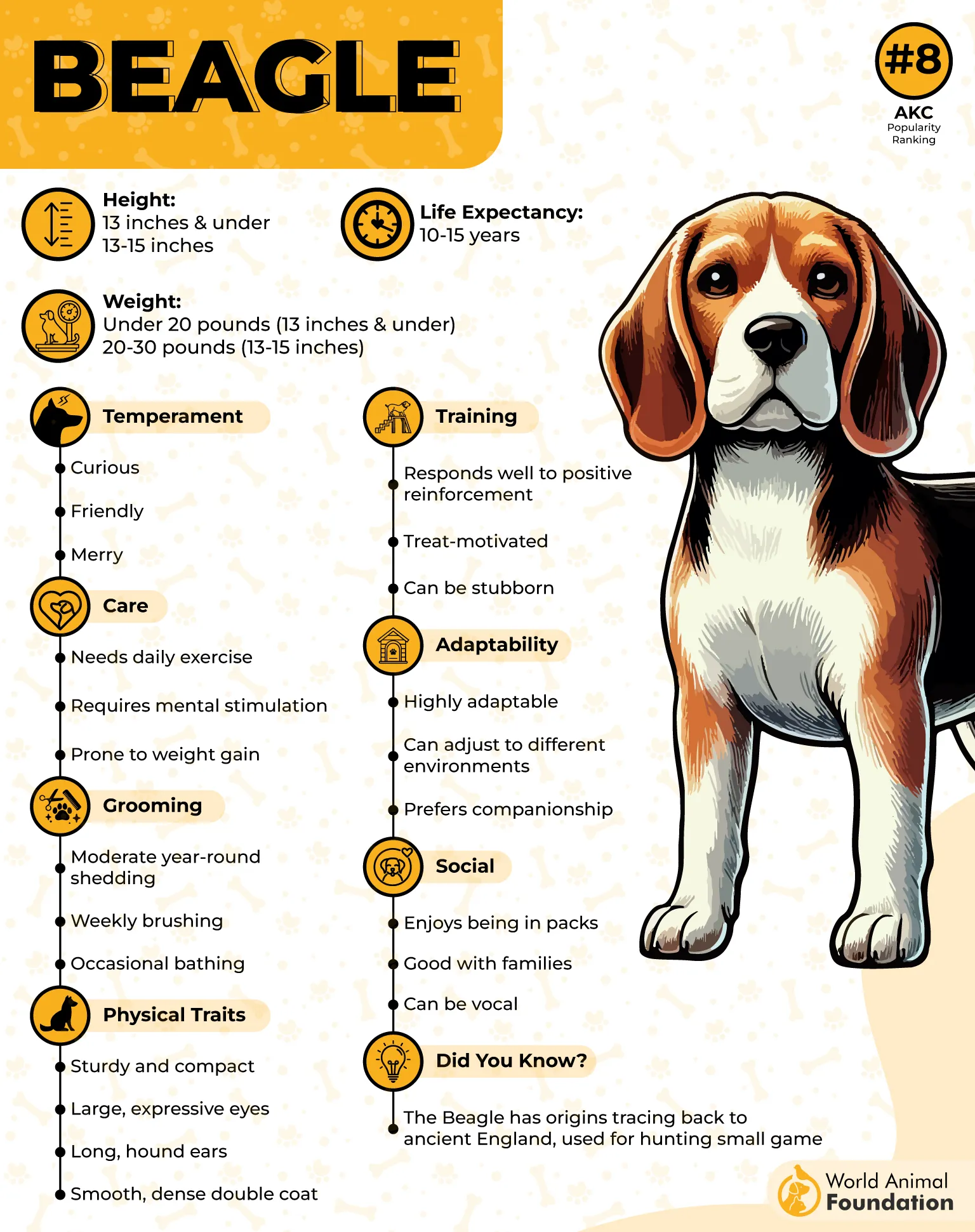
Beagle took shape in the English countryside during the 1830s from several hounds, including the North Country Beagle, Talbot Hound, Southern Hound, and Harrier. Its early purpose centered on hunting hare, a pursuit known as beagling, which placed scent tracking at the heart of the breed’s work.
An Exceptional Nose
Beagles have 45 times more scent receptors than humans, while their scent membranes could cover about 60 square inches when unfolded, as Pet Helpful reported.
Each inhalation traps odor in pockets inside the nose, allowing scent information to reach its highly developed olfactory area in the brain.
The numbers behind that ability are striking:
Olfactory lobe about 40 times larger than a human’s
Scent sensitivity estimated at 1,000 to 10,000 times greater than humans
Odors remain trapped during exhalation
Vocal and Merry
Beagles have a gentle, cheerful temperament and can become friendly with unfamiliar people once they have had time to warm up. Barking, howling, and yelping may also enter the picture when strange situations or interesting stimuli catch their attention.
4. Belgian Malinois
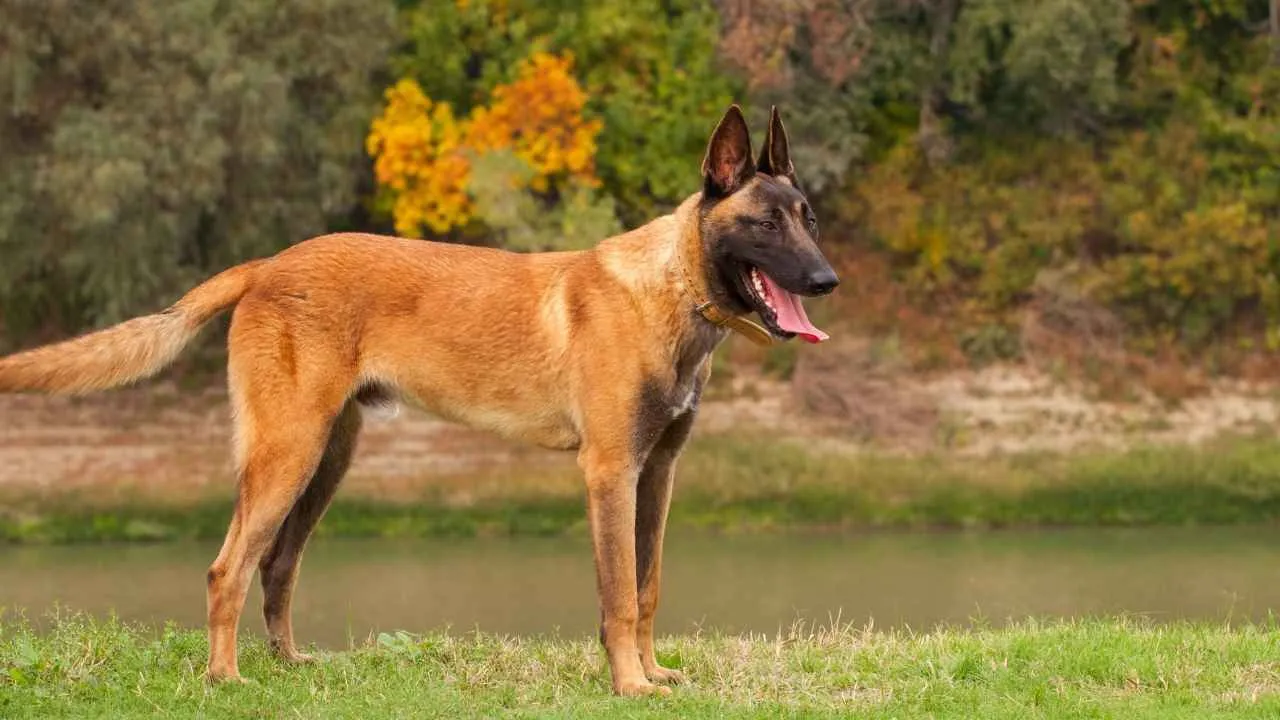
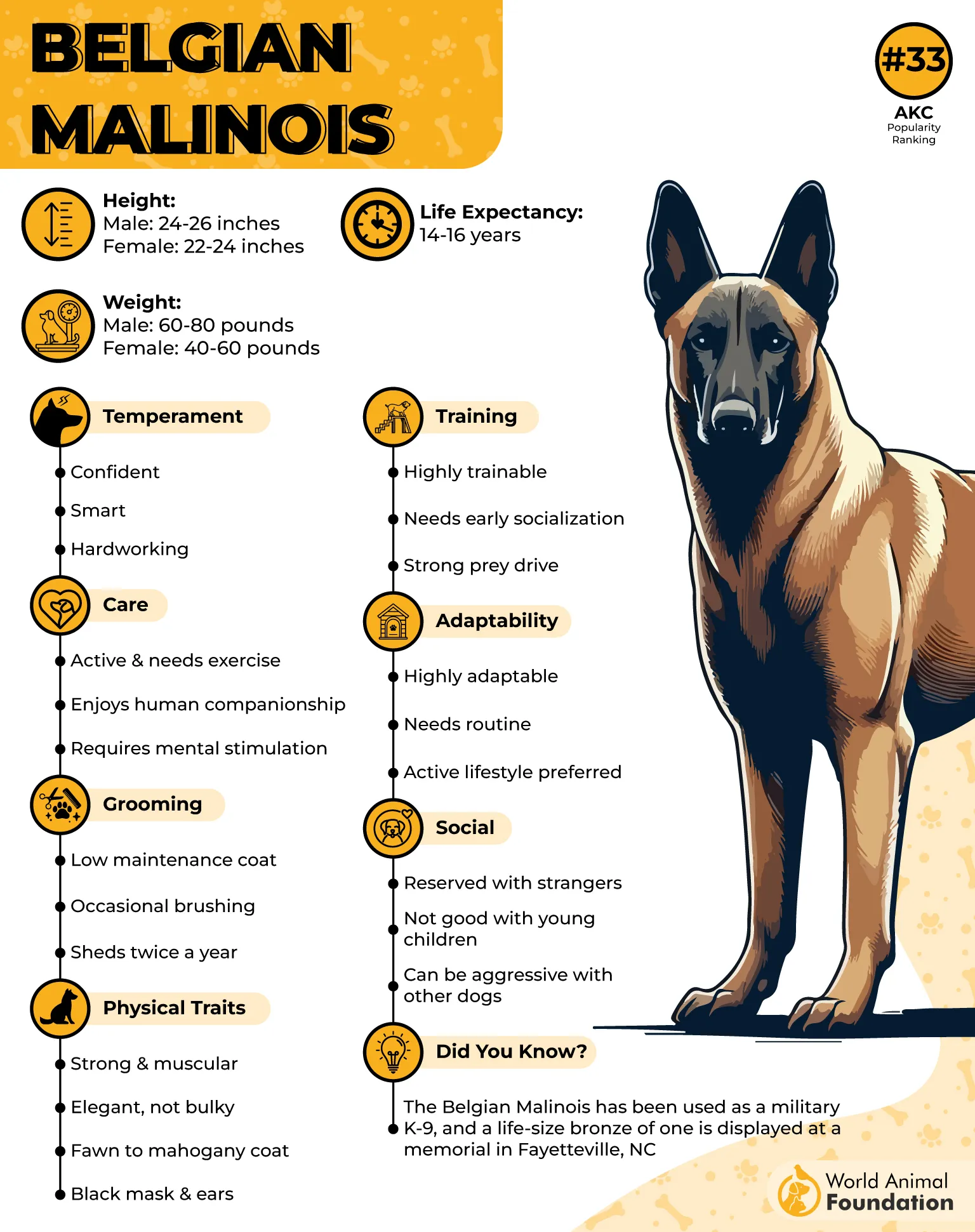
Belgian Malinois began as a herding dog in Belgium, valued for intelligence and agility while guarding and herding sheep and livestock. Serious breeding efforts began in the late 1800s, followed by wider recognition for military and police work during the 1950s.
Scent Precision
They can detect odors from up to a quarter of a mile away under optimal conditions, giving this breed an exceptional advantage in scent-based work. Its mobile nostrils can sample odors from different directions and help narrow down the source with impressive precision.
These remarkable scent abilities add another layer:
Can distinguish individual odors
Reaches 95% to 99% detection accuracy when properly trained
Recalls scents encountered in the past
A Serious Working Mind
Belgian Malinois needs firm, consistent training and plenty of challenging tasks to keep its sharp mind engaged, as noted by the AKC. Problem-solving exercises and new commands give this highly intelligent breed something meaningful to work through during regular training.
5. Bluetick Coonhound
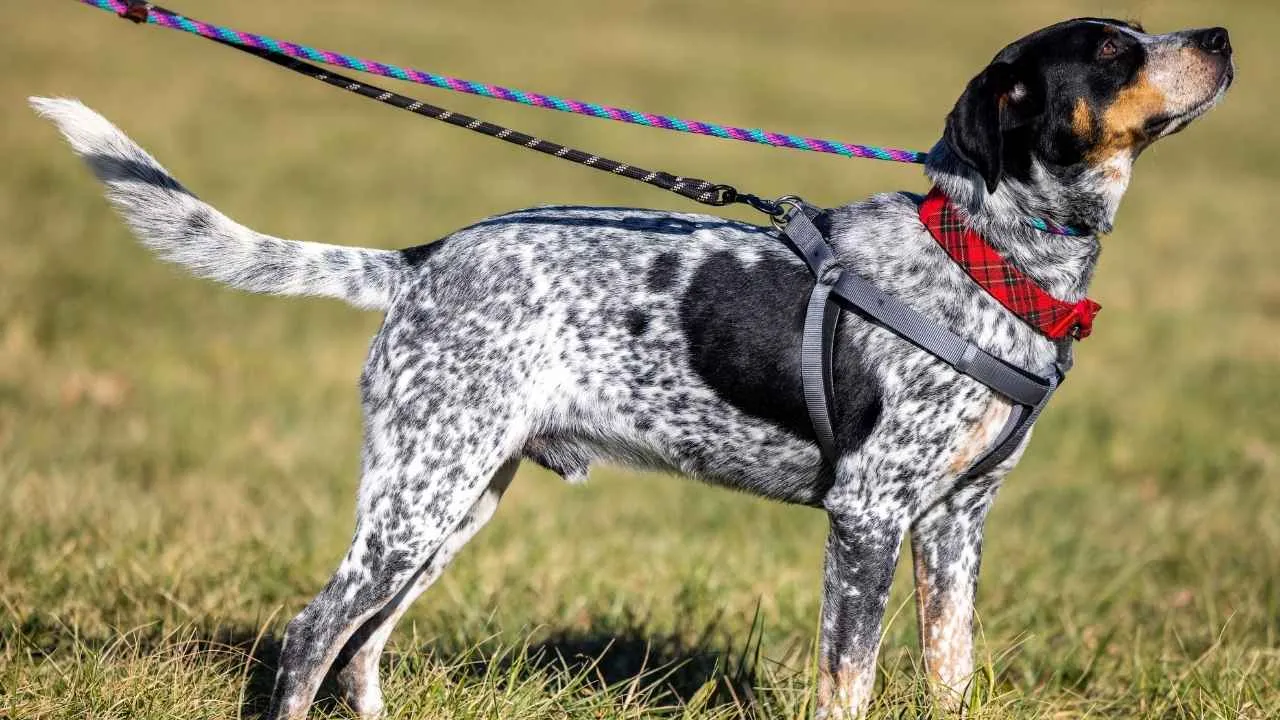
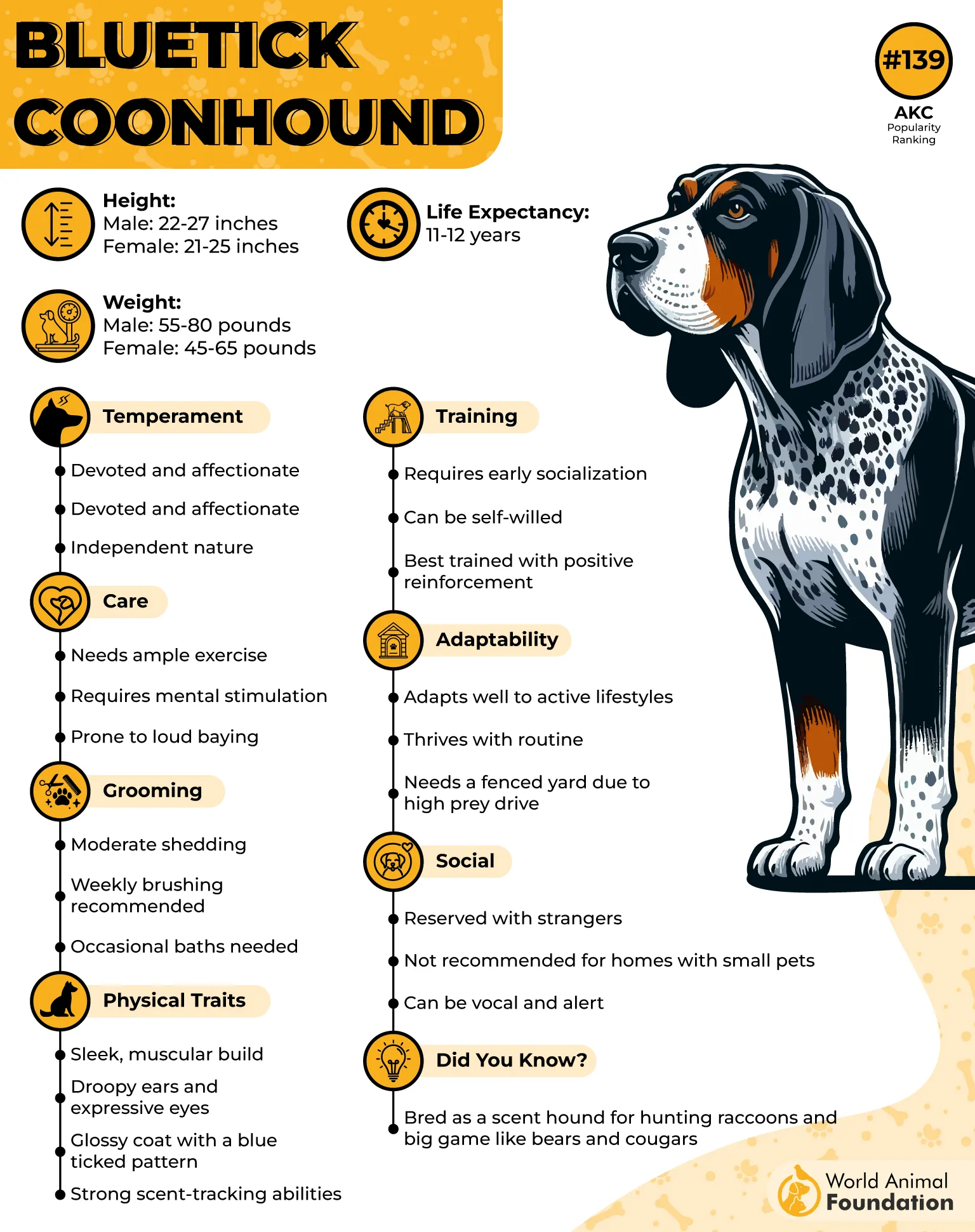
Bluetick Coonhound descends from the Grand Bleu de Gascogne and English Foxhound and was once classified as an English Coonhound. In 1945, Bluetick breeders separated from that group as English breeding favored faster, “hot-nosed” hunters.
The breed became associated with the slower, more resolute “cold-nosed” hounds, which can detect older scents that have cooled with time. The AKC recognized the Bluetick Coonhound as a separate breed in 2009.
Tracking Specialist
Bluetick Coonhound has an excellent sense of smell and can follow a scent until it locates a small animal, often driving it up a tree. Its athletic, muscular build gives this scent-focused hunter the physical ability to pursue trails through demanding terrain.
That strong nose needs plenty of direction:
Needs meaningful activities to stay focused
Hunting, obedience, and agility provide useful outlets
Selective obedience calls for patience and consistency
Family Considerations
This Coonhound is affectionate with its family and generally friendly toward unfamiliar people, while its energetic play can be too rowdy for very young children. Smaller pets also require careful consideration because this breed may chase them indoors or outdoors.
6. English Springer Spaniel
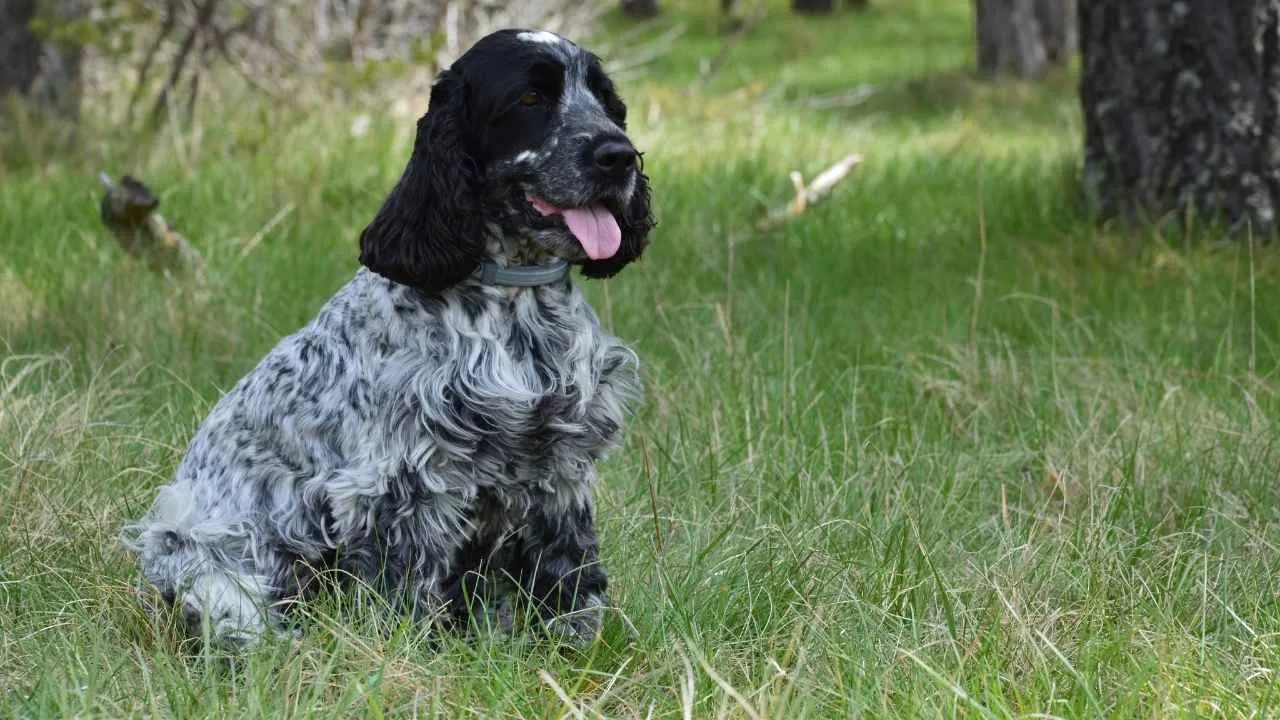
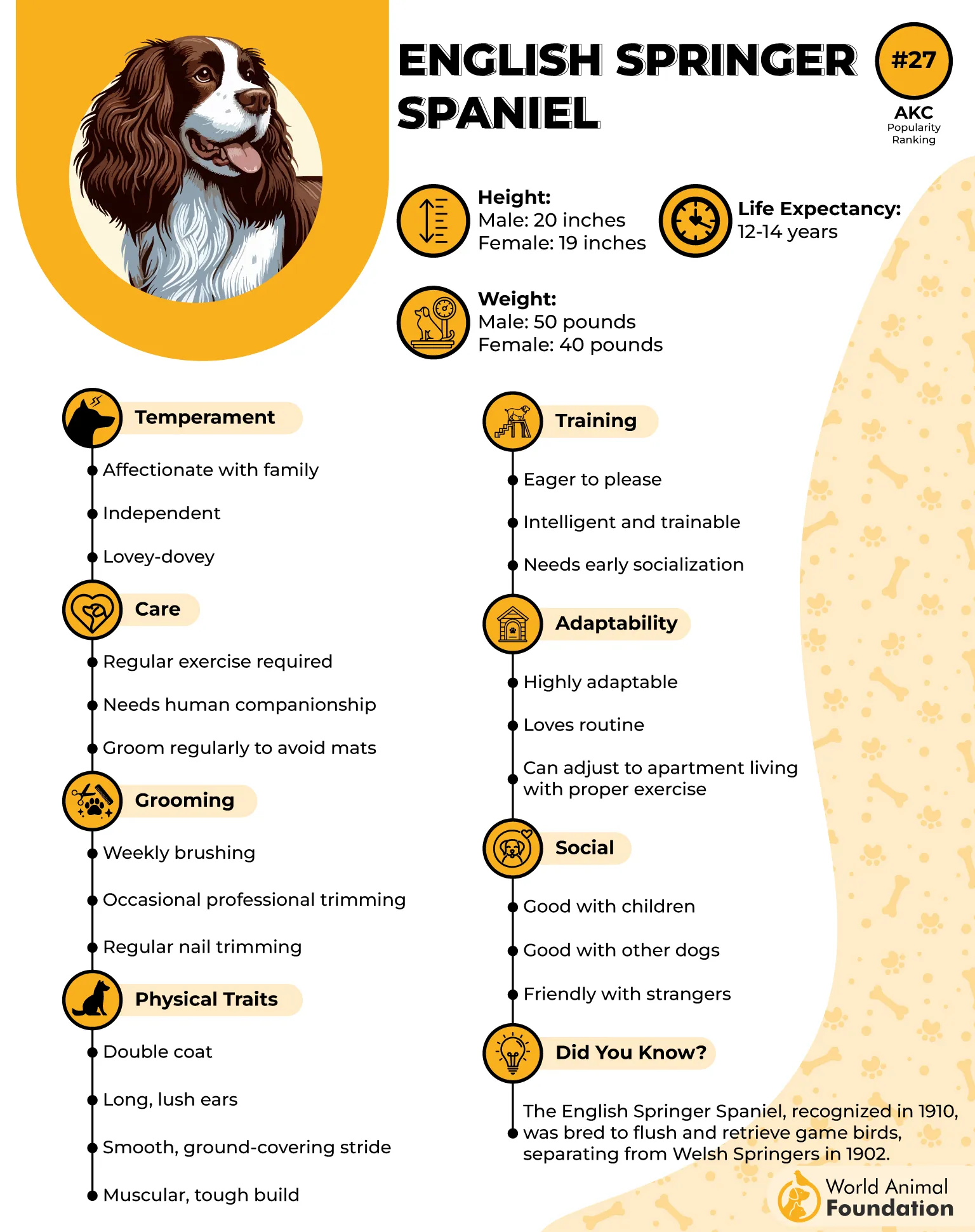
English Springer Spaniel came from Britain’s large land Spaniels, which were used to flush game toward hunters. During the 1800s, breeders focused on dogs suited to ranging across wide areas, flushing birds, and retrieving them, with the English Kennel Club recognizing the Springer separately in 1902.
A Nose Built for Searching
This spaniel can detect both fresh and older scents across changing weather conditions, a skill that has taken it far beyond traditional hunting work. Professional teams use Springers to locate explosives, drugs, missing people, blood, bumblebee nests, and even certain superbugs.
Three jobs that put that ability to work include:
Brings plenty of energy and curiosity
Loves exploring with its nose to the ground
Puzzles, games, and sports provide mental outlets
A Social Side
This furry friend has a cheerful, affectionate temperament and enjoys close human company, qualities that have also suited therapy work in hospitals and nursing homes.
Long periods alone can lead to separation anxiety, with chewing furniture, excessive barking, or indoor toileting among the possible problems.
7. German Shorthaired Pointer
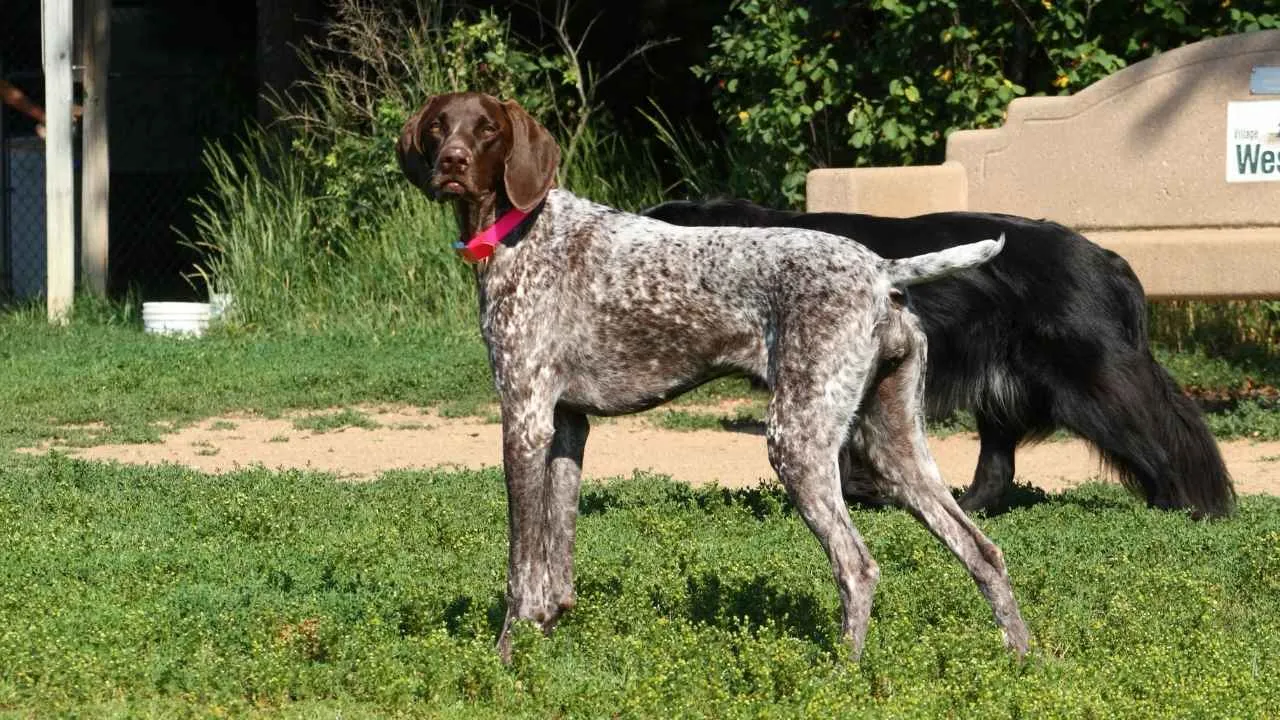
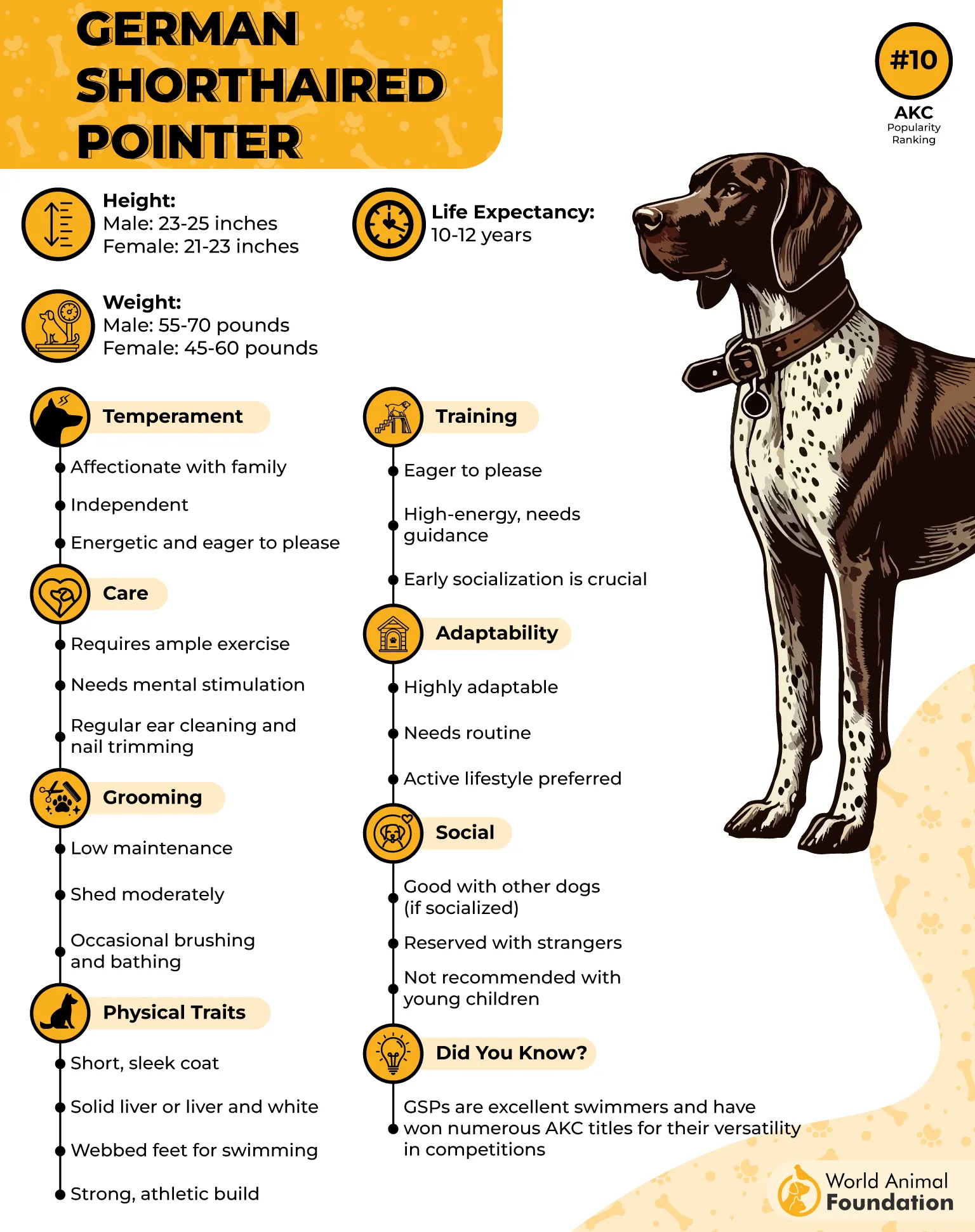
German Shorthaired Pointer was originally bred from German bird-dog lines connected to the Old Spanish Pointer, with English Pointer and Arkwright Pointer blood added along the way. Its modern form took shape around 1870, followed by American Kennel Club recognition in 1930.
A Nose for Work
Its incredible sense of smell is matched by unusual versatility, allowing this gun dog to point and retrieve while working across upland fields and water. That nose has also taken the breed into law enforcement, where scent work is an important part of its job.
This versatile hunter thrives on active days:
Handles swimming, hunting, fetching, and rough terrain
Needs one to two hours of daily activity
Quick neighborhood walks are not enough
Life With People
German Shorthaired Pointers can be affectionate with their family and playful enough to fit naturally into an active household. Long periods alone can contribute to separation anxiety, while insufficient daily activity may lead to restlessness and destructive behavior indoors.
Conclusion
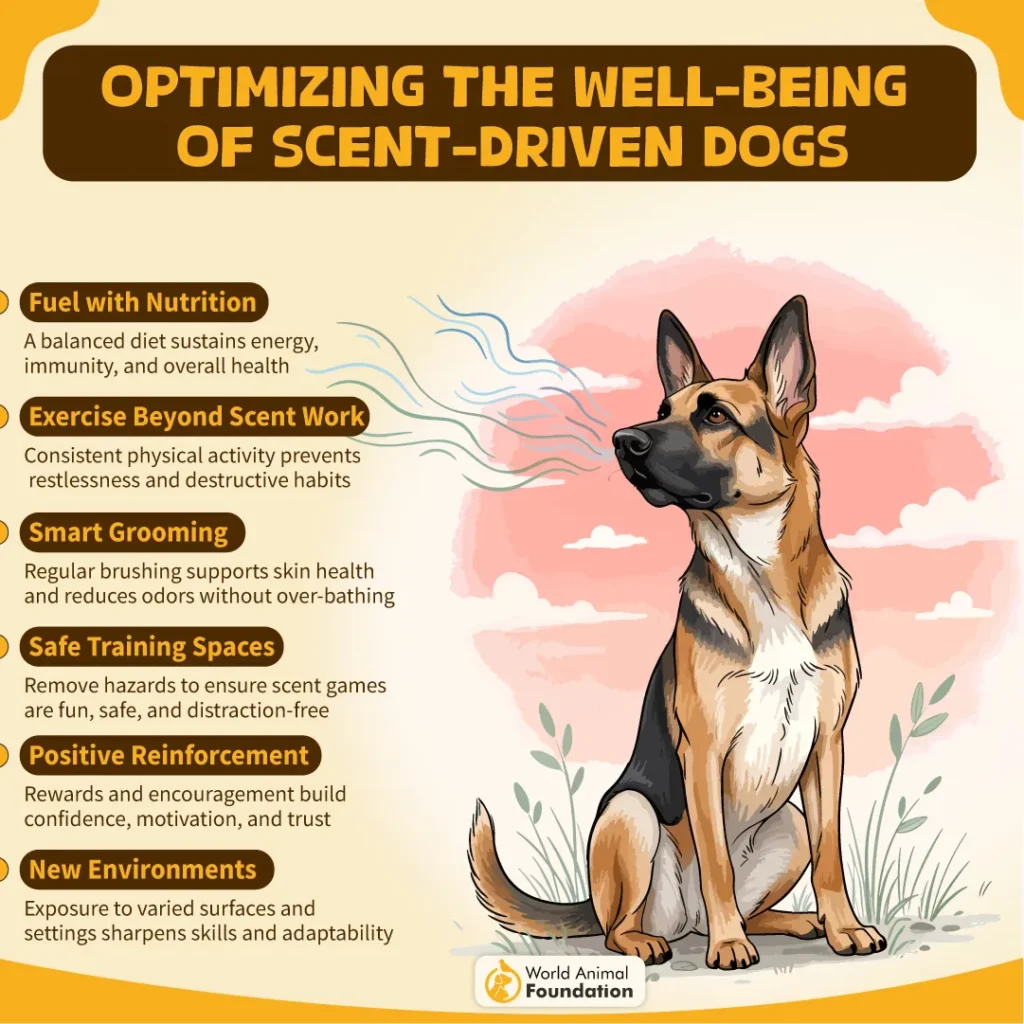
A powerful nose can turn an ordinary walk, game, or training session into an opportunity to explore. Dogs with a keen sense of smell often need activities that let them follow trails, search for objects, or work through interesting smells. Their natural talent can also be useful in hunting, detection, tracking, and search and rescue missions, giving them an advantage over other breeds.
At home, scent games and simple searches can provide mental exercise when physical activity is not enough. It is also worth remembering that a dog’s sense of smell can make distractions harder to ignore. Giving that ability a useful direction can make daily life more engaging while helping these remarkable dogs use their natural skills.
