




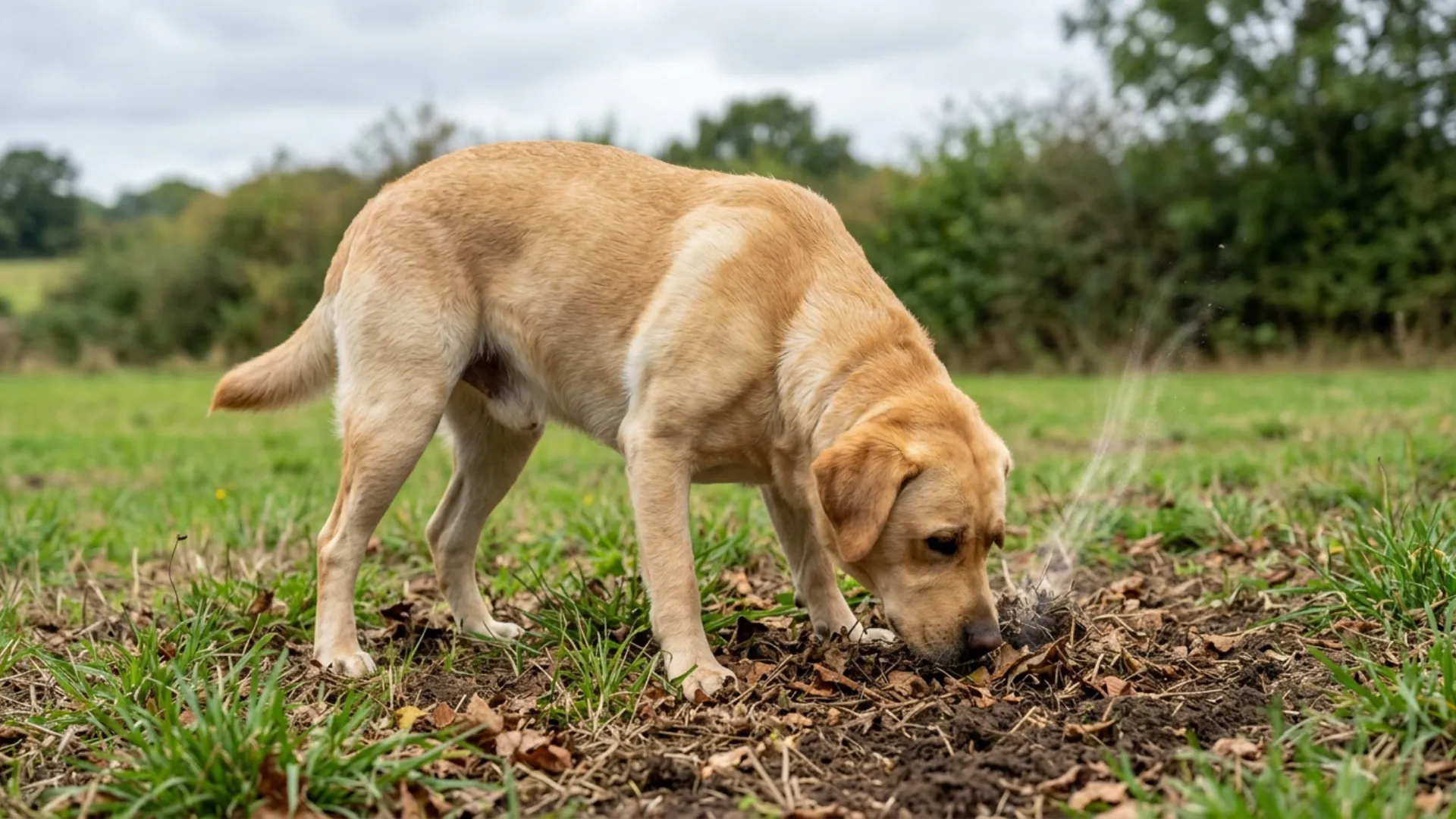
Dogs don’t just “smell things better than us”—they live in a completely different scent universe. While humans rely heavily on sight, dogs interpret the world through smell, the way we read social media feeds: constantly updating, layered, and full of hidden information.
VCA Hospitals state that, on average, dogs have about 100 million scent receptors, while humans have only about 5–6 million. Some elite scent hounds go all the way up to 300 million receptors, meaning they can detect odors at incredibly low concentrations—even when humans can’t smell anything at all.
That’s why certain breeds are used in police work, search-and-rescue missions, airport security, and even medical detection. Let’s break down the 10 breeds that basically have “super-sniffer mode” turned on 24/7.
Dog Breeds with the Most Powerful Sniffing Sense
1. Bloodhound
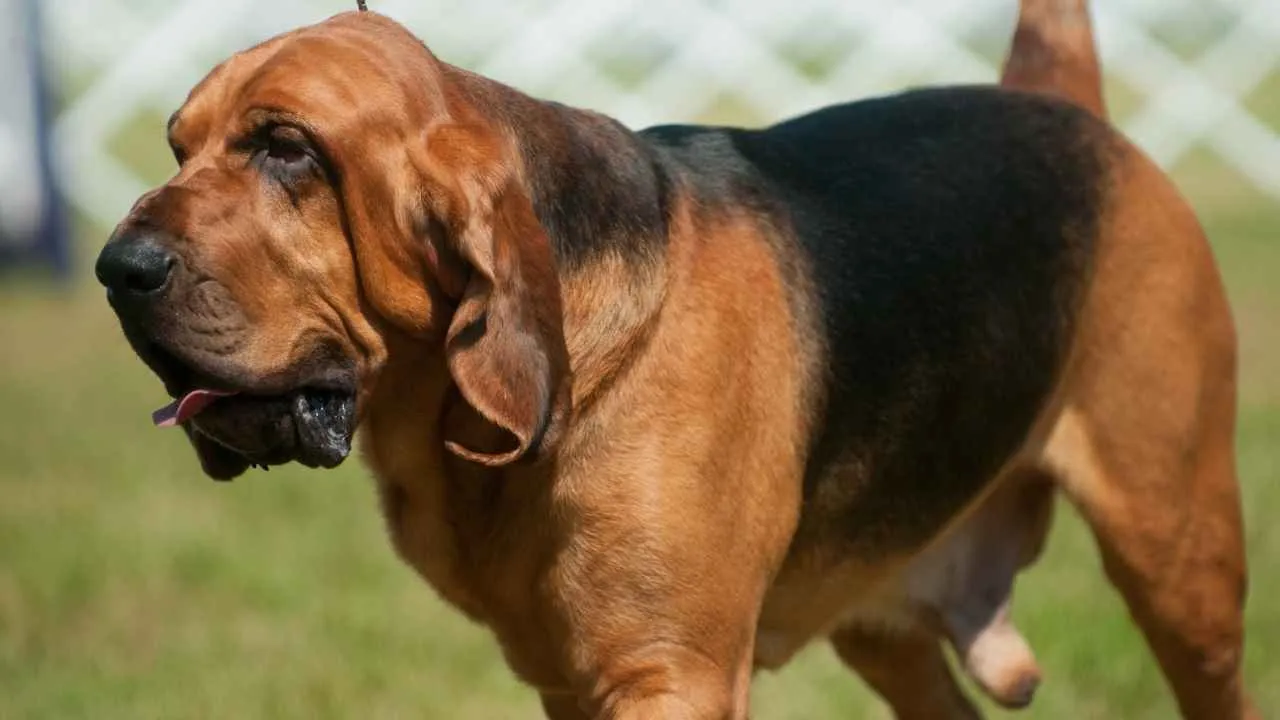
The Bloodhound is basically the “final boss” of sniffing. With around 300 million scent receptors, no other breed comes close.
What makes them insane at tracking isn’t just numbers—it’s design. Their long, droopy ears drag scent particles toward their noses, and their wrinkled skin traps smells like a moving filter. This combo lets them follow trails that are days old.
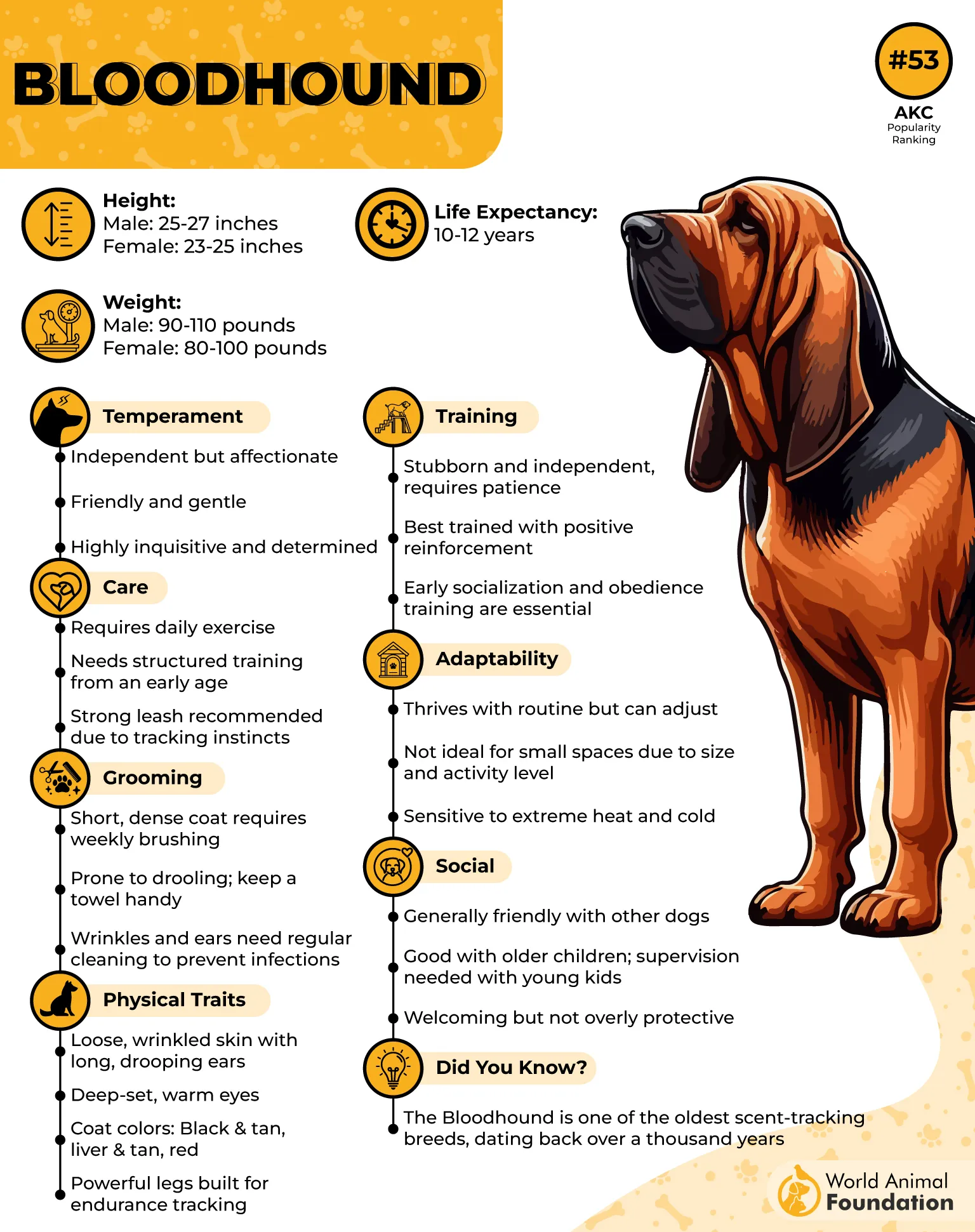
These hound dogs are considered one of the best scent-tracking breeds in the world. This gives them an extraordinary ability to follow faint or old trails that other dogs would completely miss.
They were originally bred in medieval Europe for tracking deer and wild boar, and later became famous for human tracking (mantrailing) because of their accuracy.
In real-world use, these hunting dogs with the best sense of smell are so accurate that their tracking results have even been used in legal investigations. They can follow a single human scent across miles of mixed terrain without getting distracted.
They are best suited for tracking injured game animals (deer, boar, etc.), following long-distance scent trails in forests and fields, recovering lost or wounded animals, and mantrailing (finding missing people in search-and-rescue work.
2. Beagle
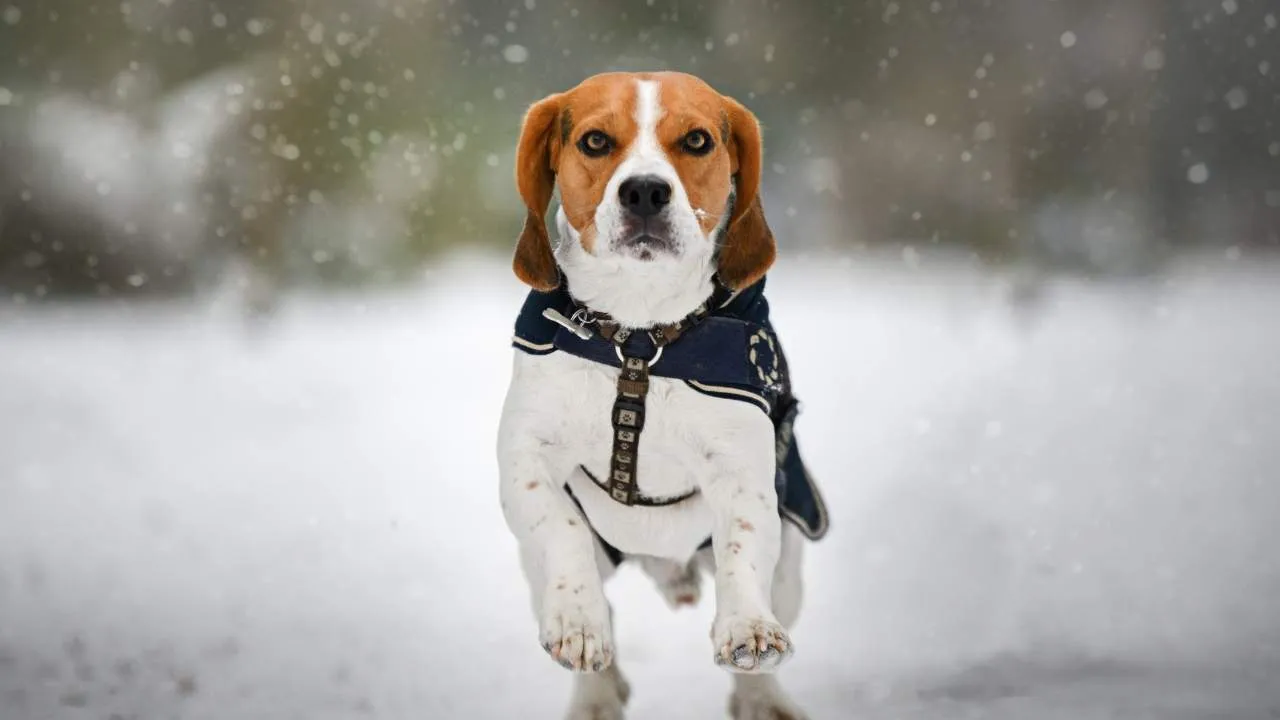
Beagles are proof that size means nothing in the sniffing world. They carry about 225 million scent receptors, similar to those of much larger working dogs.
That’s why they’re used in airport security units like the “Beagle Brigade,” where they sniff luggage for food, drugs, and illegal imports. Their job works perfectly because they’re friendly, non-threatening, and super focused on scent work.
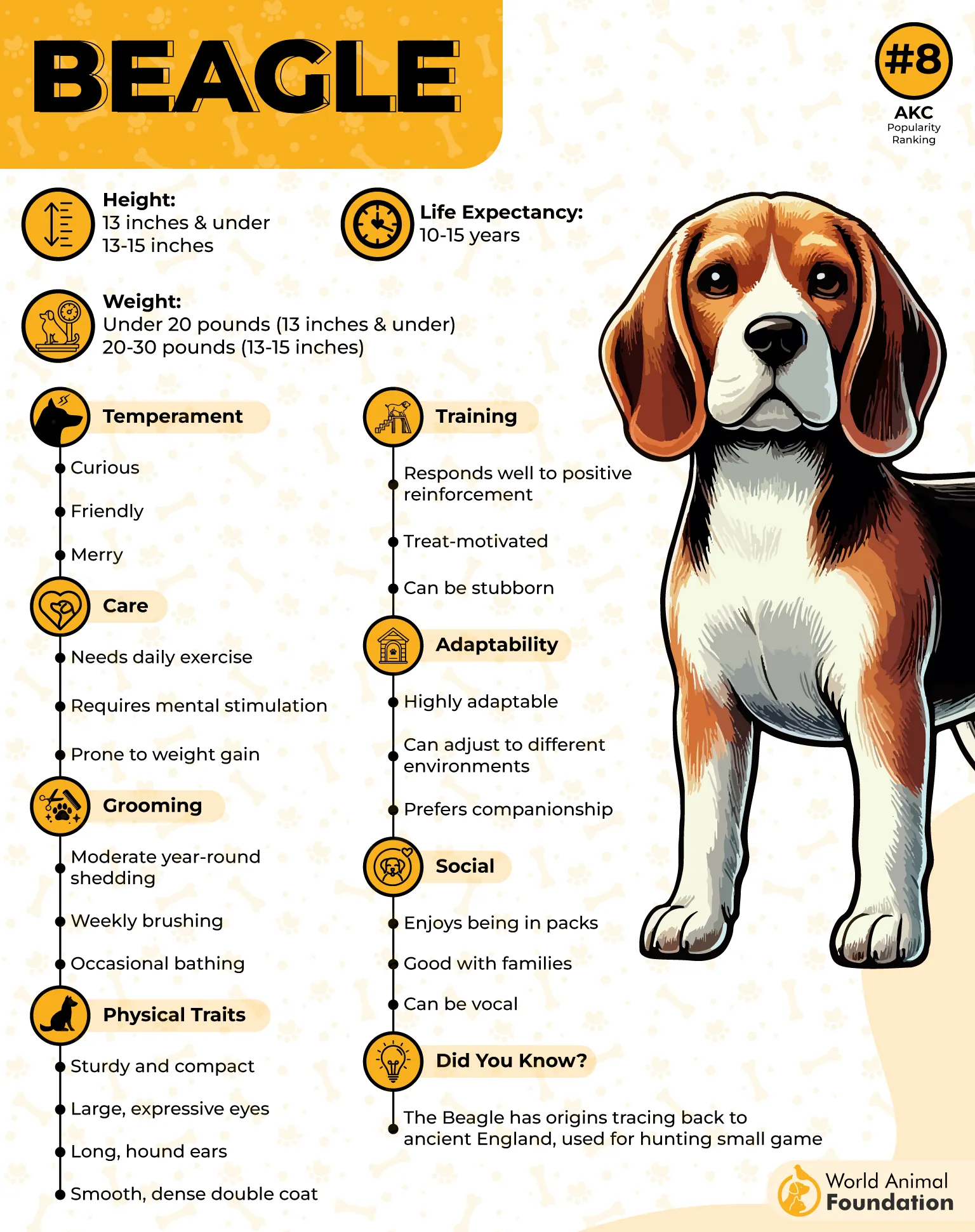
AKC says they also have a strong “food motivation system,” which basically means they treat smell like a reward game—every scent = potential snack logic.
But there’s a catch: Beagles are smart, stubborn, and easily distracted by food smells. So training isn’t about force—it’s about turning scent work into a game they don’t want to quit.
Once your Beagle is advanced in scent training, hide multiple scents (choose the correct one), introduce scent discrimination (food vs toy vs cloth), and track human scent trails (search games), and use scent boxes (like professional detection dogs).
Proper training will really help you enhance your dog’s ability to improve its keen sense of smell.
They’re like that friend who never stops scrolling food reels—but in real life.
3. German Shepherd
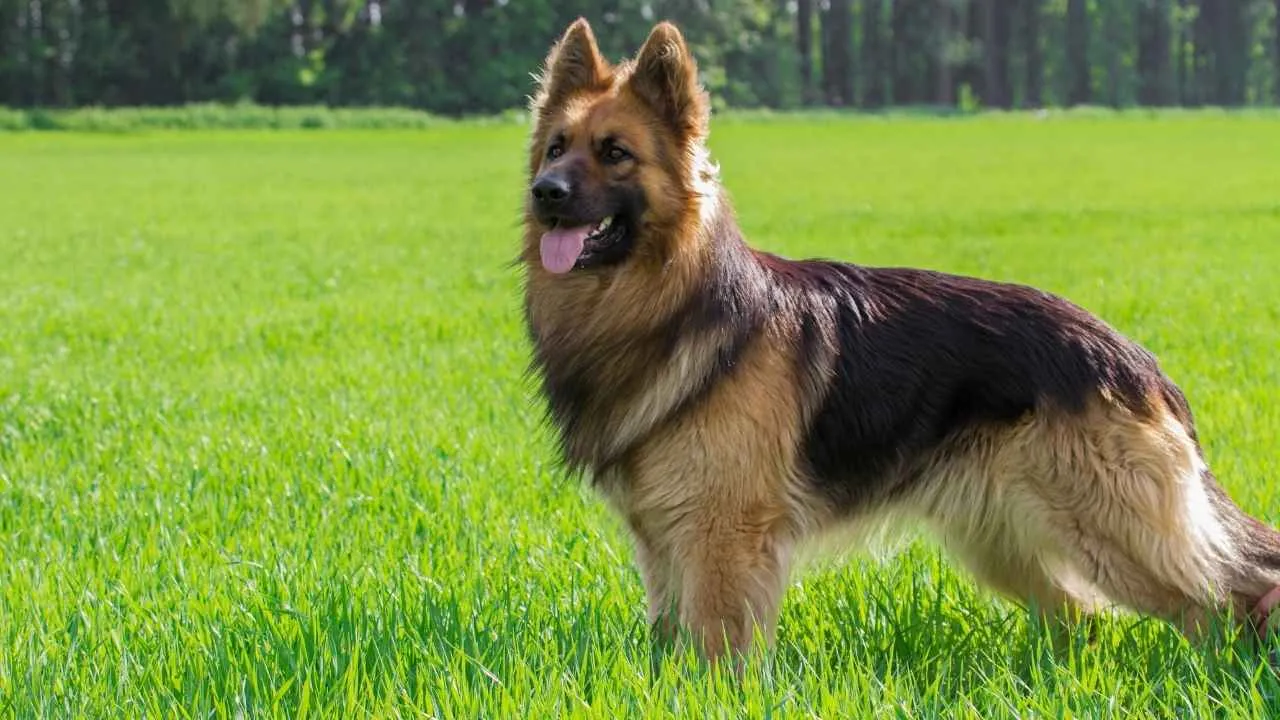
German Shepherds are basically not just smart—they’re full-on scent-detection multitaskers with main-character energy.
With around 225 million scent receptors, they can go toe-to-toe with breeds like Beagles when it comes to detection work, which is why you’ll see them everywhere from police units to military operations and search-and-rescue missions.

But what really makes them stand out isn’t just their nose—it’s their combo package. They’ve got scent-tracking skills and discipline, plus strength, obedience, and focus all running at the same time.
That’s why they’re trusted in high-pressure roles where things can’t go wrong. Think of them as the “all-rounder pro gamer” of the dog world—no weak stats, just balanced performance across the board.
In real-world tracking, they can detect odors from impressive distances—sometimes over a mile on land, and under ideal wind conditions, even farther. Their scent ability is so strong that they can pick up trails that are several days old, and they’ve even been used in specialized search work involving water and buried scent sources.
Their olfactory processing brain regions are also significantly more developed than ours, which is why their interpretation of smell is so advanced.
Now, despite all this “super-dog” capability, German Shepherds sometimes get misunderstood. They’ve got a reputation in some places for being aggressive or overly intense, which isn’t really the full story. In reality, with proper training and socialization, they’re extremely loyal, affectionate, and deeply bonded to their people.
4. Basset Hound
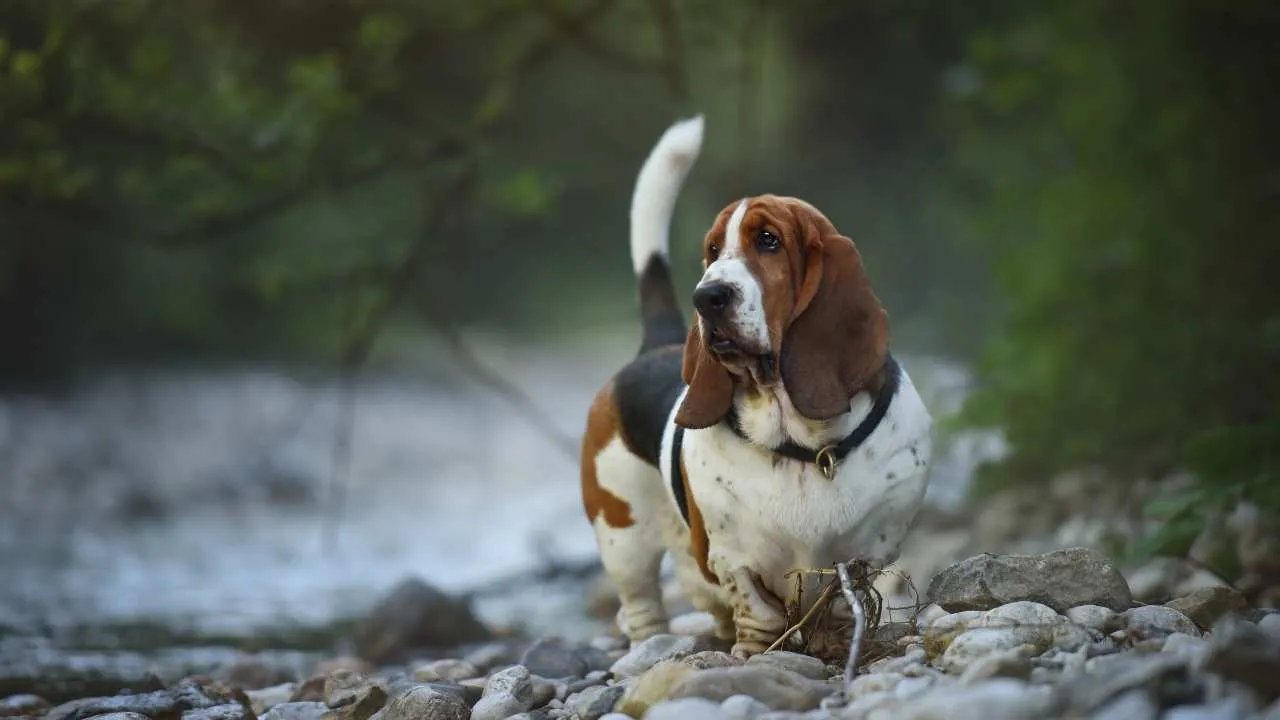
Basset Hounds are built like they were designed in “slow motion mode,” but their noses are elite. They have around 220–270 million scent receptors, depending on the study range.
Their short legs keep them close to the ground where scent particles settle, and their massive ears help sweep smells toward their nose like natural air filters.
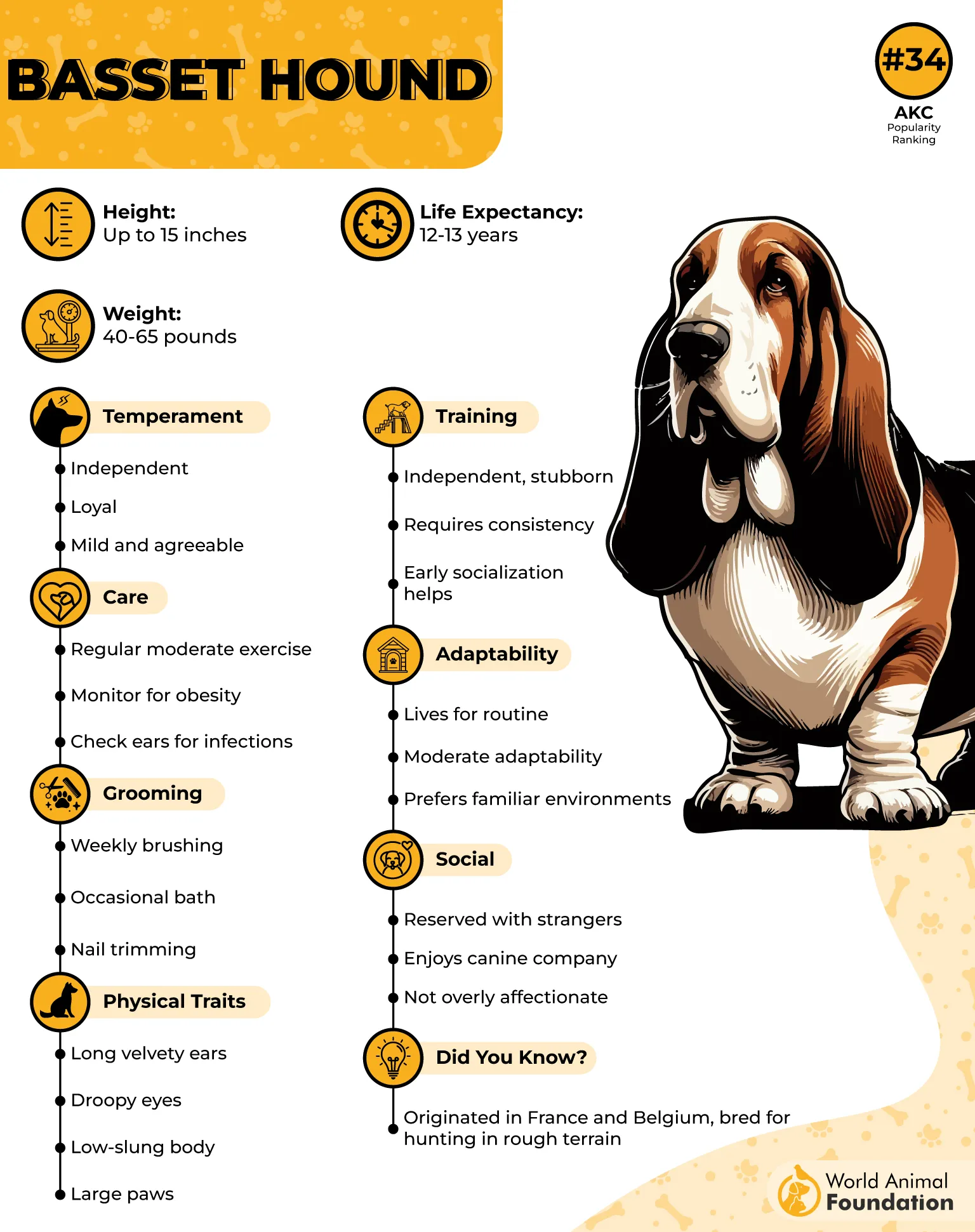
Their whole body is basically designed for scent work. Those long, droopy ears drag along the ground and help sweep scent particles upward toward their nose, while their loose facial skin traps odors like a moving scent net. Even their short legs play a role—they stay closer to ground-level scent layers where older trails actually sit.
They’re not typically used in high-speed police or military detection roles, but in controlled scent-tracking environments—like search work or scent-training exercises—they perform with impressive consistency. Their biggest strength is not intensity, but stubborn accuracy.
They’re playful, protective, emotionally intelligent, and always alert, which is exactly why so many people call them one of the best all-around working and family dogs when handled responsibly.
5. Labrador Retriever
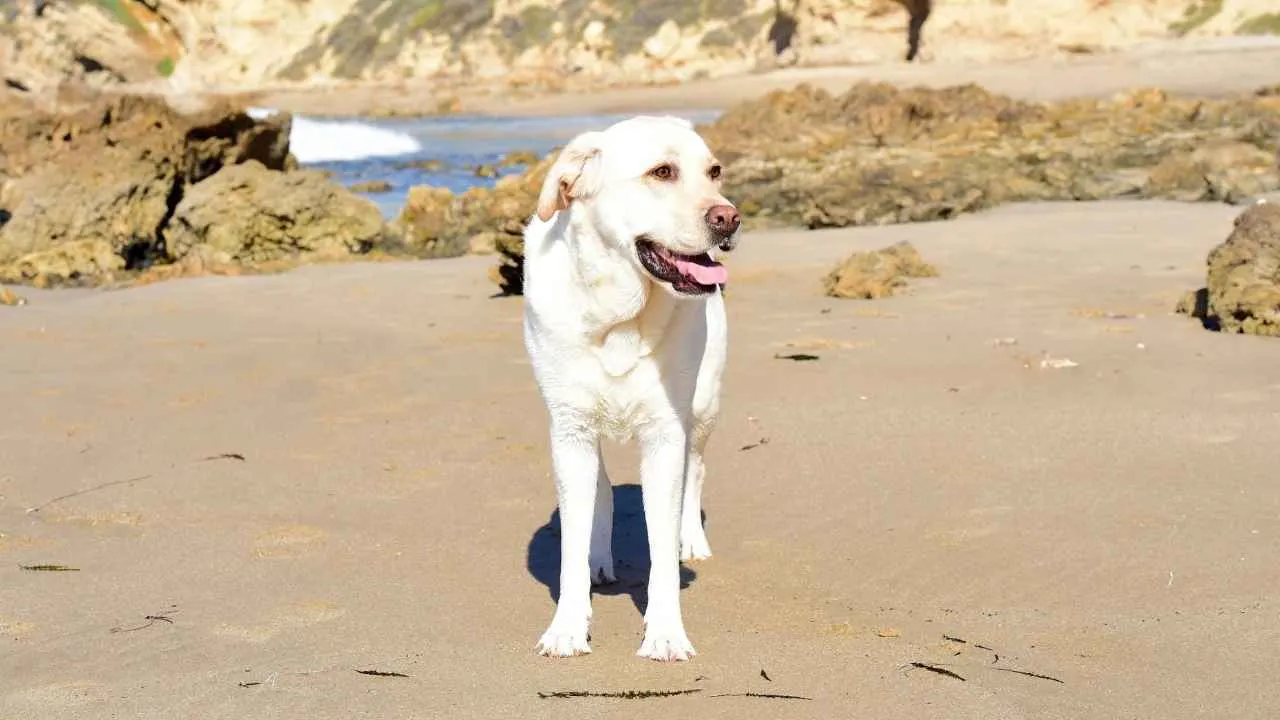
Labradors are basically the “gold standard” scent dogs that work as all-purpose working dogs. You’ll find them everywhere from airports to disaster zones because they’ve got that perfect combo: a powerful nose and elite-level trainability.
They’re widely used in narcotics detection, search-and-rescue missions, and even medical scent work, where they can detect subtle changes in human odor related to disease. So yeah, they don’t just smell things—they read chemical signatures like it’s their full-time job.
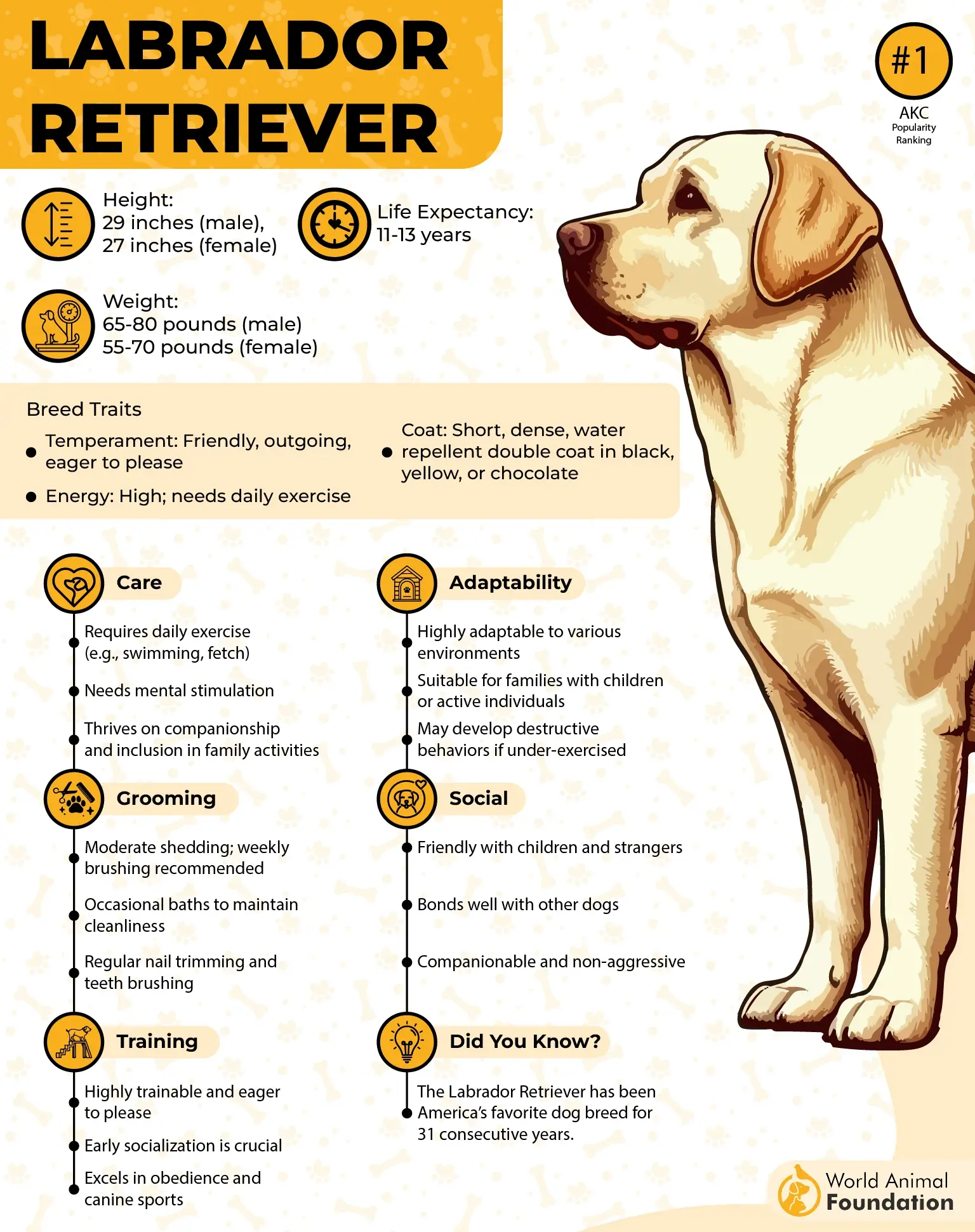
What really makes Labs stand out is how fast they learn scent patterns. They don’t just pick up a smell and chase it randomly—they understand repetition, reward cues, and structure. That’s why agencies love them for serious detection work: they adapt quickly and stay consistent under pressure.
And honestly, their personality is a big reason they dominate this space. Labradors are friendly, non-threatening, and super people-oriented, which makes them perfect for public environments like airports, train stations, and events.
In real-world explosive detection roles, Labs are used to sniff out both military-grade and commercial explosives in high-traffic areas. Their reliability comes from a mix of strong olfactory ability, high motivation, and calm social behavior—even in chaotic environments.
6. Bluetick Coonhound
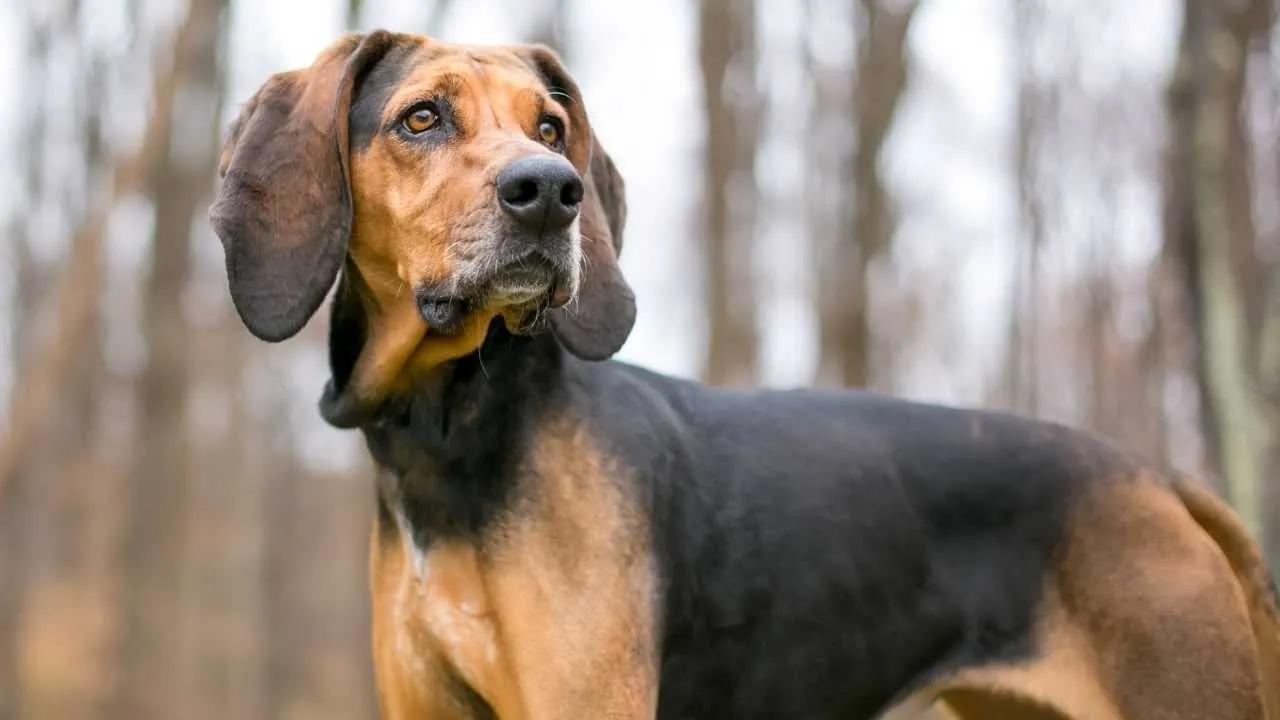
Bluetick Coonhounds are scent hounds originally bred for tracking raccoons and other small game across rough terrain.
They have a deep, melodious bark and a strong drive to follow scent trails for long distances without losing focus. Their noses are highly tuned for outdoor tracking environments.
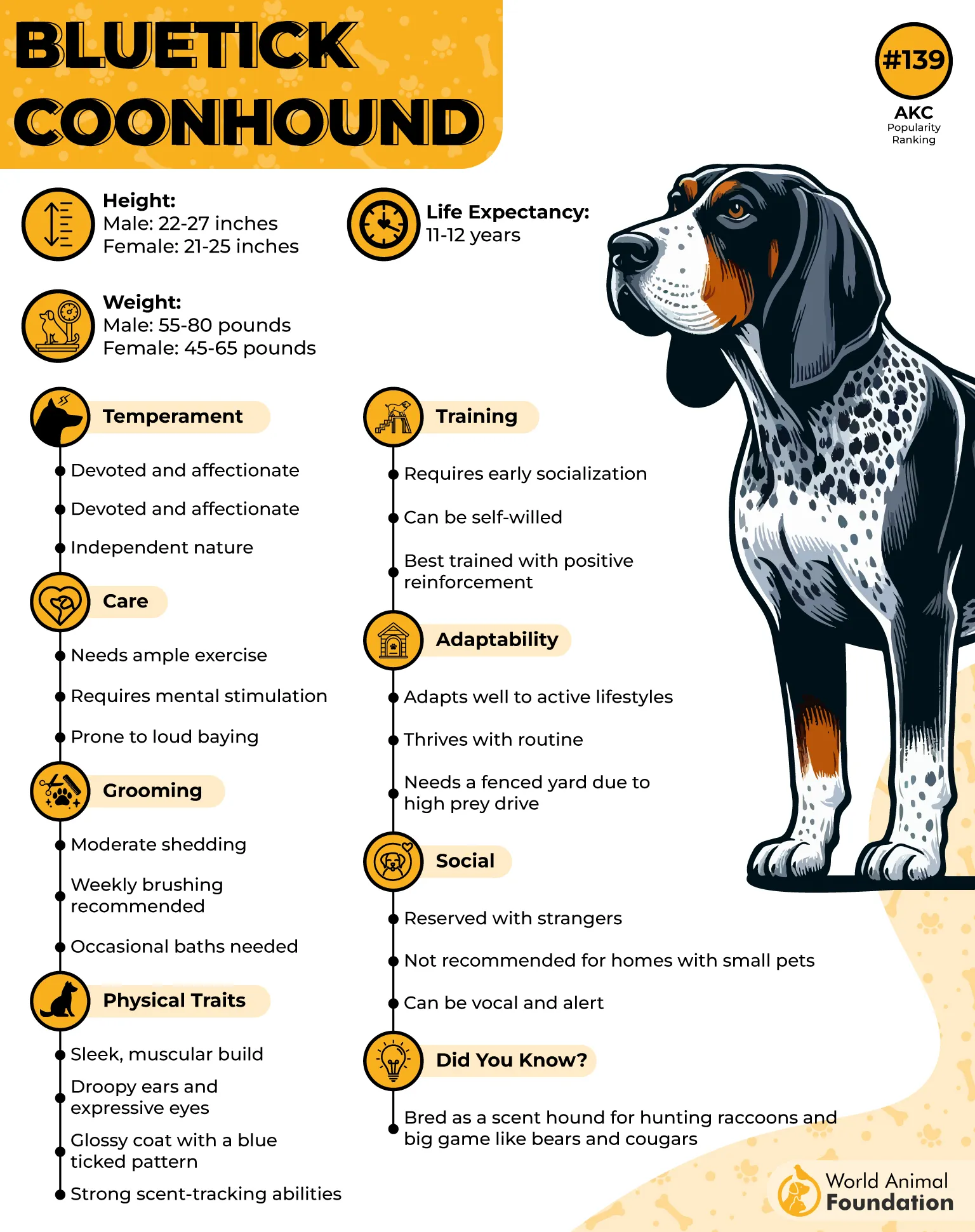
Unlike some breeds that need constant guidance, Orvis claims that Blueticks are independent thinkers. Once they pick up a scent, they basically go into “mission mode.”
Their natural retrieving instinct also plays a huge role. Instead of forcing them into detection work, trainers basically redirect what they already love doing—finding and bringing things back. It turns scent detection into a game they’re obsessed with winning.
When raised right, they’re the ultimate family protector-meets-best-friend combo. If this dog grows up alongside a child, that bond can become incredibly strong—like that of lifelong teammates on the same squad.
They’re the “solo explorer gamer” who refuses to quit the quest halfway.
7. Belgian Malinois
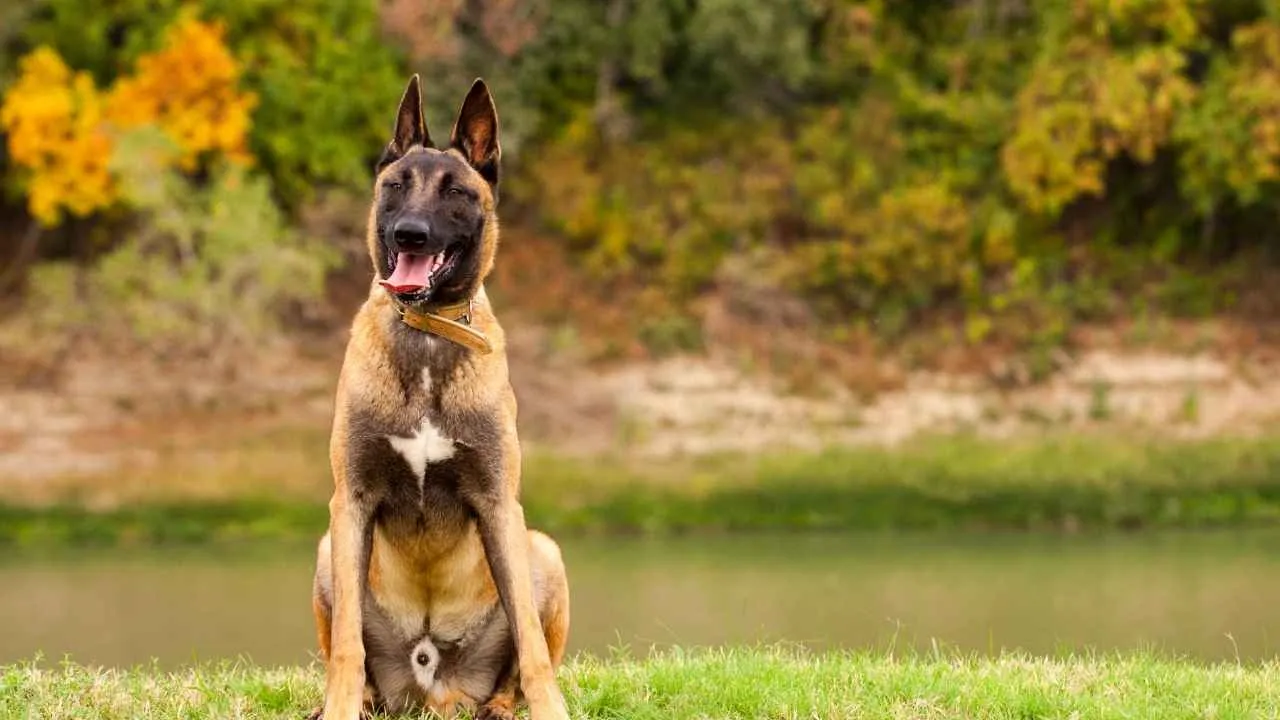
Belgian Malinois are often compared with German Shepherds in detection work, especially in military and police environments.
Their scent ability is paired with extreme agility, speed, and obedience, making them ideal for high-risk operations. They are frequently used in bomb detection, security, and tactical search missions.
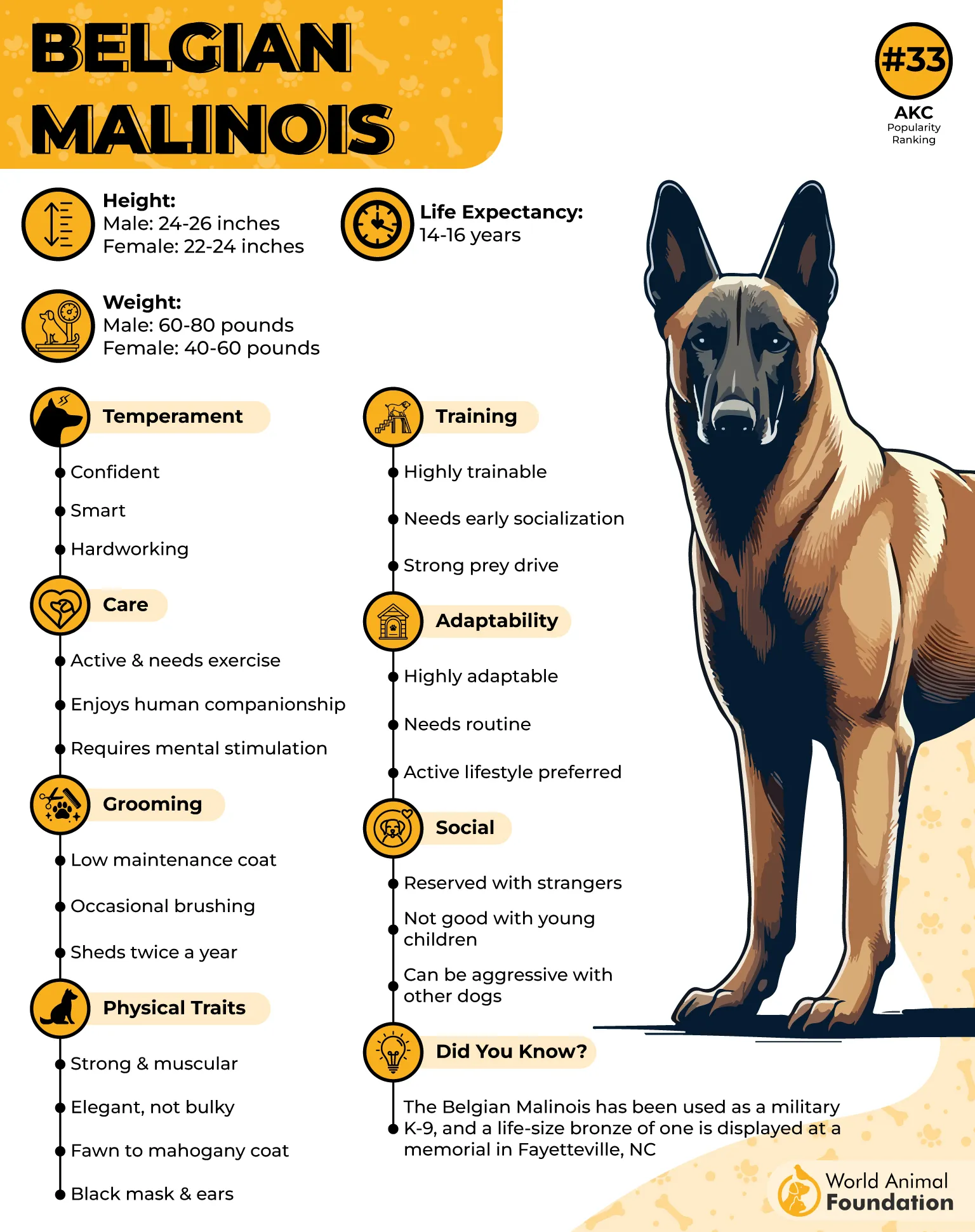
What makes them special is intensity—they don’t just detect scents; they hunt them with precision focus. They’re basically the “pro esports player” of working dogs—fast, sharp, and laser-focused.
Their olfactory system is highly developed, similar to that of other top working breeds, but what really sets them apart is their drive. They don’t need constant motivation—they are the motivation. Trainers often say they work like they’ve got “no off switch,” which sounds intense because… it is.
They are widely used for bomb detection, narcotics searches, tracking suspects, and search-and-rescue missions. Their ability to detect tiny scent traces in crowded or chaotic environments makes them ideal for high-risk security work. They can switch between speed, obedience, and scent work almost instantly, which is rare even among elite breeds.
Another underrated benefit is their adaptability. Whether it’s urban environments like airports or rugged outdoor terrain, they adjust quickly and continue to perform at a high level. That flexibility means handlers don’t have to “baby” them through different environments—they lock in and work.
8. Black and Tan Coonhound
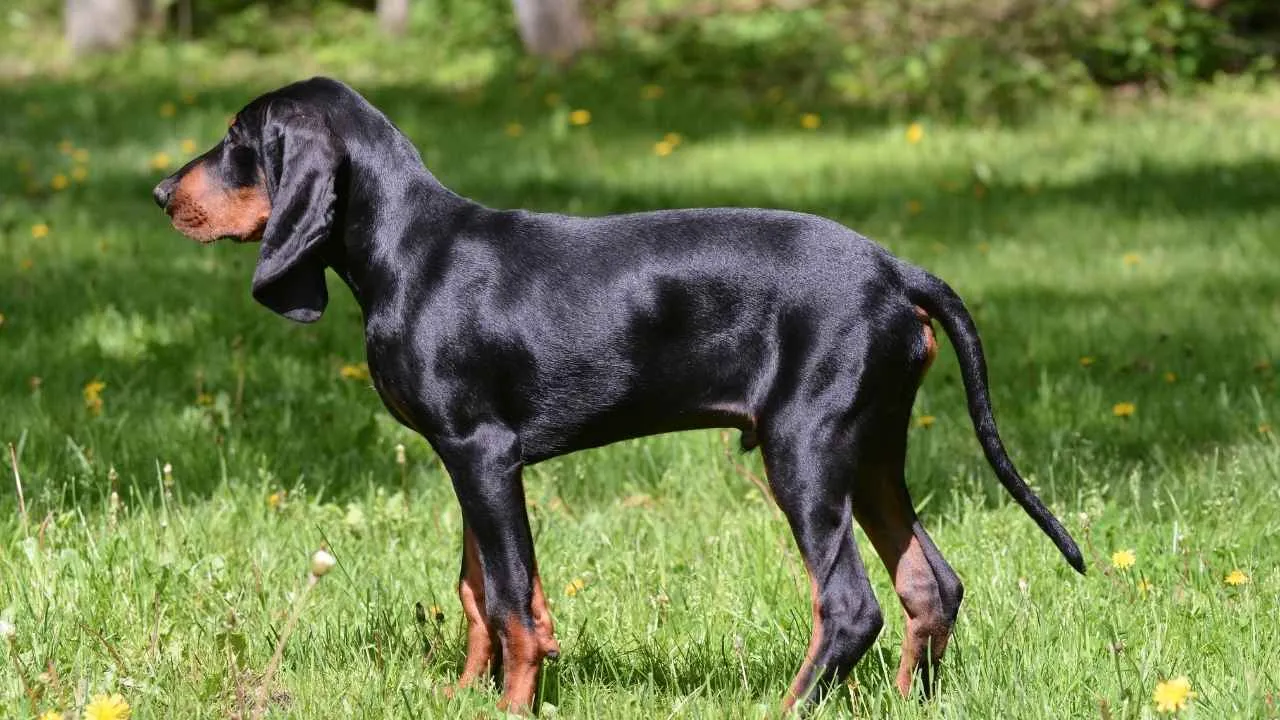
This breed was built for endurance scent tracking across forests and rough terrain.
They have long ears and a deep nasal structure designed to pick up faint ground scents over long distances. Their tracking style is slow but extremely persistent.
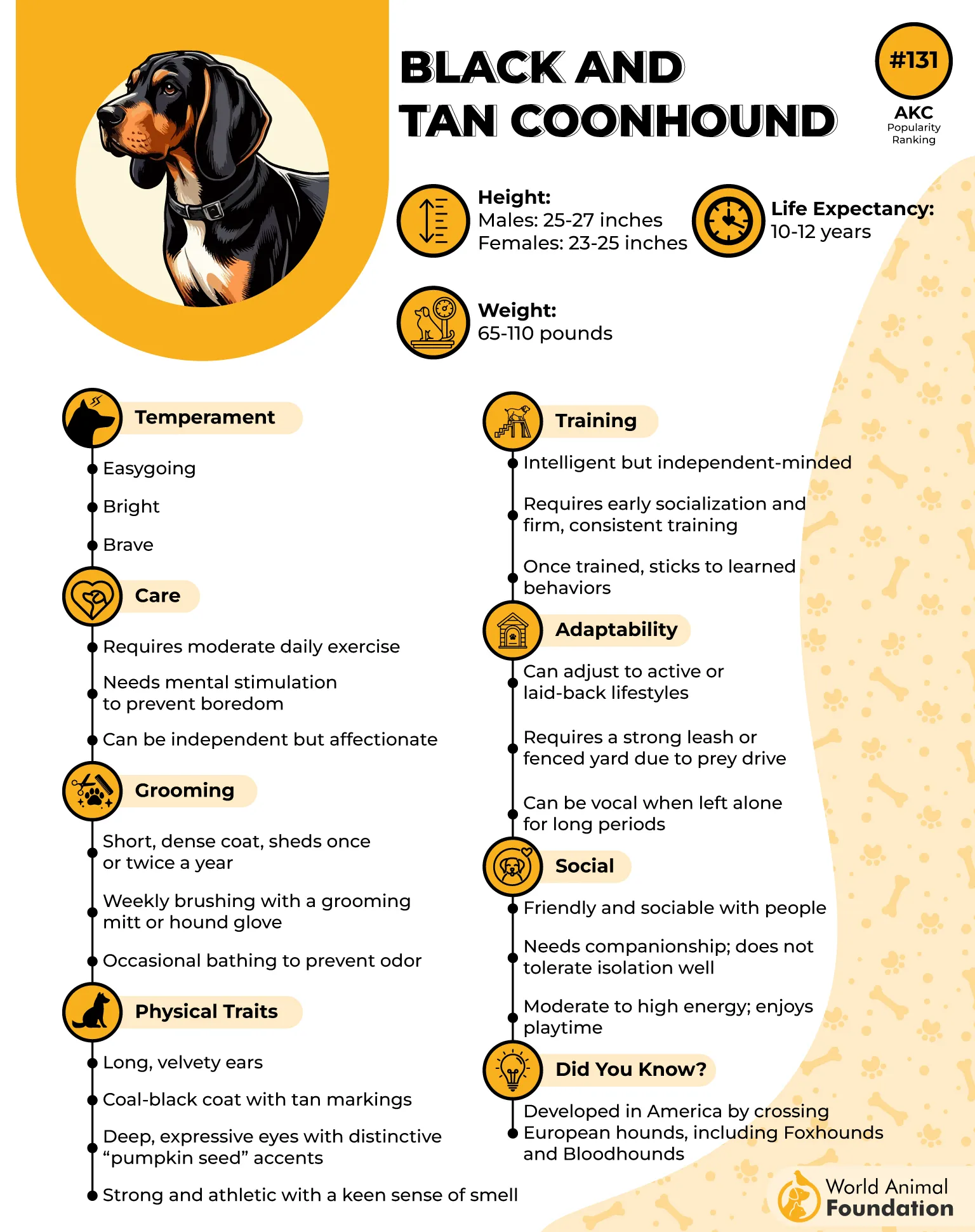
What makes them special, as per Purina, is how they process scent trails over time. Instead of reacting quickly and randomly, they work methodically, staying locked onto a single odor line even when the environment gets messy or confusing. This “stay-on-task” mindset is why hunters and trackers value them so much.
They can follow faint ground scents that are hours—or even longer—old, especially in cool or humid environments where scent particles linger. Their long ears and loose skin also help funnel scent particles toward the nose, almost like a built-in tracking system.
They’re not typically used in modern high-intensity police K9 units like Malinois or German Shepherds, but in tracking-specific roles, they still shine. Think search tracking in rural areas, wildlife recovery, and long-distance scent trailing, where patience matters more than speed.
9. English Springer Spaniel
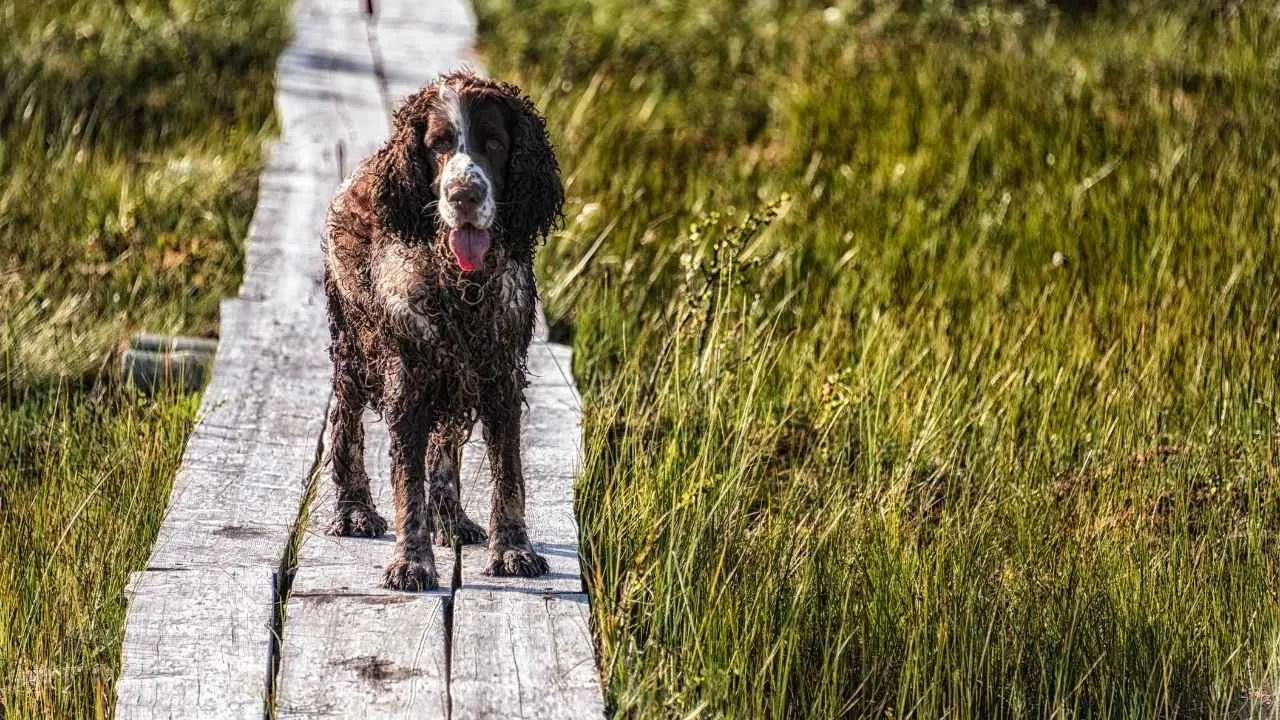
English Springer Spaniels are widely used in airport and customs detection work because of their quick sniffing ability and friendly temperament.
They can switch between high-energy movement and focused scent detection very efficiently. This makes them ideal for environments where both speed and precision matter.
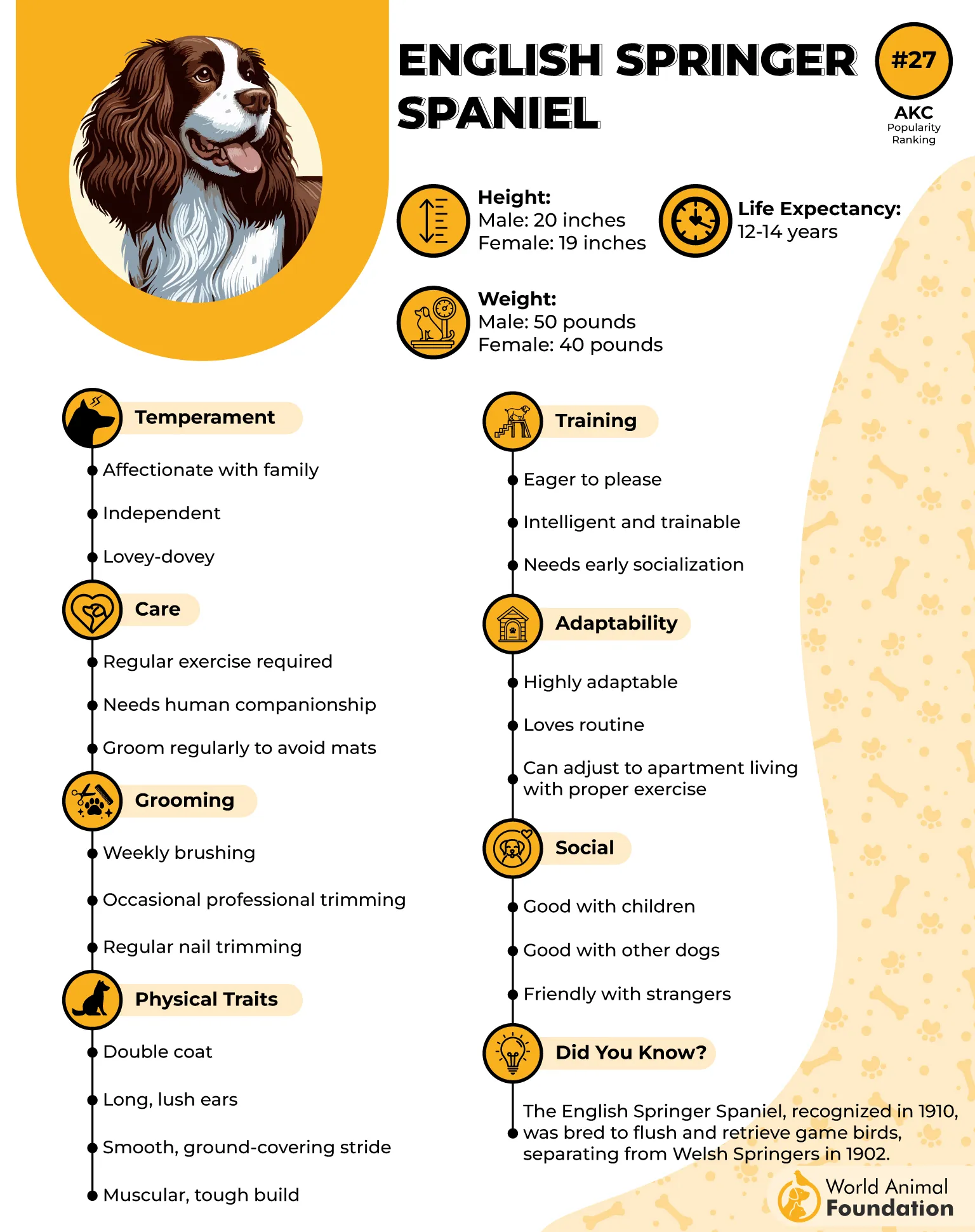
The key strength of the English Springer Spaniel’s olfaction is its combination of scent sensitivity + stamina + focus. They can work for long periods without losing concentration, which is why they’re commonly used in roles like:
In working environments, these Spaniels are known for their ability to “quarter” the ground—moving in a zigzag pattern while constantly sampling air scent and ground scent. This makes them extremely efficient at picking up faint or dispersed odors.
They’re also known for being people-friendly, which is important for public security roles.
They are frequently used in airport detection units in several countries because they combine a friendly appearance with strong scent accuracy, which reduces public disruption.
10. English Foxhound
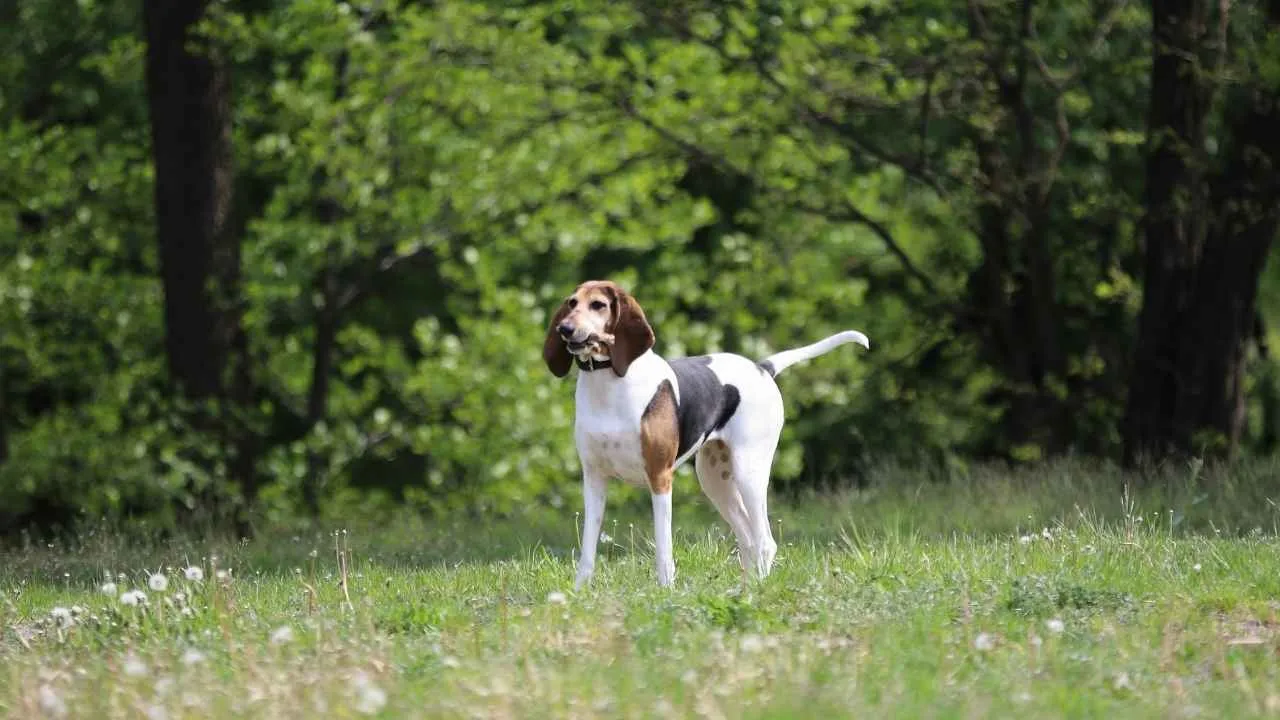
English Foxhounds are bred for long-distance scent tracking and were originally used in pack-hunting environments.
They are known for their stamina and ability to maintain scent focus over extended periods. While not commonly used in modern detection work, their natural scent drive remains extremely strong.
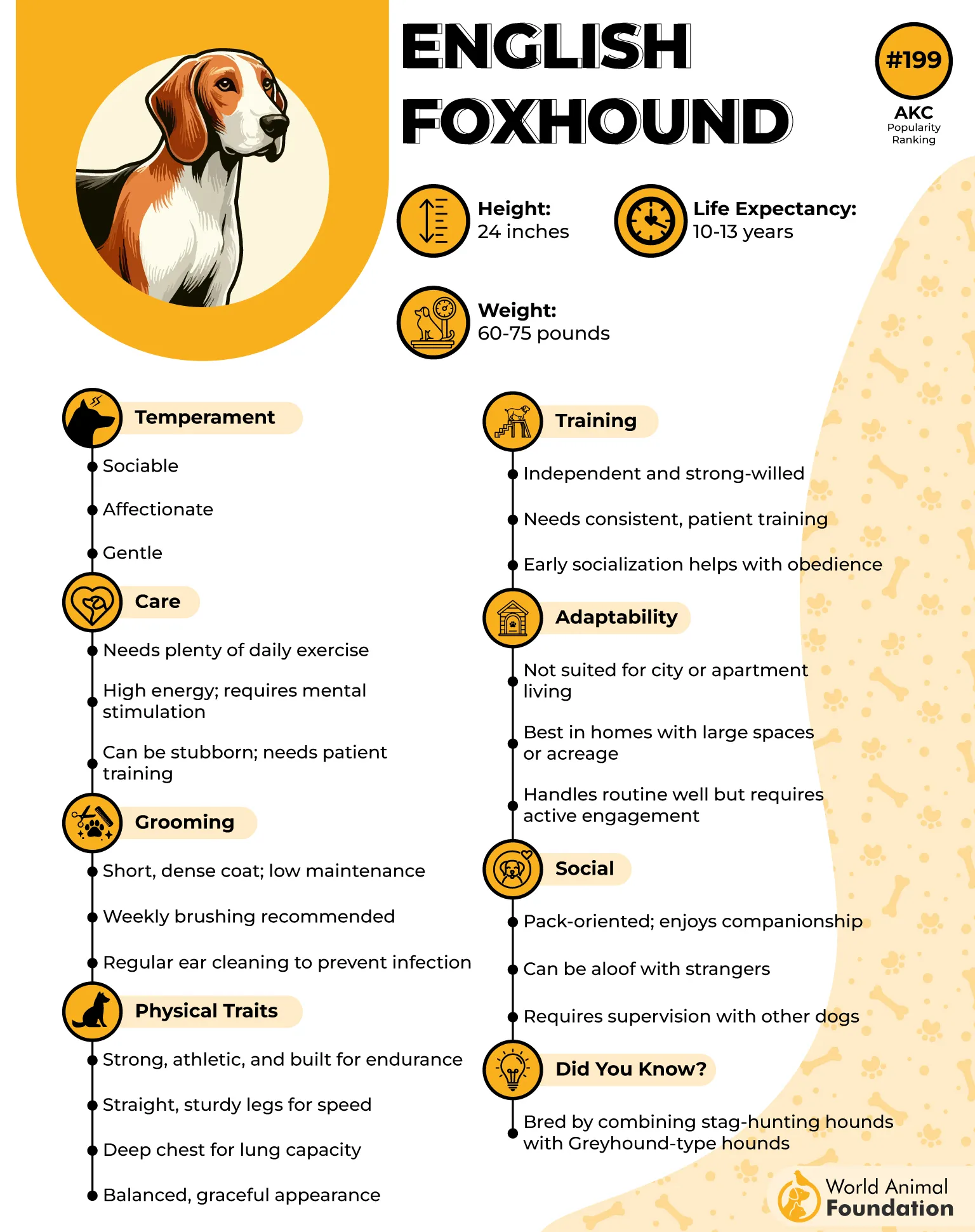
They work best in groups, where their collective tracking ability becomes even more powerful. They were bred to track in packs over long distances, not to work closely with handlers. In bomb detection, handlers need tight control and instant response. Their instinct is to follow any interesting scent trail, which can reduce focus in controlled environments like airports or buildings.
They are scent hounds with a strong natural ability to track. They have excellent long-distance scent detection, high stamina for following trails, and strong persistence once a scent is locked in.
Think of them as the “team-based multiplayer squad” of scent hounds.
Conclusion
When it comes to smell, dogs are basically operating on a completely different sensory level than humans. Some breeds are designed for precision detection, others for endurance tracking, and some for raw intelligence combined with scent discipline.
Bloodhounds dominate in pure tracking, Beagles and Labs shine in controlled detection environments, and breeds like German Shepherds and Malinois bring structure, obedience, and versatility to the mix.
What’s wild is that every breed on this list turns smell into a survival superpower—whether it’s finding missing people, detecting contraband, or tracking wildlife across miles.
In short: dogs don’t just smell the world… they read it like a map we can’t even see.
