




Instinctual behavior is so ingrained in some dogs that they cannot be erased even by generations of breeding. A dog’s prey drive is one of the most powerful instincts in them and means the drive to chase, hunt, herd, or capture moving animals.
Prey drive was originally used to enable dogs to accomplish significant tasks such as hunting small animals like rabbits and vermin, herding livestock, or hunting wild game. To this day, these high prey drive instincts remain intense with many breeds, even when domesticated as pets.
Dogs with high prey drive are usually intelligent, energetic, and have an intense focus on their objectives. Nonetheless, they may be difficult to handle without early training, positive management strategies, and early socialization, as well as the proper mental stimulation and supervision.
Their instinct to chase can be prompted in an instant by such things such as squirrels, cats, birds, and even moving bicycles. This does not render such breeds bad dogs. Indeed, most dogs with a high prey drive are faithful, loyal, and highly trainable when their needs are taken care of.
The following are some of the most well-known dog breeds that are known to have a high prey drive and irresistible chase instincts.
Dog Breeds with the Most Powerful Prey Drive
1. Jack Russell Terrier
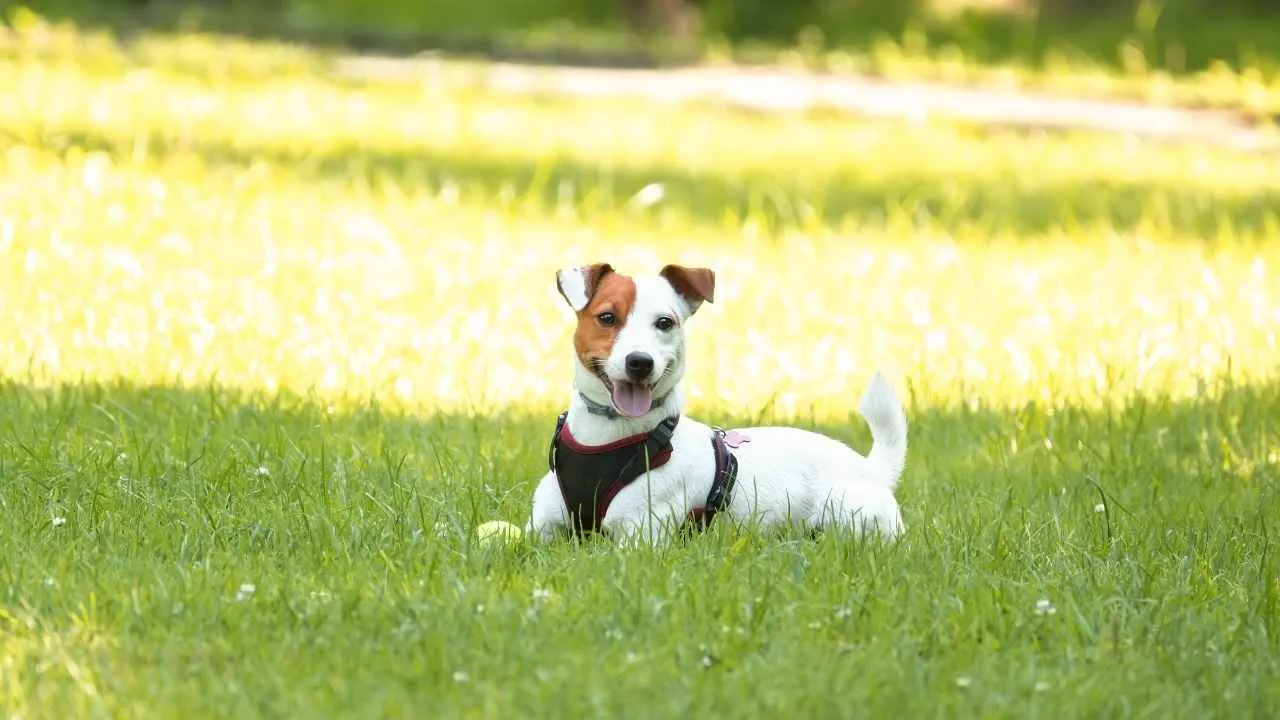
This breed is a small animal, yet its predatory instinct and prey drive are gigantic. This breed was originally used in England to hunt foxes, but gained tremendous speed, fearlessness, and determination. Jack Russells were used to run prey into holes and work tirelessly regardless of the adverse weather conditions.
To this day, some Jack Russells will respond immediately to running animals, toys, or noises. Such dogs are very energetic and smart. The lack of adequate physical and mental stimulation can result in them creating their own entertainment; this can involve digging, chasing, barking, or escaping fenced-in places.
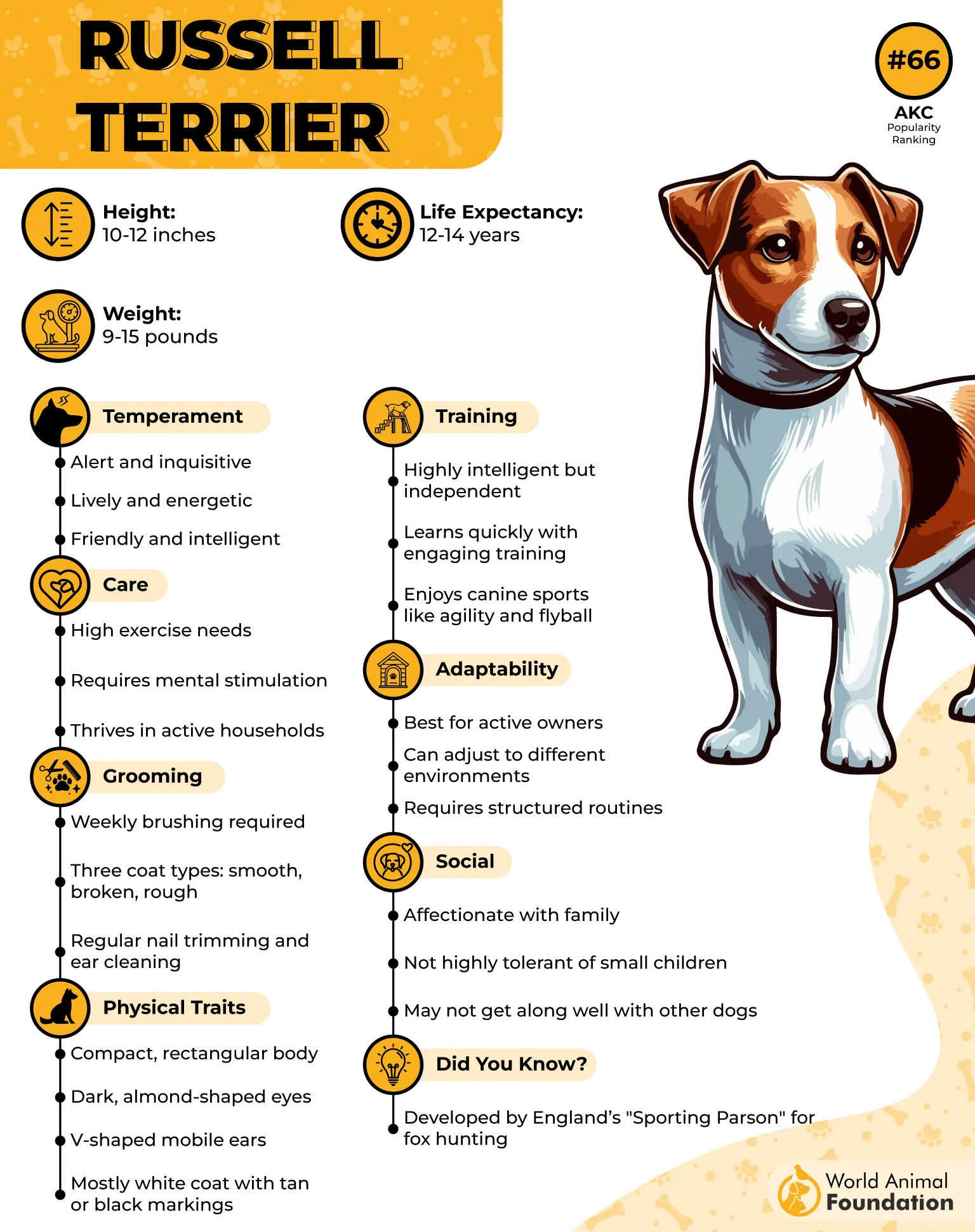
Jack Russells also love to be provided with organized activities like agility training, puzzle toys, scent work, and active play. Small animals such as hamsters or birds can cause chase behaviors due to their powerful instincts to hunt, and in such cases, introductions need to be controlled if you have these small pets in the household.
Jack Russell-type Terriers are working dogs that are energetic, as described by the American Kennel Club.
2. Australian Cattle Dog
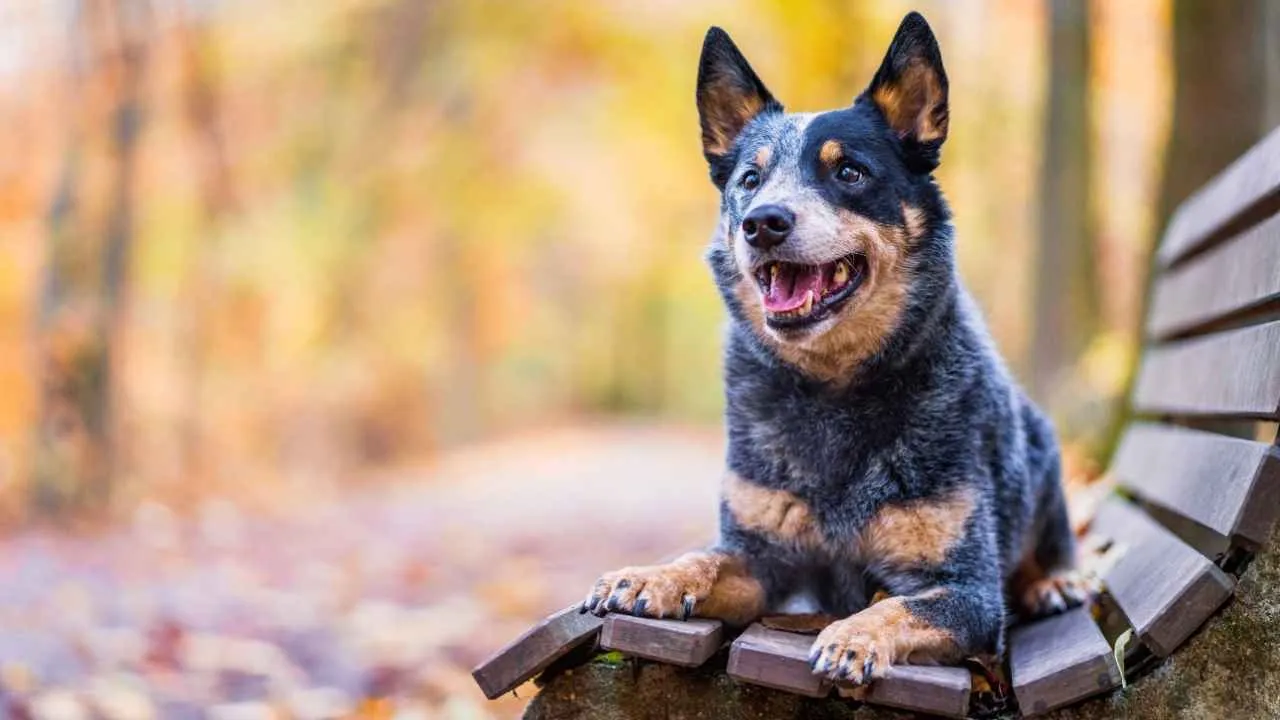
Australian Cattle Dogs are herding breeds that were trained to herd livestock in ranches in Australia, and their prey drive instincts are extremely high.
These herding dogs are very focused, extremely fast-moving animals, and have stamina. Naturally, they are attracted by fast motion, and that is why they sometimes resort to herding children, bicycles, or other animals. The Australian Cattle Dog is very smart and requires stimulation either mentally or physically.
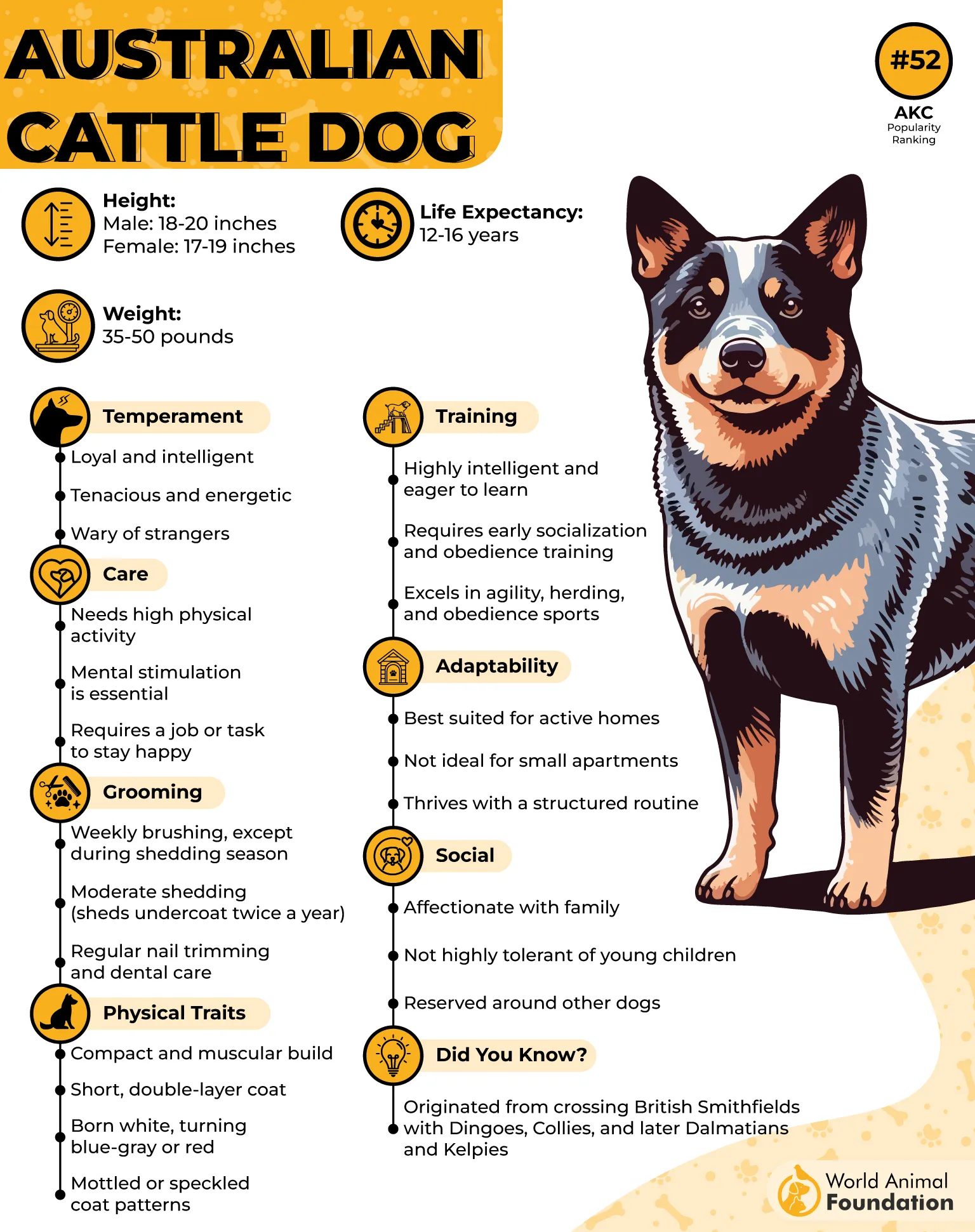
Their prey drive is directly related to their herding instinct, unlike other dogs. They are very sensitive to movement and are fond of activities that entail chasing, controlling, or directed movement, making their high energy levels ideal for active families.
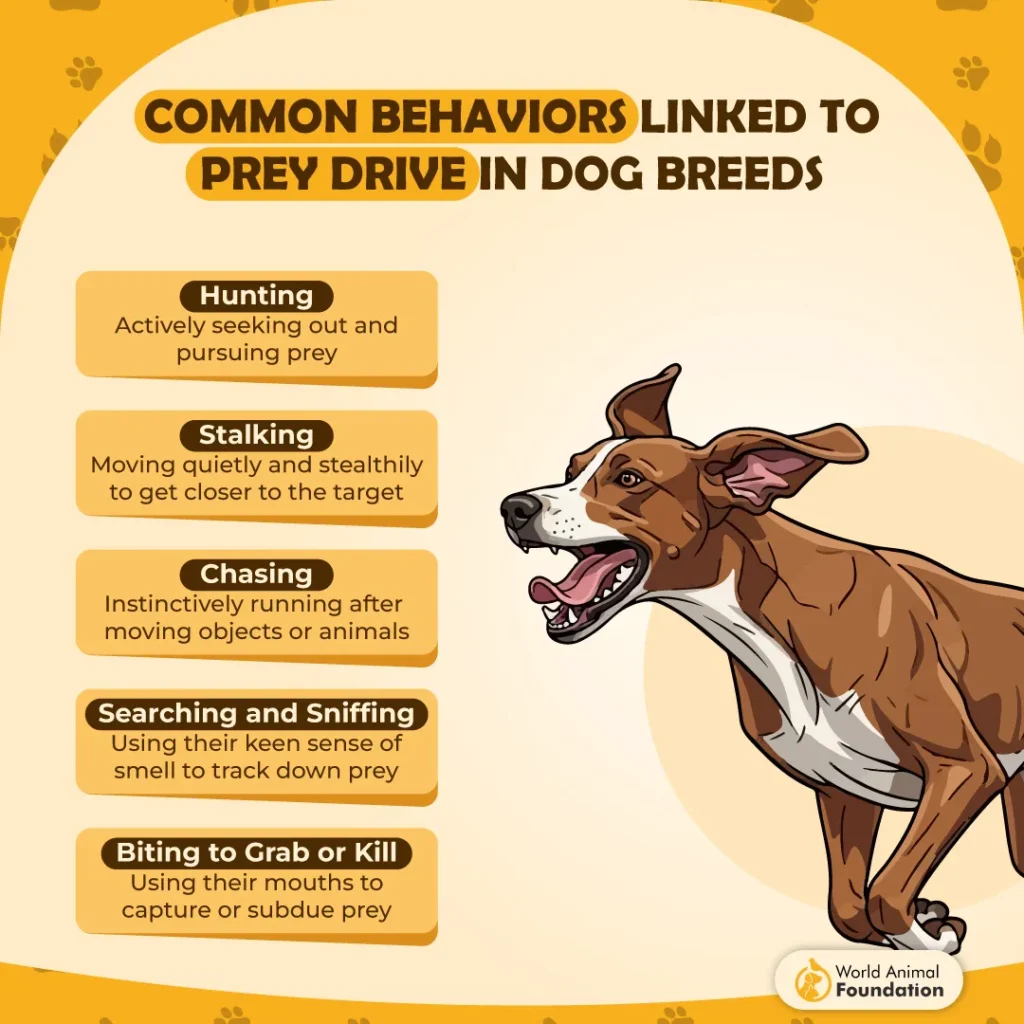
The lack of sufficient exercise can easily result in destructive behavior or obsessive habits due to boredom. These dogs are good in obedience sports, agility competition, hiking, and advanced training compared to other breeds that were bred for human companionship.
Their fidelity and energy are remarkable, and they flourish best under experienced owners, who are able to offer discipline and motion.
3. Border Collie
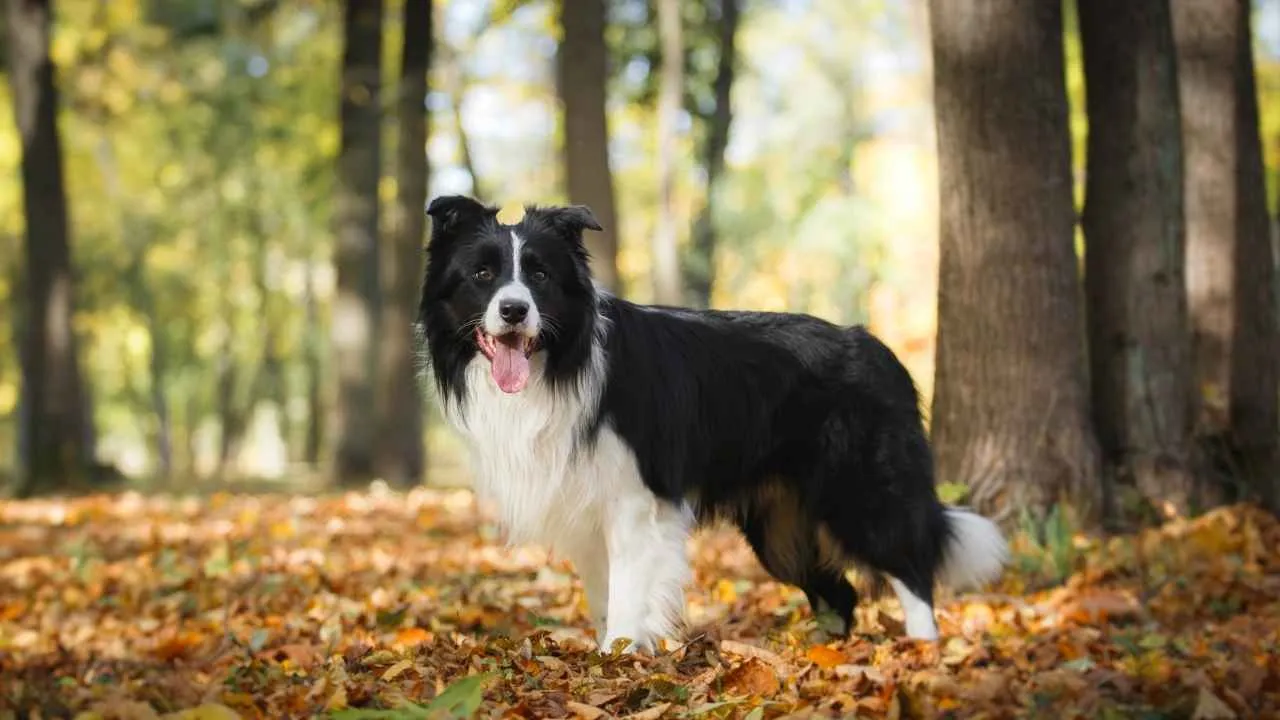
Border Collies are generally regarded as one of the smartest dogs in the world, even though that smartness is accompanied by a high prey drive. Initially used in sheep herding, Border Collies rely on intense eye contact, stalking, and speedy movement control to lead livestock.
This action is rather similar to the predatory trends, but it is wisely adjusted in the course of selective breeding. The movement is very stimulating for these animals. Their instinct to chase or to control can be activated by running animals, vehicles, and fast-moving objects.
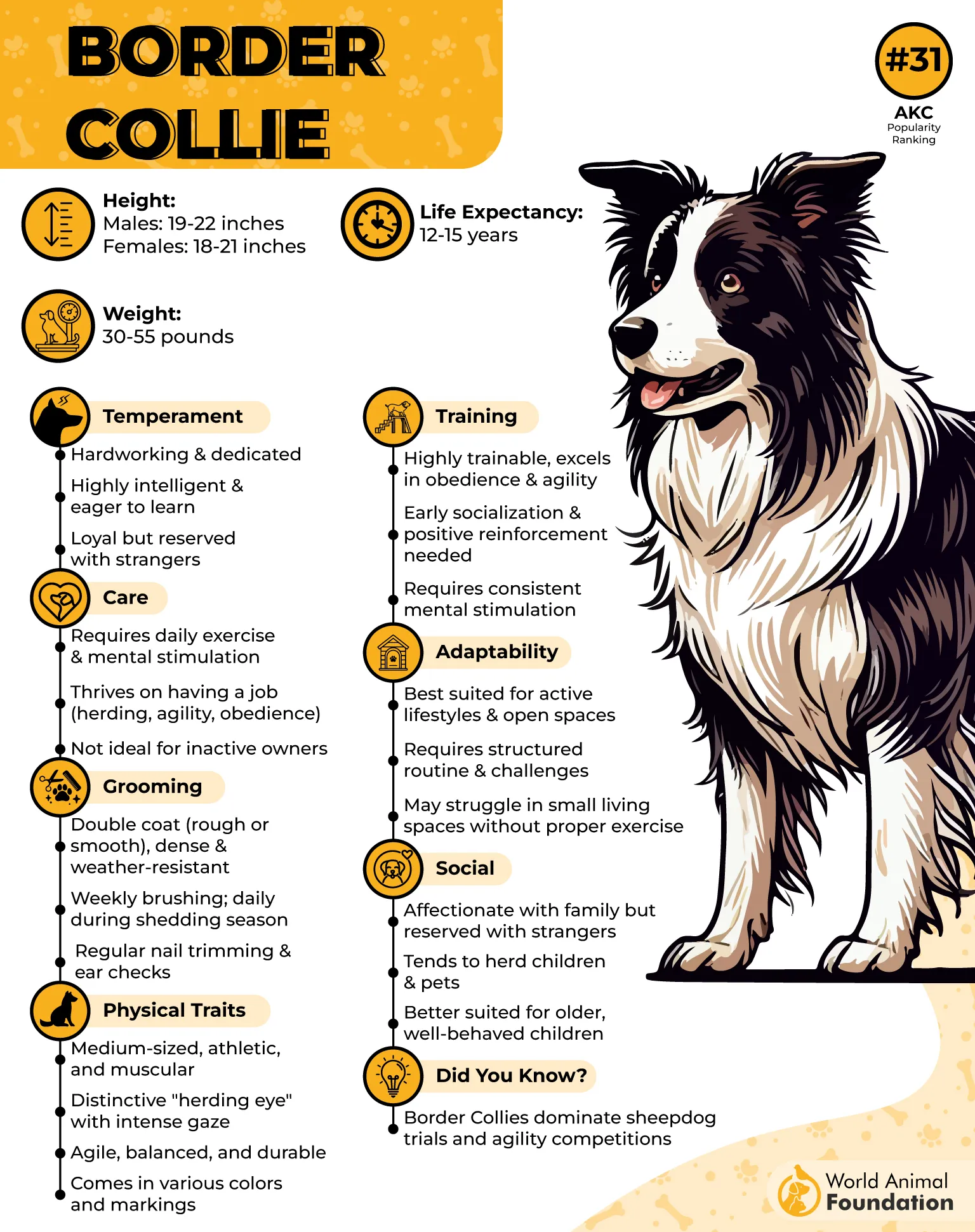
These dogs need colossal mental stimulation. Even simple walks are hardly sufficient to praise this breed. The prey drive in dogs for this breed is higher than that of many other animals. Border Collies are good in agility, frisbee, obedience, advanced trick work, and herding sports due to their desire to engage in mentally demanding activities.
Their intelligence and predatory instinct may be hard to control indoors unless they are provided with proper stimulation, as compared to other dogs. Purina states that Border Collies are highly intelligent herding dogs that need a lot of exercise and mental stimulation.
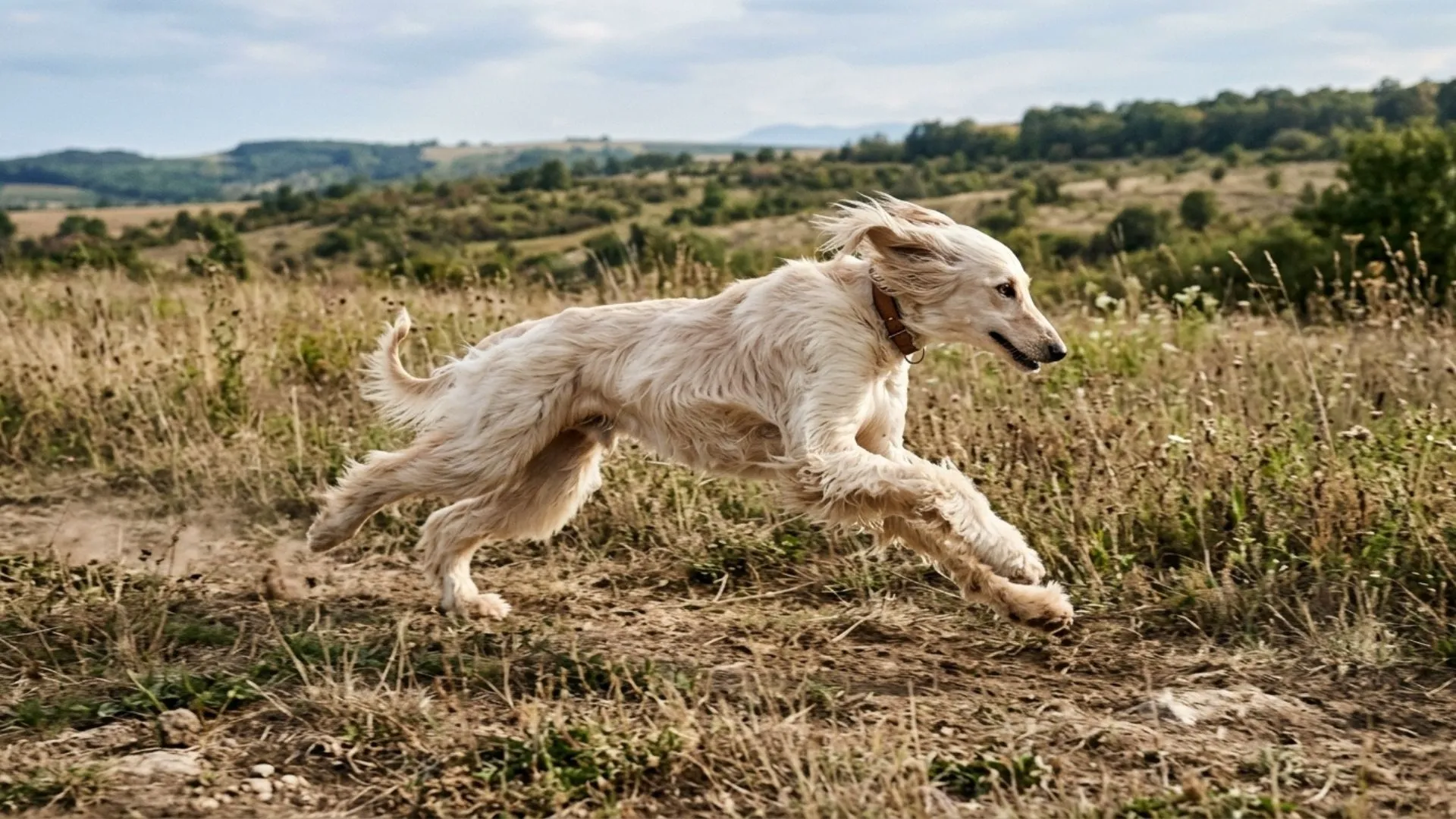
4. Afghan Hound
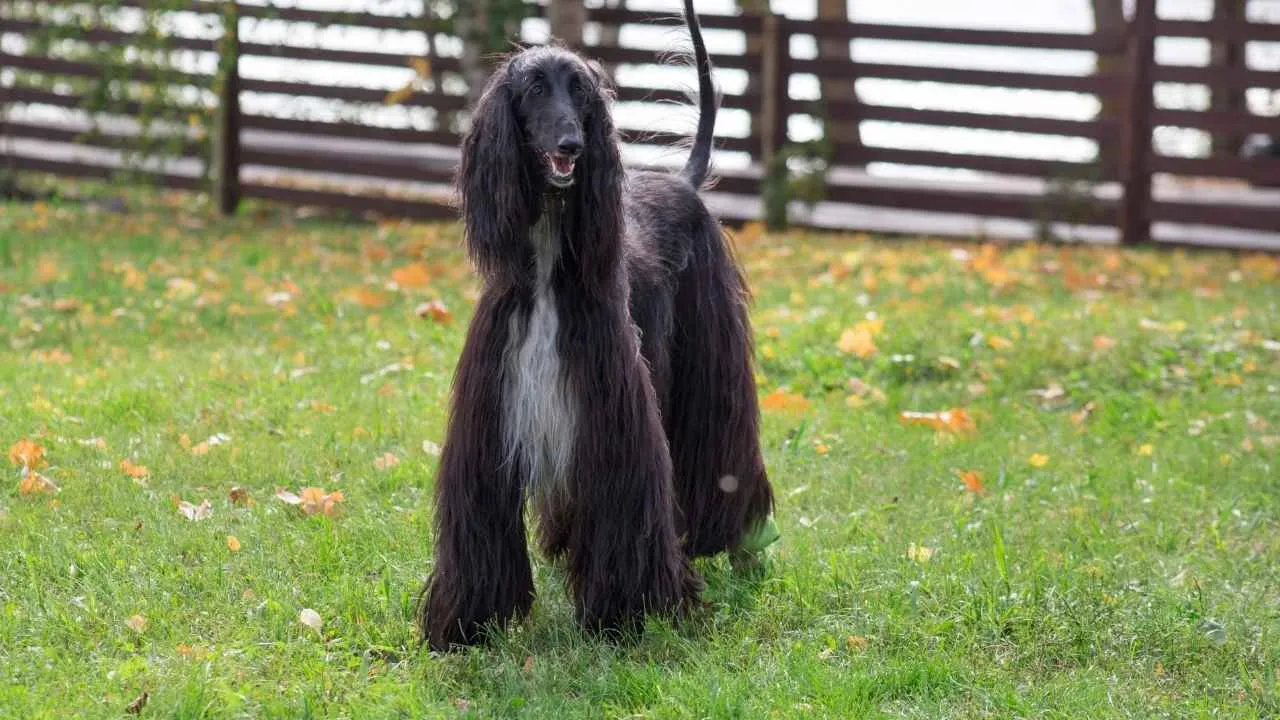
This breed is dignified and possesses strong hunting instincts. These dogs were originally domesticated in the mountainous areas of Afghanistan to hunt small animals such as rabbits and other fast-moving animals such as gazelles, with incredible speed and great vision.
They are sight hounds, which means that they have an innate instinct to run after anything that moves as soon as they see it. They are pure hunters, whereas herding breeds are control-oriented.
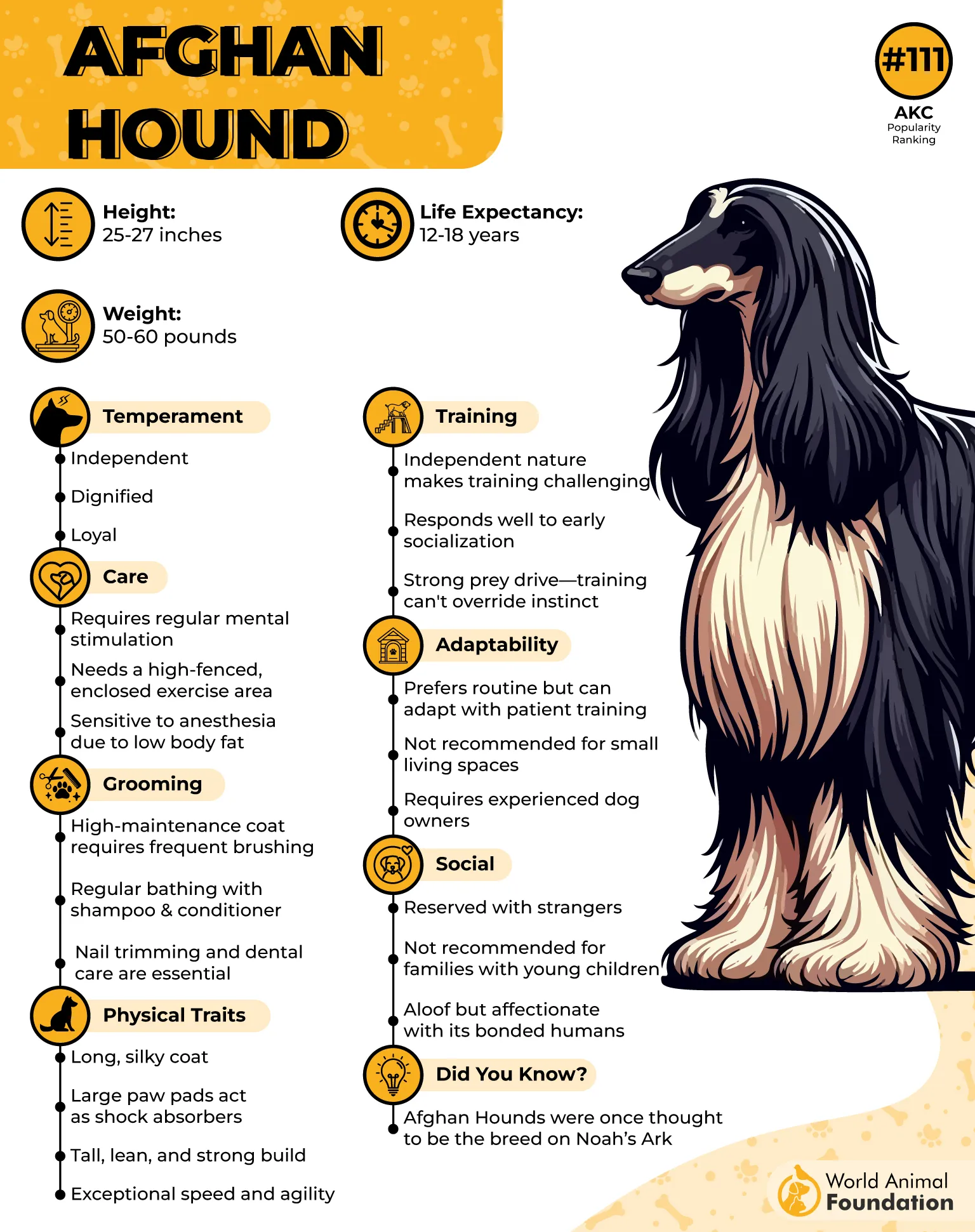
These dogs are free thinkers and may prove to be hard to control after they start pursuing something. Their fancy long coats can easily conceal the truth that they are highly built athletes with the ability to run fast and with great stamina.
They are generally more relaxed inside the house but need to have a safe exercise space. Due to their high chase instinct, off-leash freedom must occur in safely enclosed areas only.
5. Siberian Husky
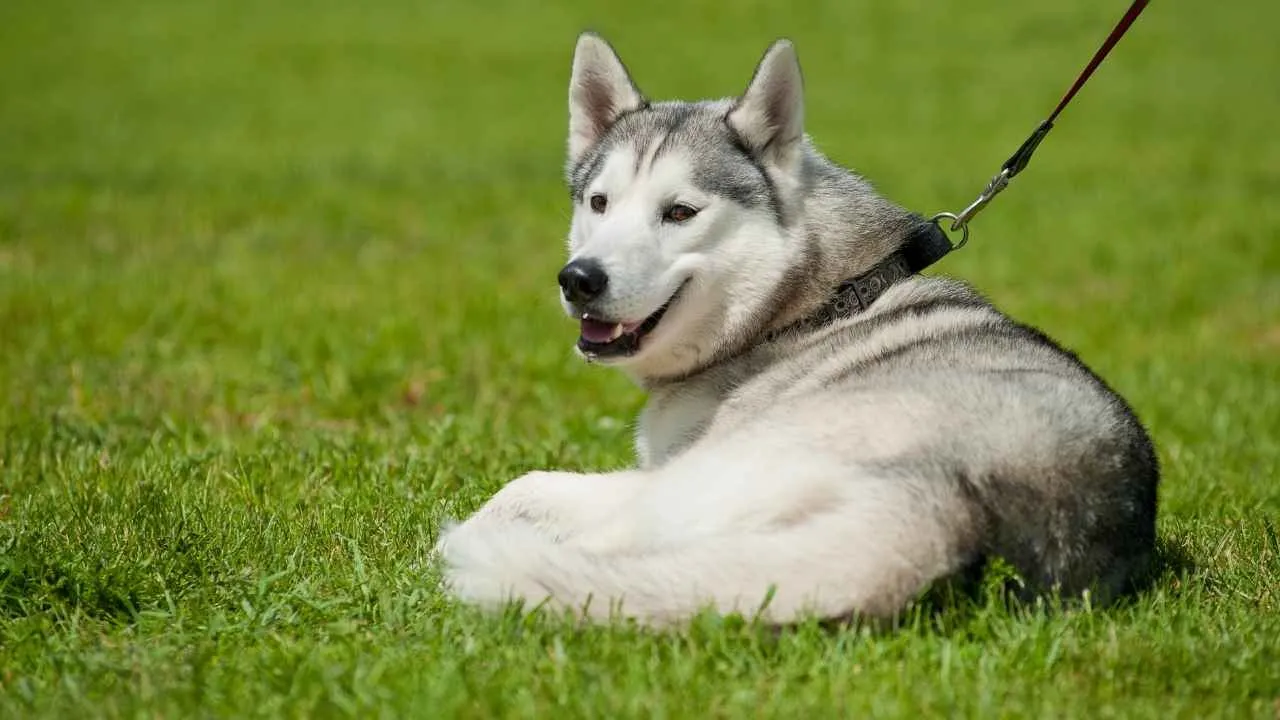
Siberian Huskies were first bred to pull sleds up and down rough ice-covered Arctic conditions, but they also grew to have strong survival instincts that led to the hunting of small prey when there was a necessity.
This breed has a very high prey drive, particularly against cats, rabbits, squirrels, and other fast-moving animals. Huskies are sportive, clever, and very independent dogs who enjoy running and adventure.
Their wish to pursue frequently goes hand in hand with the art of escaping, which implies that safe fencing is of the utmost importance.
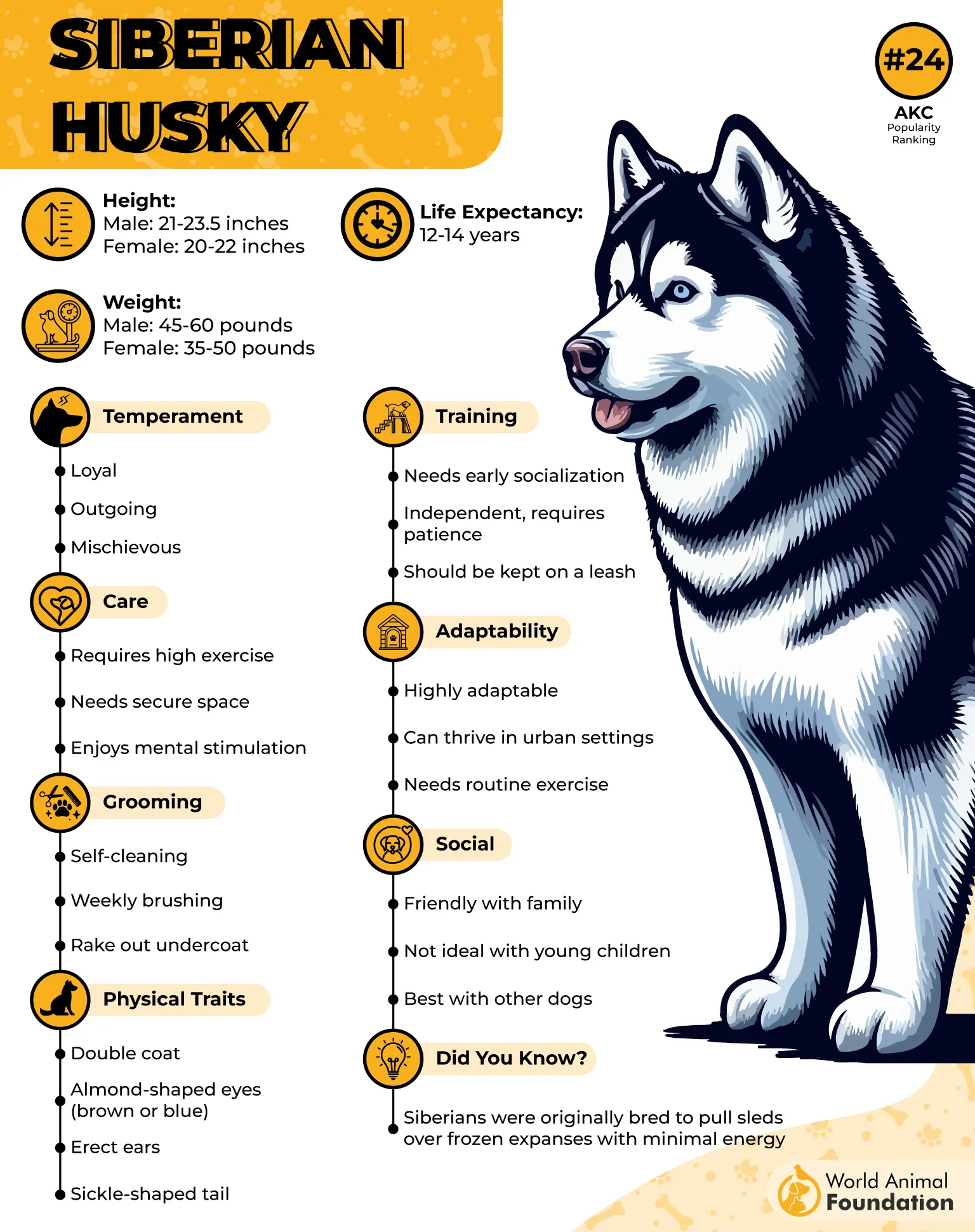
Most Huskies like to push limits and can disregard orders when there is something interesting to them. Huskies are loving and outgoing dogs that can be raised in an active family regardless of these difficulties.
They need to have a lot of physical activity every day, and they like hiking, running, sledding, and endurance sports. PetMD claims that these dogs have high endurance and love to explore-hunt instinctive, high-energy working dogs.
6. Belgian Malinois
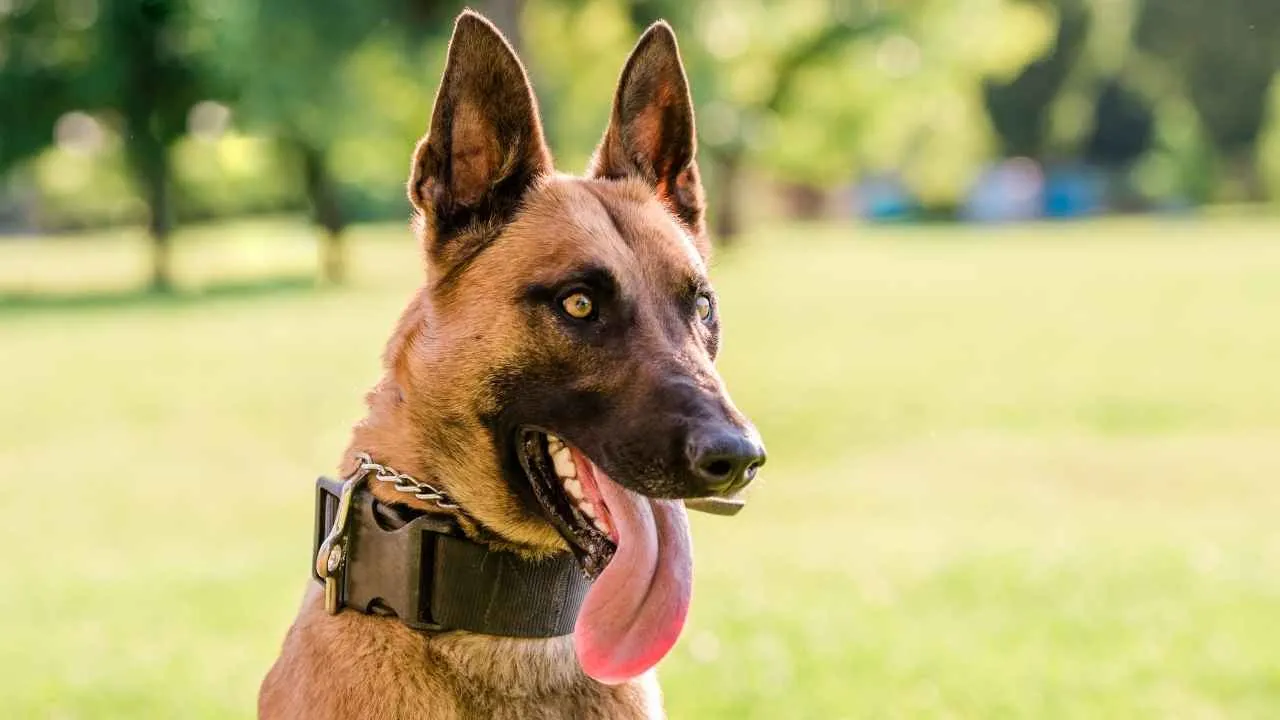
The Belgian Malinois has one of the highest work drives among dogs in the canine world. This breed is often employed in the military, police work, and protection work, and is a combination of intelligence, athleticism, and laser-focused prey instincts.
They can direct their prey drive toward controlled training activities (bite work, tracking, and advanced obedience), unlike other breeds that merely enjoy chasing. Their level of motivation is very high, which is why they are highly appreciated by professional handlers.
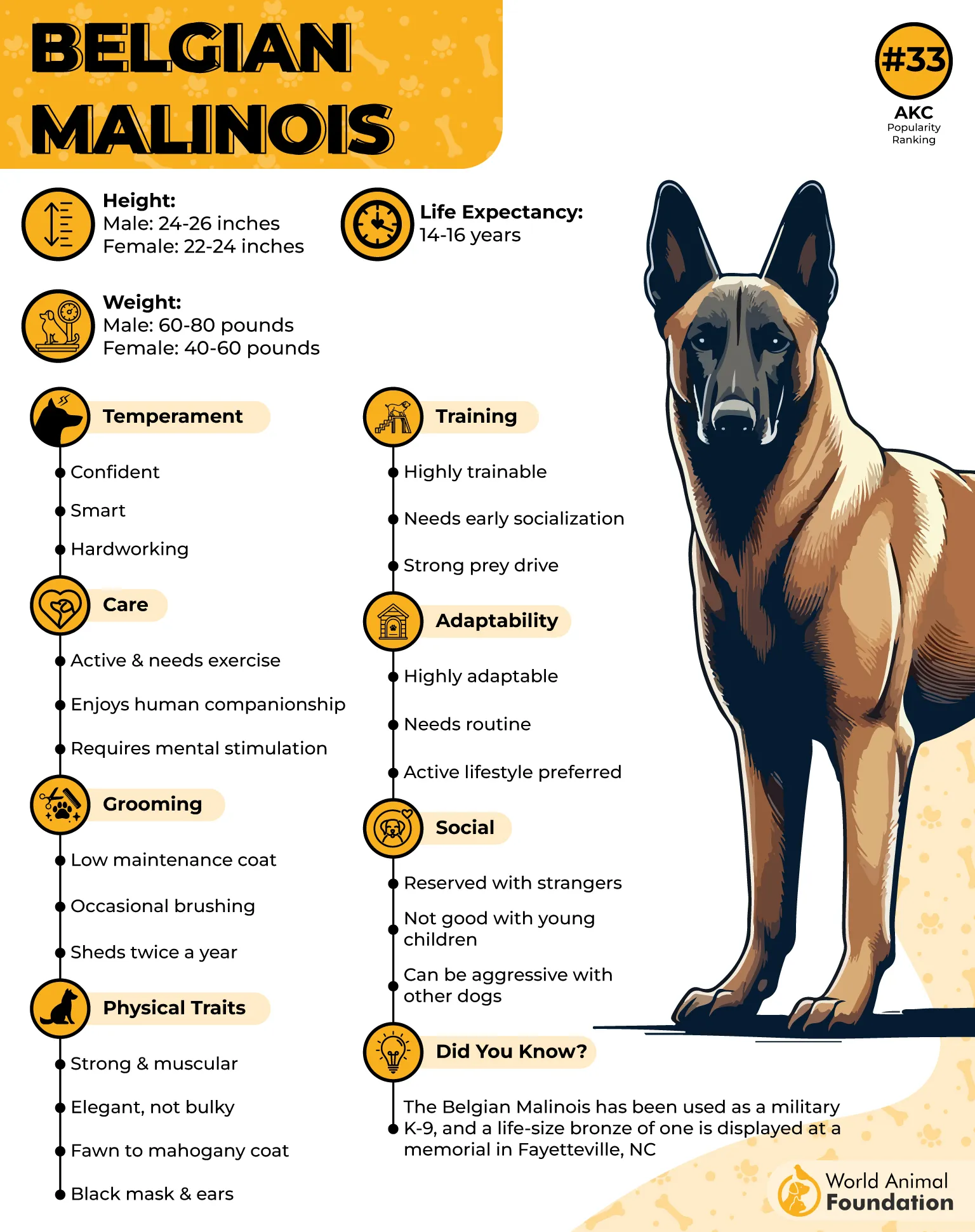
This breed needs to be handled by experienced owners due to the energy and intensity levels that might overwhelm unready homes. These dogs require formal and consistent handling, high-level mental stimulation, long walks, and meaningful activity daily. If left unsupervised, they can be a problem for older children.
Lacking appropriate outlets, their motivation may turn to anxiety, self-destructive actions, or obsessive tendencies.
7. Weimaraner
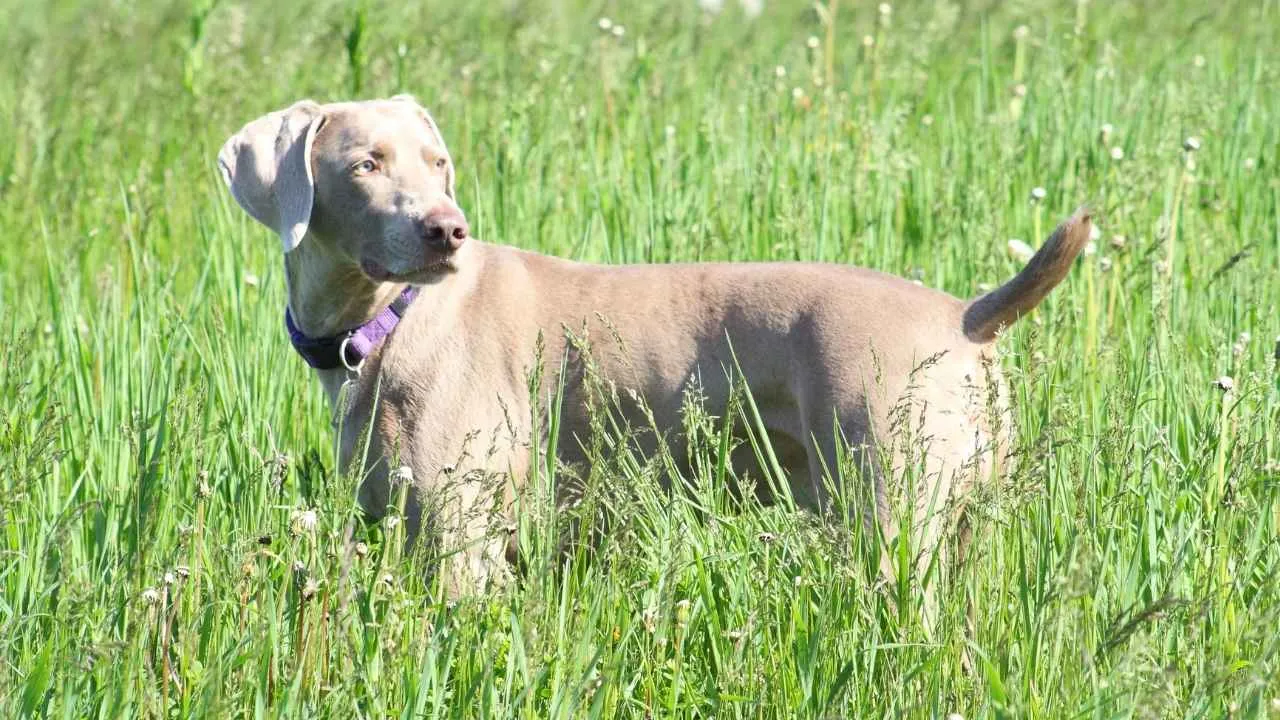
Weimaraners were created as hunting dogs in Germany that could follow and hunt large animals. Their instinct to hunt is still strong to date, particularly for small animals and moving objects.
These smooth, silver-gray dogs are very active and athletic and do well in a home where outdoor activity is the order of the day. Weimaraners are very attached to their owners and do not like to be left alone.
They need physical activity as well as mental stimulation because, being intelligent hunting dogs, they need a balanced routine. These dogs with a strong prey drive need structured training and positive reinforcement to stay calm around family members.
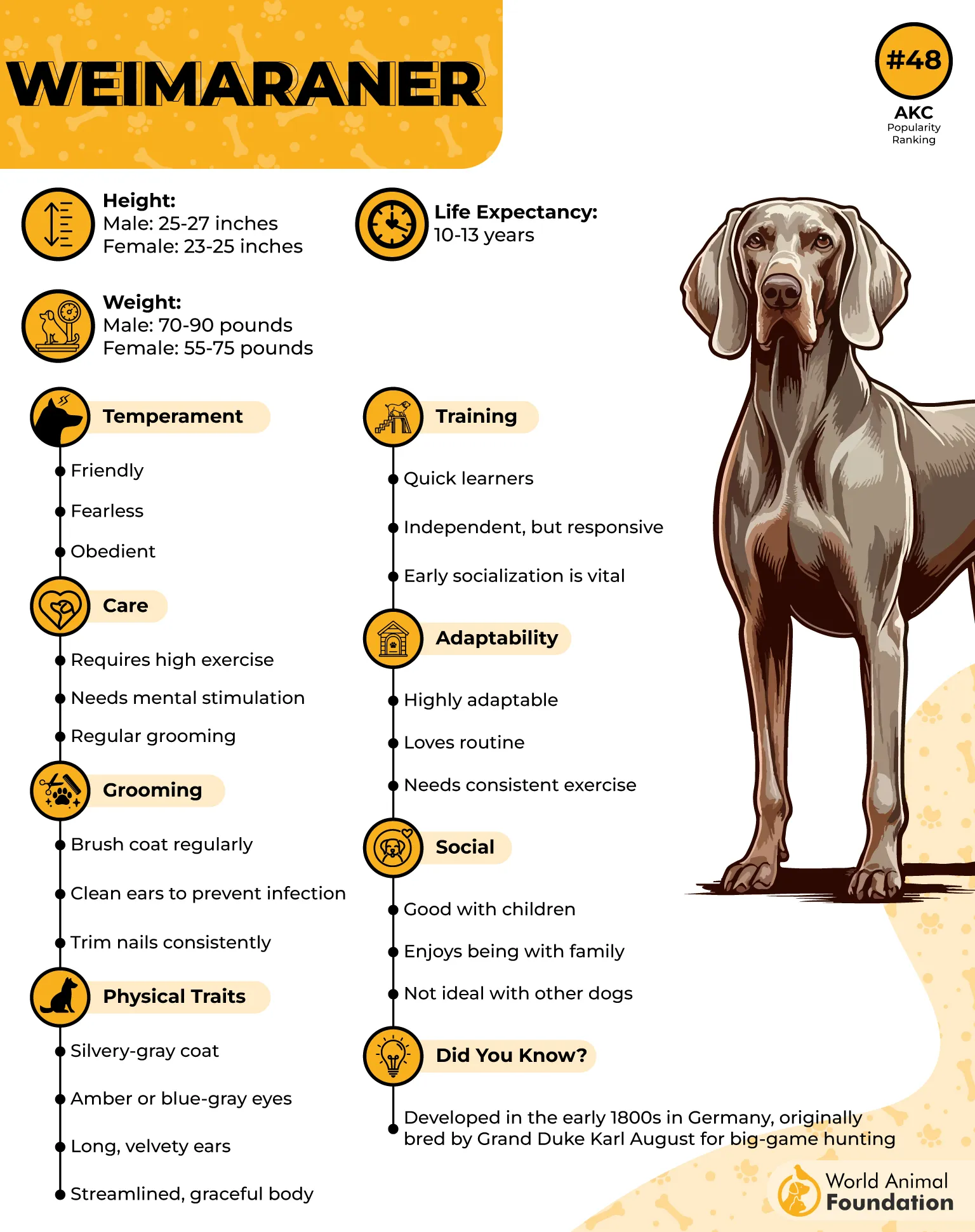
Running, scent games, hiking, and retrieval exercises are all good activities that can be used to positively hone their instincts.
Weimaraners typically make loving family dogs, yet their hunting nature requires them to be supervised around small animals.
Conclusion
Strongly prey-driven dogs are not aggressive in their nature, but merely carriers of instincts acquired in the course of centuries of specialized labor. Hunting, chasing, herding, and tracking behaviors are still deeply rooted in certain breeds.
High prey drive should be effectively managed through proper training, safe environments, the dog’s instinct, frequent exercises, and mental stimulation.
These breeds can make them very rewarding to active owners who are ready to offer them structured interaction. They are some of the most interesting dogs in the canine world because of their athletic nature, concentration, faithfulness, and energy.
