




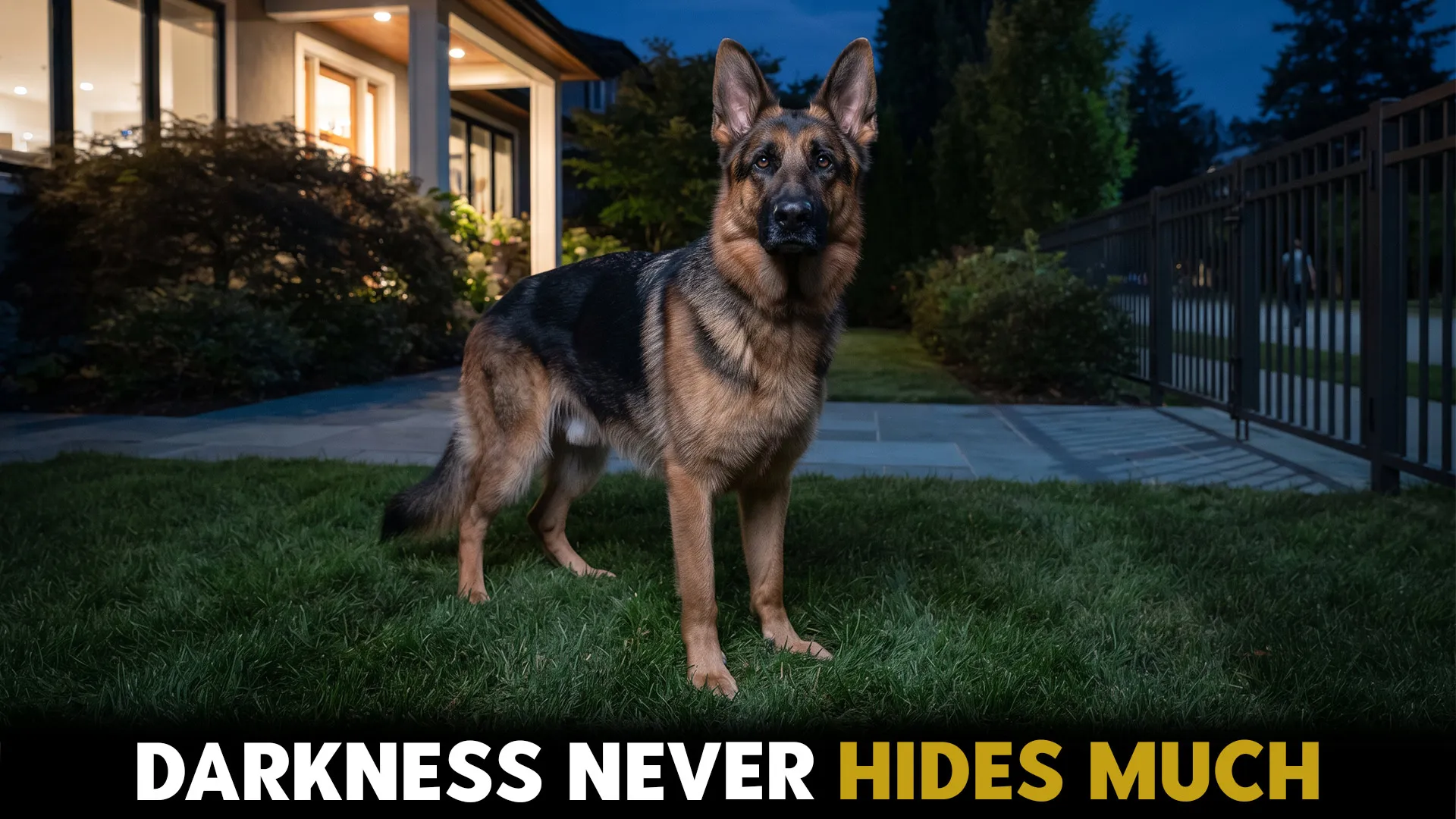
Most people assume dogs can see in pitch black the way owls or cats do. That’s a myth, and believing it could lead you to pick a guard dog for all the wrong reasons.
Certain guardian breeds pack their eyes with extra light-sensitive cells, letting them clock movement in near total darkness while the rest of us squint at shadows. That edge made them the preferred choice for night patrol duty long before motion sensor lights existed.
Pair sharp eyesight with a nose built for tracking and the stamina to maintain focus for hours, and you get dogs wired for one job: keeping watch when the world goes quiet.
So which breeds actually have what it takes once the sun goes down? Stick around, because the list below might change how you think about safety after dark.
Dog Breeds with Superior Night Vision for Guarding
1. Doberman Pinscher
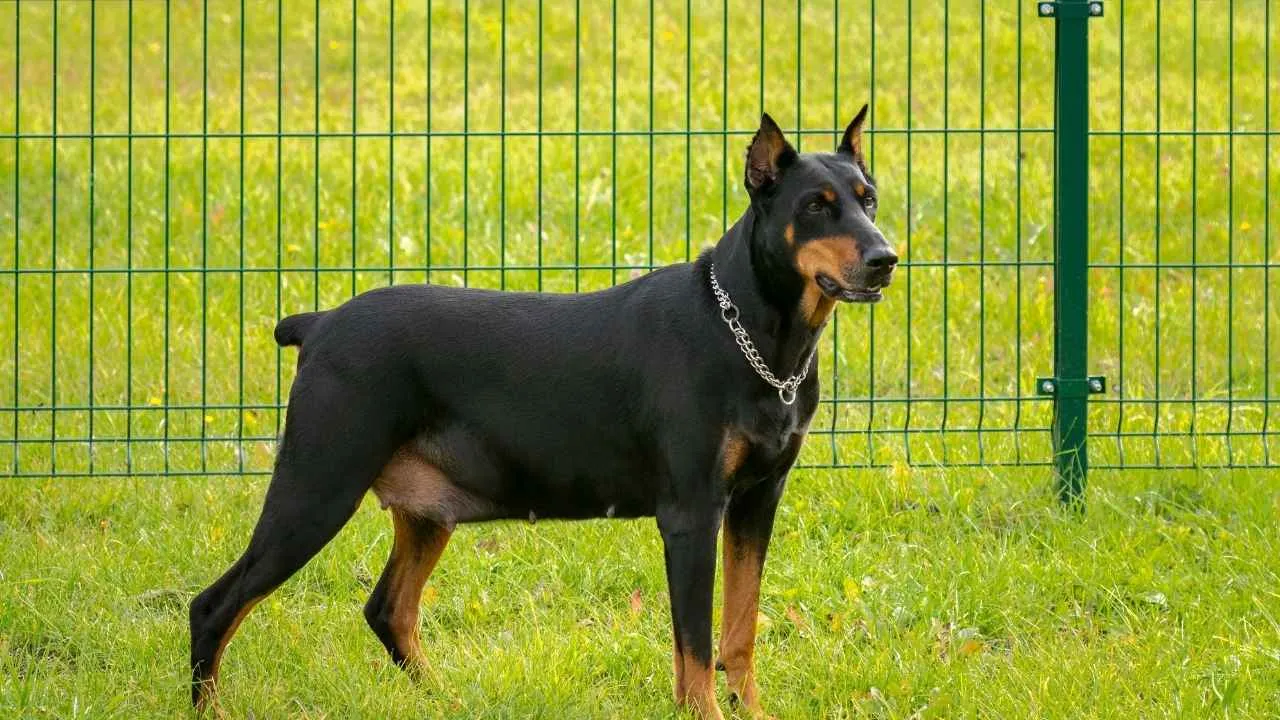
Doberman Pinschers have large, wide-set eyes that catch available light fast, a trait that suited them for estate patrol duty long before floodlights existed. Even so, it is the nose and ears doing the real work after dark, picking up a scent or footstep before the eyes ever could, according to the AKC.
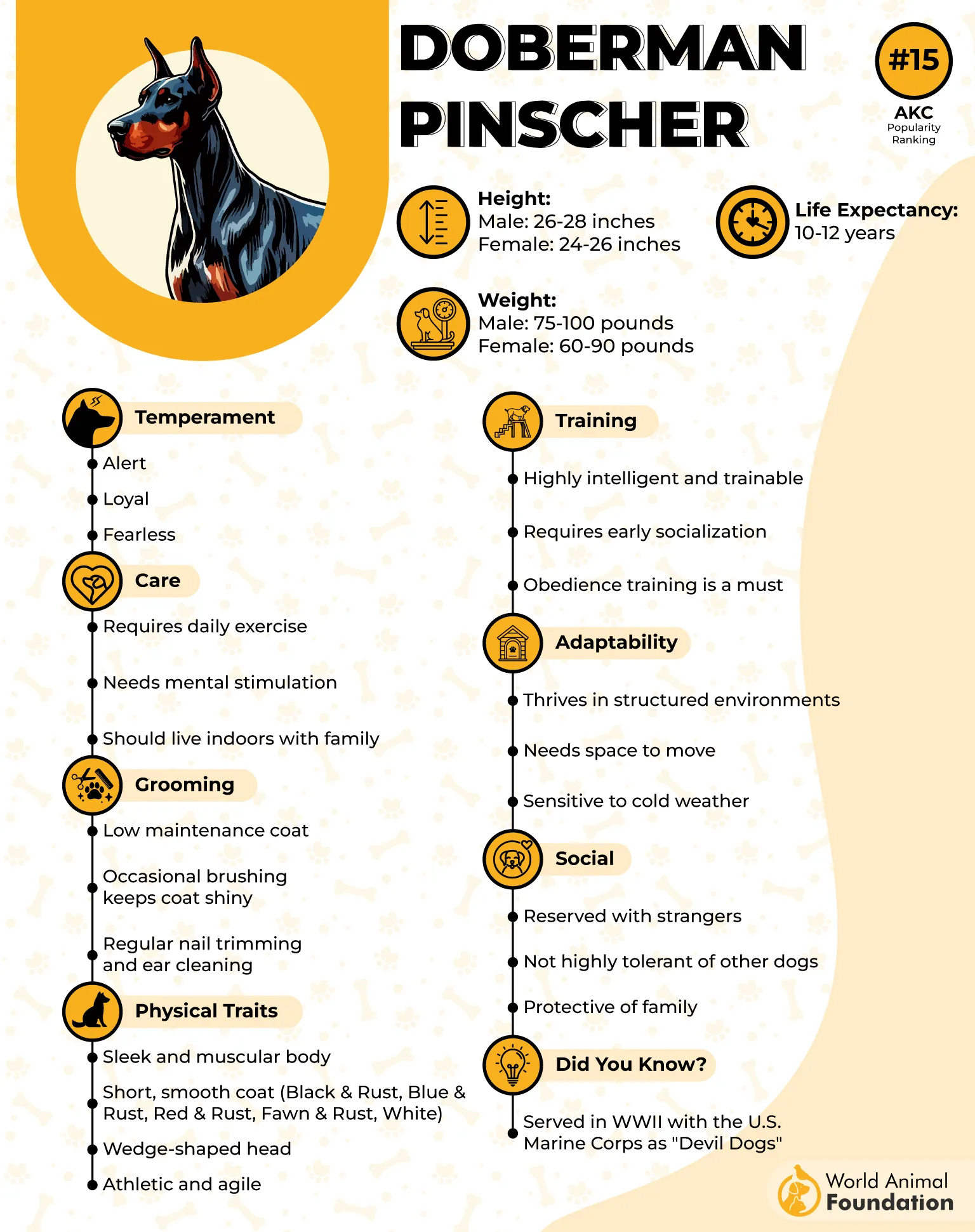
Dobermans carry a strong protective instinct balanced by real loyalty to family, so they watch closely without snapping over nothing. They read a room fast and only escalate when something actually warrants it.
Trainability: Quick to master structured commands, a preferred breed for specialized handling in canine programs.
Stamina: Steady energy keeps focus sharp through long overnight shifts.
Deterrent: Lean, muscular build makes most intruders reconsider fast.
Here is a fun bit of history. A German tax collector named Karl Friedrich Louis Dobermann bred this dog to guard him on dangerous night rounds. Over a century later, that same protective streak is why Dobermans still turn up in military working dog programs.
2. German Shepherd
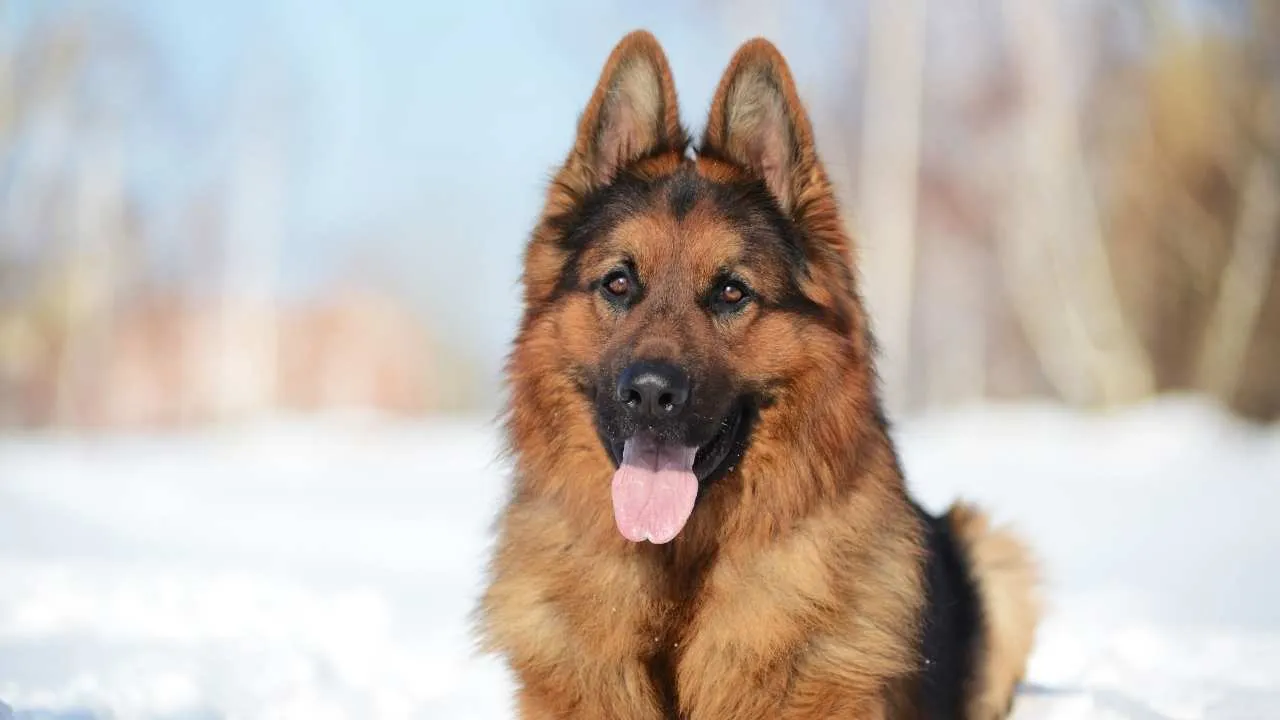
German Shepherds don’t have special night vision, but their eyes adjust to low light conditions quickly thanks to a reflective layer behind the retina. Their real advantage after dark is scent and hearing, senses sharp enough that the breed became a top pick for bomb detection and suspect apprehension work, according to Britannica.
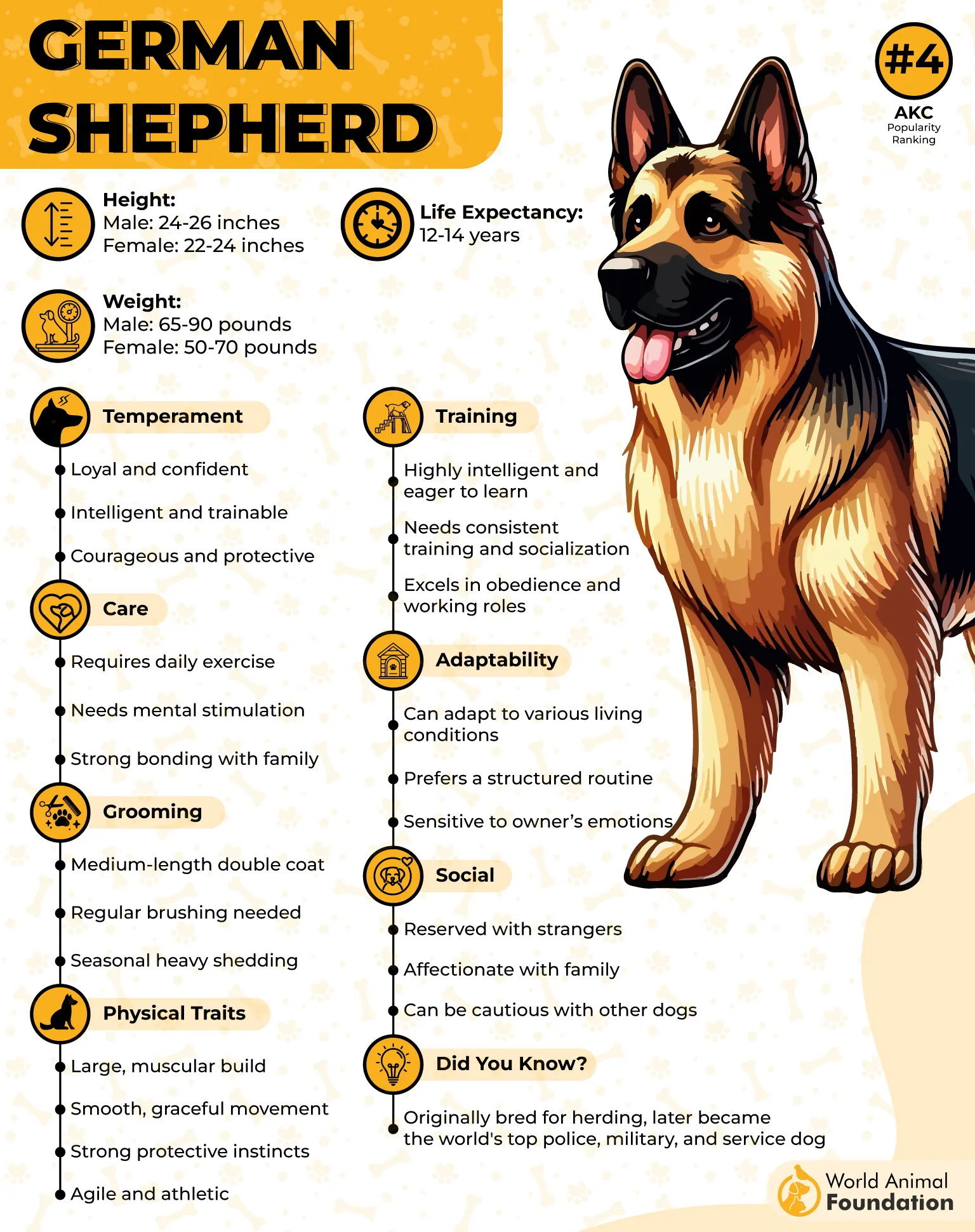
German Shepherds are famously territorial and protective, yet they keep a balanced temperament that favors watchfulness over outright aggression. This is a breed built to patrol with purpose, not bark at every passing shadow.
Trainability: Ranks among the easiest large dogs to teach complex night routines.
Stamina: Built for rough terrain and long stretches without losing focus.
Deterrent: Confident bark and imposing frame stop most threats before contact.
German Shepherds have served in military and police canine programs for over a century, often working alongside handlers in roles few other breeds can match. Some even trained for Navy SEAL operations, proving their nerve under real pressure. That reputation did not happen by accident.
3. Akita
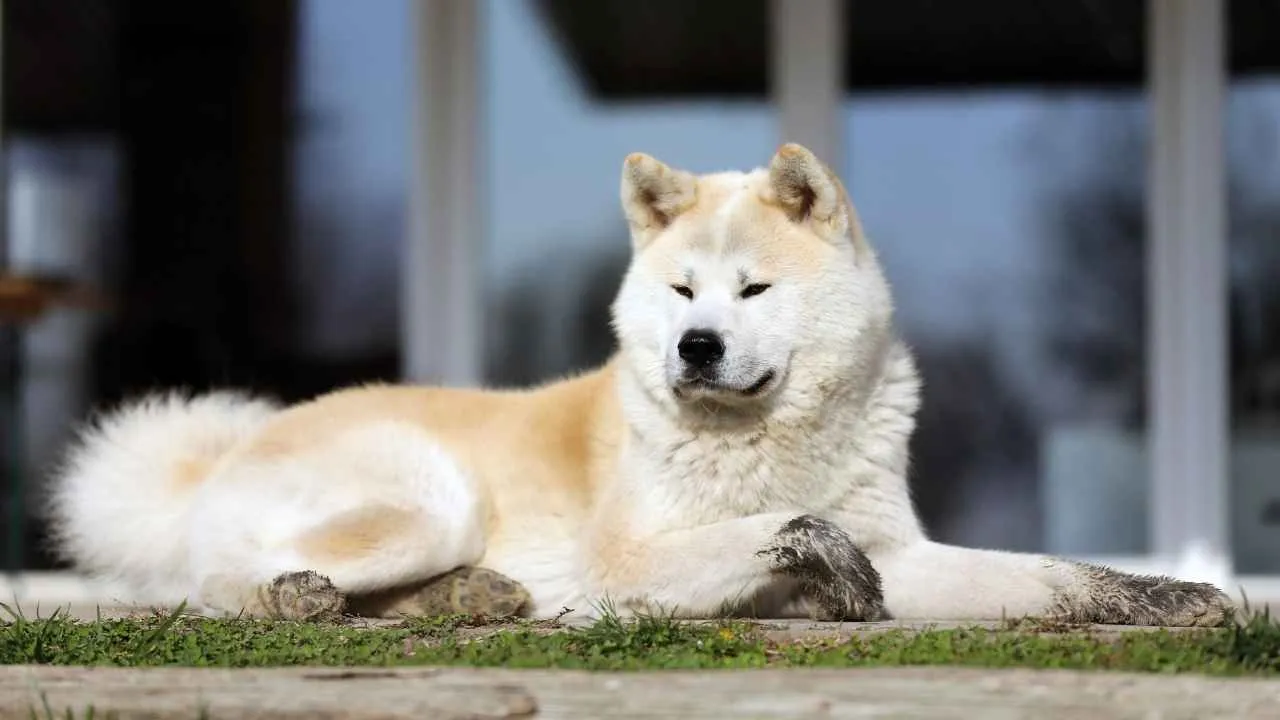
Akitas have a dense coat and broad head, but it is their alertness, not their eyesight, that defines night guarding. Originally bred in the mountains of Japan to guard property in rough terrain and low light conditions, the breed relies on sharp hearing and a cautious nature to sense trouble first, as per PetMD.
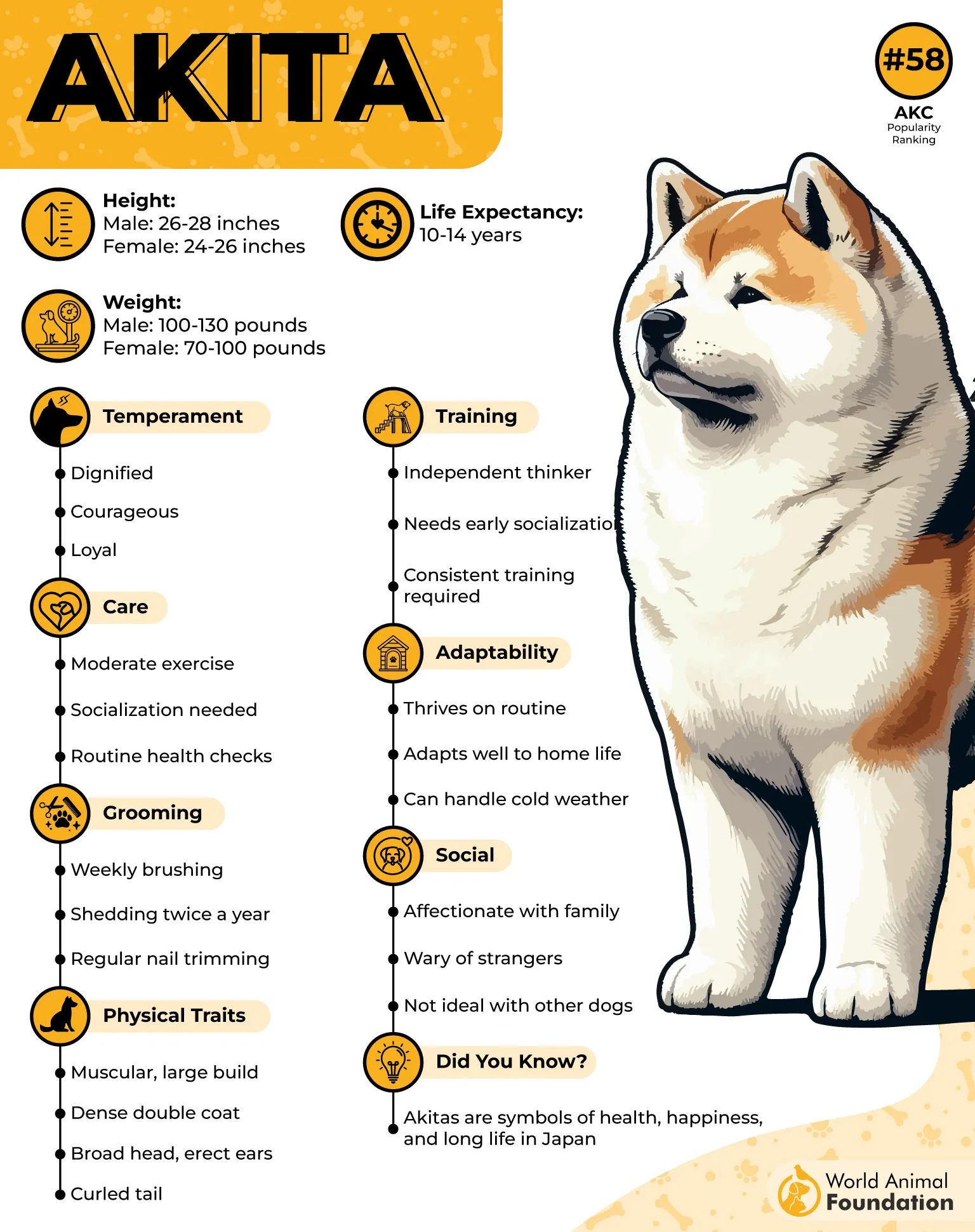
An Akita’s protective instinct runs deep and often extends only to its own family, making strangers earn trust slowly. This is not a dog that warms up fast to a new dog or new face on the property.
Trainability: Independent-minded, needs an experienced handler for night duty.
Stamina: Thick coat and solid build handle long hours in cold weather conditions.
Deterrent: Large size and silent stare unsettle intruders without a single bark.
In Japan, Akitas were once reserved for royalty and used to guard homes overnight. Hachiko, the most famous Akita in history, waited at a train station for years, showing just how loyal this breed can be. That same loyalty is what makes them such devoted guardians today.
4. Cane Corso
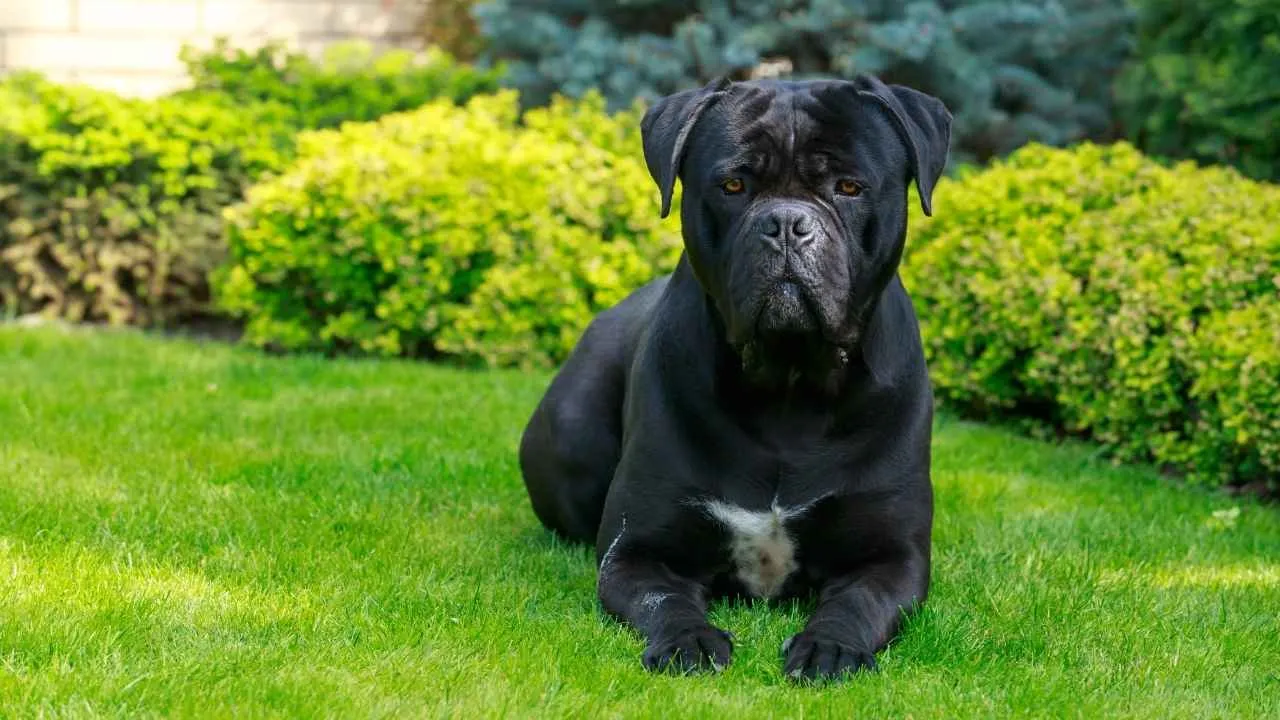
Cane Corsos have dark, deep-set eyes that handle shifting light well, a holdover from their days as Italian estate guardians. Their real strength after dark comes from a nose built for tracking and ears that catch the smallest sound.
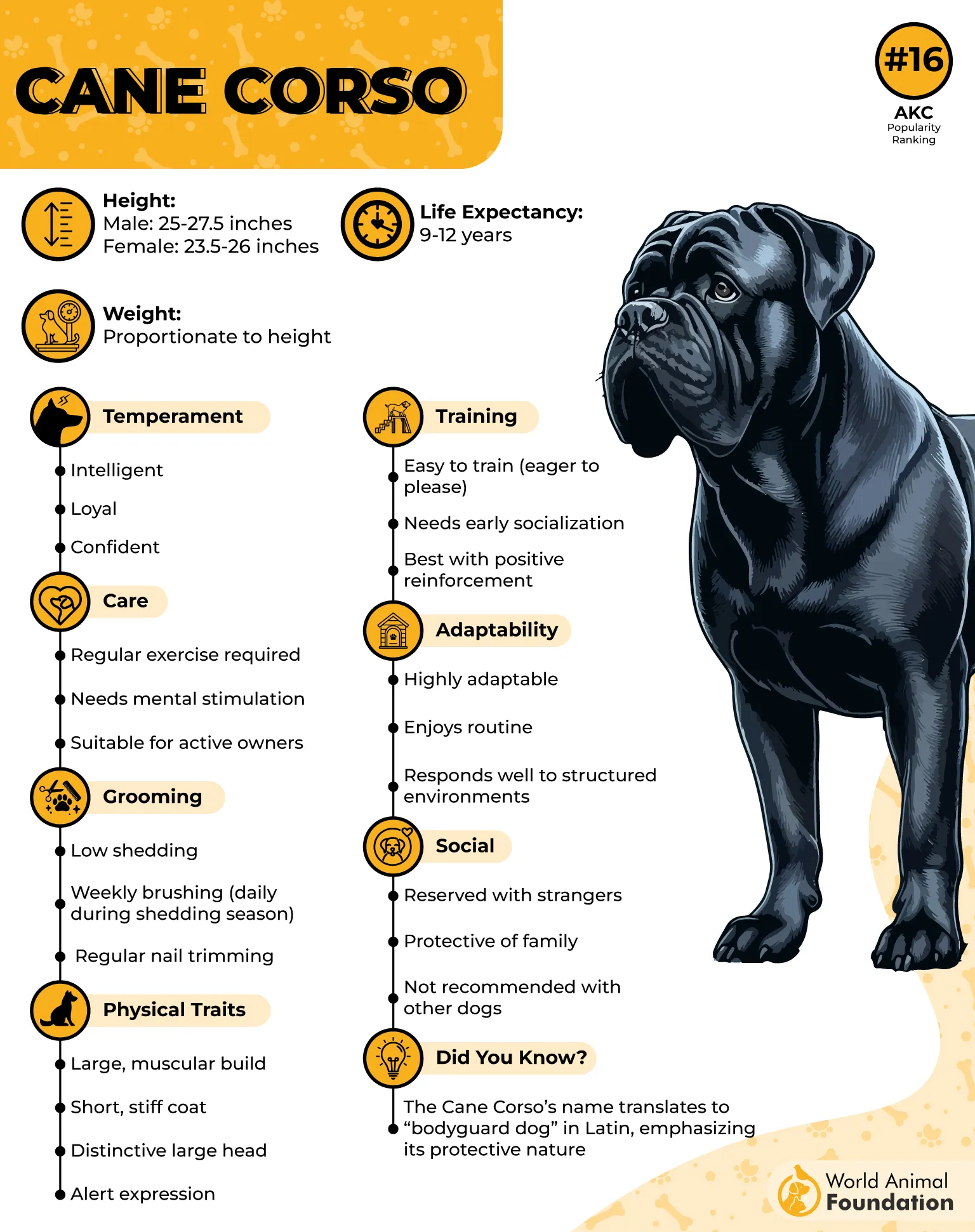
Cane Corsos carry a serious protective instinct and claim territory with total confidence, though a well-socialized one stays calm rather than aggressive. Early training shapes how this large size behaves around strangers.
Trainability: Responds best to firm, consistent obedience work from a young age.
Stamina: Powerful build holds focus through an entire overnight shift.
Deterrent: Sheer physical presence alone often ends a standoff early.
Roman soldiers once used ancestors of the Cane Corso in battle, a far cry from the family protector seen today. The name itself comes from the Latin word for guardian. That history still shows in how seriously this breed takes its job.
5. Great Pyrenees
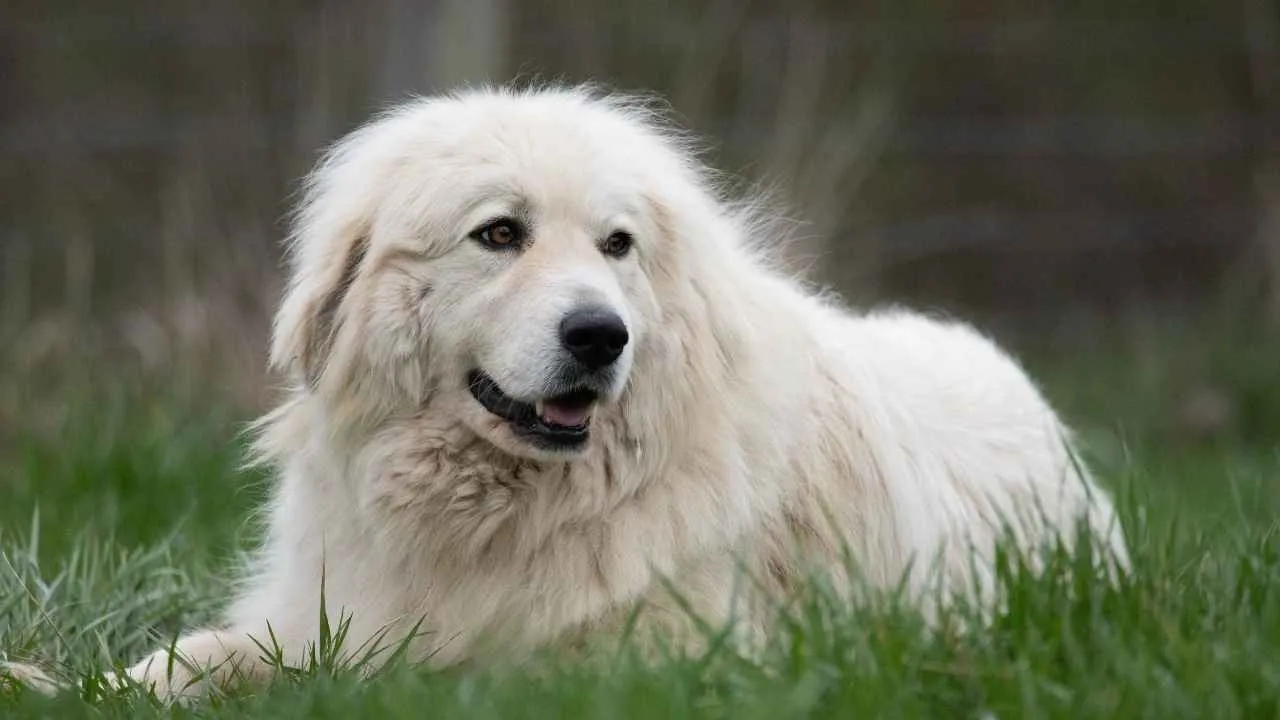
Great Pyrenees dogs were bred to work overnight in the mountains, staying awake while flocks slept and relying on hearing and smell to catch predators approaching in the dark. Their pale double coat also helps them blend into moonlit, snowy terrain, making them harder for threats to spot first.
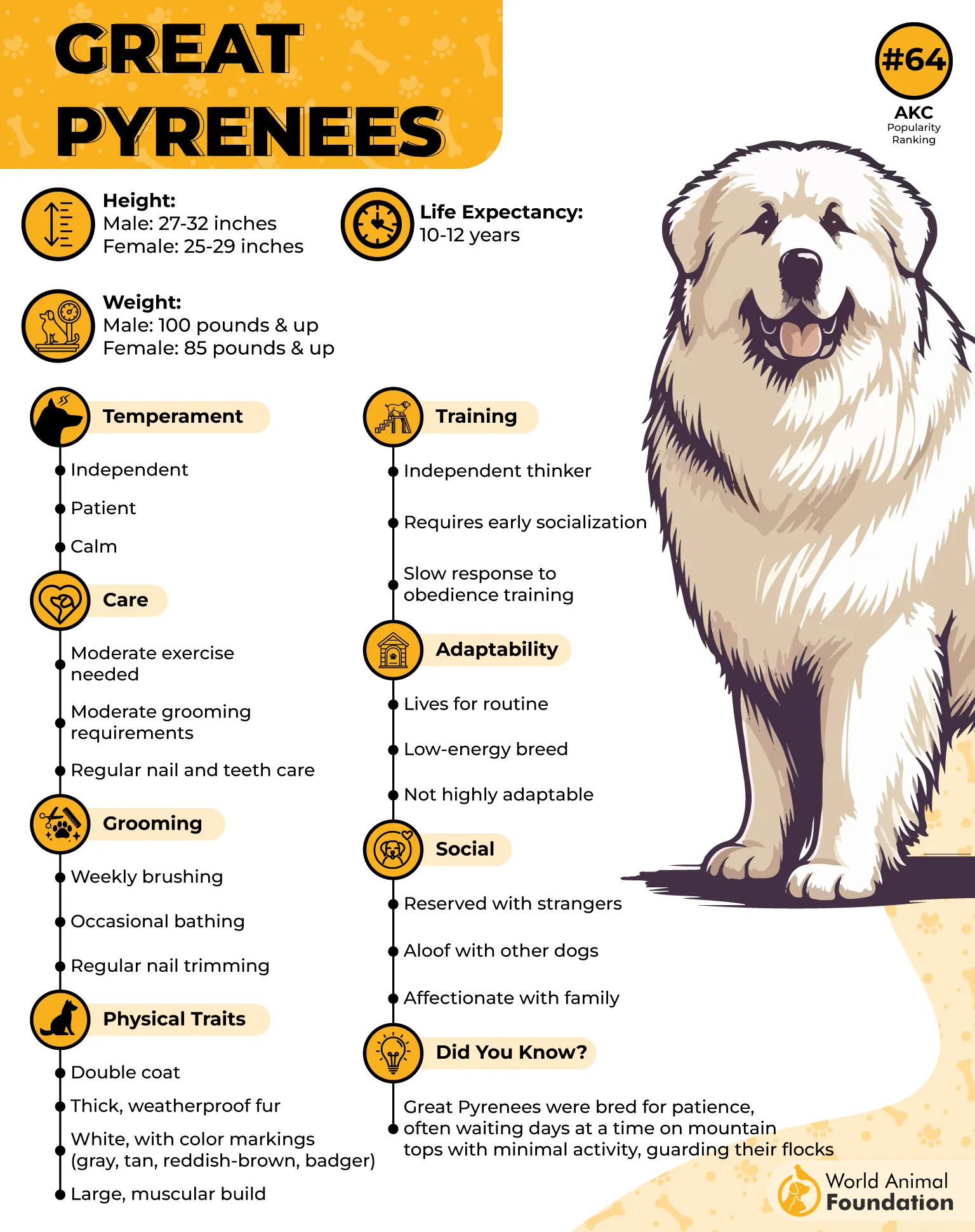
This breed’s protective instinct is calm and steady rather than sharp or reactive, watching the yard quietly until something actually needs attention. Great Pyrenees dogs rarely bark without good reason.
Trainability: Independent by nature, slower to pick up structured commands than other breeds.
Stamina: Built to stay alert outdoors through cold nights for hours on end.
Deterrent: Large size and deep bark carry across open land easily.
For centuries, these dogs worked unsupervised overnight in the Pyrenees Mountains, making their own calls about real threats versus nothing at all. French shepherds trusted them so completely that entire flocks were left in their care. That independence still shapes the breed today.
6. Tibetan Mastiff
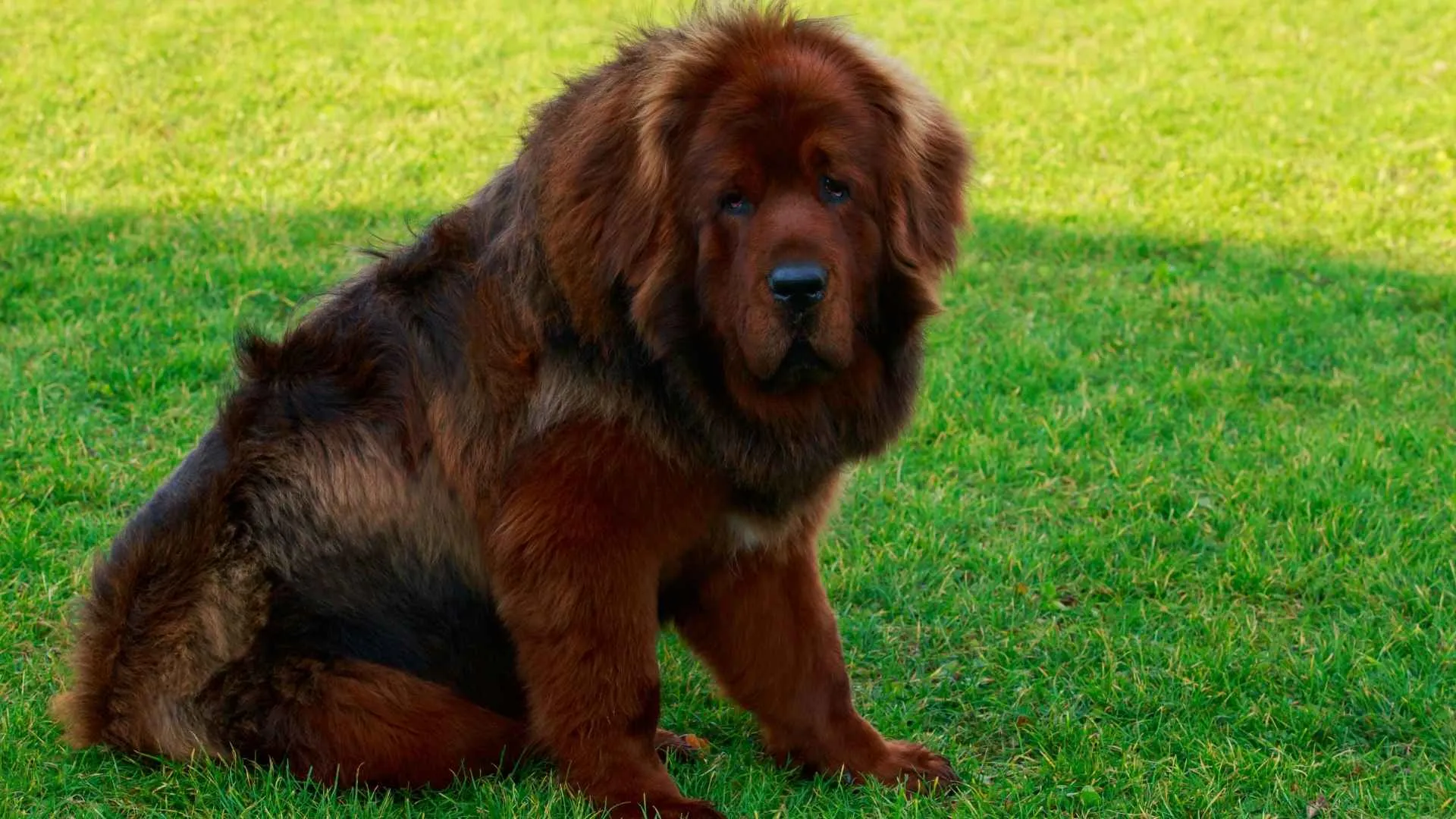
Tibetan Mastiffs were originally bred to guard Himalayan villages through the night, often sleeping through the day and patrolling once darkness fell. Their biggest advantage is not their eyesight but a deep bark and sharp sense of smell that carries far in thin mountain air.
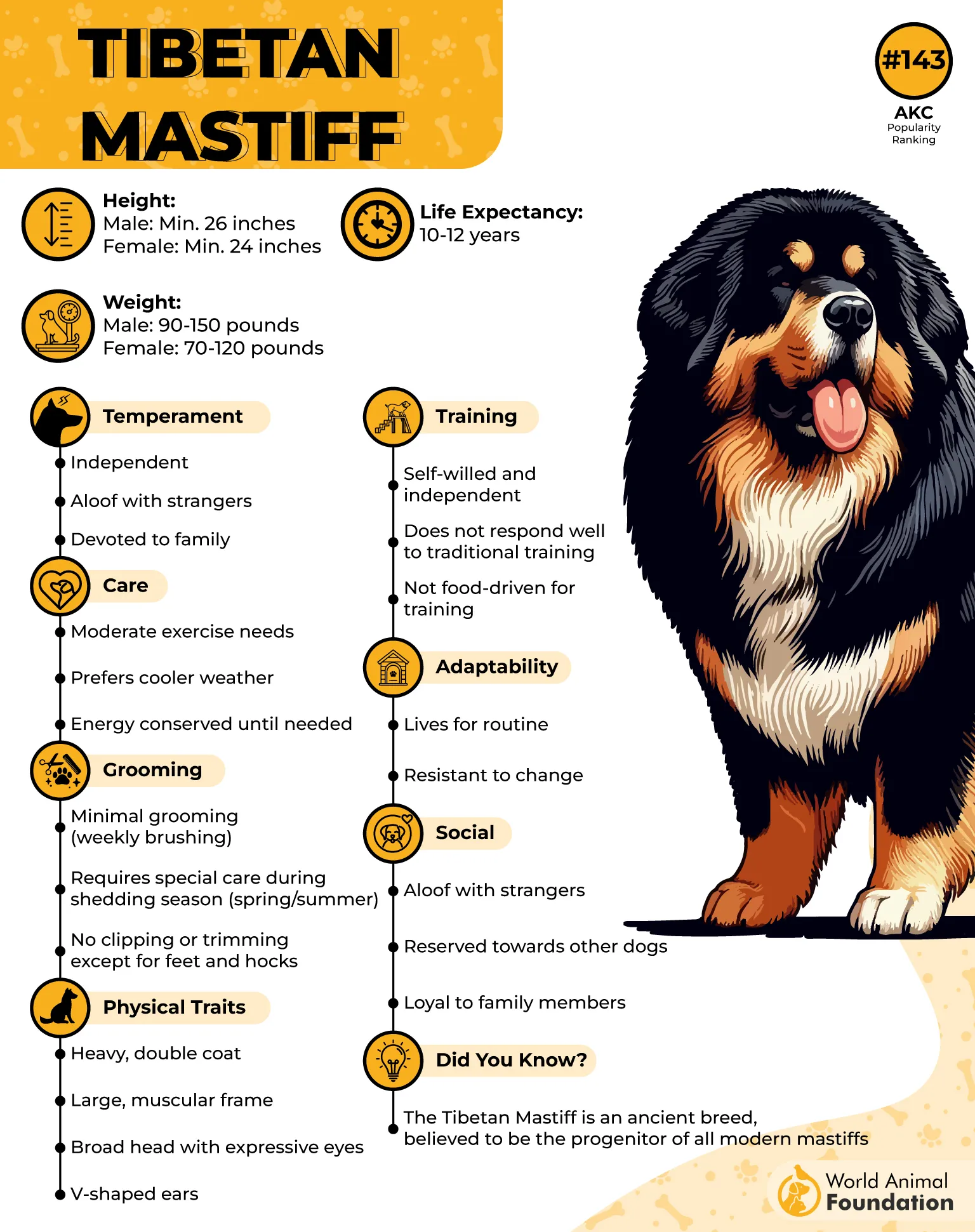
Tibetan Mastiffs are territorial by instinct and take their time warming up to a new dog or human face, which makes them naturally cautious rather than quick to attack. Protecting the home comes before anything else to this breed.
Trainability: Strong-willed, needs patient and experienced handlers for night routines.
Stamina: Thick double coat supports long overnight shifts in harsh weather conditions.
Deterrent: Sheer size and booming bark often end a threat before it starts.
In Tibet, these dogs once guarded entire monasteries and villages overnight while people slept soundly inside. Marco Polo reportedly wrote about their size and ferocity during his travels. That reputation for fearless night duty has followed the breed for centuries.
7. Bullmastiff
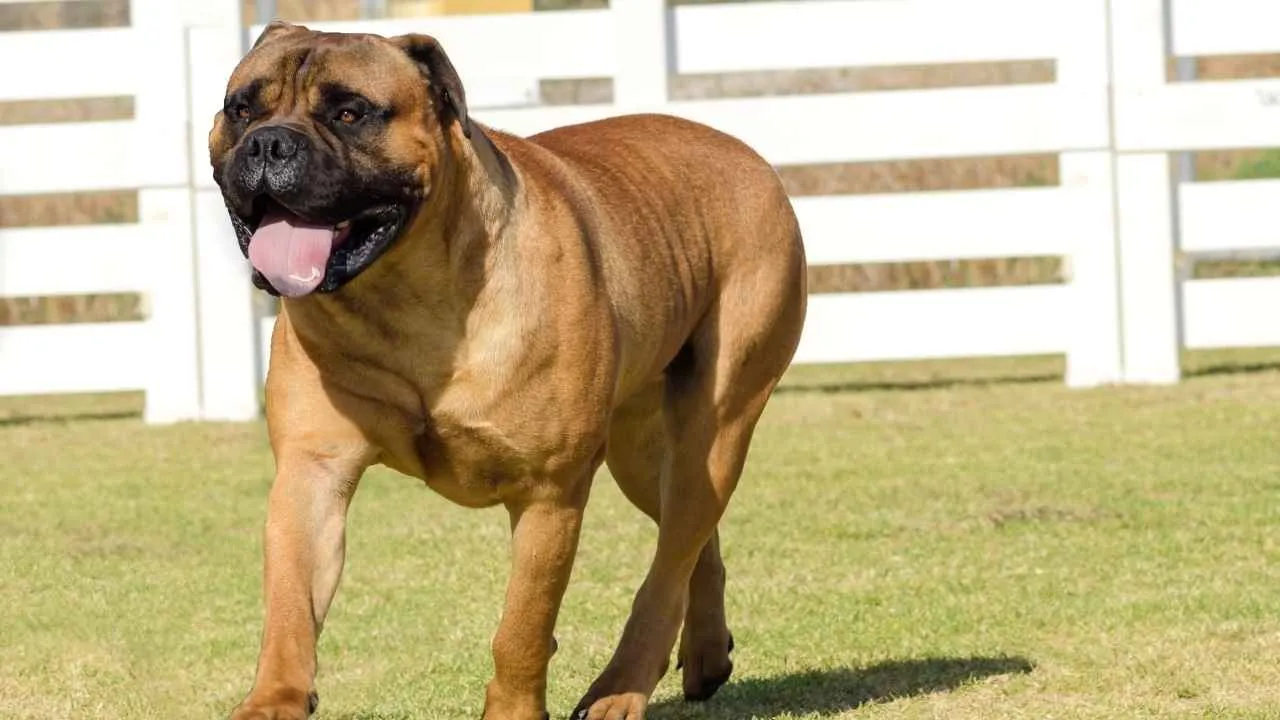
Bullmastiffs were bred specifically for night work, originally used by gamekeepers to catch poachers under cover of darkness. Their dark coat helped them stay hidden, but it was a powerful nose and quiet, deliberate movement that made them so effective, notes Orvis.
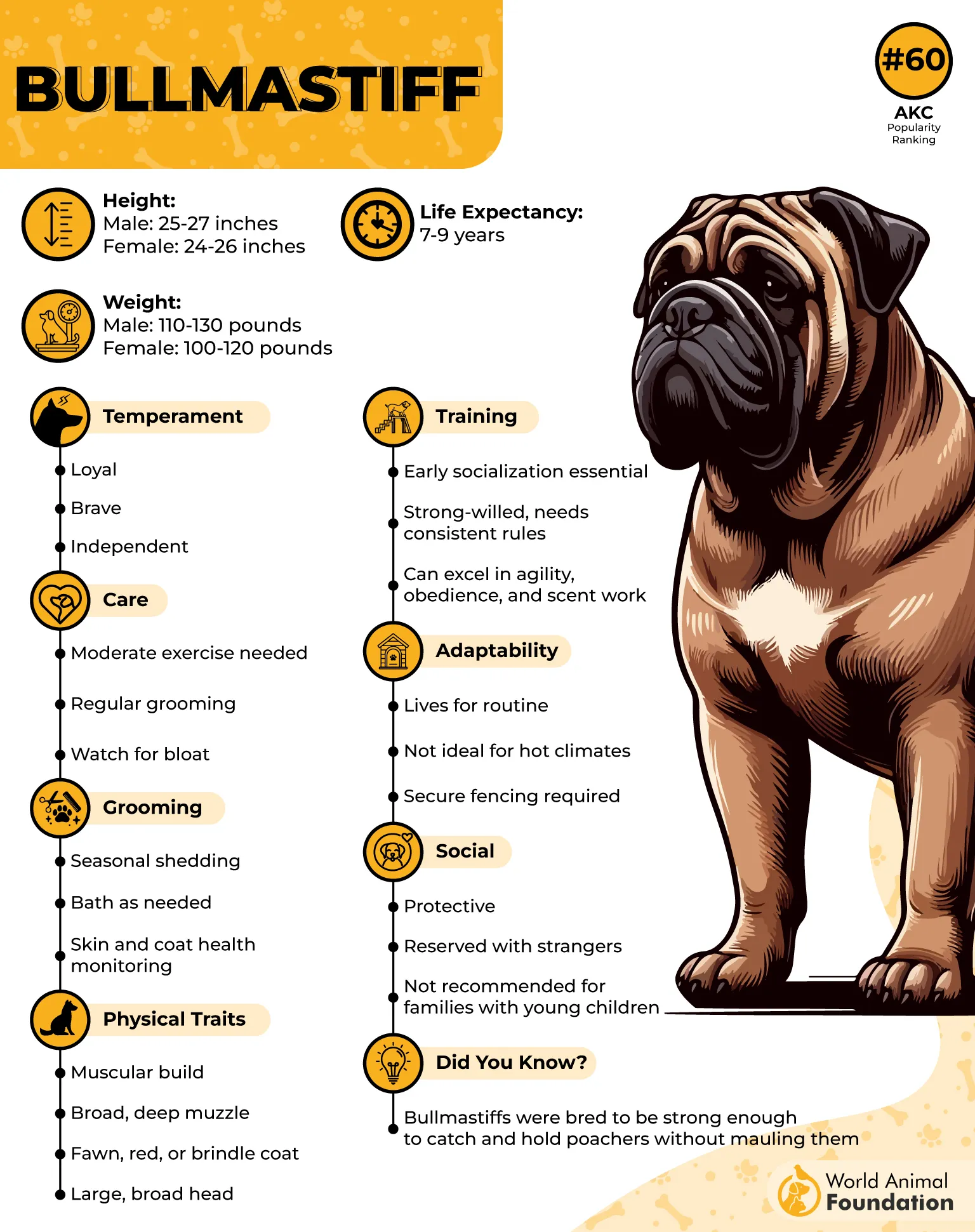
This breed’s protective instinct shows up as calm watchfulness rather than constant barking, stepping in only when a real threat appears. Bullmastiffs were built to pin, not bite, keeping confrontations controlled.
Trainability: Steady and food-motivated, making night routines easier to teach.
Stamina: Muscular frame holds focus through long, quiet overnight shifts.
Deterrent: Massive size alone is often enough to end a standoff.
Gamekeepers once called this breed the Gamekeeper’s Night Dog for its original job tracking poachers after dark. It was bred by crossing Mastiffs with Bulldogs for speed and power in equal measure. That same quiet confidence makes it a great dog for guarding today.
Conclusion
The short answer is that no dog truly sees in the dark better than humans do, but these seven breeds make up for it with ears, noses, and instincts built for exactly this job. Pick one that matches your house, your yard, and your family’s individual temperament, and you’ll have a guardian that earns its keep after sundown.
Final thoughts aside, the real work starts once you bring one home. Talk to a trusted breeder or rescue, decide what your property actually needs, and start training early to raise a confident, reliable protector for years to come.
