




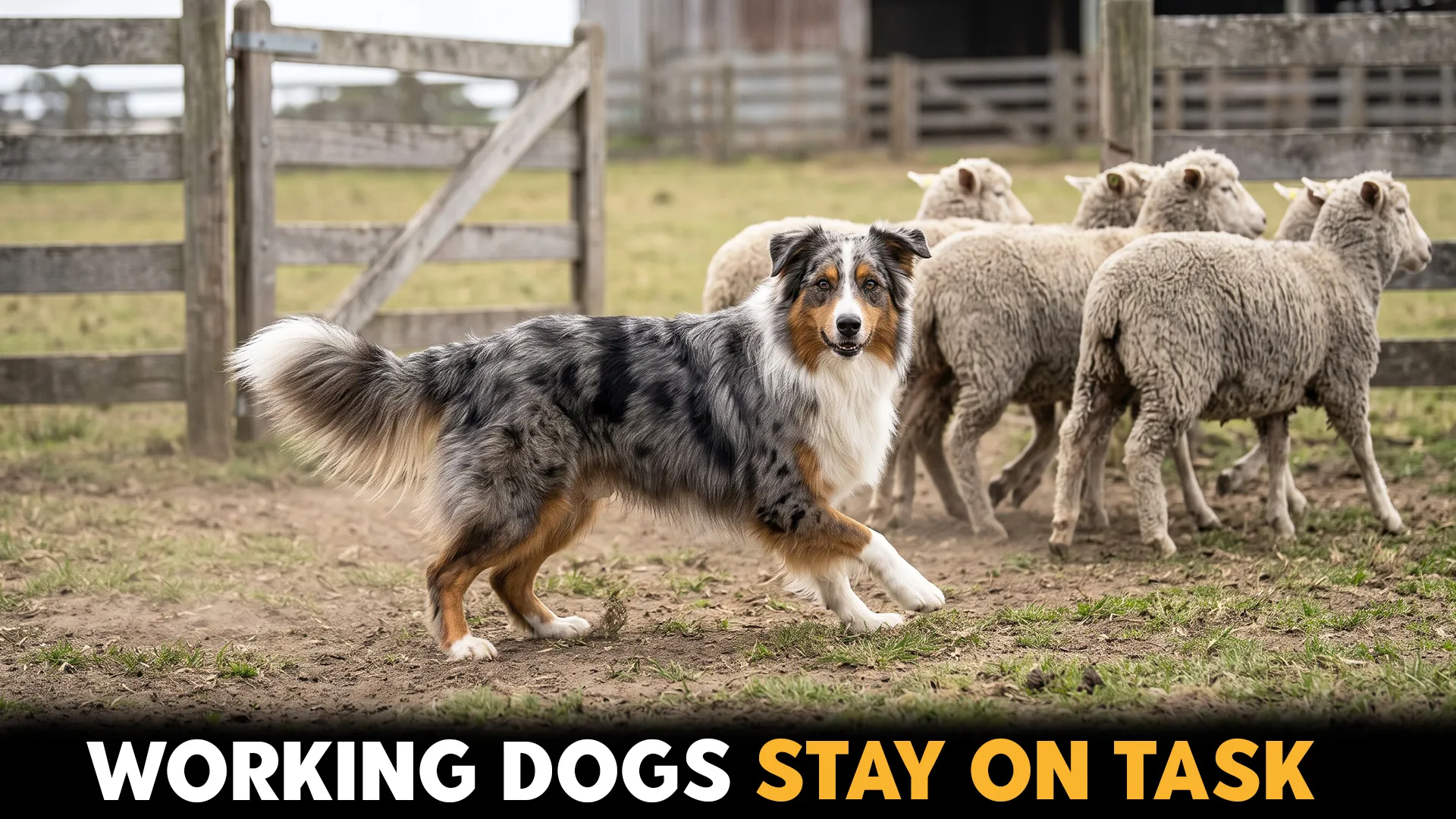
Some dogs don’t just enjoy chasing things; they’re born with an incredible instinct to gather, move, and manage livestock, sometimes with nothing more than a calculated stare or a perfectly timed movement.
But here’s what makes herding dogs genuinely fascinating: they don’t all work the same way. Some use intense eye contact to influence sheep, others control stubborn cattle by working near their heels, and a few rely on energetic movement or strategic positioning to keep entire groups together.
These behaviors developed through generations of selective breeding, turning natural canine stalking and chasing into more controlled working abilities.
A 2025 genomic study of 551 dogs and 33 wolves identified genetic patterns linked to the behavioral specialization of herding breeds, offering scientific insight into how these remarkable working instincts developed.
Let’s meet seven extraordinary dog breeds whose herding skills prove that working smarter, not just harder, is sometimes the ultimate farm-life flex.
Dog Breeds with Strong Livestock-Herding Instincts
1. Border Collie
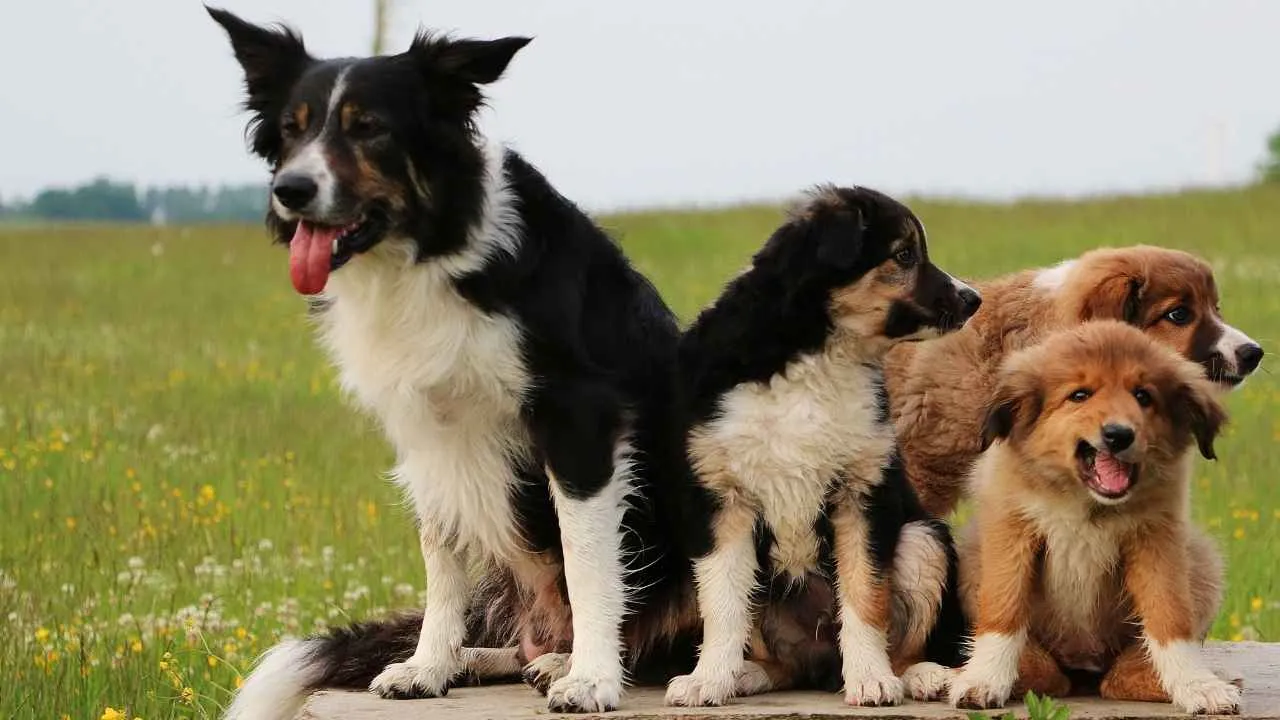
Developed along the border between Scotland and England, the Border Collie is an exceptionally intelligent breed that became famous for managing sheep across vast, challenging grazing areas.
Its signature herding technique is known as the eye, an intense, focused stare used to influence livestock movement without unnecessary physical contact. This working Collie dog may lower its body into a crouch, approach quietly, and maintain visual pressure that encourages sheep to move away from its position.
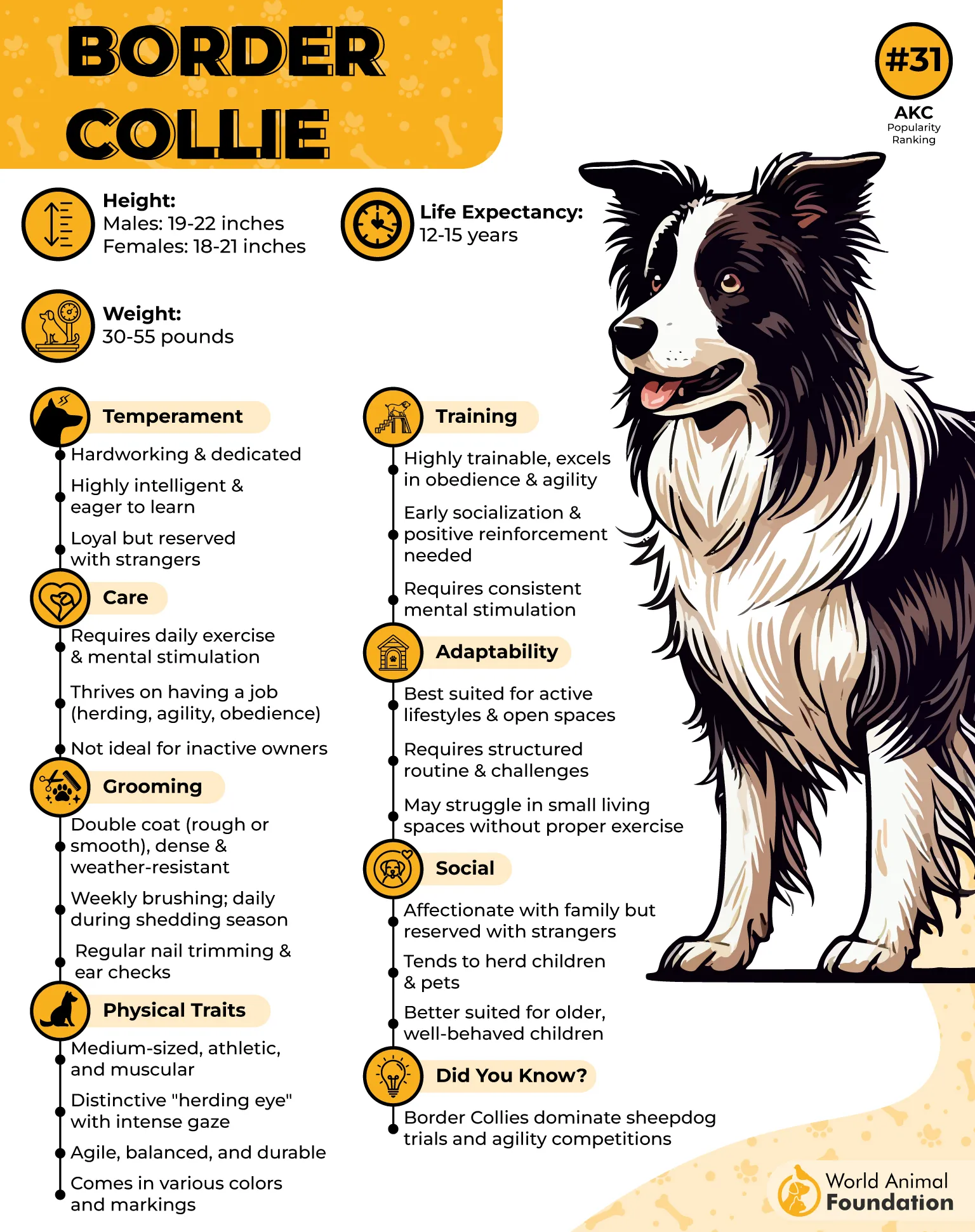
This herding dog breed is extraordinary because it can respond to whistles, hand signals, and directional commands while also assessing livestock behavior. Skilled handlers use movements called outruns to send dogs around a flock, followed by a controlled lift that gets the animals moving and a fetch that brings them toward the handler.
One of the best herding dog breeds out there, these dogs also excel at adapting when sheep scatter, resist movement, or encounter obstacles in unfamiliar terrain. Their ability to change direction quickly, maintain appropriate distance, and respond to small shifts in flock behavior makes them especially effective for delicate livestock management.
2. Australian Cattle Dog
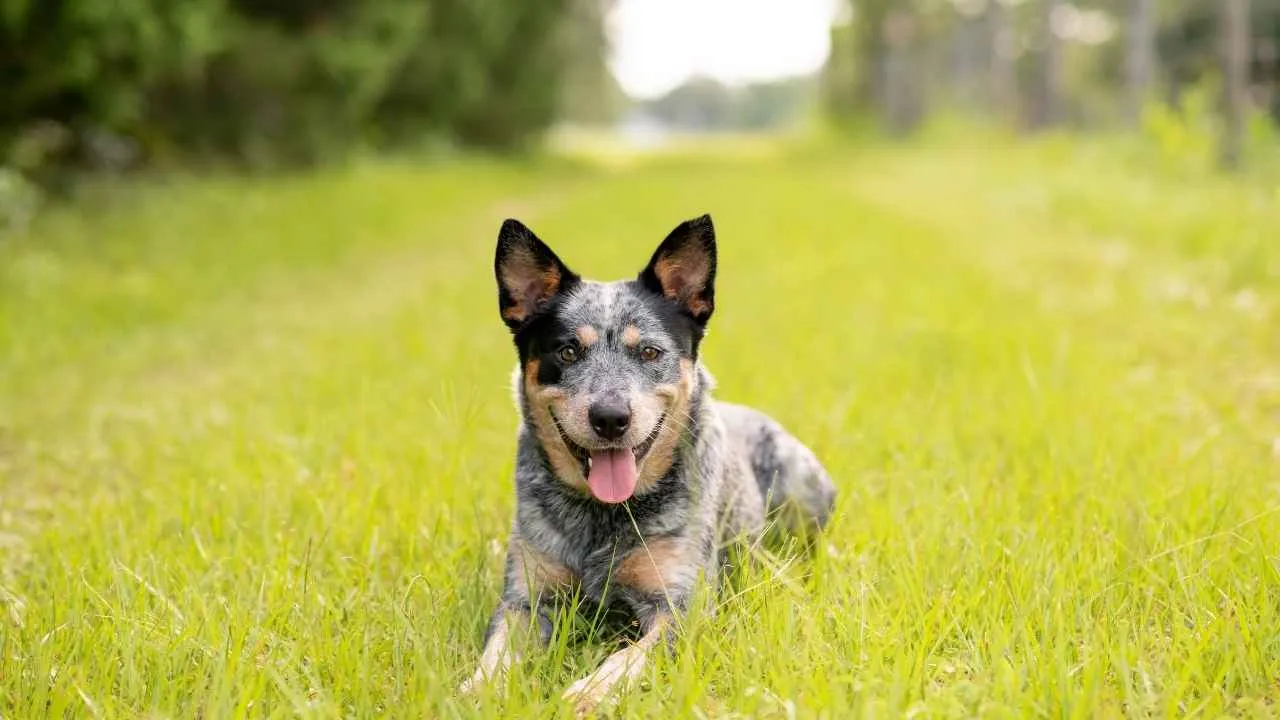
The Australian Cattle Dog is the fearless ranch employee that never calls in sick, never complains about overtime, and somehow has more energy than everyone else combined. This tough Australian working breed was developed to move cattle across enormous distances in demanding environmental conditions.
Its compact, muscular body, weather-resistant coat, and determined personality reflect generations of selection for stamina, resilience, and practical livestock-handling ability.
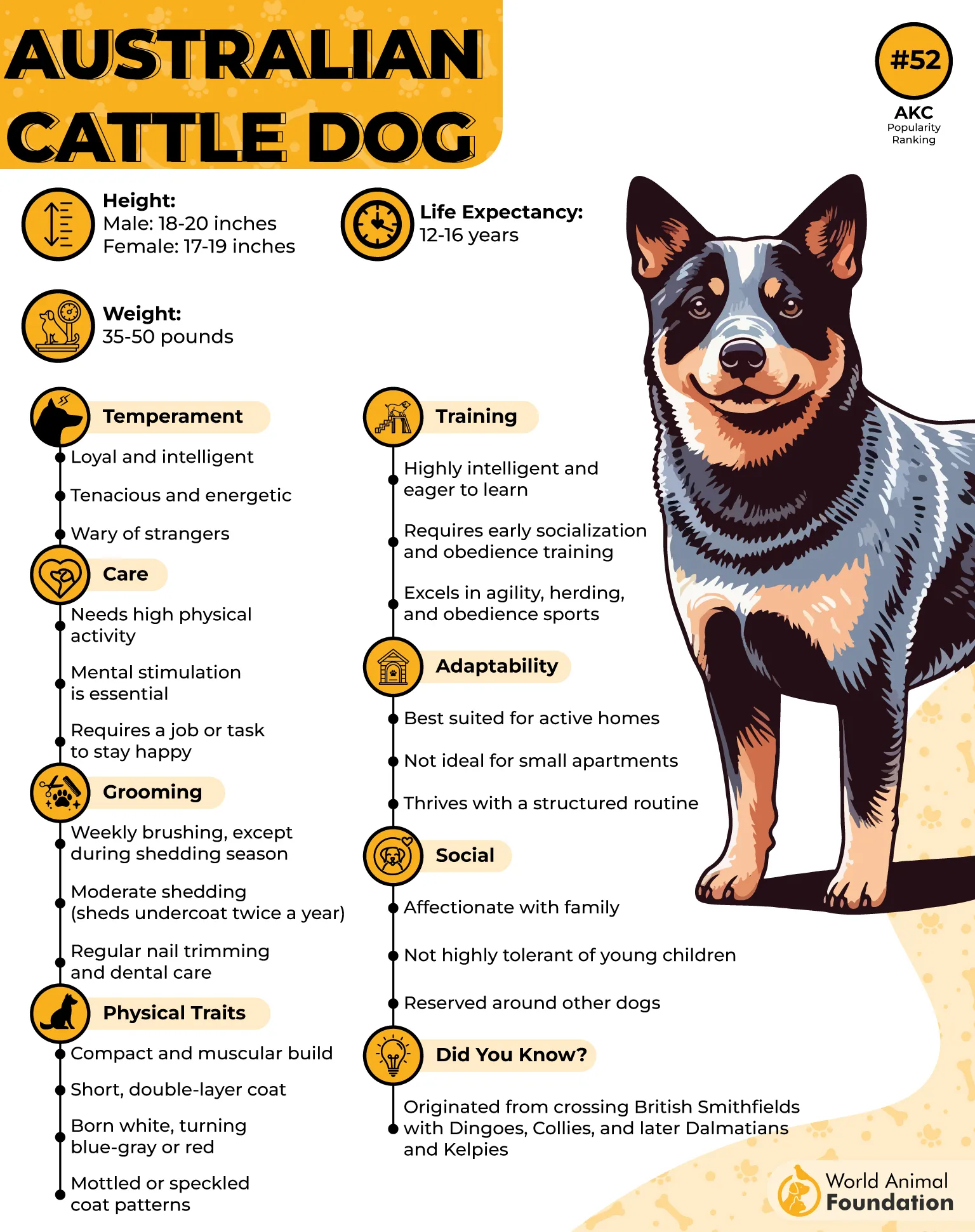
This intelligent dog breed specializes in moving larger, more resistant livestock. Its traditional technique involves approaching cattle from behind and, when necessary, delivering a quick, controlled nip near the heels to encourage forward movement, as noted by Britannica.
This ability to work confidently around large animals helped them become indispensable on sprawling cattle properties. Their development drew on several working-dog influences, including British herding dogs and Australian Dingoes, with breeders selecting individuals able to handle local conditions and challenging cattle.
Living with an Australian Cattle Dog is basically signing up for a lifetime membership in the active lifestyle club. Their strong movement-control instincts can show up as heel-nipping, chasing running children, or obsessively following moving objects when they don’t get appropriate guidance.
3. Australian Kelpie
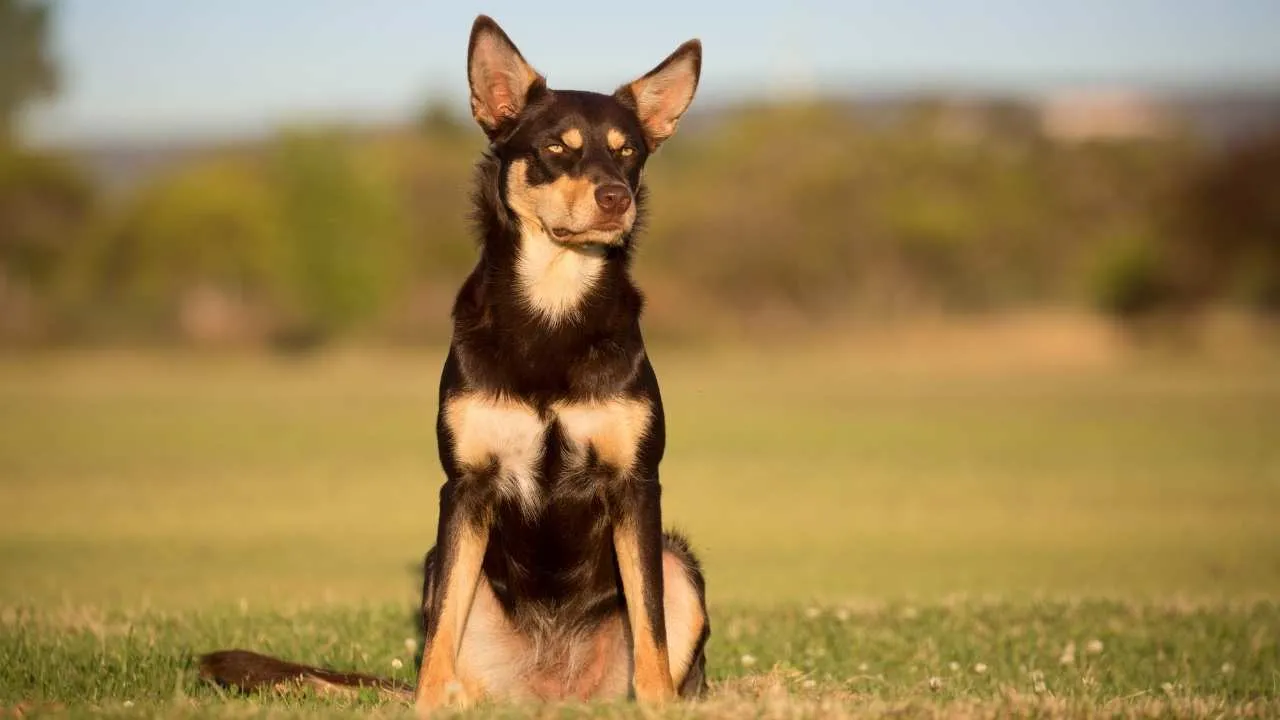
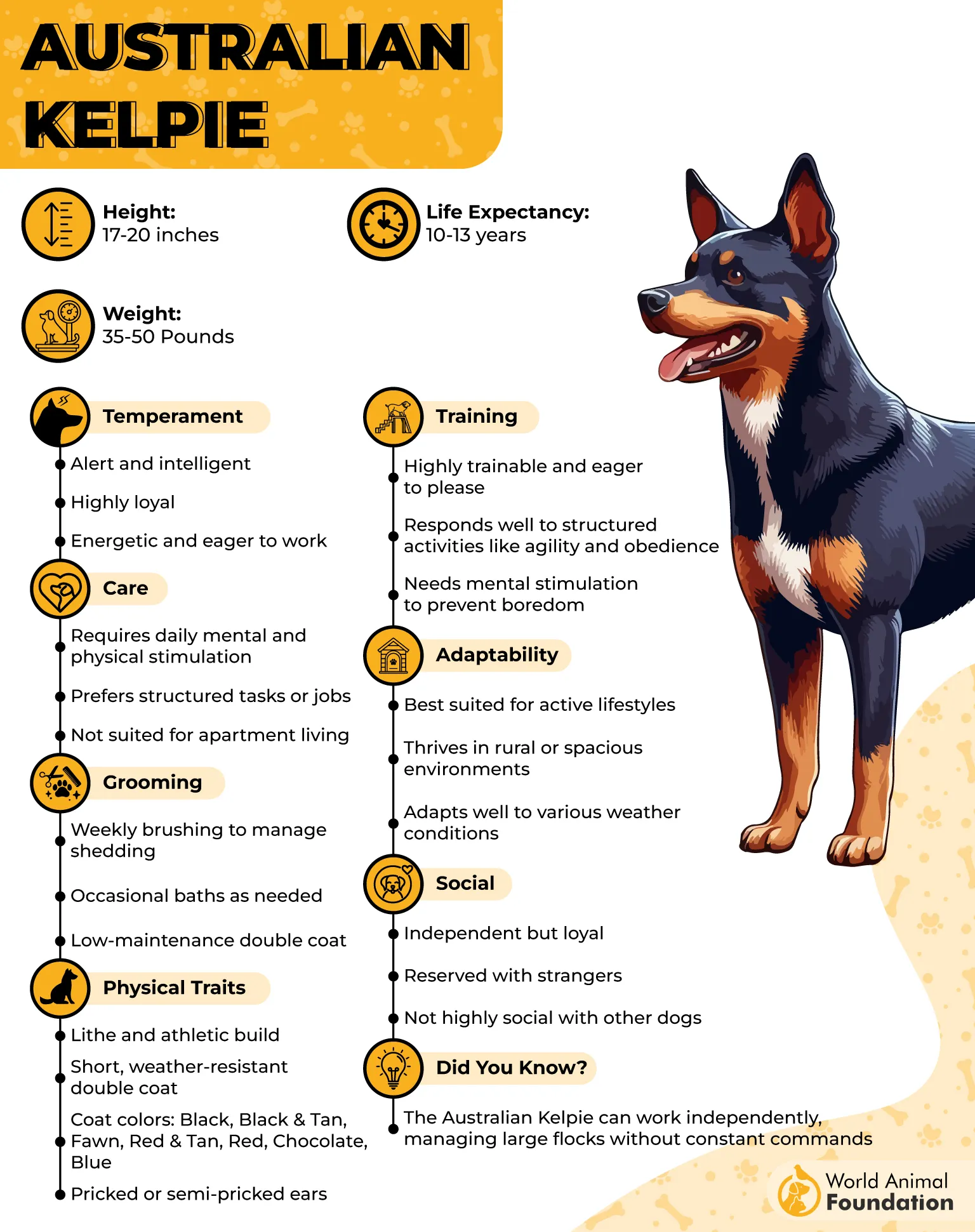
Developed in Australia from British collie-type sheepdogs, this agile breed named Australian Kelpie was shaped by the practical demands of managing livestock across enormous, often hot and dry properties.
What makes the Kelpie particularly fascinating is its flexibility when moving sheep through completely different environments. In open paddocks, an experienced working dog may travel around a flock, gather scattered animals, and guide them toward a designated location with minimal handler direction.
One of the breed’s most impressive working behaviors is called backing, which involves moving across the backs of tightly packed sheep under suitable circumstances. This unusual technique can help a trained Kelpie reach the front of a crowded group when movement through a confined yard becomes difficult.
Kelpies also read livestock movement quickly, helping them recognize when animals drift away from the intended direction. A skilled dog may change its position, circle toward an opening, or briefly pause to encourage sheep to move without scattering.
4. Australian Shepherd
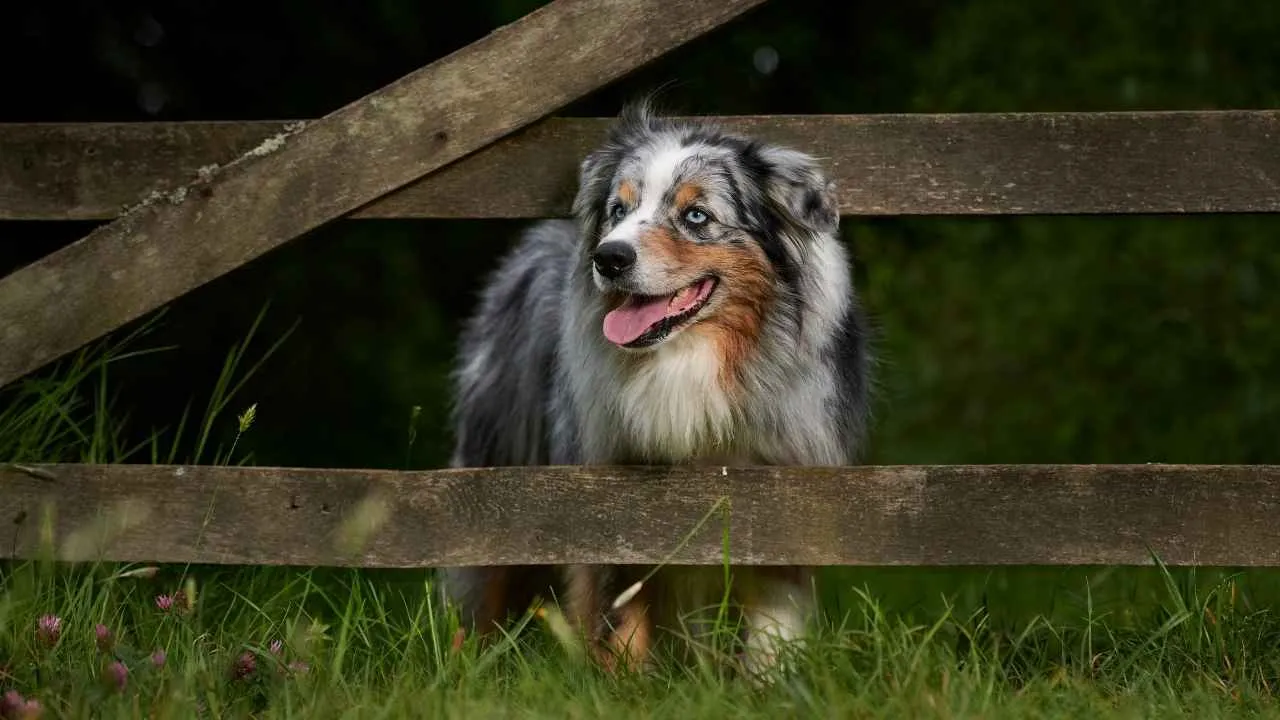
Commonly called the Aussie, the Australian Shepherd is a versatile working dog that became closely associated with ranching communities across the western United States.
These high-energy dogs are particularly impressive because they can combine wide-ranging gathering movements with the confidence needed for close livestock work. Rather than relying exclusively on a fixed stare, Purina says that many Aussies use body positioning, movement, and varying degrees of eye contact to influence sheep or cattle.
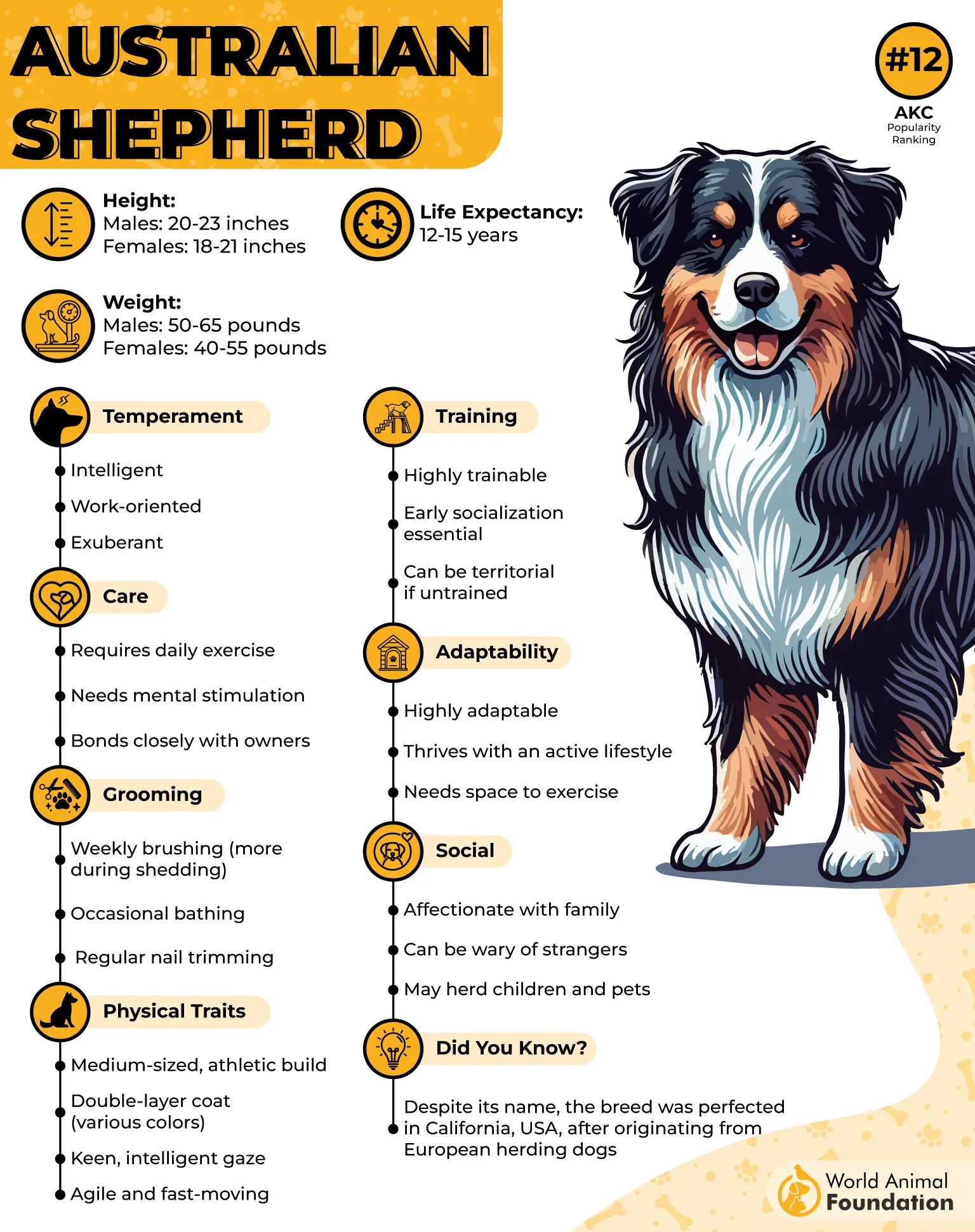
Depending on the individual dog and its training, vocalization and controlled heel pressure may also become part of its working approach when livestock prove difficult to move.
Their traditional ranching responsibilities extended beyond simply keeping sheep together in an open pasture. They have been used to bring livestock through gates, separate selected animals, move groups between grazing areas, and assist with everyday stock-management routines.
Their ability to switch between tasks is especially valuable on mixed farms, where the same dog may encounter animals with very different movement patterns and reactions.
5. Bearded Collie
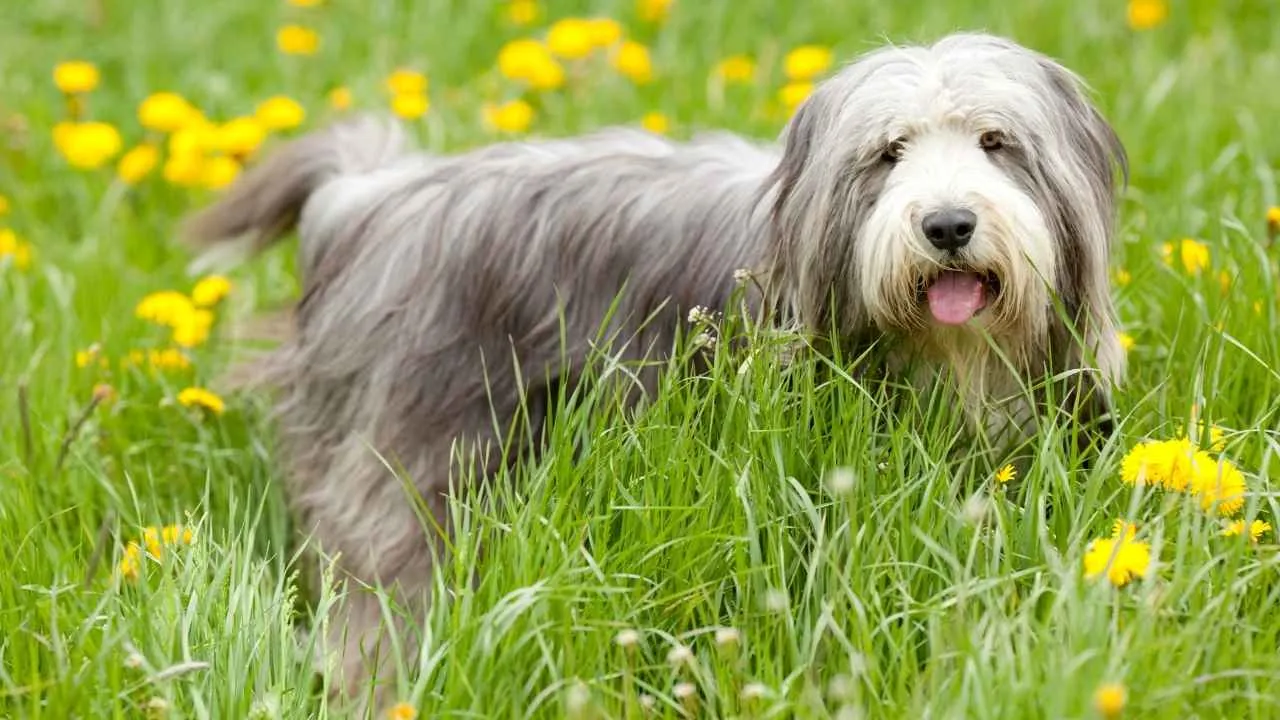
The Bearded Collie looks like a shaggy rock star who accidentally joined a sheep-herding competition and discovered a hidden talent for running the entire farm.
Originating in Scotland, this energetic working breed developed a reputation for managing livestock across rugged hills and unpredictable weather. With its long, flowing coat, powerful legs, and unmistakably cheerful personality, the Beardie proves that looking fabulous and doing serious agricultural work are totally compatible.
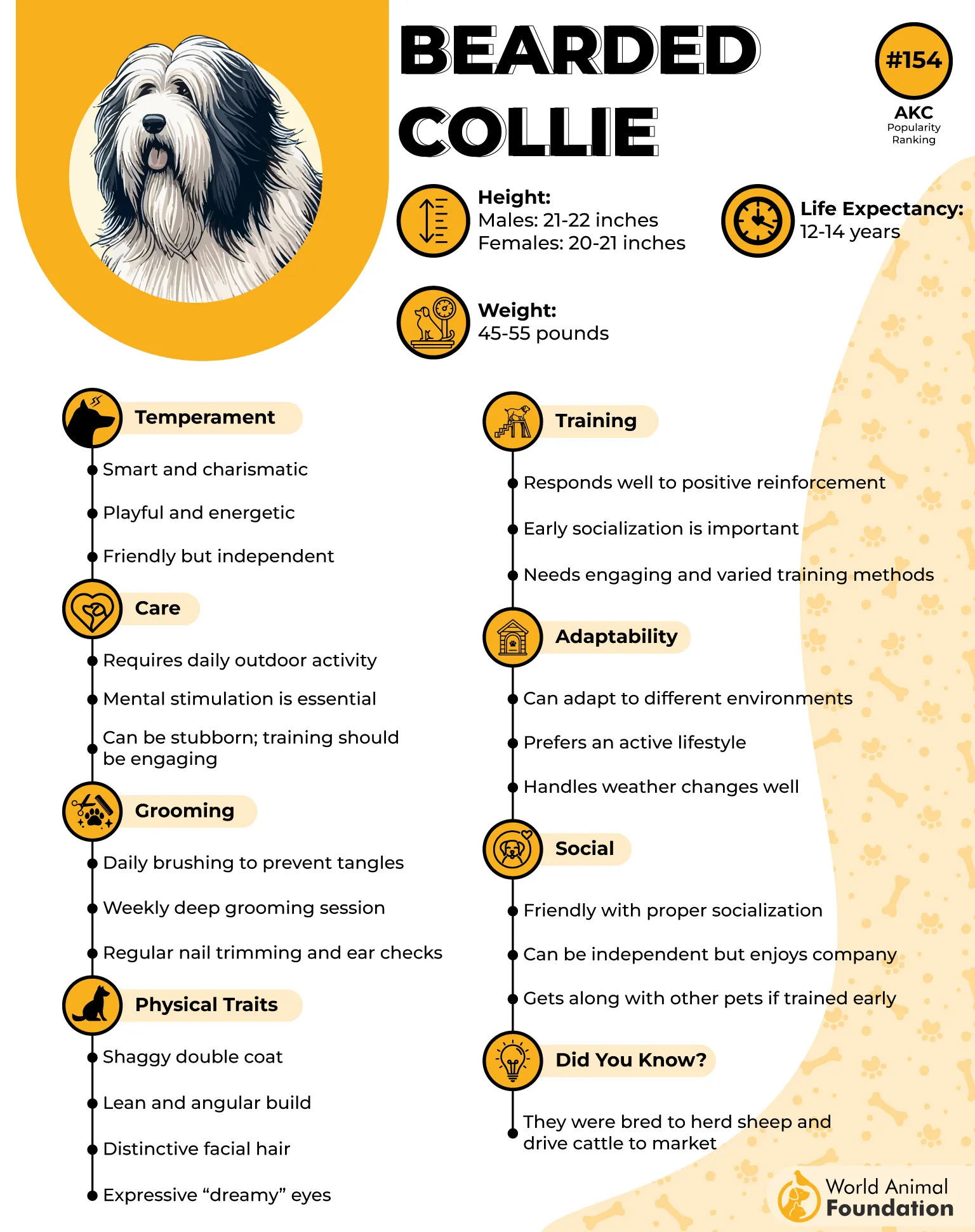
One of the breed’s most recognizable traits is its energetic, upright herding style, which contrasts with the low crouch many Border Collies adopt. They frequently work with animated movement, using their presence and body position to encourage livestock to move in the desired direction.
Historically, these hardworking Scottish dogs, which are also one of the most intelligent dog breeds out there, helped shepherds gather sheep and cattle across difficult Highland landscapes. Their confident approach and natural persistence helped encourage reluctant animals to move through rough terrain or return from distant grazing areas.
6. Shetland Sheepdog

Affectionately known as the Sheltie, this small but energetic breed developed in Scotland’s Shetland Islands, where livestock management demanded agility and quick reactions.
Their traditional herding instincts emphasize alertness, quick movement, and an ability to notice when animals begin drifting away from a desired area. Unlike the Border Collie’s famously intense stare, Shelties often use active positioning and vocal signals to influence movement and communicate excitement or concern.
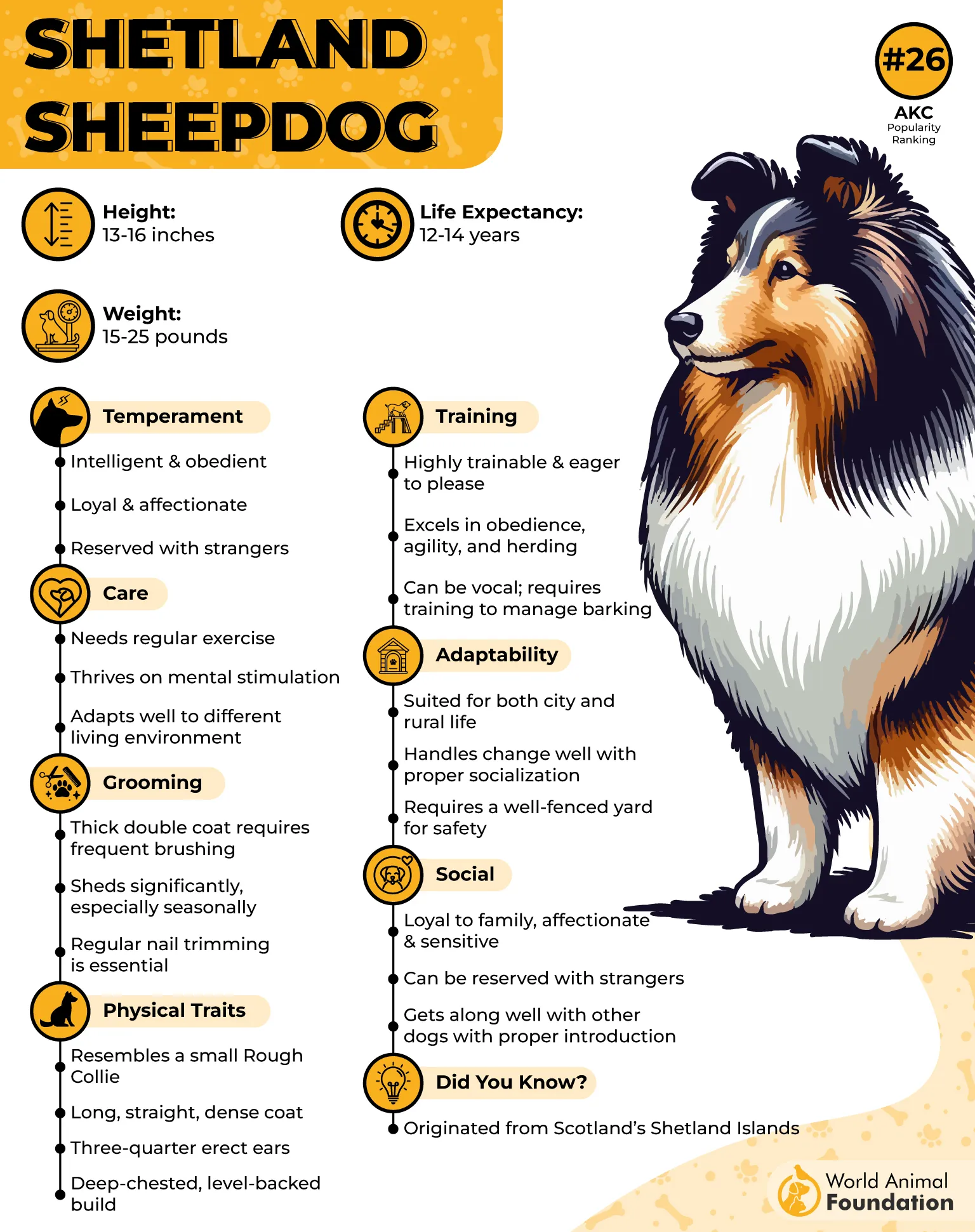
The Sheltie’s small size was particularly useful in the demanding agricultural environment of the Shetland Islands. Farmers needed versatile dogs that could navigate uneven ground, help manage animals, and remain useful without requiring the resources associated with much larger working breeds.
One of the breed’s standout characteristics is its remarkable sensitivity to human signals and changes in the surrounding environment. A well-trained Sheltie can learn complex command sequences and respond enthusiastically to small gestures, making controlled herding exercises especially rewarding.
7. Pembroke Welsh Corgi

The Pembroke Welsh Corgi proves that short legs and enormous confidence can coexist, because this adorable little dog was literally developed to move animals many times its size. Originally bred in Wales, Pembrokes served as versatile farm dogs, helping move cattle, guarding property, and assisting with everyday agricultural tasks.
Their compact bodies, sturdy legs, and alert personalities make them surprisingly capable herders despite the internet’s obsession with their fluffy backsides and adorable waddles.
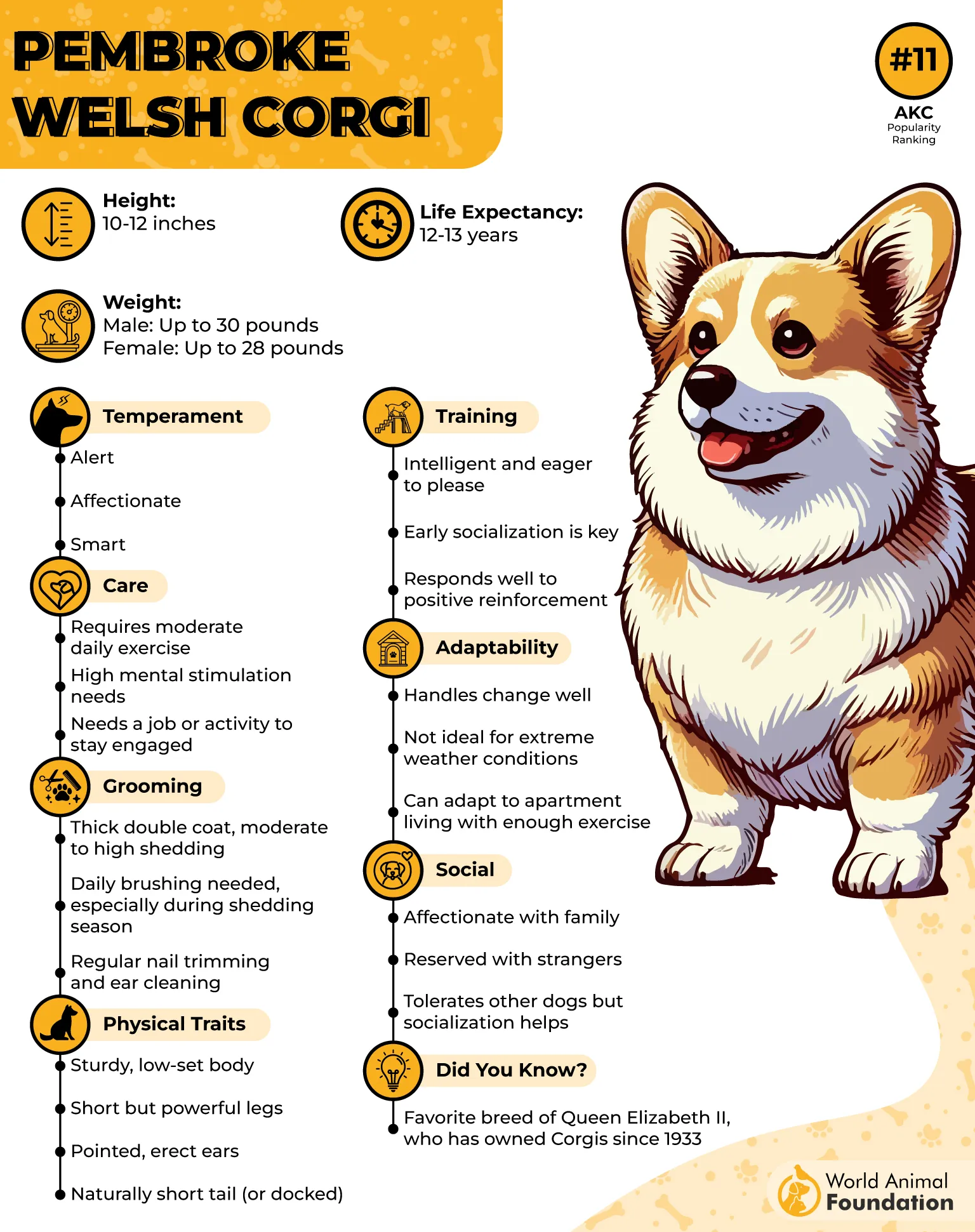
What makes the Pembroke’s herding style especially interesting is its traditional use as a heeler, meaning it moves livestock forward by working behind them. A trained Corgi may approach a cow from the rear, apply controlled pressure near its heels when appropriate, and quickly move away to avoid a defensive kick.
That unusually low body wasn’t just an adorable accident of breeding; it offered practical advantages around large livestock. Corgis could work close to cattle while remaining agile enough to dodge dangerous movements, making their compact build useful on traditional Welsh farms.
Conclusion
From the hypnotic stare of the Border Collie to the fearless heel-working style of the Australian Cattle Dog, these seven breeds demonstrate just how sophisticated canine livestock-herding instincts can be. German Shepherd, Belgian Malinois, and Bouvier Des Flandres are also loyal dogs with strong herding instincts.
What makes these dogs particularly fascinating is the way generations of selective breeding have transformed natural canine behaviors into specialized working skills. Their ability to observe livestock, predict movement, respond to commands, and make independent decisions reflects an extraordinary partnership between dogs and humans.
