




Nobody brings a dog home thinking about goodbye. You’re thinking about the happy chaos, the couch cuddles, and that look they give you when you open a bag of chips. But with some breeds, it helps to know upfront that their time with us may be shorter, especially if they’re very large, very stocky, or have that cute, smooshed-in snout.
This isn’t meant to be heavy. It’s meant to be useful. When you know what to expect, you can make better choices about everyday care, notice “something’s off” moments sooner, and focus on keeping your dog comfortable and happy for as long as possible.
Coming up, we’ll look at some amazing breeds that tend to have shorter lifespans, how to set kind, realistic expectations, and simple ways to make each day count without living in your head about it.
Fun Fact
Dogs are ridiculously good at learning human routines. Some will start hovering near the door before you even touch your shoes, because they’ve linked tiny clues, like you closing your laptop or grabbing a specific hoodie, to “we’re going somewhere.”
Dog Breeds with Shorter Lives: What to Expect
1. Bernese Mountain Dog
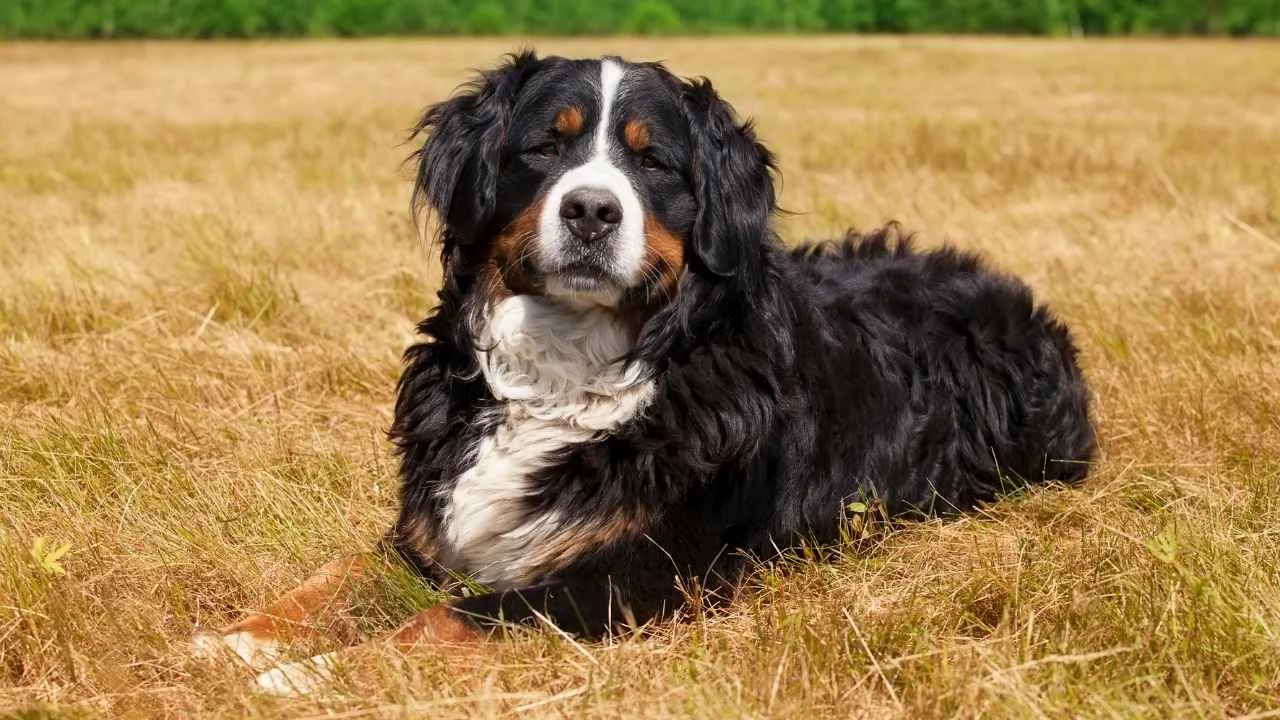
The Bernese Mountain Dog is at its best when the air is crisp. They do well in cool weather, and in hot areas, they may need regular trimming to stay comfortable. Hot climates are generally a poor match for this breed.
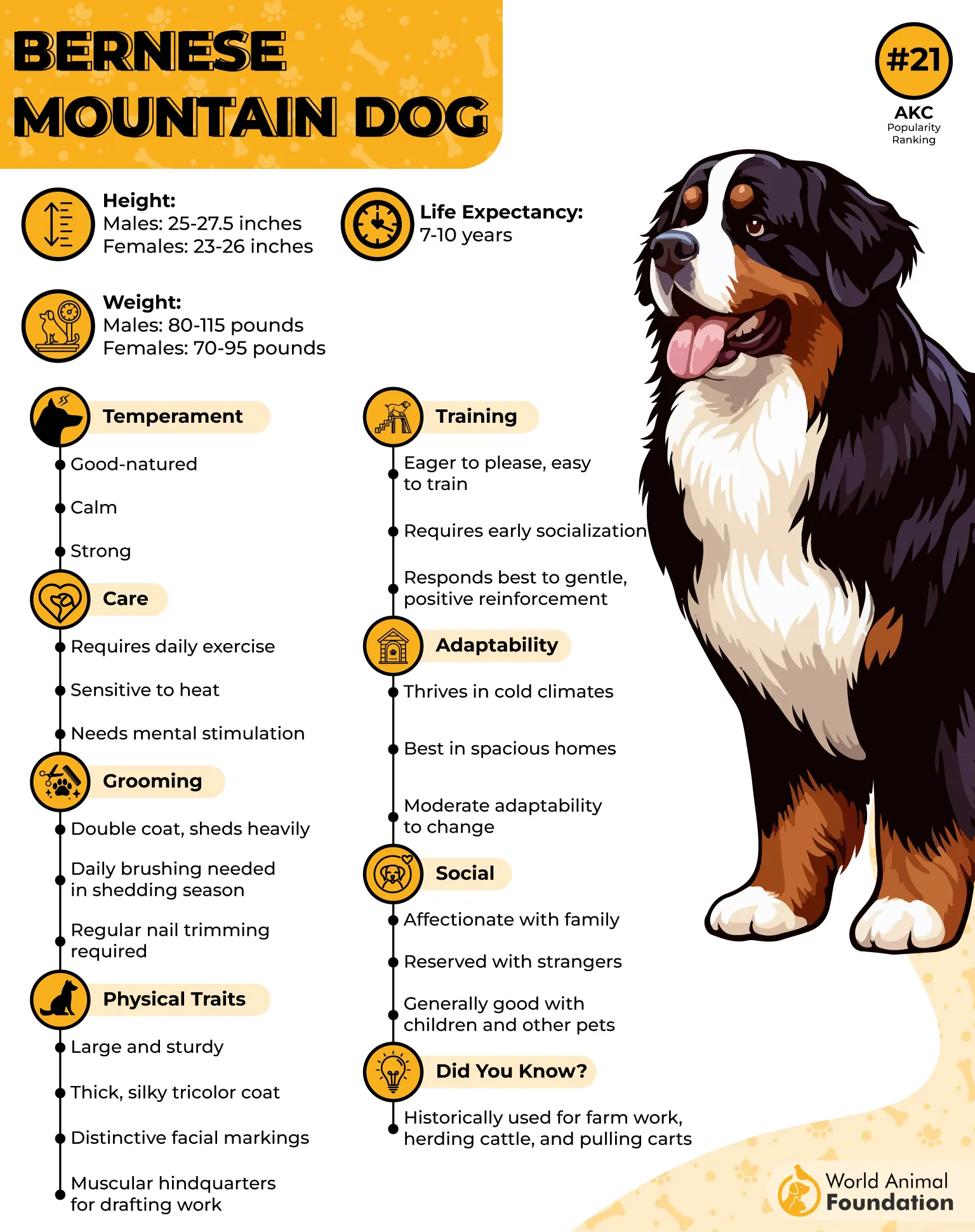
As per the AKC, the lifespan of the Bernese Mountain Dog is around 7 to 10 years. That can feel like a blink for such a steady, gentle companion. It’s a good reason to make preventive care part of the routine, not an afterthought.

Owners should be aware of concerns often linked to the breed, including hip dysplasia, elbow dysplasia, gastric dilatation-volvulus (GDV), cancer, and blood disorders. On the bright side, they’re typically rarely aggressive and often get along well with other animals. Support their comfort with smart daily habits and close attention as they mature.
Fun Fact
“Berner” is a popular nickname for the Bernese Mountain Dog. It’s easier to shout across a yard, and it sounds like your dog should come with a tiny hiking backpack.
2. Saint Bernard
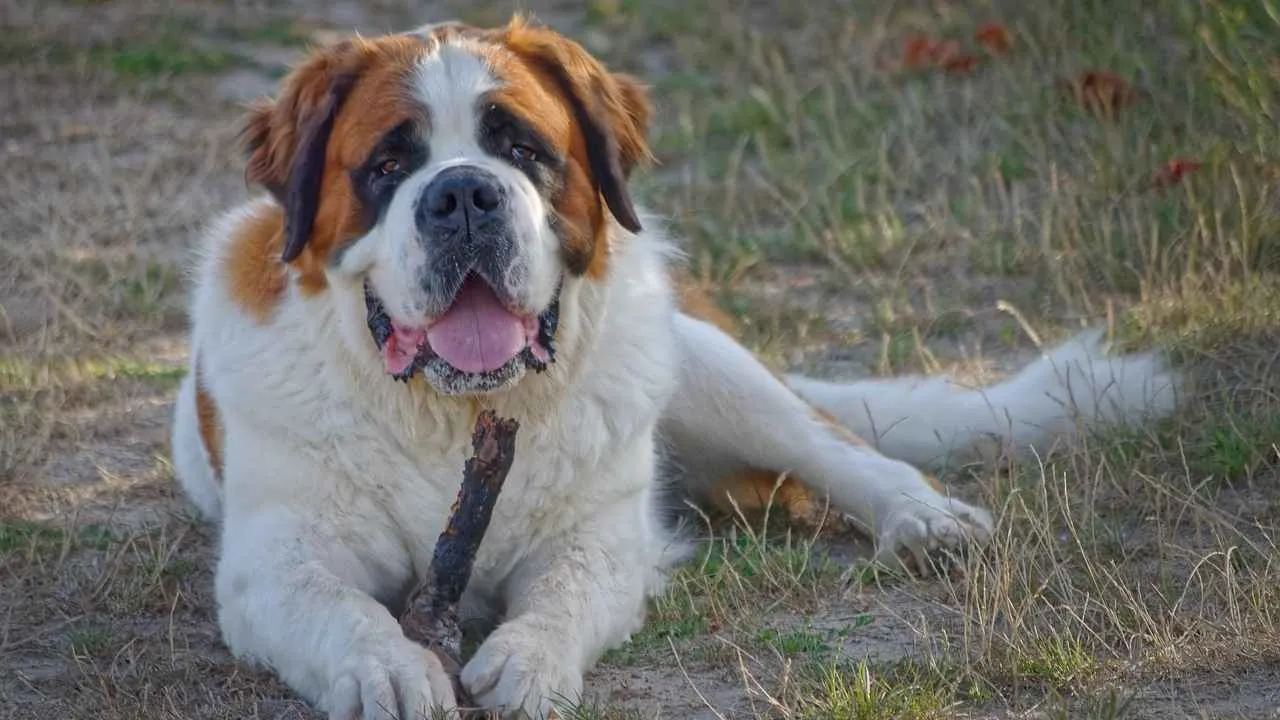
Saint Bernards have a gift for making people smile. They’re often described as gentle giants that don’t need a ton of exercise and tend to be good with kids and other animals.
Their large bodies are often linked with issues such as canine hip dysplasia and heart problems. Watching movement, stamina, and overall comfort becomes part of the job. Keep care consistent, and you’ll help your Saint Bernard feel secure and supported.
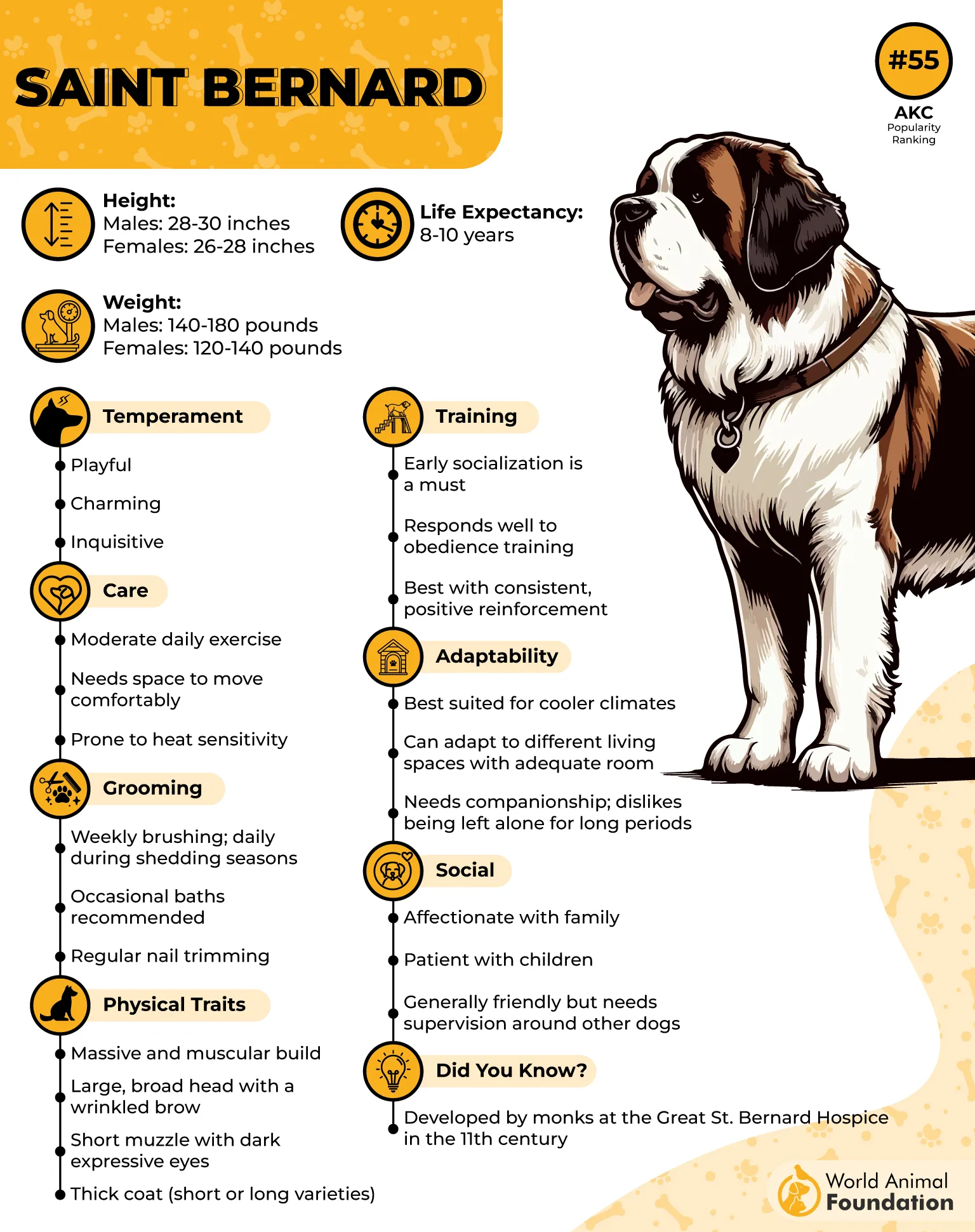
PetMD notes that Saint Bernards typically live about 8 to 10 years, which is common for large dogs, and while many are generally healthy, the breed can be prone to certain medical issues, so it’s wise to choose a reputable breeder who prioritizes health testing and breeds dogs that are medically sound.
Fun Fact
Saint Bernards don’t mind staying home alone while their humans go to work. For a dog that looks like it should have its own zip code, that independence can be a pleasant surprise.
3. Great Dane
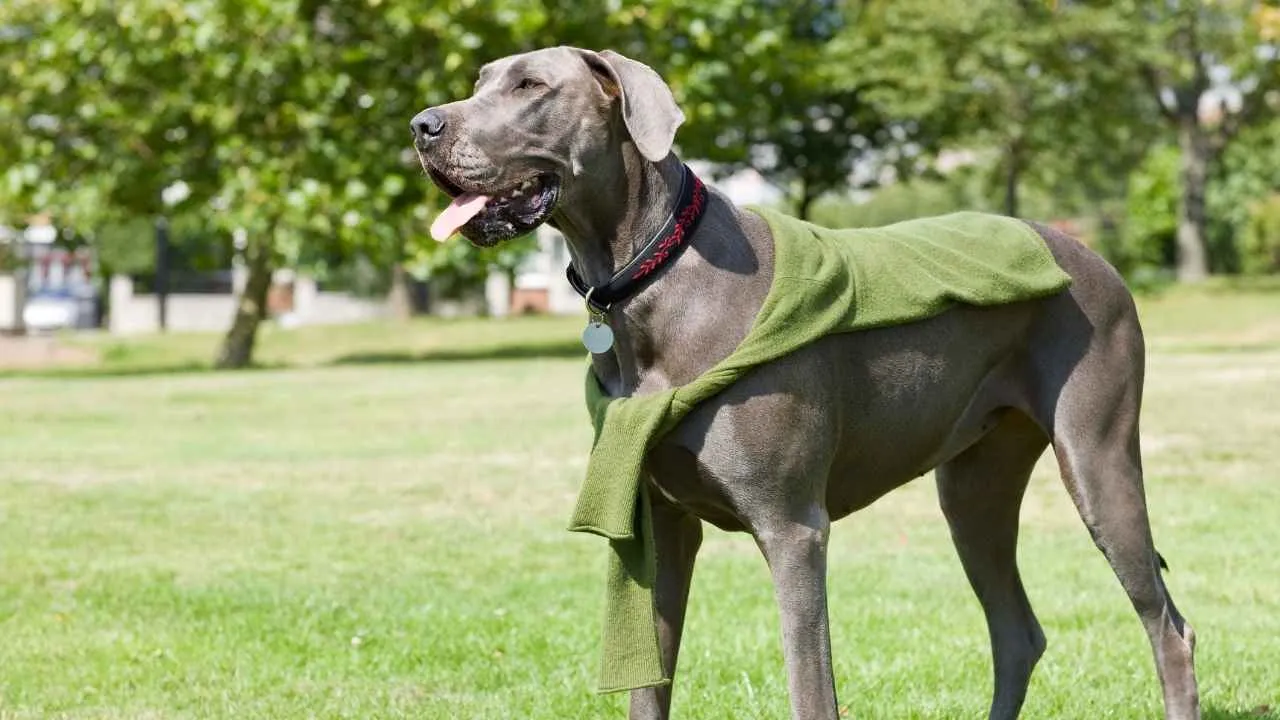
A Great Dane can look like a superhero and act like a polite houseguest. Many are known for a calm temperament, friendliness, and an easy-to-train attitude. They’re also often gentle, loving, and fairly low-key around the home.
A Great Dane’s lifespan is commonly placed around 6 to 10 years. That shorter timeline can sneak up on people because the breed often feels “young at heart.” Keeping routines consistent helps you notice small changes before they become bigger problems.
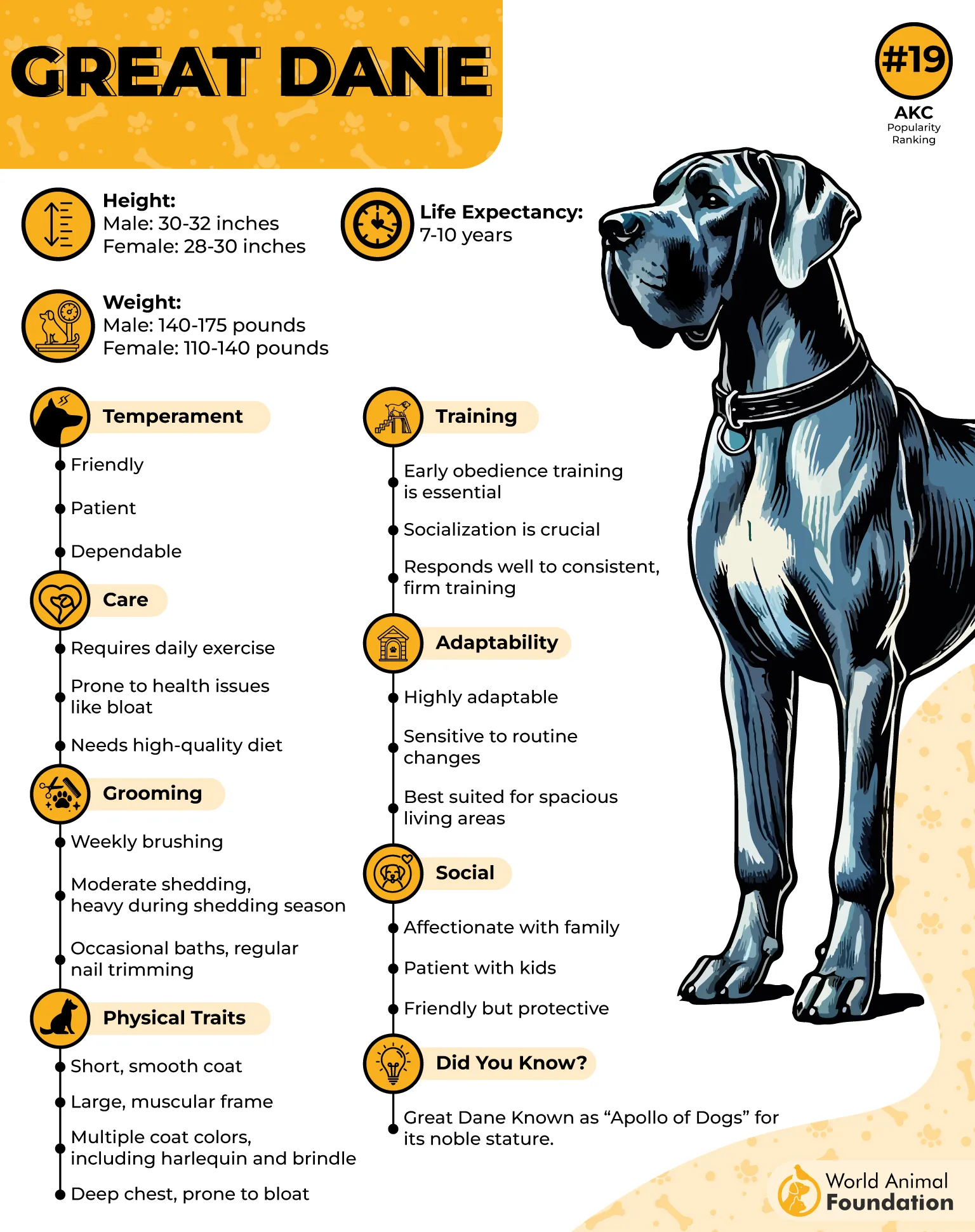
Great Danes can develop health problems because their rapid growth can put extra strain on their joints and other organs. That’s why it’s important to feed Great Dane puppies a healthy diet to support steady growth and reduce the risk of such health issues.
Fun Fact
Great Danes may not enjoy being teased or made fun of, especially by kids. Big dog, big feelings, and apparently a strong sense of personal dignity.
4. Irish Wolfhound
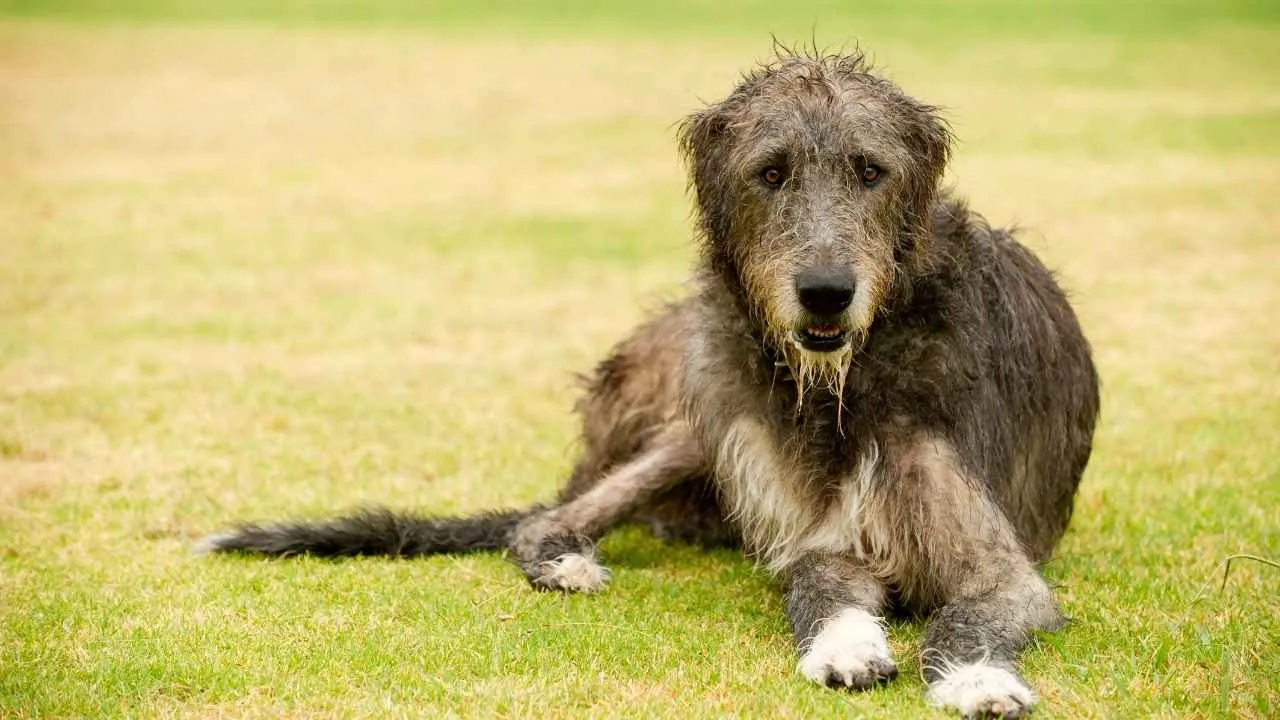
Irish Wolfhounds have a calm, laid-back nature that makes them feel like old souls. They’re often framed as big, soft-hearted companions with an impressive presence. Somehow, even a quiet stroll can turn into a “wow, what breed is that?” moment.
As mentioned by WebMD, this large breed usually has a moderate energy level and would gladly lounge on the couch all day. Still, they do best with regular activity, like a daily walk, to stay healthy and content.
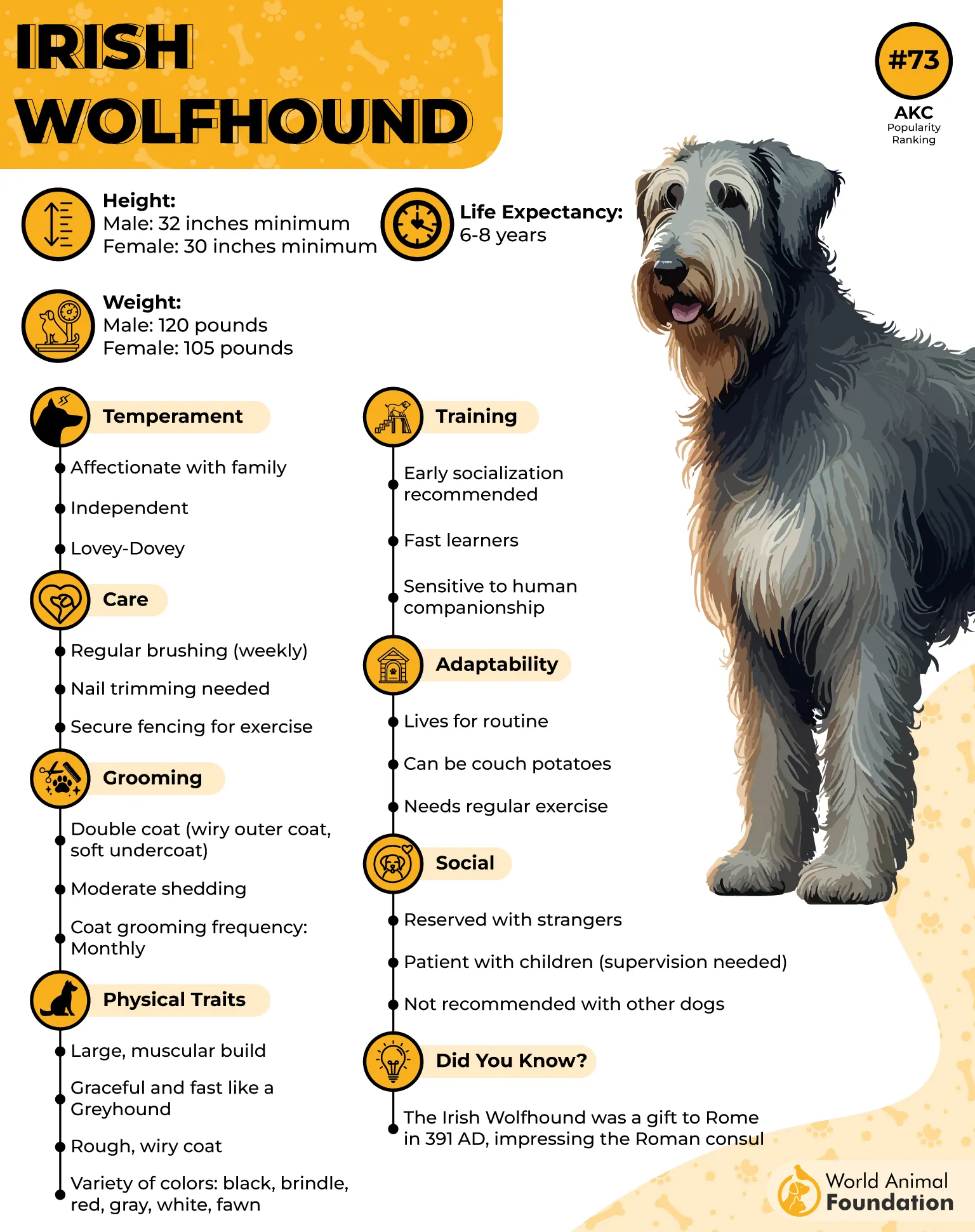
The Irish Wolfhound’s lifespan is often estimated at 6 to 8 years. That reality can be tough, so it helps to lean into proactive routines and regular checkups. Consistency becomes your best friend, right alongside the dog.
Fun Fact
Irish Wolfhounds are described as being native to Ireland. It’s a fitting origin for a breed with a name that sounds like it belongs in a legend.
5. Newfoundland
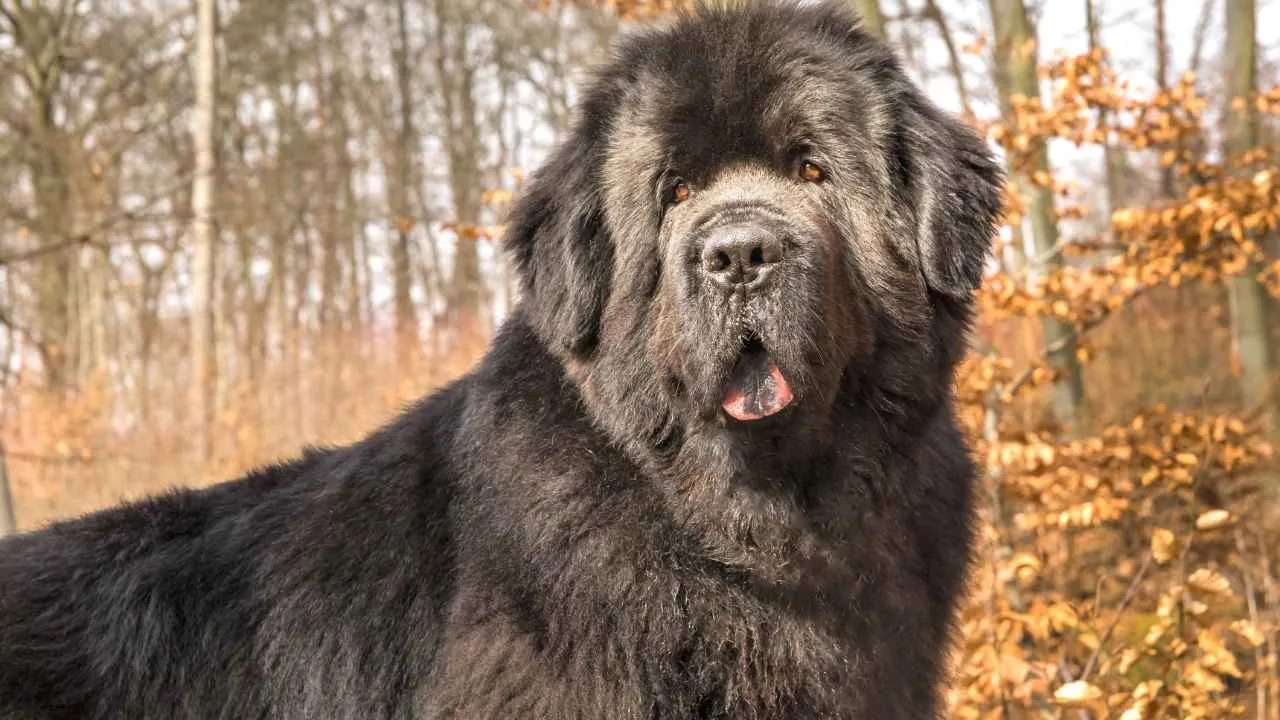
The Newfoundland dog, often called a Newfie, is basically a friendly lifeguard in a fur coat. Originally bred in Newfoundland, Canada, to help fishermen haul nets and pull carts, they’re natural swimmers who love water. Their gentle, sweet temperament makes them a solid pick for family life.
That thick double coat is cozy, but it also needs attention. Plan on brushing about once a week, especially around the tail and ears, and keep up with regular baths so they don’t get funky. Skip the urge to shave, and offer shade and plenty of water when it’s hot.
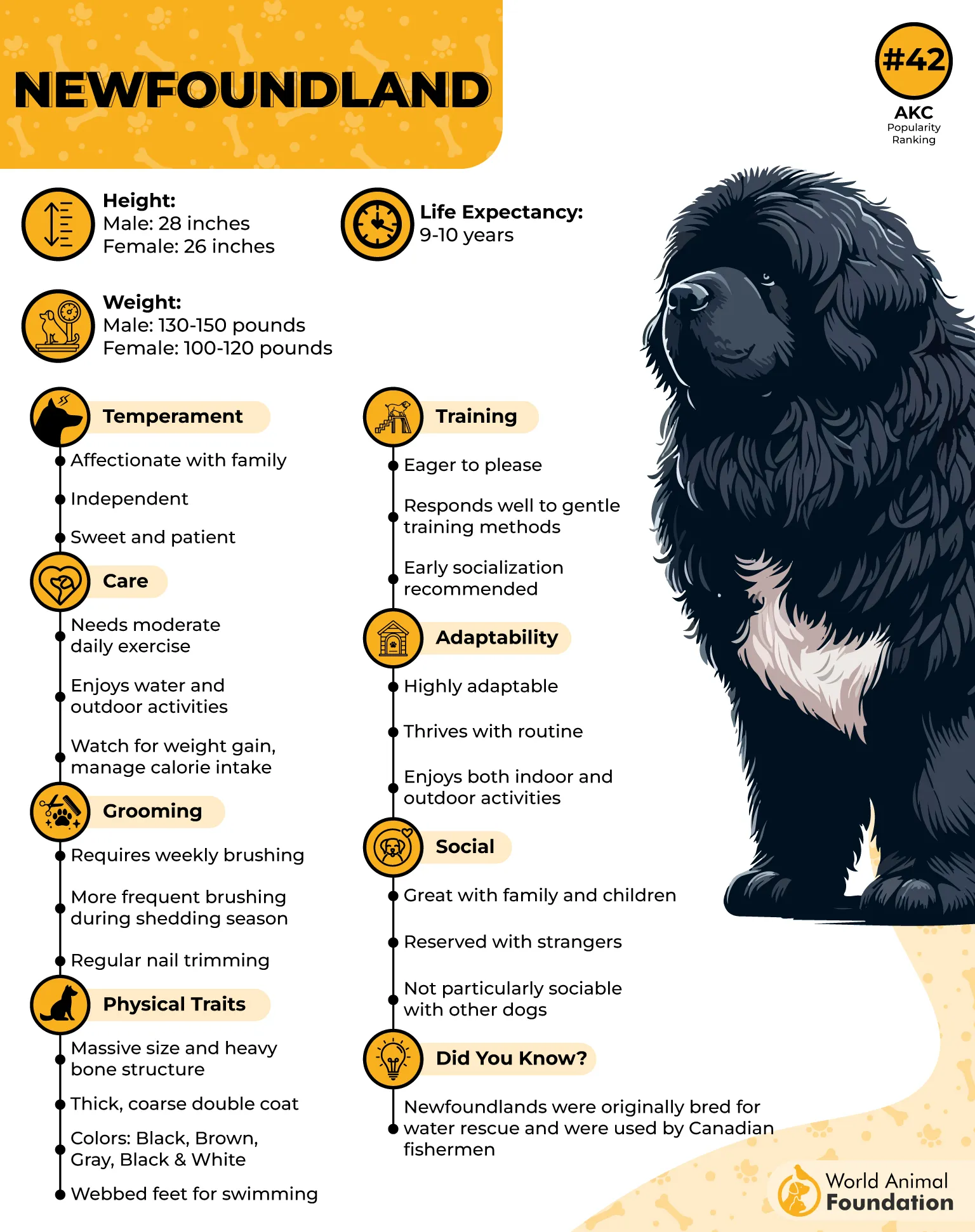
Newfoundland’s life expectancy is 8 to 10 years. Commonly noted health issues include hip or elbow dysplasia, cystinuria that can cause urinary stones, and subvalvular aortic stenosis, a heart condition. Regular veterinary care and sensible exercise routines can help you spot problems early.
Fun Fact
The Lewis and Clark Expedition traveled with a Newfoundland named Seaman. Historical accounts say Seaman helped protect the group during the journey, including confrontations with wildlife.
6. Rottweiler
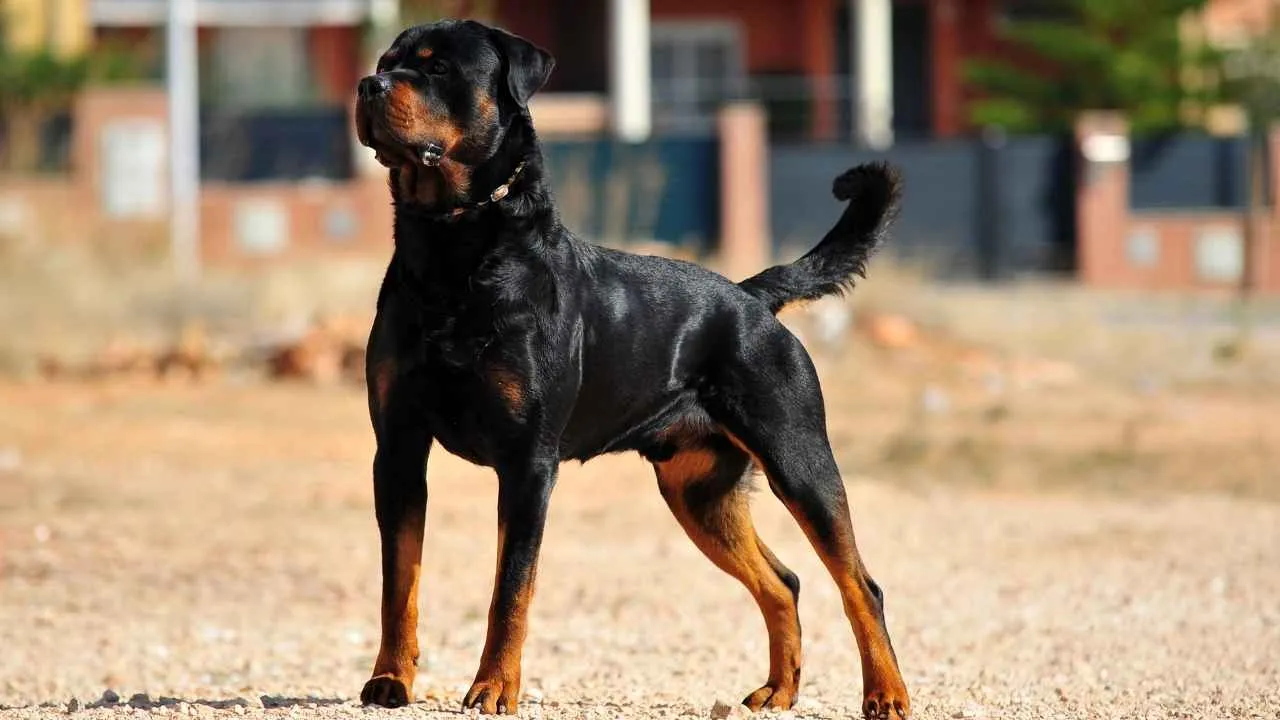
Rottweilers look serious, but many are affectionate, loyal dogs who love being close to their family. They’re also bright and protective, which is part of why they’re such a popular working and companion breed. Their average lifespan is about 8 to 10 years.
Health-wise, the breed is commonly associated with concerns like cancer (including osteosarcoma), heart disease such as aortic stenosis, and joint problems like hip and elbow dysplasia. Weight gain is also a common issue because it can add extra strain to the heart and joints and make mobility harder.
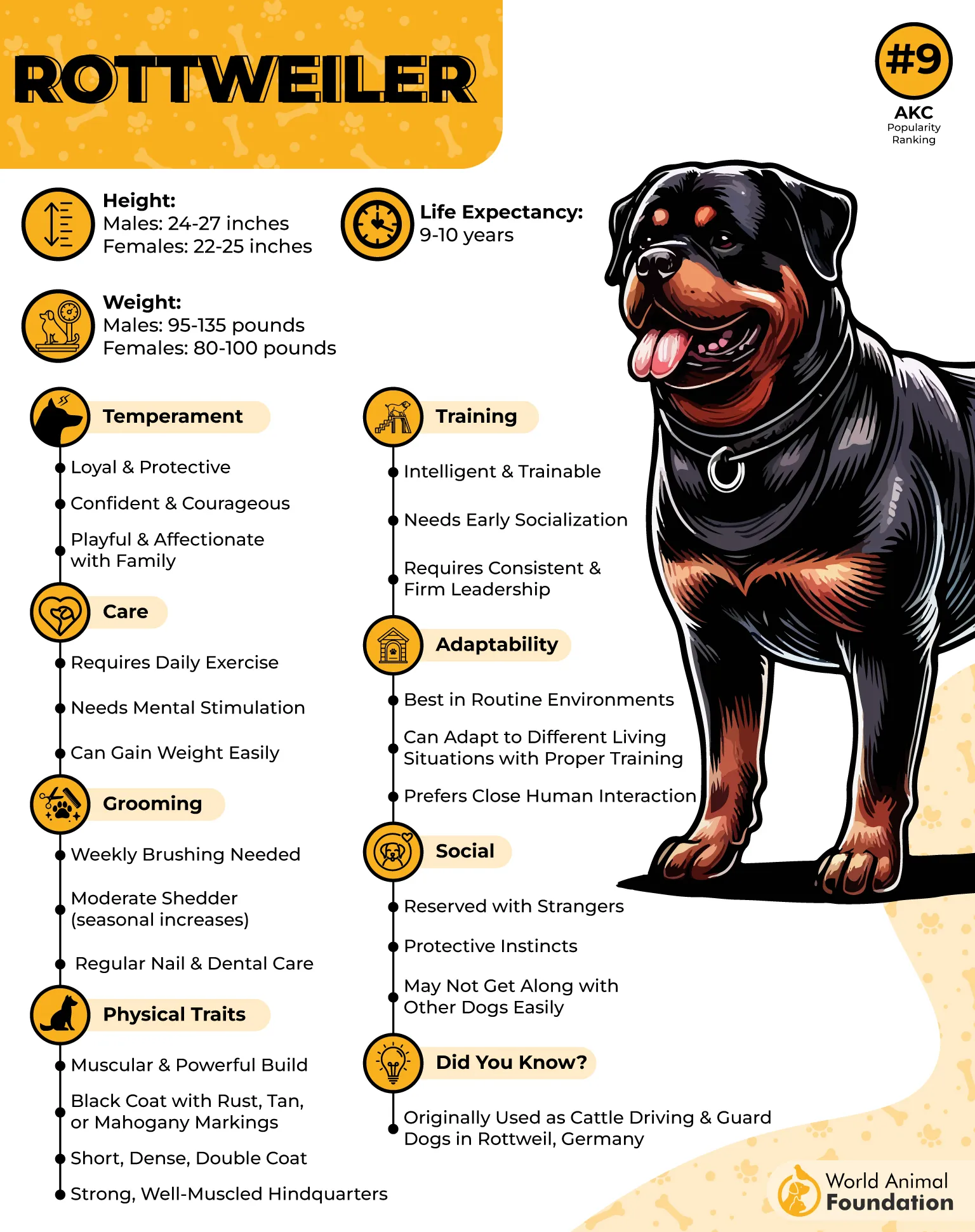
The basics matter here: a balanced diet, measured portions, and daily activity that keeps them fit without punishing their bodies. Swimming is a great low-impact option, while frequent jumping and long runs on hard surfaces are often best kept to a minimum. Regular vet checkups help you stay ahead of small changes before they turn into bigger ones.
Fun Fact
Some Rottweilers with rear-leg weakness can stay mobile with a properly fitted dog wheelchair. Mobility support can also help curb boredom when a dog can’t move around as much.
7. Bullmastiff
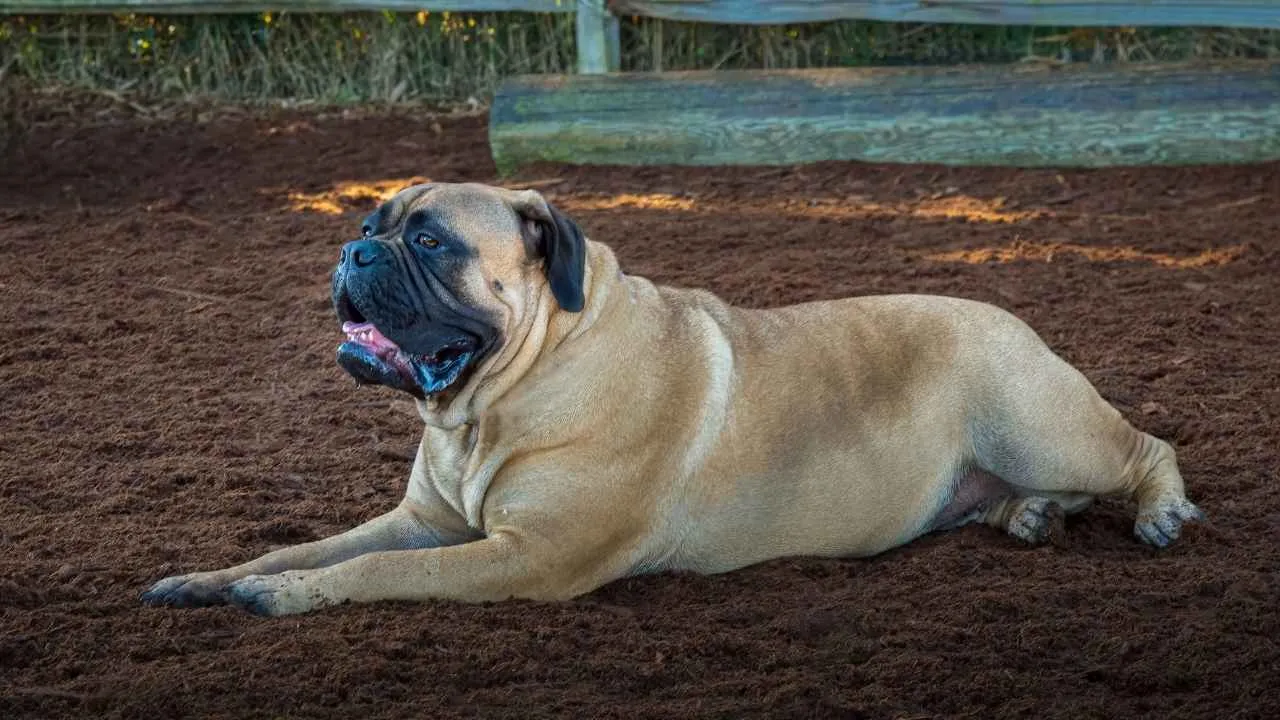
Bullmastiffs were created by British gamekeepers in the 1860s by crossing Bulldogs with Mastiffs to guard against poachers. That origin shows up as a steady, family-minded dog that’s often very affectionate at home.
Early training is a must, mainly because Bullmastiff puppies grow into powerful adults. Focus on basic cues, good leash walking, and early socialization around dogs, adults, and kids. For exercise, long walks and play in a fenced yard make sense, and marathon runs do not.
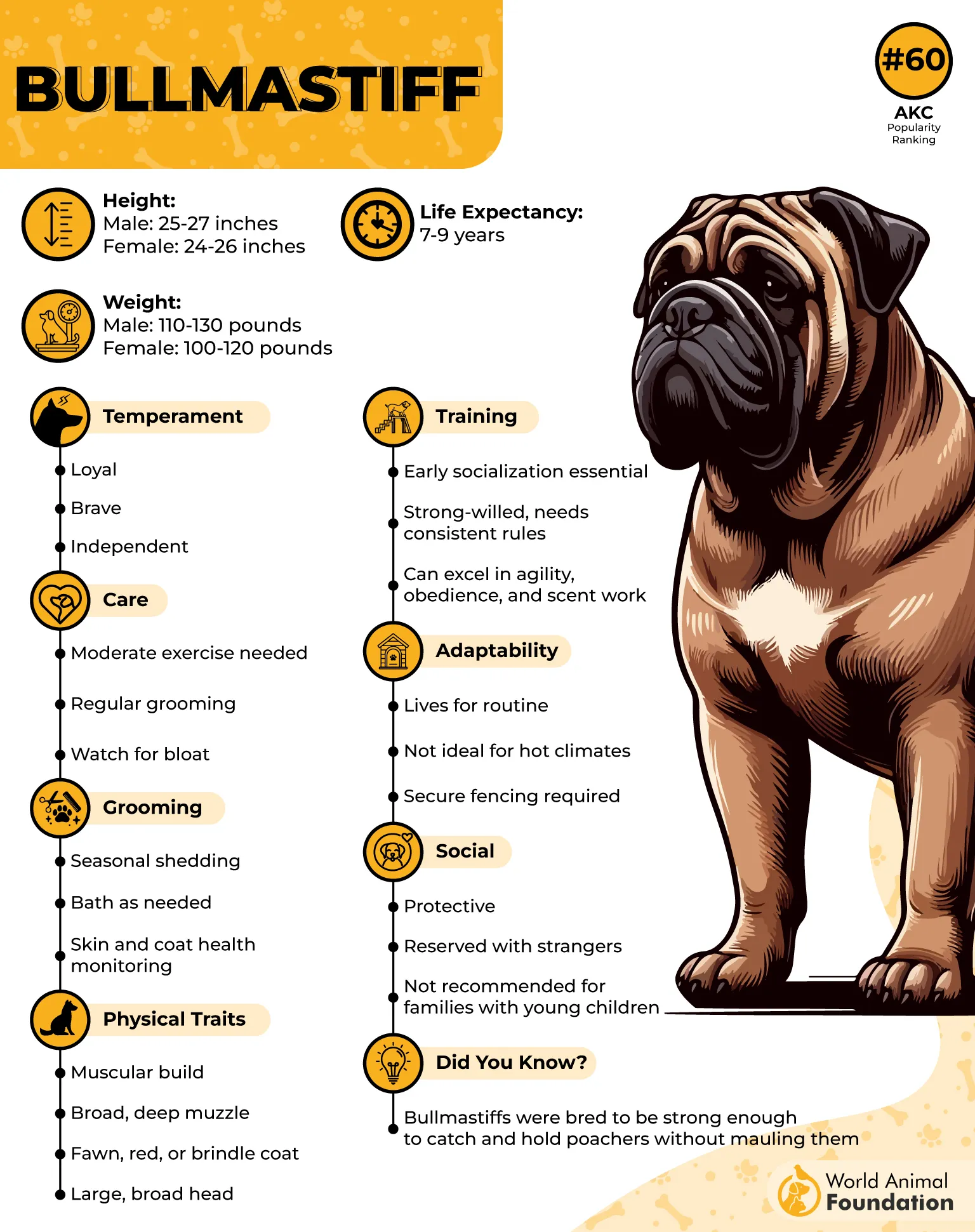
The Bullmastiff has an average life expectancy of about 7 to 9 years. Health issues mentioned include dilated cardiomyopathy, subaortic valvular stenosis, entropion, progressive retinal atrophy, hip dysplasia, lymphoma, and bloat that can progress to GDV. To lower bloat risk, the advice includes feeding two or three meals and avoiding exercise from one hour before to one hour after meals.
Fun Fact
Bullmastiffs are known for being fairly quiet overall. They’re not big on nonstop barking, but they will alert the household when something feels off.
Conclusion
Knowing that some amazing dogs may have a shorter lifespan can feel heavy, but it can also make you a more prepared, kind caregiver. For dog owners, the goal is simple: support their well-being with good food, routine vet care, and proper exercise.
Many small dogs live longer compared to giant breeds, but giant dogs have their own unique traits that can make them completely worth having by your side, even if it’s for a shorter time. Even dogs with shorter lifespans can pack a lifetime of love into the time they have.
Other breeds, such as Golden Retrievers, French Mastiffs, Chinese Crested Dogs, and Border Terrier are also great options if you want to further explore such wonderful breeds.
