





Dog lovers must learn to deal with the painful fact that not all dogs will live for extended periods. The natural lifespan of large dog breeds shows that they will live shorter lives despite their friendly nature and faithfulness to humans.
The emotional connection between people and these dogs makes it difficult to deal with their limited life span.
Dog breeds with sadly short lives to consider are not unhealthy by choice. Dog lifespan mainly depends on four factors, which include genetics, size, fast development, and particular health issues that affect specific breeds.
Small dog breeds typically reach their teenage years, while the gentle giant breeds need special medical care for their entire life to reach their maximum lifespan.
Fun Fact
Research indicates that shorter living dogs create stronger emotional connections with their human companions. The dog establishes an enduring bond with humans through its loyal nature, peaceful behavior, and loving nature, which continues after its death.
Dog Breeds with Sadly Short Lives to Consider
1. Bernese Mountain Dog
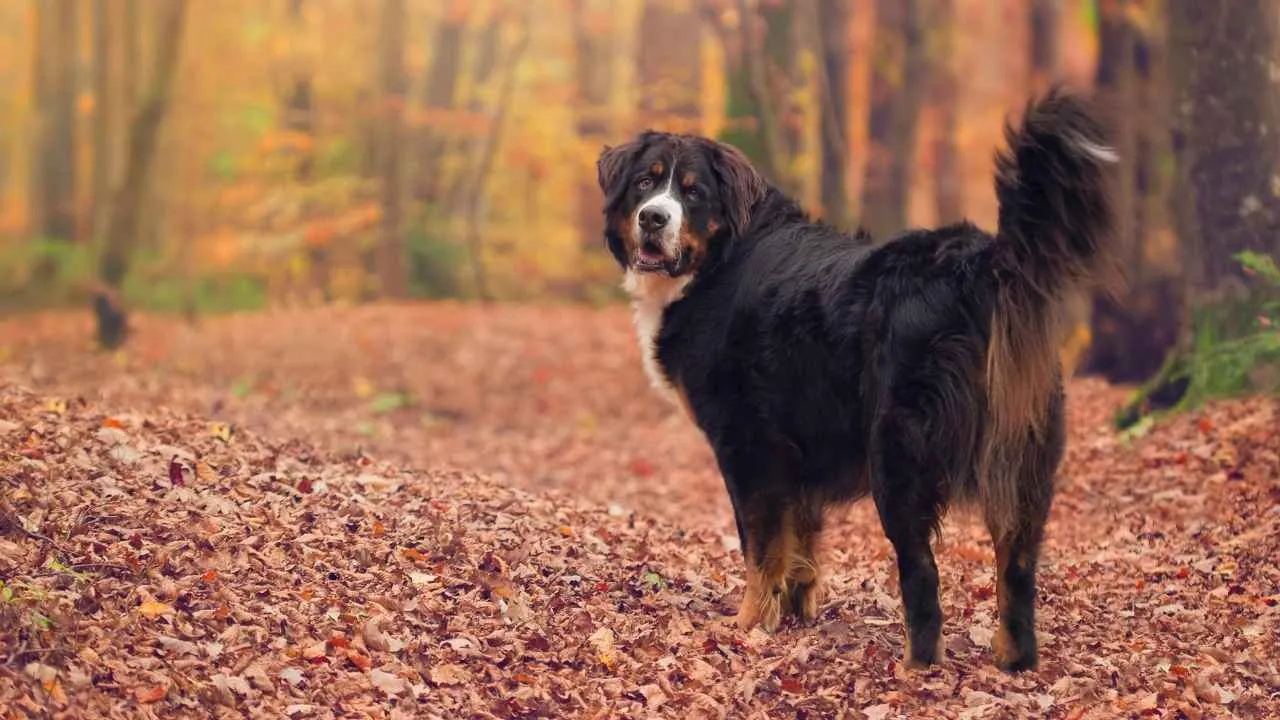
The Bernese Mountain Dog possesses an elegant demeanor that instantly captures human affection. The breed originated in Switzerland more than 2000 years ago as a strong working dog that performed tasks of cart pulling, farm protection, and cattle driving through unforgiving Alpine climates. Their black fur coat with rust accents and gentle eyes creates a distinctive appearance.
Bernese Mountain Dogs exhibit training abilities that show their affectionate and playful nature despite their large body size. The dogs exhibit a strong desire to stay close to humans, while they show friendliness toward both children and different dog breeds.
According to Britannica, this breed thrives in cold temperatures with ample physical activity.
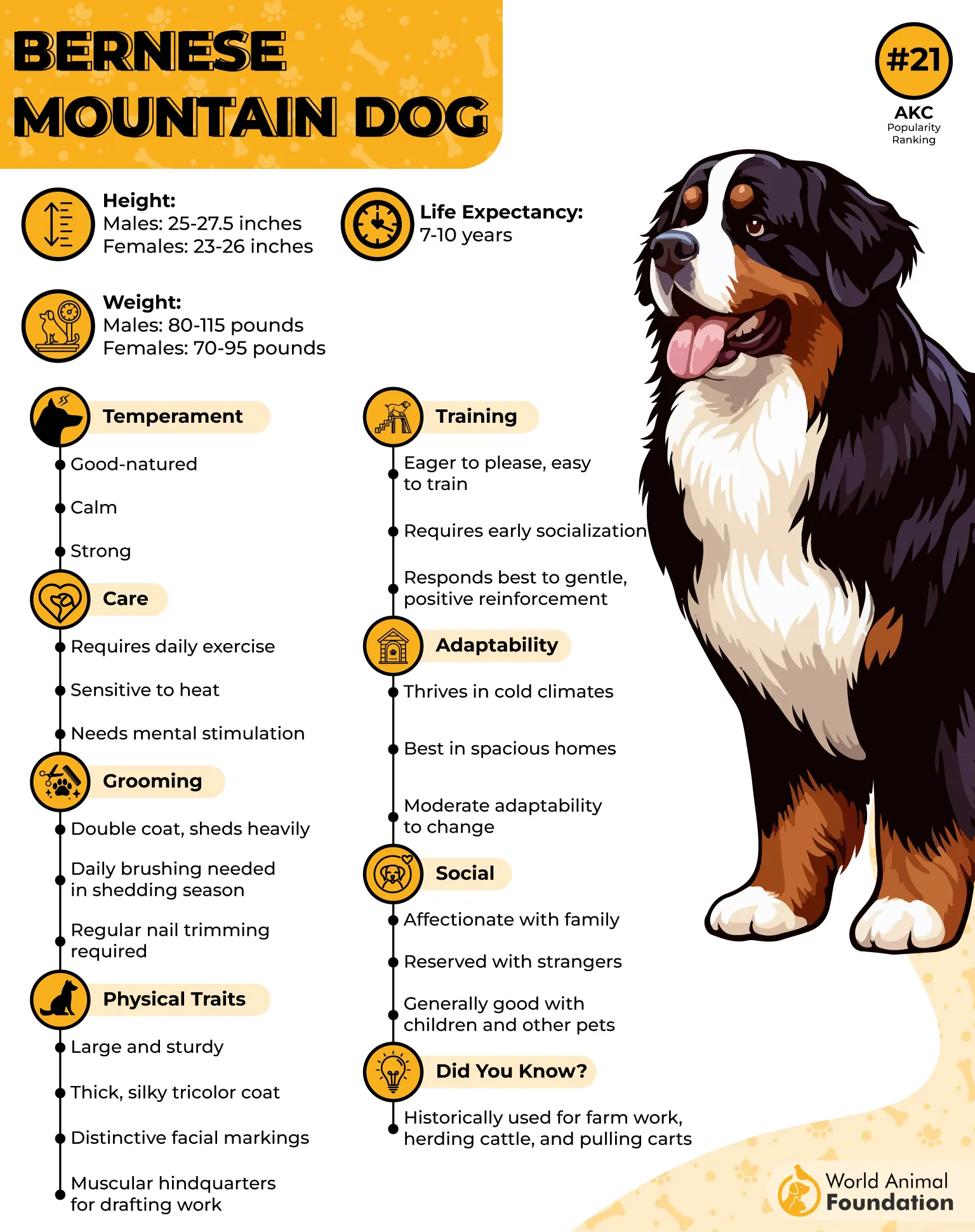
Bernese Mountain Dogs represent one of the dog breeds that possess the shortest average lifespan, which ranges from 7 to 10 years. Their health issues, which include hip dysplasia and joint problems, and their elevated probability of developing bone cancer, lead to their decreased lifespan.
Their complete wellness depends on the combination of healthy weight management, proper diet, and scheduled vet visits.
2. Great Dane
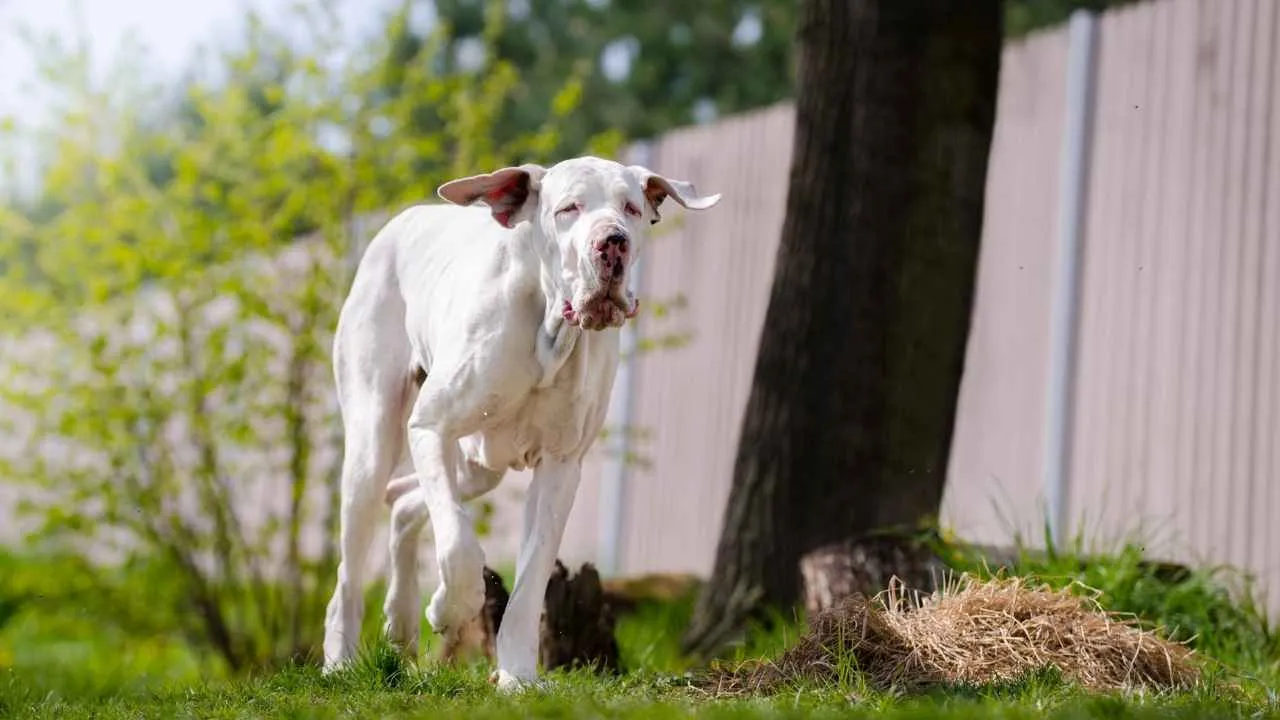
The Great Dane, which people refer to as the ”Apollo of Dogs” receives admiration because of its tall body and graceful movements, and its peaceful temperament. The giant working dog breed, which developed in Germany, originated as a wild boar hunting dog. Their purpose evolved from their previous work as hunters to become devoted family pets.
Great Danes maintain their gentle giant nature. They form strong bonds with their human partners, whom they love and stay loyal to. Dogs need both training and social exposure during their puppyhood because they will grow into strong adult dogs.
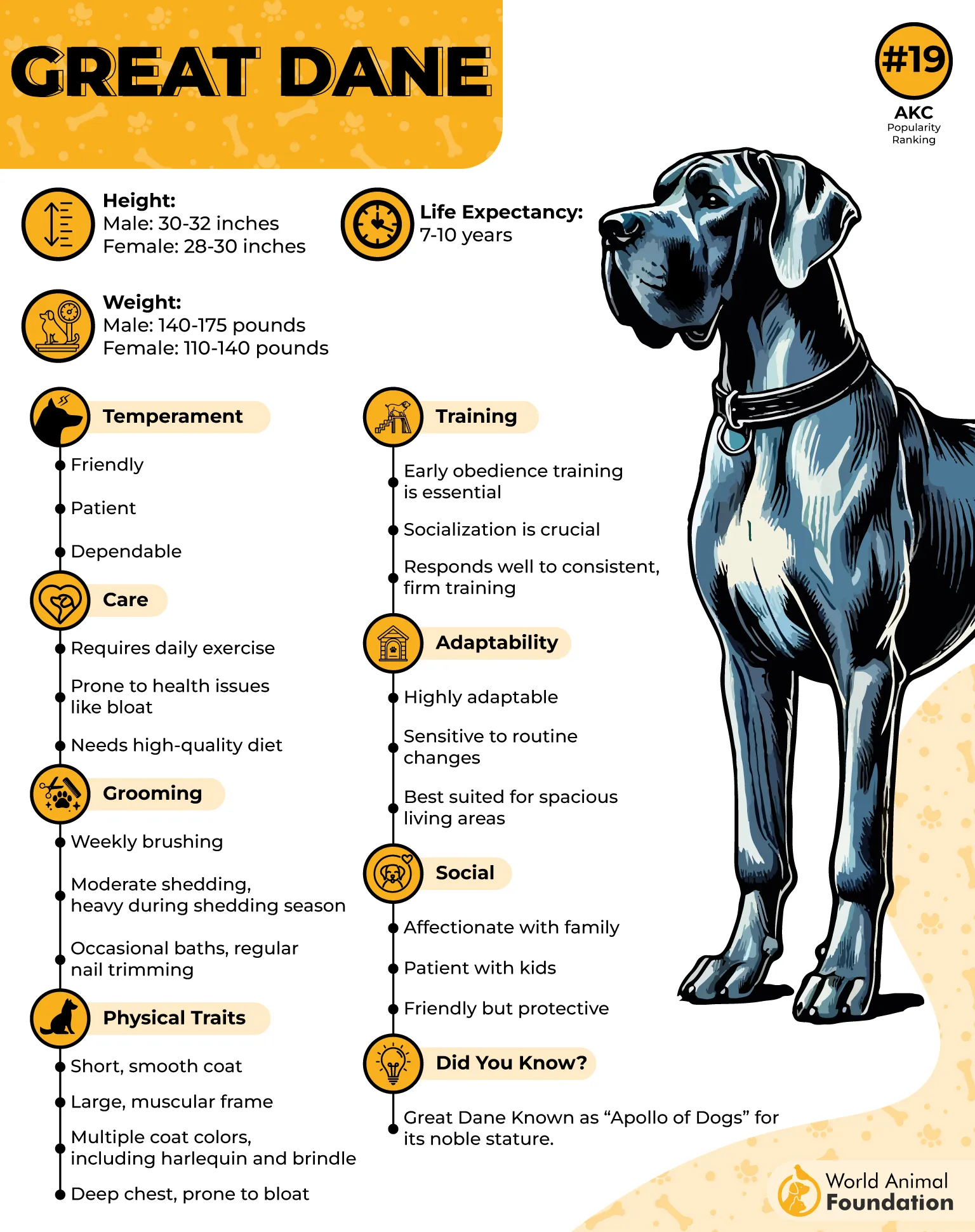
Great Danes belong to the dog breeds that have the shortest lifespan. The large size of the breed creates pressure on both the heart and joints, which leads to an increased possibility of developing heart diseases, joint disorders, and digestive system problems.
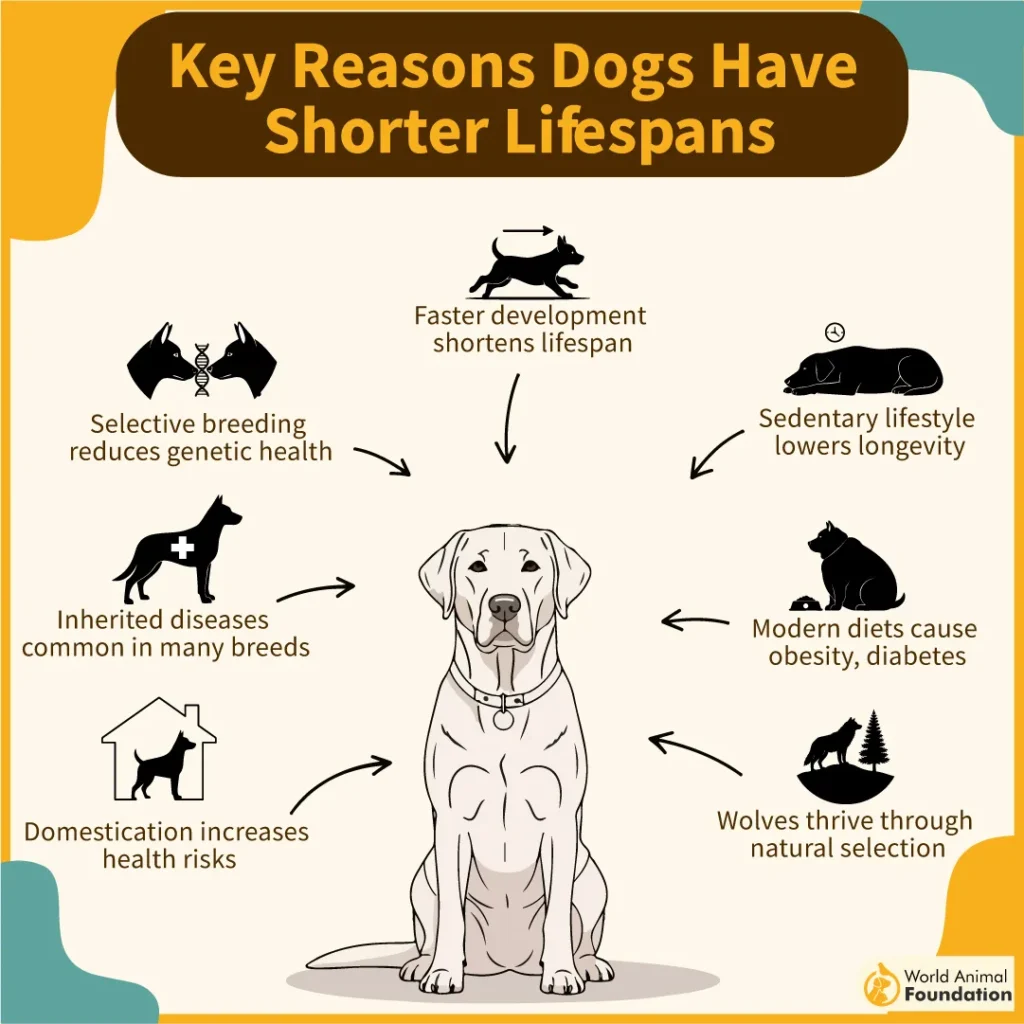
Dog owners who maintain proper weight for their pets, schedule controlled exercise sessions, and monitor their dogs for health issues will be able to boost their pets’ lifespan and enhance their quality of life.
3. Bullmastiff
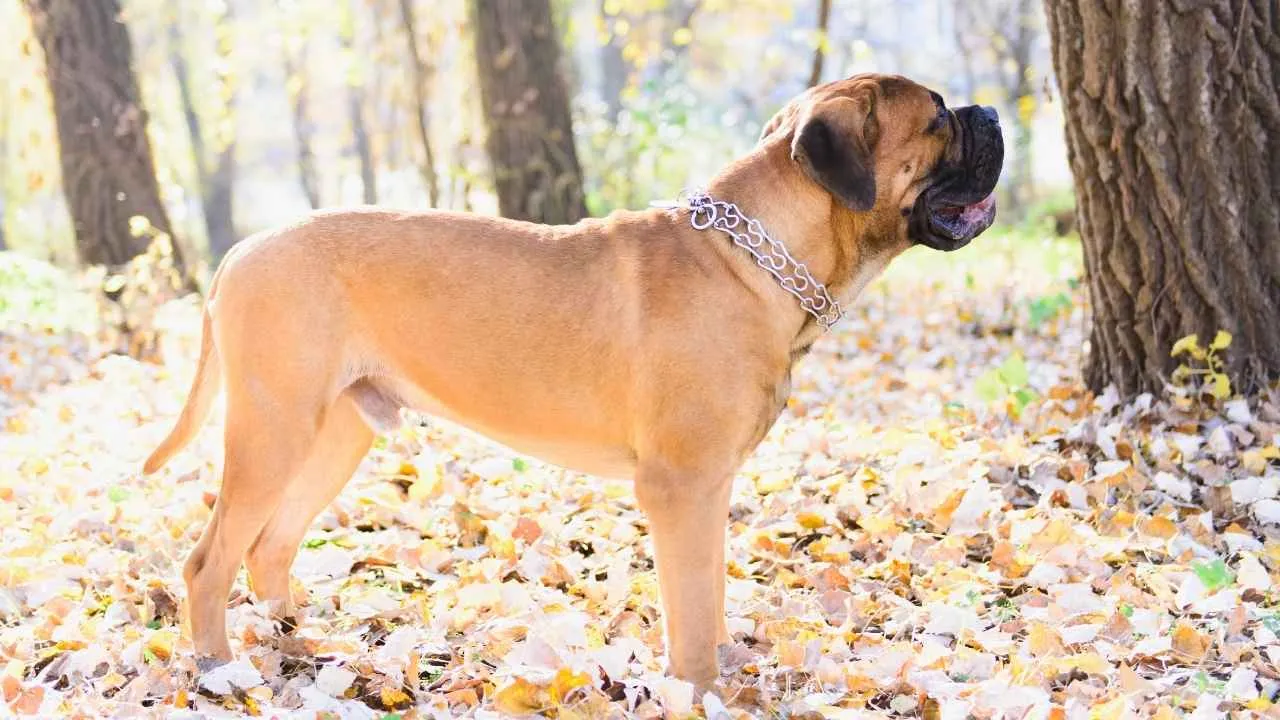
The Bullmastiff is a powerful yet emotionally sensitive breed. The large dog was originally developed as an estate guard because it possesses both impressive strength and a surprisingly gentle and loving nature. Their short, low-maintenance coat and square build give them a confident appearance without being overly aggressive.
Bullmastiffs show deep loyalty to their families while displaying natural wariness toward people they do not know. According to Hill’s Pet Nutrition, they are independent thinkers, which can make training a patient and consistent process. They thrive best with experienced owners who understand large breeds.
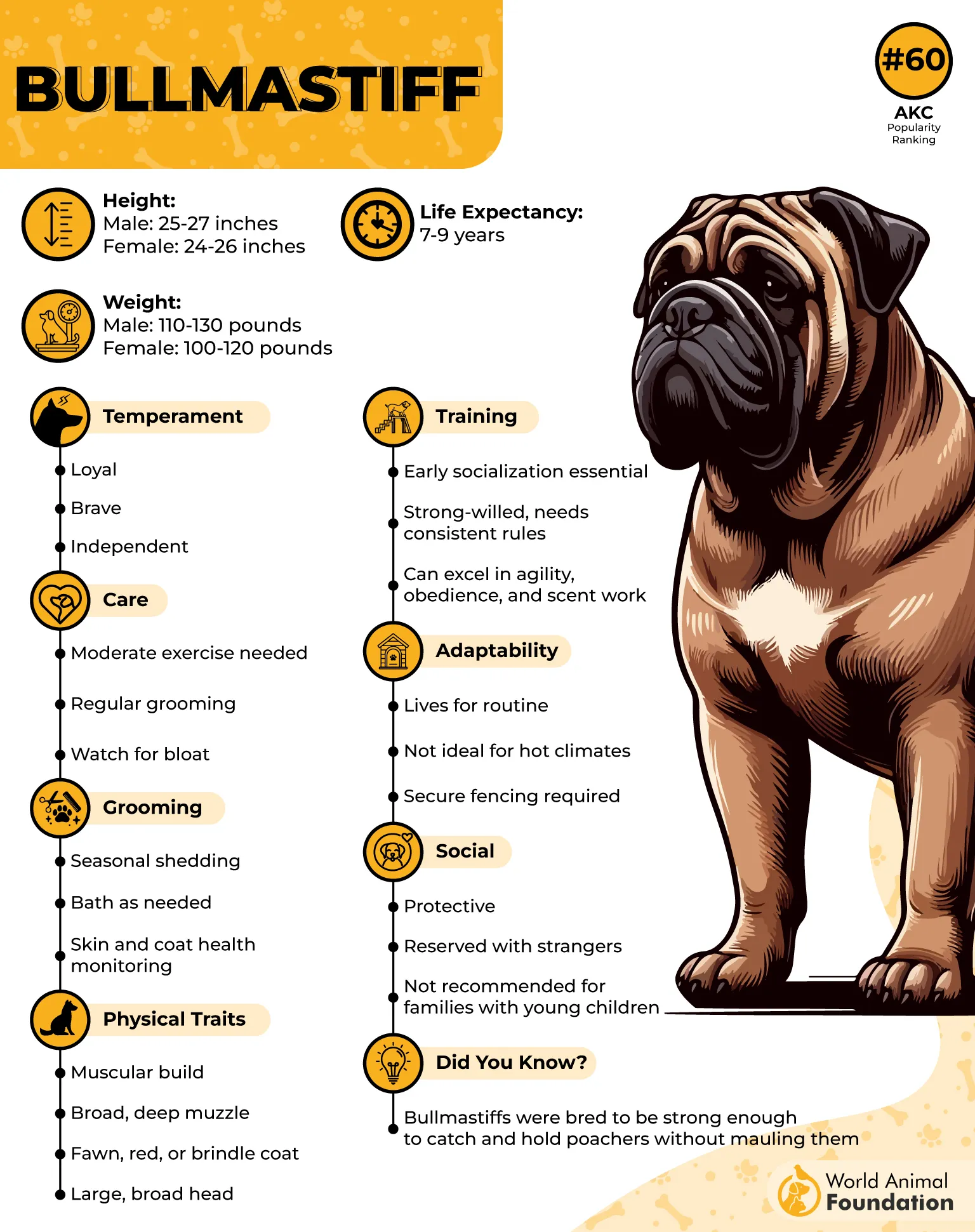
Bullmastiffs share a common characteristic with other large dog breeds because they have a brief lifespan. These large dogs face risks of developing joint issues, skin diseases, and specific heart ailments.
The essential methods to maintain their complete well-being and decrease health dangers include delivering proper food security, offering brain activities, and implementing routine medical assessments.
4. Saint Bernard
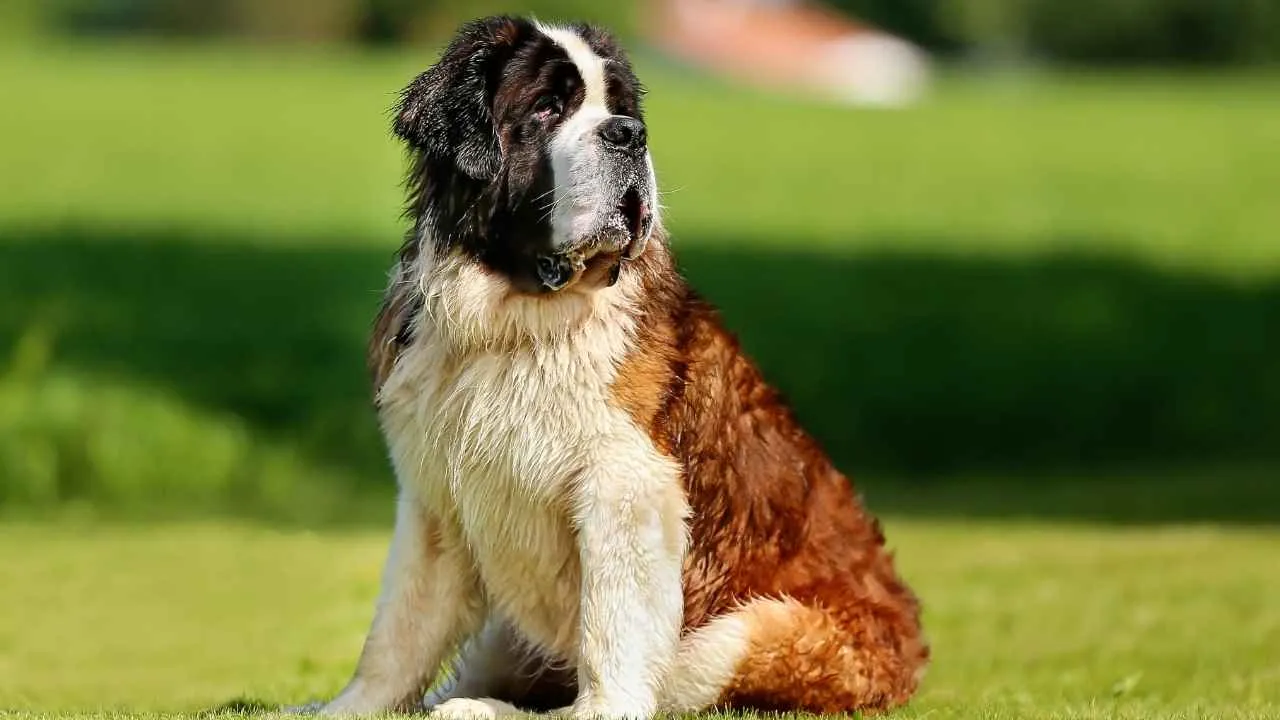
The heroic history of Saint Bernards has made them famous throughout the world. The monks developed these gentle giants in the Swiss Alps because they needed a dog breed to rescue people who became trapped during avalanche disasters.
The breed’s gentle temperament and friendly demeanor make it perfect for families who need a dog companion.
Saint Bernards begin their life as active and inquisitive puppies. They become peaceful dogs who prefer to spend time with people in quiet places. PetMD states that the dog breed has low hunting instincts and shows special kindness toward kids.
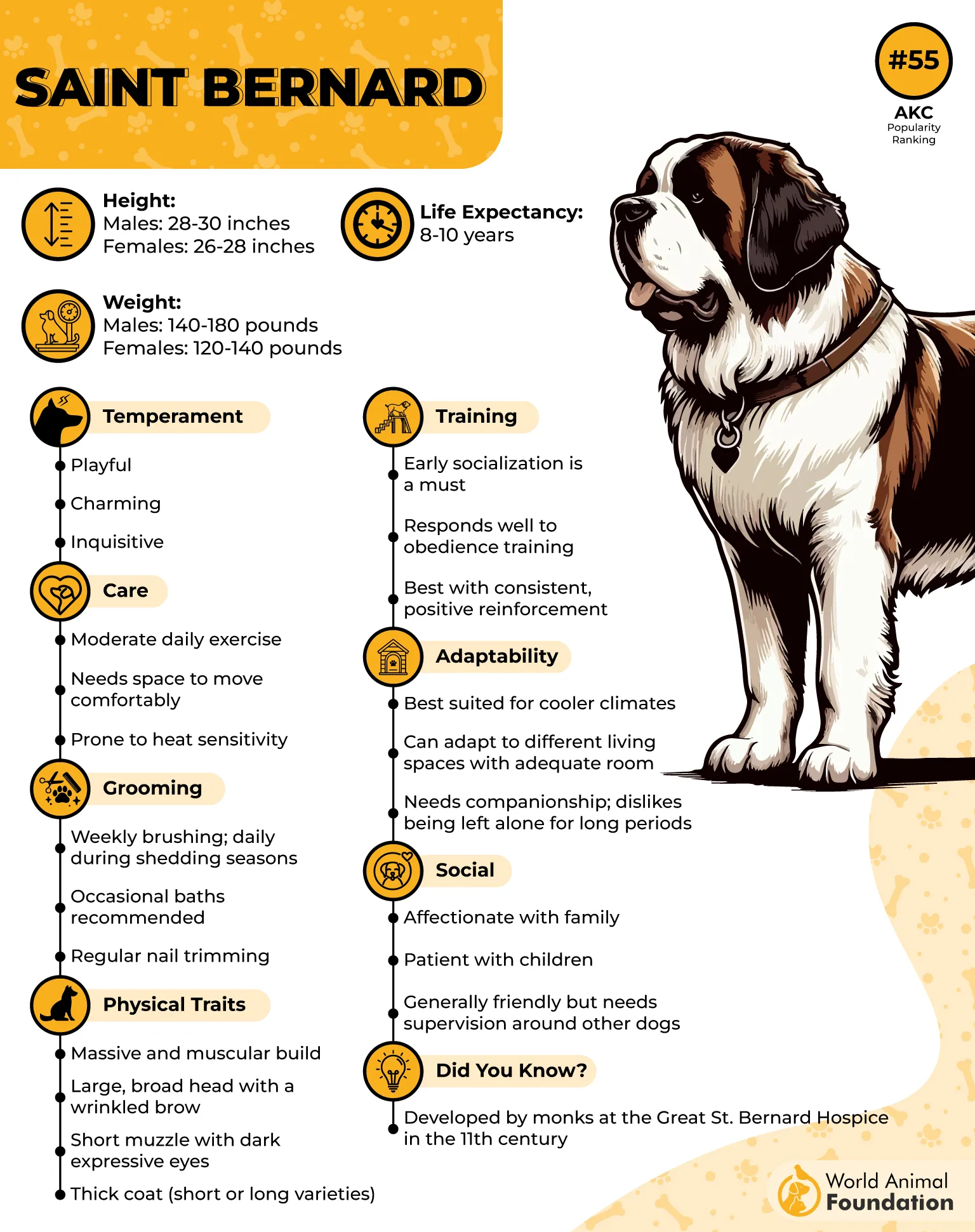
Saint Bernards who show affection to people must live shorter lives because their large bodies restrict their lifespan. The most common medical issues for this condition include joint problems, hip dysplasia, and heart disease.
They are prone to develop separation anxiety, which will make their mental state worse. The combination of proper medical treatment, moderate physical activity, and emotional support will bring major improvements to their daily existence.
5. Leonberger
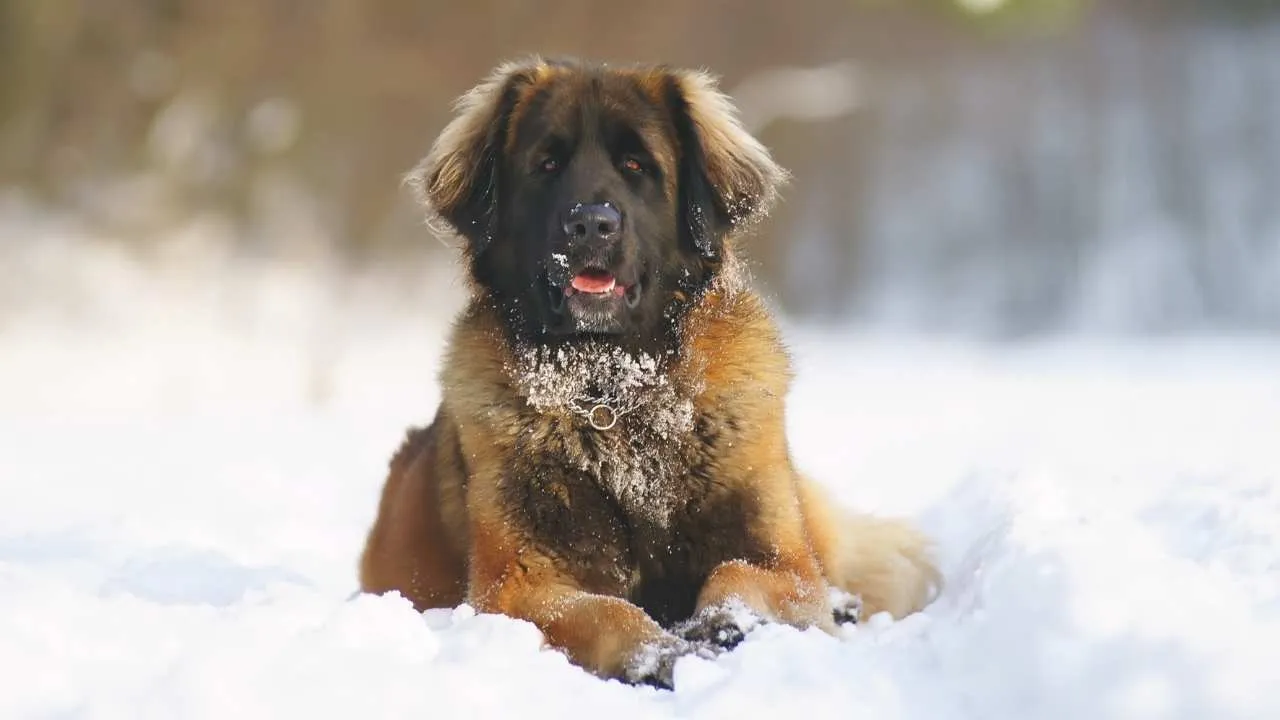
The Leonberger dog represents an uncommon giant breed that combines powerful strength with graceful beauty. This German dog breed was developed to look like a lion, which included a thick waterproof coat and a unique black face mask. The male lions develop impressive manes, which make their royal look more powerful.
Leonbergers exhibit a gentle personality combined with patient behavior and strong love for others. The American Kennel Club describes the breed as intelligent watchdogs who can be trusted to protect their families while needing companionship from their loved ones.
The dog breed performs best when it has access to room to move and receives active participation from its owners.
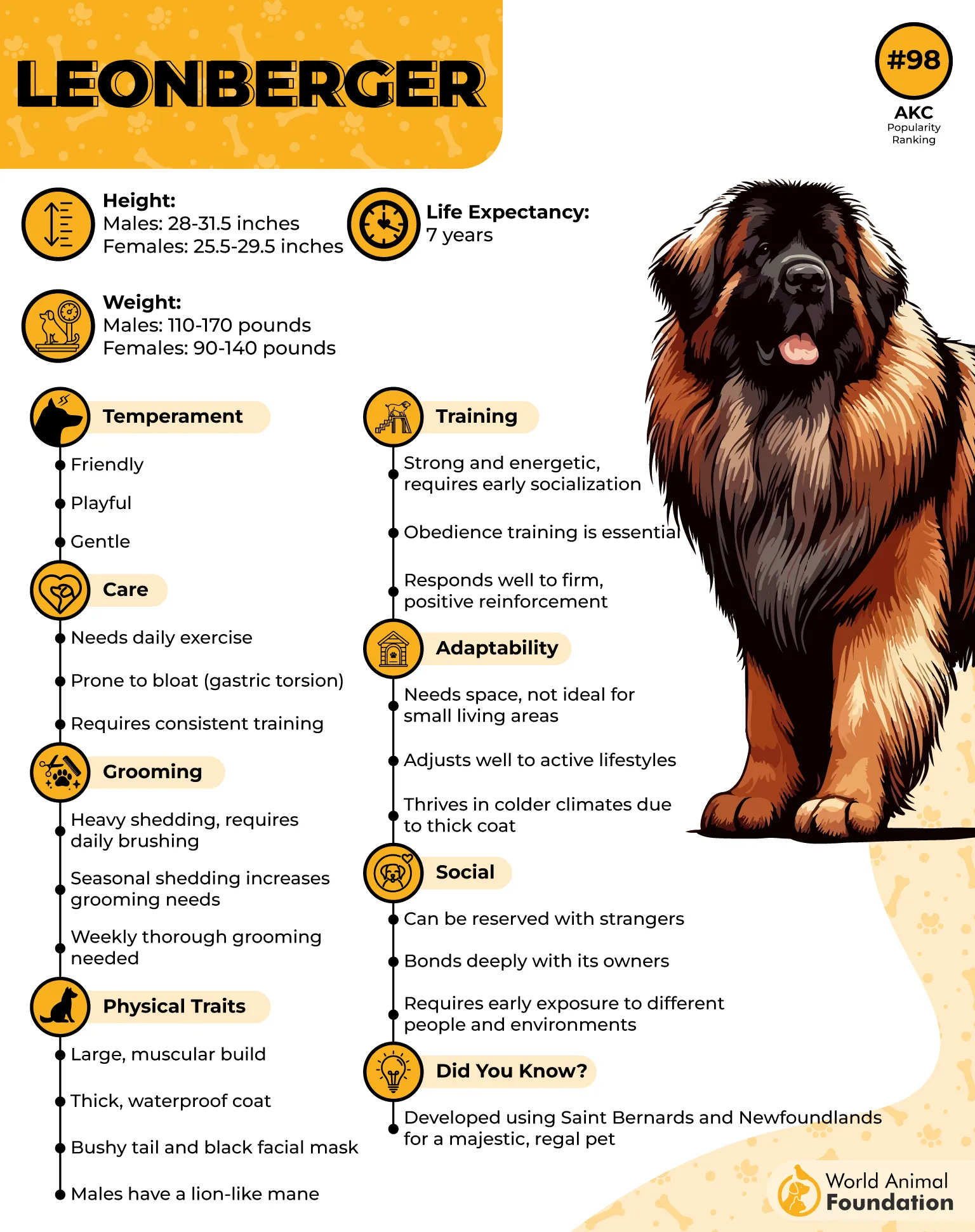
Leonbergers live shorter lives than most dog breeds do because their size and weight make them susceptible to health problems. Their rapid growth increases the risk of joint problems and bone cancer.
The essential components that maintain their health require them to receive regular grooming while they control their weight and establish emotional connections with their caregivers.
6. Dogue de Bordeaux
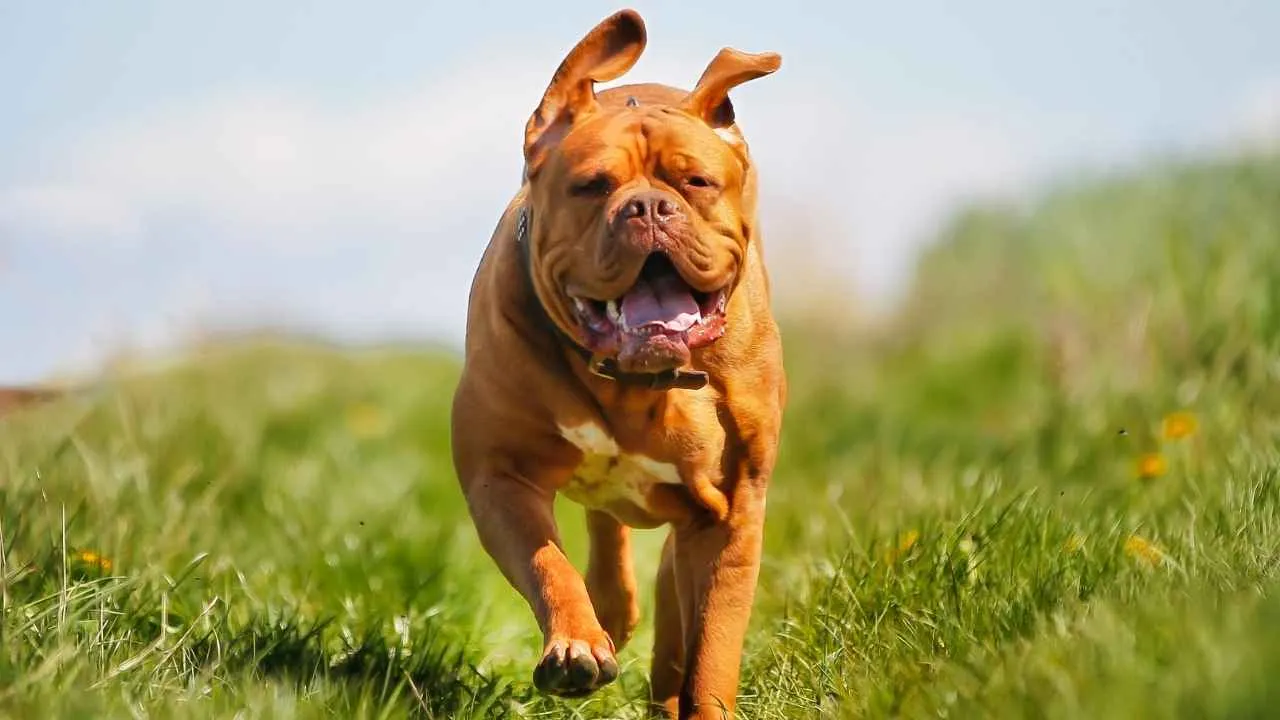
The Dogue de Bordeaux breed appears fearsome because of its powerful build, but it actually functions as a devoted and loving companion. This breed forms intense bonds with its family and prefers constant human interaction. Their laid-back personality makes them calm companions indoors.
According to PDSA, Dogue de Bordeaux dogs respond best to positive reinforcement training. The dog exhibits intelligence but demonstrates strong-willed behavior, which makes it unsuitable for first-time dog owners.
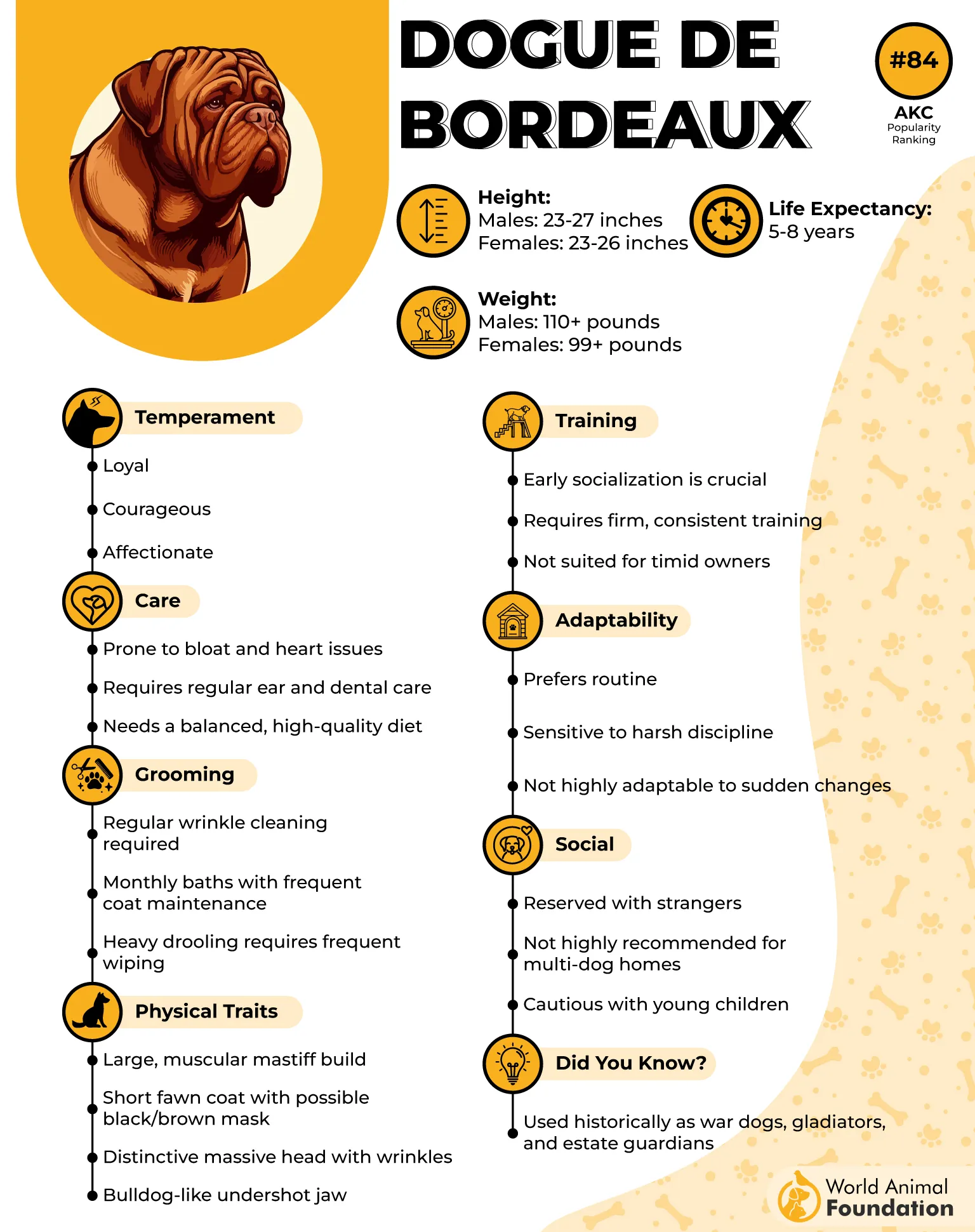
This breed suffers from a genetic condition that causes it to die at a young age. The most common health problems that affect them include heart disease, breathing difficuties and joint stress. The dogs experience emotional distress when left alone for extended periods, which leads to negative effects on their health. The situation requires responsible handling and constant watchful observation.
7. Newfoundland
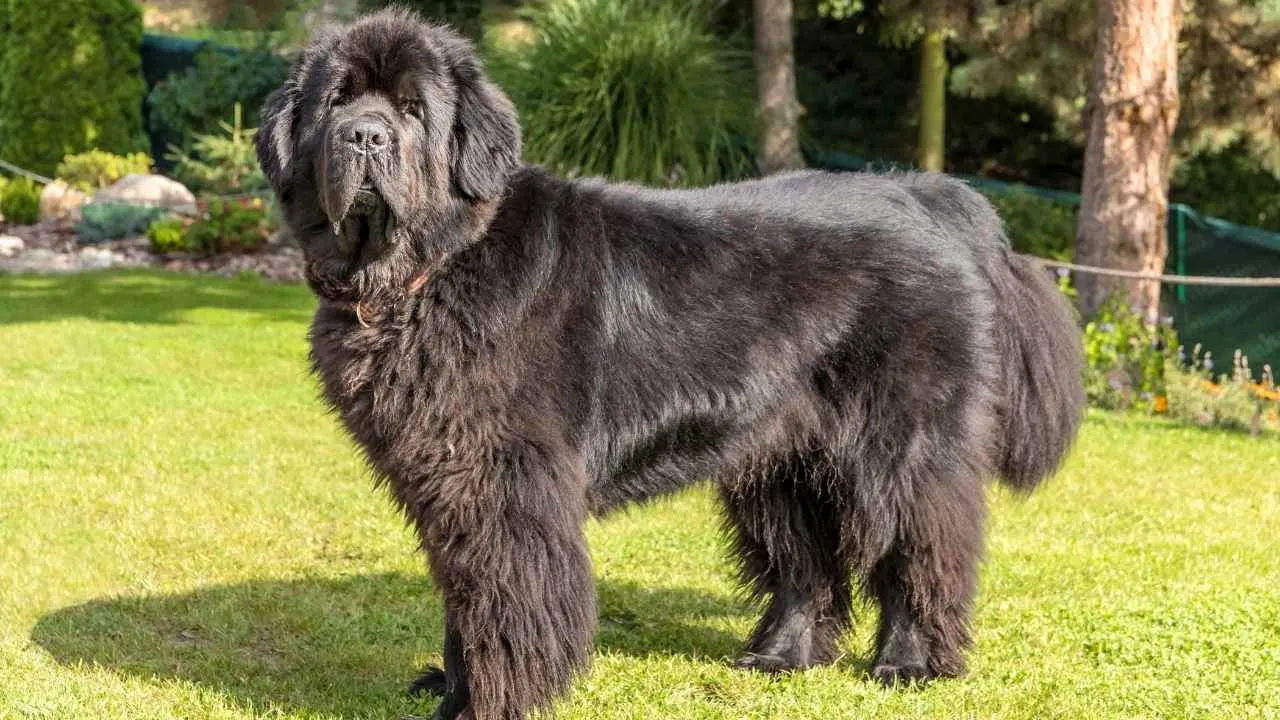
People use the term gentle giant to describe Newfoundlands, which show their weight from their large bone structure and dense fur. The puppies need specific feeding and exercise limits because they experience fast growth during their early development phase.
Purina states that Newfoundlanders demonstrate both extreme patience and strong loyalty to their families. The dogs show exceptional compatibility with children because of their love for family activities. Their peaceful disposition makes them suitable companions for homes that value serenity.
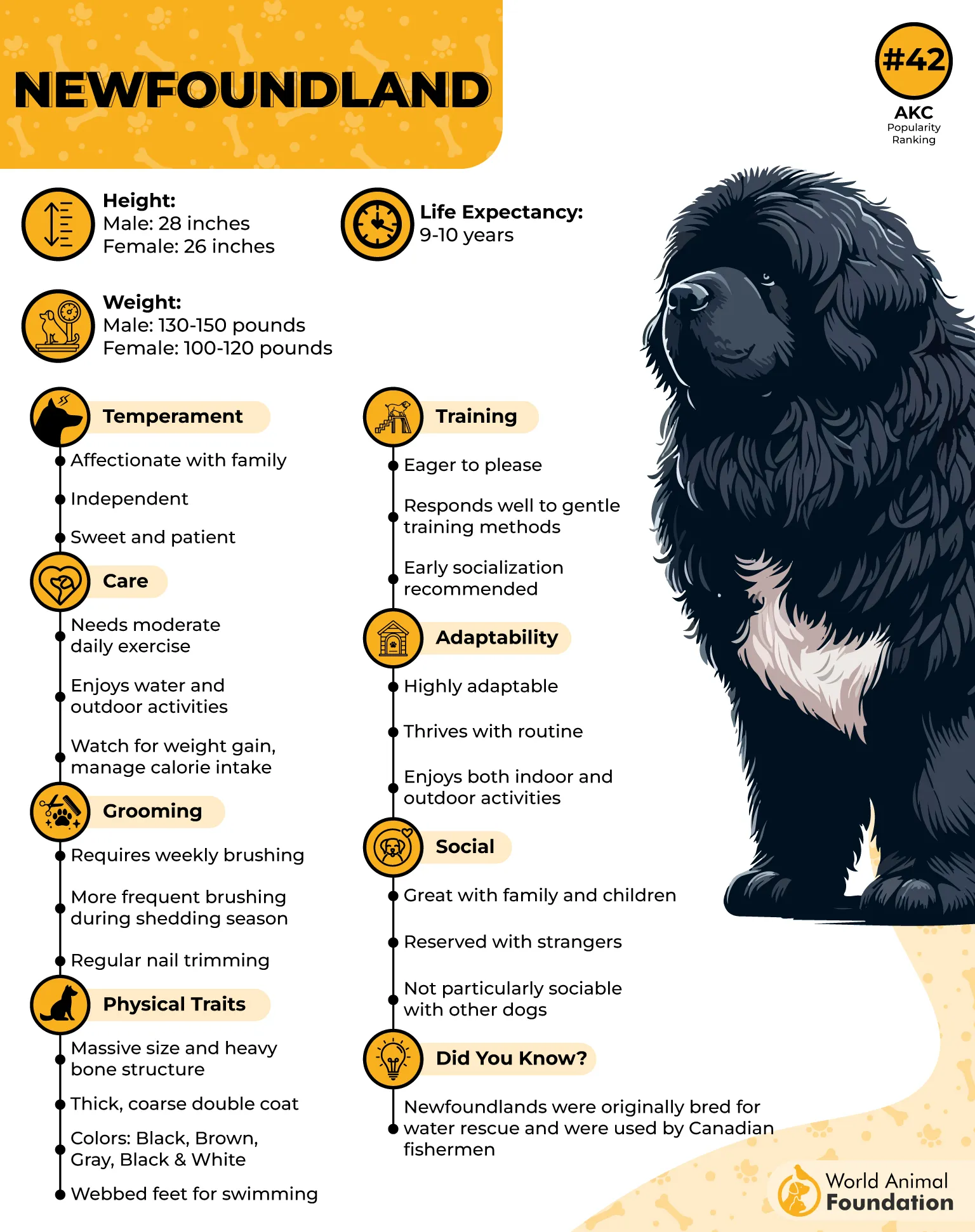
The size of the dog links to its decreased lifespan. Newfoundlands experience three specific health problems. which include overheating, joint stress, and skin conditions caused by drooling. The three methods of establishing a cool space, controlling body weight, and organizing regular vet appointments support a better quality of life.
Conclusion
People need to learn from dog breeds that experience short life spans because these breeds demonstrate both love and the commitment of pet ownership.
Large dog breeds show the highest level of loyalty and emotional attachment compared to smaller dog breeds, even when their life spans fall short of what smaller breeds achieve. Their shorter lives make every shared moment more meaningful.
Pet owners can provide their dogs with optimal life quality through health issue detection, proper feeding, exercise, and emotional support. Choosing such breeds isn’t about avoiding heartbreak. It’s about embracing a journey filled with devotion, warmth, and unforgettable companionship.
