




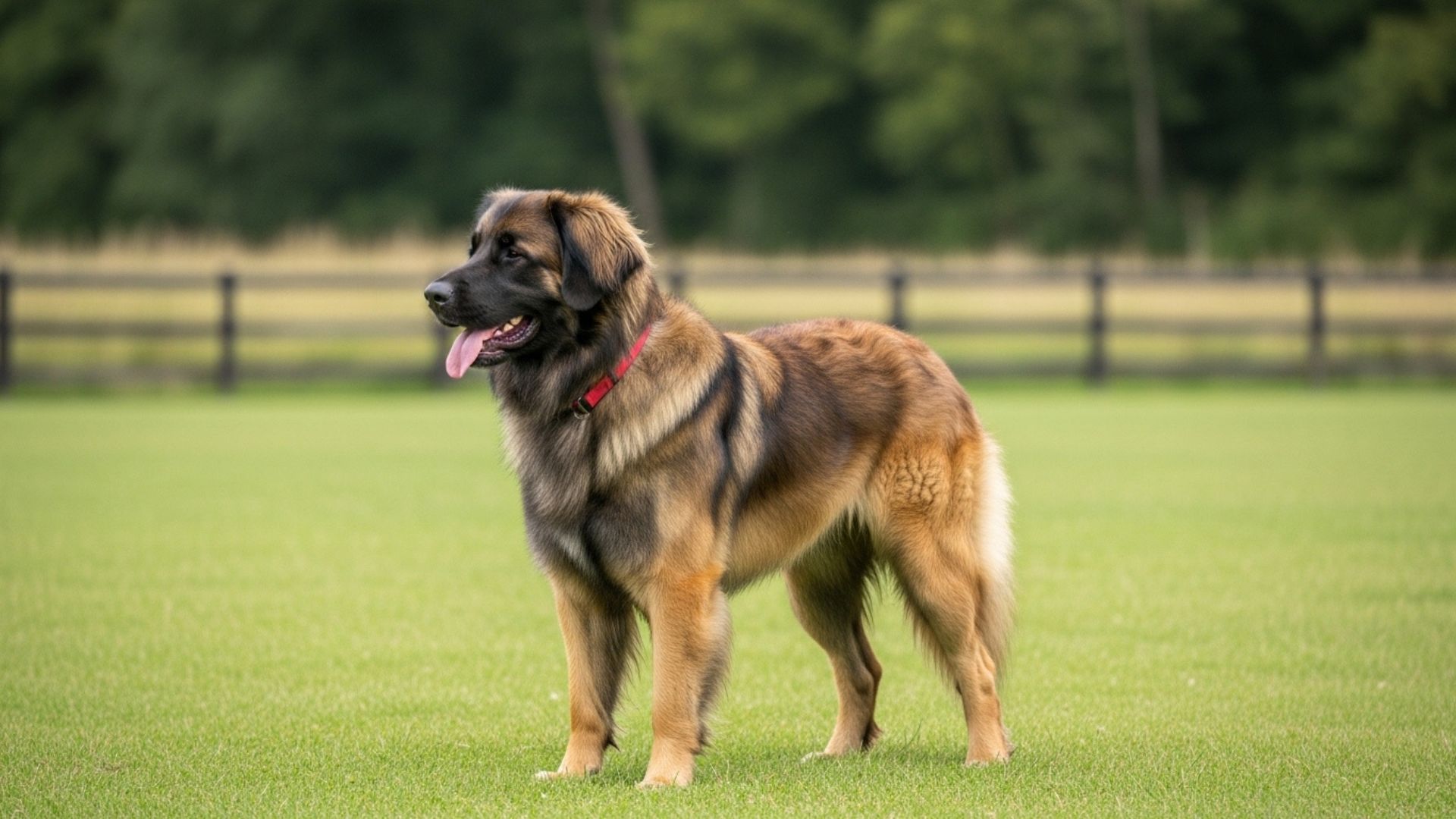
Ever wondered why some dogs seem to have shorter lives than others?
The truth is, not all dogs appear equal when it comes to lifespan; some giant breeds face more challenges. In this article, we take a close look at dog breeds with reduced lifespans, a realistic view, and what contributes to their shorter years.
Large and giant breeds often face more health challenges, from hip dysplasia to heart disease and various forms of cancer, which can significantly affect their average life expectancy. Smaller breeds generally enjoy longer lives, but even within large breeds, proper care can make a meaningful difference.
According to PetMD, the average lifespan of dogs overall is between 10 and 13 years, but this varies dramatically by breed and size, with some giant and poorly‑bred dogs living much less.
We will explore seven notable breeds with shorter lifespans, examining their unique challenges, health considerations, and how attentive owners can help their four‑legged friends live fuller, happier lives.
Dog Breeds with Reduced Lifespans: A Realistic View
1. Dogue De Bordeaux
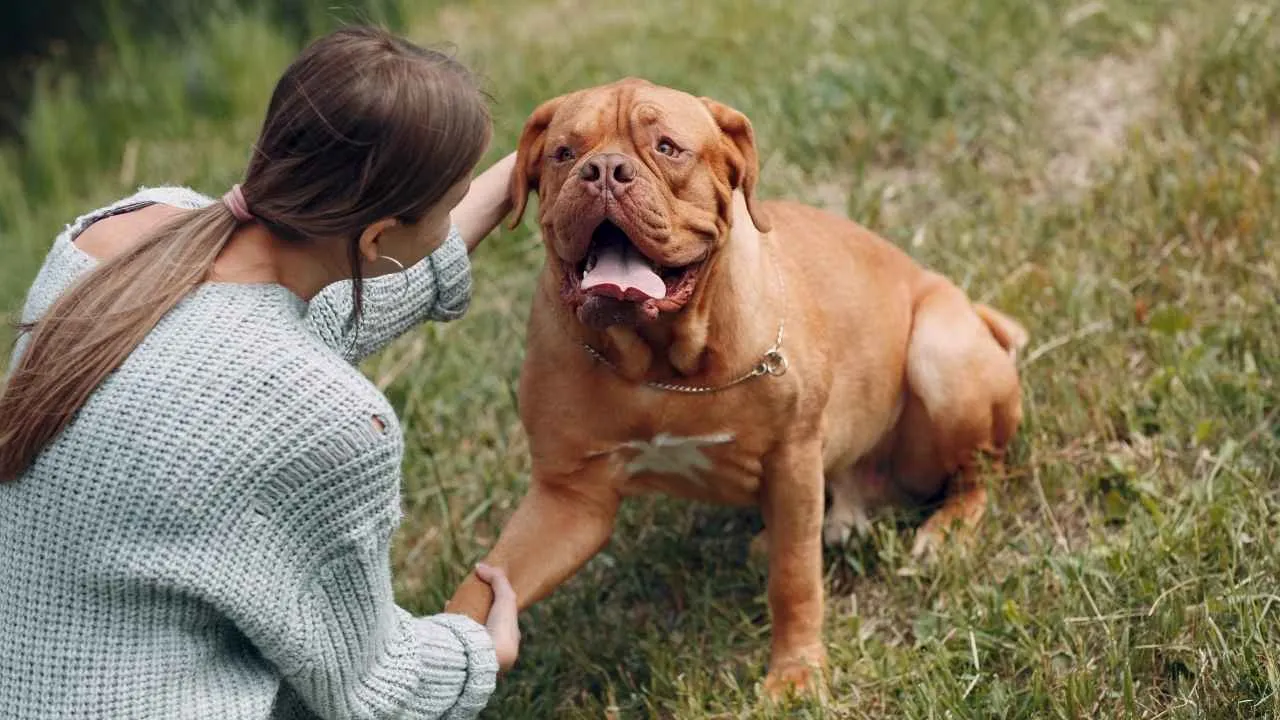
The Dogue De Bordeaux is one of the most ancient of French dog breeds, renowned as an immensely powerful mastiff-type guardian. According to Wikipedia, often called the Bordeaux Mastiff, French Mastiff, or Bordeaux Dog, this breed has a muscular, imposing body built for protection.
Historically, they served as estate guardians and war companions, combining strength with intelligence. Their protective instincts make them loyal family members, yet they are known for their surprisingly gentle nature with those they trust.
Despite their imposing appearance, these dogs face several health challenges. Large muscles and heavy frames can contribute to musculoskeletal system pain, while heart disease, particularly mitral valve disease, is a common concern.
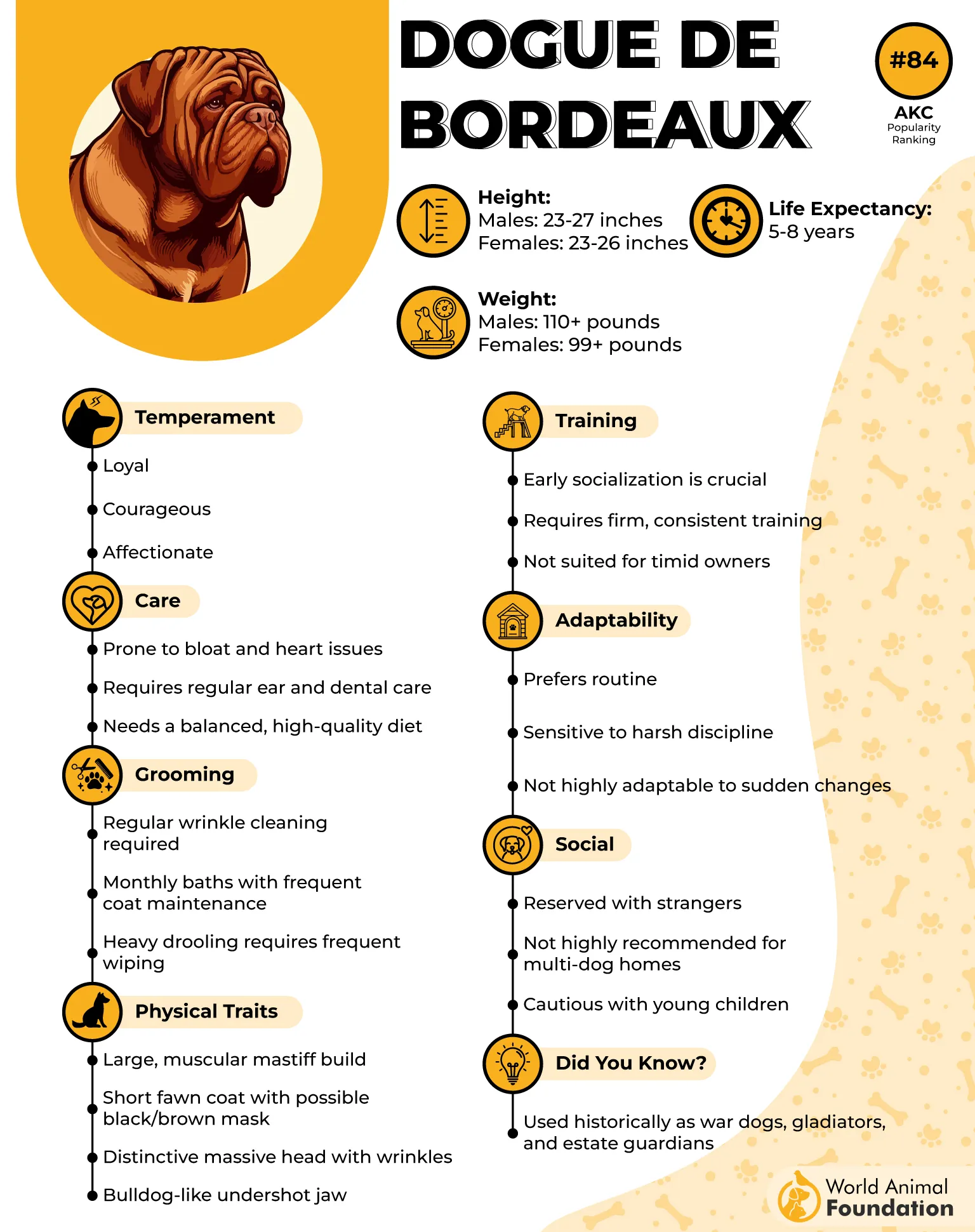
These factors are why the Dogue De Bordeaux is considered among the best dog breeds with the shortest lifespan, often shorter than most smaller breeds.
Prognosis and Care
Responsible breeders who prioritize genetic health and implement healthy weight management can help counteract future problems. Regular vet visits, controlled exercise, and proper nutrition are essential to extend life and maintain a high quality of life.
Key Points to Remember:
Highly intelligent and attentive, making training possible but requiring consistency.
Strong family bonds; protective without being unnecessarily aggressive.
Best suited for owners who can manage size and strength responsibly.
Lifespan typically shorter due to size-related health issues.
2. Bullmastiff
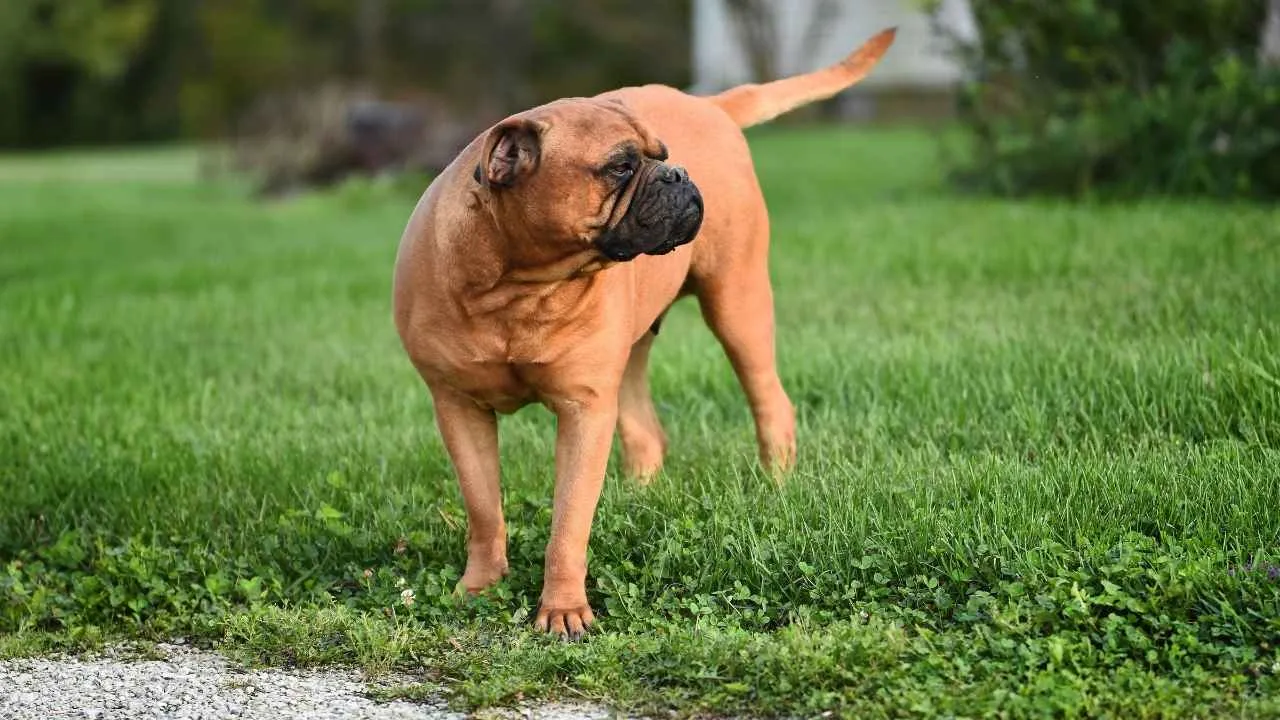
The Bullmastiff is a loyal, affectionate, and brave guardian, originally bred in merry old England to pursue and catch poachers.
According to the American Kennel Club, known as a world-class protector and family companion, this large, muscular breed combines strength with a keen sense of protective instincts, making it reliable and gentle with loved ones.
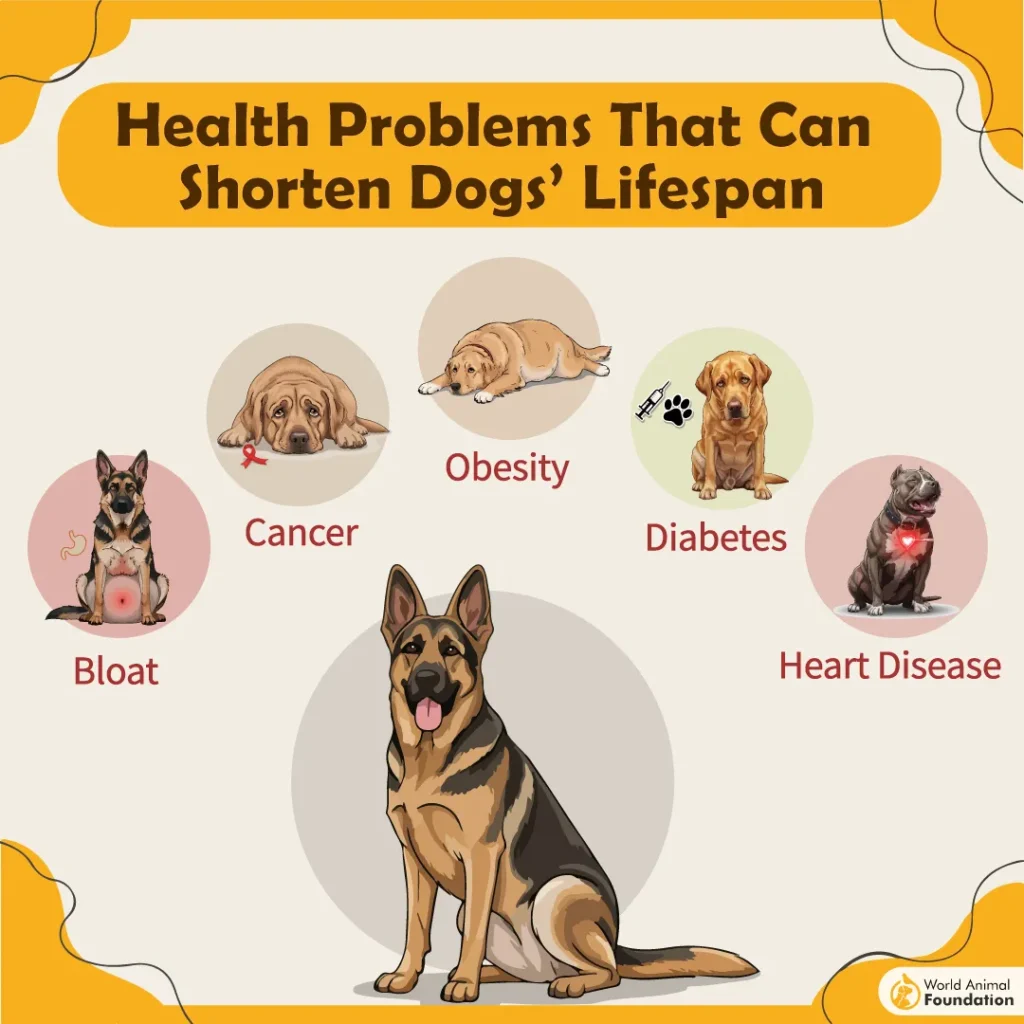
Despite their impressive build, Bullmastiffs face serious challenges. Cancer involvement, including bone cancer, is common. They are prone to joint dysplasia, which can cause musculoskeletal pain, and breathing difficulties may occur due to their short muzzle.
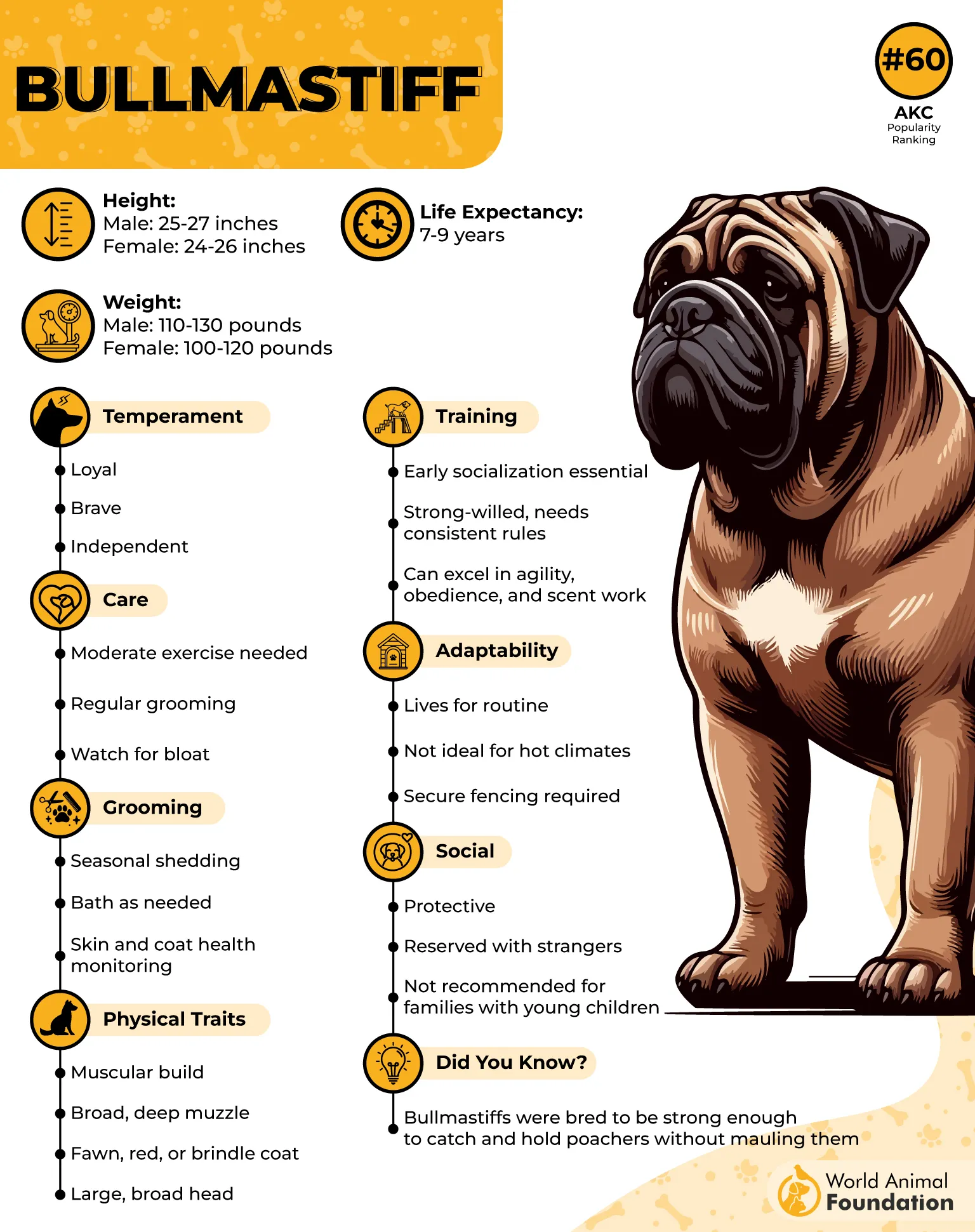
The strain on the cardiovascular system also increases health risks. The shorter lifespan due to size is a reality for this breed. Death median age statistics from research show that many live fewer years than smaller dogs, even with careful attention.
Care Tips
Good nutrition, controlled exercise, and regular vet visits are key. Monitoring for joint problems, musculoskeletal pain, and breathing difficulties, and any cancer involved, helps maximize quality of life.
Key Points to Remember:
Strong protective nature with a family-friendly temperament.
An affectionate nature brings immense joy to families.
Prone to cancer involvement, bone cancer, joint issues, elbow dysplasia, and cardiovascular strain.
Among the shortest-lifespan dog breeds, largely due to size-related challenges.
3. Irish Wolfhound
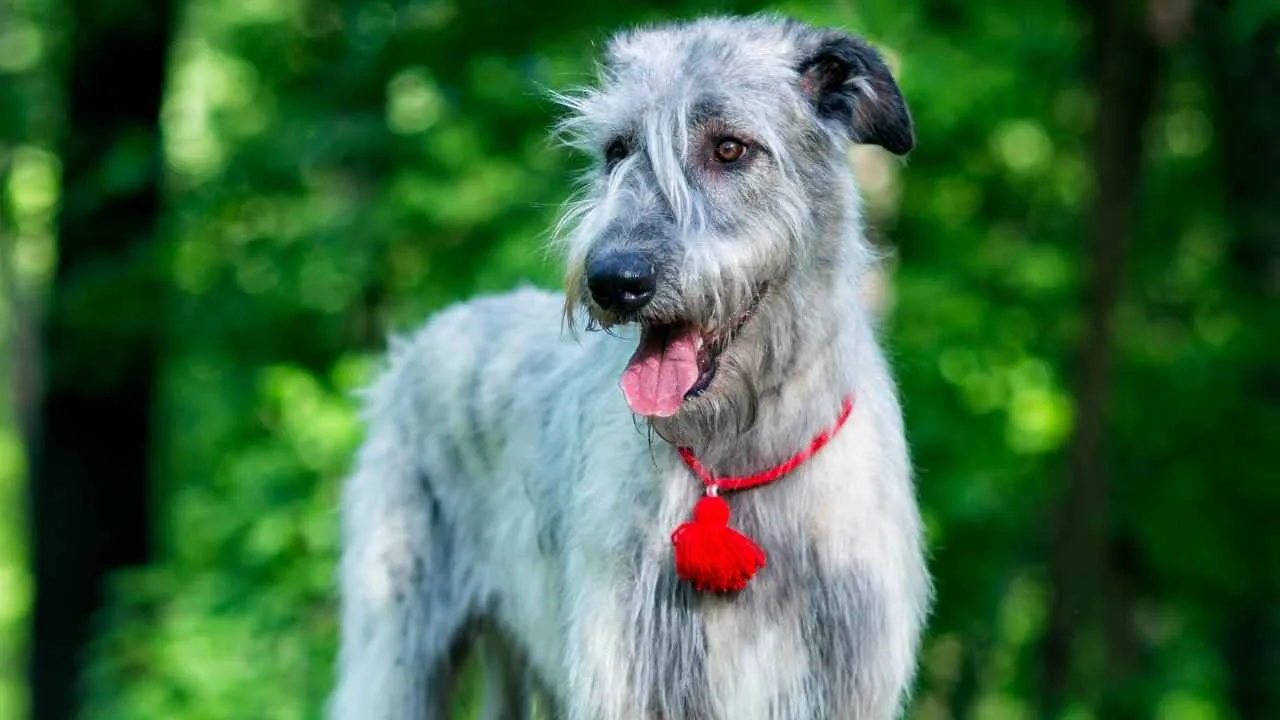
The Irish Wolfhound is a large and powerful breed, yet known for being big softies at heart. Originally bred in Ireland to protect livestock from wolves, they rank among the tallest of all dog breeds.
While historically used as a hunting dog breed, it’s important to note that neither a hunting dog nor a trained dog is recommended as a pet for inexperienced owners.
According to PDSA, with proper training and socialization, they can be very friendly with people and other dogs, making a gentle family companion despite their imposing size.
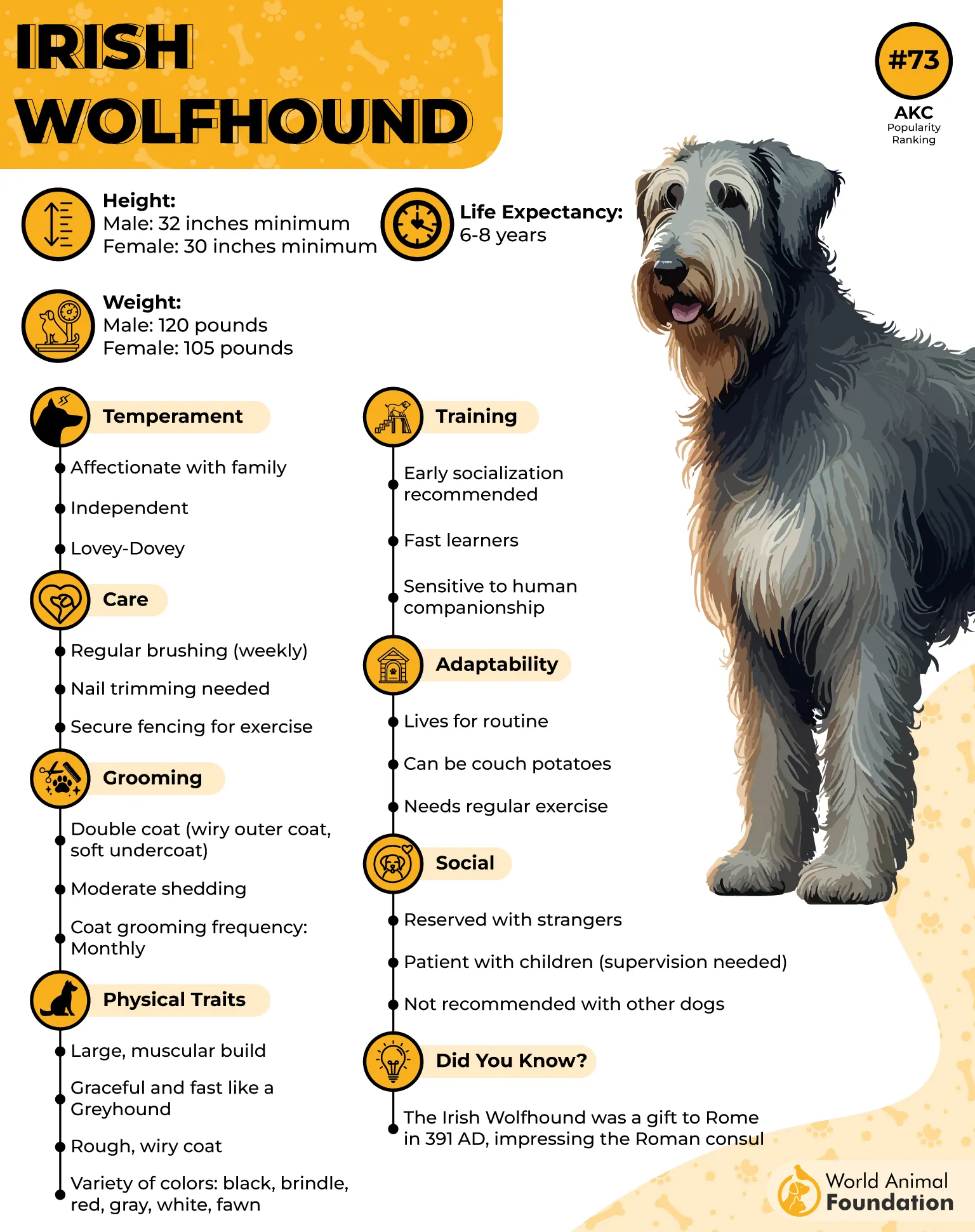
Their rapid growth contributes to joint problems and predisposes them to heart disease, common concerns in large breeds. These factors are partly why the Irish Wolfhound is considered to have one of the shortest life expectancies among large dogs.
The prognosis varies greatly depending on genetics, diet, and care. Even with attentive management, death occurs at a younger age than most smaller dogs, typically between six and ten years.
Family Appeal
Their gentle temperament and calm presence leave a good impression on families, combining loyalty, affection, and quiet dignity that few breeds match.
Key Points to Remember:
Gentle and friendly with proper socialization.
Requires experienced owners due to size and strength.
Prone to rapid growth-related joint problems and heart disease.
Among large dog breeds, those with the shortest life expectancy make attentive care essential
4. Great Dane
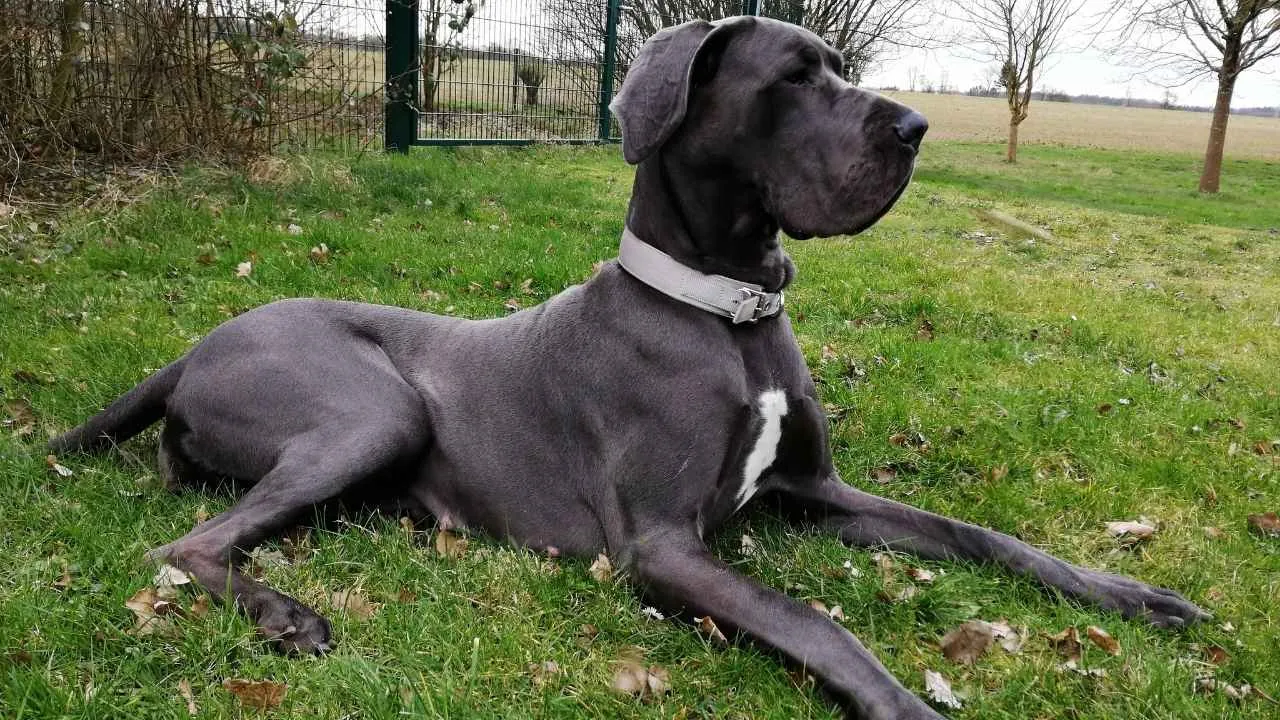
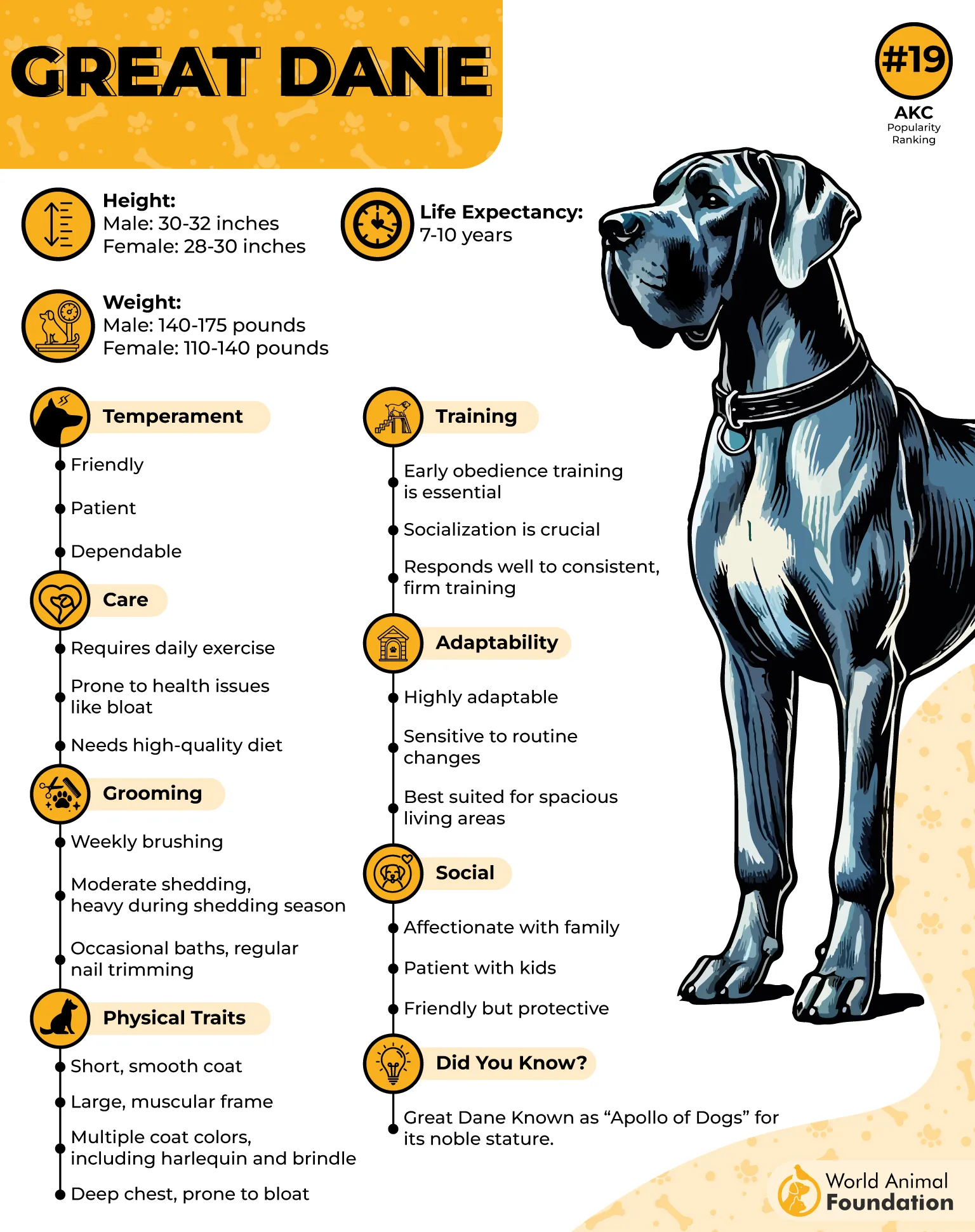
The Great Dane, often called the “gentle giant,” is an affectionate and loyal breed, perfect for an active family that can accommodate its size. According to Purina, descended from hunting dogs of the Middle Ages, they were used to track bears, wild boar, and deer, and also served as vigilant guardian dogs.
Their calm, patient demeanor and willingness to bond deeply with family members truly justify their famous nickname. With their rapid growth comes significant strain on hips and knees, making life difficult and leading to musculoskeletal system pain.
They are also prone to cancer, including blood cancer, and issues with the cardiovascular system, making preventive care essential.
Care & Lifespan Management
Maintaining a healthy weight, providing regular exercise, and ensuring good nutrition can help manage these risks. Even with careful attention, however, Great Danes have one of the shortest average lifespans among dog breeds, largely due to size-related health problems.
Key Points to Remember:
Calm and affectionate, making them ideal companions for families.
Size and rapid growth put pressure on joints.
Prone to cancer and blood-related illnesses despite preventive care.
Gentle giant’s reputation reflects their temperament rather than their lifespan.
5. Leonberger
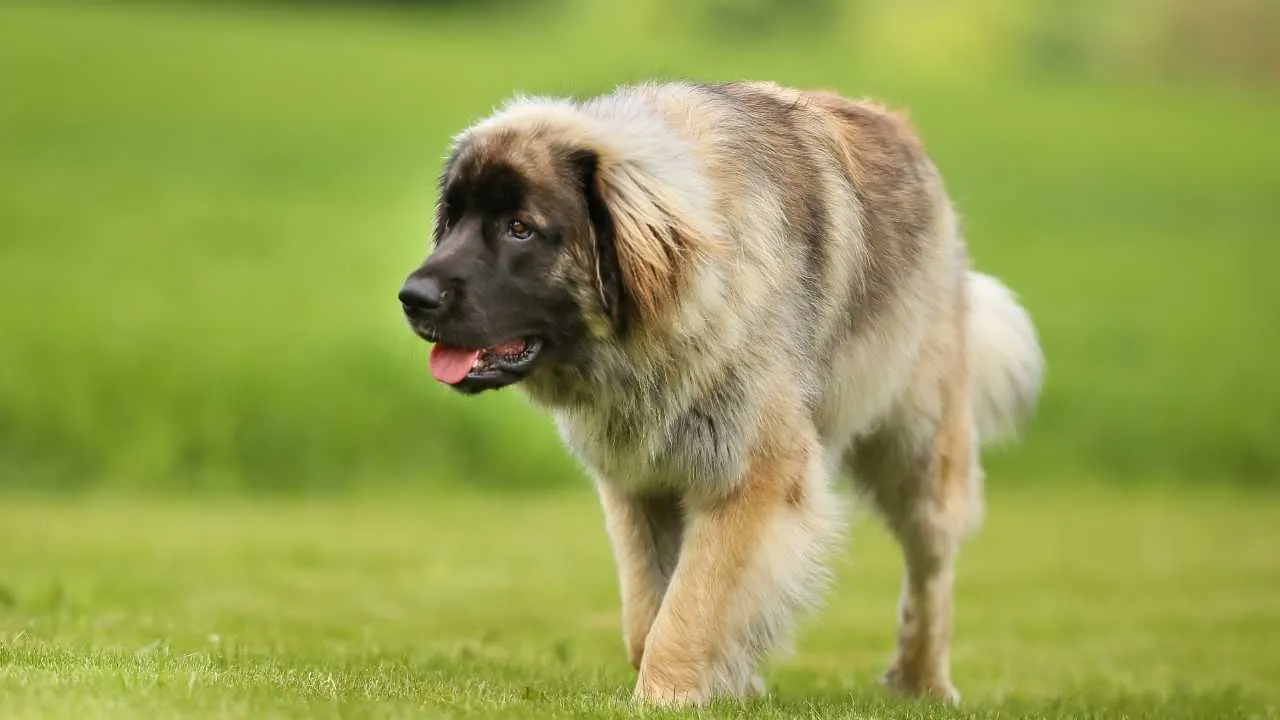
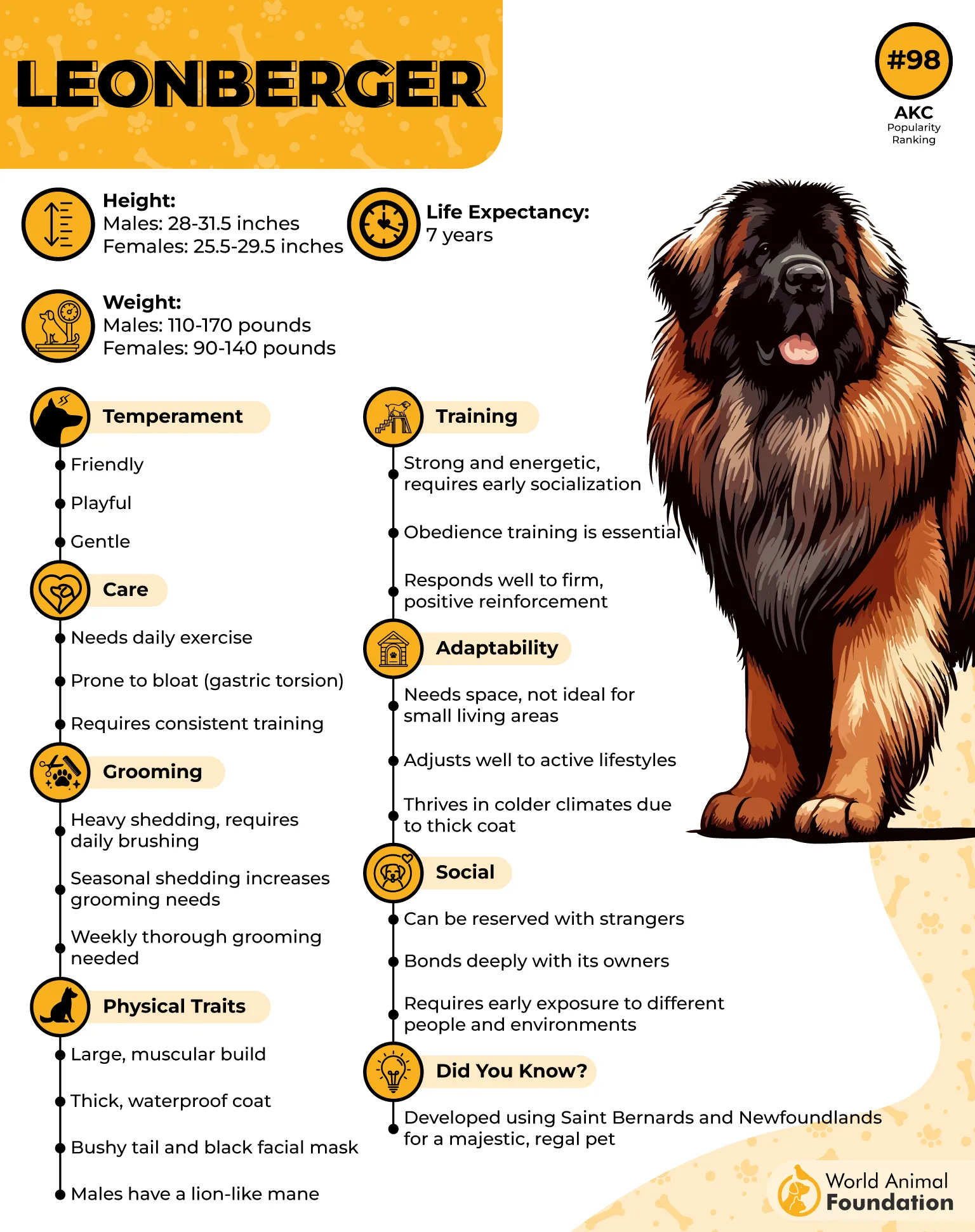
The Leonberger is a friendly, playful, and large breed that shines in both farm dog and family companion roles. According to Hill’s Pet, during World War I, the breed nearly disappeared; of the 25 remaining Leonbergers, only five were considered suitable for breeding.
Despite this near-extinction, careful preservation ensured the breed’s survival, and today they are known for their intelligence and trainability, though they can sometimes be strong-willed.
Leonbergers are not aggressive with people, though they may become reserved with strangers as they mature. Their calm, balanced nature makes them ideal for families, while their loyalty and patience suit farm dog roles as protectors and helpers around livestock.
Health & Lifespan:
Large size comes with some challenges. Hip joint problems can affect mobility, and skin tumours are a health concern to monitor. Even with proper care, Leonbergers have a relatively short lifespan compared to smaller dogs, meaning owners must be mindful of preventive measures and attentive management.
Key Points to Remember:
Excellent farm dog or family companion, combining loyalty with patience.
Intelligent and trainable, yet sometimes strong-willed.
Susceptible to hip joint problems and skin tumors.
Large size contributes to a relatively short lifespan.
6. Rottweiler
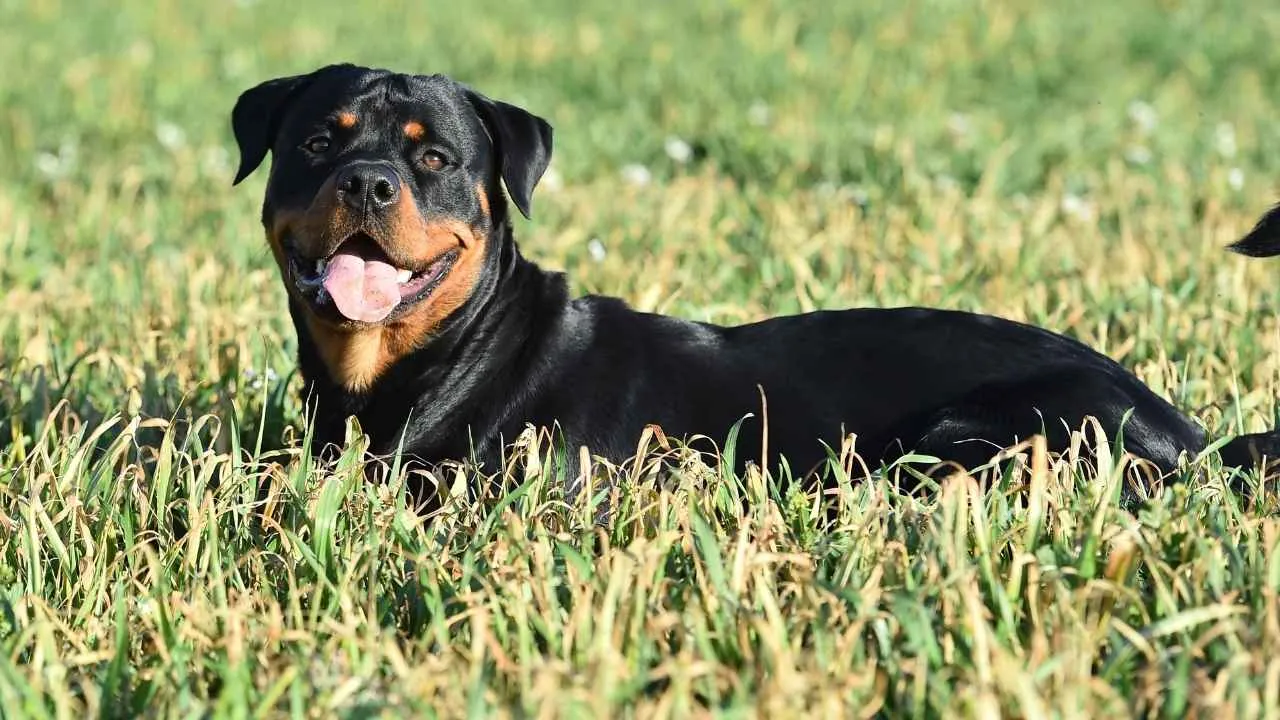
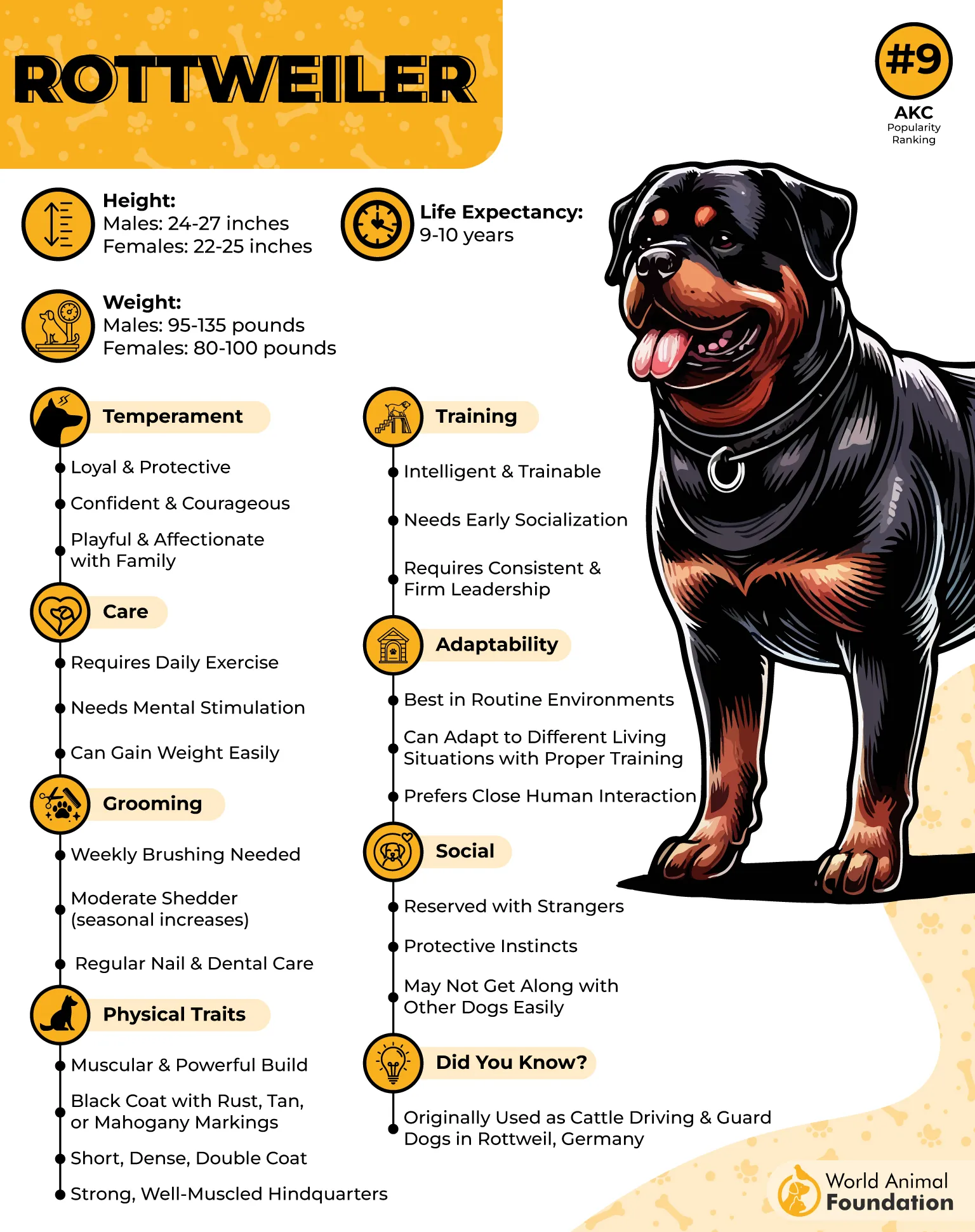
The Rottweiler is a domestic, mastiff-type guard dog, typically medium to large or even large in size. The name “Rottweiler” translates to butcher dogs, reflecting their historical role in herding livestock and pulling carts.
According to Pawlicy Advisor, while naturally cautious and suspicious of strangers, Rottweilers are very affectionate and loyal to their family, forming strong bonds that make them ideal companions. Many are also trained as therapy and guide dogs, demonstrating intelligence and reliability beyond their guarding instincts.
Rottweilers are prone to several serious conditions. Hip dysplasia and heart disease can impact mobility and overall well-being. Additionally, they face a higher incidence of cancer, making vigilant care essential.
Lifespan & Care
With responsible breeding and regular exercise, owners can extend life and manage risk factors. Nonetheless, Rottweilers rank among the dog breeds with the shortest average lifespan, and the median age of death often falls below that of smaller dogs.
Health trends show cancer involvement remains a high or low risk depending on genetics and lifestyle, but attentive care ensures they remain safe dogs for families.
Key Points to Remember:
Loyal, affectionate, and ideal for therapy or guide work.
Prone to hip dysplasia, heart disease, and testicular cancer.
Responsible breeding and regular exercise can help extend life.
Among the dog breeds with the shortest average lifespan, requiring careful monitoring.
7. Bernese Mountain Dog
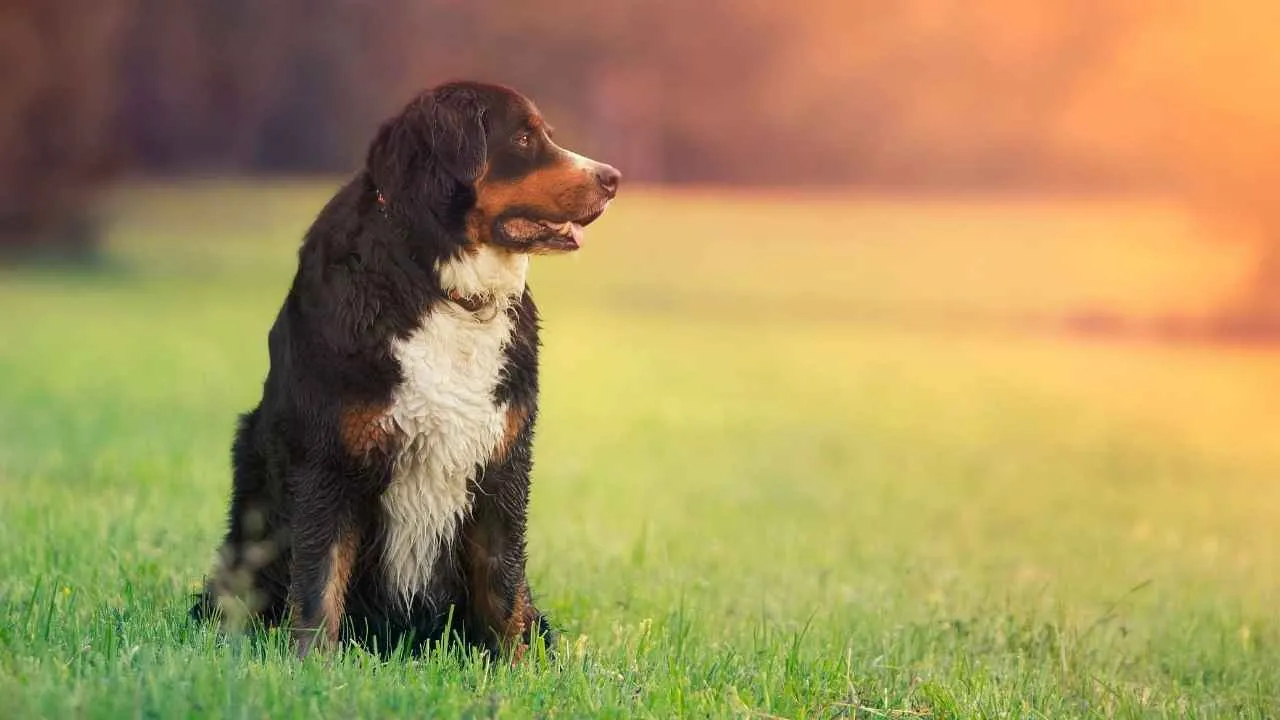
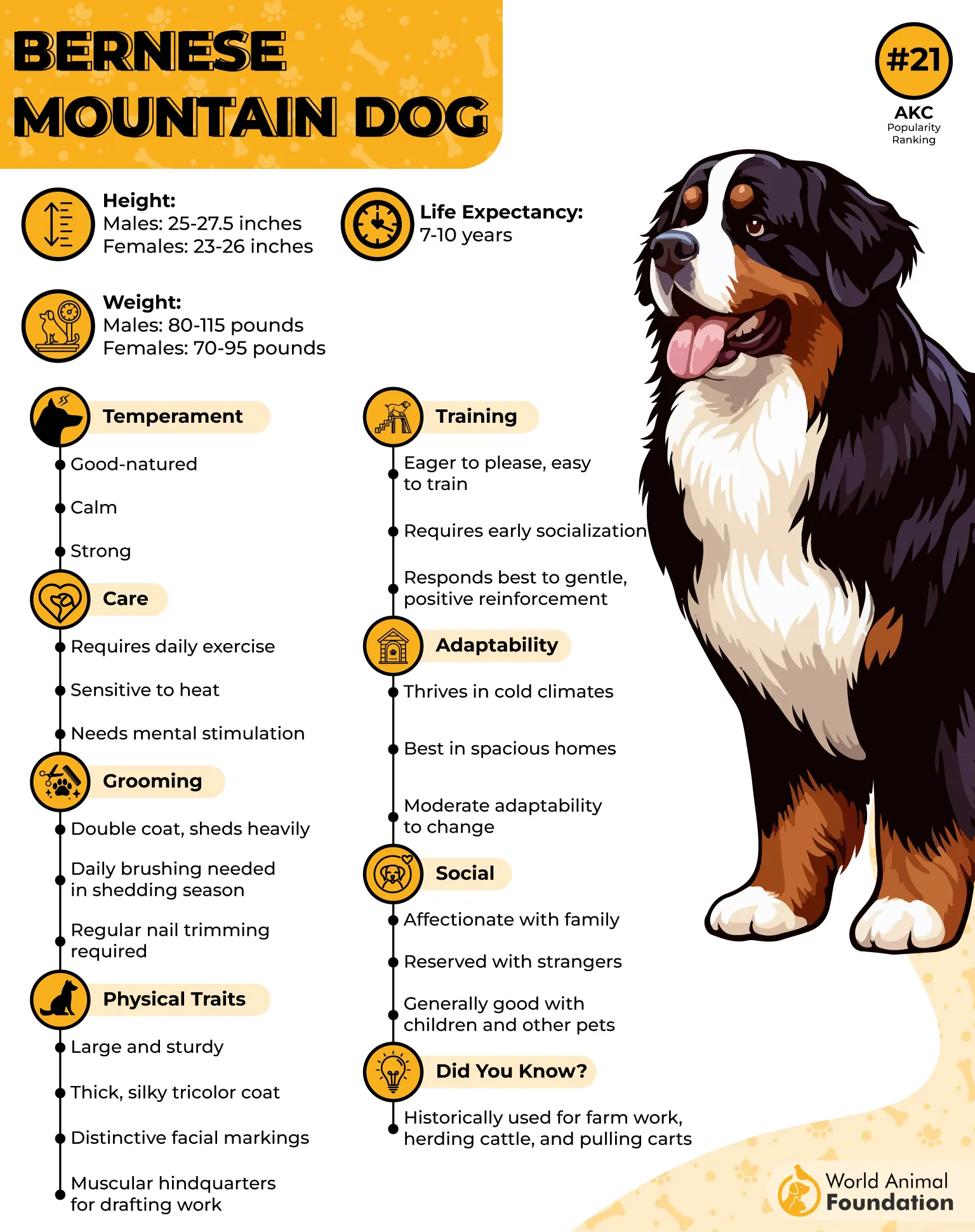
The Bernese Mountain Dog has roots going back more than 2,000 years, when invading Romans brought perky dogs to Belgium, noted by Britannica. Over centuries, this breed became an essential farm dog, widely used to pull carts and drive cattle, combining strength with remarkable intelligence.
Their calm, loyal nature made them invaluable helpers on farms, yet they are equally beloved as gentle family companions today. Despite their sturdy appearance, Bernese Mountain Dogs face significant health concerns.
Large size contributes to the shortest average lifespans among giant breeds, and they are prone to skin problems, cancer, joint dysplasia, and brachycephalic airway syndrome. Early monitoring and awareness are key to addressing these issues and improving quality of life.
Care & Management
Attention to nutrition, gentle exercise, and regular veterinary care can help manage health risks. Though their lifespan is shorter than that of smaller dogs, their calm demeanor and loyalty leave a lasting impression on families fortunate enough to share life with them.
Key Points to Remember:
Historically used in farm work, pulling carts, and herding cattle.
Prone to cancer and elbow dysplasia, impacting longevity.
Gentle and loyal with families.
Requires careful management to maximize quality of life despite a shorter lifespan.
Conclusion
Understanding the realities of dog breeds with reduced lifespans helps owners prepare for the unique challenges of large and giant breeds. Many dogs are affected by common health concerns such as heart issues, joint problems, and cancer, which contribute to a shorter lifespan and require careful monitoring.
While no dog lives forever, careful attention can help save dogs from preventable complications. Training practices, such as regularly practicing recall and controlled exercise, also reduce stress and support overall health.
Even with these measures, owners should be aware that dog life insurance expires sooner for some breeds due to early-onset health problems, making preventive care vital.
Despite these challenges, the lasting bond these dogs bring to families makes every moment worthwhile. Awareness, preparation, and love ensure your four-legged friend enjoys a safe, happy life.
