




Have you ever looked at your dog and wondered how many more happy years you’ll get together? It’s something every pet parent thinks about. Dogs aren’t just animals we care for—they’re family, our daily companions, and the ones who greet us like we’ve been gone for years (even if it’s only five minutes).
Interestingly, dogs are considered the most phenotypically diverse species on the planet—meaning no other species shows such variety in size, shape, and appearance. And that diversity directly affects lifespan.
The good news? Longevity isn’t determined by breed alone. A high-quality diet, regular exercise, maintaining a healthy weight, and routine veterinary care can significantly extend a dog’s life and improve their overall well-being.
In this article, we’ll explore the longest living dog breeds—and share what truly helps them thrive—so you can make a thoughtful choice and enjoy as many joyful years as possible with your furry best friend.
Key Takeaways
Find out which breeds, like Toy Poodles and Papillons, live the longest.
See how Australian Shepherds and Cattle Dogs stay active and healthy.
Learn why Chihuahuas can reach 20+ years with proper care.
Explore tips to keep Dachshunds, Jack Russells, and others happy and strong.
Dog Breeds With Proven Long-Lasting Health
1. Toy Poodle

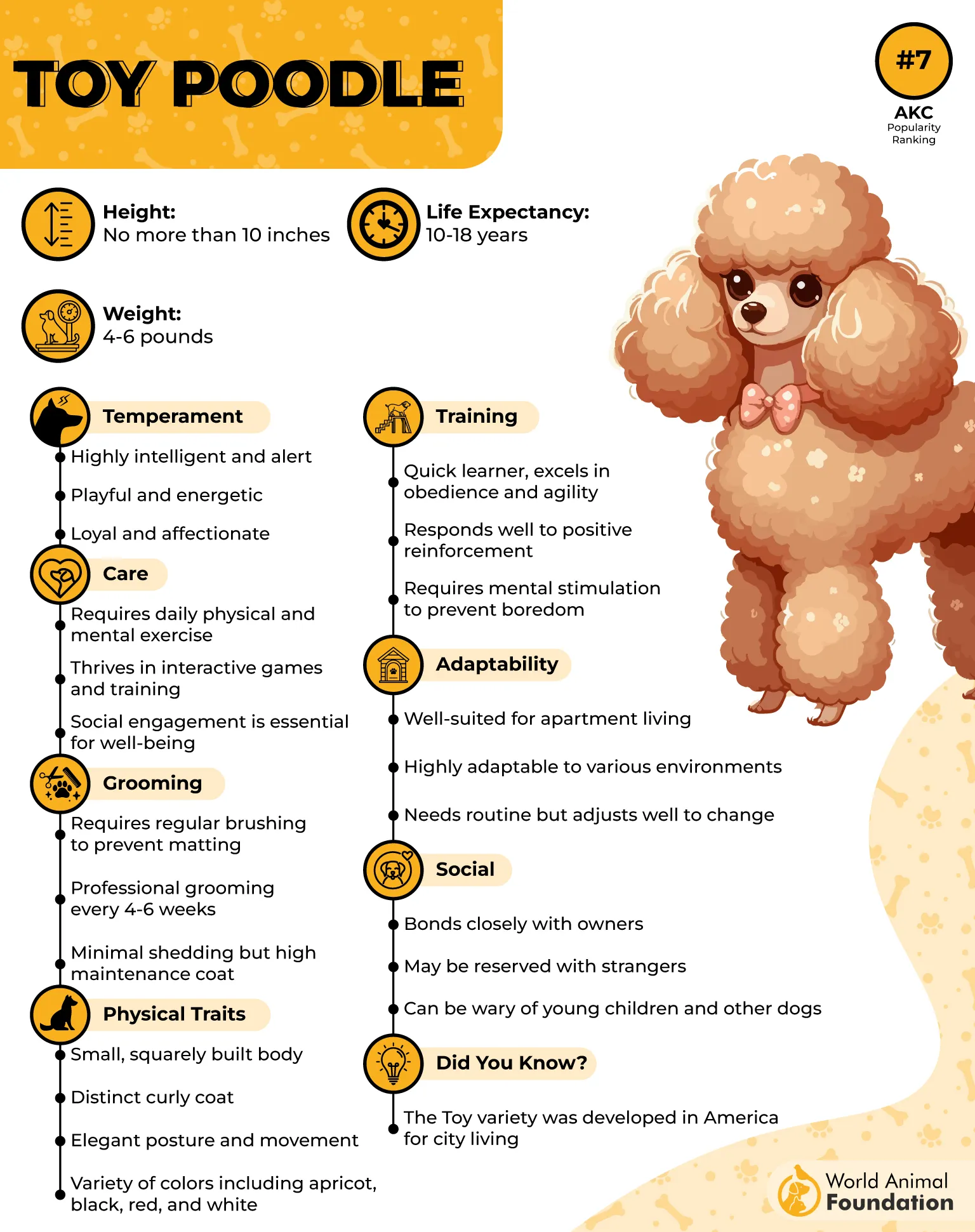
Small in size but big in personality, the Toy Poodle is known for both intelligence and impressive longevity. As the smallest of the three Poodle types (Standard, Miniature, and Toy), this little companion often enjoys a long life.
It’s common for them to reach 16 to 18 years. Poodles are also considered one of the healthiest dog breeds overall, with lower genetic health issue risks than many others.
Personality & Strengths
Toy Poodles are highly intelligent and extremely intuitive. They learn basic commands quickly and can master complex tricks with ease. They are loyal to their families and friendly with strangers, dogs, and other pets. This makes them a wonderful choice for first-time pet parents.
However, they have lots of energy and active minds. Daily exercise and mental stimulation are a must to keep them happy and well-balanced.
Care & Health Notes
Even with their long lifespan, Toy Poodles can develop common small-dog health issues. These include eye problems, dental disease, Legg-Calvé-Perthes disease, and luxating patellas. Dental care is especially important, particularly in their senior years.
Daily tooth brushing, dental-focused diets, professional cleanings, treats, and water additives can help prevent health problems. Their curly coat also needs regular brushing and professional grooming.
PetMD mentions that while no dog is truly hypoallergenic, Toy Poodles shed less and may cause fewer allergy issues for some people.
2. Australian Shepherd
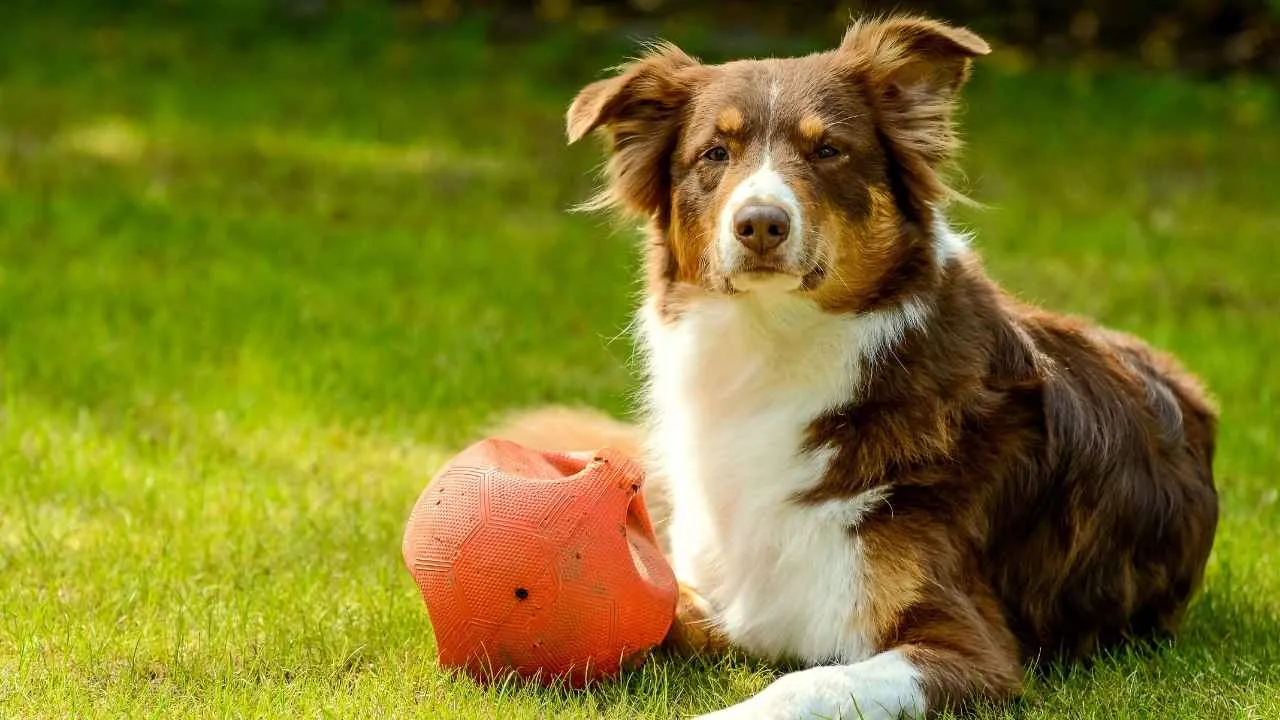
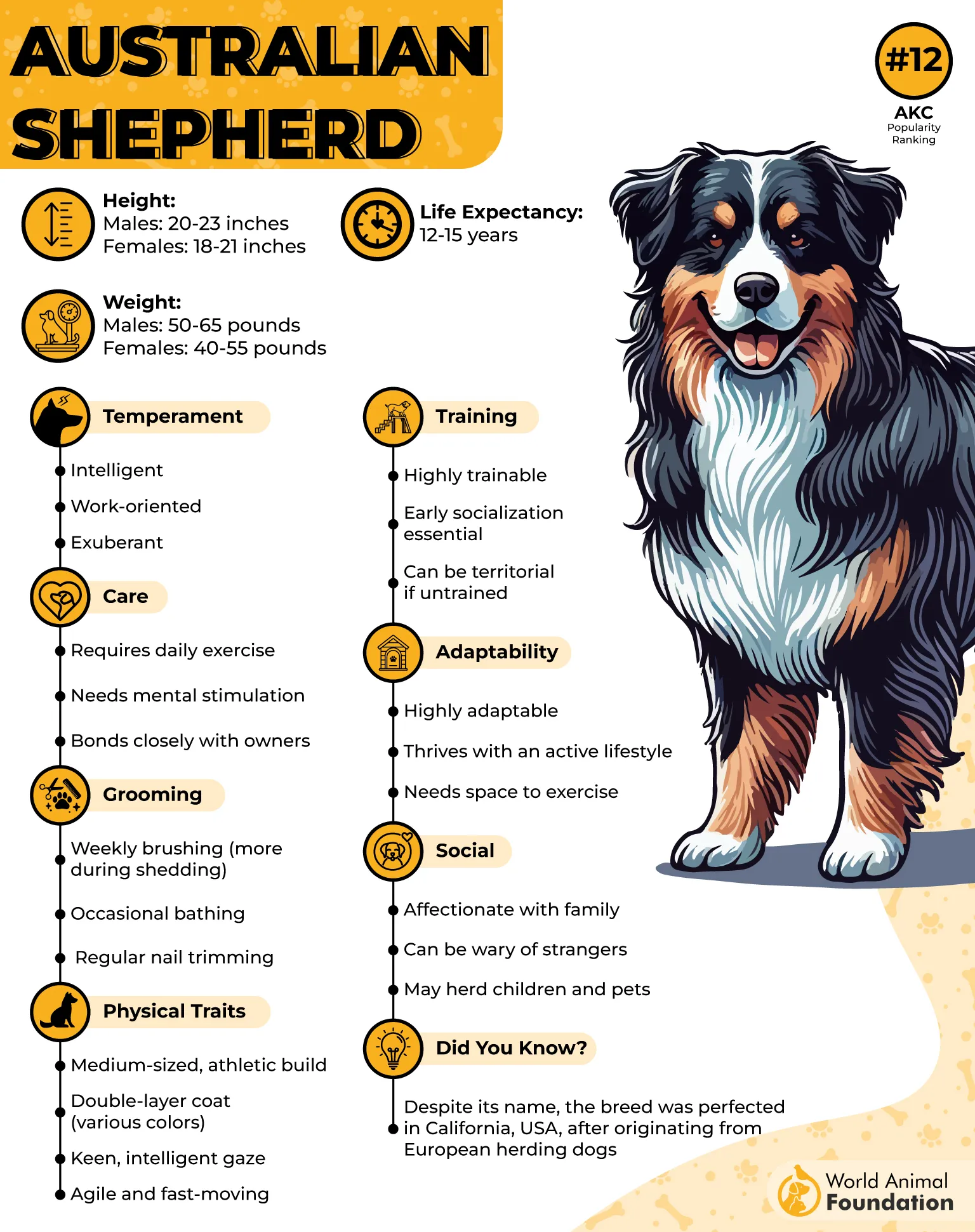
The Australian Shepherd, often called the Aussie, proves that medium-sized dogs can enjoy impressively long lives, too. On average, they can live up to 15 years.
Originally bred as hardworking herding dogs, they are intelligent, loyal, and full of energy. They love having a job to do and are happiest in homes that keep both their minds and bodies active.
Personality & Energy
Aussies are highly intelligent and naturally driven to please their people. They are athletic, muscular, and agile, with strong herding instincts. Because of this background, they may have a strong prey drive and enjoy games like fetch.
They might also try to chase moving objects such as bikes, scooters, cars, or even children. They are typically friendly but can take time to warm up to strangers. With early socialization, they can live peacefully with children, cats, and other dogs.
Health & Care Considerations
Australian Shepherds are generally healthy, but they can develop hip dysplasia, cataracts, and epilepsy during their lifetime. Their active lifestyle means joint and hip care is especially important to support mobility at every stage of life. Like all dogs, diet and exercise play a major role in longevity.
Keeping them lean, well-exercised, and on a balanced diet helps them live their full lifespan. Disease or injury—even if not directly fatal—can sometimes shorten life, so preventive care truly matters.
3. Australian Cattle Dog
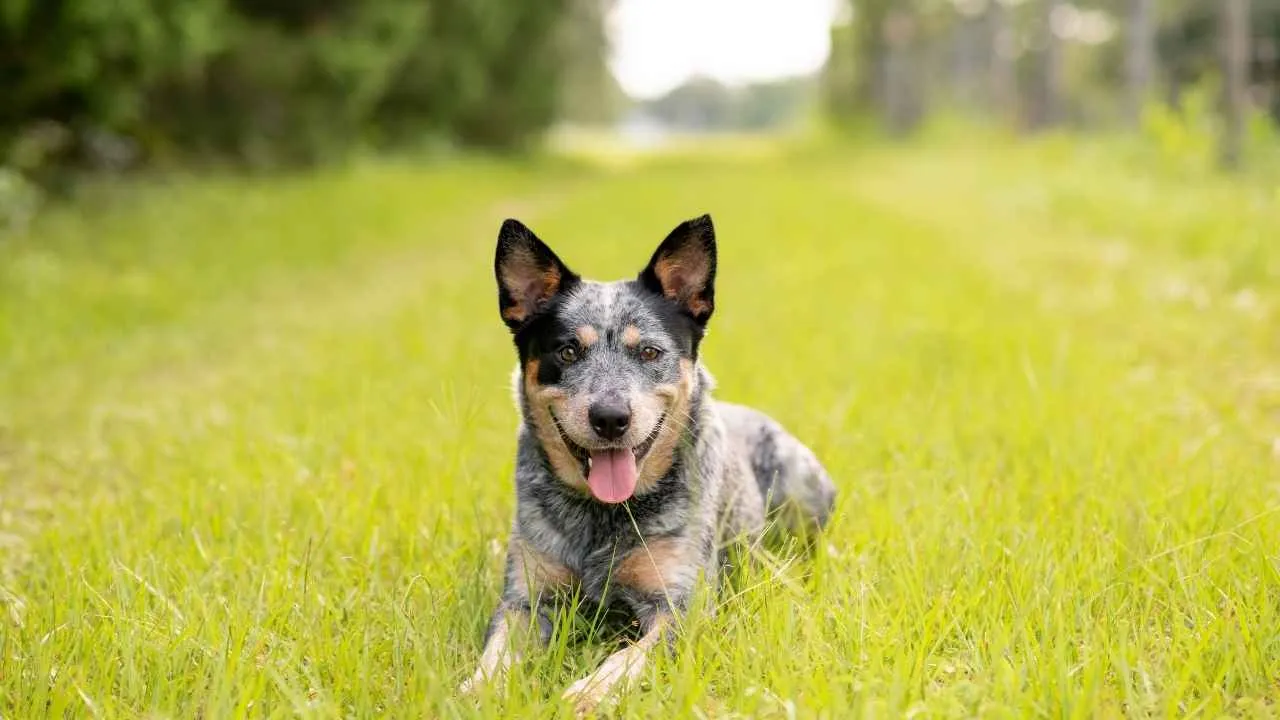
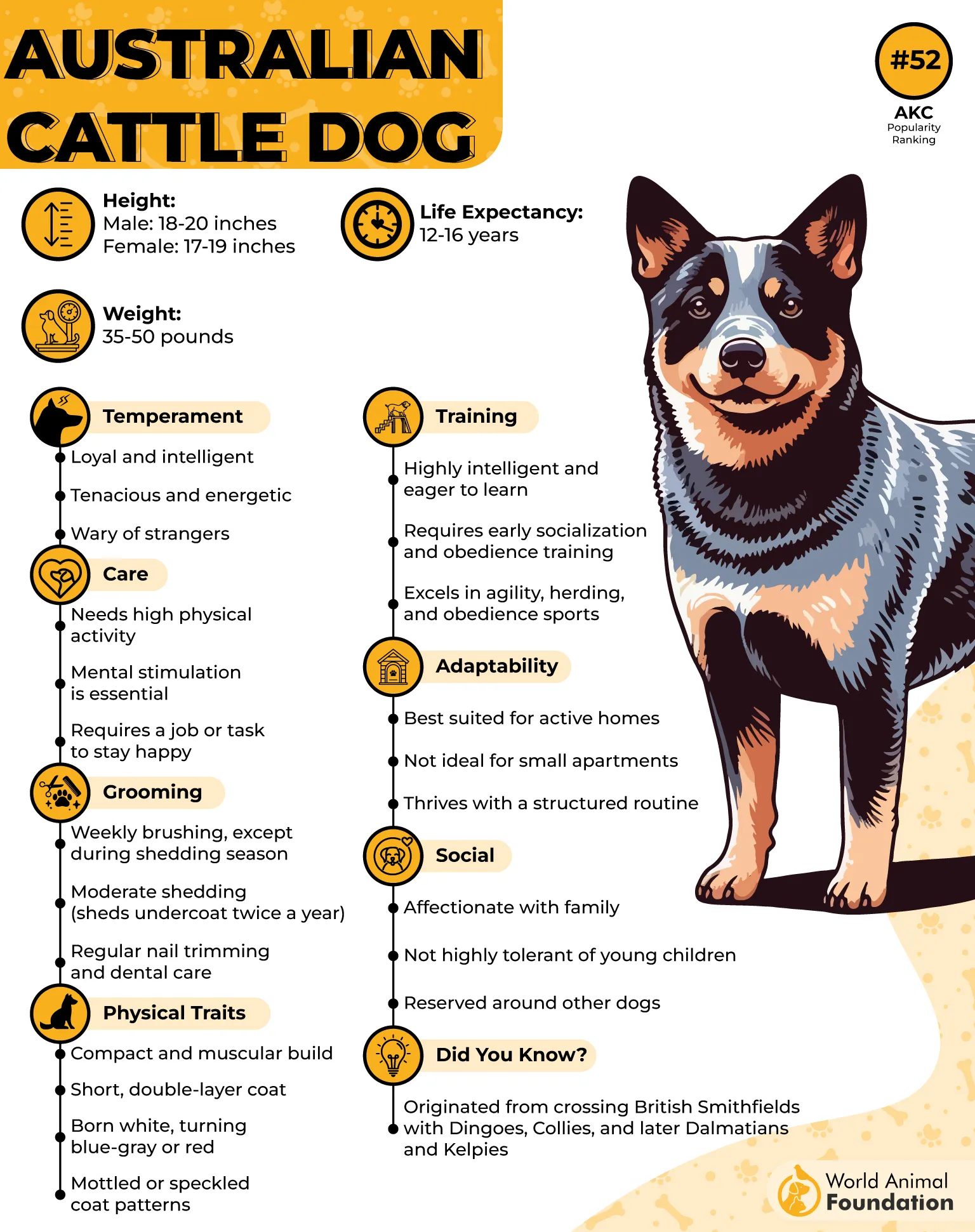
The Australian Cattle Dog is a medium-sized breed with an impressive lifespan. While smaller dogs often live the longest, this hardworking herder commonly reaches 12 to 16 years and often lives well into the mid-teens.
In fact, the oldest dog ever recorded was an Australian Cattle Dog named Bluey, who lived an incredible 29 years and five months, according to Guinness World Records. Bluey worked with cattle and sheep in Victoria, Australia, for nearly 20 years before passing in 1939.
Energy & Personality
Also known as the Blue Heeler, this breed is highly intelligent with a strong work ethic and endless energy. Originally bred to herd cattle, these muscular dogs thrive when given a job to do. Many enjoy ranch work, agility courses, dog sports, and other challenging activities.
They need up to two hours of physical exercise and mental stimulation daily. Without enough activity, they can become frustrated and develop unwanted behaviors. They are best suited for active, attentive owners—not couch potatoes.
Health & Care
Australian Cattle Dogs are generally hardy and considered one of the healthier breeds. However, they can develop progressive retinal atrophy and hip dysplasia as they age. Some may also experience osteoarthritis pain later in life and can be prone to obesity if not properly managed.
A balanced diet, regular exercise, and weight control are essential to keep them strong and mobile. With the right care and plenty of enrichment, this loyal companion can stay by your side for many happy years.
4. Chihuahua
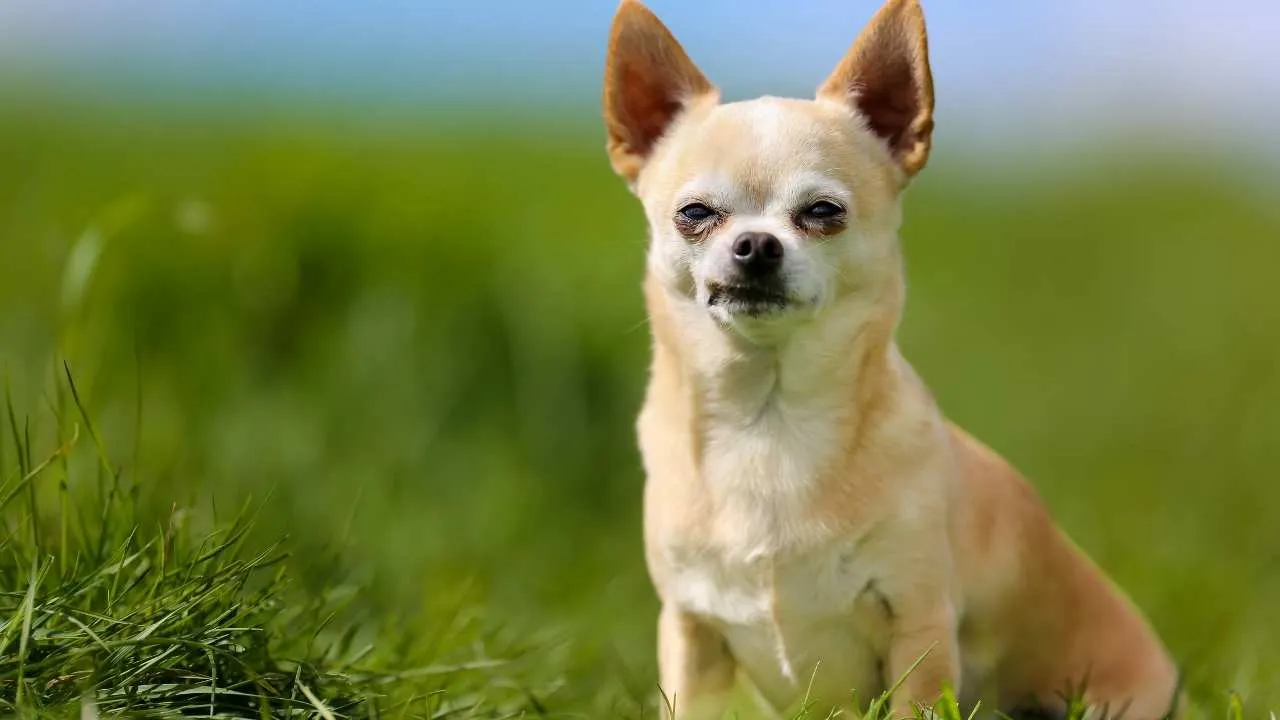
Tiny but full of spark, the Chihuahua is one of the smallest dog breeds in the world—and one of the longest living. Originating in Mexico and recognized as the country’s national dog, this lively little companion often lives well past 15 years. Many reach 18 to 20 years, and some even make it into their twenties.
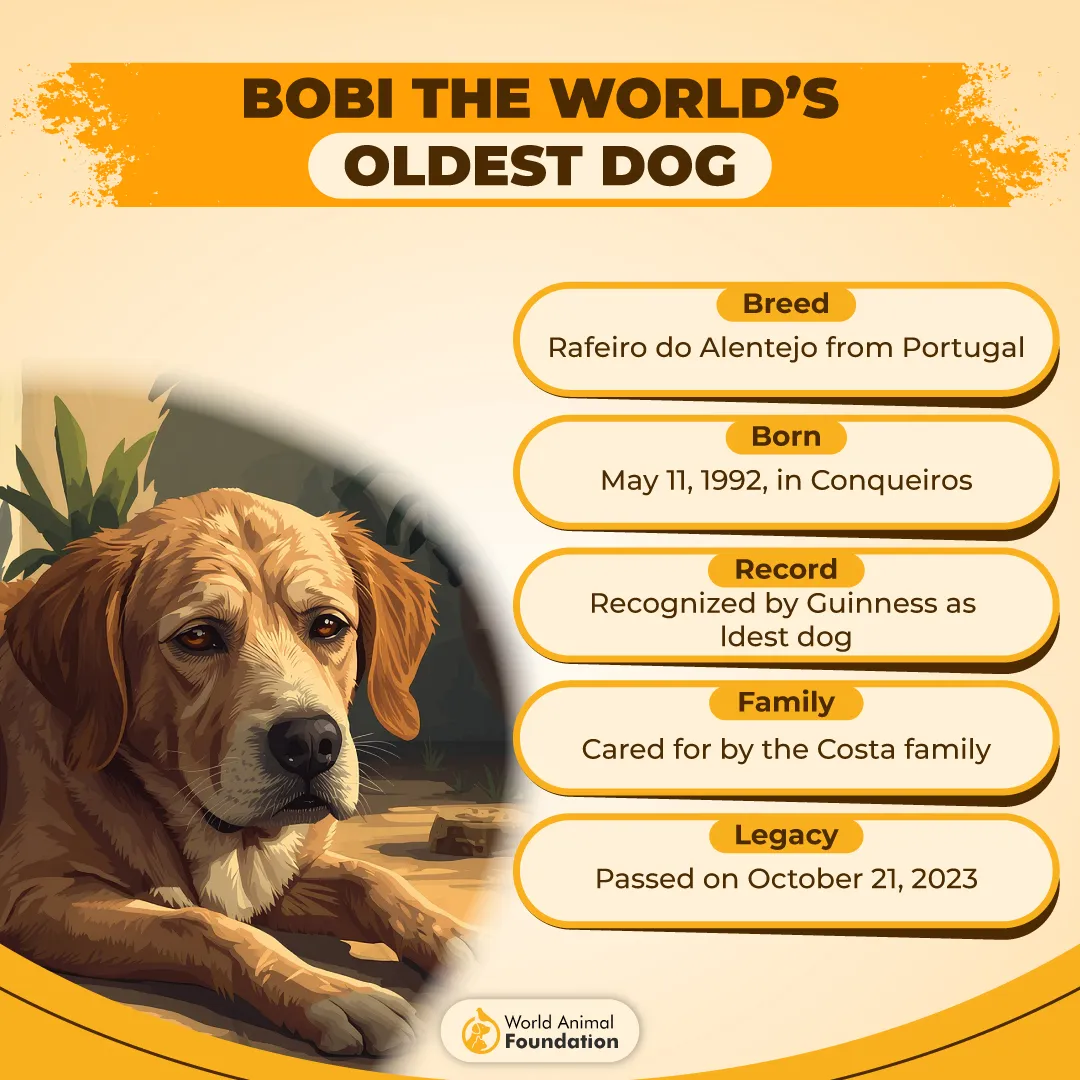
In April 2022, a Chihuahua named TobyKeith was recorded as the world’s oldest living dog at 21 years and 66 days. The title later passed to another dog, and as of February 2023, it belongs to Bobi, a different breed, who reached 30 years.
Personality & Lifestyle
Chihuahuas may be tiny, but their personality is huge. They are alert, lively, confident, and sometimes a little sassy. Many are deeply devoted to their pet parents and can be reserved around strangers. They’re often described as funny and fiercely loyal, sometimes forming a strong bond with one person.
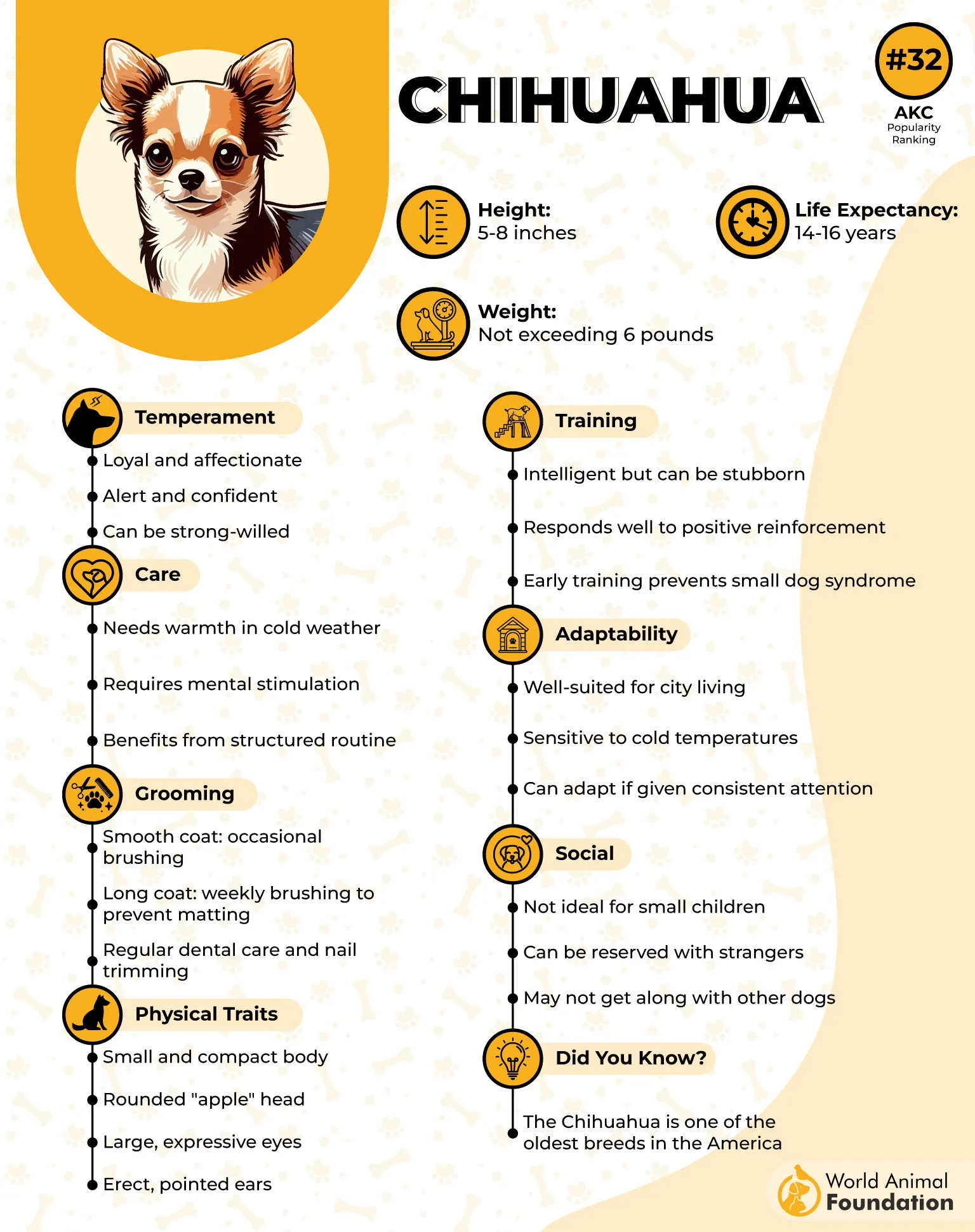
Despite their size, they still need exercise, mental stimulation, and training. Because they are so small, they can be vulnerable to accidents and may struggle to retain body heat, so keeping them warm is important.
Health & Longevity
This breed is considered hardy and generally healthy, but they can develop heart disease, patellar luxation, and congestive heart failure in their senior years. Regular veterinary visits are especially important as they age. Chihuahuas are also prone to weight gain, so portion control matters.
Interestingly, research has shown they have the largest brain-to-body-weight ratio of all dog breeds. With proper care, warmth, and routine wellness checks, these bright and curious companions can stay by your side for many happy years.
5. Dachshund

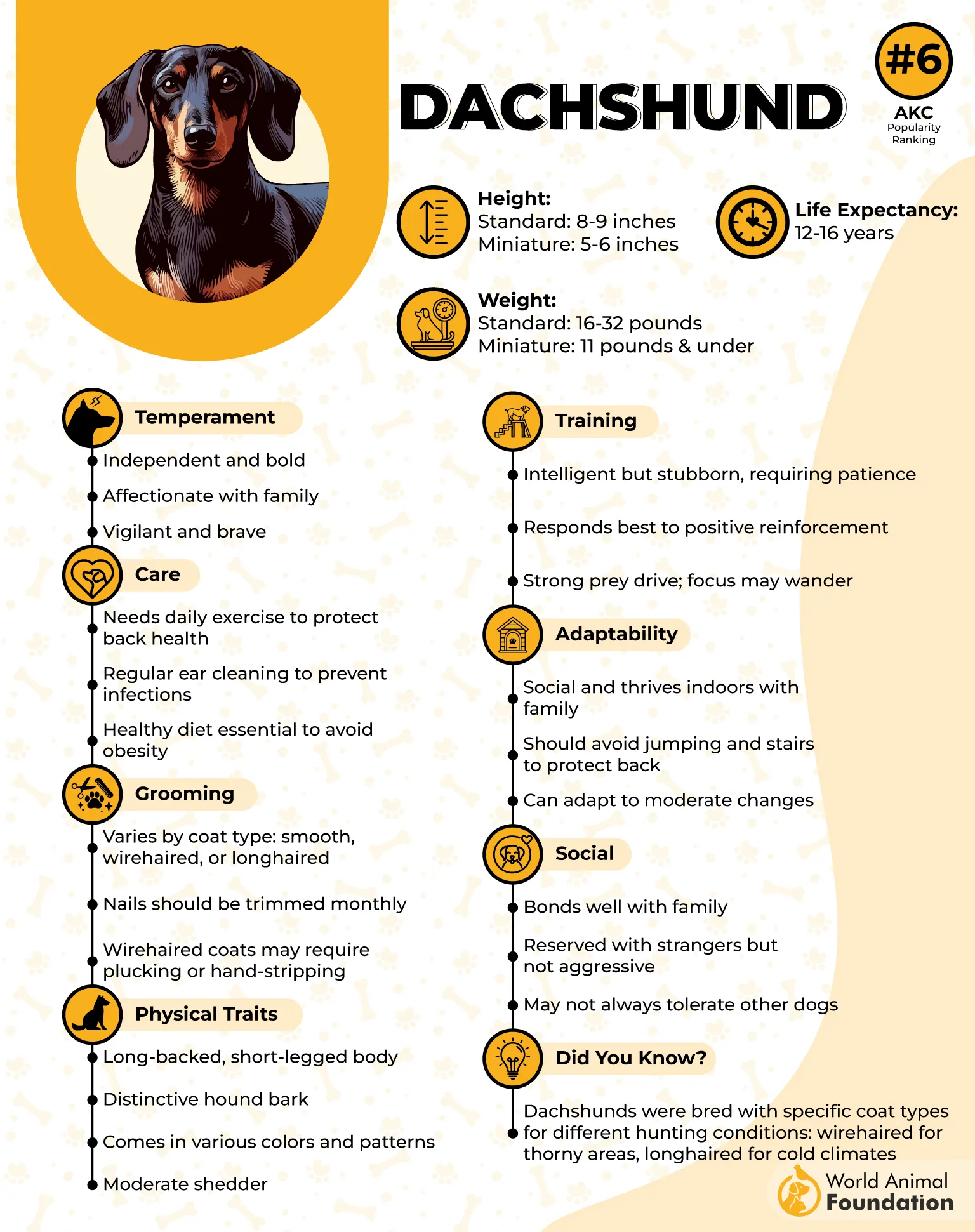
Long-bodied and full of personality, the Dachshund is often called the “wiener dog” thanks to its lengthy torso and short legs. But don’t be fooled by the cute nickname—these dogs were originally bred to hunt badgers and are muscular, energetic, and brave.
They come in both standard and miniature sizes, as well as smooth, longhaired, and wirehaired varieties. Their bold curiosity and active lifestyle may play a role in their solid lifespan of 12 to 16 years, and it’s not unusual to meet a Dachshund over 15.
Personality & Popularity
Dachshunds are spunky, playful, and sometimes a little stubborn. They are loving companions and have grown hugely popular—in fact, they currently rank among the most popular breeds.
A Dachshund was even the mascot of the 1972 Munich Summer Olympics. One famous Dachshund named Chanel set a Guinness World Record as the oldest living Dachshund, reaching 21 years before passing in 2009.
Health & Back Care
Because of their long backs, protecting their spine is extremely important. Dachshunds are prone to intervertebral disc disease (IVDD), especially if they become overweight. Even a few extra pounds can increase the risk of lower-back injury.
As they age, extra care is needed—use a harness instead of a neck collar, provide ramps or pet stairs, and avoid excessive jumping. They also love to eat, so weight management is key.
6. Jack Russell Terrier

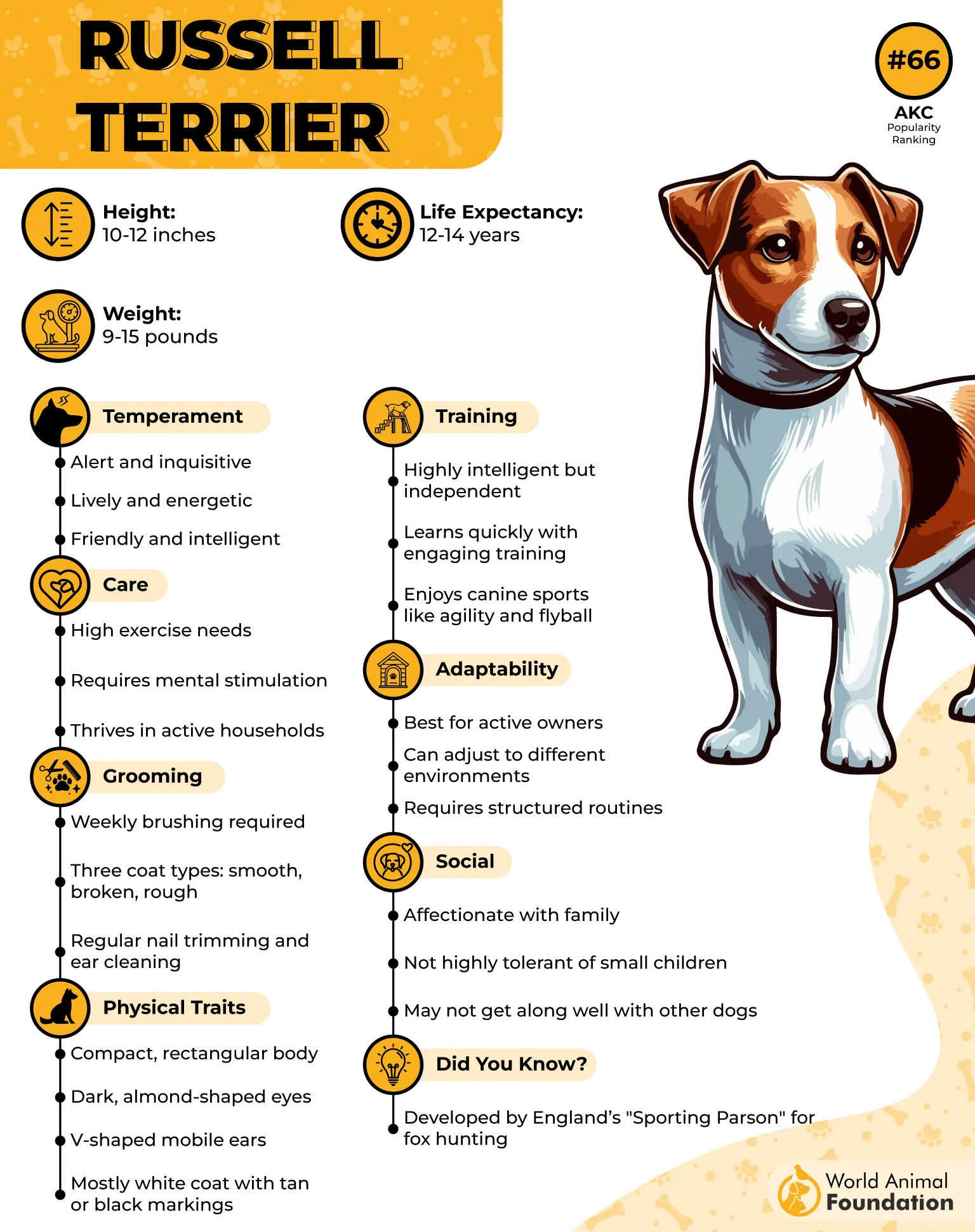
In one of the most recent studies on canine life expectancy, the Jack Russell Terrier came out on top. This energetic little terrier is known for an impressively long life, with many living up to 16 years and some reaching 19.
The oldest recorded Jack Russell, Willie, lived to age 20 in 2014, according to Guinness World Records. That’s a remarkable run for such a high-octane dog.
Energy & Personality
Originally bred in England for fox hunting, this terrier still carries strong working instincts. They are upbeat, lively, inquisitive, and incredibly focused. Russell Terriers look similar to their Parson Russell Terrier cousins but are slightly smaller with shorter legs, as mentioned by Britannica.
Don’t let that fool you—they are just as fast and driven. They need several hours of physical and mental activity each day. Long walks, hikes (always on leash), fetch, tug, agility courses, scent work, and other dog sports are perfect outlets.
Health & Care
Jack Russells are typically very healthy, which supports their long lifespan. However, they can develop patellar luxation and arthritis as they age. Because of their intense energy and hunting background, they are best suited for experienced and highly active pet owners who can keep up with them.
With proper exercise, mental challenges, and dedicated care, this confident and tireless terrier can remain a spirited companion well into their senior years.
7. Papillon
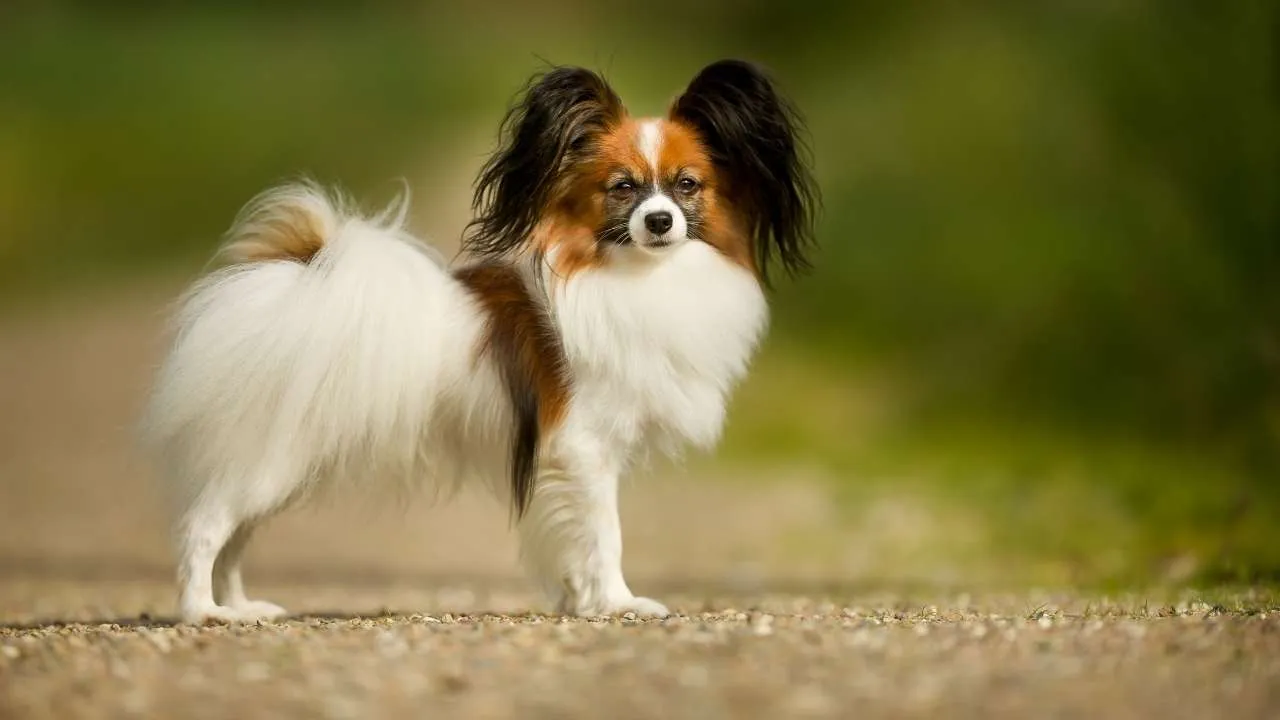
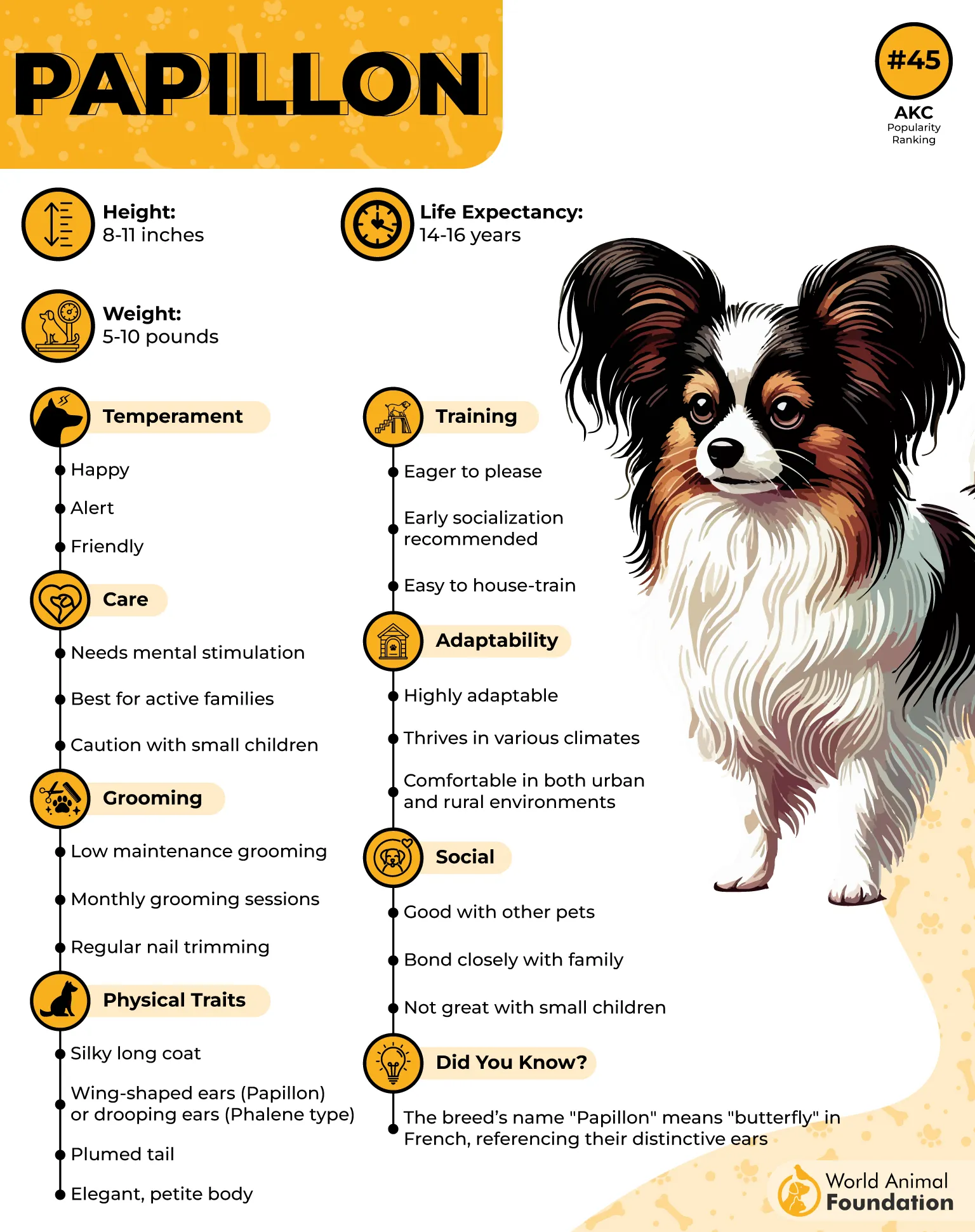
“Papillon” means butterfly in French, and the name fits perfectly. Their large, wispy ears resemble butterfly wings and give them a graceful, polished look.
But behind that delicate appearance is a hardy and playful little dog. With an average lifespan of 14 to 16 years, the Papillon is known for sticking around as a loyal companion for many happy years.
Personality & Talents
Papillons have big personalities packed into small bodies. They are affectionate, devoted to their families, and love being around people. Smart and curious, they are eager to please and a joy to train.
They excel in agility, obedience, public manners, retrieving, and even fun trick training. Despite their elegant look, they are athletic and energetic. They adapt well to city or country life and are just as happy chasing squirrels outside as playing with toys indoors.
Health & Care
Papillons are generally a healthy dog breed, but pet parents should watch for dental disease and luxating patellas. Regular dental care and routine vet visits are important to support their long lifespan. Their long, silky coat may look high-maintenance, but it only requires occasional brushing and trimming.
With proper mental stimulation, social interaction, and consistent care, this bright and lively “party pup” can remain a joyful presence in your home for well over a decade.
Conclusion
When it comes to long-living dogs, size, genetics, and lifestyle all play a role—but one thing is clear: the right care can make a huge difference.
Each breed has its own strengths, personality, and health considerations. Regular exercise, mental stimulation, a balanced diet, and routine vet visits help your dog thrive, no matter if it’s a purebred dog or a mixed-breed dog.
Choosing a dog isn’t just about lifespan—it’s about finding a companion who fits your life and whose personality you’ll cherish for years. By understanding each breed’s needs and committing to their well-being, you’re giving your furry friend the best chance at a long, happy, and healthy life. After all, every extra year with a loyal, loving dog is a priceless gift.
