




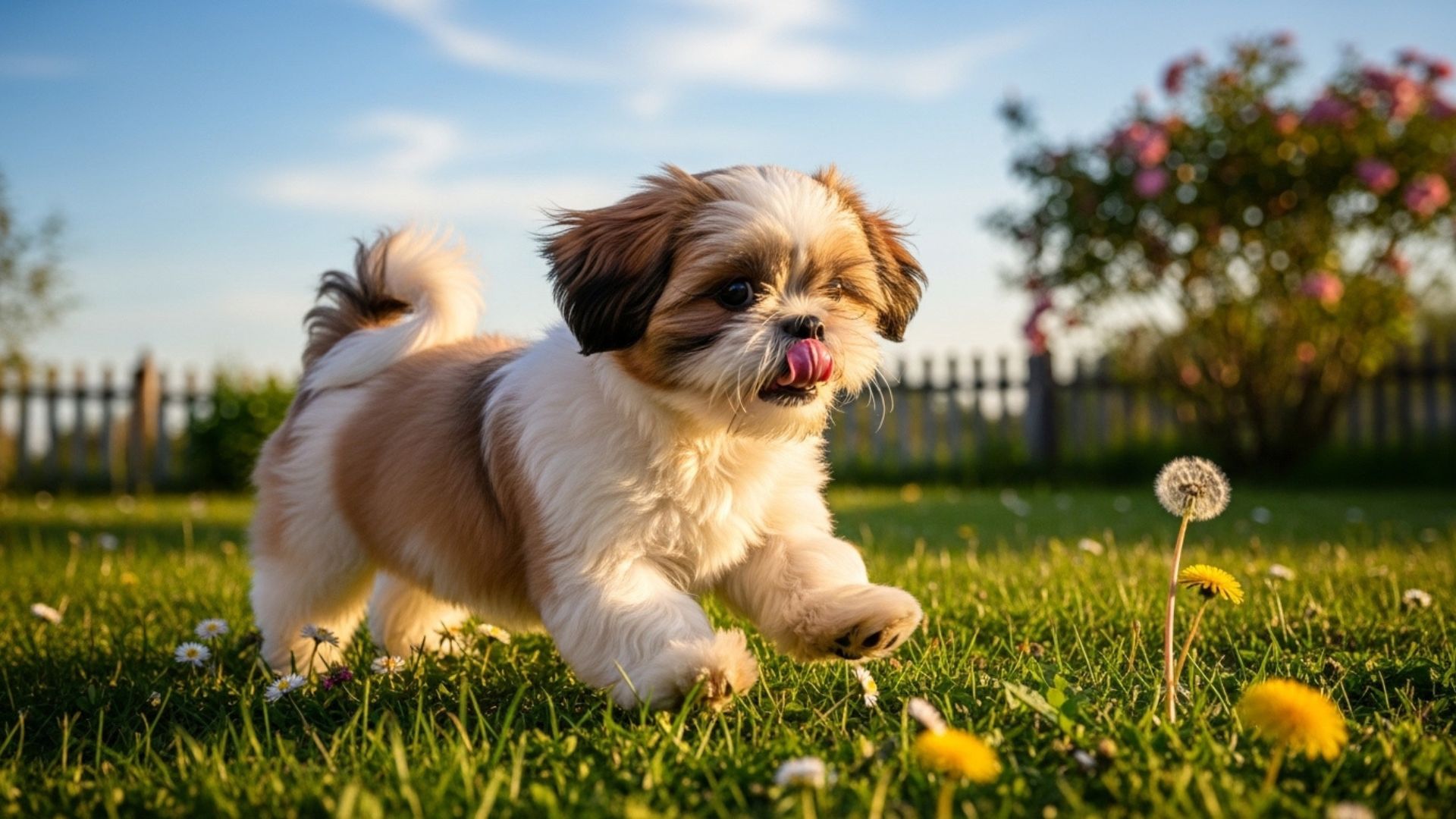
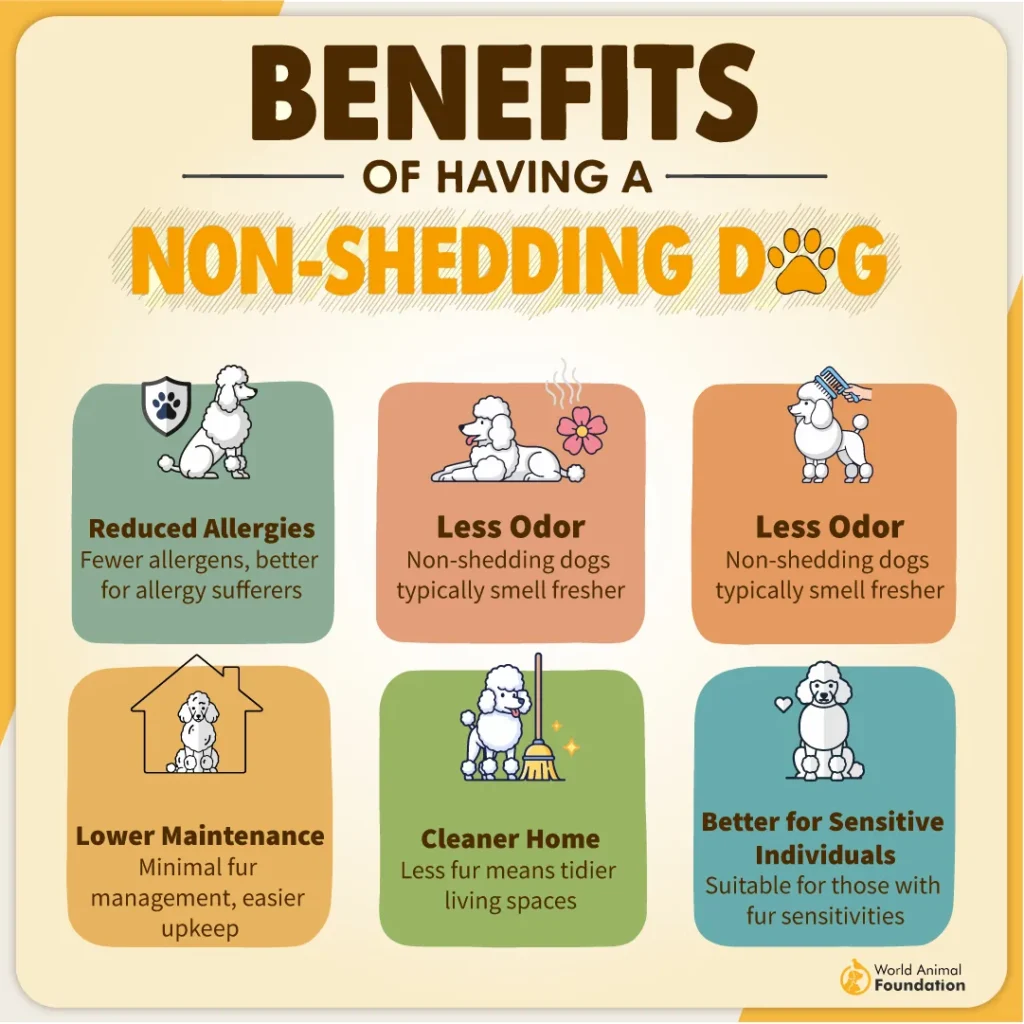
Dogs naturally shed as part of their hair growth cycle, but some breeds release far less fur than others. For many pet owners, choosing a dog with minimal shedding can make everyday life easier, especially when managing allergies or reducing the constant battle with pet hair.
It’s also important to understand the difference between low-shedding and truly hypoallergenic dogs. While no breed is completely allergen-free, many low-shedding dogs produce less loose hair and dander, which can help reduce allergic reactions for some people.
These breeds typically have coats that trap shed hair instead of releasing it around the home, making them appealing for households seeking a cleaner living space.
Choosing a dog that sheds less offers several benefits, from reduced cleaning time to easier coat management. However, low-shedding breeds often require consistent grooming to keep their coats healthy and free from tangles. Regular brushing, trimming, and proper coat care ensure these dogs remain comfortable while maintaining the tidy, low-shedding qualities that make them so popular.
Dog Breeds with Little to No Shedding: Find Yours
1. Coton De Tulear
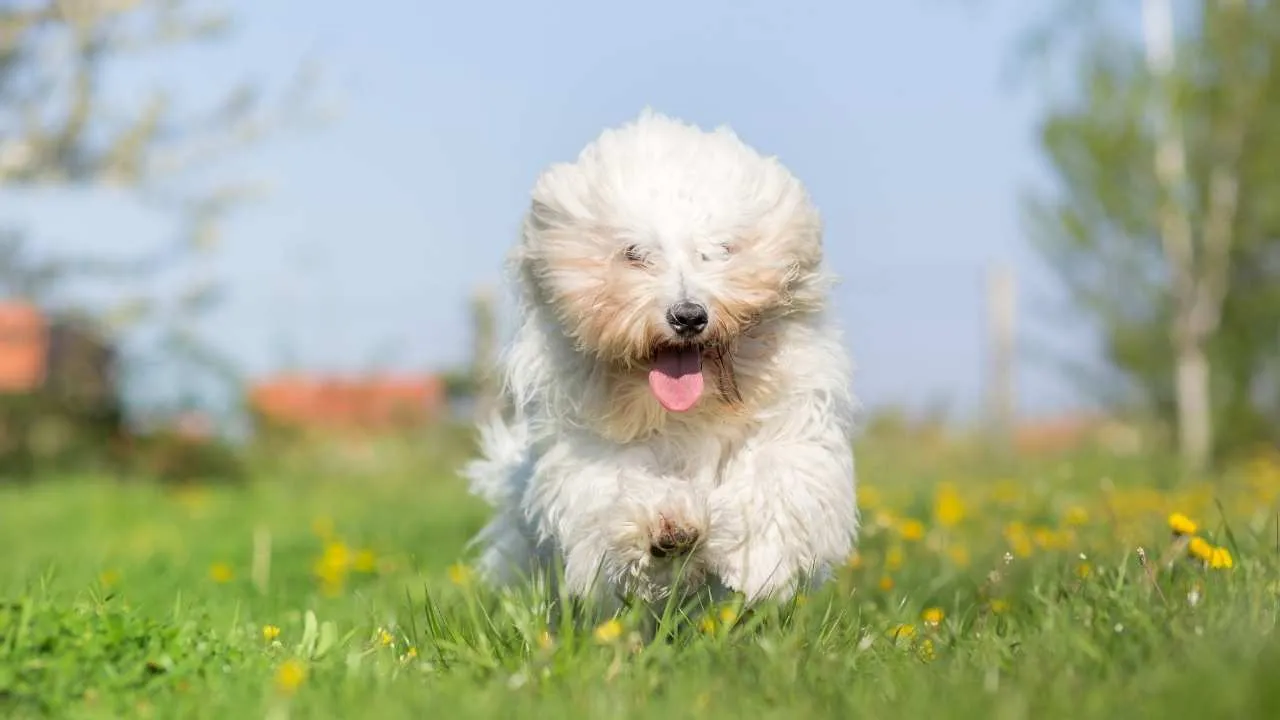
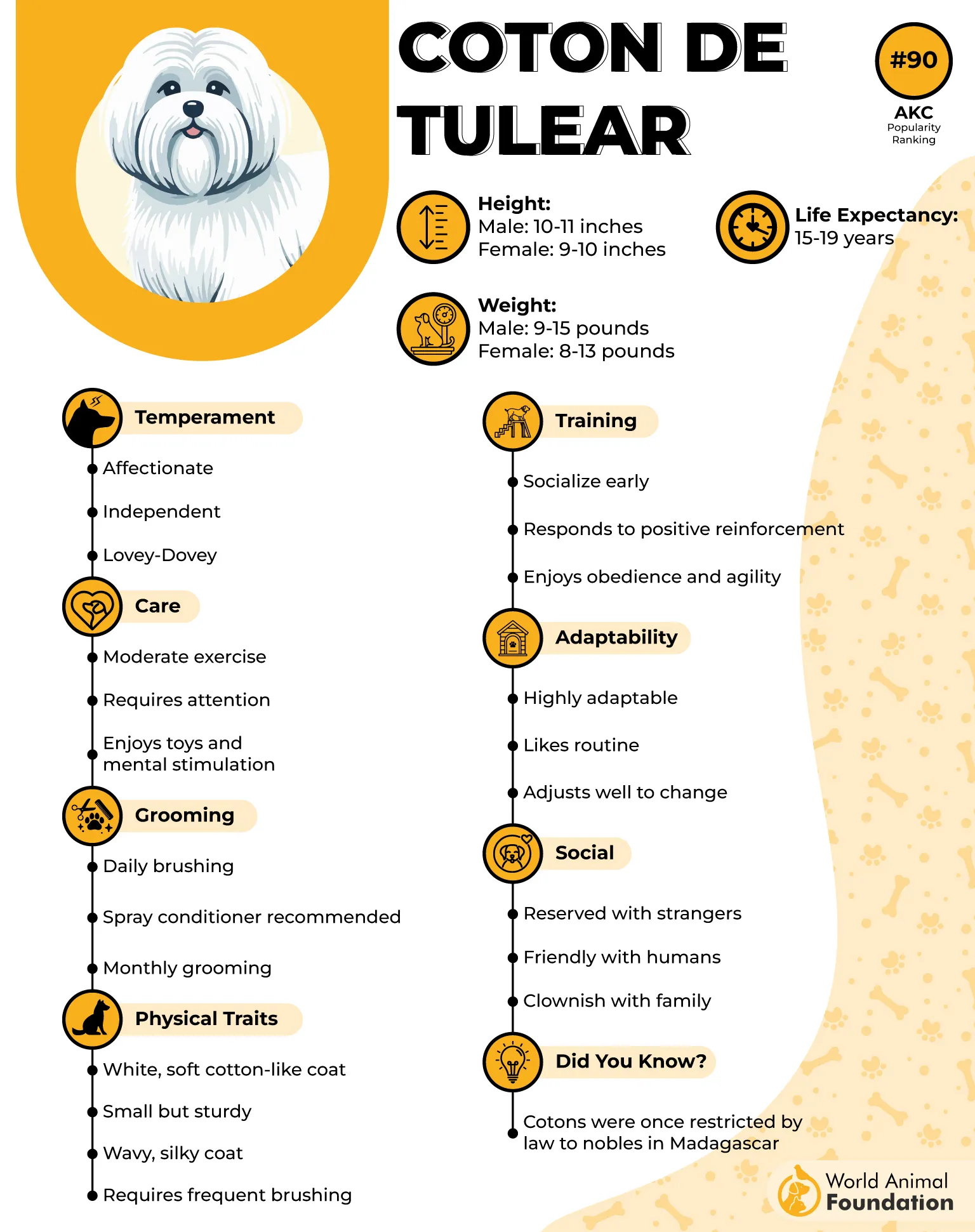
The Coton de Tulear, sometimes called the Royal Dog of Madagascar, is a cheerful companion breed known for its fluffy white coat and affectionate personality. Its name comes from the French word “coton,” meaning cotton, and the coastal city of Tulear in Madagascar, where the breed originated.
Purina explains that the Coton de Tulear was bred as a companion for Malagasy and Merina tribal nobles. The breed is so valued in its homeland that it has even appeared on a postage stamp.
The Low-Shedding Companion with a Soft Coat
This friendly dog is admired for its distinctive cotton-like fur that feels soft and airy rather than coarse. This unique coat sheds very little, making the breed a popular option for people who prefer a cleaner home with less loose hair.
Because the coat grows continuously, regular grooming helps maintain its soft texture and prevents tangles. Brushing sessions can become a pleasant bonding activity between the dog and its owner.
These dogs are lively and charming companions that enjoy learning tricks and entertaining their families. Their bright expression and playful spirit often make them engaging pets who thrive on attention.
Despite their fluffy appearance, Cotons are friendly and adaptable dogs that fit comfortably into many households. Their low-shedding coat can be appealing for some allergy-sensitive owners when combined with proper grooming.
Fact: The name Coton de Tulear refers to the breed’s cotton-like coat and the Madagascan port city of Tulear, where it originated.
2. Basenji
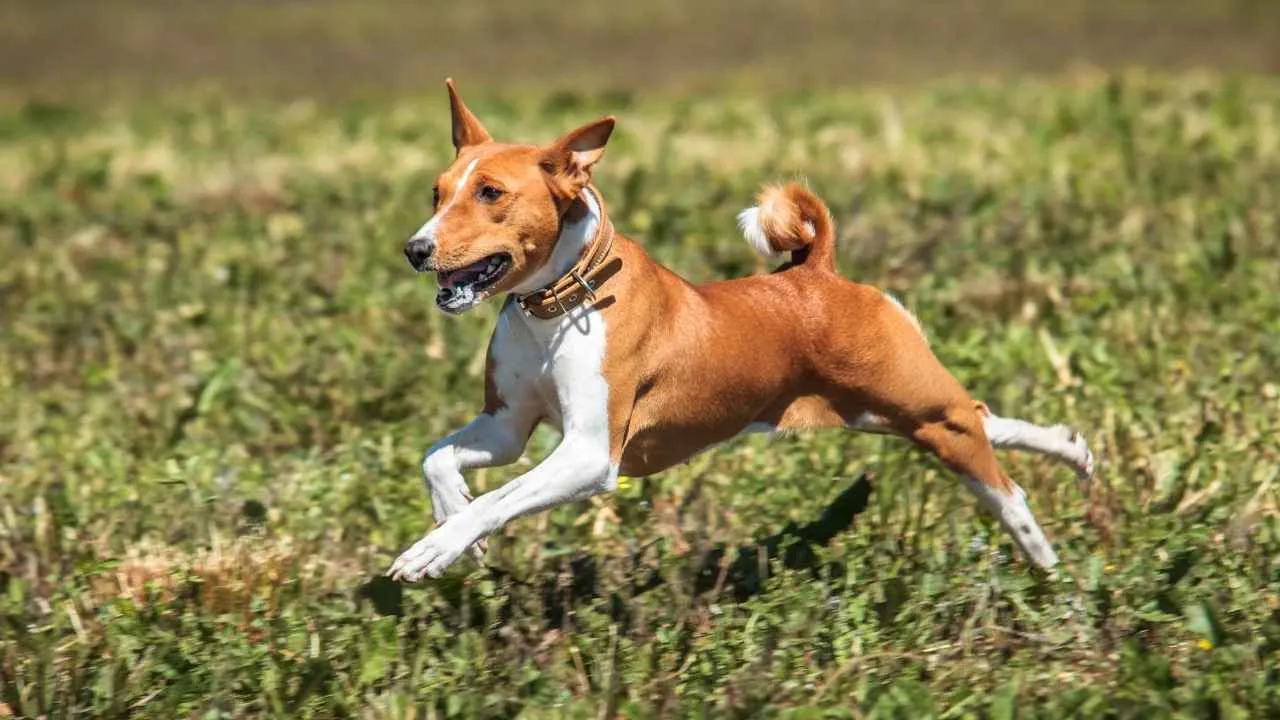
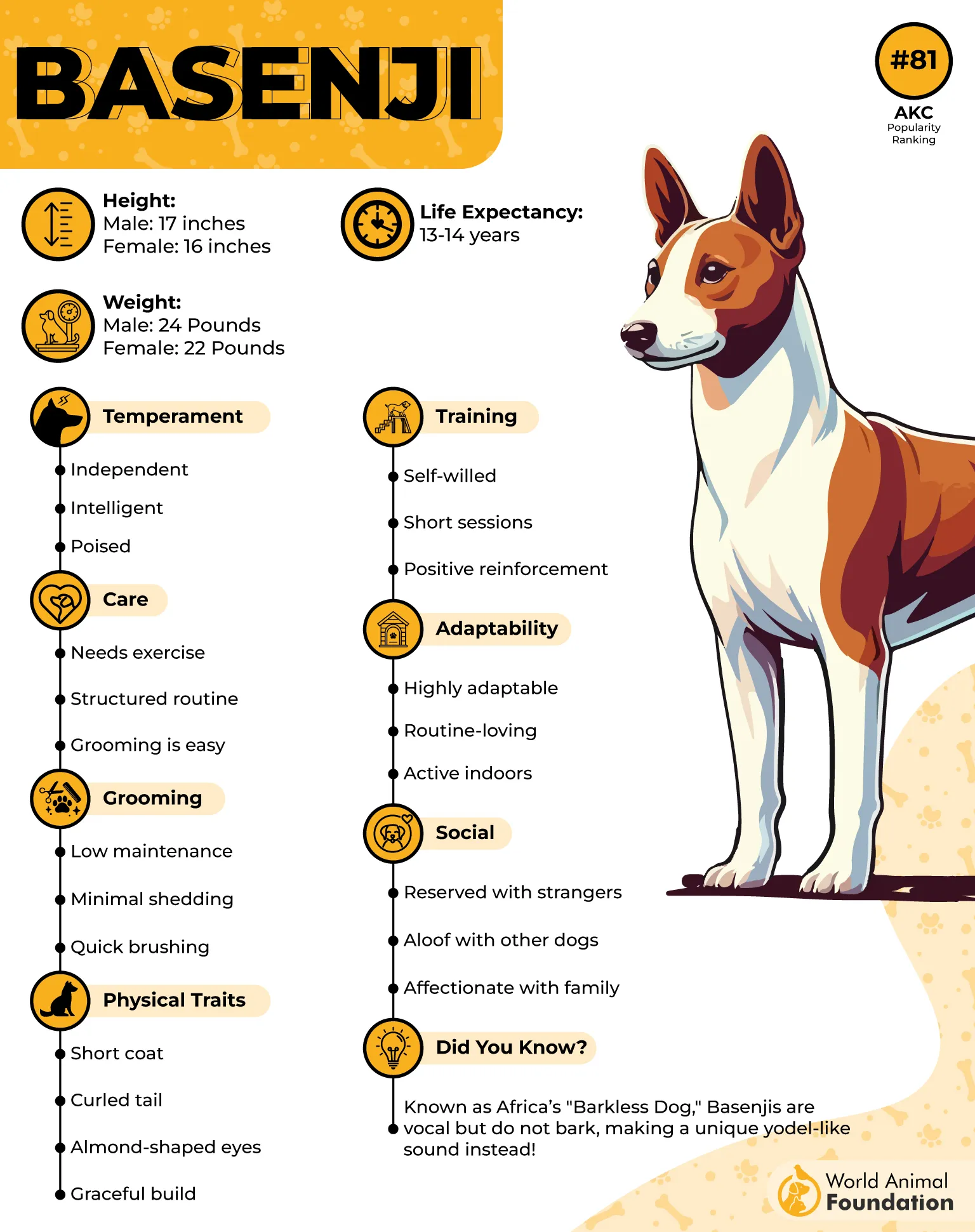
The Basenji, sometimes called the African Barkless Dog or Congo Dog, is an ancient hound breed that originated in Central Africa. Known for its sleek body, curled tail, and alert expression, this breed is also famous for its quiet nature and catlike habits.
PetMD explains that Basenjis are graceful and agile dogs that can jump vertically. They have a short, smooth coat and a tightly curled tail, and are often called the “barkless dog” because they tend to be quiet.
A Neat and Tidy Dog with Minimal Loose Fur
Basenjis are valued for their short, smooth coat that produces very little loose hair. Because they shed minimally and have little natural odor, many owners find them easier to maintain compared with heavier-shedding breeds.
One of the most unusual traits of the Basenji is its strong sense of cleanliness. These dogs often groom themselves much like cats, carefully licking and cleaning their coats throughout the day.
Their grooming needs are simple and manageable for most owners. A quick brushing or wipe with a cloth once or twice each week usually keeps their coat healthy and looking neat.
Basenjis also have independent personalities and can sometimes be reserved with strangers. However, their tidy habits and low-shedding coat make them appealing companions for people who prefer a cleaner home environment.
Fact: Basenjis are known for grooming themselves like cats, frequently licking their coats to keep them clean.
3. Shih Tzu
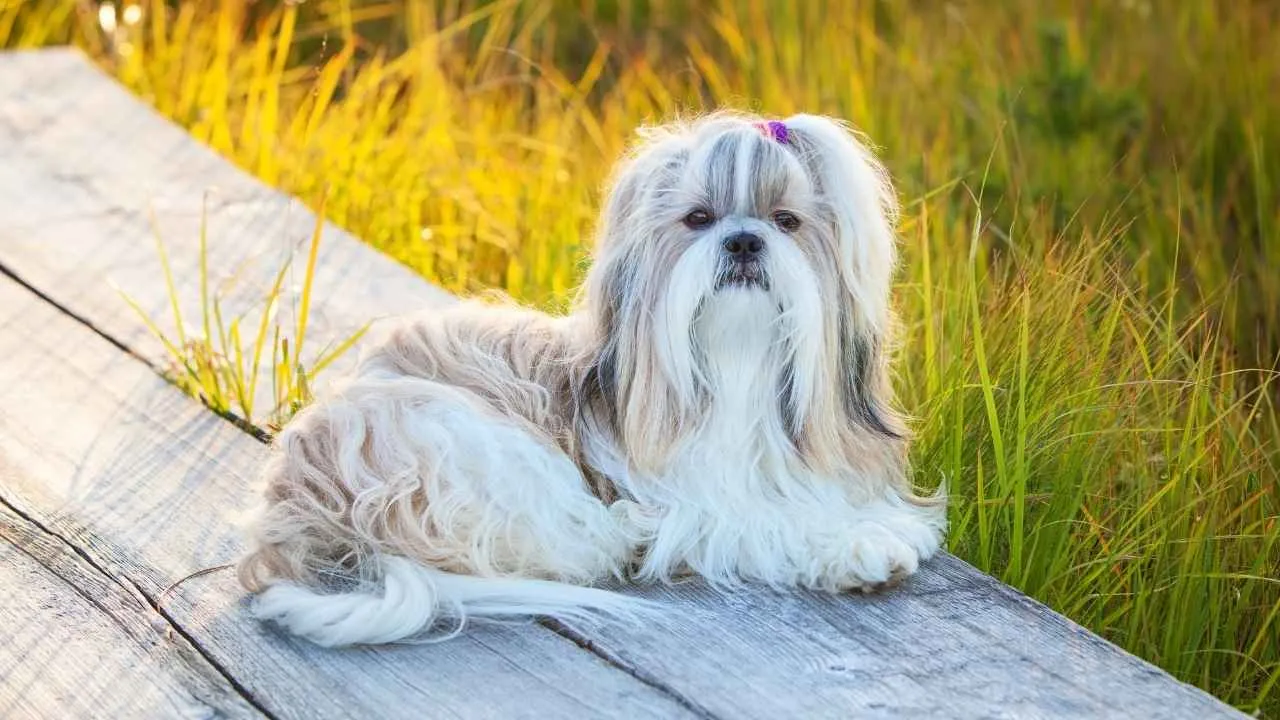
The Shih Tzu, also known as the “Little Lion Dog,” is a beloved companion breed with origins in Tibet and China. Recognized for its flowing coat, compact face, and curled tail, this small dog has long been admired for both its elegant appearance and affectionate nature.
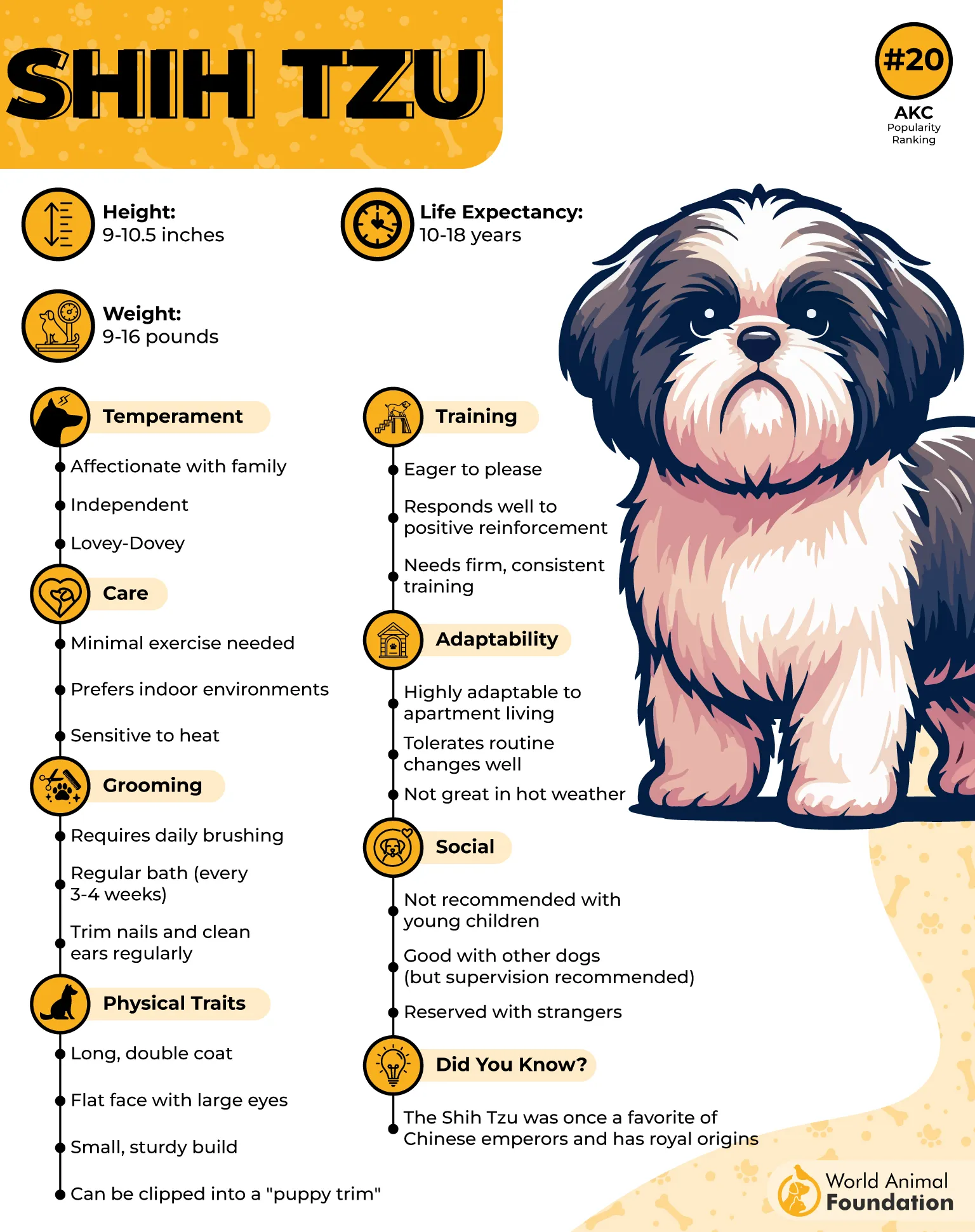
The Densely-Coated Pup Known for Reduced Shedding
Shih Tzus are well known for their long, silky hair that falls smoothly over the body. Although the coat appears luxurious and full, it tends to release very little loose fur compared with many other dog breeds.
Because their hair grows continuously, much of the loose hair stays trapped within the coat rather than spreading around the house. This makes the breed appealing for owners who want a dog that produces less visible shedding.
Regular grooming helps keep the coat healthy and manageable. Brushing and occasional trimming prevent tangles while maintaining the smooth, flowing texture that makes the Shih Tzu so distinctive.
Beyond their low-shedding coat, Shih Tzus are gentle and affectionate companions who enjoy relaxing close to their owners. Their friendly personality and soft coat often make them excellent cuddle partners for families.
Fact: Even with its long coat, the Shih Tzu produces relatively little dander, which may make it more comfortable for some allergy-sensitive owners.
4. Xoloitzcuintli
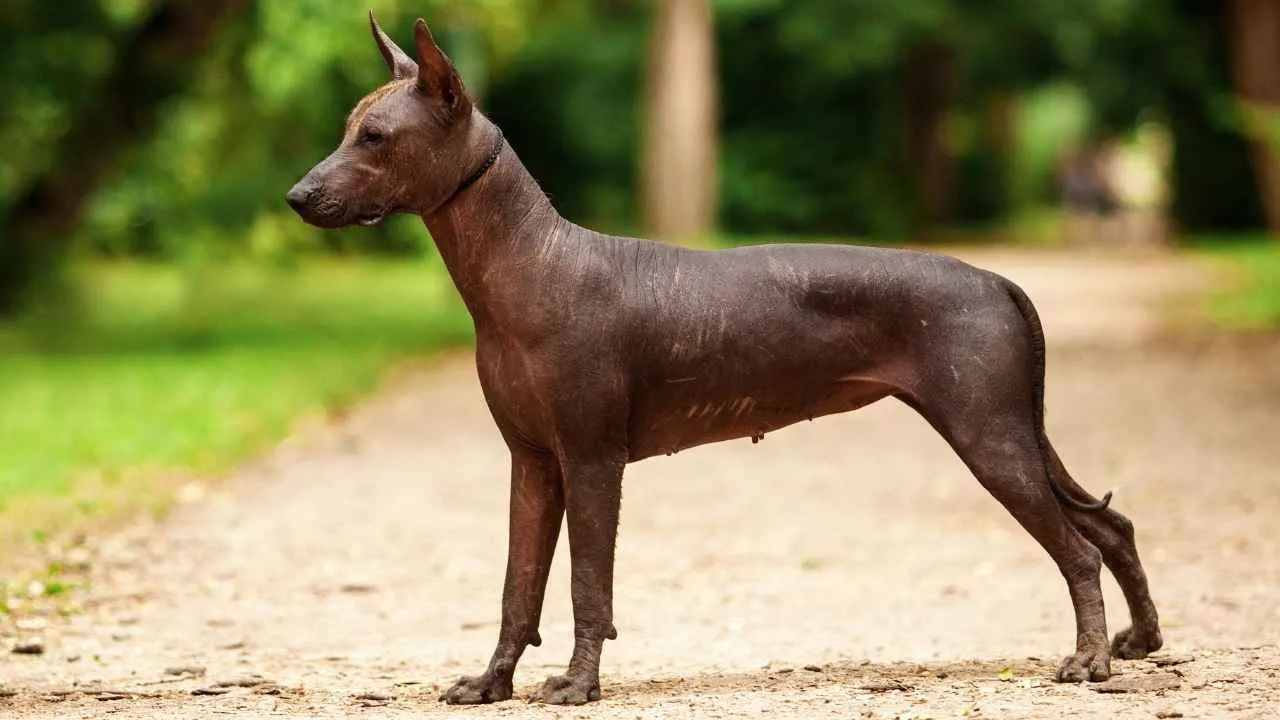
The Xoloitzcuintli, often called the Xolo or Mexican Hairless Dog, is an ancient breed that originated in Mexico thousands of years ago. Known for its smooth skin and distinctive appearance, this rare dog was once considered sacred by the Aztecs and remains admired for its loyalty and intelligence.
WebMD explains that Xolos are very alert and will bark to alert their owners, though they usually do not bark excessively. They can be good watchdogs, but are not ideal guard dogs because they tend to avoid engaging with strangers.
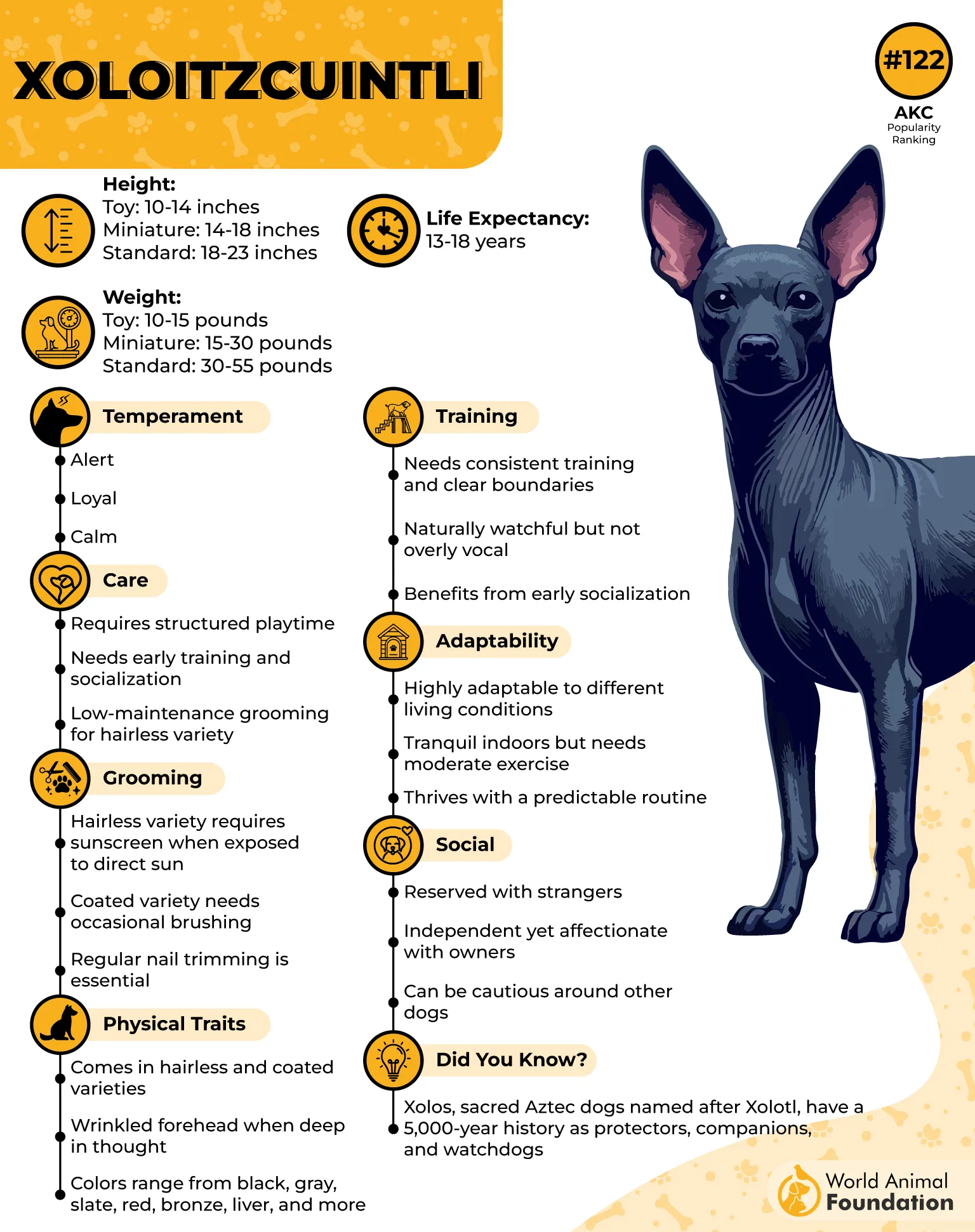
A Clean-Looking Breed That Keeps Fur Under Control
The Xoloitzcuintli is especially appealing to owners who prefer dogs that shed very little. The breed commonly appears in a hairless form, which means there is virtually no loose fur around the home; that’s why they are one of the dogs that don’t shed.
Hairless Xolos have smooth, thick skin that may include small patches of hair on the head, tail, or feet. Because they lack a full coat, they produce minimal dander and require very little coat maintenance.
There is also a coated variety of the breed that has short, sleek fur lying flat against the body. With regular brushing, this coat sheds very lightly compared with many other dog breeds.
Beyond their unique appearance, Xolos are affectionate companions who enjoy staying close to their owners. Their adaptable nature allows them to participate in activities such as agility, therapy work, or simply being a devoted household companion.
Fact: The hairless variety of the Xoloitzcuintli produces virtually no shedding and minimal dander, making it popular among owners seeking a cleaner home environment.
5. American Hairless Terrier
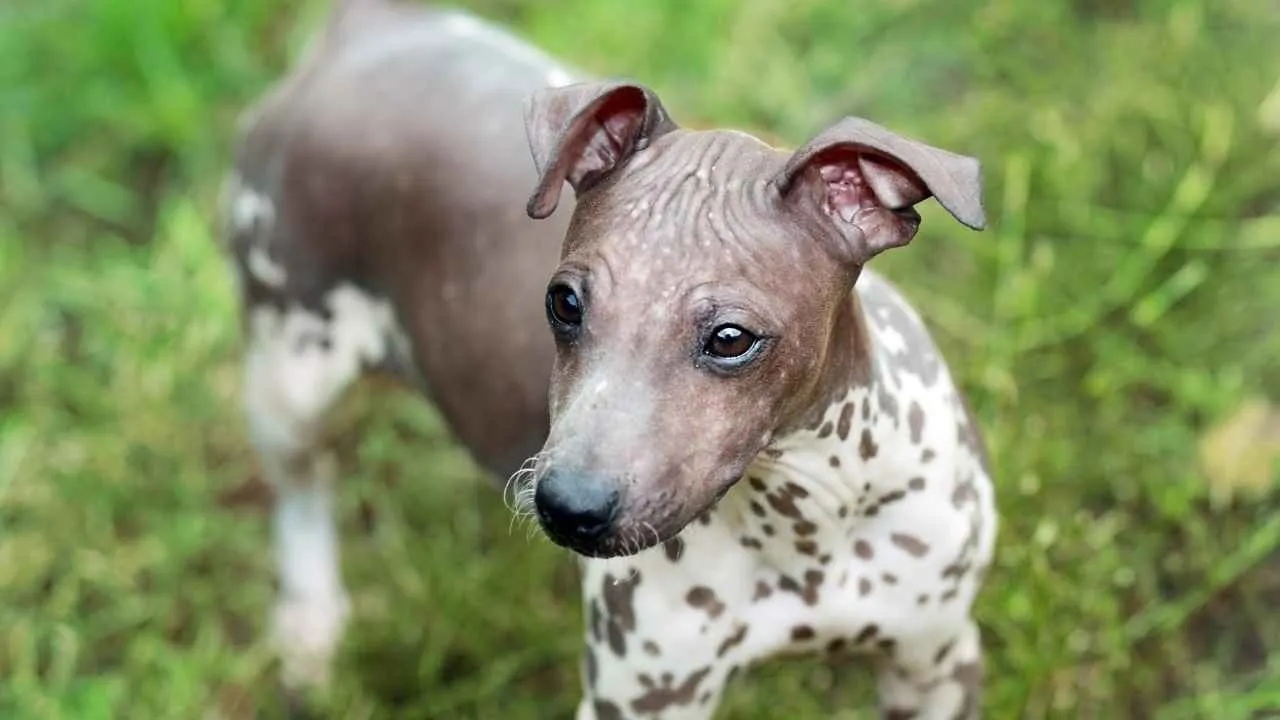
The American Hairless Terrier, often called the AHT, is a lively companion breed that developed in the American South from hairless Rat Terriers. Known for its smooth skin and energetic terrier personality, this small dog stands out as a unique option for owners seeking minimal shedding.
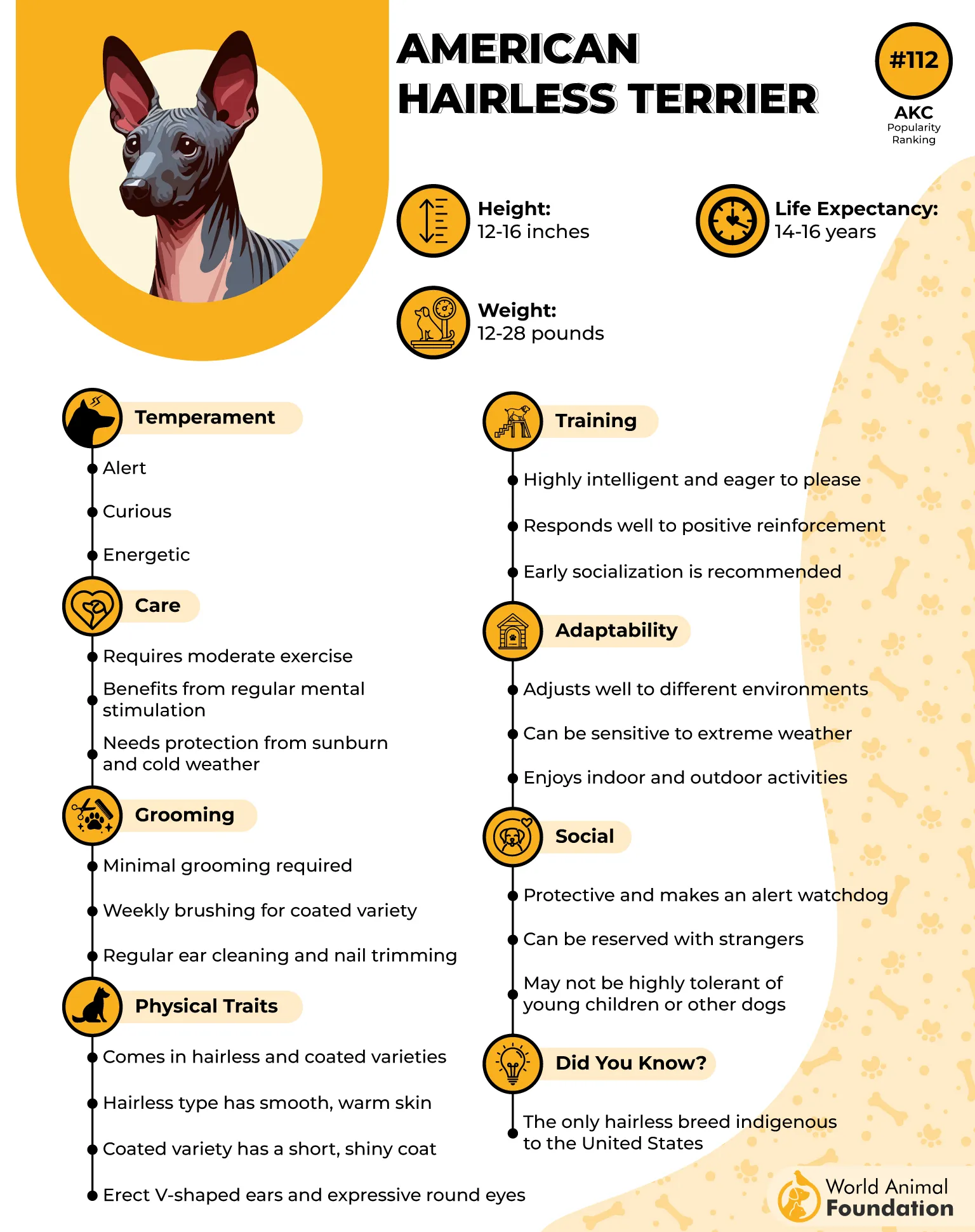
The Allergy-Friendly Dog with a Manageable Coat
One of the most distinctive traits of the American Hairless Terrier is its lack of fur. Because the breed has little to no hair, it releases very little loose fur around the home, making daily cleanup easier for many owners.
This hairless trait also contributes to its reputation as a more allergy-friendly dog. Instead of spreading through fur, much of the dander stays on the skin’s natural oils, which can reduce how much settles on furniture and floors.
Grooming needs for this breed are simple compared with those of heavily coated dogs. While brushing is rarely necessary, owners must pay attention to skin care and protect the dog from extreme sun or cold temperatures.
Despite its unusual appearance, the American Hairless Terrier remains a lively and playful dog with classic terrier enthusiasm. Its friendly temperament and manageable grooming routine make it appealing for active households.
Fact: The American Hairless Terrier originated from naturally hairless Rat Terriers through selective breeding in the southern United States.
6. Dachshund
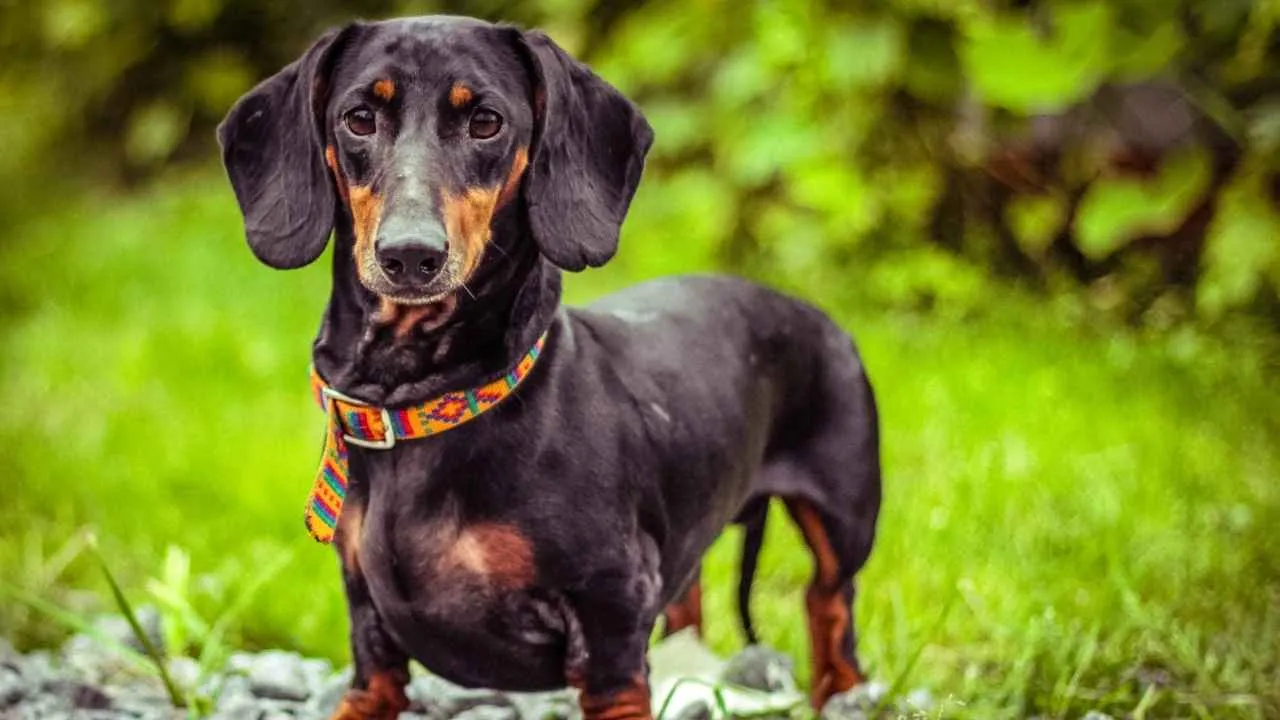
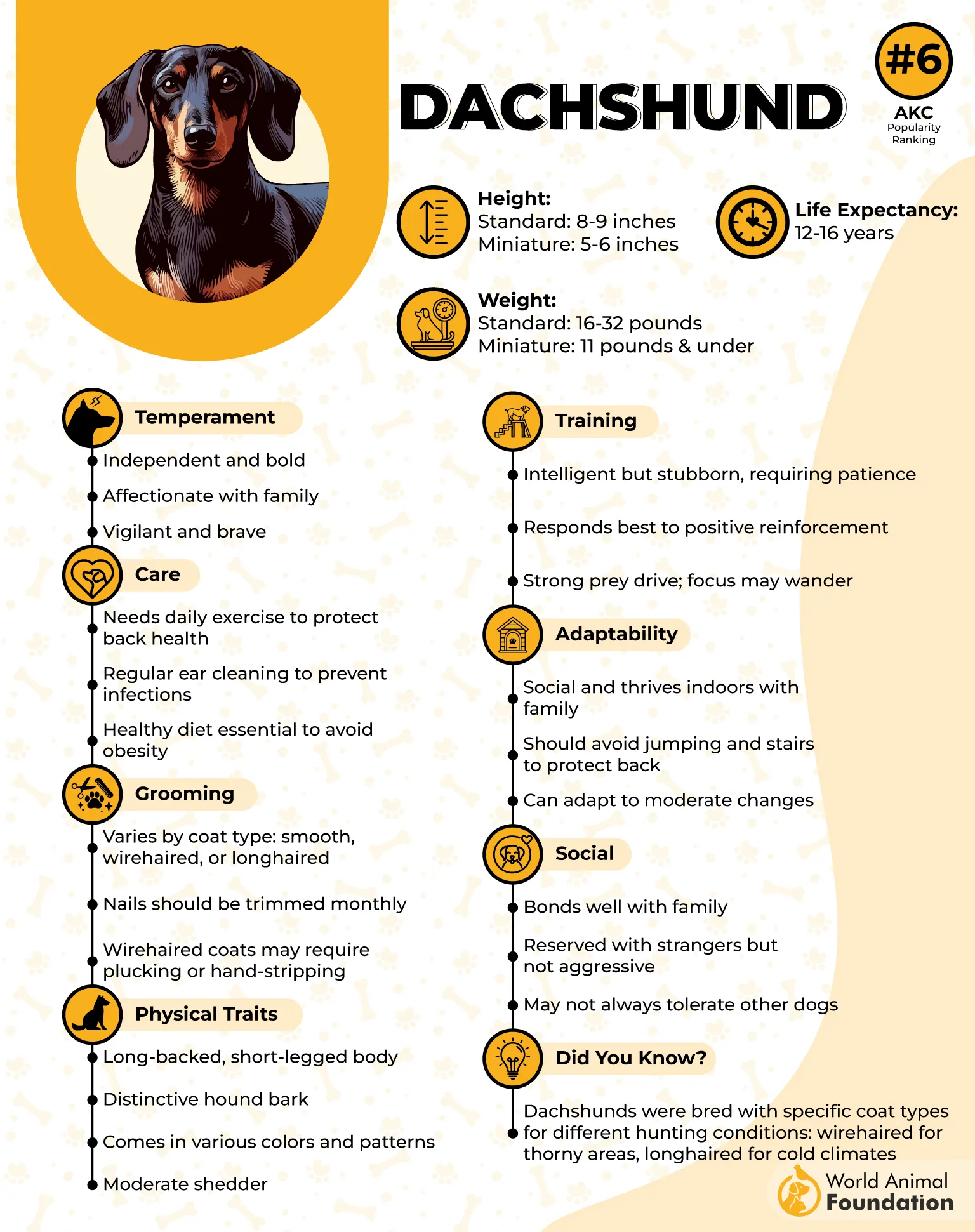
The Dachshund, often called the Doxie or “Wiener Dog,” is a distinctive hound breed known for its long body, short legs, and confident personality. Originally developed in Germany for hunting burrowing animals, this small dog is both stylish and spirited.
A Stylish Breed with Minimal Hair Around the Home
Dachshunds are generally considered low-shedding compared with many other small breeds. Their coats release less loose fur, which means owners usually find less hair on furniture, clothing, and floors.
The breed comes in three coat varieties, each with slightly different grooming needs. Smooth-coated Dachshunds shed the least and typically only require occasional brushing to keep their coat shiny and healthy.
Long-haired Dachshunds need more frequent brushing to prevent tangles and maintain their soft appearance. Wiry coat types have a slightly denser coat but still shed less than many double-coated breeds.
Because they are small dogs, Dachshunds also tend to release less dander than larger breeds. While they are not truly hypoallergenic, their manageable shedding can make them appealing to owners seeking a tidier home.
Fact: The Dachshund comes in three coat types—smooth, long-haired, and wire-haired—each with different grooming requirements.
7. Cavalier King Charles Spaniel
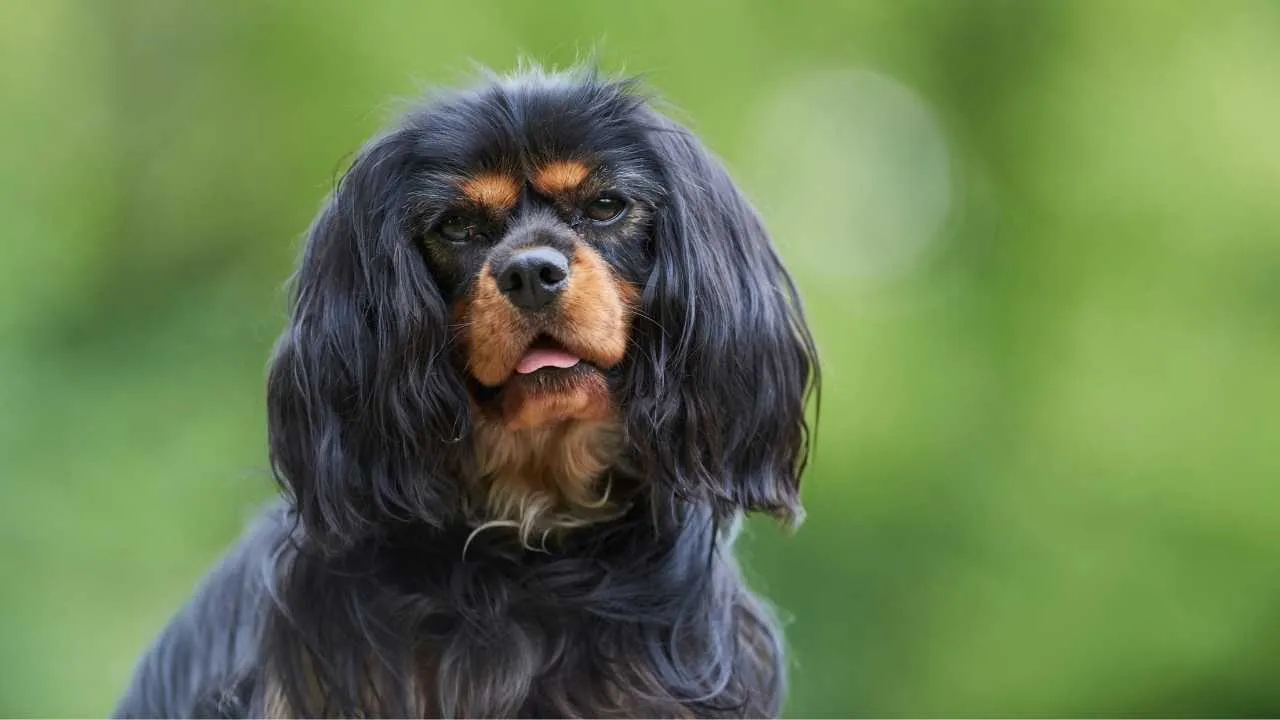
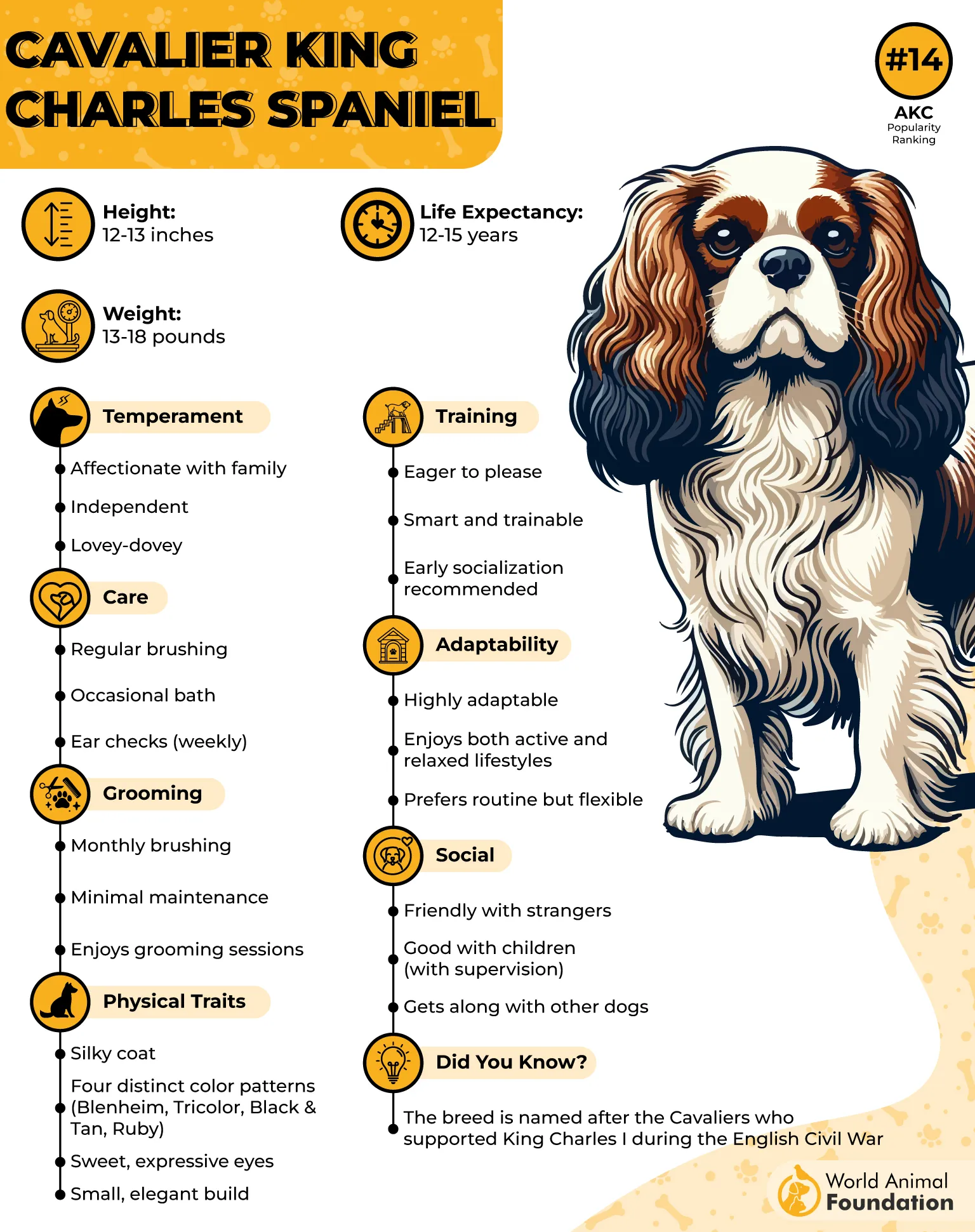
The Cavalier King Charles Spaniel, often simply called the Cavalier, is a graceful companion breed known for its gentle expression and silky ears. This elegant dog features a slightly flatter facial profile and a friendly, affectionate temperament.
The Low-Fur Companion Perfect for Tidy Living Spaces
Cavalier King Charles Spaniels are appreciated for their soft, flowing coats that shed moderately rather than heavily. While they do release some loose dog hair throughout the year, the amount is generally manageable with consistent care.
Regular brushing helps remove loose fur and keeps their coat smooth and tangle-free. Many owners find that grooming sessions also strengthen the bond with their dog, as Cavaliers usually enjoy being brushed and pampered.
Their silky ears require a bit of extra attention because they hang close to the face. Keeping them clean and dry helps prevent irritation or infection while maintaining the breed’s elegant appearance.
Beyond grooming, these non-shedding dog breeds are affectionate and people-oriented dogs that enjoy living close to their families. Their manageable coat and friendly personality make them appealing companions for homes that value comfort and tidiness.
Fact: Cavalier King Charles Spaniels have a flatter facial profile than the related King Charles Spaniel, also known as the English Toy Spaniel.
Conclusion
Finding the right low-shedding dog can make life easier for owners who want a clean home without constant fur cleanup. Many breeds known for minimal shedding still provide the same loyalty, intelligence, and companionship people expect from a beloved pet.
By understanding grooming needs, activity levels, and personality traits, dog lovers can choose a breed that fits comfortably into their lifestyle while reducing the hassle of heavy shedding.
