




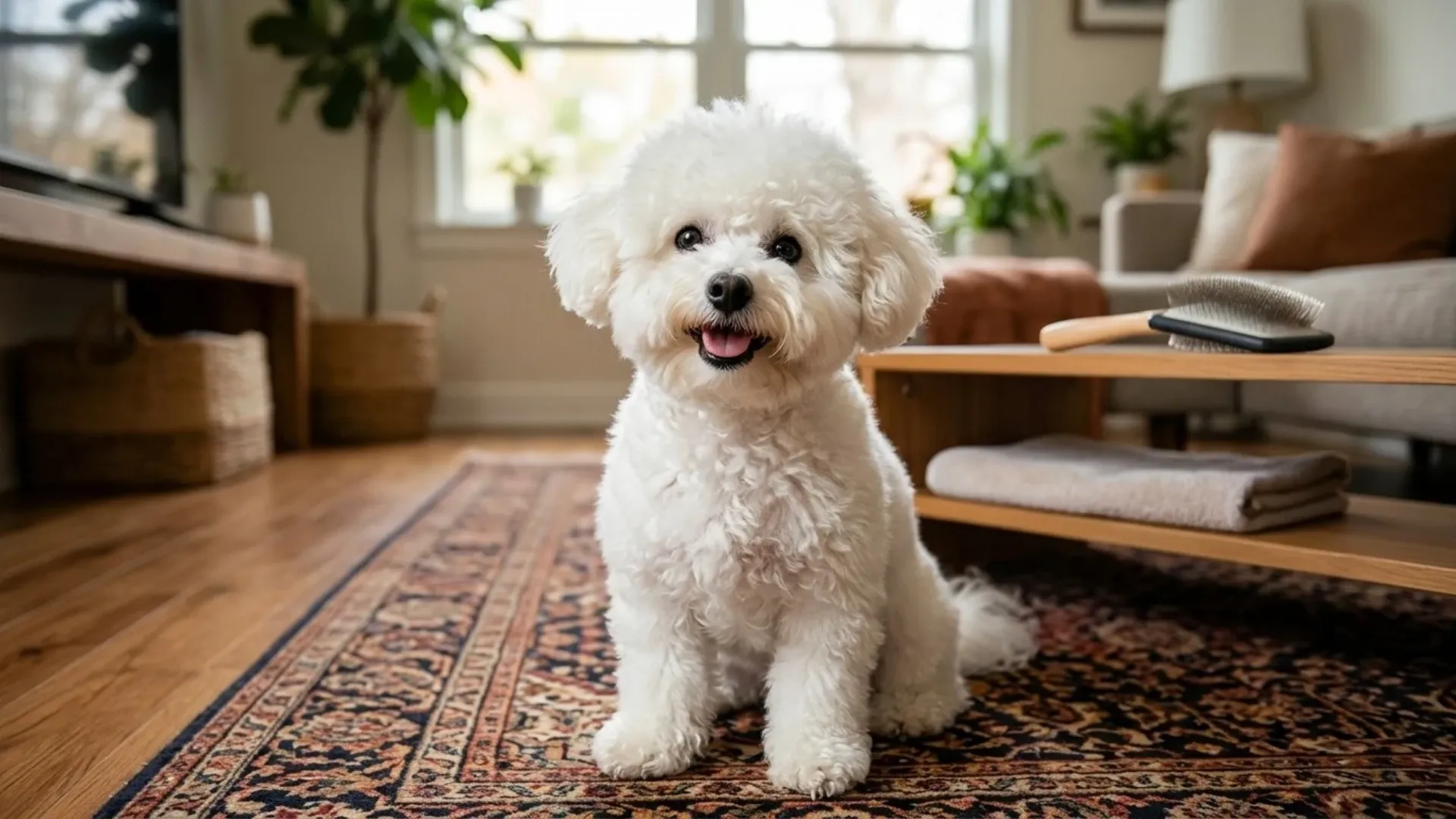
Here’s something most dog owners never think to ask: what happens to the hair that never falls out? Some coats don’t shed on a cycle at all; they just keep growing, non-stop, for as long as the dog lives.
That single fact flips the whole shedding conversation on its head. A coat built this way trades loose hair on the floor for a coat that never stops growing unless someone steps in.
So low shedding and low maintenance are not the same promise, no matter how often the two get used interchangeably. The real question isn’t if a coat sheds; it’s what kind of regular grooming it’s quietly asking for instead.
Get that part wrong, and even low-shedding big dog breeds turn into a grooming headache fast. Keep scrolling to see which coat types actually ask the least of you, and which ones are bluffing.
Dog Breeds with Little to No Shedding: A Grooming Guide
1. Poodle
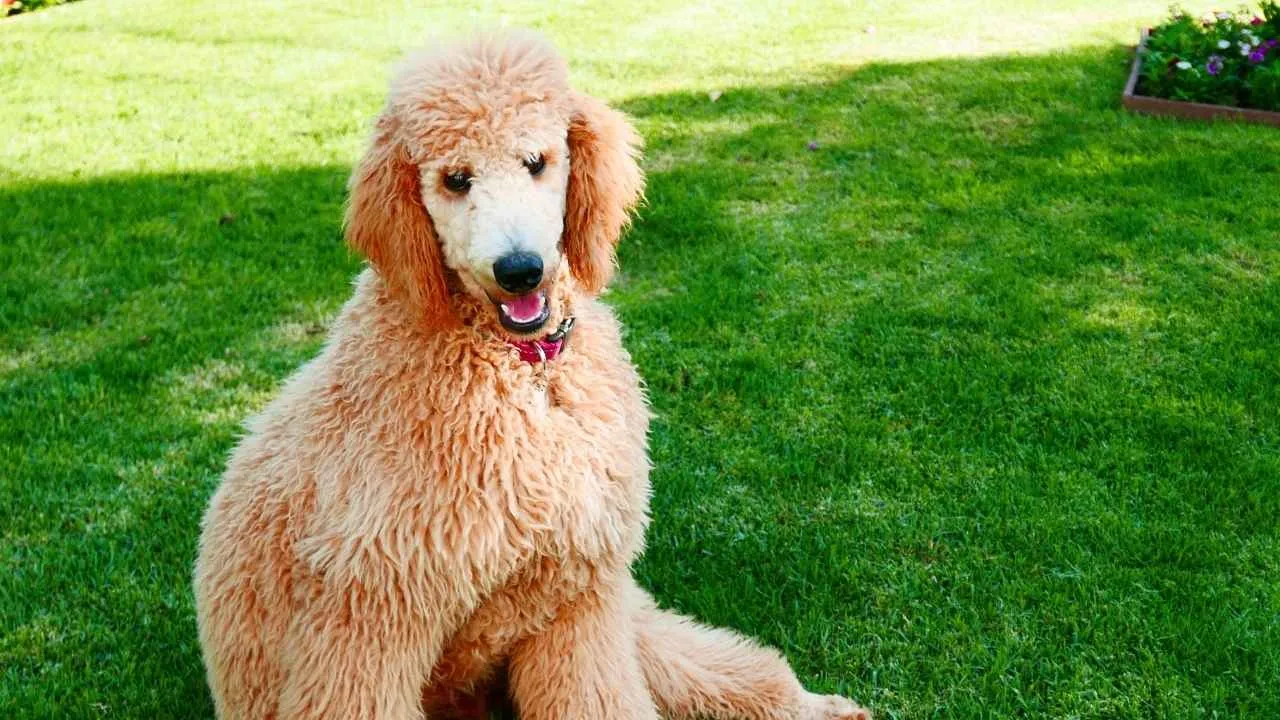
The Poodle is a textbook low-shedding and hypoallergenic dog breed, no asterisks needed. What shedding would normally handle, grooming has to do instead. Most owners end up at a professional groomer every four to six weeks to keep that growth in check.
This one’s a Scheduled Trimmer, happiest with owners who treat salon visits as a standing calendar event. Energy level barely matters here, since the real ask is an appointment, not extra exercise. Apartment living suits it just fine.
Tool: A slicker brush and metal comb work through the curls between salon visits.
Coat type: Single, hair-type curly coat that keeps growing instead of shedding out seasonally.
Skip the brushing, and those curls lock into tight mats close to the skin fast. Trapped moisture under a mat can trigger hot spots or skin infections. Wait too long, and a full shave-down becomes the only fix.
2. Bichon Frise
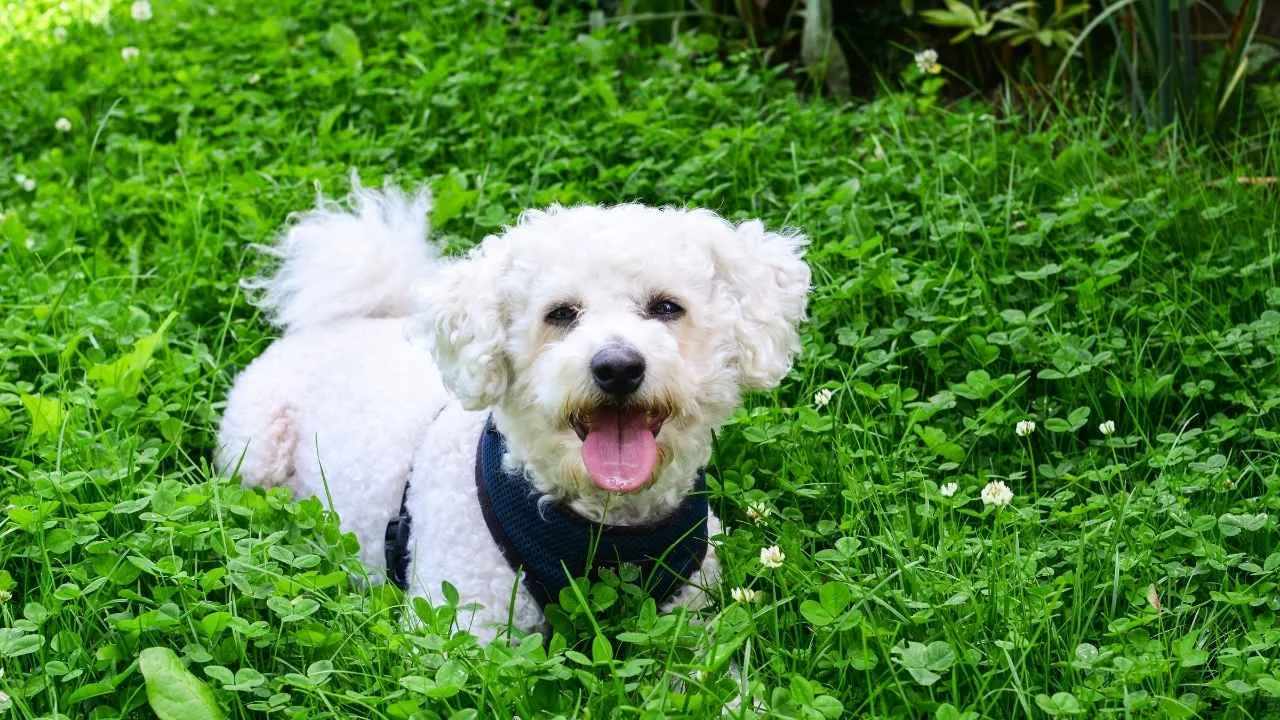
The Bichon Frise is a genuinely low-shedding dog breed, and the proof is in the coat structure. VCA describes it as curly, coarse, and dense, built to hold hair rather than release it. Daily brushing is the real stand-in for shedding here.
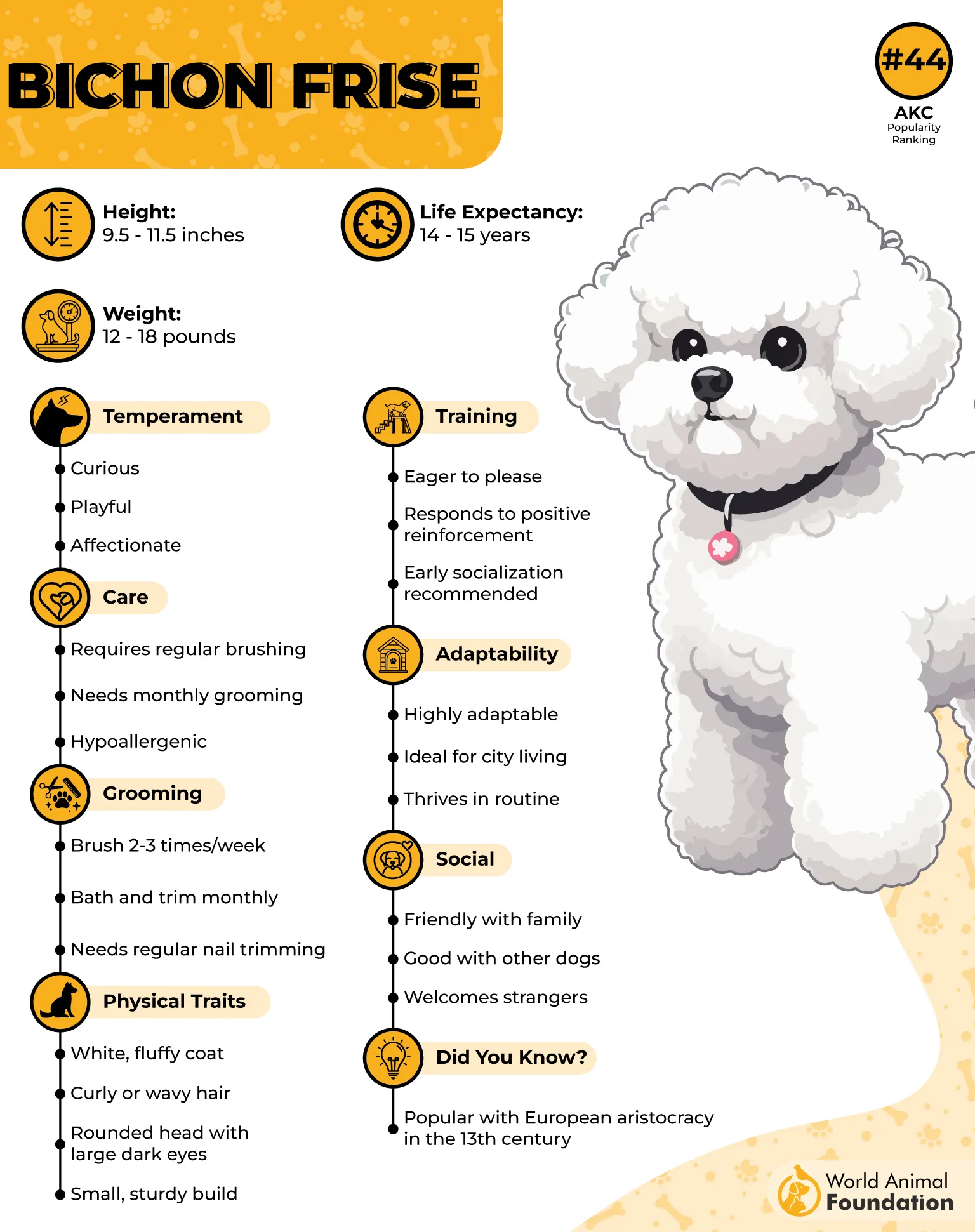
Call this breed a Daily Brusher, best suited to owners who enjoy a short grooming ritual over coffee rather than a monthly salon trip. It’s a companion dog through and through, happy in small houses and apartment living alike.
Tool: A pin brush followed by a metal comb clears tangles before they set.
Coat type: Double coat, soft undercoat under a curlier hair-type topcoat that traps loose hair.
Miss a few days of brushing, and that trapped hair felts into mats near the skin. Matting here isn’t cosmetic; it can pull at tender skin and invite irritation. Once matted, the coat usually has to be clipped short to fix it.
3. Miniature Schnauzer
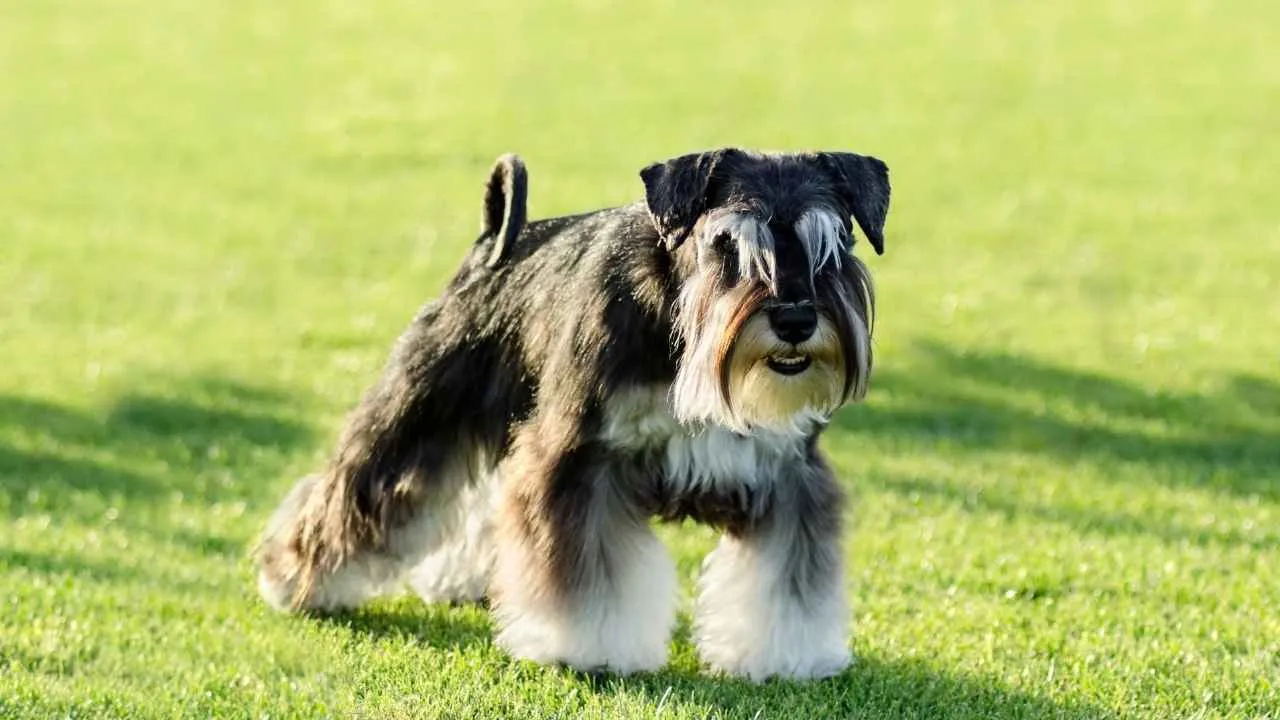
The Miniature Schnauzer earns its low-shedding dog breed status through a wiry coat that barely drops hair on its own. Purina calls it a dense, non shedding coat that still demands regular grooming. Hand-stripping or clipping every four to six weeks is what actually does the job shedding skips.
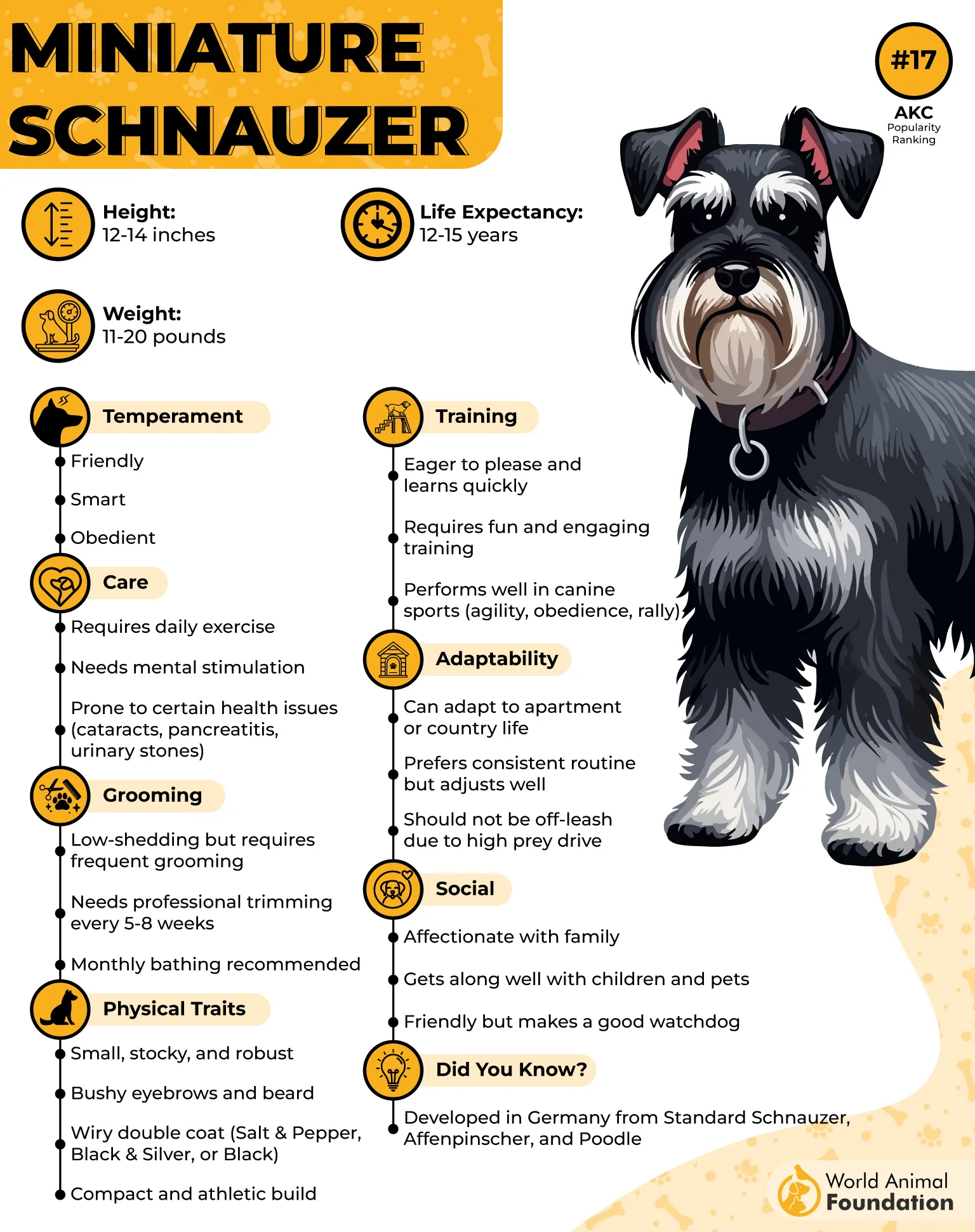
This is a Scheduled Trimmer with a twist, since owners can choose hand-stripping for texture or clipping for convenience. Either way, it suits active families who don’t mind a beard that gets messy at dinner. Small dog, big grooming opinions.
Tool: A stripping knife for texture, or clippers for an easier, softer pet trim.
Coat type: Double coat, wiry hair-type topcoat over a soft undercoat, the reason it doesn’t shed out.
Leave that wiry topcoat alone too long and dead hair builds up under it, causing matting and skin irritation. The beard area gets dirty fast and can trap bacteria. Regular grooming heads off both problems before they start.
4. Whippet
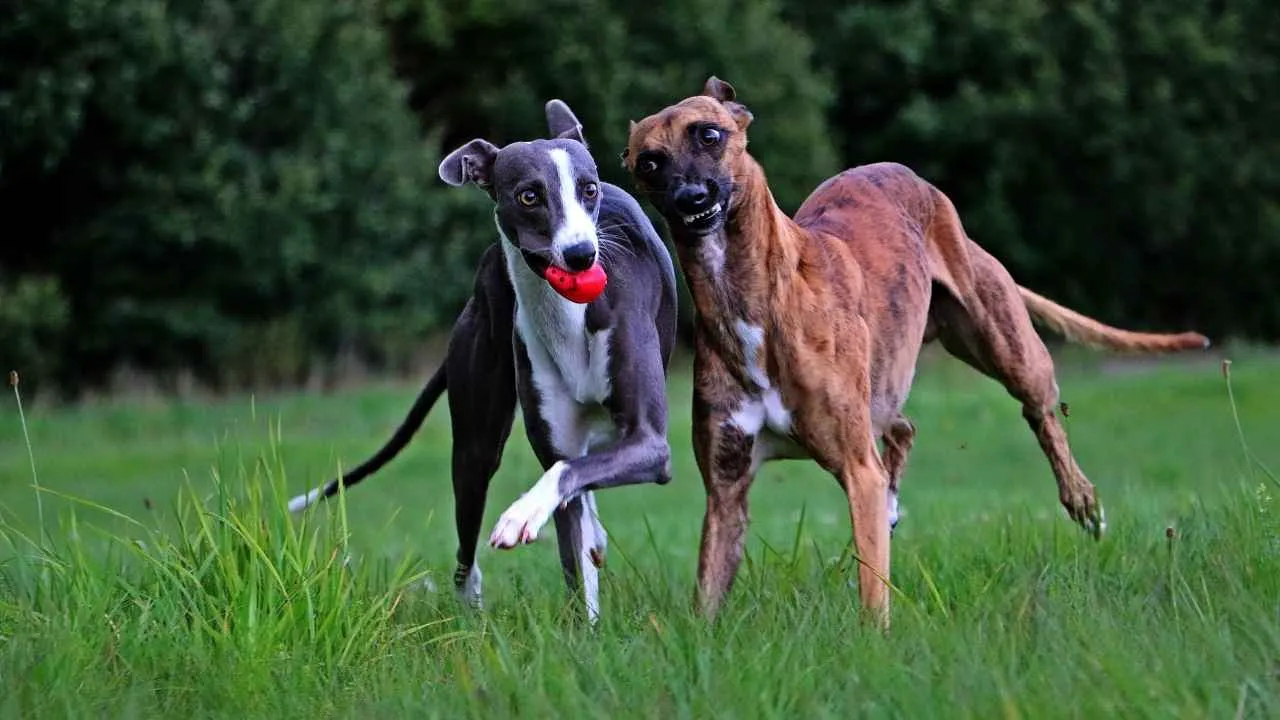
The Whippet sits firmly among low-shedding breeds; though it isn’t a non-shedder, it just sheds too little to notice. There’s no hair-type coat trickery here, just a short, fine fur-type coat with a seasonal cycle so light it barely registers. Weekly brushing covers the task that stands in for shedding.
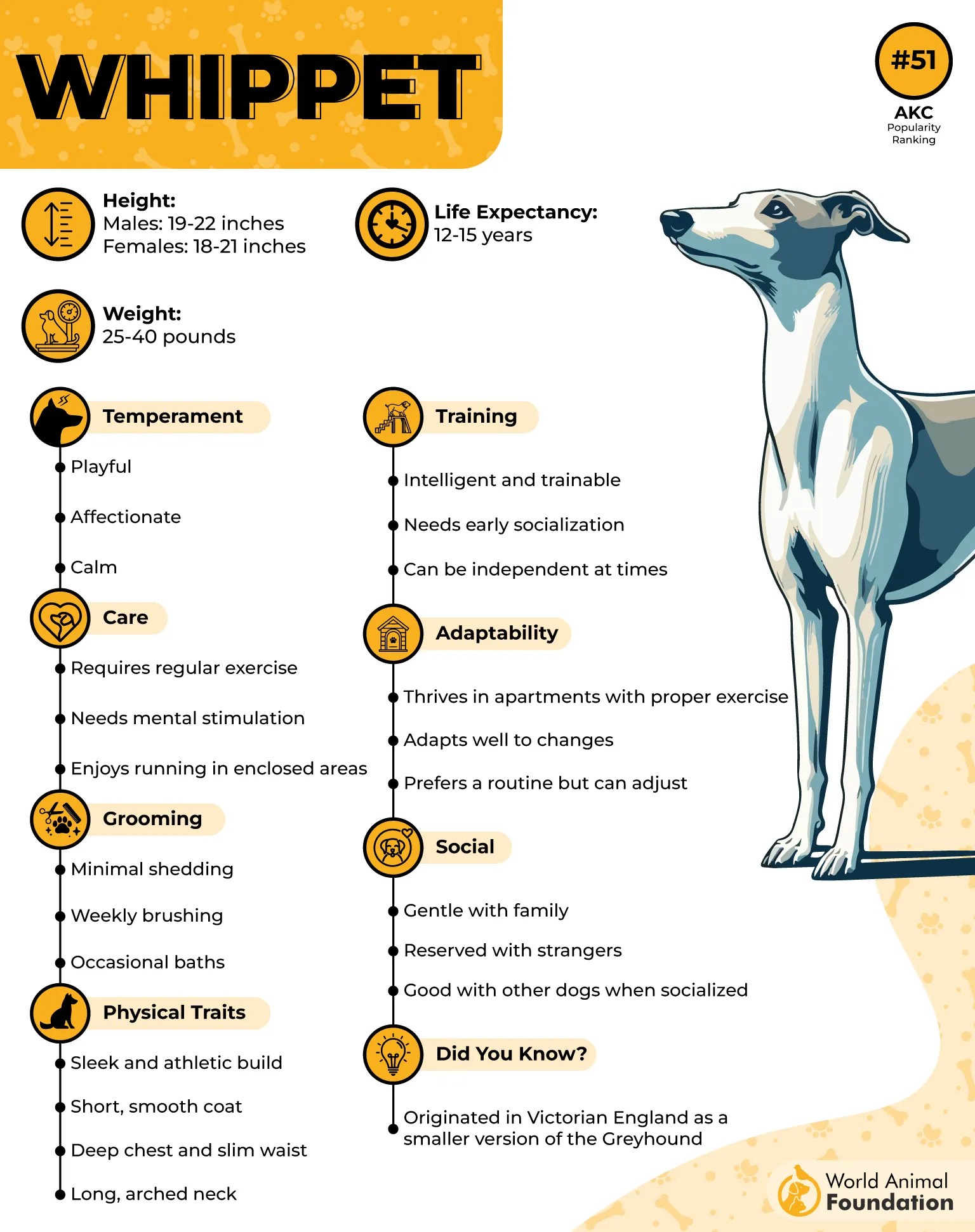
This breed is pure wash-and-go, built for owners who want minimal grooming without giving up a dog that still looks sleek. Active families who already walk or run daily will find the coat keeps pace with zero extra effort. Energetic dogs, easy coat.
Tool: A rubber grooming mitt or soft bristle brush lifts loose hair and dead skin.
Coat type: Single, smooth fur-type coat with no undercoat to trap or hold hair.
Skip the brushing entirely, and the Whippet’s thin skin can dry out and flake, since there’s no coat buffering it. Over time, that shows up as a duller coat and more visible loose hair. A weekly once-over keeps both skin and coat in order.
5. Shih Tzu
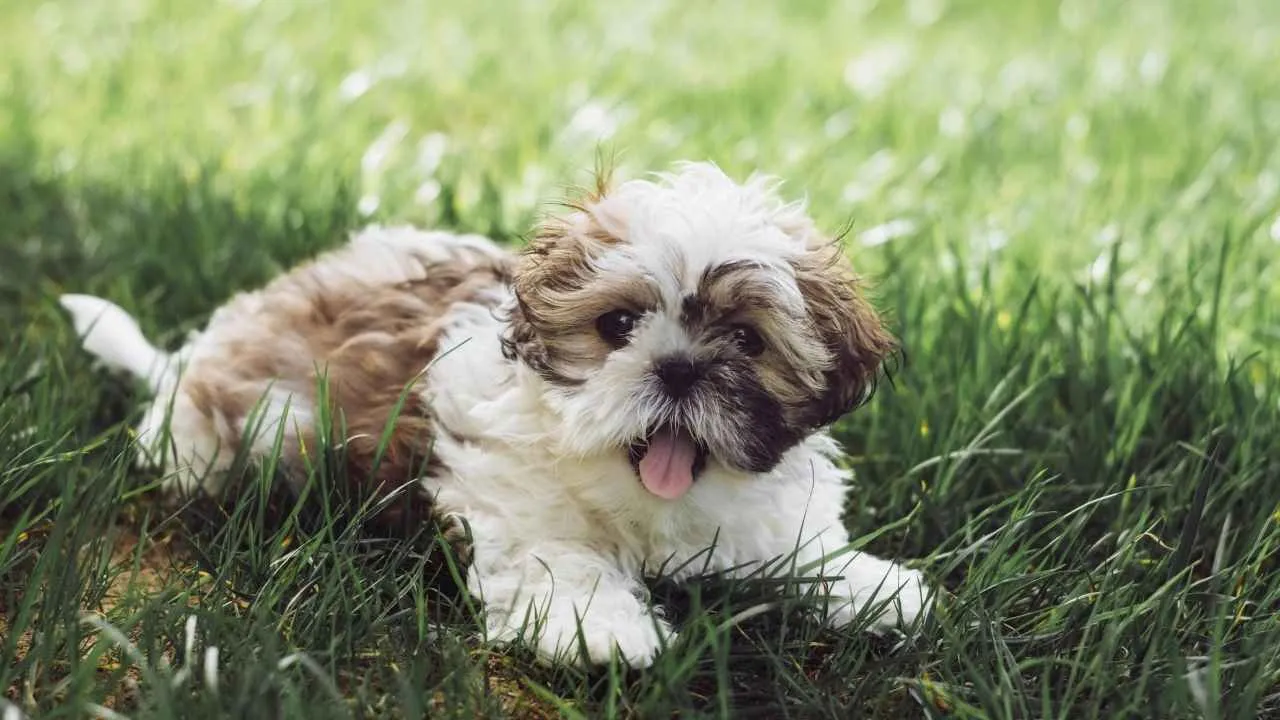
The Shih Tzu technically qualifies as a low-shedding dog breed, but calling it low maintenance would be generous. Its long, silky coat is hair-type and keeps growing, so daily brushing is the price of admission. Professional trims every four to six weeks keep that growth from becoming unmanageable.
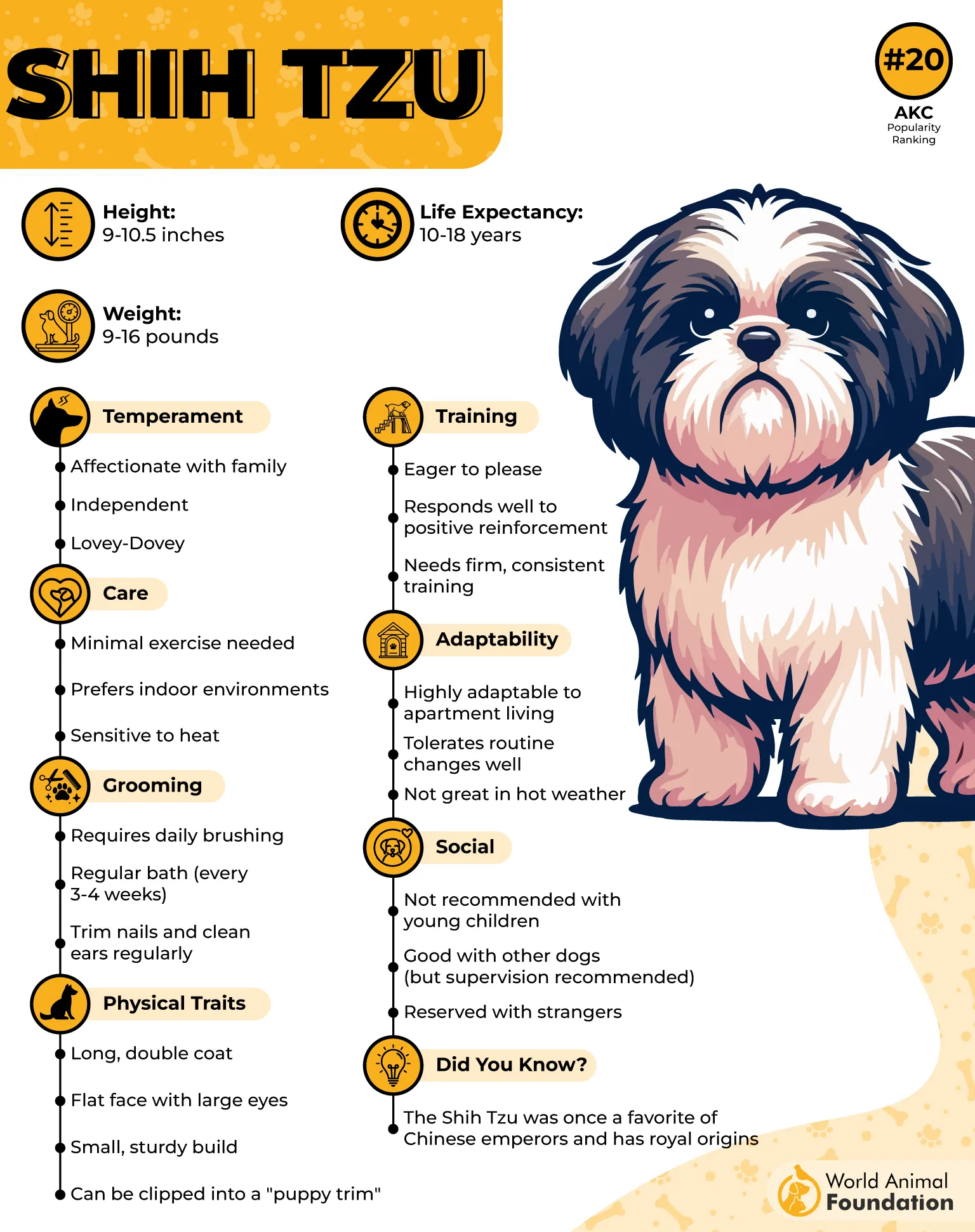
This is a Daily Brusher in the truest sense, a fit for owners who have ten quiet minutes every single day, not just on weekends. Lap dogs by nature, they’re suited to calm households more than active families on the move. Consistent grooming is non-negotiable here.
Tool: A pin brush with line brushing technique reaches the undercoat without snapping hair.
Coat type: Double coat, long silky hair-type outer layer over a softer undercoat beneath it.
Miss even a few days and mats form fast, especially behind the ears and under the legs. Left alone, matted hair near the eyes can scratch the cornea and cause real discomfort. Daily brushing is what keeps this adorable face issue-free.
6. Basenji
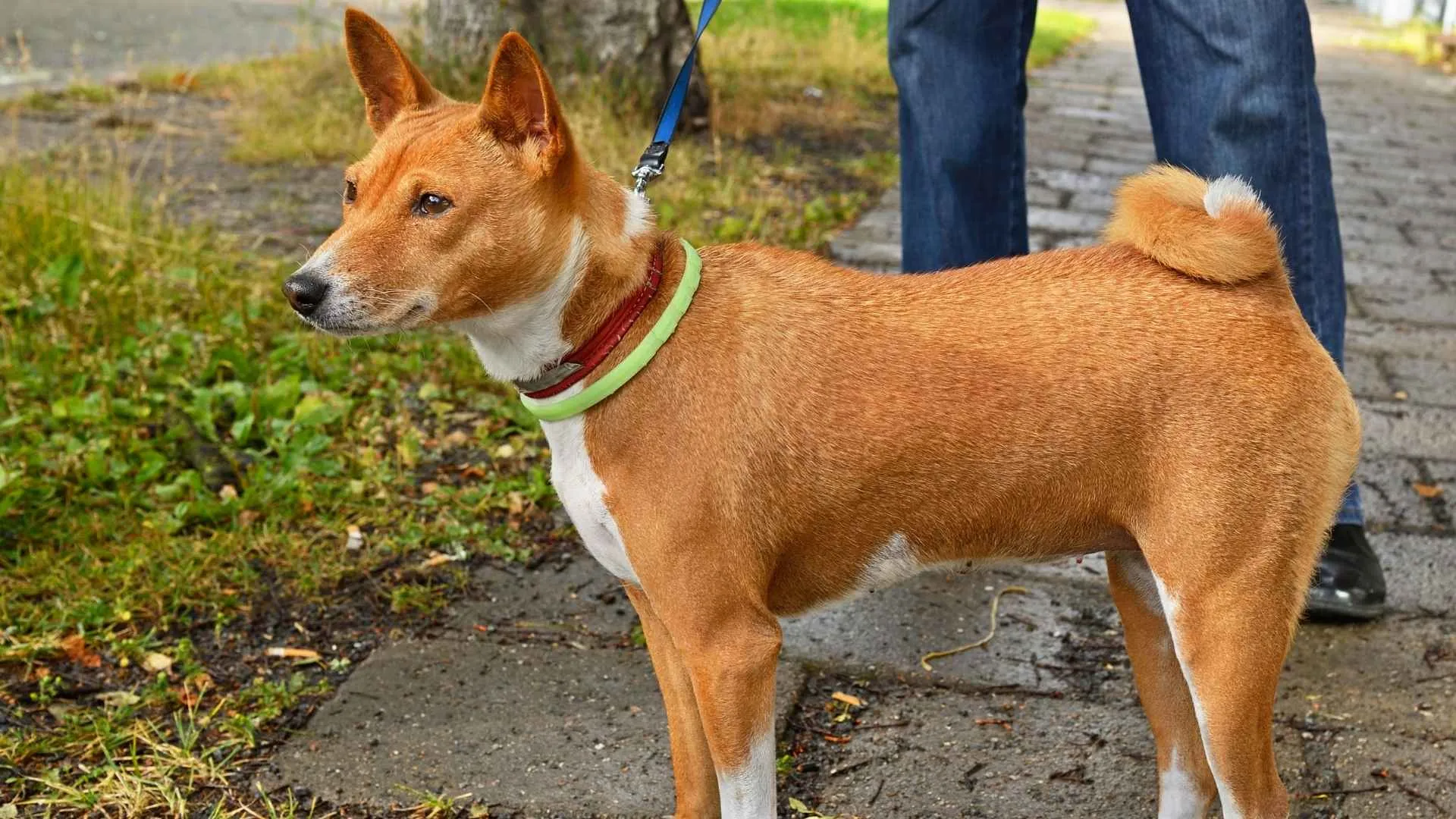
The Basenji is one of the more surprisingly low-shedding dog breeds on this list, and the coat mechanism explains why. Britannica describes it as short, smooth, and fine-textured, with almost nothing to shed in the first place. A weekly wipe-down is the only task that replaces shedding here.
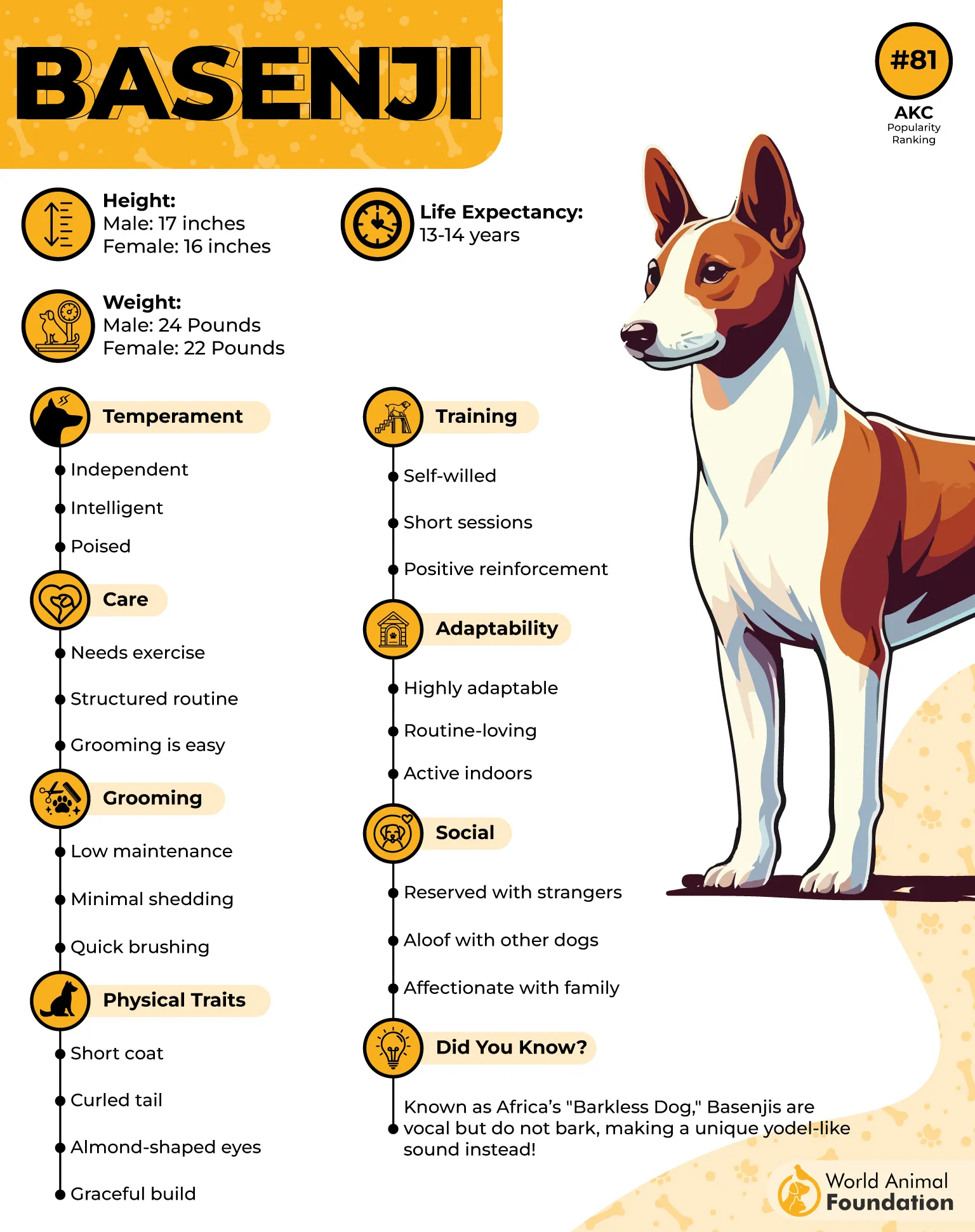
This breed is Wash-and-Go royalty, famous for grooming itself the way a cat does. It fits low-maintenance dog seekers and busy, active families who want a clean house without daily effort. Barkless dog, low-fuss coat, good trade all around.
Tool: A rubber curry brush or hound glove buffs the coat and lifts dead hair.
Coat type: Single, fine fur-type coat with no undercoat, which is why shedding is minimal.
Ignore even that light upkeep and the Basenji’s skin can dry out, since there’s no coat trapping natural oils. Dry skin shows up as dullness or mild flaking over time. A weekly wipe-down keeps both the coat and skin healthy.
7. Italian Greyhound
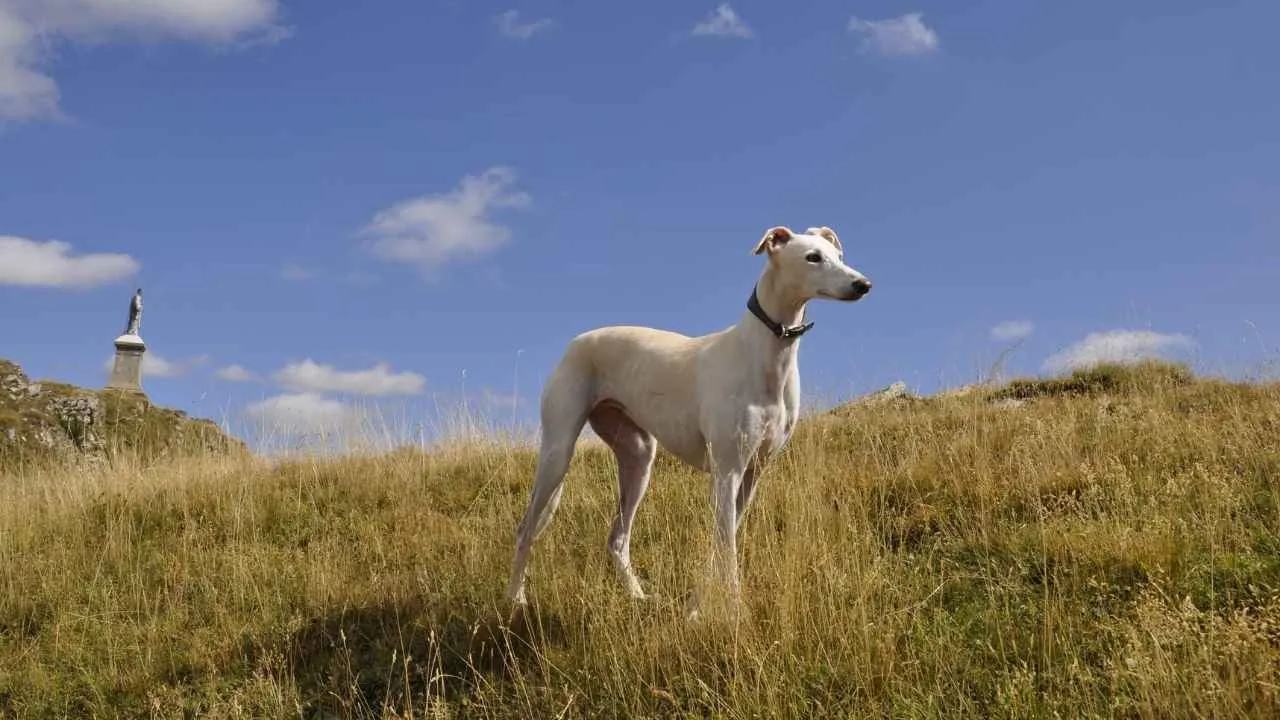
The Italian Greyhound rounds out the low-shedding dog breeds here, with grooming needs so light they barely register. Hill’s Pet rates its overall grooming needs as low, and that holds for shedding too. A gentle weekly brushing is really all the task shedding gets replaced by.
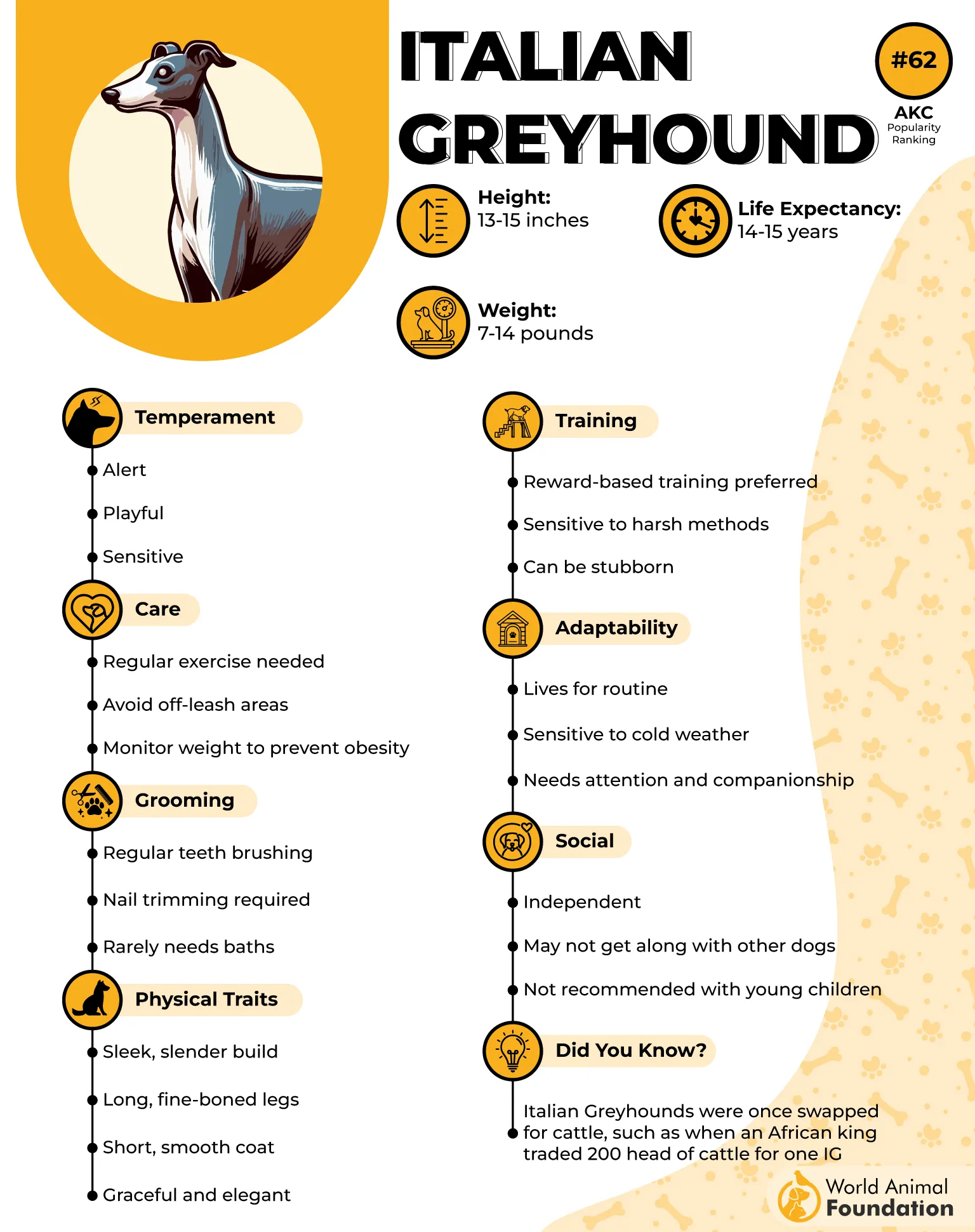
This is wash-and-go for sensitive-skin owners, ideal for people who want minimal grooming but are prepared to dress their dog for winter. Small dog, big feelings about cold weather. Active families who keep walks short in chilly months will get along with this one easily.
Tool: A soft bristle brush or rubber mitt lifts loose hair without irritating the skin.
Coat type: Single, fine fur-type coat with no undercoat, leaving little to shed out.
Skip the weekly brushing, and that thin skin can dry out or chap faster than owners expect. Cold exposure without a coat makes dry skin worse, not just the missed brushing. A sweater on walks does double duty, protecting both coat and skin.
Conclusion
Low-shedding dog breeds were never the easy way out; they just moved the work from your floor to your calendar. Once you know if a coat type wants daily brushing, scheduled trims, or almost nothing, choosing low-maintenance dogs gets a lot less confusing.
So before you fall for a pretty coat, match it to the grooming needs you can actually keep up with, not just the label on the breed. Pick the one that fits your routine today, and your groomer will send flowers.
