




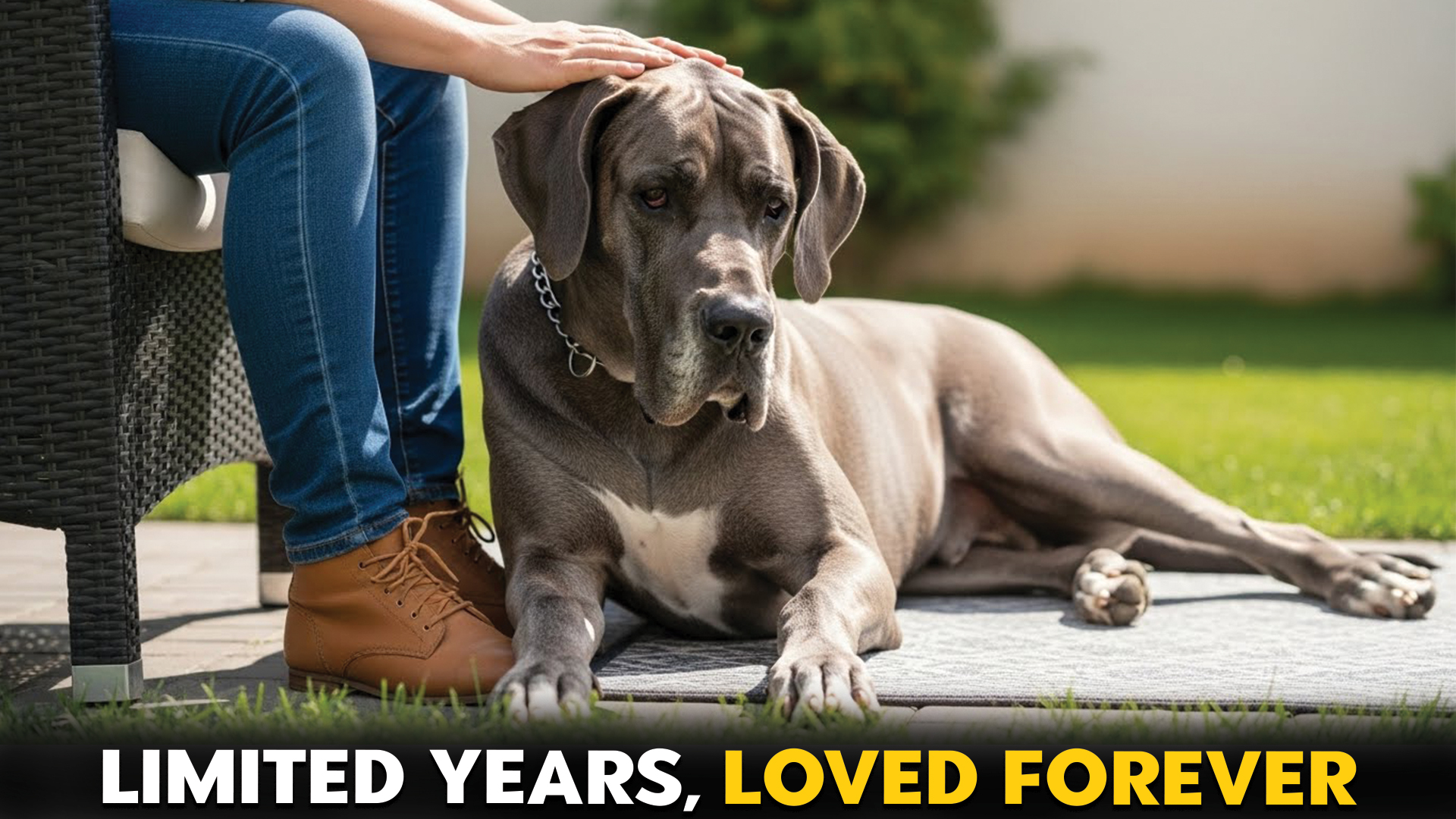
Bringing a dog into your house is a decision that you don’t usually make lightly. It’s a pledge of friendship, a promise of time and money, and an emotional commitment to another being – especially if you have a very busy schedule and want a great companion.
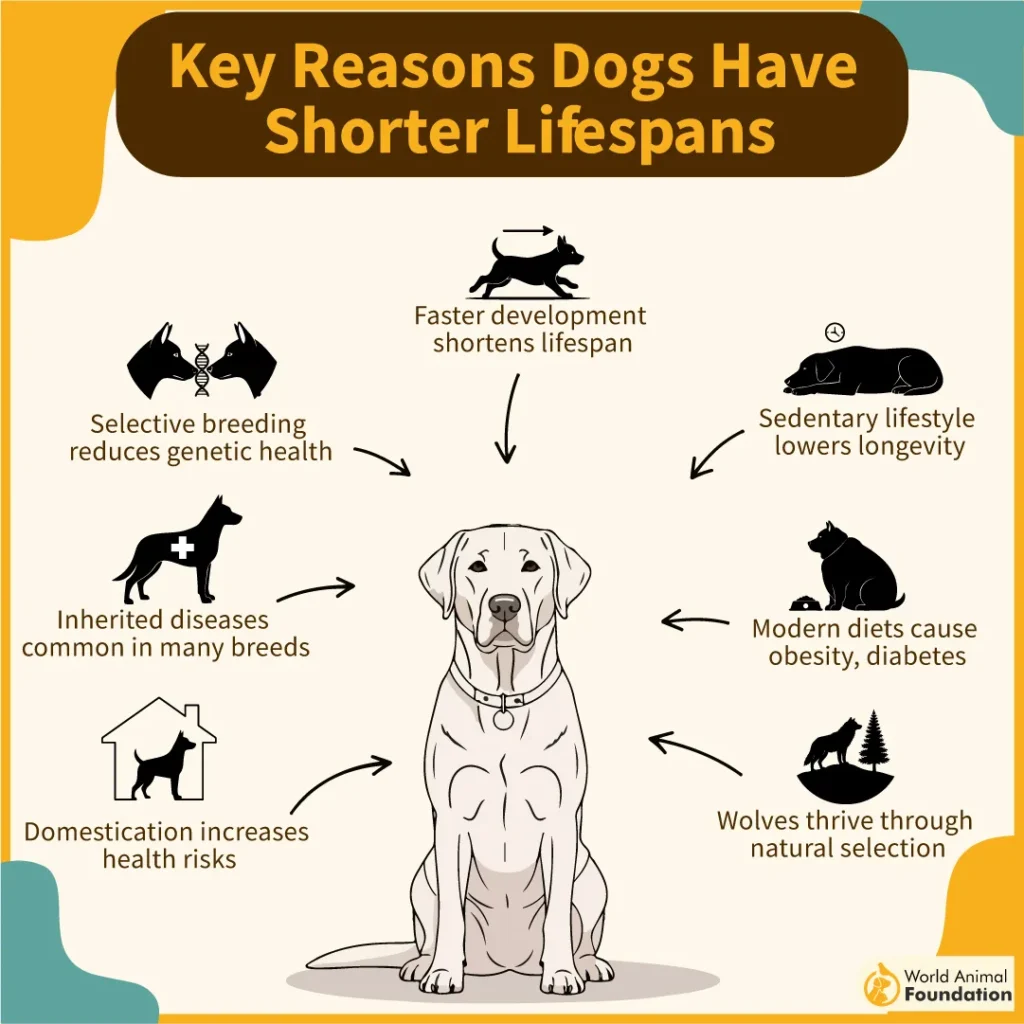
No matter what kind of dog you get, each will be unique and make a lasting impression. In contrast, many low-maintenance dog breeds are born with characteristics that will lead to a shorter lifespan, typically caused by either a dog’s large body mass or body type, or both.
While some breeds of dogs may have a longer lifespan than others based on size alone, and the lifespan of your dog doesn’t diminish the value of the companionship, loyalty, and joy your dog provides to you, it may indicate that you need to think about the possible life expectancy of your new companion.
Being a responsible owner includes making provisions for your companion’s life cycle and the end of that cycle. Larger breeds of dogs generally grow older more rapidly than smaller breeds of dogs.
Here are some loving dogs you might enjoy owning!
Dog Breeds with Limited Lives: What to Consider
1. Newfoundland
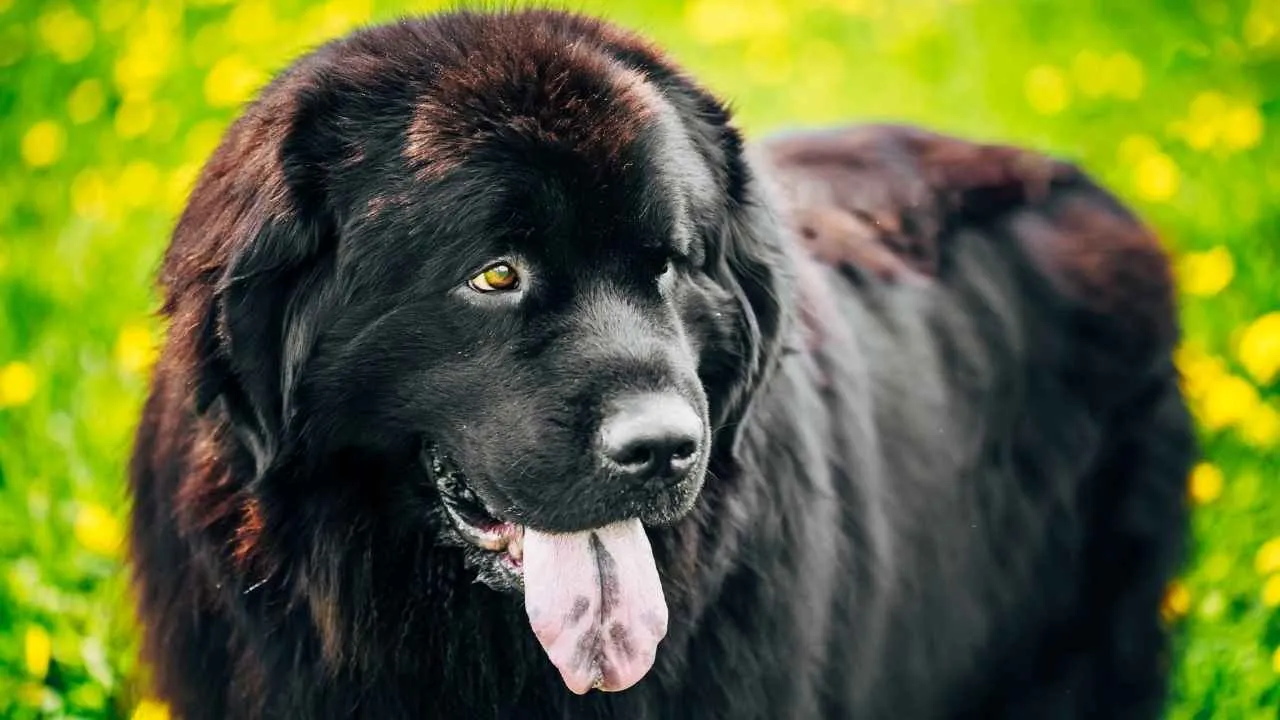
Newfoundland Dogs are known for their mellow temperaments, gentle personalities, and strong instincts to nurture. Due to their heavy build, Newfoundlands decline physically at a much quicker pace than other breeds of dogs.
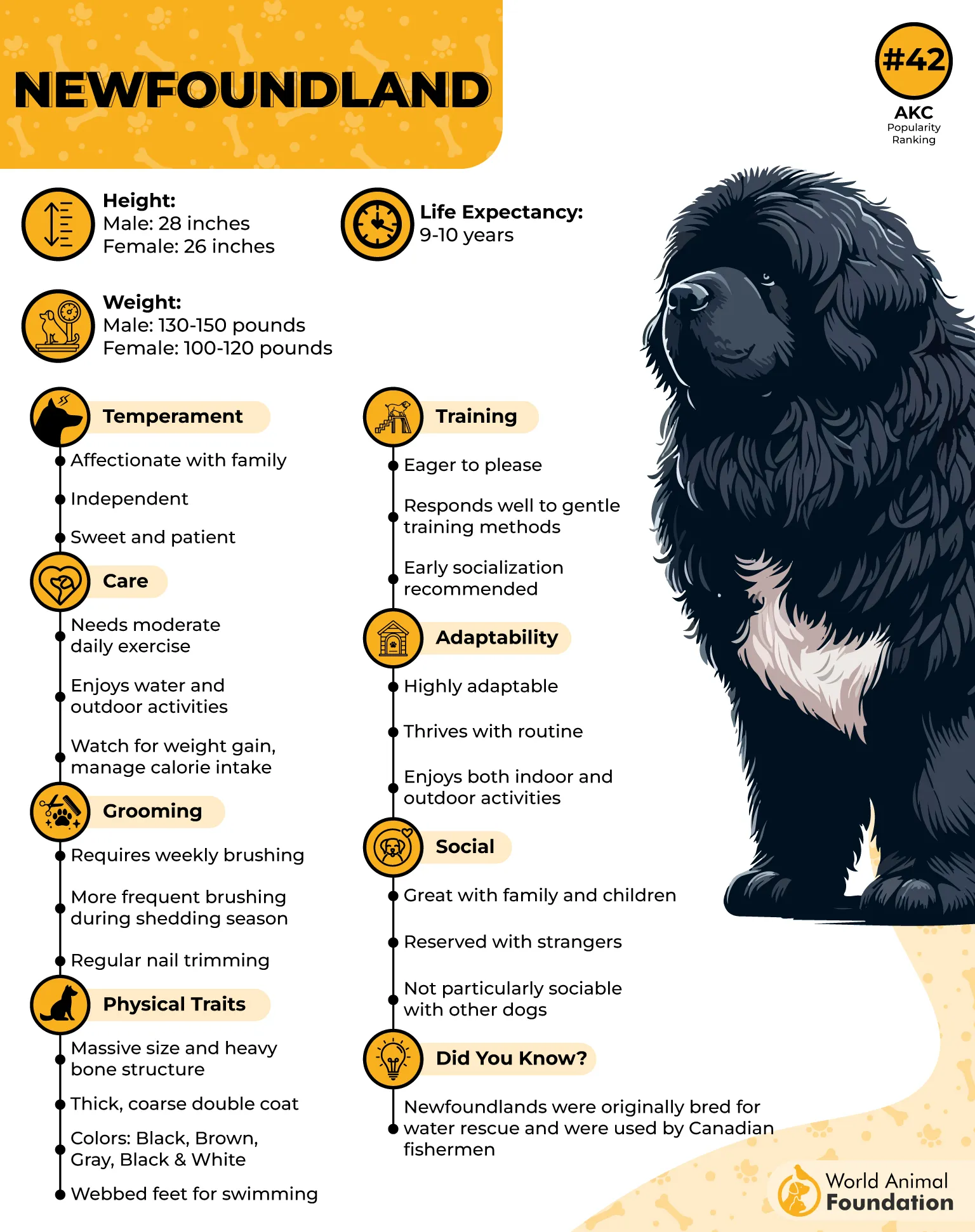
The life span of Newfoundlands is short, but there are things that you can do to maximize the quality of life of your family dog. This includes:
Early identification of joint health issues so you can develop a plan to help the dog maintain its mobility during its lifetime.
Offering the dog swimming opportunities as a moderate exercise option.
Providing the dog with cooler places to rest and relax in the summer months, since these great family dogs can easily overheat due to their double coats.
Although this loyal dog’s life is shorter than that of many other dogs, they can make a lasting impression on people who have had the privilege of knowing them. As well, their close emotional bond can sometimes create separation anxiety.
2. Rottweiler
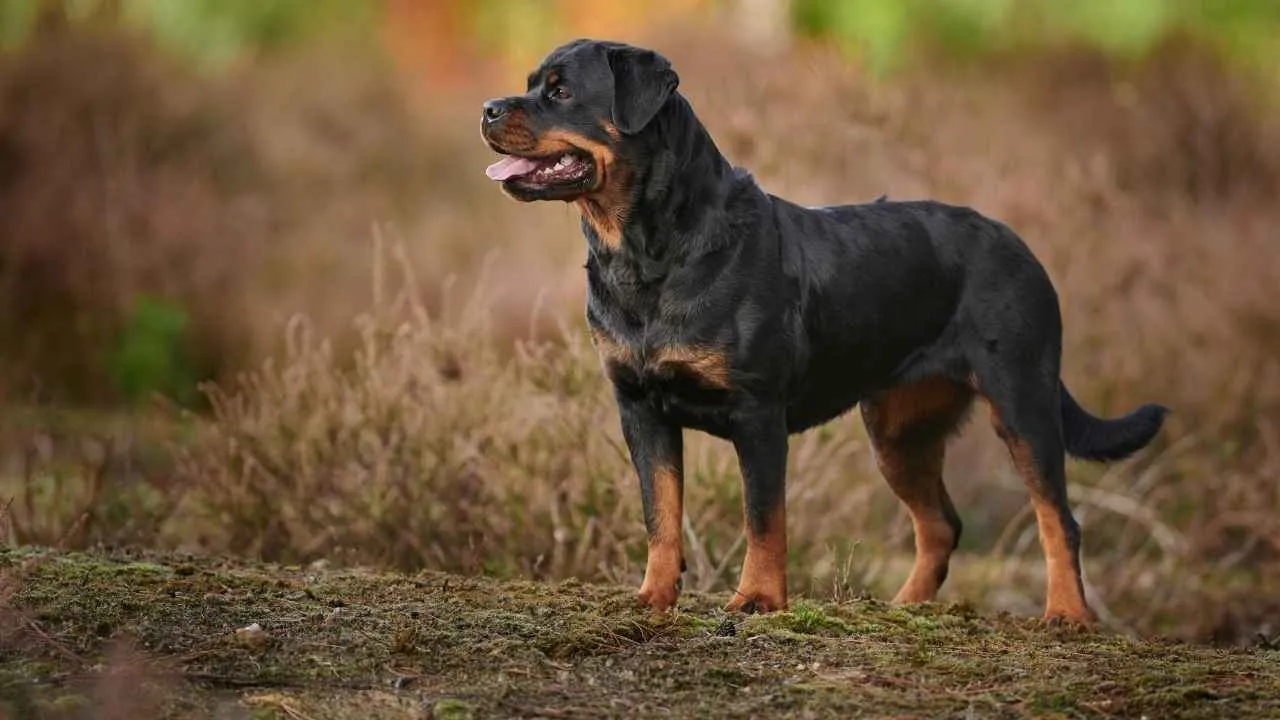
Rottweilers are happy, smart, and serious dogs that will protect and provide security for their families through forming close emotional connections with their families.
However, the structural and genetic makeup of Rottweilers creates potential health risks for the animal, and owners frequently tell us that their Rottweilers mature both mentally and physically very fast.
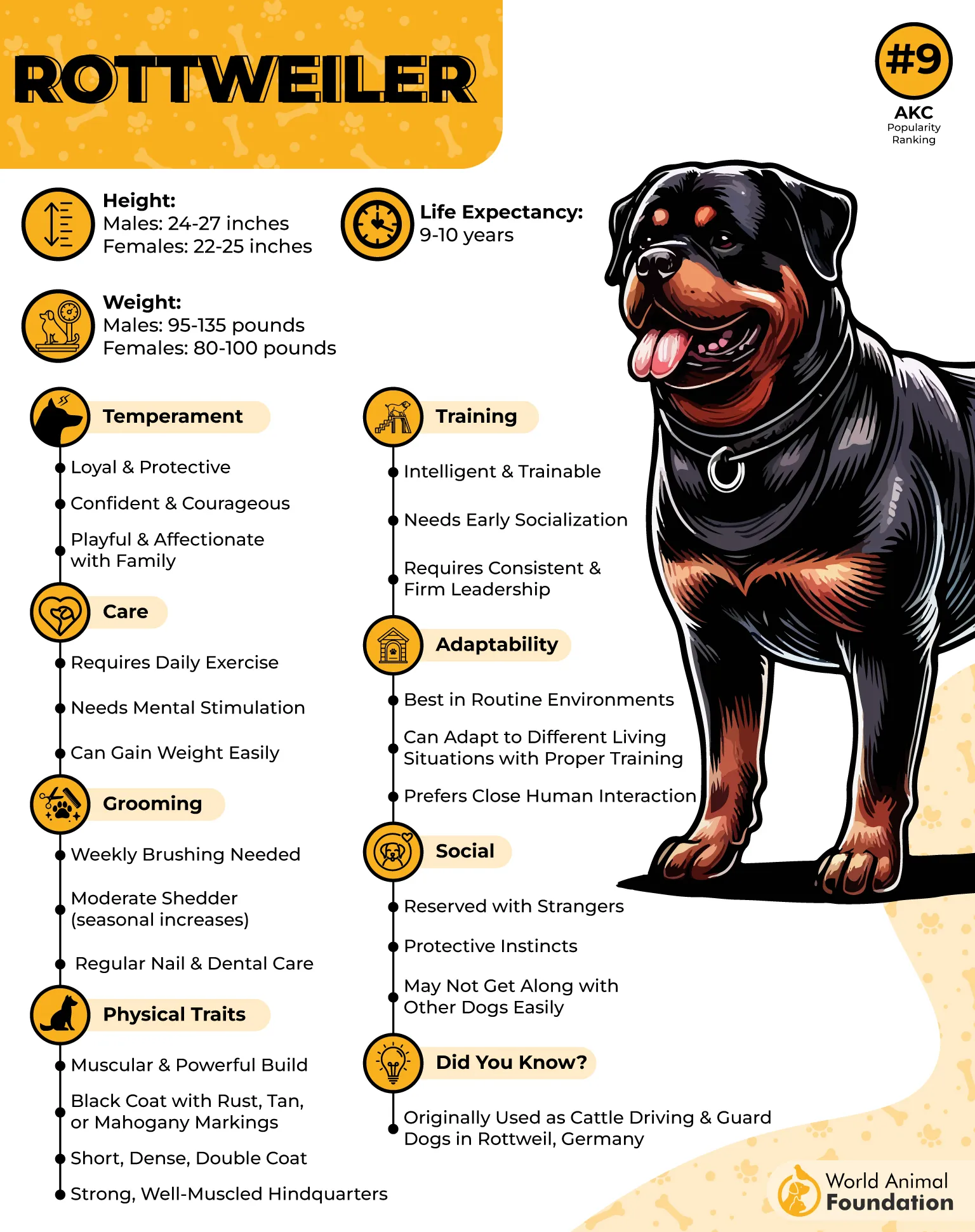
In addition to getting ready for the eventual loss of the animal, the owners of Rottweilers need to consider how the following factors will affect the animal’s emotional welfare and overall happiness:
Developing ways to engage these affectionate dogs in mental stimulation to keep the animal emotionally balanced.
Using positive reinforcement training to encourage self-confidence in the pup from birth until the dog dies.
Establishing regular schedules for the animal, including daily walks, can reduce stress-induced behaviors in the animal.
Monitoring the dog’s food intake to alleviate the strain that rapid growth puts on the animal’s body.
According to Britannica, Rottweilers are among the breeds that have shorter life spans due to the genetic predisposition to develop certain medical issues.
3. Broholmer

Broholmers are a rare and dignified breed of dog. Most of the time, these dogs tend to spends its time lounging as couch potatoes instead of engaging in energetic play. Despite its size, the Broholmer is a remarkably well-behaved dog.
Due to the rarity of the Broholmer breed, the owners of Broholmers frequently underestimate the level of planning and effort that is required to ensure the long-term care of the animal.
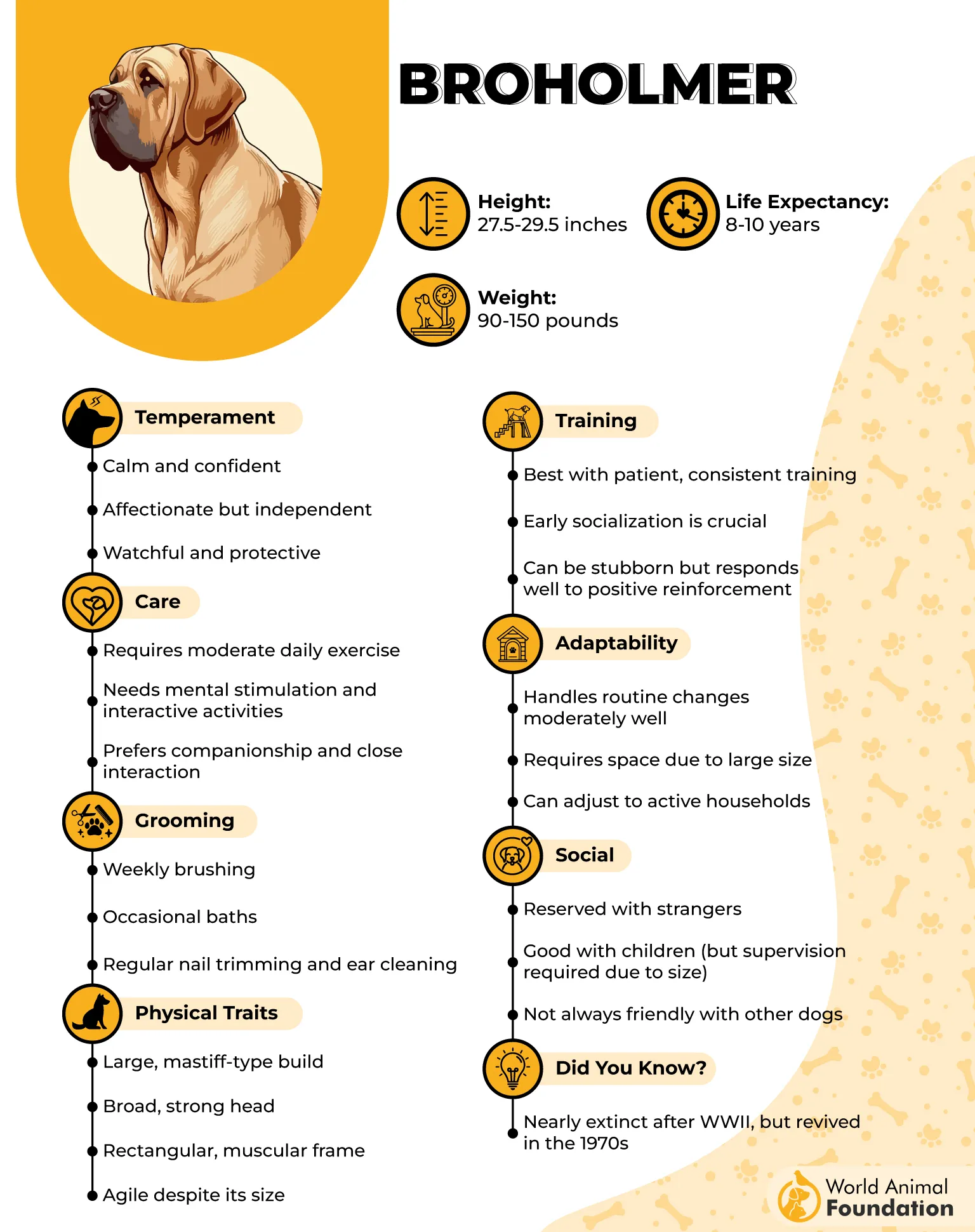
In addition to developing a plan for the dog’s future care, first-time pet parents of Broholmers should consider the following:
Conduct extensive research regarding the limited global breeding populations for Broholmers to increase the chances of finding a reputable breeder.
Provide precise nutrition during the dog’s slow growth phase to ensure optimal development.
Match the dog’s quiet temperament with a household that is peaceful and not chaotic.
It is crucial for pet owners to understand the importance of responsible breeding to increase longevity in a rare, low-maintenance pet, as emphasized by the AKC.
4. Bulldog

Bulldogs are expressive, affectionate, and great lap dogs. Their distinctive physical characteristics make them endearing; however, they also present unique challenges.
Their small, compact body presents the owner with a variety of challenges, including providing these charming dogs with adequate space for daily comfort and creating environments that are conducive to the dog’s breathing and overall respiratory health.
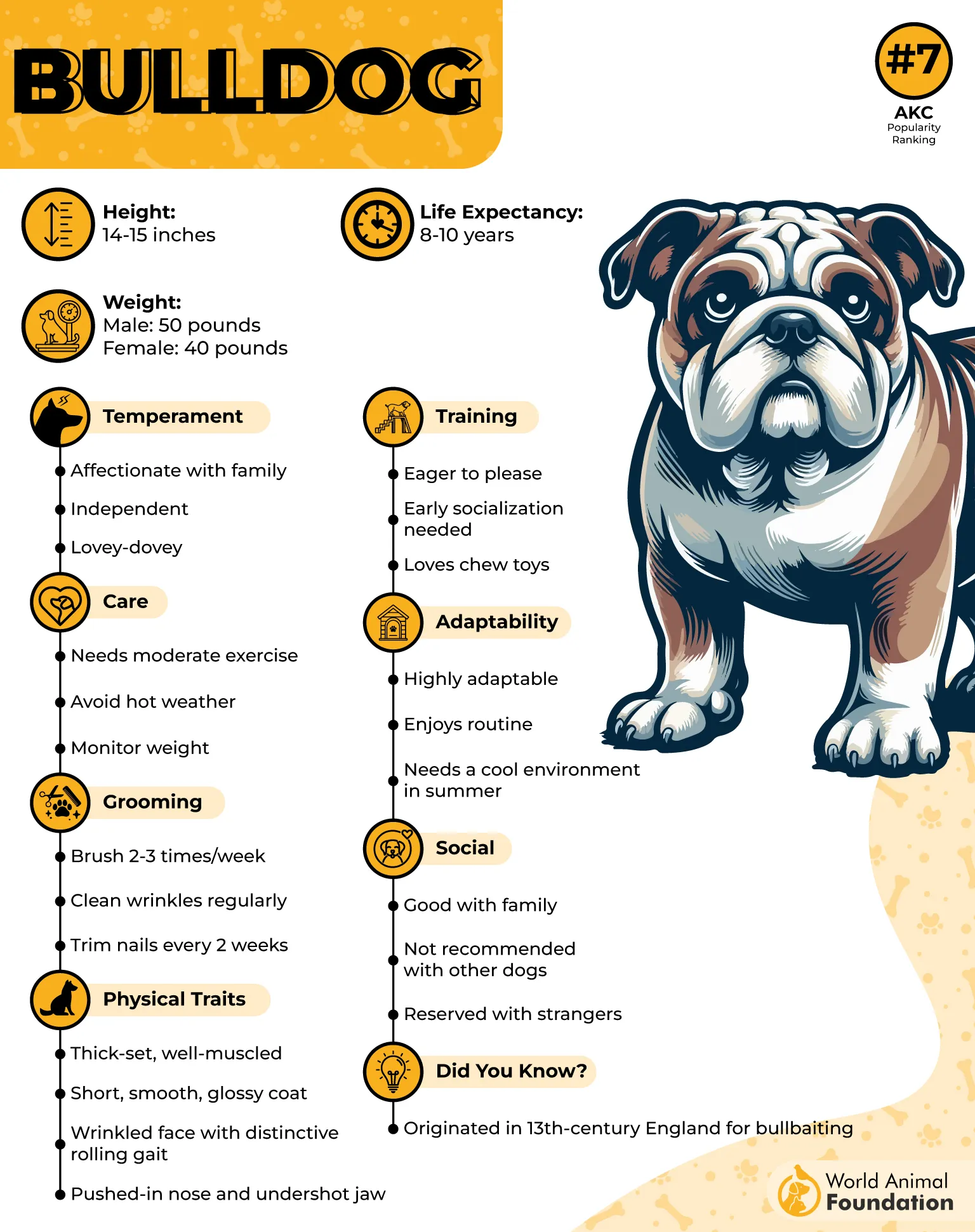
In addition to understanding the life expectancy of Bulldogs, owners of Bulldogs should also consider the following:
Maintaining temperature control year-round to avoid heatstroke in the pup.
Providing the dog with numerous short periods of activity rather than longer periods of continuous exercise.
Maintaining the cleanliness of the folds in its short coat with occasional brushing to help prevent skin infections.
Teaching the pup to cope with excessive barking and stress to improve overall well-being.
PetMD notes that proactive care is necessary for brachycephalic breeds like Bulldogs to improve their quality of life and extend their lifespan.
5. Saint Bernard
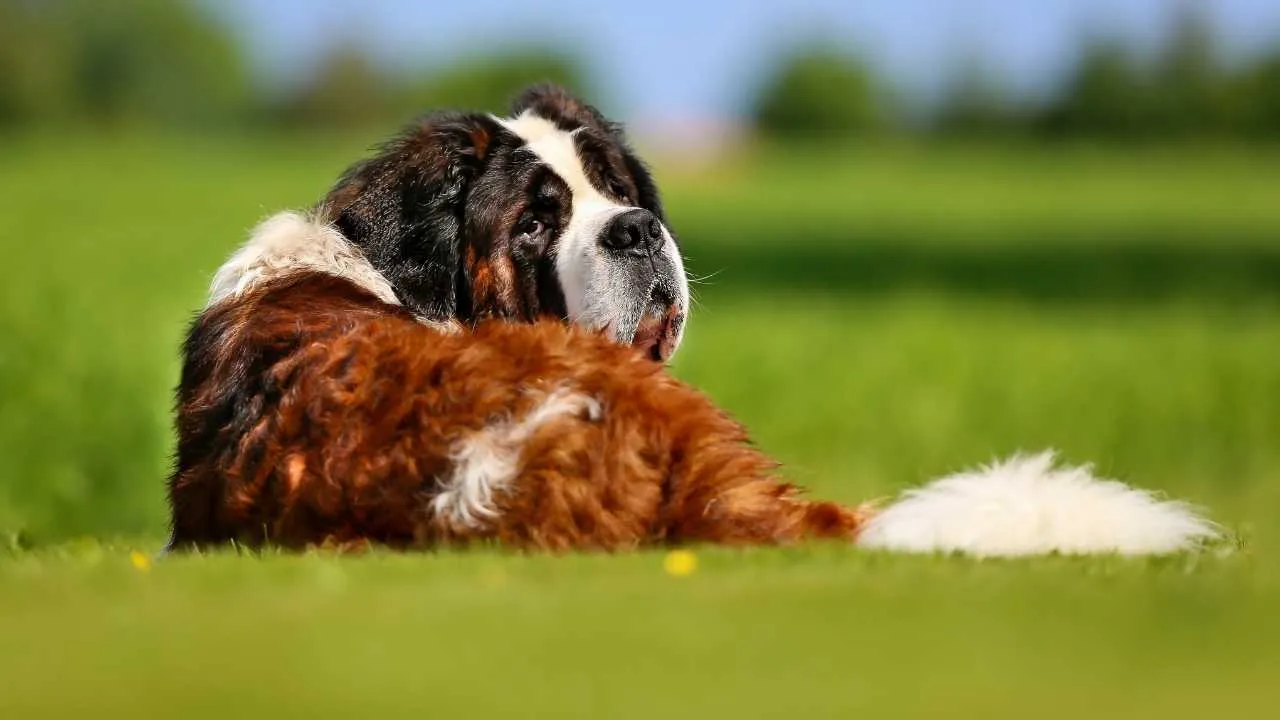
Saint Bernards are totally devoted, calm, and emotionally grounded; however, the large size of the Saint Bernard places a constant strain on the cardiovascular and skeletal systems.
In addition to being “old souls” and providing long-lasting friendships in a relatively short amount of time, additional considerations should also be made by Saint Bernard owners when considering the ownership of this animal:
Space planning is necessary to preserve the joints of the Saint Bernard.
Weight management will provide a comfortable and mobile Saint Bernard.
Socialization of the Saint Bernard can help build confidence and good health.
Some Saint Bernard owners have found that the Saint Bernard’s aging process occurs sooner than expected.
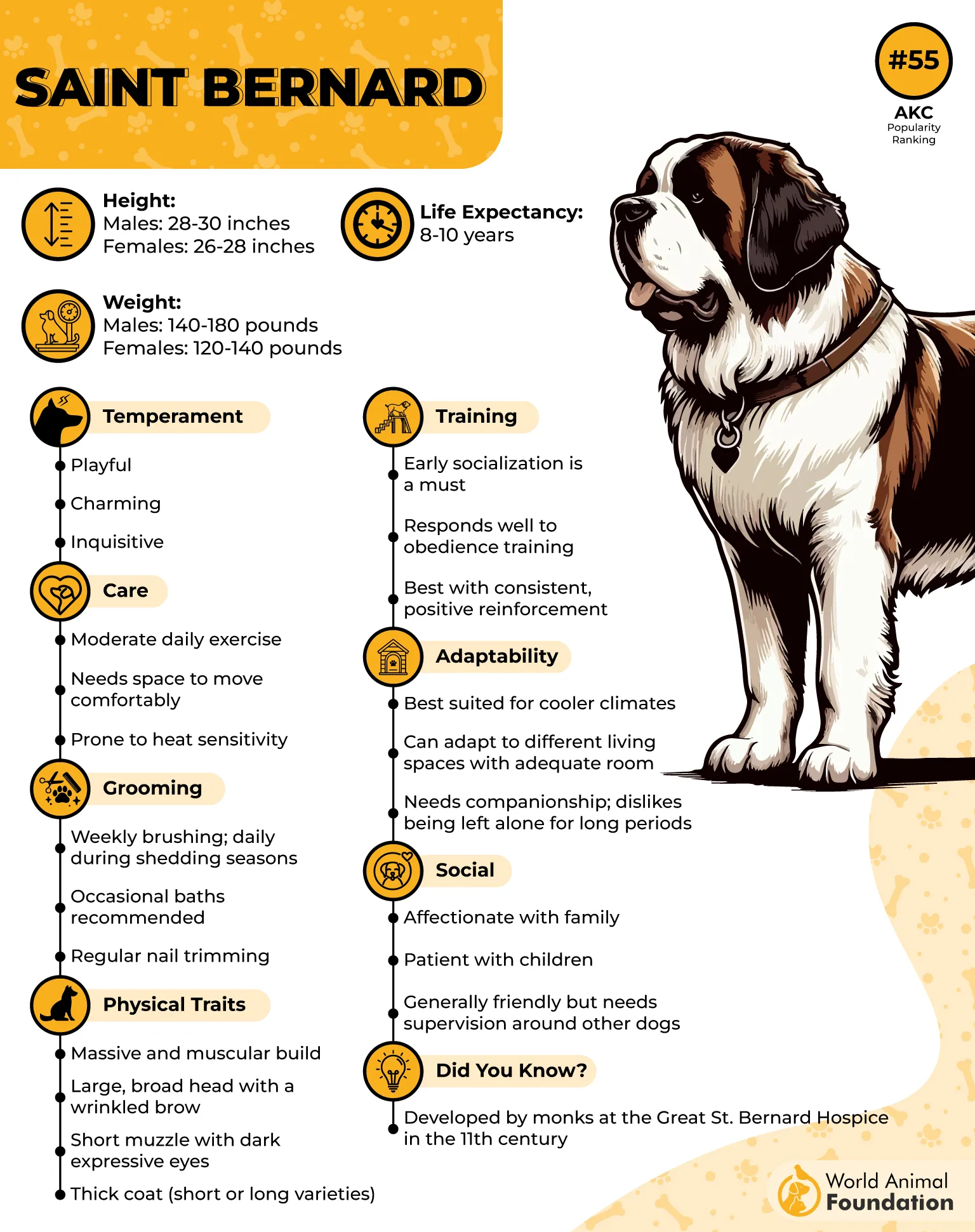
The American Kennel Club (AKC) recognizes that the Saint Bernard is admired for its patience and loyalty despite their shortened lifespan.
6. Great Danes
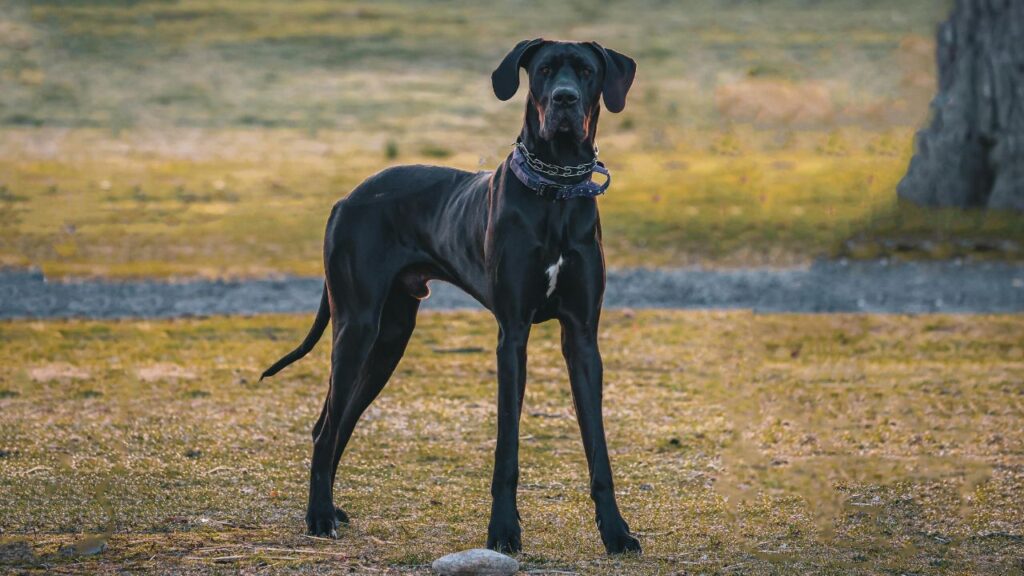
Great Danes offer both elegance and great affection, and form very strong bonds with their owners in a relatively short period of time. However, the rapid growth of this gentle giant, combined with its large stature, creates many health risks that do not exist in other breeds of dogs.
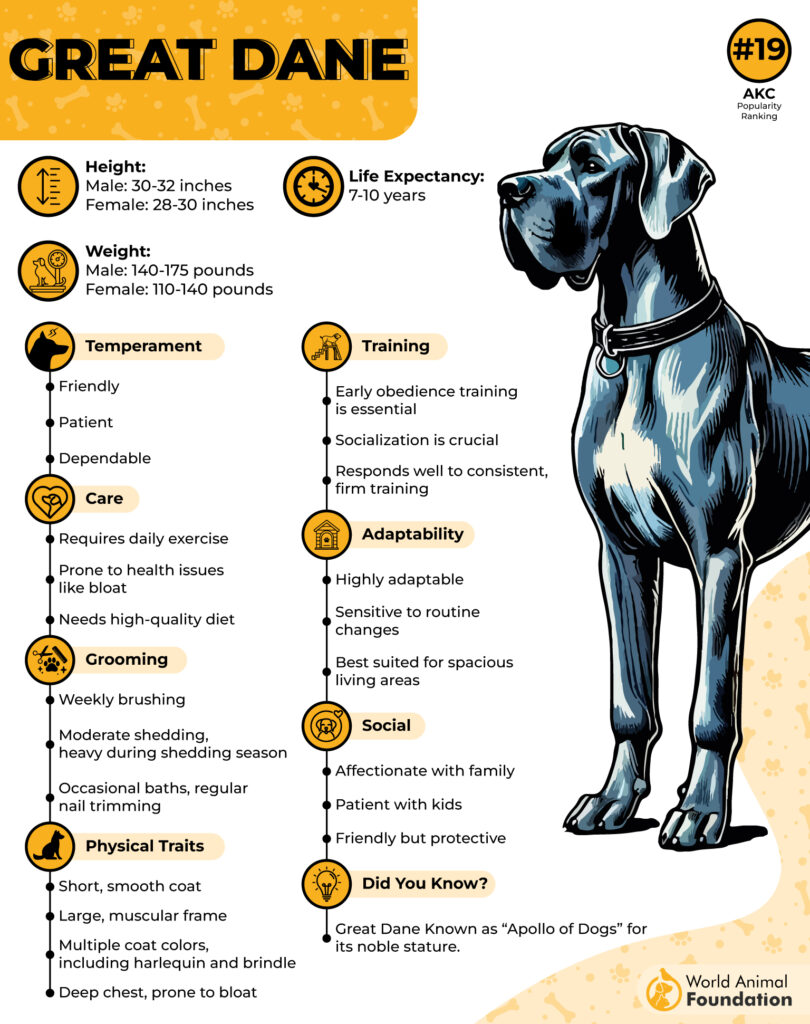
Many Great Dane owners comment on how quickly this adaptable dog grows from a playful puppy into a senior citizen.
Additional considerations for these great dogs include:
Feeding your Great Dane elevated food bowls to prevent digestive stress.
Maintaining a calm environment reduces the risk of bloat occurring in your Great Dane.
Providing soft bedding for your Great Dane to sleep on to support its aging joints.
Great Danes are among the breeds with the shortest lifespan due to the complications caused by the size of the Great Dane.
7. Bernese Mountain Dogs
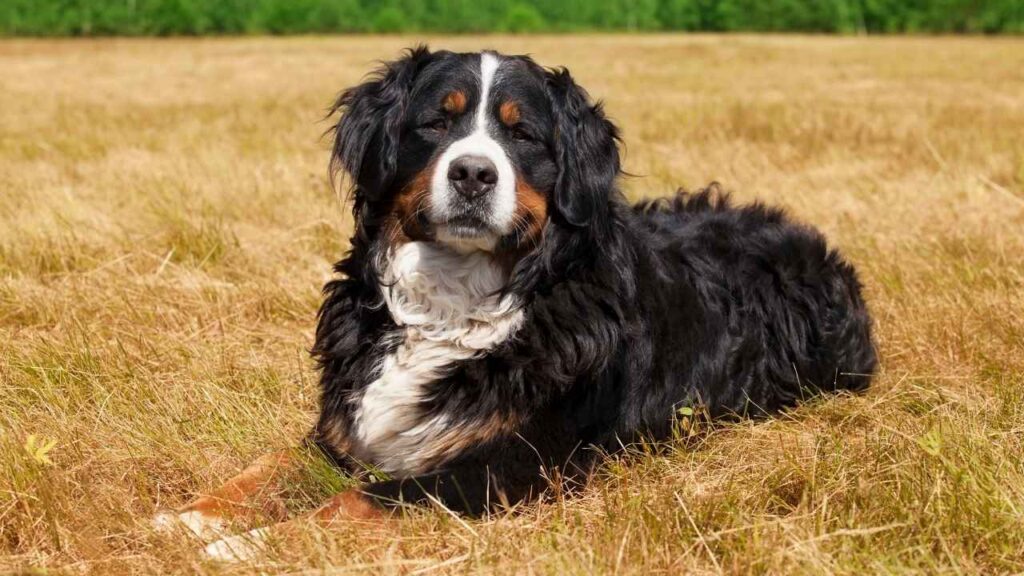
Bernese Mountain Dogs are known for their expressive nature, strong people-oriented personalities, and calm, steady energy that makes them easy to be around. Their calm demeanor often hides the serious genetic health problems that affect this breed.
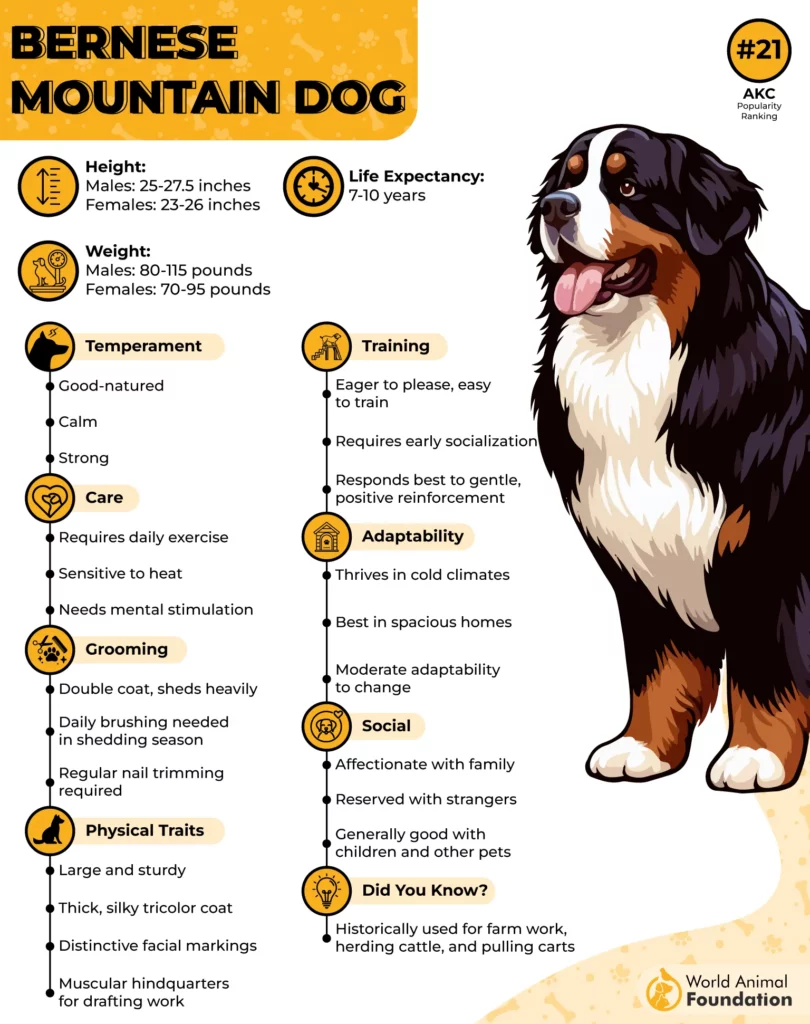
As family pets, this medium-sized dog is ideal, but they require owners who are emotionally capable of caring for it. Some considerations that owners of Bernese Mountain Dogs should make include:
Participating in minimal grooming needs to better understand the inherited health conditions affecting the dogs.
Scheduling regular veterinary appointments to identify inherited health conditions in the Bernese Mountain Dog at the earliest possible moment.
Engaging in outdoor activities to learn how to socialize a dog in the best possible way.
Though Bernese Mountain dogs are very faithful and affectionate companions, it is crucial for the owner of such a dog to recognize and understand the possible medical problems associated with that particular breed.
Conclusion
Since breed-specific health issues, which lead to an earlier death of a dog, show that a dog’s worth as a companion has nothing to do with how long it lives with you, but has everything to do with the way it spends that time with you.
Choosing a breed of dog whose life span will be short is certainly brave, compassionate, and educated, yet with moderate grooming, a low-maintenance dog can live a complete and meaningful life filled with love, security, and a reason for being.
The impact a dog leaves on the lives of his family members and the people who surround him can continue for many years after the dog has left this earth.
