




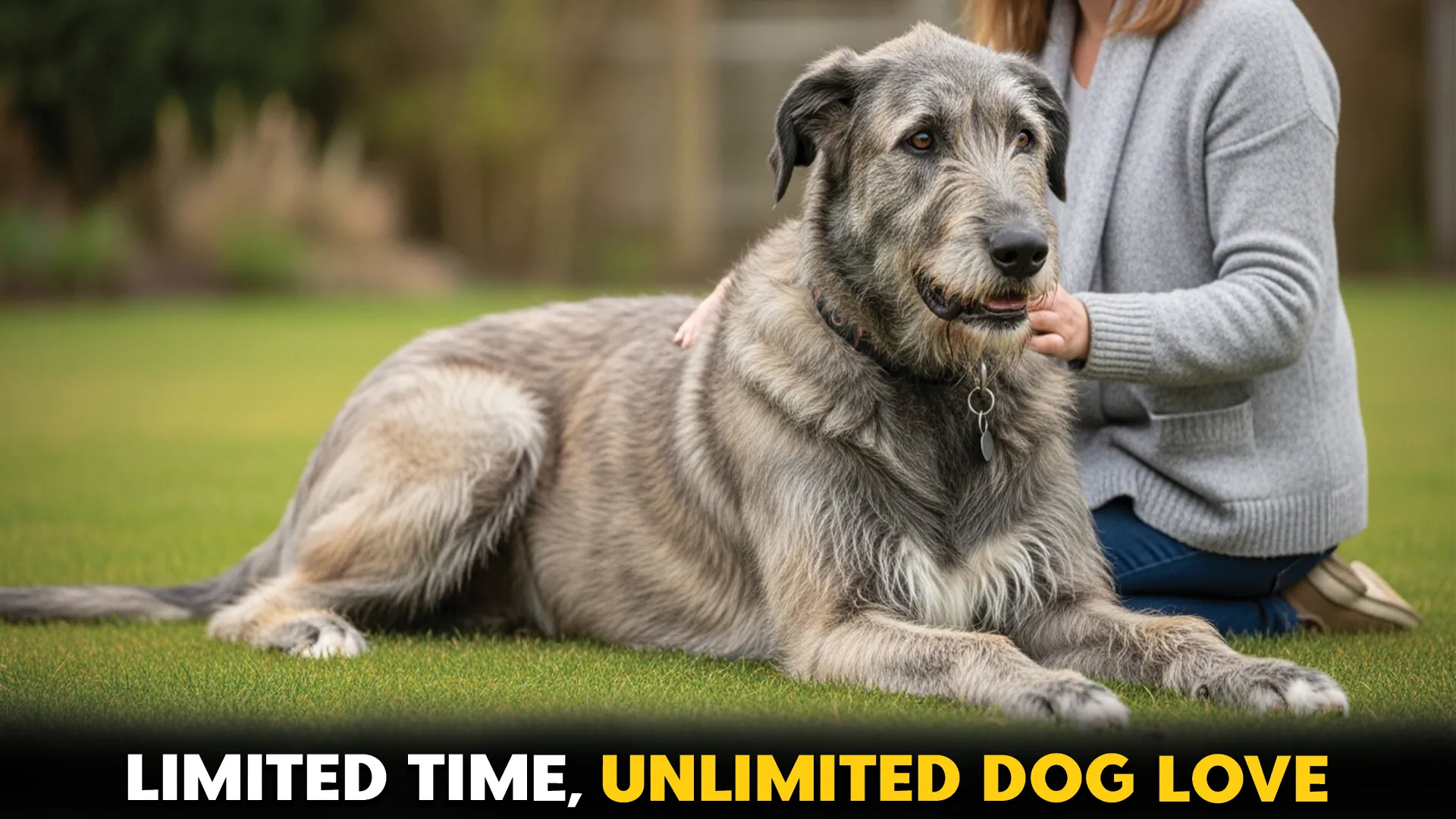
If only love could stretch time, right? One minute, your pup is zooming through the house, the next, you’re wondering where the years went. While dogs bring unmatched joy, not all breeds get the same amount of time with us, and that’s a tough pill to swallow.
Choosing a dog isn’t just about cute faces or playful energy. It also means thinking about their health, their needs, and yes… how long they might be part of your everyday life. Some breeds live shorter lives due to size, genetics, or built-in health challenges, making every tail wag feel even more meaningful.
So, before you fall head over paws, let’s talk about the breeds that love big but stay a little less long.
Did you know?
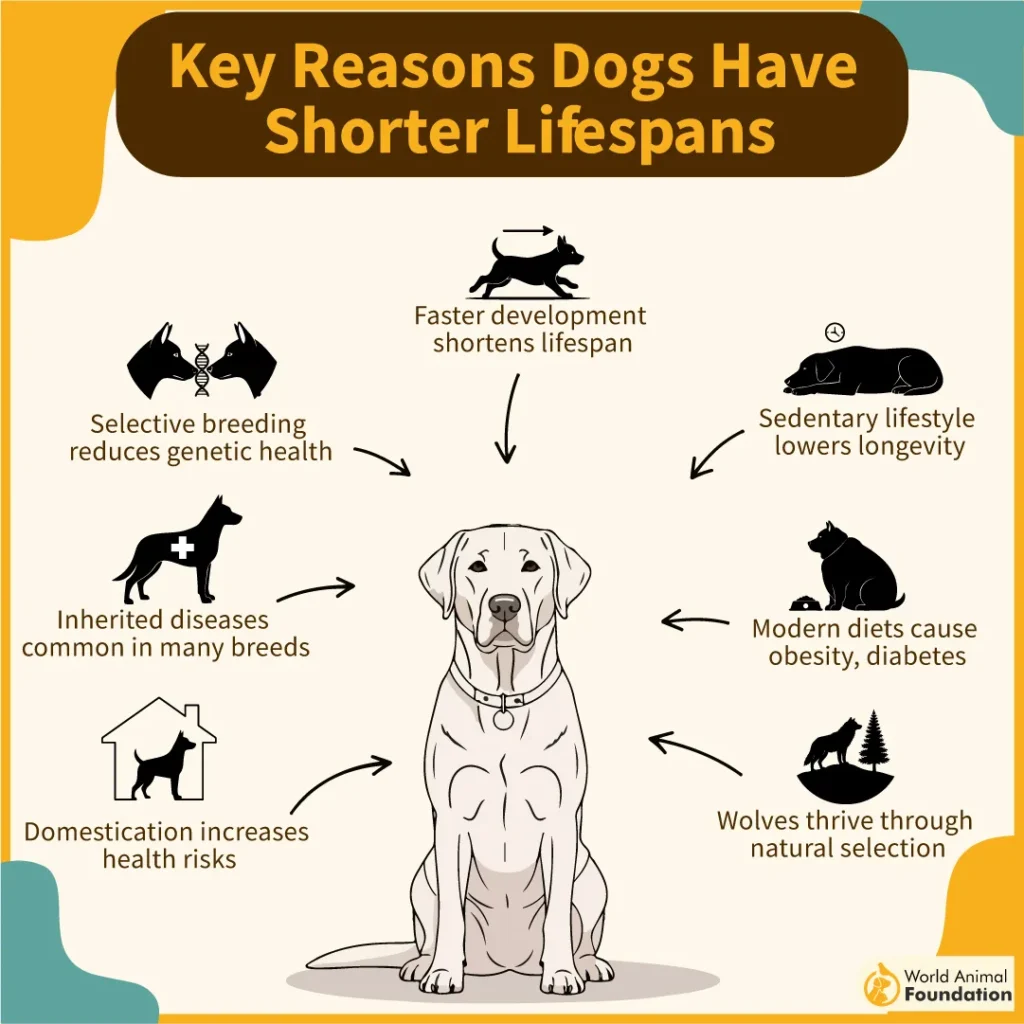
Large and giant dog breeds tend to age faster at a cellular level, which is one reason they often have shorter lifespans compared to smaller pups.
Dog Breeds with Limited Lifespans: A Heartfelt Guide
1. Irish Wolfhound
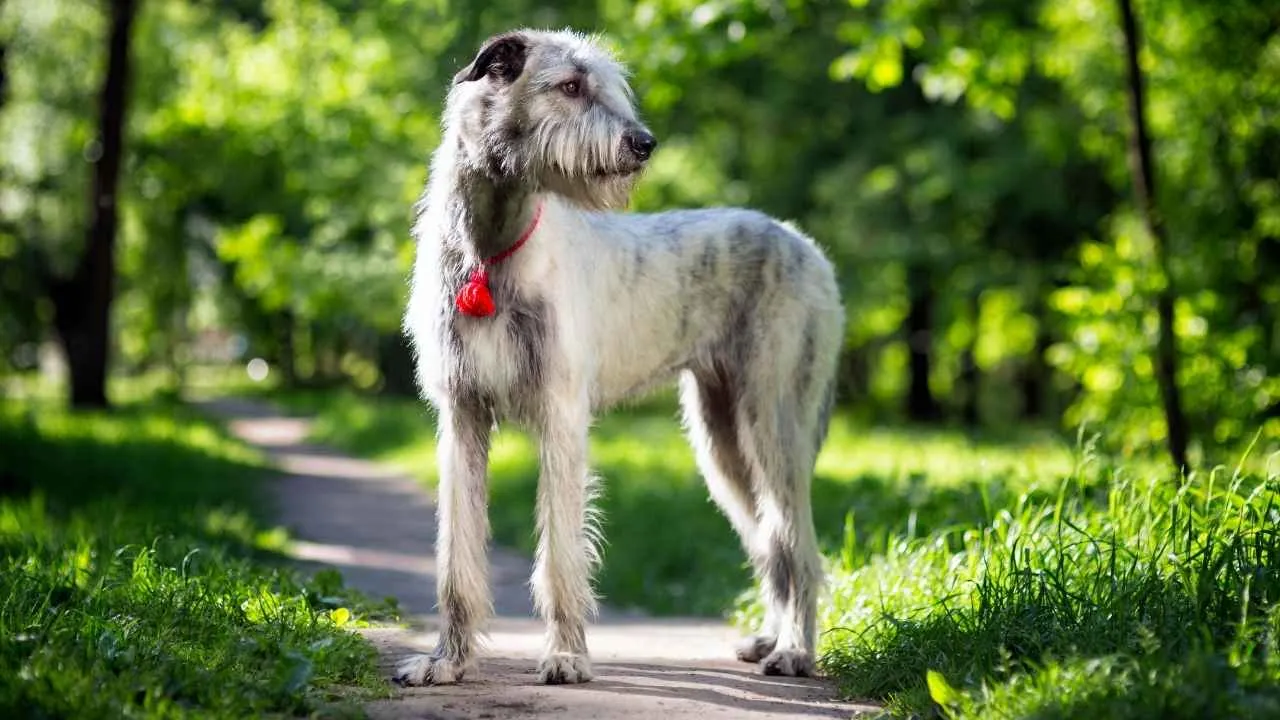
Long before cozy couches and chew toys, this breed was out chasing wolves like it was just another Tuesday. Now they stroll through your living room like royalty who accidentally retired early, bringing quiet charm and a timeline that feels far too short.
The Irish Wolfhound holds the title of one of the tallest of all AKC breeds, and yes, it absolutely knows how to make an entrance. For such a towering companion, it can move with surprising speed when the mood strikes.
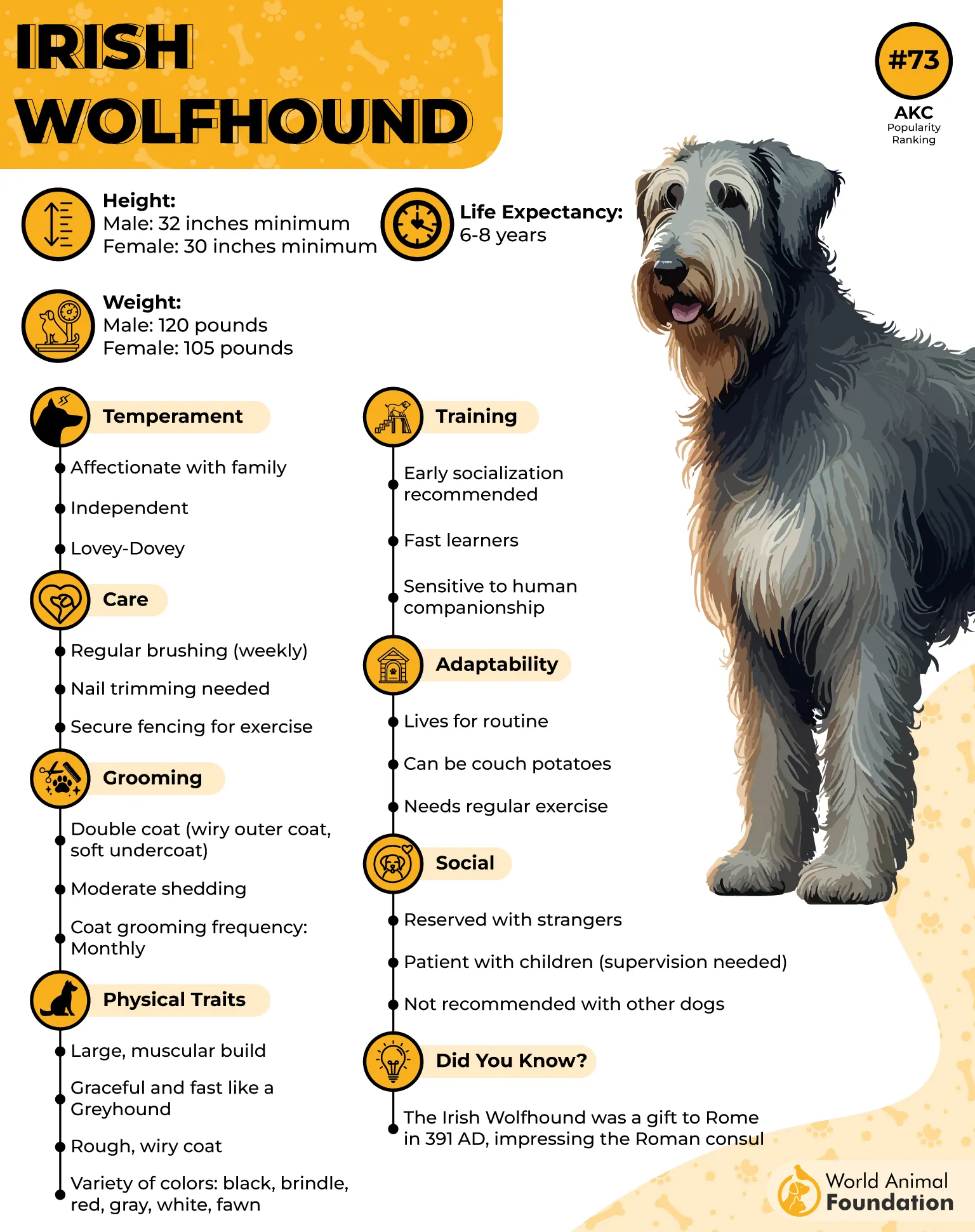
Living with one means understanding that their size comes with a trade-off, and their life expectancy is typically around 6 to 8 years. Their shorter lifespan is linked to their giant build and health risks like bloat, heart disease, and certain cancers.
Special Considerations For this Breed
Needs a securely fenced area due to a strong instinct to chase prey
Puppies require careful supervision to avoid injuries during growth
2. Dogue De Bordeaux
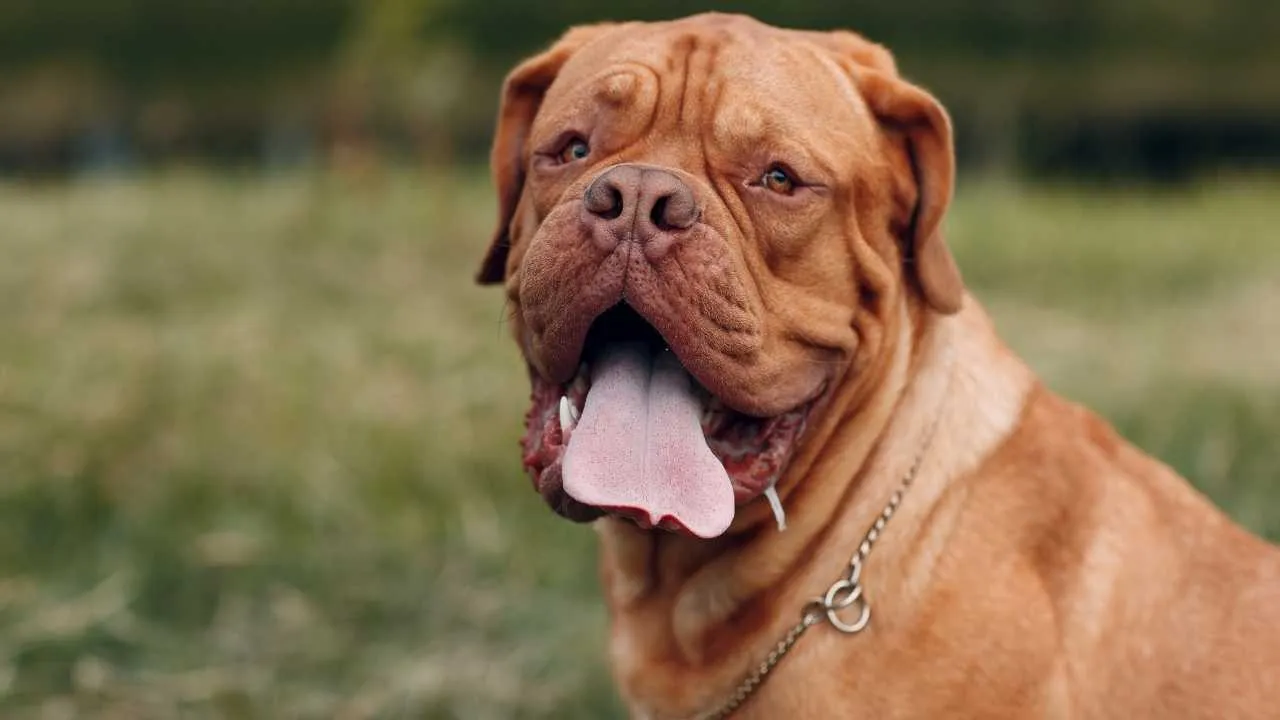
If a dog could double as a bodyguard and a cuddle buddy, this would be the one. The Dogue de Bordeaux brings centuries of working history into your living room, wrapped in wrinkles, loyalty, and a surprisingly soft personality.
Known for their gentle and calm temperament, these dogs are extremely loyal to their families and patient and affectionate with children. Their lifespan typically falls between 5 and 8 years, which makes their companionship feel especially meaningful.
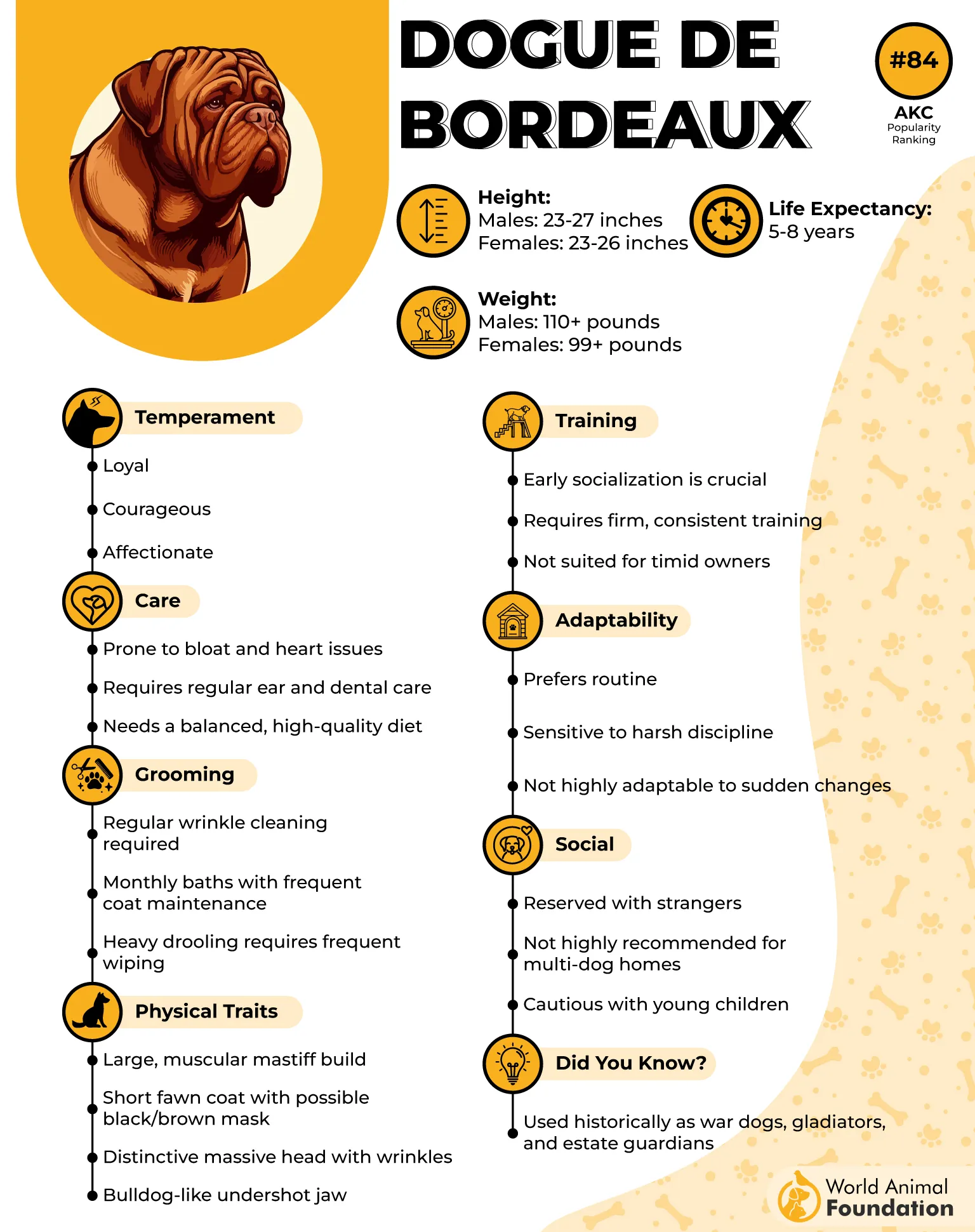
As noted by PetMD, this breed can face several health concerns, including hip dysplasia, elbow dysplasia, and bloat and gastric dilatation-volvulus. They may also develop eye conditions like ectropion and entropion, along with skin issues due to their folds.
Special Considerations For this Breed
Sensitive to extreme temperatures due to the short muzzle
Requires regular cleaning of facial folds to prevent infections
3. Bullmastiff
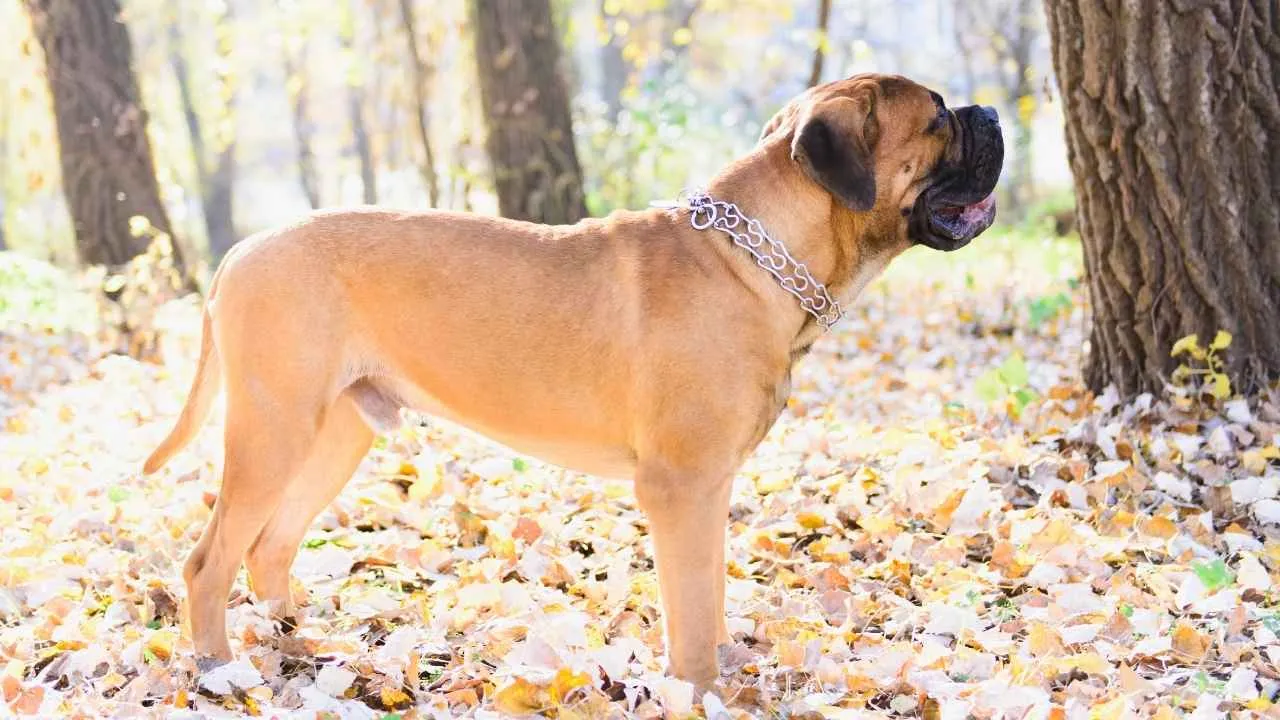
Some dogs bark first and ask questions later, but the Bullmastiff prefers to silently size things up like a seasoned security guard. Living with one feels like having a quiet, watchful presence that knows exactly when to step in.
They absolutely have strong protective instincts, originally bred to guard estates and pursue poachers. Fearless at work and docile at home, they combine bravery with a calm, affectionate nature that makes them reliable companions.
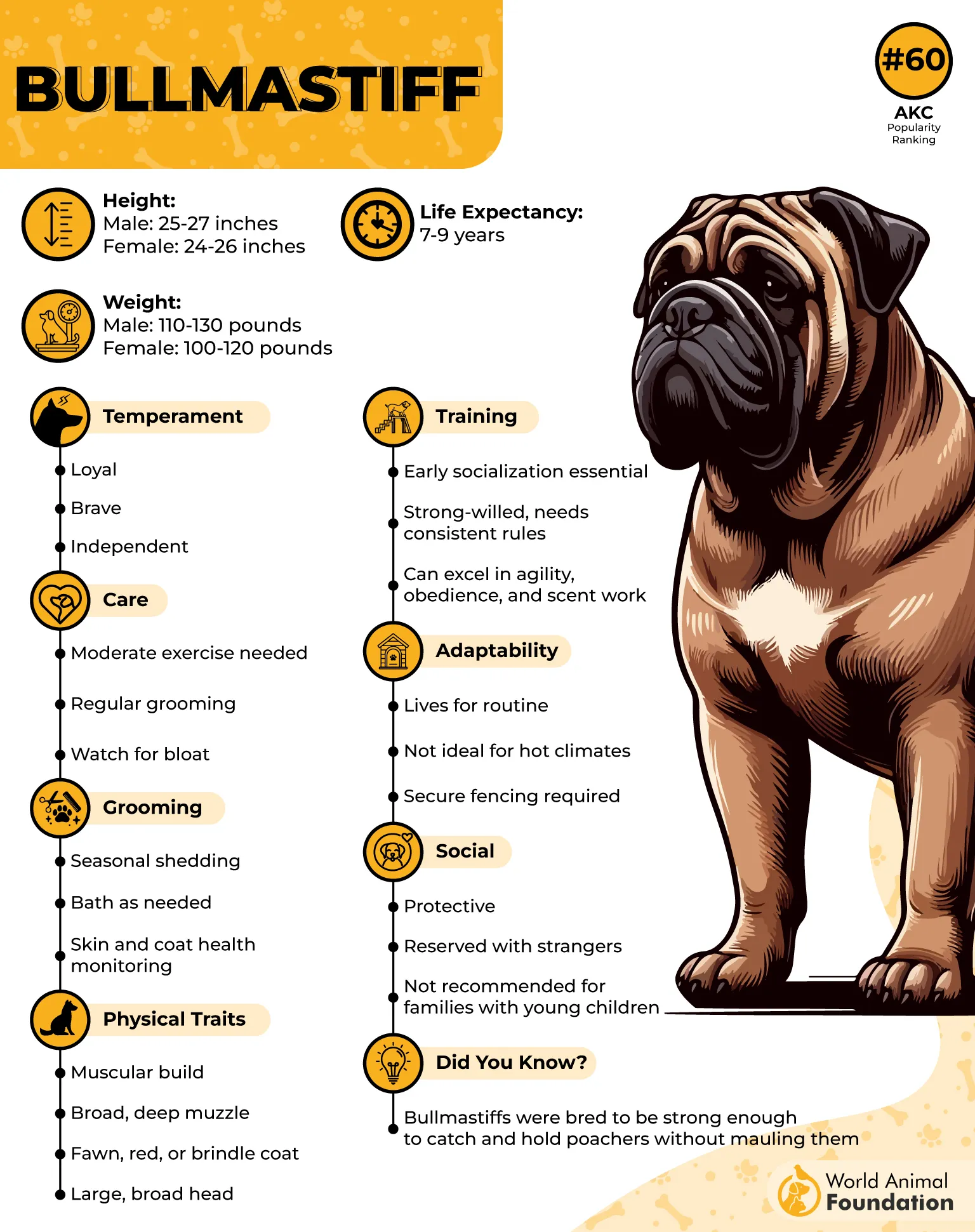
This dog’s lifespan ranges between 7 and 9 years, and proper care plays a big role in keeping them comfortable. They need moderate exercise, careful feeding routines to reduce the risk of bloat, and early training to manage their strong-willed personality.
Special Considerations For this Breed
Requires structured routines and early socialization from puppyhood
Needs secure fencing to prevent territorial conflicts
4. Great Dane
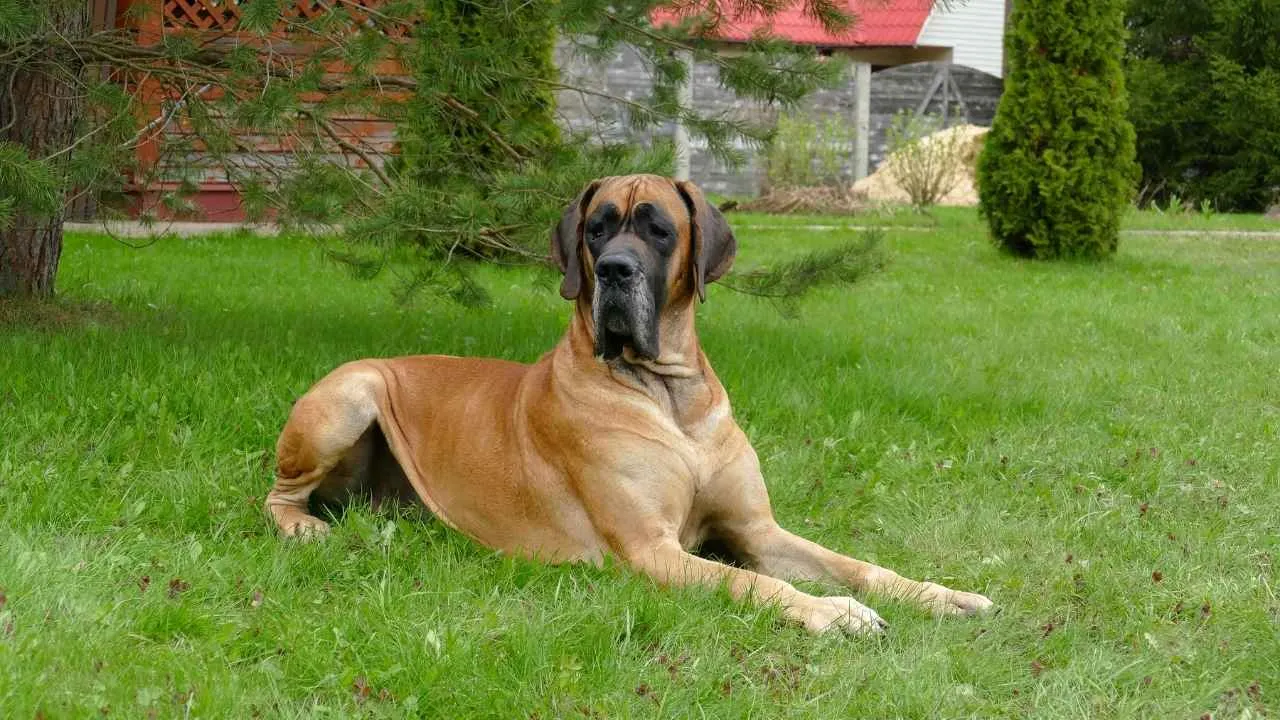
Living with a Great Dane feels a bit like having a gentle giant roommate who forgets their own size. One minute, they are guarding the house, and the next, they are leaning on you like you are furniture. It is charming chaos.
They are patient with kids, sociable, and eager to please, which makes them surprisingly well-suited for family life when given proper space. Their average life expectancy typically falls between 7 and 10 years, reflecting the reality of giant breeds.
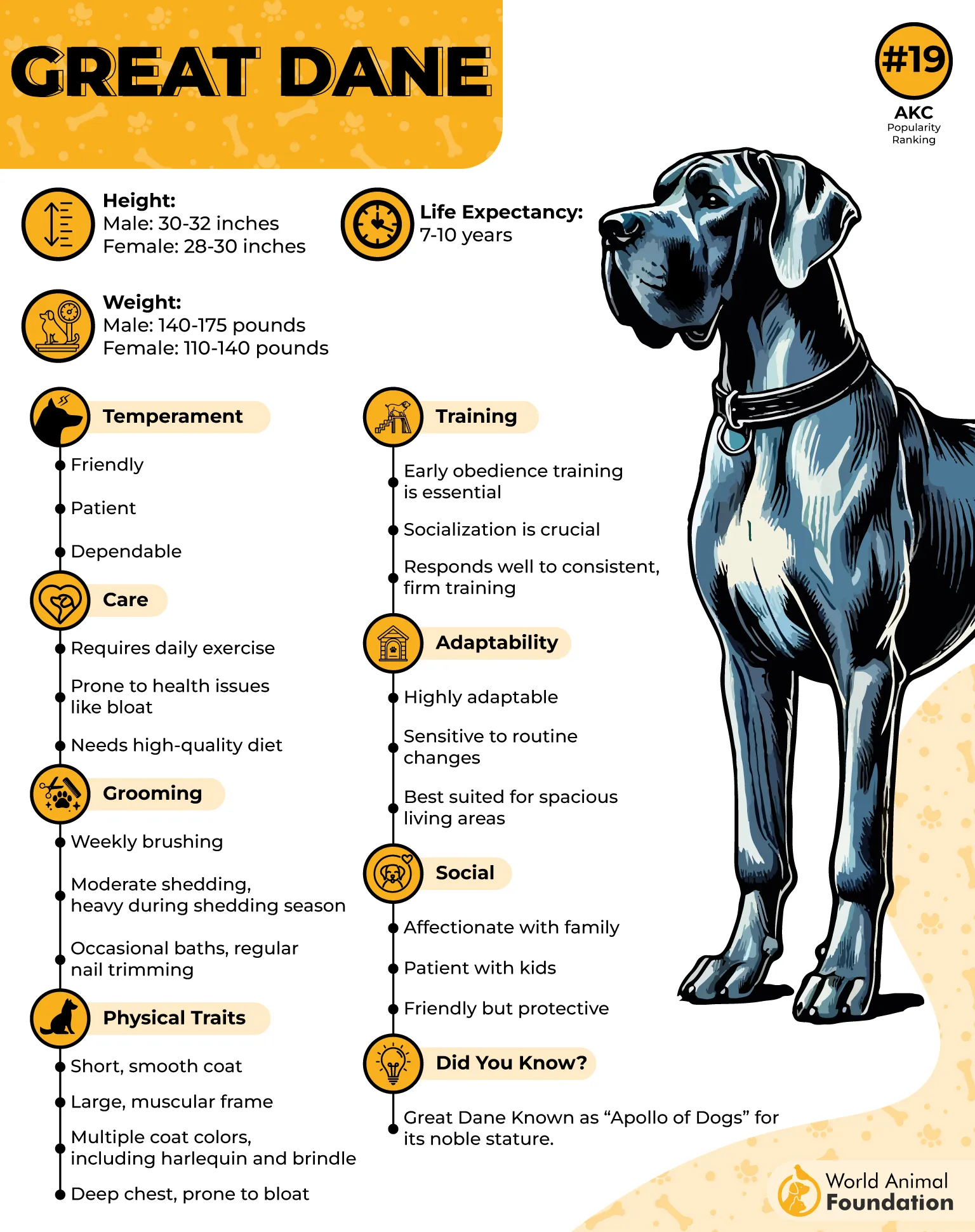
Finding a reputable breeder matters with this breed, as responsible breeders screen for conditions like hip dysplasia, cardiac issues, thyroid problems, and eye diseases. This helps set the foundation for a healthier life, even within a shorter lifespan.
Special Considerations For this Breed
Feeding multiple small meals can help reduce the risk of bloat
Requires consistent socialization to develop into a well-adjusted adult
5. Bulldog
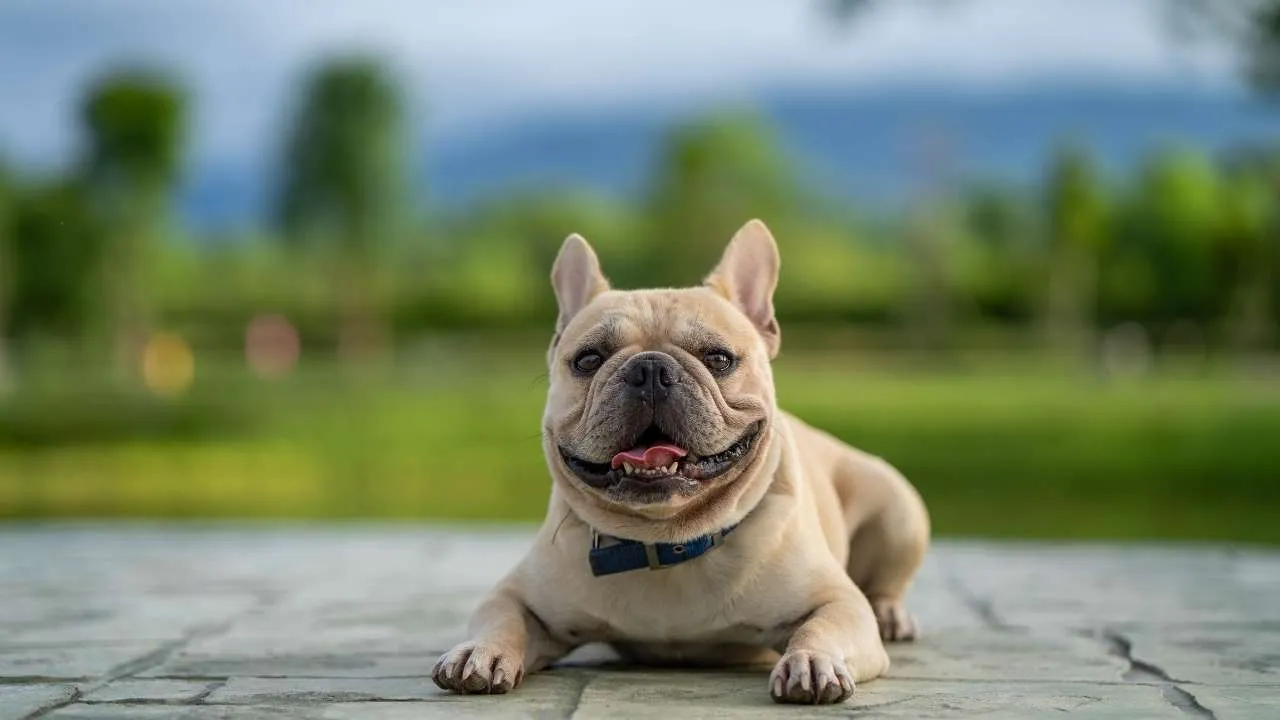
Bulldogs feel like that friend who shows up, claims the comfiest couch spot, and refuses to rush anything ever again. Their slow, easygoing vibe comes with a catch, since their time tends to pass more quickly than most.
They were originally used for bull-baiting and controlling animals for slaughter before becoming calm companions. Their lifespan sits around 8 to 10 years, largely influenced by their flat face and body structure, which brings breathing trouble and overheating challenges.
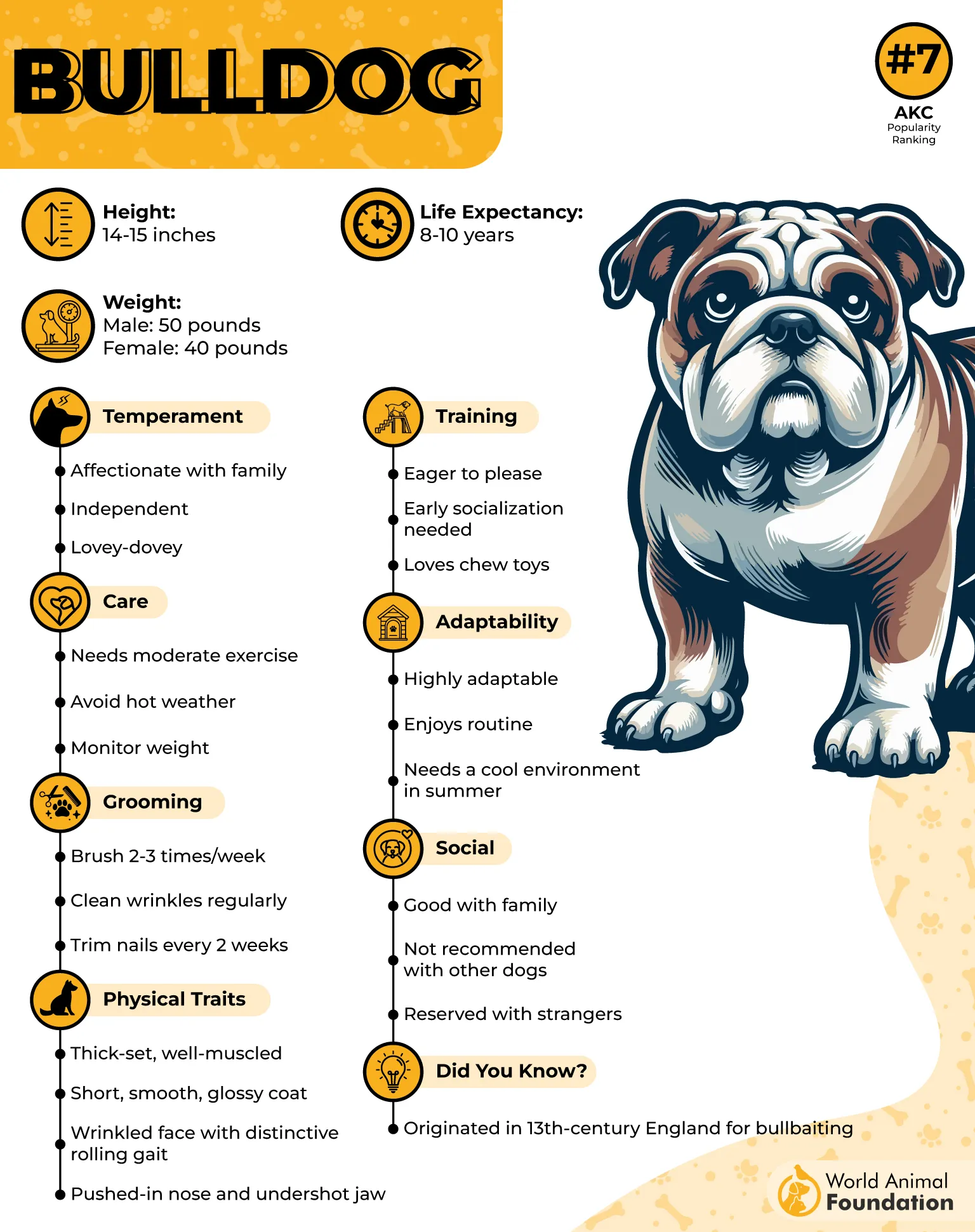
Start training early, keep things simple, and stick to positive reinforcement. Bulldogs do best with gentle encouragement, not strict rules, and it is a good idea to keep treats in check so weight gain does not sneak up on them.
Special Considerations For this Breed
Wrinkles must be cleaned and dried daily to prevent bacteria buildup
Harness use is preferred over collars to support easier breathing
6. Bernese Mountain Dog
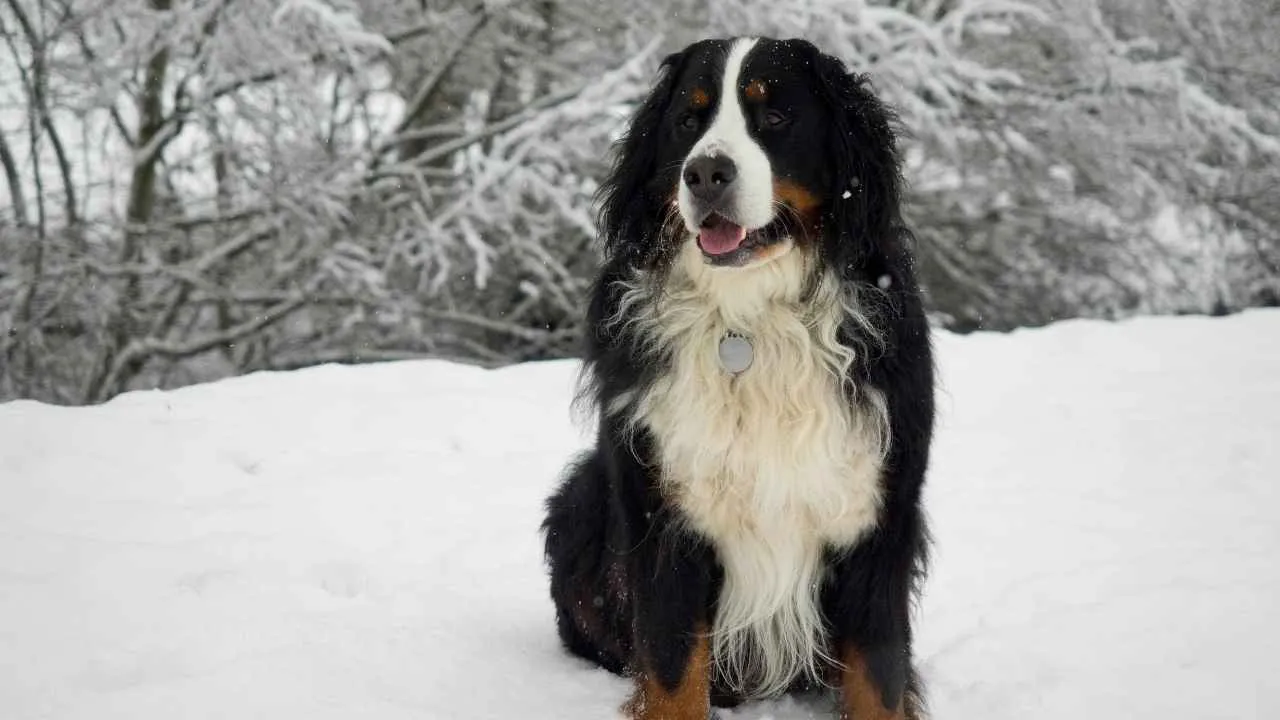
Some dogs enter a room quietly and still manage to take over everyone’s attention without trying. That is the Bernese Mountain Dog. Big heart, calm presence, and unfortunately, a lifespan that often feels like it ends just when things get really good.
As mentioned by WebMD, Bernese Mountain Dogs are more prone to becoming overweight, and those pleading eyes can make saying no feel impossible. Extra weight can worsen joint problems, metabolic and digestive disorders, back pain, and even heart disease over time.
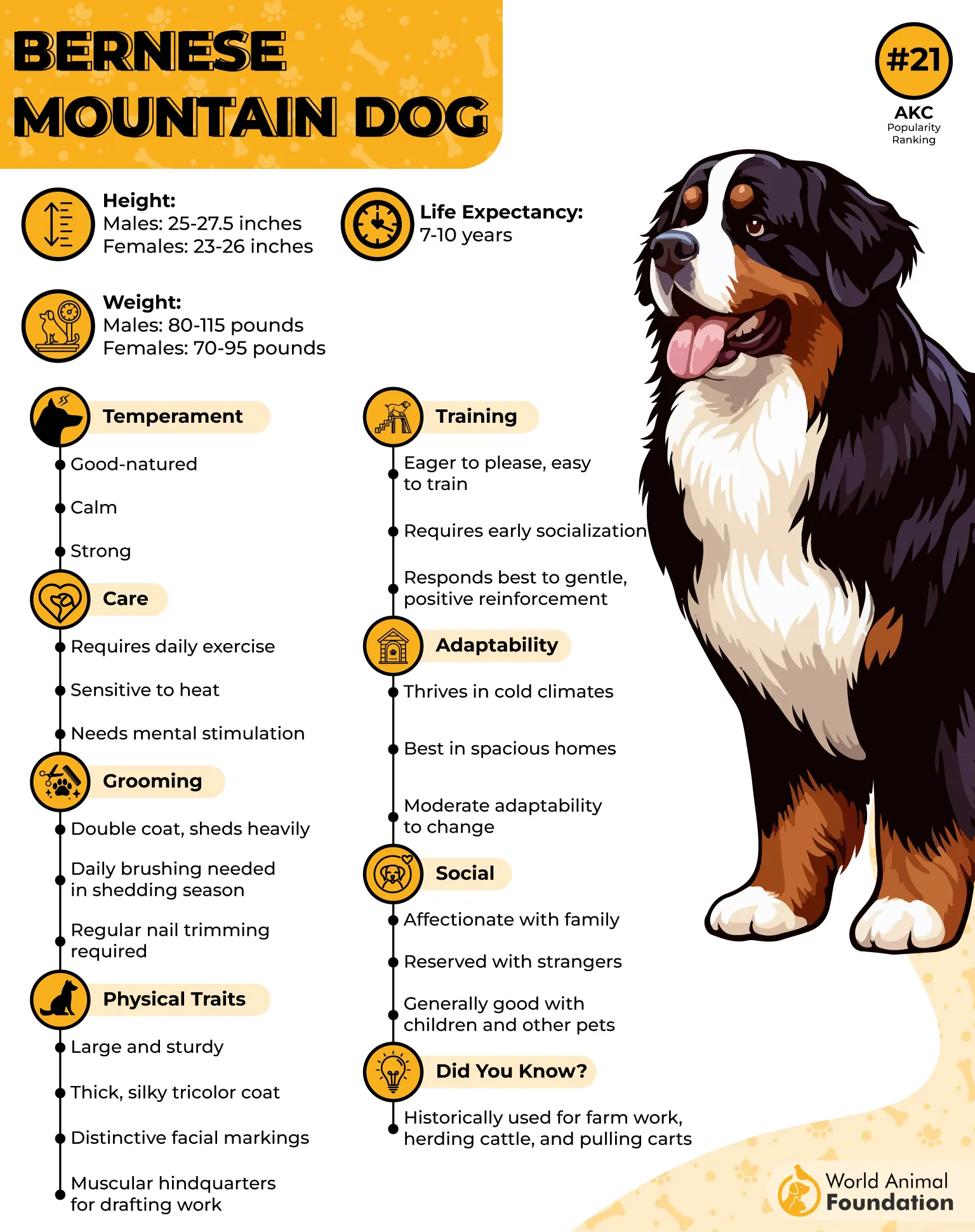
Cancer is a leading concern for this breed, with many dogs affected at some point. Their lifespan usually ranges from 7 to 10 years, and reduced genetic diversity, along with joint problems, play a major role in why their years tend to be shorter.
Special Considerations For this Breed
Can show intimidating behavior toward unfamiliar people
Requires space for movement and stimulation to avoid boredom
7. Leonberger
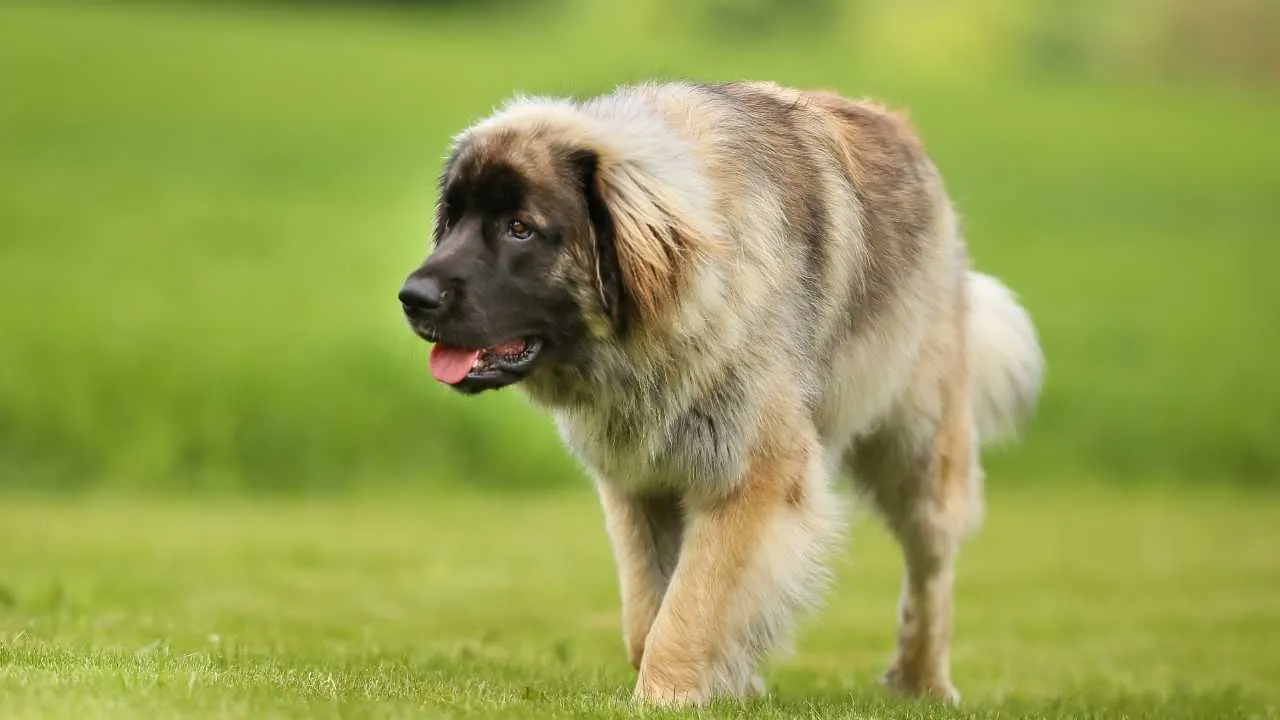
Leonbergers have this oddly charming habit of acting like oversized lap dogs, completely unaware of their own presence in a room. That lovable personality makes their shorter lifespan feel even more noticeable and a little unfair.
Bred in Germany as companions for European royalty and later used for farm work, they live around 7 years on average. Their shorter lifespan is often tied to their size and the range of health issues large dog breeds commonly face.
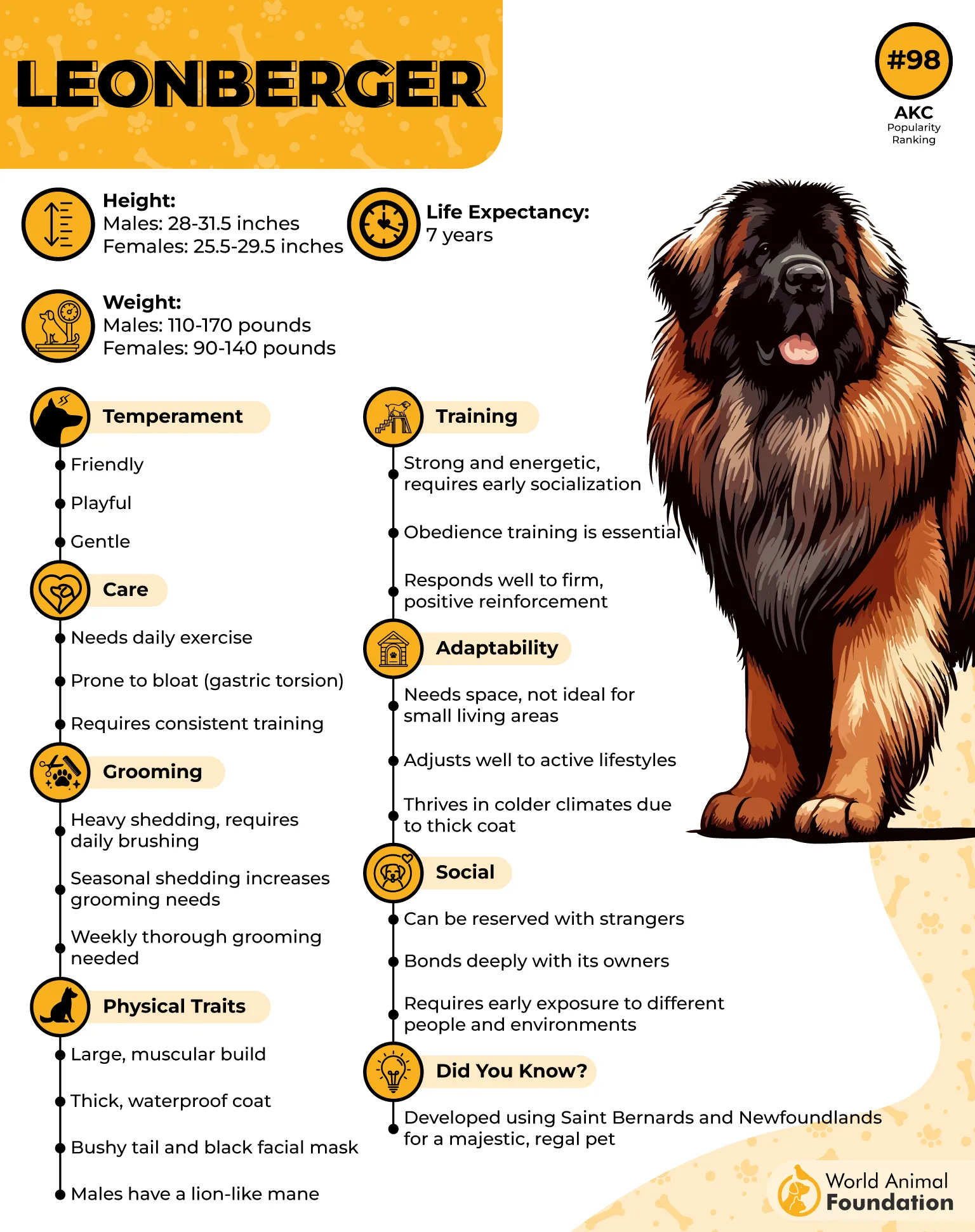
Living with one means keeping up with that thick double coat through regular brushing, especially during heavy shedding periods. They also need daily activity and engaging routines to stay mentally satisfied, along with a home that gives them enough room to move comfortably.
Special Considerations For this Breed
Needs careful monitoring during exercise to avoid strain on developing joints in younger dogs
Prefers not to be left alone for long periods due to a strong attachment to family
Conclusion
Some companions leave a lasting mark simply because their time feels shorter than expected. That bittersweet reality makes every shared moment feel more meaningful, from the quiet routines to the silly little habits that become part of your everyday life.
Bringing one into your life means being ready for both the joy and the responsibility that comes with it. If their needs align with yours, you are not just choosing a pet; you are choosing memories that will stay with you long after.
