




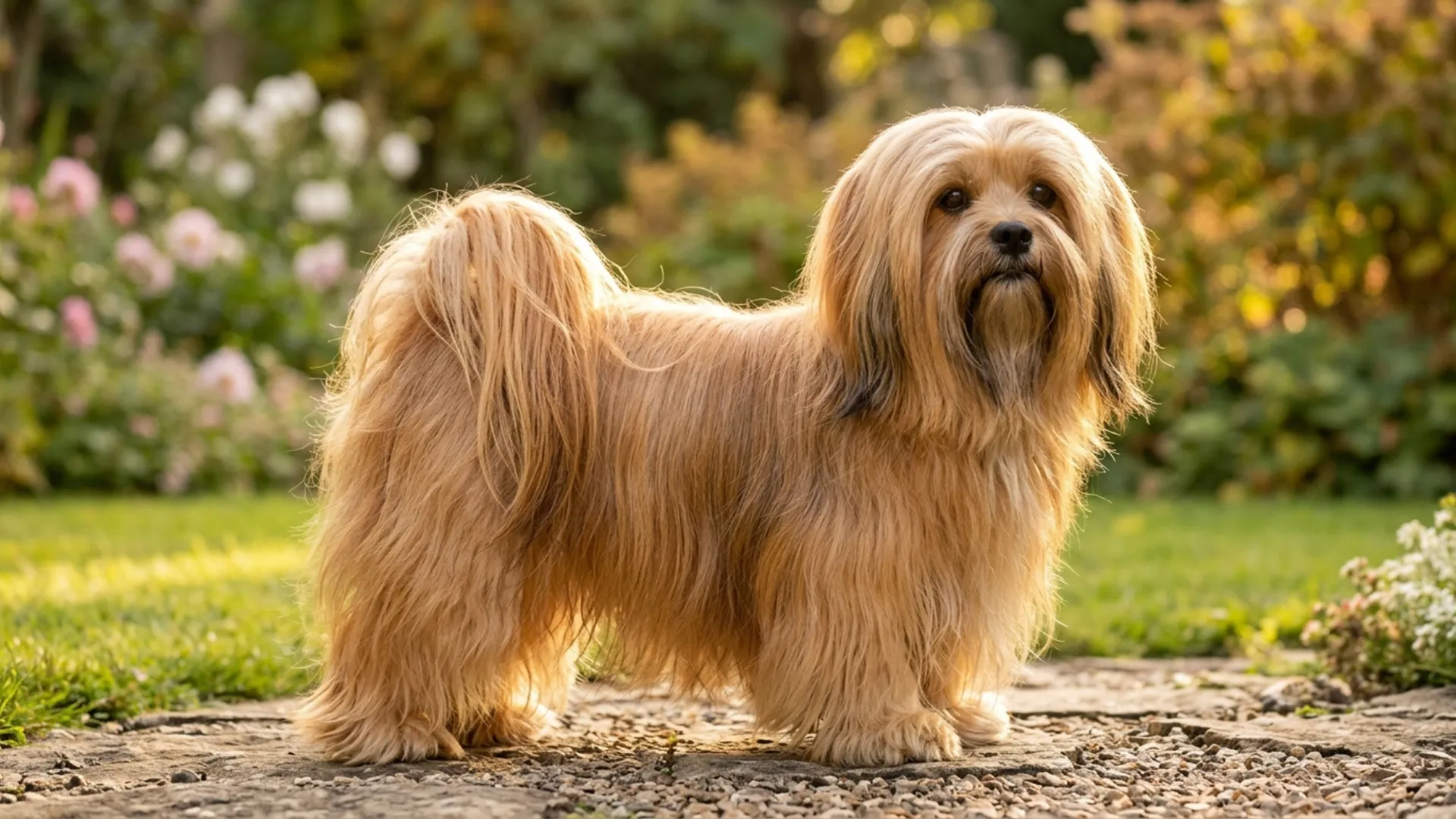
A dog’s golden coat color is not just a shade; it is a number. Geneticists found that a tiny, repeating stretch of DNA decides how deep that gold actually runs.
Researchers at UC Davis traced coat intensity to extra copies of a region near a single gene, found in dogs but barely present in wolves. More copies, more fire in the fur.
That discovery explains something every dog lover has noticed but rarely questioned: gold is never just gold. It stretches from pale honey to deep mahogany, and no two coats get there the same way.
This showcase pulls apart that spectrum, coat by coat, looking at the biology, the care, and the personality hiding under every shade. Keep reading today to see which golden look wins, then share your favorite in the comments.
Dog Breeds with Golden Coats: A Showcase of Radiant Beauty
1. Golden Retriever
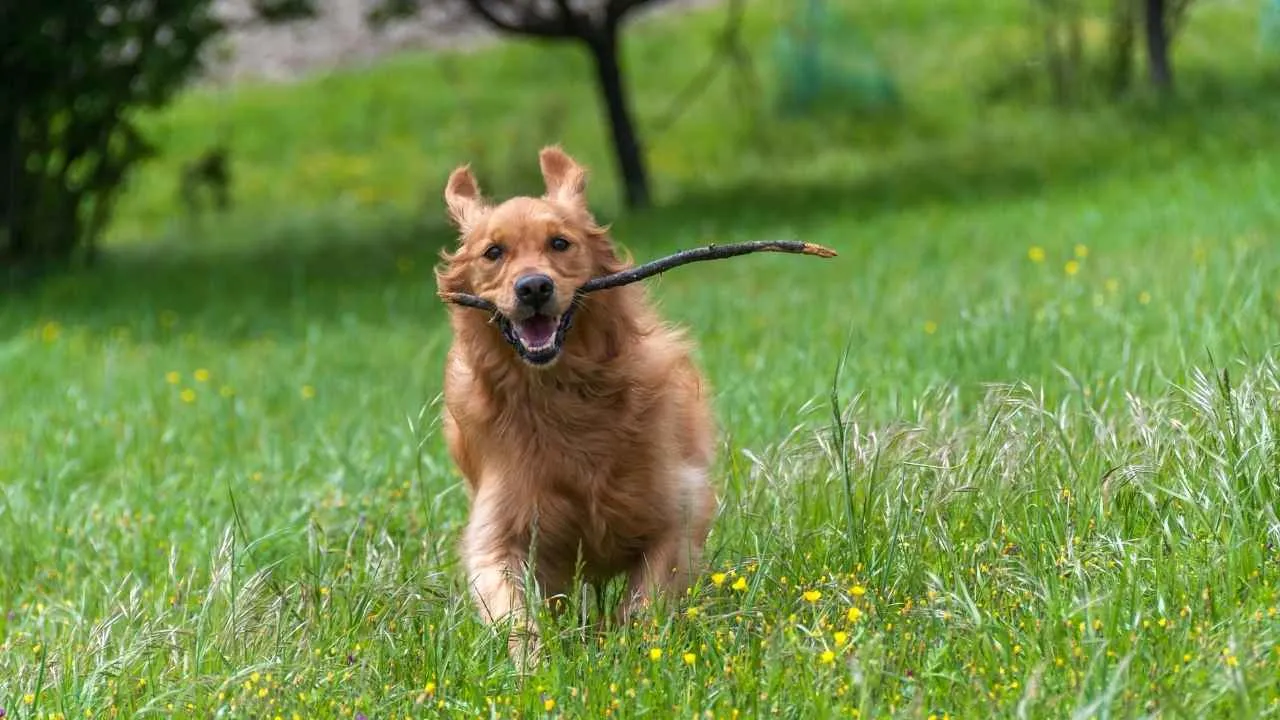
The Golden Retriever’s coat spans 3 shades the AKC recognizes: light golden, golden, and dark golden. One gene pair blocks black pigment, letting warm red-yellow tones show through. Puppies born pale often deepen into their true shade.
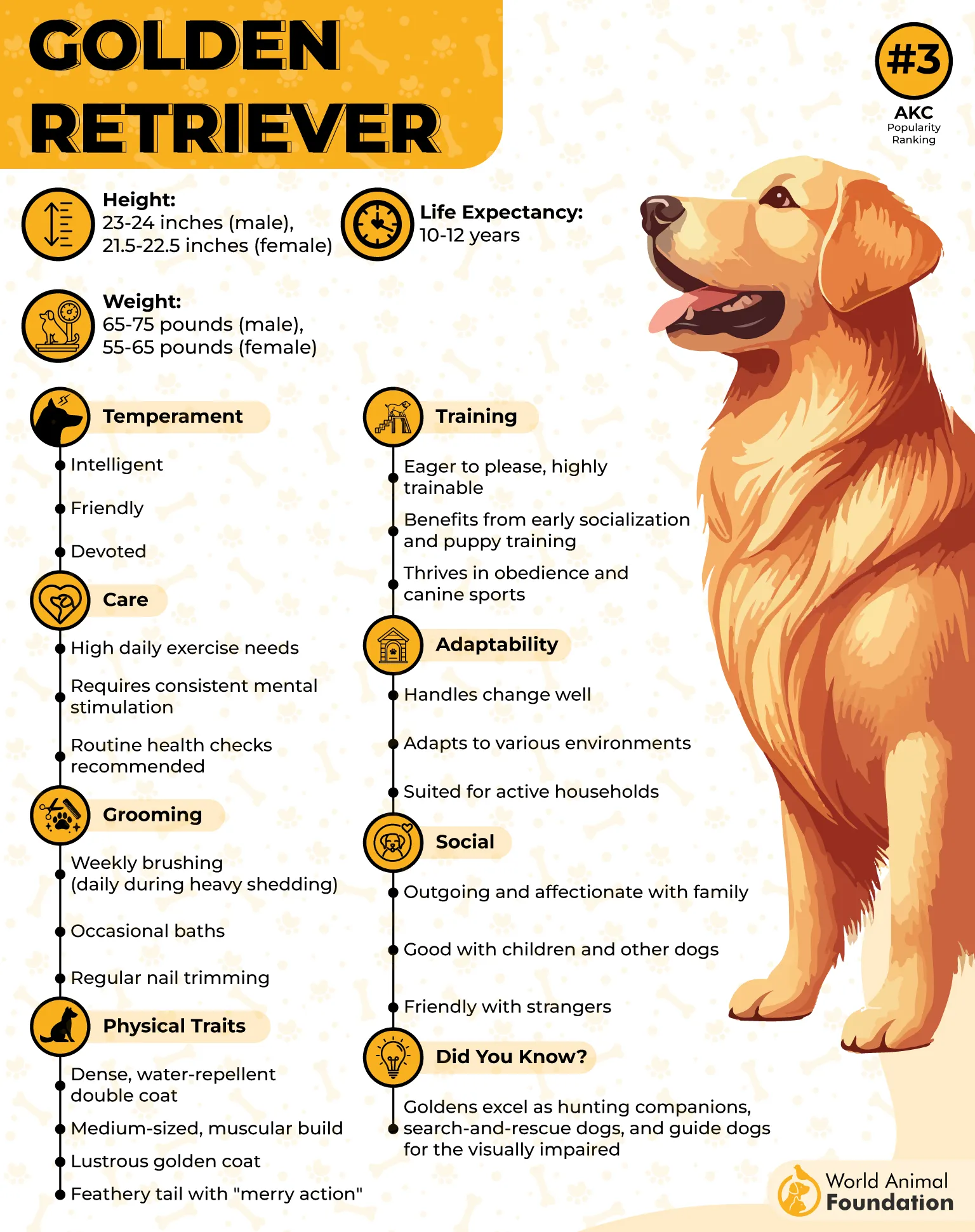
This breed carries a dense, water-repellent double coat with a wavy or straight outer layer. Feathering on the legs and chest sits lighter than the rest of the fur. It was built for retrieving in cold water.
Fading: Summer sun can lighten the coat noticeably.
Shedding: Expect a heavy seasonal blowout each year.
Matting: Check behind the ears weekly for packed undercoat.
None of that matters once a Golden looks at you, since this breed is famous for patience and eagerness to please. They remain common picks for families and first-time owners. Today’s Goldens live up to that reputation.
2. Vizsla
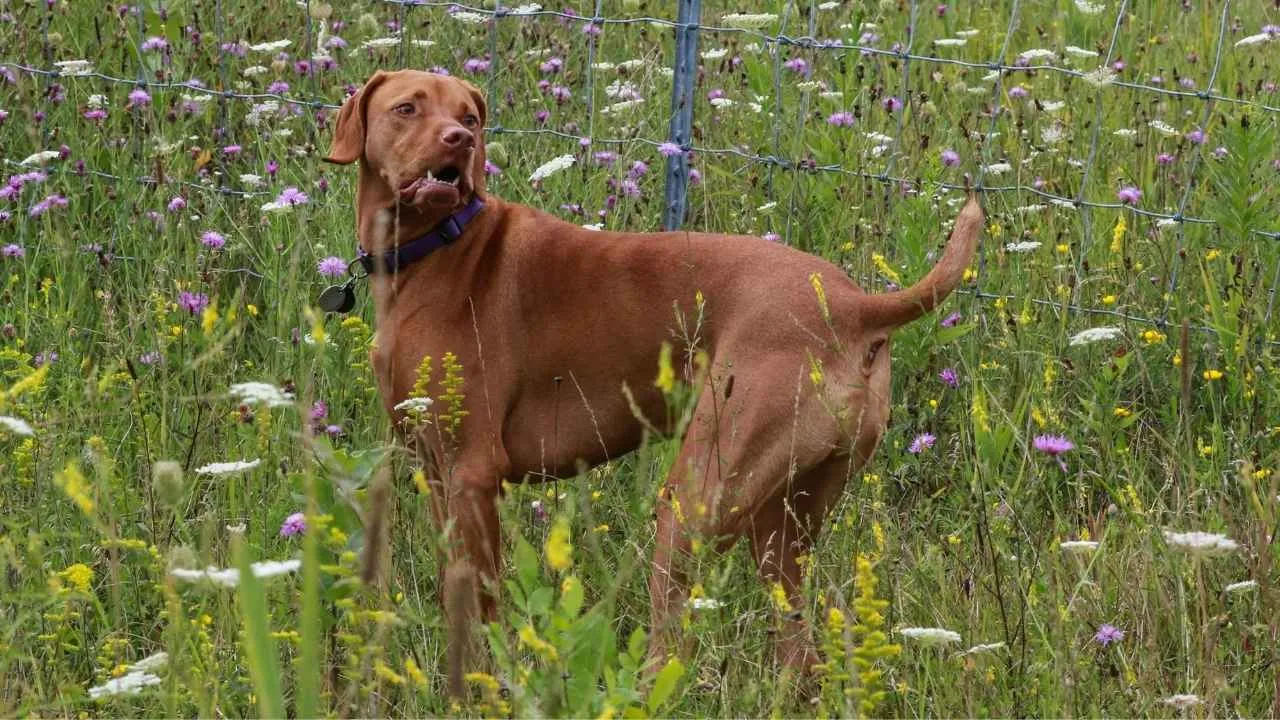
The Vizsla wears a single shade the Orvis breed guide calls golden rust, or russet gold. A recessive gene pair produces this orange pigment with almost no black in it. Lighter shading over the shoulders gives a soft saddle pattern.
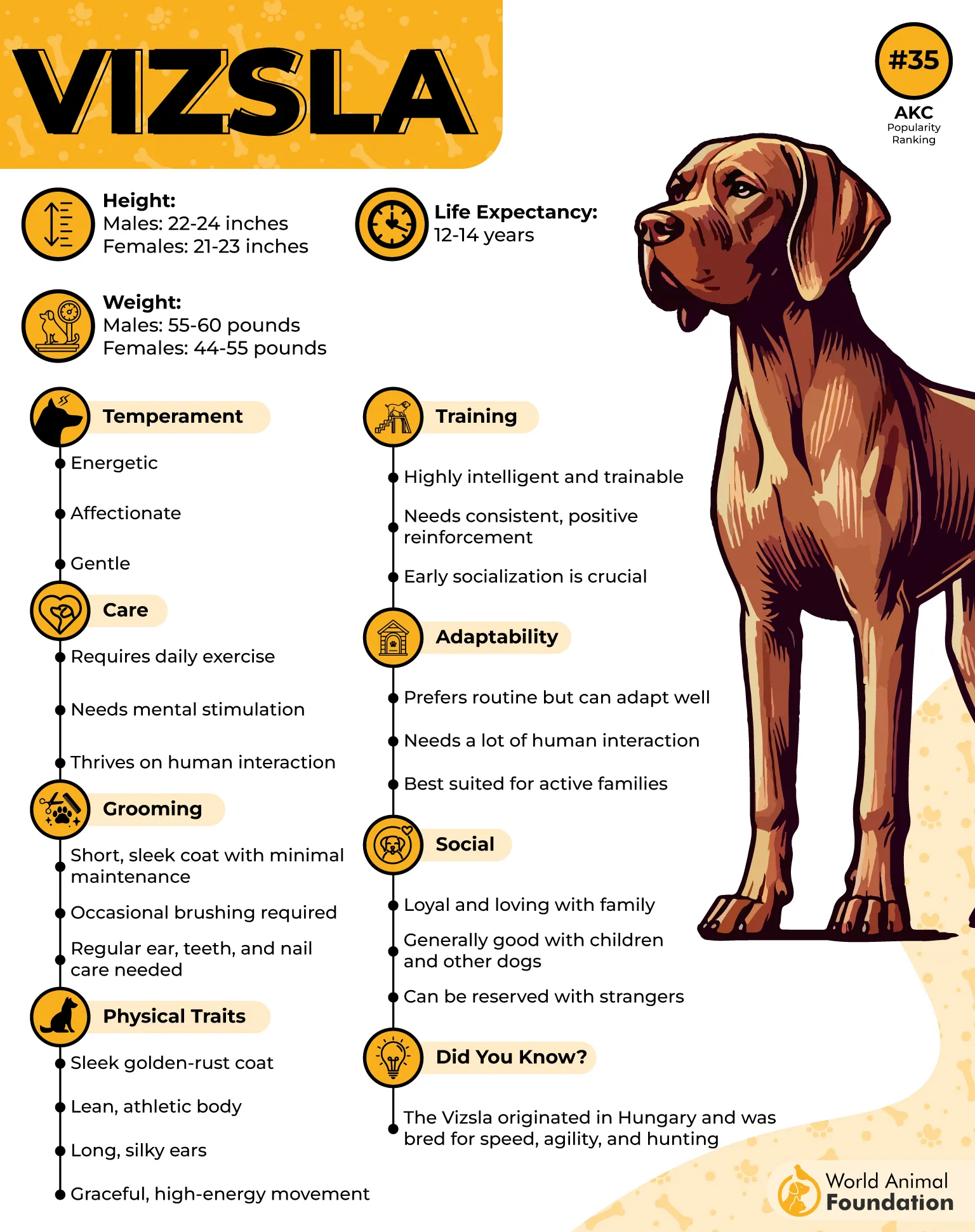
Unlike the Golden Retriever, the Vizsla carries a short, smooth coat with no woolly undercoat. The hair lies close to the body for a sleek, polished look. This low-profile fur suited its work as a hunting dog.
Shedding: Light and fairly constant, no seasonal blow.
Fading: Minimal, since short hair barely holds pigment.
Weekly care: A quick rubdown keeps the coat glossy.
This breed’s temperament matches its sleek look; Vizslas are high-energy and attached to their people. Owners often share stories of a dog that follows them room to room. That devotion earned the nickname velcro dog.
3. Chow Chow
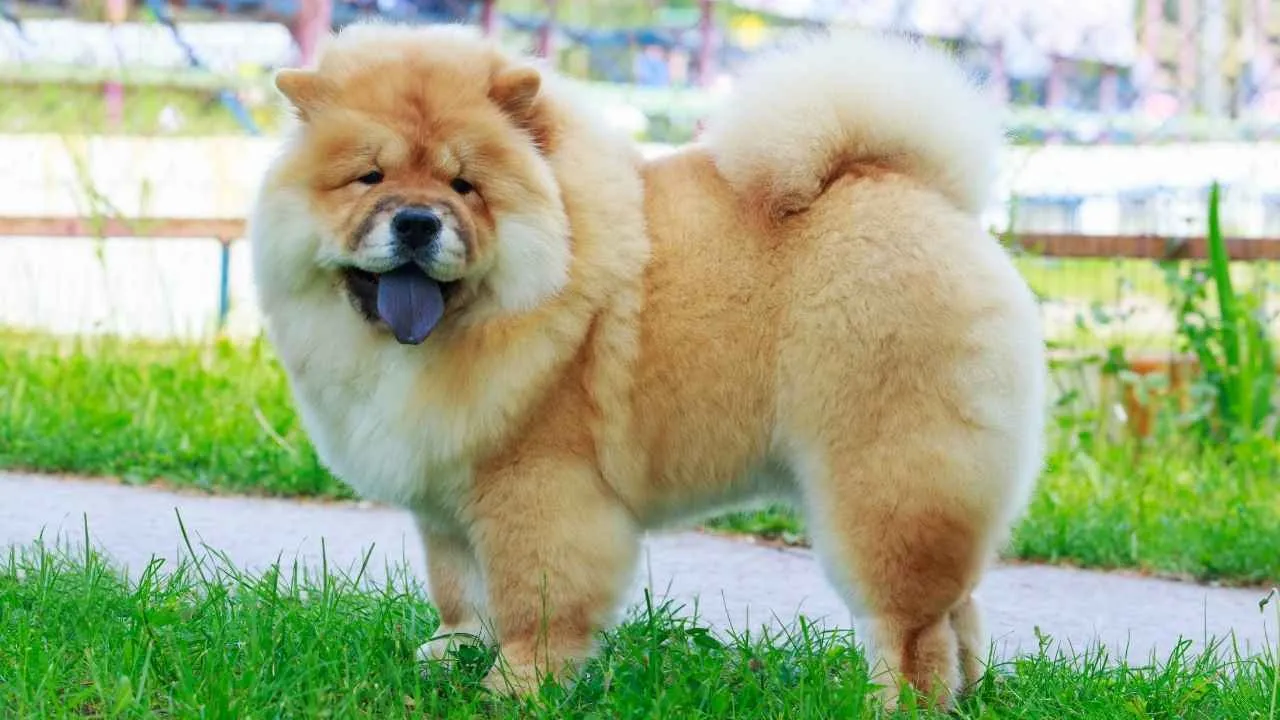
Chow Chows carry a red coat running from light golden to deep mahogany, alongside black, blue, cinnamon, and cream, as per Britannica. That shade shares its pigment family with other red breeds, at a different intensity. Shading runs darker along the tail.
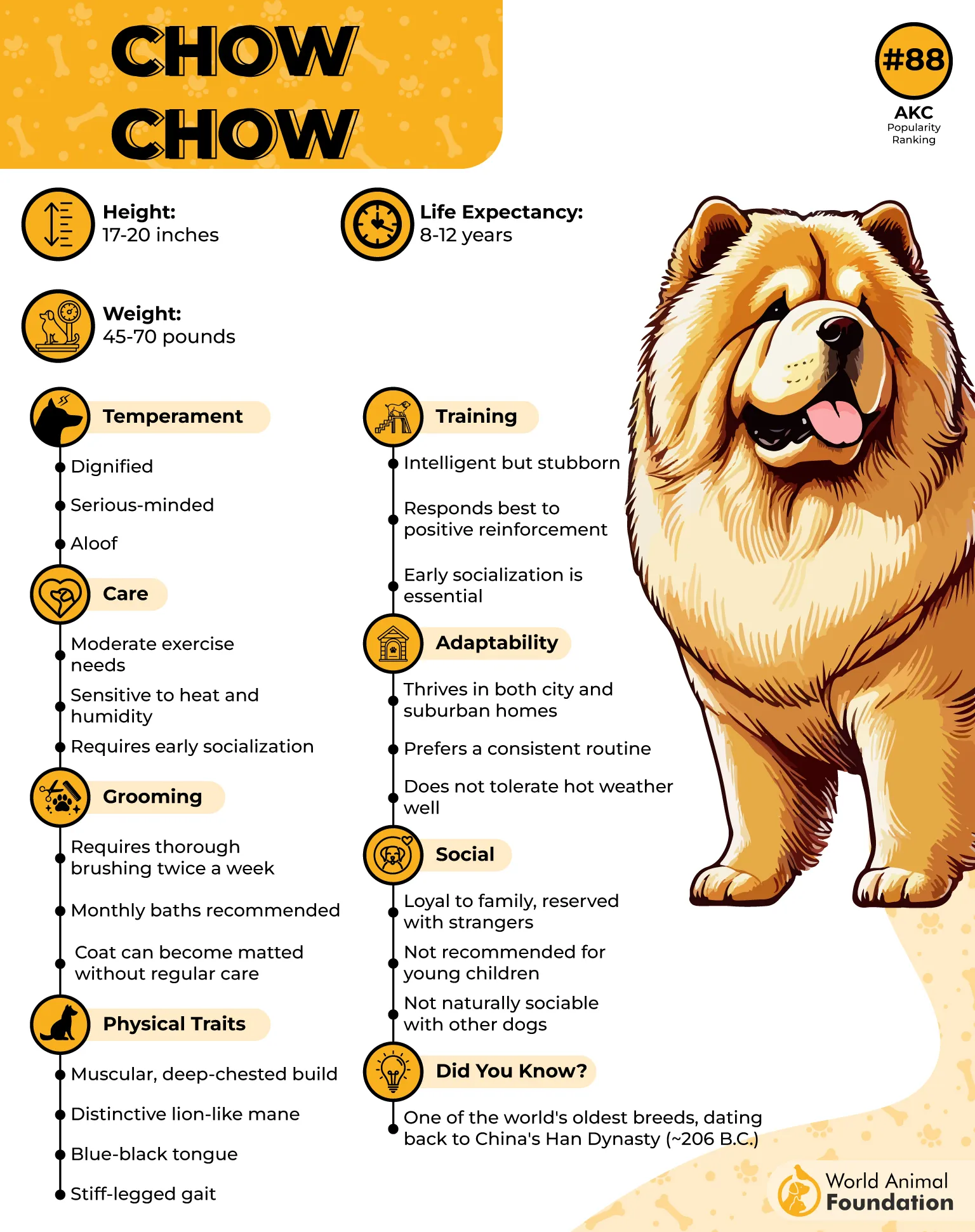
The breed comes in 2 coat types, rough and smooth, both over a dense double coat. The rough stands straight off the body in a thick ruff, giving the Chow its lion-like look. Smooth coats stay shorter but just as dense.
Matting: The ruff needs brushing several times a week.
Shedding: Expect a dramatic seasonal shed each year.
Fading: Red coats look duller on mostly indoor dogs.
A Chow Chow’s personality matches its coat: independent, dignified, not big on affection. They bond with their own family but stay reserved with strangers. This breed does not live to please.
4. Nova Scotia Duck Tolling Retriever
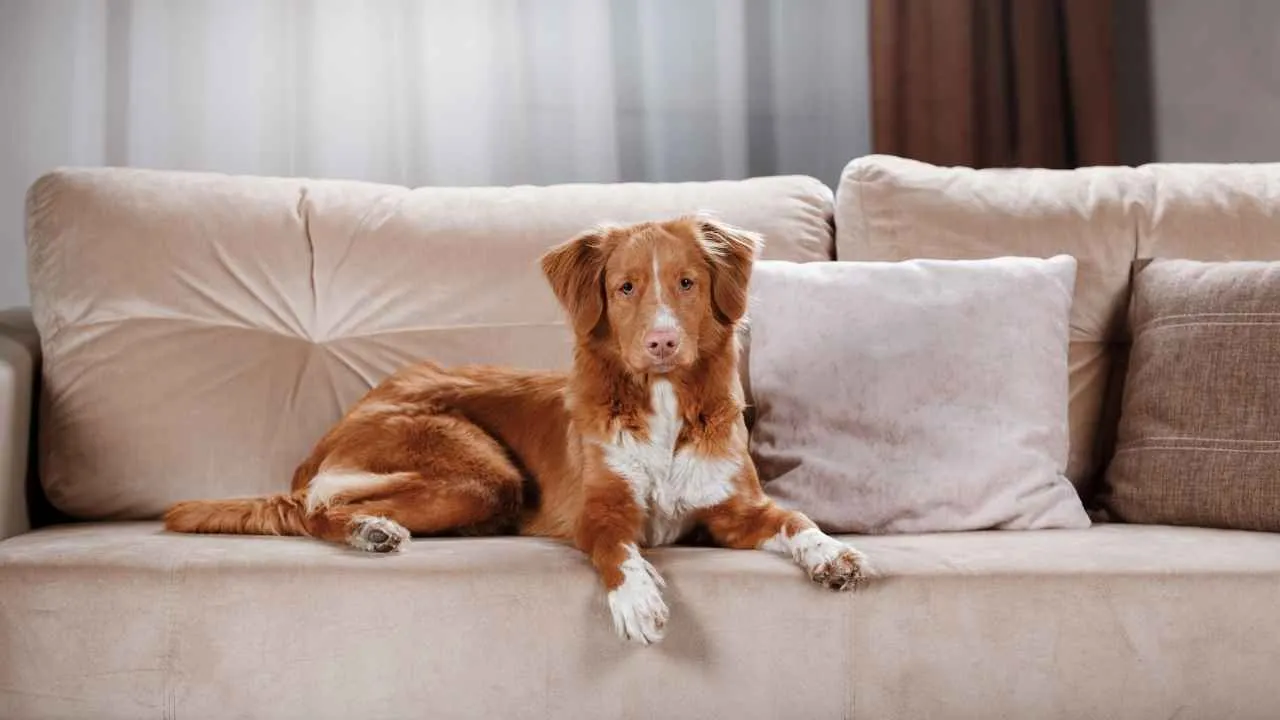
The Toller’s coat runs through shades of red and gold, from buff to deep coppery red-gold, as per WebMD. Standards allow any shade of red, with lighter tones carrying as much pigment as darker ones. White chest and tail-tip markings are typical.
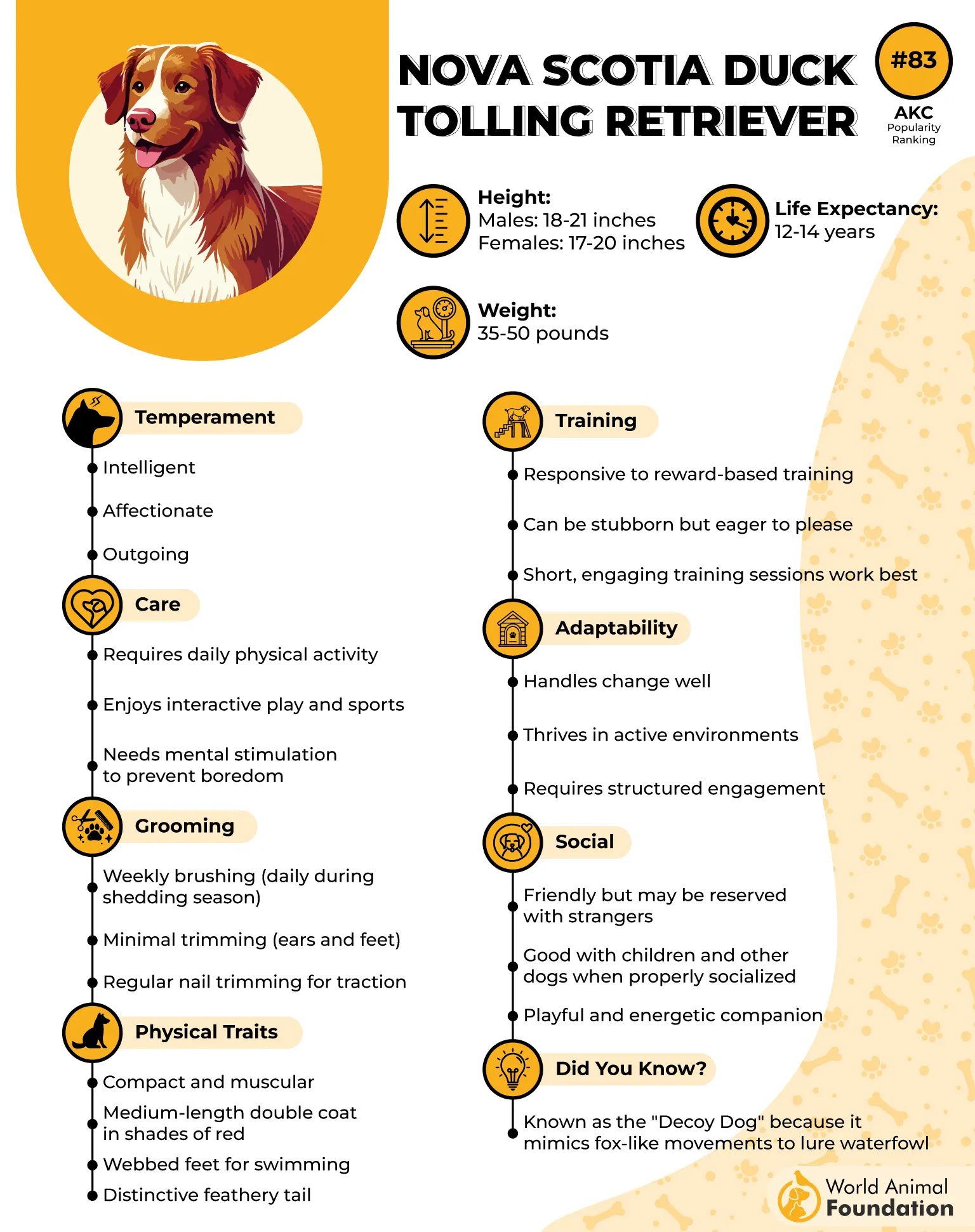
This breed’s double coat is medium length, dense, and water-repellent, built for cold-water retrieves. Feathering on the chest and tail softens its working outline. The texture stays close to the body.
Shedding: Sheds heavily each fall and spring.
Matting: Feathered areas behind the ears tangle fastest.
Water care: Skip frequent baths, which strip natural oils.
Behind that practical coat is a dog bred to toll, luring ducks by playing along the shoreline. Tollers are intelligent and energetic, and can be wary of strangers at first. That hunting drive still shows in how they play.
5. Pomeranian
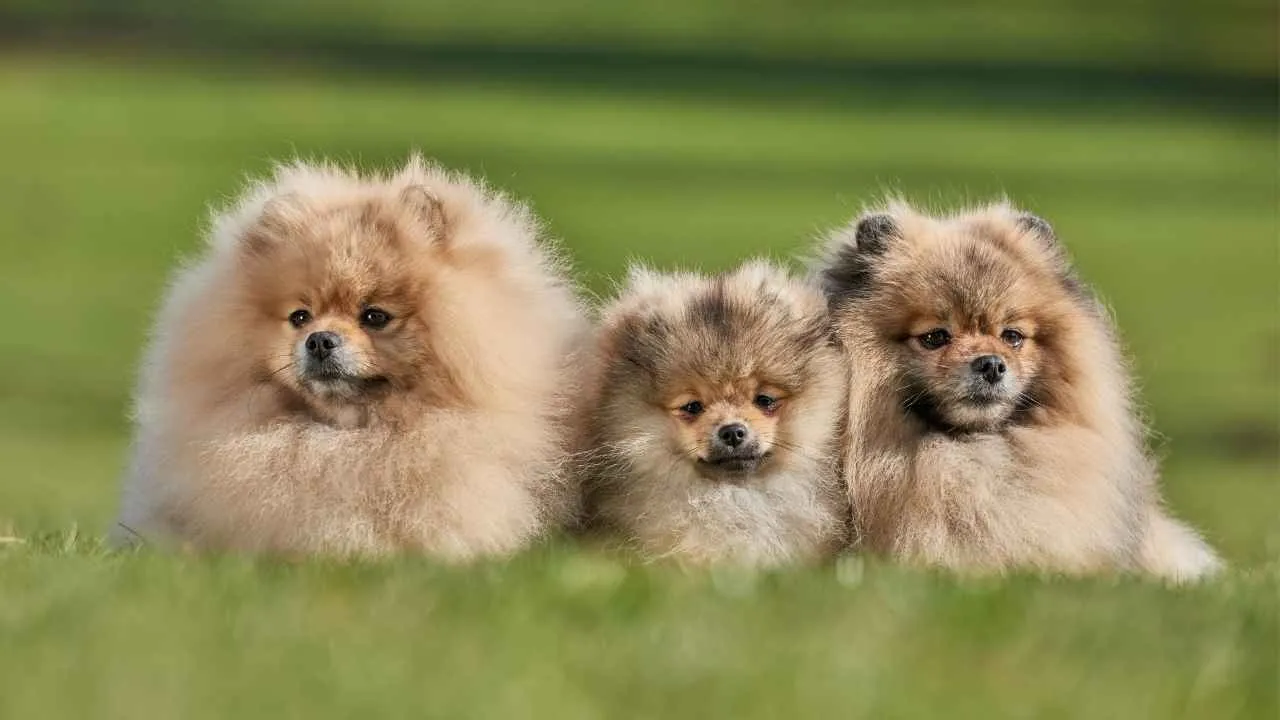
Pomeranians come in many coat colors, but orange and orange sable remain the most traditional golden shades. That tone spans deep rust to light honey blonde, one base color family. Puppies often look duller at birth and brighten with age.
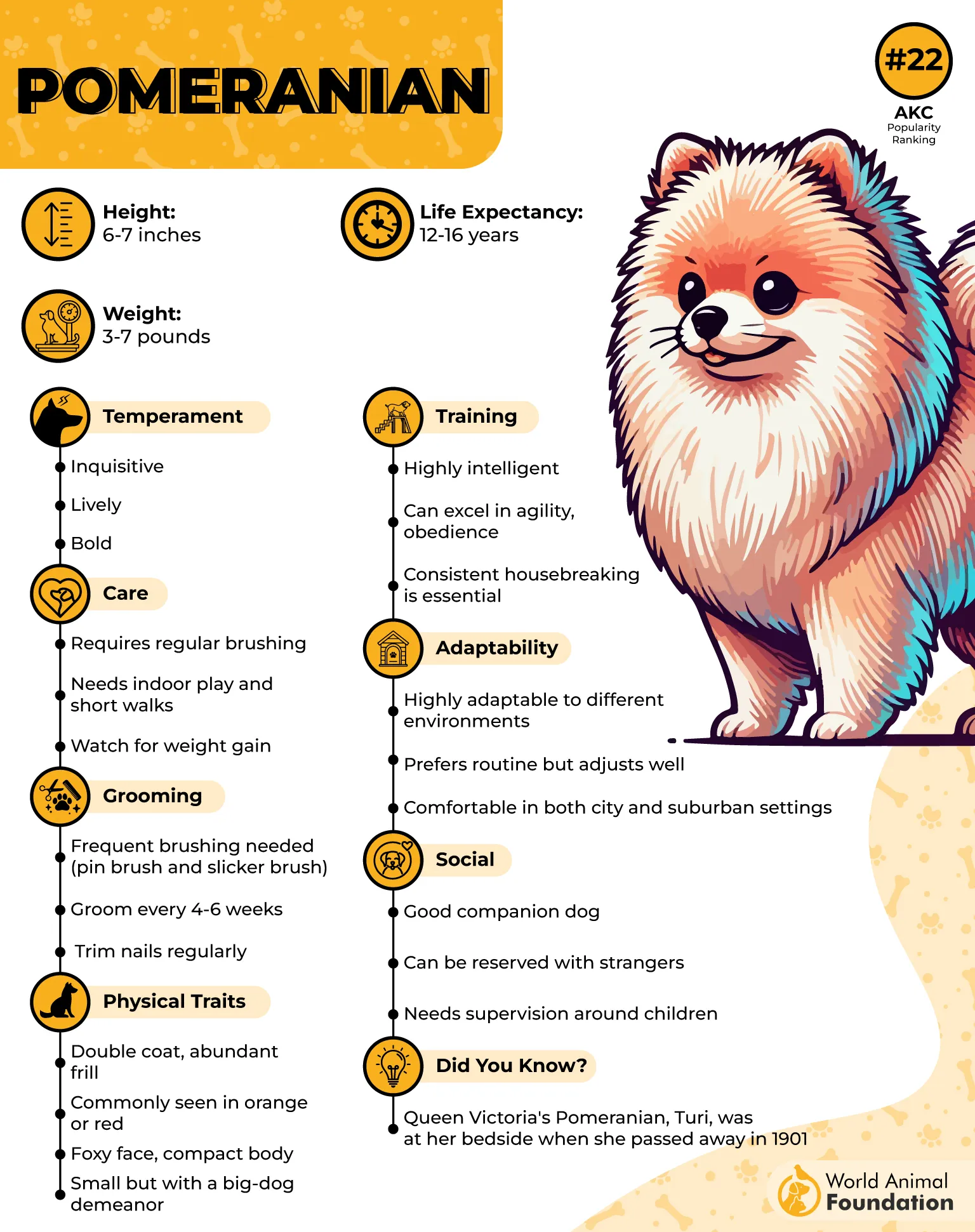
The breed’s signature feature is a profuse double coat: a short, dense undercoat under a long, harsh outer layer standing away from the body. That mix creates the rounded silhouette Poms are known for. A small dog hides under all that fluff.
Shedding: Blows its coat seasonally, heaviest in spring and fall.
Matting: The neck ruff mats fastest during shedding season.
Fading: Orange and sable coats can dull with sun.
Pomeranians stay bold and unaware of how small they are. They bark at anything unfamiliar and demand attention just as fast. Big personality, tiny frame- that is the Pomeranian deal.
6. Lhasa Apso
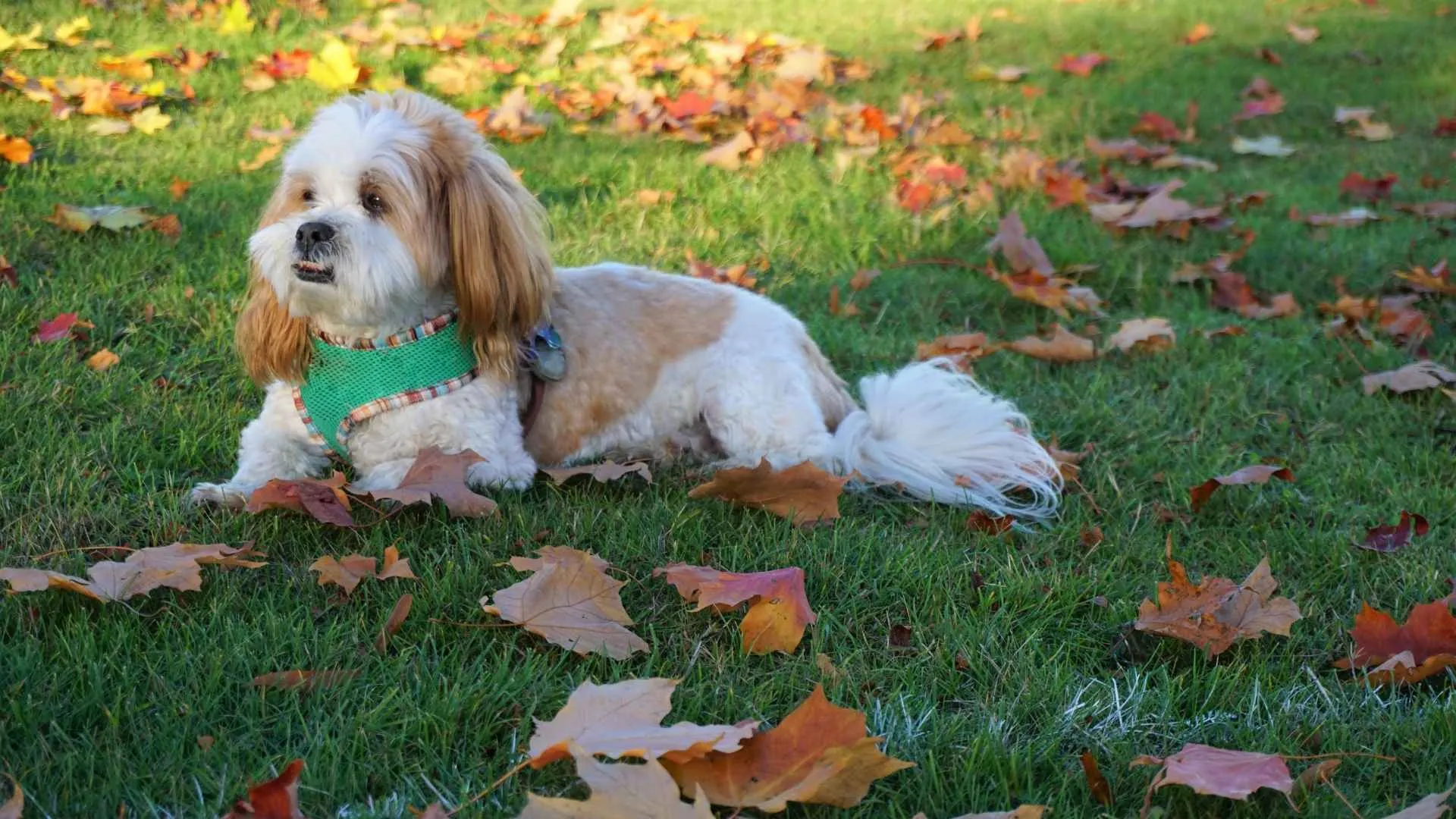
Golden is one of the most recognized Lhasa Apso colors, alongside cream, honey, and darker grizzle tones. Lhasa’s can shift shade with age, based on how new coat growth comes in. A pale gold puppy is not guaranteed to stay that way.
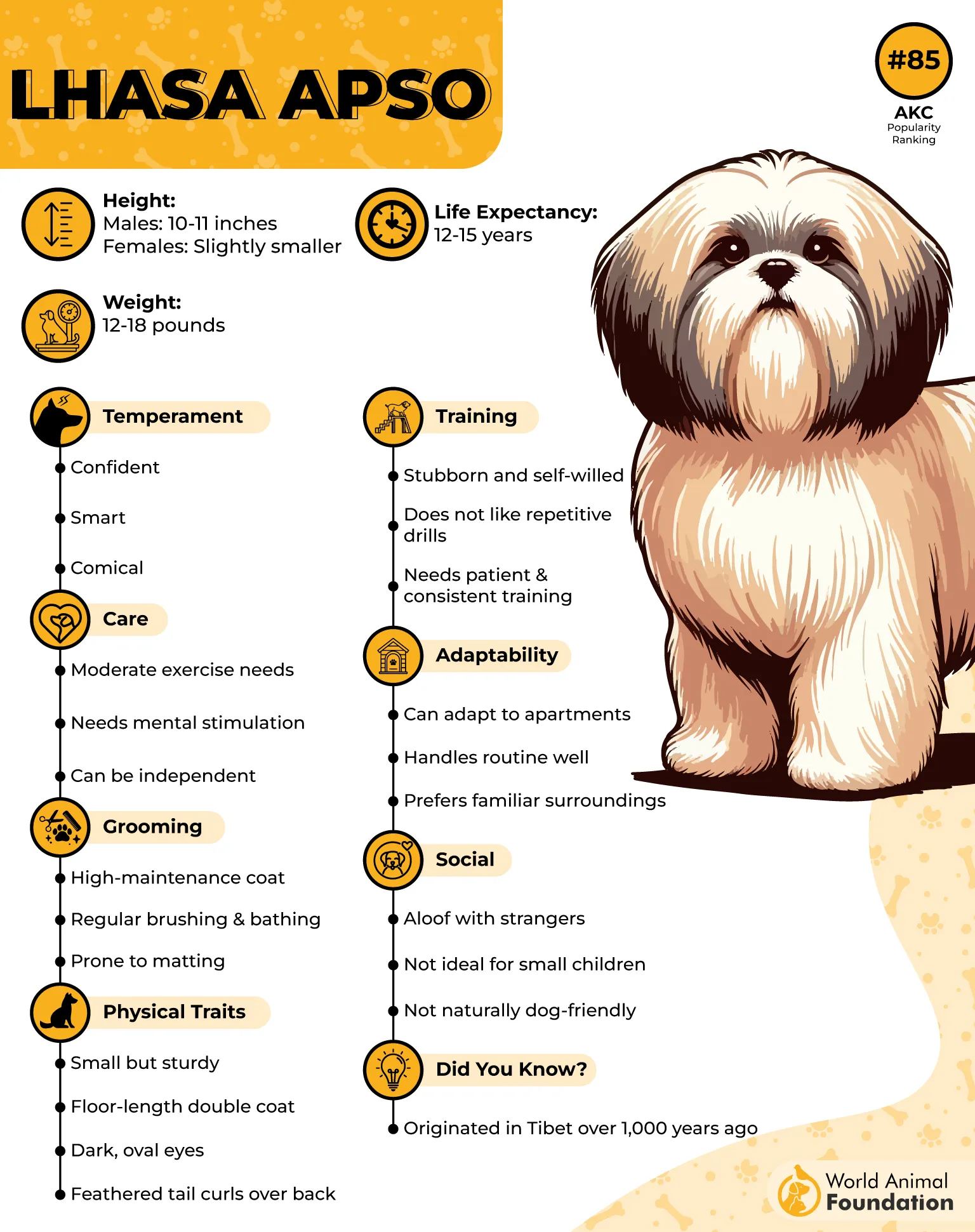
This breed carries a long, straight double coat that can reach floor length if ungroomed. Unlike the Chow’s standoff ruff, the Lhasa’s fur hangs flat down the back. That heavy coat once meant real insulation against mountain cold.
Matting: The long coat needs brushing every other day.
Shedding: Minimal year-round, since the coat keeps growing.
Bathing: Space out baths to protect the coat’s shine.
Lhasa Apsos were bred as indoor sentinels for Tibetan monasteries, and that watchdog instinct never left. They are independent and bond tightly with 1 or 2 people. A long golden coat, a big attitude.
7. Pharaoh Hound
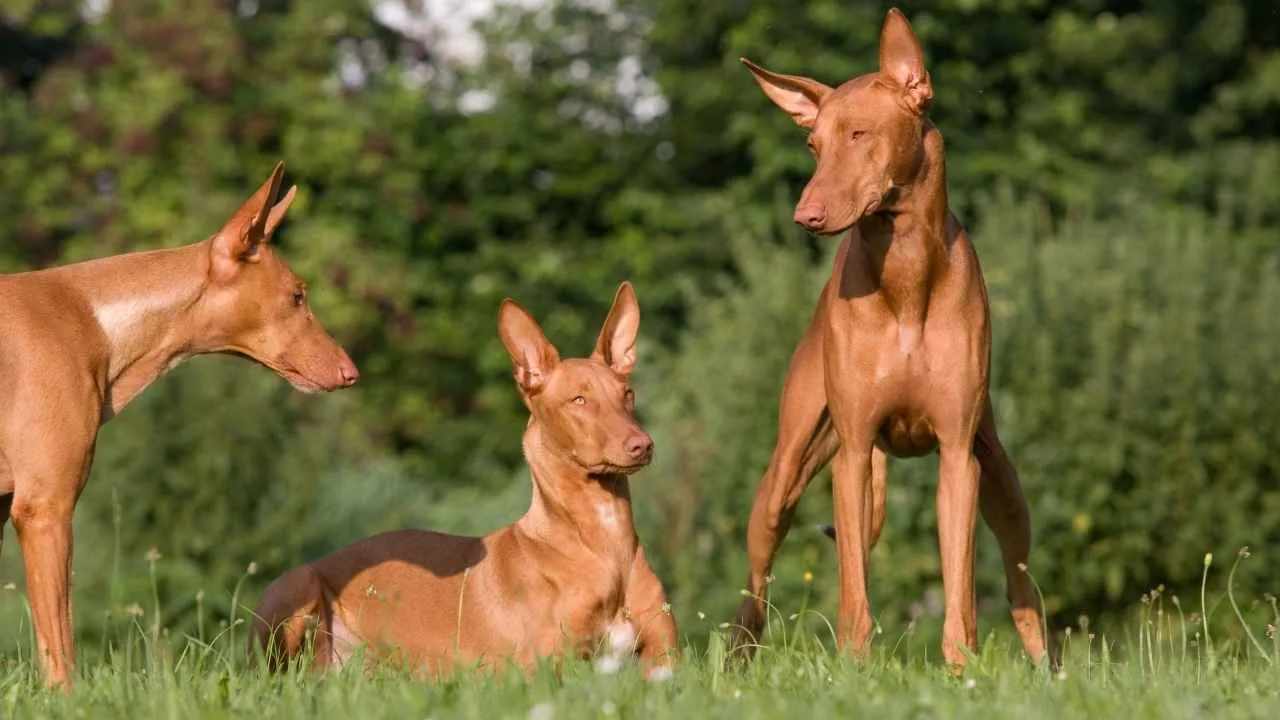
Pharaoh Hounds wear a coat from light golden tan to deep red-gold chestnut, as per Purina. Nose and skin pigment match the coat, so lighter dogs have lighter noses too. White chest and tail-tip markings are common.
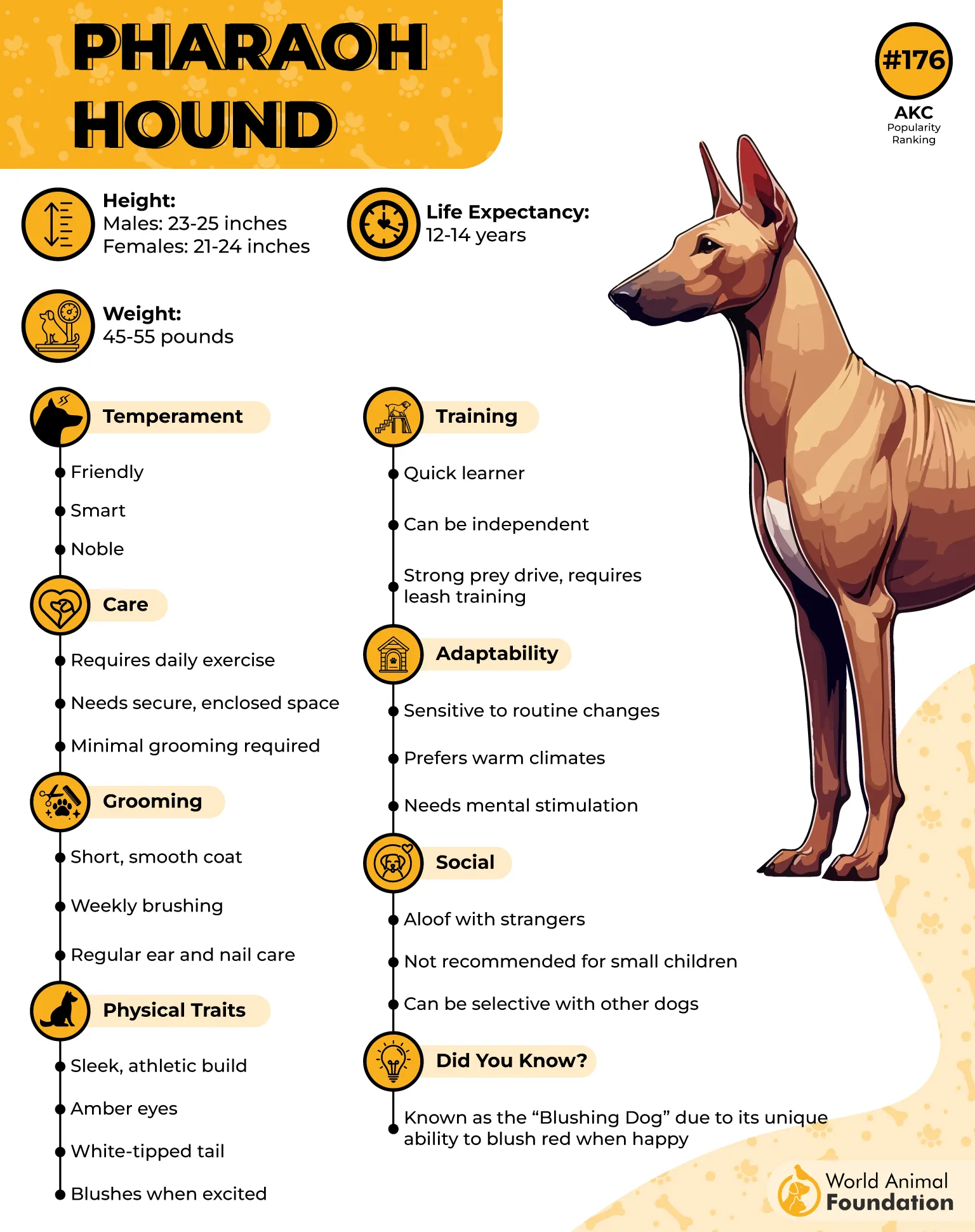
The coat is short, fine, and glossy, close to the body with little undercoat. That thin covering leaves skin exposed. When excited, the nose and ears flush a visible rosy pink.
Fading: Minimal, since pigment lies evenly across the coat.
Shedding: Light and steady year-round, no seasonal blowout.
Weather care: Needs a jacket in cold weather, given low body fat.
This blush is not a party trick; it reflects a dog that runs warm with personality too. Pharaoh Hounds are playful and quick to smile, lips curling into a grin. Sleek, golden, and a little theatrical.
Conclusion
Radiant beauty, it turns out, is not just a photo filter; it is earned through specific pigment genetics, coat structure, and a fair bit of grooming effort. These 7 breeds prove that gold looks different on every dog, from a Golden Retriever’s layered shades to a Pharaoh Hound’s blushing nose.
So the next time someone calls a dog ‘just golden,’ you will know there is real biology, and real upkeep, behind that glow. Tell us in the comments which of these golden coat colors you would want curled up on your couch today.
