




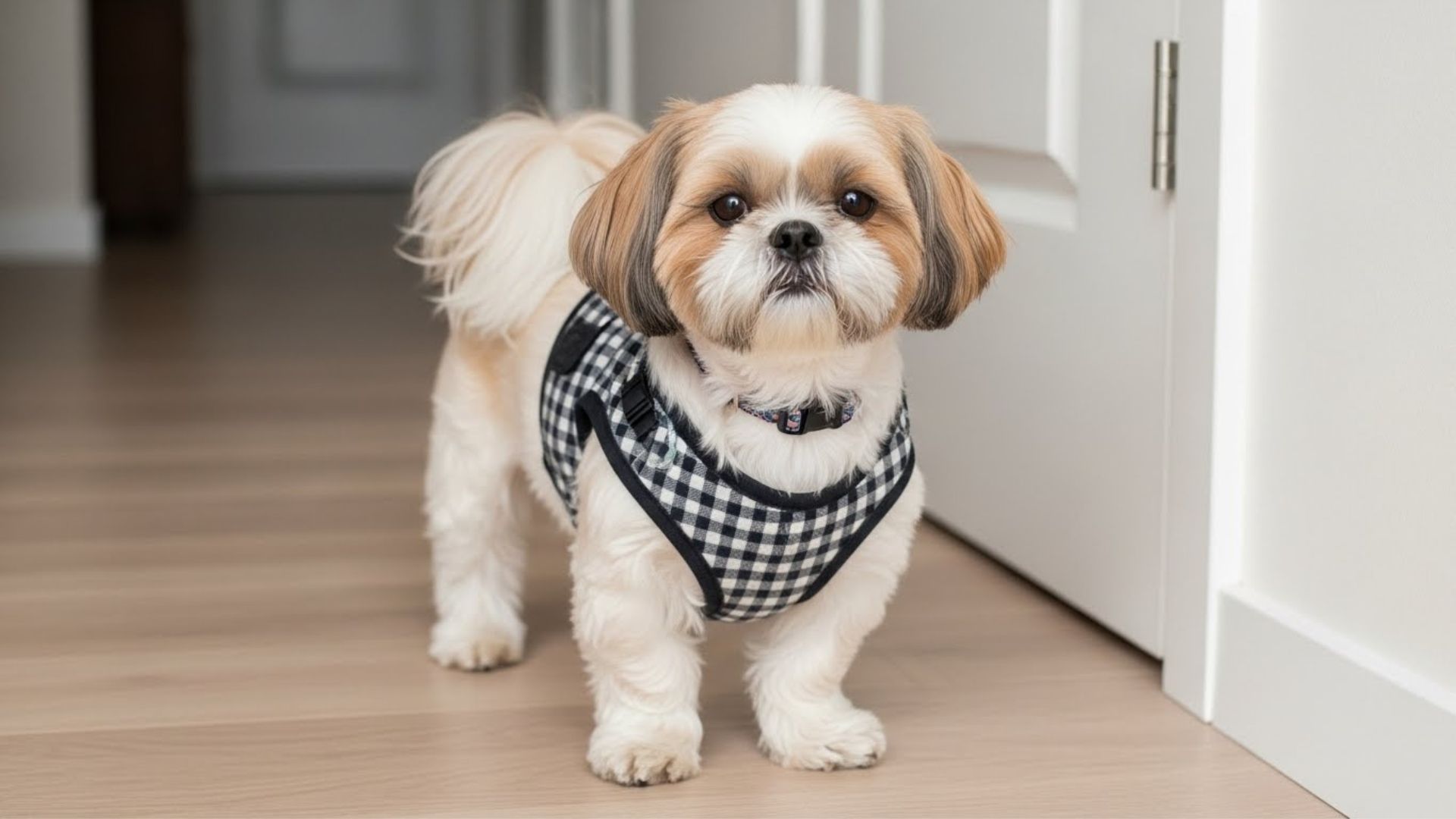
Dogs captivate us not only with their personalities but also with their unique physical traits. One feature that often stands out is the shape of their nose. While most popular dog breeds have long, pointed snouts, some breeds are recognized for their distinctive, short noses, giving them an instantly recognizable appearance.
These short-nosed breeds, often called brachycephalic dog breeds, include favorites like Bulldogs, Pugs, and Shih Tzus. Their compact faces aren’t just cute—they influence breathing, eating habits, and even how they express themselves. Understanding these traits helps owners provide better care and appreciate the quirks that make each breed special.
Beyond aesthetics, short noses affect health and lifestyle. Owners must consider airways, exercise, and climate sensitivity, ensuring comfort and longevity. Despite challenges, these brachycephalic breeds charm millions with their affectionate, playful, and loyal natures.
Dog Breeds With Distinctive, Short Noses
1. Pug
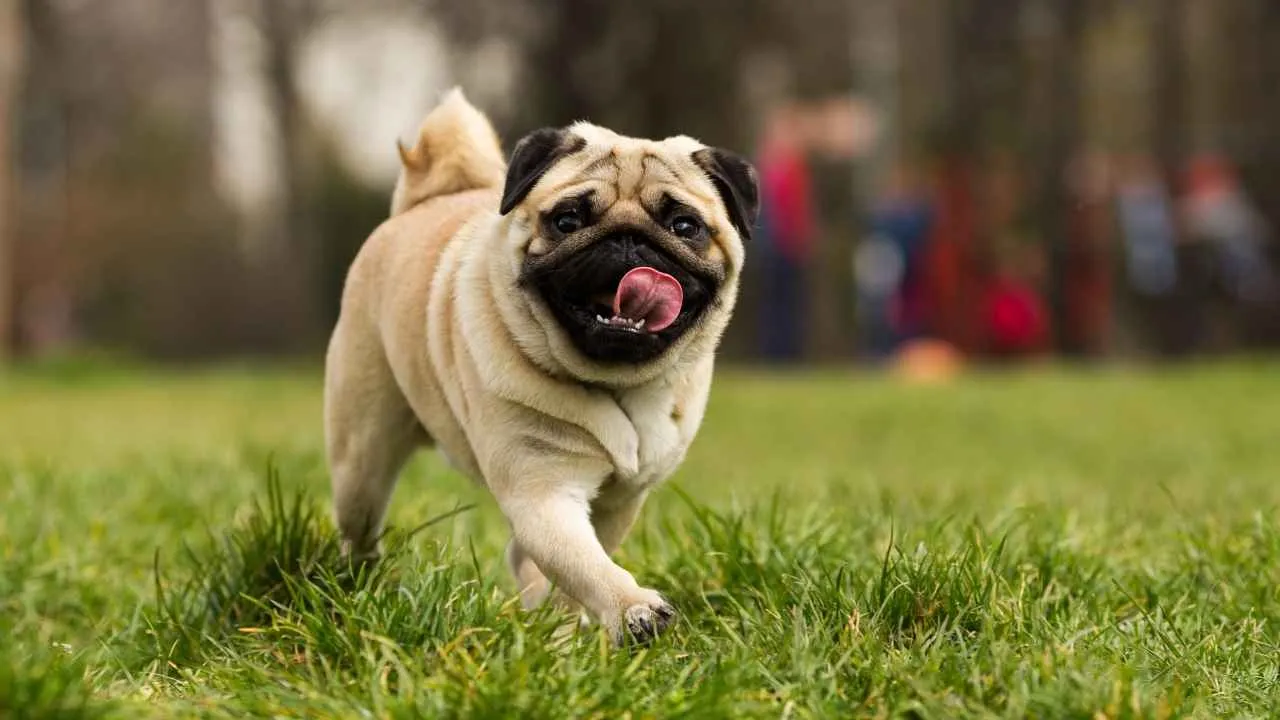
Once cherished by Chinese emperors, the Pug later became a symbol of the Dutch House of Orange. Compact yet muscular, these little charmers carry centuries of history in their wrinkled, expressive faces. Today, they are beloved household companions across the world.

Personality Wrapped in a Squishy Face
Pugs are affectionate, friendly, and endlessly playful. They thrive on human attention, enjoy cuddles, and adapt easily to families, seniors, or city living. With moderate exercise and a loving routine, they are cheerful, easygoing pets.
Care, Diet, and Lifestyle Needs
Though small, Pugs need attention to diet, climate, and health due to their flat faces. Short daily walks, grooming, and monitoring for overheating keep them comfortable and happy. Mental stimulation prevents boredom and keeps their mischievous streak in check.
Why the Pug’s Nose is So Distinctive
A brachycephalic skull shape shortens the muzzle.
Large, round eyes sit above the flat face, enhancing expressions.
Deep facial wrinkles create their signature look.
Short nose allows the breed’s signature snorting and snuffling.
Selective breeding emphasized appearance over long snouts.
2. Shih Tzu
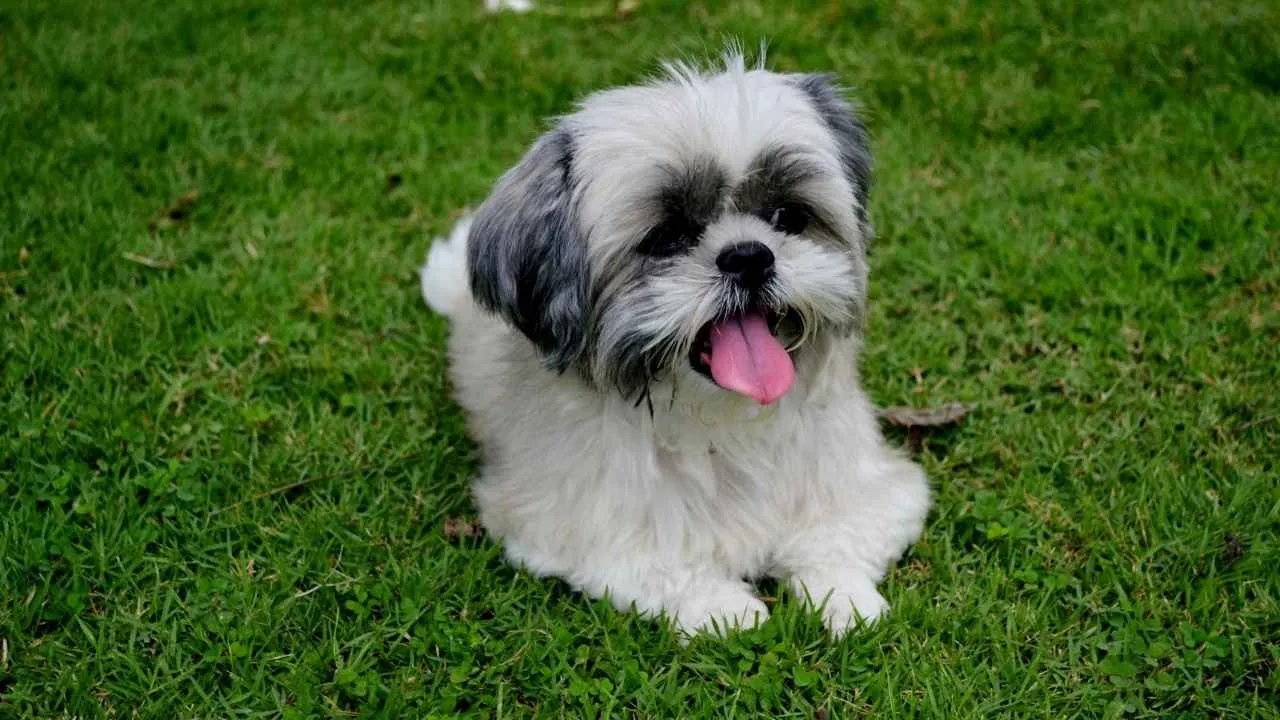
The Shih Tzu, or “lion dog,” was originally bred over a thousand years ago in Tibet as a human companion for monks and royalty, according to the AKC. Small yet sturdy, this toy breed carried the prestige of temples and Chinese imperial courts.
Spirited Companions with a Regal Flair
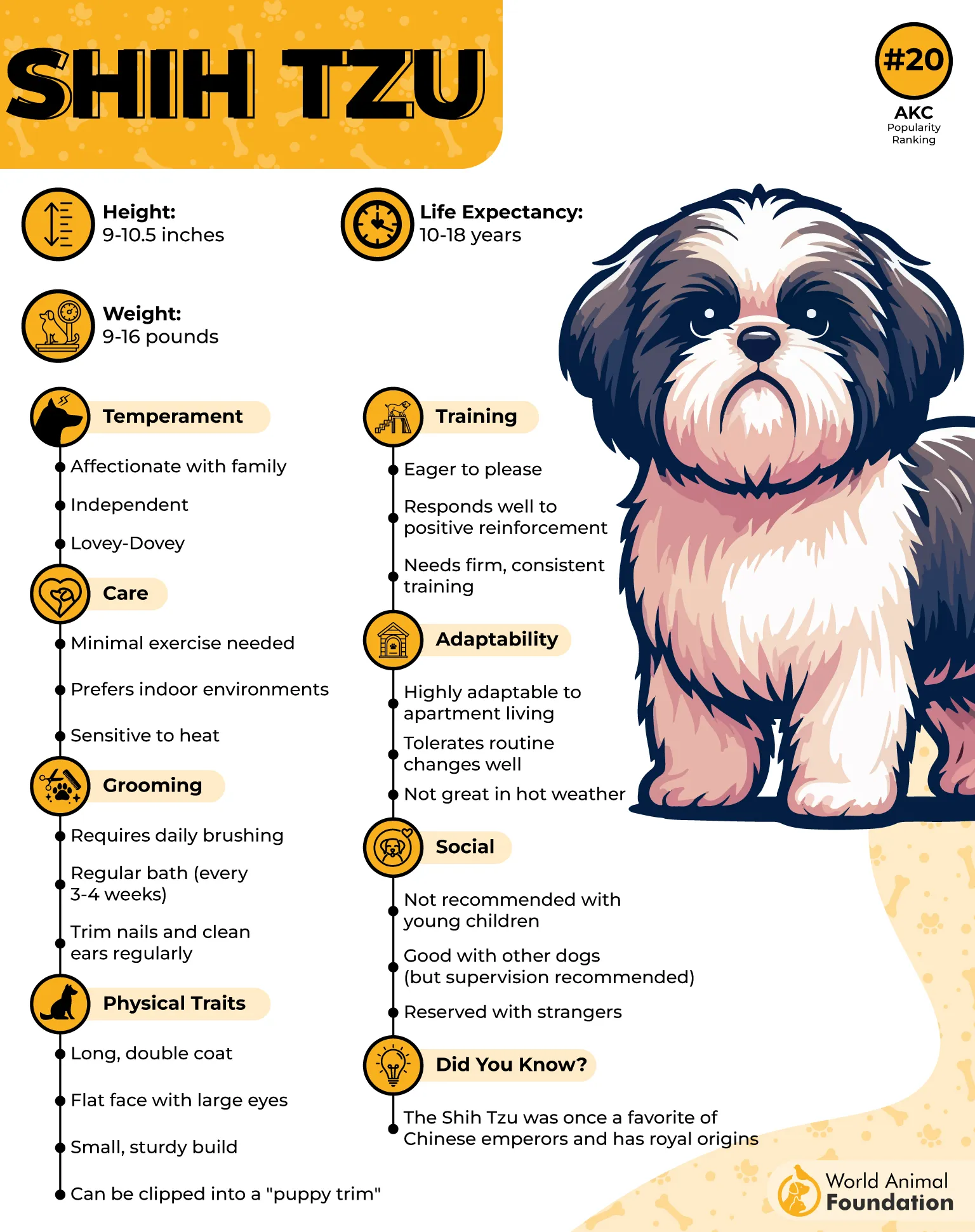
Shih Tzus are lively, friendly, and affectionate, making them perfect lapdogs and playful partners. They enjoy gentle games, short walks, and indoor fun, thriving on human interaction. Their bold yet sweet temperament endears them to people of all ages.

Grooming, Exercise, and Health Notes
Caring for a Shih Tzu means regular grooming, including brushing and occasional baths to prevent tangles. Their short muzzle makes them prone to overheating, so walks should be in cooler hours. A balanced diet and proper exercise keep them fit and happy.
Why the Shih Tzu’s Nose is So Unique
Brachycephalic structure creates a short, flat muzzle.
Wide-set eyes sit above the shortened face for expressive looks.
Long facial hair accentuates the compact snout.
Short nasal passages can affect breathing and heat tolerance.
Selective breeding emphasized a “lion-like” face for aesthetic appeal.
3. Pekingese
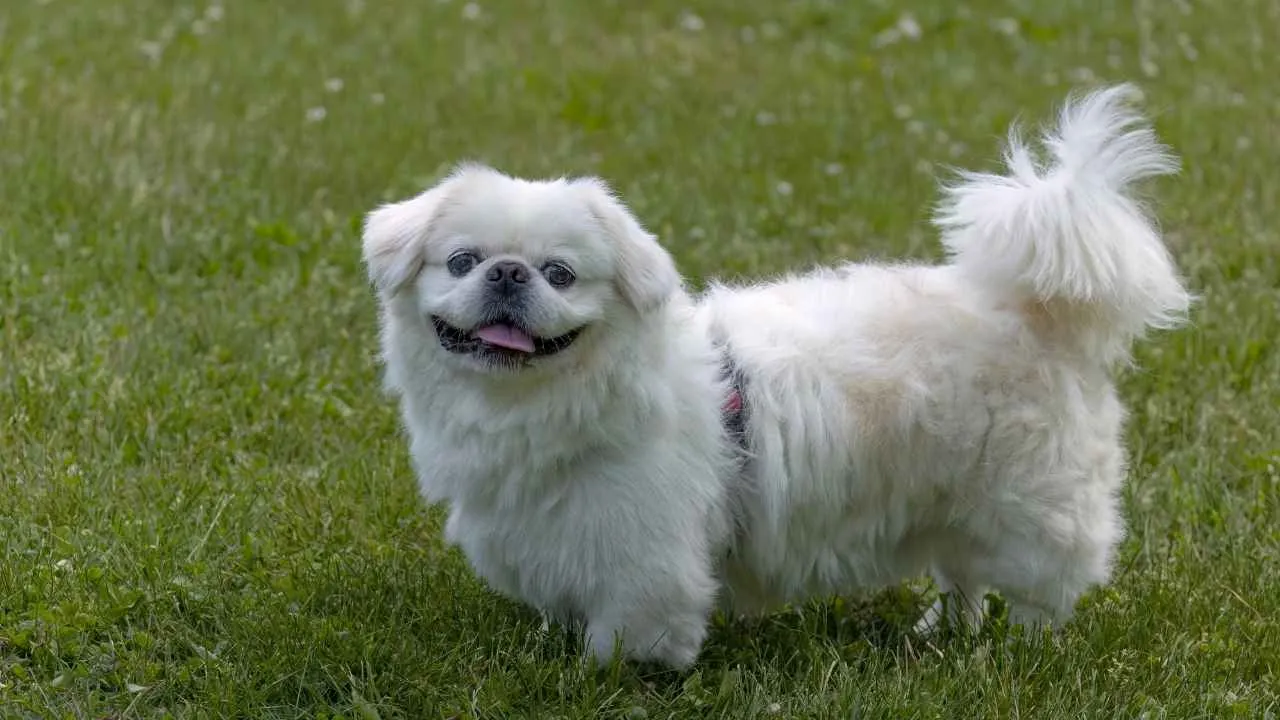
The Pekingese, or “lion dog,” has its origins in ancient China, where it lived among emperors and nobles. Small yet dignified, these small dogs were cherished for their loyalty, bravery, and unique appearance. Today, their rich history adds to their charm and aristocratic aura.
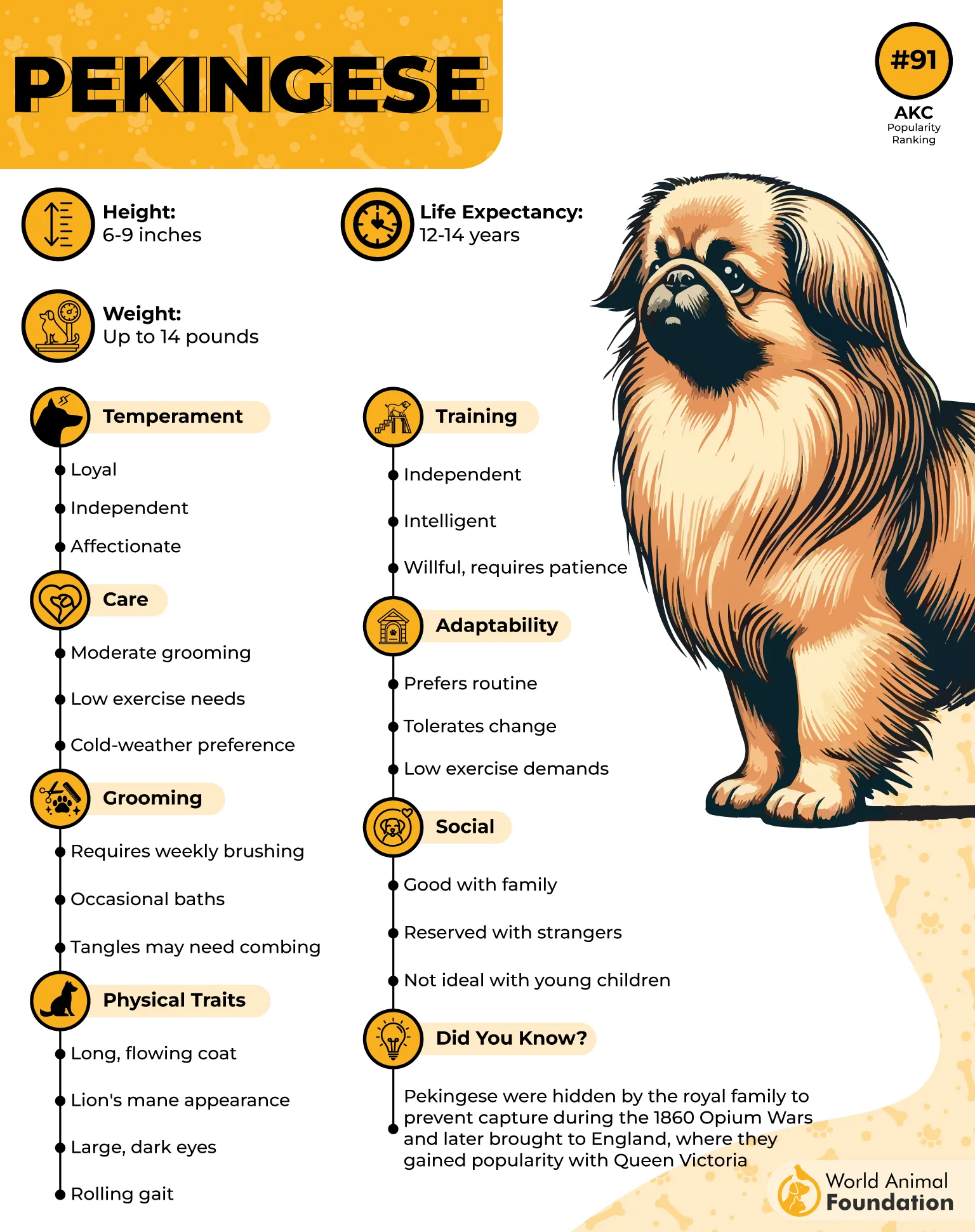
Stately Companions with a Spirited Heart
Pekes are independent but affectionate, blending loyalty with a touch of stubbornness. They thrive as lapdogs and wonderful companions, enjoying gentle walks and calm indoor play. Despite their small size, they carry themselves with a regal, confident presence.
Grooming, Exercise, and Climate Considerations
Caring for a Pekingese requires regular brushing of their thick double coat and monitoring for overheating due to their short muzzle. Leisurely walks in temperate weather keep them fit, while ramps and careful handling prevent injuries from their low-to-ground stature.
Why the Pekingese’s Nose is So Distinctive
A brachycephalic skull creates a compact, flattened muzzle.
Facial wrinkles accentuate their lion-like appearance.
Wide nostrils help compensate for shortened nasal passages.
A short muzzle affects breathing and heat tolerance.
Centuries of selective breeding emphasized regal, flat-faced aesthetics.
4. Boston Terrier
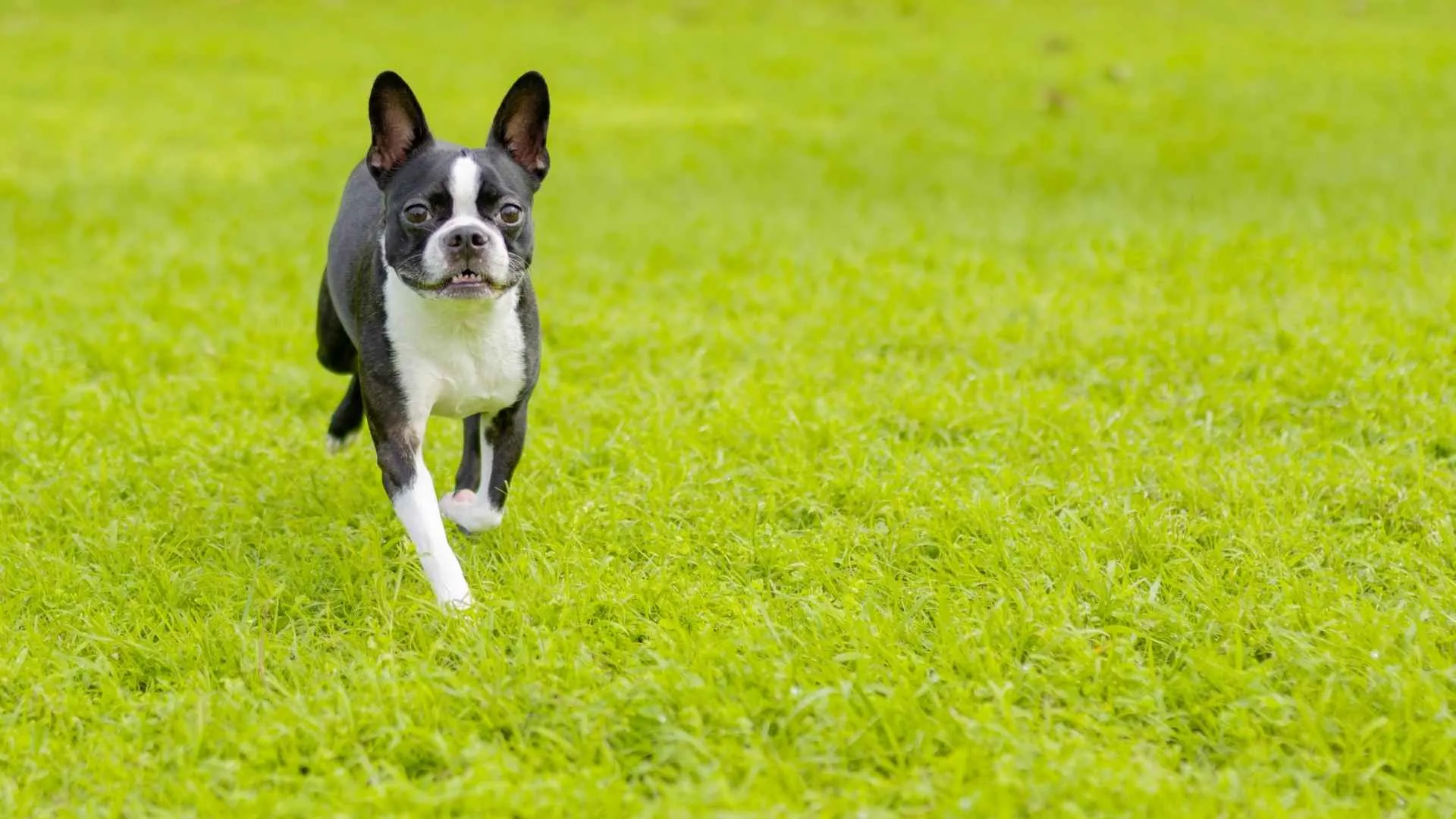
The Boston Terrier was developed in Boston in the late 1800s by crossing Bulldogs with White English Terriers. Known as the “American Gentleman,” this compact breed quickly became a beloved house pet, celebrated for its charm, intelligence, and sociable nature, as per Britannica.
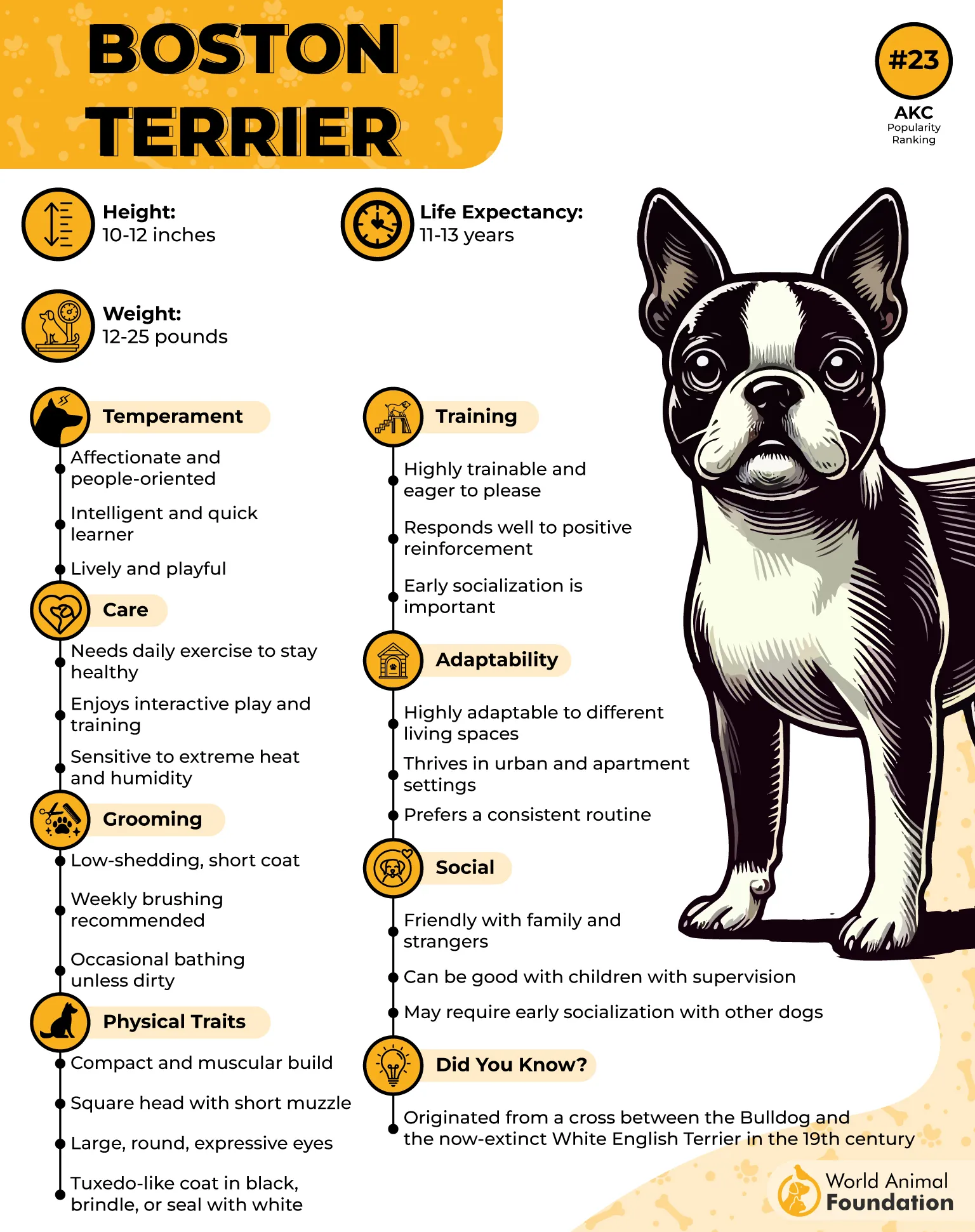
Cheerful Companions with Big Personalities
Bostons are playful, affectionate, and highly social, thriving in families with children or other pets. They enjoy short bursts of exercise, indoor games, and reward-based training, adapting well to city or suburban life. Their lively yet gentle temperament makes them ideal companions.
Care, Exercise, and Climate Concerns
With a short, smooth coat and flat face, Boston Terriers require minimal grooming but need protection from extreme heat and cold. Moderate walks and controlled play prevent overheating, while mental stimulation keeps these intelligent dogs happy and well-behaved.
Why the Boston Terrier’s Nose is So Distinctive
A brachycephalic skull creates a short, flat muzzle.
Wide, dark eyes accentuate their expressive face.
Square, broad muzzle enhances their “gentlemanly” look.
Flat face can lead to snorting, snoring, and heat sensitivity.
Selective breeding favored appearance and compact proportions over long snouts.
5. Boxer
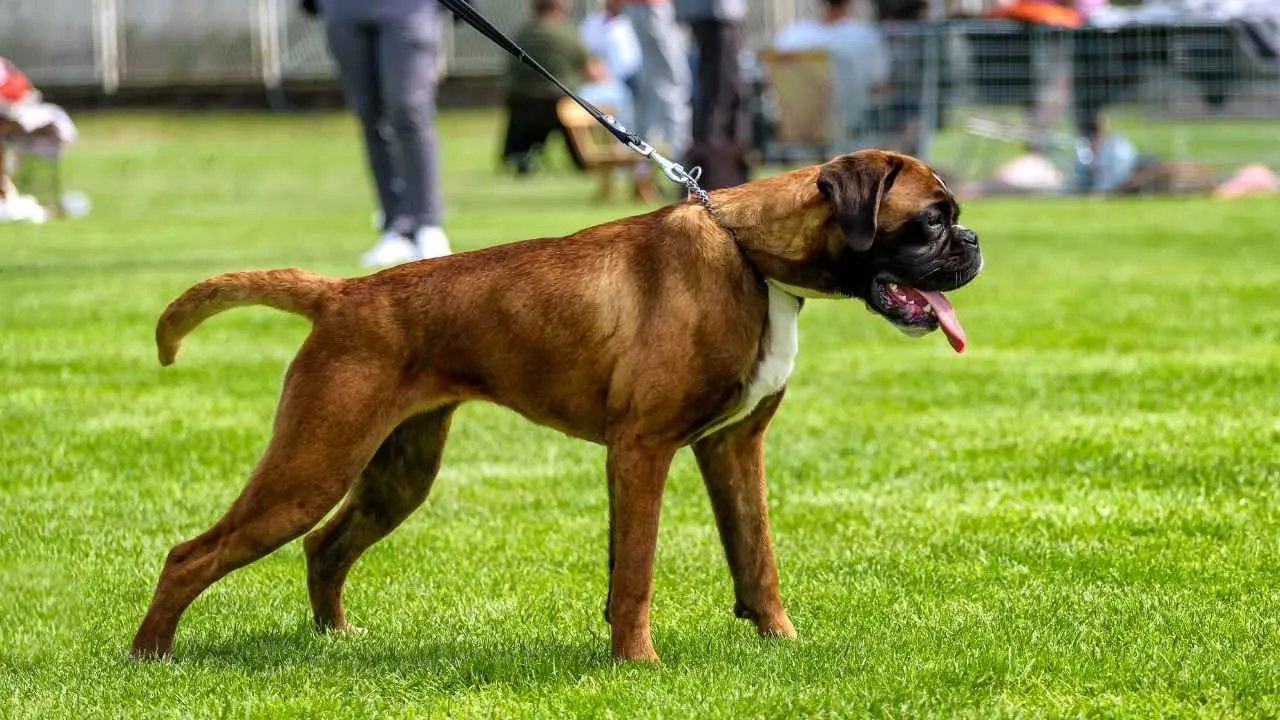
The Boxer originated in 19th-century Germany, descended from the Bullenbeisser and crossed with Bulldogs, Great Danes, and terriers, as per Hill’s Pet. Once a big-game hunter and butcher’s helper, it has evolved into a versatile companion, watchdog, and family pet.

Energetic, Affectionate, and Protective
Boxers are playful, intelligent, and highly devoted to their families. They thrive on active lifestyles, enjoying long walks, games of fetch, and dog sports. While friendly toward familiar people and pets, they remain alert and protective, making excellent watchdogs.
Care, Exercise, and Climate Awareness
Boxers have short coats that are easy to maintain but are prone to overheating due to their brachycephalic muzzle. They require moderate exercise in temperate conditions, a balanced diet to protect growing joints, and occasional grooming to maintain a glossy coat.
Why the Boxer’s Nose is So Distinctive
A brachycephalic skull produces a short, square muzzle.
A broad black mask emphasizes facial expression.
Short nasal passages can limit airflow and cooling efficiency.
Shallow wrinkles above the nose highlight its compact face.
Selective breeding balanced strength and appearance, favoring flat-faced traits.
6. Japanese Chin
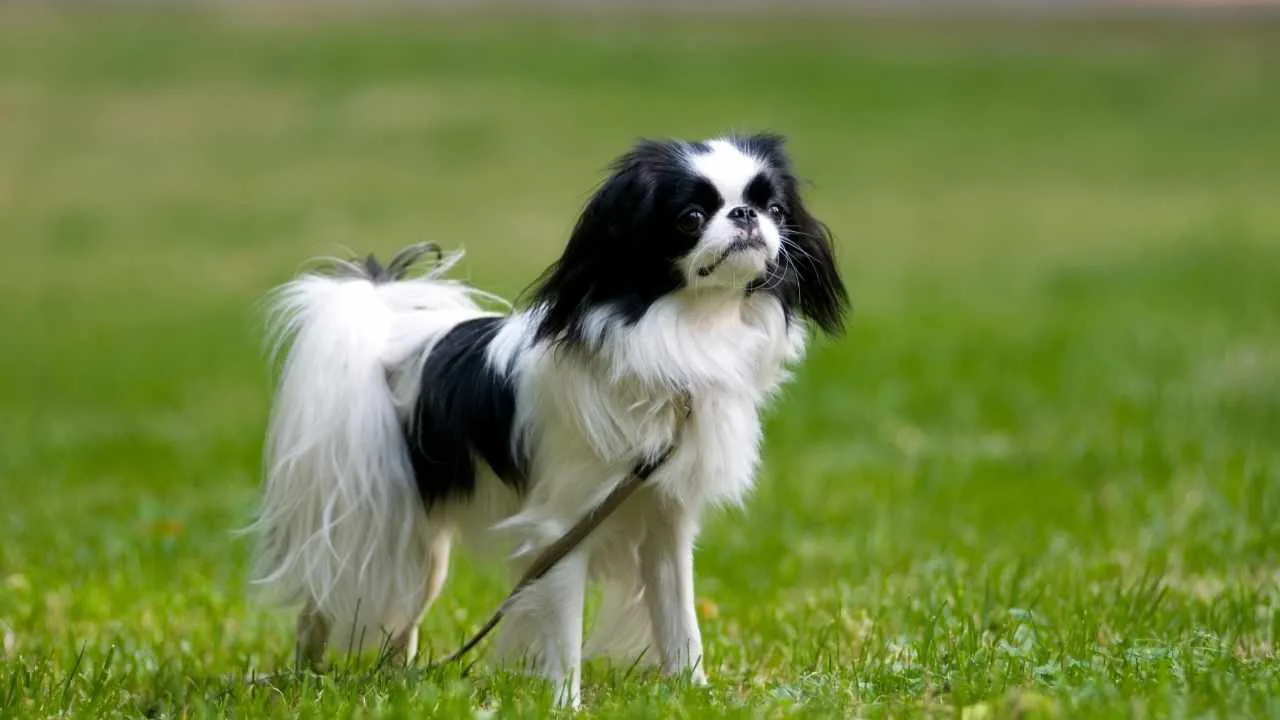
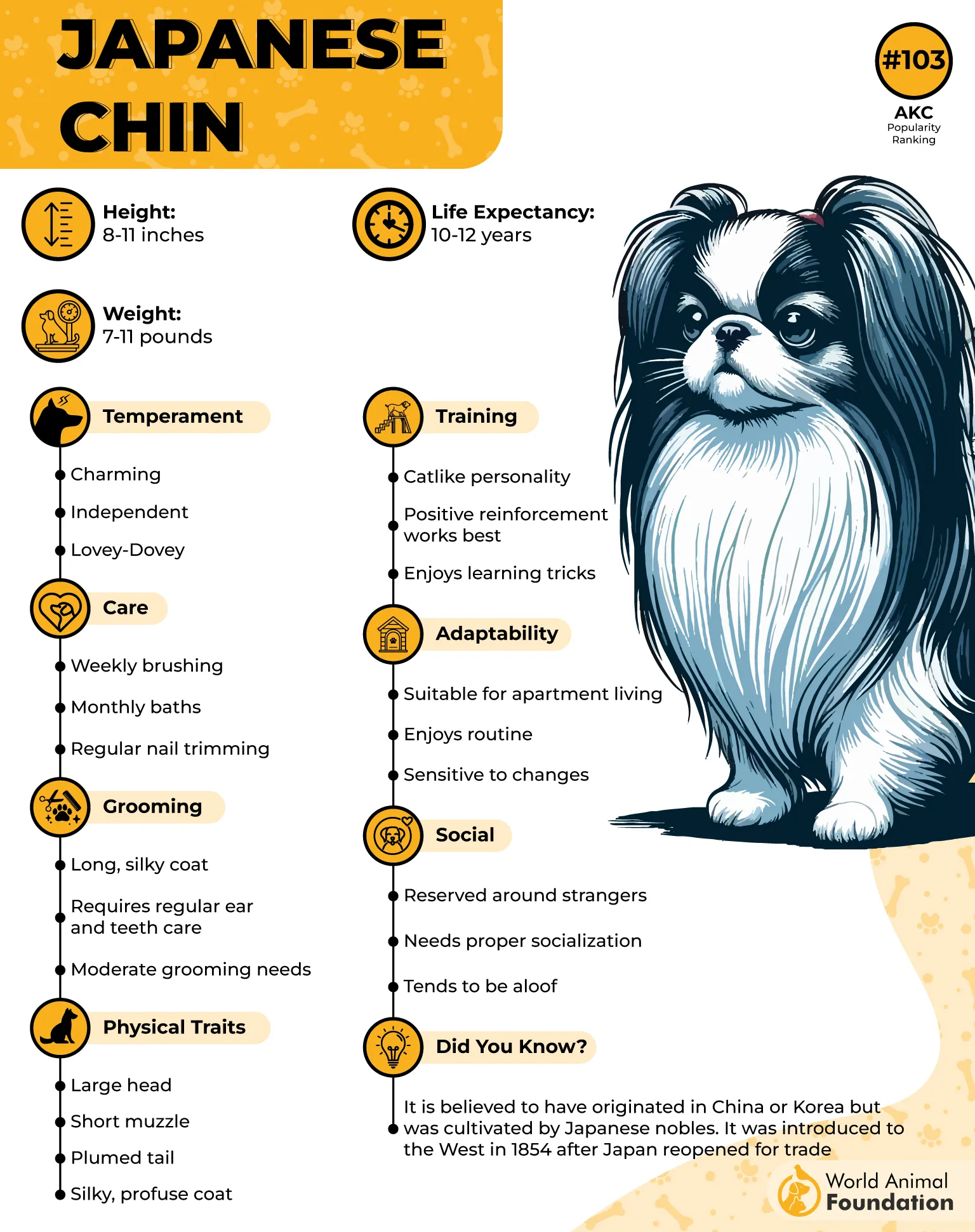
The Japanese Chin is a compact, aristocratic toy dog with a long, silky coat and a flat, expressive face. Believed to have originated in China, this loyal dog breed was refined by Japanese nobility over centuries as a prized lapdog and a gift of status.
A Delightful Personality in a Tiny Package
Intelligent, affectionate, and lively, the Japanese Chin thrives on human companionship and struggles when left alone. Known for their gentle, cat-like behaviors, these dogs are agile jumpers, careful self-groomers, and often enjoy perching in high spots around the home.
Training and Care for a Loyal Friend
Japanese Chins are clever but sometimes stubborn, requiring patience and positive reinforcement in training. Extra care is needed in warm weather due to their brachycephalic faces, ensuring they stay cool and avoid heat stress.
Why Japanese Chin Dogs Have Their Distinctive Short Noses
Bred for the lap of Japanese nobility, not for endurance or hunting.
Flattened faces were considered elegant and refined in courtly circles.
Open nostrils help with breathing despite the compact muzzle.
Their cat-like appearance and small size were accentuated by a short snout.
Short noses reduce the overall head size, making them easier to carry as companion pets.
7. Lhasa Apso
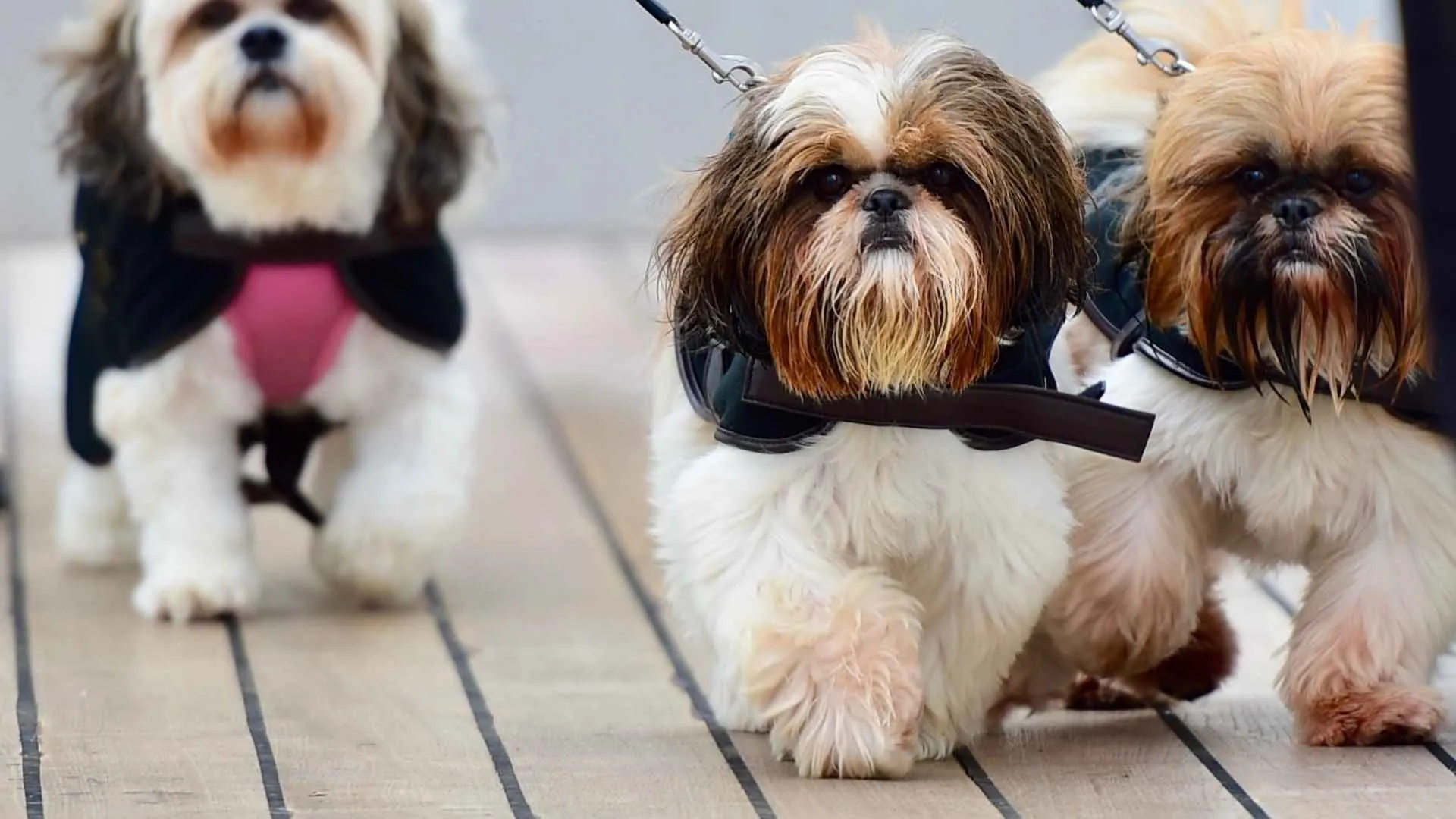
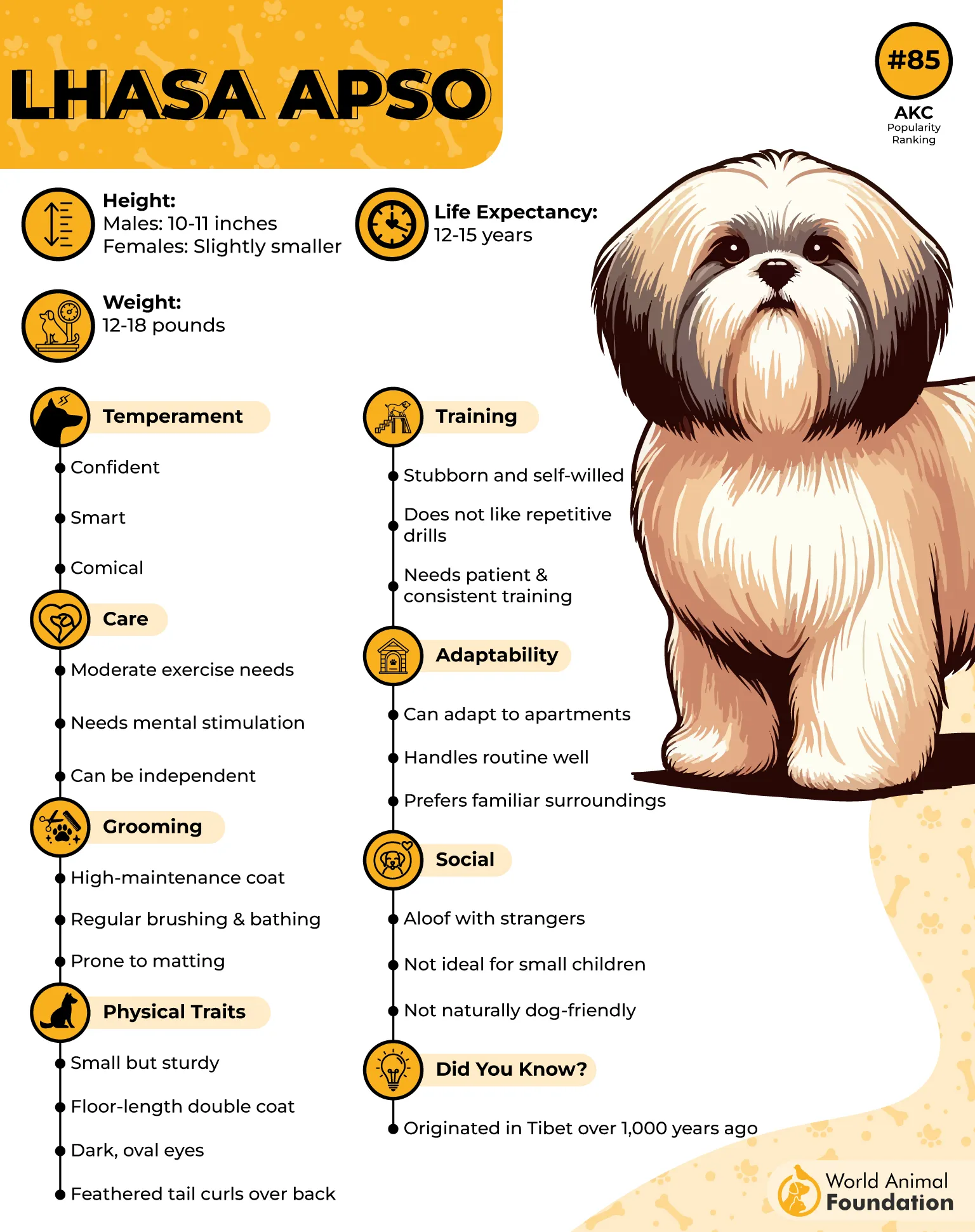
The Lhasa Apso is a small but sturdy dog originating in Tibet, revered as a palace and monastery sentinel. Known as the “bearded lion dog,” it was considered sacred and believed to shelter the souls of deceased lamas, as per WebMD.
Independent, Alert, and Loyal
Intelligent and spirited, the Lhasa Apso is both a watchful guardian and a loving companion. They can be aloof with strangers yet affectionate with family members, often entertaining themselves with bursts of indoor activity.
Grooming and Training Essentials
This breed’s profuse coat demands regular brushing and occasional bathing, and trimming may be needed to keep hair out of the eyes. Positive reinforcement and patience are key, as Lhasas can be stubborn but respond well to consistent guidance.
Why Lhasa Apsos Have Their Distinctive Short Noses
Bred as watchdogs in monasteries rather than for hunting or endurance.
Short muzzles give the breed a compact, lion-like facial appearance.
Flat faces and wide-set nostrils help them maintain expression while keeping airflow efficient.
Their noses complement their long coats, emphasizing the bearded “lion” aesthetic.
Small, brachycephalic noses made it easier to carry these sentinel dogs indoors or as gifts.
Conclusion
Choosing a dog with a distinctive short nose can bring a unique blend of charm, personality, and companionship into your home. These dogs often carry centuries of history and character, making them not just pets, but little guardians and loyal friends. Understanding their traits helps ensure they thrive in your care.
Because of their specialized facial structure, these dogs need thoughtful attention to exercise, temperature, and grooming. With consistent training, mental stimulation, and gentle handling, their lively personalities shine, creating a rewarding bond for owners. Preparedness and awareness are key to keeping them healthy and happy.
If you’re ready to welcome one into your life, take the time to learn about their needs and quirks. Providing love, structure, and care will help your companion flourish while deepening the connection you share. Every moment spent nurturing them becomes a chance to experience their playful spirit and unwavering loyalty.
