




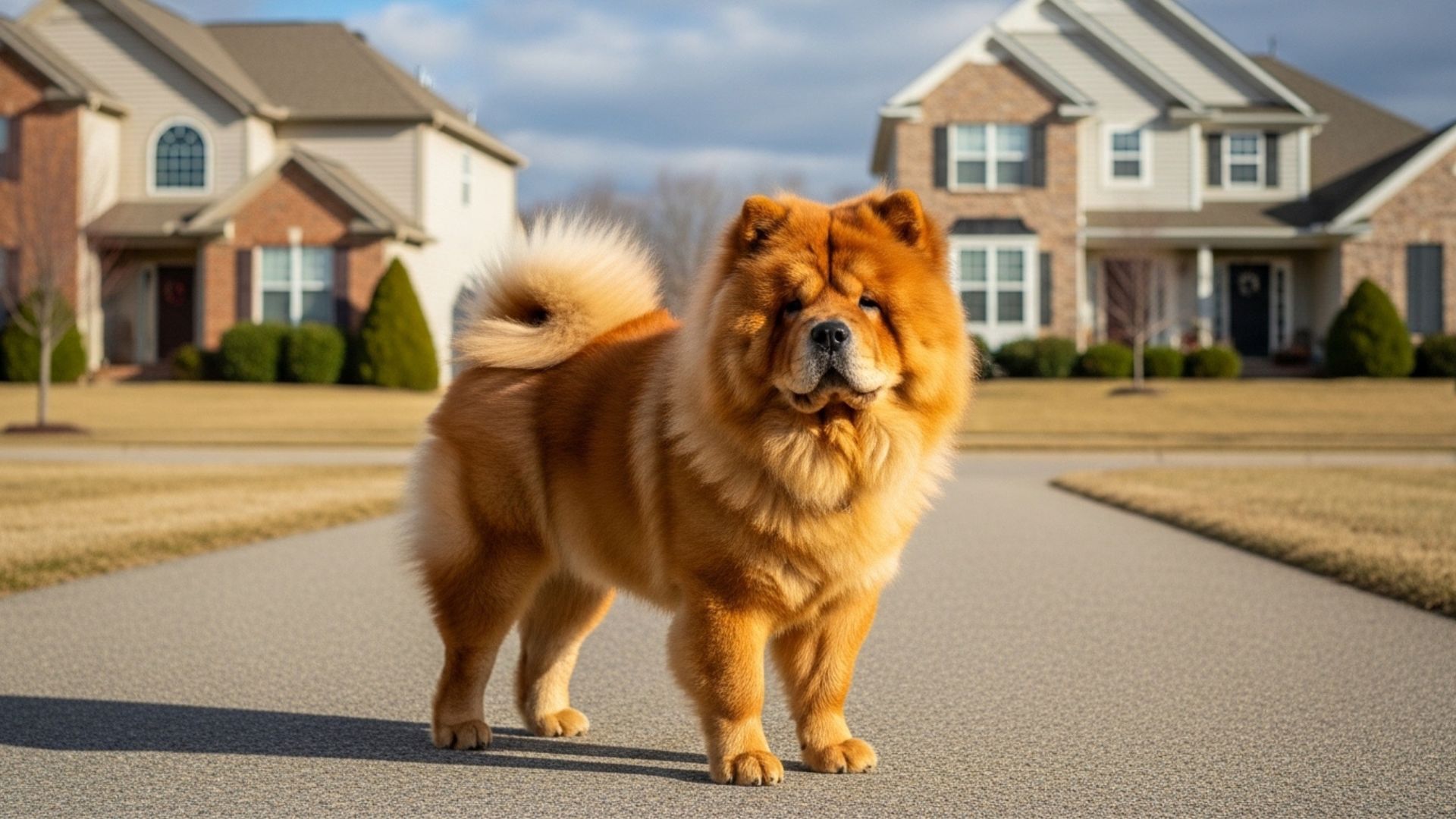
Ever notice how some dogs look like they were hand-painted with a very enthusiastic brush?
From bold patterns to unexpected markings and striking blends, canine coats can feel like moving artwork. Some shades even play tricks on your eyes, shifting in the light and looking completely different up close. One thing is certain: when it comes to dog coats, boring is never part of the plan.
And here is the fun part. Coat color is all about genetics, which means puppies in the same litter can show up wearing completely different outfits. Ready to meet the standouts that truly turn heads at the dog park?
Did you know?
Dogs are not totally colorblind. They can see blues and yellows, and while their color range is smaller than ours, they are surprisingly great at seeing in low light, which explains how they manage to spot things long after you have given up looking.
Top Dog Breeds With Distinct Color and Coat Traits
1. Australian Shepherd
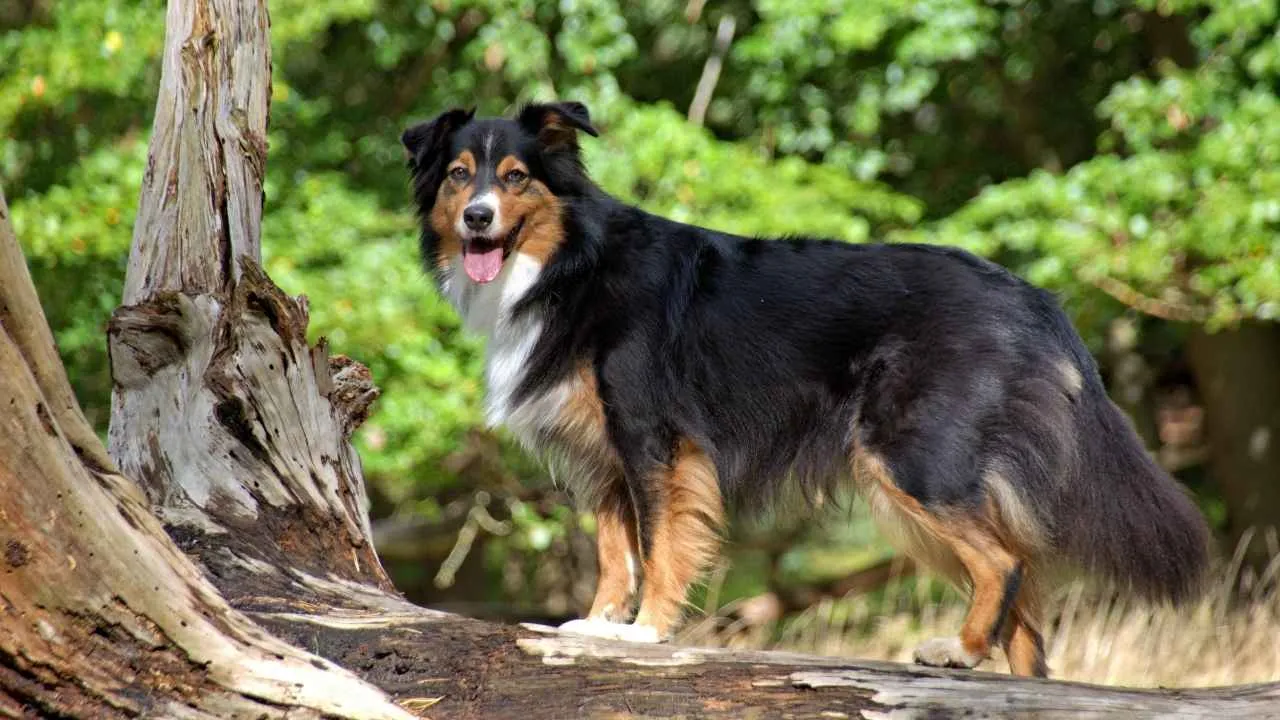
Cowboy confidence wrapped in motion, the Australian Shepherd has a stare that feels almost laser-focused. Quick on their feet and always alert, this medium-sized dog carries that ready-to-work attitude everywhere, even when the job is simply supervising the backyard.
The Australian Shepherd’s roots trace back to hardworking European herding dogs later refined on American ranches. They were shaped to manage livestock with focus and precision, and that instinct still runs deep. It is not something they learn; it is simply built in.
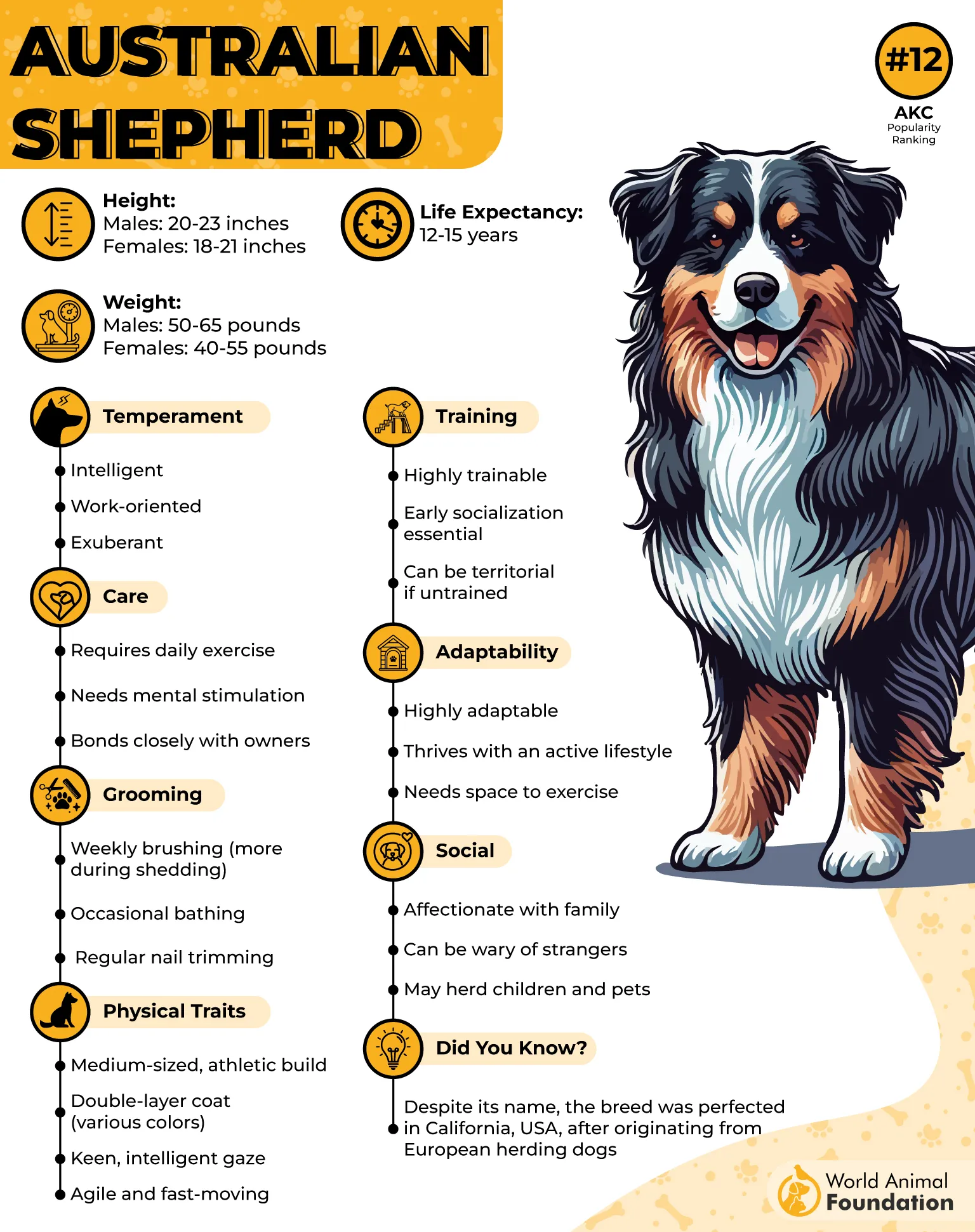
Their double coat comes in striking patterns, including red merle or blue mixed with white and tan markings, creating a bold and eye-catching look. Weekly brushing keeps that waterproof layer looking sharp, and during shedding season, an undercoat rake helps manage the steady wave of loose hair.
Special Considerations For this Breed
Needs structured training early to channel strong work drive productively
Can become territorial or overprotective without proper socialization
2. Border Collie
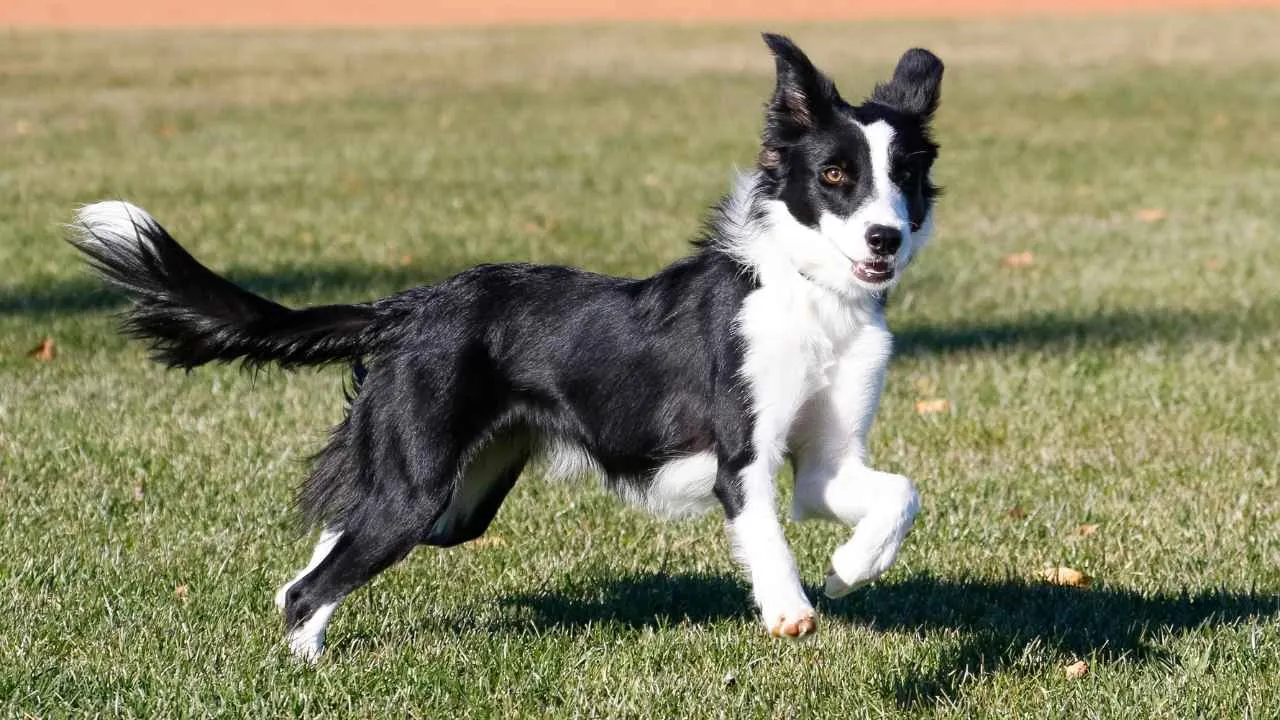
A Border Collie does not simply enter a room. It scans it. Every movement gets clocked, every sound noted. That sharp mind, paired with quick feet, makes this breed feel like it is always one step ahead of everyone else.
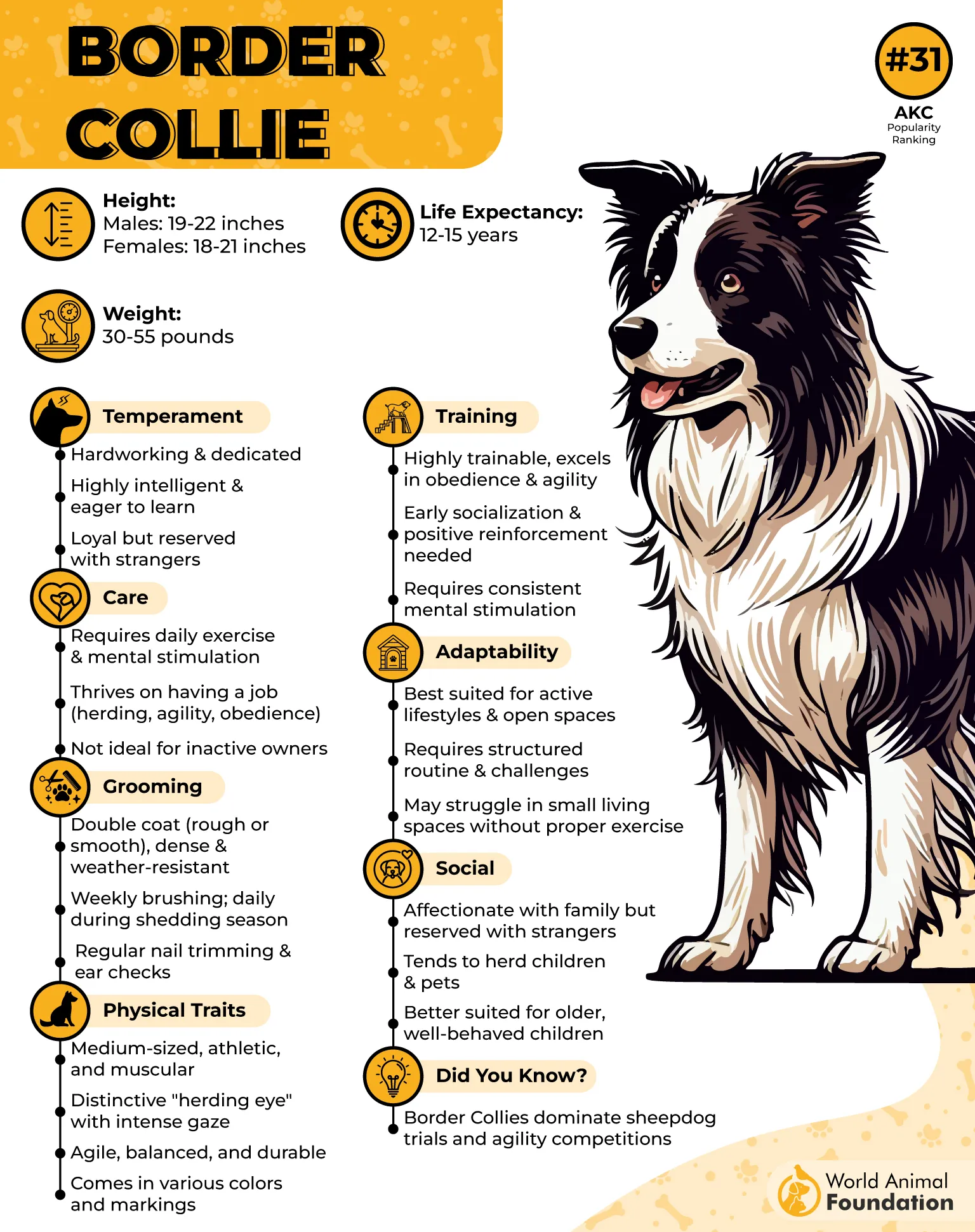
Color-wise, they bring plenty of options. Black and white is classic, but lilac, blue, and merle coats, including red merle and blue merle, also appear, each adding a different twist. The merle pattern creates a marbled effect that makes their coat look almost painted.
As noted by PetMD, Border Collies have a medium-length double coat that sheds regularly. Brushing two to three times a week and monthly baths help prevent mats and manage loose hair, keeping that active dog looking neat.
Special Considerations For this Breed
Not suited for sedentary households or minimal exercise routines
Can develop obsessive behaviors like excessive barking if bored
3. Dalmatian
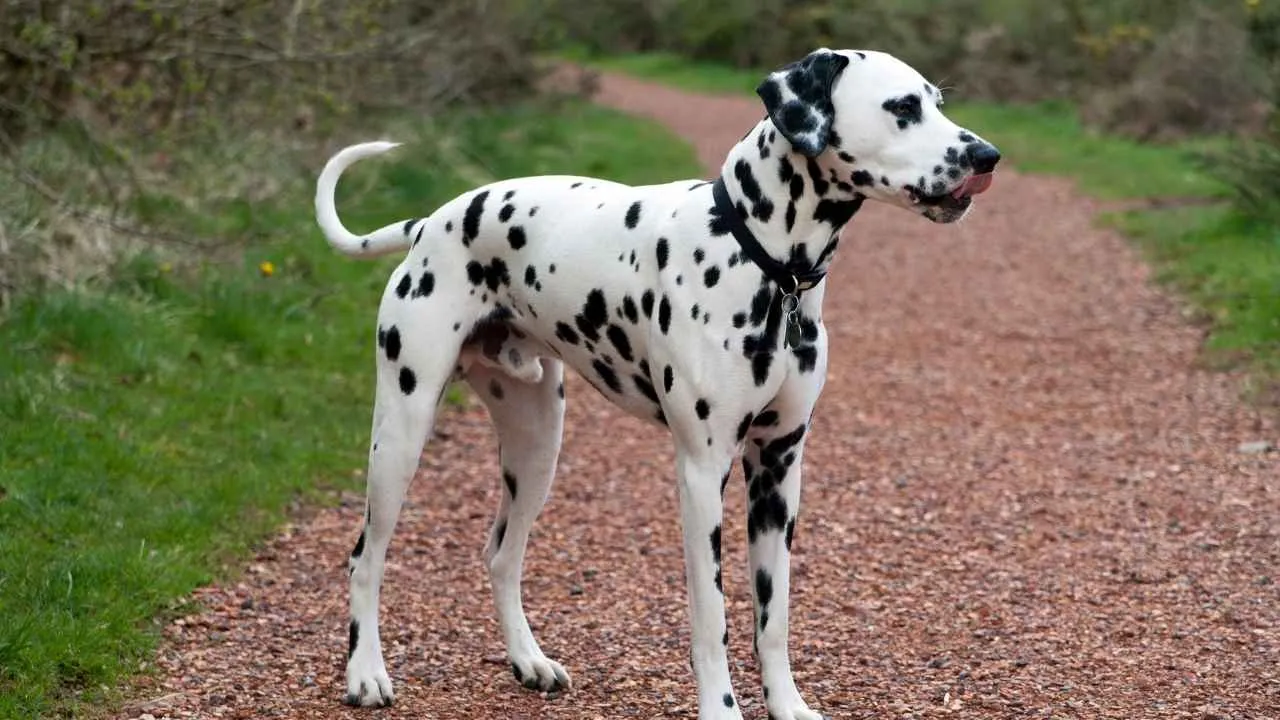
Few dogs own their look quite like the Dalmatian. Those crisp black or liver spots splashed across a bright white coat make them instantly recognizable, and their history as coach dogs gives them an air of old-world flair.
The dark patches are not random smudges. Each Dal wears a unique pattern over a sleek, muscular frame built for distance, a nod to their days trotting beside horse-drawn carriages.
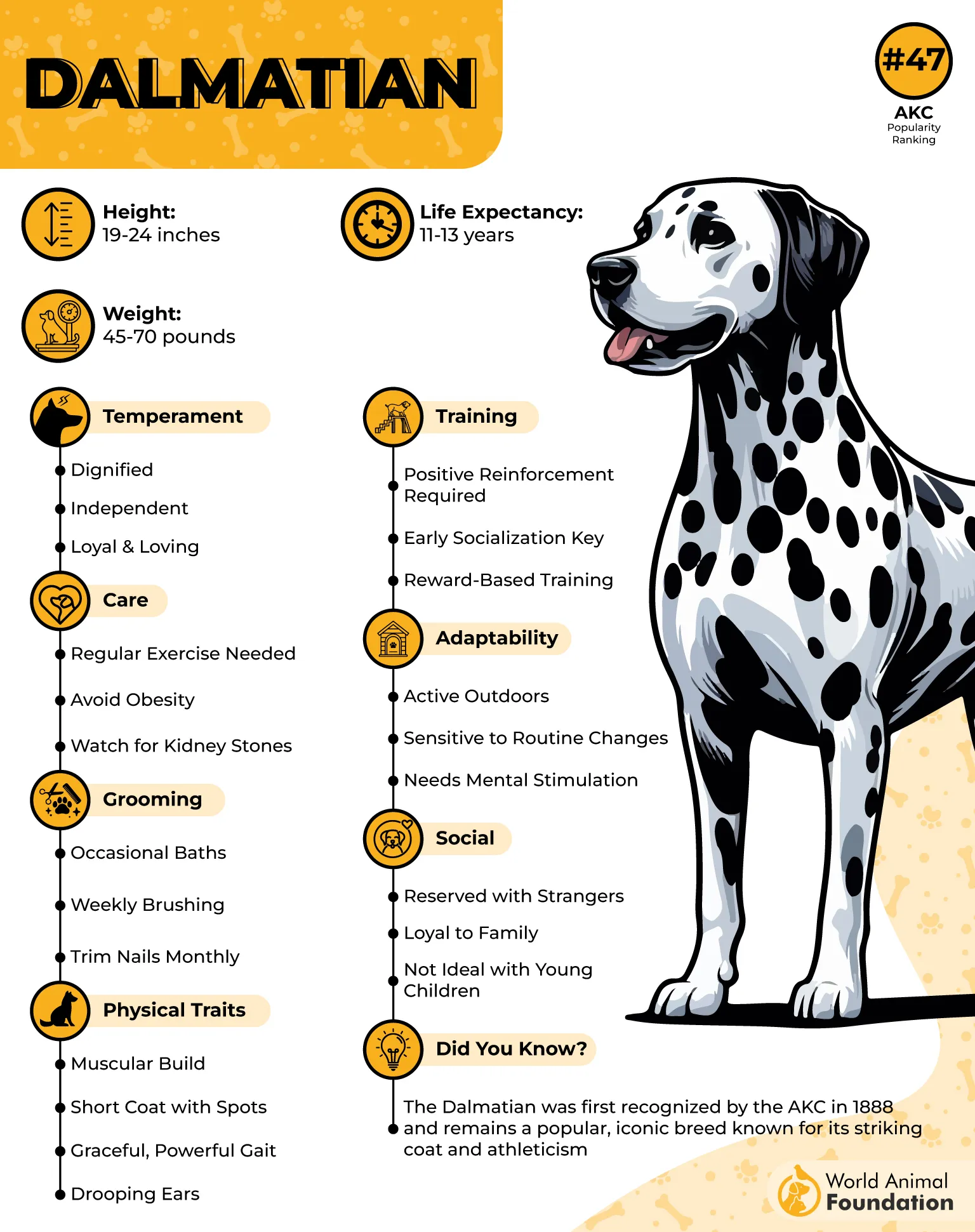
That eye-catching coat is surprisingly low-maintenance. Weekly brushing and occasional baths keep the smooth coat in good shape, and regular ear checks are important since those floppy ears can collect debris over time.
Special Considerations For this Breed
Deafness screening is important, as hearing issues can occur in the breed
Sensitive temperament responds best to positive, reward-based training
4. Catahoula Leopard Dog
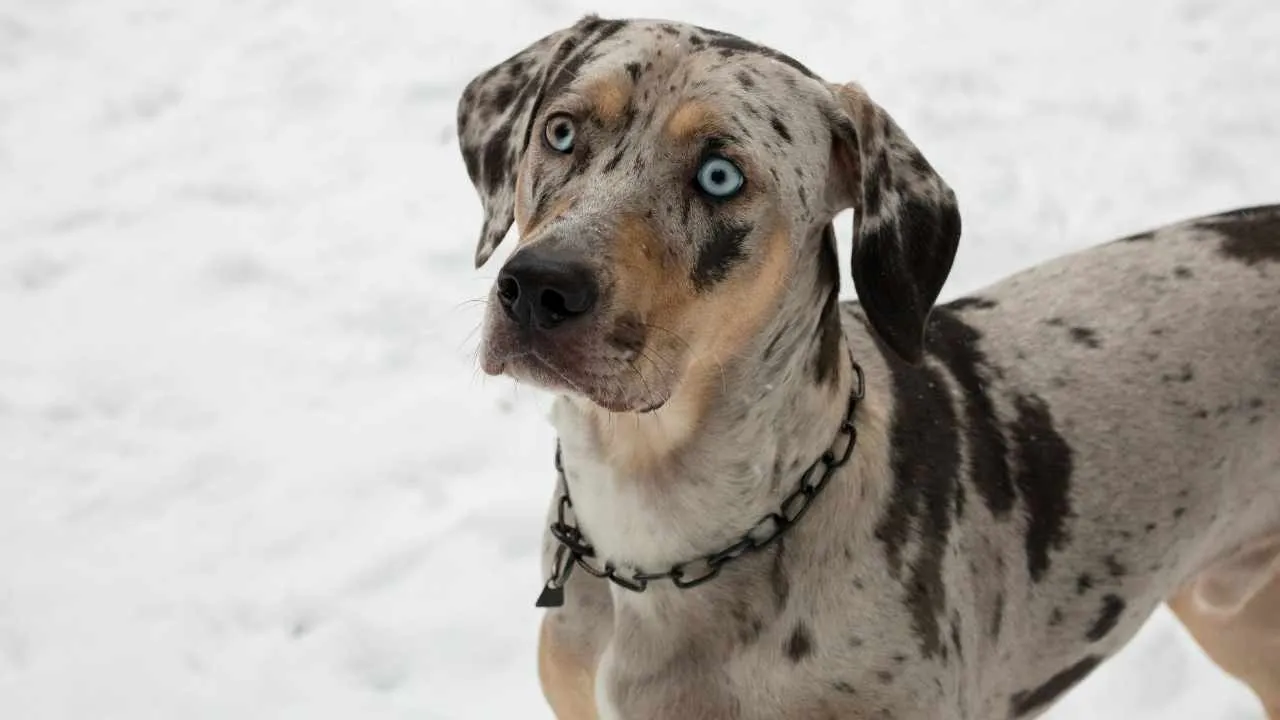
Louisiana really showed off with this one. The Catahoula Leopard Dog turns heads with wildly varied coat patterns and striking eye colors that make every single dog look like a custom creation. No two ever seem to walk in wearing the same design.
Living with this breed means earning their respect first. Once they understand their place in the household, they become affectionate, loyal, and can make great companions. Clear boundaries and early socialization matter because without them, their protective and territorial instincts can quickly take over.
Hip dysplasia, deafness, and eye concerns are some health issues that have occasionally appeared in the breed. Most Catahoulas are healthy, but responsible breeding and genetic testing help reduce risk and give owners a clearer understanding of potential concerns.
Special Considerations For this Breed
Not suited for apartment living or city environments
Needs firm guidance from an experienced handler
5. Afghan Hound
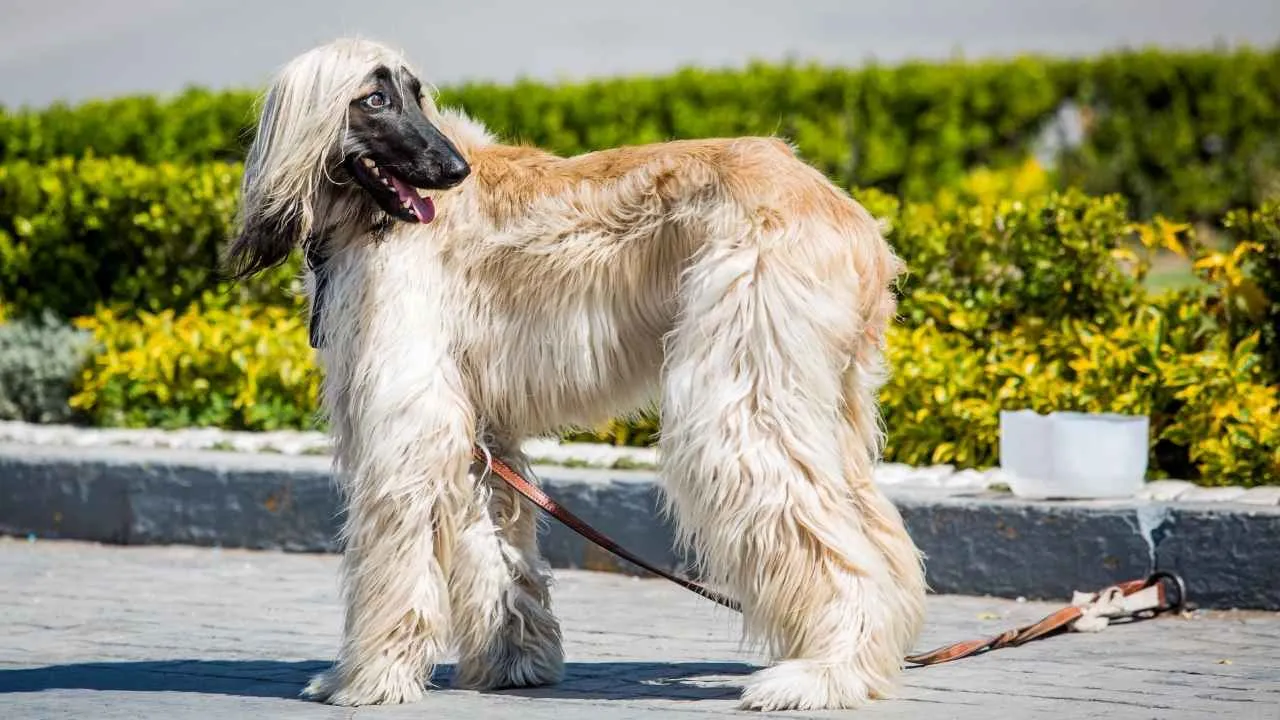
Long, silky hair flowing as it belongs in a shampoo commercial, and then suddenly a burst of goofy energy. Recognized as a breed by the AKC in 1926, the Afghan Hound balances aristocratic beauty with an unexpectedly playful streak, all wrapped in one of the most dramatic coats in the dog world.
Their origins trace back thousands of years across the mountainous regions of Afghanistan, India, and Pakistan. Revered as hunting companions and status symbols, they relied on keen vision and explosive speed to pursue prey across unforgiving terrain.
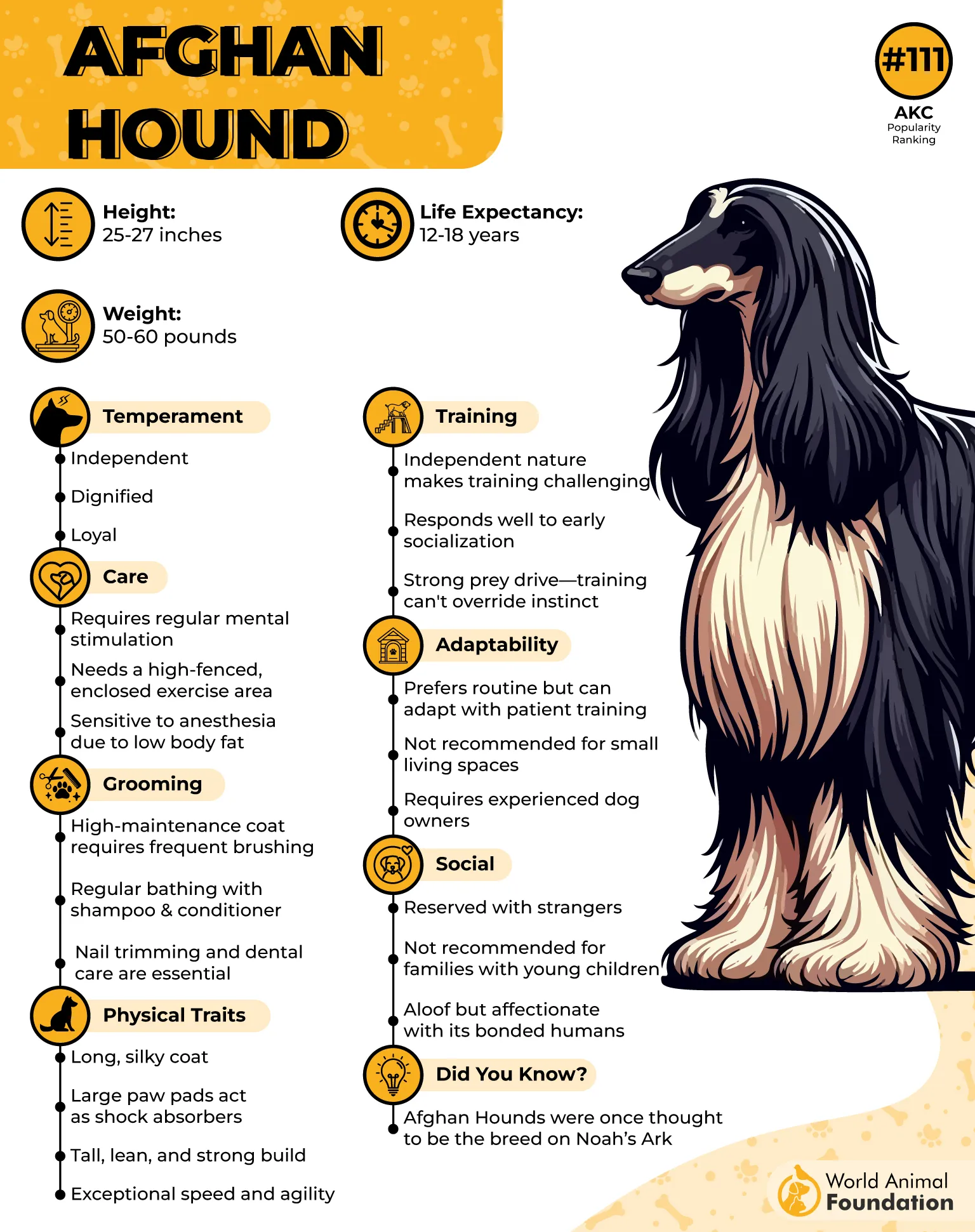
Independence defines their approach to learning. Basic commands are usually enough for daily life, and housetraining can come smoothly because they bond deeply, yet that powerful chase instinct will always remain close to the surface.
Special Considerations For this Breed
Deep-chested build requires owners to understand bloat warning signs
Needs several hours of weekly brushing to prevent mats
6. Siberian Husky
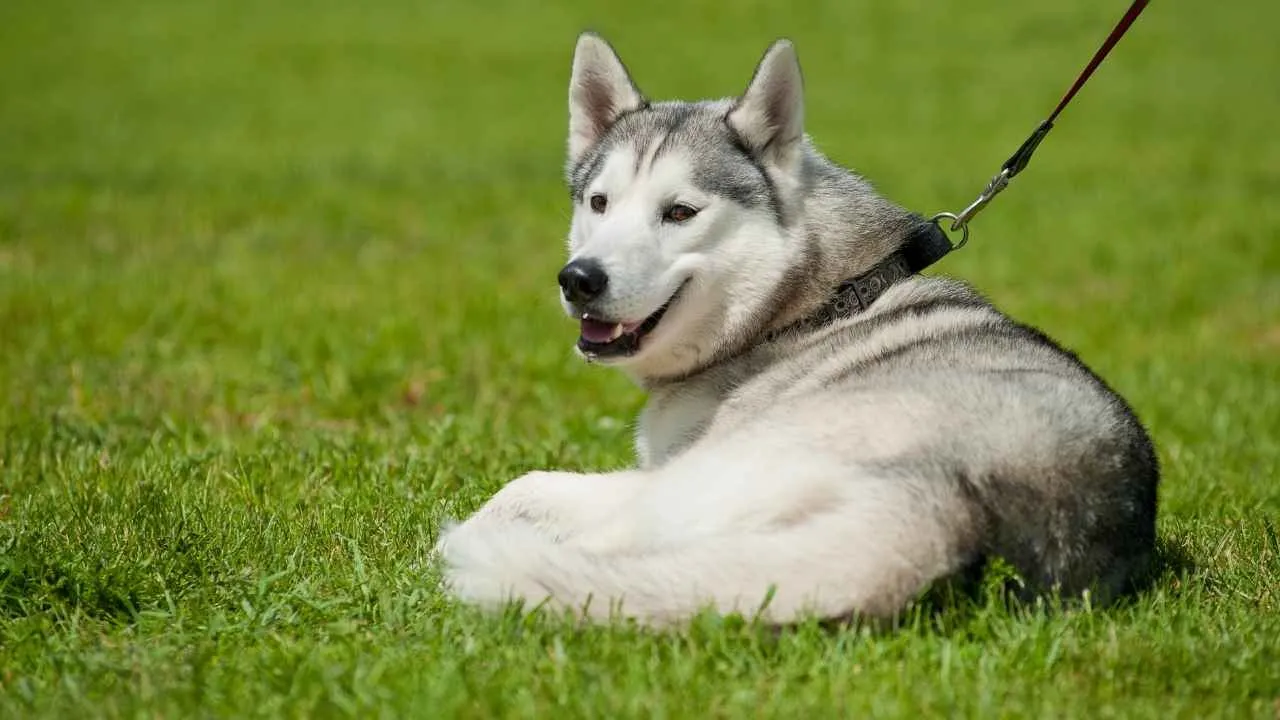
Cold weather royalty with almond-shaped eyes that may be brown, blue, or even one of each. The Siberian Husky was developed to pull light loads across frozen expanses, and that thick double coat still hints at its northern heritage.
Coat colors range from black and white to gray, red, sable, and pure white. Some show bold dark patches or banded guard hairs, giving the coat depth and contrast that makes each Husky look slightly different from the next.
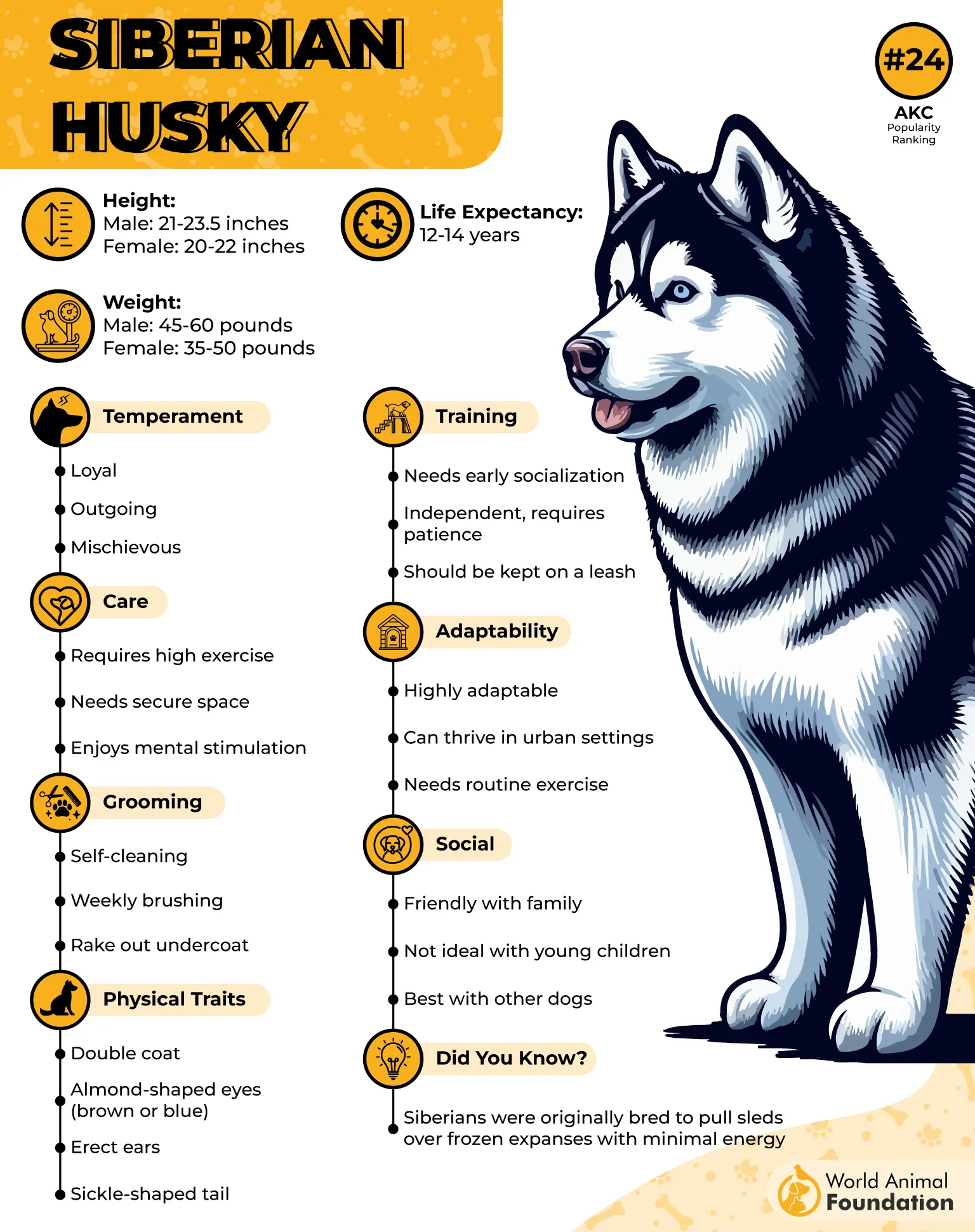
As mentioned by Purina, Siberian Huskies need a considerable amount of daily exercise, ideally over two hours, along with safe opportunities to run. Because they have a powerful urge to bolt, secure fencing and supervised outdoor time are essential.
Special Considerations For this Breed
Not ideal for homes with close neighbors due to howling
They have high energy levels and are best suited to active families.
7. Chow Chow
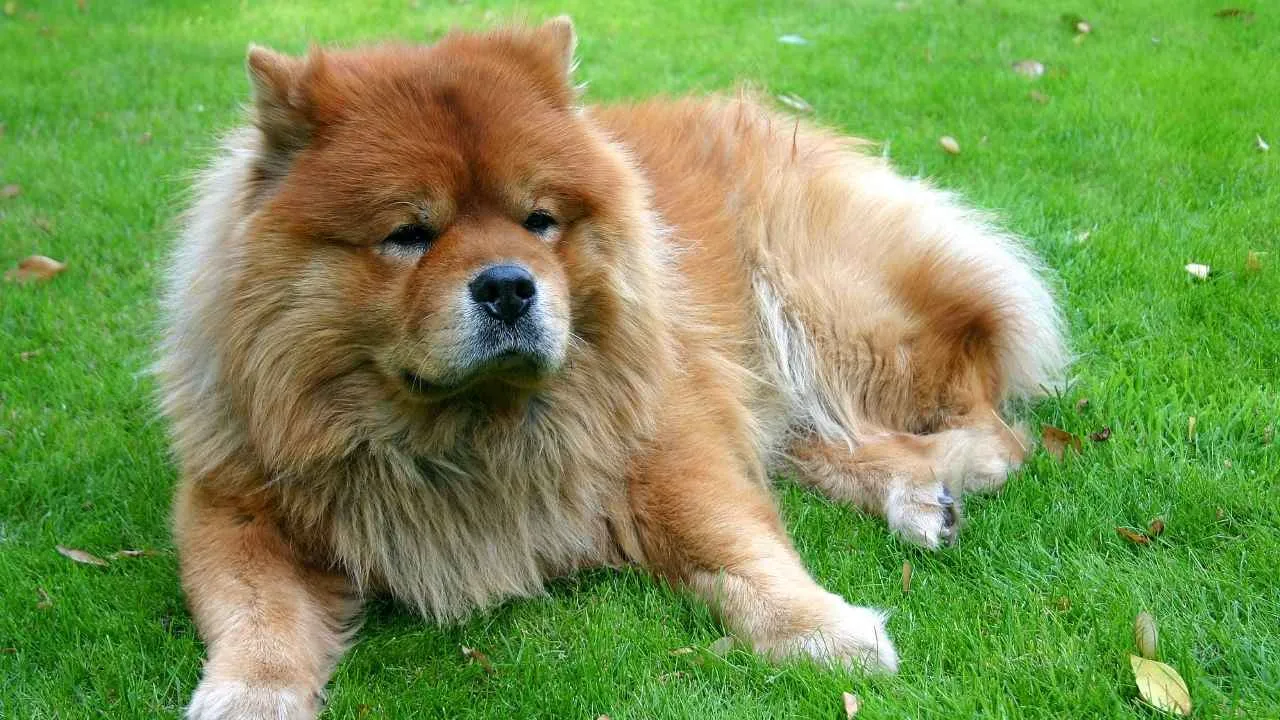
A walking cloud with a serious expression, the Chow Chow creates one of the most unforgettable outlines in the dog world. Its dense, fluffy coat frames the head with a dramatic ruff, giving this ancient Northern Chinese breed a bold, lionlike presence.
Standard colors include red, black, blue, cinnamon, cream, and white. These shades are solid or softly shaded, never patchy, and subtle pigment differences in the nose and tongue add even more character to an already striking appearance.
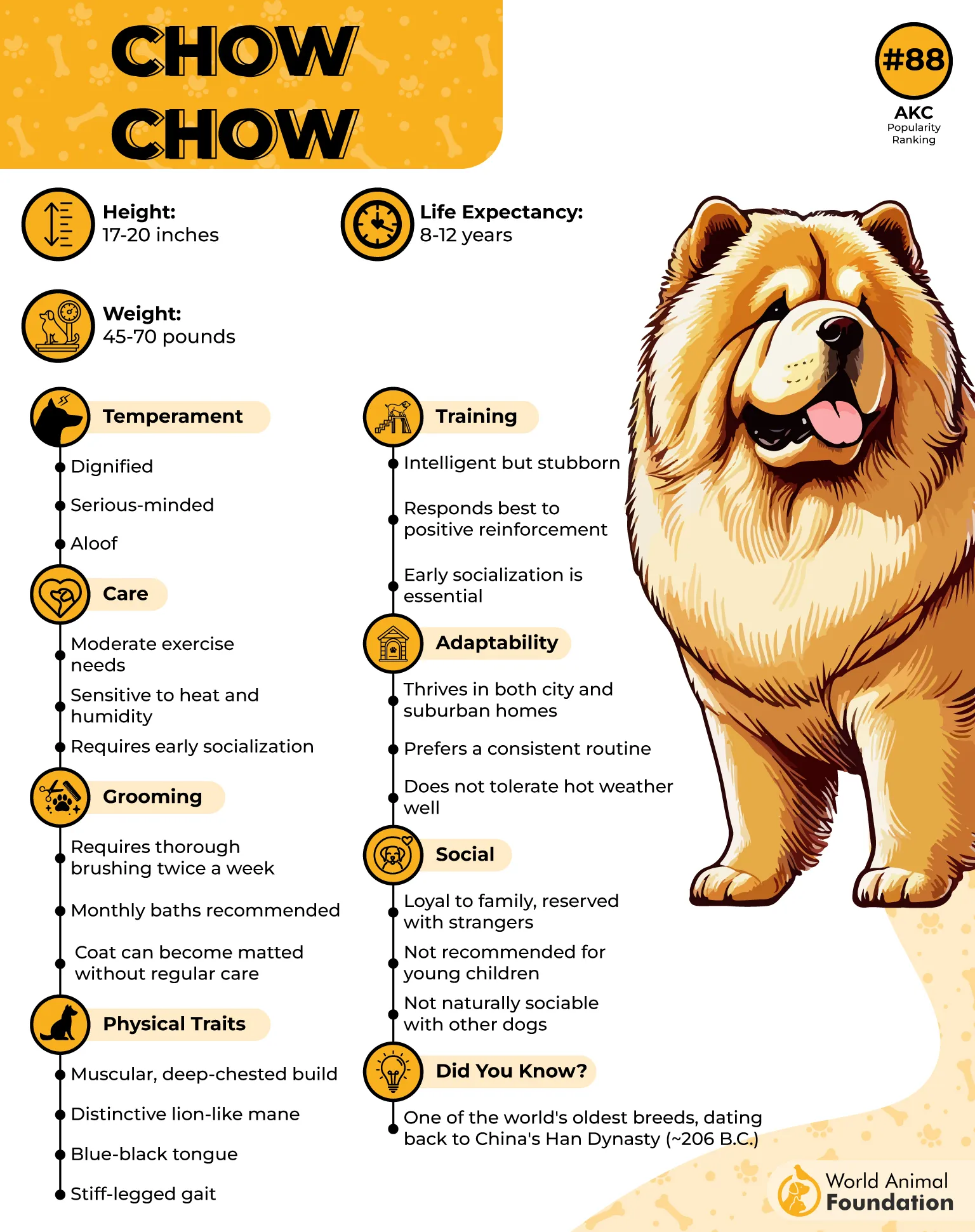
The coat is profuse, abundant, and straight, with a coarse outer layer and a soft, woolly undercoat beneath. Regular brushing is essential to keep it clean, prevent tangles, and maintain the impressive fullness around the neck and hindquarters.
Special Considerations For this Breed
Cream dogs may experience noticeable nose color fading
Diluted pigment can affect tongue and eye coloration
Conclusion
Certain dogs wear their personality on their sleeve. Others wear it in swirls, spots, silver overlays, or flowing silk. Some of the most colorful dog breeds show how color and texture can be just as expressive as temperament, turning every coat into a statement all its own.
At the end of the day, it is not only about which coat turns heads at the park. It is about which dog fits your lifestyle, your energy, and your heart. Take your time, learn what makes each one tick, and choose the companion that feels right.
If you are further interested in such wonderful breeds, some other dogs you can look up include Bull Terrier, Great Dane, Irish Setter, and Alaskan Malamute.
