




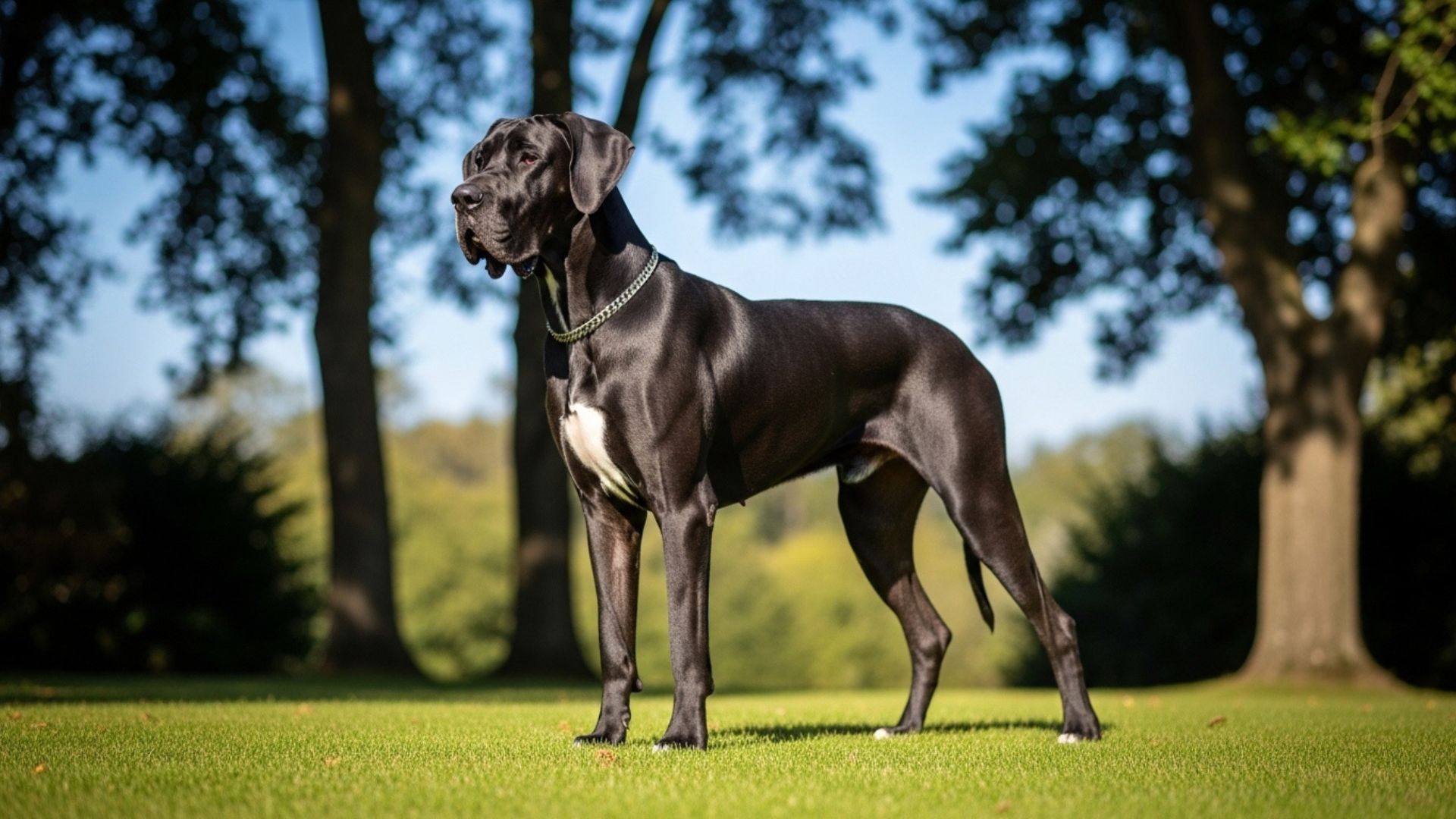
Falling in love with a dog is easy. Thinking about a shorter time together is the hard part. Some breeds are more likely to have brief lives because of traits tied to size, body shape, and inherited health risks.
This guide breaks down the topic in a clear, kind way without the gloom. You will learn what can influence lifespan, how to spot responsible breeding practices, and what daily care habits can help your dog feel their best.
Whether you are choosing a new companion or caring for the one already snoring on your couch, the goal is the same: give them a healthy, happy life for every day you get together.
Dog Breeds with Brief Lives: A Comprehensive Guide
1. Dogue De Bordeaux
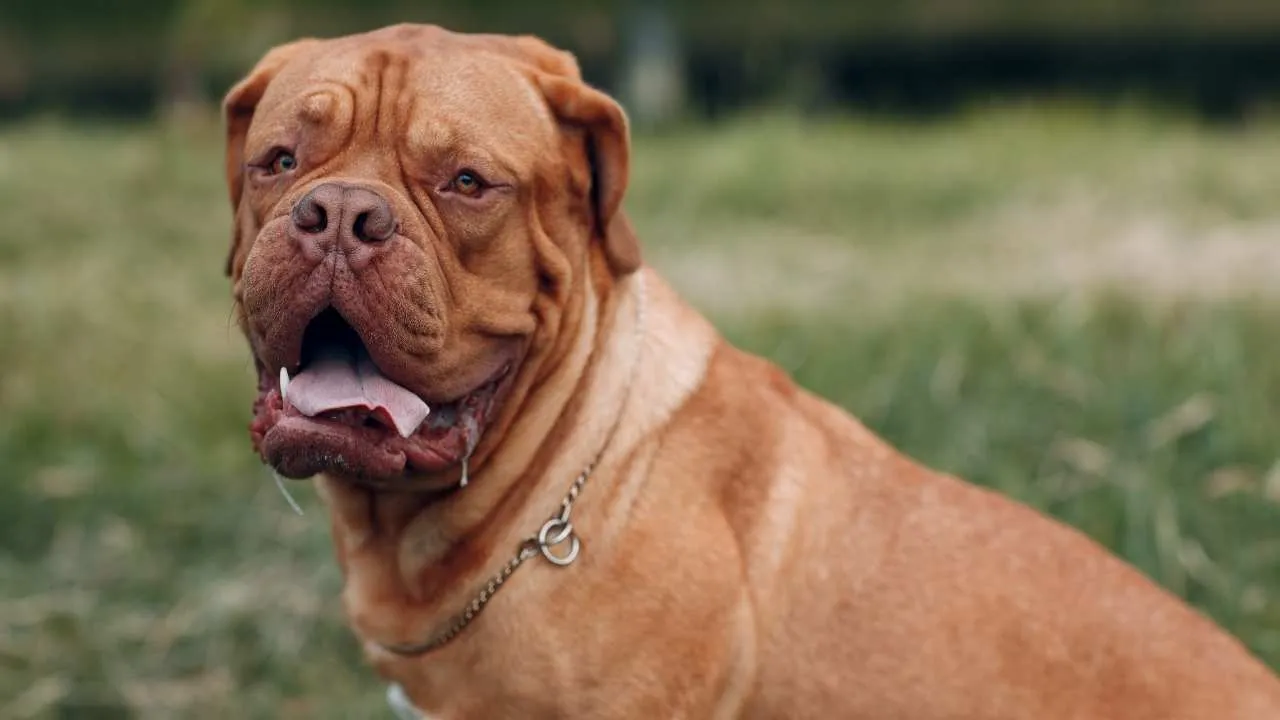
The Dogue De Bordeaux is one of the most ancient French dog breeds, and it was around long before France took its modern shape. This dog is known for real courage and a steady protective side, while still being famously loyal and affectionate with the people it calls family.
According to the AKC, the Dogue De Bordeaux is an immensely powerful mastiff-type guardian, with males reaching up to 27 inches and about 110 pounds.
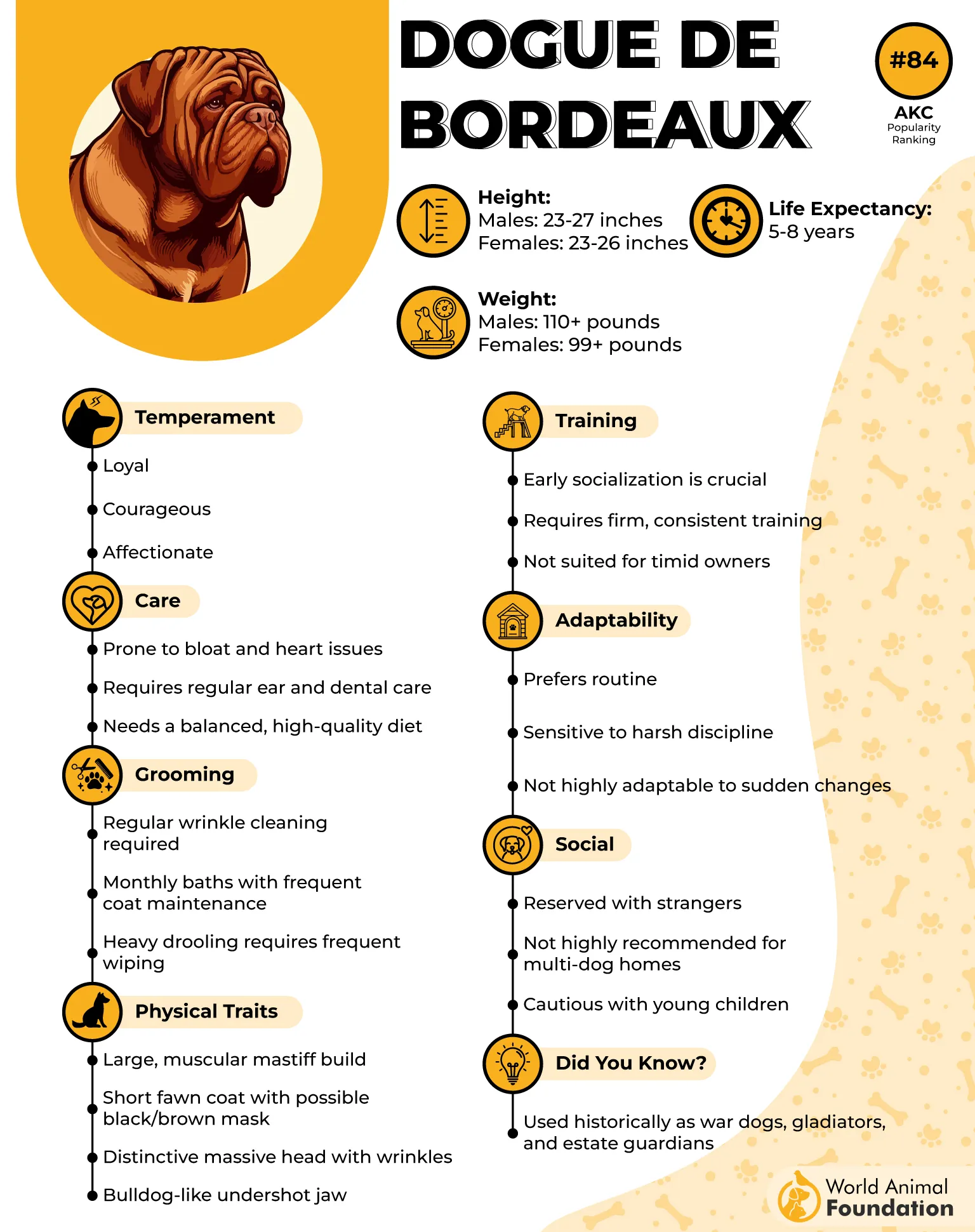
The short coat is a richly colored fawn, and the massive head stands out with an undershot jaw, expressive eyes, and a deeply furrowed brow. For many dog owners, the look alone says, “Yes, this dog means business.”
A Dogue De Bordeaux with proper temperament is often described as sweet and sensitive, but also stubborn.
Owners say firm training in puppyhood matters, especially with a young dog that may try to take charge. Finding a responsible breeder is a crucial beginning step for anyone building a safe, healthy life with this pet.
Why This Breed Is a Good Fit
If you like a calm home vibe, this dog can suit a family lifestyle while still acting protective when it counts.
With basic training and clear rules early, many owners find that the loyalty feels like unconditional love with extra muscle.
It helps to create a routine that includes gentle exercise and simple grooming, because this dog appreciates structure.
2. Bullmastiff
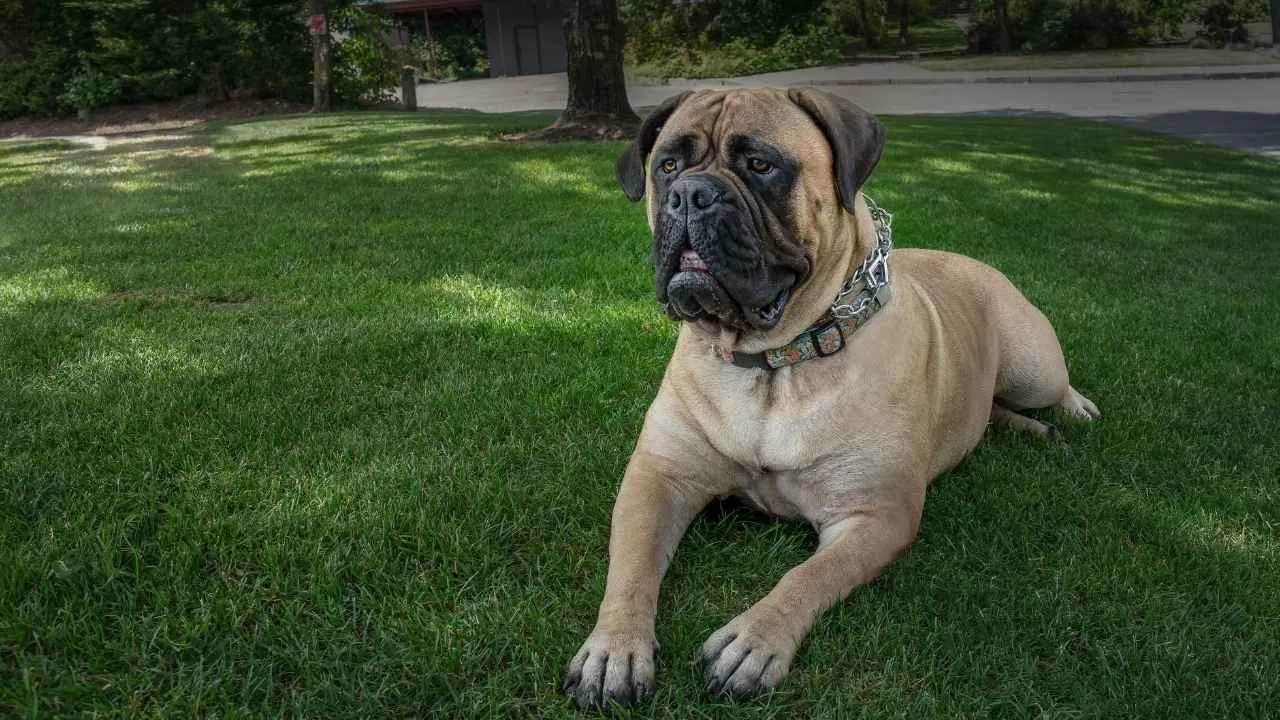
The Bullmastiff is a loyal, affectionate, and giant dog breed that tends to form tight bonds with humans. It was created with guarding in mind, so this dog often takes its job seriously, even when it is simply watching the front door like a devoted friend.
British gamekeepers developed Bullmastiff dogs in 1860 to act as guardians against poachers and to respond well to cues, as per PetMD.
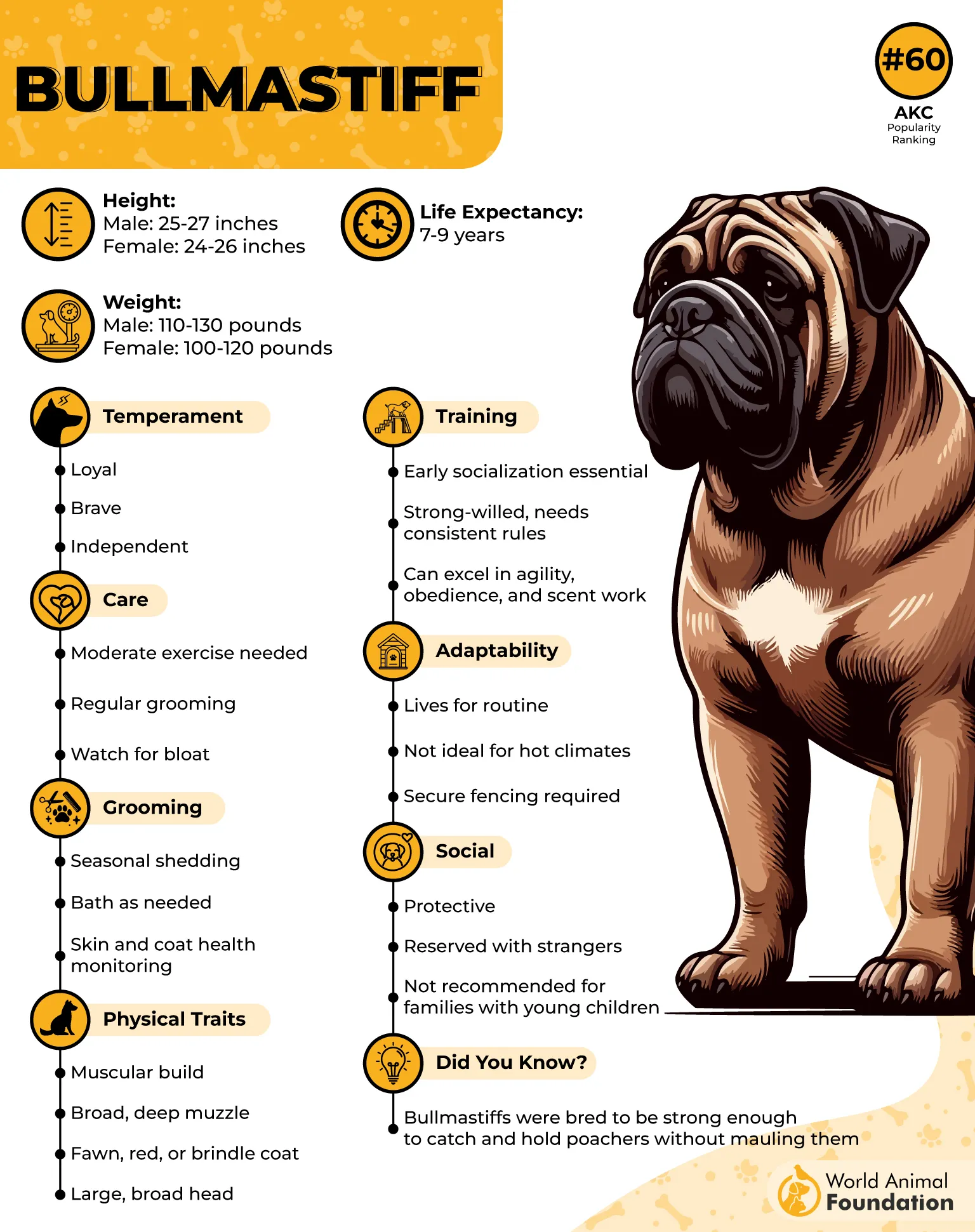
This breed is impressively built, typically weighing 100–130 pounds and standing 24–27 inches at the shoulder, depending on gender. In a complete dog breed book, this kind of size is usually listed as a real commitment for owners.
You will notice the large, broad head, V-shaped ears, dark eyes, and muscular build. The short, dense coat comes in fawn, red, or brindle, which keeps grooming fairly simple for a big dog. Training should start early, so behavior stays polite around children and the rest of the household.
Why This Breed Is a Good Fit
If you want a protective pet that still acts lovingly, this breed can deliver companionship without acting silly all day.
A steady routine of exercise and training helps suit busy owners who like a clear plan and quick wins.
The short coat makes grooming feel less like a project and more like a quick “grab the brush and done” moment.
3. Irish Wolfhound
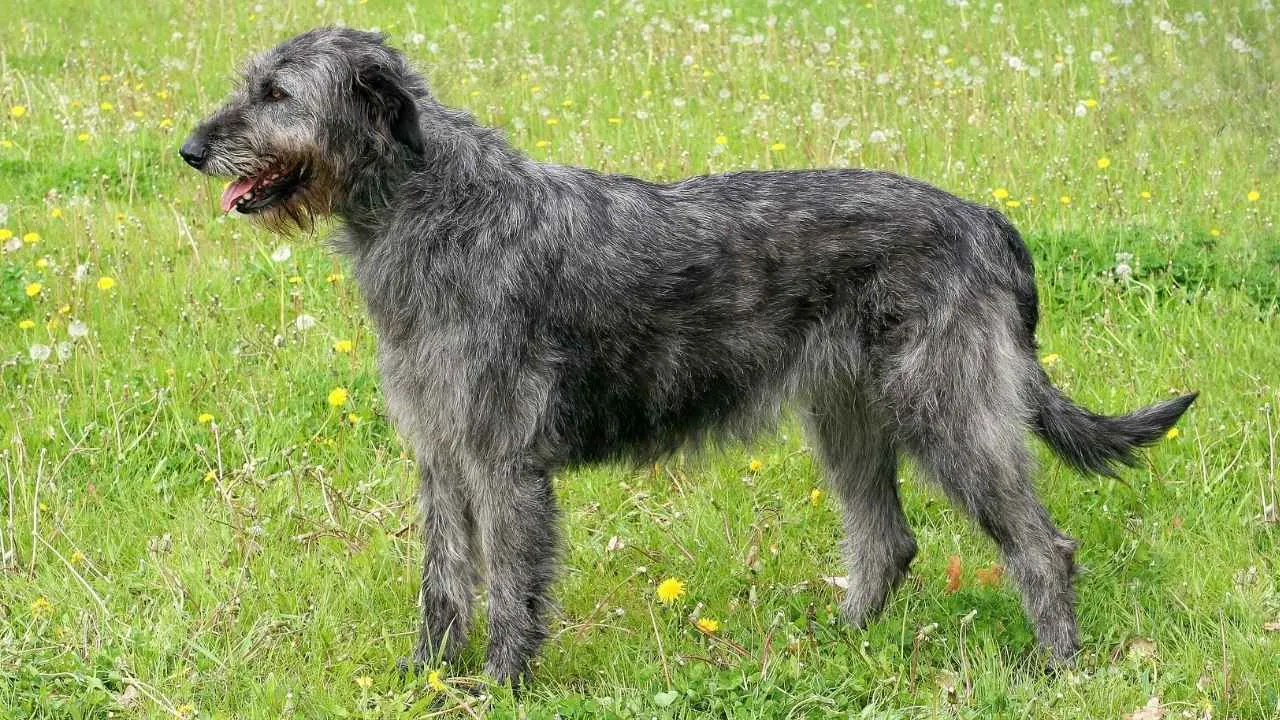
The Irish Wolfhound is calm, dignified, and kindly, and it is described as the tallest of all AKC breeds. This dog once worked as a fearless big-game hunter, but today it is known as a serene companion that fits quiet homes and patient people.
Irish Wolfhound is immense and muscular, built with graceful lines and capable of great speed at the gallop. A male can stand nearly 3 feet at the shoulder and weigh up to 180 pounds, while females are smaller but still a whole lot of dog.
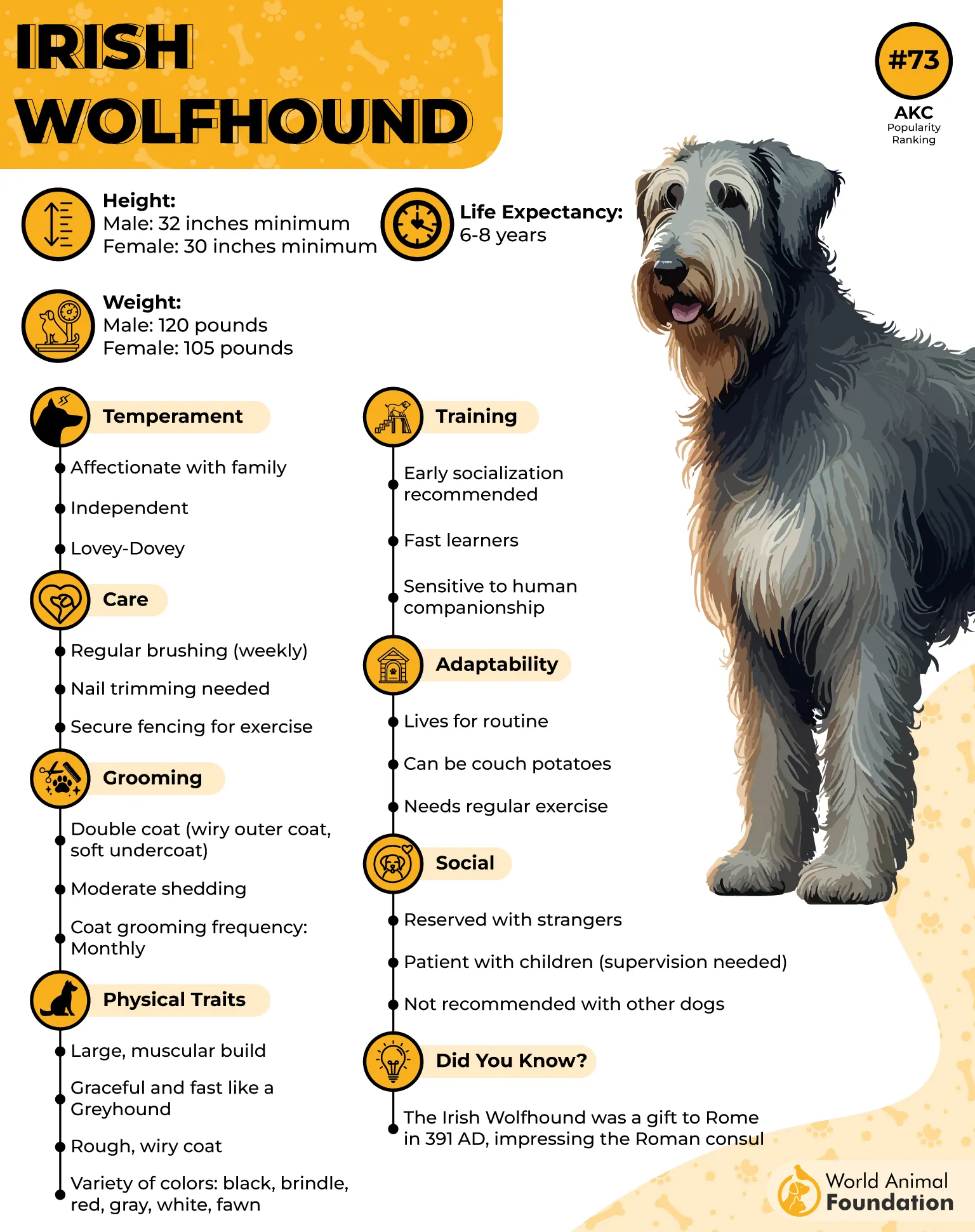
The rough, hard coat comes in many colors, including white, gray, brindle, red, black, and fawn. Irish Wolfhounds are often too serene to be fierce guard dogs, yet the sight of this dog can still deter intruders.
The breed is characteristically patient with kids, though supervision is important because of the dog’s size. For a dog lover reading a complete dog breed book, this is one of those popular breeds that feels like a gentle giant you build your routine around.
Why This Breed Is a Good Fit
If your family includes children, this dog’s patient personality can suit a home that values calm over chaos.
Owners who enjoy a simple, steady lifestyle may appreciate a pet that does not need constant hype to feel happy.
This breed’s presence is like having a polite bouncer who never asked for the job, but shows up anyway.
4. Great Dane
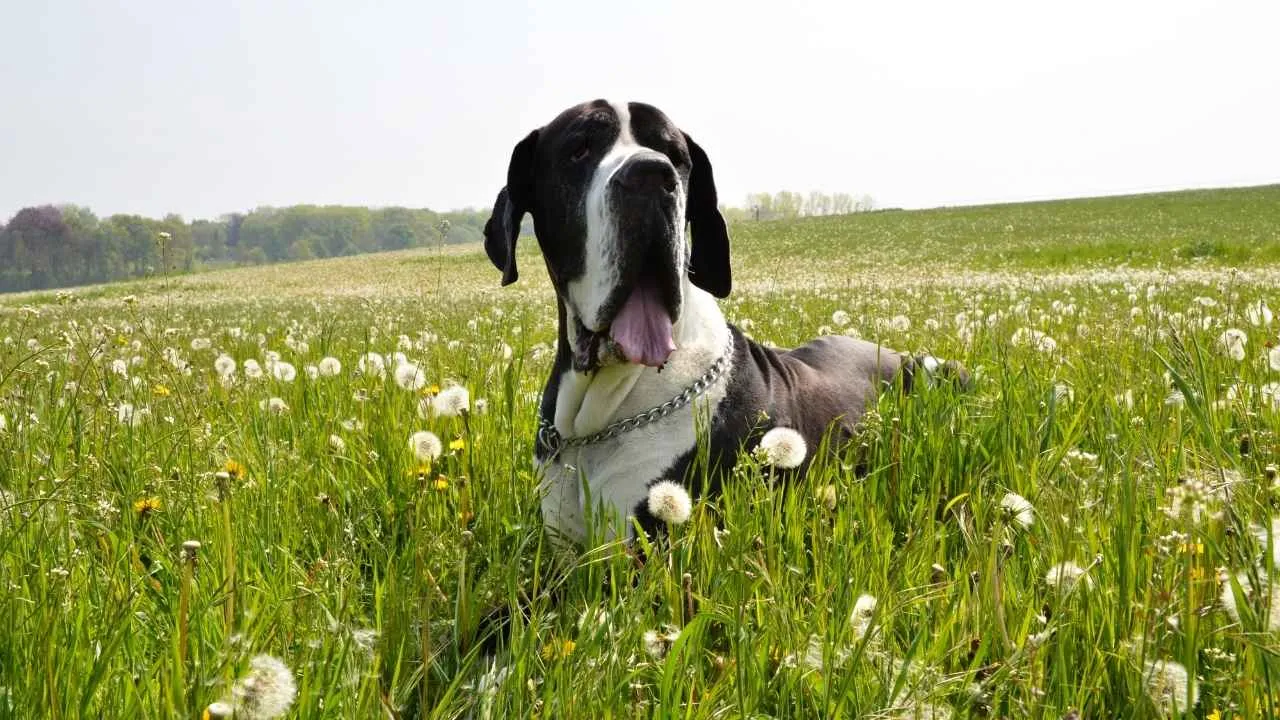
The Great Dane is a gentle giant originally bred in the 1800s for hunting wild boar and guarding estates in Germany. It remains a mystery how the name Great Danes stuck, since the breed has no roots in Denmark. In a comprehensive guide to dog breeds, that little twist is part of the fun history to share.
Despite the guardian background and the impressive Great Dane size, this dog is known for being kind and enjoying family life.
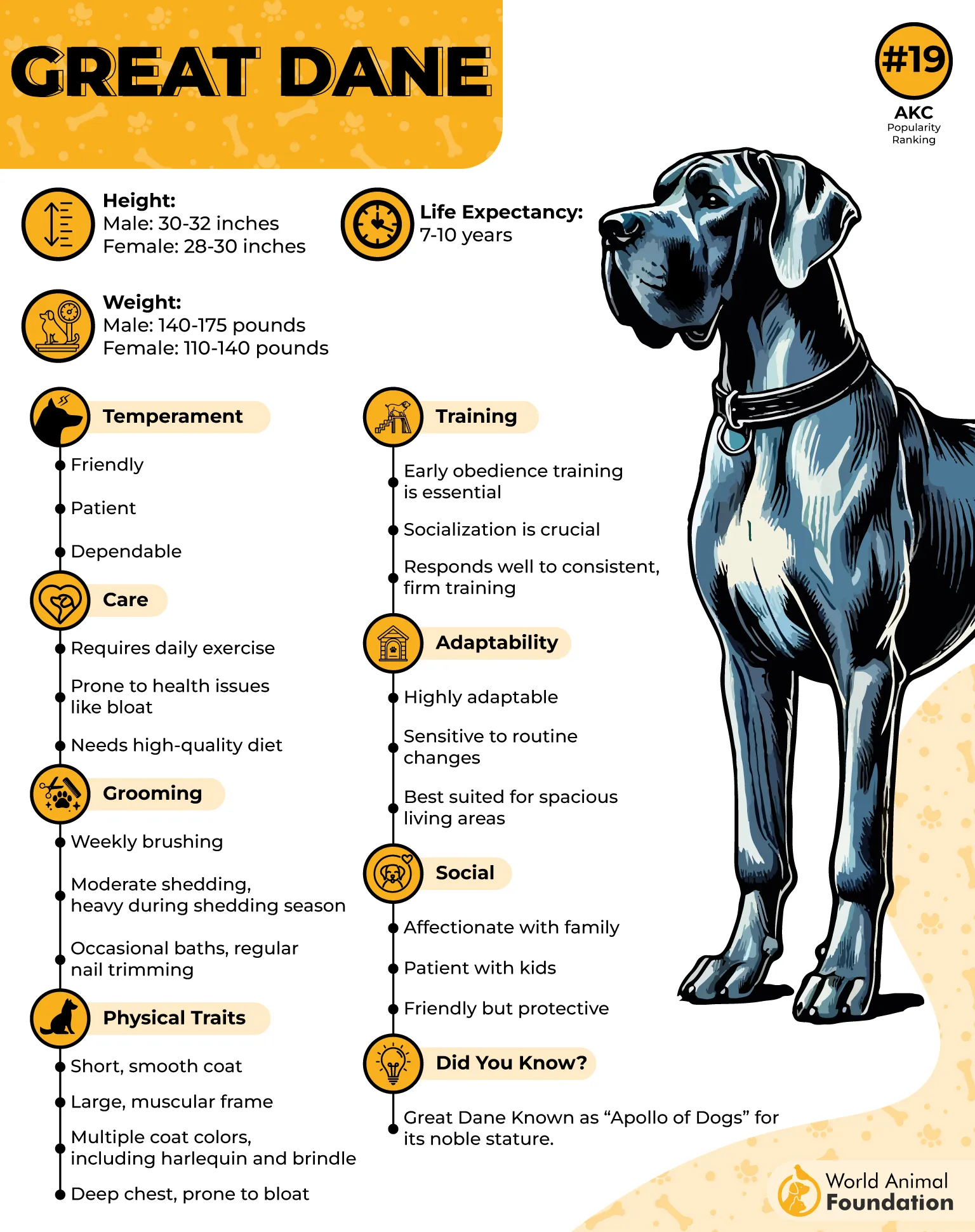
According to Hill’s Pet, Great Danes are nicknamed the “Apollo of dogs,” and they are the tallest in the working class of dog breeds. Many owners describe the vibe as affectionate and people-focused, which can feel like living with a very large shadow.
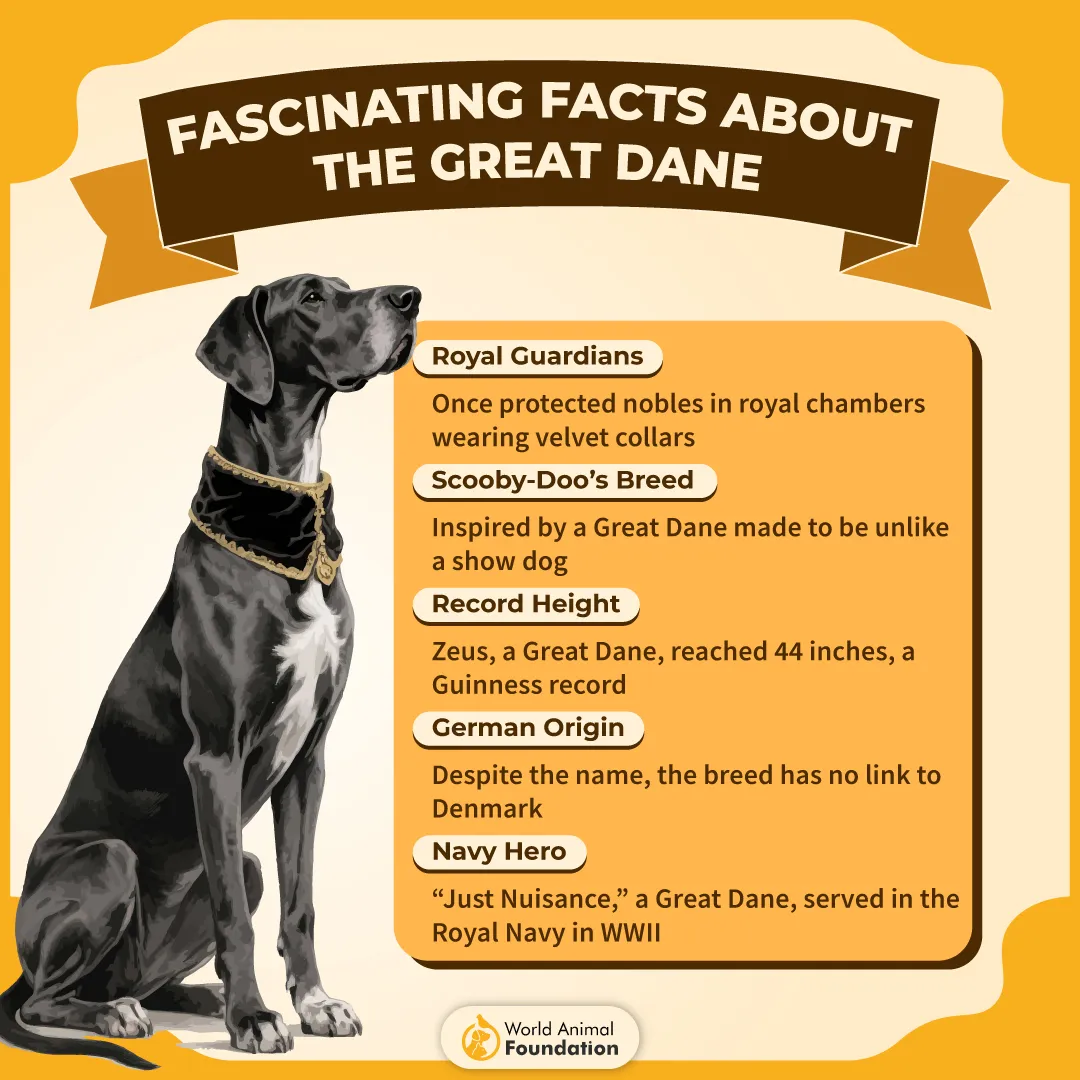
Because the breed is so big, training matters for everyday manners, especially around children and visitors. Starting at the beginning with basic training helps create a safer space at home and out on walks.
If you want a perfect dog for couch time and calm companionship, Great Danes can suit that goal, as long as owners respect the scale of the dog.
Why This Breed Is a Good Fit
Great Danes can suit a family setting when owners keep training consistent and keep greetings polite around kids.
If you like simple routines, steady exercise, and clear rules, they can help keep this dog’s behavior smooth.
Living with Great Danes can feel like sharing your home with a friendly horse that insists it is a lap dog.
5. Leonberger
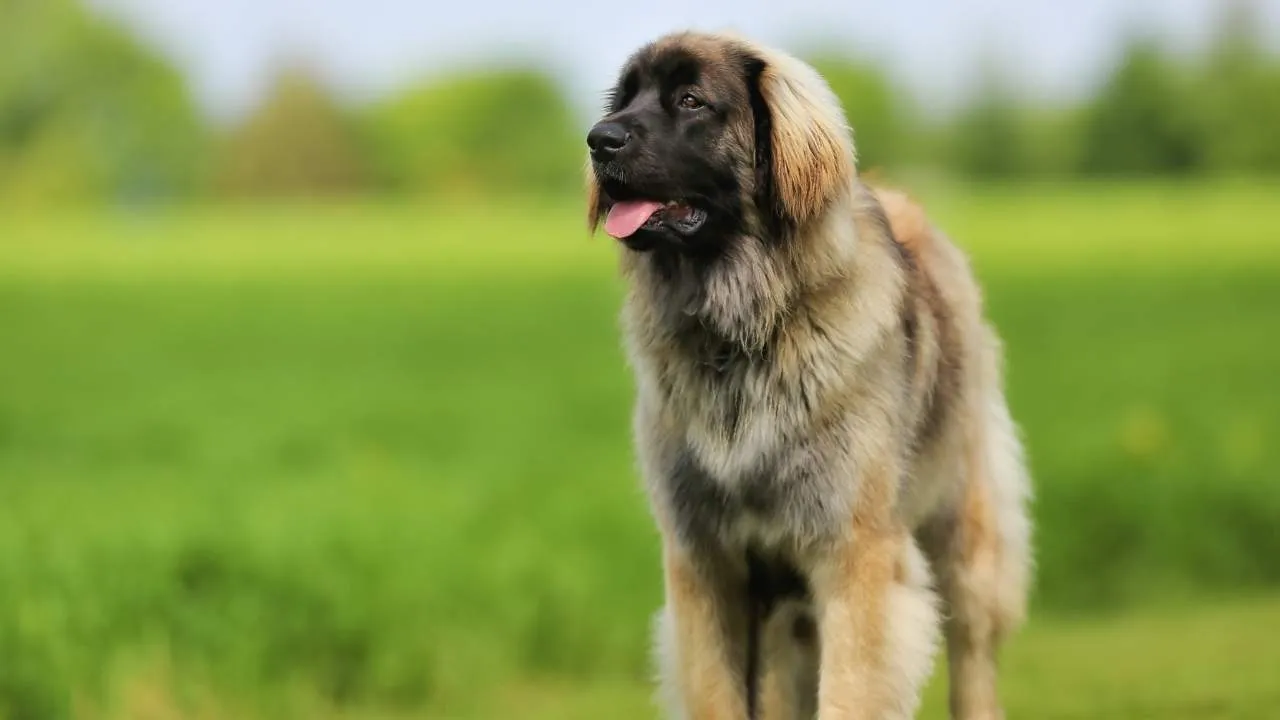
The Leonberger is a giant dog breed named after the town of Leonberg, Germany. Legend says the dog was developed in the 17th century to resemble the lions shown on the town’s coat of arms.
Over time, the breed became popular with European royalty, partly because this dog is known for a friendly temperament and a long coat.
The Leonberger also worked on farms, which shaped a capable, steady pet that stays close to its humans.
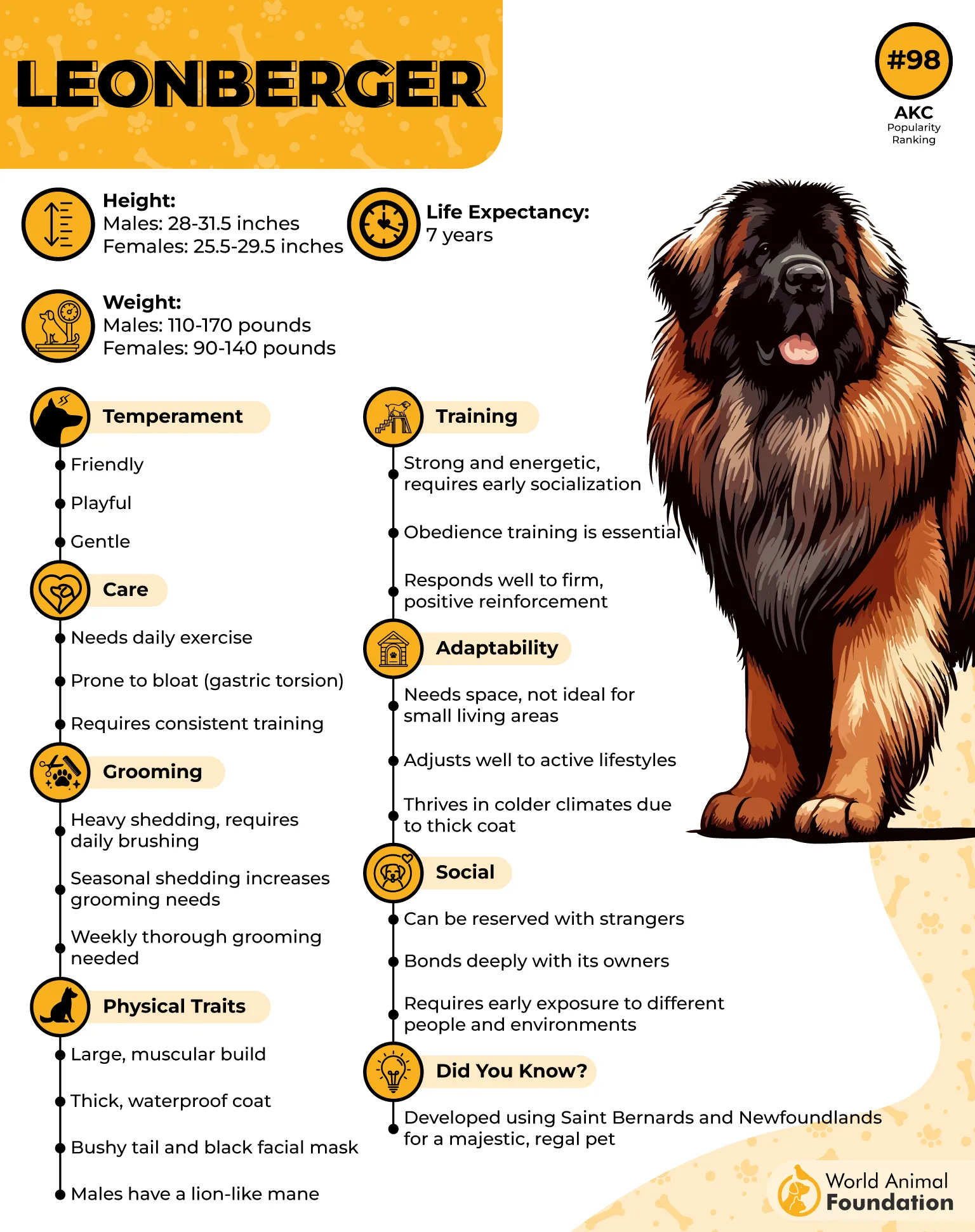
After nearly going extinct during World War I and World War II, the breed is now often found living as companion dogs and also working in search-and-rescue.
This breed stands about 25–32 inches tall and can weigh as much as 170 pounds. Because of that stature, the Leonberger’s life expectancy is shorter than that of the average dog, at only 7 years.
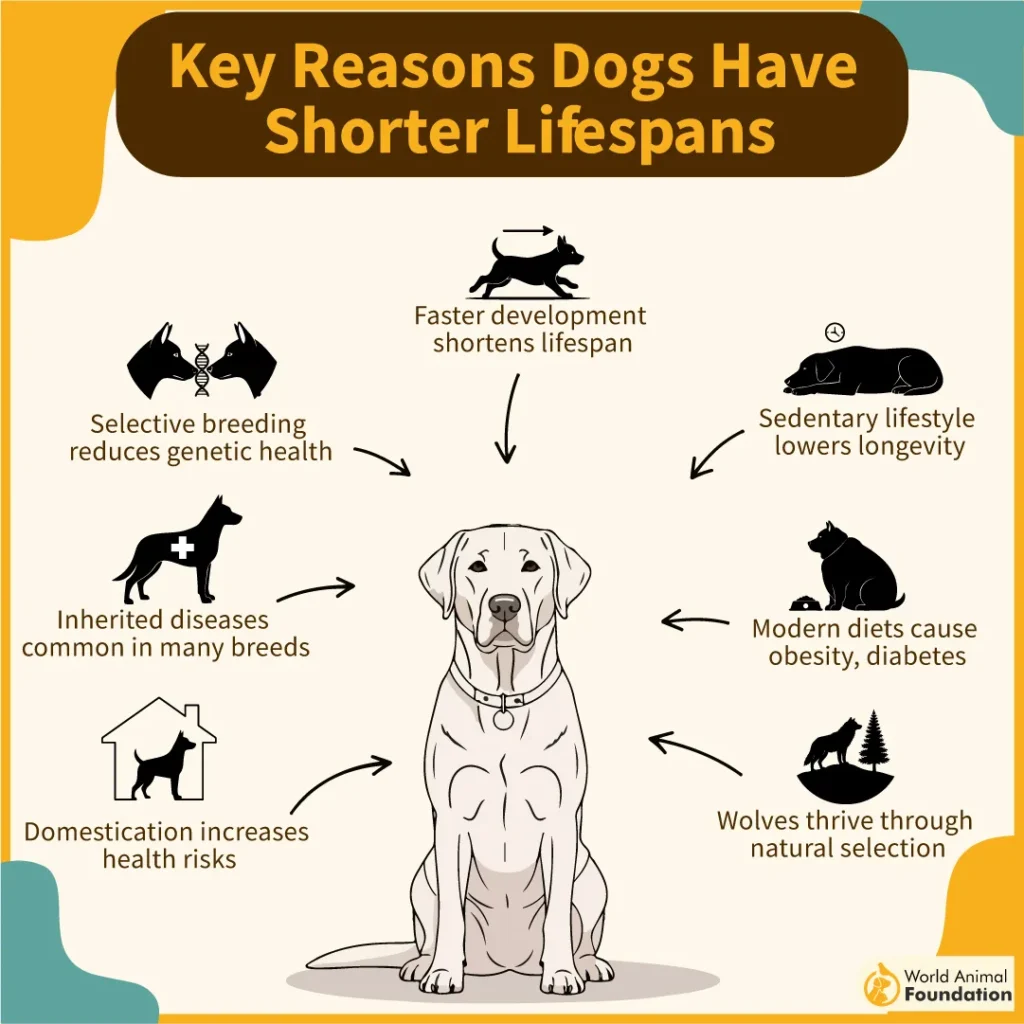
Owners often focus on healthy routines, sensible exercise, and practical grooming, especially when children are part of the home.
Why This Breed Is a Good Fit
If you want a loving pet that sticks close and enjoys being part of the family, this breed can suit that warm home feel.
Owners who like purpose-driven dogs may appreciate the working background without needing a busy schedule
The long coat means grooming is real, but at least your vacuum gets plenty of exercise, too.
6. Rottweiler
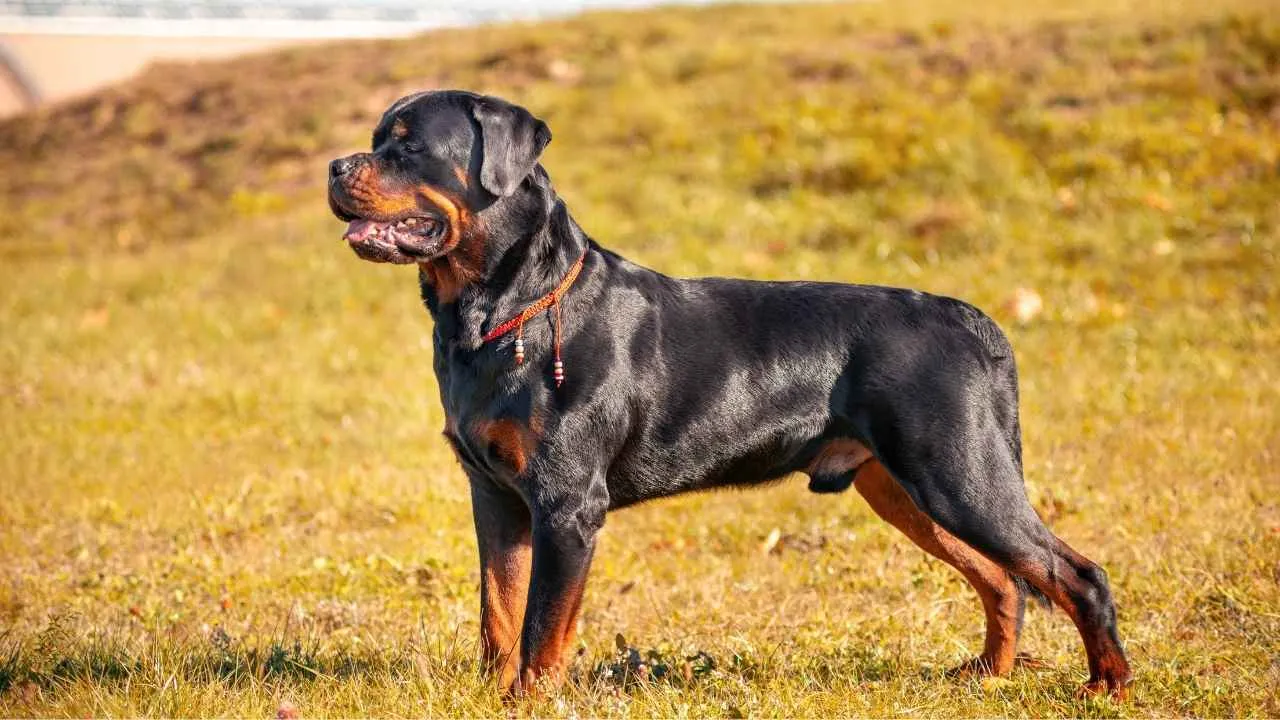
Rottweilers are a large dog breed with a broad head, short fur, and wide-set eyes. Members of the working group, this breed is thought to descend from mastiffs of ancient Rome.
Today, they are one of the most popular dog breeds in the U.S., and they show up in many dog encyclopedia-style lists for their recognizable look.
The typical Rottweiler lifespan is 9–10 years with proper care, which makes health routines a smart focus for owners. In a complete dog breed book, you will often see notes about how important structure is for this breed.
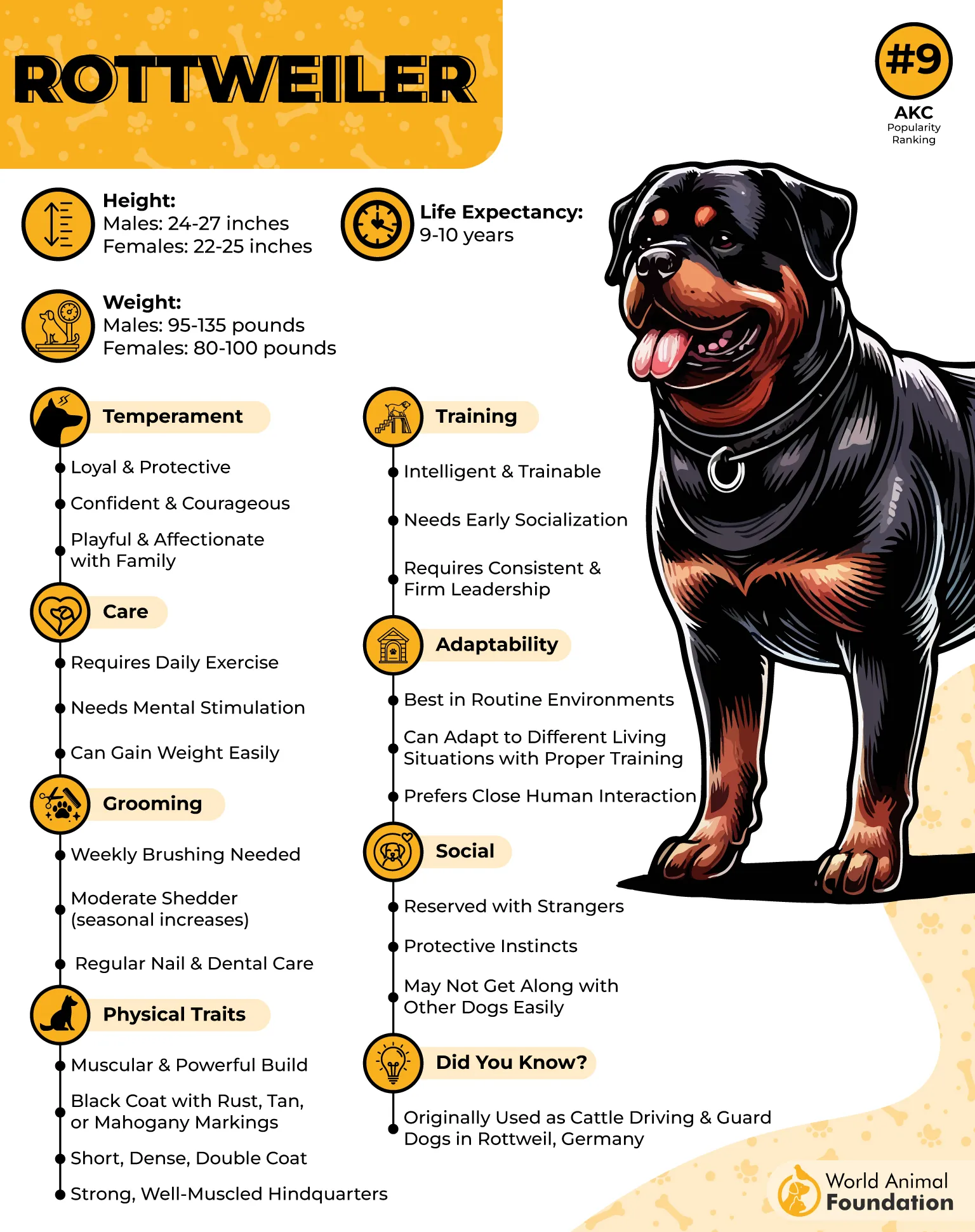
Training should be taken seriously from the start so the dog learns calm manners and stays steady in daily life. Many dog owners find that clear guidance helps the dog understand what is expected, especially around children.
With consistent training and sensible exercise, this pet can feel like a loyal teammate who takes companionship as a full-time job.
Why This Breed Is a Good Fit
If you like a dog with a serious “I’ve got this” attitude, this breed can suit owners who enjoy structure and routines.
Clear training helps keep interactions smooth with kids and visitors, which matters in a busy home.
This dog can act like the neighborhood security system, except it also wants belly rubs as payment.
7. Bernese Mountain Dog
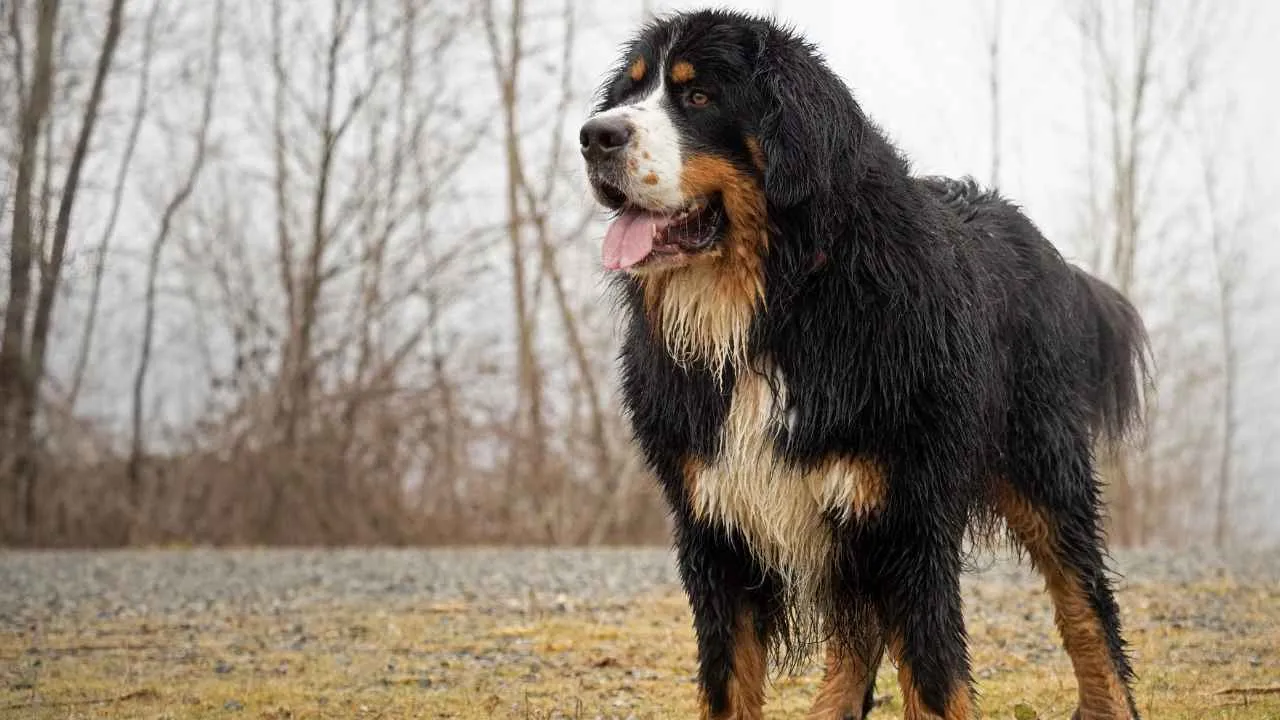
The Bernese Mountain Dog originated in Switzerland and was used as a farm dog. The breed came to the U.S. during the 1920s to work, but today it is most often a family pet. In a comprehensive guide to different dog breeds, this dog is usually described as big, beautiful, and gentle.
The first thing most people notice is size, with an average height of about 23–27.5 inches and a weight of 70–115 pounds. But the sweet temperament shows up fast, and many owners say this dog has a big heart to match the big frame. For homes with children, that friendly personality can be a huge plus.
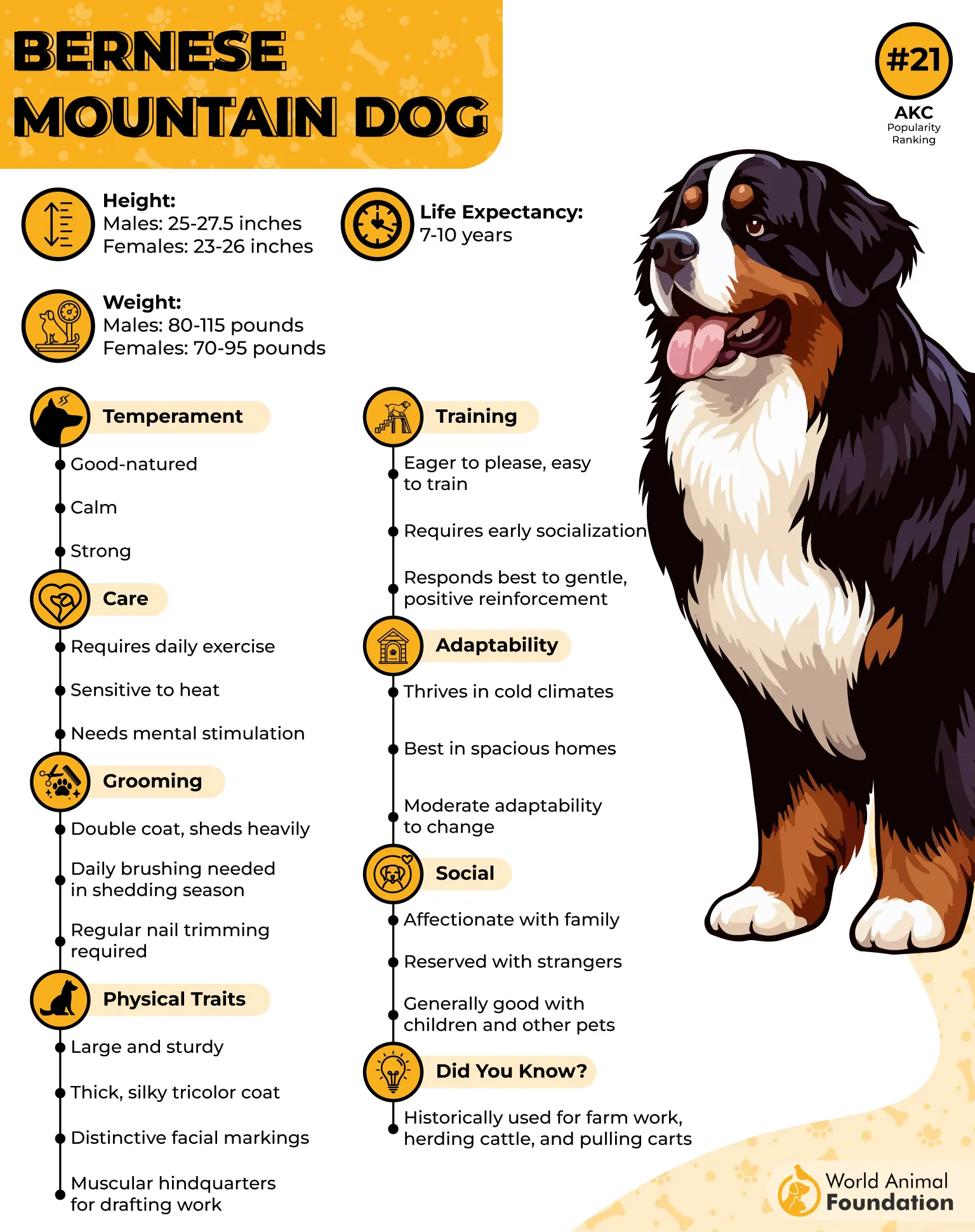
Because this is a large dog, smart training and routine exercise help daily life run smoothly. Gentle guidance can support good behavior during play, especially when kids get excited and forget personal space.
This breed often fits owners who want a loving pet that brings calm companionship, while still enjoying time outdoors.
Why This Breed Is a Good Fit
If your home includes children, this dog’s affectionate nature can suit family routines and relaxed weekends.
Owners who enjoy simple outdoor exercise can keep this dog happy without turning life into a daily marathon.
This breed can look like it belongs on a postcard, but it will still try to sit on your feet like a loyal friend.
Conclusion
Choosing from dog breeds that may have a shorter life span can feel heavy, but it does not have to be scary. What matters most is how you show up as a steady, loving owner, day after day.
A good routine with exercise that fits the dog’s energy level, basic training that keeps life safe, and simple grooming can make home life smoother for both humans and the pet.
If you decide one of these breeds is your perfect dog, plan for the essentials early. Pick a responsible source, stay consistent with training, and keep regular vet care part of your lifestyle.
In the end, the goal is not counting years. It is making the years you share feel full of comfort, fun, and unconditional love.
