




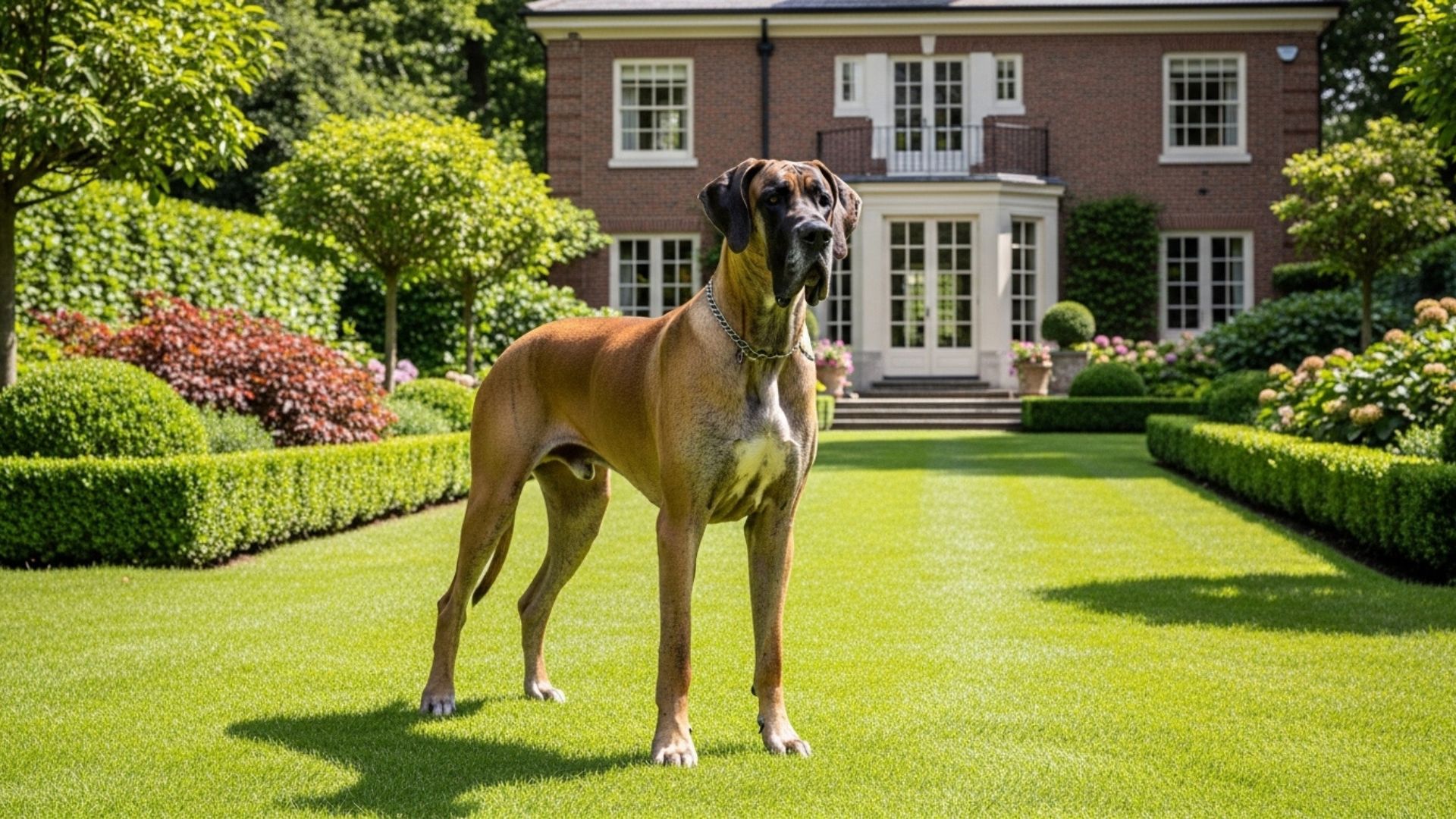
Bringing home a dog usually starts with heart eyes and a whole lot of “aww.” But behind those floppy ears and smooshy faces, some breeds come with extra realities worth knowing upfront.
Certain dogs tend to have shorter life expectancies due to breed-specific health challenges, and that can shape everything from daily care to long-term planning.
This isn’t about steering you away from a breed you love. It’s about going in informed, realistic, and ready to give your pup the best life possible.
When you know what to expect, you can make smarter choices, feel more prepared, and truly savor every tail wag, couch cuddle, and goofy moment along the way. So, let’s meet these wonderful dogs.
Did you know?
Bigger dogs tend to age faster than smaller dogs, even though that feels backward compared to most animals. Their rapid growth early in life may cause their bodies to wear out sooner, which helps explain why smaller pups often stick around longer.
Dog Breeds With a Shorter Life Expectancy – Be Prepared
1. Bernese Mountain Dog

Long before couches and chew toys, the Bernese Mountain Dog earned its keep hauling loads and guarding farms in Switzerland. That working past still lingers in their steady presence. With a shorter lifespan, time with a Berner feels especially meaningful.
Their average lifespan sits around 7 to 10 years, so thoughtful care matters early on. Moderate daily exercise, indoor living, and weight awareness help support comfort. These affectionate dogs do best when life feels predictable, calm, and centered around their people.
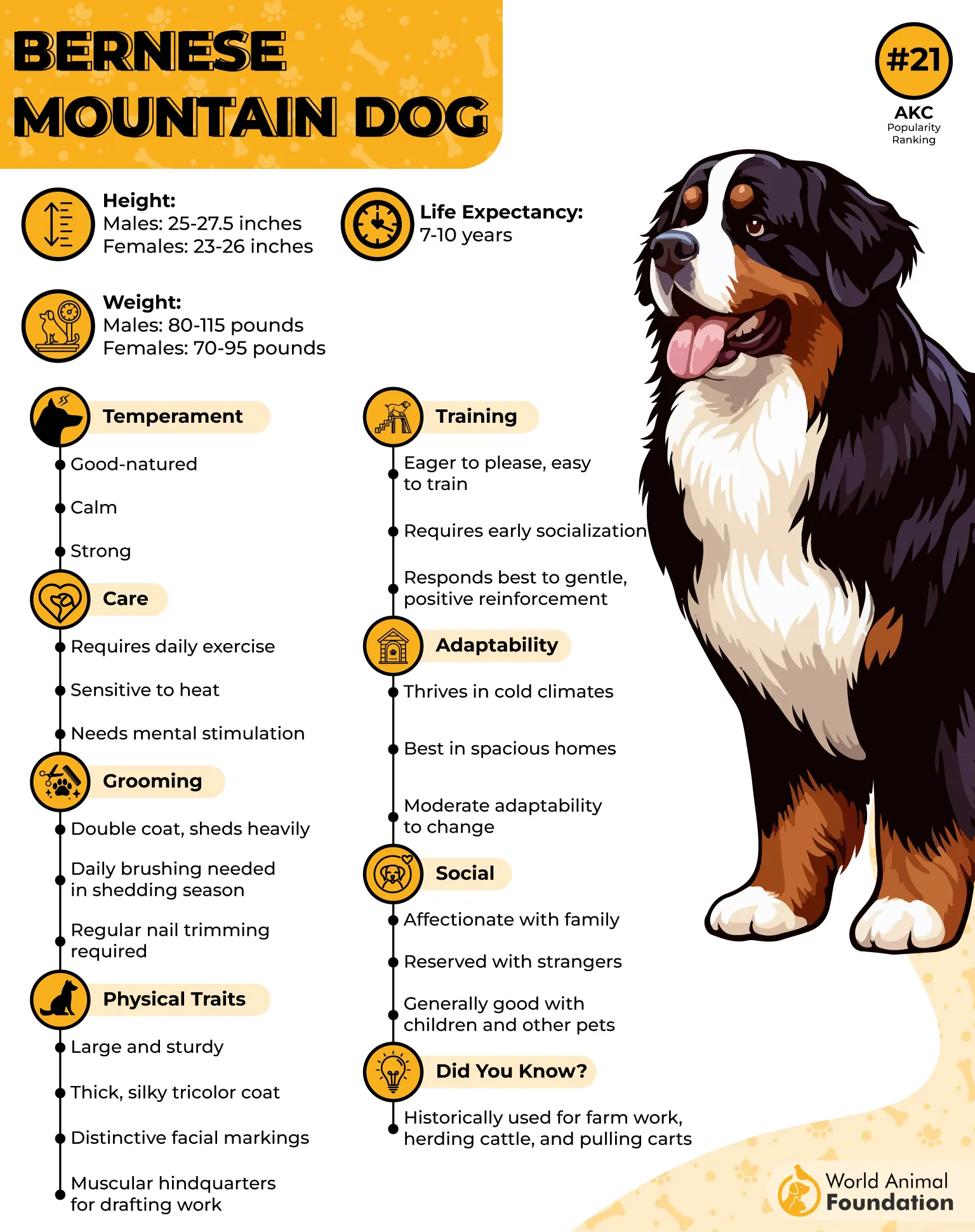
Berners can face challenges like joint problems, blood disorders, cancer, and bloat as they age. Their large frame means subtle symptoms deserve attention. Staying observant helps owners respond quickly when something feels even slightly off.
Special Considerations For this Breed
Prefers cooler climates and can struggle in prolonged heat
Strong attachment to one person may cause distress when separated
Heavy seasonal shedding requires serious grooming commitment
2. Great Dane
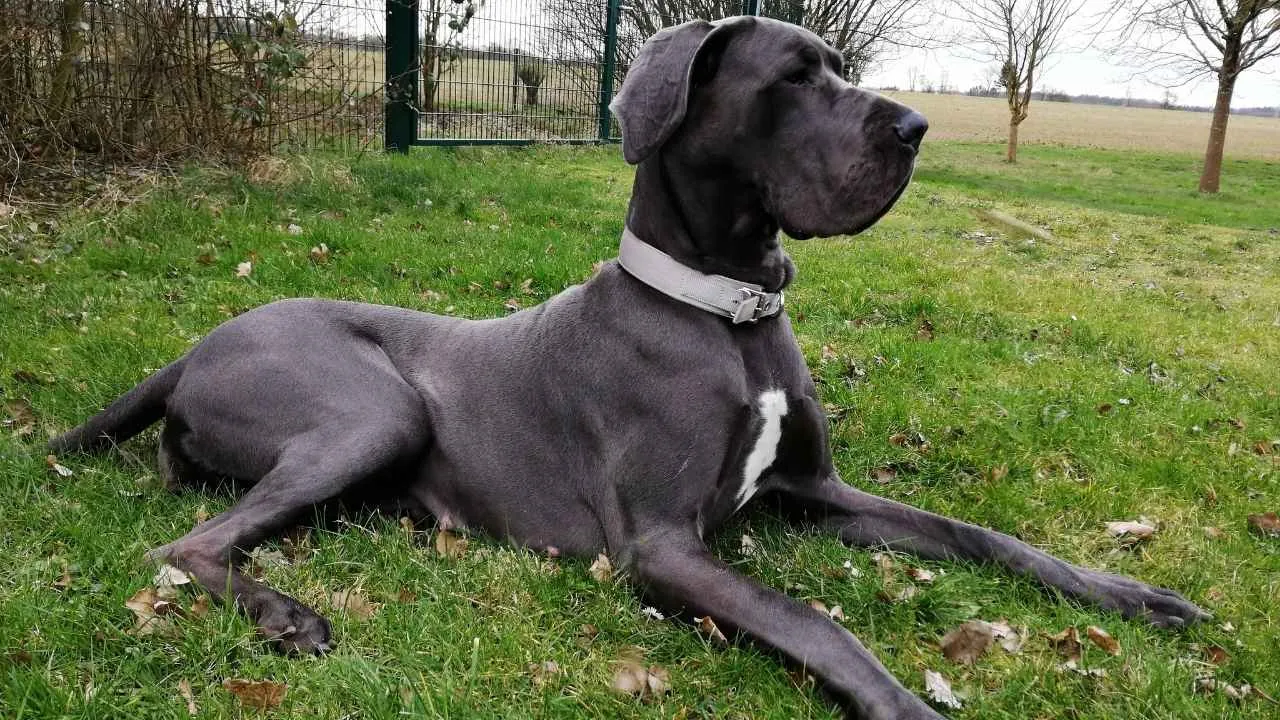
Sharing a home with a Great Dane means adjusting to life at jumbo scale. Doorways feel smaller, furniture becomes optional, and personal space disappears fast. Their presence alone makes preparation feel less like planning and more like a necessity.
Room to move matters, whether that’s wide hallways or clutter-free floors. Even calm Danes need daily walks and space to stretch those long legs. Without it, simple movement around the house can turn awkward quickly.
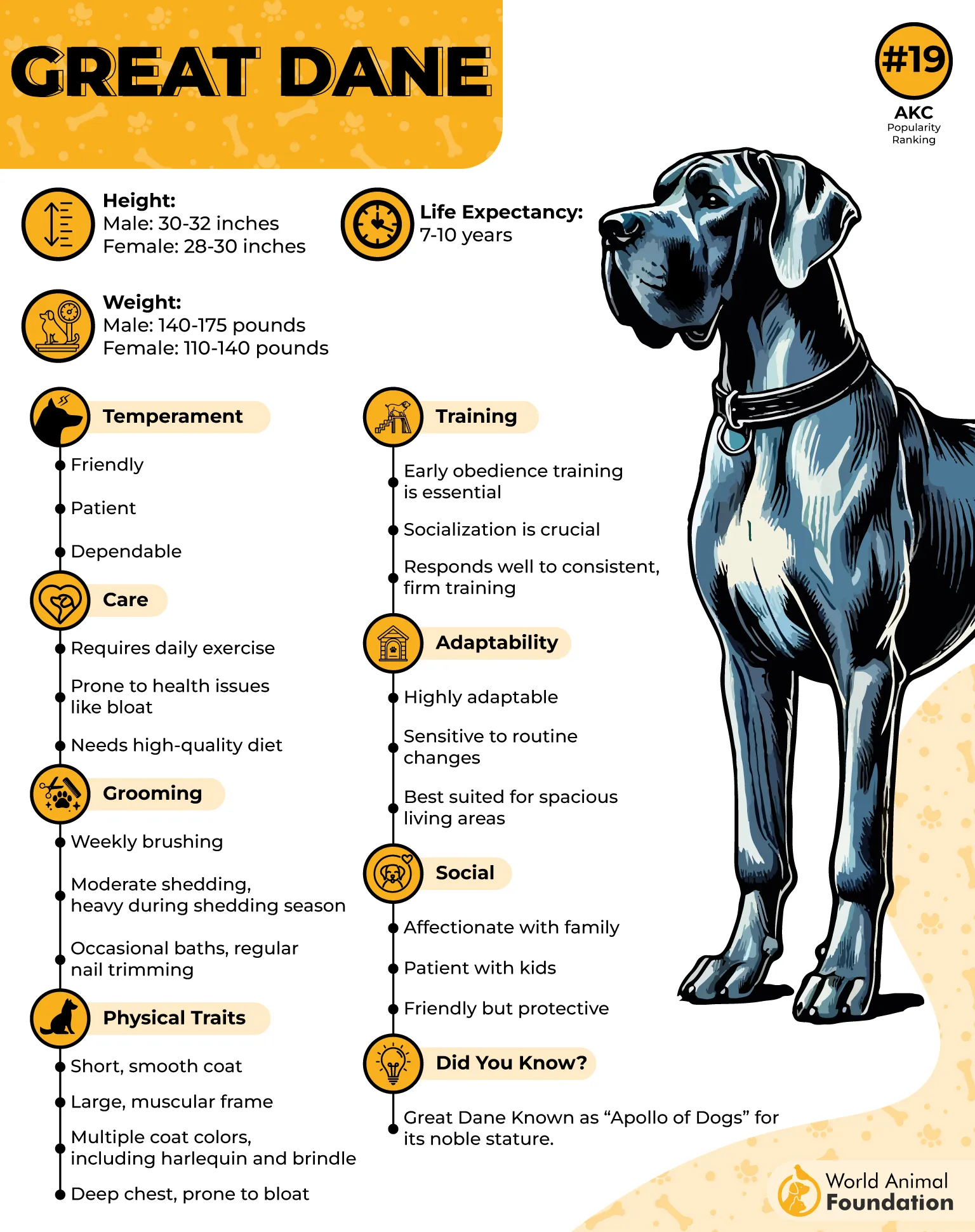
These giant dogs commonly face joint and heart problems, with a lifespan typically around 7 to 10 years. Conditions such as hip dysplasia and dilated cardiomyopathy can shape long-term expectations. Understanding these realities helps guide pacing, daily routines, and overall care choices.
Special Considerations For this Breed
Food portions and feeding timing require careful structure
Accidental bumps and tail injuries are common in tight spaces
Slow growth monitoring is important during the first year
3. Bullmastiff
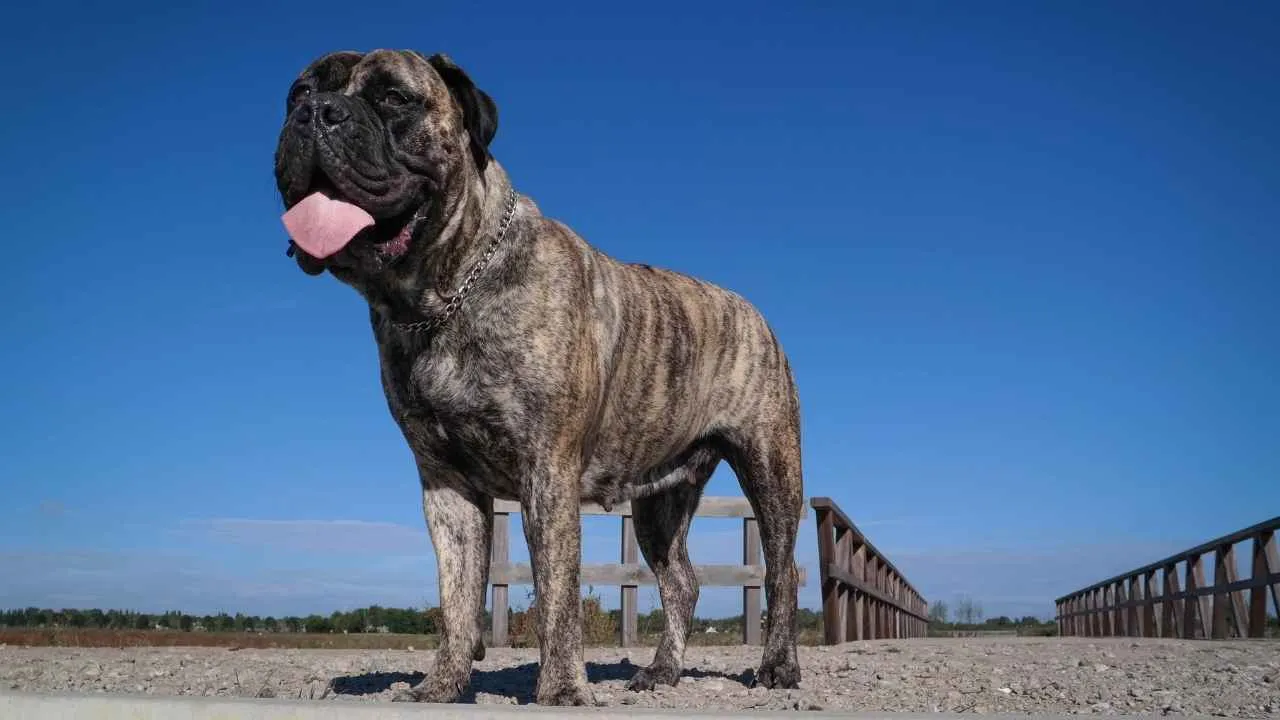
The Bullmastiff’s roots trace back to estate guarding, blending strength with quiet confidence. That heritage shows up in their watchful nature and calm demeanor. Their solid build hints early that life with one comes with unique responsibilities.
According to the AKC, Bullmastiffs enjoy staying active but prefer moderation over intensity. A good walk or some outdoor play usually does the trick, while puppies need things kept easy during growth. Secure fencing is important. Lifespan is typically 7 to 9 years.
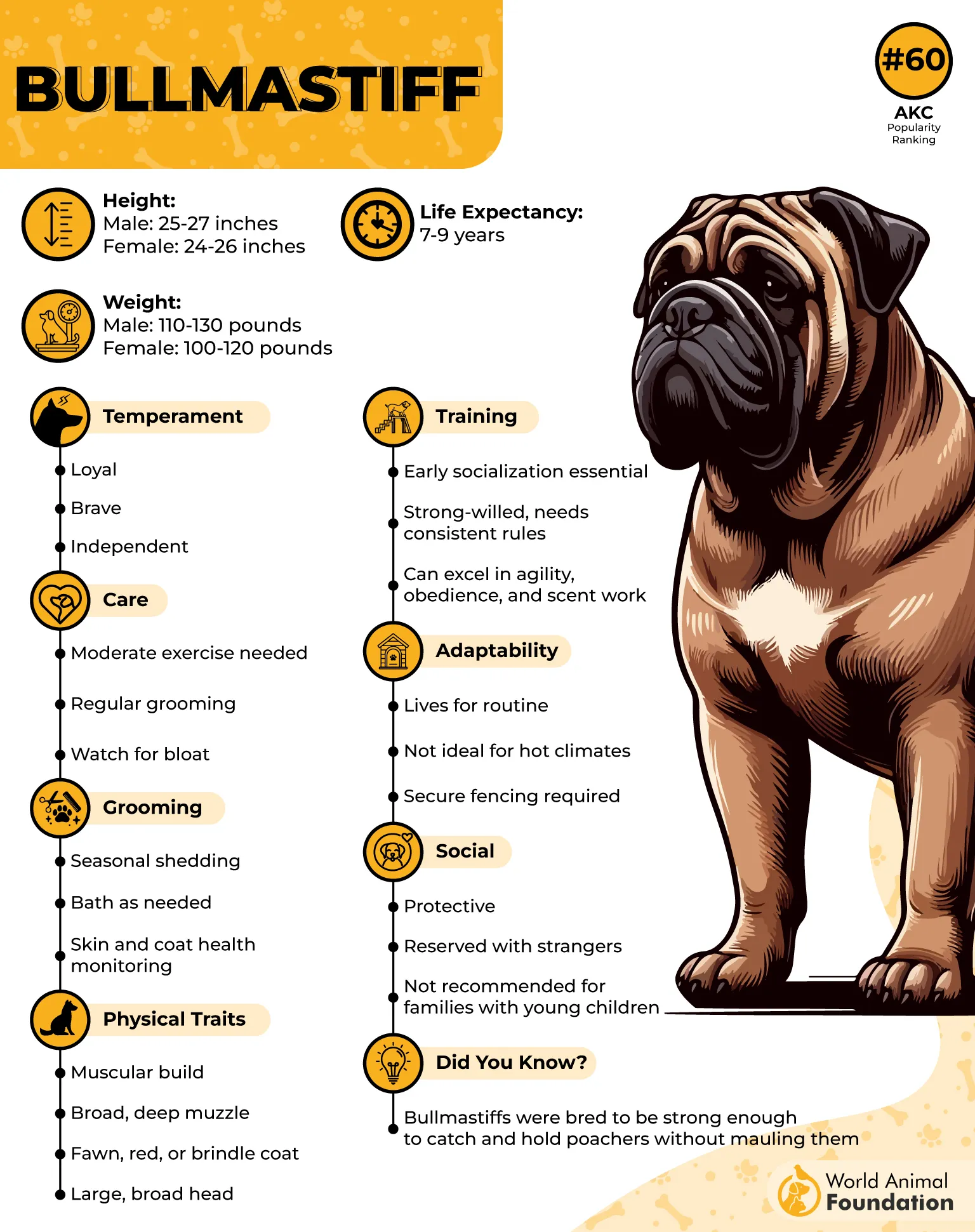
Skin infections can develop when moisture collects in folds or living areas stay damp. Clean, dry surroundings make a noticeable difference. Routine skin checks help catch irritation before it turns into something more uncomfortable.
Special Considerations For this Breed
Humidity control indoors plays a bigger role than expected
Overfeeding can quietly strain their system over time
Calm leadership works better than repeated physical corrections
4. Saint Bernard
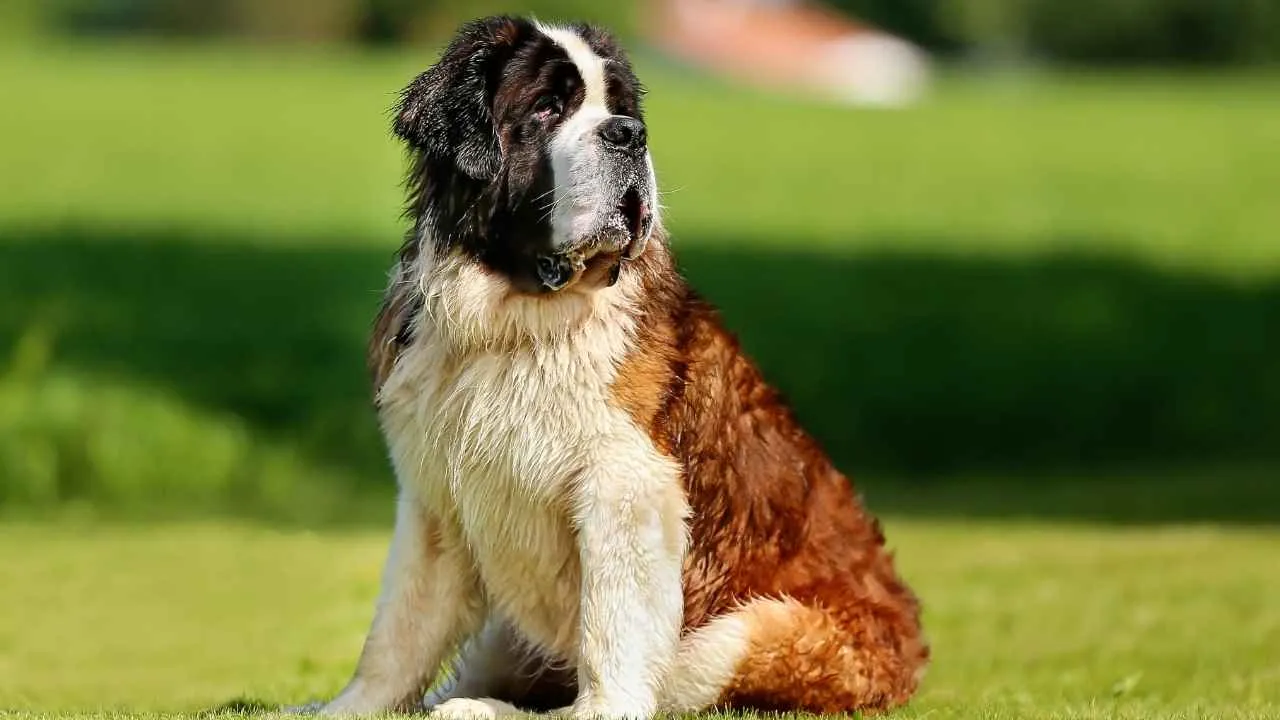
Saint Bernards have a presence that fills a room without saying a word. Their massive bodies, gentle expressions, and slow, deliberate movements make them feel timeless. When a breed grows this large, preparedness becomes part of everyday life in quiet ways.
Their behavior is famously patient and tolerant, especially in busy households. Saints prefer calm interactions and steady routines, often choosing to lounge nearby rather than demand attention. Their average lifespan typically ranges from 8 to 10 years.
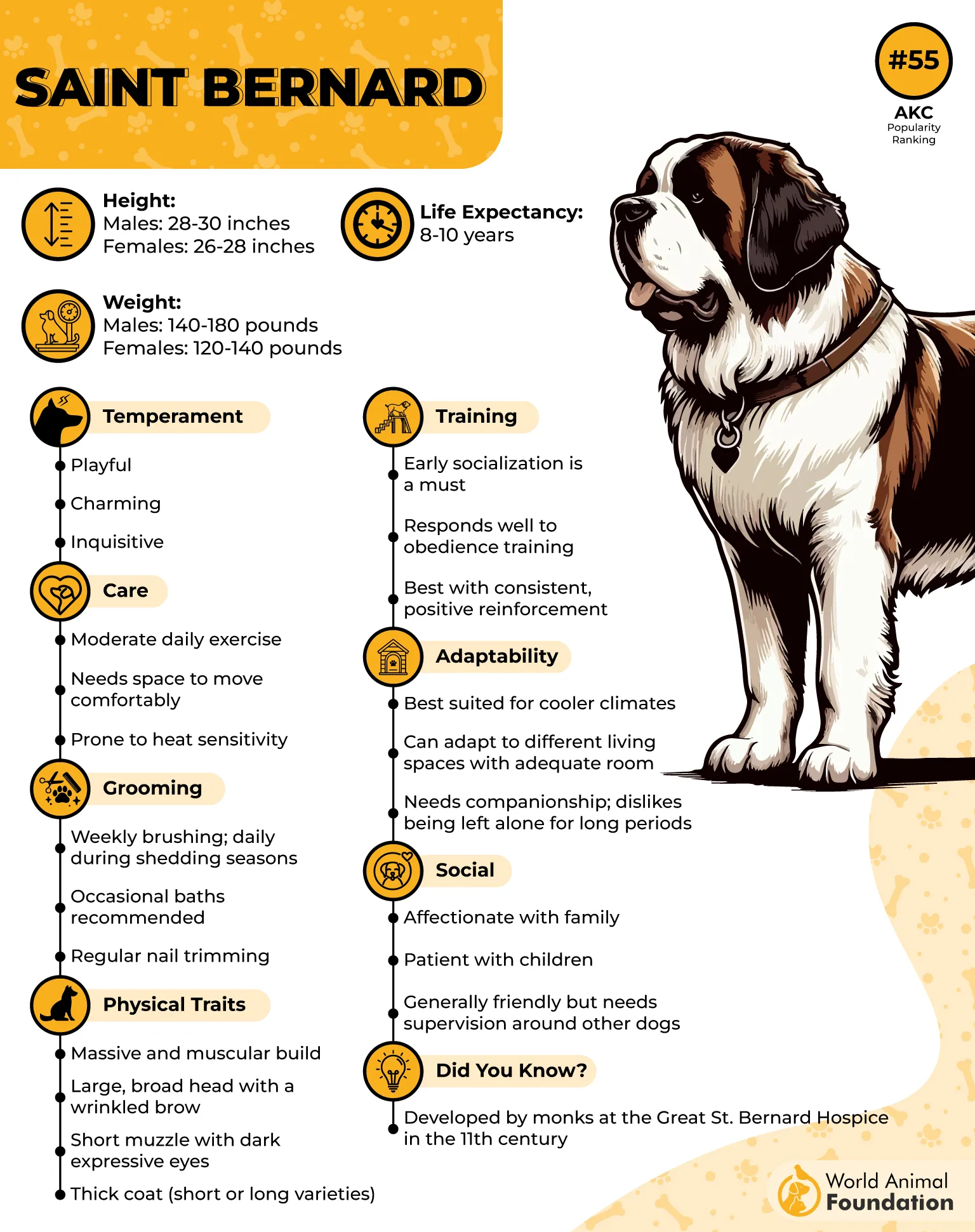
As Saint Bernards age, regular veterinary checkups become increasingly important. This breed is prone to health issues like bloat, heart disease, joint problems, and eye issues. Catching changes early can make a meaningful difference in long-term comfort.
Special Considerations For this Breed
Heat exposure must be limited due to sensitivity to temperature shifts
Extra-soft bedding helps reduce pressure on heavy joints
Large food portions require careful pacing to avoid digestive stress
5. Leonberger
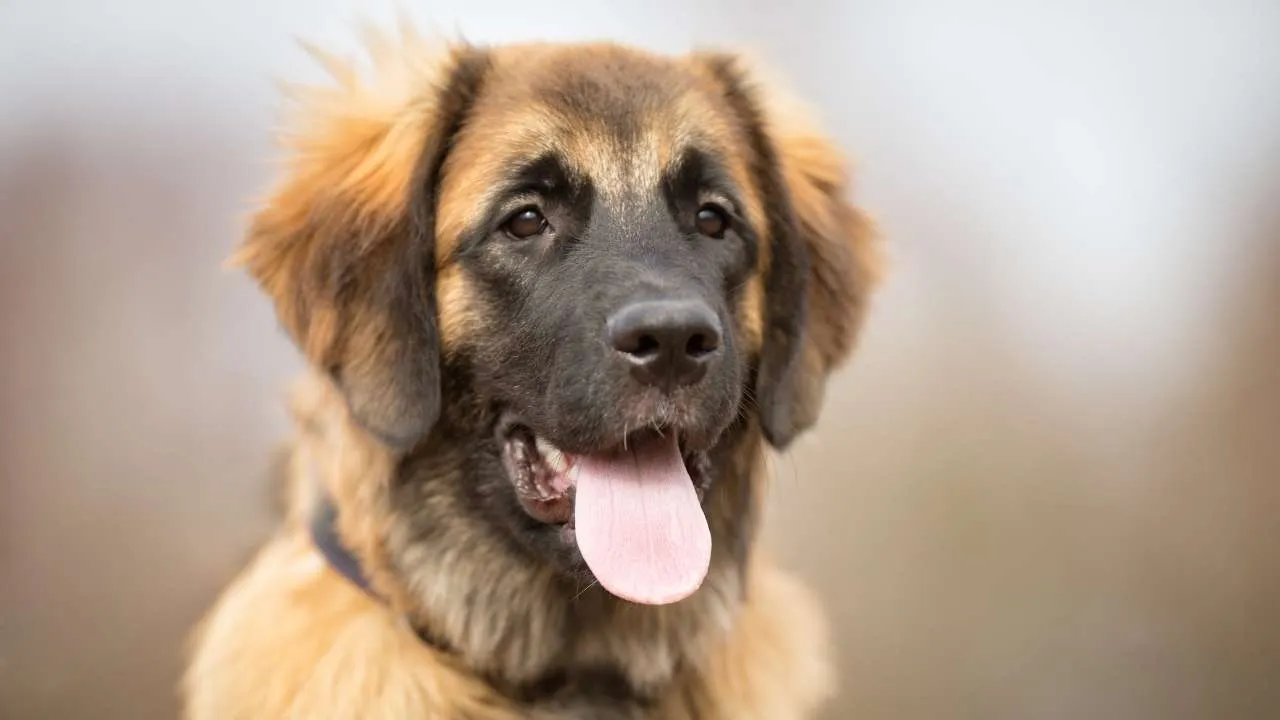
In Germany, the Leonberger was intentionally shaped to look powerful, noble, and unforgettable. That origin story explains their commanding presence today. When a dog is built this large, being prepared for a shorter timeline becomes part of reality.
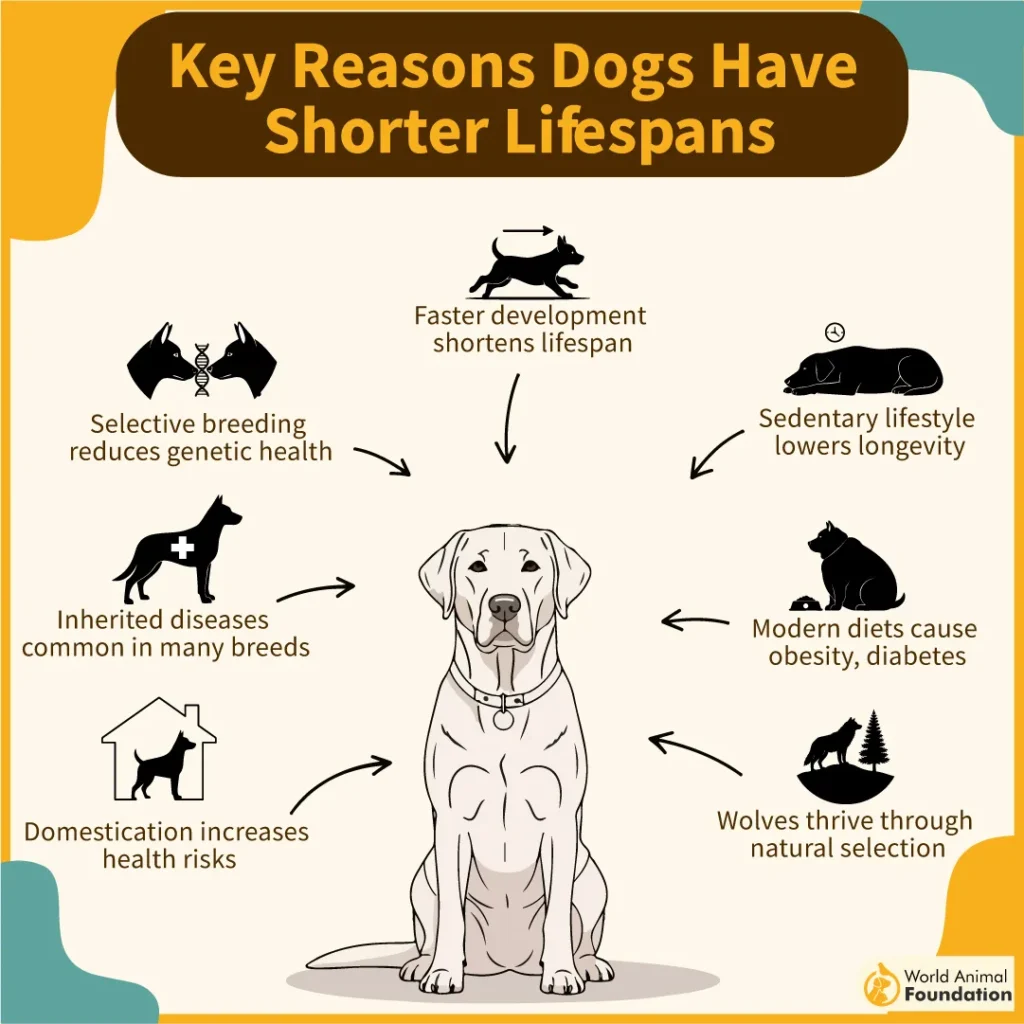
Leonbergers typically live around 7 years, which makes thoughtful daily routines especially important. Their size calls for a careful balance between activity and rest. Pacing movement helps support comfort and overall well-being as time goes on.
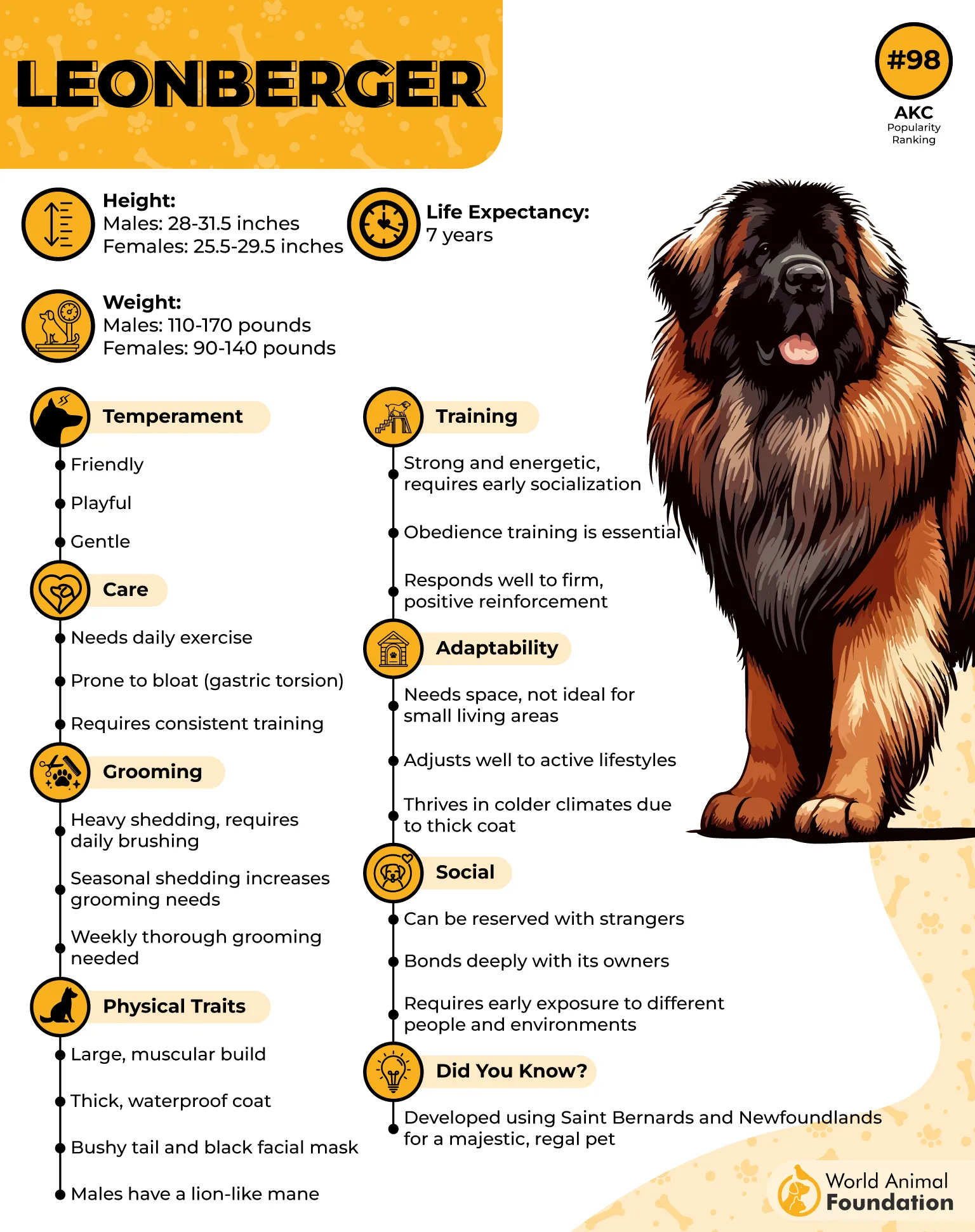
As noted by PetMD, Leonbergers need daily brushing to keep their thick coats from matting. Areas like behind the ears, along the legs, under the belly, and across the chest tangle quickly without regular, hands-on grooming.
Special Considerations For this Breed
Requires structured rest periods after physical activity
Needs early exposure to grooming tools to reduce stress
Large paws and strength demand leash manners from puppyhood
6. Dogue de Bordeaux
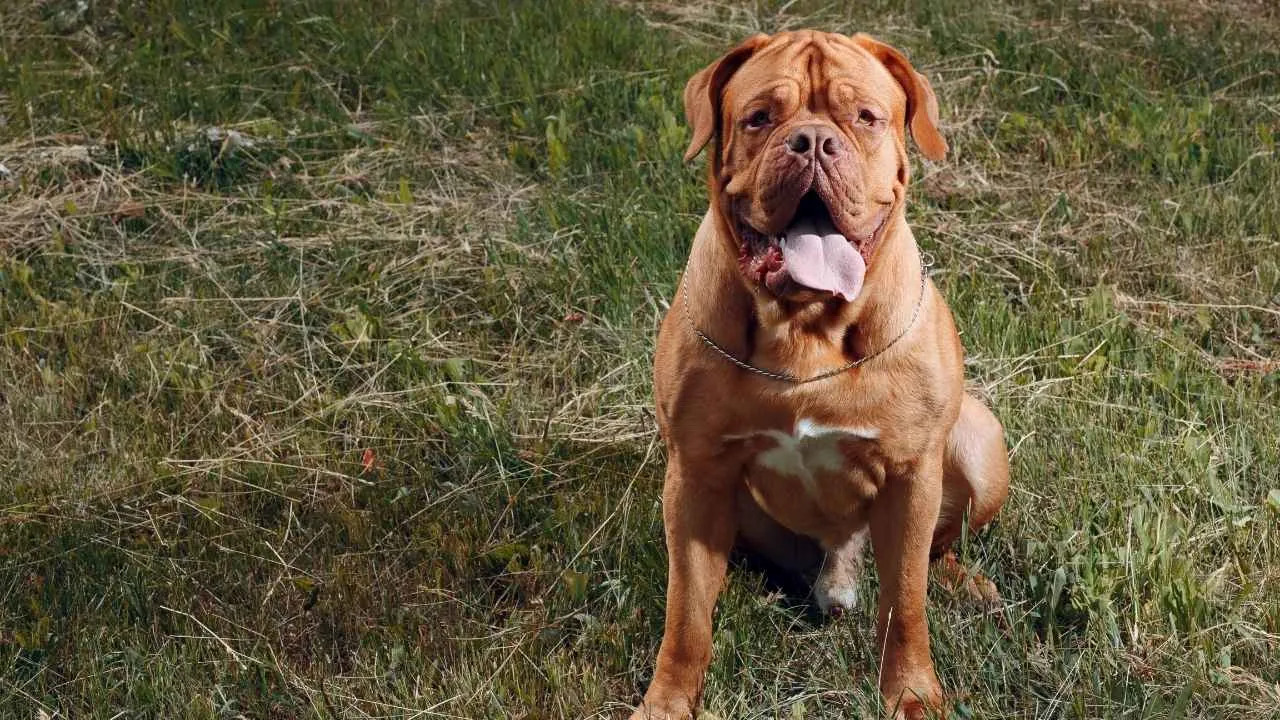
The Dogue de Bordeaux makes an entrance without trying. Massive head, deep facial folds, and a steady gaze give this large dog a serious presence. Owning one means accepting that attention to detail is part of daily life.
As per WebMD, Dogue de Bordeaux dogs need age-appropriate, high-quality food with close attention to portions. This breed gains weight easily, so treats should stay limited and routines consistent. Human foods and feeding too close to exercise can cause problems.
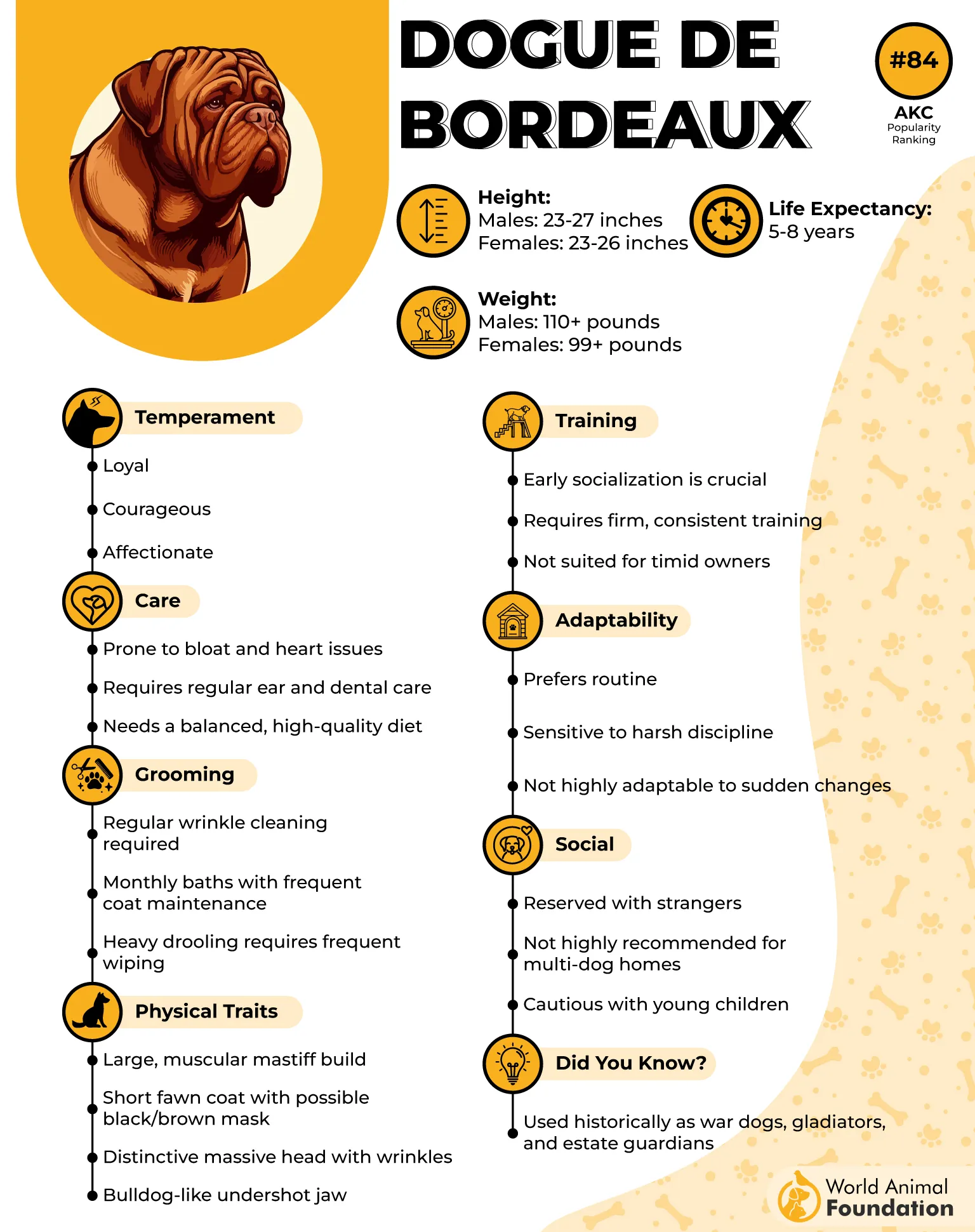
Lifespan usually falls between 5 and 8 years, paired with a calm, stoic temperament once trained. They bond deeply and prefer predictable routines. That quiet loyalty shows most when their environment feels stable and familiar.
Special Considerations For this Breed
Facial folds must be dried thoroughly after cleaning
Heavy bodies need non-slip surfaces indoors
Young dogs should avoid repetitive jumping movements
7. Rottweiler
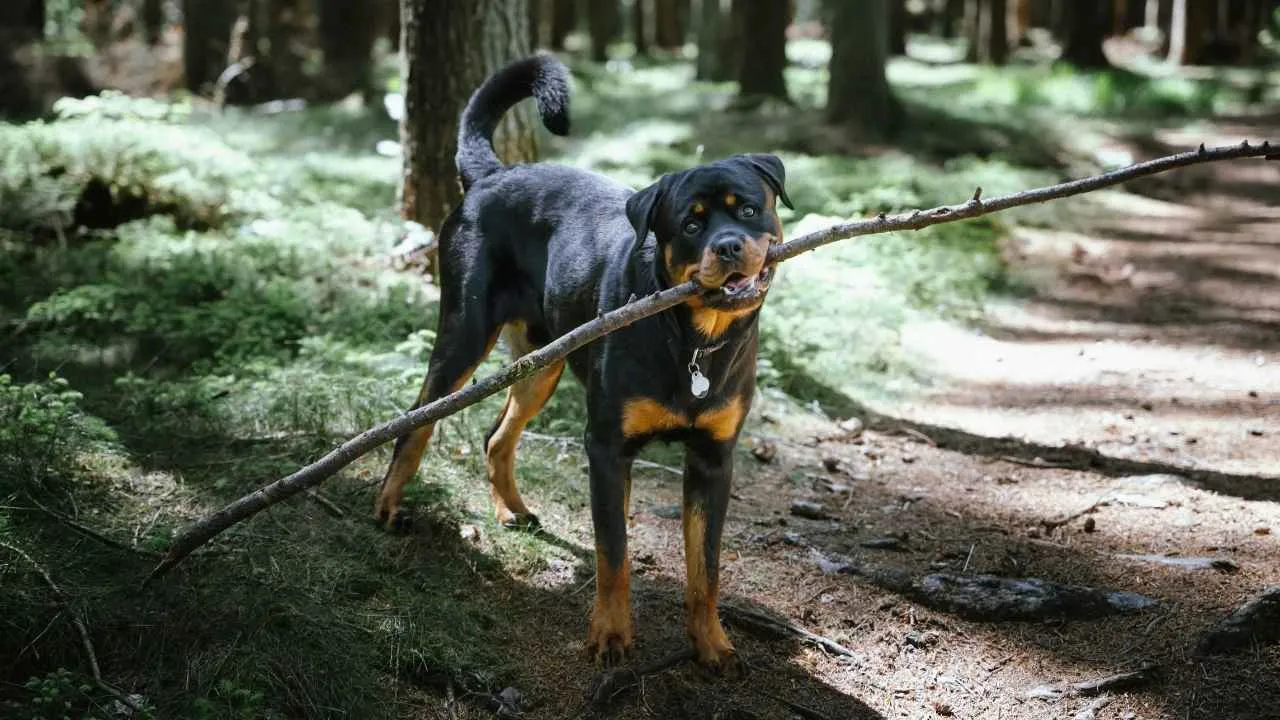
Rottweilers carry a natural seriousness that’s impossible to ignore. Broad chests, steady eyes, and confident movement give them an unmistakable presence. When a dog is built this solid and purposeful, being prepared for a shorter window together becomes part of responsible ownership.
Their lifespan generally falls between 9 and 10 years, and that time is shaped heavily by physical condition. Joint issues, bloat, cancer, and heart diseases are known concerns. Consistent monitoring helps owners respond early instead of reacting late.
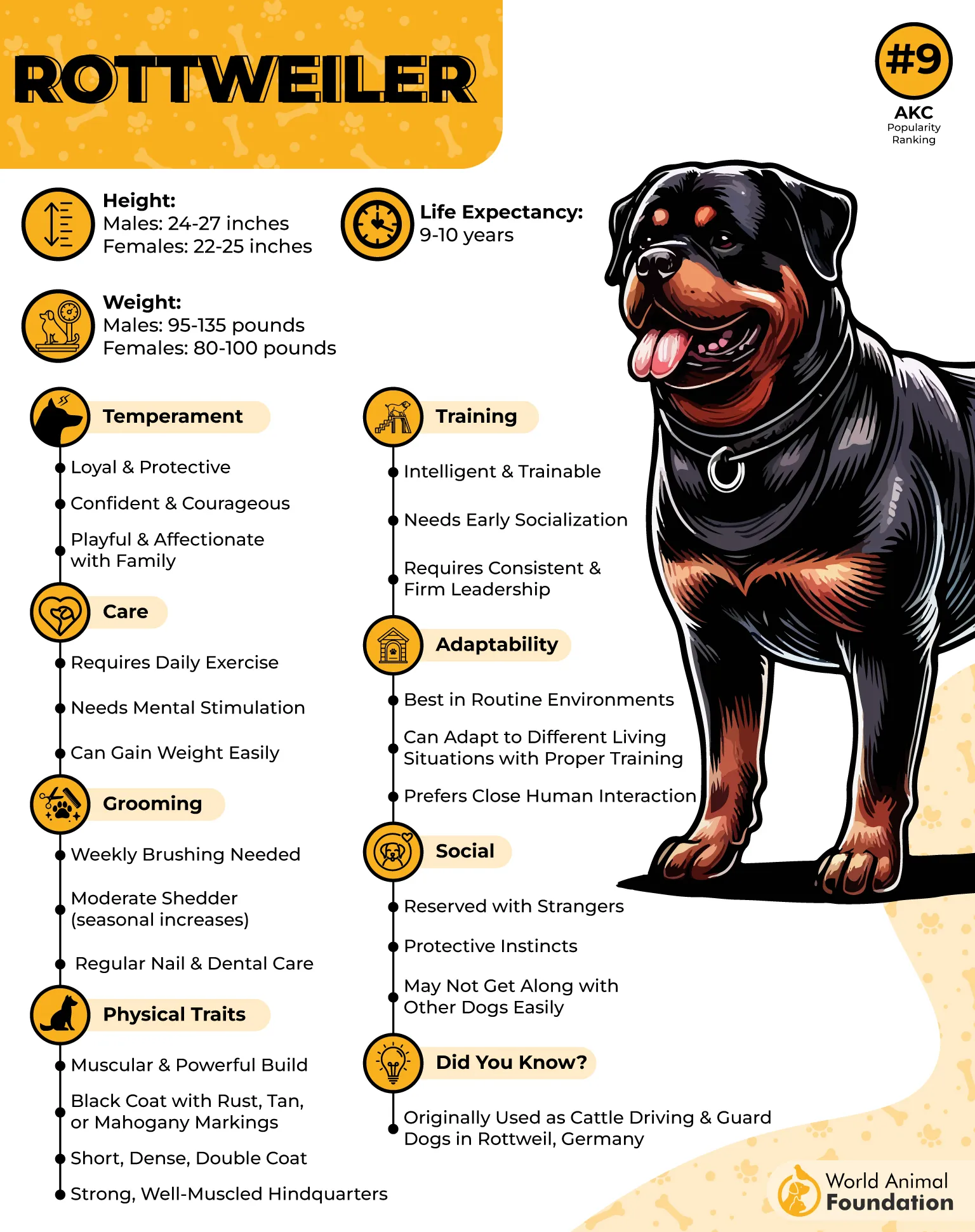
Personality-wise, Rottweilers balance deep loyalty with quiet watchfulness. They are affectionate and playful with people they trust, yet reserved elsewhere. Early social exposure helps maintain emotional stability and prevents protective instincts from tipping into tension.
Special Considerations For this Breed
Requires firm but fair leadership to prevent stubborn behaviors
Weight gain can quickly increase strain on joints
Mental stimulation is essential to avoid destructive boredom
Conclusion
Loving a dog means loving the whole story, not just the cute aspects. Some breeds ask for a little more emotional readiness, a little more planning, and a lot more presence while they are here. Knowing what to expect helps turn worry into intention and uncertainty into care.
When you understand the realities behind shorter lifespans, you can make thoughtful choices that honor both your heart and your lifestyle. Take the time to learn, ask questions, and plan with care so every day truly counts for the dog you welcome into your life.
If you are further interested in such wonderful breeds, some other dogs you can look up include the Irish Wolfhound and the French Mastiff.
