





Every time we buy something, we often think about how long it will last. The same idea applies when we choose a dog. As pet parents, we naturally hope our furry friends will be by our side for many years.
That’s why considering a dog’s age, health, and life expectancy is so important before bringing one home. According to Purina, dogs’ lifespans vary widely depending on size, breed, and overall health, and small dogs often live longer than larger breeds.
The American Kennel Club explains that smaller dogs tend to live longer because they age more slowly and face fewer cardiovascular and joint health issues.
Meanwhile, research summarized on Wikipedia highlights that genetics, nutrition, exercise, and regular veterinary care play a crucial role in determining a canine’s lifespan.
In this guide, we’ll explore some of the dog breeds with long life, a guide to canine longevity, why they tend to live longer, and what you can do to help your dog enjoy a healthier, fuller life.
Dog Breeds with a Long Life: A Guide to Canine Longevity
1. Chihuahua

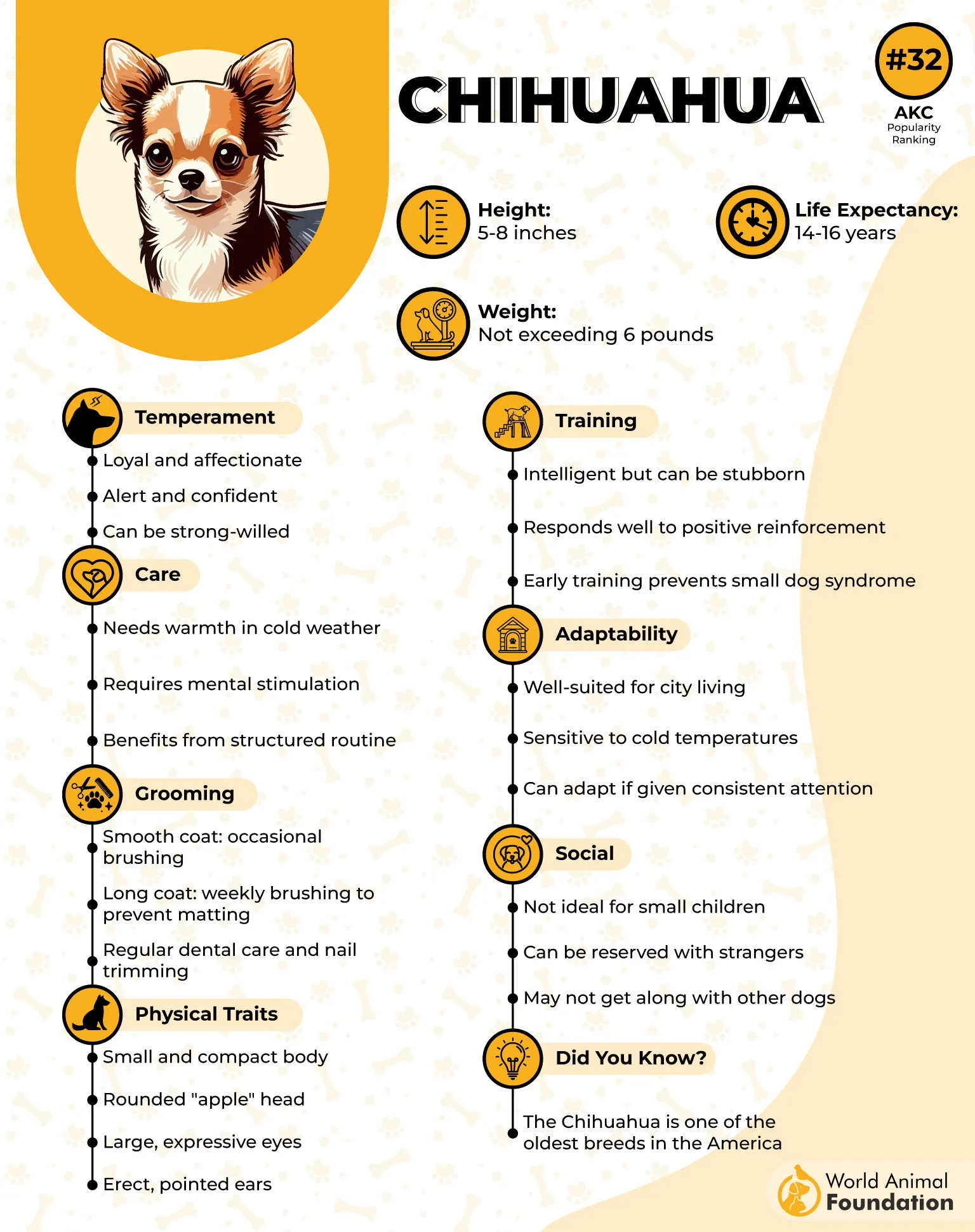
While researching dogs known for long life, the first breed we came across was the Chihuahua. This breed is often mentioned when people talk about dogs that stay around for many years.
It is one of the smallest dog breeds in the world, and many families enjoy the toy dog benefits of its tiny size and easy indoor lifestyle. Also considered one of the most popular purebred dogs worldwide.

The Chihuahua originated in Mexico and is named after the state of Chihuahua. It is believed to descend from ancient companion dogs that lived alongside early civilizations. Today, this breed is known for forming strong bonds with people and adapting well to home life.
Chihuahuas are alert, loyal, and full of confidence despite their size. Daily care, like portion control, dental cleaning, and simple mental games, helps support their overall health.
Why Their Small Size Contributes to Longevity
Smaller bodies place less stress on the heart, joints, and bones over time
They require fewer calories, making weight control easier
Lightweight frames experience less physical wear during daily movement
Reduced strain helps them age more slowly
Staying lighter supports continued activity into senior years
2. Beagle

How can we forget the goofy Beagle? While looking into dogs known for long, happy lives, we quickly came across this cheerful, longest-living dog breed.
Beagles are known for their friendly temperament and loving nature. They fit well into family life and usually get along great with children and other pets. Their playful attitude and curiosity keep them moving, which supports an active lifestyle and helps them stay healthy over the years.
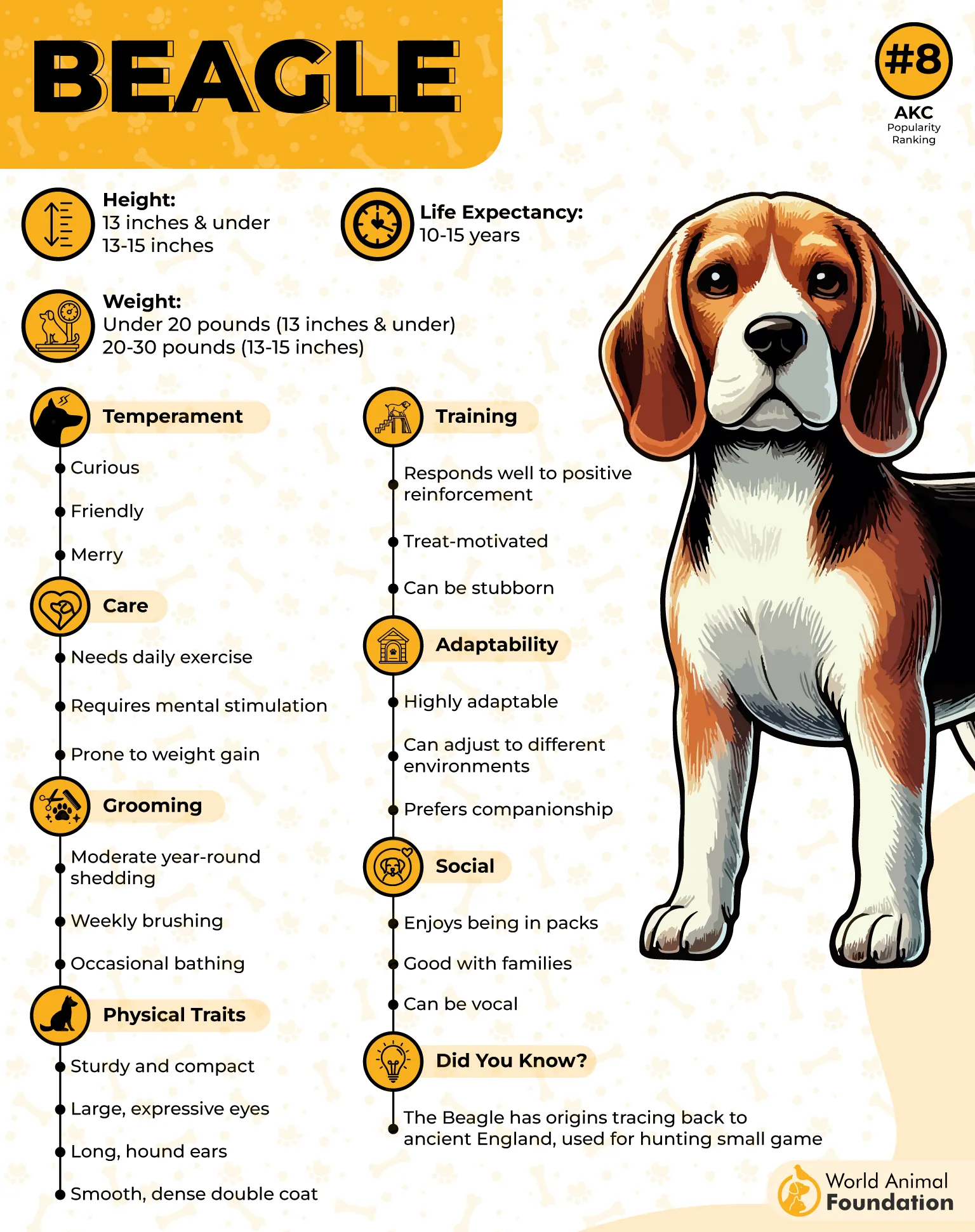
Beagles are energetic dogs that love daily walks, sniffing games, and outdoor fun. Their activity level plays an important role in maintaining a healthy weight and supporting joint health as they age. Because they enjoy food so much, mindful feeding is important for their overall well-being.
Dietary Tips and Joint Health
Feed measured portions to prevent unnecessary weight gain
Choose food that supports joint strength and mobility
Avoid too many treats, especially human food
Keep them active with daily walks and playtime
3. Australian Cattle Dog
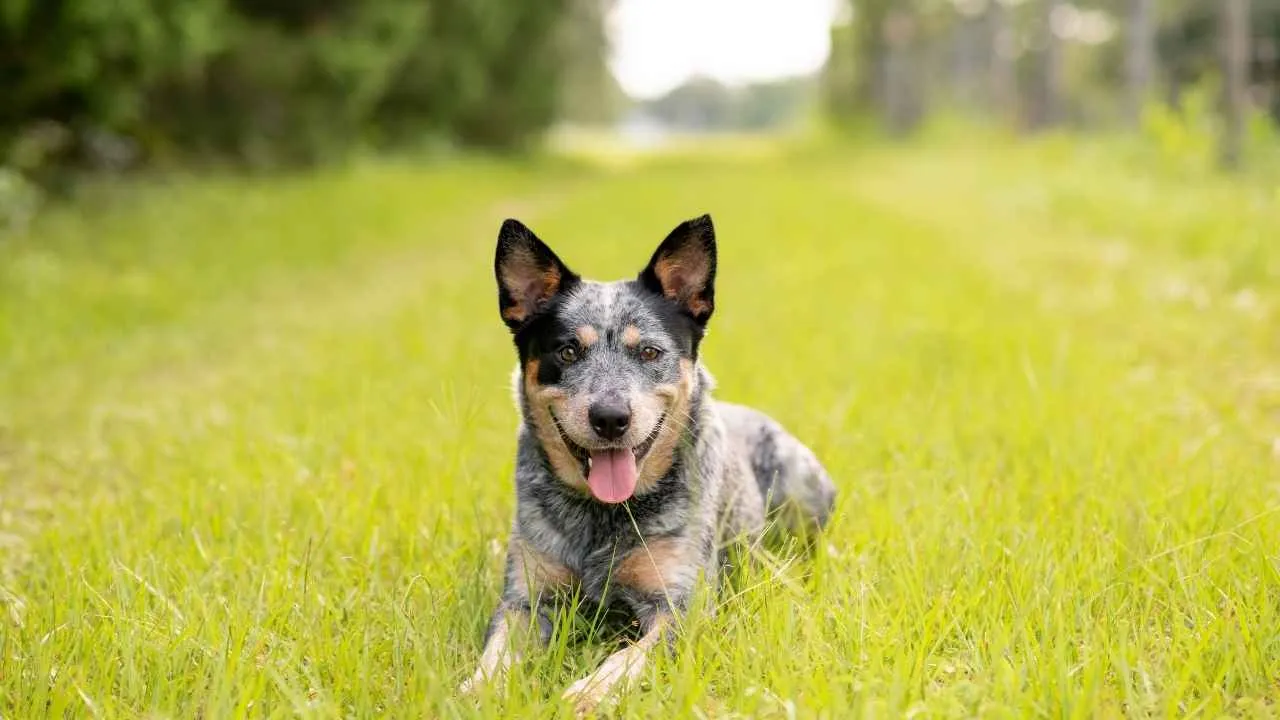
So let’s talk about the Australian Cattle Dog.
This hardworking breed was bred specifically for herding work, and that history continues to shape everything about it today. Among medium-sized dog breeds, they are one of the most athletic and long-lived. According to Britannica, Australian Cattle Dogs were developed in Australia as rugged, energetic herders with a strong work ethic and a drive to stay active.
They are intelligent, loyal, and thrive when they have a job to do, whether that’s herding livestock or playing challenging games with their family. Because these dogs were bred to spend all day moving cattle over long distances, they require a great deal of physical and mental stimulation.
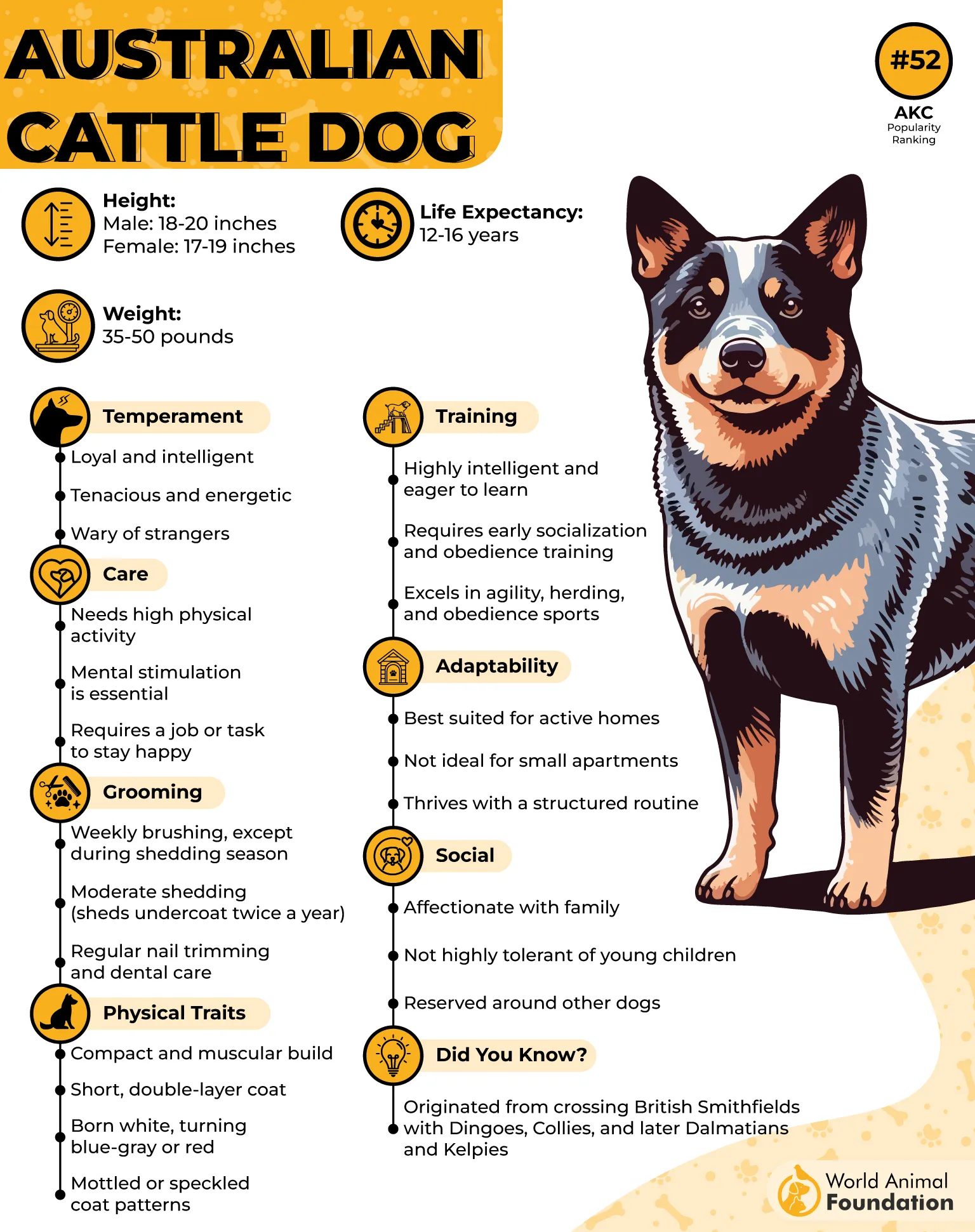
Daily activities like long walks, fetch, agility training, or herding games keep their cardiovascular health strong, help burn off energy, and reduce the risk of hip dysplasia. Puzzle toys and obedience training also help their sharp minds stay engaged.
Mental Stimulation and Exercise for Heart Health
High energy levels require plenty of daily playtime
Basic training sessions help keep them sharp and calm
Long walks, runs, or active yard play support strong hearts
Regular activity helps maintain healthy muscles
Herding trials and agility courses combine exercise with mental stimulation
Staying busy this way supports a balanced, joyful life over the years
4. Basenji
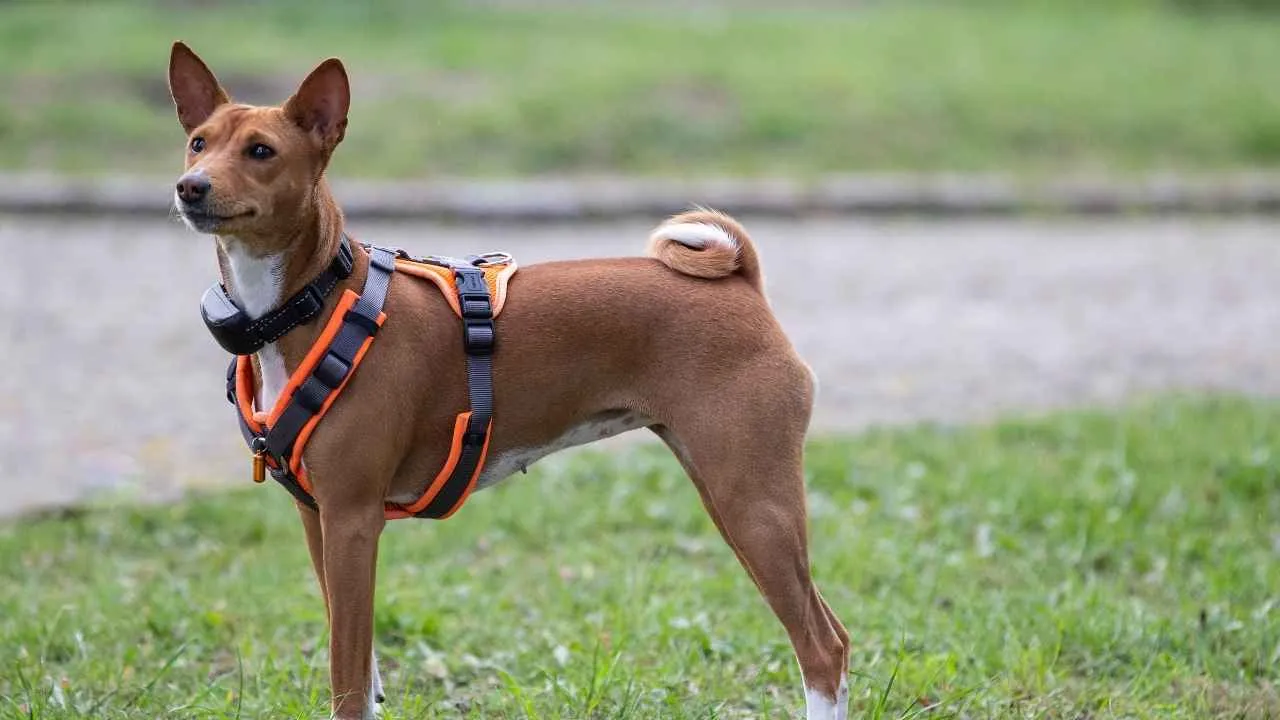
Have you ever heard that some dogs don’t bark? Yes, the Basenji is often called a barkless dog.
While researching the longest living dog breeds, we came across this unique breed very quickly. Basenjis are known for their cat-like cleanliness and strong independence. They groom themselves often and dislike being dirty, which naturally supports better hygiene.
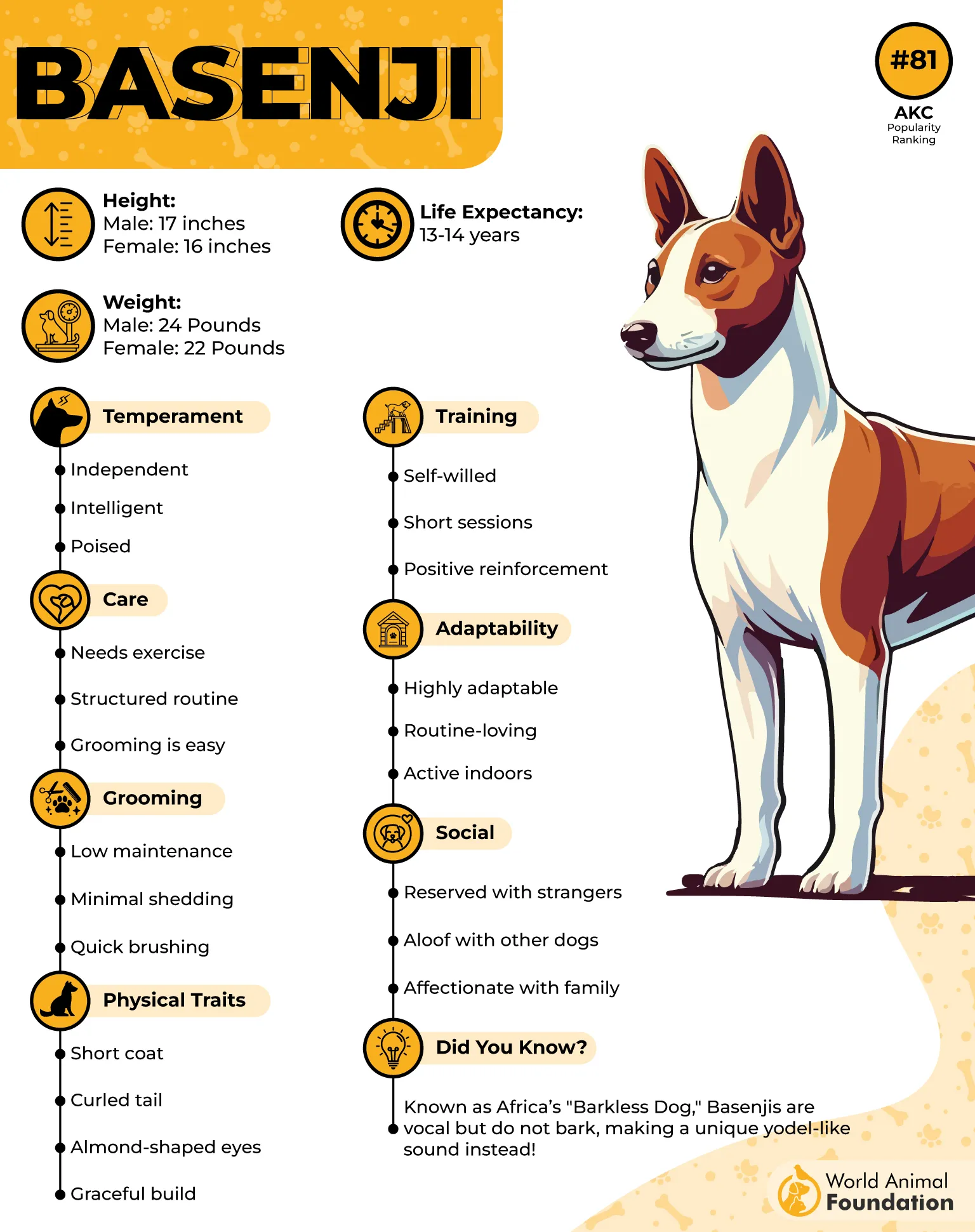
Because they are smaller dogs, careful feeding matters, dental health, and portion control play an important role in keeping them healthy and supporting a longer life expectancy.
Care Tips
Brush teeth regularly to protect dental health
Use measured meals to maintain proper portion control
Offer daily activities to support both body and mind
Keep routines consistent to match their independent nature
5. Shih Tzu

This is one of the smallest recognized breeds, known for its gentle personality and strong love for companionship. This breed enjoys being close to people and is especially popular with families and seniors who want a calm and affectionate dog.
Shih Tzus are happy spending time indoors, sitting beside pet owners, or following them around the house. Because of their friendly nature, they usually adjust well to quiet homes and relaxed routines.
Shih Tzus were bred to be companion dogs, which explains their people-focused behavior and emotional connection with their families. Their long, flowing coat does require consistent grooming to stay clean and comfortable.
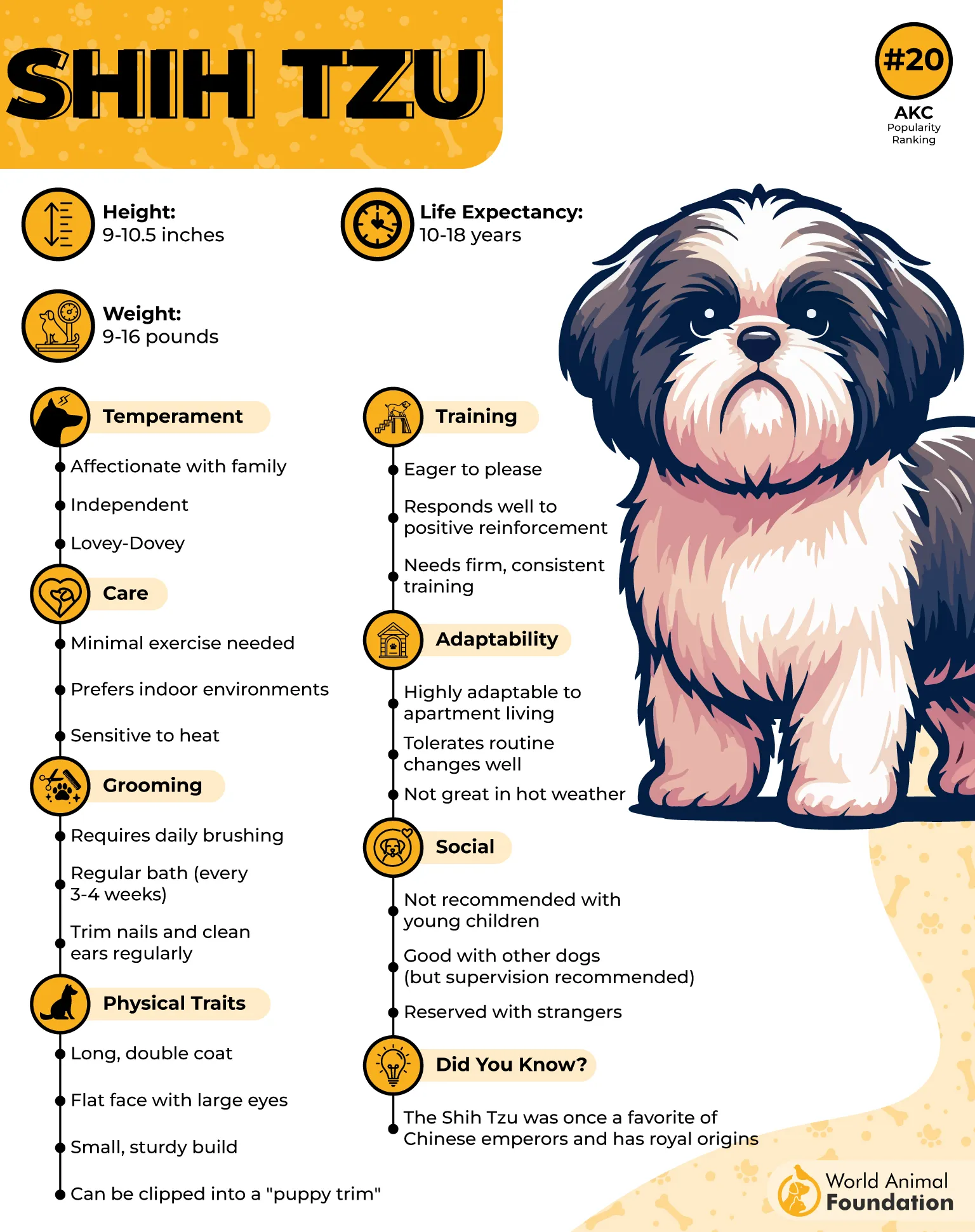
Grooming and Preventive Care for a Healthy Life
Regular brushing helps prevent matting and reduces skin issues
Routine grooming visits keep them clean, comfortable, and looking their best
Consistent veterinary visits help catch health concerns early
Early checkups are especially important for dental disease, which small breeds are more prone to
Proper care and ongoing grooming support long-term comfort and happiness
Regular checkups help ensure they remain well-supported throughout their lives
6. Dachshund

You will love having this dog in your home, especially if you enjoy a playful and loyal companion.
The Dachshund, often called one of the most recognizable wiener dogs, stands out because of its long body and short legs. This unique body structure comes from its history, as it was originally bred to hunt small animals underground.
That same build gives the breed its charm, but it also brings certain health risks that dog owners should understand. Dachshunds are generally long-lived, but their backs need extra care to protect their overall health.
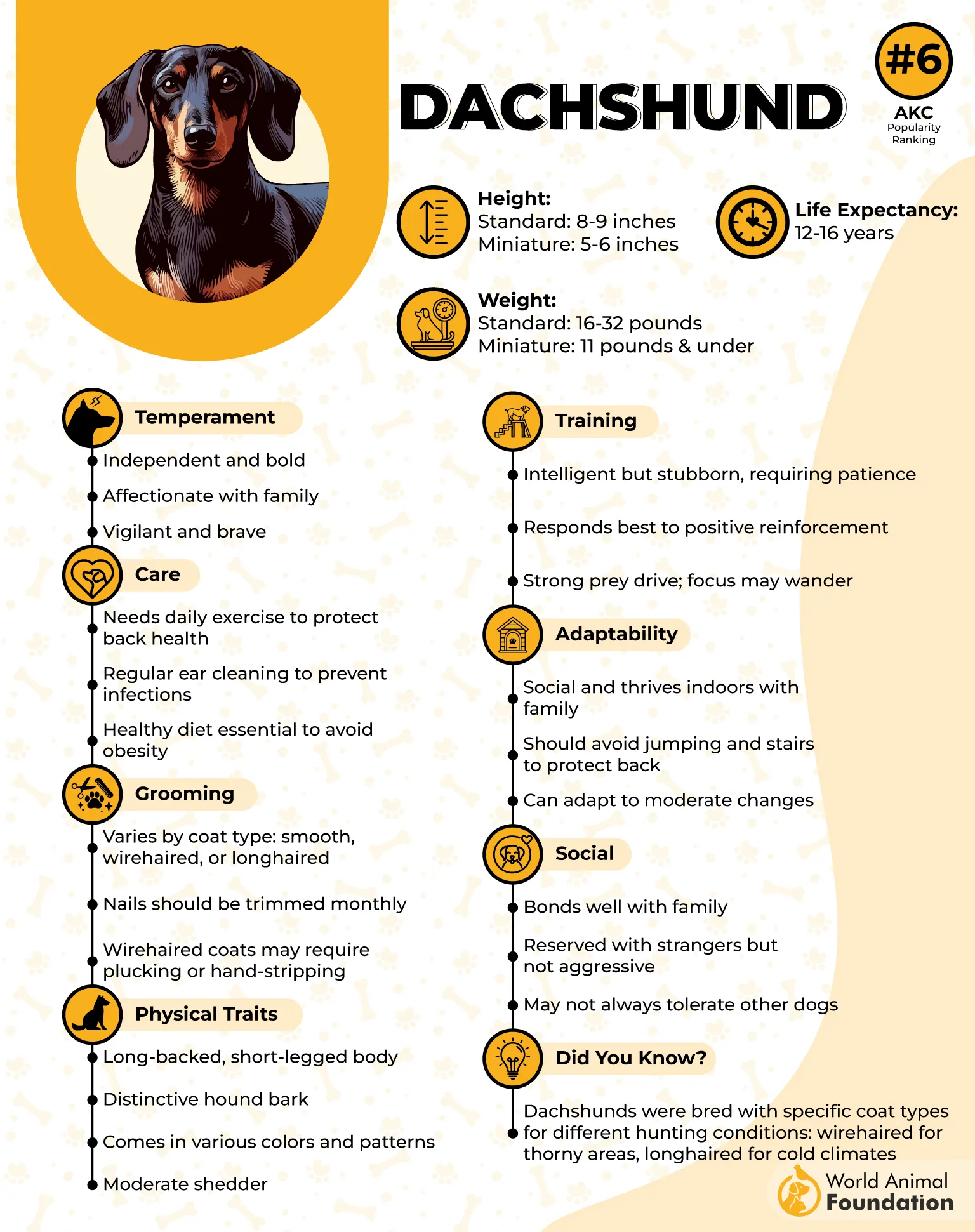
Because of their body shape, Dachshunds can be prone to spine and mobility issues if not managed properly. Jumping from furniture, carrying extra weight, or lack of exercise can increase strain on their backs.
Still, many dog breeds live long, happy lives with the right care, and Dachshunds are no exception when preventive steps are taken early.
Strategies for a Healthy Life
Maintain a healthy weight to reduce pressure on the spine
Use ramps instead of allowing jumping on furniture
Provide regular, low-impact exercise like walking
Schedule routine veterinary checkups to catch issues early
7. Bichon Frise
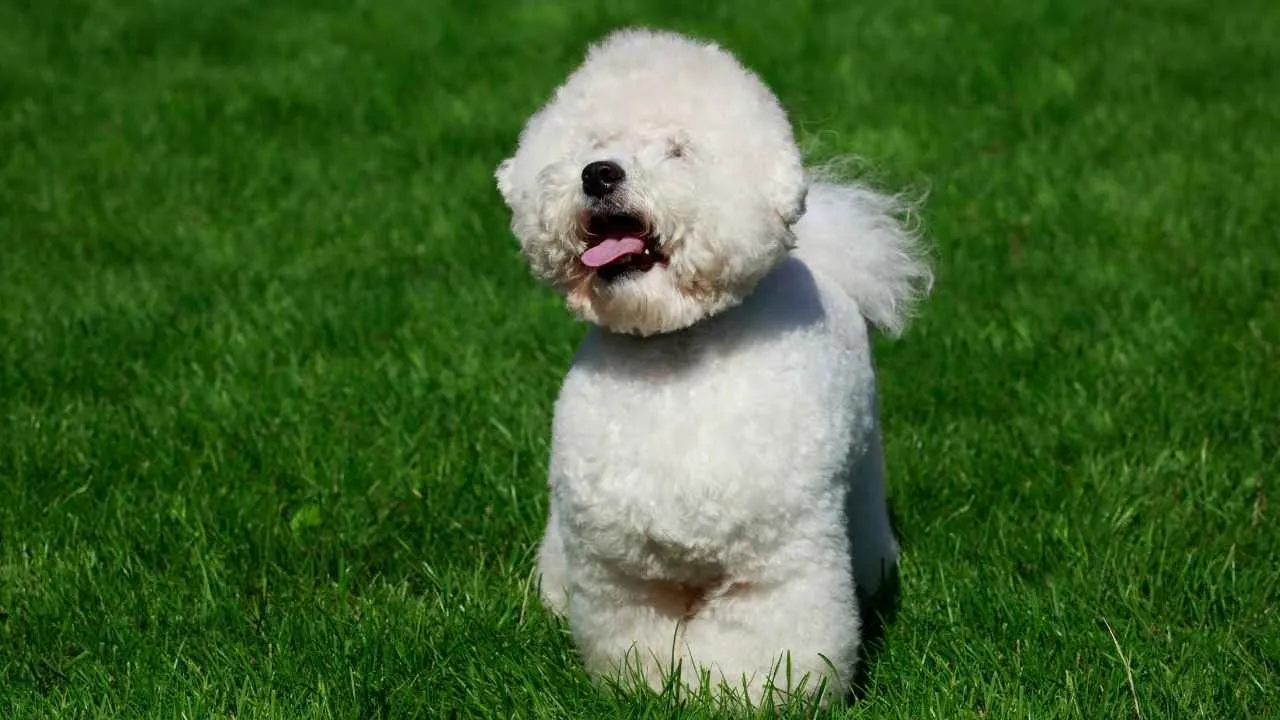
This active dog will always welcome you with a happy smile, and that cheerful nature is one of the reasons people fall in love with the Bichon Frise.
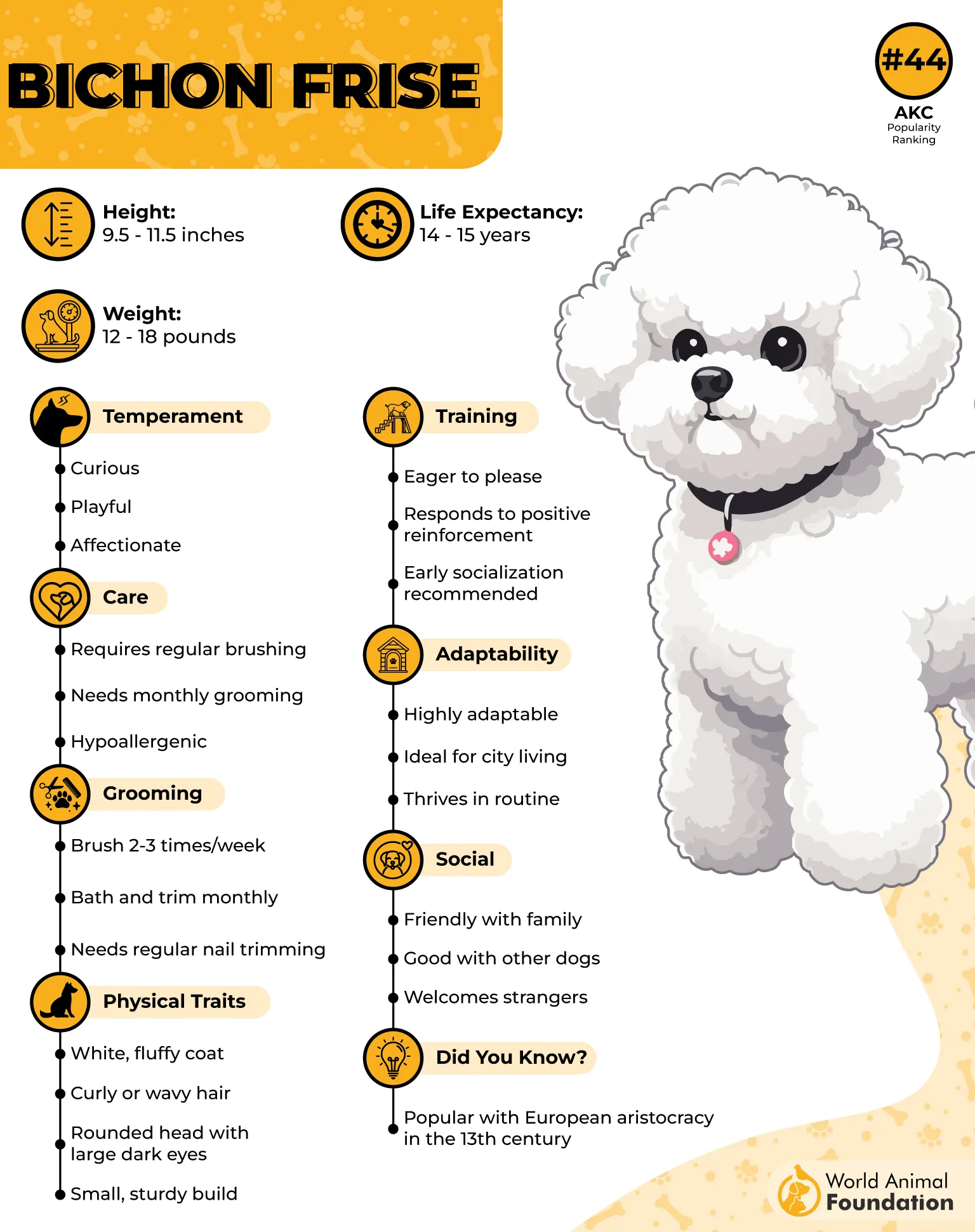
Known for its fluffy coat and joyful attitude, this long-lived dog breed brings warmth and fun into any home. Bichons are playful without being overwhelming, which makes them a great fit for families, adults, and even seniors who enjoy gentle companionship.
They love games, attention, and spending quality time with their people. Grooming plays an essential role in their overall well-being. Regular brushing and routine grooming help keep their coat clean and their skin healthy.
Care and Daily Wellness Tips
Regular brushing to maintain coat health and prevent skin issues
Routine grooming to keep them comfortable and clean
Simple training and interactive toys for mental exercise
Daily playtime to support emotional balance
A balanced diet with high-quality protein to maintain energy levels
Conclusion
Choosing a dog is not just about looks or popularity. It is also about time, care, and the life you will share.
Some dogs live longer because of their size, genetics, and overall health, and this can vary across different dog breeds, including mixed breeds, which often enjoy robust health. Others need more attention to weight management, dental health, or mental stimulation to enjoy a long life.
No matter which breed you choose, your role as a pet parent matters most, especially for senior dogs, who need extra attention. A balanced diet, regular vet visits, and daily exercise help prevent destructive behaviors, maintain mental health, and reduce risk factors for disease, improving a dog’s lifespan.
Small breeds and even mixed-breed dogs tend to enjoy longer years when given proper care.
So ask yourself—are you ready to support your canine health problems every day?
Are you prepared to give your pet the care it deserves for a healthier life?
A dog’s longevity is not just about years. It is about happy moments, strong bonds, and enjoying every stage of your dog’s life together.
