




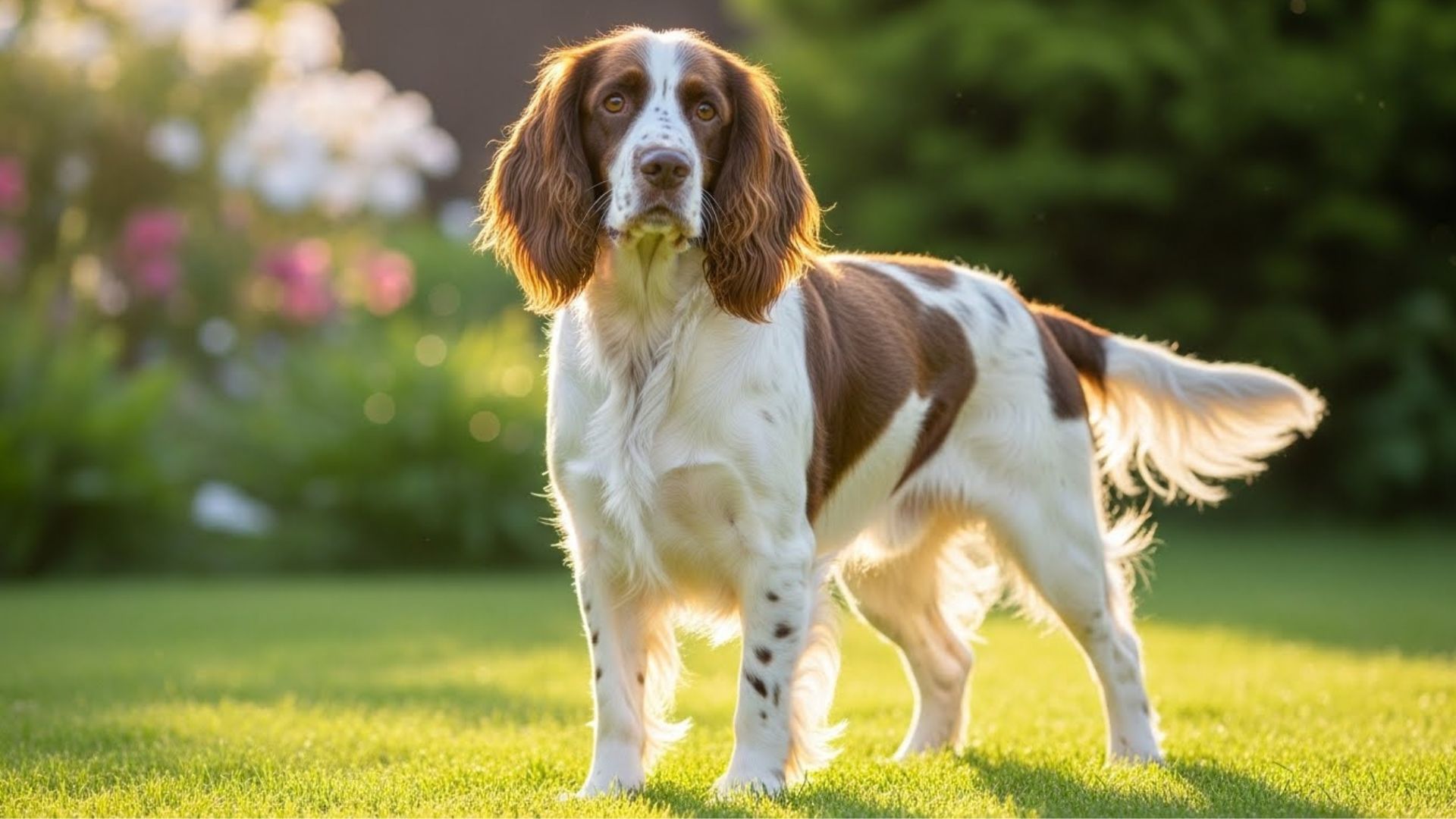
Small enough to lift, big enough to fill your whole heart today.
Medium-sized dogs are often considered excellent family dogs, thanks to their friendly personality, gentle temperament, and adaptability to family life and routines.
These family dogs are easier to manage than larger dogs, making them especially suitable for homes with children. Medium-sized breeds can thrive in various living situations, from apartments to larger homes, as long as they receive enough exercise and mental stimulation.
They offer a balance between small dog breeds, larger dogs, and tiny toy breeds, combining manageability, sturdiness, and adaptability.
Dogs under 60 pounds can be easier to travel with and easier to fit into small spaces. But size is only one piece. Energy, training needs, shedding, and friendliness matter just as much.
Picture your real week. If you want calm evenings, pick a calmer breed. If you want action, choose a dog that loves work.
Here’s the good part: there is a perfect match out there for almost every home.
Dog Breeds Under 60 Pounds: Find Your Match
1. English Springer Spaniel
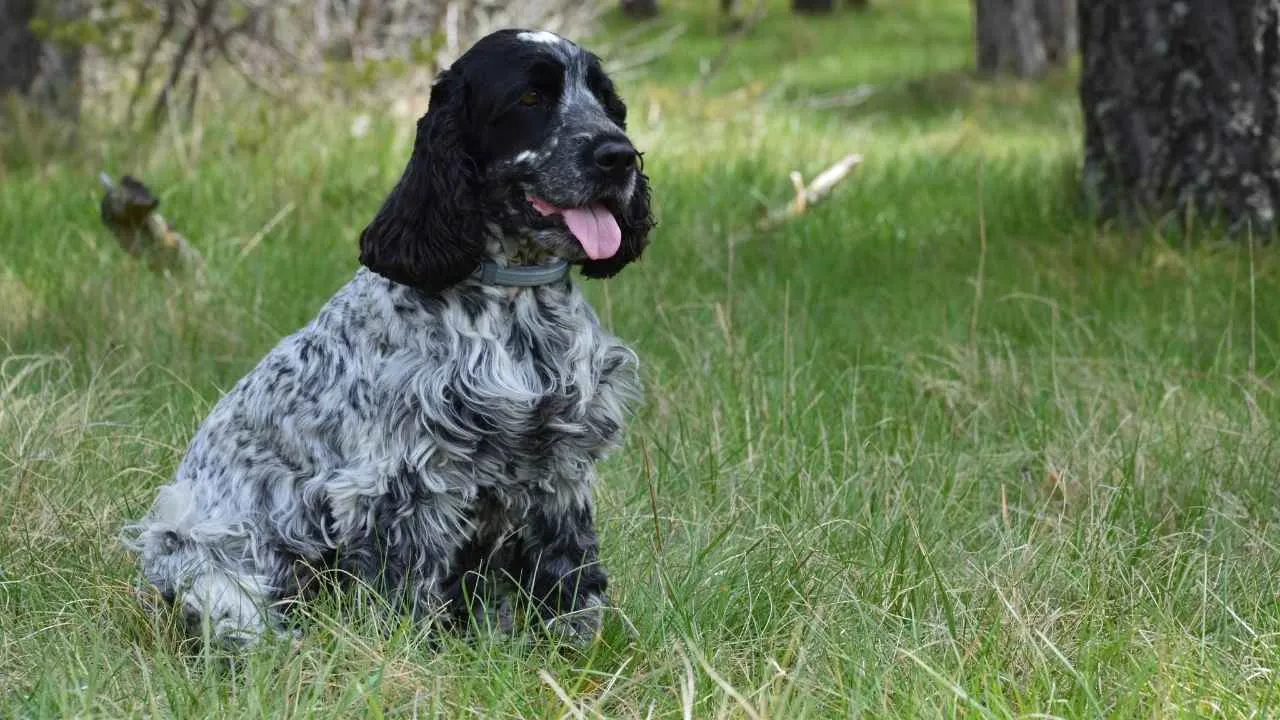
The English Springer Spaniel sits in that sweet spot: not tiny, not huge, just right for most homes. Many adults land around 40–50 pounds, so you get a solid, sporty dog without needing a sofa the size of a bus.
According to the AKC, they were bred to work close to people, and you feel that in daily life. This dog wants to be where you are, doing what you are doing, even if that is just making coffee and dropping a toy at your feet.
If you like a dog that reads the room, this one often does. Springers tend to be gentle, loving, and eager to please.
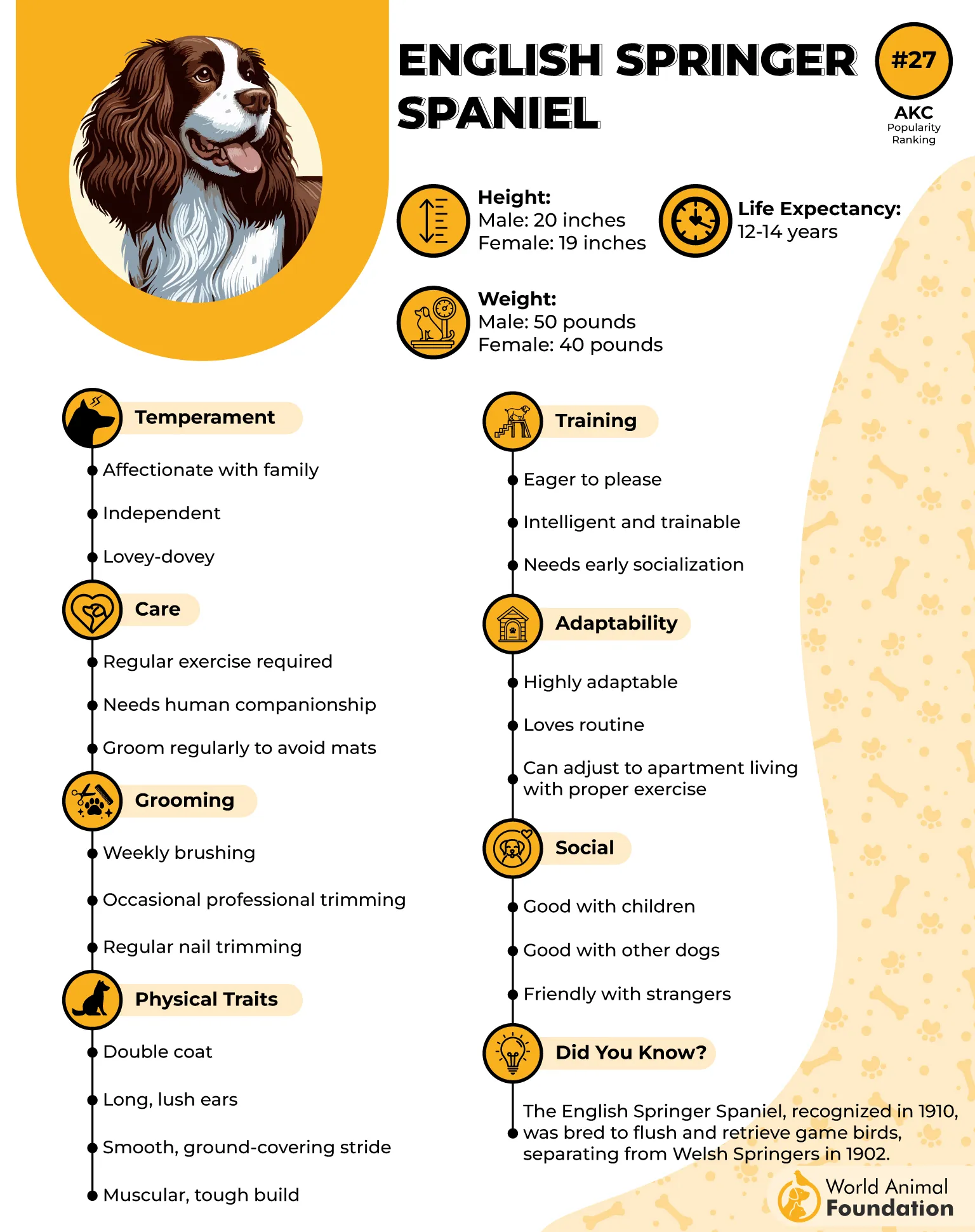
And here’s the best part! They usually want to learn. Give them clear rules and a fun routine, and they often turn into the kind of buddy who makes you look like a “good dog person,” even on your messy days.
They are active, though. A bored Springer can turn into a sock thief with Olympic-level speed. Daily walks, sniff time, and some play that uses their brain help a lot.
Their feathered coat needs regular brushing, especially around the ears and legs. Keep those ears clean, too, since floppy ears can trap moisture after baths or rain.
Best-fit notes
Great choice if you want a friendly, people-first family dog
Needs daily exercise and mental games, not just quick potty trips
Regular brushing keeps the coat from turning into a tangled mop
2. Border Collie
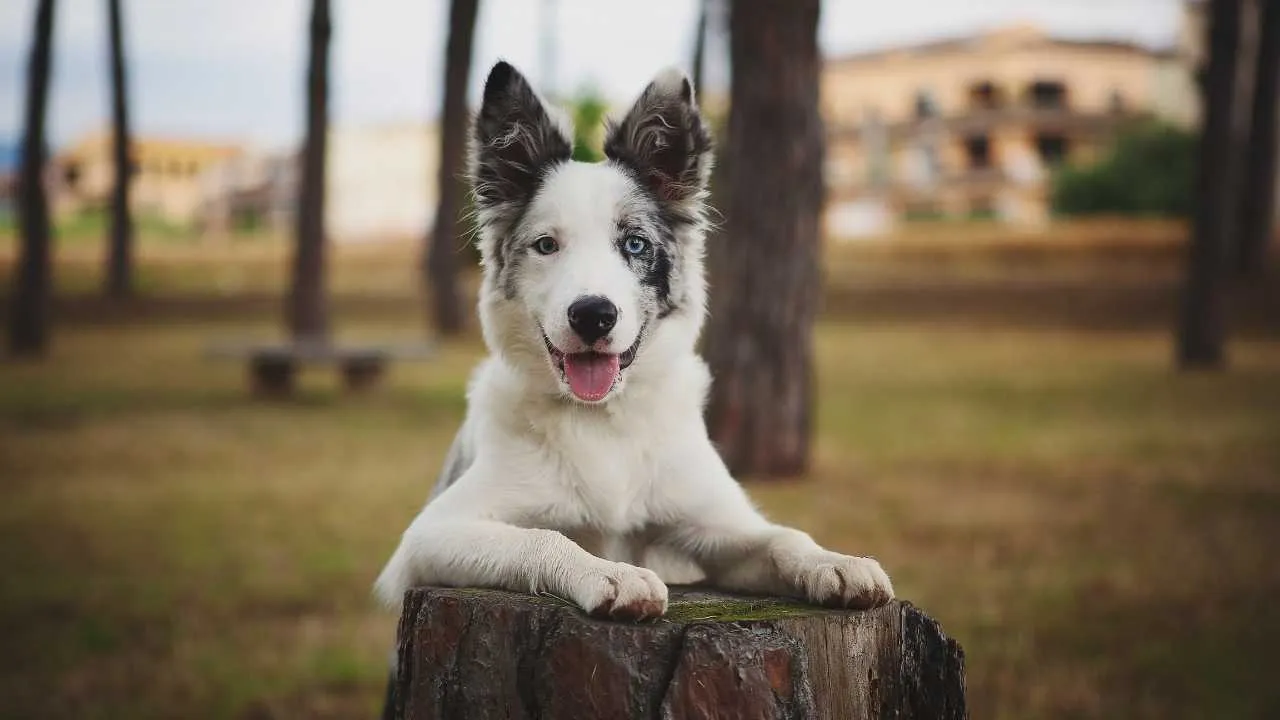
The Border Collie is basically a genius in a fluffy suit. Most stay under 60 pounds, often around 30–55 pounds, and they are built for movement. Border Collies are herding dogs, originally bred for herding livestock, and are considered athletic dogs due to their speed and agility.
You can almost see the “work mode” switch flip on when something exciting happens. A ball rolls, a kid runs, and the brain goes, “Job found.”
These dogs are smart, alert, and intensely focused. PetMD notes that Border Collies are among the most popular dogs for active families and require significant mental and physical stimulation. That focus is both the magic and the challenge.
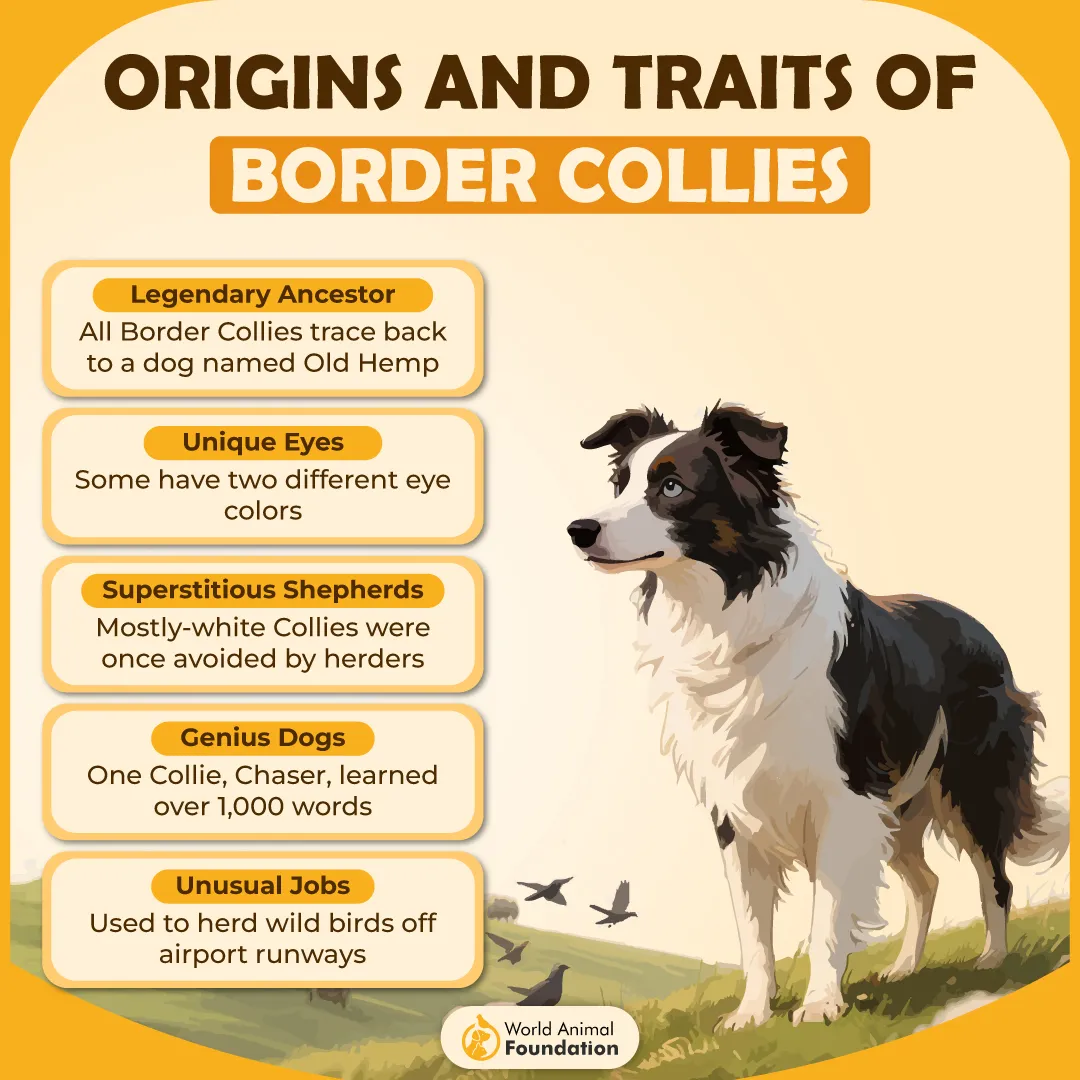
If you love training, trick work, agility, or long hikes, this breed can feel like the best teammate you have ever had. But why bother with that? Because if you do not give them a job, they will pick one, and you might not like it.
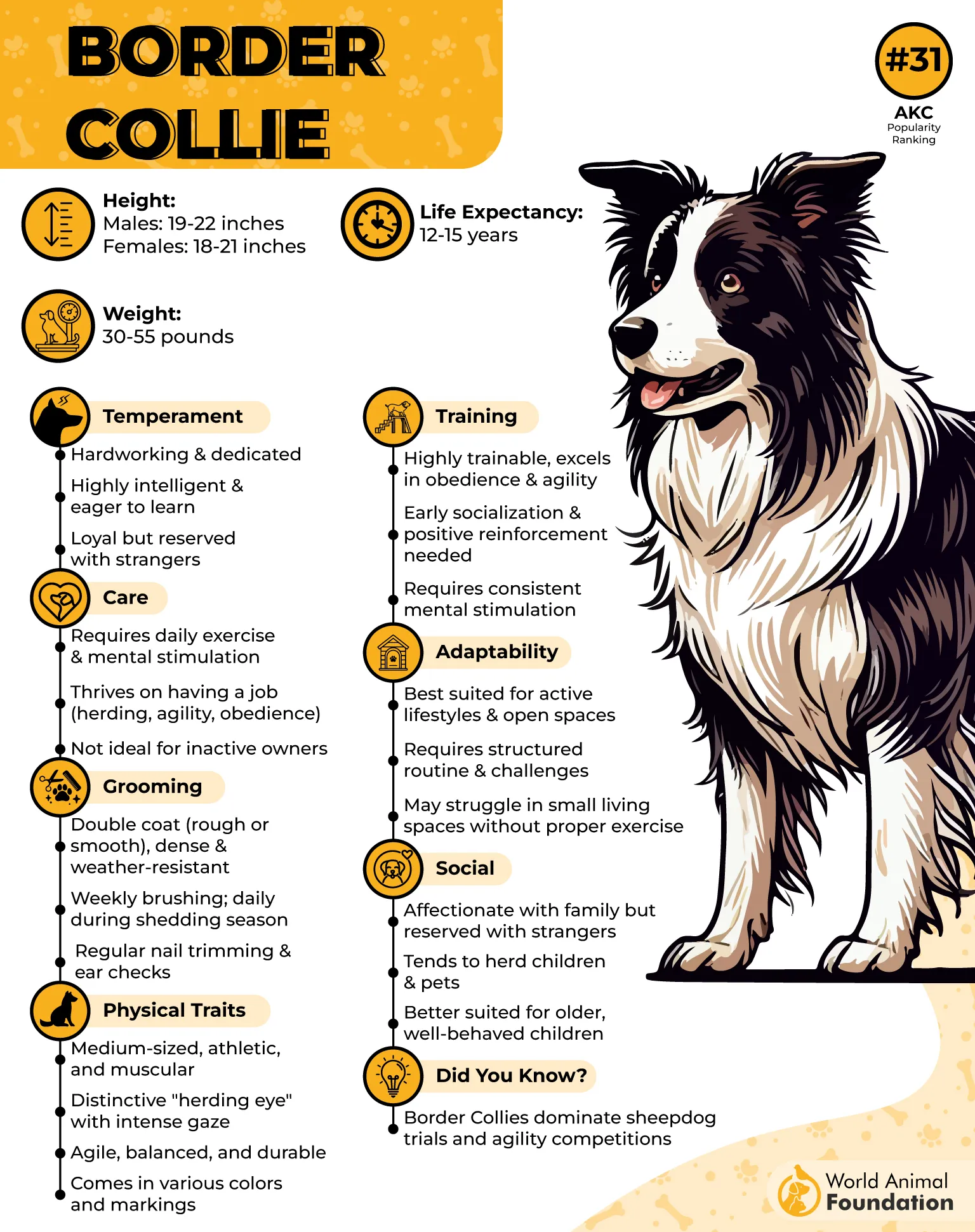
Border Collies do best with daily exercise plus brain work. High-energy dogs like Border Collies need at least 90 minutes of daily exercise to stay healthy and happy. Think puzzle feeders, scent games, and short training sessions.
They can be sensitive, so harsh handling can backfire. Use calm, upbeat training, and you will often see them shine. But wait, there’s more! Many bond hard to their people and love routines they can predict.
Best-fit notes
Ideal for active owners who enjoy training and structure
Needs serious daily brain work, not just a walk
Can try to herd people and pets without early guidance
3. Australian Cattle Dog
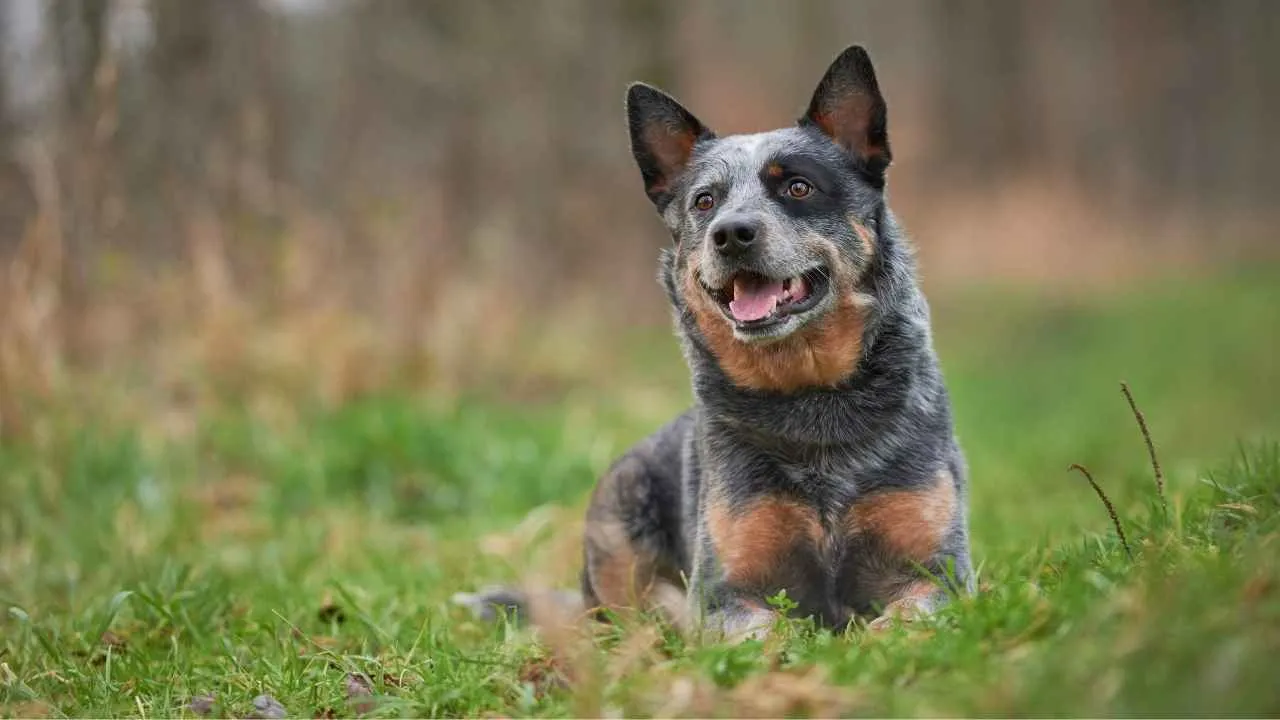
If you want a sturdy, compact worker, meet the Australian Cattle Dogs, a classic example of herding dogs originally bred for herding cattle in Australia.
Adults are often around 35–50 pounds, with a tough build that feels made for long days. This is a dog with “I’ve got this” energy. Loyal, smart, and always watching.
Australian Cattle Dogs can be wary of strangers and very devoted to their person. Early social time matters. So does training that is fair and consistent. These dogs are sharp.
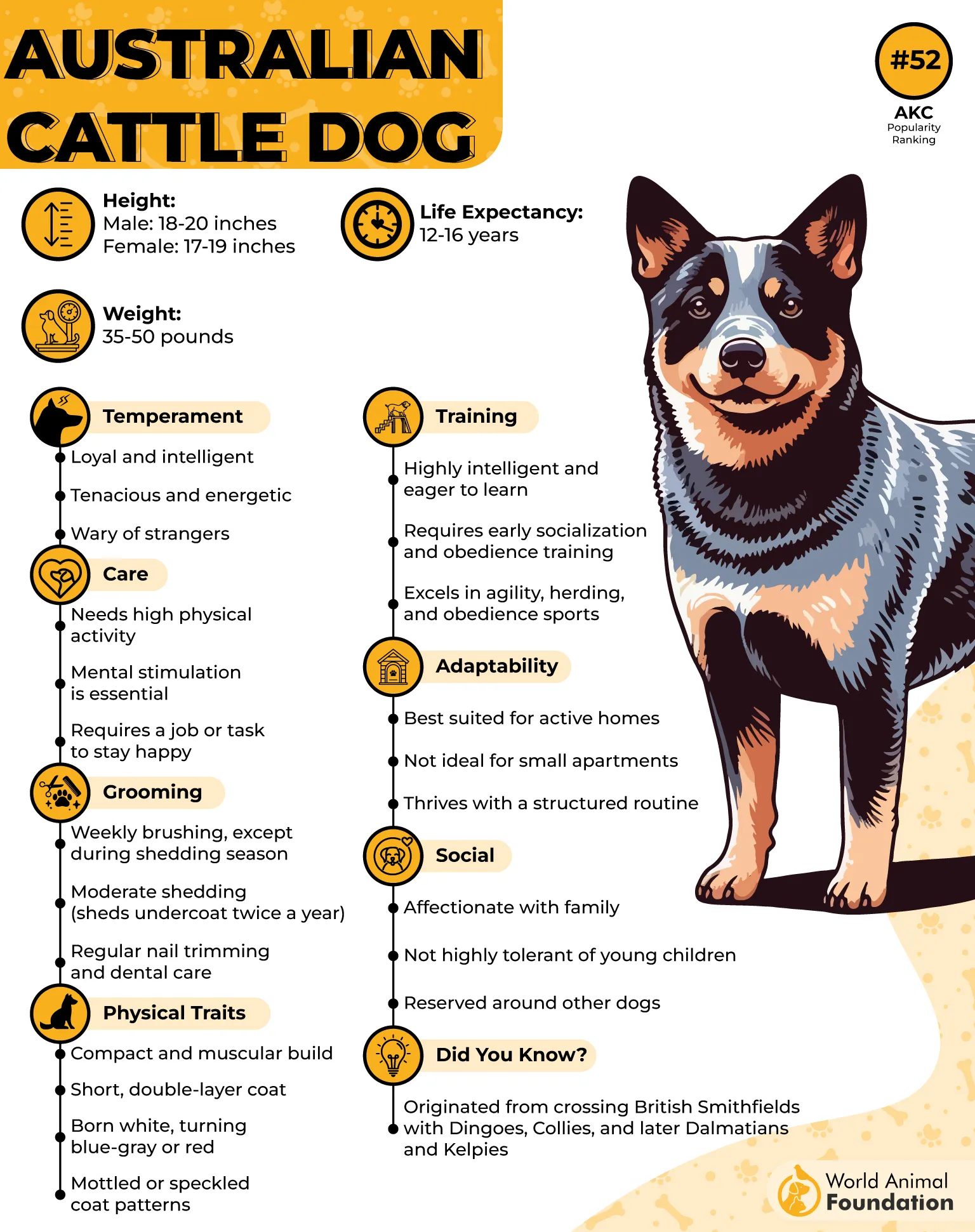
If you are unclear, they will notice. If you are unfair, they will remember. Some have a habit of nipping at heels when excited, so teaching polite play early helps a lot.
These hunting dogs thrive in active households and require daily physical exercise and mental stimulation to prevent behavior problems. A bored Heeler can get mouthy, nippy, and pushy.
It gets even worse, though, if they are stuck with nothing to do and no place to move. The good news is that they love learning and can excel at obedience, scent work, hiking, and active games.
Best-fit notes
Great for confident owners who like training and routine
Needs strong daily activity to avoid boredom behaviors
Loyal and watchful, so early social skills are key
4. Whippet
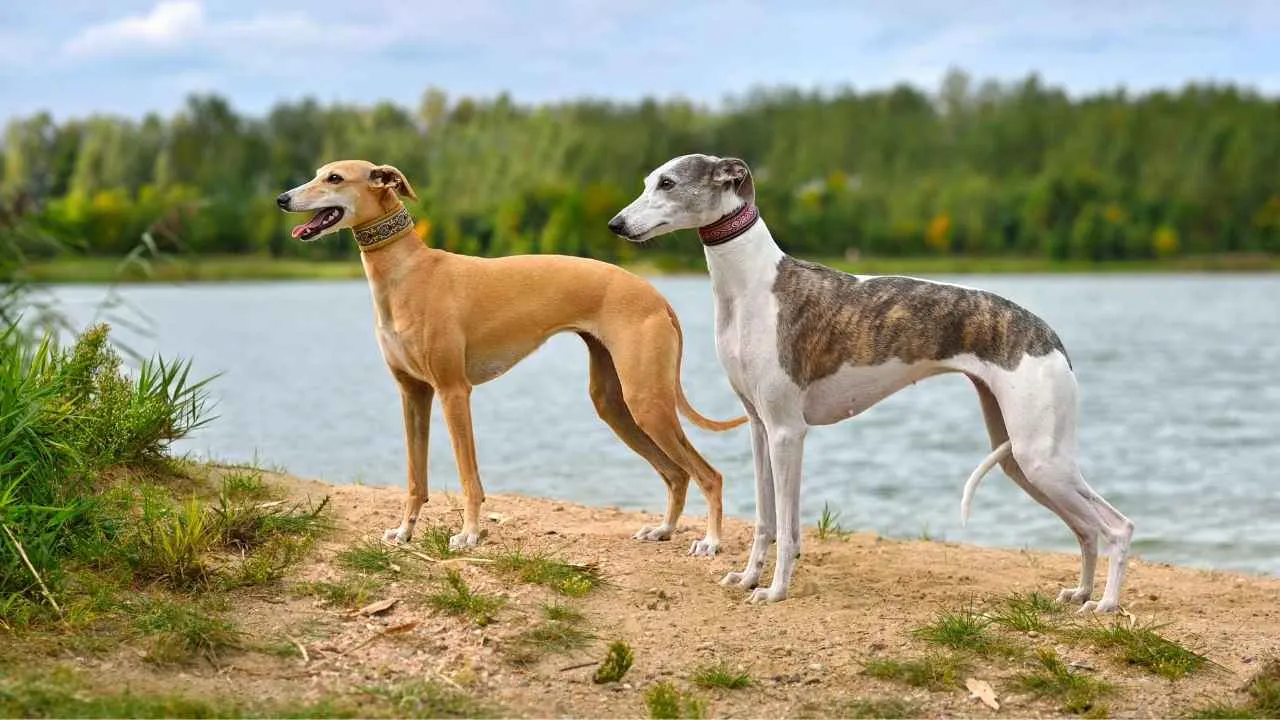
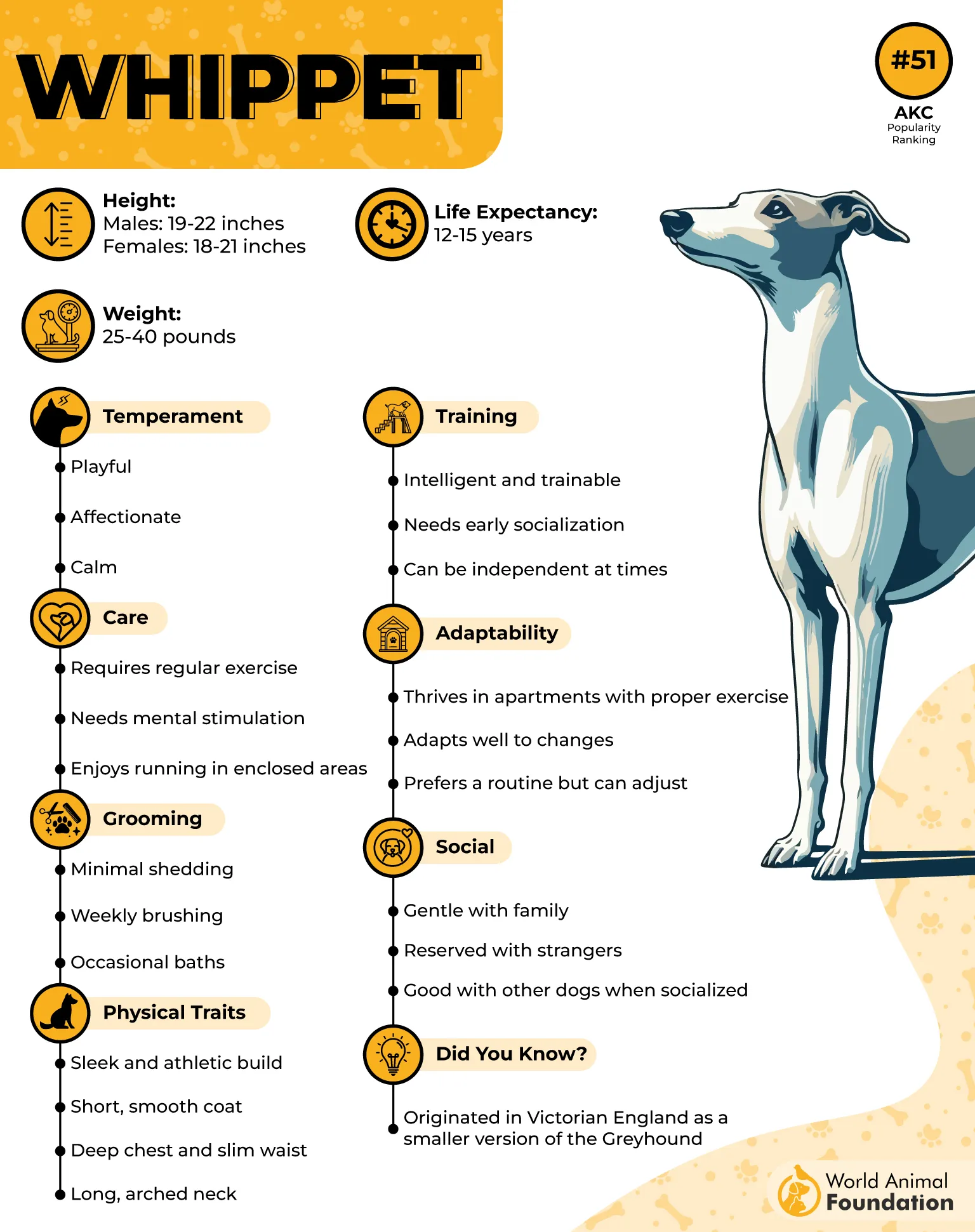
The Whippet is the “couch potato sprinter.” Most are well under 60 pounds, often closer to the 25–40 range. Whippets are athletic dogs known for their speed and agility, making them great companions for active families.
They look sleek and light, and yes, they can run like a little rocket. But inside the home, many are calm, gentle, and quiet. Sounds crazy, right? They were built for speed, not noise.
Whippets are often sweet and polite with family. Many do fine in apartments if they get daily walks and a chance to run safely. That “safe” part matters.
Sighthounds are built to chase, and a Whippet can spot a moving thing and take off fast. A secure yard or fenced area helps keep them out of trouble.
Their coat is short and easy. Weekly brushing is usually enough. They can be sensitive to cold, so a sweater in winter is not “extra.” It is comfort. Here’s the good part: they tend to bring a calm vibe to the house after their daily zoom.
As per WebMD, Whippets are among the top breeds under 60 pounds to consider for their energy, grooming needs, and temperament.
Best-fit notes
Great for people who want calm indoors with zoomies outdoors
Needs a secure run area and leash safety
Low grooming, but may need warmth in cold weather
5. Australian Kelpie
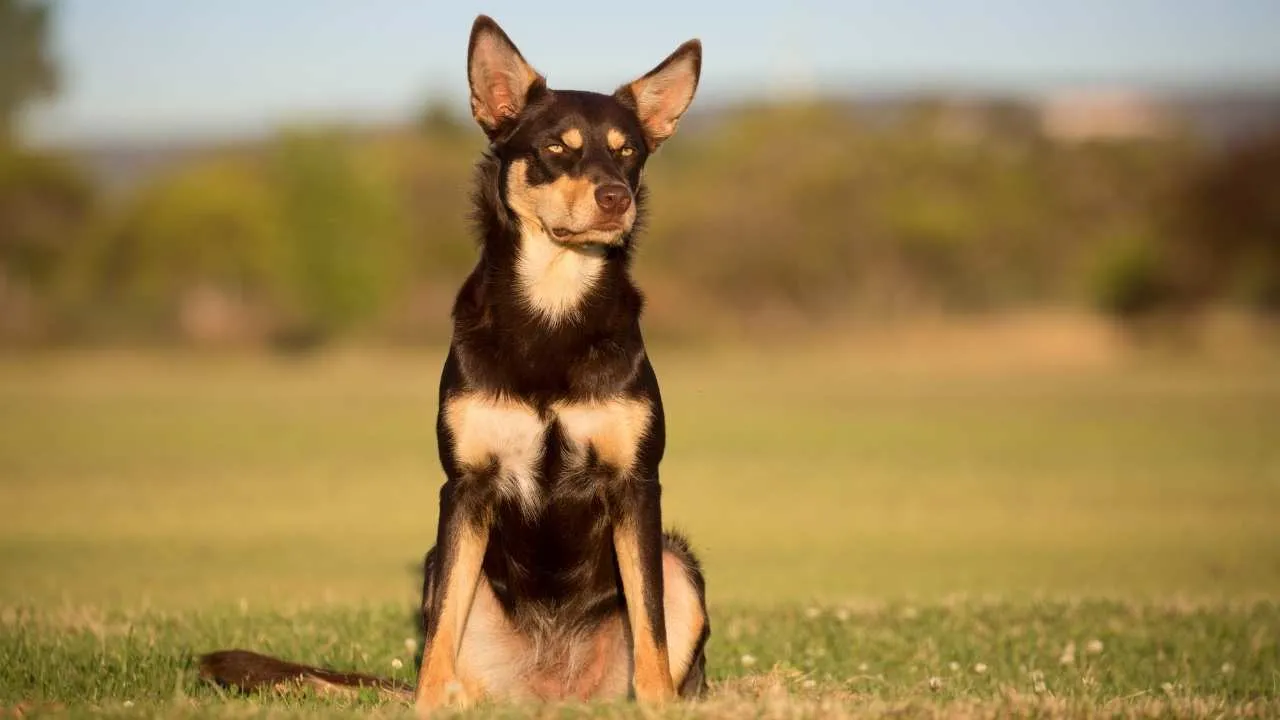
The Australian Kelpie is a bright, athletic herding dog that usually stays under 60 pounds, often around 35–50. As herding dogs, they were originally bred for herding livestock and are considered athletic dogs due to their speed, agility, and endurance.
They are ideal for active families who can provide regular physical exercise and mental stimulation. Kelpies are lithe, alert, and built to keep going. If you want a dog who wakes up ready for action, this is that dog. They do best with a life that includes movement, training, and a bit of adventure.
Kelpies are very smart and eager. Many are loyal and enjoy being close to their people, but they are not a “sit still all day” breed.
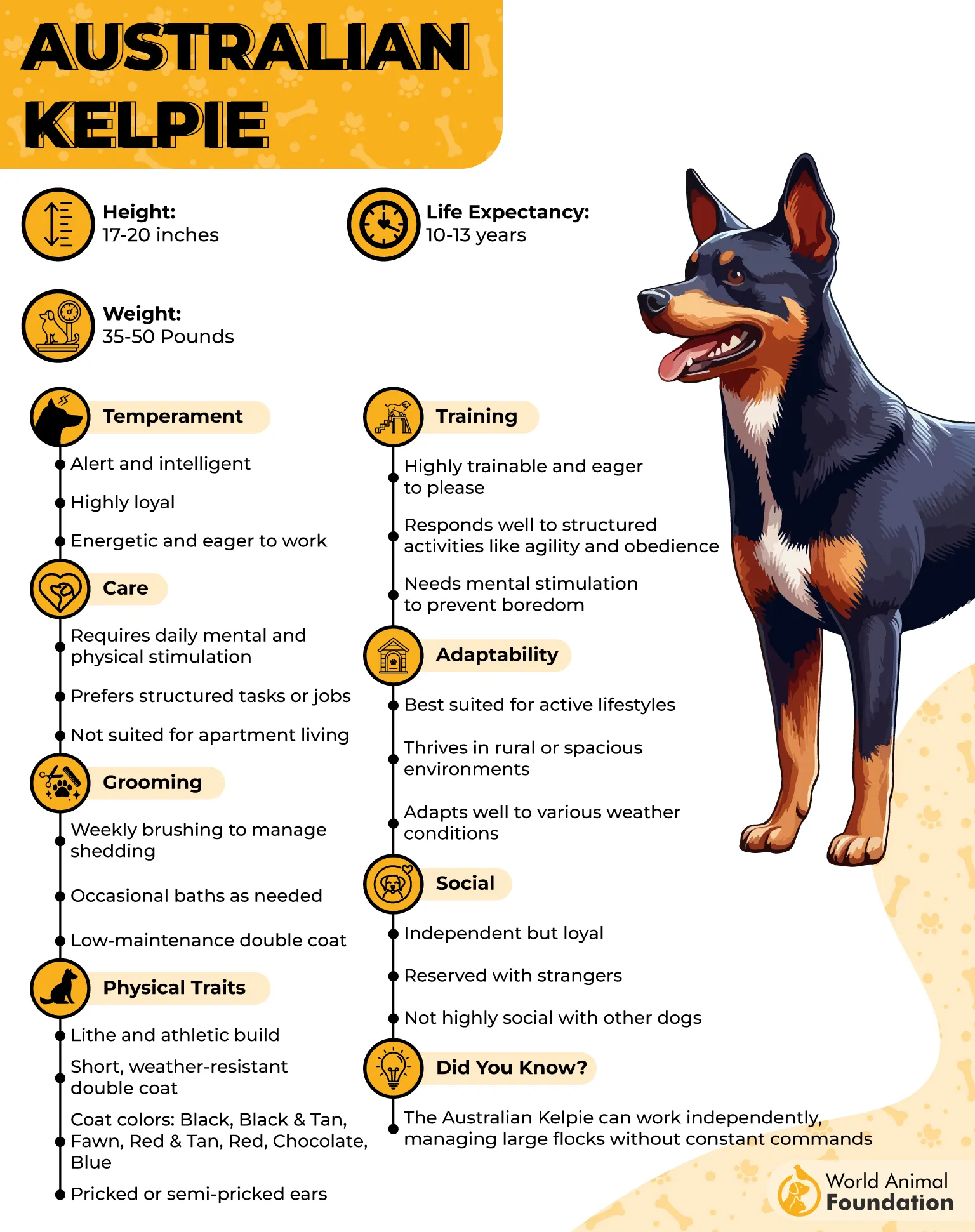
Give them a boring week, and they may start inventing chaos. A Kelpie with nothing to do can turn your backyard into modern art.
They often have fairly easy grooming needs, with a practical coat made for work. What they need most is a job. That job can be agility, running, fetch with rules, or scent games. When you give them purpose, they usually settle better at home.
Best-fit notes
Best for active owners who like daily training and play
Thrives with tasks, sports, and structured fun
Not ideal for very low-energy homes
6. Azawakh
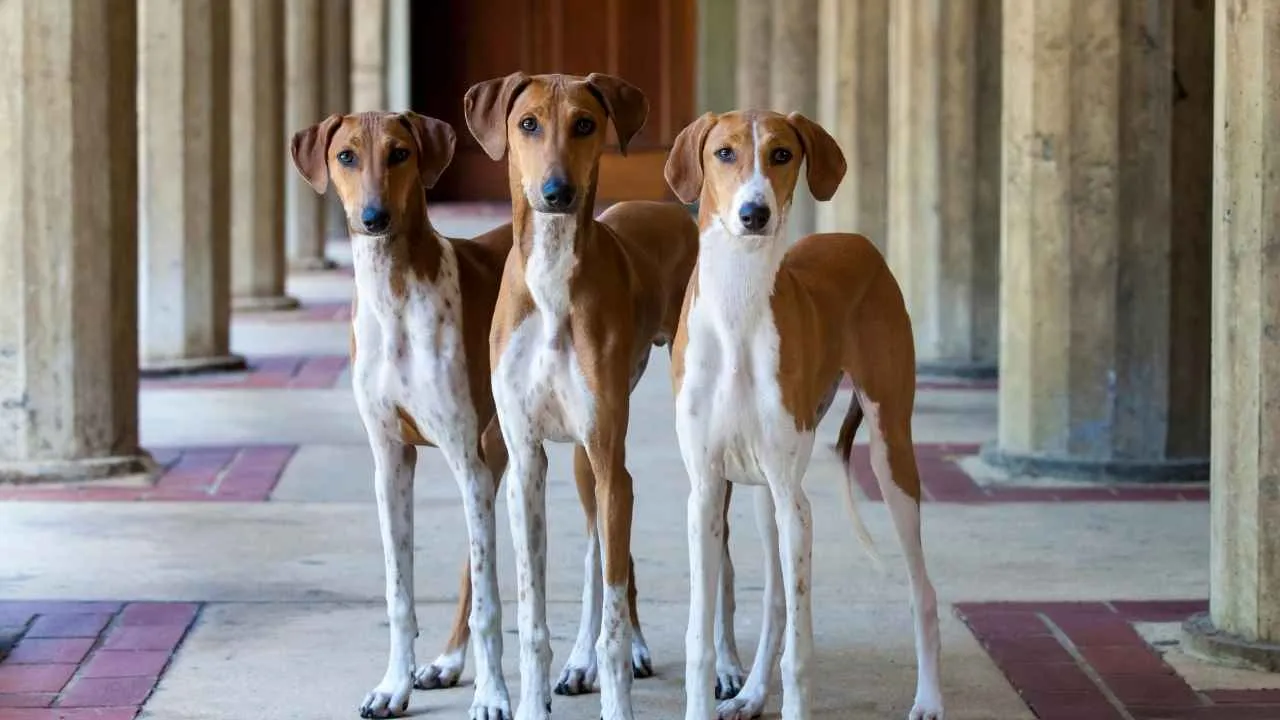
The Azawakh is tall, slim, and usually still under 60 pounds. Think “elegant runner” more than “chunky cuddle bear.” This breed comes from West Africa and was shaped by a job that mixed guarding and hunting.
Because of that, Azawakhs often bond deeply with their family but can be reserved with strangers. Azawakhs are wonderful companions who form strong bonds with their families, known for their loyalty and affectionate nature.
At home, many Azawakhs are calm and quiet, especially when their exercise needs are met. Outside, they can have strong chase instincts. So leash skills and safe spaces matter.
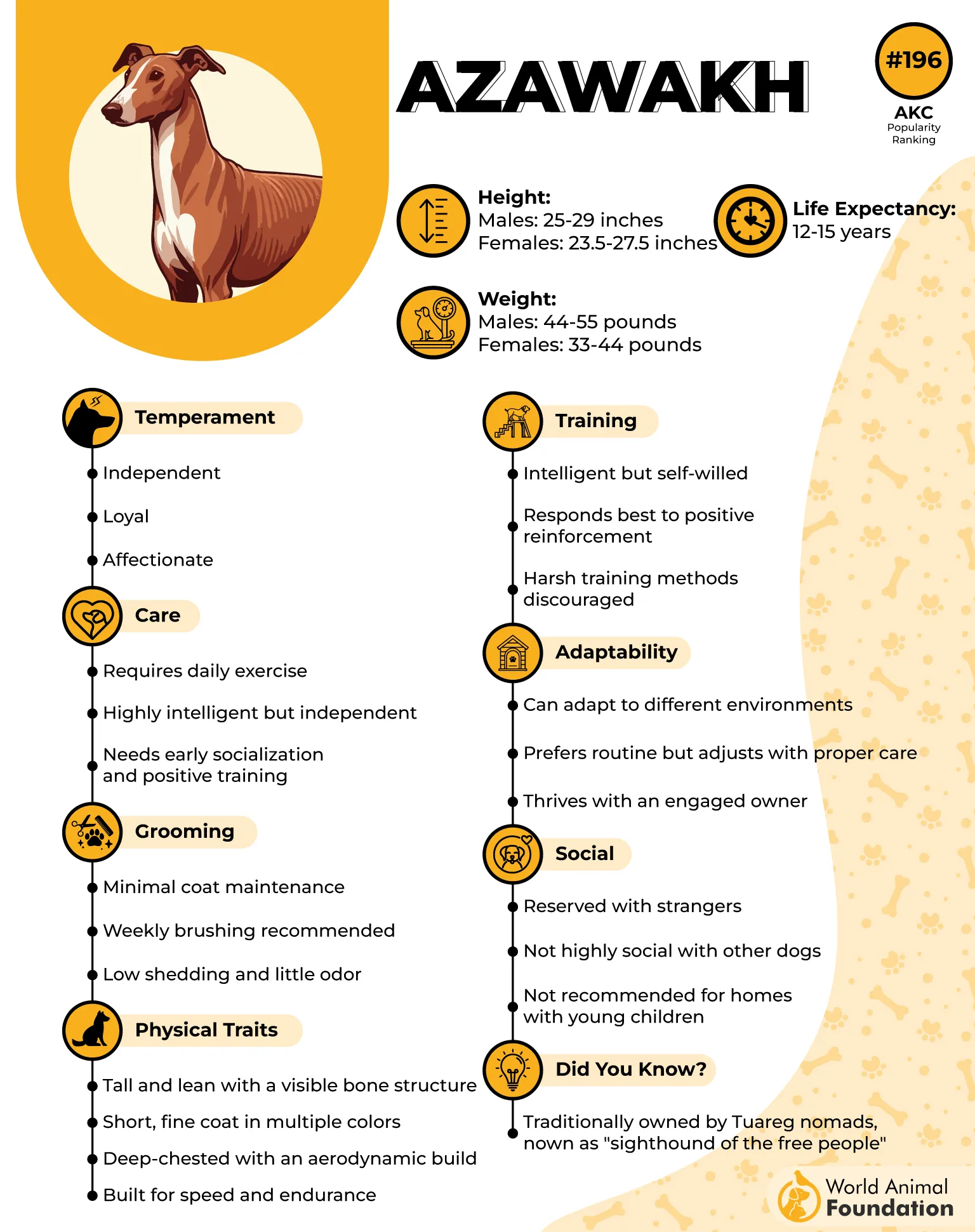
They also tend to be sensitive. If your house is loud and chaotic all day, it may be a rough fit.
They have a short, fine coat and are often easy to groom. But they can be sensitive to cold because they have low body fat and very little fur.
A warm bed and a coat in chilly weather can make a big difference. But wait, there’s more! When an Azawakh chooses you, the bond can feel deep.
Best-fit notes
Great for calm homes that respect a dog’s space
Needs daily exercise and safe chase management
May need extra warmth in cooler seasons
7. Basenji
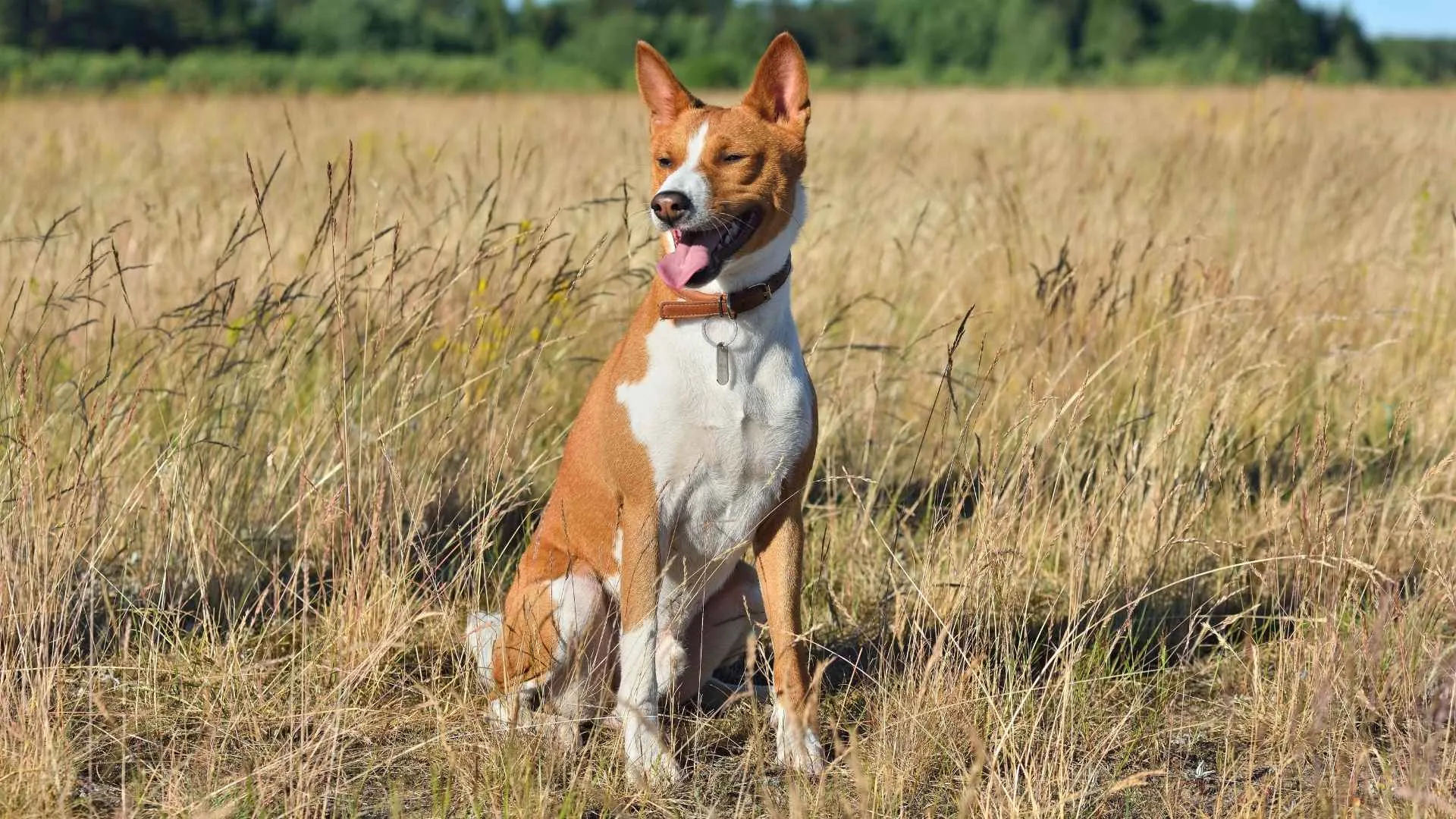
Basenjis are small-to-medium dogs under 60 pounds and are famous for being “barkless.” They can make yodel-like sounds instead of classic barking. That alone makes some people fall in love.
But why bother with that? Because quiet does not always mean easy. Basenjis are clever, curious, and independent.
Basenjis are great family pets who can adapt well to family life and various living situations, including apartments, as long as they receive adequate exercise and mental stimulation.
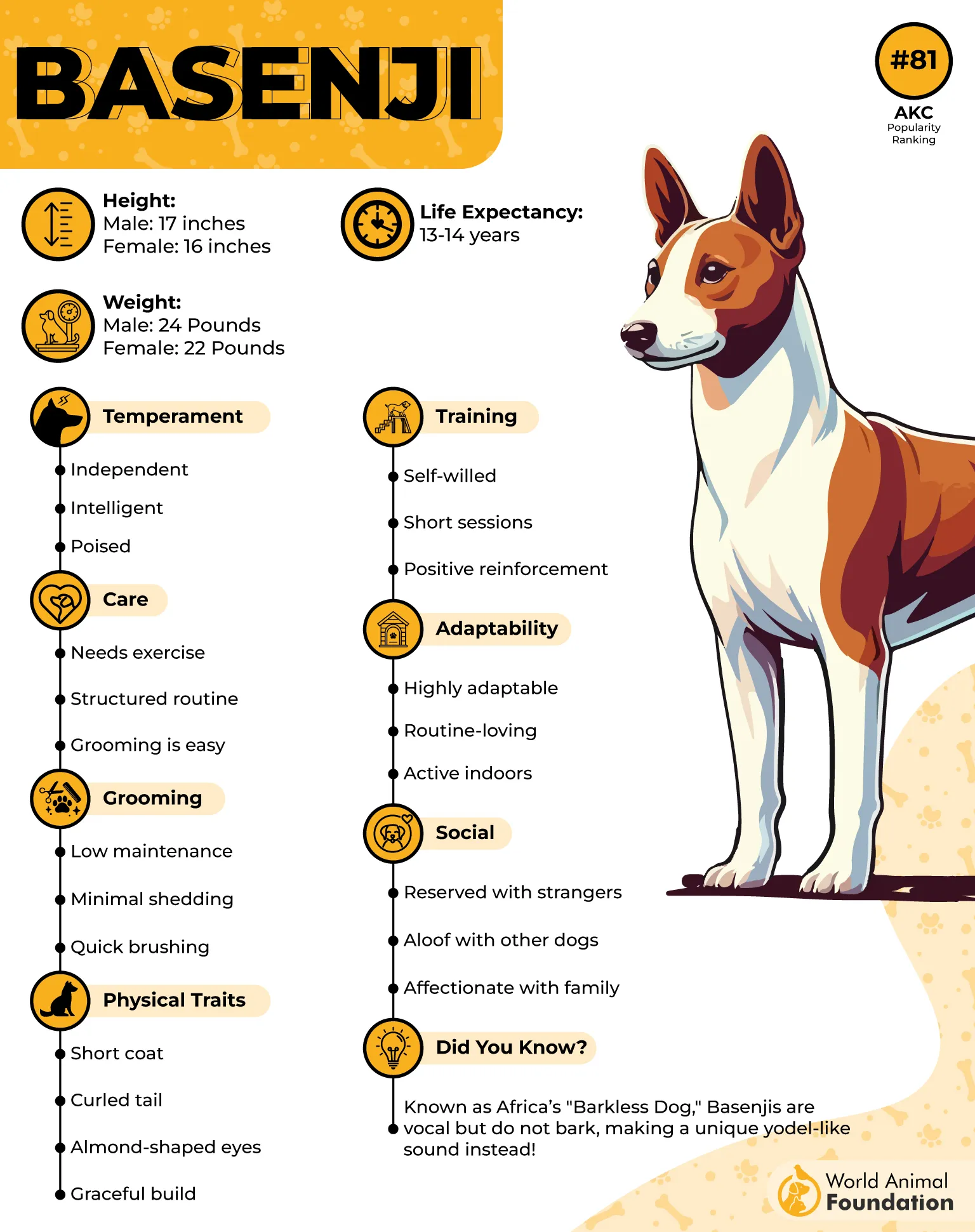
Many Basenjis are clean and even groom themselves a bit like cats. Their short coat is usually easy to manage with professional grooming.
They can be affectionate with family, but often aloof with strangers. They also have a strong prey drive, so tiny pets and off-leash situations can be tricky.
They need exercise and brain work, plus safe containment. A bored Basenji can become a little escape artist. Here’s the best part! If you enjoy a dog with a big personality in a smaller body, this breed delivers.
Best-fit notes
Good for people who like a quiet, quirky, catlike dog
Needs secure fences and safe leash habits
Training takes patience, games, and rewards
8. Grand Basset Griffon Vendéen
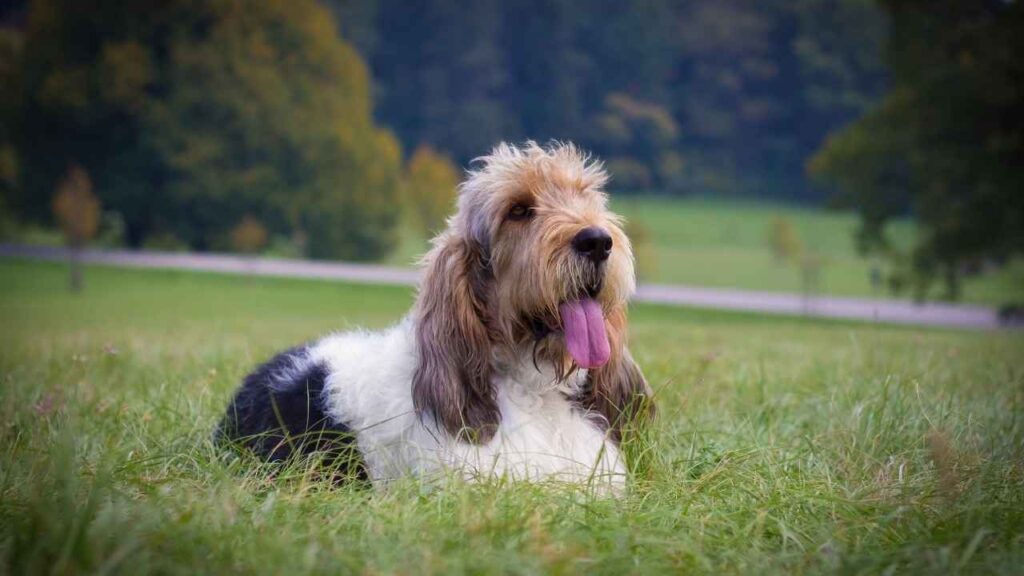
The Grand Basset Griffon Vendéen, or GBGV, is a medium hound that usually sits under 60 pounds, often around the 40–45 range. They are shaggy, cheerful, and built to follow their nose.
The GBGV is a great family dog who gets along well with children, other animals, and other pets, making them an excellent choice for multi-pet households. This is a “let’s go smell the world” dog, and their joy can be contagious.
GBGVs tend to be happy-go-lucky and pretty social. Many love physical affection, including a famous habit some owners call the “Grand Hug,” where they lean in like they are giving you a full-body hello.
That is adorable. They were made to work, so they often need more than a short stroll.
Because they are scent hounds, they may follow smells with zero shame. Recall can be hard if you do not train it early. Use a long line, practice in safe places, and reward like you mean it.
Their rough coat may need routine brushing to keep burrs and tangles out. Scent games can tire them out fast.
Best-fit notes
Great for people who love a friendly, goofy hound
Needs long walks, sniff time, and scent games
Training recall takes patience because the nose is in charge
9. Canaan Dog
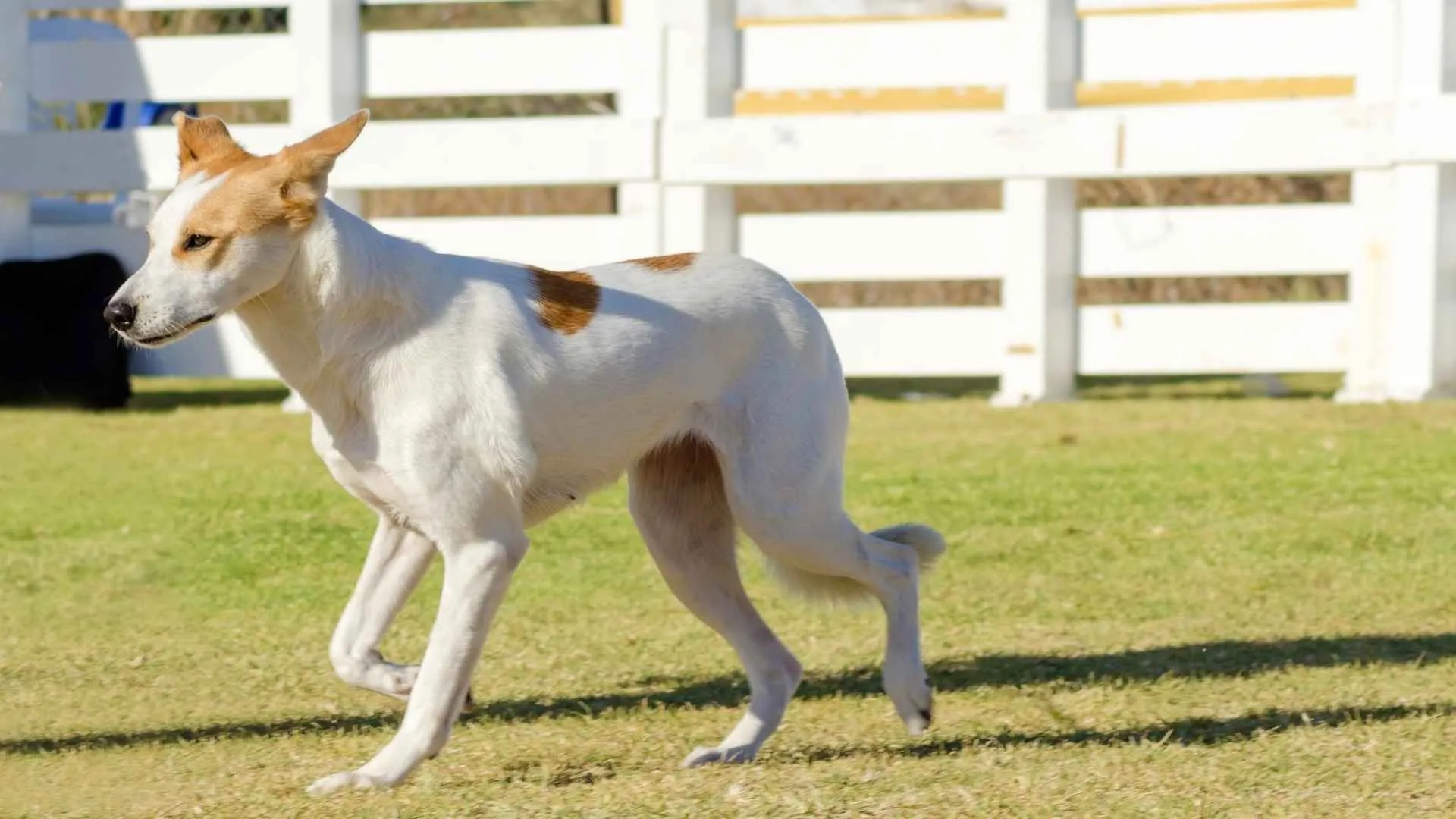
The Canaan Dog is a rare, medium-sized breed that usually stays under 60 pounds, often around 35–55. This is an ancient type of dog from the Middle East, shaped by guarding and survival.
Canaan Dogs are loyal dogs who make great companions for active households, known for their affectionate nature and strong bond with their families. They are quick, alert, and often very loyal to their family. With strangers, many are more reserved and watchful.
Canaan Dogs can be smart and trainable, but they like to understand the “why.” They are not usually a blindly obedient breed.
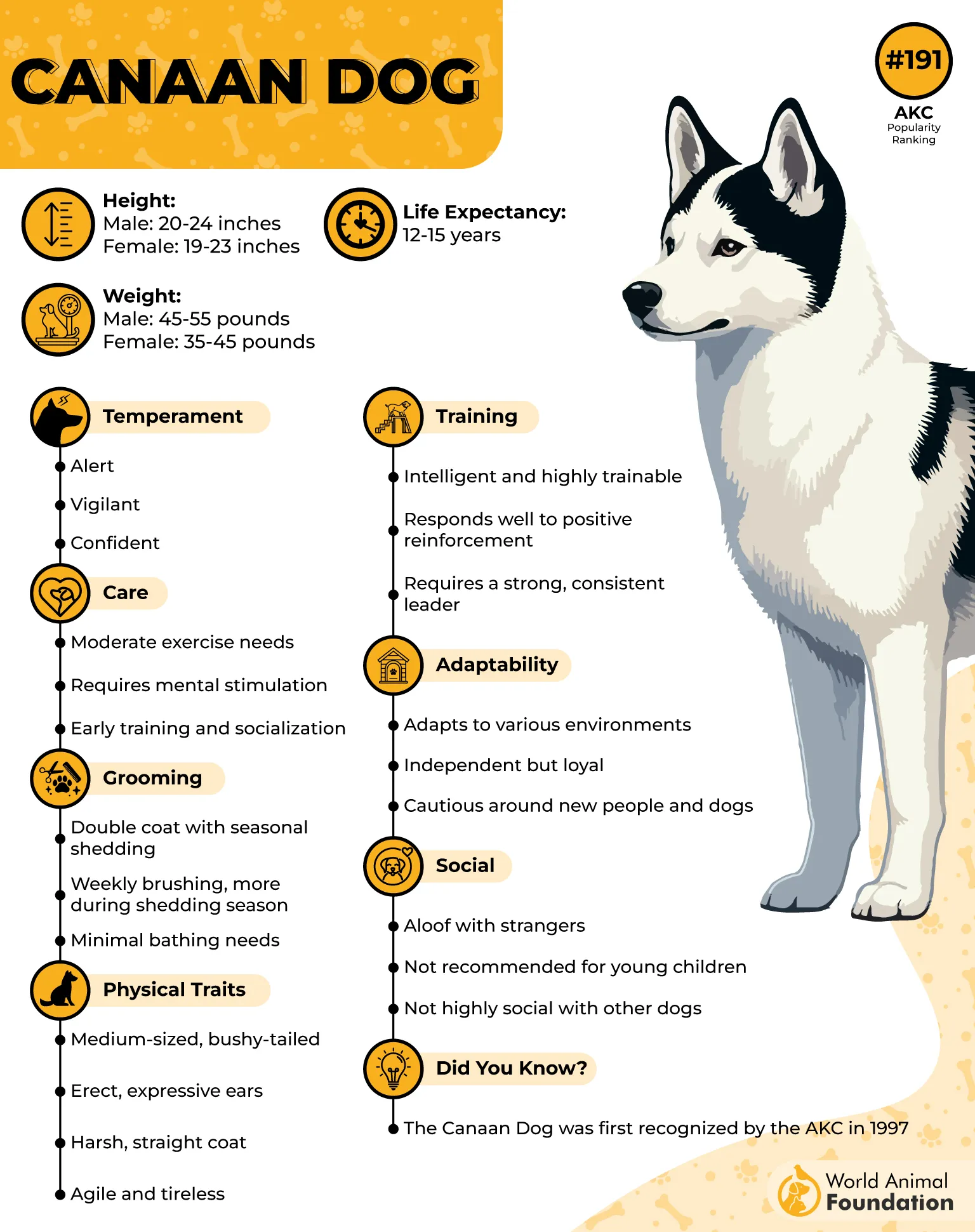
Early social time helps them feel confident, and positive training helps them trust you. They can also be vocal. If you want a silent dog, this may not be your best match.
Their coat is practical and not high-maintenance. Weekly brushing is often enough, with heavier shedding at times. They need daily activity, but many do not need nonstop marathon sessions.
Give them walks, play, and brain games, and they often settle. Here’s the good part: when a Canaan Dog bonds with you, it can feel steady and strong.
Best-fit notes
Great for people who want a loyal, alert companion
Needs early social skills to stay confident with strangers
Moderate exercise plus consistent training keeps them balanced
Conclusion
Medium-sized dog breeds offer a delightful mix of personality, adaptability, and companionship, making them a favorite among pet owners and families alike. From the affectionate Cocker Spaniel to the energetic Australian Shepherd, there’s a breed to match every lifestyle and preference.
By considering important factors such as grooming needs and training requirements, pet parents can ensure they choose the best medium-sized dog for their home.
Many of these breeds feature a medium-length coat and minimal grooming needs, making them excellent family pets for both new and experienced dog owners, bringing loyalty and love into any household, proving time and again why they are considered some of the best companions for families and individuals.
