




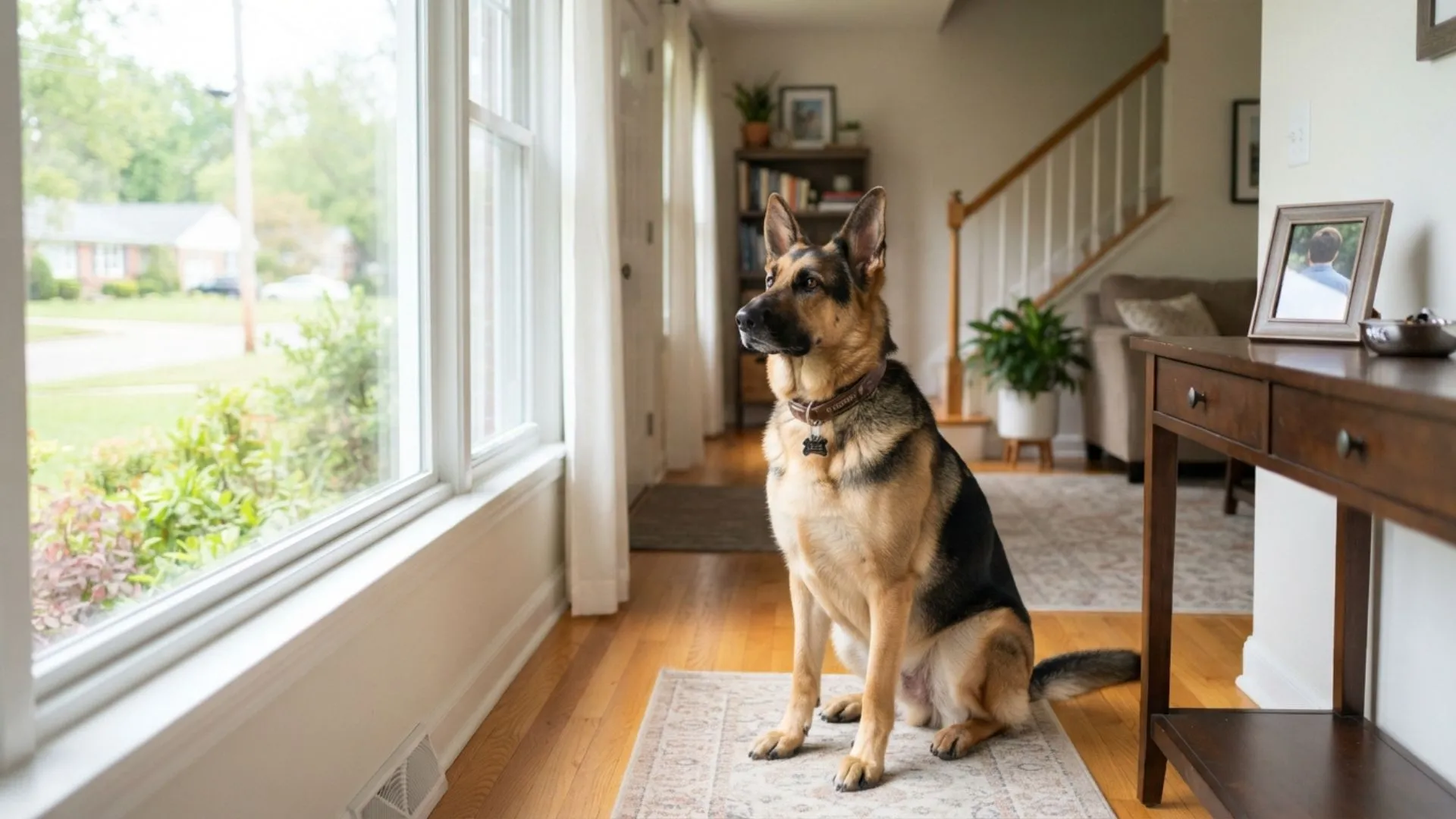
Living alone can feel peaceful, freeing, and, honestly, kind of elite until every weird noise at midnight suddenly turns into a full-on thriller movie. A loyal dog can bring comfort, routine, companionship, and an extra layer of awareness around the home. The best part is that many protective breeds do not need to be aggressive to help you feel safer.
A good home-safety guard dog breed is not just a big dog with a loud bark. The real magic is confidence, loyalty, training, emotional balance, and the ability to notice when something feels unusual. These breeds can act as natural deterrents because their size, posture, bark, and alertness make strangers think twice.
Before choosing any guarding breed, be honest about your space, schedule, strength, experience, and lifestyle. Let’s break down seven breeds that can help keep your home safe when you live alone.
Dog Breeds to Keep Your Home Safe When Living Alone
1. Boerboel

The Boerboel is a serious South African guardian breed with farm-protector roots and major “do not test this household” energy. Some of the best guard dogs out there, they were developed to watch over families, land, and livestock, often making decisions without waiting for a human command.
For someone living alone, that natural confidence can feel incredibly reassuring when paired with proper training.
Despite their powerful build, these muscular dogs can be emotionally sensitive and tuned into their owner’s mood. Many owners say they notice tiny changes in body language, tone, and household atmosphere, as if they were reading subtitles nobody else can see.
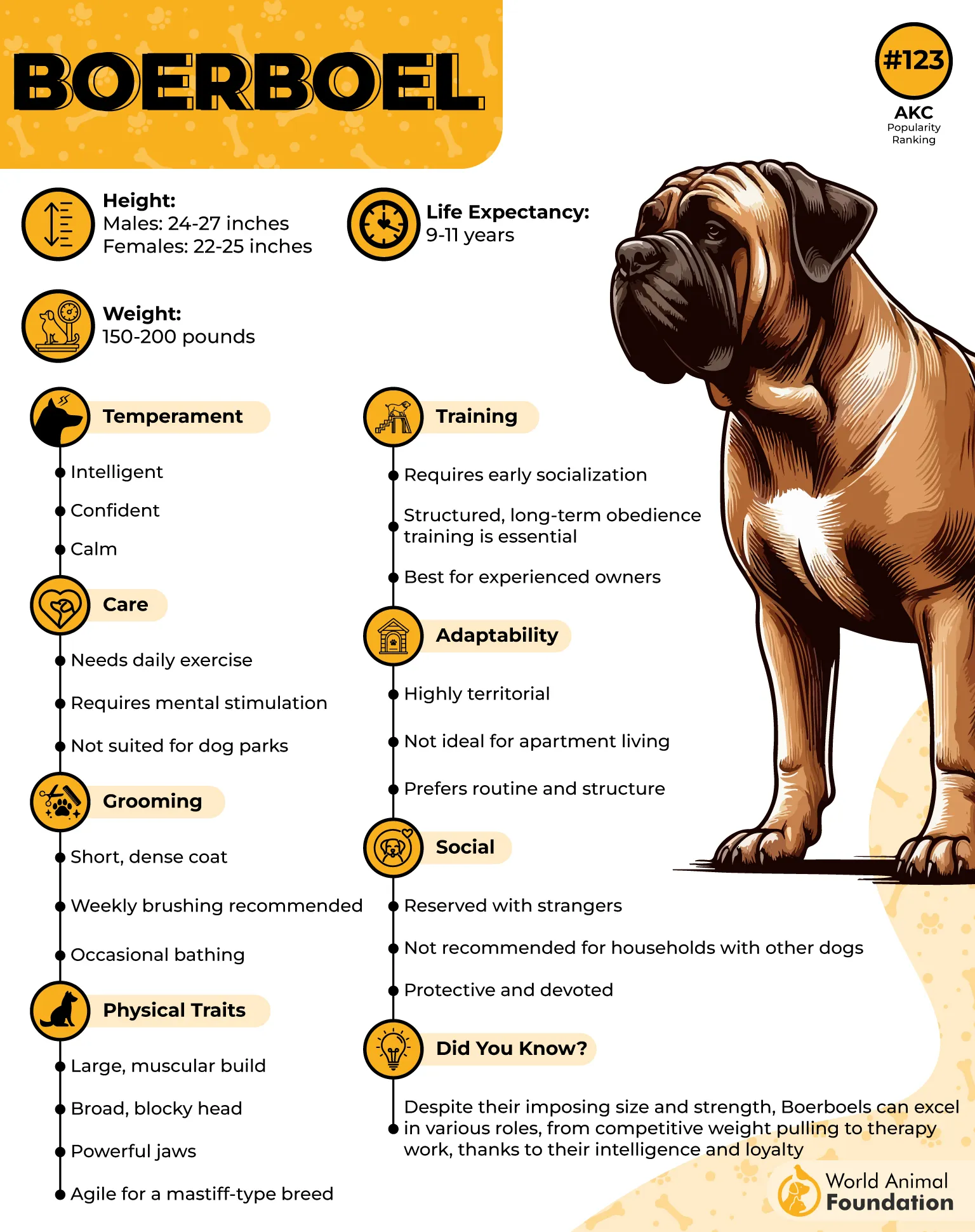
These large dogs are not lazy couch statues, even though they love a cuddle once their needs are met. They need exercise, space, mental work, and firm but fair leadership to stay balanced. A bored or undertrained Boerboel can become too much dog very quickly, especially for a first-time owner.
Their guarding style is usually quiet, physical, and extremely convincing. They are not known for pointless barking, so when a Boerboel does alert, you should probably pay attention. Often, their appearance alone is enough to make a suspicious person rethink their entire plan.
This breed is best for experienced owners who understand large guardian dogs and can commit to early socialization. A well-raised Boerboel learns who belongs, what is normal, and when to stay calm instead of overreacting. For the right solo owner, they offer deep loyalty, serious presence, and top-tier home confidence.
How Do They Keep Your Home Safe
Their size and steady stare create strong visual deterrence before a stranger even reaches the door.
They tend to stay alert without constant barking, making their warnings feel more meaningful.
Their bond with one owner can become deeply protective when guided through calm socialization and obedience.
Before You Choose a Boerboel Tap to check whether this guardian matches your lifestyle
A Boerboel offers tremendous loyalty and presence, but this powerful guardian requires experienced, responsible ownership.
- Protection style: Quiet and territorial
- Strongest quality: Powerful physical deterrence
- Alert behavior: Watches carefully before reacting
- Owner bond: Deeply devoted and protective
- Training level: Advanced experience required
- Best home: Spacious and securely managed property
Best suited to an experienced owner who understands powerful guardian breeds and can provide early socialization.
🎧 Dogcast
Episode 37 — Why Dogs Stay Close without Touching
If you don’t hear sound, tap the button above to enable audio.
2. German Shepherd
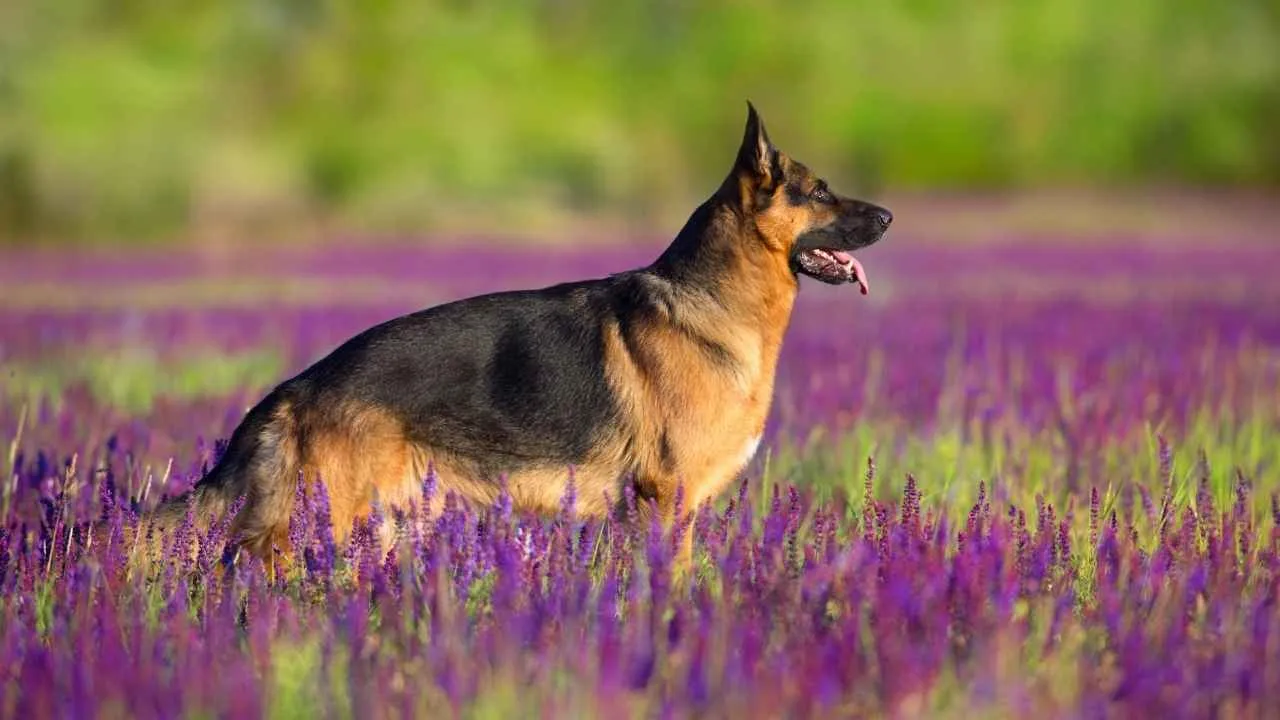
The German Shepherd is the classic protection dog for a reason, and no, it is not just because movies made them look cool. This breed is intelligent, athletic, loyal, and famously trainable, which is why they are widely used in police, military, search, rescue, and service roles.
They are naturally alert and usually very aware of movement, sound, and changes in routine. They notice the delivery person, the neighbor’s new car, the gate opening, and probably your mood before you do. That awareness makes them excellent watchdogs when they are trained to respond calmly instead of reacting to everything.
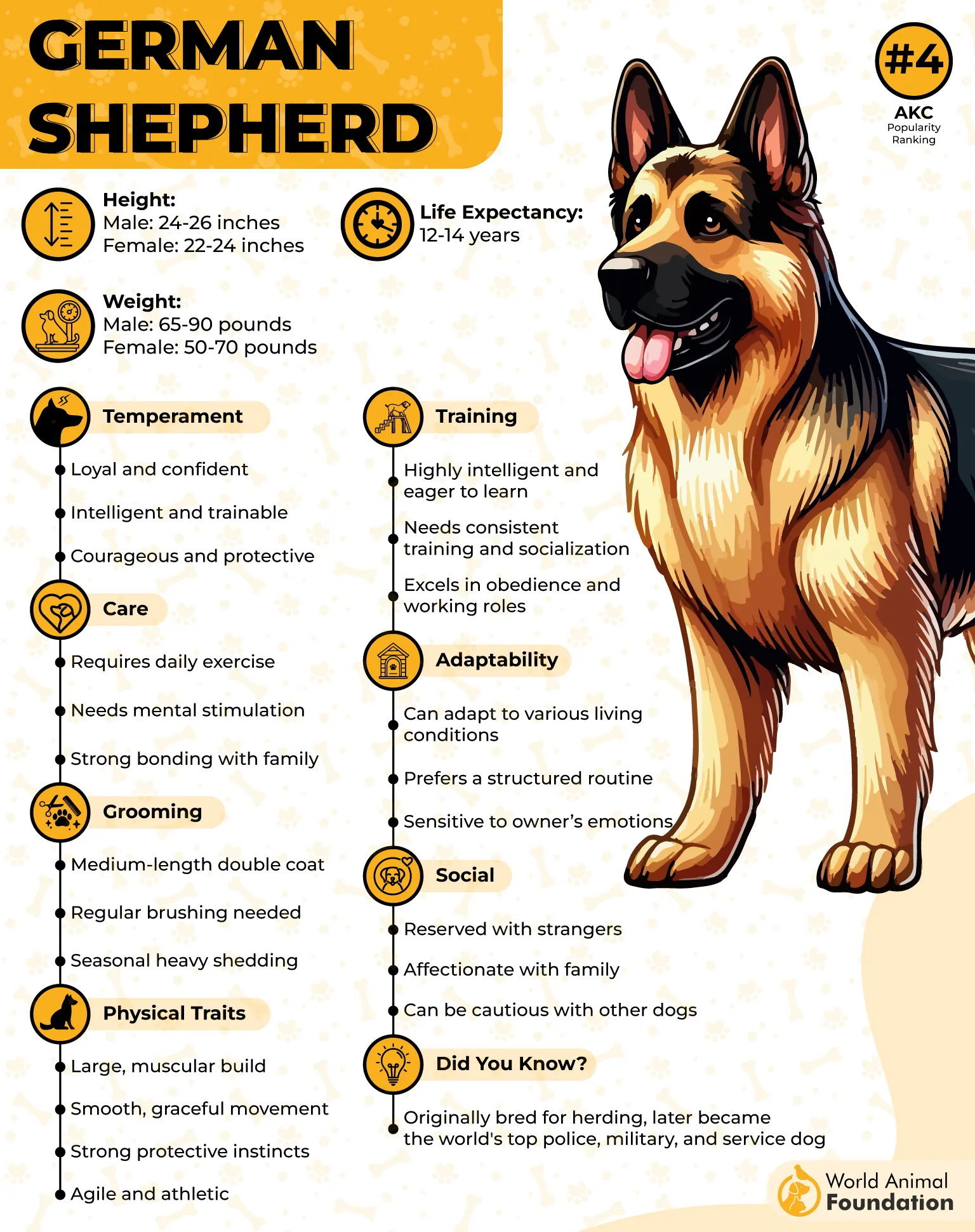
These dogs need real work, not just a cute collar and a backyard. Daily exercise, obedience training, scent games, fetch, structured walks, and mental challenges help keep their sharp minds from creating chaos. If they do not get enough stimulation, they may invent their own job, and that job might be barking at shadows.
A well-socialized German Shepherd can be affectionate at home and controlled around visitors. Their loyalty often shows through staying close, checking entry points, and watching interactions with unfamiliar people. They can be protective without being out of control when owners invest in training early.
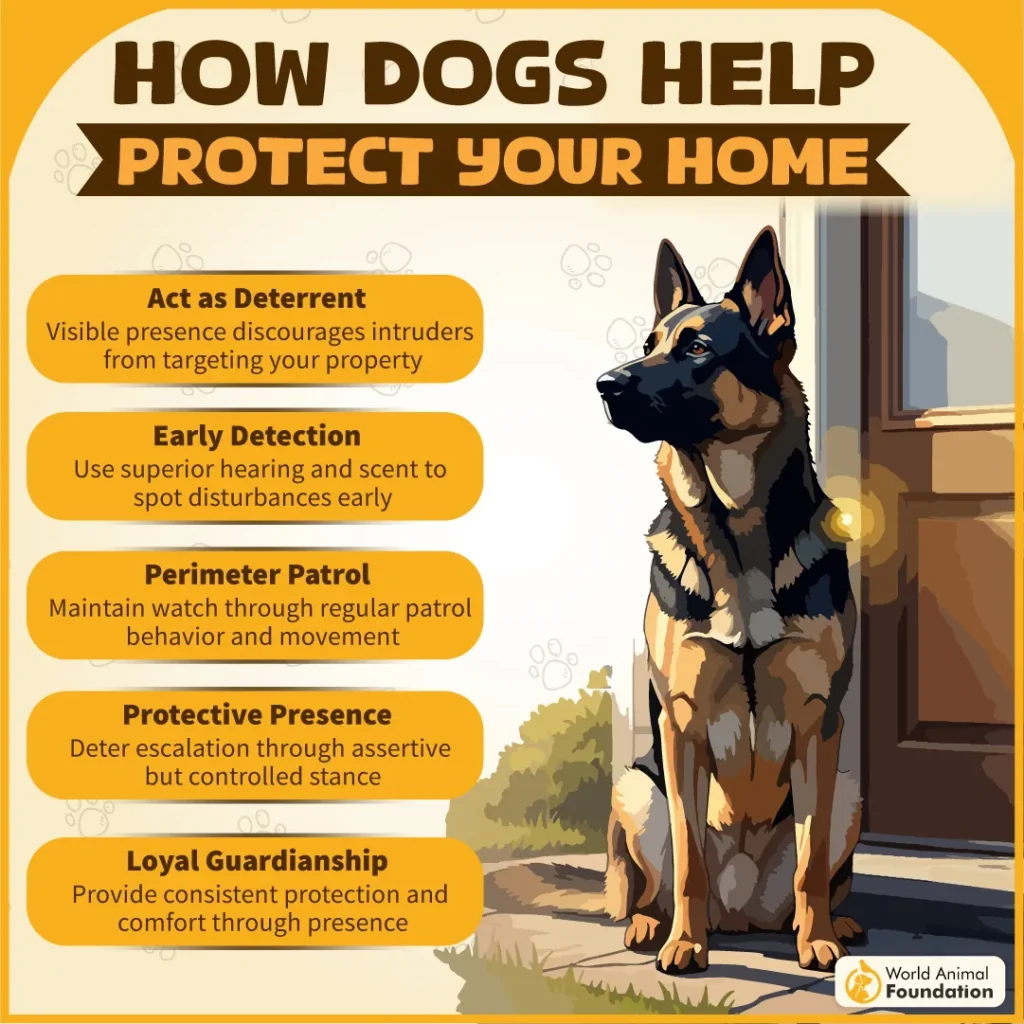
For women living alone, German Shepherds offer both emotional companionship and practical alertness. They are not low-maintenance dogs, but they are incredibly rewarding for active owners who enjoy consistent training. With structure, they become the kind of dog that makes a quiet house feel watched, loved, and secure.
How Do They Keep Your Home Safe
Their trainability helps them learn door manners, alert cues, and calm responses to normal visitors.
Their athletic build and confident posture make them a powerful deterrent at entrances and in yards.
Their sharp awareness helps them notice unusual sounds or movement before you might catch it.
Before You Choose a German Shepherd Tap to see what this intelligent guardian needs
German Shepherds combine awareness, loyalty, and trainability, but they need consistent physical and mental activity.
- Protection style: Alert and highly responsive
- Strongest quality: Exceptional trainability
- Alert behavior: Quickly notices unusual activity
- Owner bond: Loyal, attentive, and closely connected
- Training level: Moderate to advanced
- Best home: Active home with sufficient space
Best suited to an active owner who enjoys daily exercise, structured training, and mental challenges.
3. Doberman Pinscher
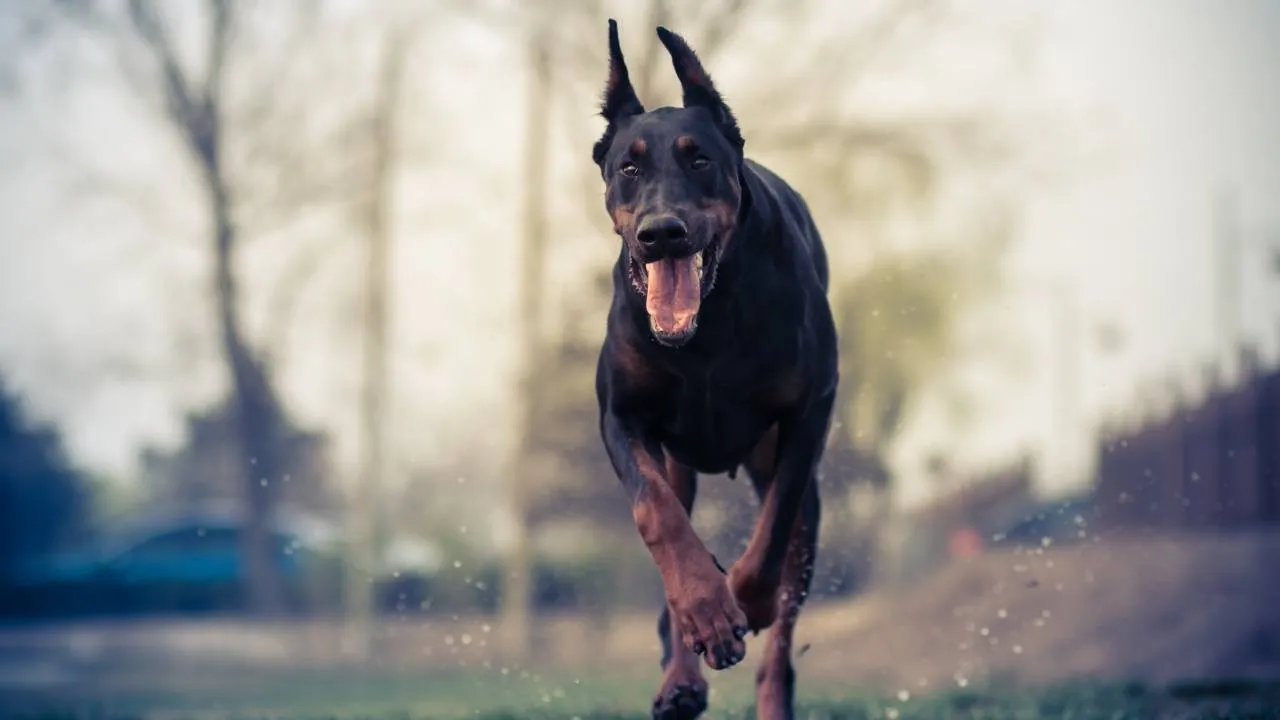
The Doberman Pinscher is sleek, fast, smart, and basically built like a home-security system wearing a shiny coat. Originally developed in Germany as a personal protection dog, this great breed has a long history of guarding its handler while remaining closely bonded to them.
For solo living, that “personal bodyguard bestie” vibe is exactly why many people love them. These excellent guard dogs are highly intelligent and usually quick to learn routines, commands, boundaries, and patterns.
WebMD calls them smart and brave. They are alert without being bulky, which makes them feel sharp and responsive around the home. When trained well, they can switch from playful family companions to serious observers in seconds.
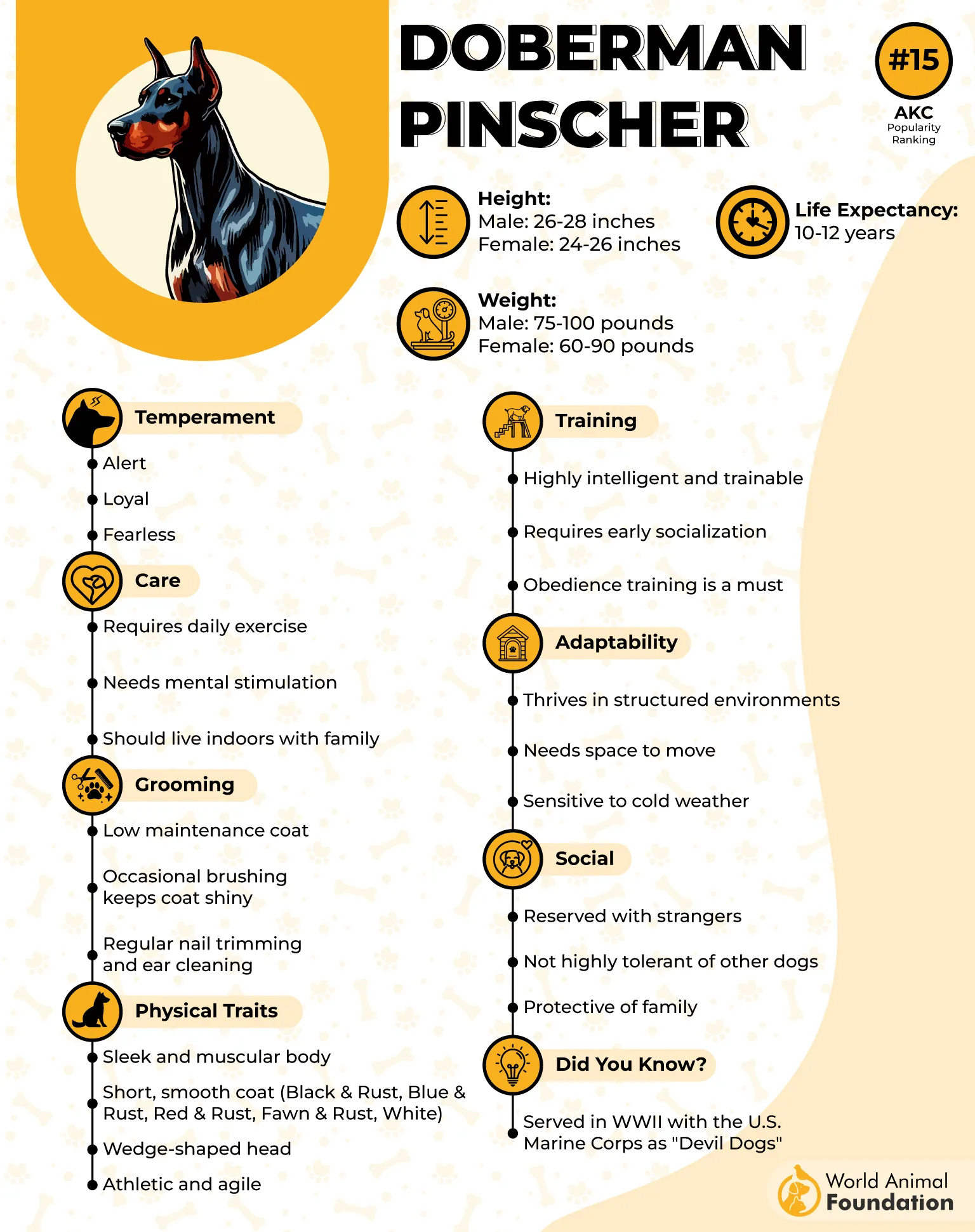
This breed is often loving, silly, and affectionate with its people, which surprises anyone who only knows the intimidating stereotype. Despite their commanding presence, they may lean on you, follow you from room to room, or act like personal space is a myth. That closeness can be comforting when you live alone, especially at night or in a quiet neighborhood.
Their strength in guarding comes from speed, focus, confidence, and loyalty rather than just size. They can alert to strangers, watch doorways, and sense when a situation feels tense. Early socialization is key because a Doberman should learn the difference between a welcome guest and a real concern.
Dobermans need exercise, training, and steady leadership to stay happy and balanced. They are not ideal for someone who wants a decorative guard dog with no daily effort. For an active solo owner, though, a well-raised Doberman brings elegance, affection, and very serious “do not mess with my human” energy.
How Do They Keep Your Home Safe
Their alert expression and athletic build make them instantly noticeable as a protective presence.
They bond closely with their person, so they often stay aware of who approaches or interacts with the owner.
Their ability to learn quickly supports reliable routines for doors, guests, walks, and nighttime alerts.
Before You Choose a Doberman Pinscher Tap to discover whether this devoted protector fits you
A Doberman can become a remarkably close companion, but its intelligence and energy require daily direction.
- Protection style: Fast and personally focused
- Strongest quality: Close awareness of its owner
- Alert behavior: Responds quickly to unfamiliar situations
- Owner bond: Extremely close and affectionate
- Training level: Moderate to advanced
- Best home: Indoor home with an active owner
Best suited to someone wanting an affectionate indoor companion with a strong and noticeable protective presence.
4. Cane Corso
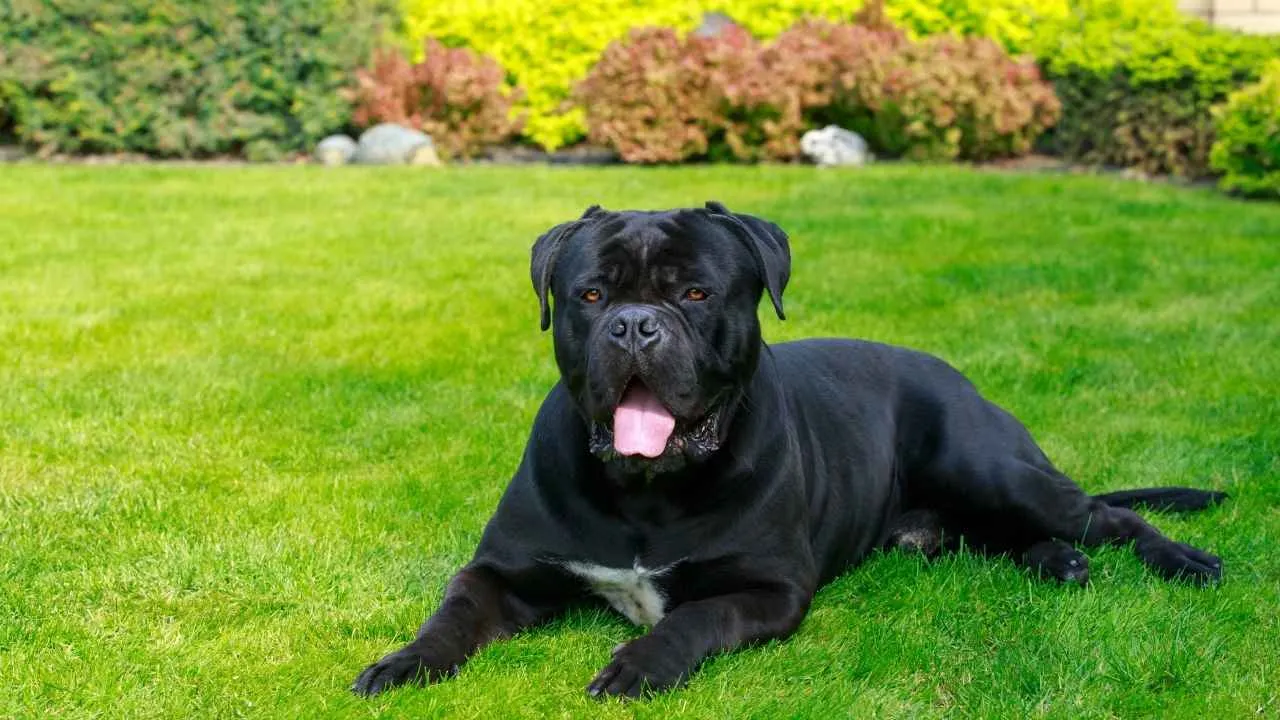
The Cane Corso is a powerful Italian breed whose name is often linked with protection and bodyguard-style work. This dog has size, strength, confidence, and a calm seriousness that can make a home feel very secure.
For someone living alone, that presence can be comforting, but only if the owner is prepared for the responsibility.
This protective dog breed is deeply loyal and often reserved around strangers. Majestic and powerful, as Purina describes it, it usually doesn’t need to act wild to be intimidating because its body language already says plenty. A quiet Corso standing near the door can make unwanted visitors suddenly remember they left something in the car.
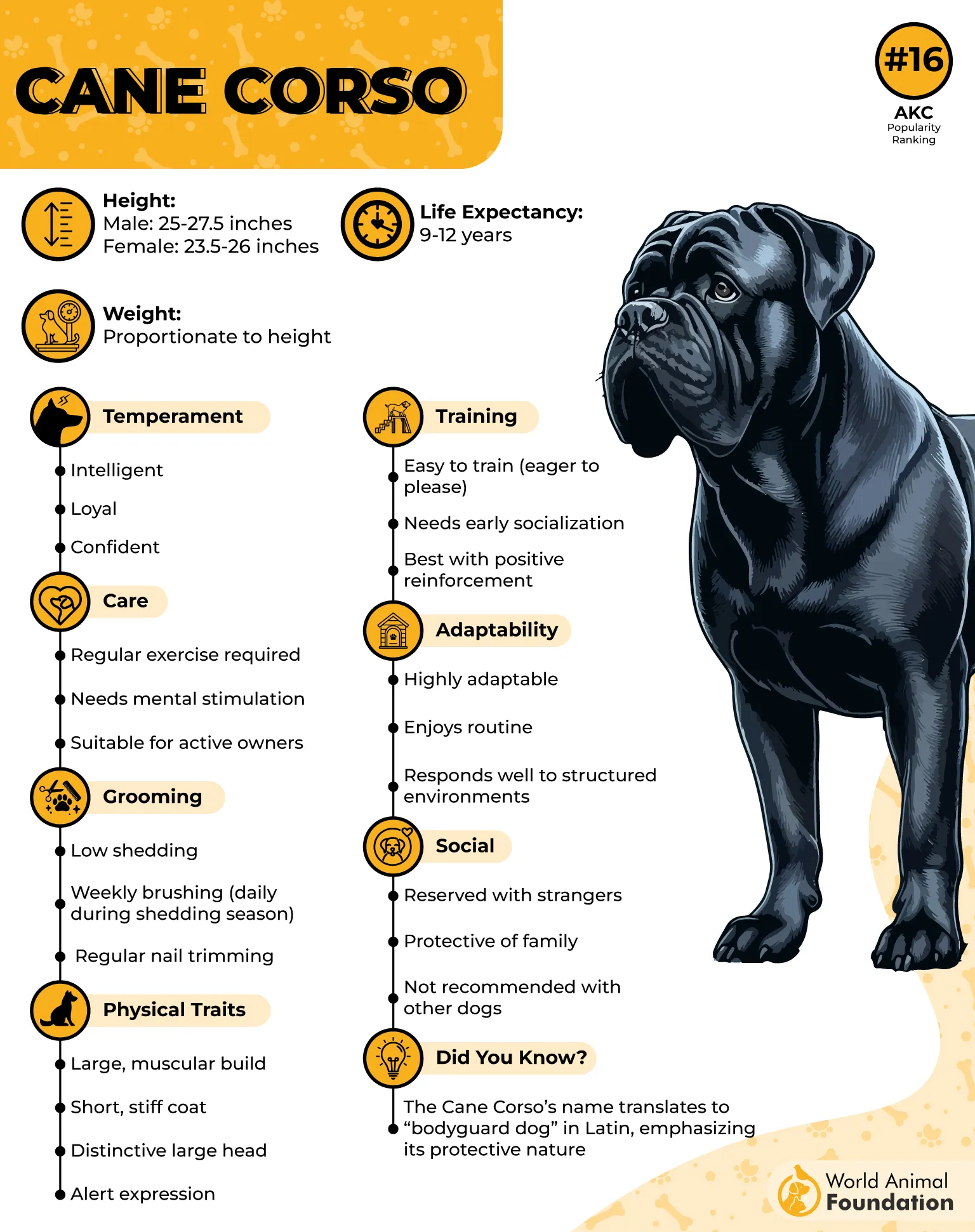
This breed is intelligent and trainable, but it also has a strong will. That means obedience, socialization, leash skills, and household rules must start early and stay consistent. A Cane Corso needs a confident owner who can guide calmly without being harsh or nervous.
At home, many Corsos are affectionate, patient, and gentle with those they trust. They can be surprisingly soft inside the family circle, even while remaining cautious toward outsiders. That balance is what makes them appealing as both companions and guardians.
They are best for experienced owners who can provide exercise, structure, and controlled exposure to normal life. Without training, their protective nature can become too intense for casual living. With the right upbringing, a Cane Corso can be a steady, imposing, and loyal protector for a solo household.
How Do They Keep Your Home Safe
Their territorial awareness makes them naturally attentive to gates, doors, fences, and unfamiliar movement.
Their calm confidence can discourage strangers without constant barking or frantic behavior.
Their loyalty helps them stay emotionally connected to the owner’s safety and daily routine.
Before You Choose a Cane Corso Tap to understand the responsibility behind the power
The Cane Corso brings calm confidence and commanding presence, but its protective instincts require skilled guidance.
- Protection style: Calm and territorial
- Strongest quality: Commanding physical presence
- Alert behavior: Carefully observes unfamiliar people
- Owner bond: Loyal, serious, and closely attached
- Training level: Advanced experience required
- Best home: Secure home with controlled entrances
Best suited to a confident, experienced owner who can provide consistent rules, socialization, and secure management.
5. Rottweiler
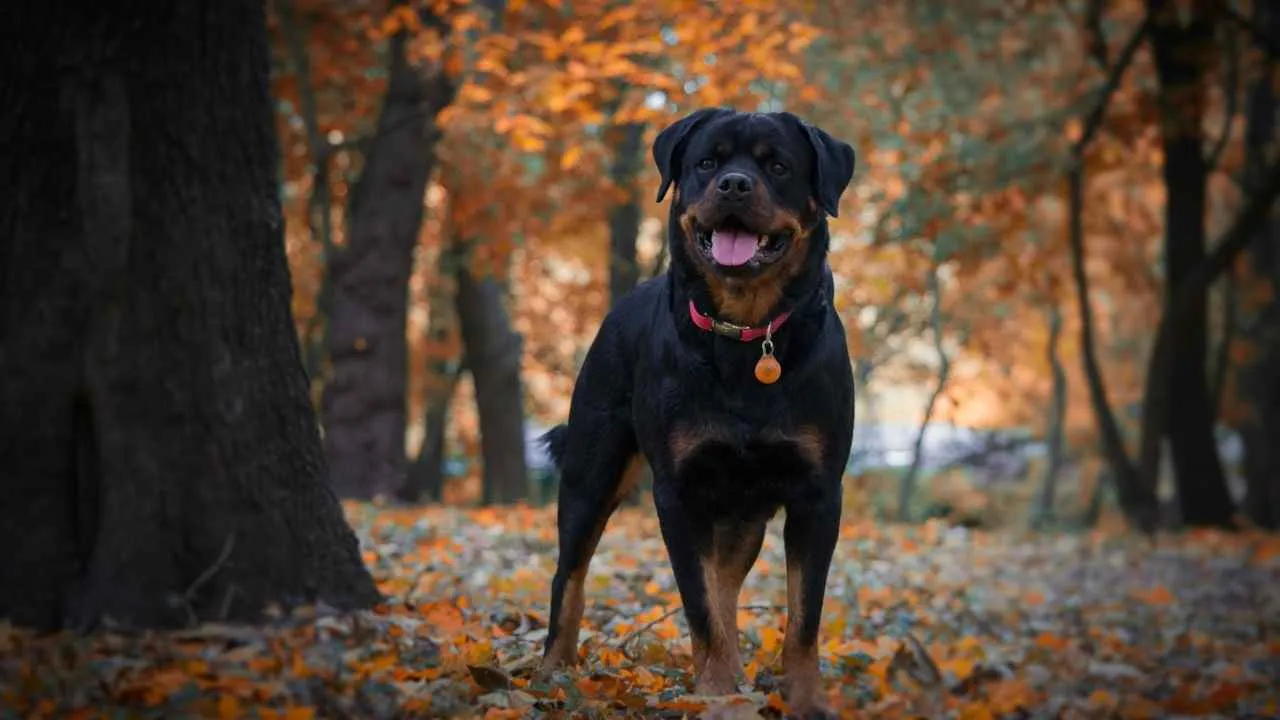
The Rottweiler is strong, loyal, calm, and iconic in the home-protection conversation. Historically, Rottweilers were used for working jobs such as driving cattle and guarding valuables, which explains their blend of power and dependability.
Today, a well-raised Rottie can be both an affectionate companion and a serious deterrent.
They often form deep bonds with their owners and may follow them from room to room like a muscular shadow. That closeness feels reassuring when you live alone, because the dog is rarely emotionally distant. Their loyalty is one of the breed’s biggest strengths, but it needs to be shaped through training.
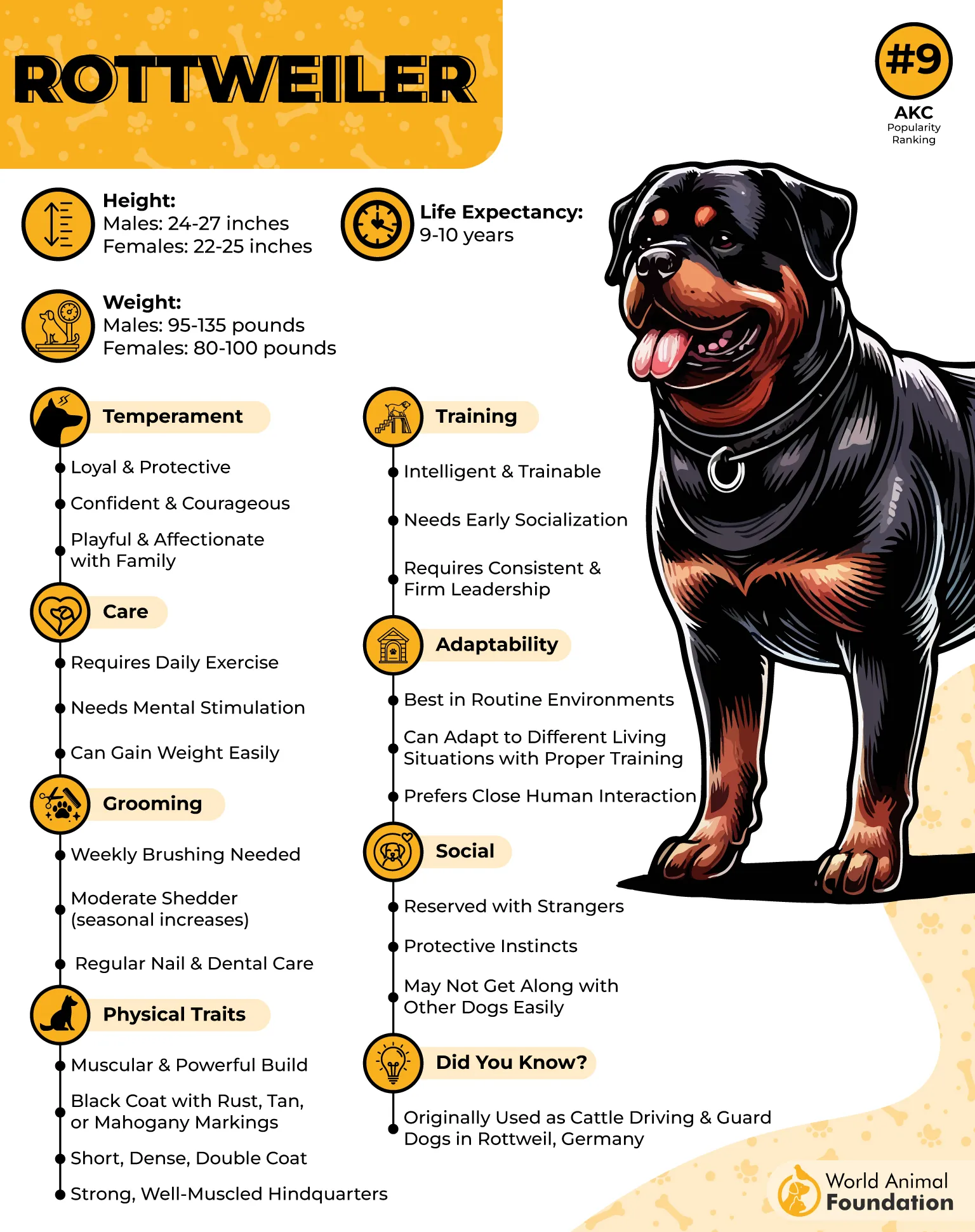
A calm Rottweiler is not usually looking for drama, which is part of what makes the breed effective. They can watch quietly, assess new people, and respond with a deep bark when something seems off. That bark alone can make the whole house feel less vulnerable.
Training and socialization are essential, says PetPlan, because Rottweilers are powerful and can be naturally protective. They need to meet different people, places, sounds, and situations so they do not treat normal life like a threat list. Positive reinforcement, boundaries, and consistent handling help bring out their best qualities.
For solo owners, Rottweilers can offer companionship, confidence, and a real guarding presence. They do best with people who enjoy structure, exercise, and close bonding. If you want a loyal dog that can be goofy at home but serious at the door, the Rottweiler deserves attention.
How Do They Keep Your Home Safe
Their deep bark and solid frame create a strong warning signal when unfamiliar people approach.
Their habit of staying near their owner adds emotional security and physical presence around the home.
Their working-dog background supports calm guarding when training turns instinct into controlled behavior.
Before You Choose a Rottweiler Tap to see whether this loyal guardian suits your routine
A well-guided Rottweiler can be affectionate and dependable, but its strength makes consistent training essential.
- Protection style: Steady and watchful
- Strongest quality: Strength combined with loyalty
- Alert behavior: Uses a powerful bark when concerned
- Owner bond: Affectionate and people-oriented
- Training level: Moderate to advanced
- Best home: Structured home with regular exercise
Best suited to someone who can provide firm, positive guidance and controlled introductions to people and situations.
6. Giant Schnauzer
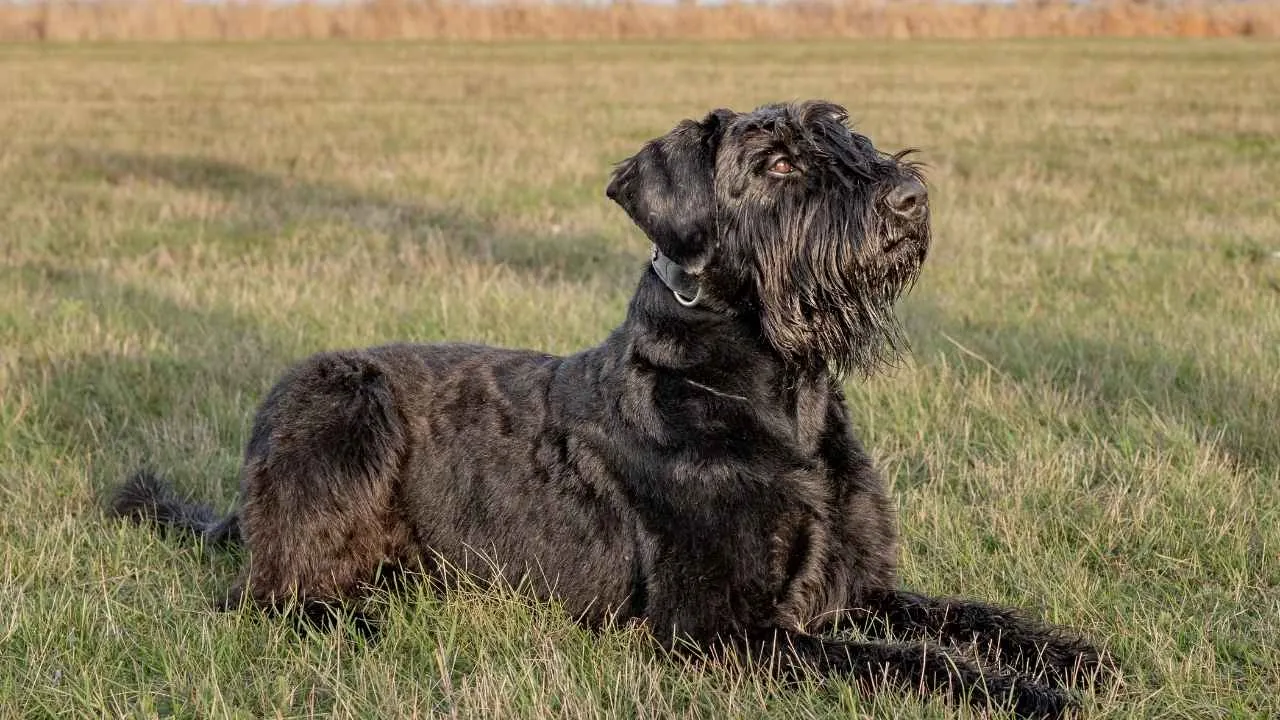
The Giant Schnauzer is a bold German working breed with brains, beard, and big energy. For those living alone, they can be a watchful companion with a strong drive.
This breed is not a lazy guardian that naps through suspicious sounds. Giant Schnauzers need exercise, training, play, and mental challenges every single day. Without those outlets, they may become bored, bossy, loud, or way too creative with your furniture.
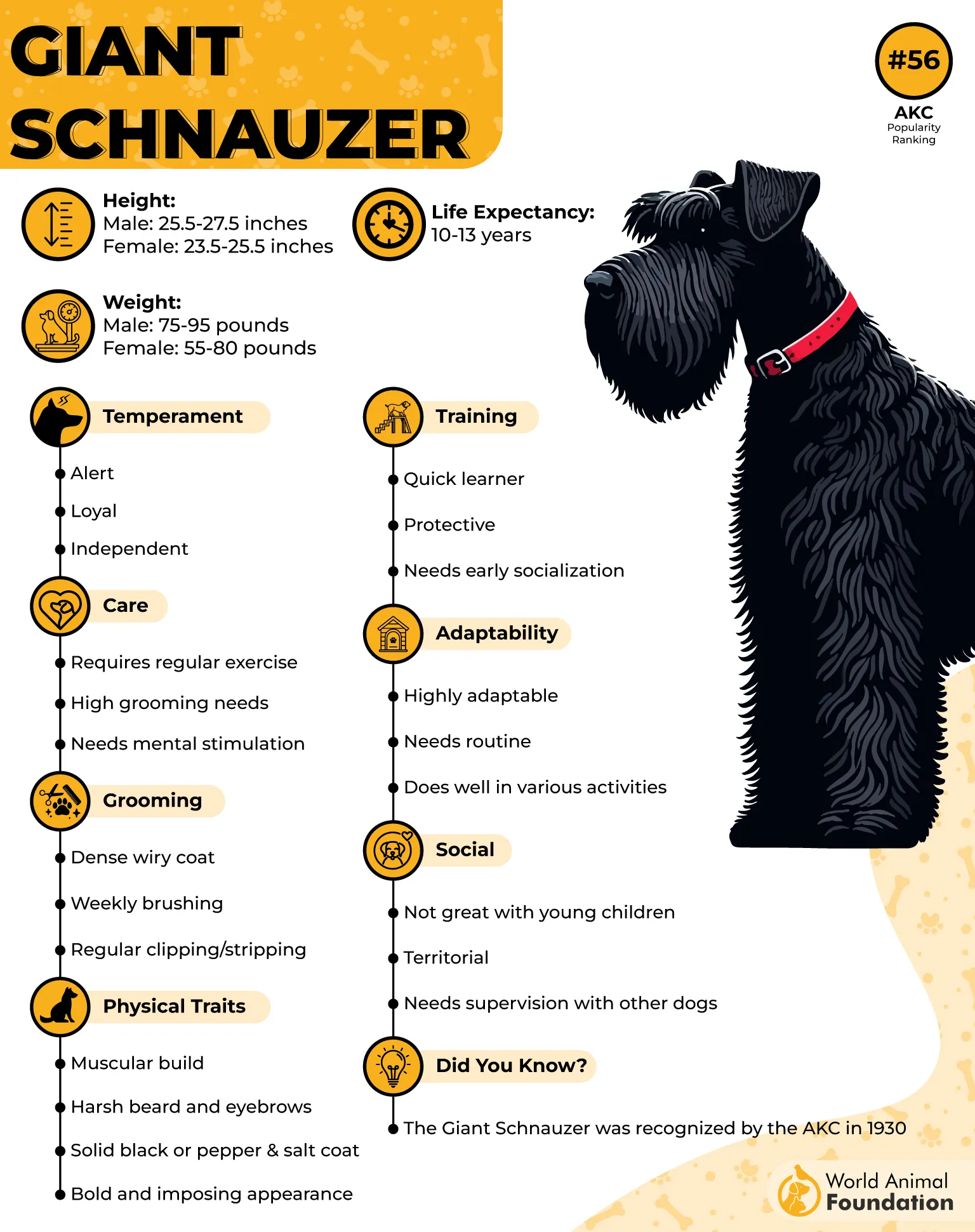
Their guarding style is assertive but often thoughtful when properly socialized. They tend to observe their surroundings closely and are alert when something feels suspicious. That makes them excellent for owners who want a dog that stays engaged with the environment.
Giant Schnauzers are affectionate with their people but may be cautious with strangers. Early socialization helps them understand that not every delivery driver is launching a villain era. This is especially important for solo owners who may have guests, maintenance workers, friends, or neighbors visiting.
They are best suited for active people with a yard, time, and interest in training. Their low-shedding coat may appeal to allergy-sensitive homes, but it still needs grooming and upkeep. If you want a protective dog with intelligence and energy, the Giant Schnauzer is a whole personality package.
How Do They Keep Your Home Safe
Their alert nature helps them notice activity around sidewalks, gates, windows, and driveways.
Their working-dog brains make them responsive to routines, commands, and structured home boundaries.
Their confident presence and loud alert can make a solo home feel much less like an easy target.
Before You Choose a Giant Schnauzer Tap to check whether you can match this breed’s drive
Giant Schnauzers are intelligent and observant, but boredom can become a serious problem without enough activity.
- Protection style: Active and assertive
- Strongest quality: Intelligence and environmental awareness
- Alert behavior: Closely monitors surrounding movement
- Owner bond: Devoted and highly engaged
- Training level: Advanced commitment required
- Best home: Active household with exercise space
Best suited to an energetic owner who enjoys advanced obedience, interactive games, and daily mental challenges.
7. Staffordshire Bull Terrier
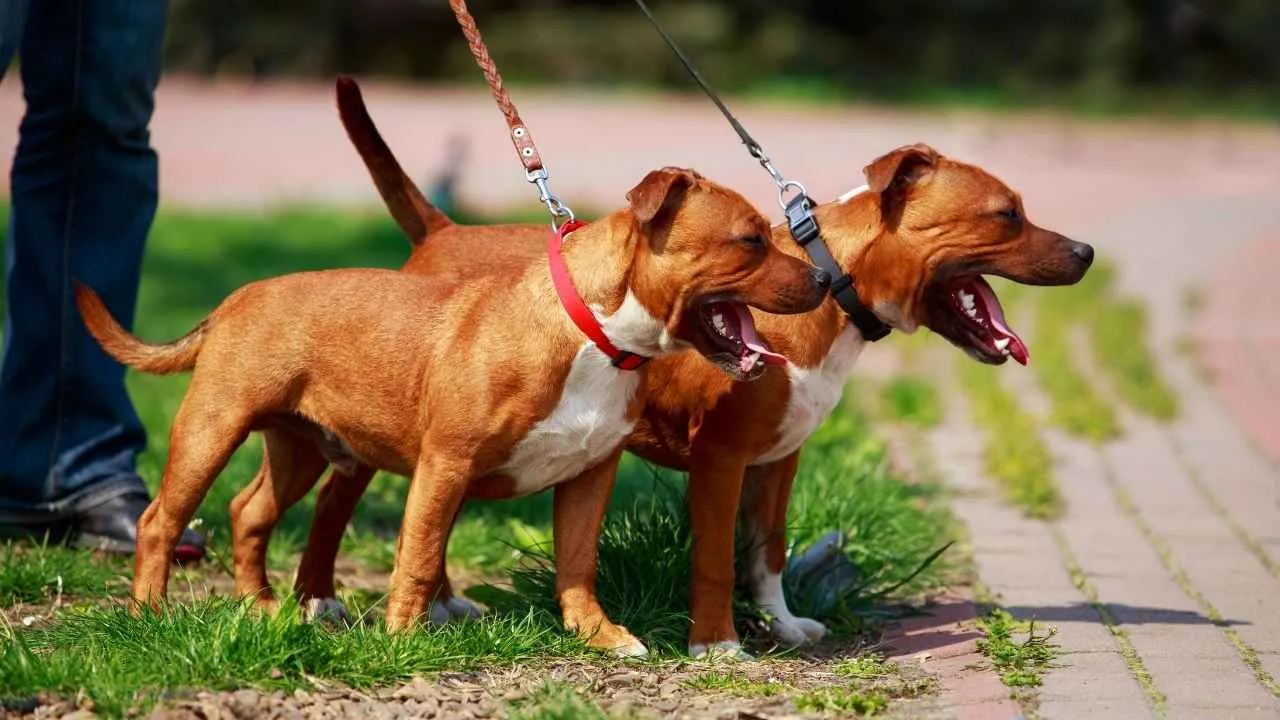
The Staffordshire Bull Terrier may be smaller than the giant guardians on this list, but do not confuse compact with careless. Staffies are loyal, muscular, people-loving dogs with courage packed into a medium-sized body.
For someone living alone in a smaller home or apartment, that size can be easier to manage than a massive guardian breed.
They are famously affectionate toward their families and often want to be close to their loved ones. They may follow you around, curl up beside you, and act like emotional support with abs. That deep attachment can translate into alertness when unfamiliar sounds or people appear.
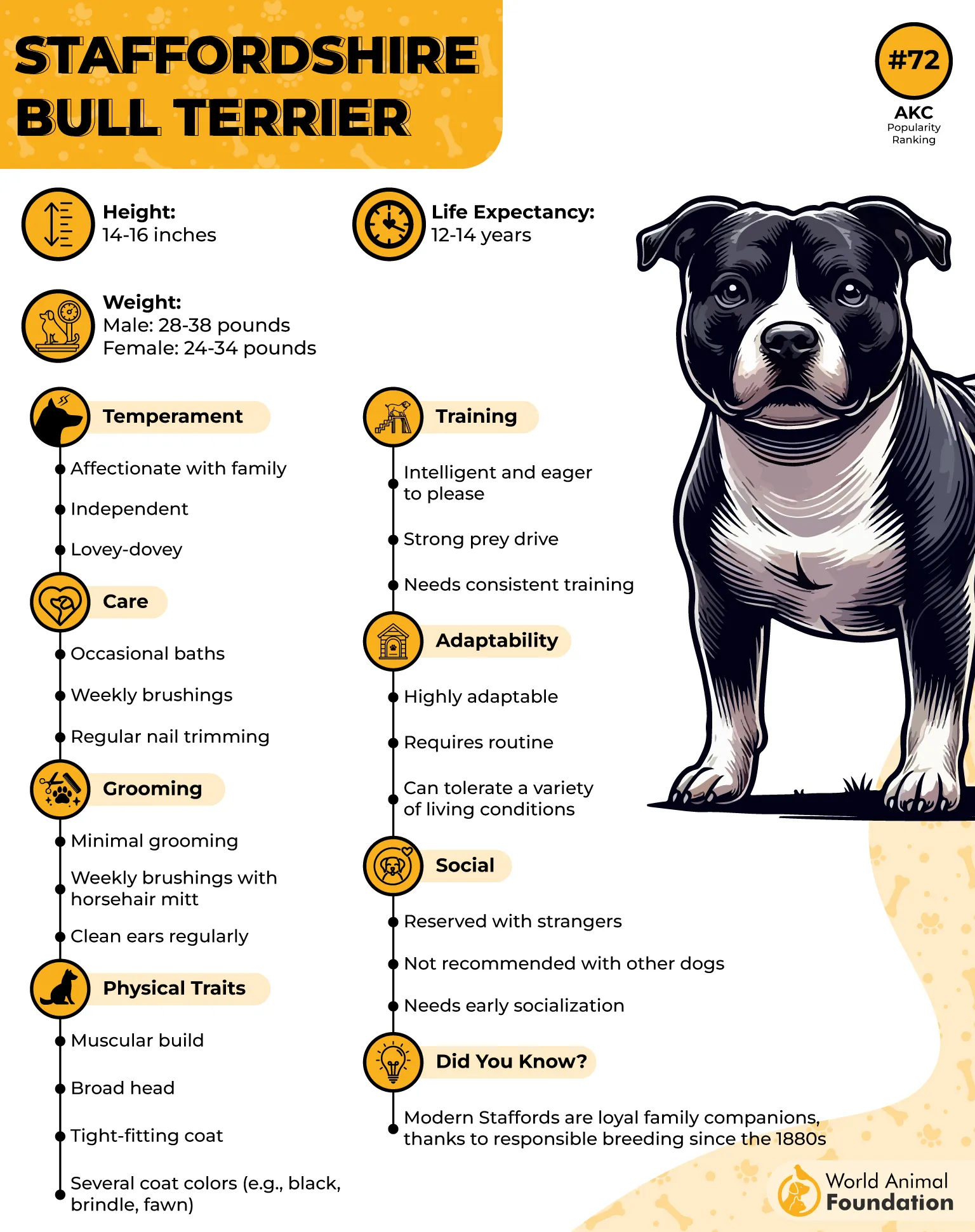
They are not traditional estate guard dogs, but they can be excellent watchdogs. A Staffy may bark when sensing danger, position itself between you and something unfamiliar, or react quickly to unusual activity. Their confidence and muscular look can also provide visual deterrence without needing giant-dog space.
This breed needs training, exercise, and socialization, especially around other dogs. Staffies can be strong-willed and may show reactivity if not taught calm behavior early. With consistent boundaries and positive guidance, they become dependable, fun, and loving companions.
For solo owners who want a loyal, affectionate dog with protective instincts, the Staffy can be a great match. They bring warmth, humor, courage, and the kind of devotion that makes a house feel less empty.
How Do They Keep Your Home Safe
Their close attachment means they often stay near their owner and notice changes in tone, movement, or mood.
Their muscular appearance and confident bark can discourage casual intruders despite their medium size.
Their alert watchdog instincts fit smaller homes where a giant protection breed may be too much.
Before You Choose a Staffordshire Bull Terrier Tap to explore this compact companion’s suitability
A Staffy can offer affectionate companionship and useful alertness, but it is primarily a watchdog rather than a traditional estate guardian.
- Protection style: Compact and alert
- Strongest quality: Courageous companionship
- Alert behavior: Warns its owner about unusual sounds
- Owner bond: Highly affectionate and people-focused
- Training level: Moderate
- Best home: Apartment or smaller house
Best suited to a solo owner seeking an affectionate, manageable watchdog rather than a large territorial guardian.
Conclusion
Living alone does not mean you need a dog that acts scary all day. The best home-safety breeds are loyal, aware, trainable, and emotionally steady. They help you feel safer while also giving you companionship, routine, and the kind of love that makes a quiet home feel alive.
No breed is automatically safe, reliable, or protective without the right upbringing. Socialization, obedience, exercise, secure management, and responsible ownership shape how these instincts show up in real life. A dog that understands normal visitors, daily sounds, and household routines is better equipped to notice what truly feels wrong.
A loyal dog can make living alone feel less lonely and more secure, but the bond has to be built with trust.
