




Adopting a dog later in life can be one of the most rewarding decisions a person makes. Dogs bring joy, companionship, and emotional support, often becoming a daily source of love and comfort for seniors.
However, not every breed is suited to the pace and lifestyle of an older adult. Some dogs demand far more time, energy, and care than a senior can comfortably provide, making it essential to choose wisely before bringing a furry friend home.
Seniors who live with pets experience improved mood, reduced loneliness, and enhanced overall well-being. Yet, factors like exercise needs, grooming demands, and temperament play a big role in ensuring the relationship is mutually beneficial. High-energy or dominant breeds, while wonderful in the right household, may pose challenges for aging owners.
In this article, we’ll explore the dog breeds to avoid when adopting a senior citizen pet—those that may be too active, stubborn, or high-maintenance. Finding the right fit ensures both the pet and their owner enjoy a happy, balanced companionship built on ease, comfort, and care.
Dog Breeds To Avoid When Adopting A Senior Citizen Pet
1. Border Collie
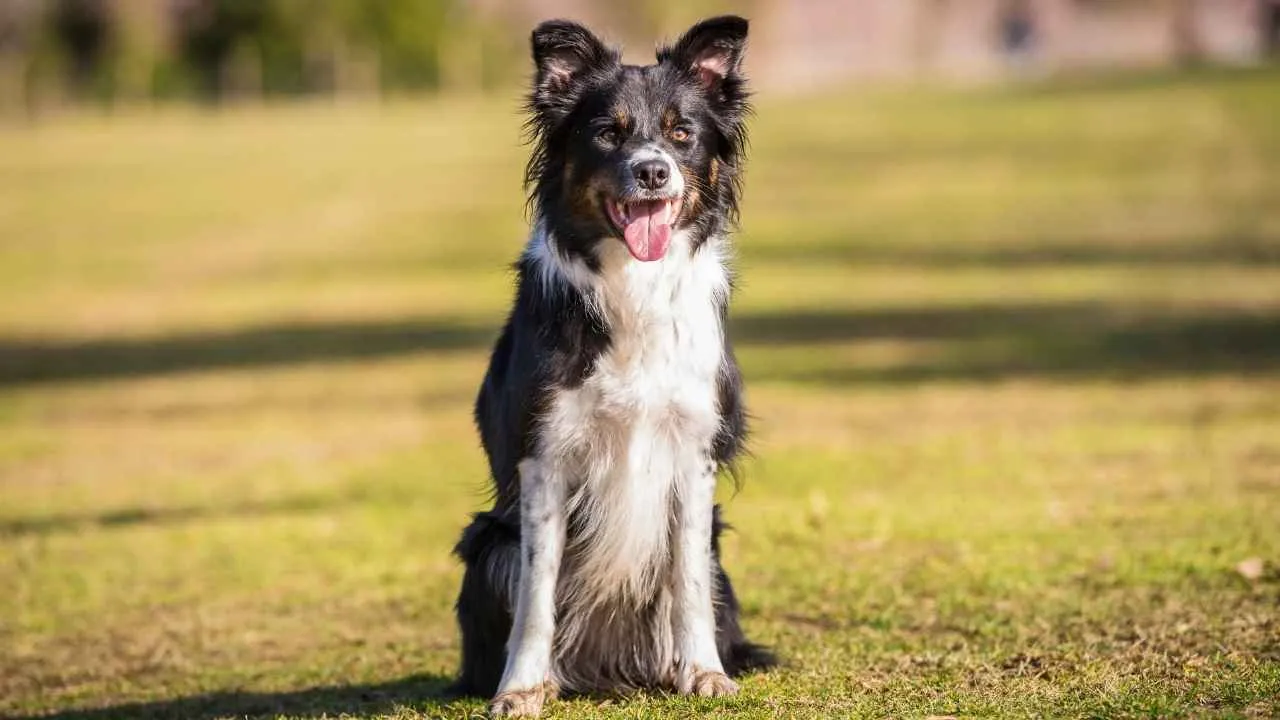
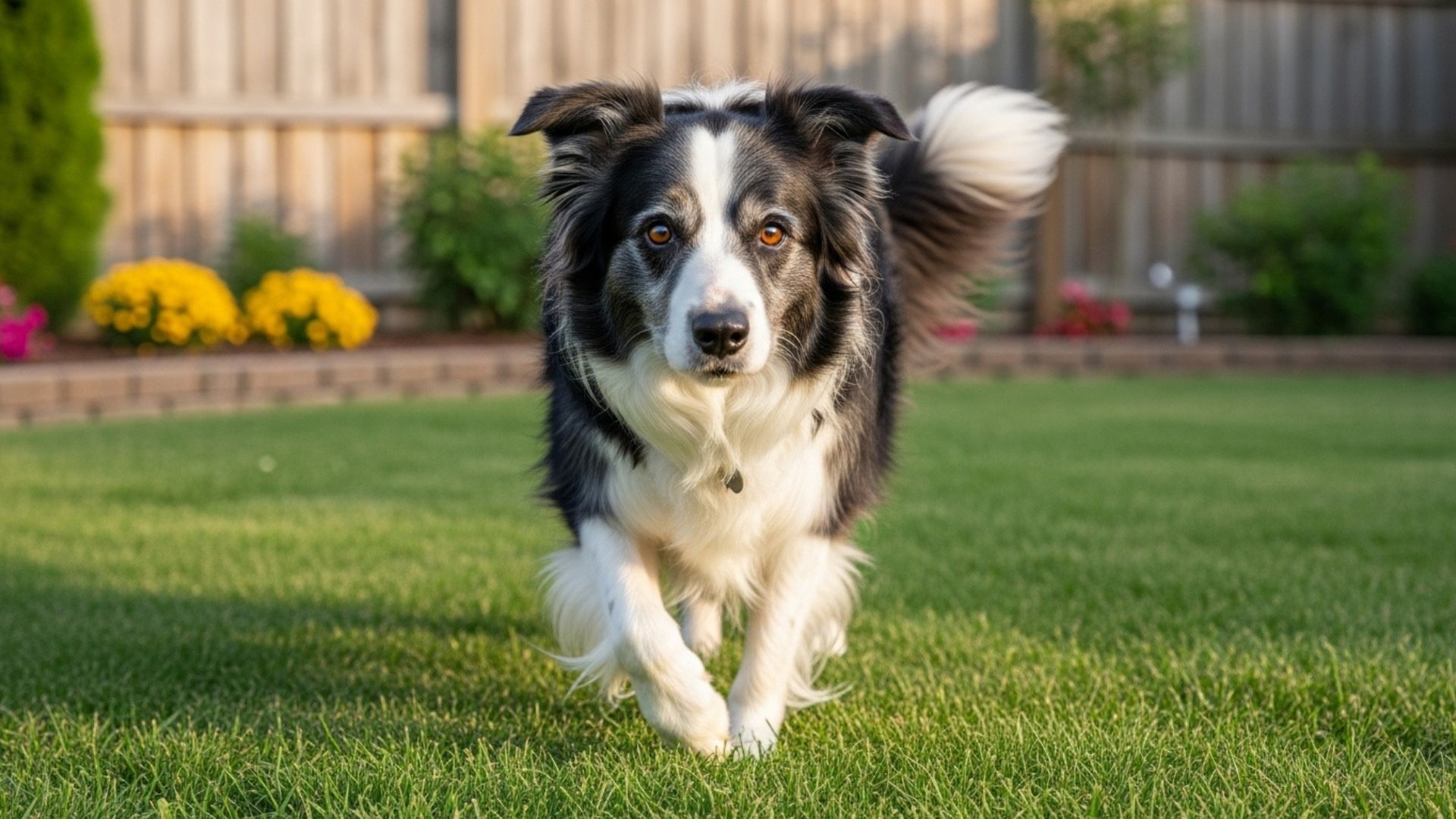
The Border Collie is a medium-sized herding breed originally developed along the borders of England and Scotland. According to the American Kennel Club, the Border Collie is an exceptionally intelligent and industrious breed—often described as a remarkably bright “workaholic.”
Bred for herding livestock, Border Collies have boundless energy and require hours of daily physical and mental stimulation. Without it, they can become restless, anxious, or even destructive, behaviors that can quickly overwhelm elderly owners.
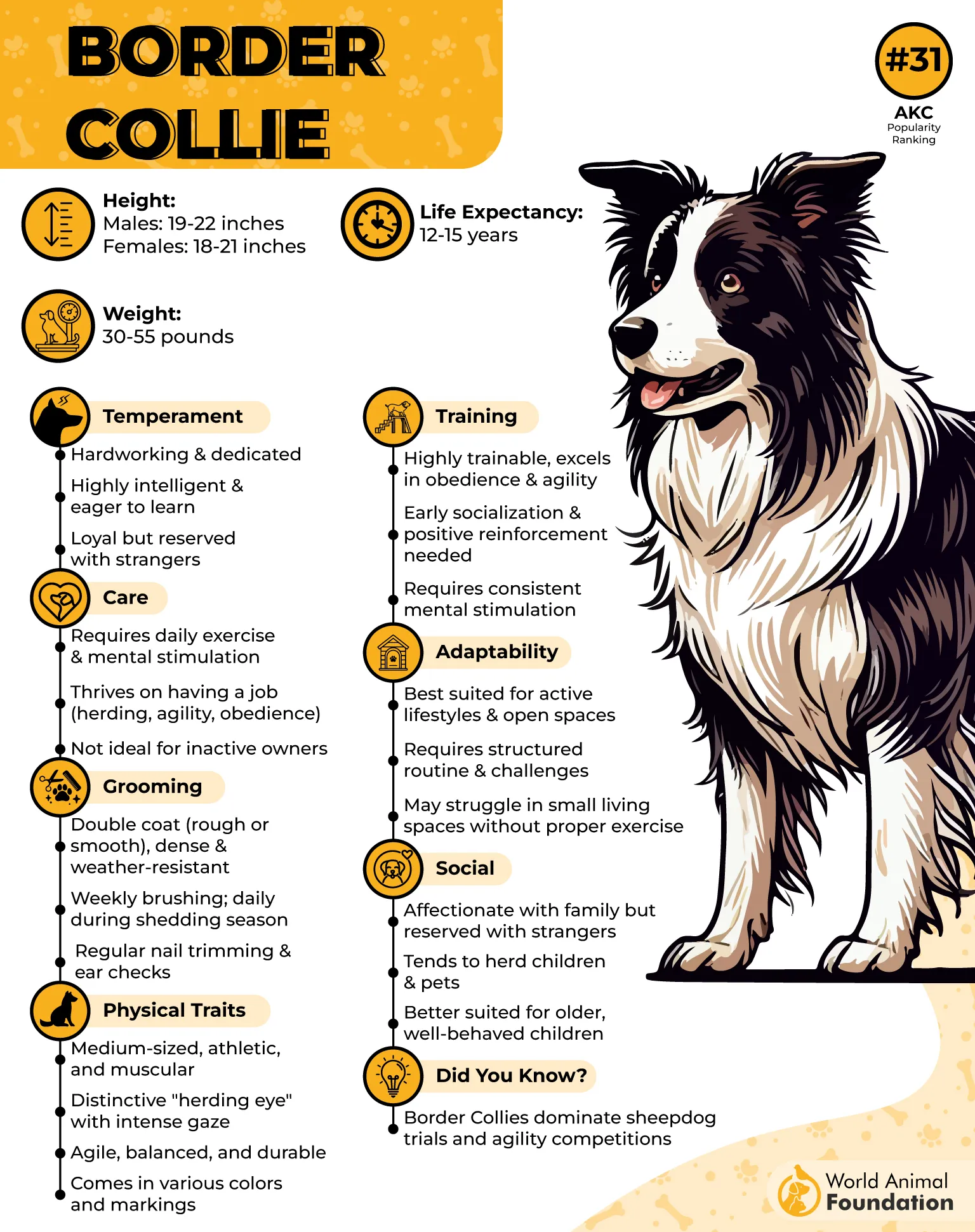
Their strong herding instincts also make them prone to chasing or nipping at moving objects, which can be difficult to manage in quieter homes or around frail individuals. Grooming needs can add another challenge, as their coats require regular brushing to control shedding.
Fact: Border Collies consistently rank among the most intelligent dog breeds, often excelling in agility and obedience competitions—but their brilliance comes with demanding care needs unsuitable for seniors.
2. Siberian Husky
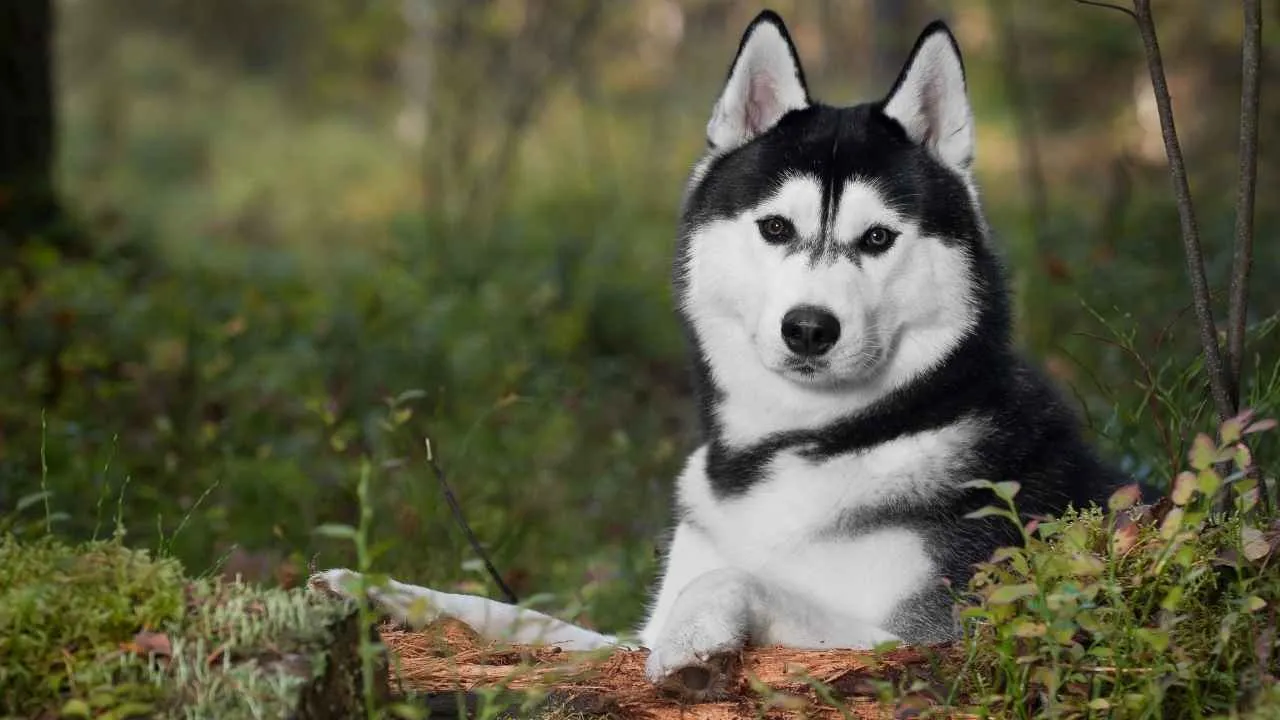
The Siberian Husky, also known simply as the Husky, is a strikingly beautiful dog famous for its icy blue eyes, thick coat, and wolf-like appearance. According to PetMD, Siberian Huskies first arrived in the United States in 1908, when Russian fur trader William Goosak brought them to Nome, Alaska.
Huskies are built for endurance, strength, and cold climates. However, these same traits can make them less ideal for senior citizens seeking an easygoing pet.
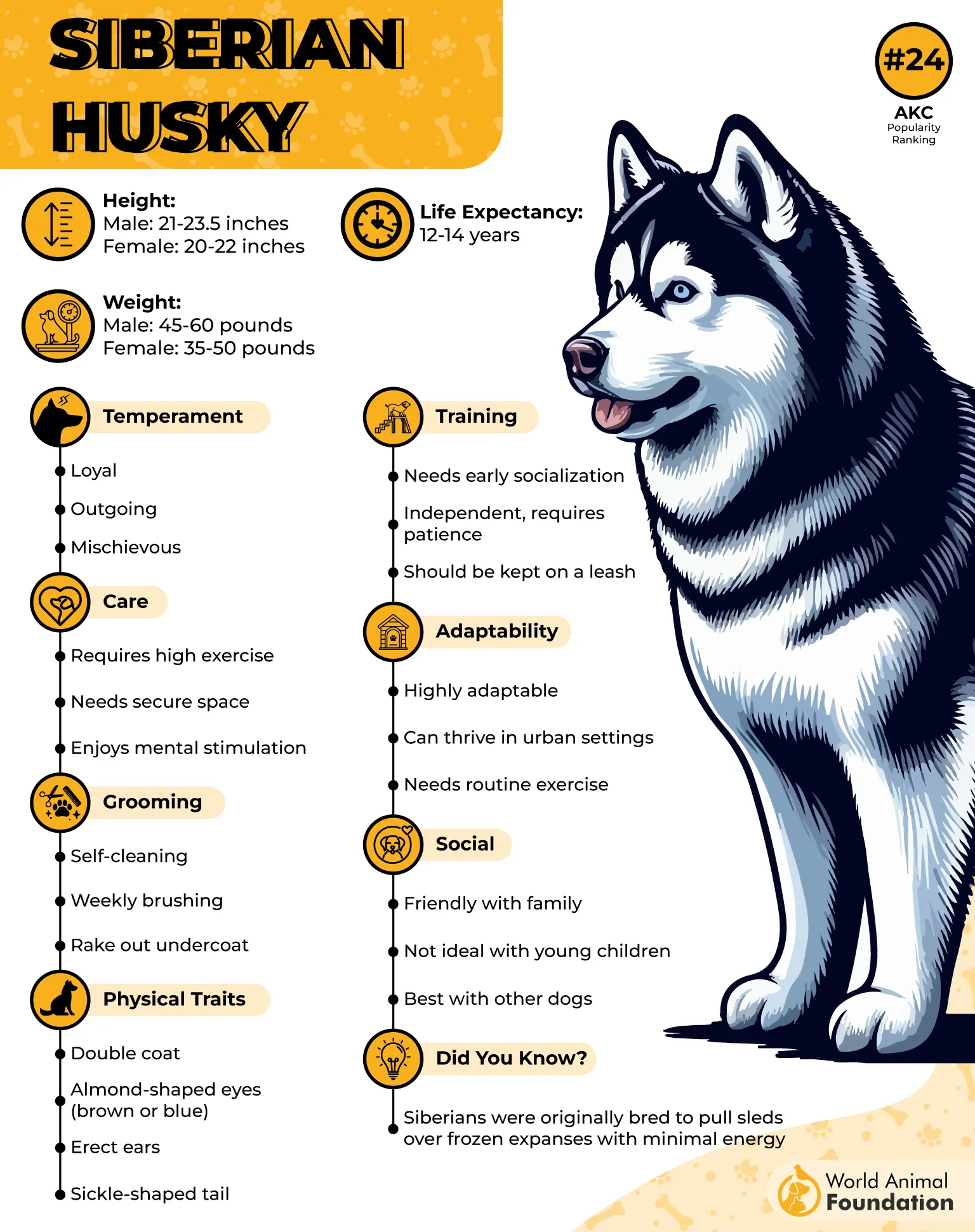
Huskies are extremely energetic and independent, requiring substantial daily exercise and mental stimulation.
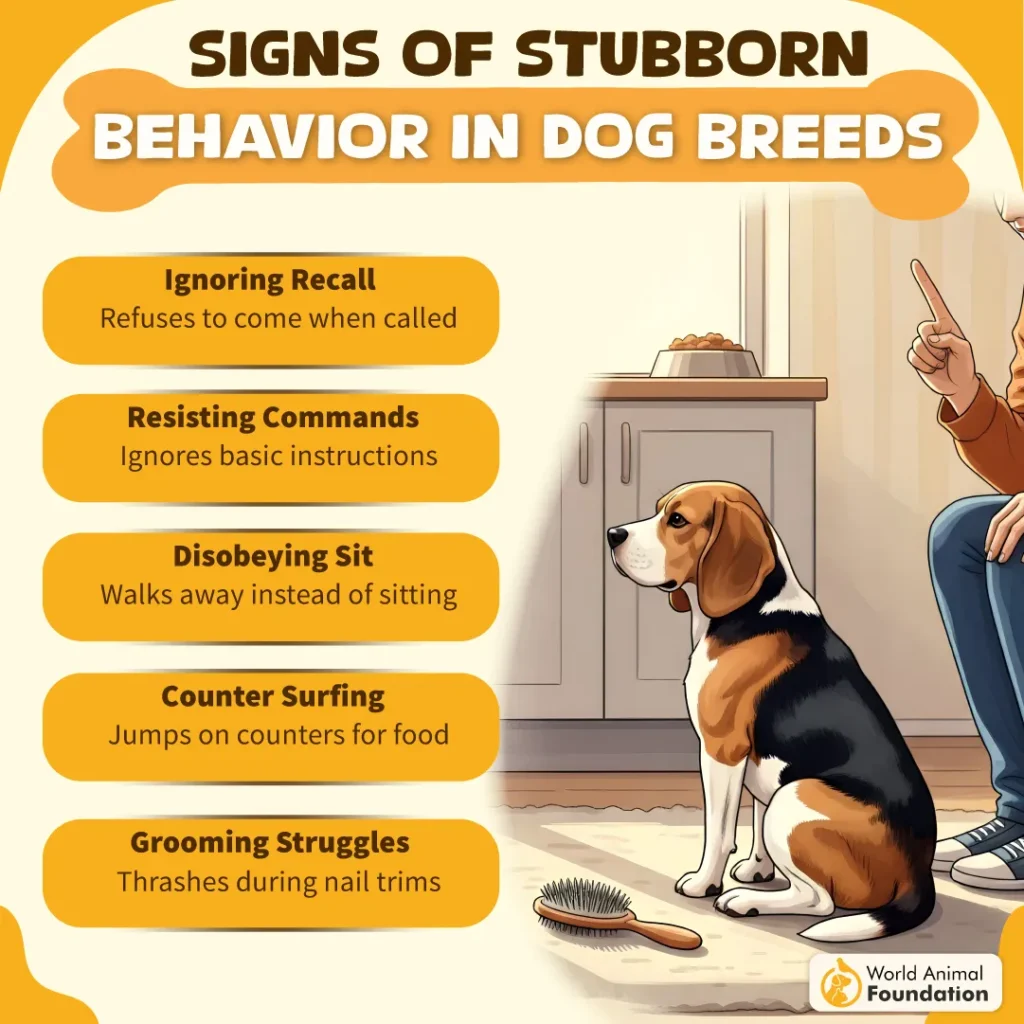
Without enough physical activity, they can become restless, vocal, or even destructive—a challenge for older owners who prefer a quieter lifestyle. Their high prey drive and stubborn streak also mean they’re not the easiest dogs to train or manage.
In addition to their demanding energy levels, Huskies shed heavily and need regular brushing to maintain their dense double coat. For seniors, the combination of grooming and exercise requirements can feel overwhelming.
Fact: Siberian Huskies are known for their signature howl instead of bark, often mimicking human sounds or sirens—a quirky trait that adds to their charm but may not suit peaceful households.
3. Weimaraner
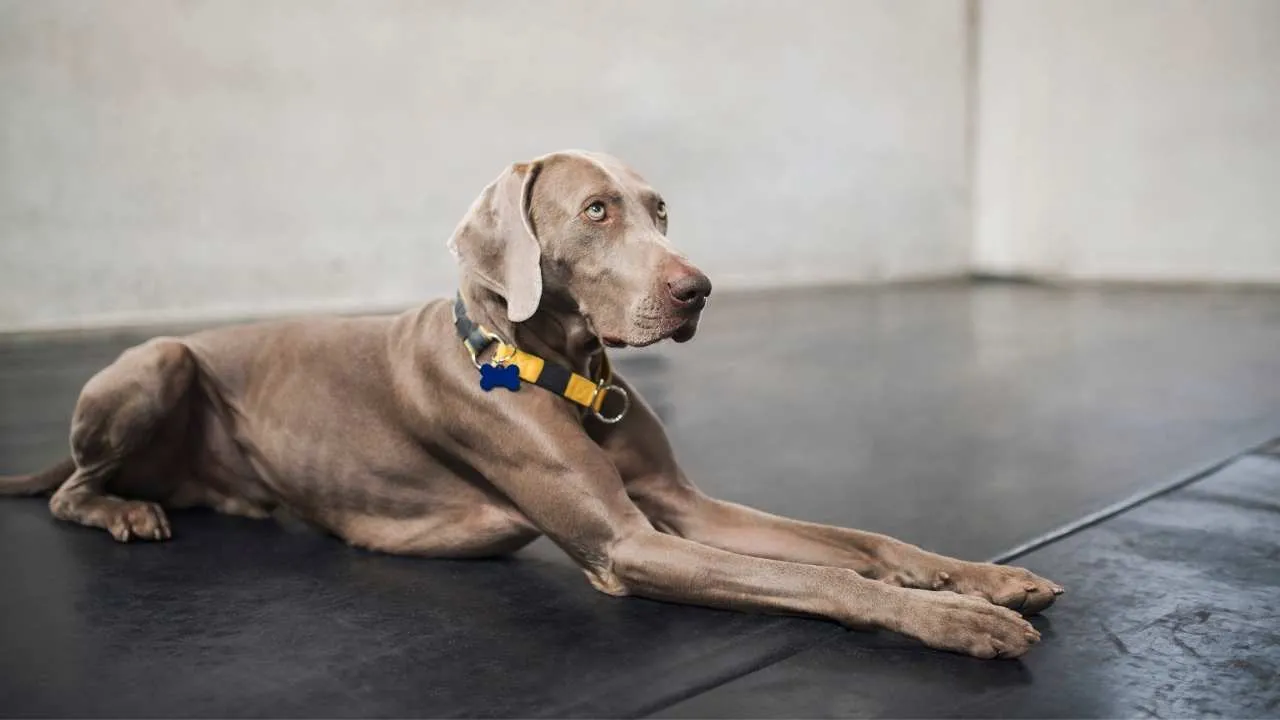
Also known as the “Silver Ghost,” the Weimaraner is an elegant, athletic breed recognized for its sleek gray coat and striking amber eyes.
According to WebMD, the Weimaraner is a friendly and affectionate breed, making it a wonderful addition to families seeking a loyal and sociable companion.
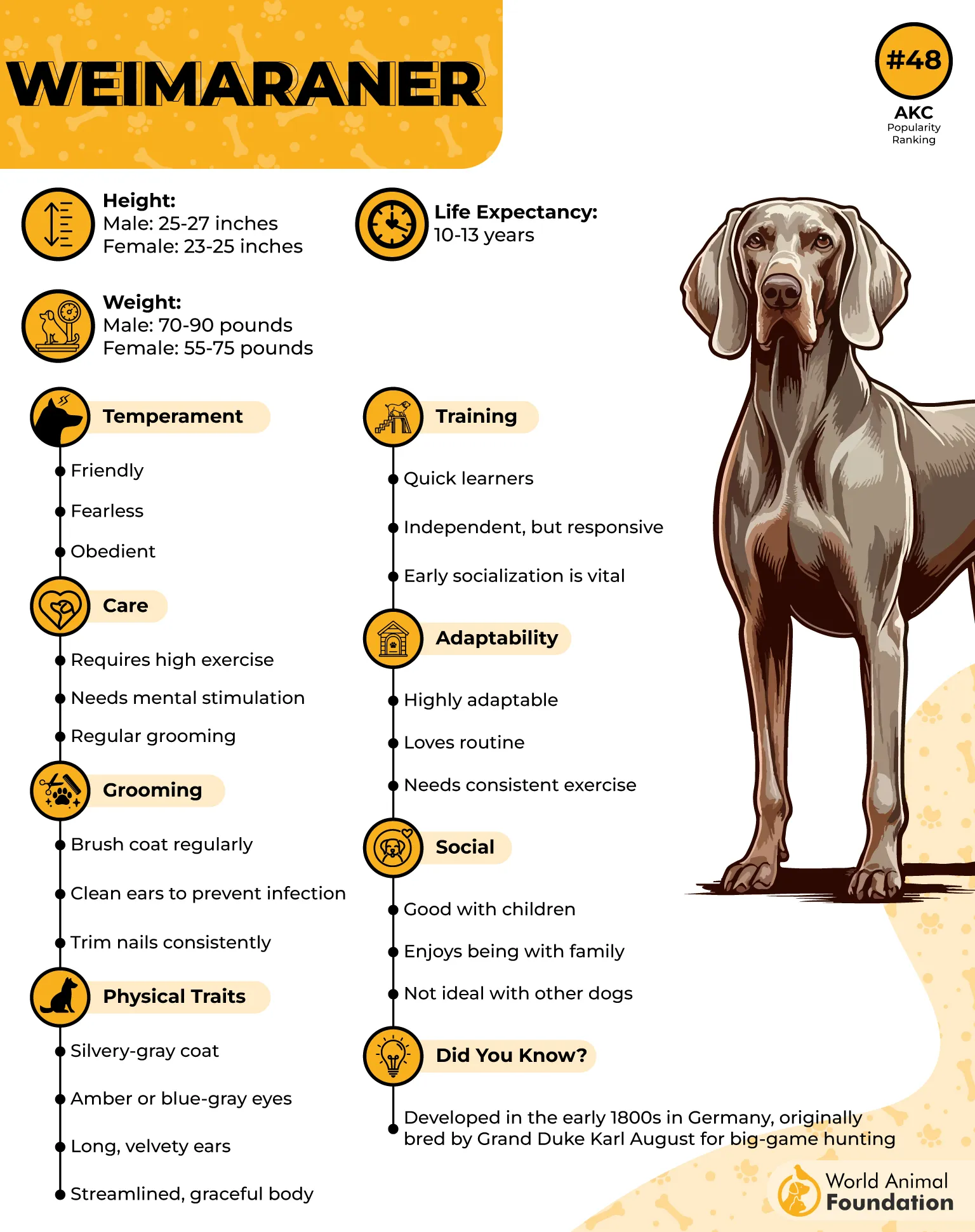
Weimaraners are famously nicknamed “Velcro dogs” because they crave constant human companionship. For senior citizens who prefer independence or spend long hours away, this attachment can quickly lead to separation anxiety, resulting in destructive behaviors like chewing or digging.
This high-energy breed also demands extensive physical and mental stimulation to stay balanced. Without daily runs, agility challenges, or interactive play, a Weimaraner’s restlessness can turn into frustration or anxiety.
Fact: Despite their affectionate personalities, Weimaraners are one of the breeds most prone to separation anxiety due to their intense loyalty and need for human interaction.
4. Dalmatian
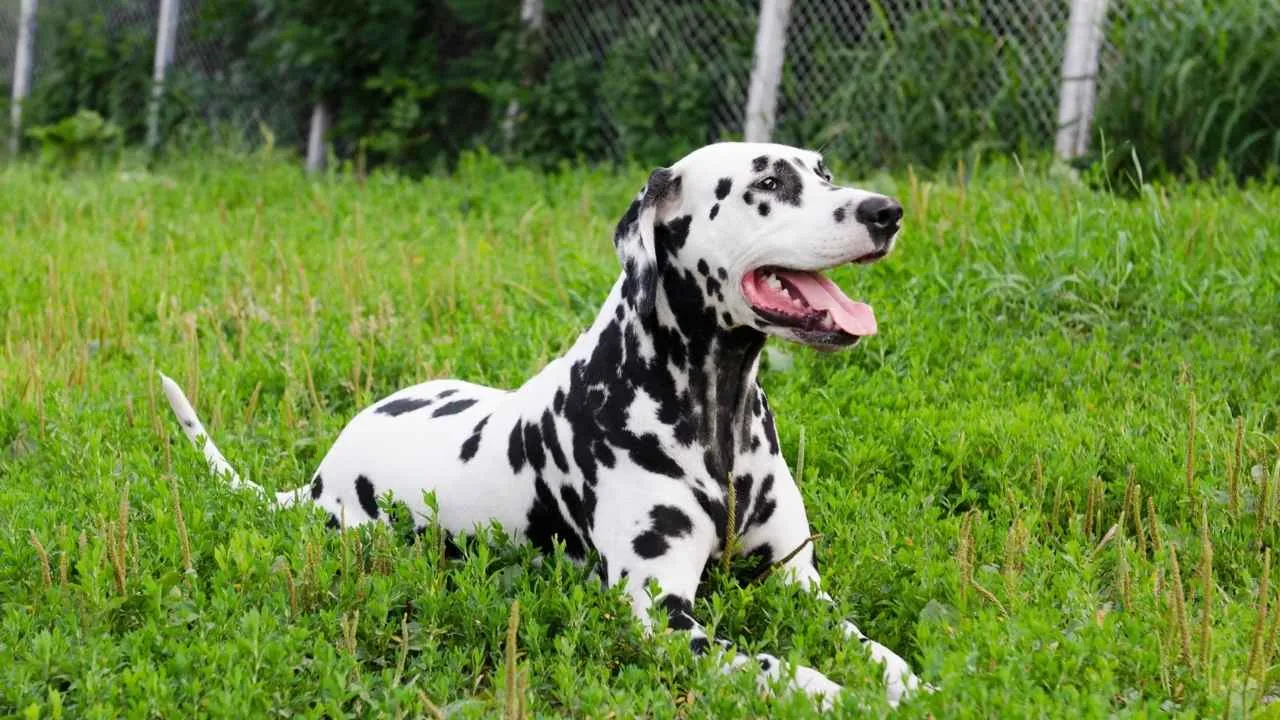
Known for their iconic black-and-white spots, Dalmatians are strikingly beautiful and full of personality.
However, behind their charming looks lies a breed bursting with energy, stamina, and independence—traits that can make them a poor match for senior citizens. Originally bred as carriage dogs and guards, they thrive on activity and wide-open spaces.
These athletic dogs require vigorous daily exercise and mental stimulation to stay balanced. Without proper outlets, they can become restless and destructive, behaviors that can be difficult for older owners to manage.
Their strong will and stubborn streak also demand consistent training, which may not suit a slower-paced household.
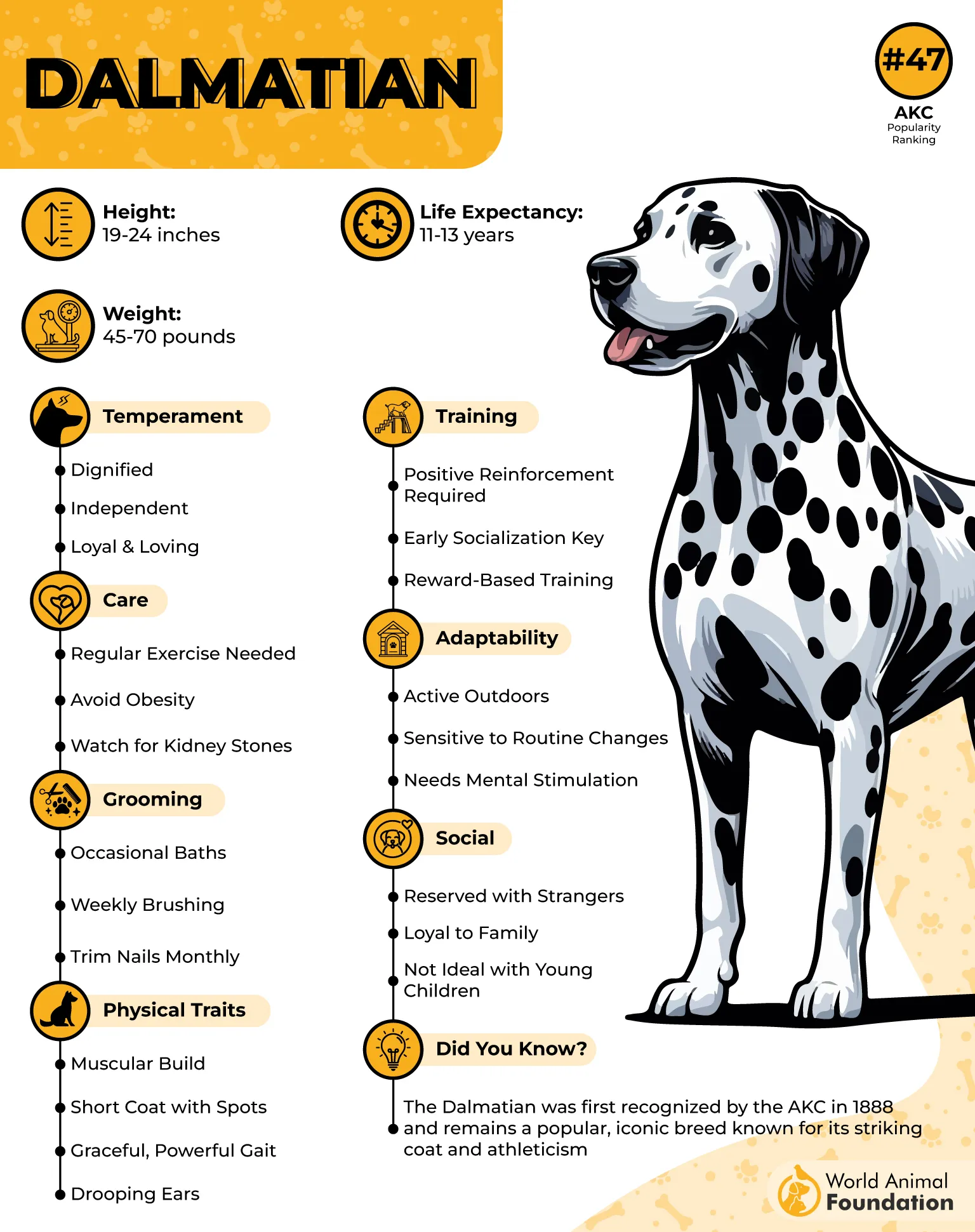
In addition to their boundless energy, Dalmatians are prone to partial or full deafness, which can make communication challenging. This hearing loss can sometimes lead to confusion or fear-based reactions, especially in noisy environments or around small children.
Fact: The Dalmatian’s lineage dates back to the 1700s in Croatia’s Dalmatia region, where they were prized for guarding horses and carriages—proving that their endurance was bred for long, active days.
5. Jack Russell Terrier
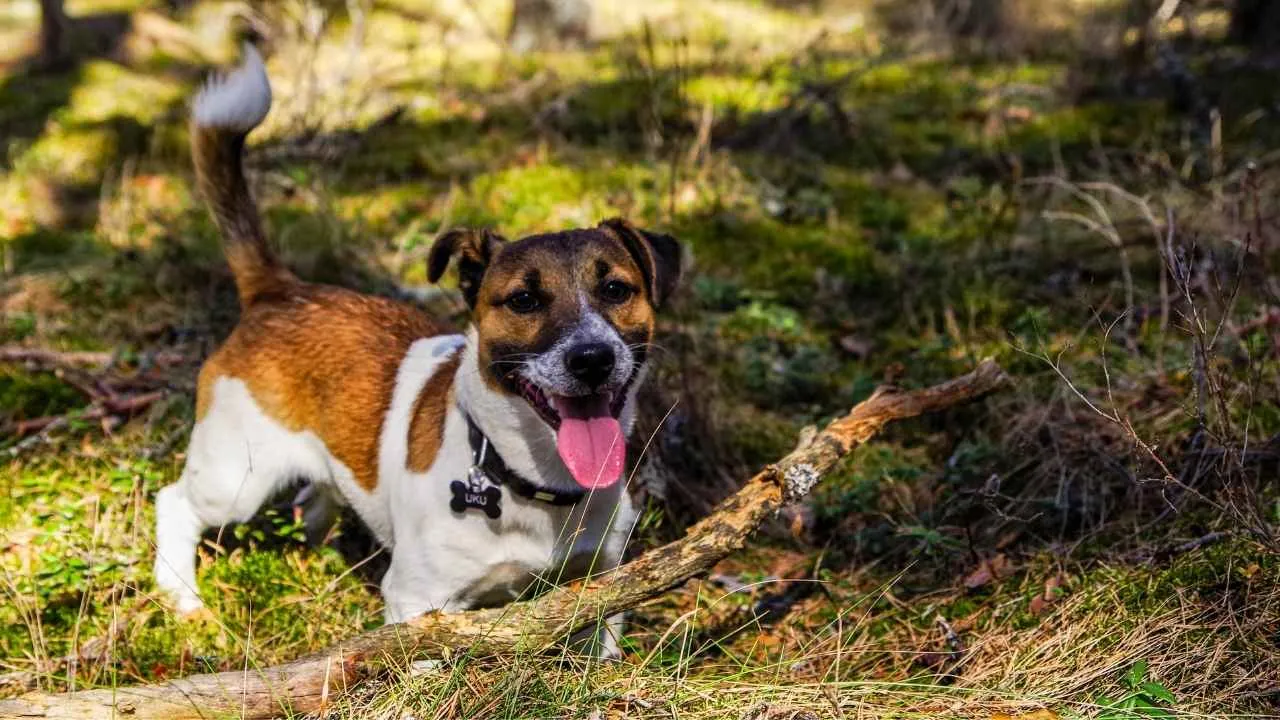
The Jack Russell Terrier, also known as the Parson Russell Terrier, is a spirited and intelligent small dog originally bred for fox hunting in 19th-century England. This breed possesses the boundless energy and tenacity of a much larger dog.
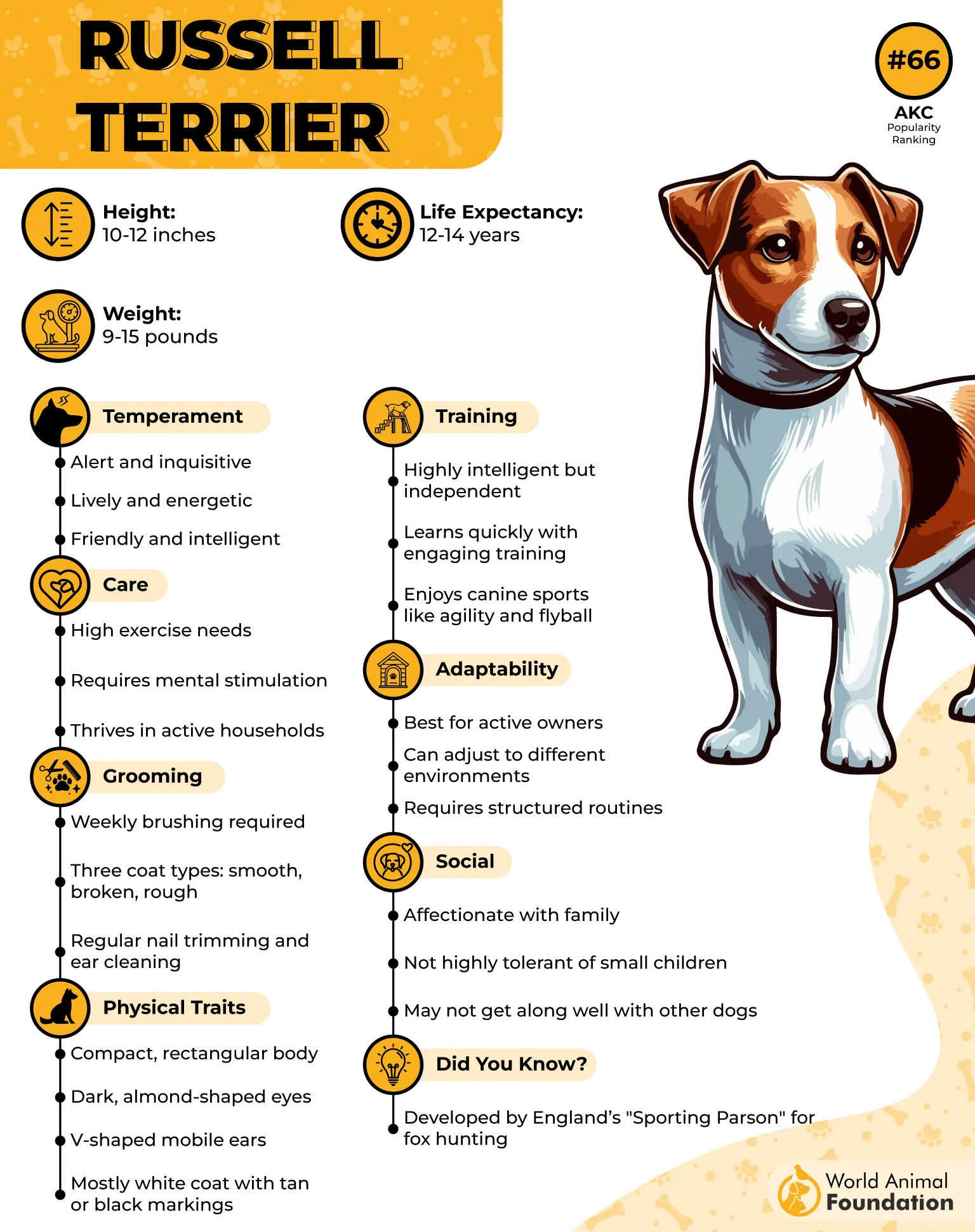
For senior pet owners, the Jack Russell’s high energy and demanding exercise needs can be overwhelming.
These dogs thrive on constant movement, exploration, and stimulation—requirements that may be difficult for older adults to fulfill consistently. Without sufficient physical activity, they may resort to barking, digging, or other destructive habits.
Training a Jack Russell also demands patience and consistency. Their strong-willed and curious nature makes them quick learners, but they can become stubborn if not properly guided. They benefit most from owners who have time for active play, obedience work, and structure.
Fact: Jack Russell Terriers are known for their hunting instincts and may even present their owners with “gifts” like small rodents or birds—a remnant of their fox-hunting heritage.
6. Belgian Malinois
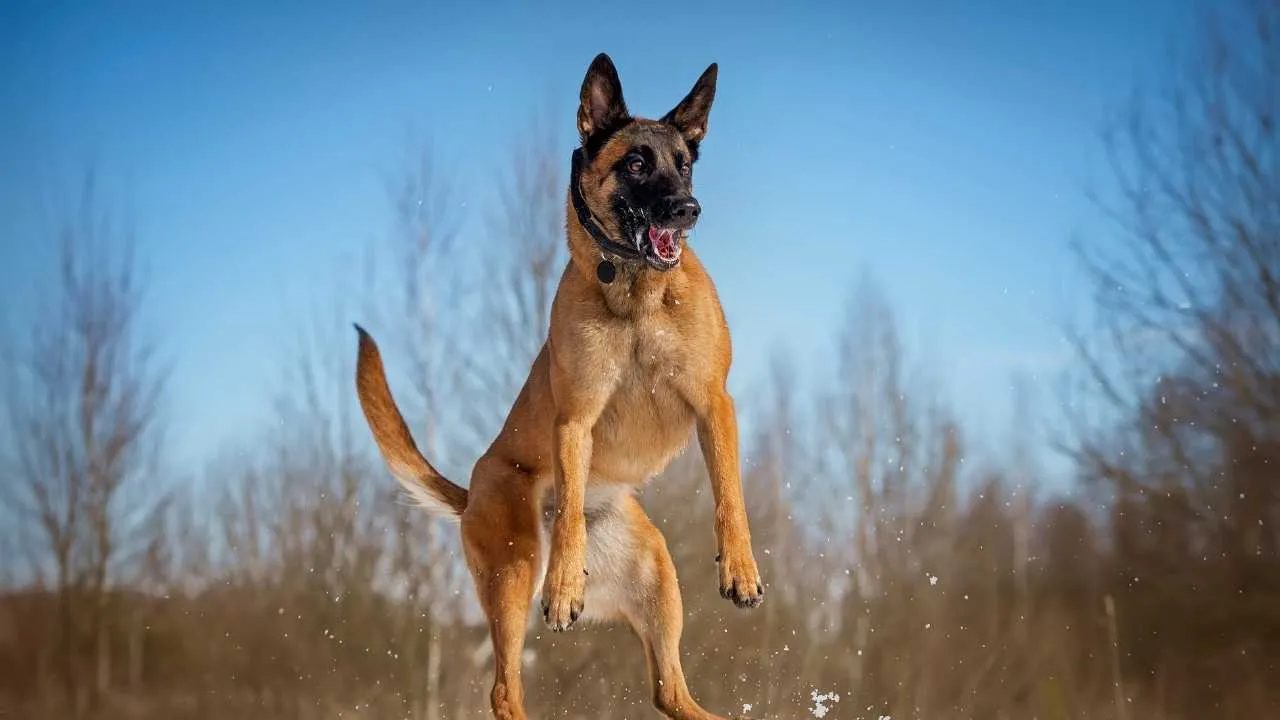
The Belgian Malinois, often mistaken for the German Shepherd, is a high-intensity working breed known for its intelligence, stamina, and drive.
Originally bred for herding and later used in military and police work, this dog is always alert and ready for action—a trait that can overwhelm senior owners seeking a calm, manageable pet.
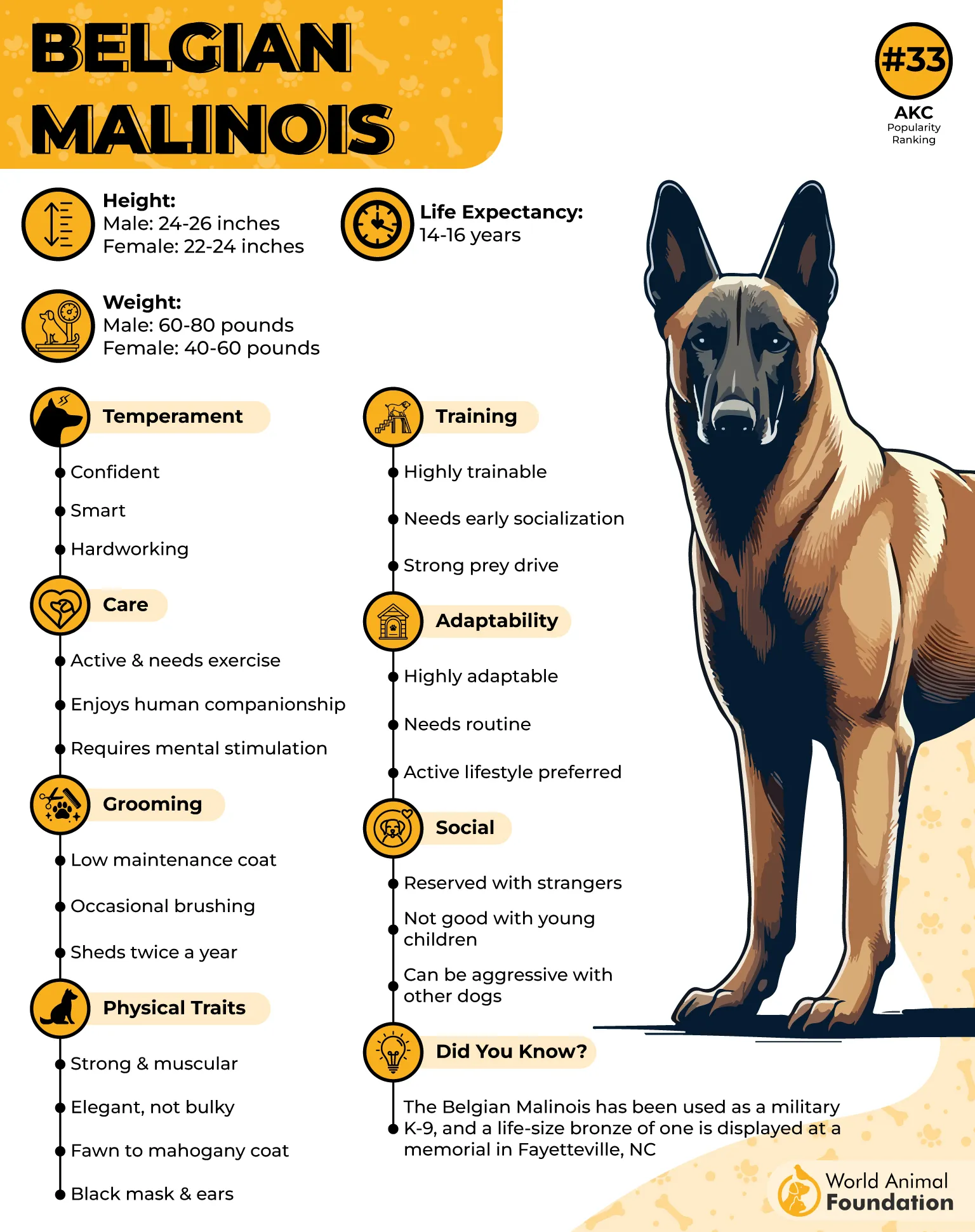
Because of its relentless energy and need for constant stimulation, the Malinois struggles in quieter homes or apartment settings.
It requires extensive physical and mental exercise, including agility drills, advanced obedience training, and play that challenges its quick mind. Without this engagement, it can develop destructive behaviors or anxiety.
This breed’s independent nature and powerful instincts make it difficult for seniors to manage, especially if they lack experience with strong-willed dogs. A Malinois that isn’t properly exercised may become restless, vocal, or overly protective.
Fact: The Belgian Malinois has served alongside Navy SEALs and elite military units, renowned for its endurance, intelligence, and fearless determination.
7. Rottweiler
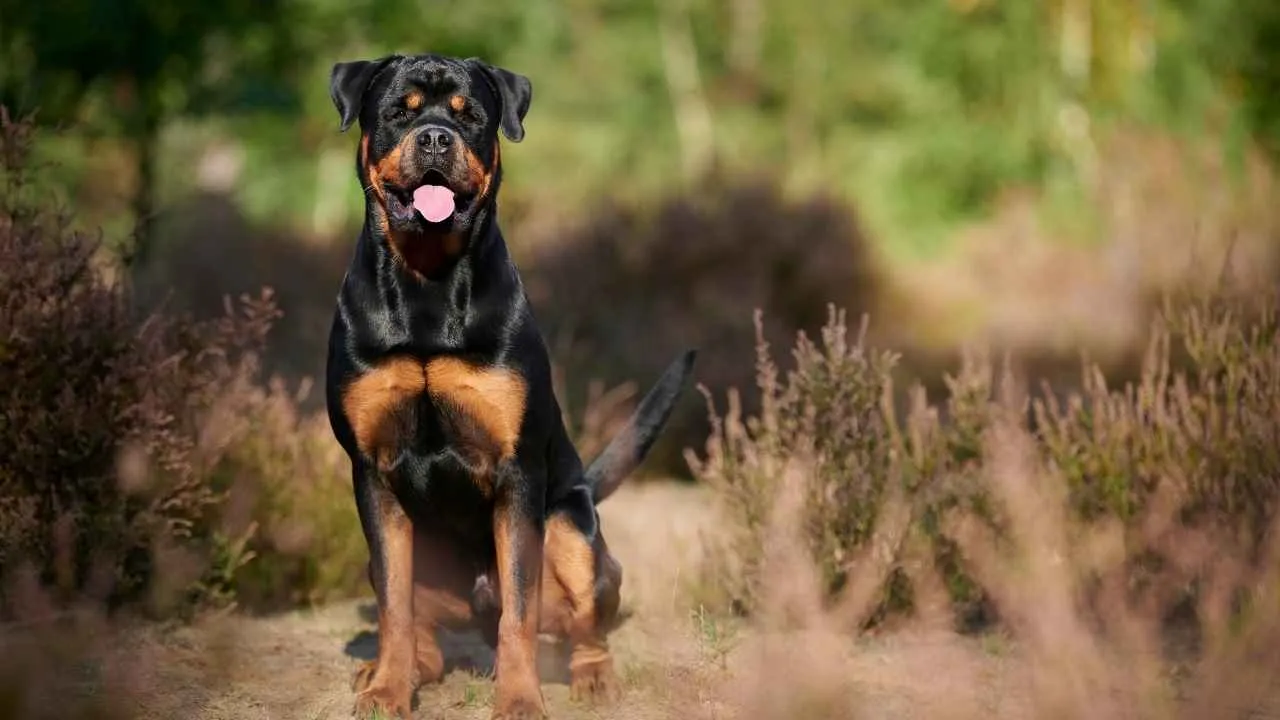
Also known as the Rottie, the Rottweiler is a strong, muscular breed originally bred in Germany for herding and guarding livestock.
Their confidence and natural protective instincts make them exceptional working dogs, but these same traits can be overwhelming for elderly pet owners who prefer calm, low-maintenance companions.
Rottweilers require consistent obedience training and firm leadership to manage their dominant tendencies. Without daily structure and activity, they can become restless or overprotective.
Seniors who may struggle with large, energetic dogs could find the Rottweiler’s strength and determination difficult to control.
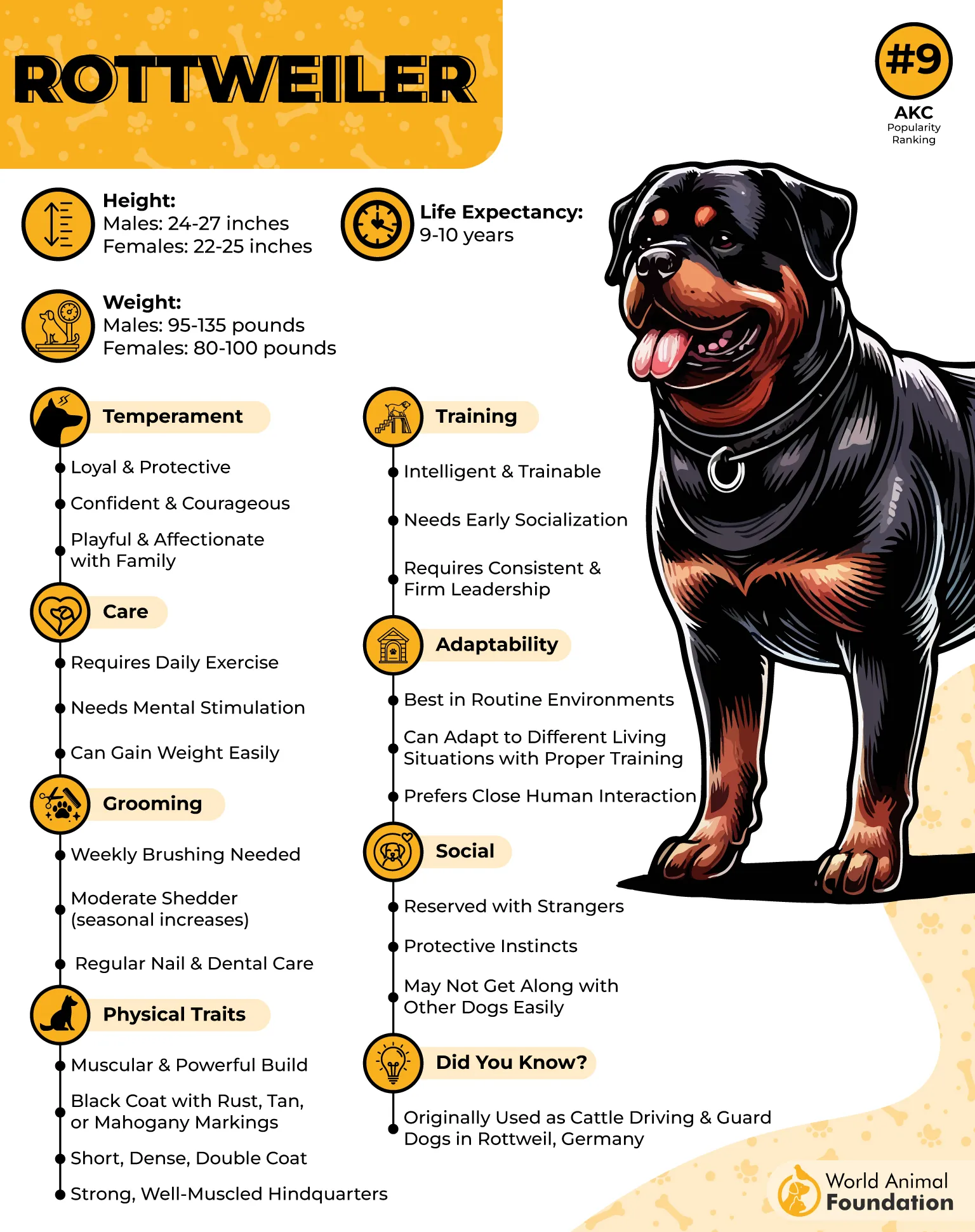
These dogs also demand regular exercise—long walks, mental challenges, and interactive play are essential to keep them balanced. Their need for both physical and mental stimulation goes far beyond what most senior owners can comfortably provide.
Fact: Rottweilers were originally bred from Roman herding dogs to guard cattle and protect soldiers—traits that still make them one of the most vigilant and hardworking breeds today.
8. German Shepherd
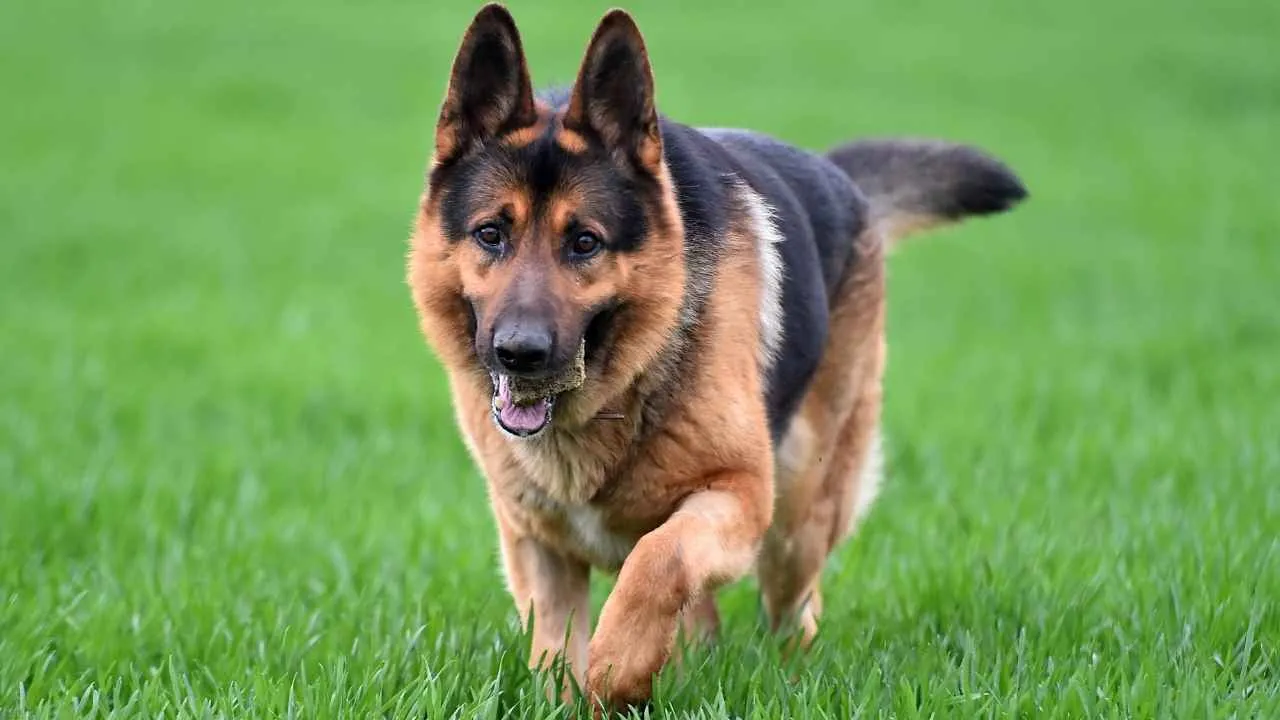
Also known as the Alsatian, the German Shepherd is one of the world’s most intelligent and loyal breeds, but their intensity can make them challenging for senior pet owners.
This breed’s high stamina means they thrive on running, agility exercises, and mentally stimulating tasks. Without at least two hours of daily exercise, German Shepherds can become restless, anxious, or even destructive—making them difficult for older adults who prefer a calmer pace.
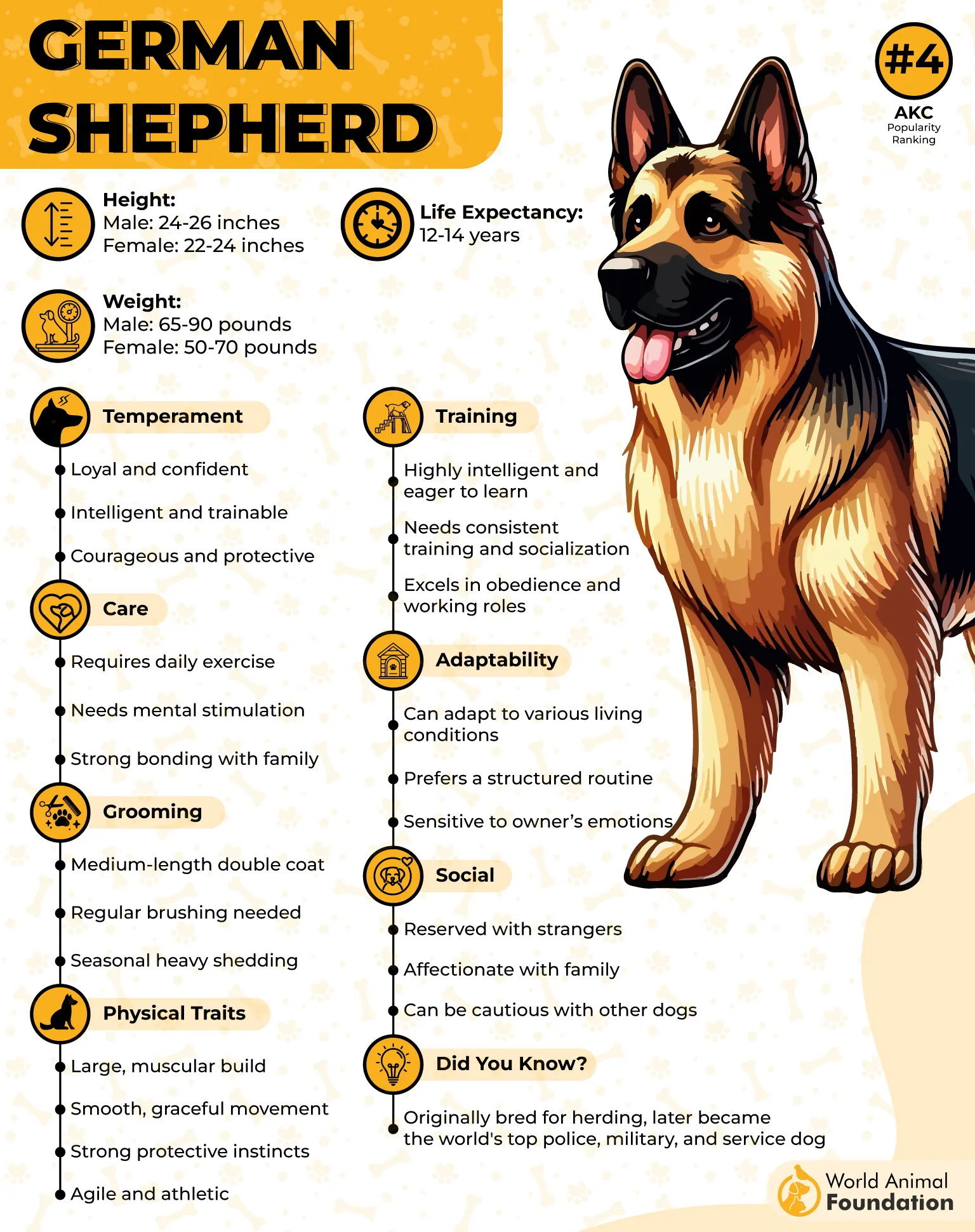
Their double coat sheds heavily year-round, demanding frequent grooming and cleaning, which may be overwhelming for seniors. Combined with their protective instincts and strong personalities, they need firm, consistent training to manage their natural guarding behavior.
Fact: German Shepherds can apply up to 238 pounds of bite pressure, a testament to their strength—but also a reminder that they’re best suited for experienced, active owners.
9. Australian Shepherd
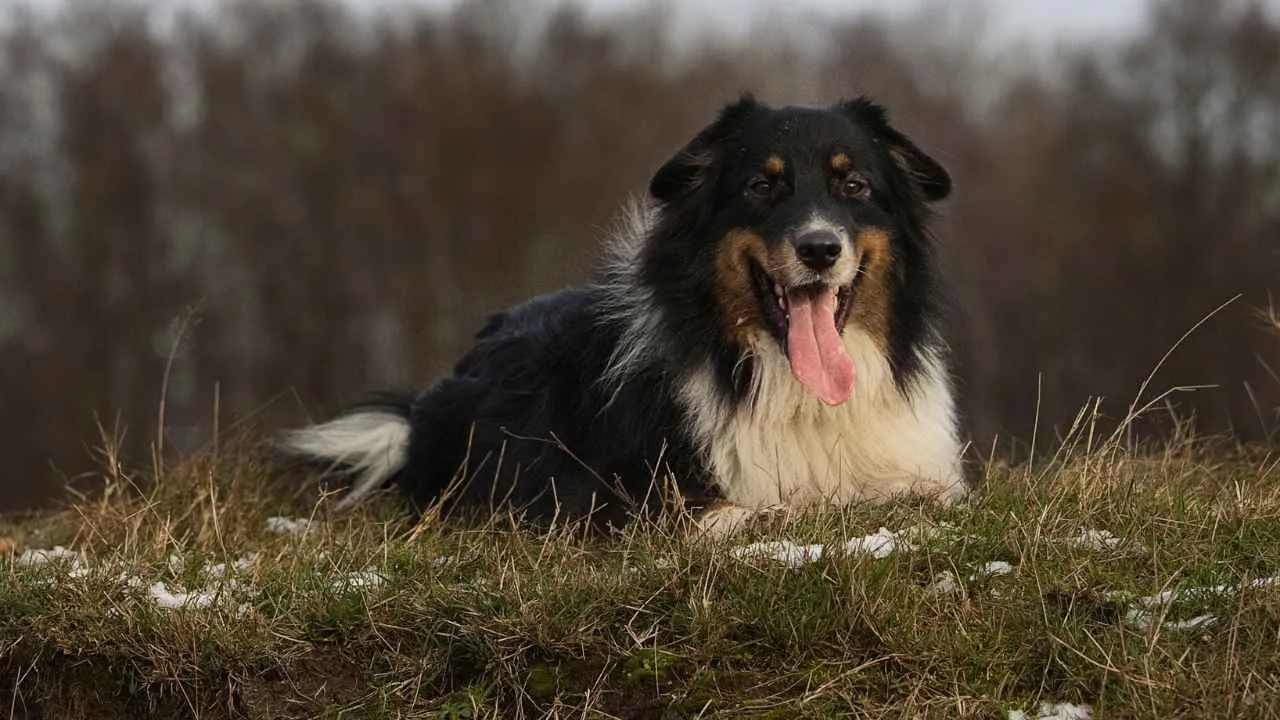
Also called the Aussie, the Australian Shepherd is a medium-sized herding dog originally bred in the U.S. during the 1800s.
Renowned for their intelligence, agility, and work ethic, these dogs were developed to manage livestock and remain active from dawn to dusk.
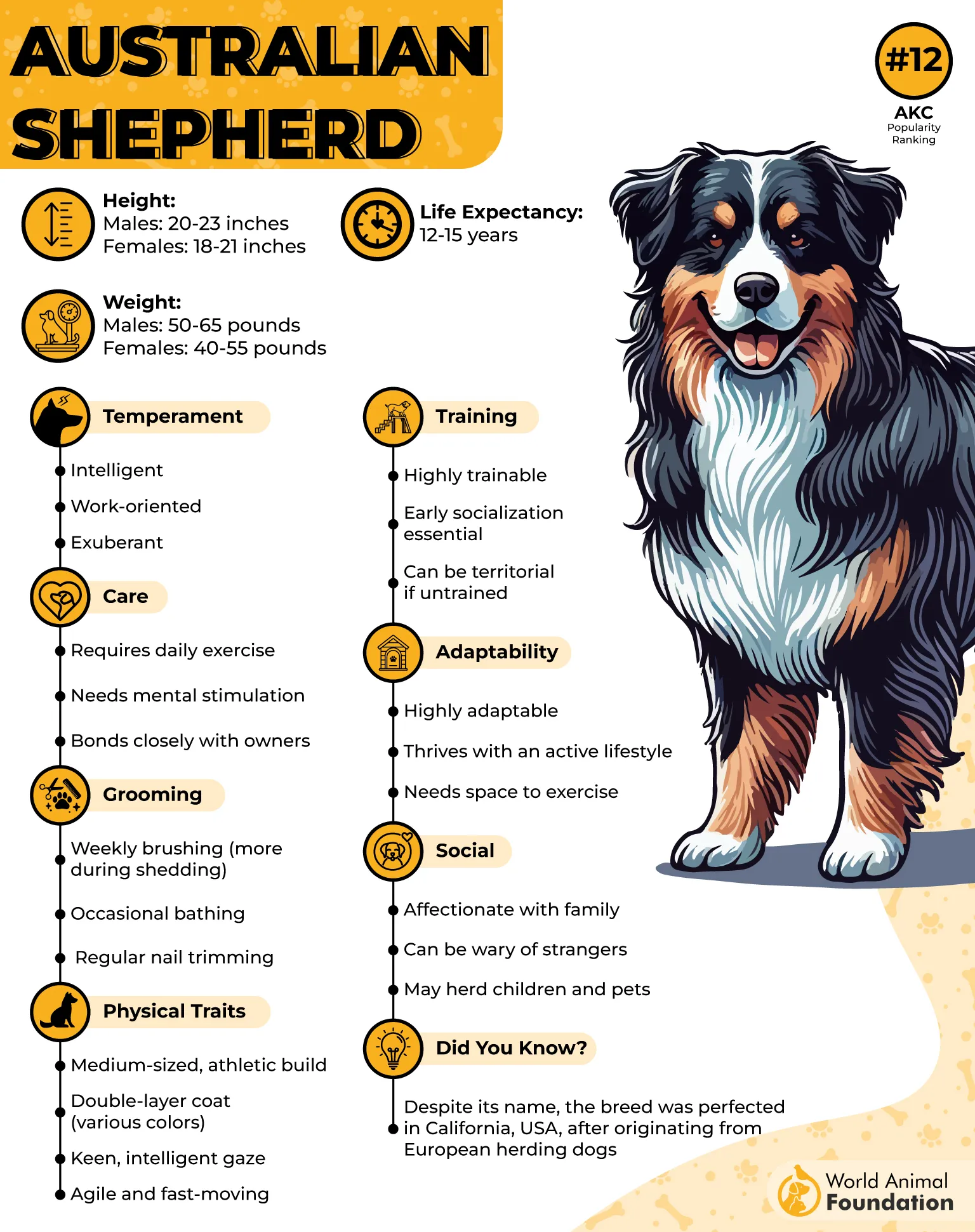
While their intelligence is admirable, it comes with a cost — Aussies require constant mental and physical stimulation.
They thrive on daily activity, structured routines, and challenging play, which can be overwhelming for older pet owners with limited energy. Their high drive means that a lack of engagement can lead to restlessness or destructive behavior.
Their thick double coat also demands regular grooming to prevent matting, especially during shedding seasons. This can be difficult for seniors with mobility or respiratory issues.
Fact: Australian Shepherds are prone to joint and hip concerns if not properly exercised — a reminder that their energetic lifestyle and health needs make them best suited for active households, not senior companionship.
10. Akita
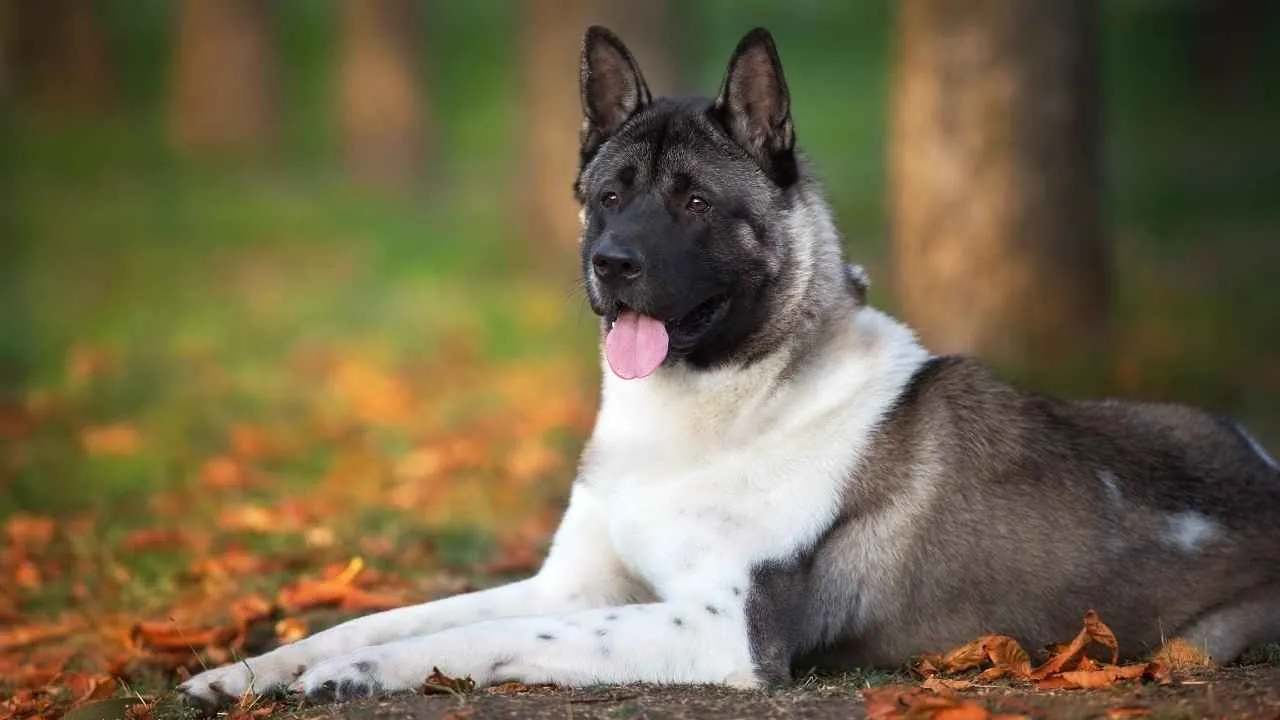
The Akita, also known as the Akita Inu, is a large, powerful dog from northern Japan, originally bred for hunting elk, boar, and even bears.
Revered as a symbol of good fortune and loyalty, the Akita is known for its regal stance and commanding presence. However, its independent and dominant personality can be challenging, especially for senior pet owners.
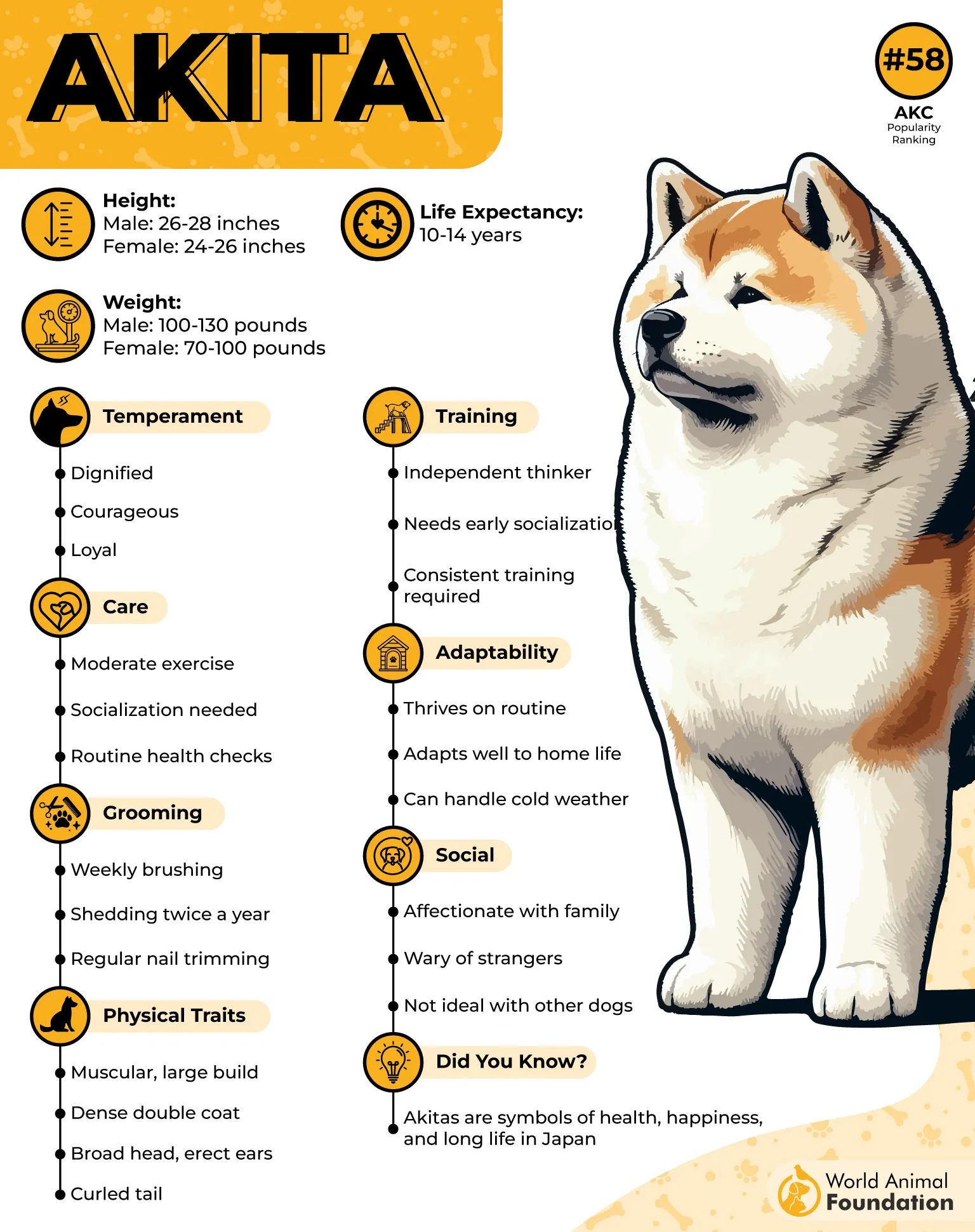
Akitas require consistent obedience training and early socialization to manage their strong-willed temperament.
They can be fiercely protective and territorial, traits that may lead to aggression toward strangers or other pets if not properly handled. For seniors seeking an easygoing companion, this breed’s intensity can quickly become overwhelming.
Their thick double coat also demands regular grooming to control shedding, adding to their maintenance needs. This, combined with their strength and high exercise requirements, makes them a poor match for older adults who prefer low-energy, manageable pets.
Fact: The world’s most famous Akita, Hachikō, became a Japanese national symbol for loyalty after waiting nine years at a train station for his deceased owner’s return.
Conclusion
In conclusion, choosing the right dog breed for a senior dog or elderly person can make all the difference in creating a happy and manageable home. While some high-energy dogs and hunting dogs may be among the worst dog breeds for seniors due to their active lifestyle and constant need for stimulation, others may simply require proper training that not every senior can provide.
Pet ownership at this stage of life should focus on companionship and comfort, not overwhelming energy or demand. That’s why it’s important to explore different dog breeds and understand how other breeds, like the Labrador Retriever, though loyal, may not always suit every senior’s pace.
Instead, focus on affectionate dogs and calm dog breeds for seniors that bring peace and joy. Whether considering guard dogs or other dogs, the key lies in finding the right dog that complements your lifestyle, proving that not all different breeds fit every home equally.
