




Many prospective dog owners worry about leaving a pet home alone during work hours, and for good reason. Some breeds crave constant companionship and can become anxious, vocal, or destructive when separated from their favorite people.
Fortunately, not all dogs handle alone time the same way. Certain breeds are naturally more independent and perfectly capable of relaxing peacefully until their owners return. These dogs tend to combine confidence, adaptability, and a calm demeanor that allows them to cope better with temporary solitude.
While no dog should be left alone for extended hours, choosing a breed that’s comfortable with occasional independence can make dog ownership significantly easier and more enjoyable. Whether you live alone, work a traditional schedule, or simply need a pet that handles quieter environments well, the following breeds offer the best of both worlds: easy solitude during the day, and plenty of love and companionship when you’re home.
Let’s get to know them.
Dog Breeds That Thrive When Left Alone at Home
1. Lhasa Apso
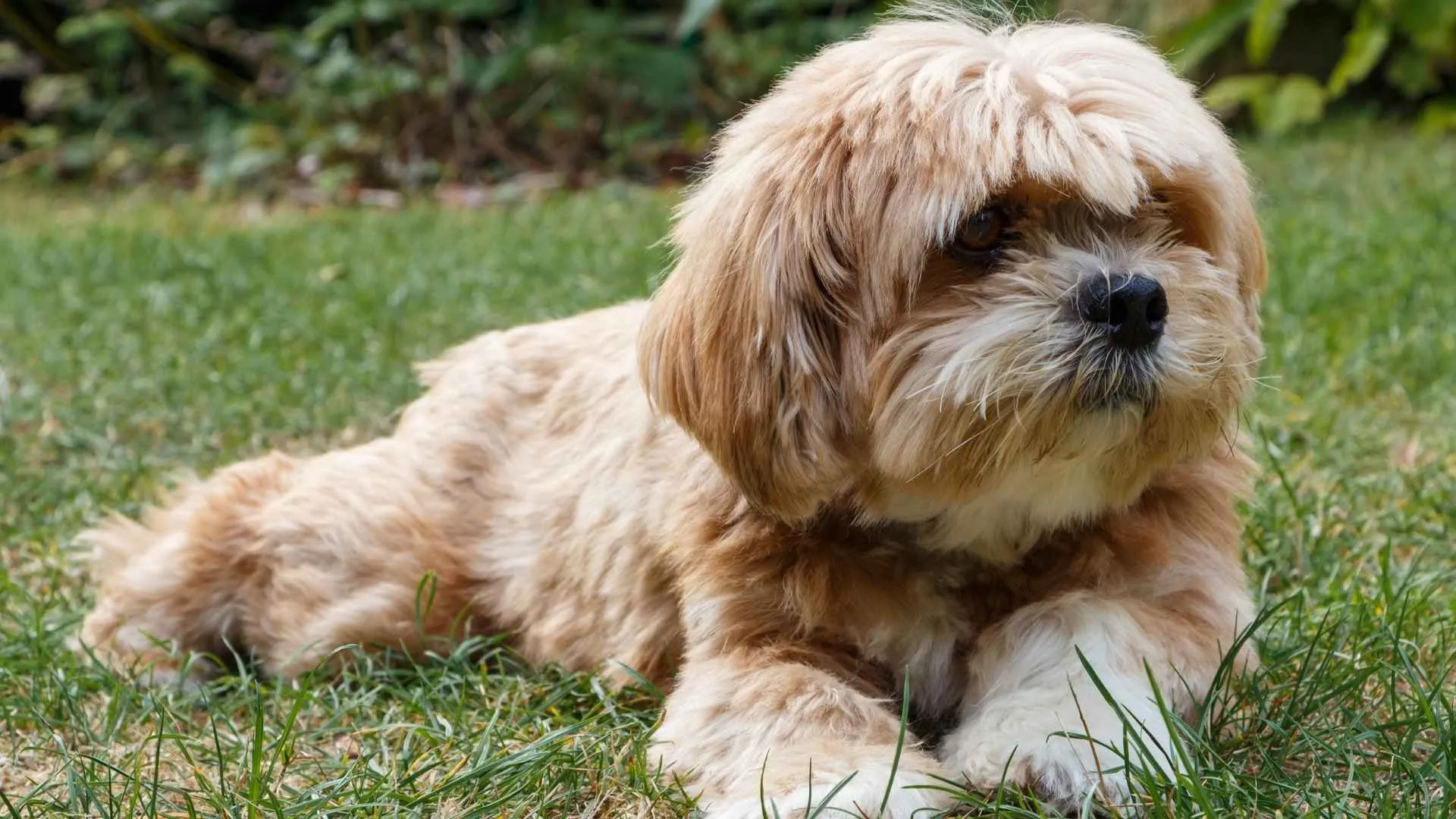
Confident, beautiful, and surprisingly independent, the Lhasa Apso is one of the oldest breeds in the world, with a lineage dating back to around 800 BCE.
Despite being small in size, these dogs are far from clingy; affectionate and deeply loyal to their families, but perfectly content in their own company. Originally bred for guardianship, according to Britannica, that self-assured, watchful nature is still very much intact.
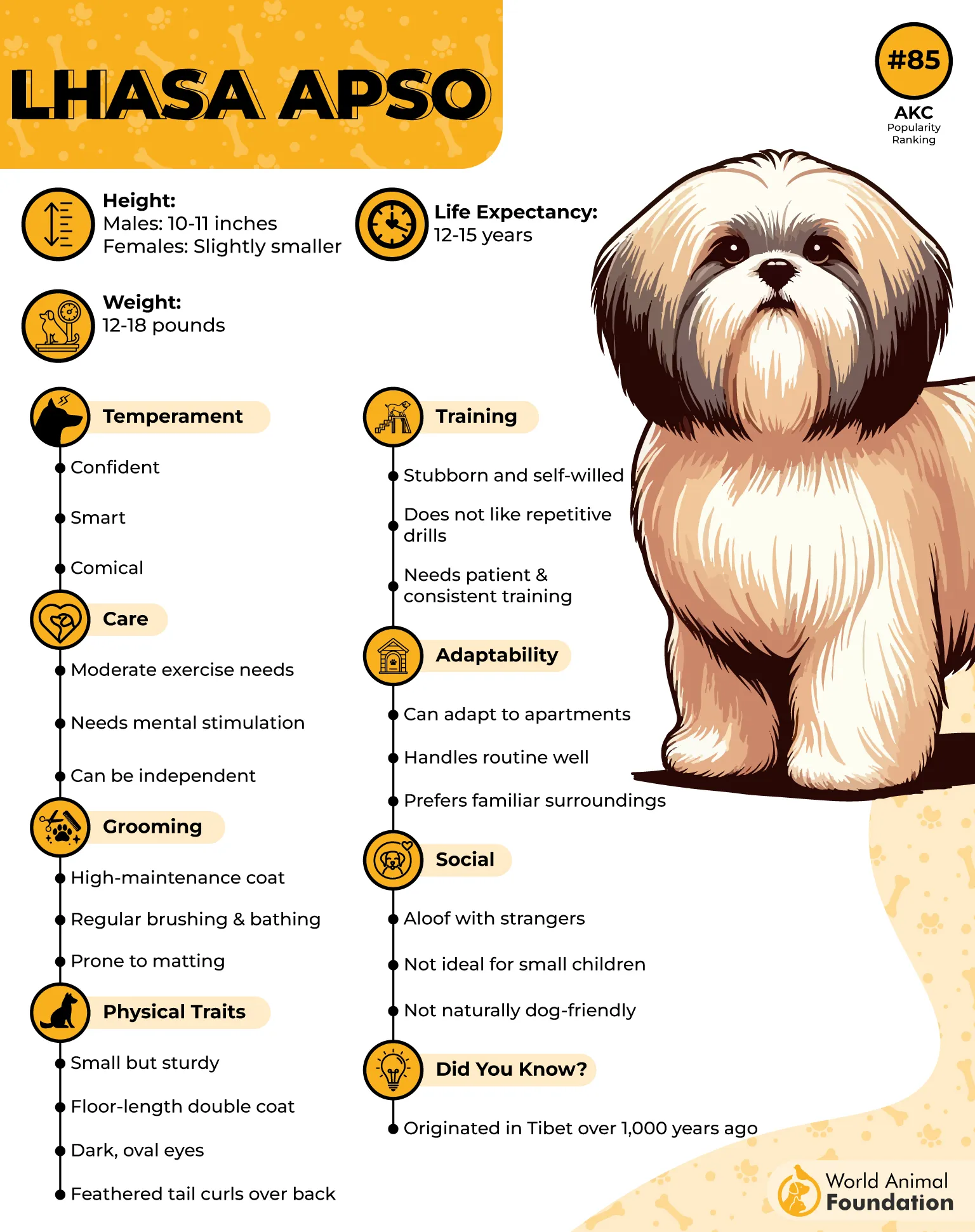
As an independent breed, the Lhasa Apso can comfortably spend a few hours alone without distress. They can be stubborn and like to do things on their own terms, which makes early training important. They’re also naturally wary of strangers and take time to warm up to new people.
With their thick, insulating coats, Lhasa Apsos thrive in cold weather. Since they’re quite content to relax and entertain themselves, separation anxiety is rarely an issue. As a brachycephalic breed, with a flat face and narrowed airways, outdoor activity should be limited during hot or humid weather.
2. Chinese Shar-Pei
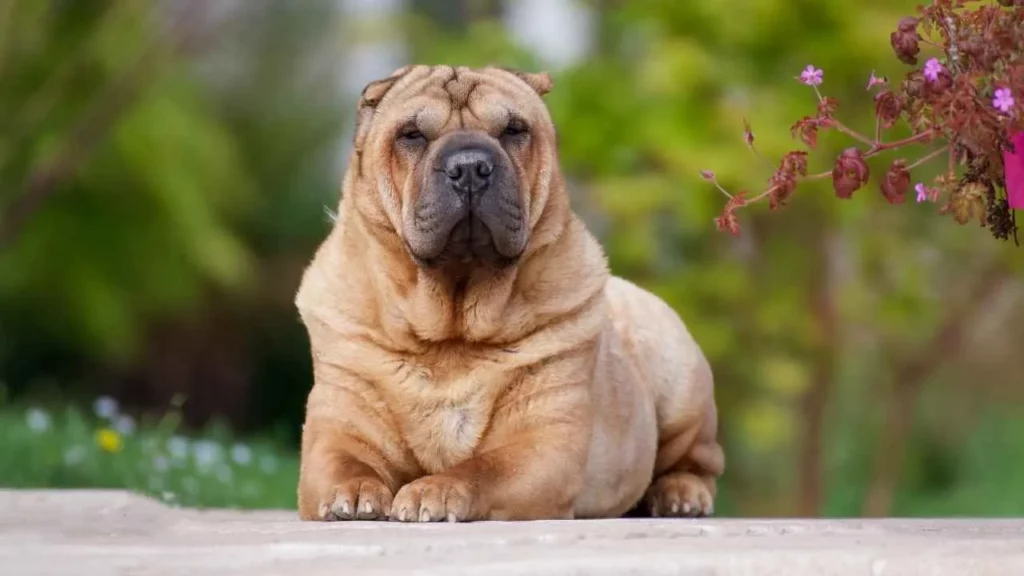
A unique blend of independence and devotion, the Chinese Shar-Pei is one of the most intriguing breeds in the world. These wrinkly dogs are instantly recognizable: blue-black tongues, hippopotamus-shaped muzzles, and a fiercely loyal heart beneath all those folds. Originally bred as hunting and fighting dogs, that alertness and tenacity are still very much part of their character.
Their independent nature and watchful demeanor make them naturally suited for protection work. Despite a reputation for not being overly clingy, Shar-Peis bond deeply with their owners and are far more affectionate than they let on. Early socialization and consistent training go a long way in building their confidence around new people.
While the Chinese Shar-Pei makes a wonderful companion, it’s not the best fit for first-time dog owners. Smart and playful, it needs adequate mental stimulation and at least 30 minutes of daily exercise; regular walks work well. Without proper training and structure, the breed can develop stress and anxiety.
3. Basenji
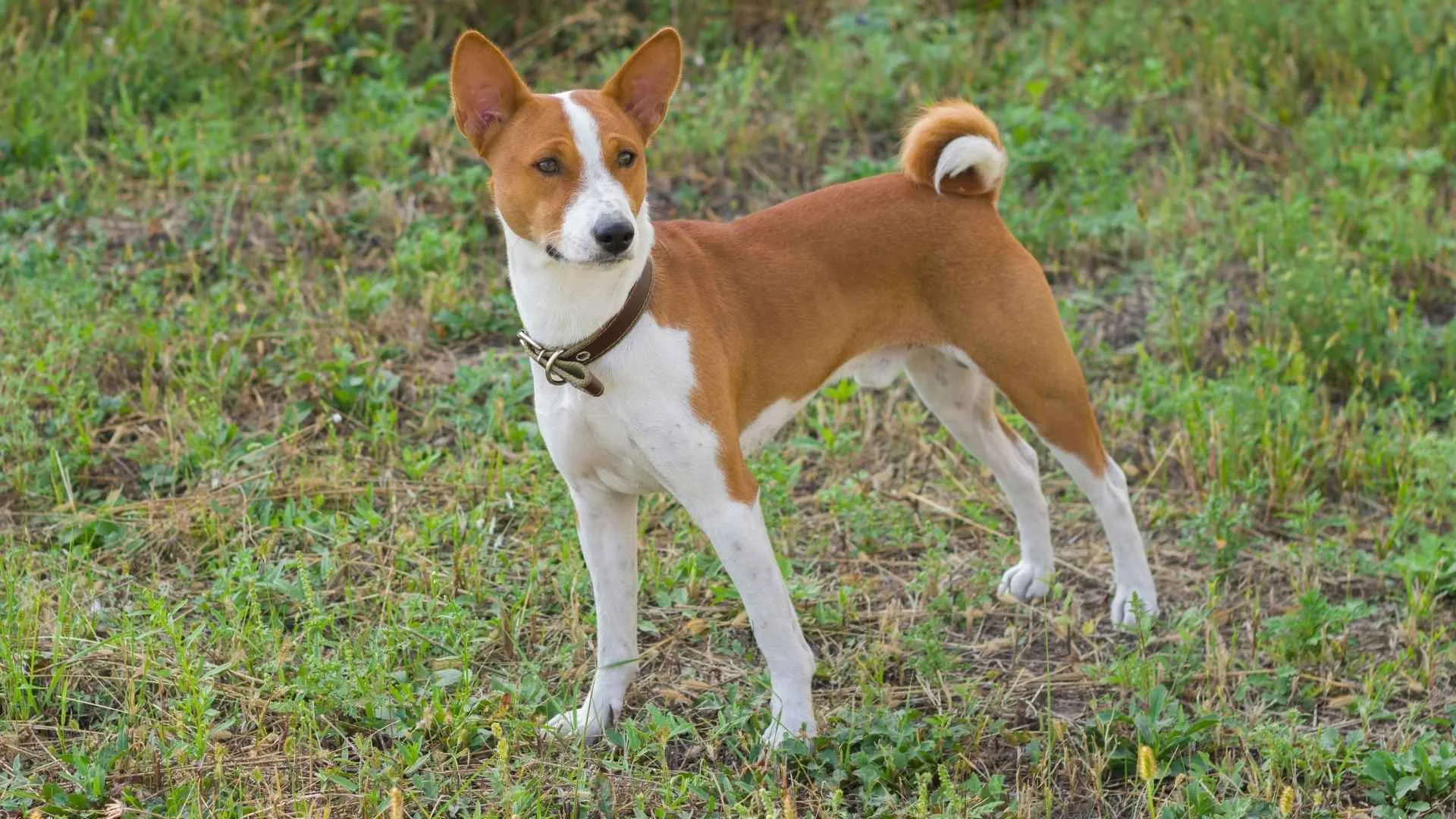
The Basenji has a distinctly feline disposition: independent, clean, and perfectly happy in its own company for hours at a time. Often called the “barkless dog,” the Basenji has a uniquely shaped larynx that produces a distinctive sound known as a yodel rather than a traditional bark. They tend to bond most closely with one person in the family and appreciate their alone time more than most breeds.
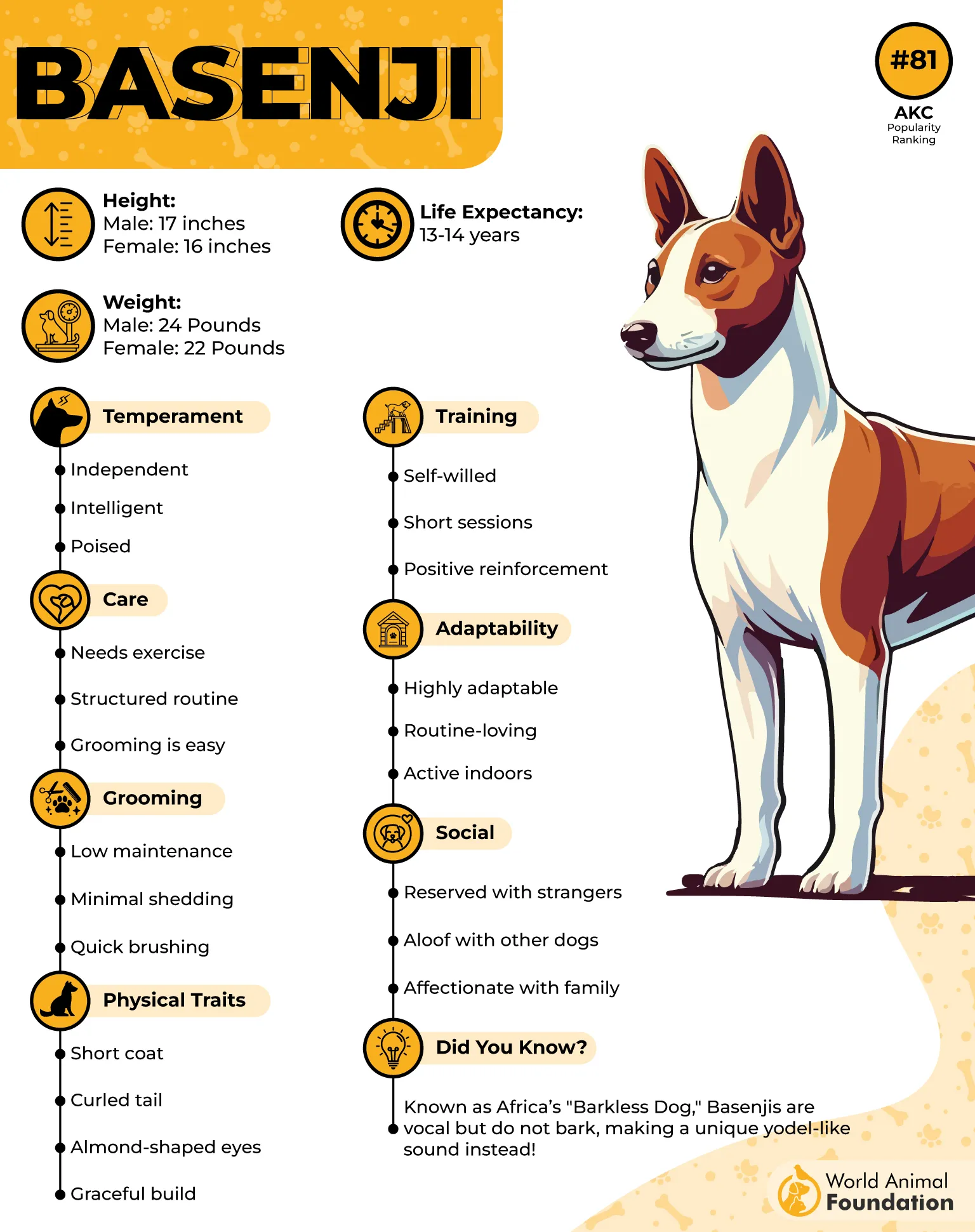
Regular exercise and mental enrichment are essential to keep them engaged and balanced. Like cats, Basenjis groom themselves fastidiously, which cuts down on grooming demands for their owners, a point noted by the AKC.
Their small size and quiet nature make them a great fit for apartment living or homes with shared walls. A curious and reserved personality also makes them effective watchdogs. That said, Basenjis don’t tolerate loud noise or rough play well, so they tend to get along better with older children than young ones.
4. Chow Chow
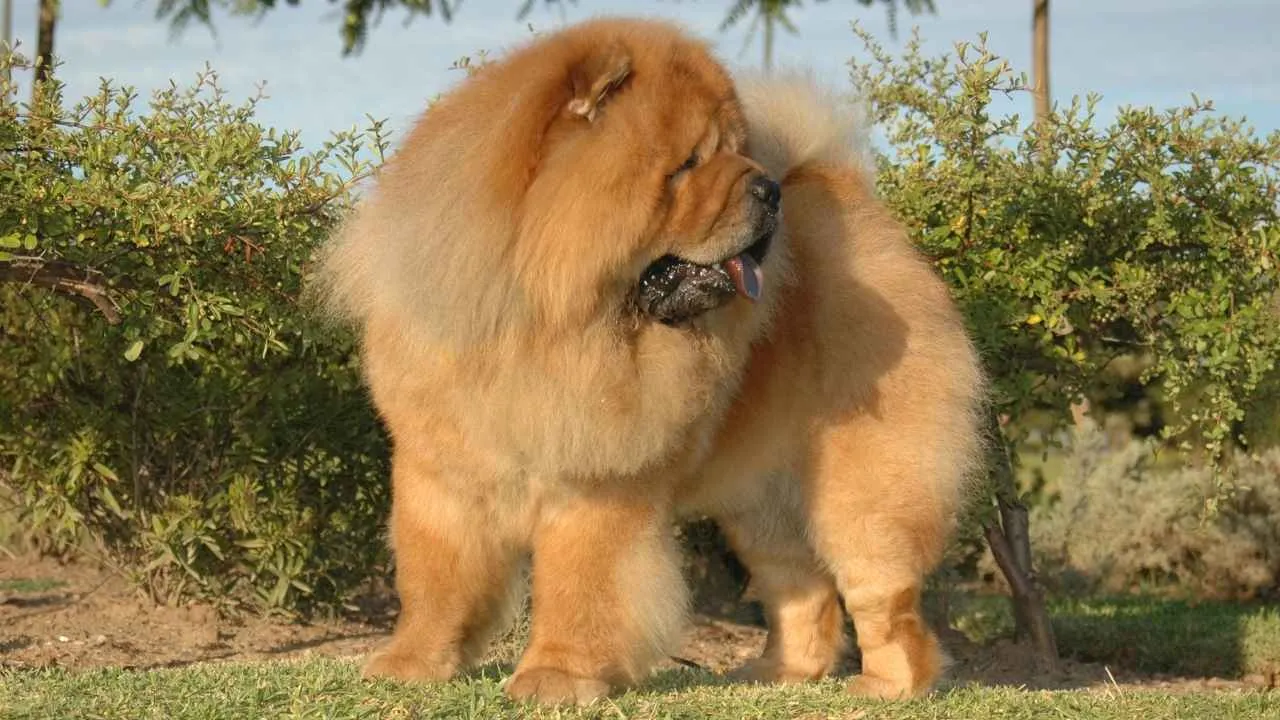
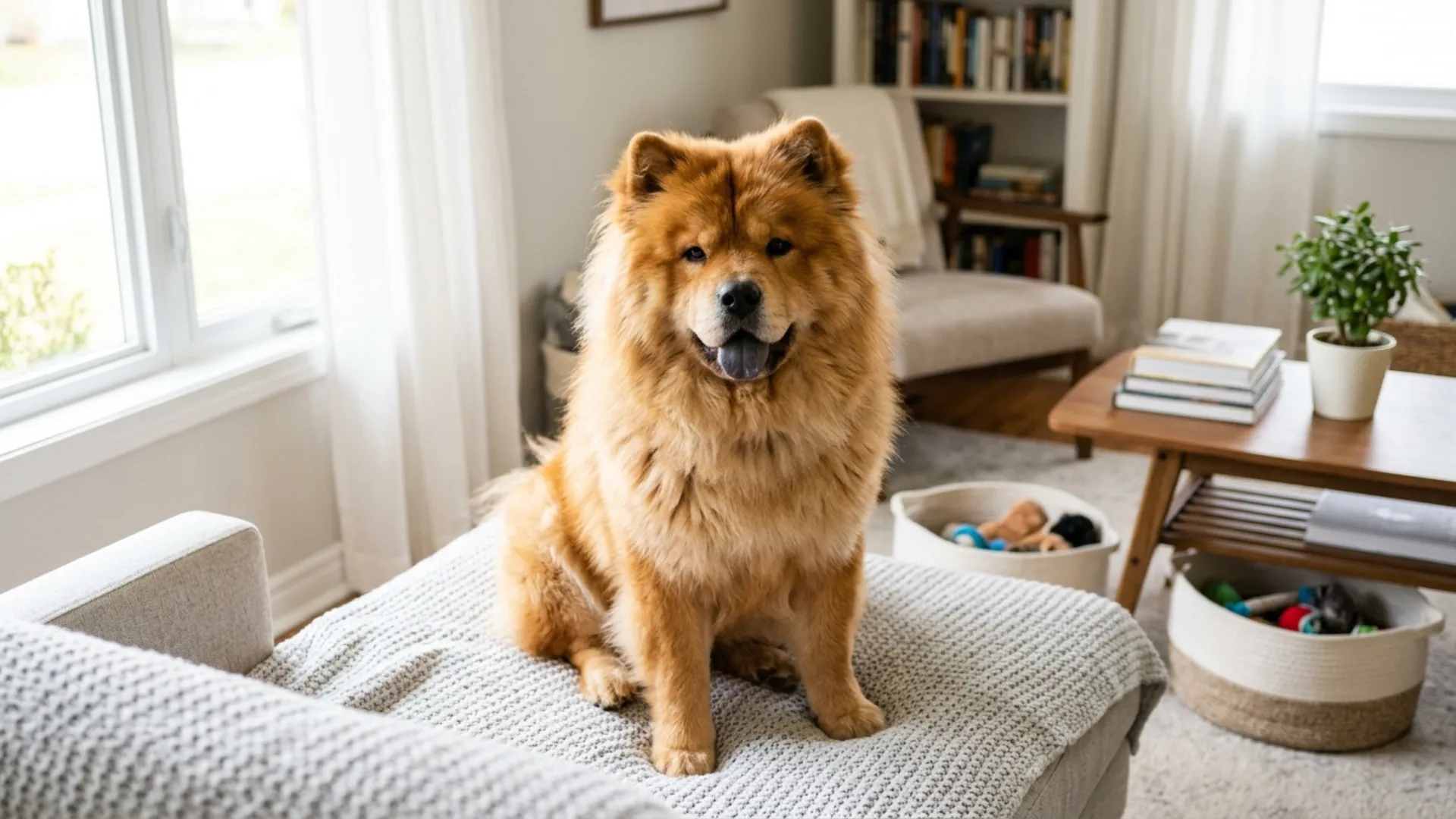
Although the exact origins of the Chow Chow are unclear, the breed has served as a working dog, guard dog, and companion for a very long time. According to PetMD, Chow Chows are characterized by their distinctive blue tongue, fluffy coat, and squished face.
Capable of spending several hours alone at home, Chow Chows are often considered one of the best dogs for introverts, and their natural wariness of strangers means they’re perfectly capable of guarding the house too. Their compact size and modest exercise needs also make them a solid choice for apartment living.
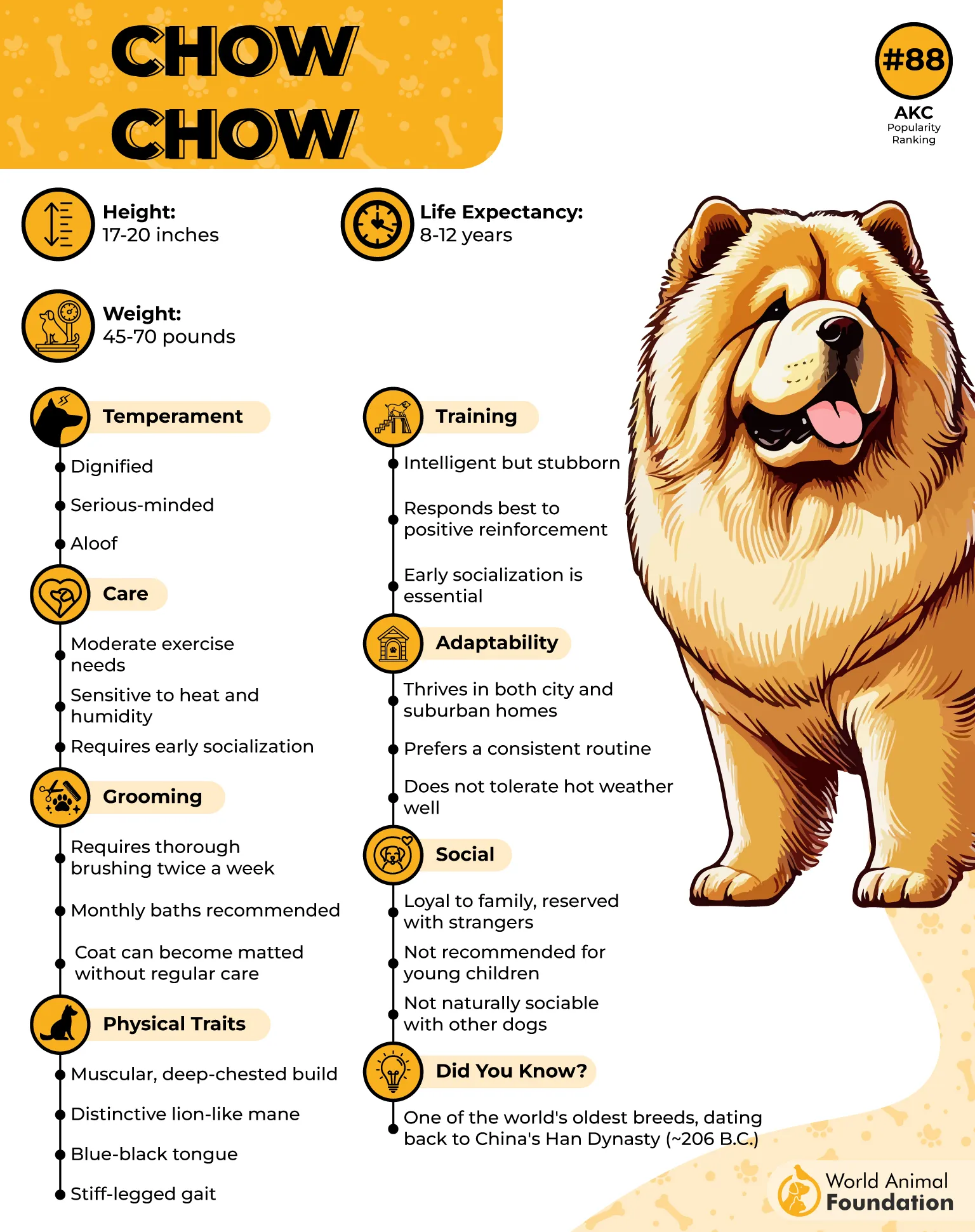
Since they’re independent by nature, Chow Chows can be selective about when they choose to listen during training. Reward-based methods tend to work best for keeping them engaged and responsive.
One thing to keep in mind: despite their independent streak, a well-bonded Chow Chow can become deeply attached to its owner and may not tolerate very long stretches alone as well as you might expect.
5. Bullmastiff
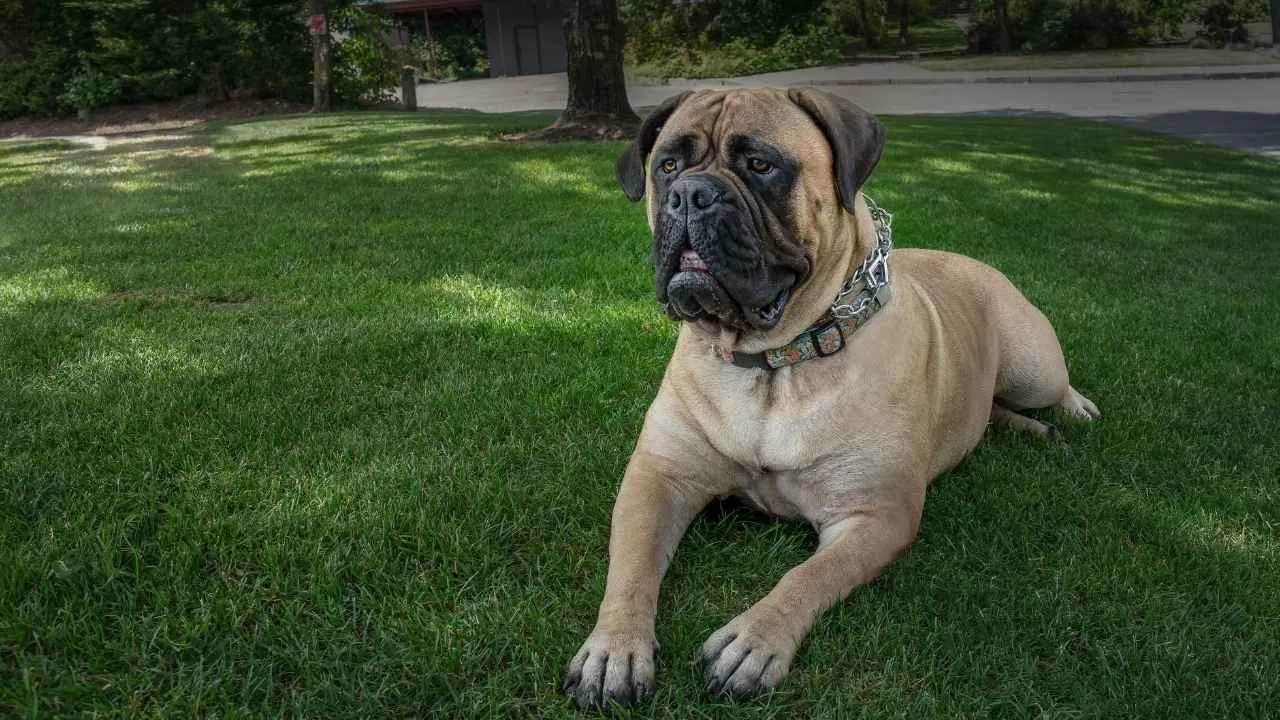
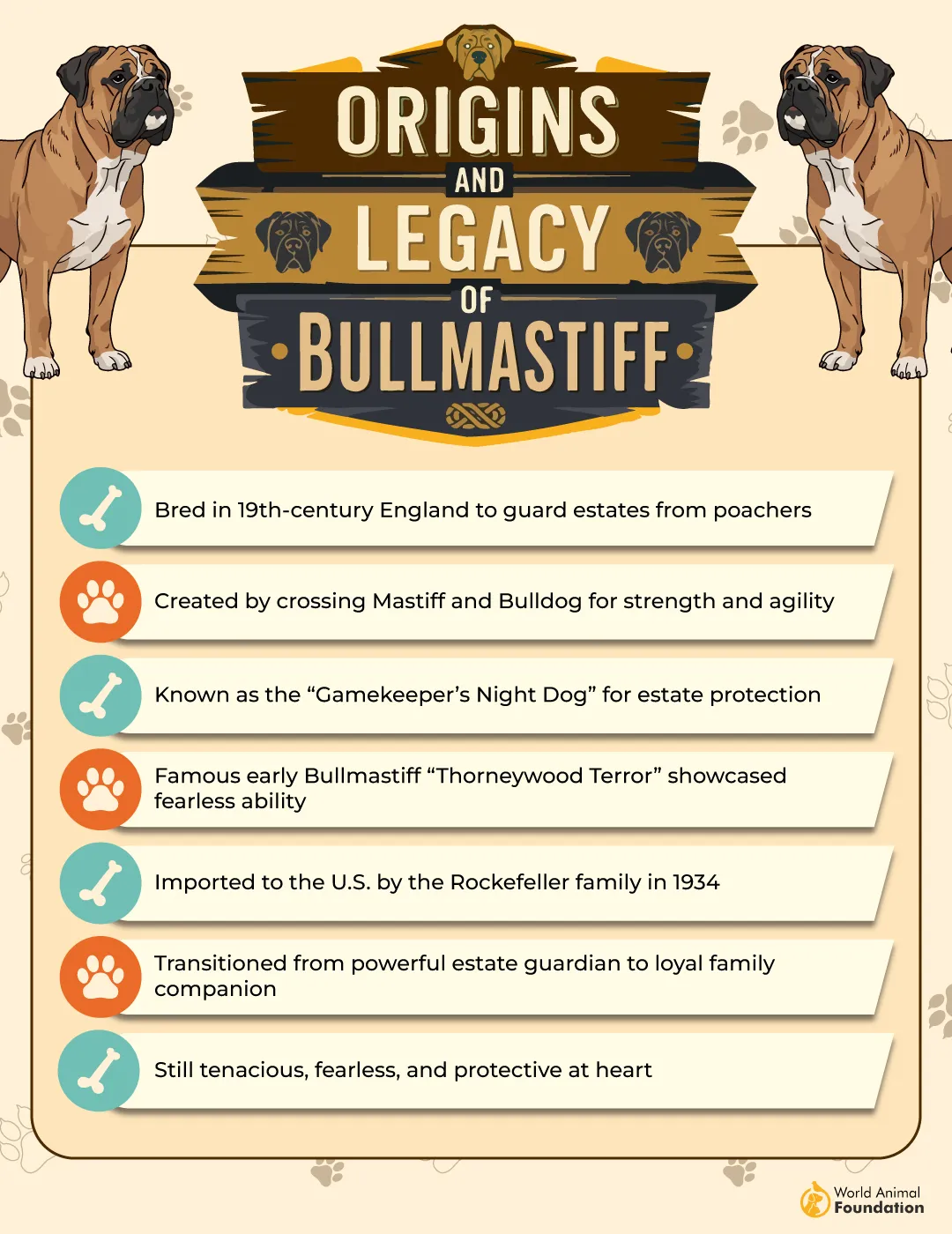
Bred in the1860s by British gamekeepers to guard estates against poachers, Bullmastiffs are large, fearless, and surprisingly well-suited to independent living. They’re content in their own company and tend to spend alone time quietly; all while staying alert and ready to protect the people they love.
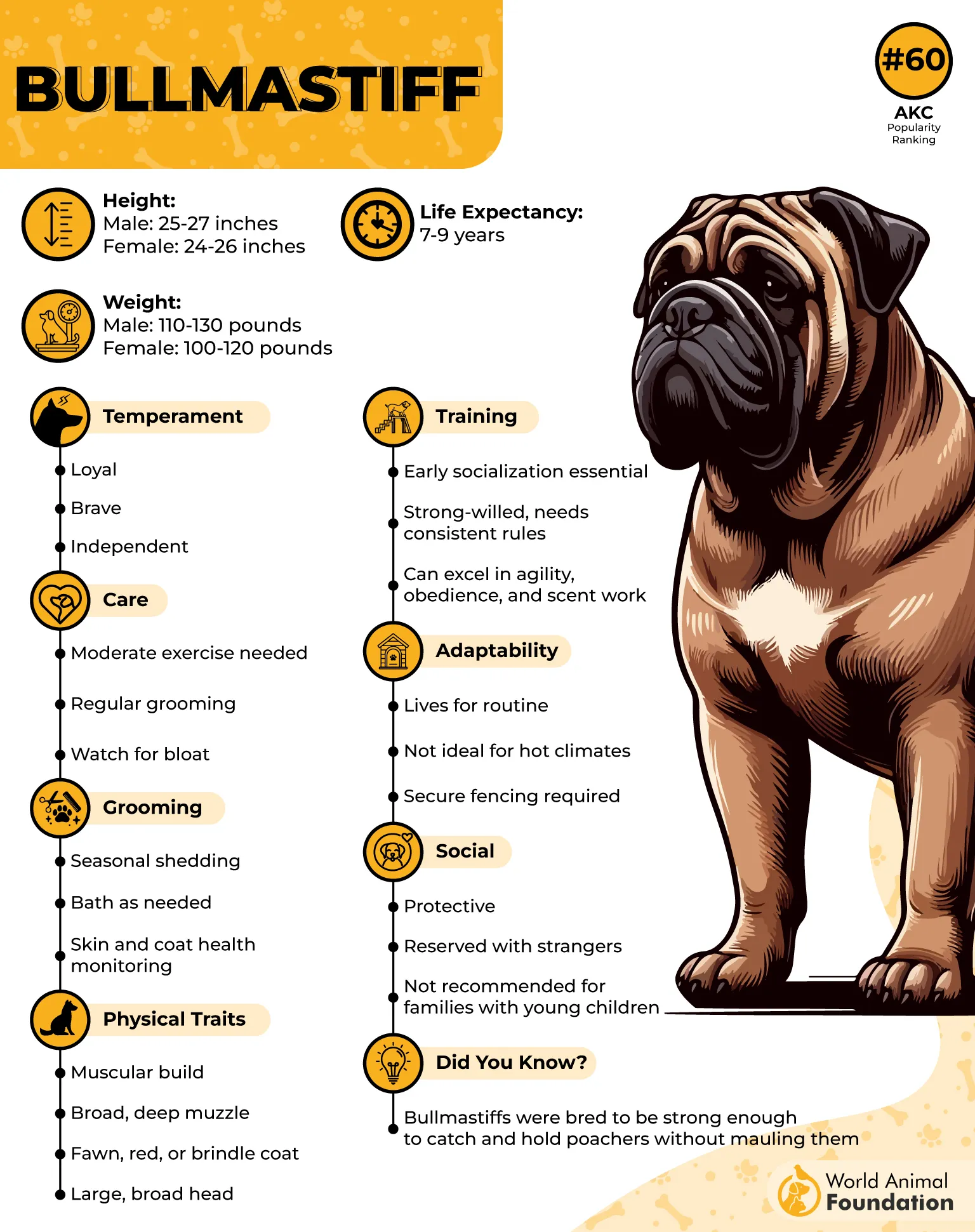
Loyal and deeply devoted to their owners, Bullmastiffs aren’t considered aggressive dogs, but they have more than enough power to stop an intruder in their tracks without causing serious harm. As independent thinkers, they do best with experienced owners who can provide consistent training and clear boundaries.
Long walks and play sessions in a fenced yard keep them happy and are a natural fit for owners with busy routines. Due to their sheer size, interactions with young children and smaller dogs should always be supervised to avoid accidental injury.
6. Shiba Inu
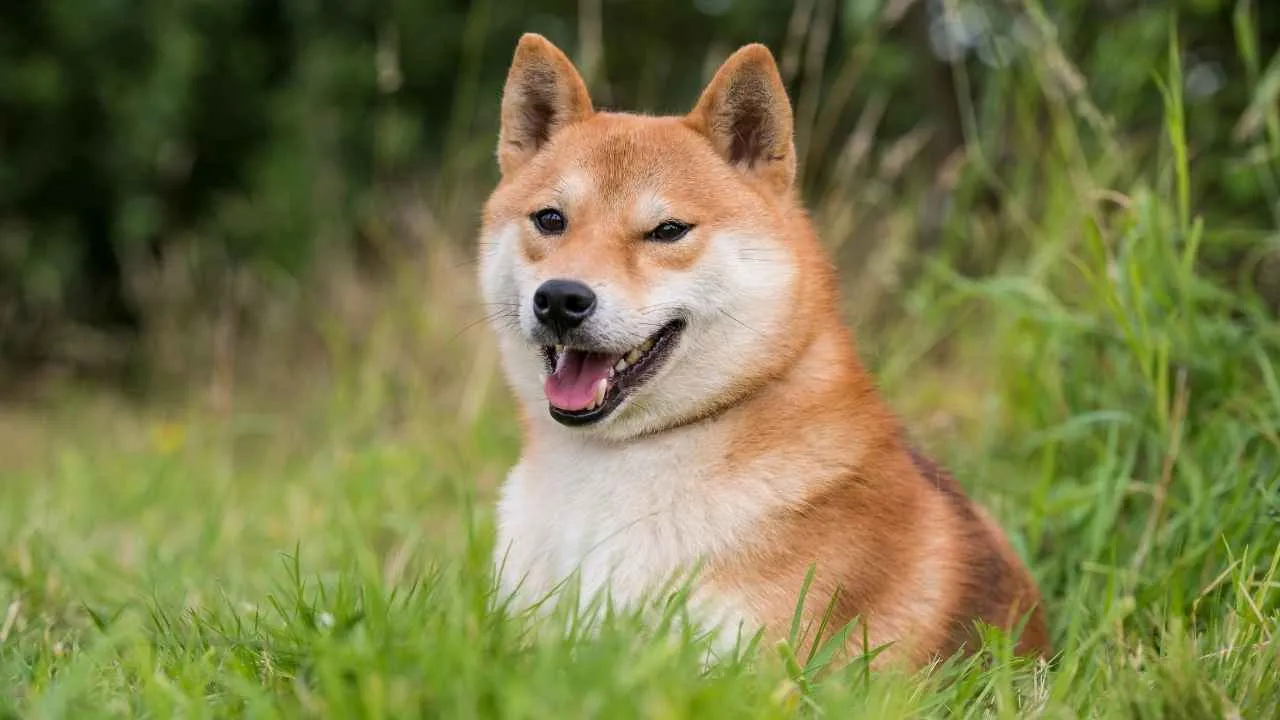
Japanese dogs through and through, Shiba Inus don’t demand constant attention and are comfortable spending hours alone without becoming anxious or restless. Often described as cat-like in demeanor, they share that same independent nature and fastidious self-cleaning habit that makes them surprisingly low-maintenance companions.
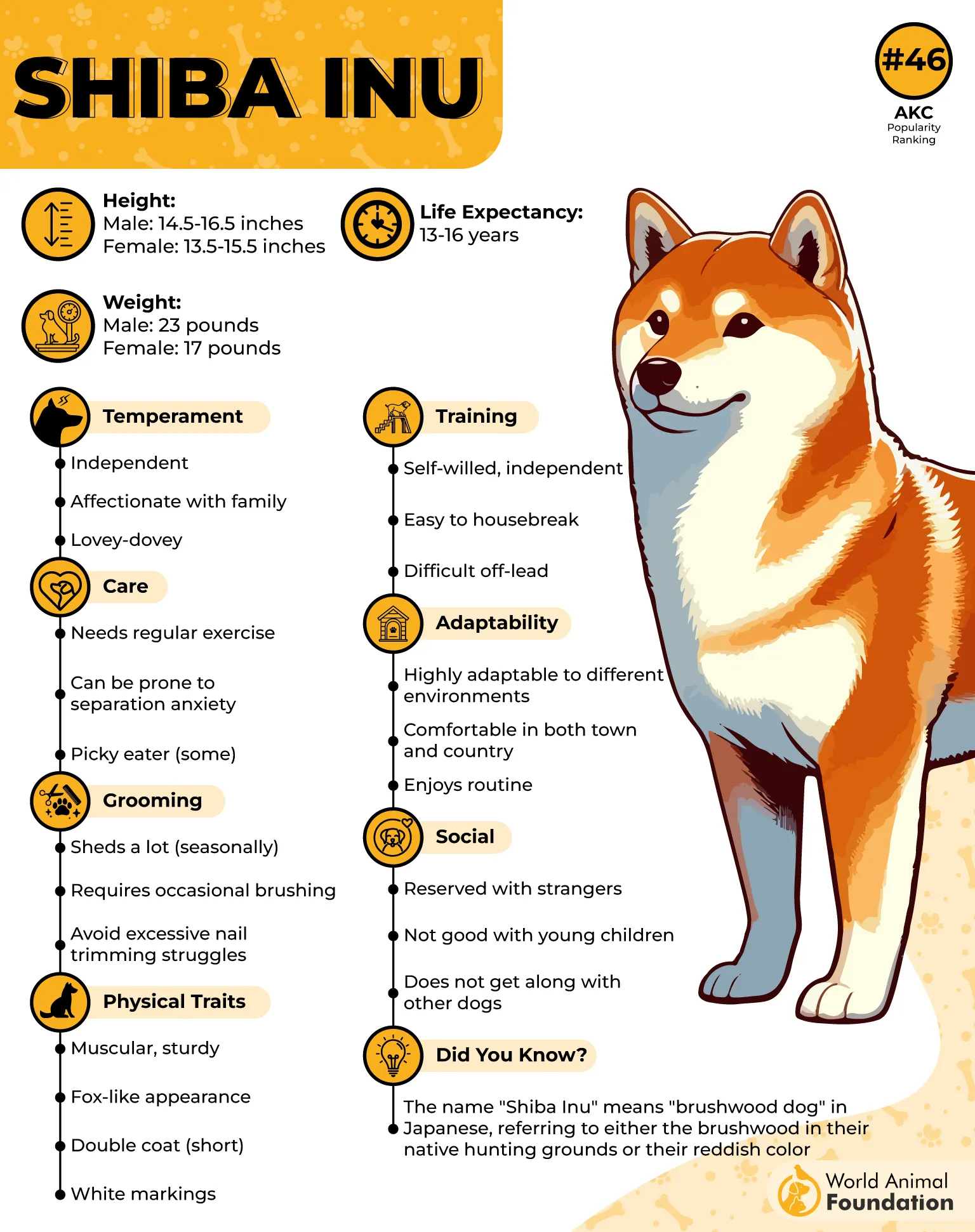
Shiba Inus are friendly and fiercely loyal to their humans, but tend to be aloof with new people. They become highly alert when they sense anything unfamiliar in their environment, making them reliable watchdogs. Regular exercise of 40–60 minutes daily is important for their physical and mental wellbeing.
With a strong prey drive and a stubborn streak, Shiba Inus should always be kept on a lead during hikes or outdoor adventures where wildlife may be present. Their thick double coat sheds consistently and benefits from daily brushing to manage loose hair and keep it in good condition.
7. Greyhound
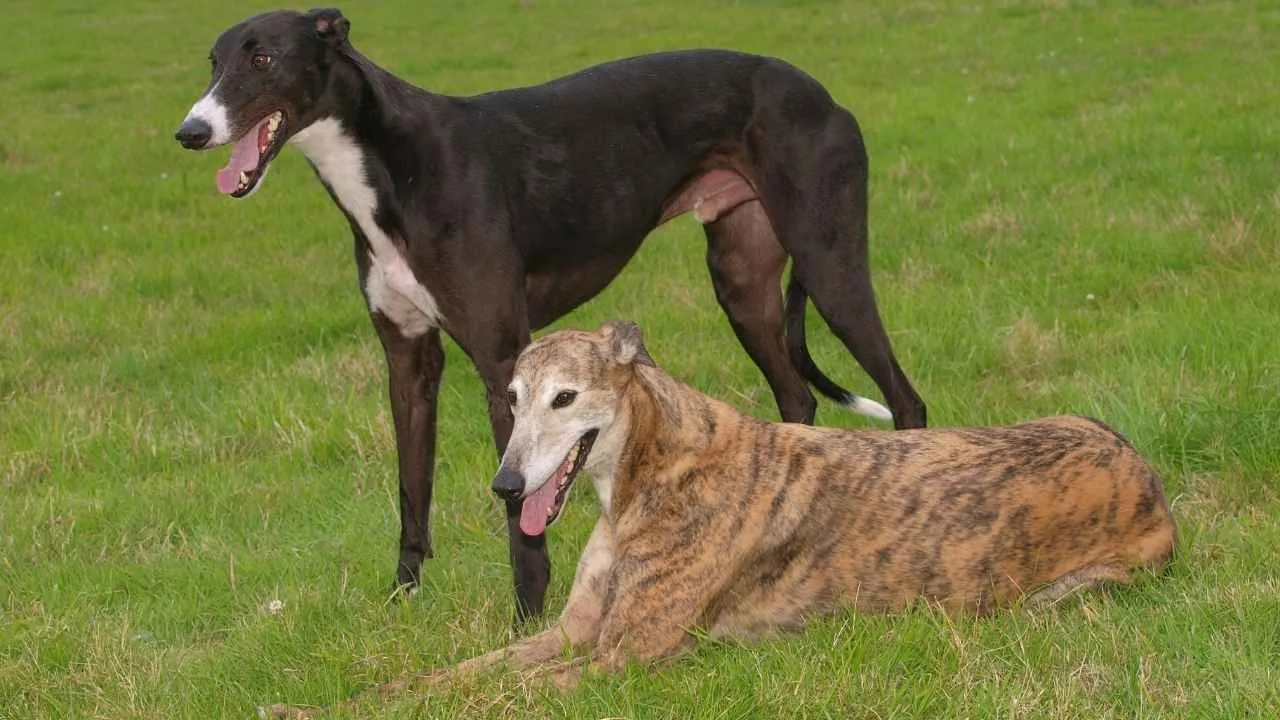
Known as the world’s fastest dog breed, Greyhounds can reach speeds of up to 40 mph, yet away from the track, they’re remarkably laid-back and enjoy their own time and space more than anything else. That calm, independent nature makes them a surprisingly great choice for busy households, and their low-maintenance needs sweeten the deal further.
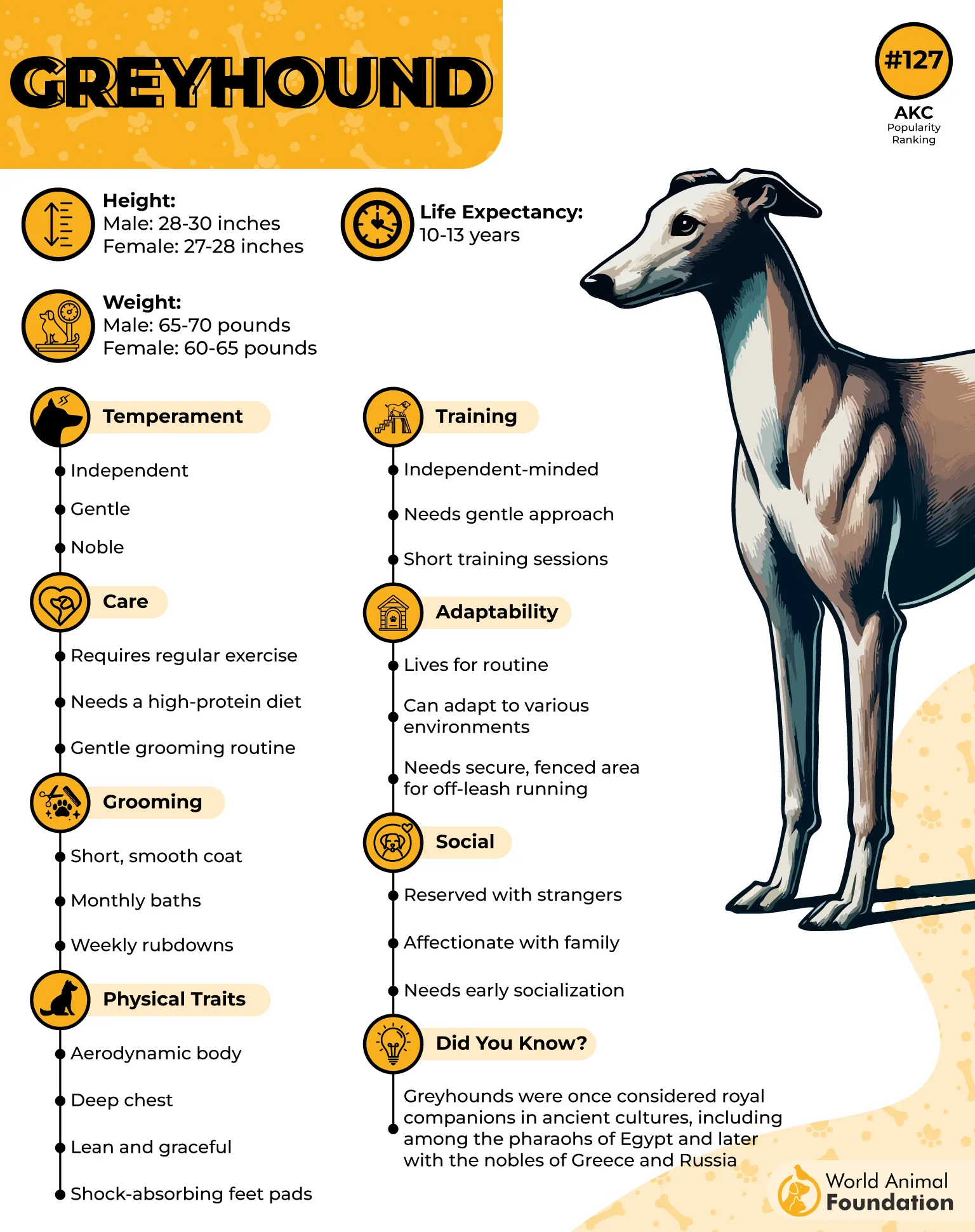
While Greyhounds are generally comfortable spending time alone without separation anxiety, they are sensitive dogs that do best in calm, quiet environments. True to their reputation as world-class couch potatoes, they’re far more content with short bursts of activity than extended exercise sessions.
Originally bred as sighthounds, Greyhounds were built to hunt small game using an impressive 270-degree field of vision, compared to just 180 degrees in humans. That strong prey drive does make them a risky addition to multi-pet households. Even-tempered and sociable, they’re not difficult to train, though a little patience goes a long way.
Conclusion
Finding a canine companion that seamlessly fits into a demanding schedule can be a challenge, but certain independent dog breeds thrive even when left alone at home. Unlike breeds prone to separation anxiety, these self-sufficient dogs possess a naturally calm demeanor that allows them to remain content during periods of solitude. Rather than becoming destructive, they are perfectly happy to spend their alone time resting, napping, and supervising the house until you return.
However, achieving this harmonious balance requires a commitment to fulfilling their needs when you are off the clock. To ensure an independent dog remains well-adjusted, owners must provide high-quality physical exercise, mental stimulation, and focused affection during their mornings and evenings at home. Ultimately, selecting a breed whose innate energy levels and independence match your daily routine is the single most important factor in raising a happy, balanced, and confident pet.
