




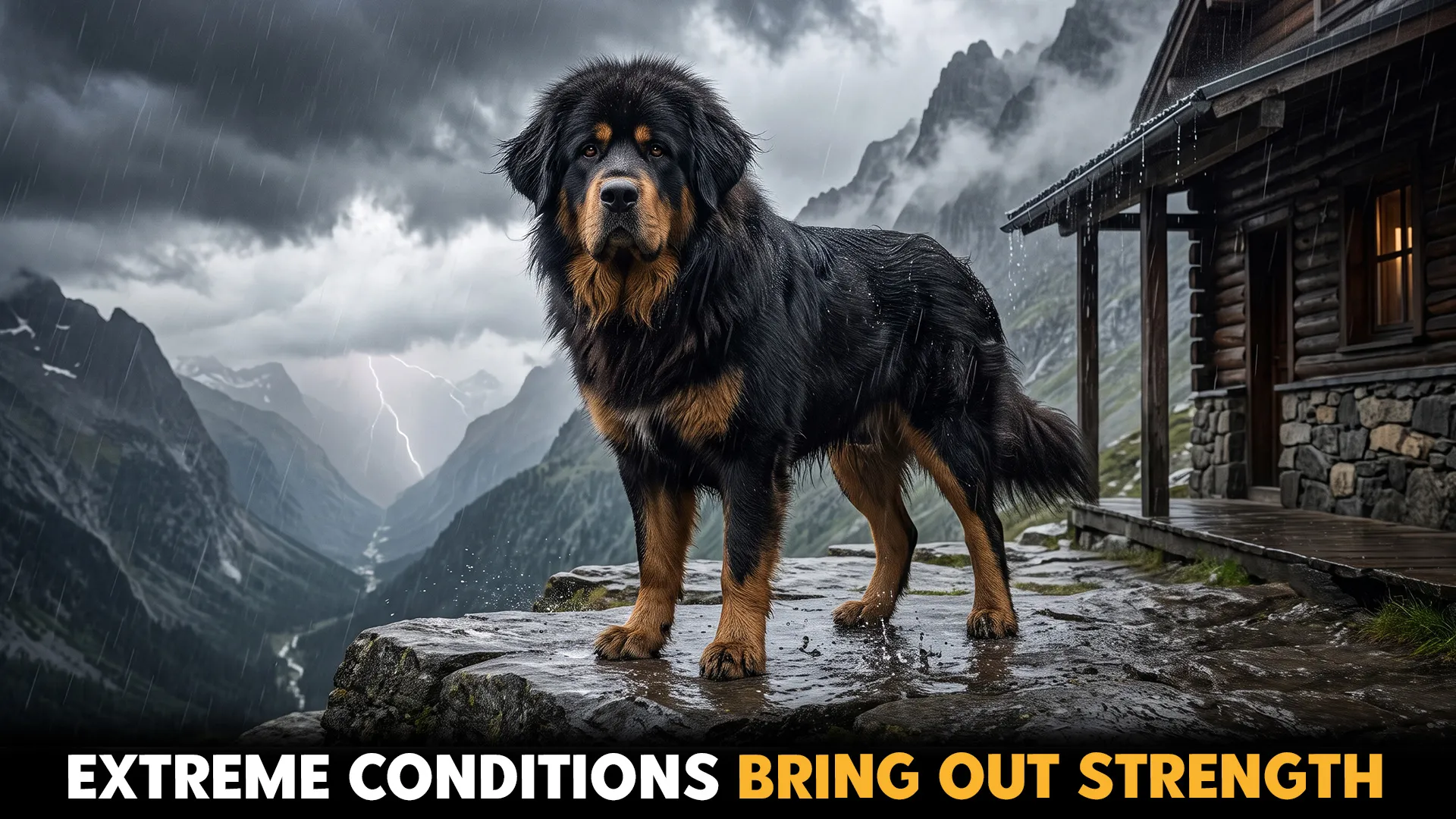
If you live in, or are planning an adventure to, an extremely cold or hot region, it’s no surprise you’re here. Yes, some dogs can handle extreme heat and bitter cold, but remember that every dog has a limit.
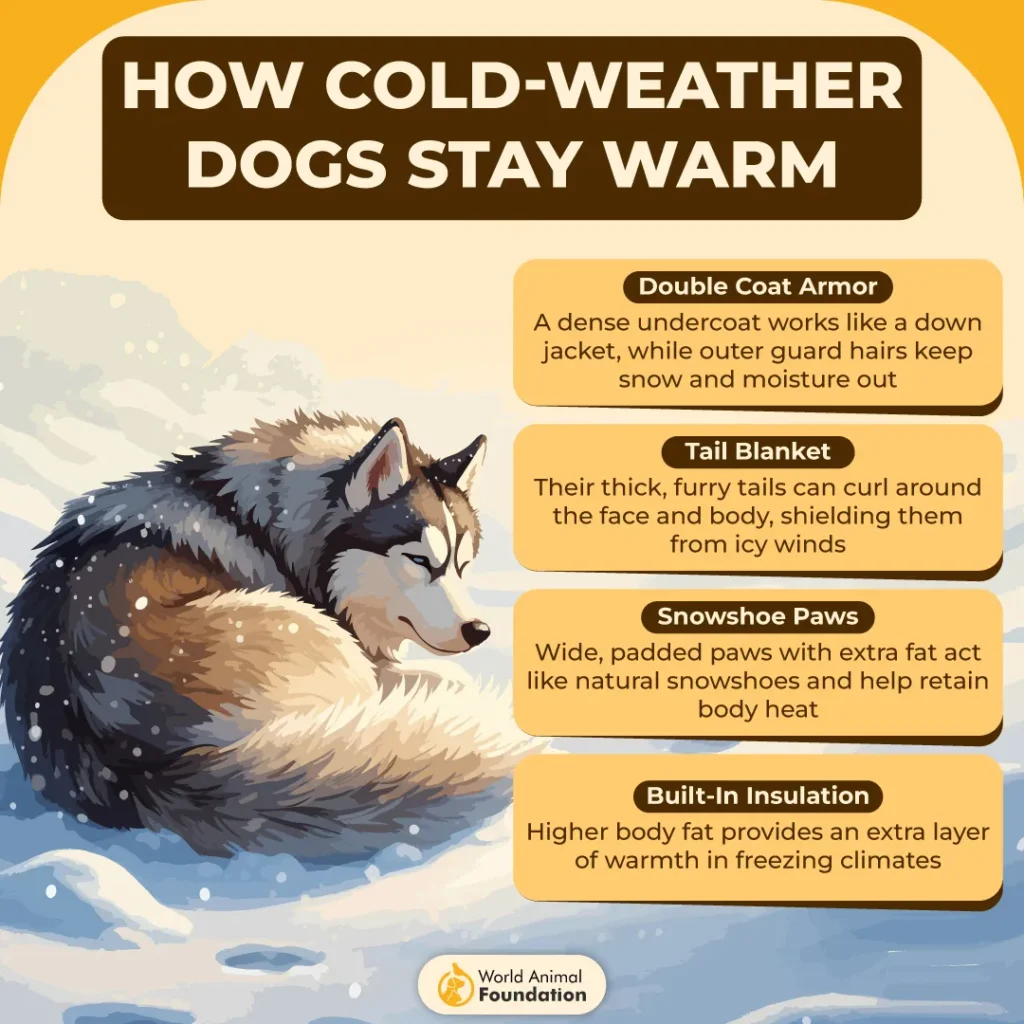
Dogs with thick double coats are likely to enjoy snowy winters, but there’s still a temperature they can’t withstand. If they stay outside too long, they can get frostbite or itchy, dry skin.
Likewise, short-coated breeds often do well in hot weather, but that isn’t always the case.
That’s why we’ve shared the top 7 dog breeds that can handle low and high temperatures in this guide. We’ll look at what helps them cope with extreme weather and where their limits lie. You’ll also learn about their personality, exercise needs, and grooming routine, plus the activities they enjoy in those conditions.
Top Dog Breeds that Thrive Under Extreme Conditions
1. Alaskan Malamutes
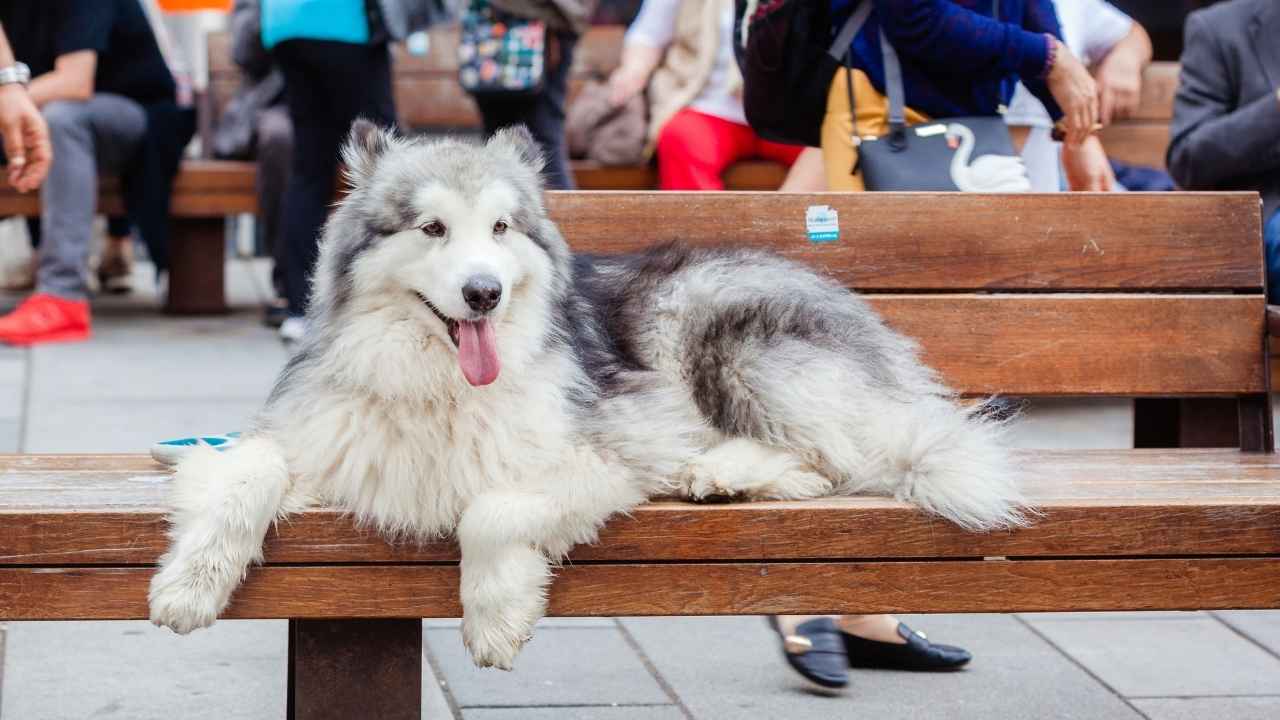
Alaskan Malamutes handle cold weather well thanks to their thick, insulating double coat. These powerful dogs were originally bred to pull heavy loads over vast distances in the Arctic, so they have a natural tolerance for cold along with plenty of endurance and stamina.
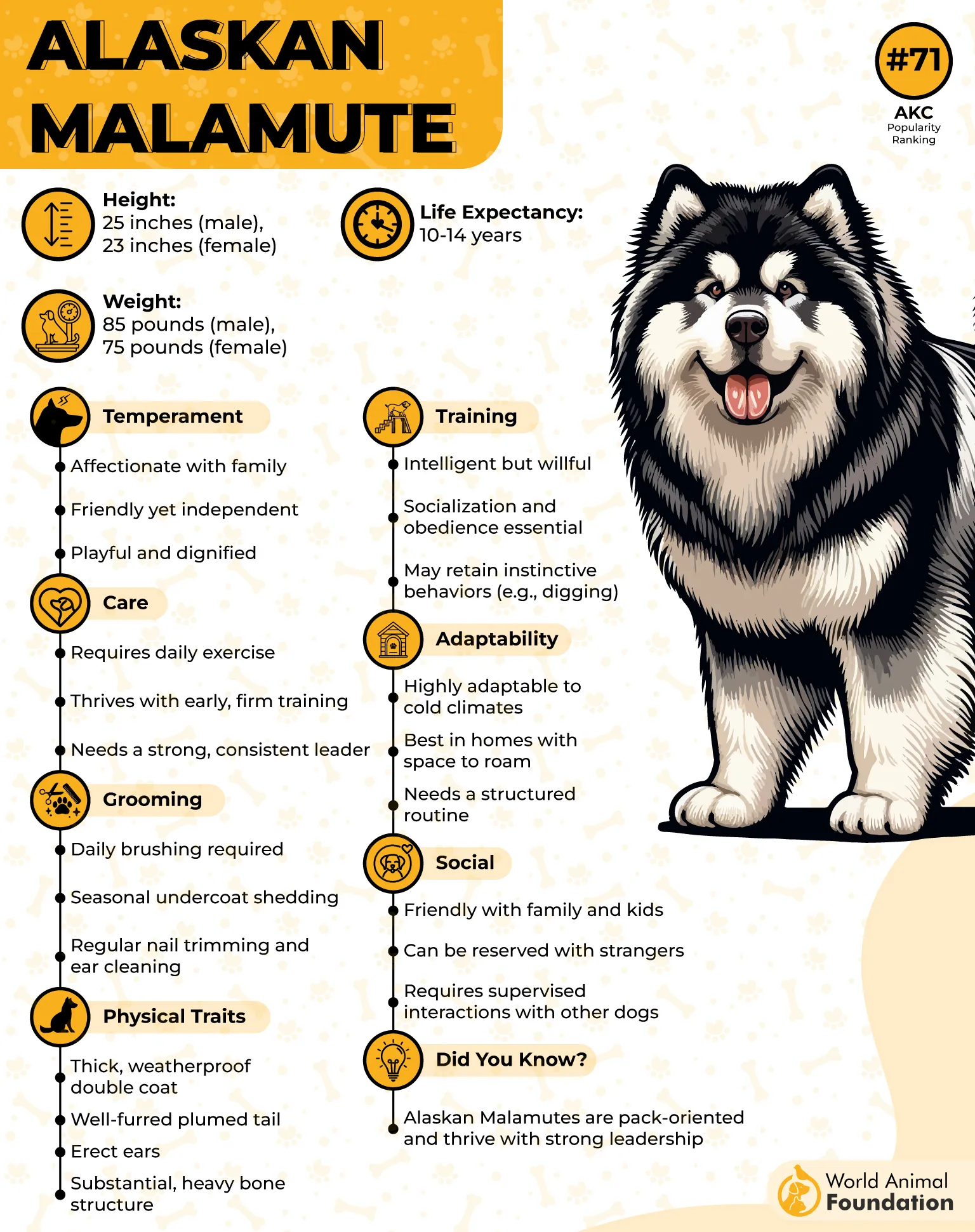
Malamutes can tolerate very low temperatures, with some able to handle -40°F or colder. Warm weather is a different story. They struggle in the heat and need constant access to fresh water and air conditioning. They’re affectionate, loyal, and strong, but they make poor guard dogs because they love everyone they meet.
With a muscular build, erect ears, and high energy levels, Alaskan Malamutes need around 60 to 90 minutes of daily exercise, including brisk hikes and, in winter, sledding. They also make their signature “woo-woo” sounds, as Chewy notes, and they shed heavily throughout the year.
2. Siberian Husky
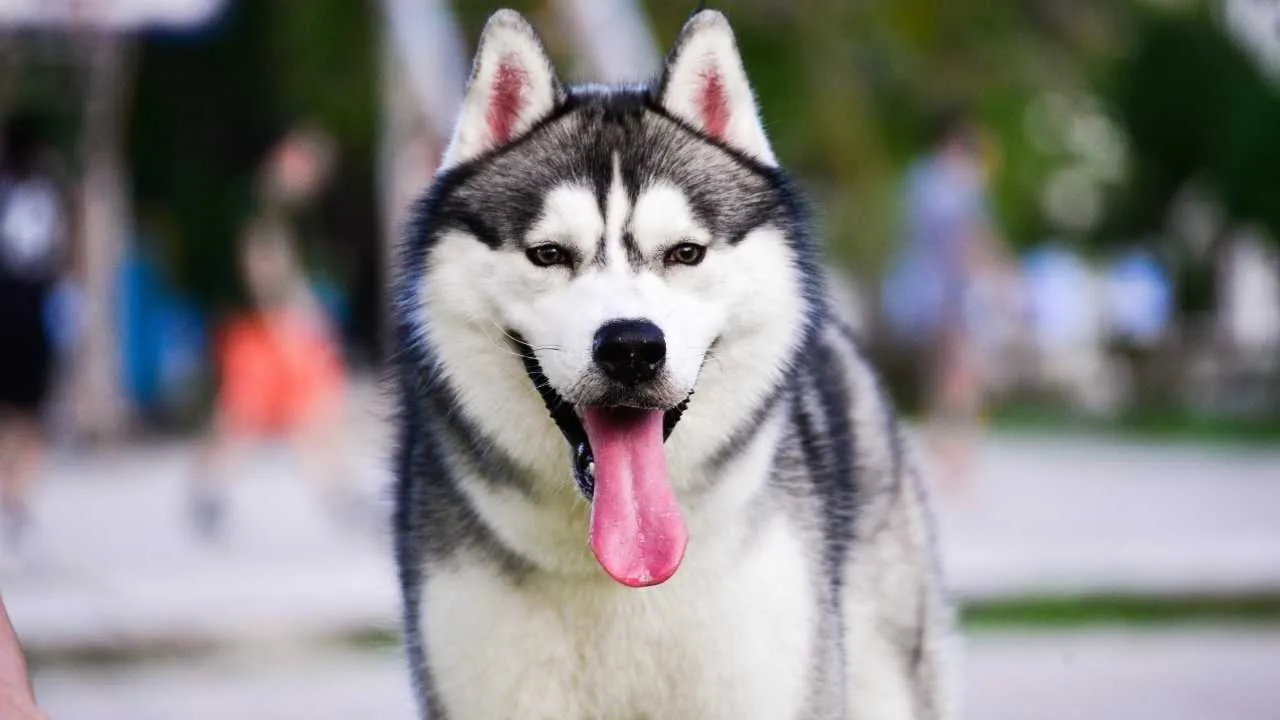
Siberian Huskies are outgoing, mischievous, and famously vocal dogs with a playful demeanor. They’re notoriously friendly with strangers and love greeting everyone they meet. The breed was developed to pull light loads over long distances, relying on endurance rather than brute force.
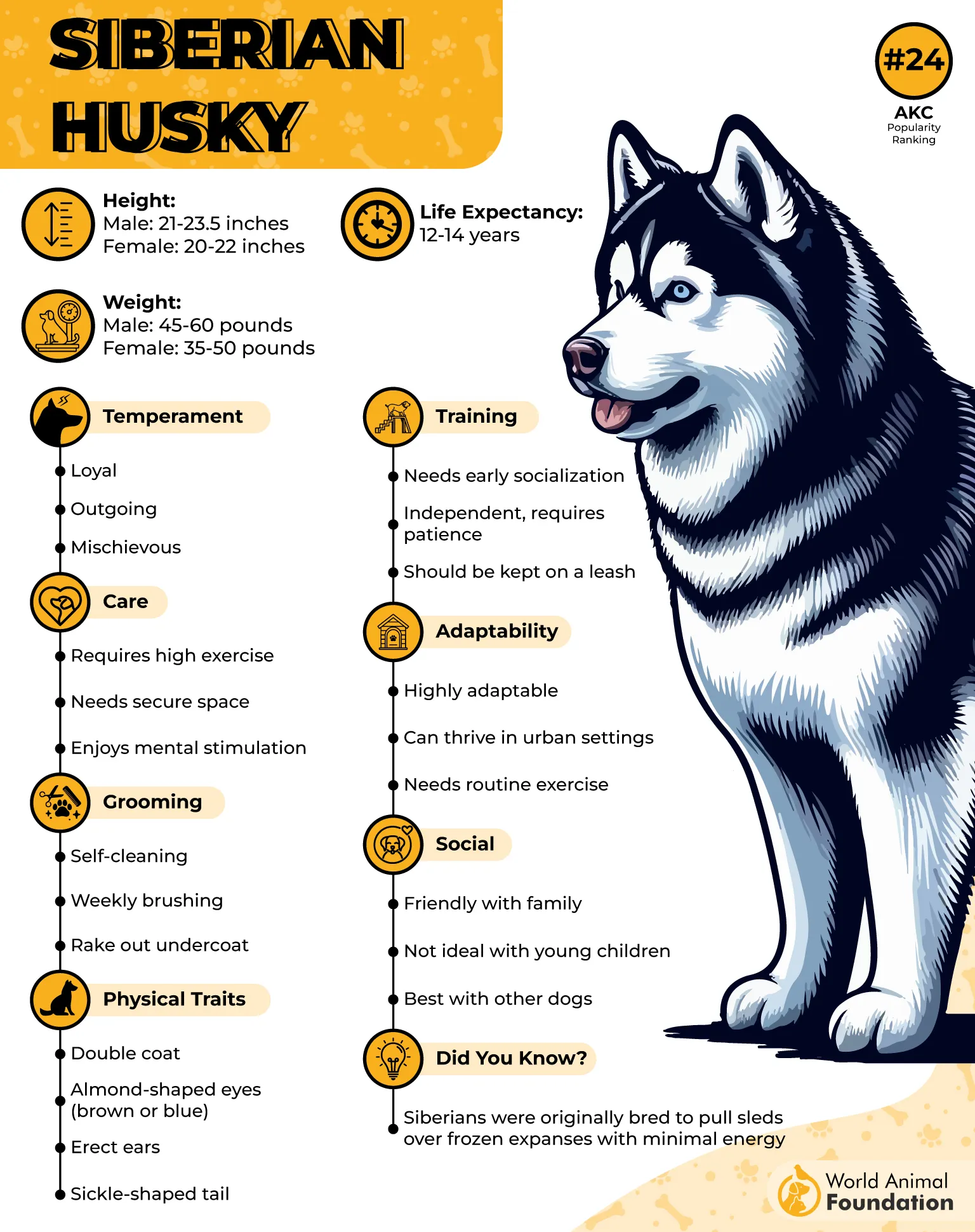
These medium-sized dogs are well suited to cold weather thanks to their dense undercoat and coarser outer coat. They can handle temperatures as low as -50°F, but they don’t cope well with heat, so avoid strenuous exercise on warm days and keep them indoors during extreme heat.
That said, these dogs, often blue-eyed, are hyperactive and need plenty of intense exercise. They also have a strong prey drive and do best with experienced owners, as PetMD points out. Siberian Huskies shed quite a lot, so plan on brushing them two to three times a week to remove loose hair.
3. Tibetan Mastiff
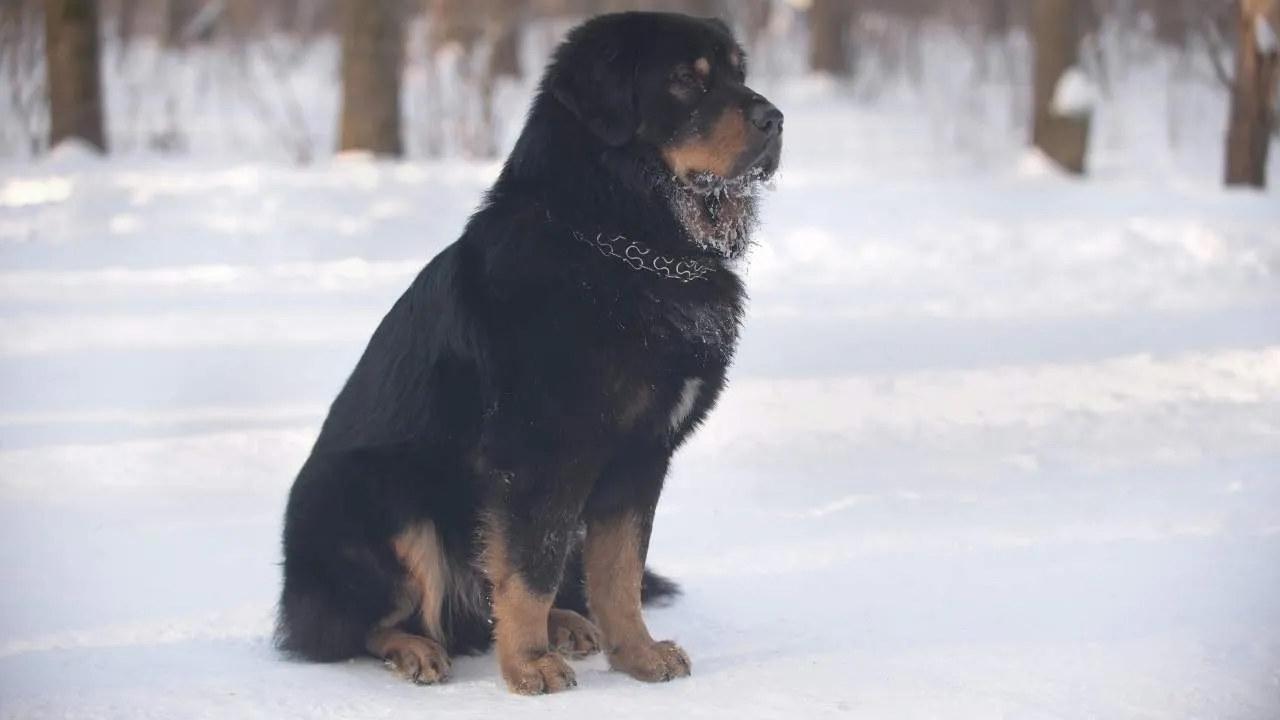
Tibetan Mastiffs are fiercely loyal, intensely protective, and powerful guardians. These gentle giants are famous for their athletic build, massive coat, lion-like mane, and aloofness with strangers. They’re deeply thoughtful dogs that were bred to guard livestock, a job that demands immense strength and courage.
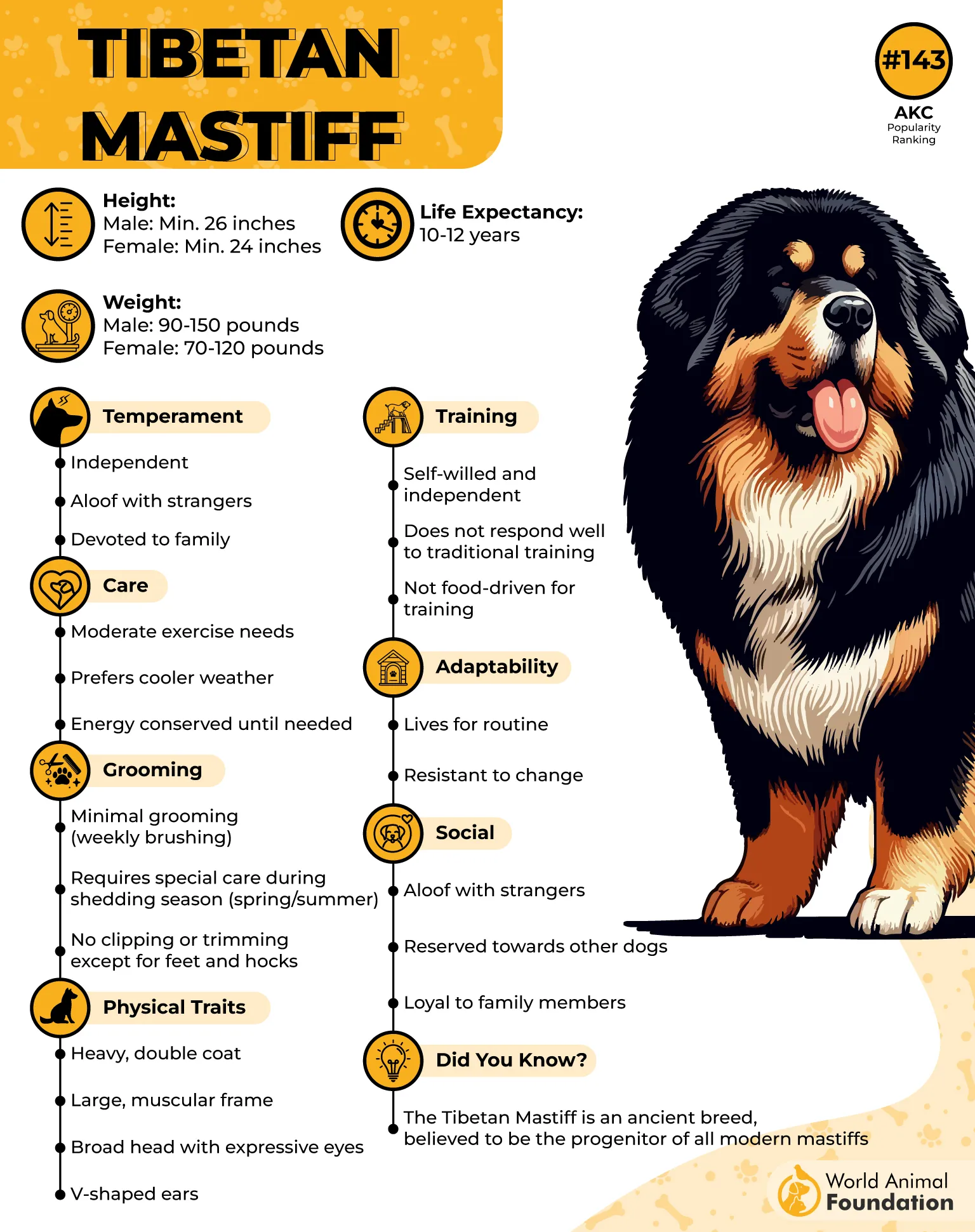
A thick double coat protects them from freezing temperatures, and they can handle conditions as low as -30°F or colder. Hot, humid weather is another matter. Provide plenty of cold water and shade, and schedule exercise for the cooler early morning hours rather than the heat of the day.
Tibetan Mastiffs are generally calm and low-key indoors, and they need around 30 to 45 minutes of exercise a day to stay stimulated. Their coat sheds moderately throughout the year and needs regular brushing to prevent mats and tangles. They’re best suited to experienced owners.
4. Caucasian Shepherd Dog
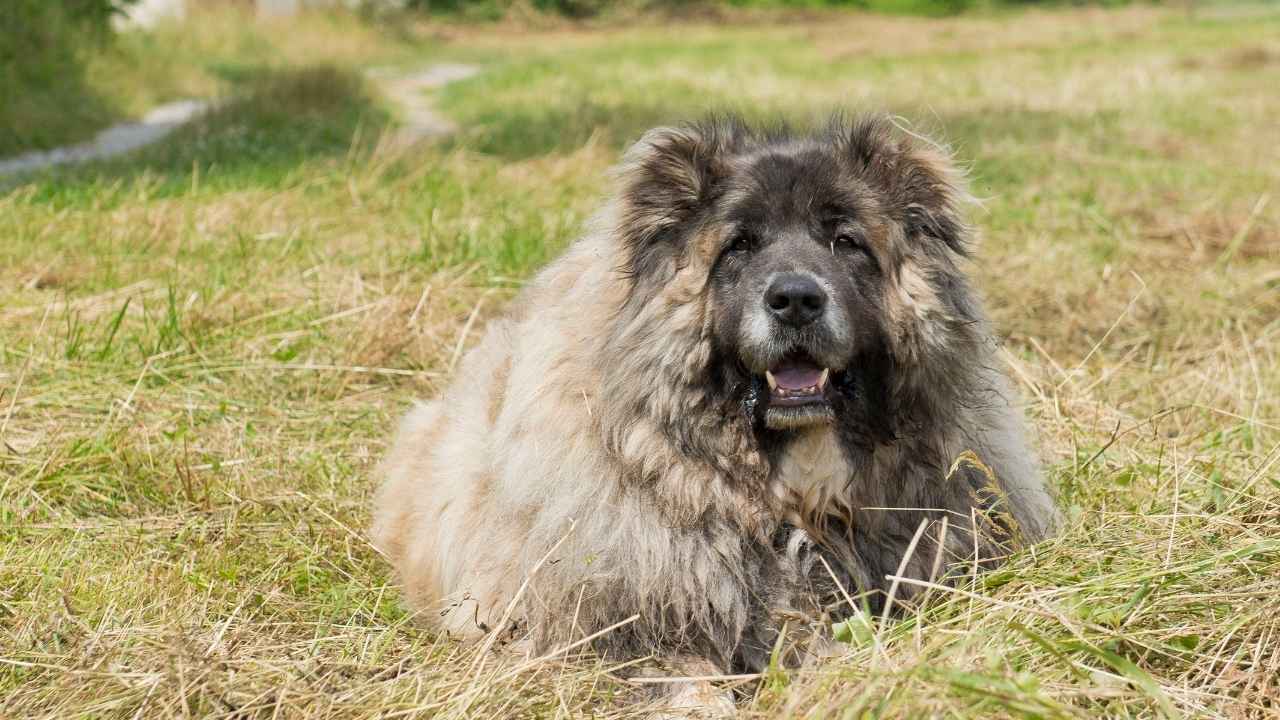
Caucasian Shepherd Dogs are true cold-weather buddies. Their thick, heavy, weather-resistant double coat protects them from freezing wind, and they can handle temperatures as low as -40°F. Hot weather is a different story. They don’t tolerate it well because they retain heat and their body temperature climbs quickly.
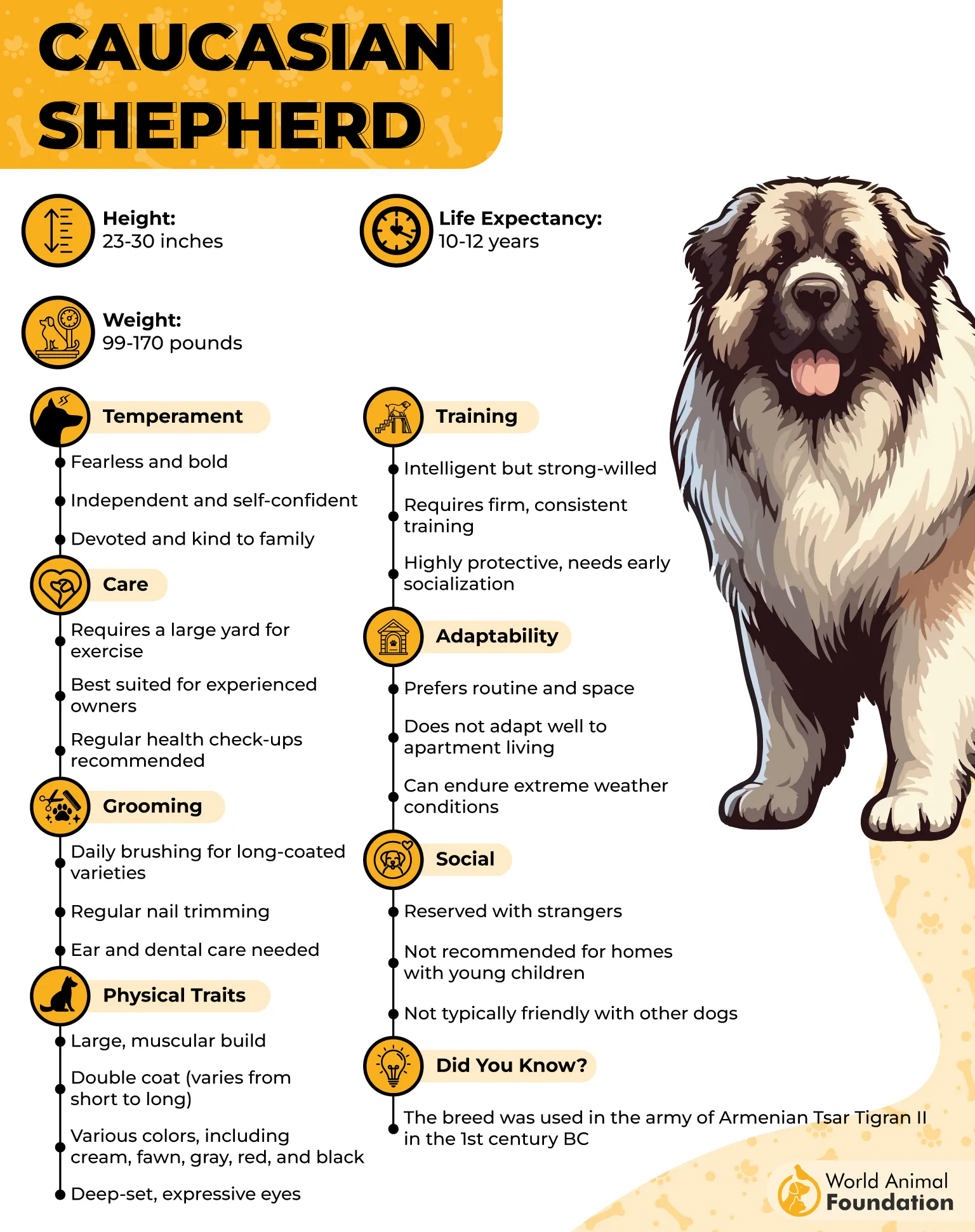
These large dogs are loyal, protective, courageous, and naturally aloof. They need about 30 to 45 minutes of daily exercise, including steady walks and patrolling a secure perimeter. Their thick coat sheds moderately year-round and needs brushing two to three times a week.
Caucasian Shepherd Dogs are highly intelligent but also independent and strong-willed, so they need proper training from experienced owners. In summer heat, make sure they have shade and fresh water. These giant dogs usually do well in homes with a fenced yard at least 6 feet high.
5. Central Asian Shepherd Dog
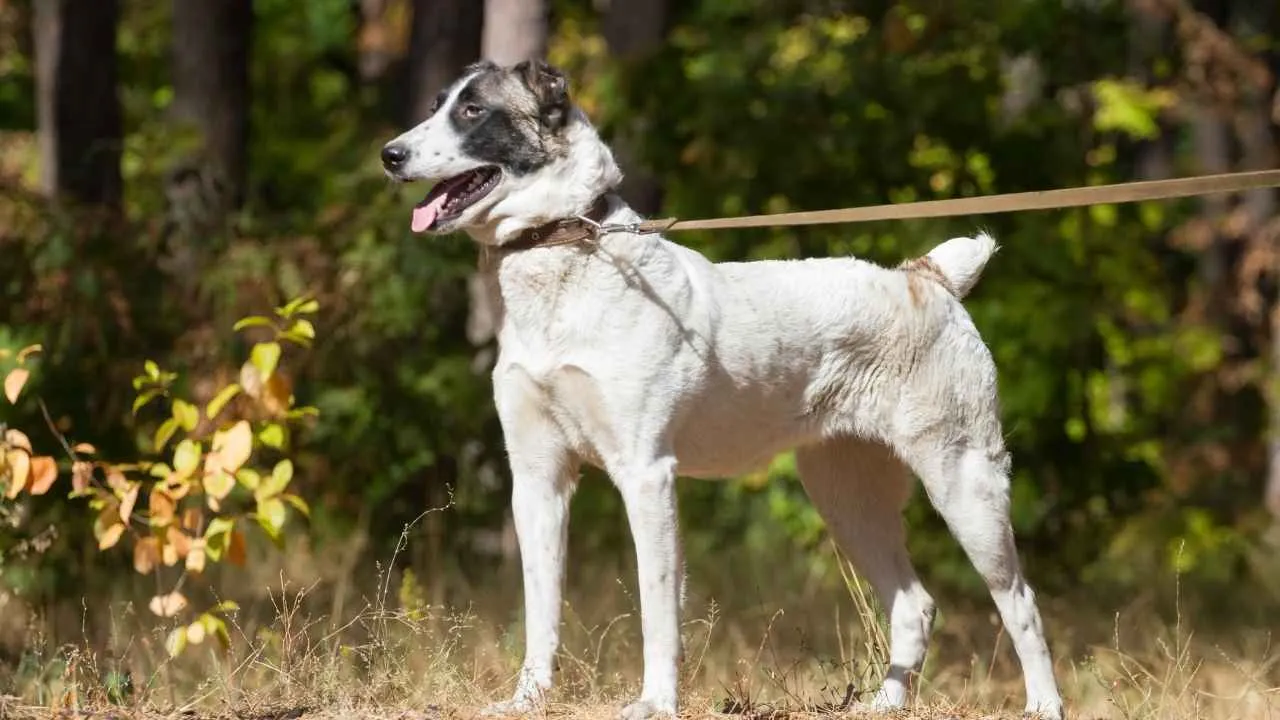
Central Asian Shepherd Dogs are deeply loyal, calm, and immensely protective giants. Their fearlessness and strong territorial instincts make them a poor fit for first-time owners, as CKCUSA points out. They’re naturally aloof with outsiders but form strong bonds with their human family.
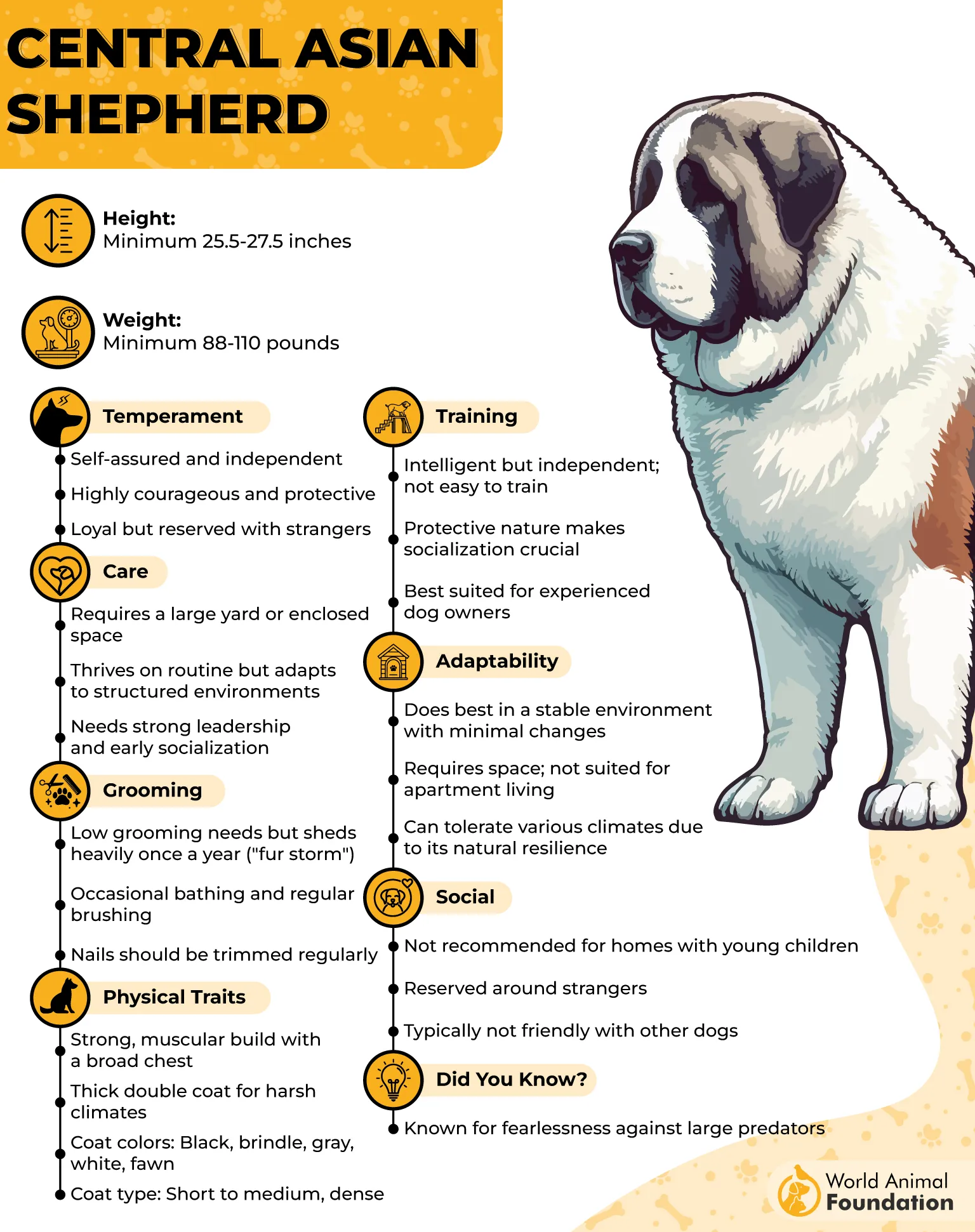
A heavy double coat insulates them against bitter winter winds, and they can handle temperatures as low as -30°F. Heat is a different story, since they have poor tolerance for high temperatures. They need around 45 to 60 minutes of daily exercise and enjoy steady walks and patrolling the property.
Their coat sheds moderately throughout the year and needs brushing once or twice a week to stay clean. Because these dogs make independent decisions, they’re strictly for experienced owners. They need firm, consistent training and a strong focus on early socialization.
6. Akita
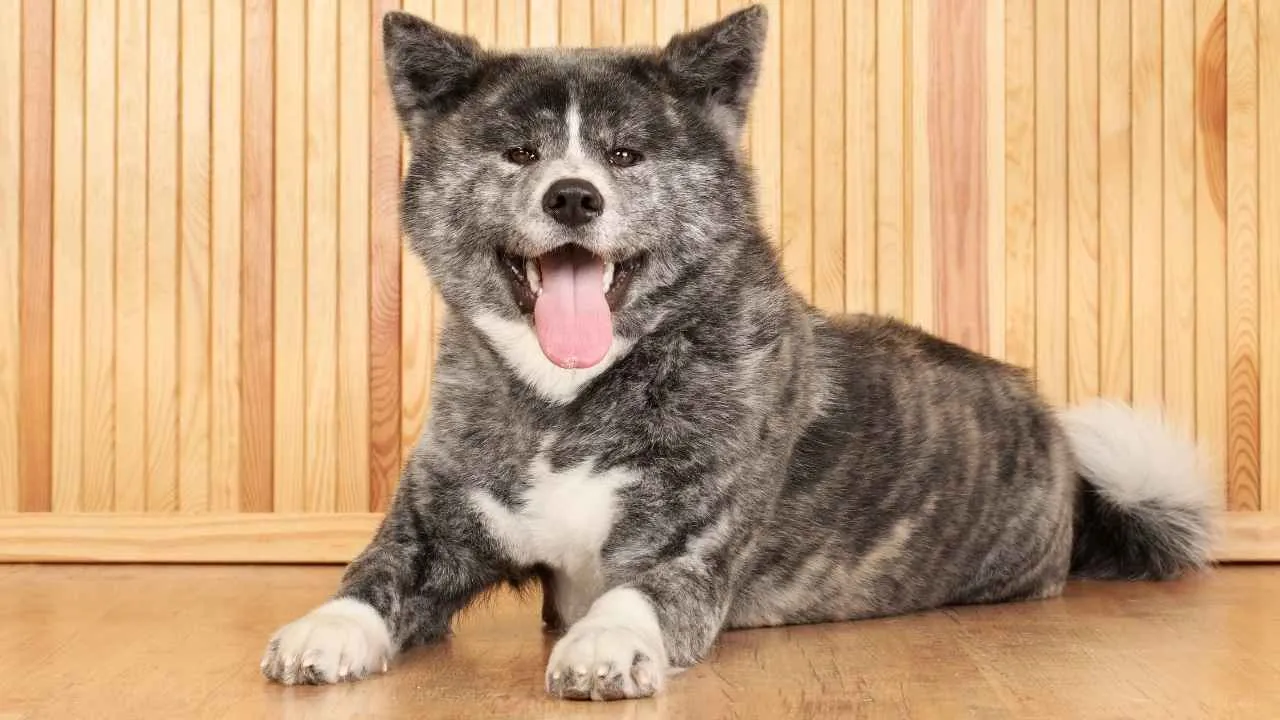
Akitas are deeply loyal, courageous, and fiercely independent dogs with a quiet, watchful nature. They’re naturally reserved and aloof with strangers but quietly, intensely affectionate with their inner circle. The breed was developed in Japan to hunt big game, though it’s best known today thanks to Hachiko, the Akita whose loyalty became legendary.
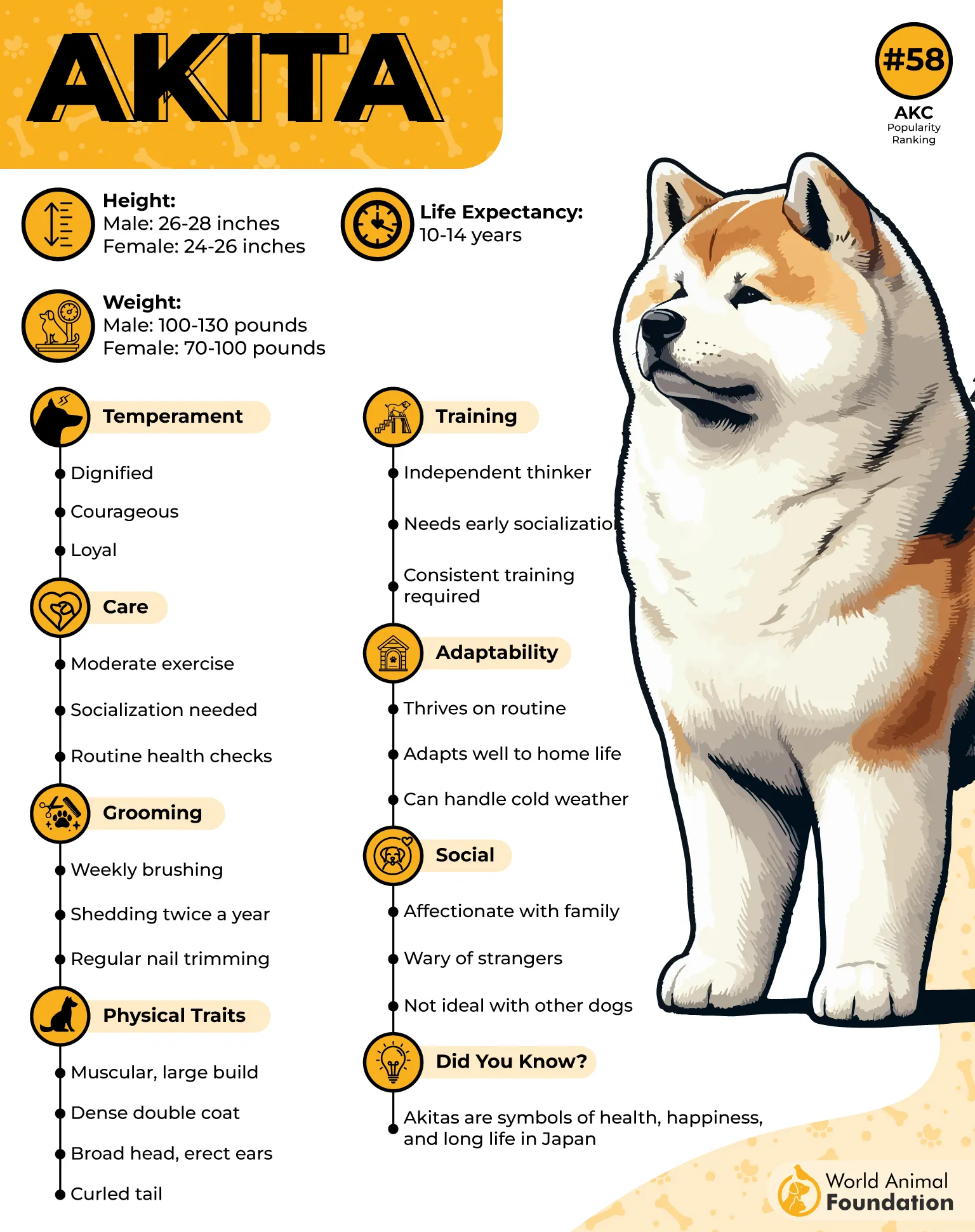
These working dogs have a thick, heavy double coat that handles freezing temperatures well. Warm weather is a struggle, though. Akitas are powerful and athletic, with moderate energy levels, so they enjoy brisk walks, structured hikes, and cold-weather roaming.
According to PDSA, these dogs need at least 2 hours of exercise a day. Their coat sheds moderately throughout the year and needs brushing two to three times a week. Akitas are strong-willed and independent, which makes them a poor fit for first-time owners and, in many cases, for families with young children.
7. Boerboel
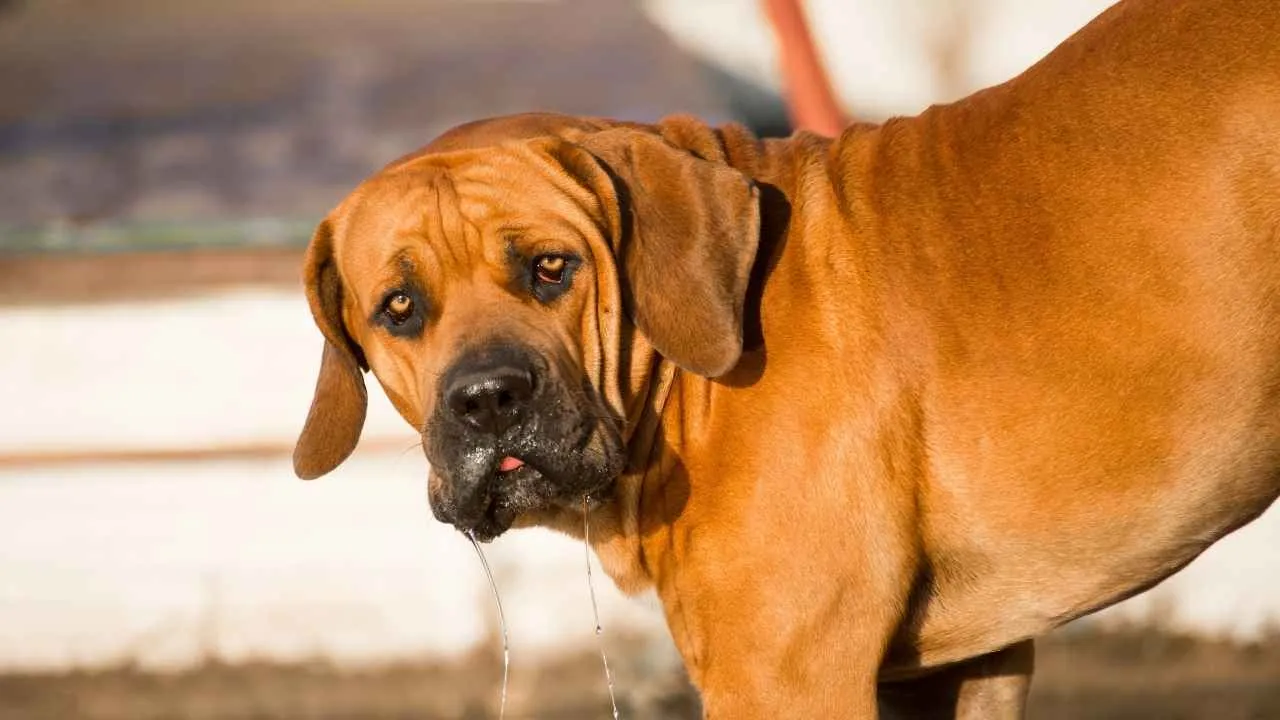
Boerboels have a short, smooth coat, so they do best in moderate to warm climates. These large dogs can handle heat up to around 90°F, but they aren’t built for extreme cold. They’re confident, calm, stable, and protective mastiffs with a massive size and deep devotion to their family.
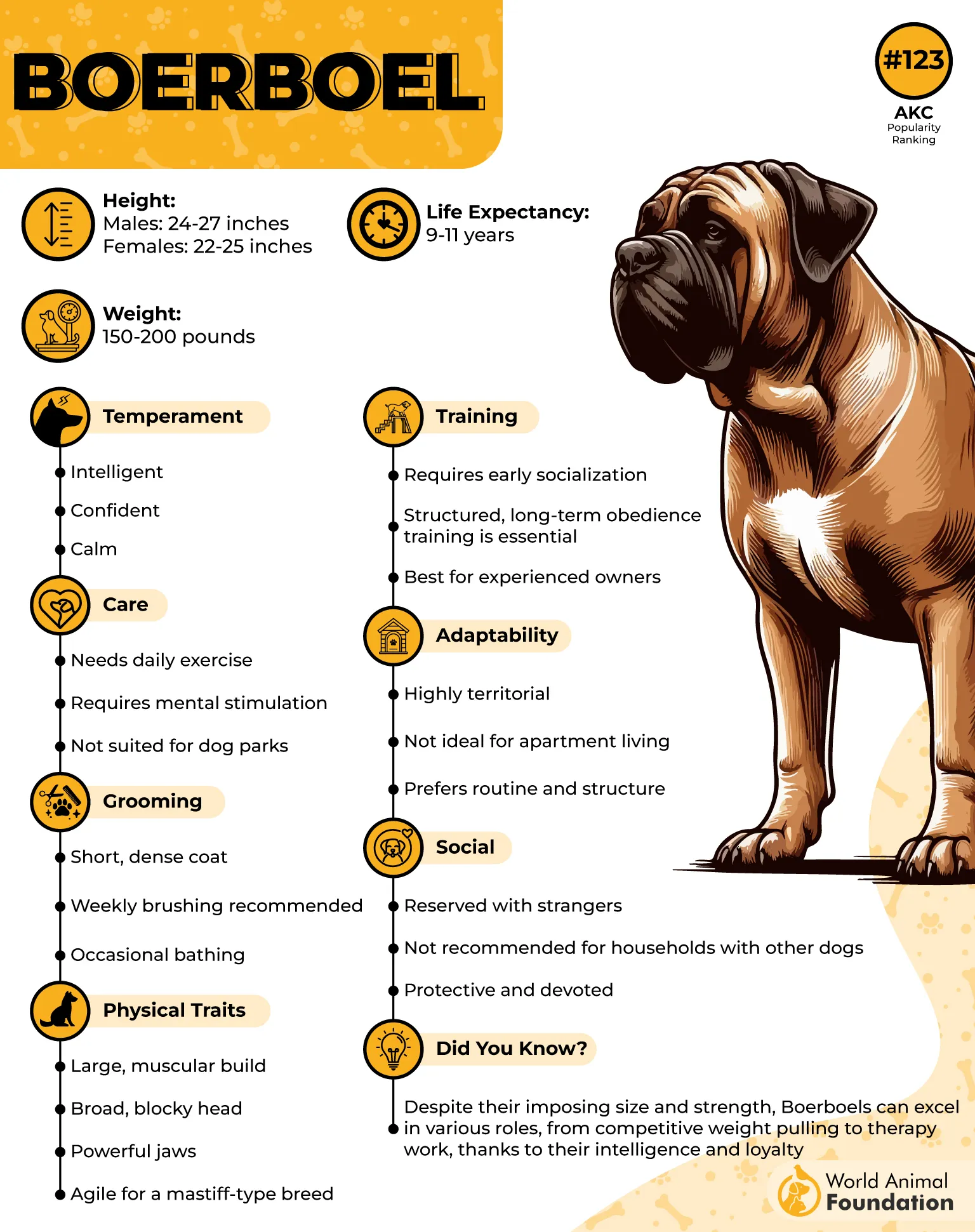
Bred as homestead protectors, Boerboels have moderate energy levels and need about an hour of physical activity a day to burn off their energy. Their short coat sheds moderately throughout the year, and a quick weekly brushing removes loose hair and keeps them clean.
Boerboels are intelligent and eager to please, but they also make independent decisions. They’re best suited to experienced owners with large fenced yards who can provide firm, consistent training. Early socialization and obedience training are also essential.
Conclusion
The seven dog breeds above suit owners in extremely hot or cold climates, but each has its own temperature limit. Most of them are built for the cold and can’t tolerate heat stress, while the Boerboel is the pick for anyone who needs a dog that copes better with heat. Read on for details about each breed’s temperature limits, exercise needs, and training requirements.
