




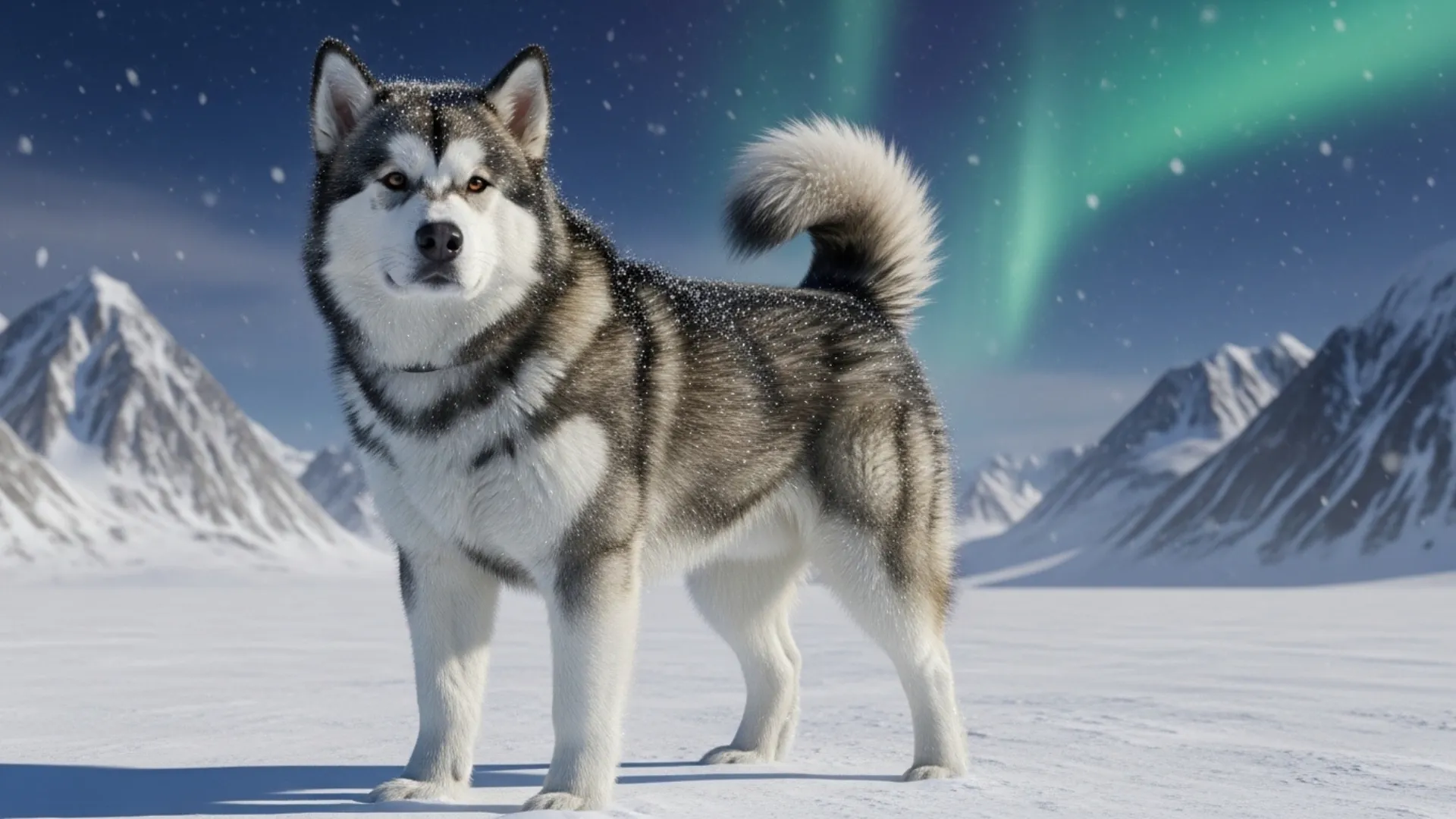
In the harshest corners of the world—where icy winds cut through the air and snow blankets the land for miles—only the toughest survive. Yet for some remarkable dog breeds, these extreme Arctic conditions aren’t a challenge… they’re home.
Built with dense double coats, powerful bodies, and an unbreakable spirit, these dogs don’t just endure the cold—they thrive in it with effortless grace.
Dog breeds that thrive in Arctic conditions don’t just “tolerate” winter; they act like winter is their favorite playlist. If you are living in a place where winter season is not a season only, but a personality that never changes, selecting the right snow dog breed matters.
Their history is deeply intertwined with human survival in some of the planet’s most unforgiving environments, making them not only extraordinary workers but also deeply devoted companions.
The Arctic Circle starts around 66.3 degrees north latitude, and the weather near that line can get mean fast. These dogs were bred for jobs like sledding, guarding, and hunting in an intensely cold environment.
If you’ve ever wondered which dogs are truly made for snow, ice, and adventure, these incredible Arctic breeds will leave you in awe of nature’s finest design.
Top Dog Breeds That Thrive in Arctic Conditions
1. Siberian Husky
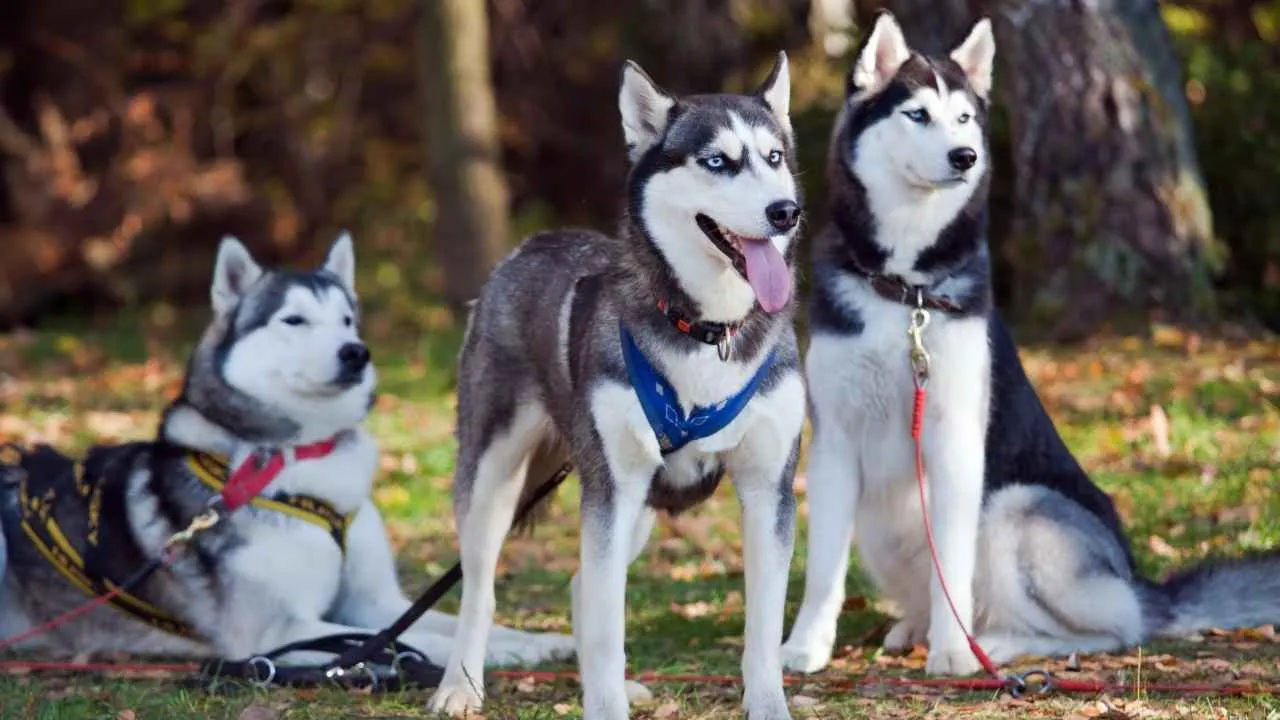
“A jack of all trades is the master of none.” Well, that does not fit with this little friend of snow. Siberian Huskies work really hard, form a strong bond with owners, and their athletic bodies have high endurance.
And if you want a “party animal”, Siberian Huskies can do that as well; bark, haul, and even sing.
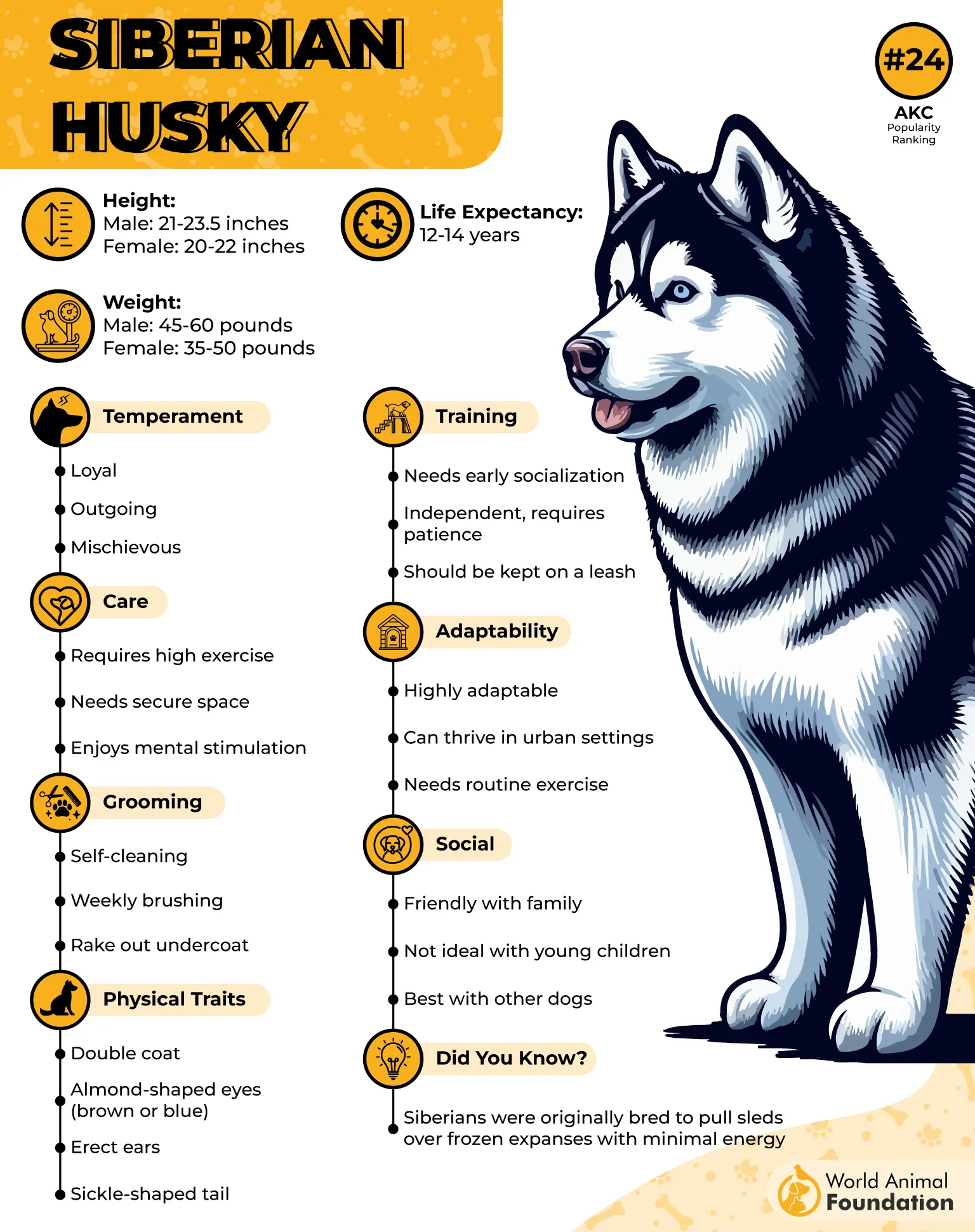
This dog breed is naturally clean and has a pleasant dog odor. Left neglected, they can chew through, dig holes, jump fences, and leave your house, thus known as an “escape artist.”
Quick Snapshot
Movement: Regular exercise for mental and physical stimulation
Grooming: Heavy seasonal shed, regular brushing is needed
Training: Short sessions with positive reinforcement, leash and bark training, and early socialization so they can do well with other pets and children
Watchouts: Cataract, PRA, corneal dystrophy, hypothyroidism, hip dysplasia
2. Alaskan Malamute
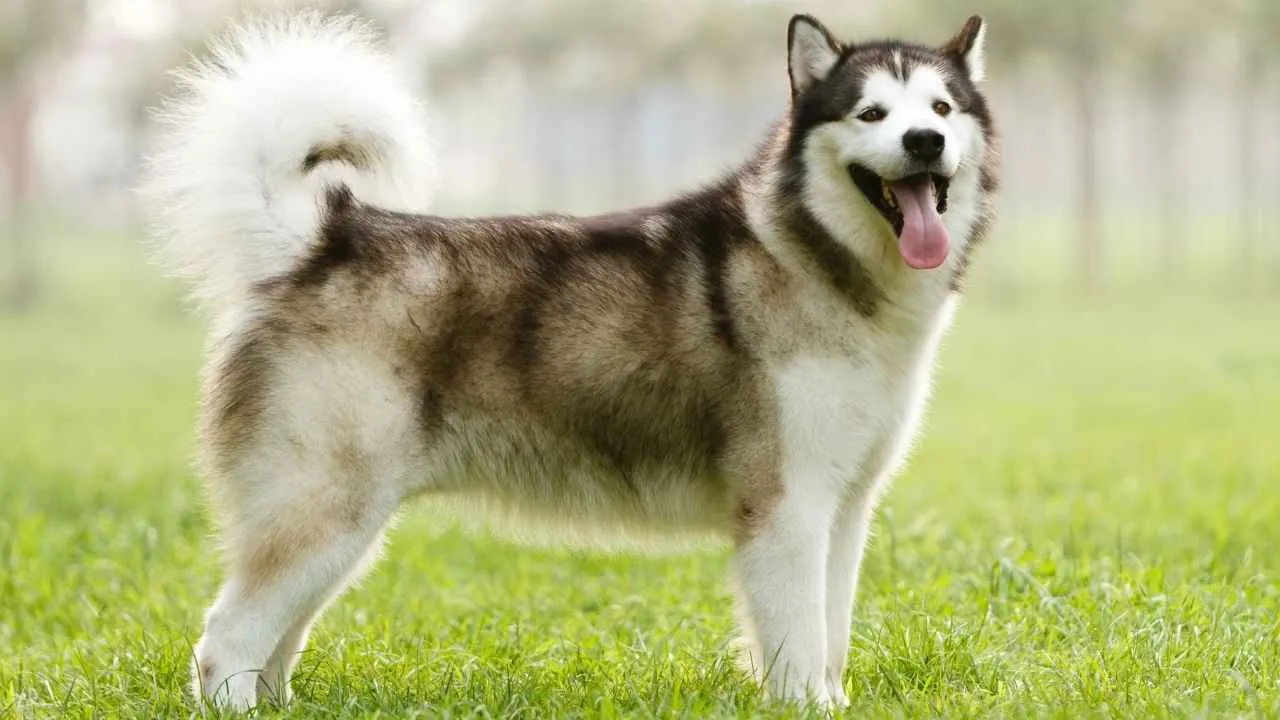
Imagine a breathing “snow tank” that loves to cuddle. They have powerful shoulders and chest, heavy bones, and a weather-resistant, thick double coat. After a whole day of hard work, all they want is to cuddle you and rest in your lap.
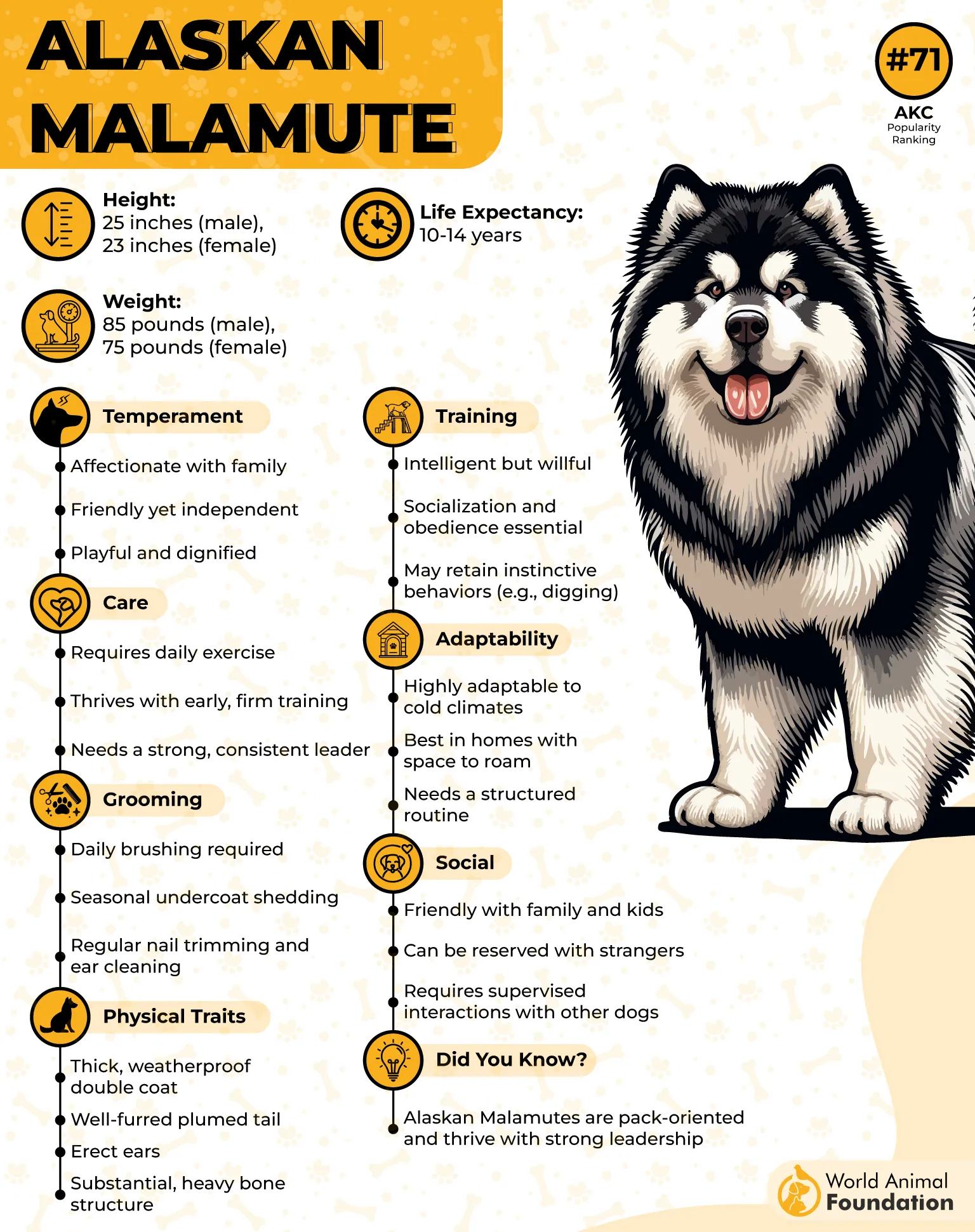
This wolf-like snow dog breed has predator instincts. So, they tend to hunt small animals as prey. But because of a ‘pack dog’ history, they get along with familiar dogs. Strict supervision is required around children.
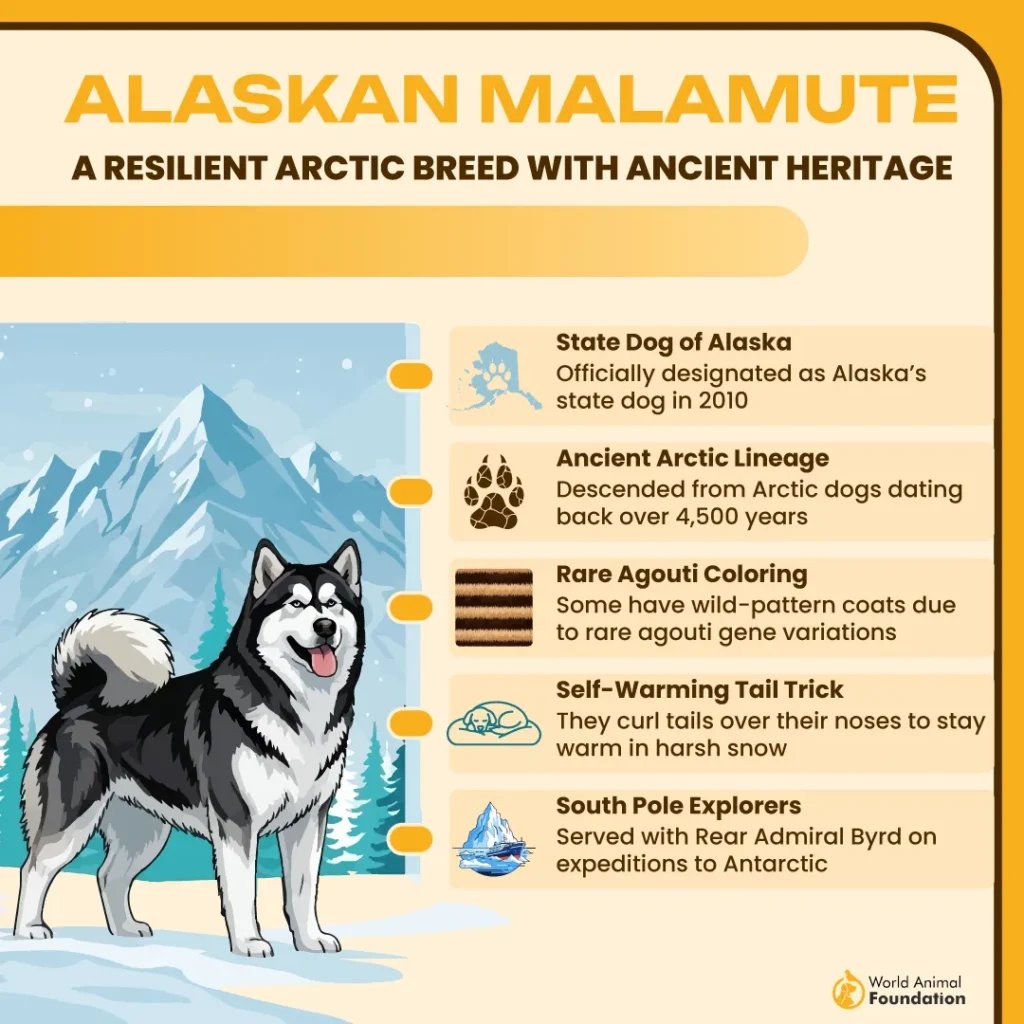
Quick Snapshot
Movement: Swimming, hiking, running, skijoring, competitive sledding, and regular exercise
Grooming: Sheds like a story arc, deep brushing is needed
Training: Patient but consistent training since they are ‘selective hearing’ dogs.
Watchouts: Cataract, hypothyroidism, hip/elbow dysplasia, chondrodysplasia, and polyneuropathy
3. Samoyed
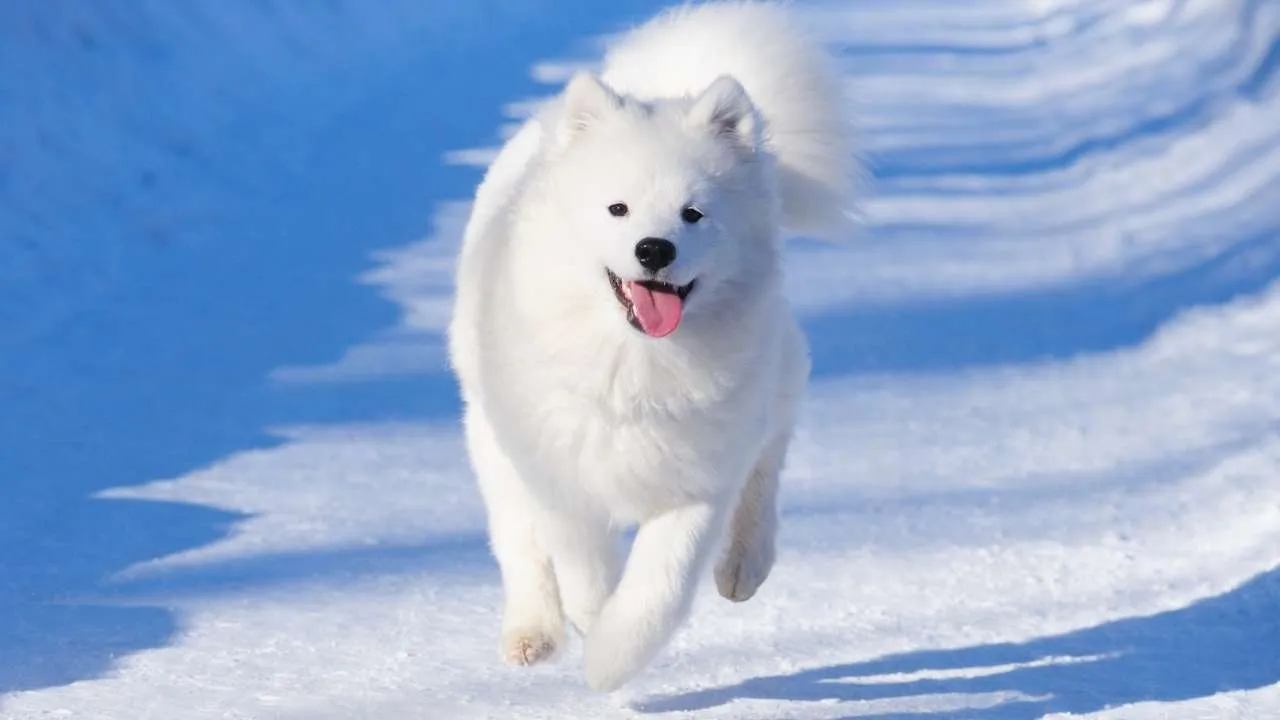
This great family dog comes with that famous ‘smile’ and a thick double coat that looks like a winter jacket grew legs. Originally bred for cold temperatures, Samoyeds enjoy herding, sled pulling, hunting, and protection.
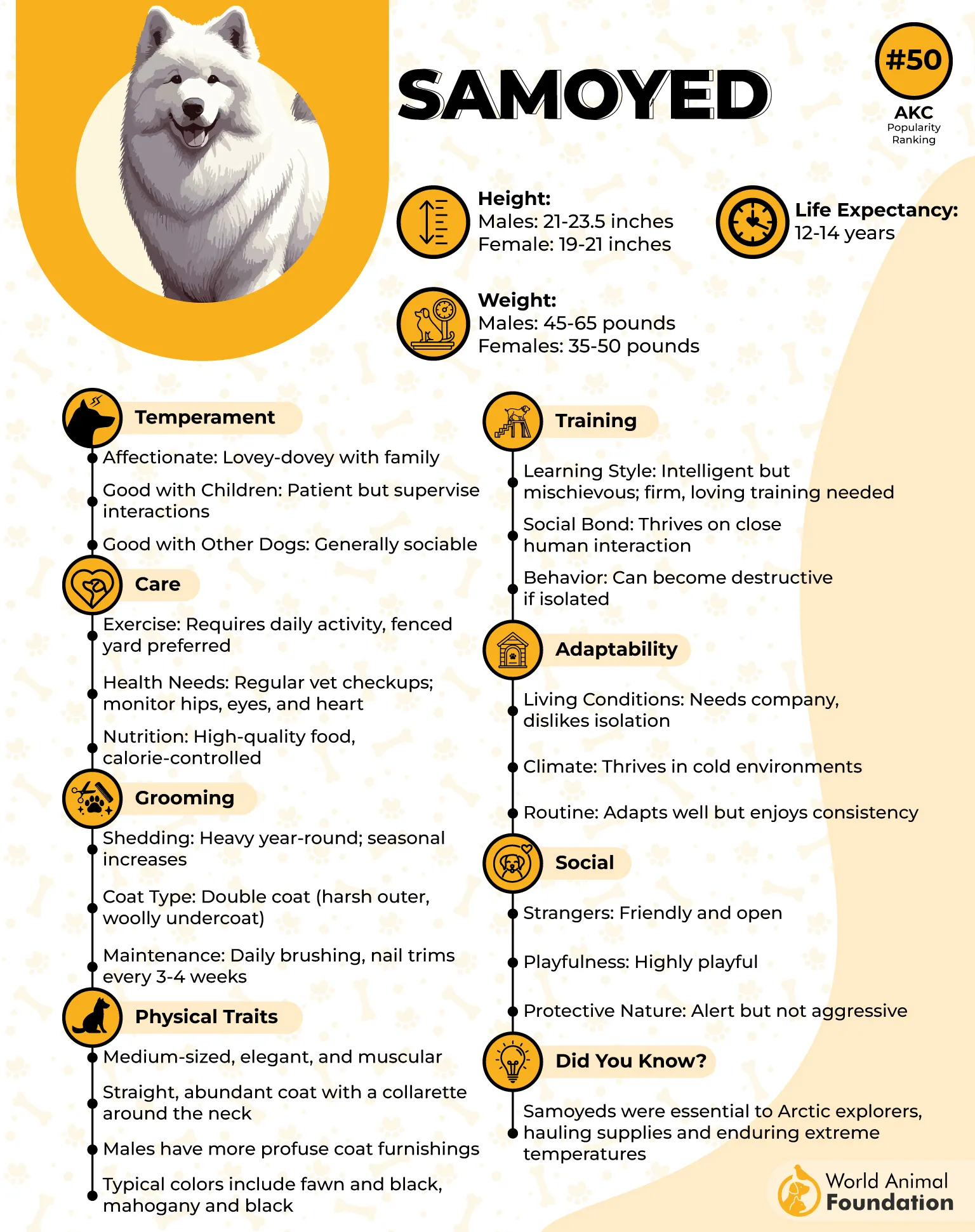
Working in extremely cold climates where temperatures drop to 60 degrees is common, as noted by the AKC.
These gentle dogs are playful, active, alert, intelligent, and rarely aggressive. They are a perfect companion for children and even for small pets.
Quick Snapshot
Movement: Intense exercise
Grooming: Heavy shedding, frequent brushing is needed.
Training: Early training and socialization, upbeat sessions
Watchouts: UDS, retinal disease, heart problem, hip dysplasia, and SHG
4. Greenland Dog
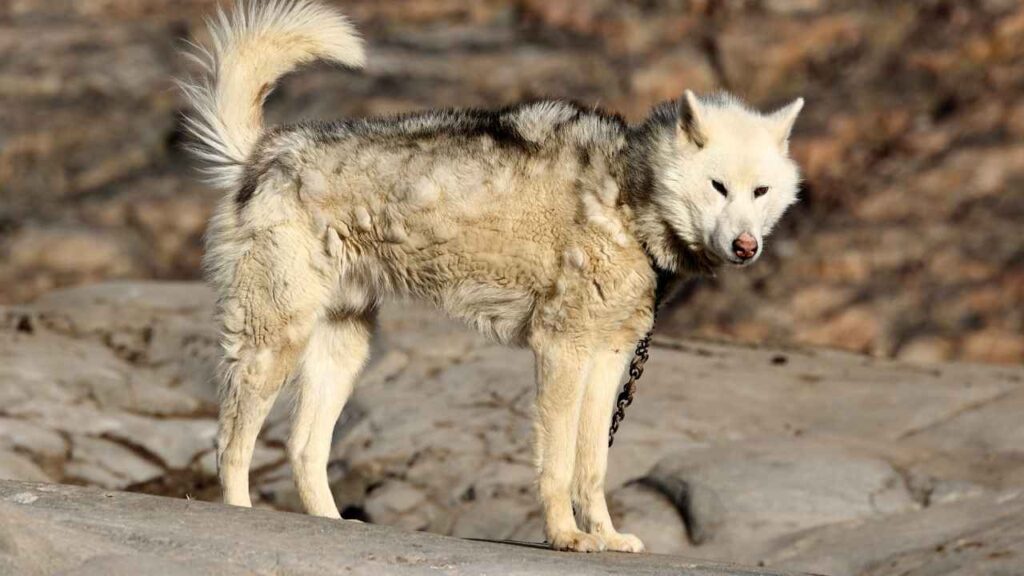
This “serious arctic working dog” is energetic and driven. This cold-weather dog has an affectionate nature and is a good friend with humans and the dogs of their pack. However, they are not loyal to one person and welcome thieves happily.
This breed has built-in snow shoes: wide paws with thick pads and fur between the toes. Since they are to cover long distances in cold weather, this physical trait is a blessing to them and their owners.
This dog, like many snow dog breeds, can carry heavy loads on sleds using stored fats and protein, unlike those that rely on glycogen.
Quick Snapshot
Movement: They remain tireless, so intense exercise (2 hours a day), running, hiking, and jumping are needed
Grooming: Moderate brushing
Training: Professional training with positive reinforcement
Watchouts: Bloat, hip/elbow dysplasia, glaucoma, lens luxation, and musculoskeletal issues
5. Akita
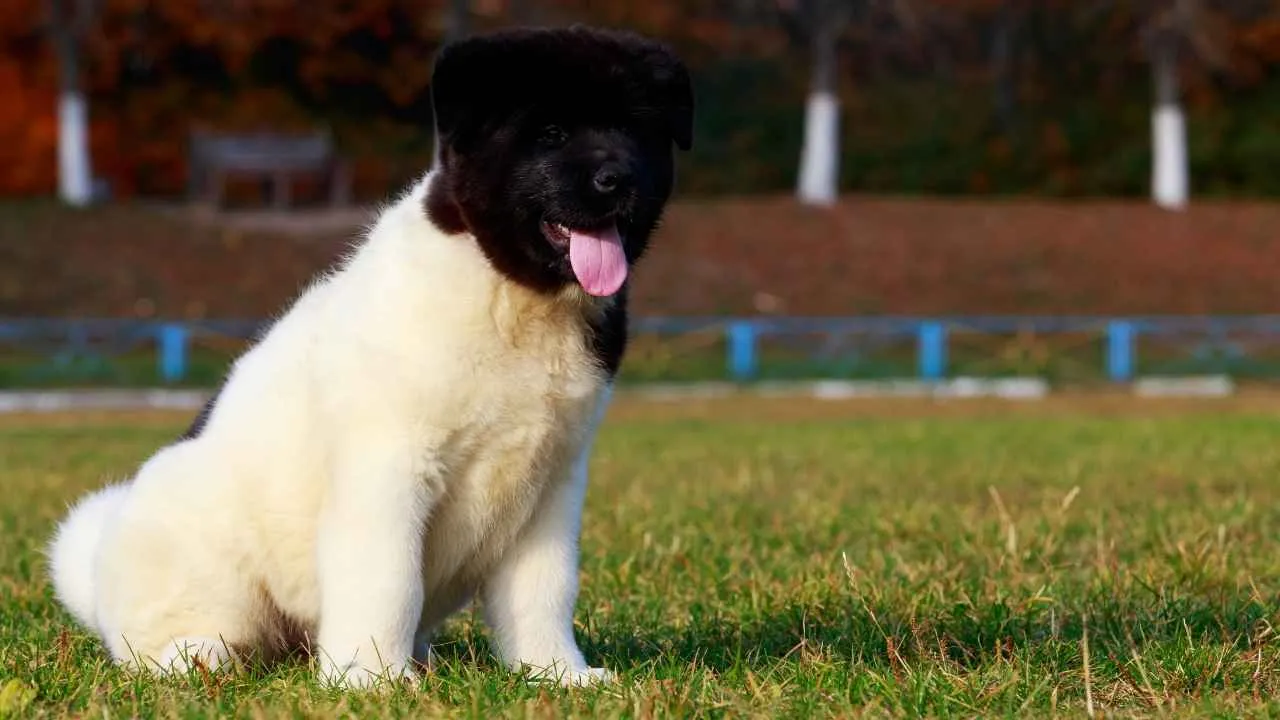
This snow dog breed is affectionate, loyal, faithful, quiet, protective, but possessive. Akita usually prefers to be the only pet in a small compartment.
Akitas have a thick double coat that helps them work against the intense cold winds of the Arctic environment. Not only that, they have webbed feet, which are designed to walk on snow and also assist in swimming.
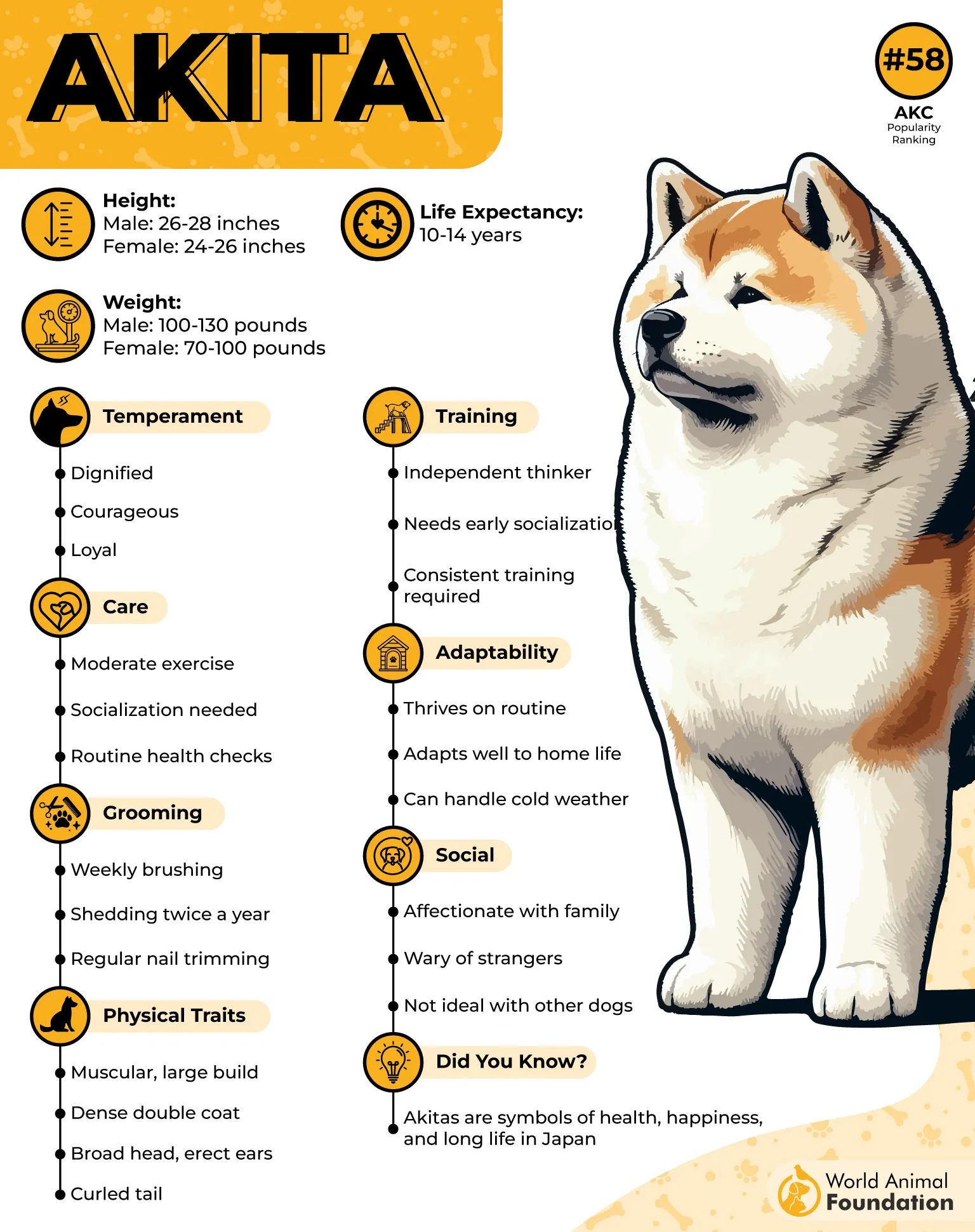
Today, a companion and therapy dog, this ancient breed was used to hunt wild and polar bears. They also used to knock out a boar and waited for the dog owner to come and take control.
Quick Snapshot
Movement: Lazy dogs; moderate exercise is enough
Grooming: Regular brushing, especially in seasonal shedding
Training: Early socialization, obedience, and leash training
Watchouts: Bloat, sebaceous adenitis, hip dysplasia, eye problems, hypothyroidism
6. Norwegian Elkhound
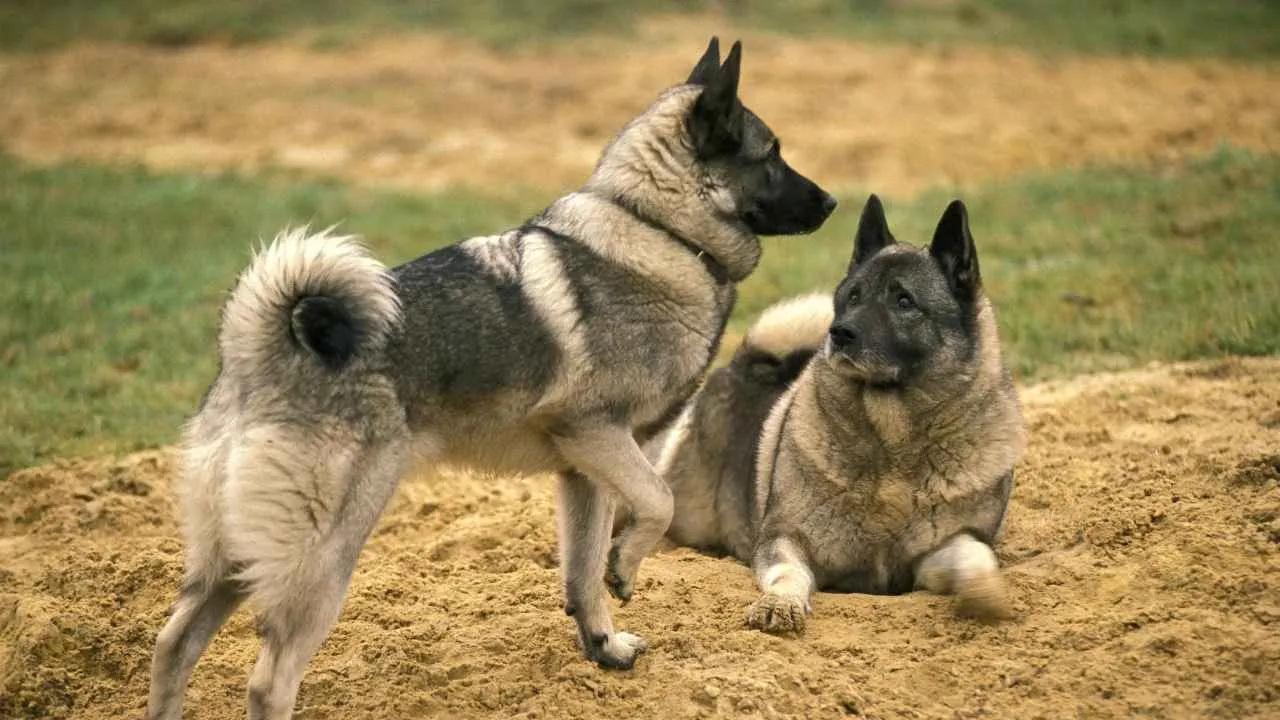
Norwegian Elkhounds are deep snow lovers. The small but muscular physique of this snow dog breed makes them a good hunter.
The high-energy independence nature helps them hold elk until their owner comes, according to Hills Pet.
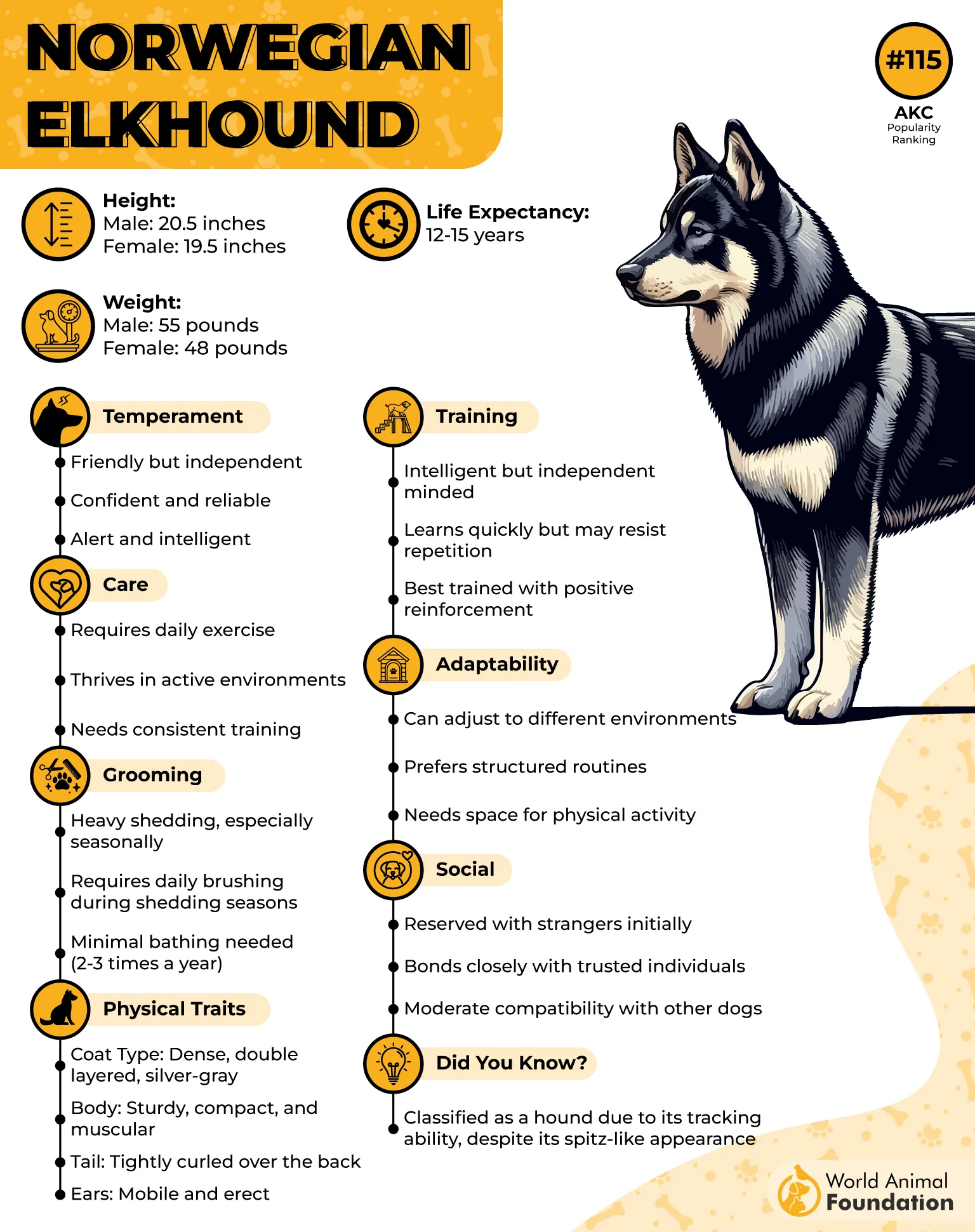
Despite their hunting history, they are quite friendly and playful with children and other dogs. However, keep them leashed outdoors. They tend to bark loudly, hence they are good watchdogs.
Quick Snapshot
Movement: Swimming, agility, long walks, and hunting
Grooming: Seasonal shed, regular brushing
Training: The independent nature makes learning difficult. Positive reinforcement and consistent training are the keys
Watchouts: PRA, hip dysplasia, obesity, Fanconi syndrome, and sebaceous cysts.
7. Keeshond
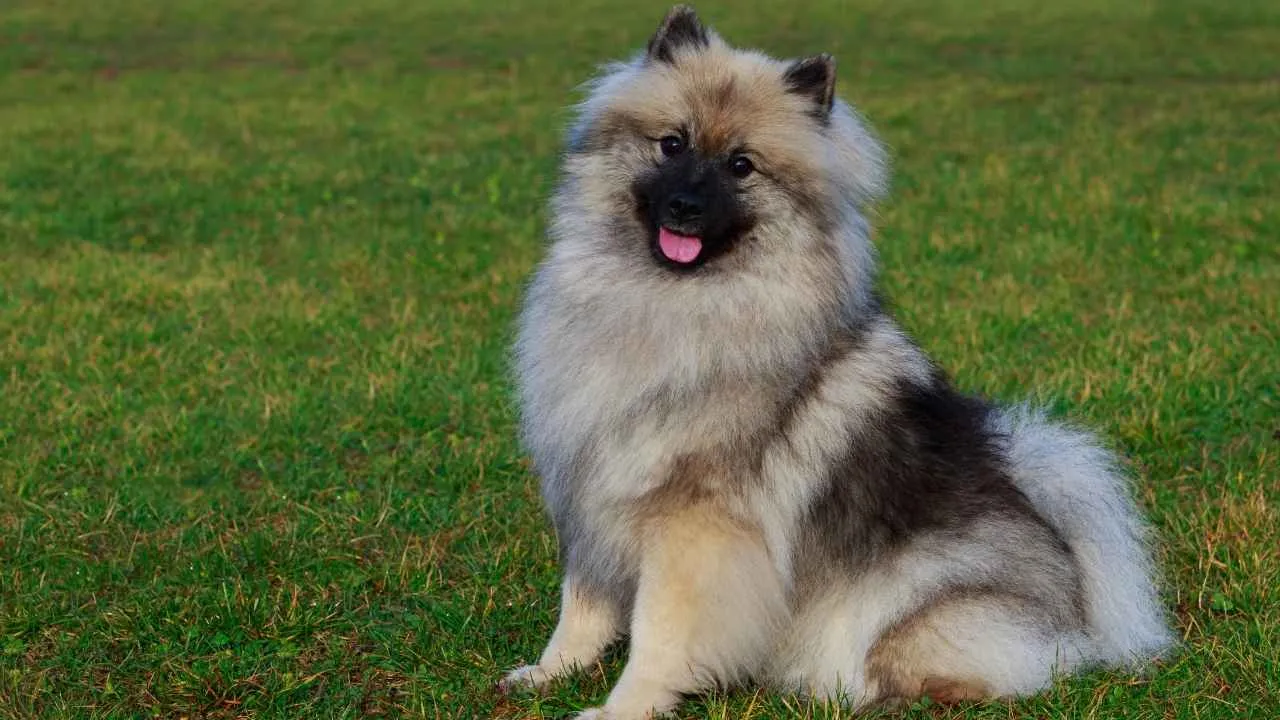
If you want a snow dog breed that follows you like a fluffy supervisor, Hello!
They are not really aggressive and stay fun-loving and friendly around people, children, and other dogs. PetMD states that they are known as the “smiling Dutchman” because of their happy behavior.
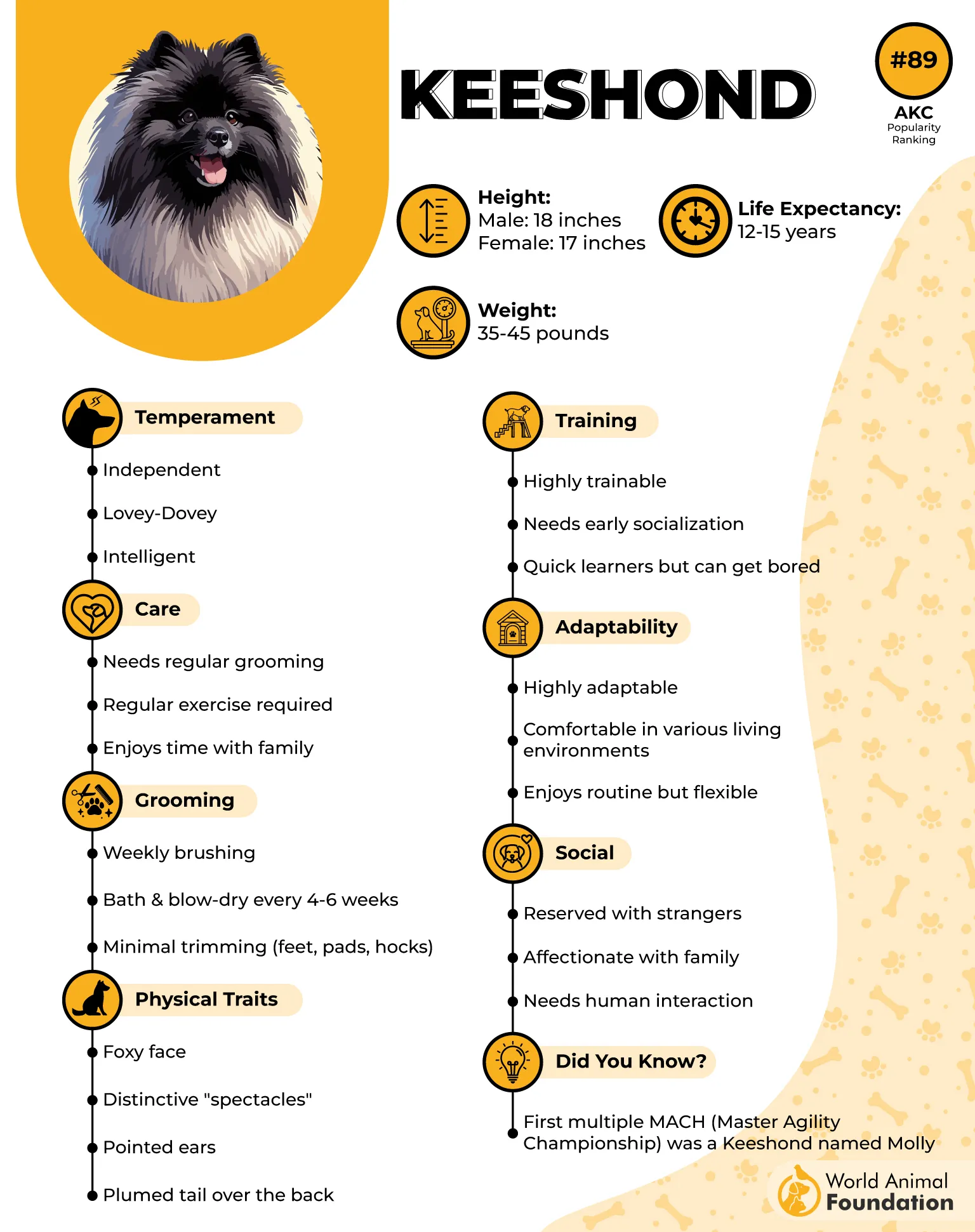
Originally bred to keep an eye on barges along canals and rivers in Holland, Keeshonds are now more of a cuddly living stuffed animal
Fun Fact: They were the symbol of the Patriot faction during the French Revolution.
Quick Snapshot
Movement: Regular walks are enough. They are happy with whatever their owner loves
Grooming: Regular brushing prevents matting
Training: Basic command training (sit, put, settle, come), obedience training with positive reinforcement
Watchouts: Hip dysplasia, luxating patella, and PHPT
8. Finnish Lapphund
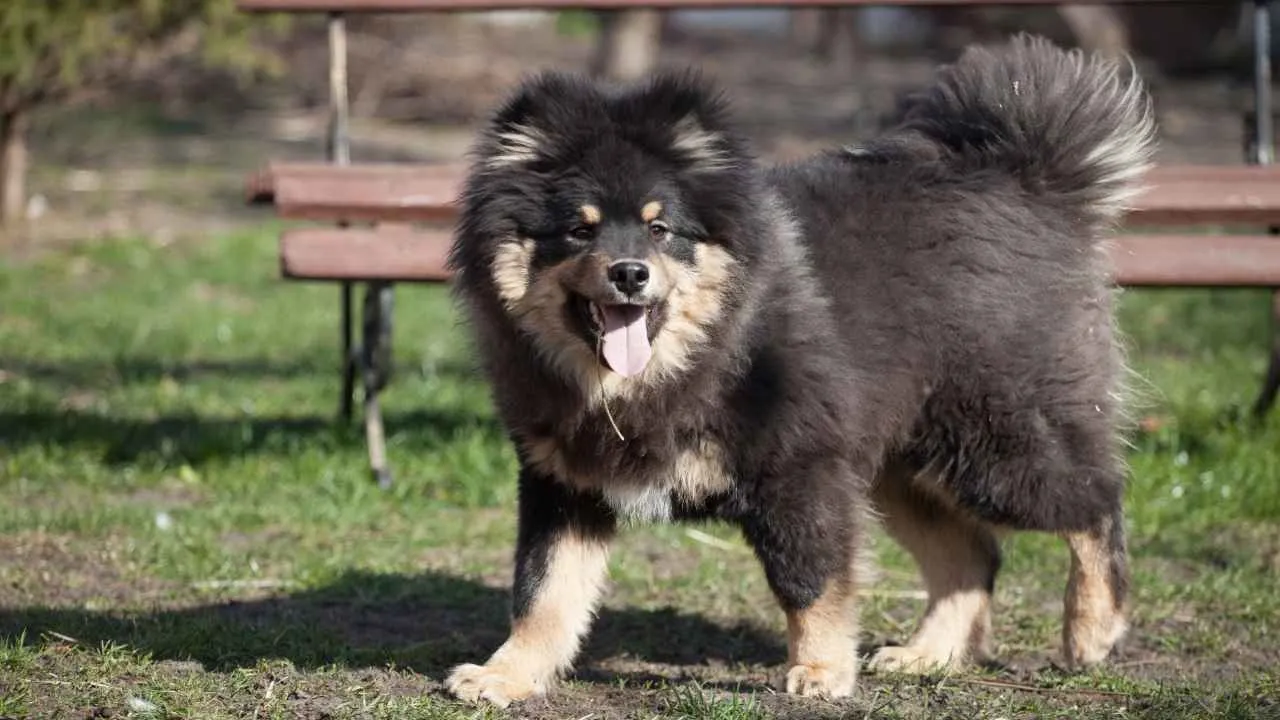
The Finnish Lapphund craves the owner’s attention. They stay calm but alert and protective indoors. This giant breed has a history of reindeer herding, and they are highly skilled in jumping and startle reflex instincts.
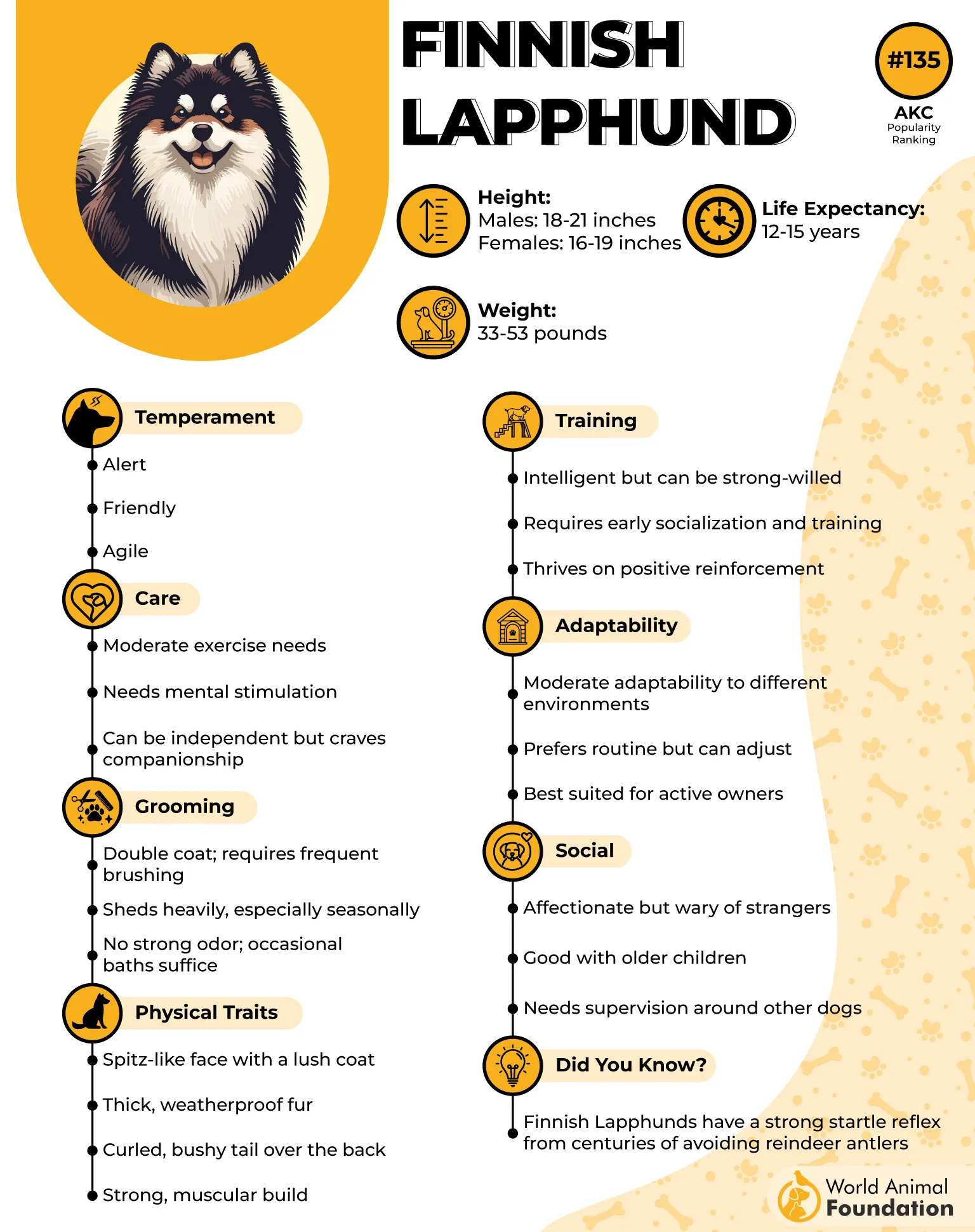
They are extremely intelligent and serve as rescue dogs in SAR, military, and police departments. This cold-weather dog can be noisy when in herding mode. However, after a whole day of hectic work, your warm lap is their favorite place
Quick Snapshot
Movement: 2 hours of walking daily, dog sport (man trailing, canicross, etc)
Grooming: Moderate, regular brushing
Training: Leash training, early socialization
Watchouts: PRA and hip/elbow dysplasia
9. Tibetan Mastiff
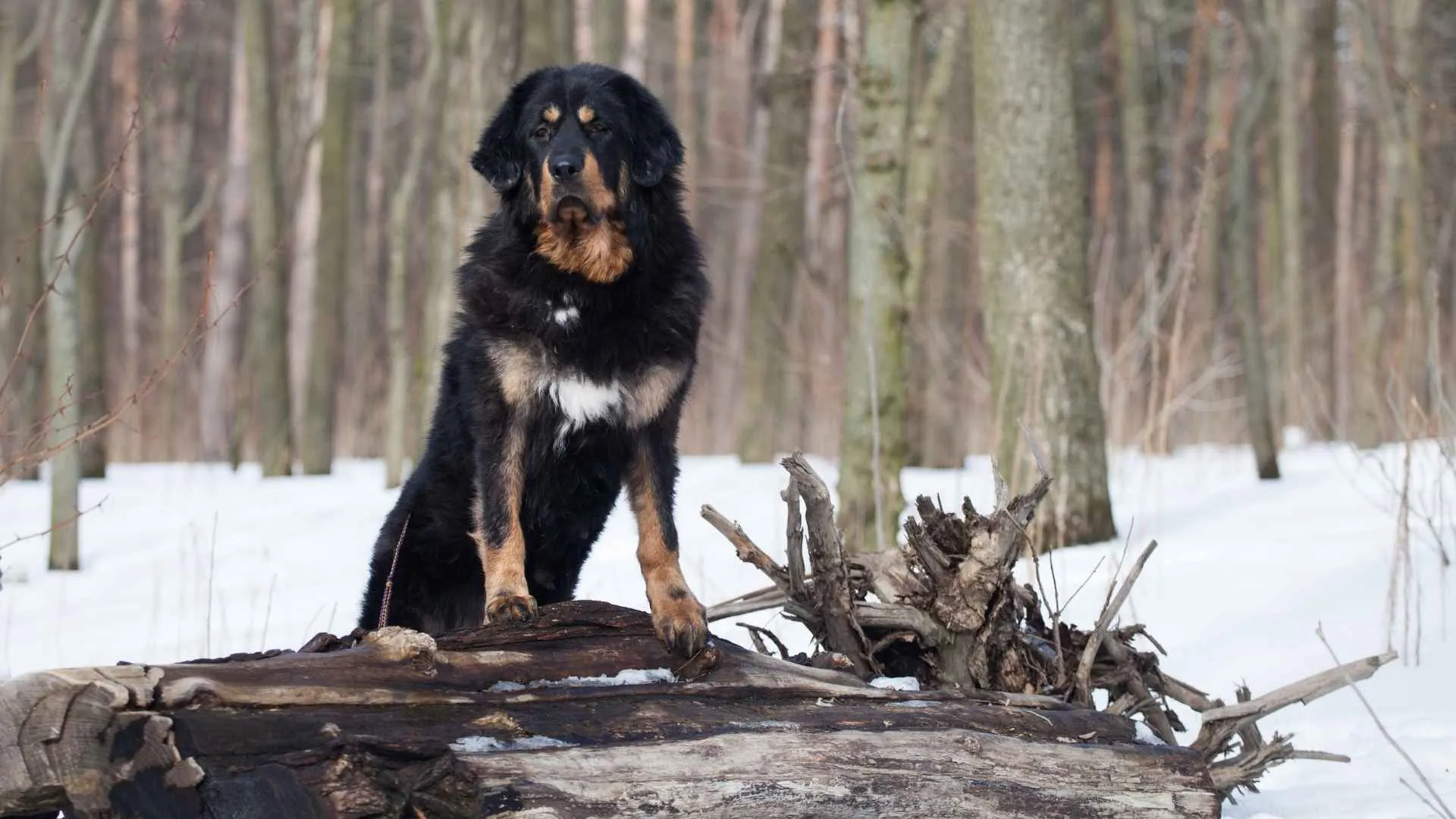
Tibetan Mastiffs are mountain dogs that can be calm at home, but are not everyone’s friend. They tend to follow you everywhere to protect you.
These dogs have genetic ties to wolves, which enables them to survive in low temperatures. Their insulating double coat protects them from harsh weather.
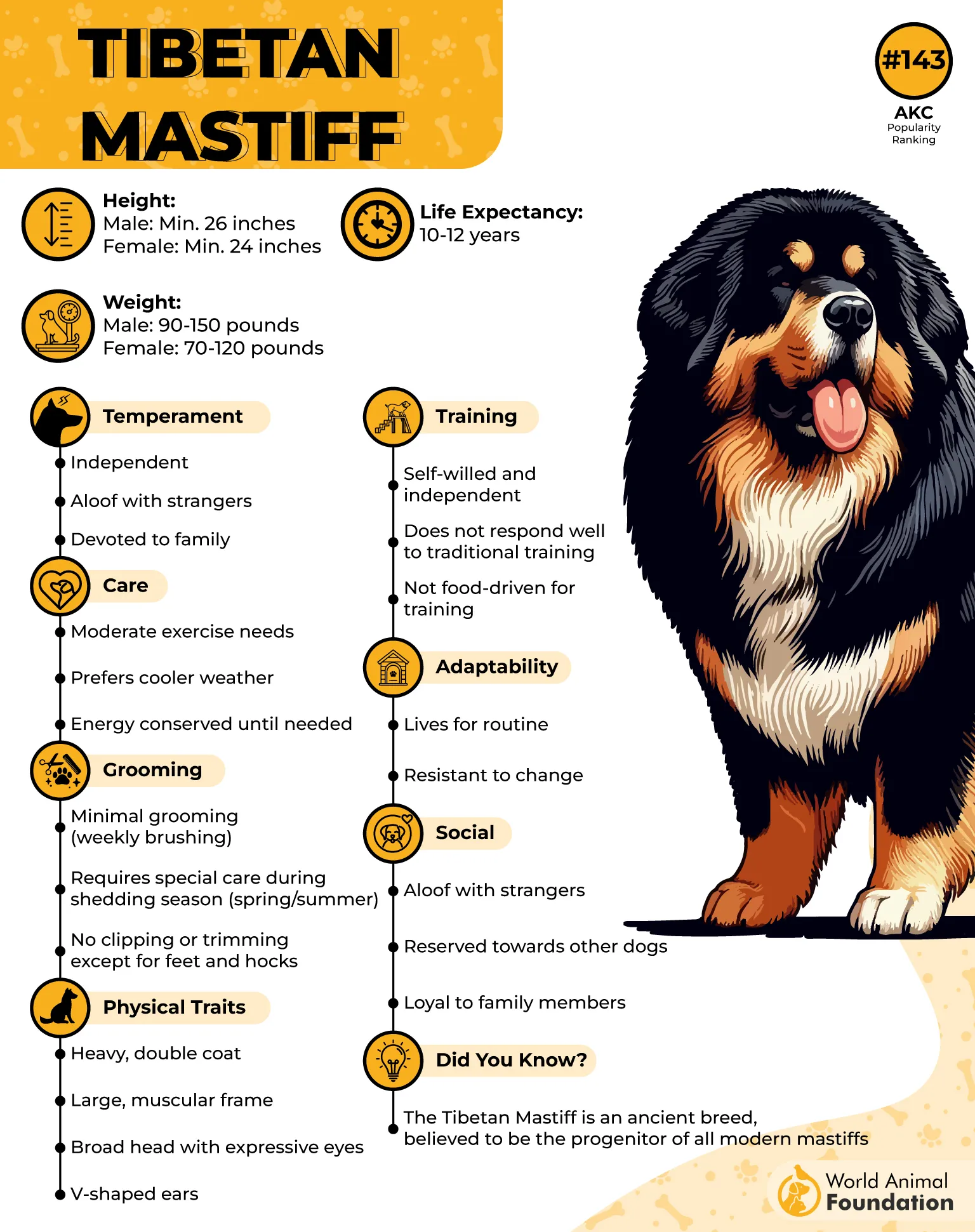
This cold-weather dog remains calm and lazy during the day, but becomes active and watchful at night. They bark to warn the owner of the potential threat. Despite being muscular, strong, and powerful, these snow dogs are quite friendly around known faces
Quick Snapshot
Movement: Moderate exercise
Grooming: High during shedding season
Training: Off-leash and purposeful training, early socialization
Watchouts: Eye problems, hip/elbow dysplasia, and hypothyroidism
Conclusion
Arctic dog breeds are not just fluffy. They are built for wind, snow, and the kind of weather that makes water freeze and your car door sound like it’s cracking.
Still, “winter-built” does not mean waterproof. Good nutrition, dry fur, paw care, and safe shelter matter because ice does not play fair.
Choose the breed that matches your routine and demands. A Husky may love a 938-mile dream, but your schedule might not! So, plan carefully before bringing snow dog to your home.
