




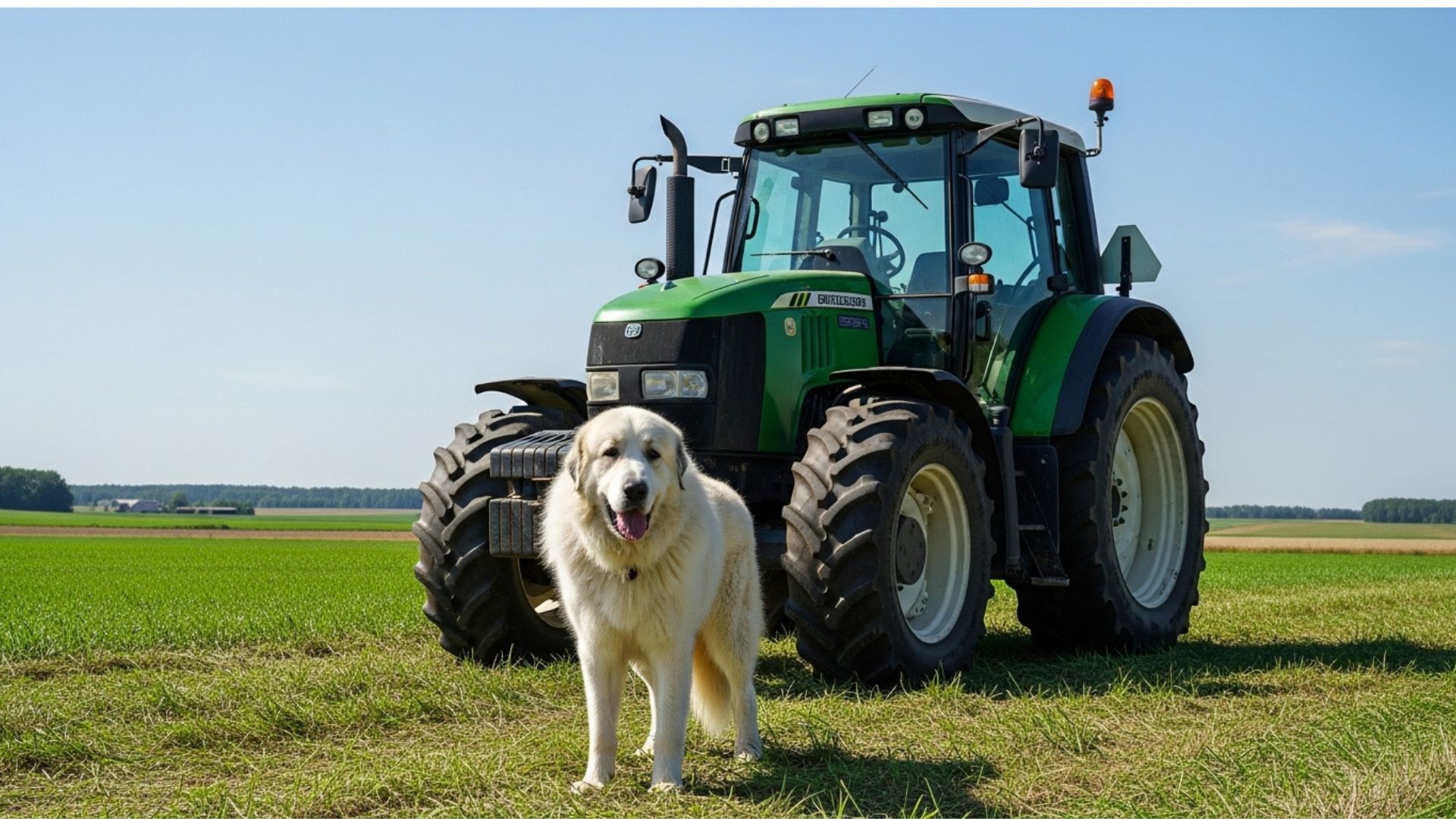
Life on a farm or ranch calls for a dog that can do more than look cute. The right breed can help with herding, guarding, and staying active through long days outdoors.
The rural life isn’t just a lifestyle — it’s a commitment. Long days, unpredictable weather, and demanding physical tasks require strength, intelligence, and unwavering dedication. That’s where the right dog makes all the difference.
For generations, certain breeds have worked side by side with farmers and ranchers, herding livestock at sunrise, guarding property through the night, and handling tough terrain without hesitation. These dogs aren’t just helpers — they’re reliable partners built for purpose.
In this guide, we will look at nine dog breeds that are well-suited to agricultural work and ranching, with traits that make them dependable partners in busy working environments.
Whether you manage livestock, protect property, or simply want a capable dog that enjoys open space and purpose, these breeds stand out for their drive, intelligence, and teamwork.
Choosing the right one starts with understanding how each breed works and fits your lifestyle.
Top Dog Breeds that Thrive in Agricultural Work and Ranching Jobs
1. Australian Cattle Dog
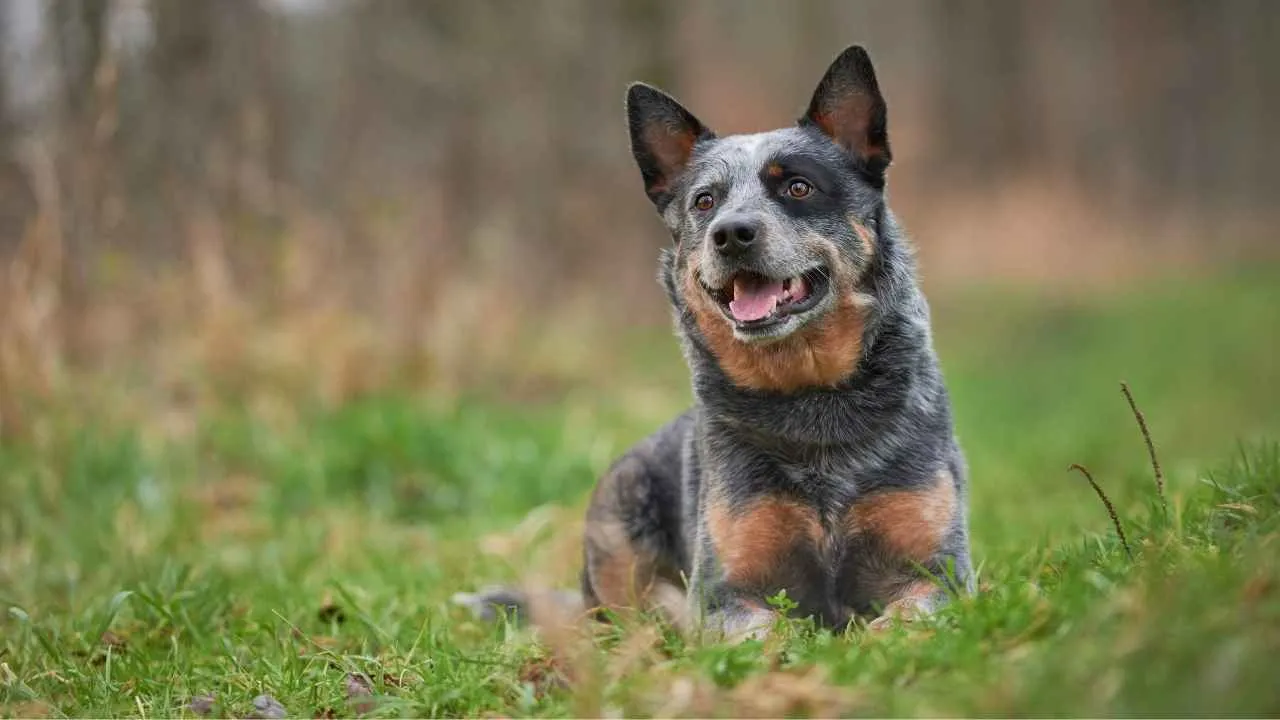
The Australian Cattle Dog is a compact, muscular breed with a strong build made for movement and control work on a farm and ranch.
Australian Cattle Dog is often called the red heeler, and the coat develops into blue-gray or red with mottling or speckling as it matures. Its body shows the kind of strength, agility, and durable traits many farmers value in working dogs.
This breed has a huge work drive and does especially well with herding cattle and moving livestock across property and open land. According to PetMD, Australian Cattle Dogs are medium-sized dogs known for their stocky, muscular build designed to maximize strength, endurance, and stamina.
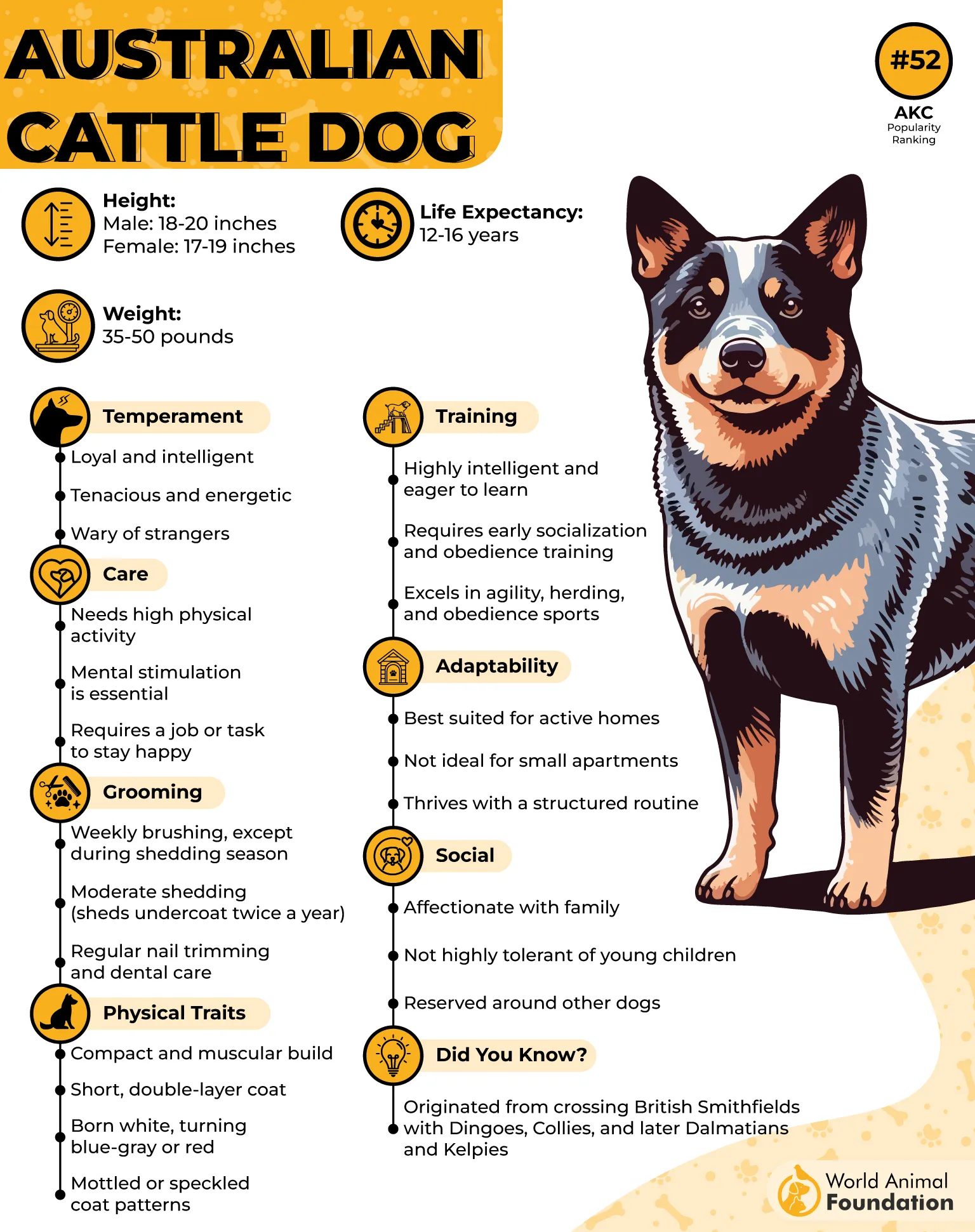
The Australian Cattle Dog is smart, loyal, and alert, with a strong sense of awareness that can make owners appreciate its focus during daily routines.
Because of its high energy, it needs regular training, a clear job, and daily exercise to stay balanced. When this dog does not get enough activity, it can become bored and mischievous around the family home.
It tends to be wary of strangers, but it is also deeply loyal and can become one of the most dependable companions for active owners in country settings. With proper training and steady structure, this intelligent farm dog thrives in farm life.
Why This Breed Is a Good Fit
Built for movement and ranch tasks, this breed fits busy days better than couch days.
Loyal and smart enough to stay engaged when livestock work changes from morning to evening.
Great choice for owners who want a dog with energy, intelligence, and a real job to do.
2. Australian Shepherd
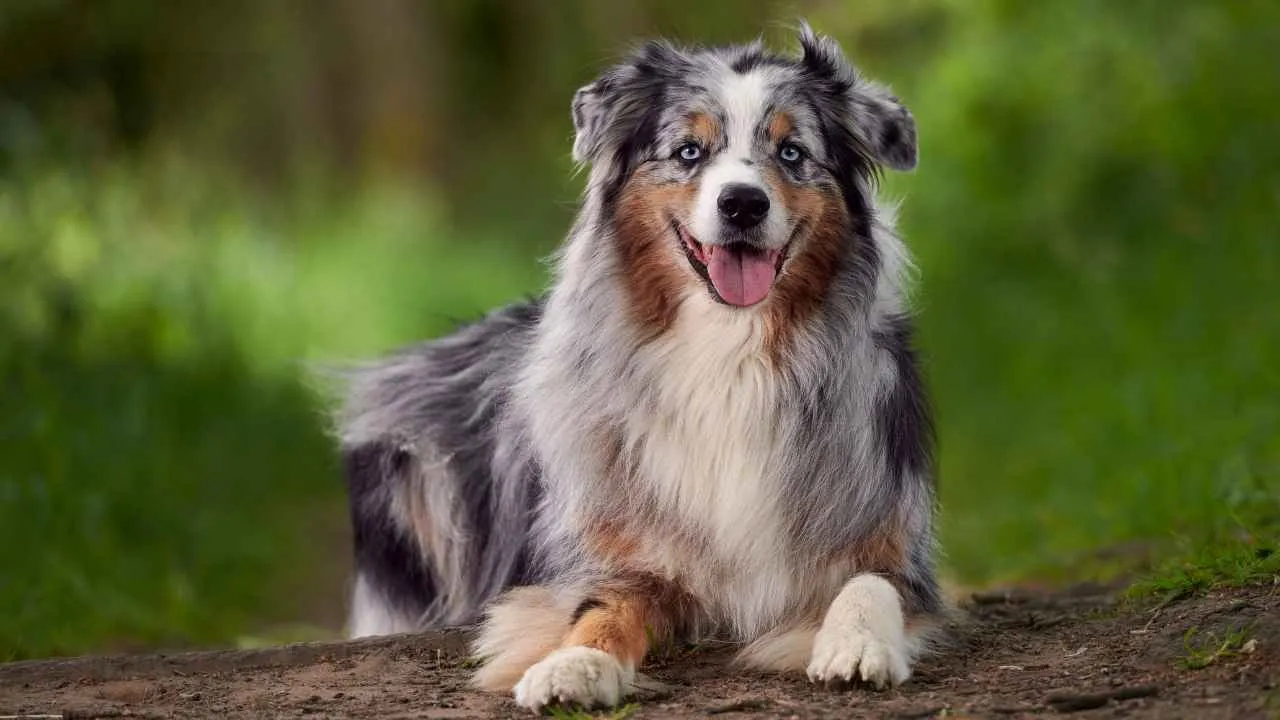
The Australian Shepherd is a medium-sized herding breed with a muscular, agile build and instincts for ranch work.
This breed was originally bred as one of the working dogs meant to handle tasks and please humans through action. Its active nature and strong drive make it a natural match for a farm or ranch environment.
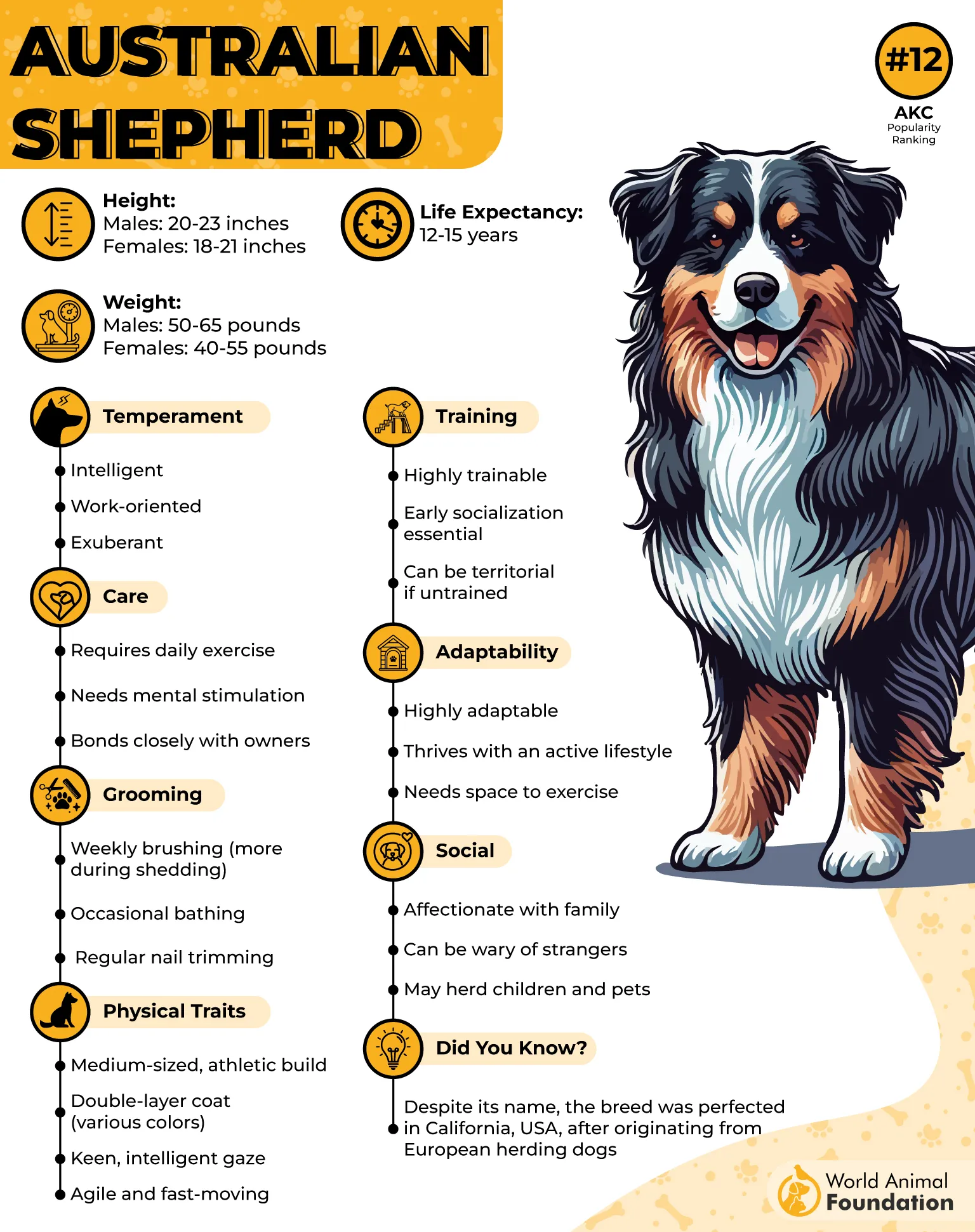
Most Australian Shepherd dogs stand in a medium-sized range and carry themselves like a dog that is ready for a job at any moment. They are highly intelligent, very smart, and known for being quick learners, which helps with training when owners want clear routines.
As per Royal Canin, Australian Shepherds do bark, and sometimes more often than many other dogs, but it usually comes from their protective and attentive nature. Their intelligence and eagerness can make daily work feel smoother for family members managing livestock and property.

The Australian Shepherd has a strong herding instinct and can stay busy when given direction, movement, and purpose. This breed needs energy outlets and consistent training so it does not become restless around the home.
For active owners, it can be one of the most affectionate and loyal companions while still taking farm work seriously.
Why This Breed Is a Good Fit
This dog likes having a job, which suits ranch schedules where something is always happening.
Easy to keep engaged with training games and real tasks, so boredom has less room to cause trouble.
A fun pick for families who want a capable worker and affectionate partner in one package.
3. Border Collie
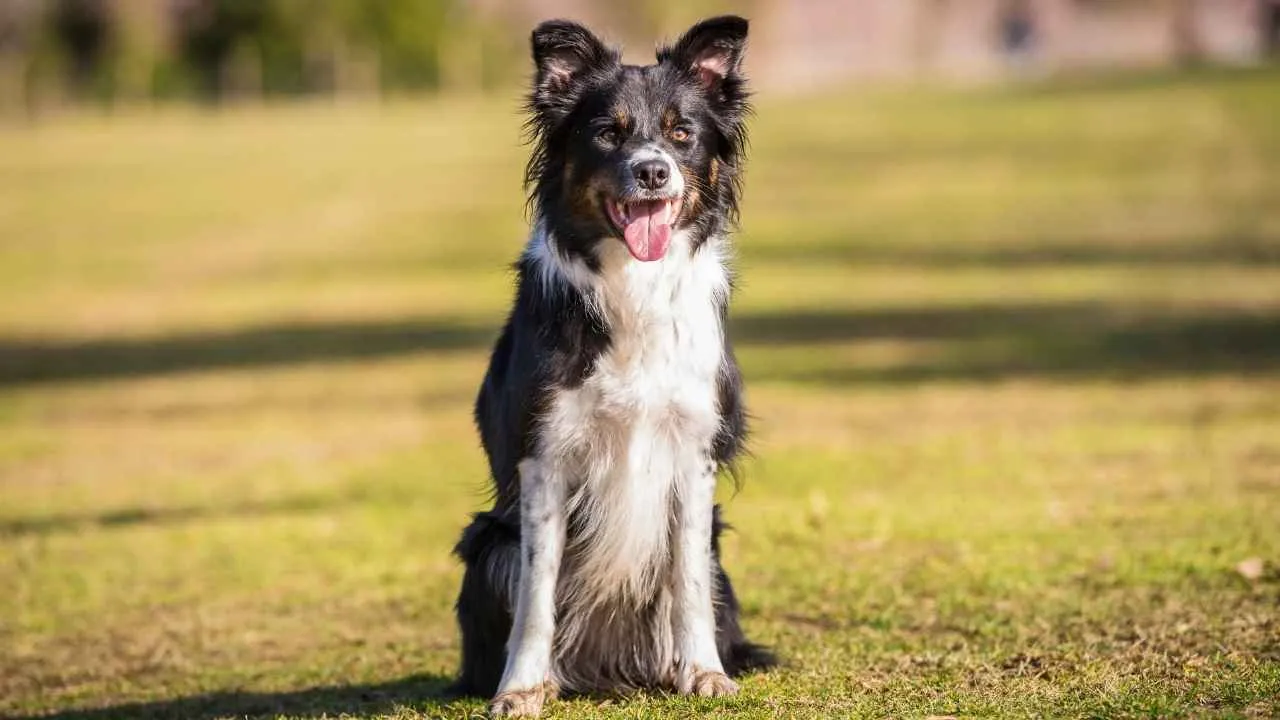
The Border Collie is one of the most recognized herding breeds for active farm and ranch work. This medium-sized breed is athletic, nimble, and built like a serious worker, with either a rough or smooth coat in different colors and patterns.
Its intense expression and famous herding eye reflect a dog that is always tuned in to movement. According to WebMD, a Border Collie is often described as extremely intelligent, and that shows in how fast it learns tasks and responds during herding sheep or herding cattle.
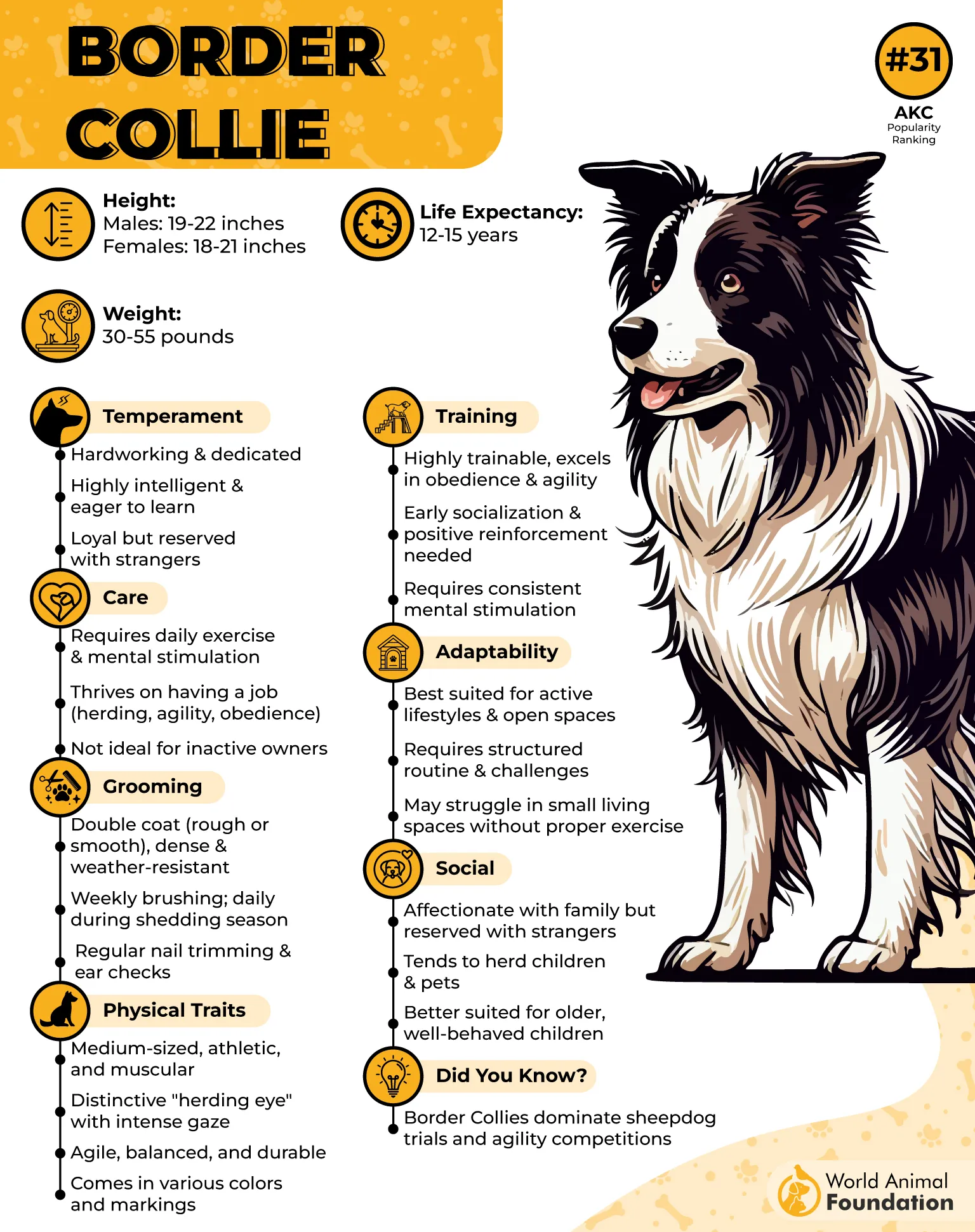
These intelligent dogs need a real job, because this breed can outwork many owners if left without enough structure. The breed also shines in agility and obedience, giving it more ways to use its energy and focus.
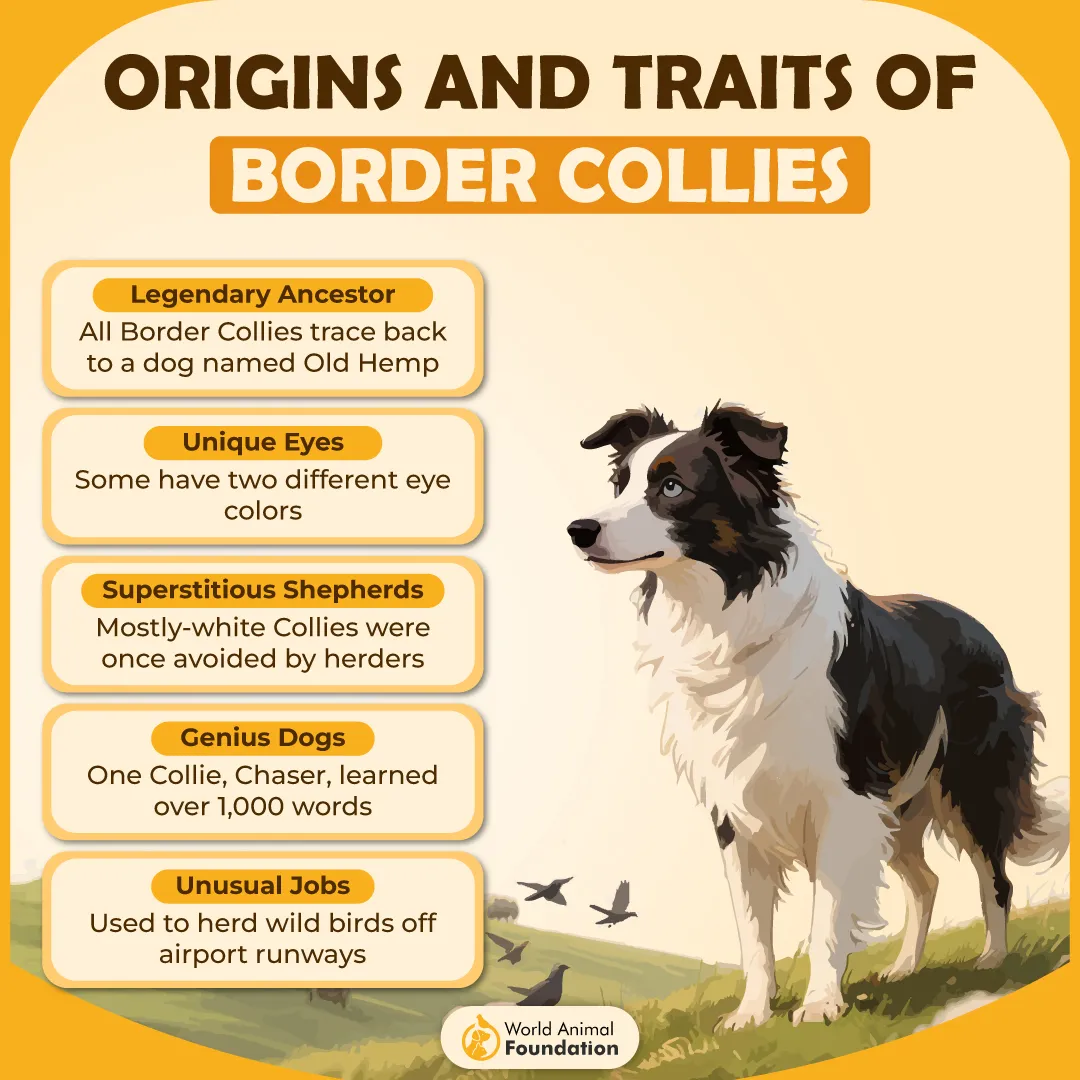
After a full day of activity, this dog can settle down and be affectionate with family and trusted companions. It may be reserved with strangers, but it is usually amiable among friends and strongly connected to the people who keep it busy.
For ranch homes with room, routine, and training, the border collie can be an excellent companion and worker.
Why This Breed Is a Good Fit
Great for ranch owners who want a dog that thinks fast and moves even faster
Handles herding jobs with intensity, then relaxes with the family when the work is done.
A lively choice when you can offer structure, movement, and a purpose every day.
4. German Shepherd
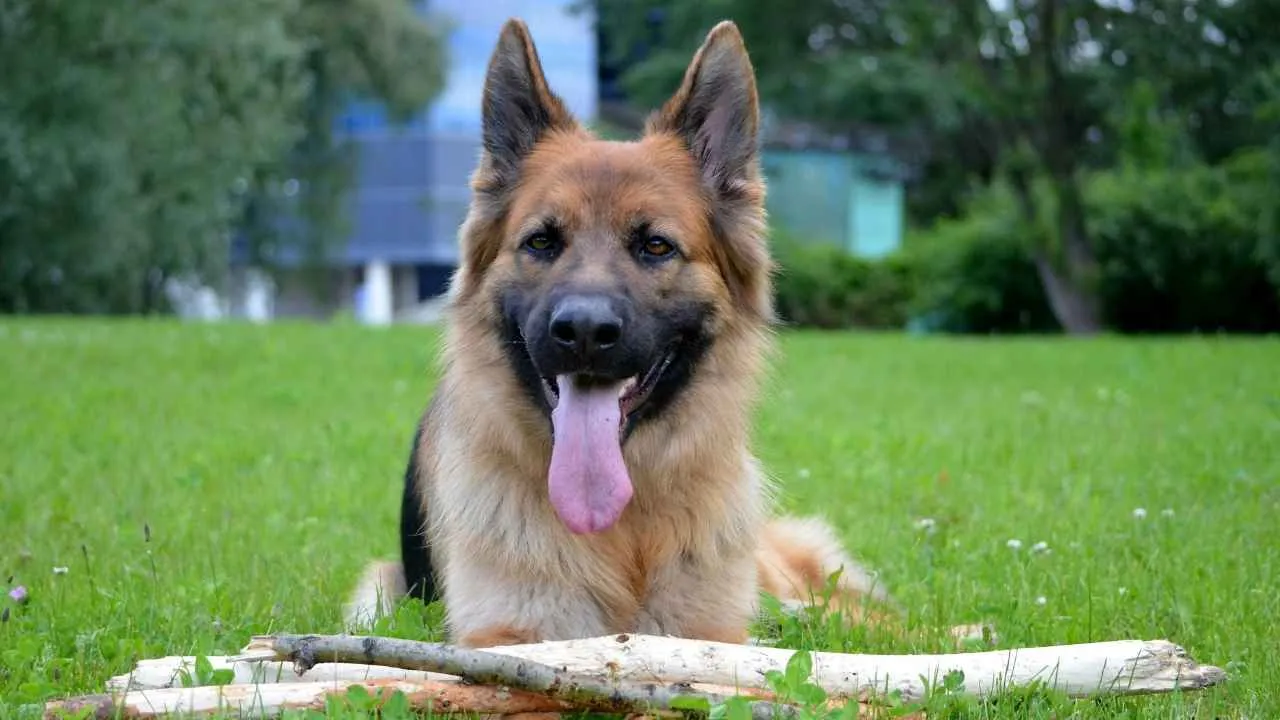
The German Shepherd is a large, agile, muscular dog with the confidence and bravery many owners look for in working dogs.
As one of the most popular dog breeds, this breed is known for being highly intelligent, loyal, and reliable when given direction. Its strong build and alert mind make it useful in active settings where a dog needs both power and control.
The German Shepherd belongs to the herding group and brings high energy to daily life on a farm or ranch. This dog loves having a job and does best with regular exercise, training, and a clear outlet for its drive.
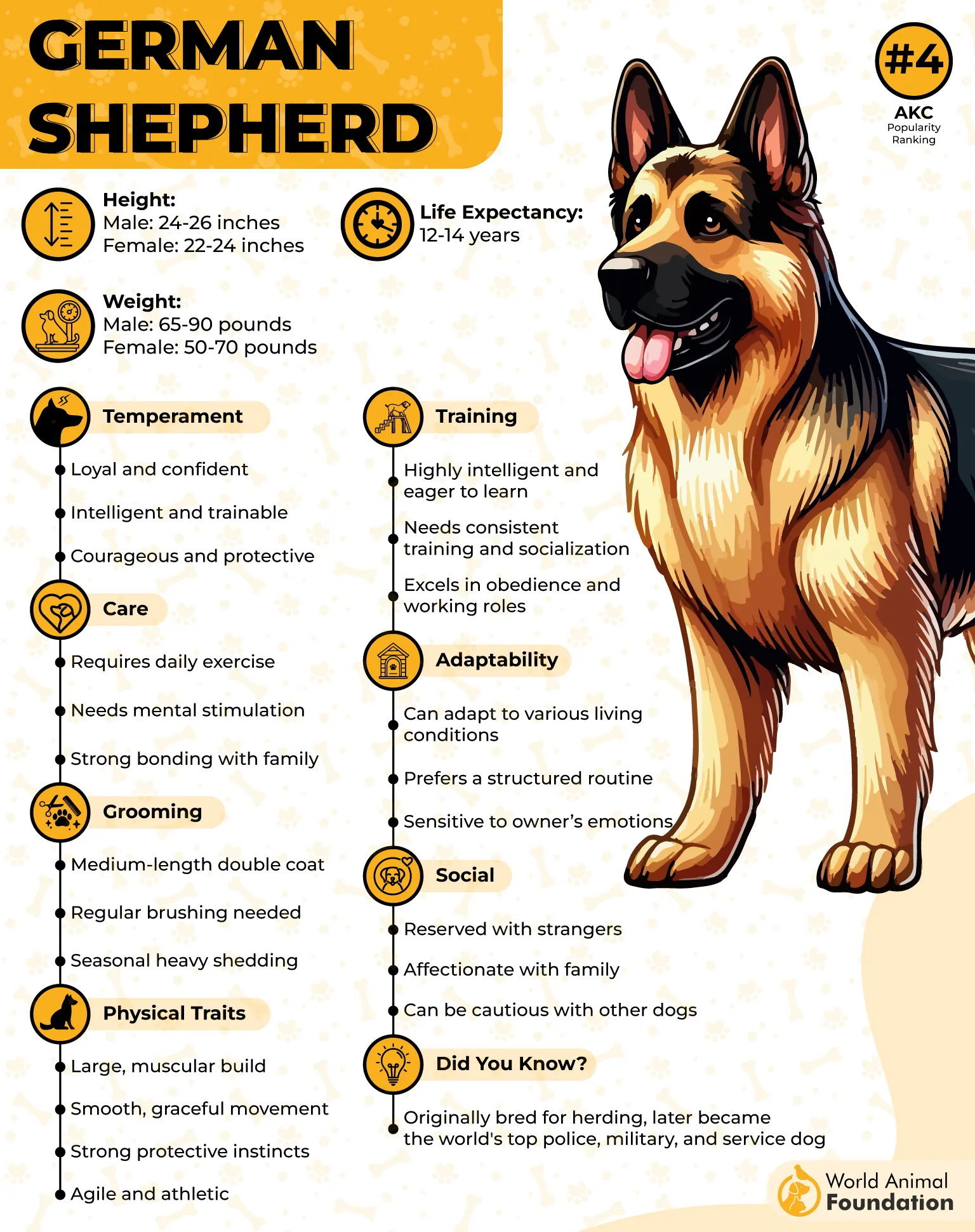
With expert-level dog training and obedience, the breed can thrive in demanding roles that require focus and discipline.
Many people know the German Shepherd for military, police, patrol, search, and rescue work, which highlights its intelligence and trainability.
On a ranch property, those same traits can support structure, routines, and a strong partnership with humans. For families who want loyal companions with protective instincts and a serious work ethic, this breed offers both.
Why This Breed Is a Good Fit
Brings confidence and loyalty to ranch life, especially where structure matters.
A strong work mindset means this dog usually enjoys tasks more than idle time.
A solid choice for active families who want a dependable partner on the property.
5. Great Pyrenees
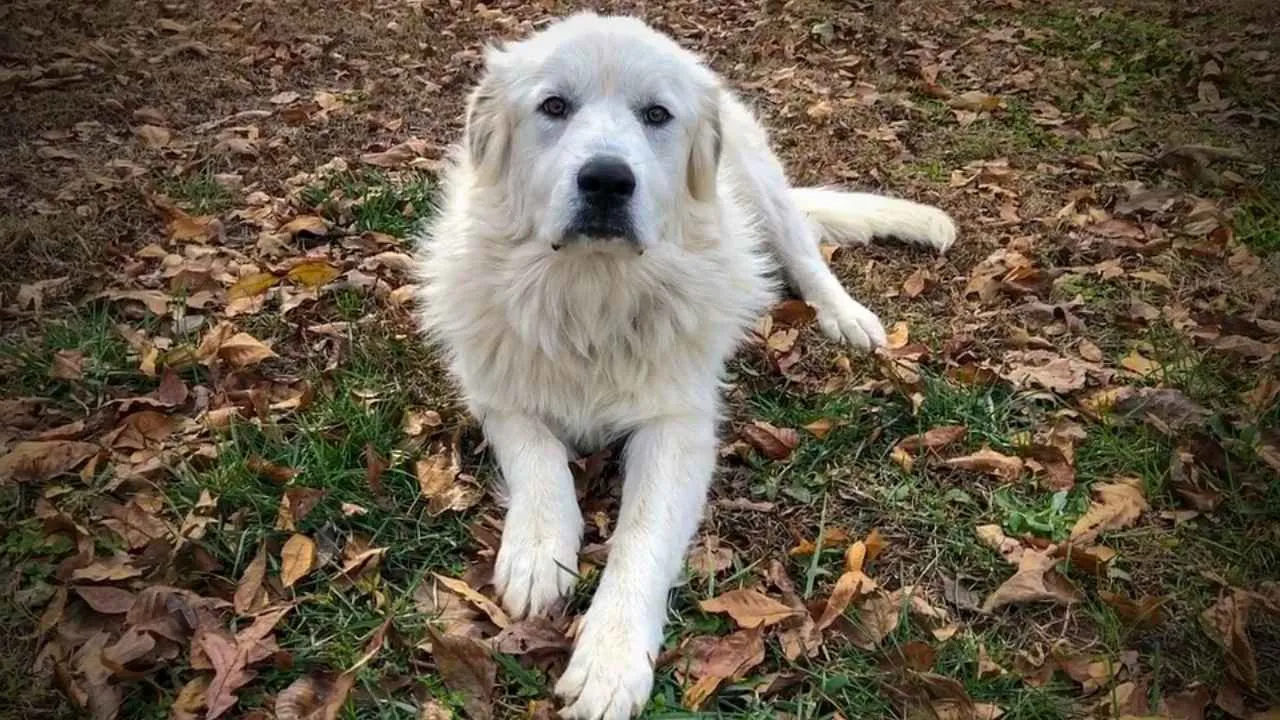
The Great Pyrenees is a powerful mountain dog with a thick, weatherproof coat and a calm but watchful presence. This breed was developed to guard sheep from predators in harsh mountain conditions, and that guardian nature still stands out today.
The Great Pyrenees is large, strong, and graceful, with a steady temperament that suits long hours around livestock.
Even with its mellow style, the Great Pyrenees can move quickly when a threat appears near flocks, sheep, or home property.
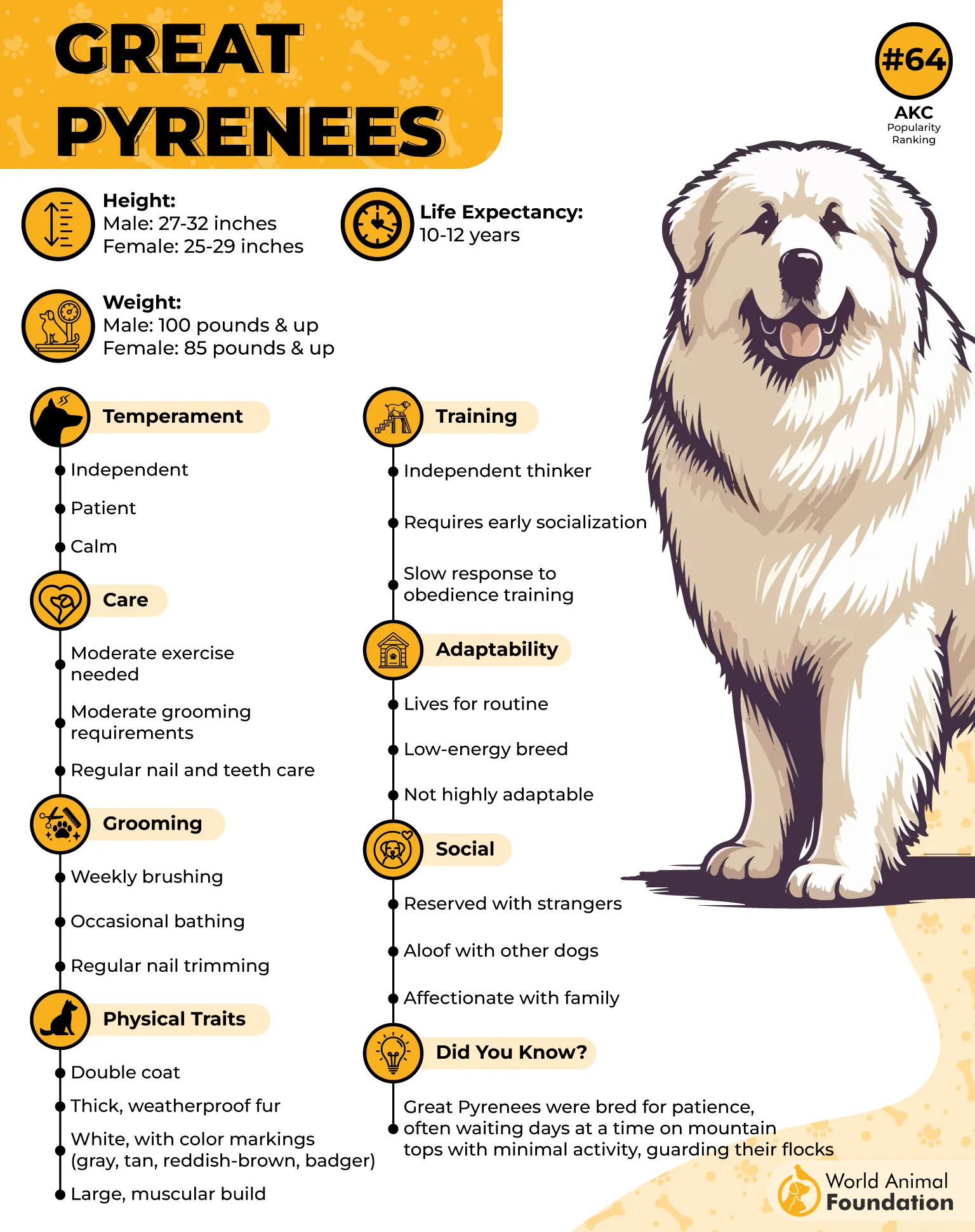
This breed has protective instincts that make guarding livestock and protecting the family feel like a natural job. It often stays calm around familiar people but remains vigilant, which is valuable for ranch homes and open land.
The coat is usually all white or white with markings, and the dog carries itself with a majestic look without losing its working purpose.
As one of the classic farm dogs used to protect livestock, the great pyrenees fits ranch settings where predators are a real concern. Loyal behavior and calm energy also help it become a steady companion for owners and children.
Why This Breed Is a Good Fit
Calm by default, but ready for action when predators come too close.
Ideal for ranch spaces where livestock safety matters day and night.
Brings guardian strength without needing to act noisily or dramatically all the time.
6. Anatolian Shepherd
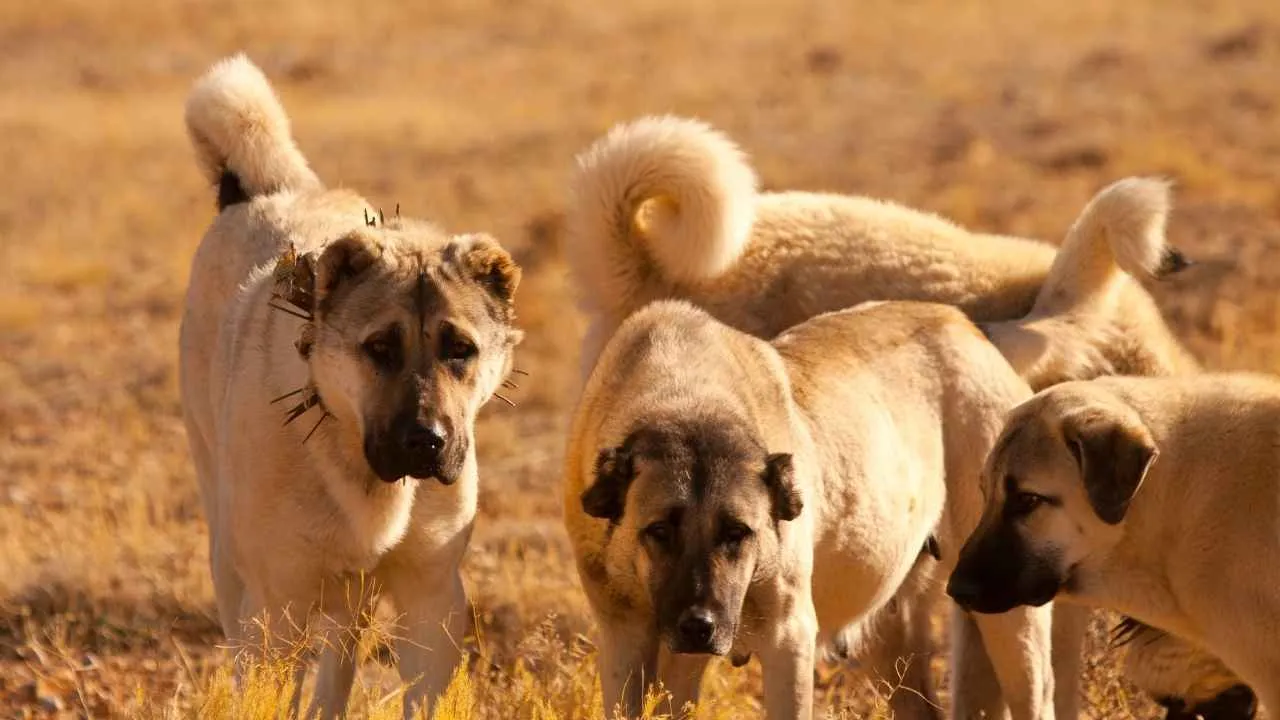
The Anatolian Shepherd comes from very old domestic canine bloodlines and was originally bred in Turkey as a livestock guardian. This breed later came to the U.S. and became valued for its ability to protect livestock in demanding environments.
The Anatolian Shepherd is a large, hardworking dog with a strong, independent nature and a serious sense of duty.
Its size alone can intimidate threats, and that physical presence supports the breed’s role in guarding livestock and property on a farm or ranch.
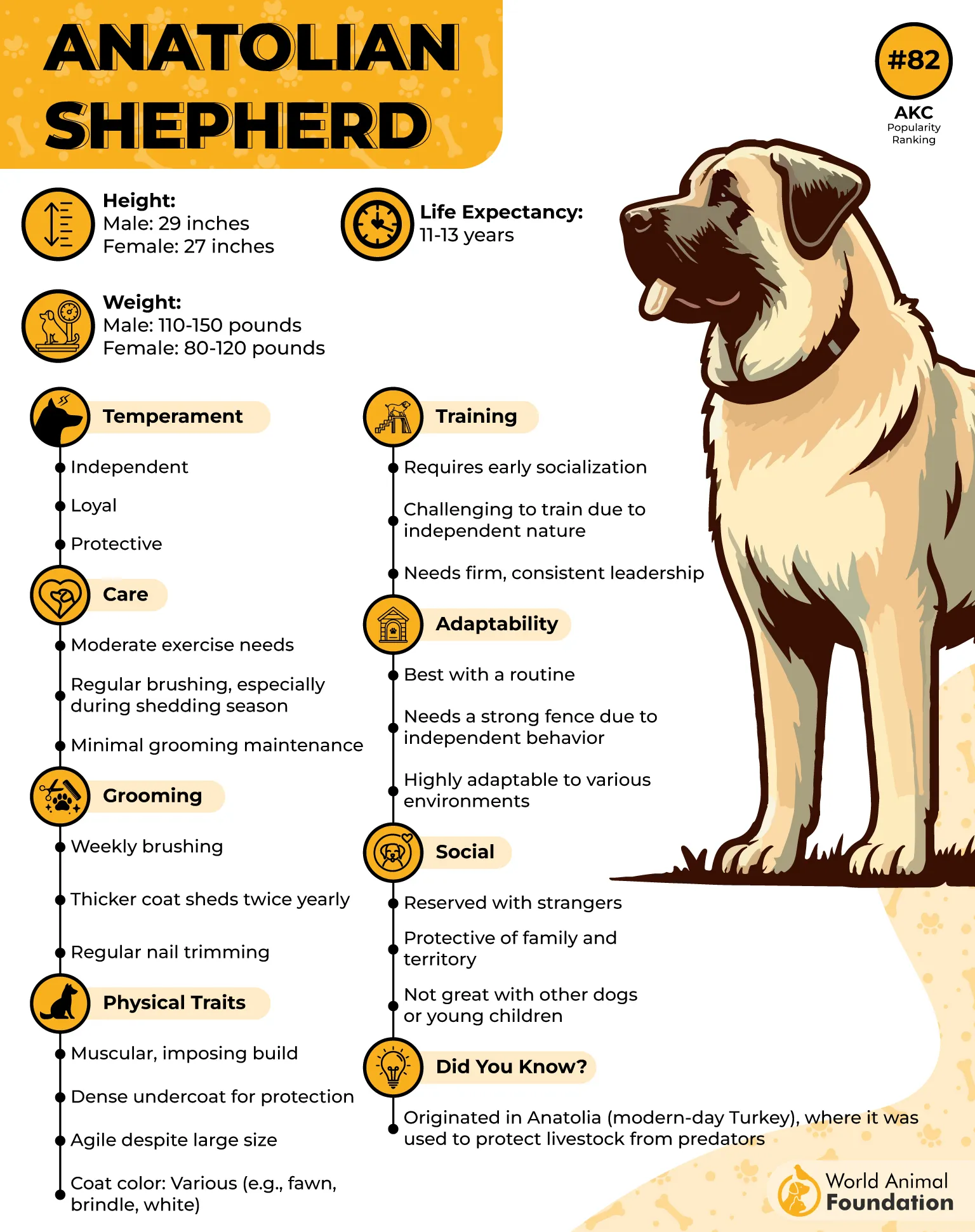
This dog was developed for independent decision-making while watching over flocks, which is a key trait for owners who need reliable protection. It is also loyal to both family and the animals in its care.
The Anatolian Shepherd has been used in conservation work to help protect animals, which speaks to the breed’s practical guardian ability.
For ranch families, this dog brings protective instincts, loyalty, and a natural focus on the job. With clear training and experienced owners, it can become one of the most dependable working companions on large land.
Why This Breed Is a Good Fit
Built for serious guardian work, so ranch security feels like a natural role.
Strong loyalty to family and livestock helps create trust in daily routines.
Best for owners who respect an independent worker with a big protective heart.
7. Maremma Sheepdog
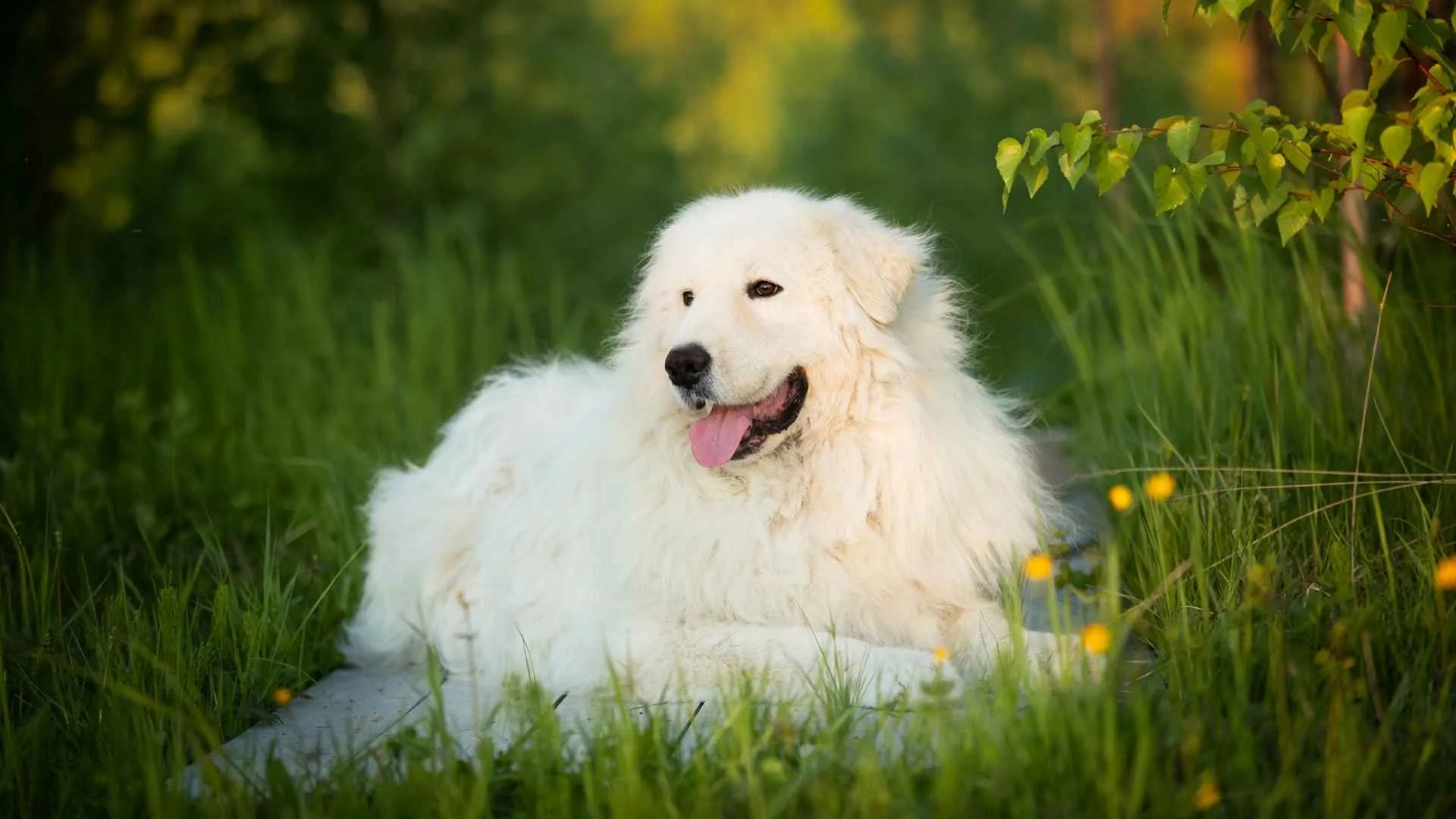
The Maremma Sheepdog is a large guardian breed from Italy, where it was used on the farm to guard sheep from predators.
This mountain dog has been around for a long time and is still used in places where wolves remain a threat to farmers and livestock. It can also protect cattle, goats, and other animals, showing a broad working nature.
This breed is alert and protective of sheep, chickens, people, and territory, and it takes that job seriously around the property.
The Maremma Sheepdog is good with family and children but can be wary of strangers, so early training and socialization matter for owners. Even when relaxed, it may stay watchful and ready to bark a warning if it senses danger.
The coat is thick and double-layered to handle outdoor conditions, and regular brushing supports coat care. This dog breed is intelligent but not the type to obey blindly, which means training takes patience and proper training habits from humans.
It likes company, can live well with canines, and often becomes one of the most loyal companions in ranch life.
Why This Breed Is a Good Fit
Excellent for ranch homes that need a calm guardian with a loud warning bark.
Protects livestock and property while still bonding closely with the family.
A great match for patient owners who respect a dog that likes to think first.
8. Old English Sheepdog
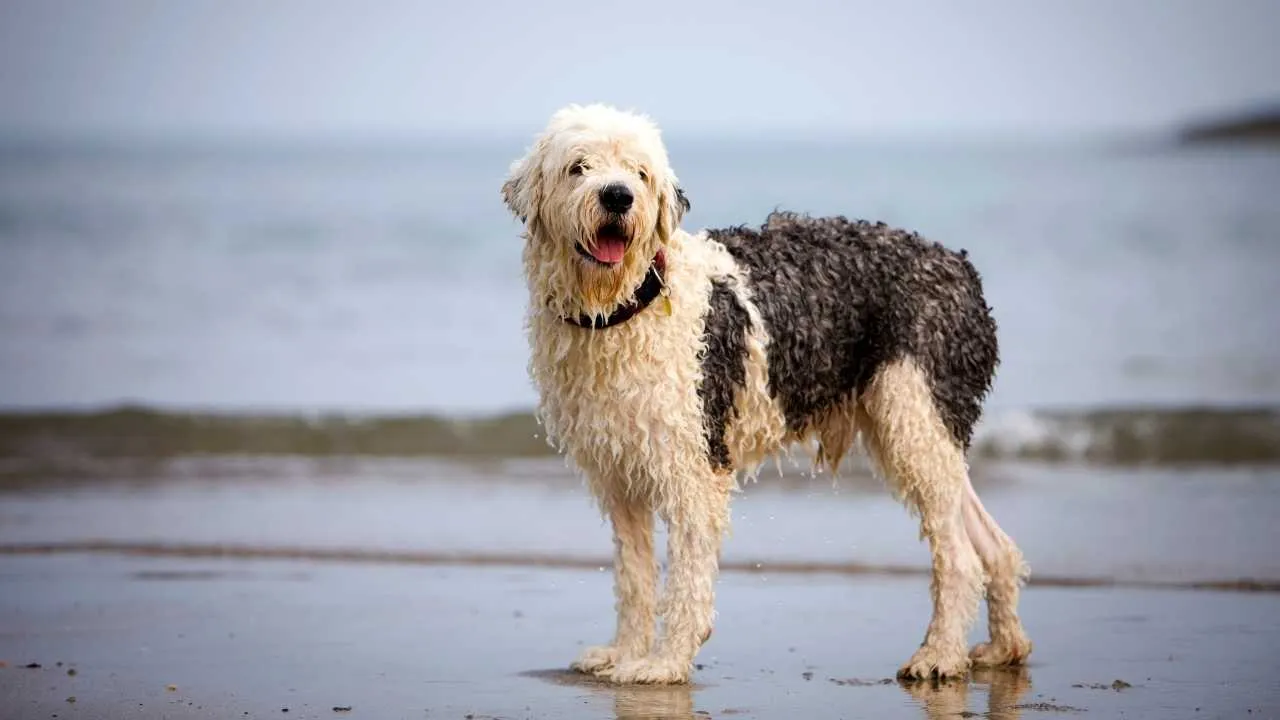
The Old English Sheepdog is a shaggy, playful working breed with a long history of moving sheep and cattle from farm to market.
This English Sheepdog has a jolly look, but it was developed for real work and should not be treated like a decoration. Its large body and lively personality make it a memorable ranch companion with purpose.
Despite the fluffy coat and cheerful expression, the Old English Sheepdog needs mental and physical exercise to stay healthy and happy.
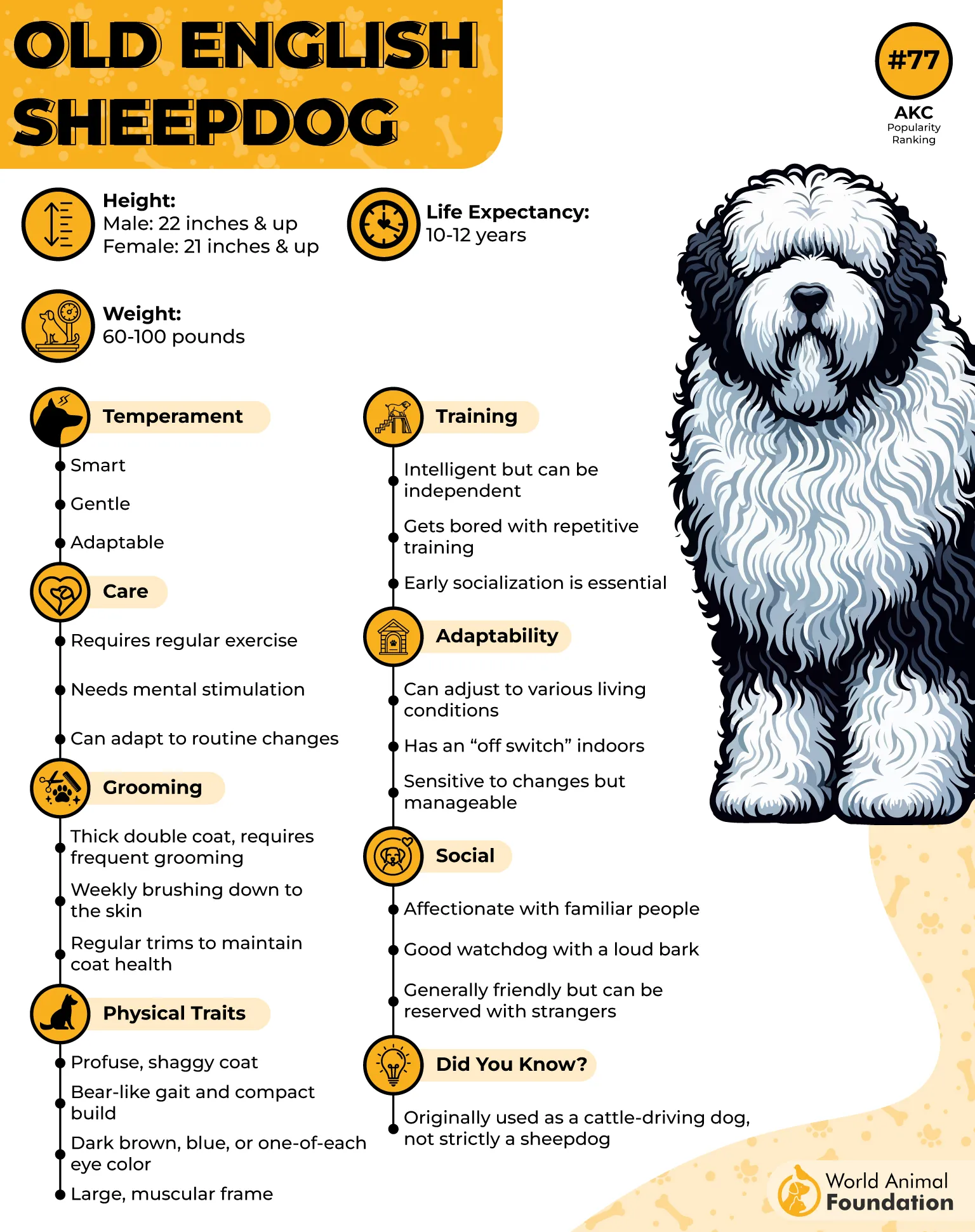
This breed was originally bred to move livestock, so herding remains part of its nature even when living with a family. It can be affectionate and fun with kids, while still carrying the energy needed for a working job.
The coat and size grab attention, but the best traits show up in attitude, loyalty, and willingness to stay active with humans.
This dog does best with owners who enjoy training, routine, and giving it room to move on a farm or ranch. Among popular herding breeds, the old English sheepdog brings charm and work ethic in the same package.
Why This Breed Is a Good Fit
Great for families who want a playful ranch dog that still loves a real task.
Handles active days better than lazy routines, which suits farm schedules well.
Brings personality, movement, and loyalty to the property without losing its working roots.
9. Belgian Malinois
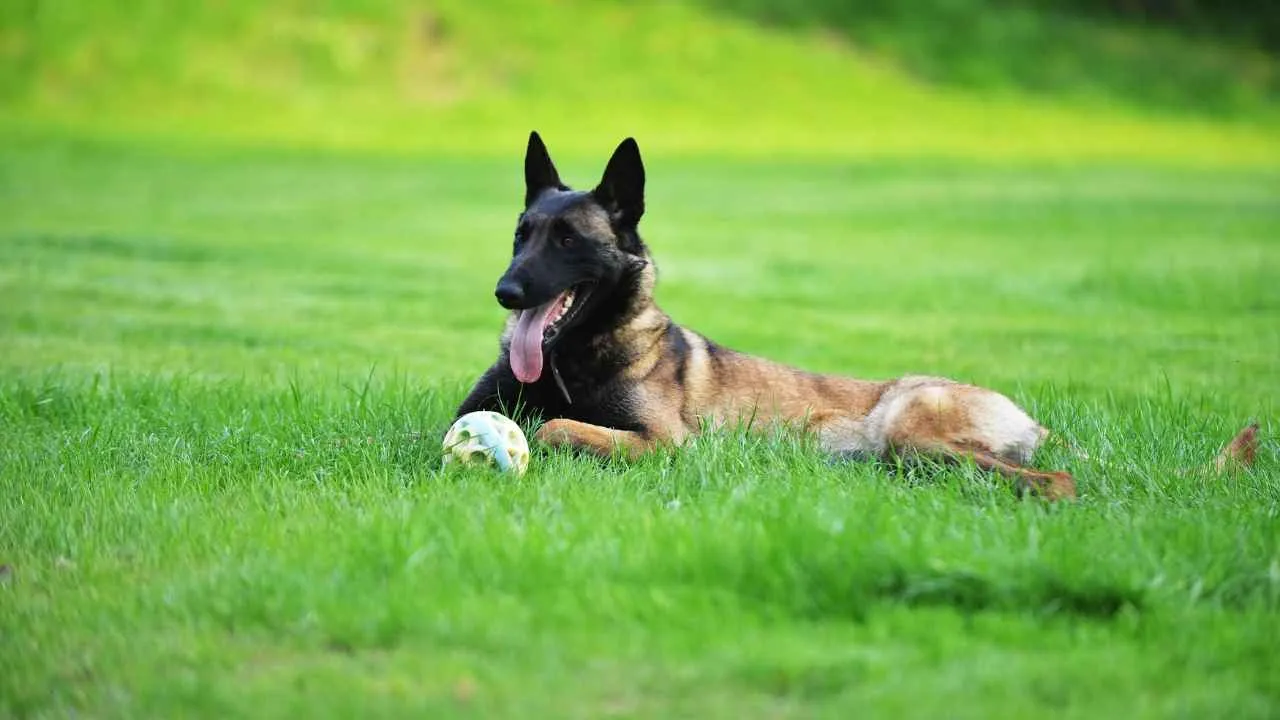
The Belgian Malinois is a smart, confident, versatile breed with a strong bond to its human partner. This dog is squarely built, well-muscled, proud, and alert, with a no-frills look that fits a serious worker. As one of the working dogs with a herding background, it carries itself as if it expects a job and a purpose.
This breed needs plenty of exercise and close time with owners, because being underemployed can create problems fast.
A Belgian Malinois is intelligent, eager, and highly responsive in obedience work, which makes training a central part of daily life. For ranch homes, that combination of energy, focus, and loyalty can support active routines on the property.
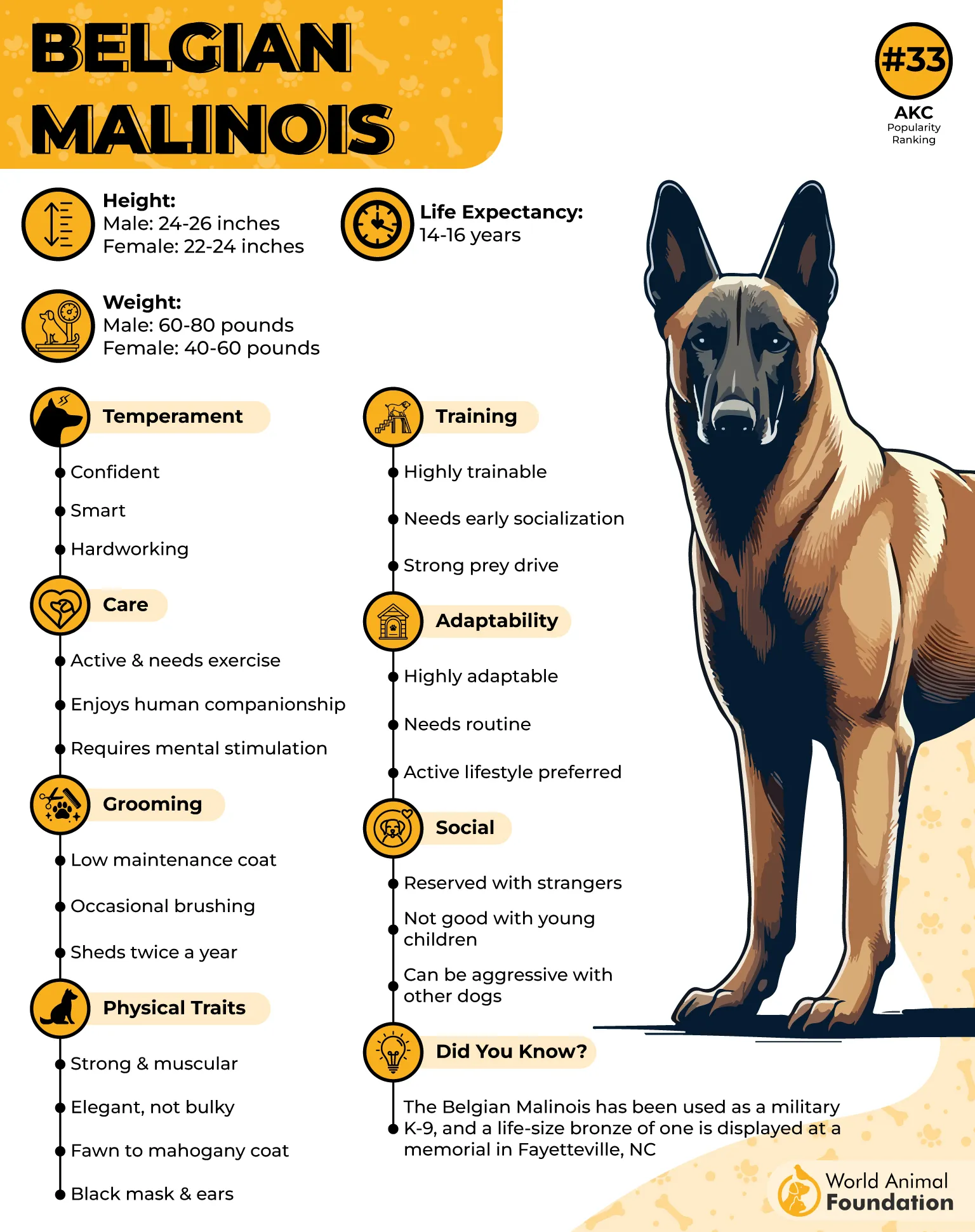
Its fawn to mahogany coat, dark mask, and bright eyes give it a sharp look, but the real strength is in attitude and drive. This dog thrives when humans include it in movement, tasks, and structure instead of leaving it alone for long stretches.
With consistent training, it can become one of the most loyal and smart companions in a busy ranch setting.
Why This Breed Is a Good Fit
Perfect for owners who want a hands-on partner, not a dog that sits out the action
Loves working side by side, which fits ranch life where teamwork matters.
Great option when you can provide training, movement, and daily engagement
Conclusion
The best ranch dog is the one that matches your land, daily routine, and the kind of work you need done. Some breeds are built for herding cattle and sheep, some are better at guarding livestock from predators, and others help with pest control around the farm.
What matters most is choosing a dog with the right traits, energy level, and temperament for your family and property. With good training, regular exercise, and a clear job, these working breeds can become loyal partners and excellent companions.
They do more than help with chores. They become part of the rhythm of ranch life. Pick wisely, stay consistent, and your dog can be one of the most valuable members of your team.
