




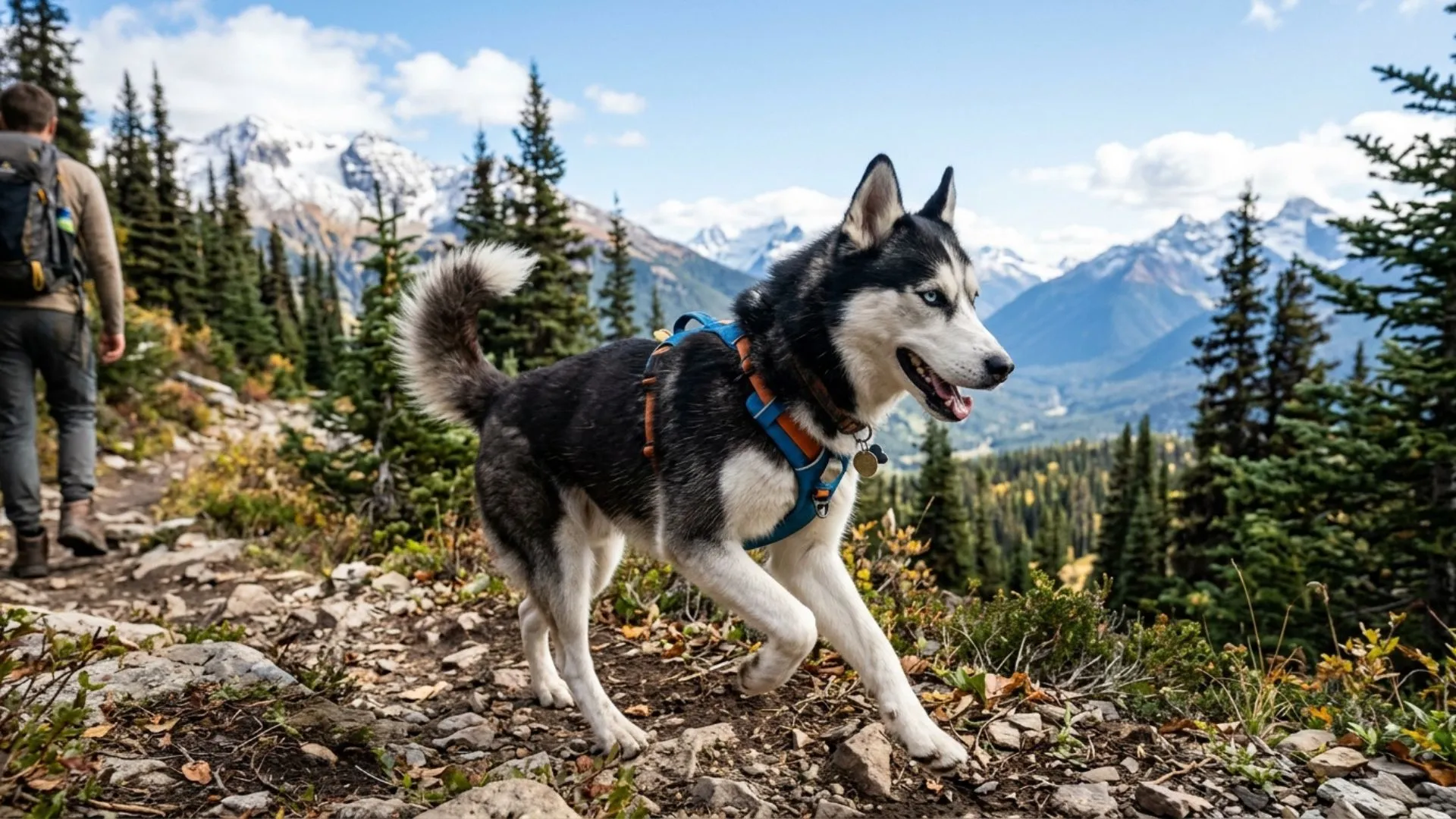
You lace up your hiking boots. Grab your water bottle. And there’s your dog, already at the door, tail spinning like a helicopter. Some dogs aren’t just pets; they’re built for outdoor adventure.
According to the American Pet Products Association, over 71 million U.S. households own at least one dog, but not every breed is ready to tackle a 10-mile trail run on a Saturday.
As actor Chris Evans once said, “My dog is my best adventure partner. He does not complain, does not ask for snacks, and always wants to keep going.” With proper care, training, nutrition, and love, your dog can become a lifetime hiking companion and loyal outdoor buddy.
If that sounds like your dream adventure partner, you’re in the right place. Let’s explore the top dog breeds that truly thrive in the great outdoors.
Dog Breeds That Thrive in Active Outdoor Lifestyles
1. Border Collie
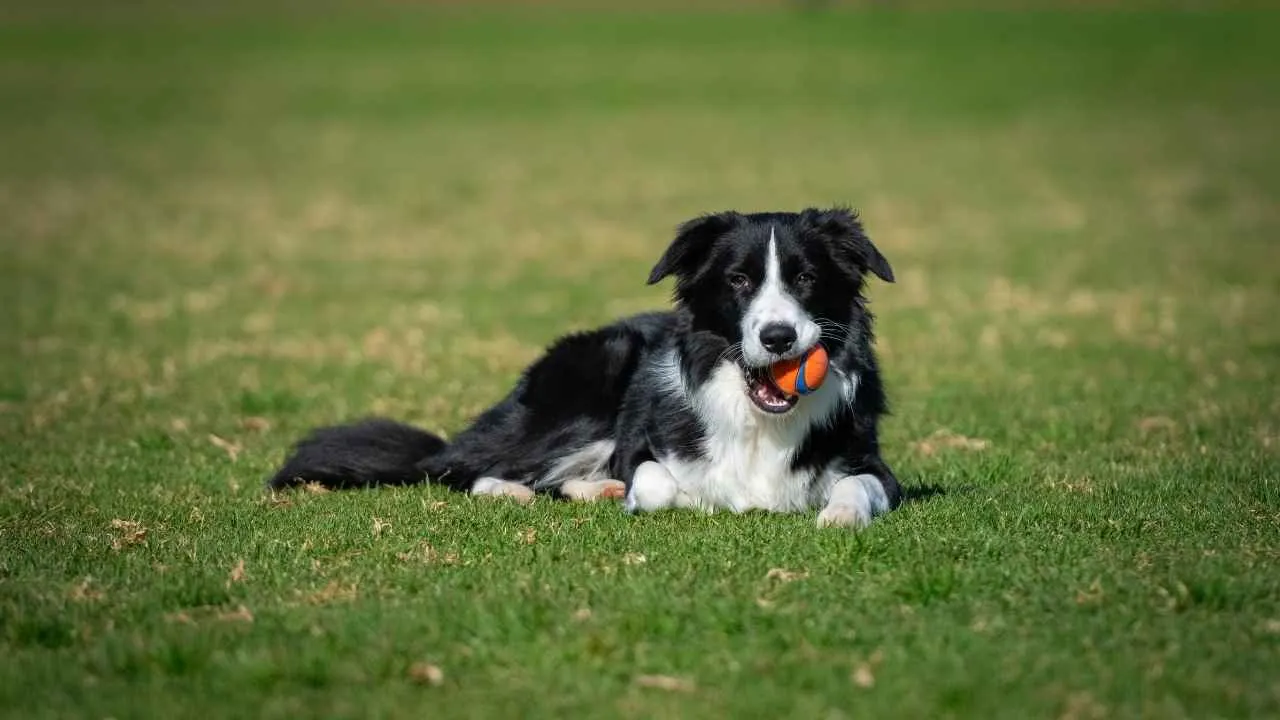
This medium-sized herding dog originated in the Anglo-Scottish border and descended from a traditional sheepdog. It primarily serves the purpose of a herding dog and a companion dog, and is considered the most intelligent dog breed, according to Wikipedia. The word ‘collie’ comes from Celtic, which means “useful.”
The strong cardiovascular system consists of a large heart that rapidly supplies oxygen-rich blood to the muscles. The combination of defined muscular stature and strong bone density helps it to suddenly start, stop, and make sharp turns (a flexible spine gives a low centre of gravity). A thick and weather-resistant double coat provides insulation against high temperatures and chilly winds.
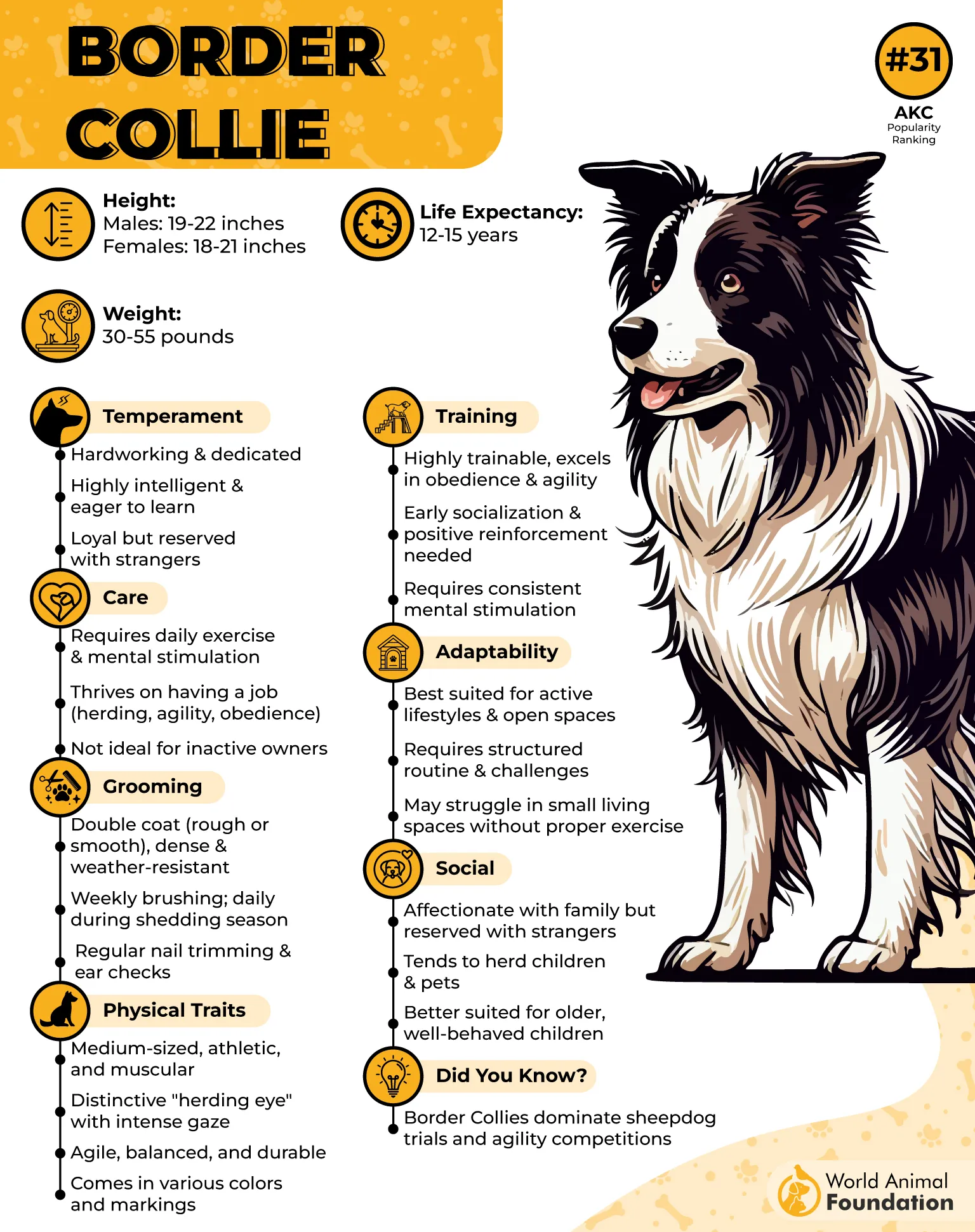
This active dog breed has a total visual field of 240-250 degrees. The binocular zone allows both eyes to focus on the same object simultaneously to calculate distance. This dog excels in outdoor activities (1.5-2 hours) of daily exercise is needed: Canine sports, agility training, and puzzle toys are recommended for physical and mental stimulation.
2. Siberian Husky
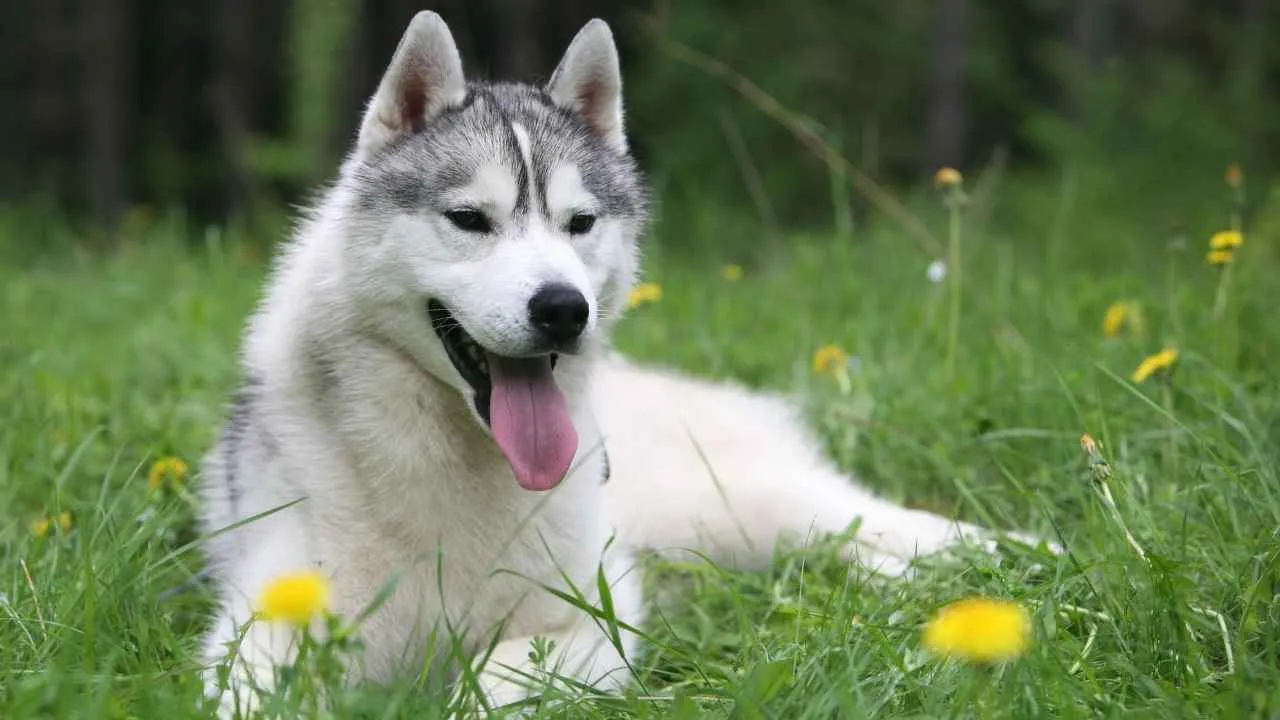
One of the oldest and purest northern sled dogs, dating back 3,000 years, the Siberian Husky was selectively bred to pull heavy sleds. It was also used for search and rescue operations during World War II. The breed has a thick and dense double coat that protects it against the freezing winds of Siberia and webbed feet that help in swimming.
This outdoor dog has a high aerobic threshold, which allows it to work for hours across long distances. It uses the burning of fat stores for fuel, which prevents lactic acid build-up. The rapid cardiovascular system processes oxygen so fast that this breed is ready for another run within 20 minutes. The ground covering gait minimizes the energy loss by distributing the weight evenly (thanks to the incredible paws).
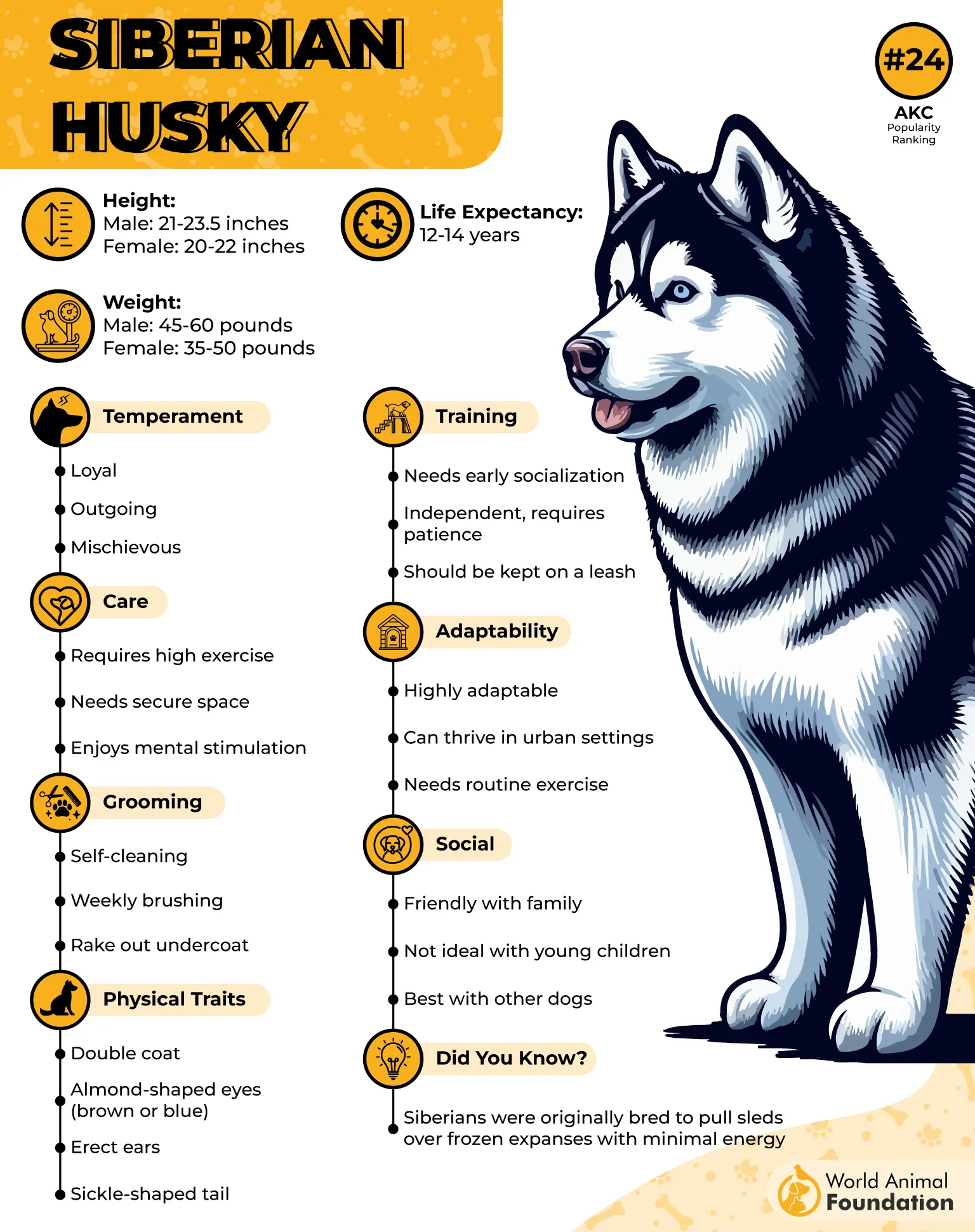
The extensive network of arteries and veins in the paw pads serves the purpose of warm blood transfer to the cooler returning blood, keeping the paws warm in cold weather. This excellent outdoor companion excels in outdoor sports (1-2 hours): running, jogging, biking, and obedience sessions.
3. Vizsla
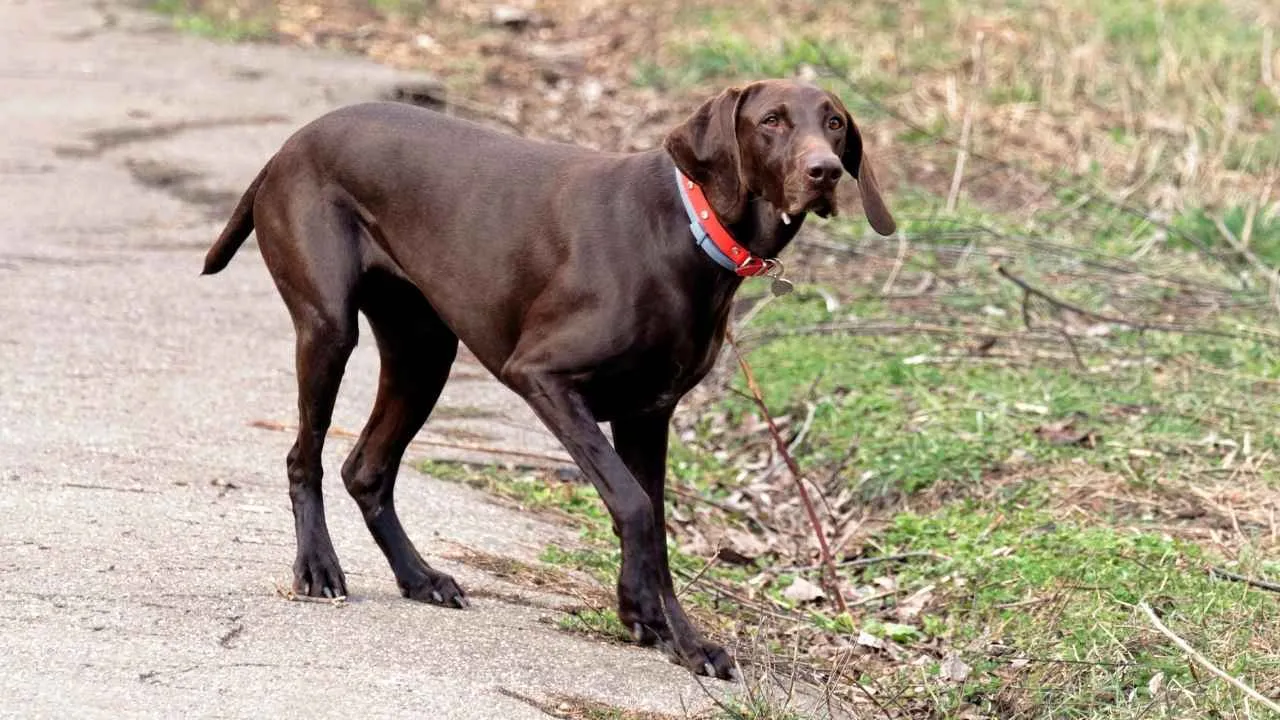
According to some speculations, this high-energy dog is a cross of a Weimaraner and many Pointer breeds in the 20th century, originally bred in Hungary. However, the Hungarian breeders believe that the Vizsla has existed since the 11th-12th century, hunting Magyars and their falcons. It fought for its survival in the 20th century and was bred with Pointers to gain strength, as per Purina UK.
A deep chest provides great lung capacity. It allows optimal oxygen intake and distribution to the muscles while running. The gallop and ground-covering trot are done by moderately angled hindquarters and well-laid shoulders. It has a single-layered short coat, which dissipates heat while working in an intensely hot environment.
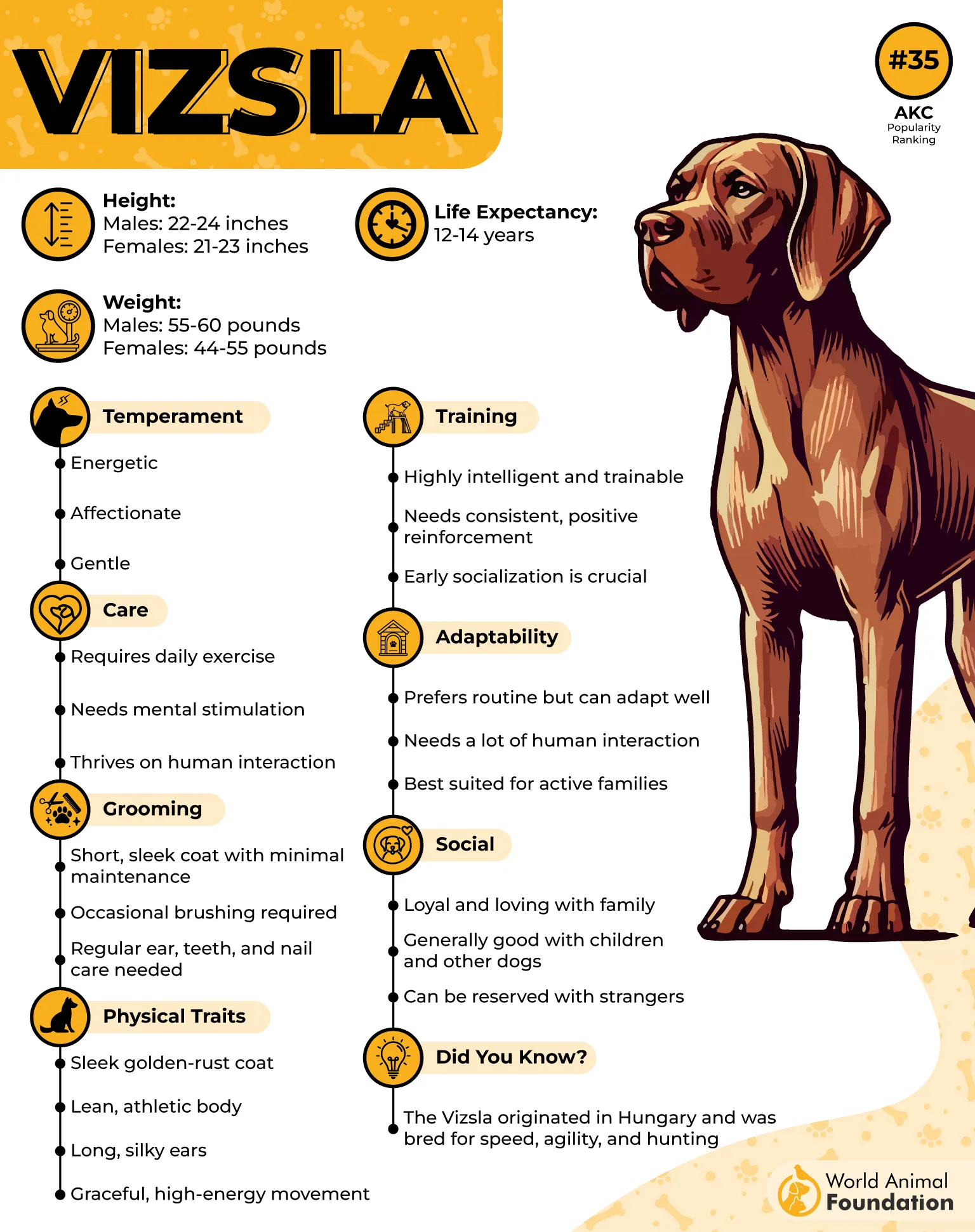
This hunting dog has a strong sense of smell, with 150-200 olfactory receptors. Since the Pointer breed has some genetic contribution, this breed thrives in water retrieving game. It runs at a speed of 40 mph. Focus on short play sessions til the puppy reaches 18-24 months.
4. Australian Shepherd
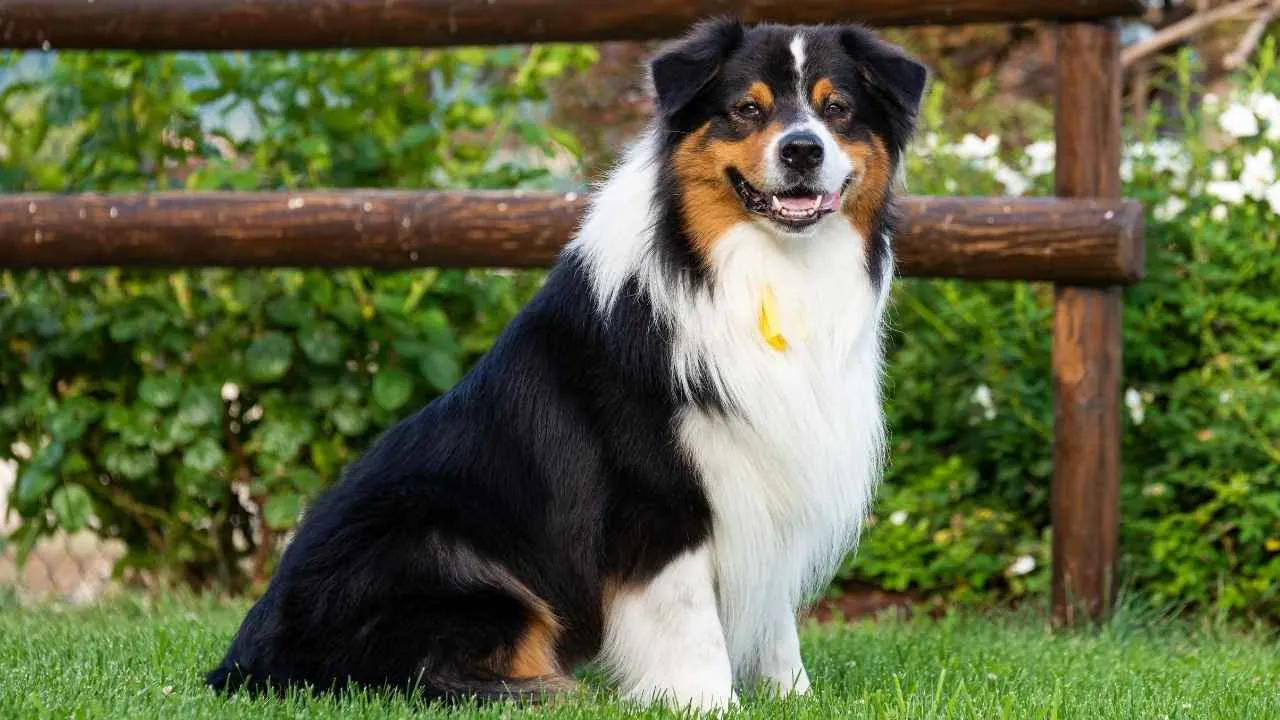
The breed developed near the Pyrenees Mountains, where the Basques lived, known for being one of the finest shepherds. They built up this breed and moved to California, where the local ranchers misinterpreted the breed as native to Australia, calling it an Australian Shepherd.
It was bred to trot alongside horse-drawn carriages and herders all day. This great dog has efficient oxygen-processing capabilities that delay fatigue. The coat repels dirt despite providing protection against cold weather. This is an extremely intelligent dog, which means it is highly trainable and learns complex commands within a few repetitions.
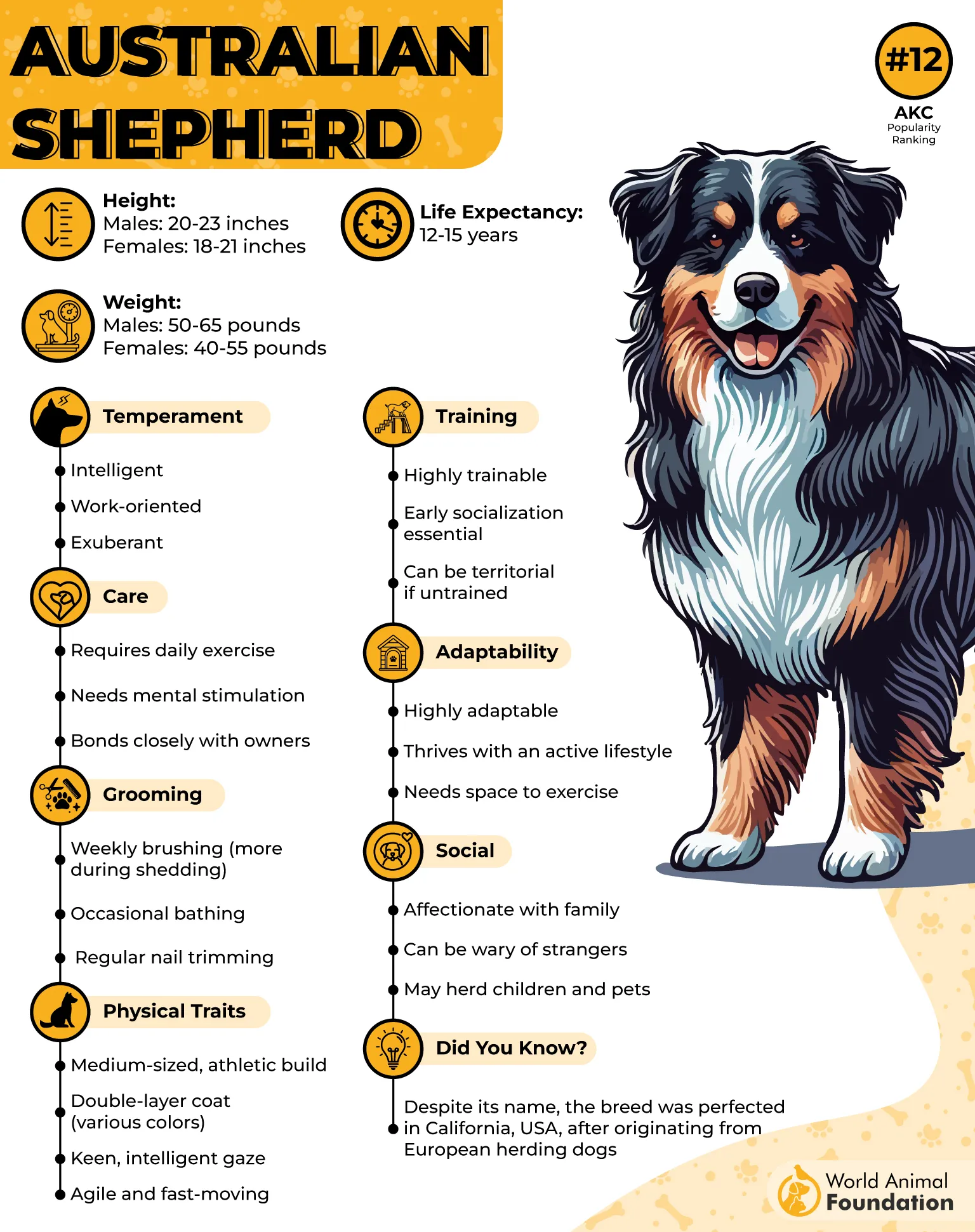
The low-set hocks in the hind legs are designed for endurance, rather than sudden speed bursts. This energetic breed needs daily exercise for 60-90 minutes: brisk walks, jogging, swimming, fetching, flyball, agility, and herding trails, etc.
5. German Shorthaired Pointer
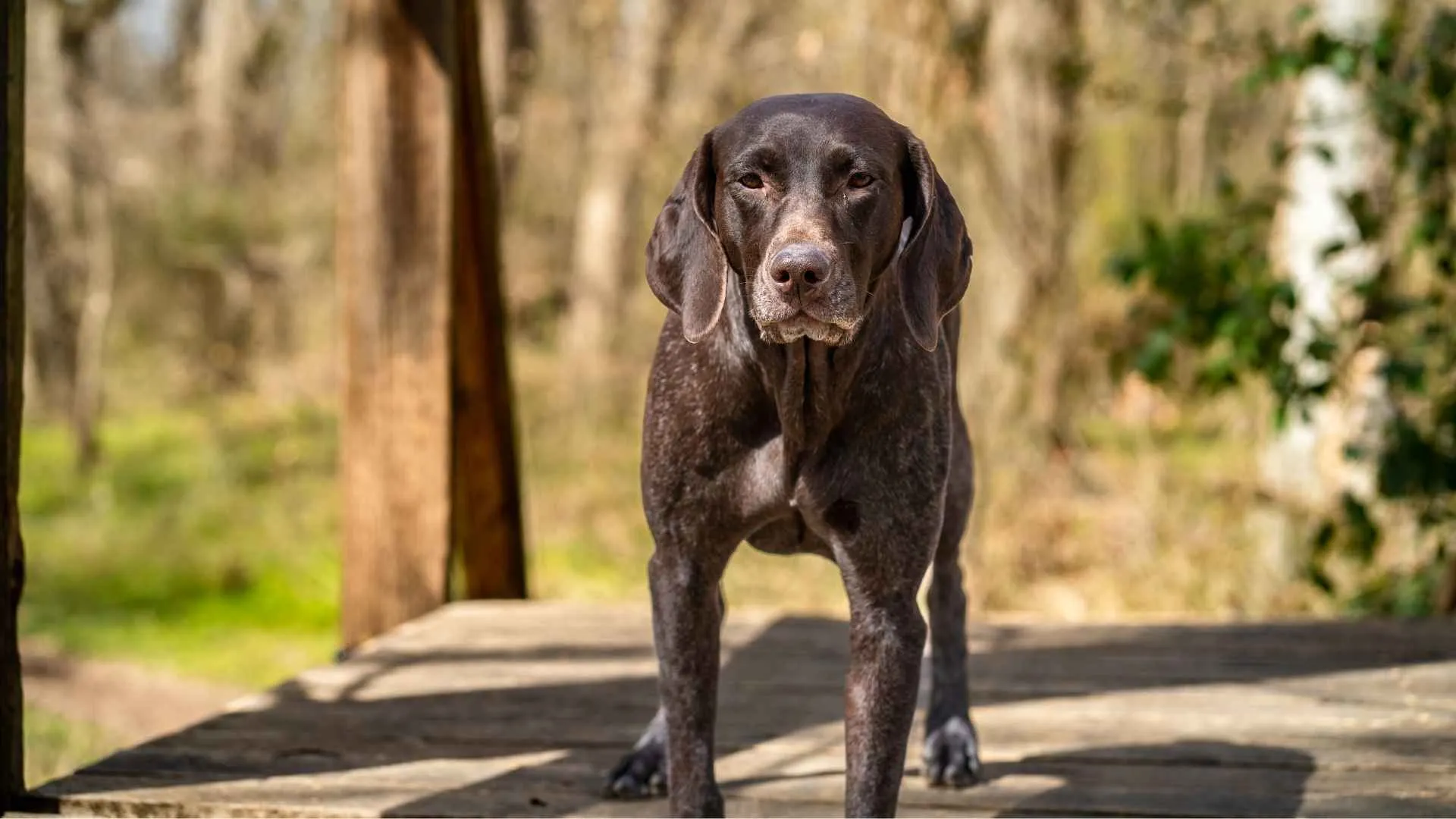
Also known as “bird dog,” the German Shepherd Pointer is a hunting dog used to retrieve game birds. It freezes at a point and points in the direction of the target with its nose to help the hunters, according to PetMD. It typically weighs 45-70 pounds and stands 21-25 inches, known for agility, speed, and endurance.
This great outdoors companion has the maximum oxygen consumption capacity (VO2 max), enabling the heart and lungs to deliver oxygen rapidly to working tissues.
The musculature mainly depends on Type I and Type IIa muscle fibers, which are rich in myoglobin, so continuous energy production. The strong and long muzzle has a large number of olfactory receptors, enabling a strong sense of smell.
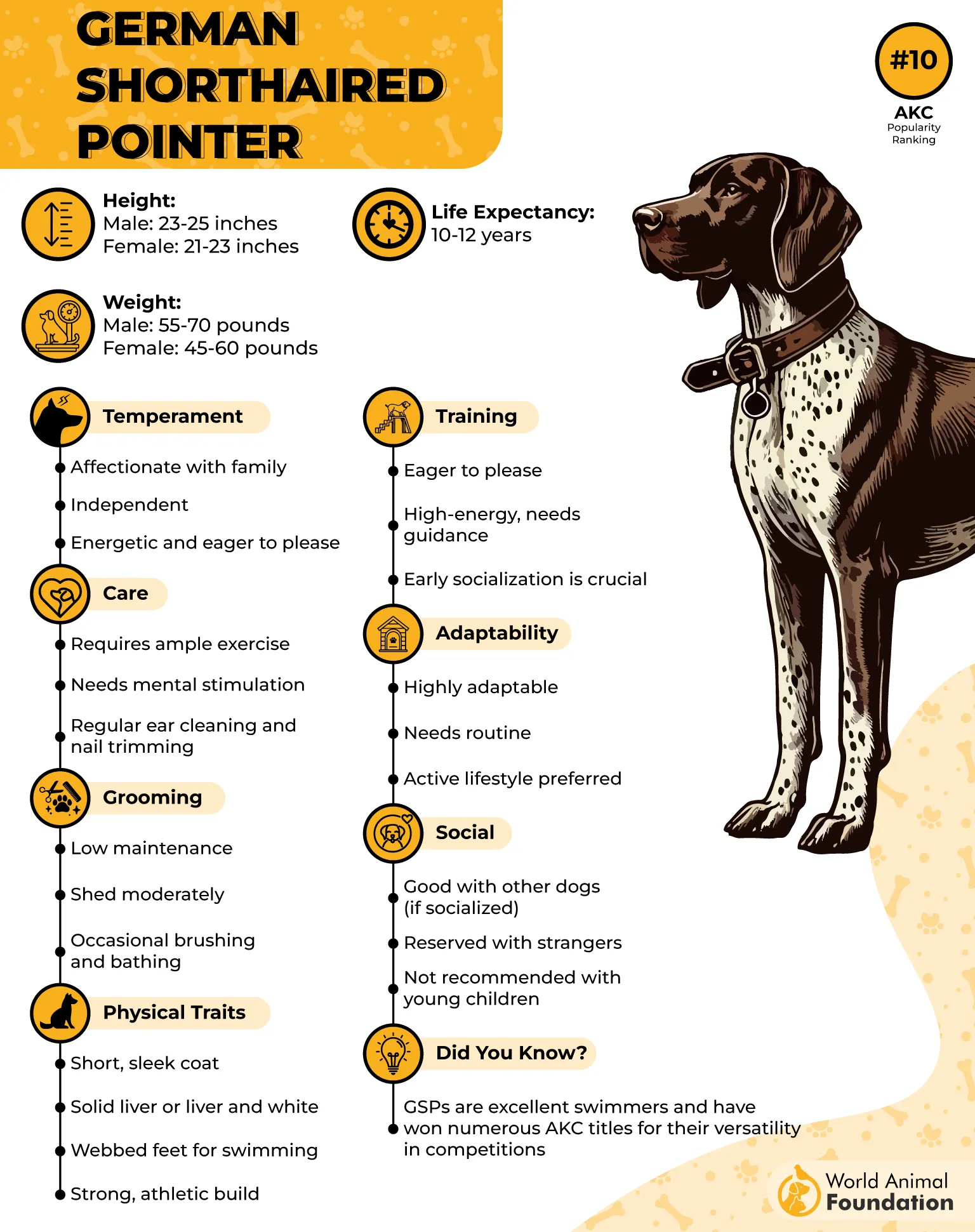
Adults have intense exercise requirements, such as fetching, hiking, running, and dog sports. The pups have developing joints, so short and light exercise sessions are needed. Add scent work and puzzle toys for mental stimulation.
6. Australian Cattle Dog
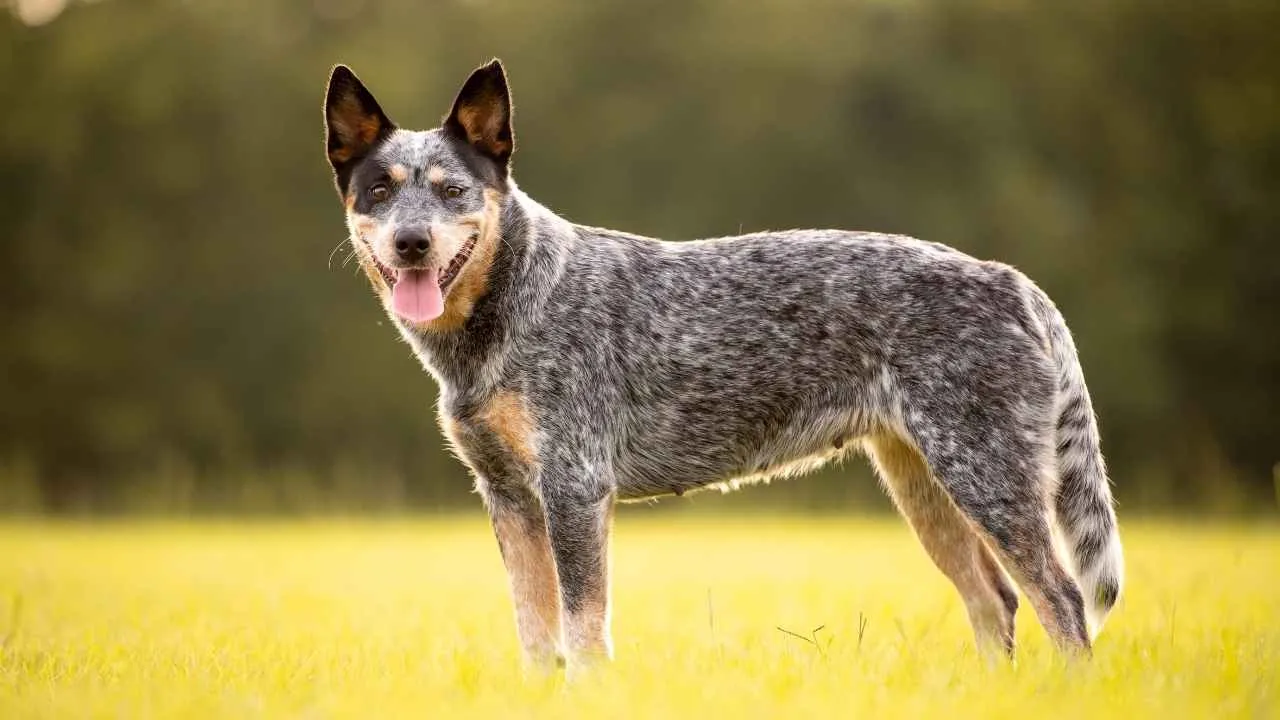
Australian stockmen found that Collies were not tough enough for bold livestock and harsh conditions in the 1800s. It went under crossbreeding for over 60 years, and the modern-day Australian Cattle Dog is the result of various dog breeds, including Sheepdog, Dingo, Collie, Dalmatian, and Bull Terrier. It nips at the heels of the livestock to guide them.
This loyal breed has a muscular body that excels in propulsion and explosive acceleration. It requires a diet rich in proteins, fatty acids, and nutrients to support joint health. The strong body is a perfect match of fast-twitch fibers for speed and slow-twitch fibers for endurance. It is a velcro dog and makes strong bonds with family, children, and other pets.
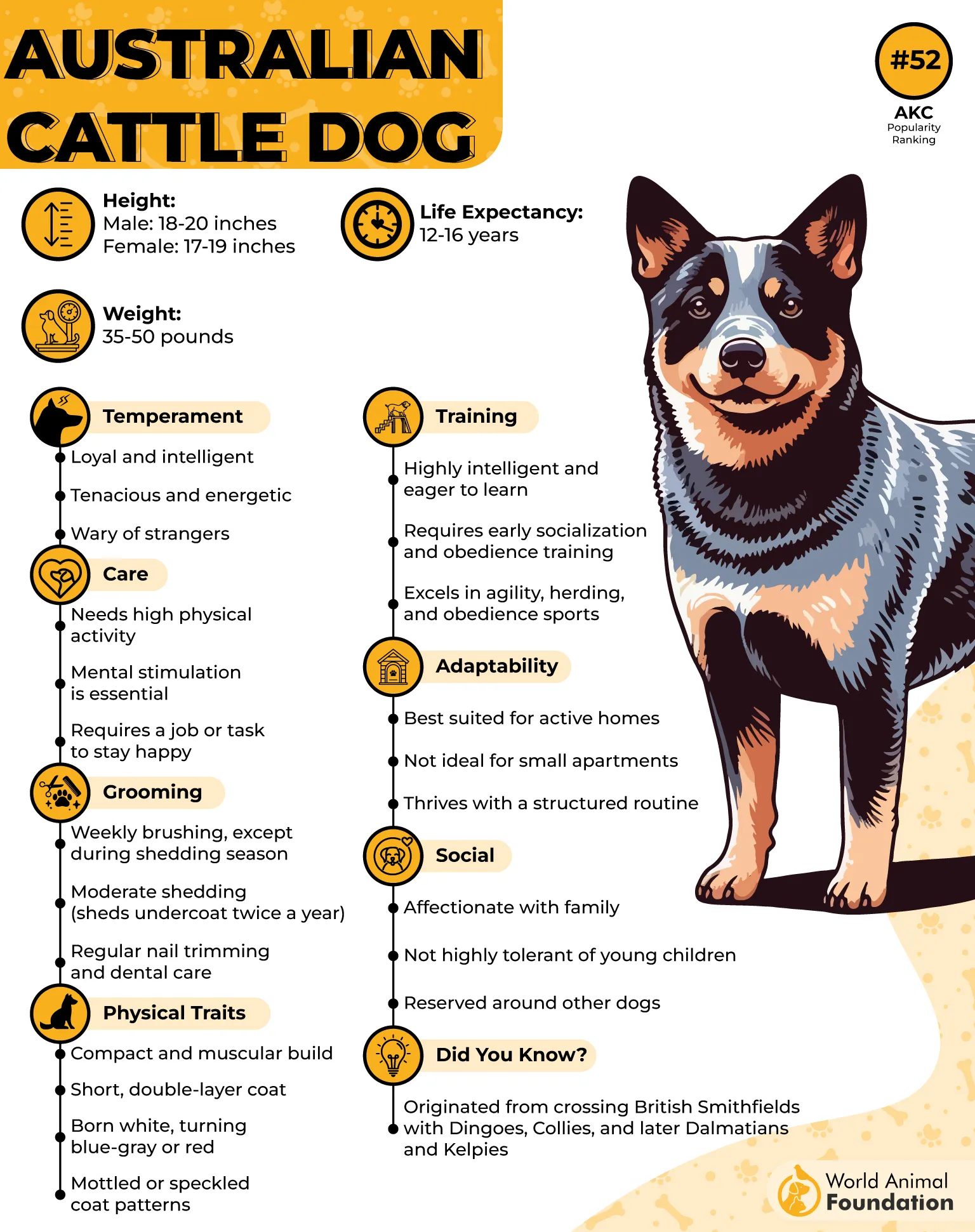
This athletic breed has moderate-to-high exercise needs (90-120 minutes): long-distance running, biking, jogging, playing frisbee, fetching, flyball, herding trails, and canine sports. Proper training and early socialisation with positive reinforcement are important.
7. German Shepherd
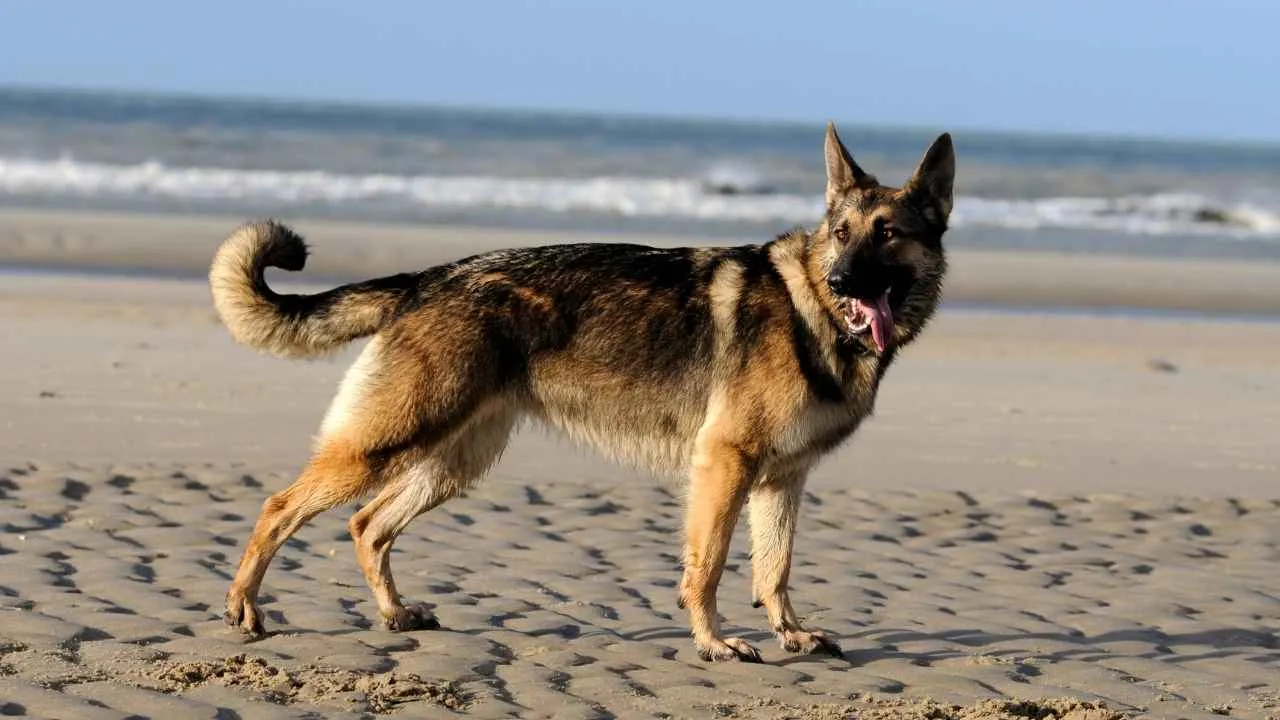
Capt. Max von Stephanitz developed the breed in 1899 as a herding breed by crossing an old farm dog and a shepherd dog. This smart breed is widely used in assistive, SAR, protection, therapeutic, and herding jobs. The third most intelligent dog breed, the GSD, has high emotional intelligence and can cope with intense traumatic events such as wars, surpassing the Labrador Retriever.
A working GSD can increase its cardiac output by 200% during exercise. It has a high body-to-height proportion (10 to 8.5). The flowing gait allows maximum ground coverage. The intimidating body naturally deters strangers. However, the breed makes strong bonds with one person, and the bite force of 238 PSI, it can tear the muscles apart and break the bones.
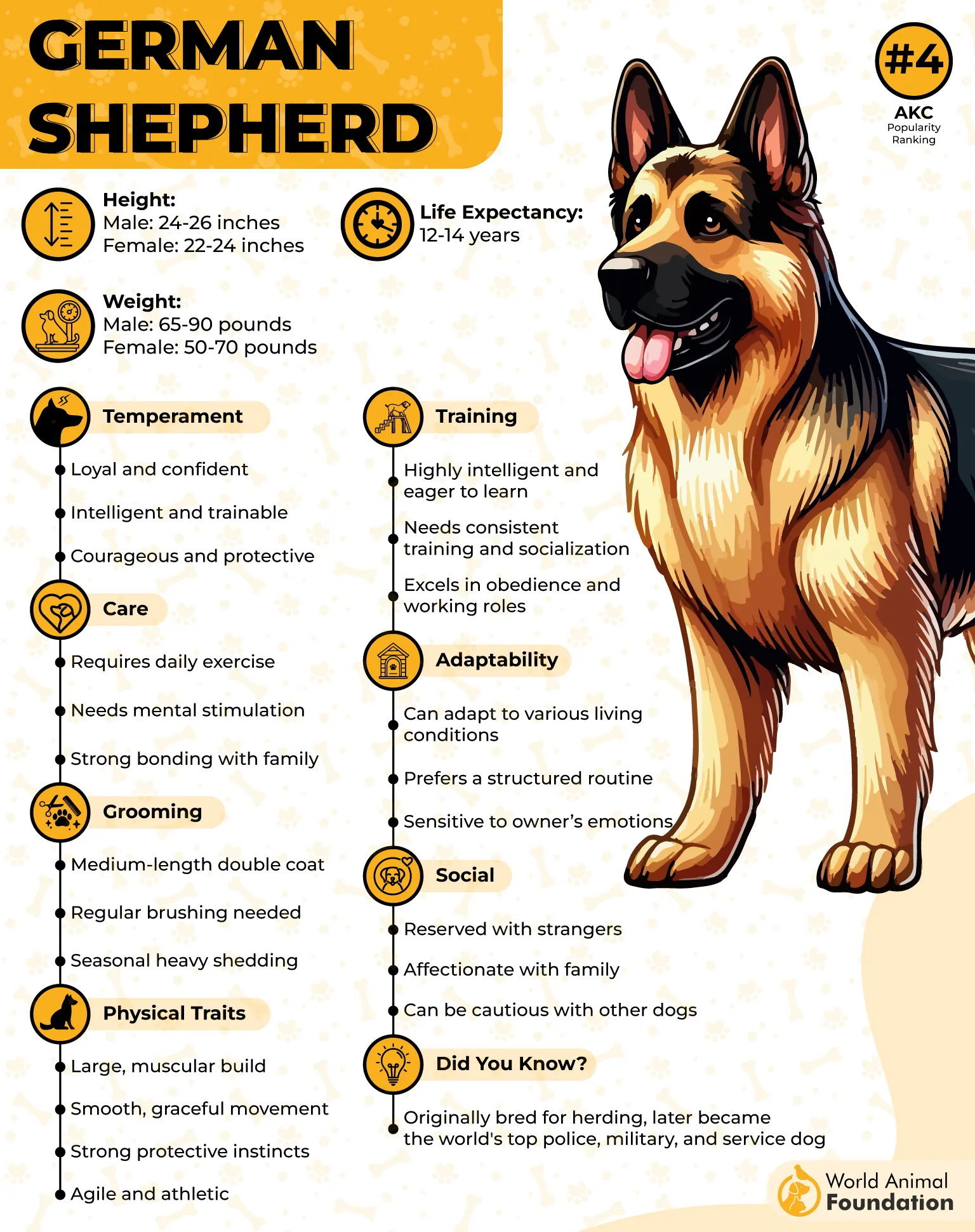
This strong dog needs daily exercise for 1-2 hours. Five minutes rule must be followed for puppies, where the training periods should be increased to 5 minutes each month to prevent bone or joint damage. The seniors require low-impact exercise for 30 minutes.
Conclusion
Finding the right dog breed for an active lifestyle is not just about picking a breed that can keep up. It is about finding one that wants to. Each dog on this list brings something different to the trail: the Border Collie’s genius, the Husky’s raw endurance, the Vizsla’s emotional depth, the Aussie’s fearless spirit, the GSP’s versatility, the Cattle Dog’s toughness, and the GSD’s quiet, dependable loyalty.
The bond between an active human and a right dog is something special. You push each other. You cover ground together. You sit at the summit, muddy, tired, completely happy, and neither of you wants to go home. Do your homework before adopting. Talk to breed-specific rescues. Exercise your new dog’s mind as much as their legs.
