




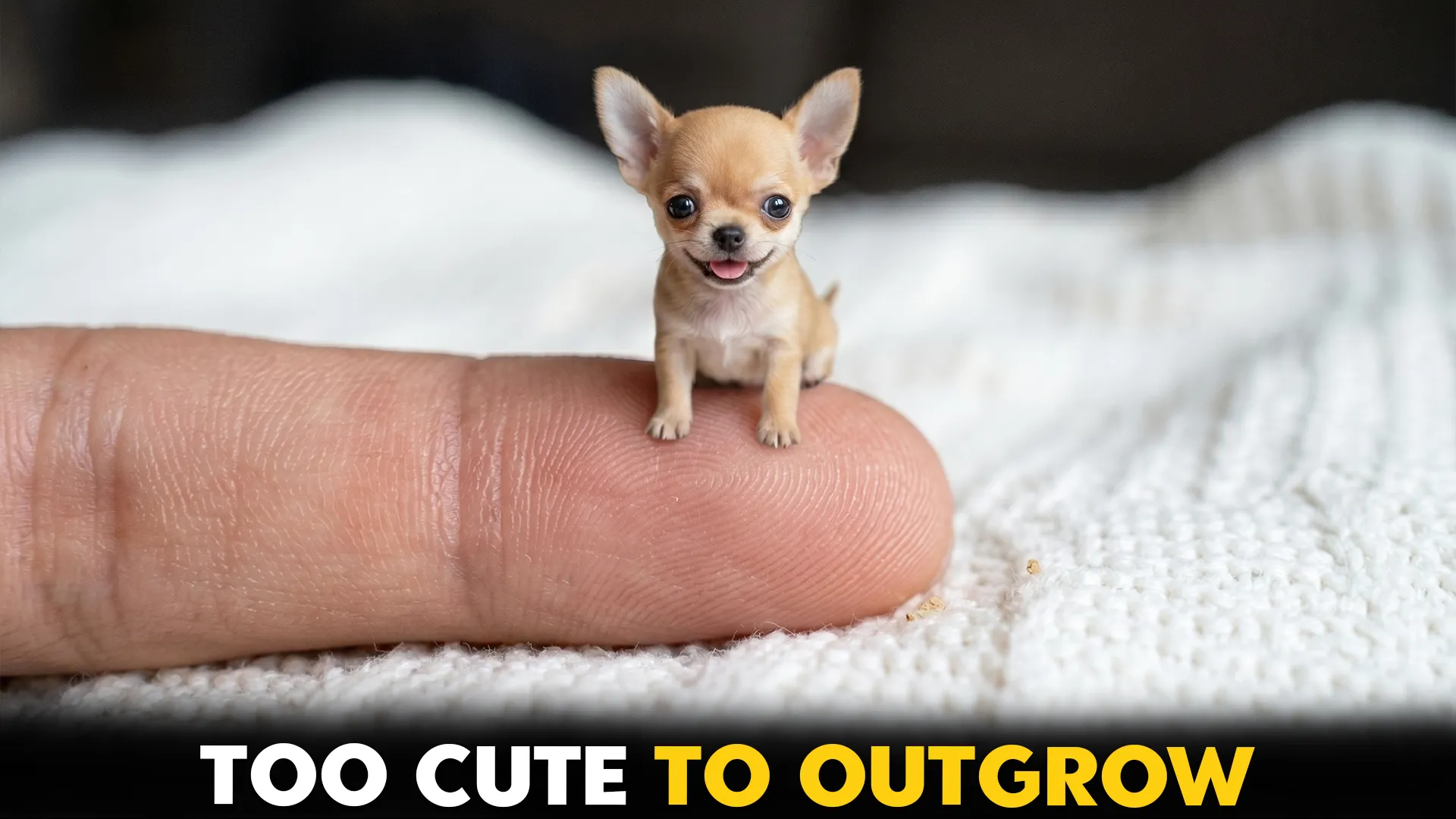
You have seen them. The little fluffball peeking out of a celebrity’s tote bag. The dog the size of a sneaker, barking at a Labrador like it simply does not register the size difference.
Small dogs have a reputation, sometimes unfair, but anyone who has owned one knows the truth. These tiny creatures carry the biggest hearts.
According to the American Pet Products Association, over 71 million dogs live in U.S. homes, and small breeds consistently top the popularity charts. Whether you are in a one-bedroom apartment or a house with a yard, a small dog fits naturally into the picture.
Here are seven breeds that stay small but love without limits.
Dog Breeds That Stay Tiny, Forever Loyal Friends
1. Chihuahua
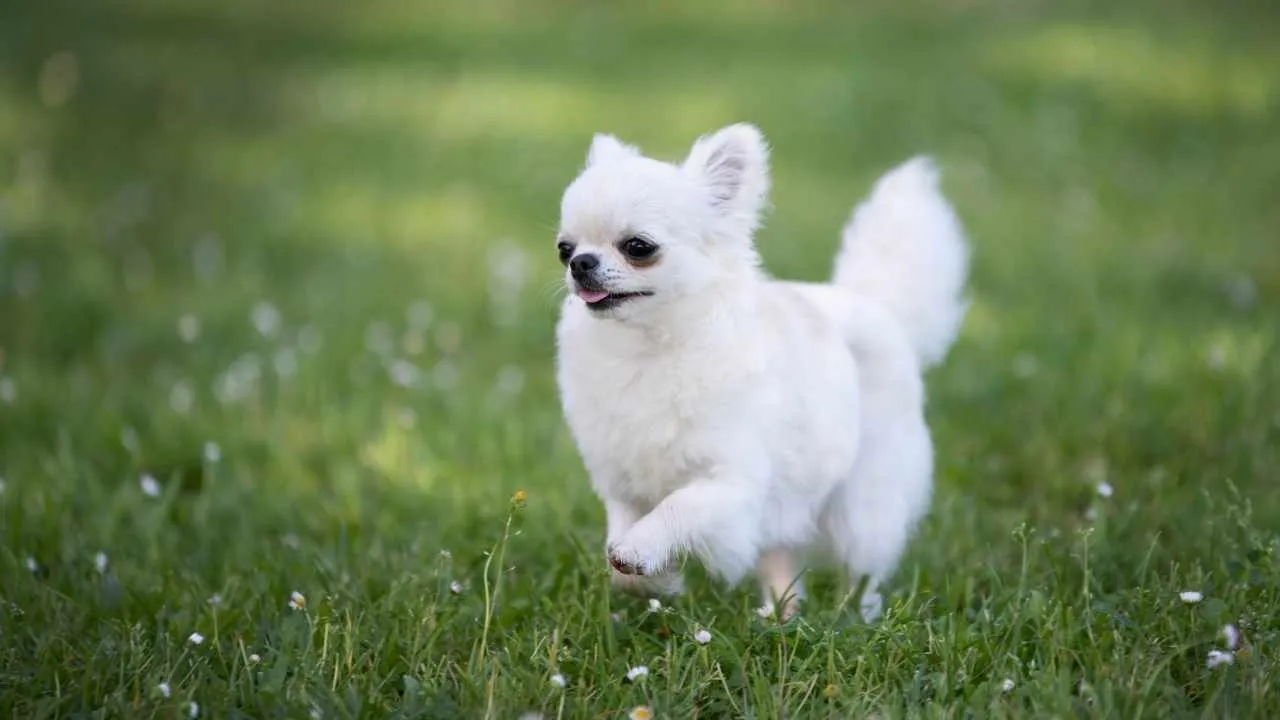
The Chihuahua is the smallest dog breed in the world, weighing no more than six pounds. Originally kept as a companion by the Mayans and Toltecs in Mexico, it is instantly recognisable by its round dark eyes, pointed muzzle, erect ears, and a coat that comes in both short and long varieties across a wide range of colours, according to Orvis.
What makes the Chihuahua remarkable is the depth of its bond with its person. Studies suggest that mutual gaze between dogs and their owners triggers the release of oxytocin, the bonding hormone, and few breeds pursue that connection as intensely as the Chihuahua. It is a true Velcro dog, attuned to its owner’s mood, responsive to emotional shifts, and genuinely unsettled by extended time alone.
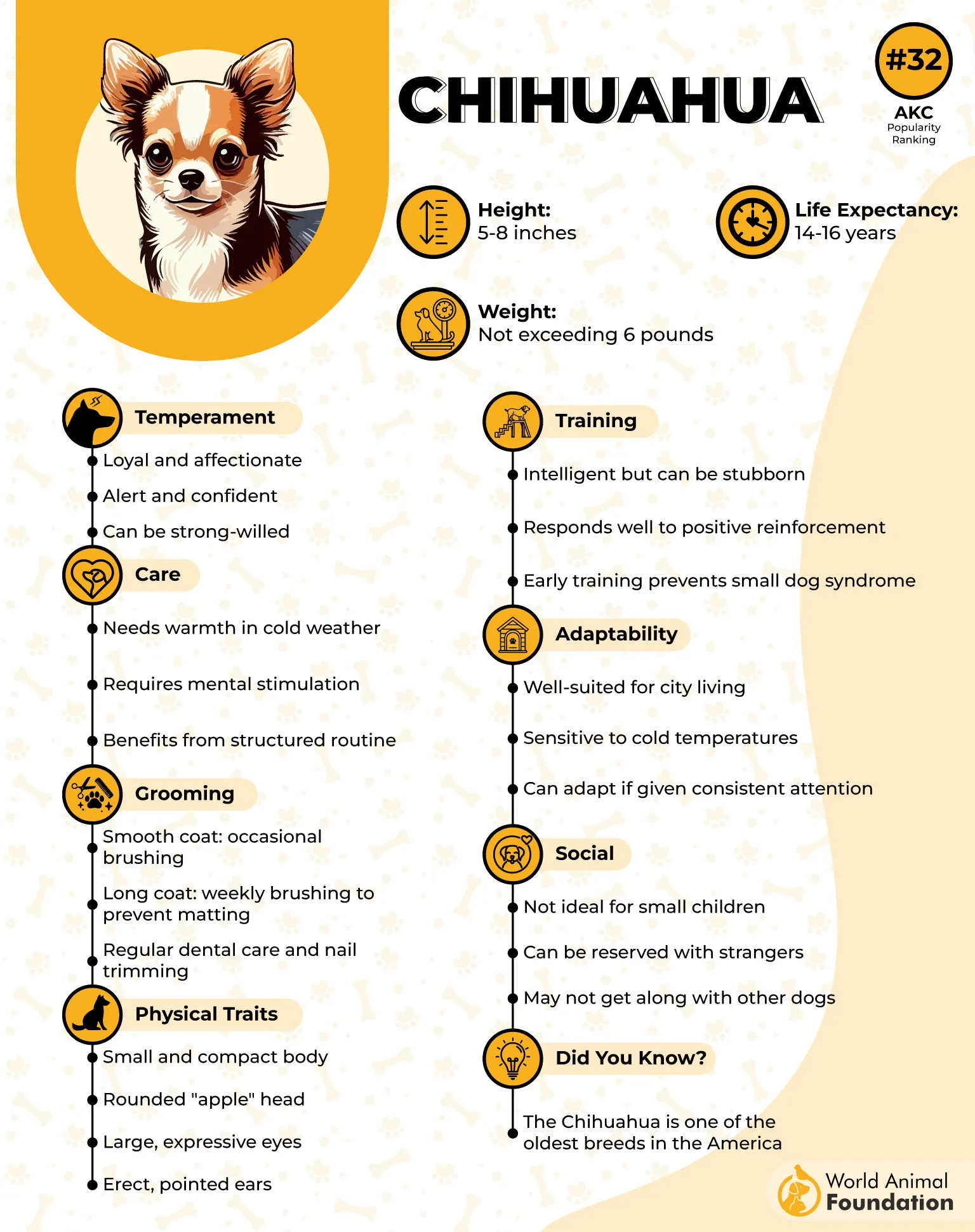
That devotion, however, comes with a fiercely protective streak. The Chihuahua claims its favourite person as its own and will not hesitate to make that known, through snapping or snarling, toward anyone it perceives as a threat.
The so-called “Armpit Piranha” reputation is well earned: this tiny dog will tuck itself close to its owner and launch a surprisingly bold defence when it feels the situation calls for it.
2. Pomeranian
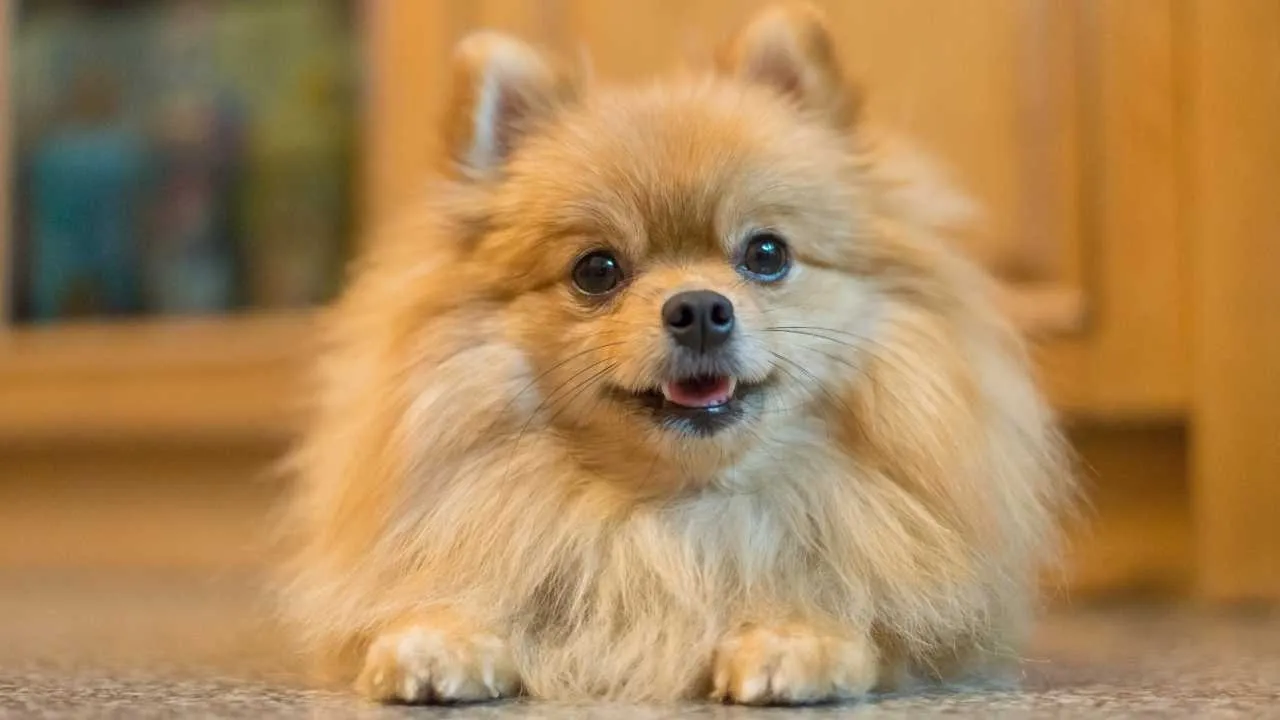
The Pomeranian descends from a lineage of large Spitz sled dogs, relatives of the Chow Chow, Alaskan Malamute, Akita, and Samoyed. Originally weighing close to 30 pounds and used for herding, the breed underwent significant size reduction over generations, particularly following the reign of Queen Charlotte, settling into the compact three to seven-pound companion it is recognised as today.
Deeply attuned to human emotions, the Pomeranian reads its owner’s body language, vocal tone, and energy with impressive accuracy. Its herding heritage gives it a strong protective instinct and a notably alert disposition; it barks readily to signal anything unusual, and with the ability to detect sounds well below the threshold of human hearing, it functions as a remarkably sensitive natural alarm system.
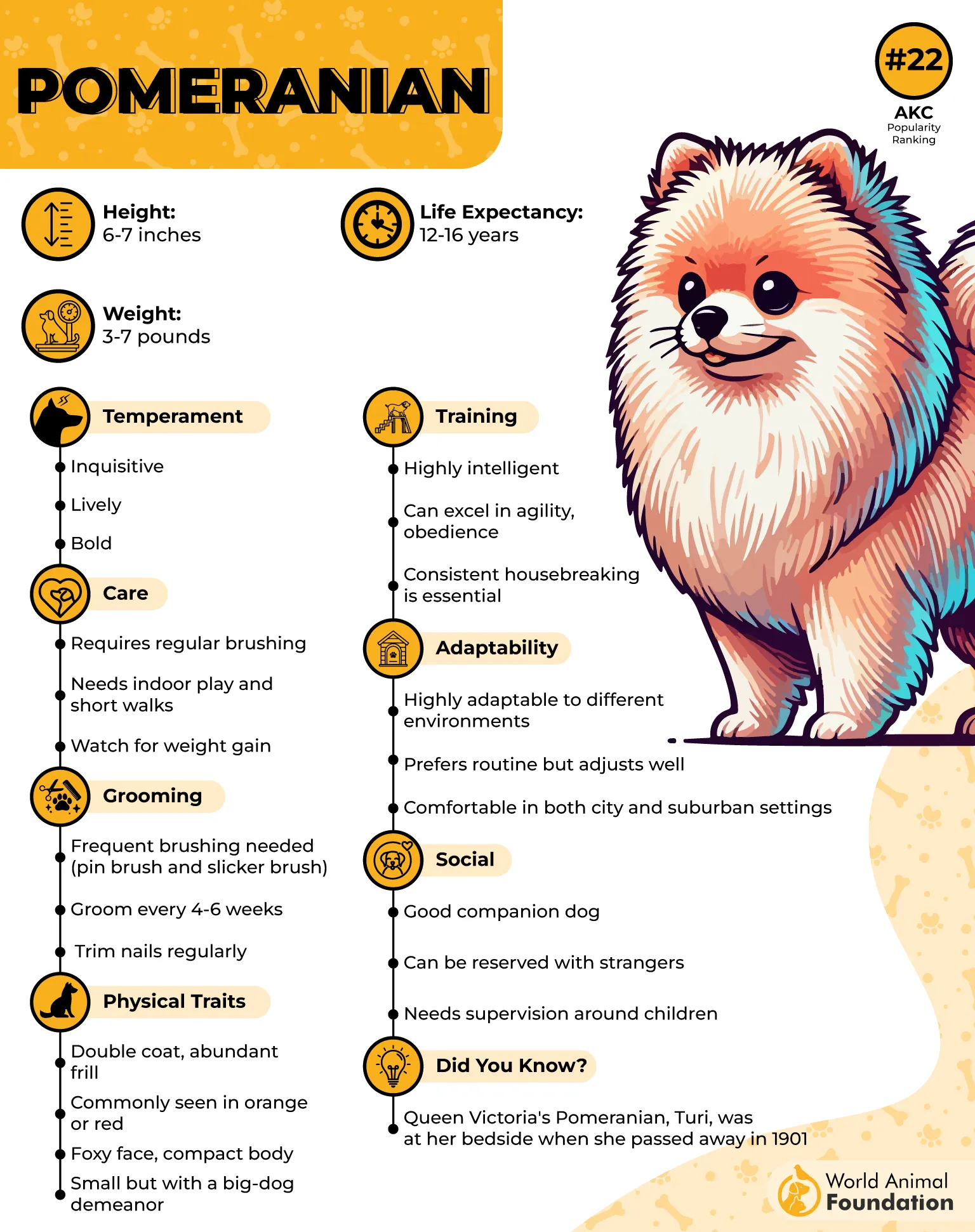
That protectiveness does have an edge. The Pomeranian will growl or nip at anyone it perceives as encroaching on its person, and its aggression is largely fear-based; it may retreat behind its owner’s legs or beneath furniture while remaining vocal and vigilant.
Fortunately, early socialisation and consistent positive reinforcement training go a long way toward shaping more measured, confident behaviour over time.
3. Yorkshire Terrier
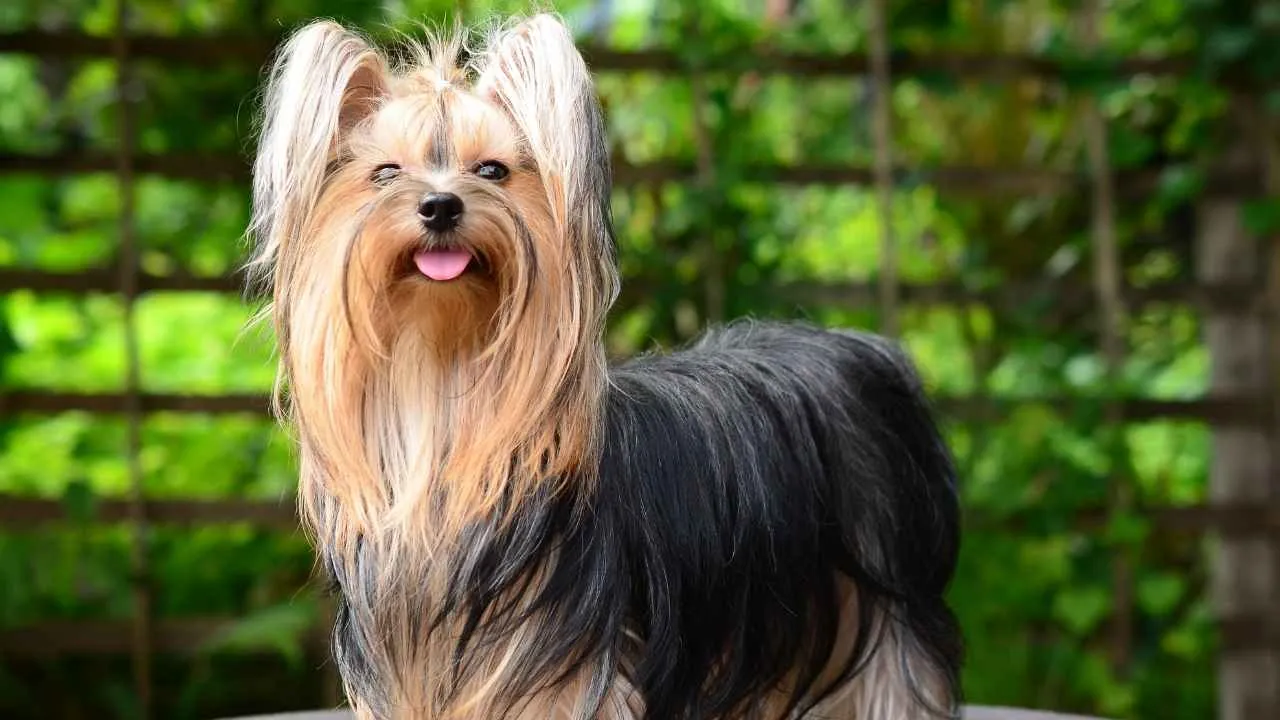
The Yorkshire Terrier is the smallest terrier-type breed in the world, weighing no more than seven pounds. Bred in 19th-century England to hunt rodents and serve as a rat catcher in cotton and woollen mills, the Yorkie is a breed with genuine working roots. Today it is primarily kept as a companion dog and has contributed to the development of other breeds, including the Silky Terrier, according to Wikipedia.

Highly trainable and sensorially sharp, the Yorkshire Terrier detects changes in its environment with impressive speed, relying on keen hearing and eyesight that remain alert well into adulthood. It is also a hypoallergenic breed, and due to its small mass-to-surface-area ratio, it loses body heat quickly, making it notably reliant on its owner for warmth and close physical contact.
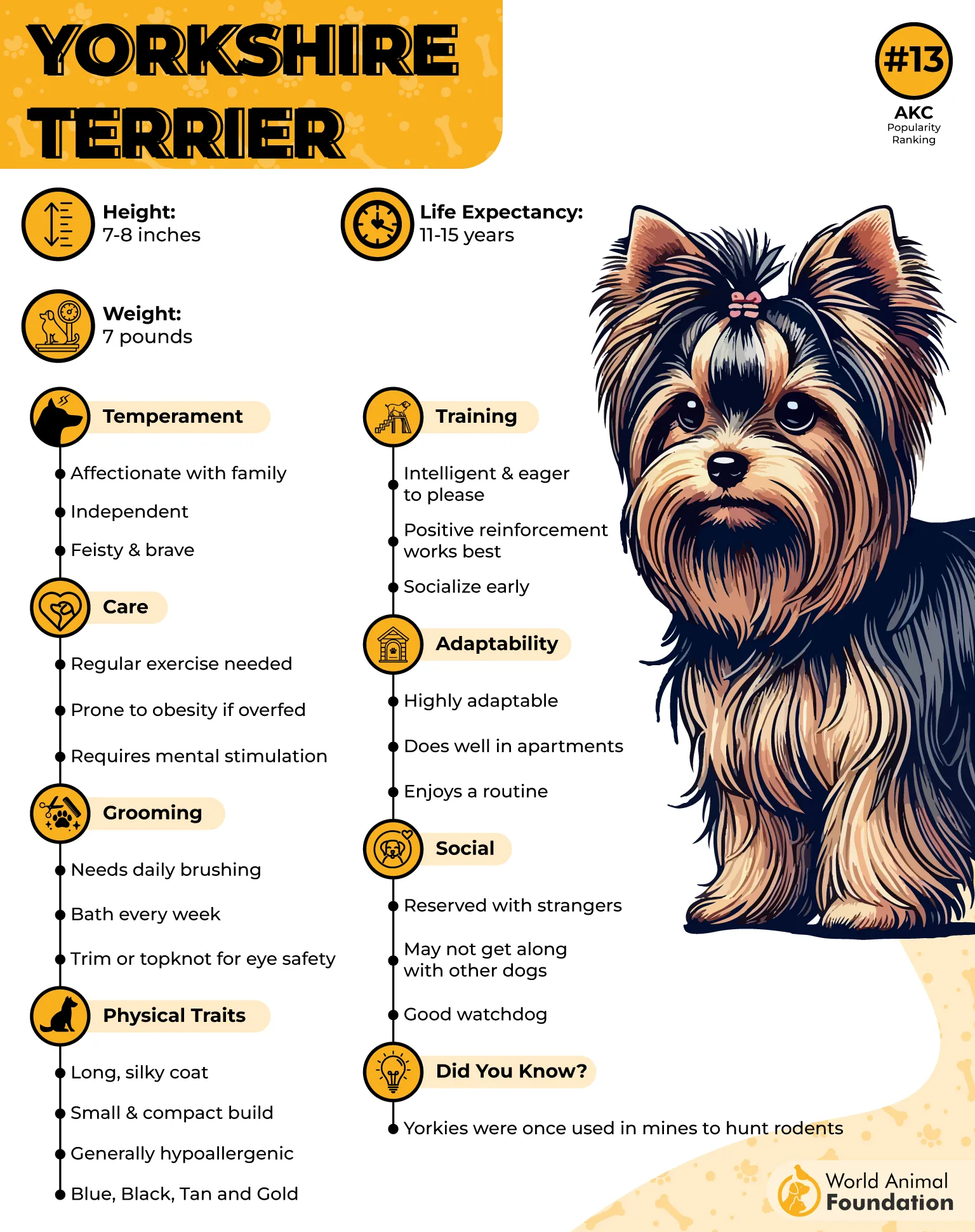
The Teacup Yorkie, a smaller variation weighing between two and four pounds, tends to form an exceptionally strong bond with one primary person. Carrying its watchdog instincts into domestic life, it will regularly patrol the perimeter of its space, positioning itself between its owner and any perceived point of entry.
It prefers to keep its distance from unfamiliar threats while using its voice to alert its person, making it a surprisingly capable little guardian despite its size.
4. Toy Poodle
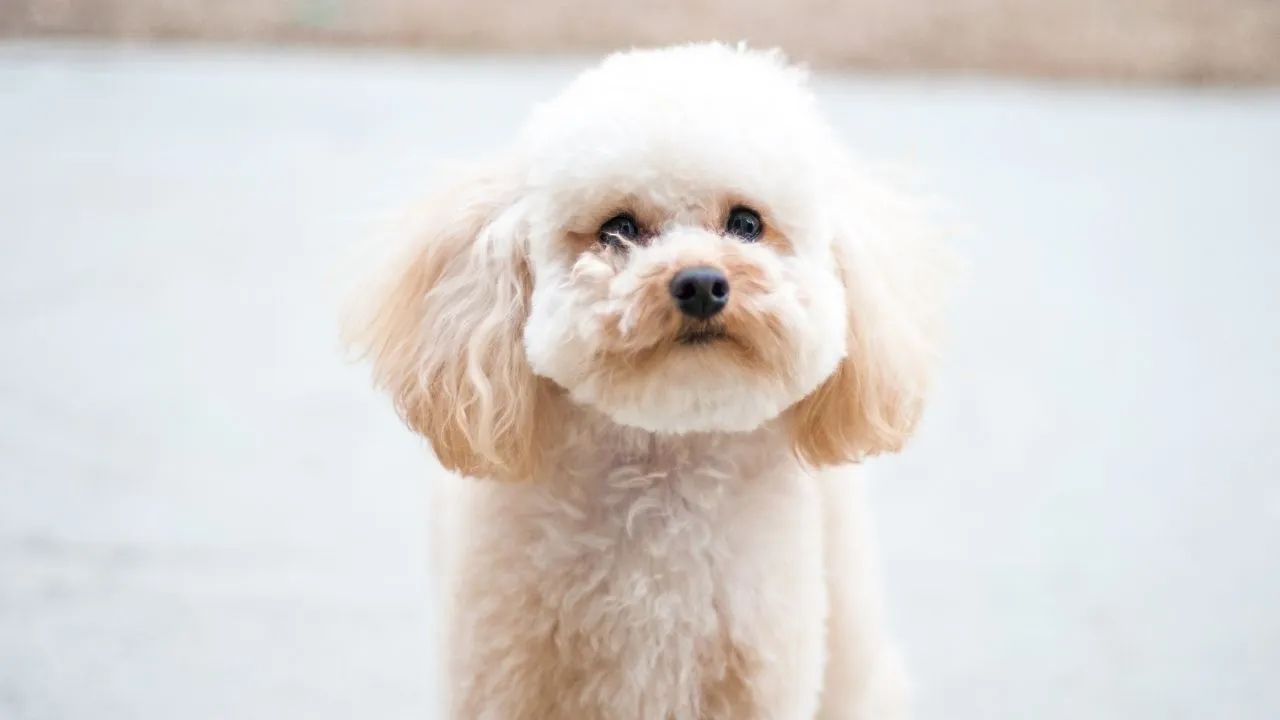
The Poodle’s name traces back to the German word Pudel, meaning “to splash,” a fitting origin for a breed developed as a water retriever in Germany. The breed comes in four varieties: standard, miniature, medium, and toy, all sharing the same active, intelligent temperament and an impressive lifespan of ten to eighteen years.
The Toy Poodle carries its petite frame and expressive eyes gracefully into adulthood. Emotionally perceptive and quick to read its surroundings, it mirrors the energy of the household around it with a natural ease.
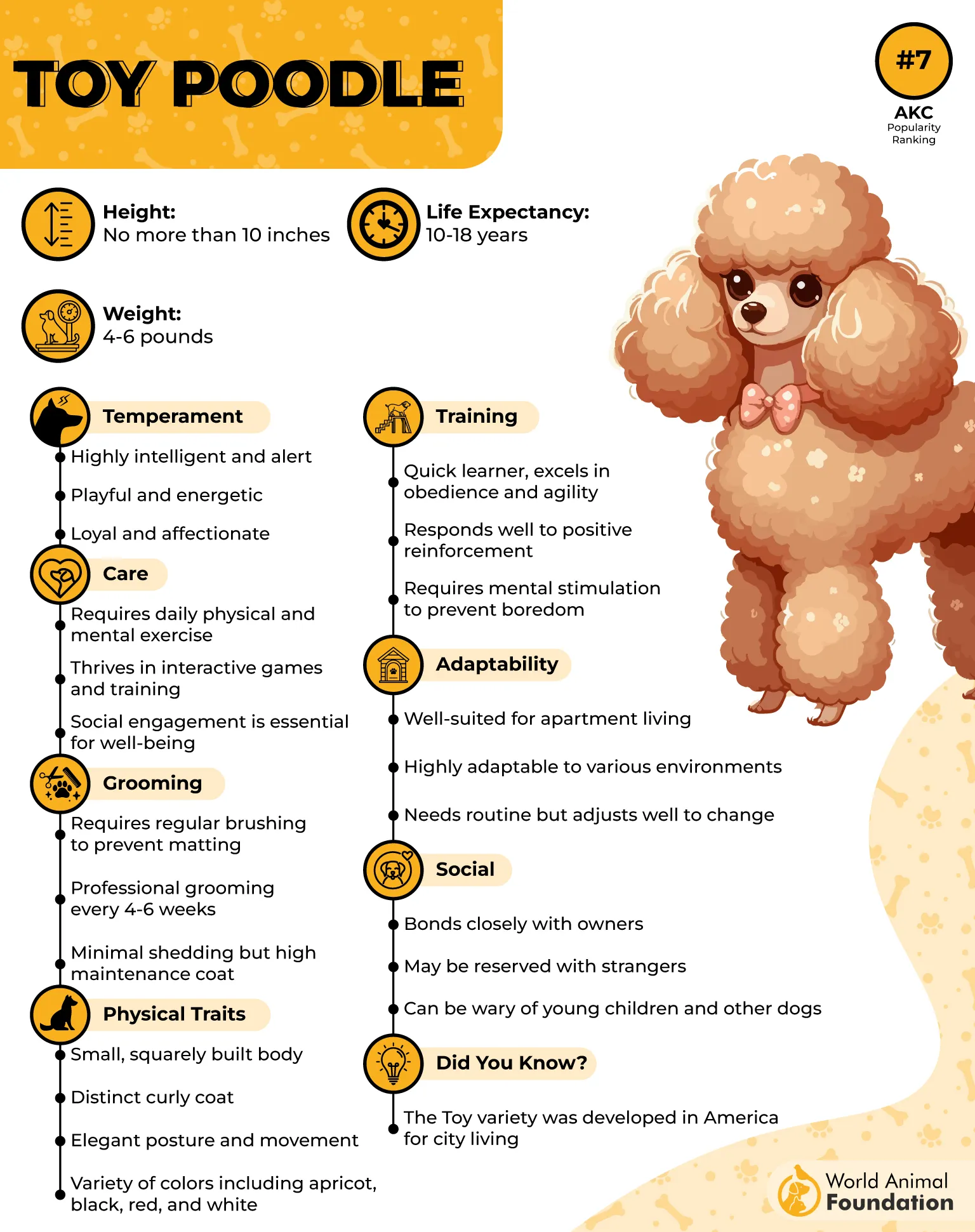
Ranked as one of the most intelligent dog breeds in the world, it possesses exceptional problem-solving ability and picks up new commands within just a few repetitions, making it as rewarding to train as it is to live with.
Instinctively watchful, the Toy Poodle tends to claim an elevated spot in the home; a staircase, a piece of furniture, from which it monitors key entry points like windows and doors. Deeply loyal to its family unit, it distinguishes quickly and reliably between familiar faces and unfamiliar ones, alerting its household with a sharp, high-frequency bark when something feels out of place.
5. Miniature Dachshund
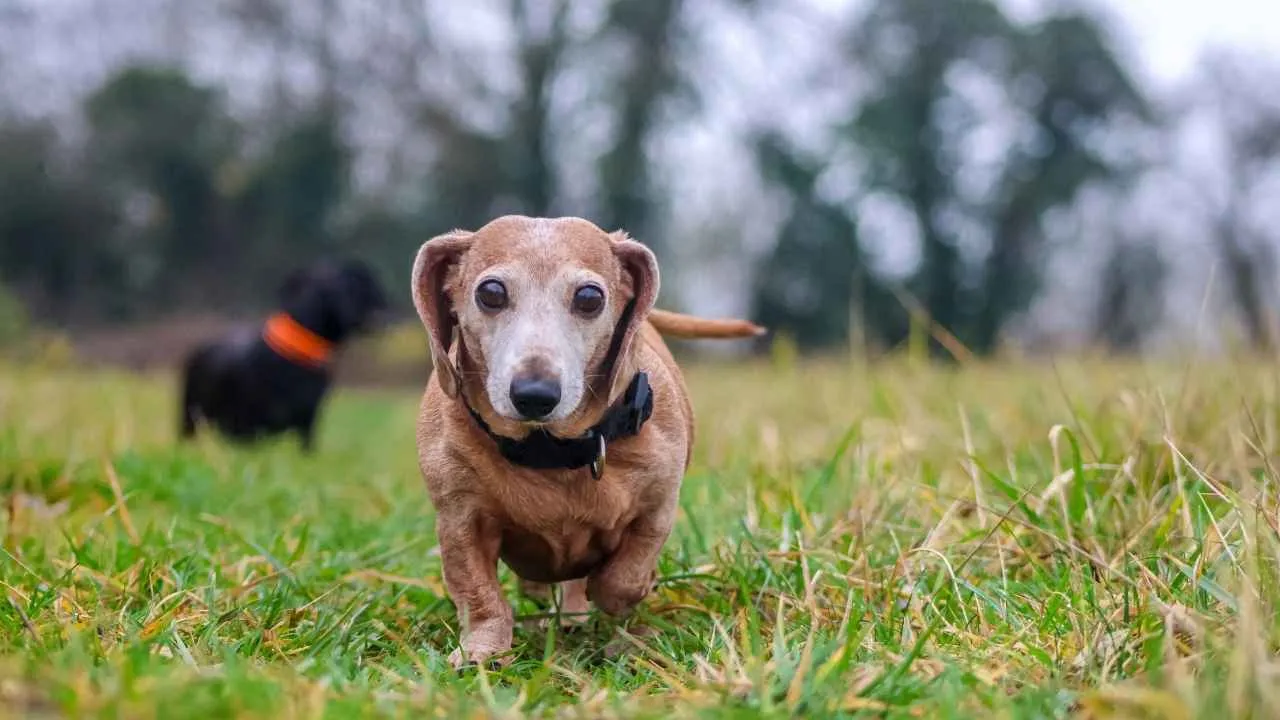
The Dachshund was developed in Germany to hunt small game, particularly badgers, a heritage reflected directly in its name, which combines the German words Dach (badger) and hund (dog). Its distinctively elongated body and short legs were purpose-built to navigate underground burrows in pursuit of prey, according to CKCUSA.
The breed stands five to six inches tall and weighs no more than 32 pounds. Its deep-rooted burrowing instincts carry seamlessly into domestic life; the Dachshund gravitates naturally toward tight, cosy spaces, whether that is beneath blankets, between pillows, or settled firmly in a lap. It communicates with a surprisingly deep, resonant bay for its size, and adapts well to apartment living.
Fearless and self-assured, the Dachshund carries a big dog personality in a compact frame. It will face a much larger dog without hesitation, and its strong possessive loyalty toward its owner can surface as snapping, growling, or lunging at unfamiliar visitors who approach too closely.
Early socialisation helps considerably in managing that protective streak. The breed comes in three coat varieties: smooth, wire-haired, and long-haired, each with its own distinct look and grooming needs.
6. Shih Tzu
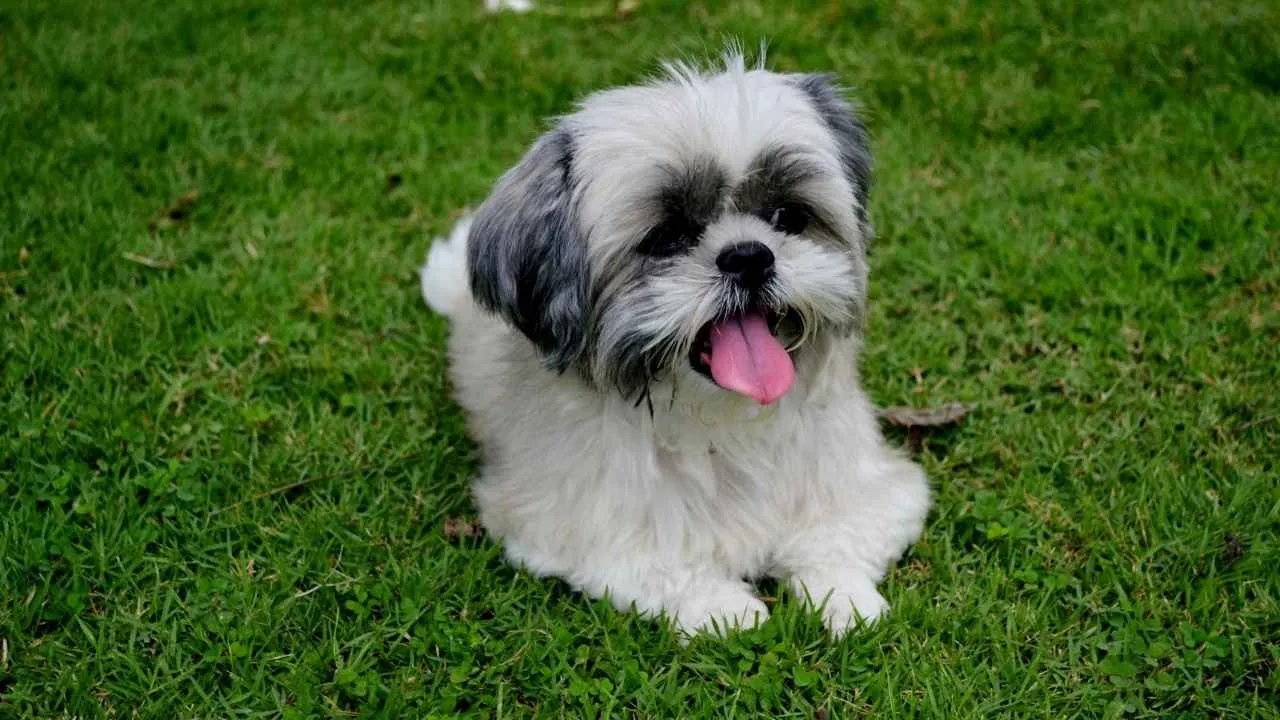
The Shih Tzu is a toy breed with roots stretching back over 2,000 years, believed to have originated in Tibet through the crossing of the Lhasa Apso and the Pekingese. Long favoured by Chinese royalty as both a companion and watchdog, its name translates directly to “lion dog,” a nod to the lion’s sacred place in Chinese culture and the breed’s distinctively mane-like head of hair.
That heavy facial coat gives the Shih Tzu a fittingly regal, lion-esque appearance. Curious and alert by nature, it relies on a keen sense of hearing to detect even subtle changes in its environment, signalling awareness through a characteristically stiff posture, perked ears, and a curled tail.
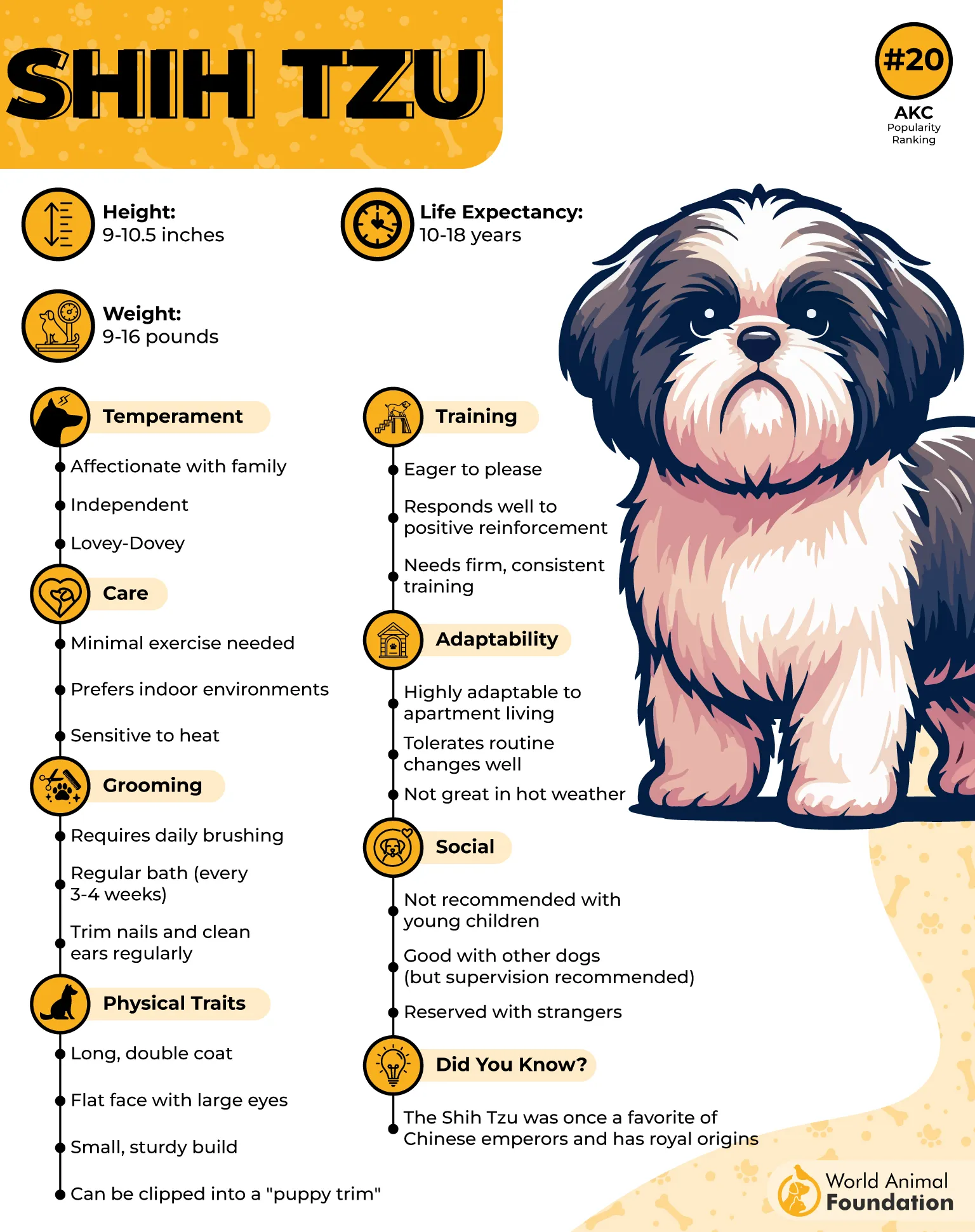
A true Velcro dog, the Shih Tzu follows its owner from room to room and thrives on close, consistent companionship. Its protective instincts are largely fear-based; it may growl, snarl, or lunge at strangers who approach its person too quickly or closely. Early socialisation and patient training help considerably in building the confidence this breed needs to feel settled around unfamiliar people.
7. Havanese
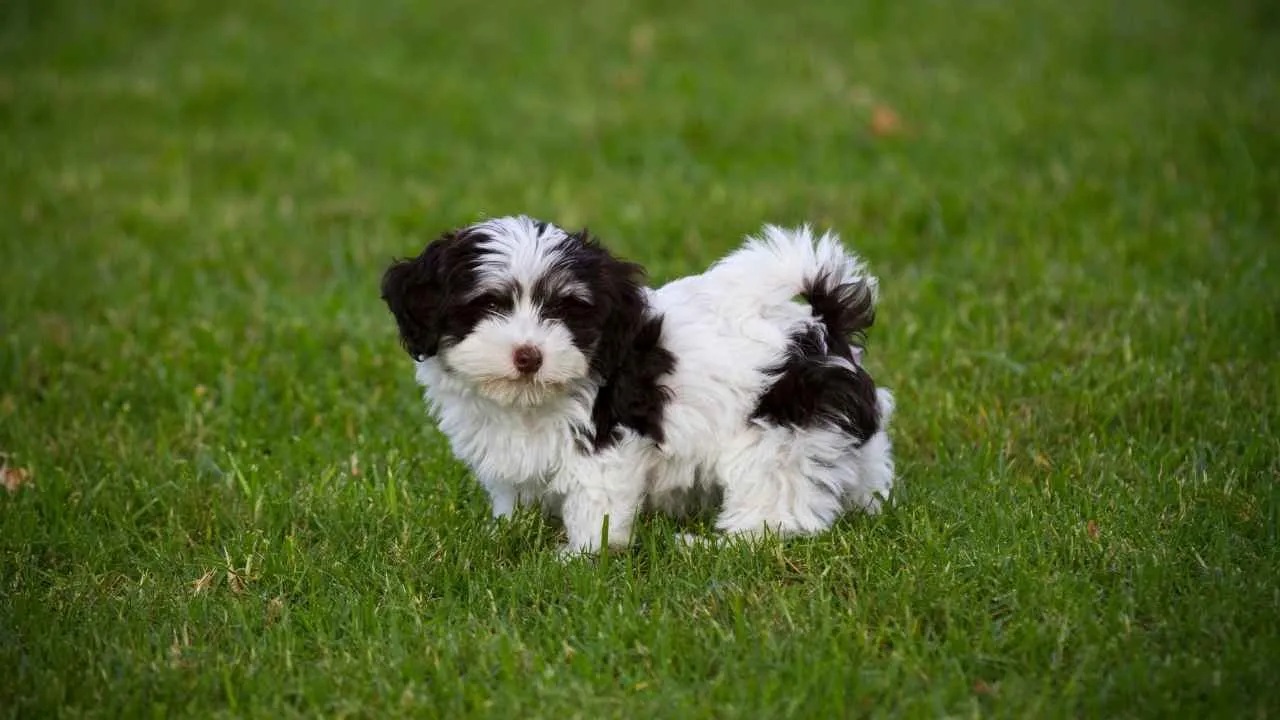
The Havanese is the national dog of Cuba, developed by crossing the now-extinct Blanquito de la Habana with several Bichon family members, including the Poodle. Friendly, affectionate, and eager to please, it is a remarkably versatile breed that performs well across a wide range of roles, from therapy and assistance work to signal dog duties and even circus performance.
Its forward-facing ears allow it to pick up low-frequency sounds with notable clarity. The Havanese also has a highly responsive nervous system, meaning the presence of an unfamiliar person triggers a rapid increase in heart rate and a spike in stress hormones, making it a naturally alert and sensitive watchdog that will bark persistently to warn off anything it perceives as a threat.
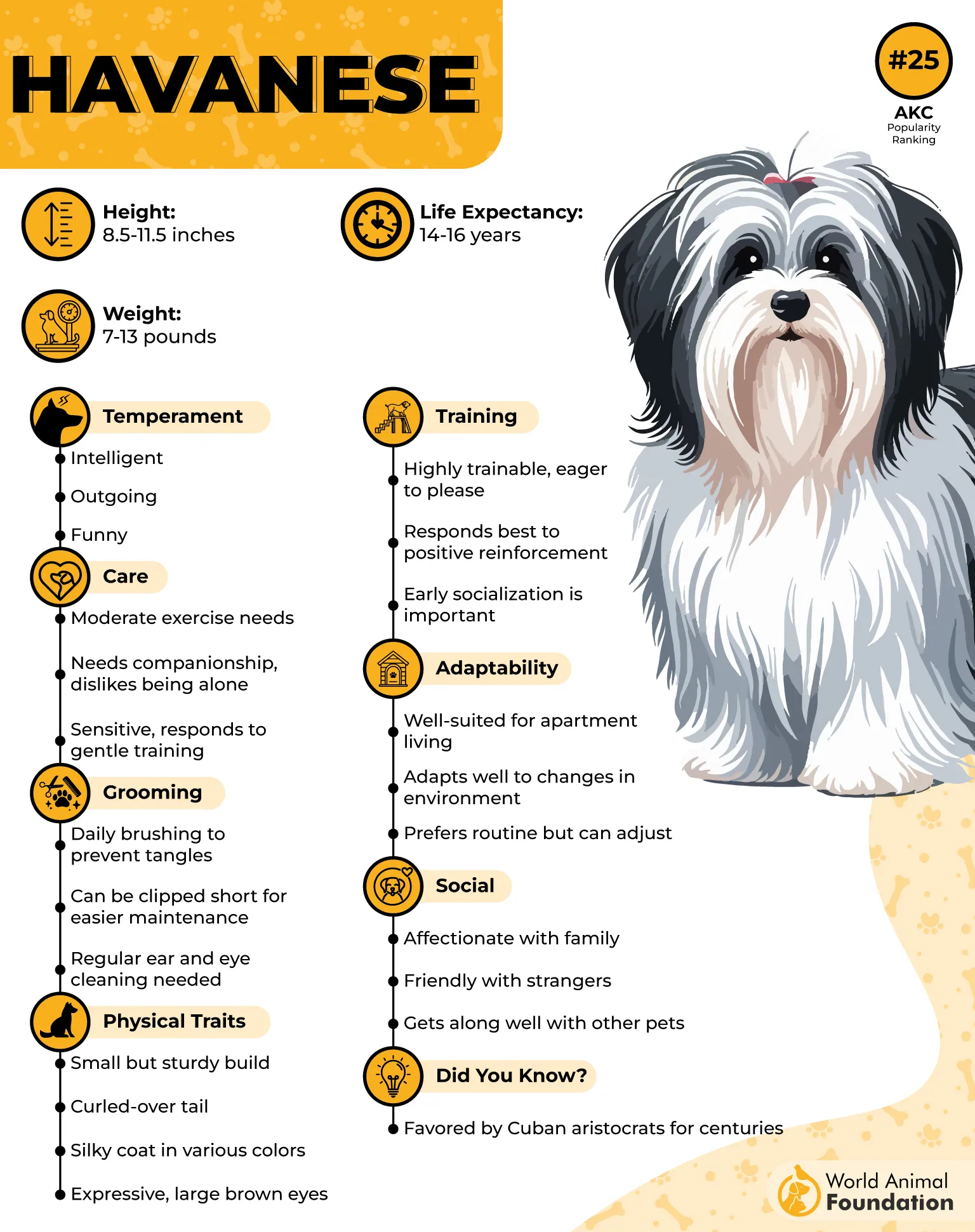
Despite that vigilance, the Havanese has moderate exercise needs, requiring around 30 to 40 minutes of daily activity through a combination of indoor play and brisk walks. Its full-length coat requires regular brushing four to five times a week to stay free of tangles.
In hot or humid weather, this breed can be prone to excessive panting, so keeping it cool and well-hydrated during warmer months is an important consideration.
Conclusion
Small dogs get a bad reputation sometimes. People assume they are yappy, fragile, or little more than glorified accessories. But spend a week with any of the breeds on this list, and that stereotype evaporates quickly. These dogs are loyal in ways that feel deeply personal; they learn your routines, notice when something is off, and show up for you in the quietest, most consistent ways.
Whether you are a city dweller looking for a low-maintenance companion or a homebody who wants a warm, devoted dog to share the sofa with, there is a small breed on this list that fits your life. The size may be small. The loyalty is anything but.
