





The best things come in small packages — and when it comes to dogs, that couldn’t be more true. Whether you’re nestled in a city high-rise, a cozy studio, or a compact townhouse, the right small dog breed doesn’t just survive apartment life — it absolutely thrives in it.
We’re talking tiny paws, massive personalities, and just enough sass to keep life interesting. These pint-sized companions ask for nothing more than your love, a comfy corner, and maybe a window perch to judge the neighbors from. And the best part? They stay small forever — no surprise growth spurts, no suddenly-too-big-for-the-elevator moments, just perpetual pocket-sized perfection.
But not all small dogs are created equal. Some bark at shadows. Some need more exercise than a marathon runner. And some are so clingy they’ll follow you into the bathroom at 2 AM. That’s exactly why choosing the right small breed for apartment living is everything.
In this guide, we’ve rounded up the best small dog breeds that stay small — perfectly sized for apartment life, big on personality, and even bigger on love. From fluffy lap dogs to spirited little adventurers, your perfect tiny companion is just a scroll away.
Let’s find your perfect match.
Dog Breeds That Stay Small: Perfect Apartment Dogs
1. Yorkshire Terrier
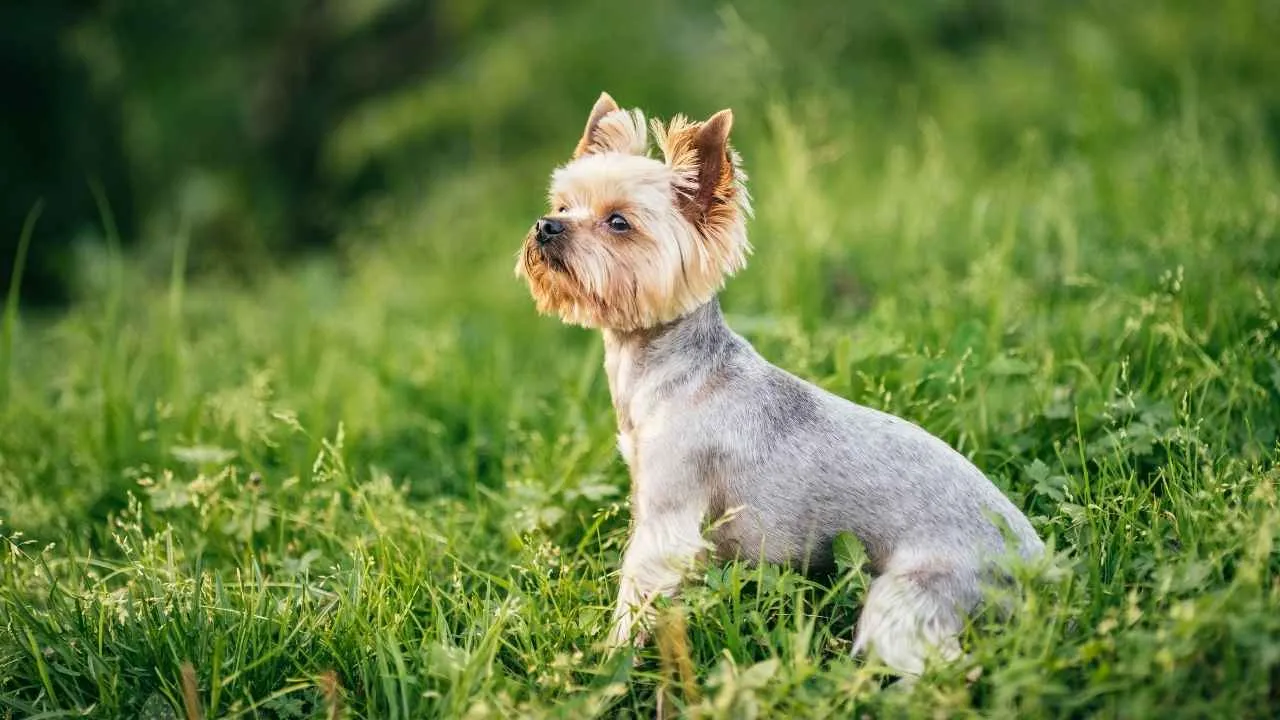
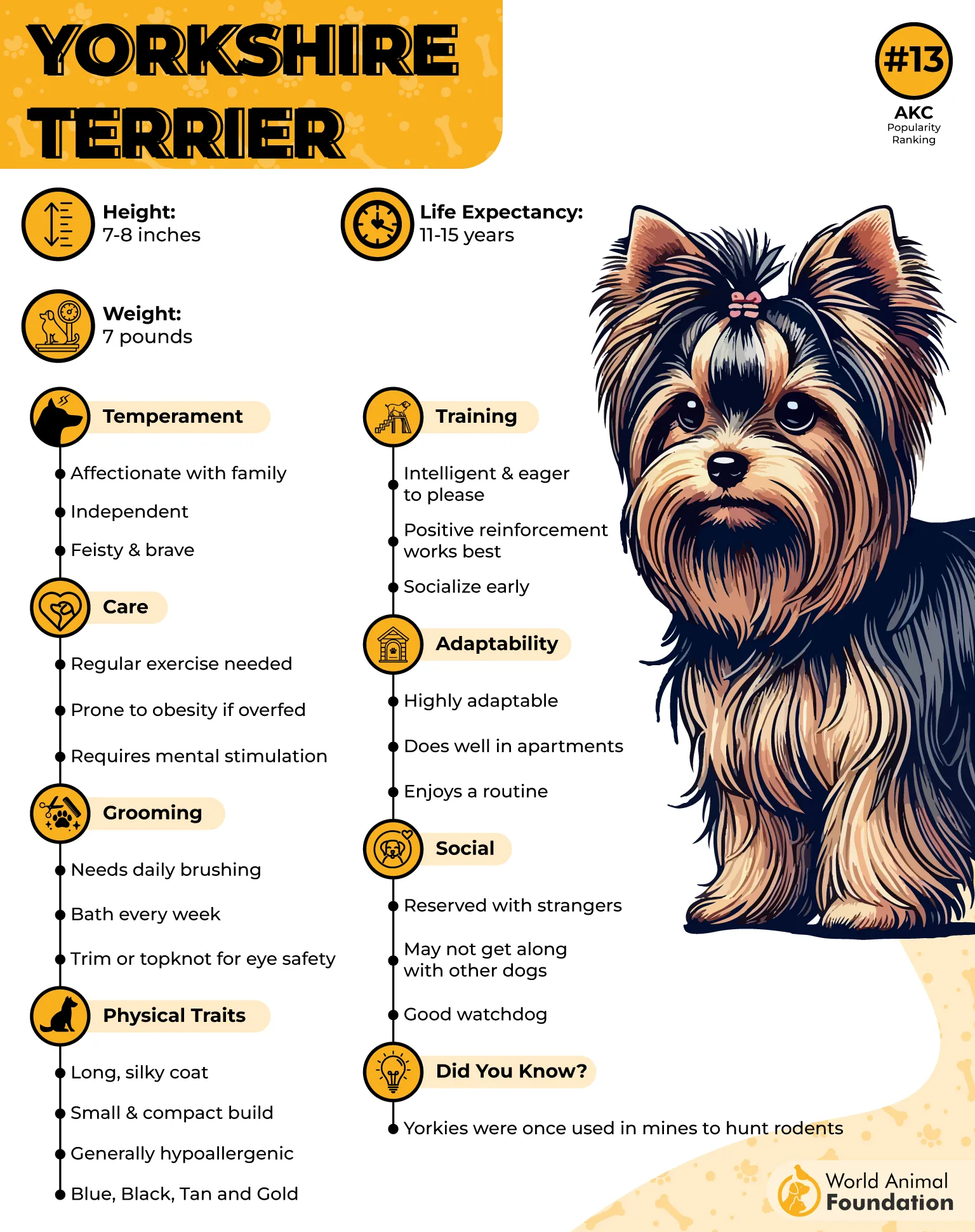
The Yorkshire Terrier may be small enough to fit in a lap, but its personality feels much larger than its size. It adapts well to both compact apartments and spacious homes, making it a flexible companion for different lifestyles, as noted by Orvis.
However, its delicate build means rough play is risky, especially around young children, so gentle handling and close supervision are important during interaction.
With kids and other pets, Yorkies can be affectionate and social when raised with care. They often enjoy being part of family activities, but their tiny frame can make them vulnerable in energetic play.
Early social exposure helps them grow into confident companions who handle everyday movement and household noise without stress.
Yorkie puppies benefit from consistent early training and regular exposure to different people and environments.
They respond well to patient guidance and routine, which shapes their behavior as they grow. Once settled, they show a lively, alert nature and a strong sense of attachment to their family.
Originally, this small hypoallergenic dog companion had a working background in chasing rodents in textile mills, which explains its quick reflexes and sharp awareness even today.
2. Havanese
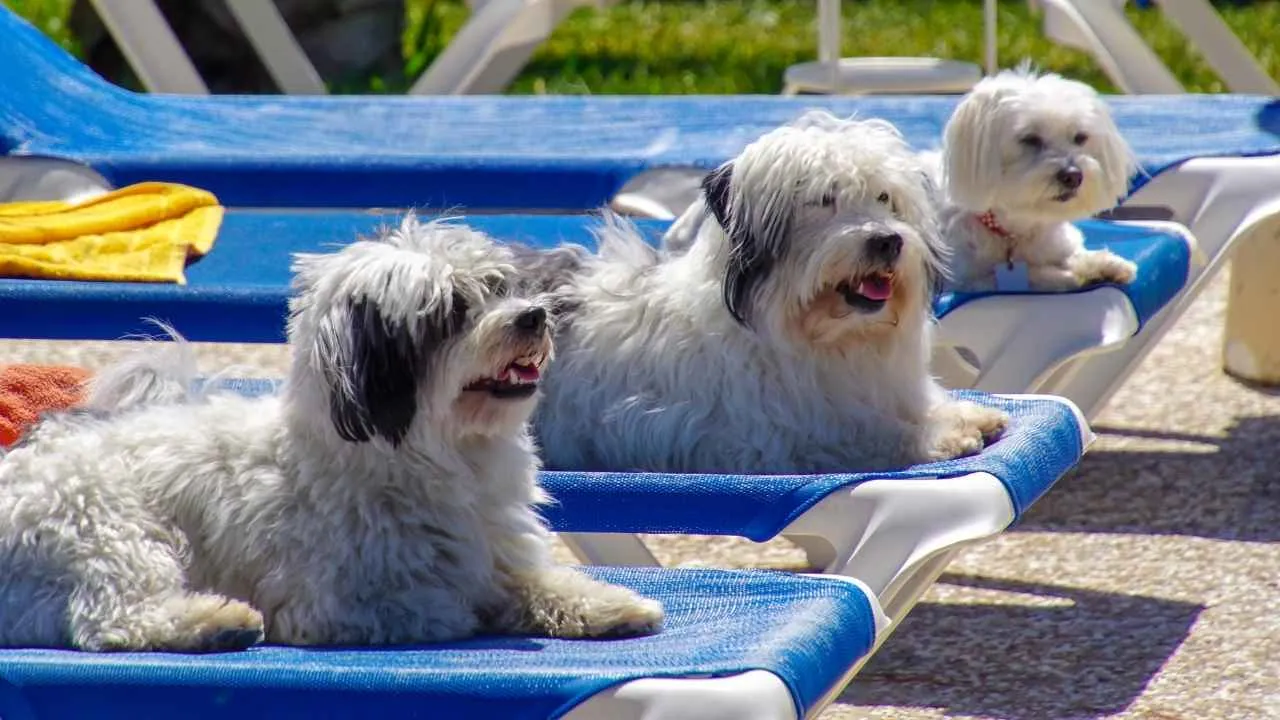
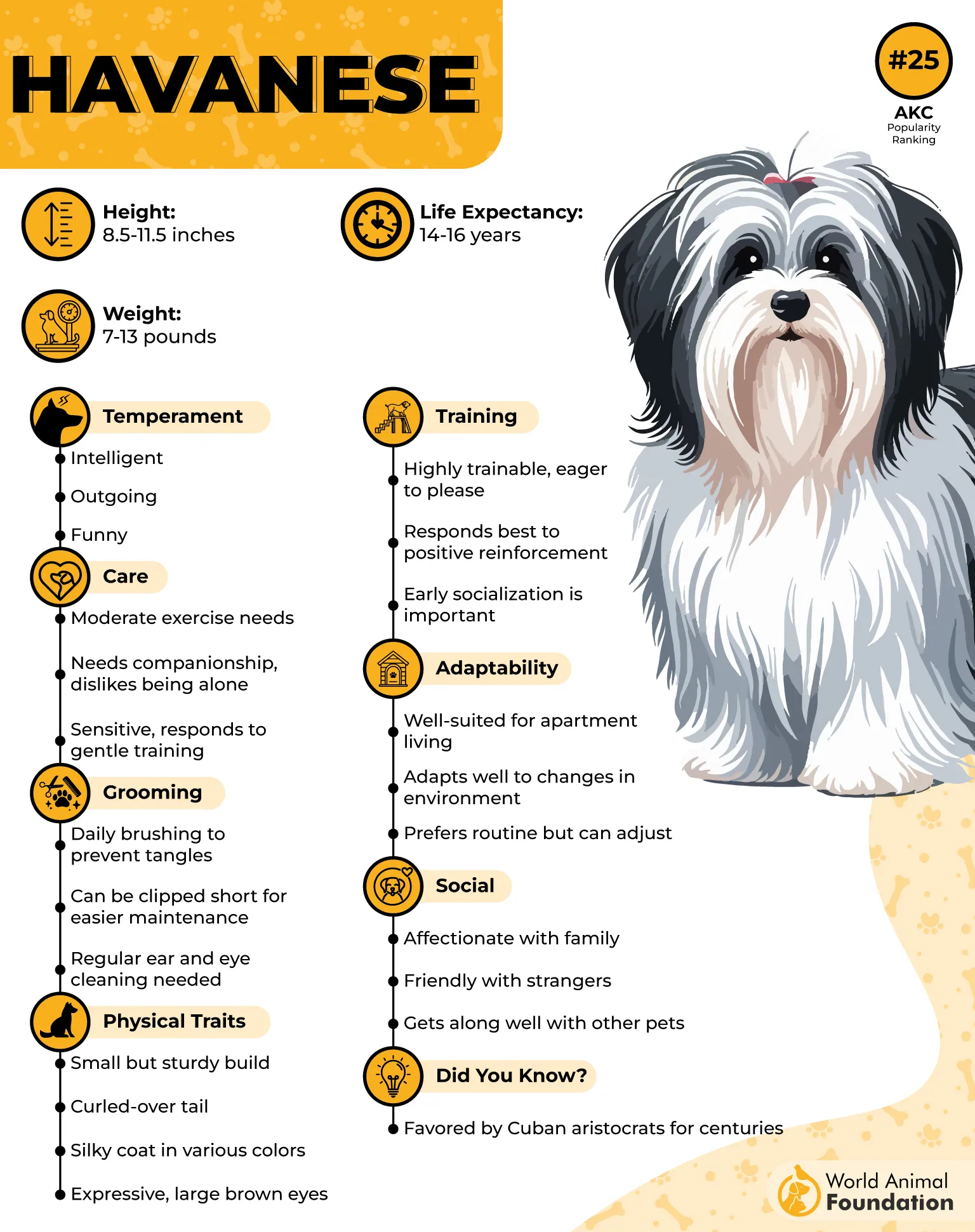
The Havanese is the kind of small dog that seems happiest when it is part of everything happening around it. It was developed purely as a companion breed, so its natural instinct is to stay close to people and engage with daily life rather than work or guard.
This makes it especially suited for apartment living, where constant closeness and interaction are part of the routine.

What sets it apart is the way it uses expressive body language and playful “performance-like” behavior to communicate. It often responds to attention with little tricks, spins, and animated movements that feel almost like it is trying to entertain its family on purpose.
This interactive style makes it feel emotionally connected and easy to bond with in small living spaces.
In compact homes, it adjusts smoothly because it does not demand large open areas to stay content. Short walks, indoor play, and social interaction are usually enough to keep it satisfied and balanced.
It also tends to travel well, staying relaxed in new surroundings as long as it is near its people.
3. Boston Terrier
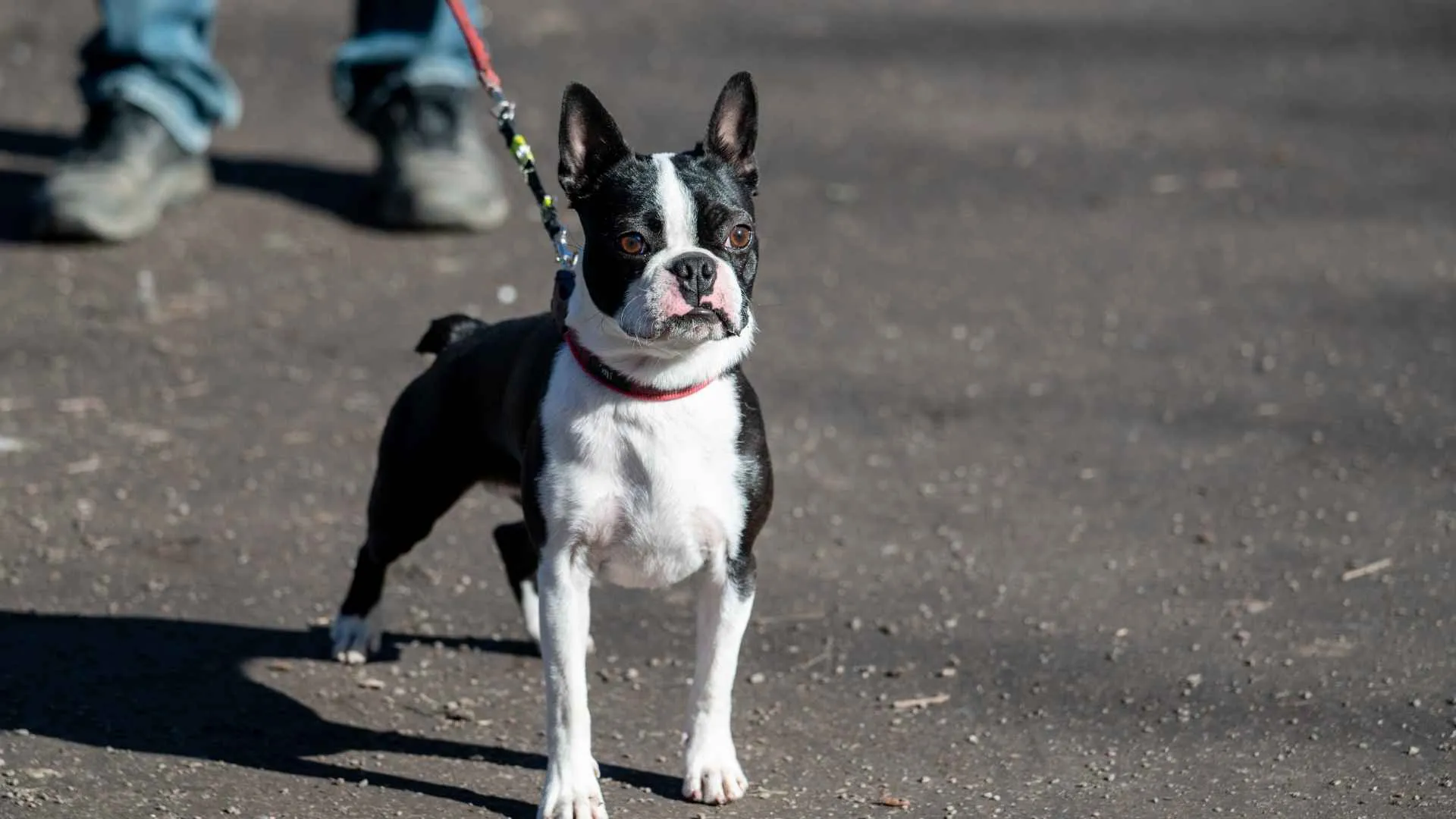
The Boston Terrier adapts well to compact living spaces, making it a practical choice for city apartments where comfort and convenience matter.
According to WebMD, its small frame makes travel easier, whether it is a short ride across town or a longer trip, and it generally stays calm when close to its people. This easygoing nature helps it fit into busy urban routines without much stress.
What makes it especially memorable is its naturally expressive face, often showing reactions that feel almost human-like in their timing and clarity.
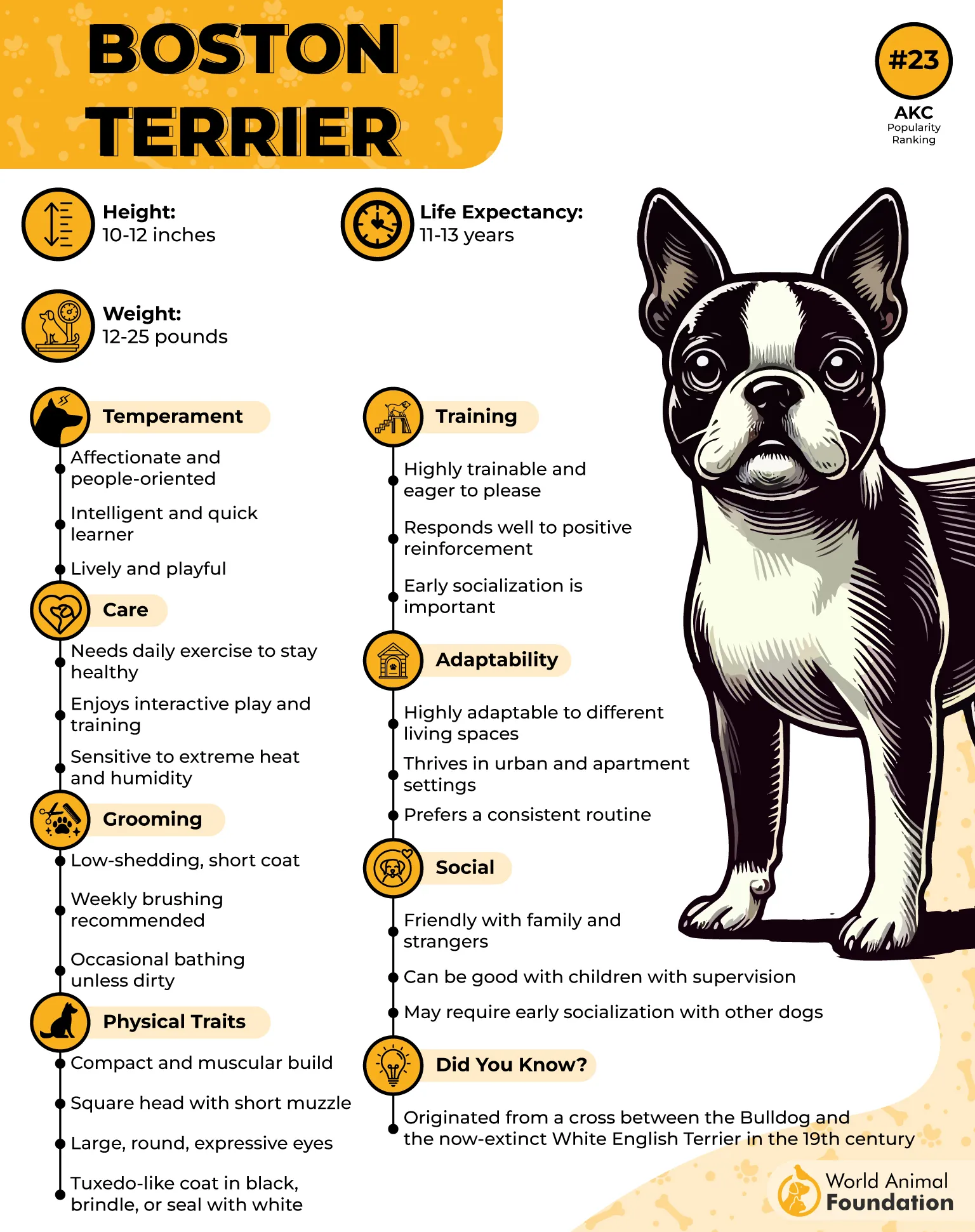
This makes everyday interaction feel engaging, as if it is constantly “responding” to conversations and household moods. It brings a light, humorous energy into small homes without being overwhelming.
In daily life, it enjoys short walks and indoor play rather than long exercise sessions, which suits apartment schedules well. It can settle indoors comfortably as long as it receives attention and brief activity breaks.
Boston Terriers are friendly, relatively quiet, and easy to groom. Its learning ability also makes basic training smooth, especially when routines are kept simple and consistent.
Boston Terriers are described as little gentlemen and do not require sprawling spaces. With its people-focused nature and adaptable temperament, it often feels at home wherever companionship is present, making shared spaces feel warmer and more lively.
4. Maltese
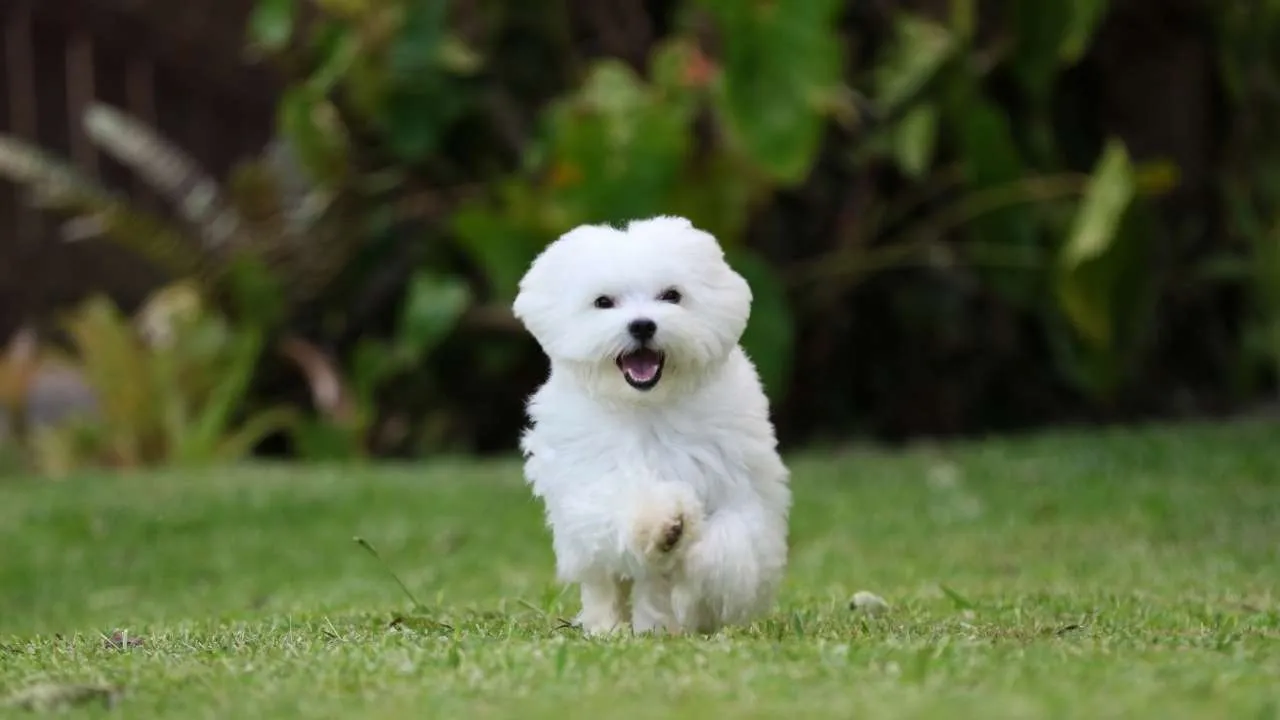
The Maltese has been a cherished companion for centuries that stays small forever, and it is easy to see why. Its small size makes it especially well suited for apartment living, where a dog needs to be comfortable in limited space while staying closely connected to its family.
Whether relaxing beside its owner during a quiet evening or greeting visitors at the door, this little companion thrives on human interaction.
One of the first things people notice is its flowing white coat, which creates an elegant appearance rarely seen in other small breeds.
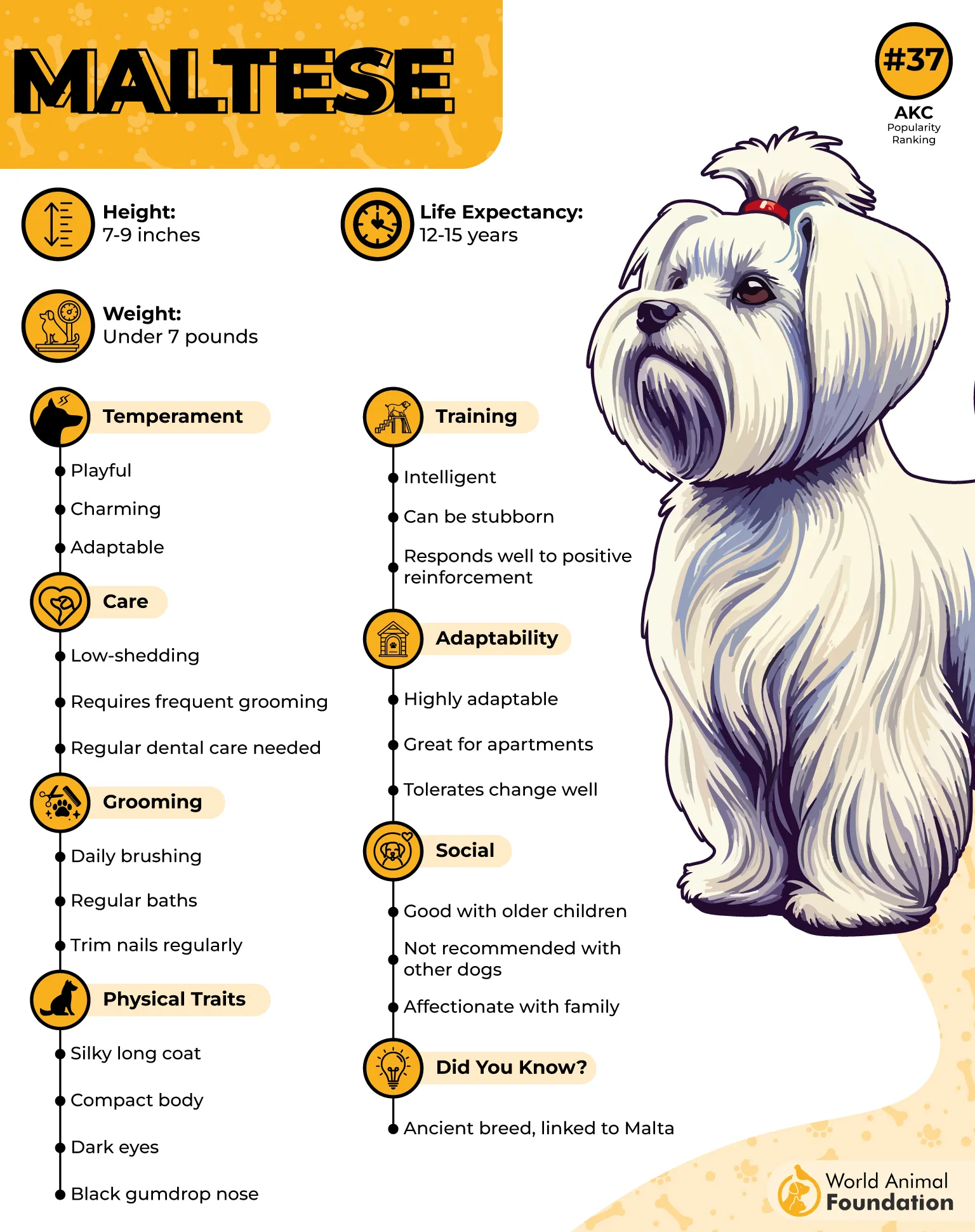
Combined with bright dark eyes and an alert expression, it often captures attention the moment it enters a room. Yet beneath that refined look is a surprisingly confident dog that enjoys being involved in everyday activities.
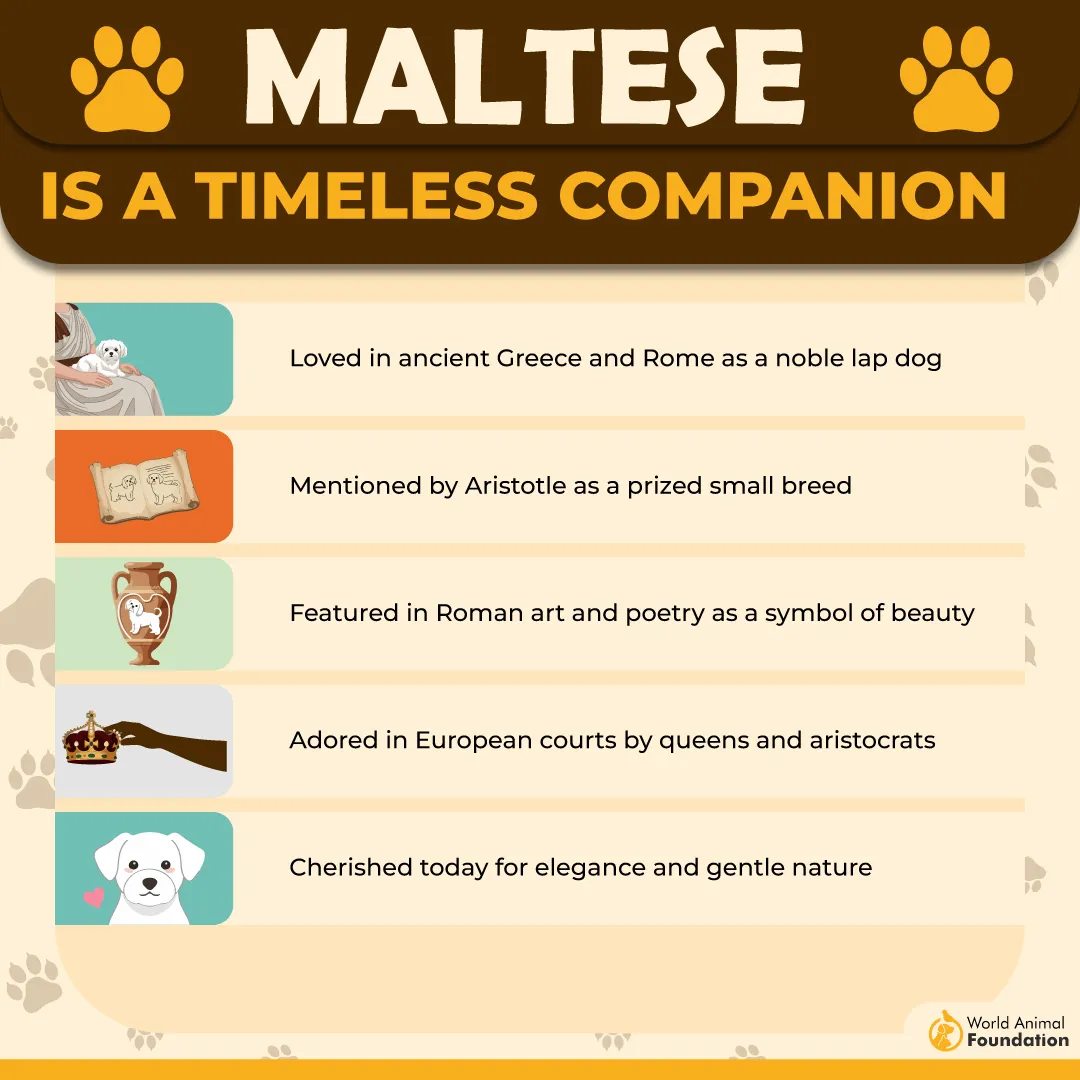
For apartment dwellers, the Maltese offers a practical balance of companionship and adaptability. It is generally content with indoor play sessions and short daily walks, making it easier to meet its exercise needs in urban settings.
It also tends to be attentive to household sounds, often alerting owners when someone approaches the door.
Friendly, affectionate, and eager to stay near its people, the Maltese brings warmth and charm to homes where space may be limited but companionship is abundant.
5. Cavalier King Charles Spaniel
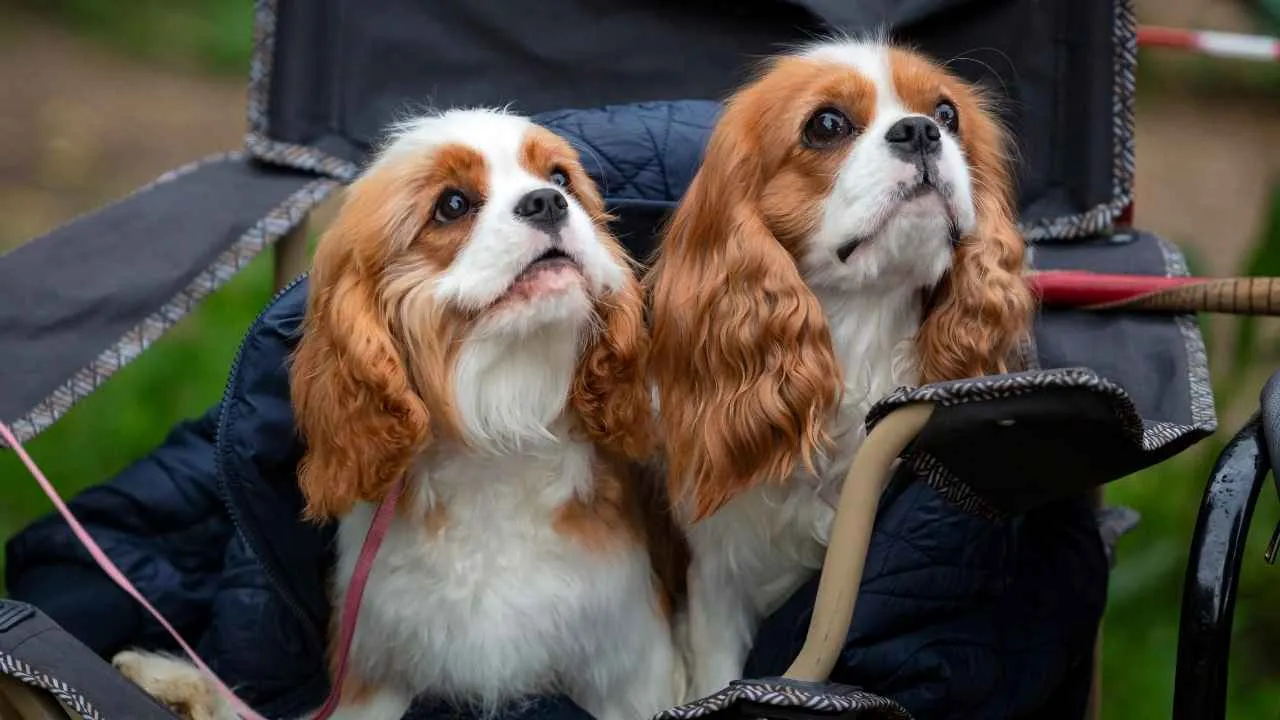
The Cavalier King Charles Spaniel seems perfectly designed for cozy apartment living. It does not need a large backyard to feel fulfilled. Instead, it prefers something much simpler—being close to the people it loves, as stated by PetMD.
Whether you are reading on the sofa, working from home, or relaxing after a long day, this companion is happiest right beside you.
What makes this breed especially memorable is its soft, expressive eyes, which often give the impression that it is carefully watching and sharing every moment with its owner.
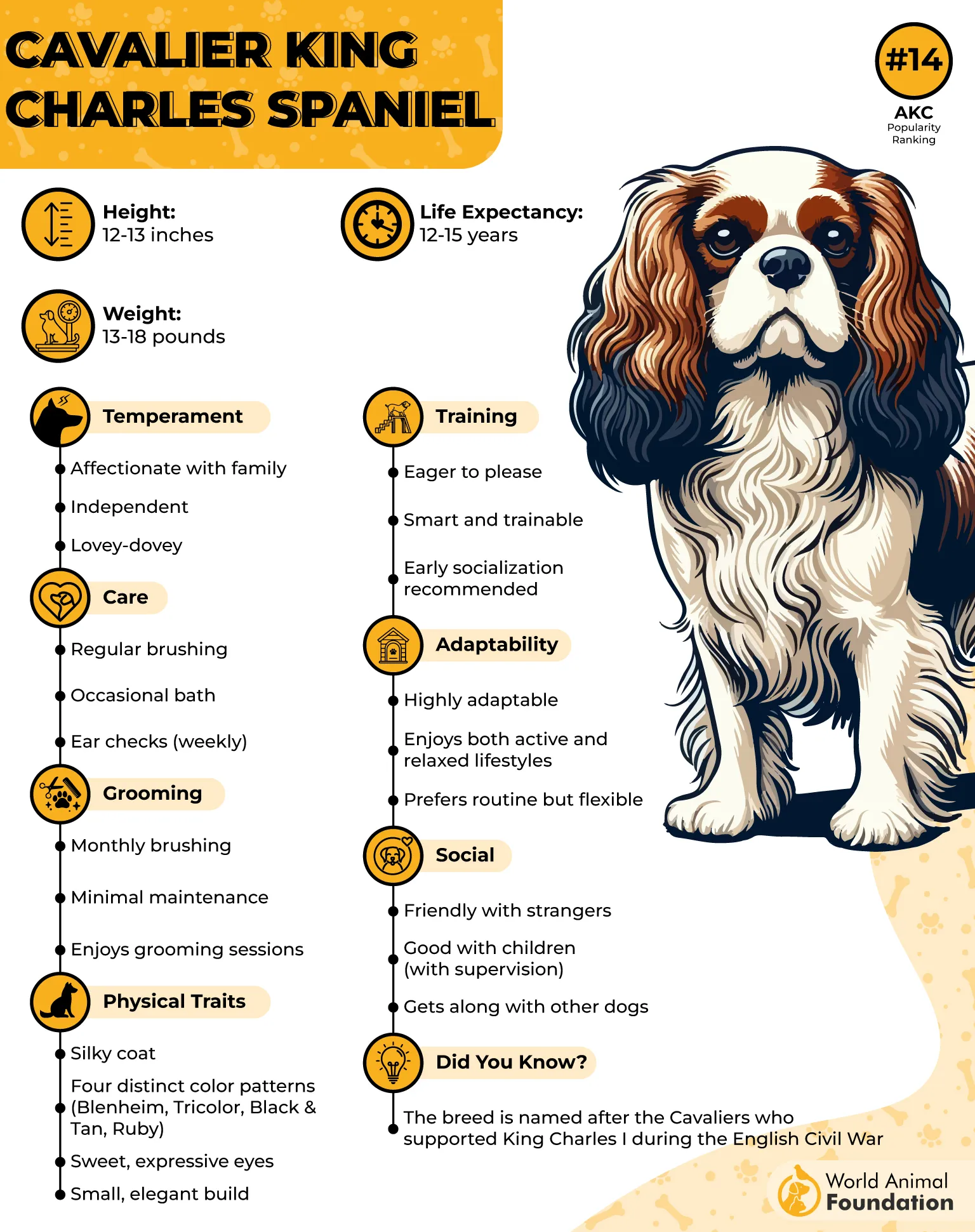
That deep attachment is a defining part of its personality. Many Cavaliers would happily follow their favorite person from room to room if given the chance.
In apartment settings, they are generally polite housemates. They may alert you when someone knocks at the door or when they notice movement outside a window, but they are not known for being excessively noisy.
Their moderate exercise needs can often be met with daily walks and indoor play, making them a practical choice for city living.
Gentle, affectionate, and eager to please, they respond best to positive encouragement during training. While a touch of stubbornness can appear now and then, patience and consistency help them become well-mannered companions that thrive in homes filled with attention and companionship.
6. Pug
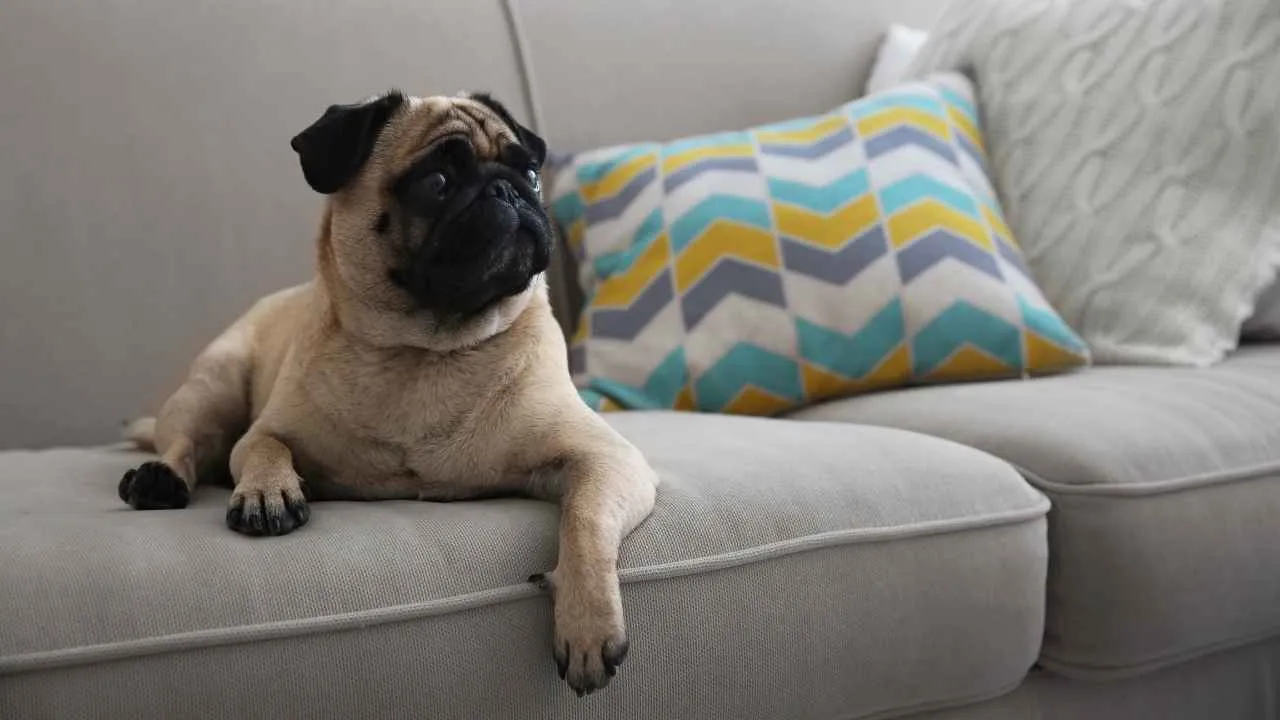
The Pug has spent centuries winning hearts, from royal palaces to modern apartments.
Today, it remains one of the most popular small companion dogs for people who want a pet that thrives indoors. Its compact size and easygoing nature make it especially well suited for apartment living, where sharing space comfortably matters just as much as companionship.
One glance at a Pug’s face explains much of its charm. The wrinkled forehead, large round eyes, and expressive features often seem to display emotions like curiosity, excitement, or surprise.
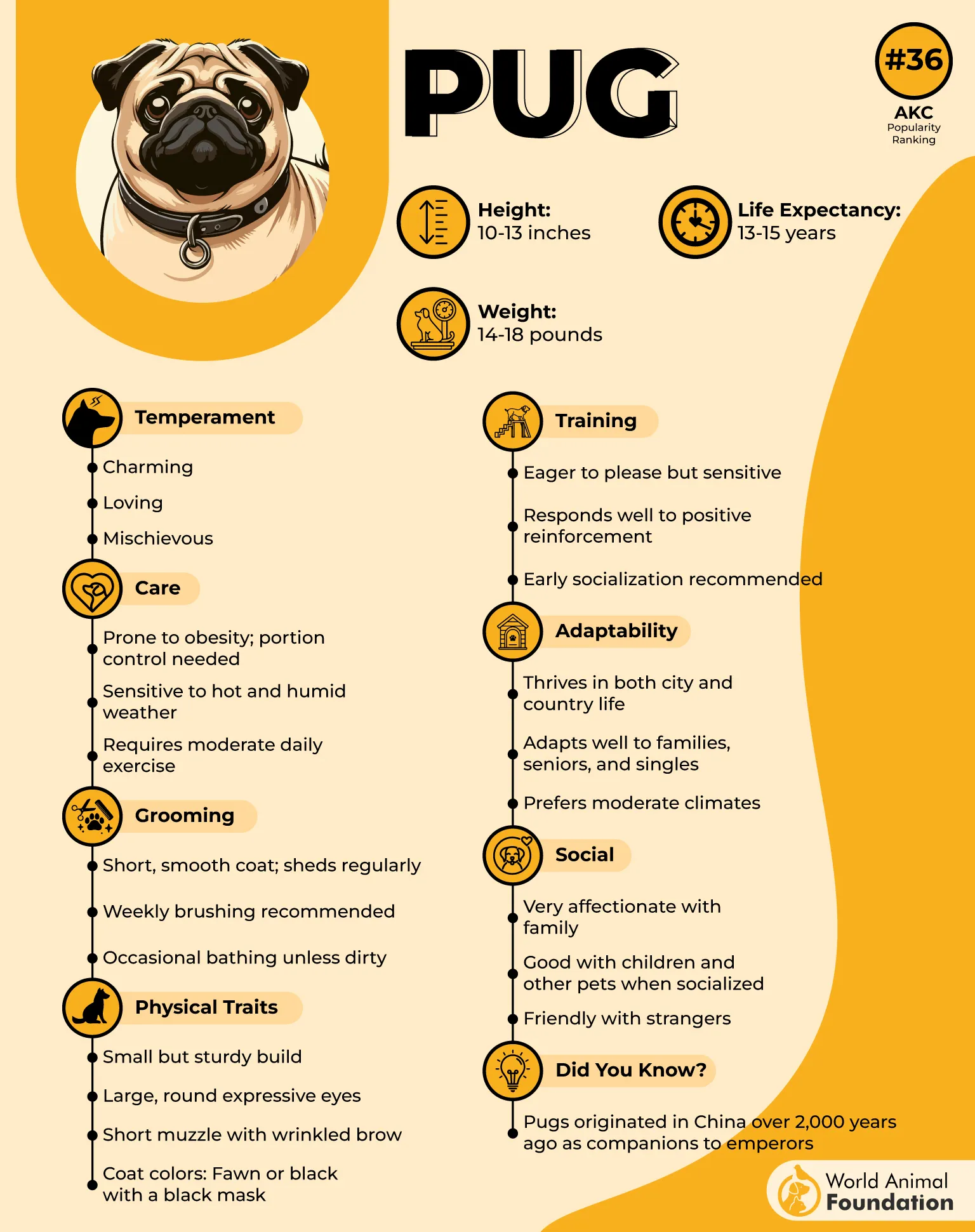
Few breeds communicate so much with a single look, turning ordinary moments into something entertaining and memorable.
For apartment residents, the Pug’s moderate activity level is a major advantage.
Pugs are highly sociable, goofy, and content indoors with short walks.
It enjoys daily walks and playtime but is equally happy relaxing beside its favorite people. Whether living with a single owner, a family, or older adults, it tends to adapt well to different household routines. Its affectionate personality means it rarely wants to be far from those it loves.
Because of its short muzzle, this domestic dog is most comfortable in moderate temperatures and should be protected from excessive heat. With proper care, the Pug becomes a loyal, cheerful companion that brings warmth and personality to even the smallest living spaces.
7. French Bulldog
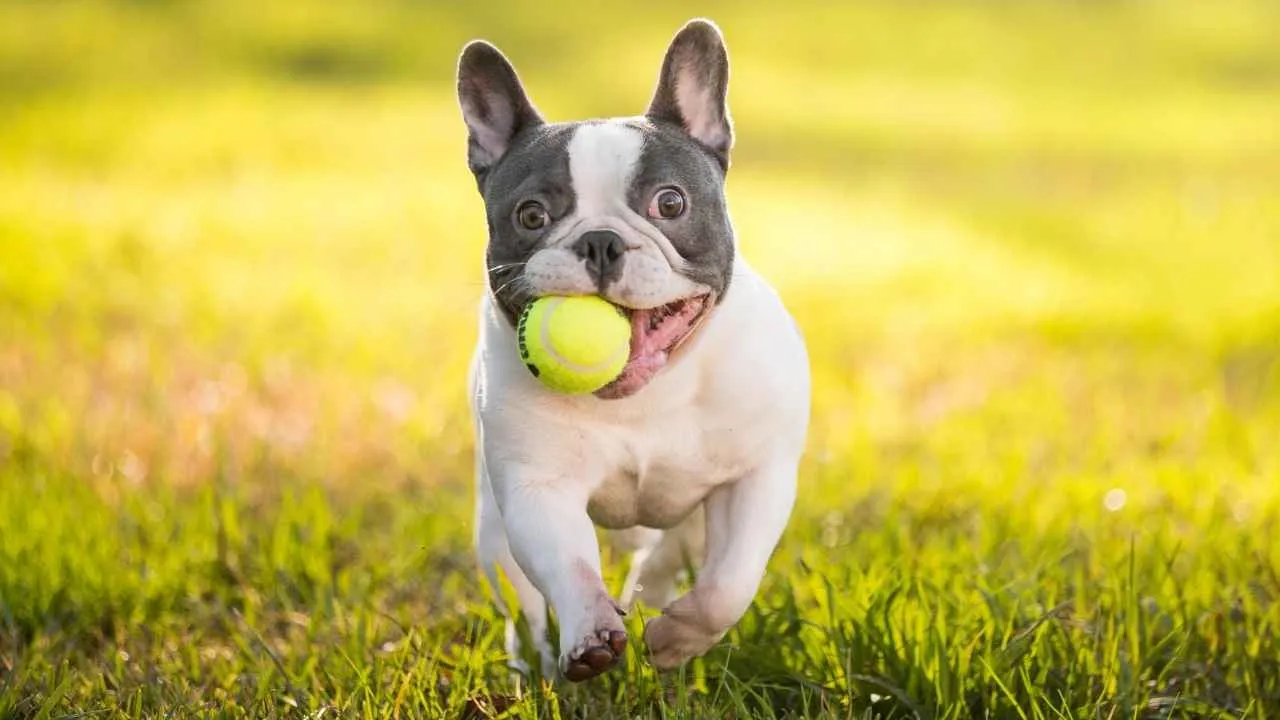
The French Bulldog has become one of the most popular apartment companions for a simple reason—it fits naturally into indoor life. Its compact size, moderate exercise needs, and relaxed attitude make it well suited for people living in condos, apartments, or smaller homes where space is limited but companionship is important.
One of the first things people notice is its famous bat-like ears, which give the breed a look unlike any other dog. Combined with its expressive face and playful personality, it often becomes the center of attention without even trying.
Even during quiet evenings at home, a French Bulldog has a way of keeping life entertaining through its funny reactions and charming behavior.
French Bulldogs are rarely noisy, making them perfect for close neighbors.
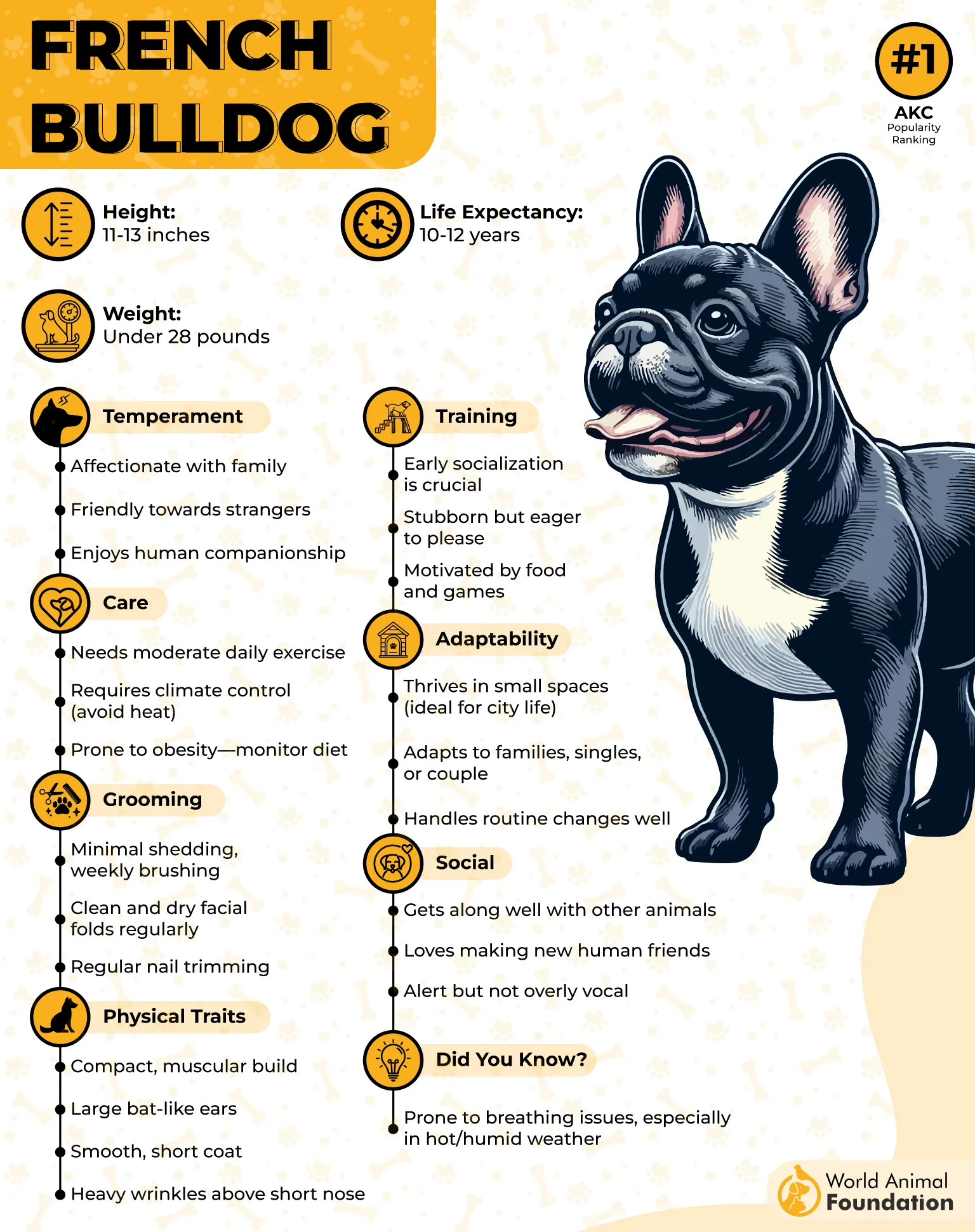
This domesticated dog breed was developed primarily to be a companion, and that purpose still shines through today.
French Bulldogs form strong bonds with their families and prefer being involved in daily activities rather than spending long hours alone. They are often happiest when resting nearby while their owners work, watch television, or relax.
For apartment dwellers seeking a small dog that enjoys close human connection and adapts well to indoor routines, the French Bulldog offers a combination of affection, personality, and comfort that is hard to overlook.
Conclusion
Choosing a small dog for apartment living is about much more than size alone. The best companions combine manageable exercise needs, adaptability, and a personality that fits comfortably into shared indoor spaces.
Some thrive on constant companionship, while others bring playful energy, quiet affection, or endless entertainment to everyday life.
By understanding each dog’s temperament, social needs, and lifestyle requirements, it becomes easier to find a companion that truly matches your home. The right choice can turn even the smallest apartment into a place filled with comfort, companionship, and joy.
