




Some dogs grow bigger with time — but some stay adorably small forever.
If you love the idea of a family companion who keeps that puppy-like charm well into adulthood, tiny dog breeds might be exactly what you’re looking for. These pint-sized pups don’t just fit comfortably into your lap; they fit beautifully into busy family life.
Small dogs have a special kind of charm. They are easy to scoop up, simple to travel with, and often a great fit for apartments or homes with limited space.
From playful and energetic to calm and cuddly, tiny breeds come with a wide range of personalities. Size may be small, but character certainly is not.
In this guide, we will introduce dog breeds that stay compact for life, helping you find a forever small companion that matches your lifestyle and your heart.
Dog Breeds That Remain Tiny – A Lifetime of Cuteness
1. Pomeranian
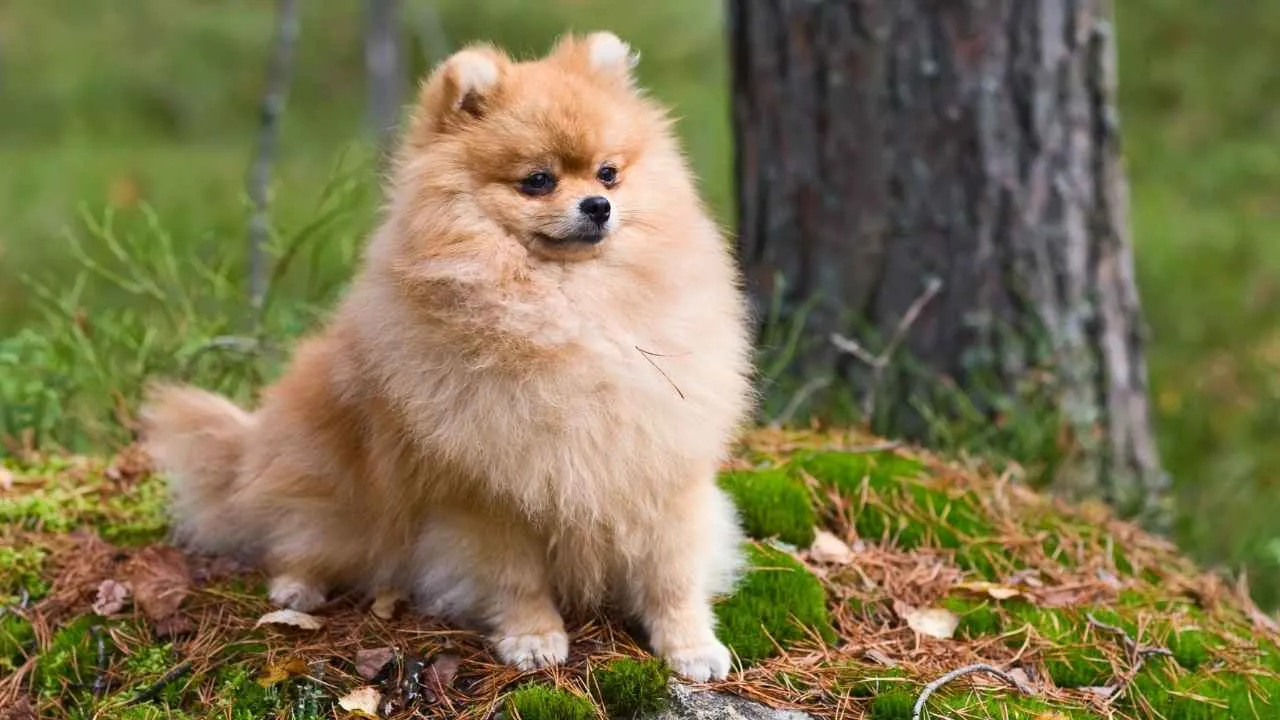
According to PetMD, the Pomeranian comes from bigger Spitz-type working dogs and was bred down from much larger herding roots.
Today, it’s famous for a foxlike face, a square little build, and a double coat that seems determined to look like a walking cloud. Colors and patterns vary wildly, so you can get a Pom in everything from classic shades to eye-catching mixes.
This breed tends to act like it owns the place. Pomeranians are spunky, confident, and attention-loving, and many do well with other pets. They can suit families, singles, and older adults, but their fragile size means homes with very young kids may need extra care.
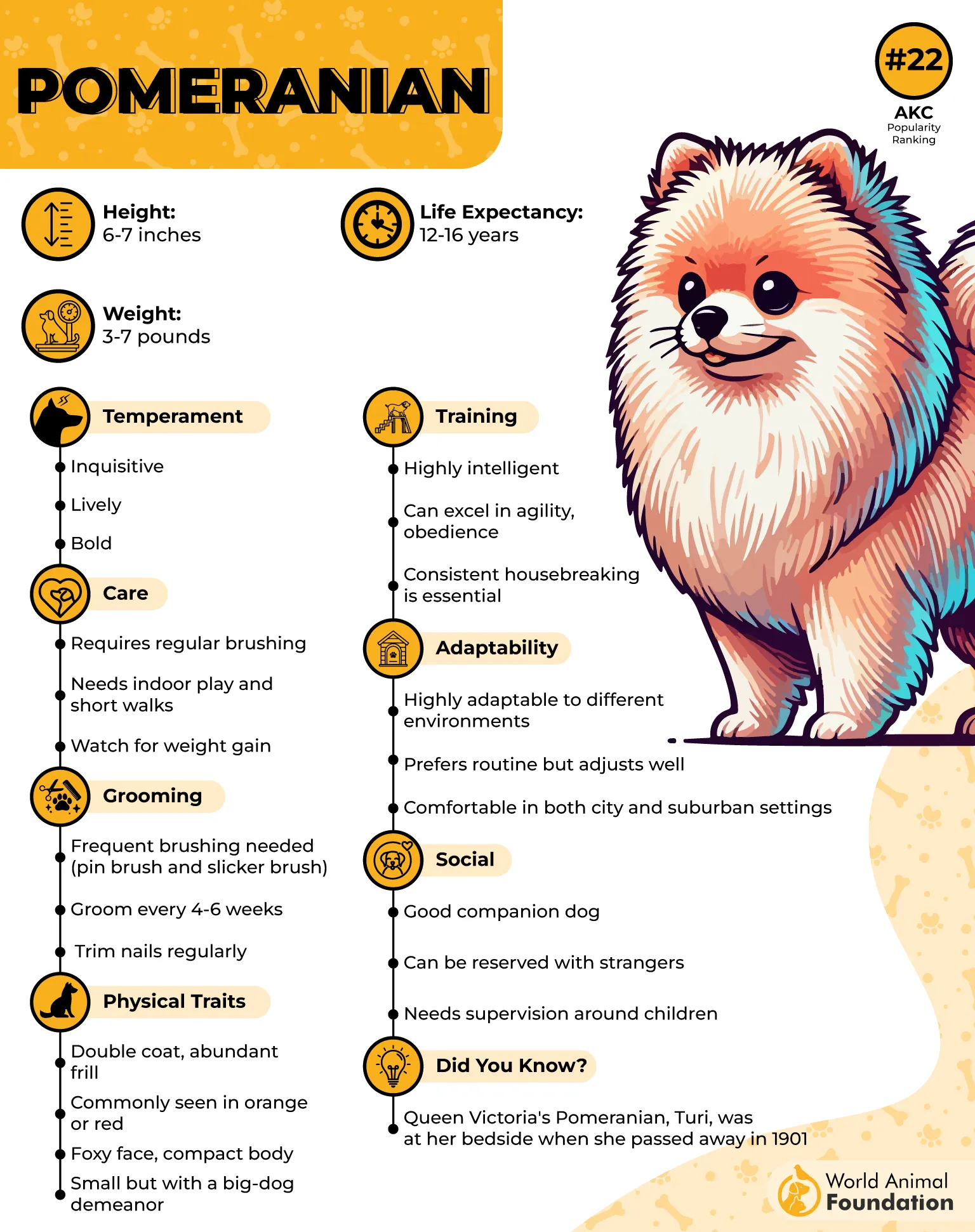
That fluff is not decorative; it’s a commitment. The coat needs consistent upkeep, and some owners choose haircuts to make brushing easier. The breed can also face issues like dental disease, collapsing trachea, and low blood sugar episodes, so planning for vet care matters.
Why This Breed Is a Good Fit
If you want a tiny dog with “big CEO energy,” this one brings it daily.
Great for people who prefer short walks and lots of at-home play.
Best for households that can handle grooming and gentle handling rules.
2. Yorkshire Terrier
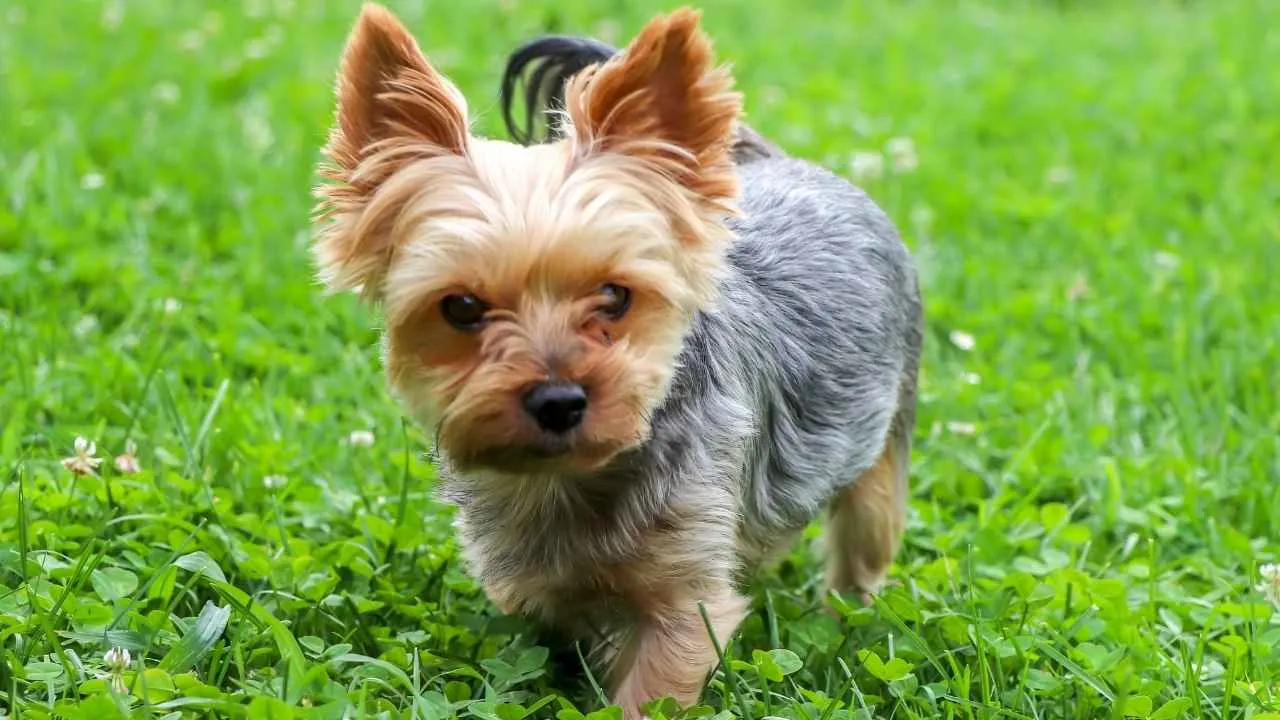
The Yorkshire Terrier is the smallest terrier-type dog and was originally bred as a watchdog and rat catcher in mills, and that history still shows in its bold, hunting-instinct attitude.
Even after being gradually miniaturized into a fashionable companion, the Yorkie often insists on being part of whatever is happening. Being compact dogs, teacup Yorkies weigh under 7 lbs.
Petplan describes Yorkies as intelligent, independent, and confident, which can be hilarious until they decide they are in charge of the neighborhood. They tend to do well with people living alone and can fit family life with older children, especially when kids learn how to interact respectfully.
With other dogs and cats, early introductions help, but small pets may trigger that built-in chase switch.
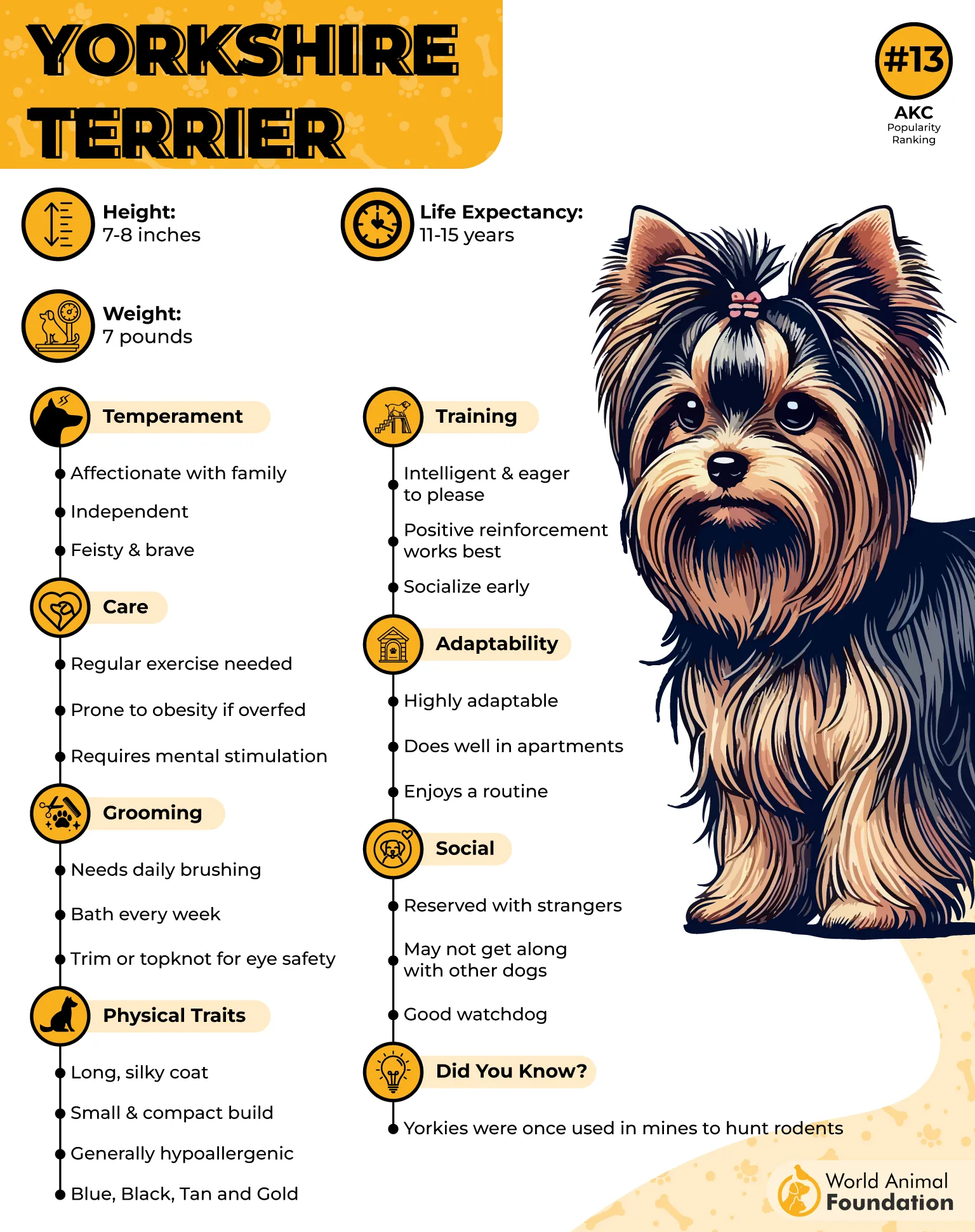
This breed is energetic and benefits from daily exercise, and activity helps reduce territorial behavior and excessive barking. Their long, silky coat keeps growing and needs daily brushing, plus regular trims from a professional groomer.
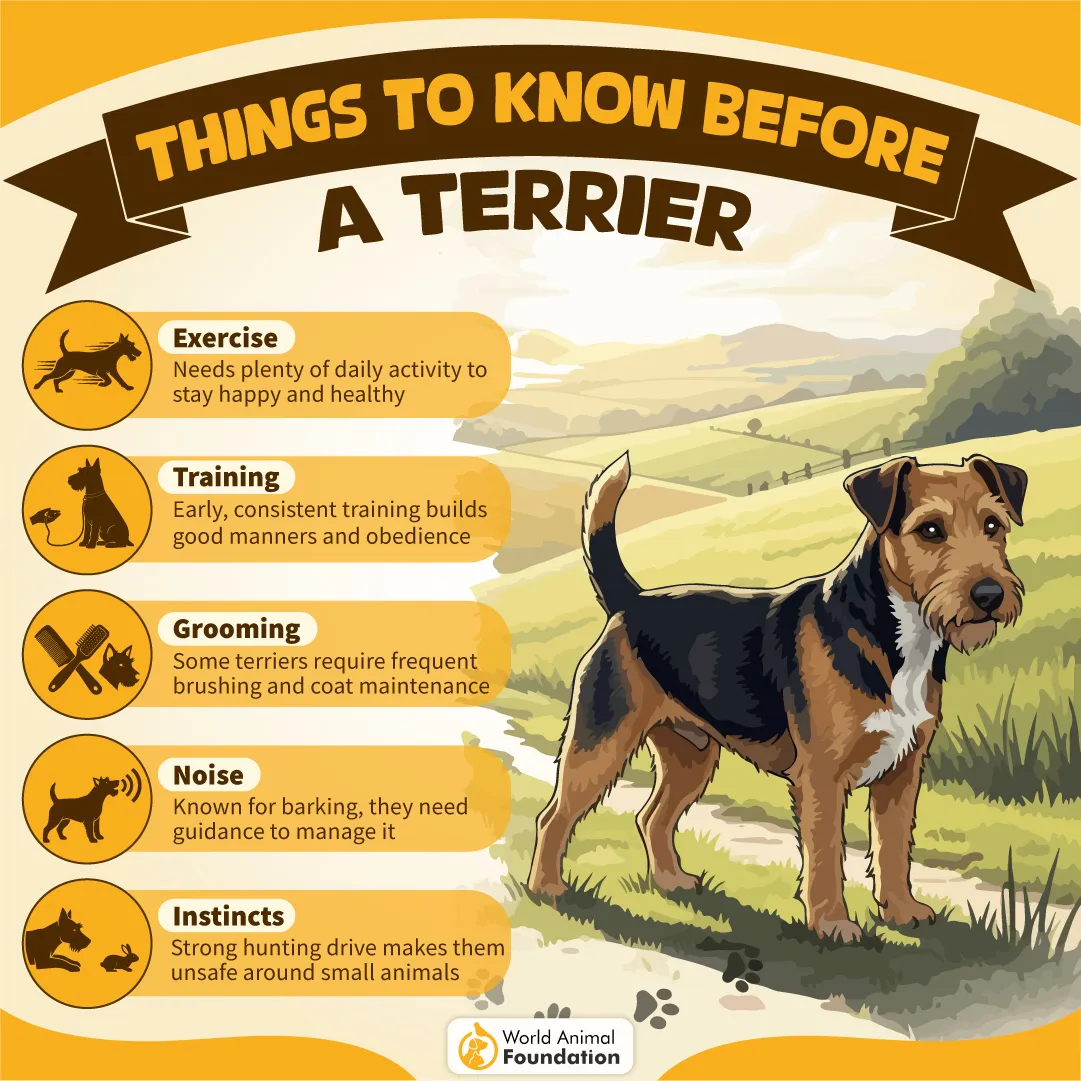
Training is usually quick because they are eager to please, though housetraining can take patience.
Why This Breed Is a Good Fit
Stays pint-sized while still bringing true terrier confidence.
A solid match for owners who like games, walks, and a dog with opinions.
Works best when you are ready for grooming time and consistent training.
3. Toy Poodle
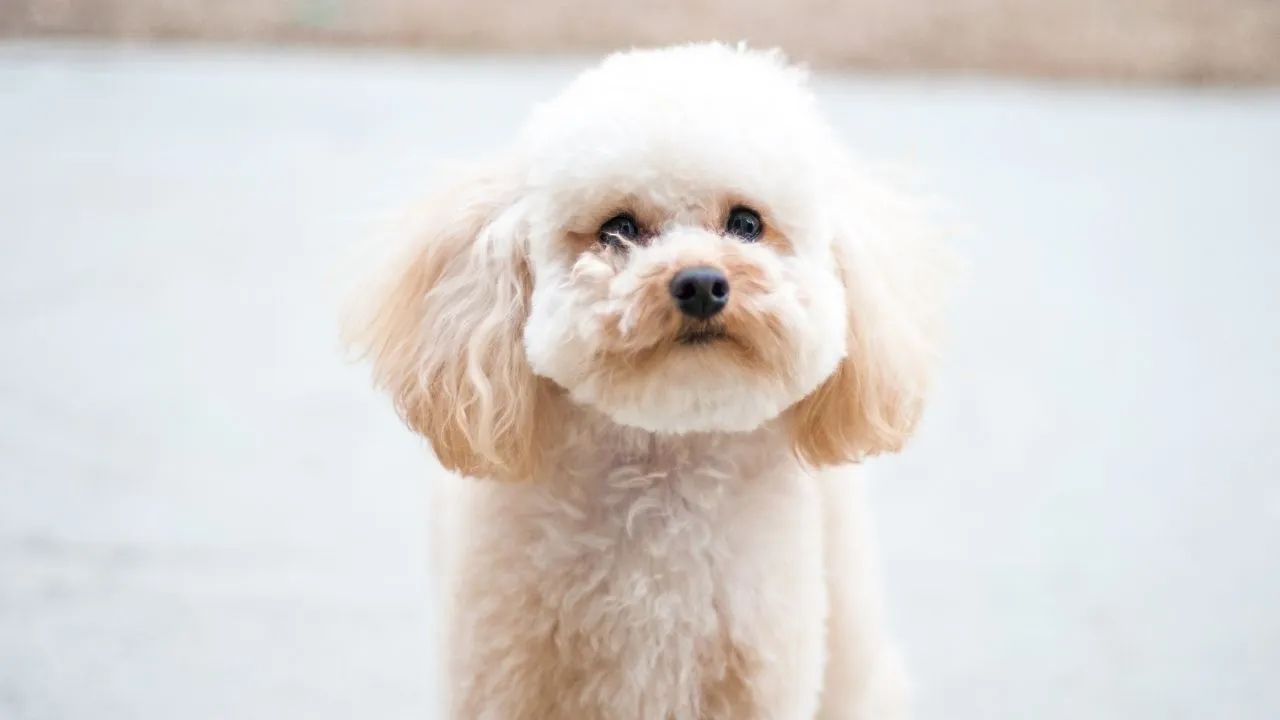
The Toy Poodle may be small, but it carries itself like it’s strolling into a fancy party. Under that curly coat is an elegant, athletic, and highly trainable companion dog breed, known for being eager, energetic, and remarkably smart, according to the AKC.

Poodles come in three size varieties, but the Toy keeps the same overall build and proportions as the bigger versions.
This is not a “decorate the couch and do nothing” type of dog. Poodles of any size need good daily exercise and enjoy staying busy, including swimming and retrieving games that work both mind and body. They are people-oriented, and training goes best when sessions are fun, positive, and consistent.
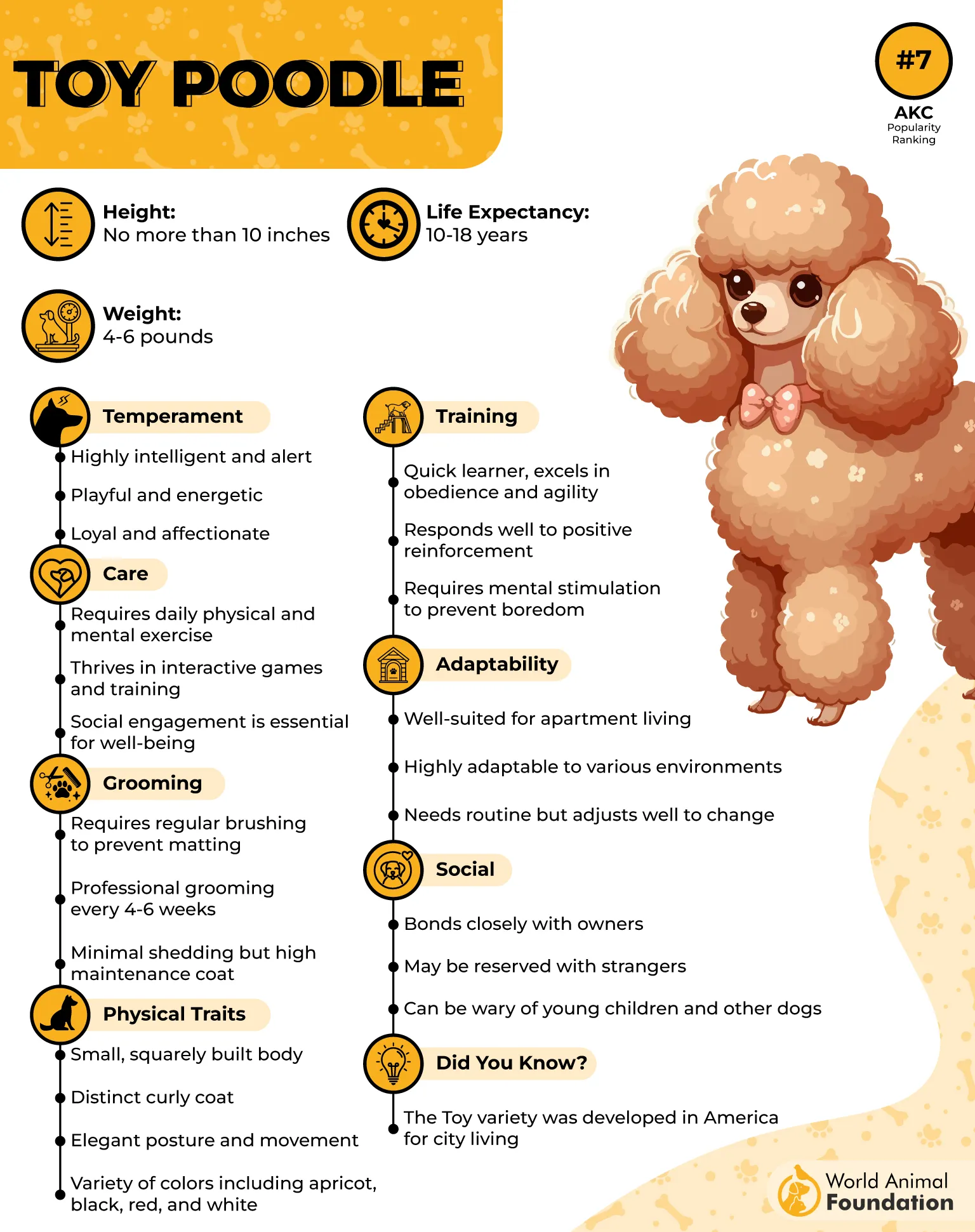
Grooming is a real part of life with this hypoallergenic breed. Daily brushing helps prevent matting if the coat is kept longer, and many owners choose a shorter trim with professional grooming every four to six weeks.
Health-wise, some issues can occur, including hip dysplasia, eye disorders, epilepsy, immune-related disorders, and orthopedic concerns like luxating patellas and Legg-Calve-Perthes.
Why This Breed Is a Good Fit
A little dog breed for people who want brains, bounce, and lots of interaction.
Great if you enjoy teaching tricks and keeping life mentally interesting.
Best for owners who can commit to regular coat care and grooming routines.
4. Maltese
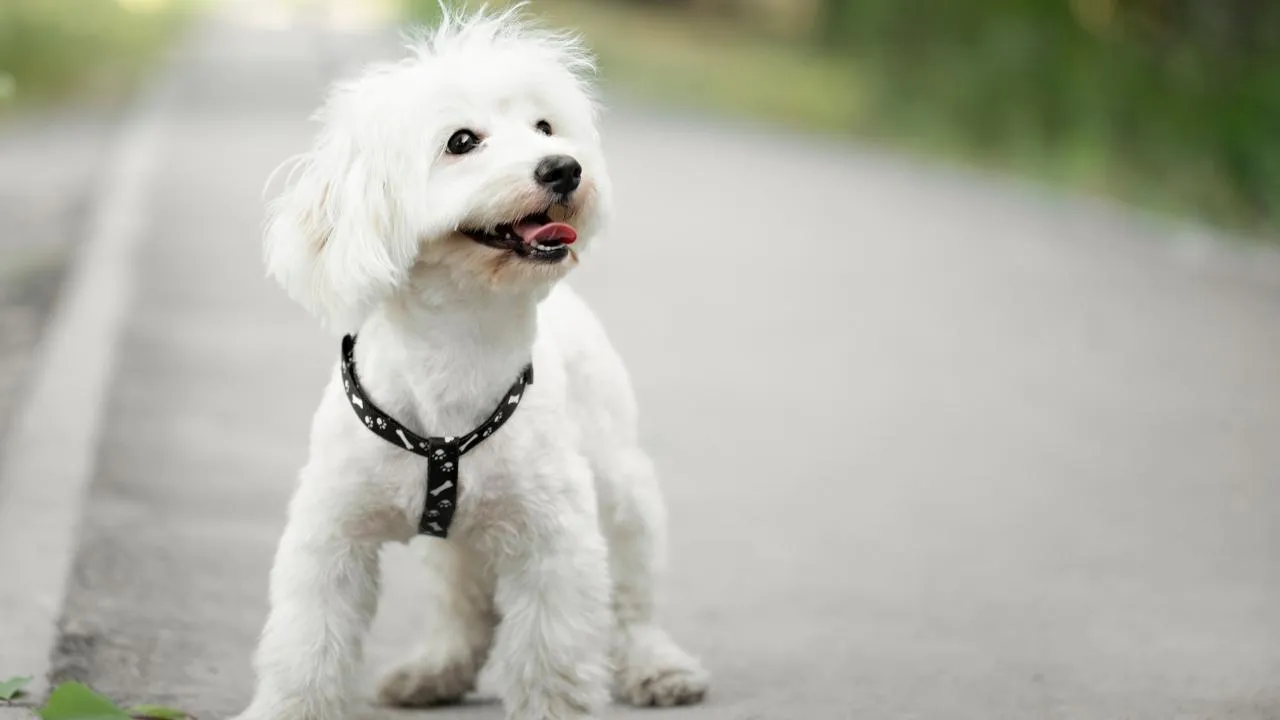
The Maltese is a toy breed named for the island of Malta, with roots that may stretch far back in history. It looks delicate but is often vigorous, affectionate, and lively, with a long, silky, pure-white coat and a plumed tail that curves over the back, as per Britannica.
The vibe is “polished lapdog,” but with enough spark to keep things entertaining.
The Maltese can get its exercise needs met in a small yard, house, or even an apartment, especially with leashed walks for mental stimulation. It’s playful and may chase balls, though it might not feel like returning them, which is honestly relatable.
The breed can be bold, sometimes brash toward larger dogs, tends to be aloof with strangers, and may bark more than the job requires.
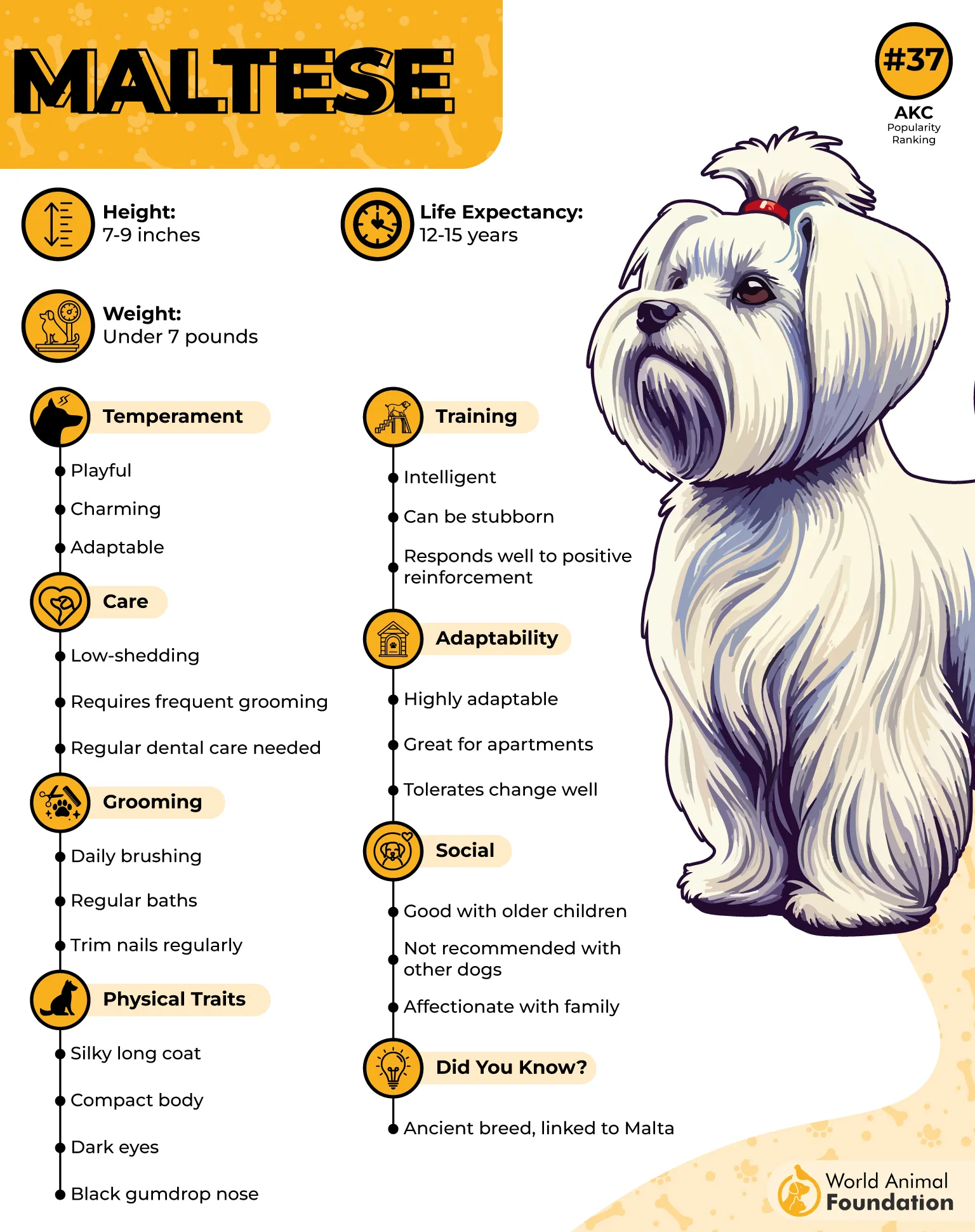
That gorgeous coat comes with chores. Maintaining the long white coat is challenging, so many owners clip it regularly, and frequent bathing with whitening shampoo can help with coat brightness and staining issues.
Patellar luxation is a concern in very small breeds, and any hopping or skipping should be checked by a veterinarian. Because of its size, owners should protect it from larger dogs, predators, and household hazards.
Why This Breed Is a Good Fit
Ideal for someone who wants a tiny companion that still has pep.
Fits small-space living, as long as it gets walk time and play breaks.
Best for careful households that can manage coat upkeep and safety basics.
5. Chihuahua
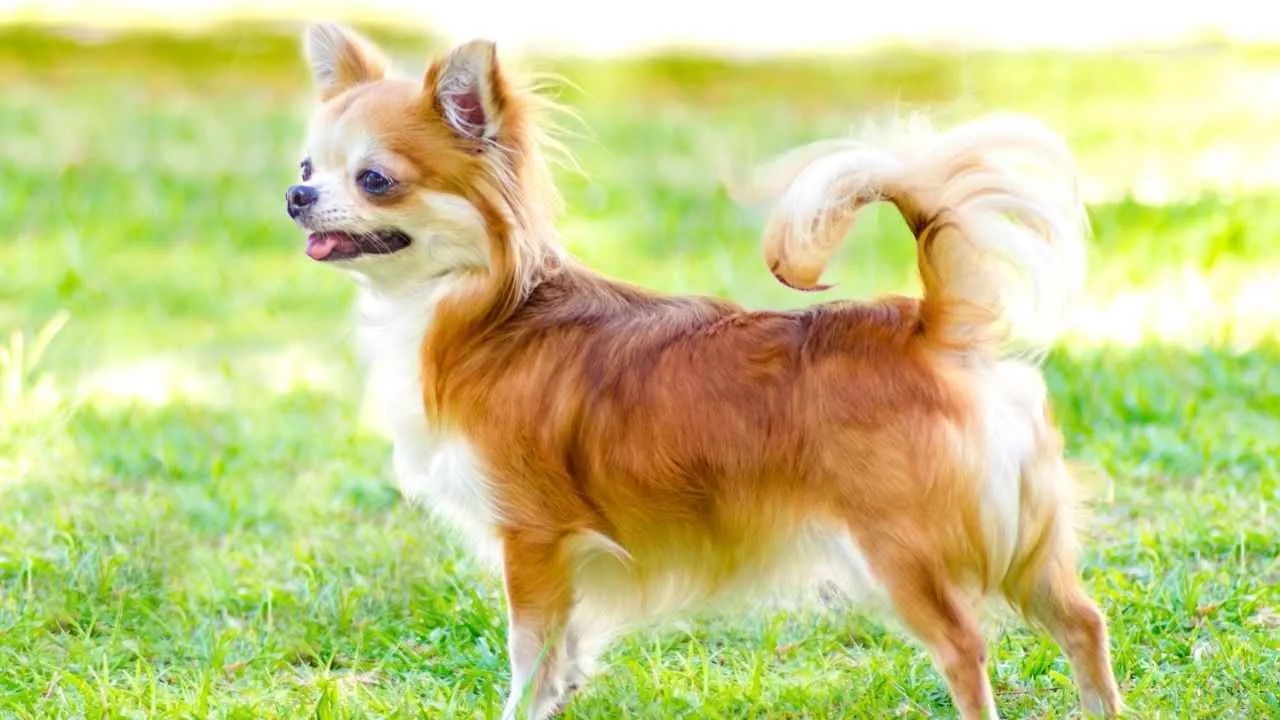
The Chihuahua is officially the national dog of Mexico. Charming, intelligent, and famously sassy, this tiny dog thinks it’s the main character. They often bond closely with their people and love attention, but can be snappy with strangers if they feel unsure.
Early training and socialization help them handle new faces without turning every greeting into a dramatic scene.
Even though they’re often labeled lap dogs, they’re quite active and like to stay busy. They respond well to positive training, but they can also test boundaries, so consistency matters from day one. Exercise can be simple, with play and short walks doing the job, and overdoing it is best avoided.
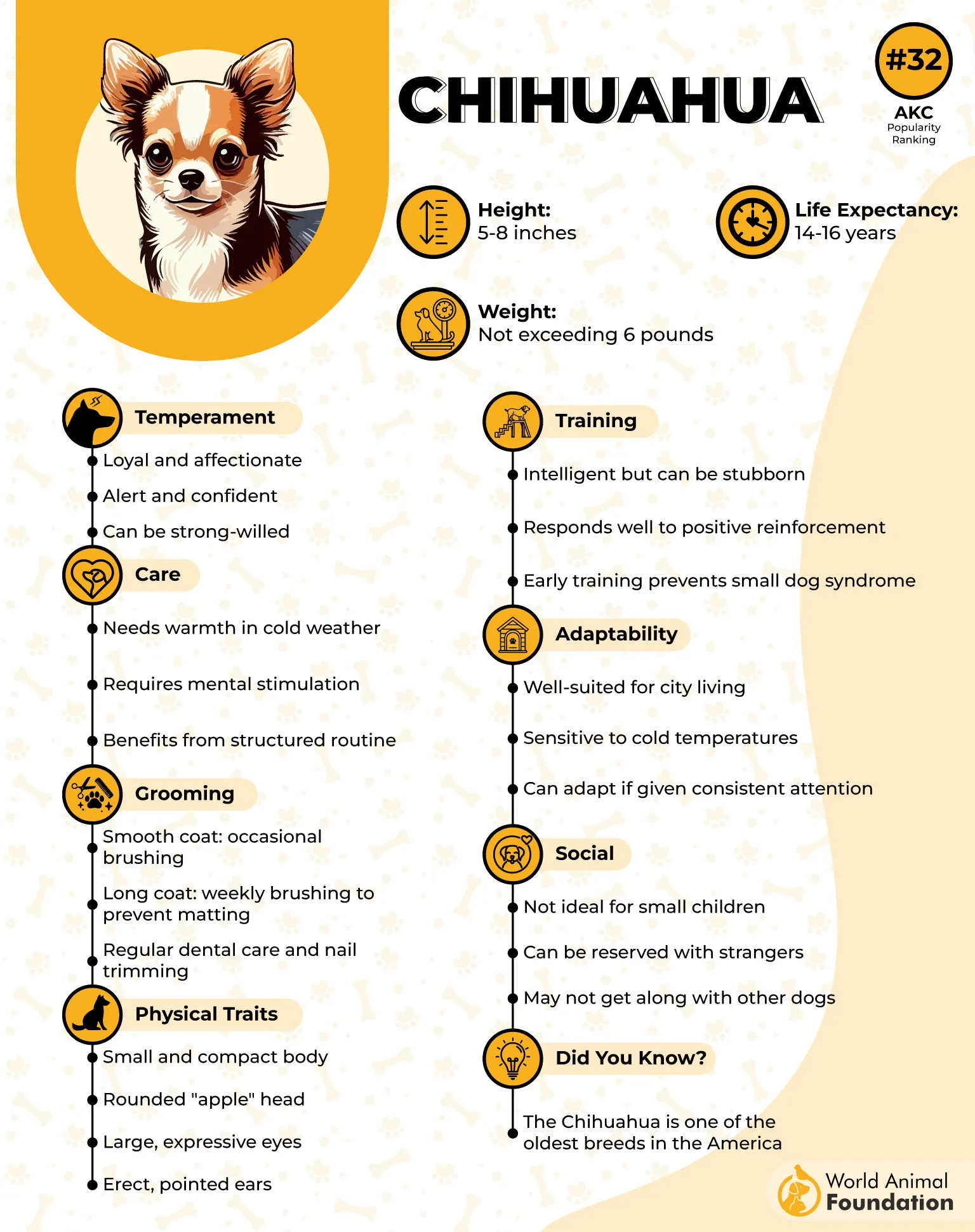
Grooming needs depend on coat type, and dental care is a big deal because of their small jaws and weaker teeth. They can also be prone to issues like collapsing trachea, patellar luxation, hypoglycemia, and hydrocephalus, plus eye and heart concerns.
For daily life, they can fit nicely in smaller homes and may be taught indoor potty options, but they should not be left unattended outside due to risks from bigger animals.
Why This Breed Is a Good Fit
A lifelong tiny sidekick for people who want a portable best friend with bold opinions.
Works well for small-space living, especially if you prefer play sessions over long outings.
Best for owners ready to prioritize training, teeth care, and safe supervision outdoors.
6. Shih Tzu
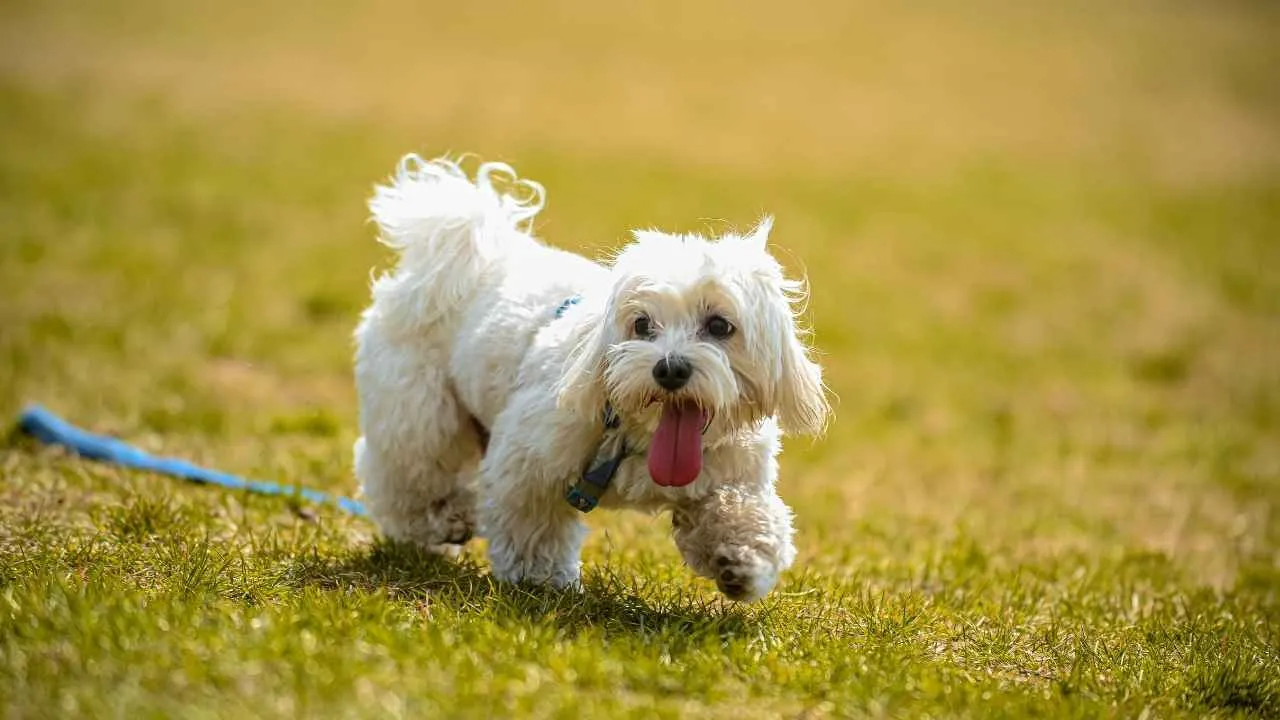
The Shih Tzu is playful, social, and known for being cute enough to get away with a lot. They originate in China, and the name comes from a Chinese word meaning “lion,” which is funny because most of them look like a plush toy that learned to blink.
These gentle and affectionate companions are bright, curious, alert, and active, with a temperament that adapts well to people and other pets. They do not need a lot of space, which makes them a popular choice for homes of all sizes, as long as they have room to play.
They were bred to be indoor dogs, so short walks and indoor playtime are usually the plan, and they are sensitive to heat, so outdoor time needs to be sensible.
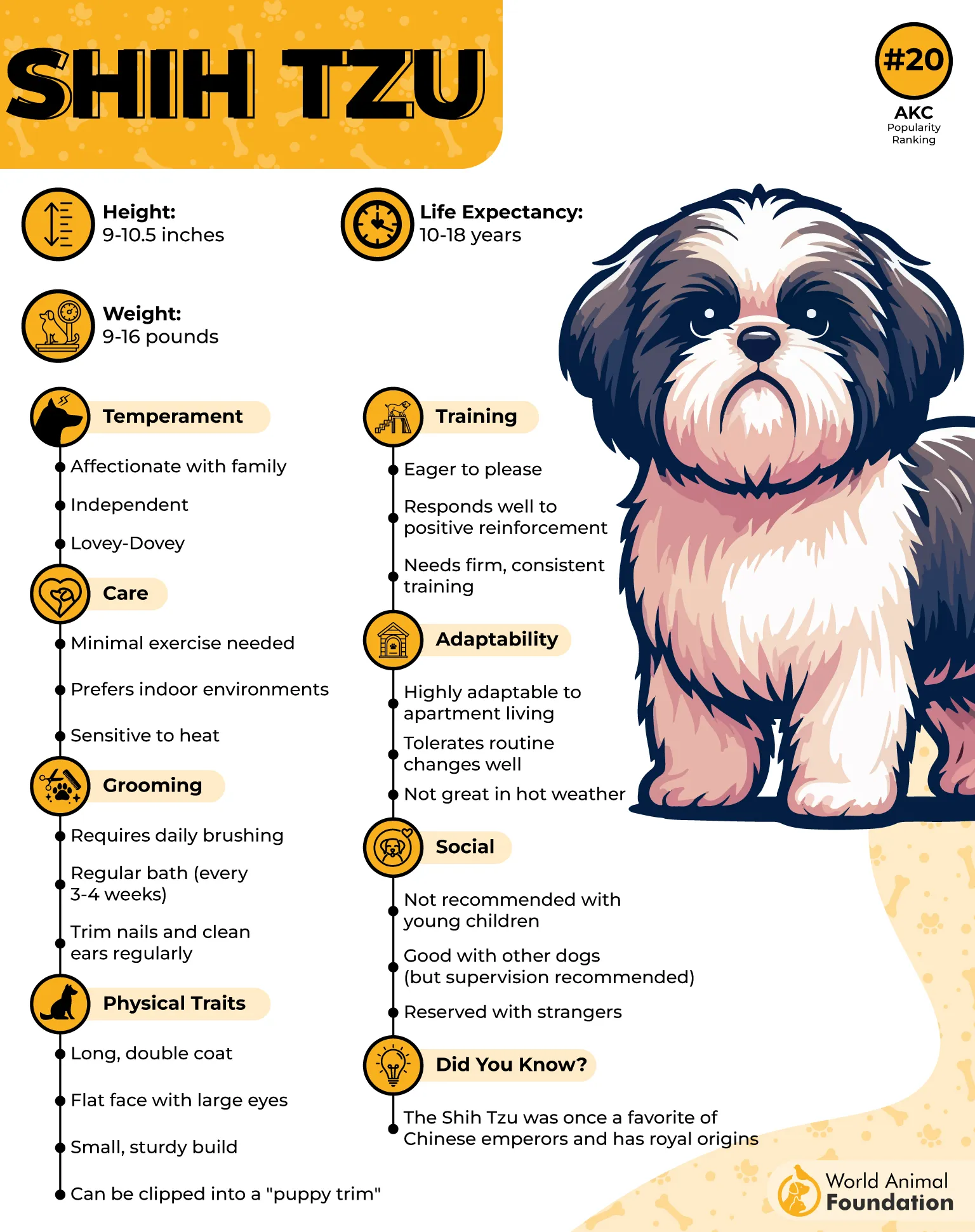
That gorgeous long coat comes with responsibilities. Daily brushing, regular baths, and keeping the hair on top pinned up or trimmed so it doesn’t irritate the eyes, plus steady dental care and weekly ear cleaning.
Health concerns to watch include dental issues, obesity, liver shunts, joint and spine problems, Cushing’s disease, eye conditions, allergies, respiratory distress, and heart disease, so regular vet care is a smart habit.
Why This Breed Is a Good Fit
A forever-small companion for people who want a friendly “shadow” dog at home.
Great for apartment life if you can keep exercise short, cool, and consistent.
Ideal when you are willing to stay on top of grooming and routine health care.
7. Pug
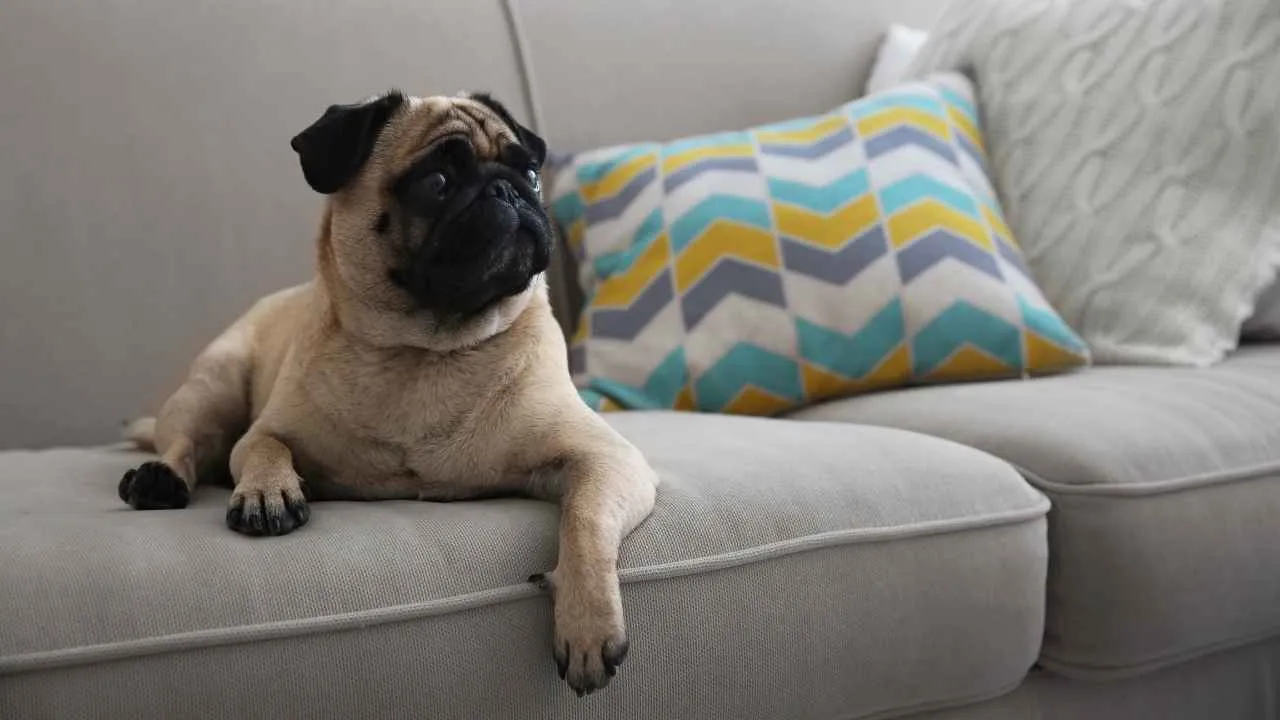
The Pug, originally bred to be a lapdog, is an ancient breed with roots in China and a long history of being adored. They are easy to recognize by their flat, wrinkly face, curly tail, and snorty breathing sounds that can be equal parts cute and chaotic.
They thrive on attention and like being included in daily life, which means they will absolutely supervise everything you do.
Their brachycephalic build affects how they breathe, and it also helps explain the famous snoring and why they do not do well with extreme exercise or hot conditions. Several short walks and relaxed activities like casual strolls or a quick game of fetch tend to suit them best.
They can have bursts of energy, but many are calm couch potatoes who would rather cuddle than train for a marathon.
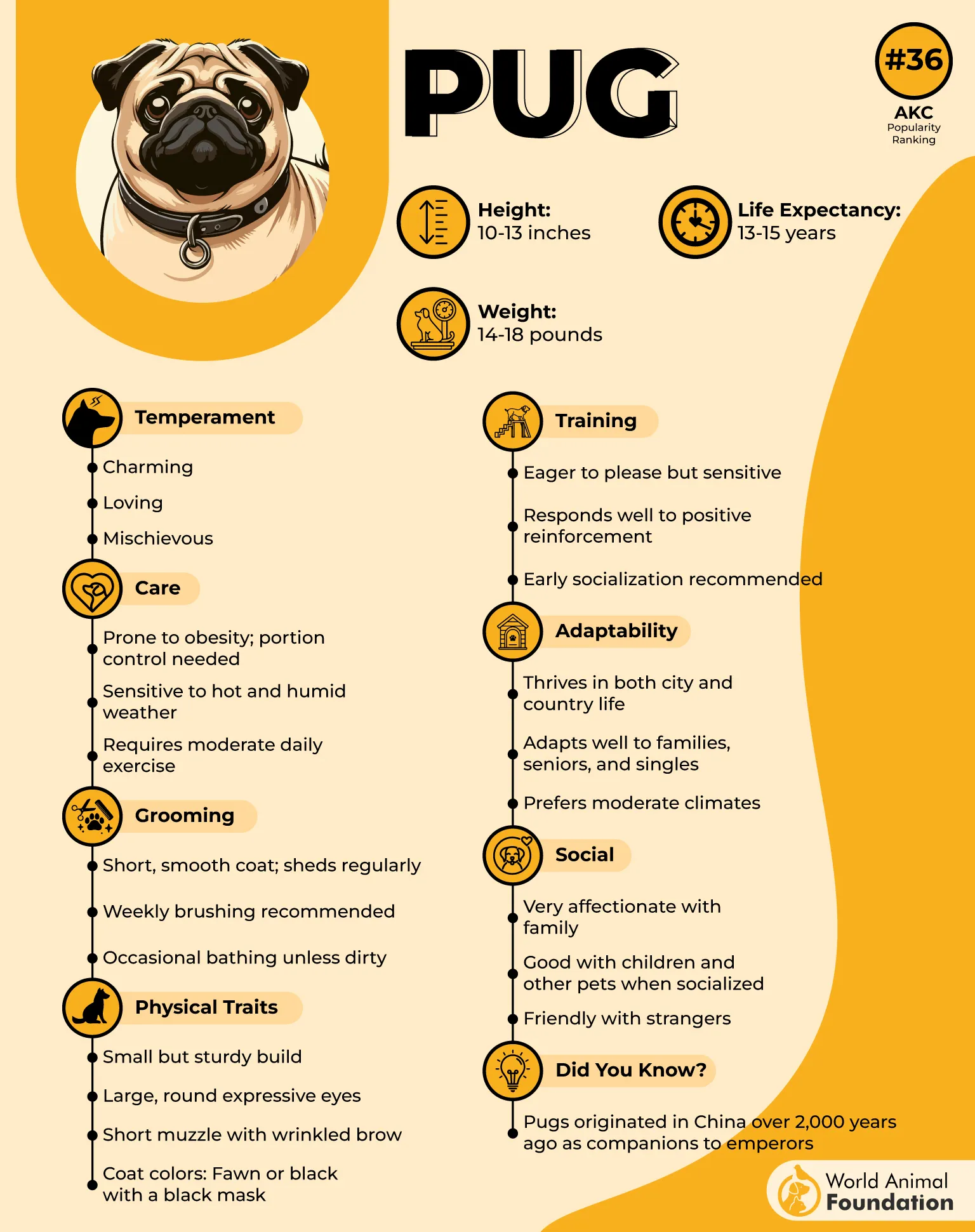
Owning this cuddly companion comes with extra upkeep. They shed, need regular brushing, and their facial folds should be cleaned and dried to reduce irritation and infection risk. They are prone to issues like overheating, airway syndrome, obesity, skin allergies, ear infections, dental disease, and eye injuries, so staying proactive with vet care matters.
With mental stimulation and positive training, they can be sweet, easygoing companions for many households.
Why This Breed Is a Good Fit
A tiny dog that stays compact while specializing in premium-level cuddling.
Perfect for people who like short walks and lots of indoor together-time.
Best if you are comfortable managing wrinkles, shedding, and heat-safe routines.
Conclusion
Tiny dogs may be small, but they bring a whole lot of heart, humor, and personality into everyday life. The best match is not just about size. It is about energy level, grooming needs, training commitment, and the kind of companion you want beside you.
Some of these small dog breeds love being the center of attention, others are happy to lounge nearby, and a few will happily do both in the same hour. Other companion dog breeds, such as the Cavalier King Charles Spaniel, Miniature Dachshunds, Miniature Pinschers, and Cairn Terriers, also retain a small size throughout their life.
Take your time, meet dogs in person when you can, and choose the one that fits your home and habits. A forever-small pup can be a lifelong best friend.
