




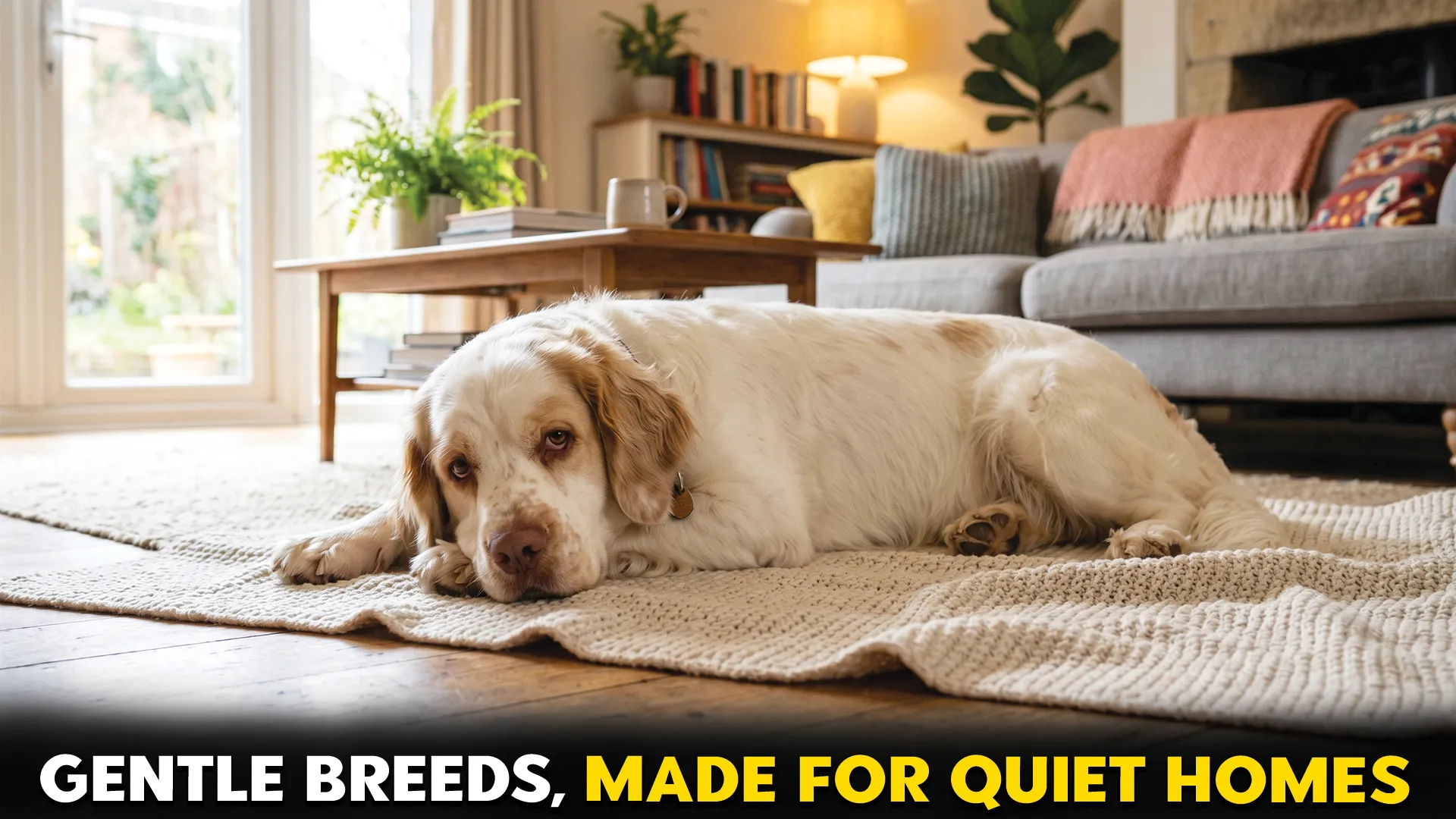
A calm household isn’t just a quiet house—it’s a lifestyle system. It’s predictable routines, low emotional volatility, and an environment where stress doesn’t spike every 10 minutes.
Dogs don’t just “fit” into that—they actively shape it. The wrong breed can introduce chaos, anxiety, and overstimulation. The right breed becomes a stabilizer—almost like emotional background noise that keeps the home grounded.
What most articles miss is that calmness in dogs is not just about low energy. It’s about emotional regulation, attachment style, and environmental sensitivity.
So here are 7 breeds that don’t just survive calm homes—they psychologically thrive in them.
Dog Breeds That Pair Perfectly with Calm Households
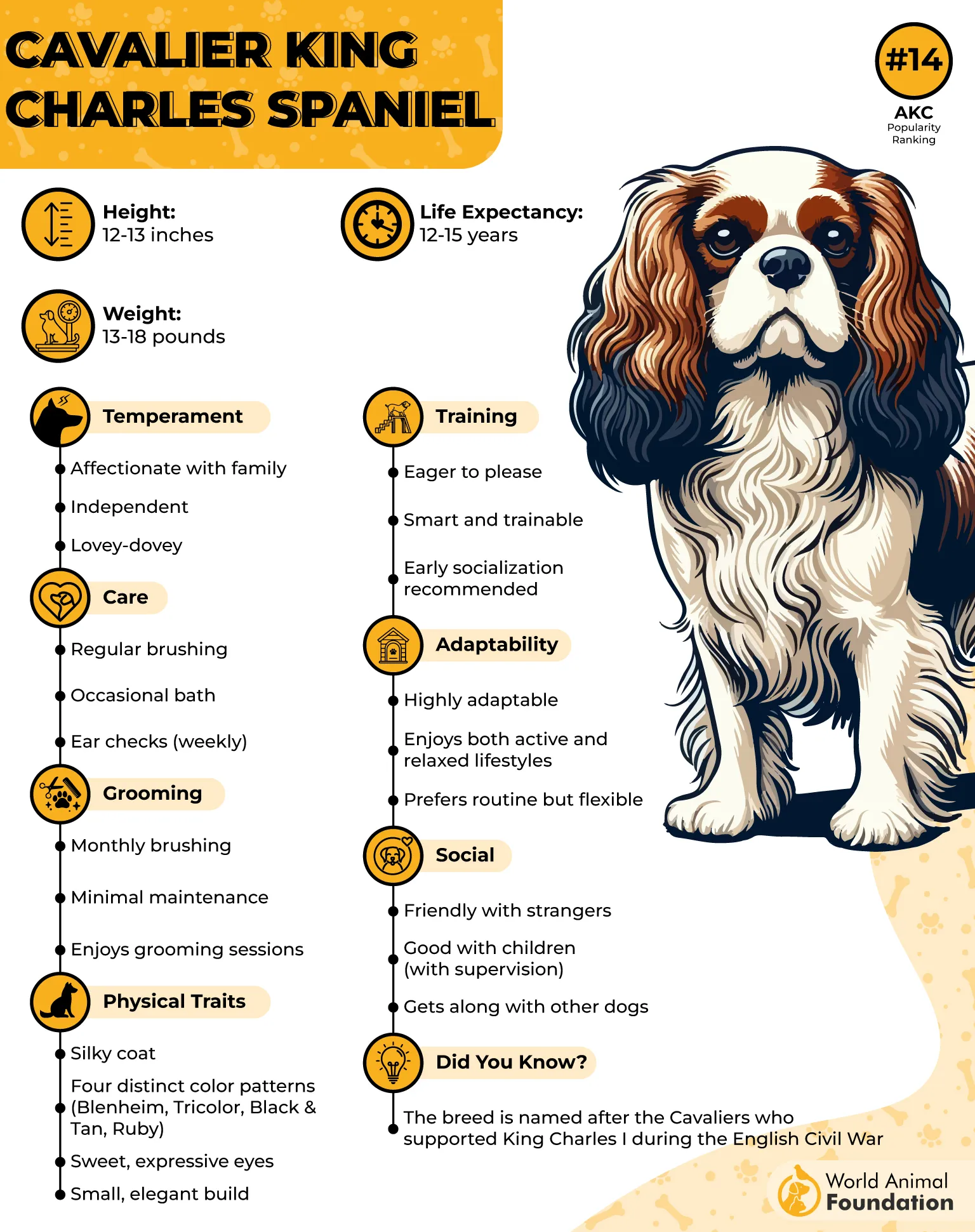
1. Cavalier King Charles Spaniel

Cavaliers don’t just live with humans—they sync with them. Studies and owner reports consistently show that they are among the most emotionally attuned companion breeds, meaning they mirror human mood shifts more quickly than most dogs.
That’s why they’re overrepresented in therapy and emotional support roles. They don’t need commands to comfort—they respond to presence change: slower breathing, sitting down, tone shifts.
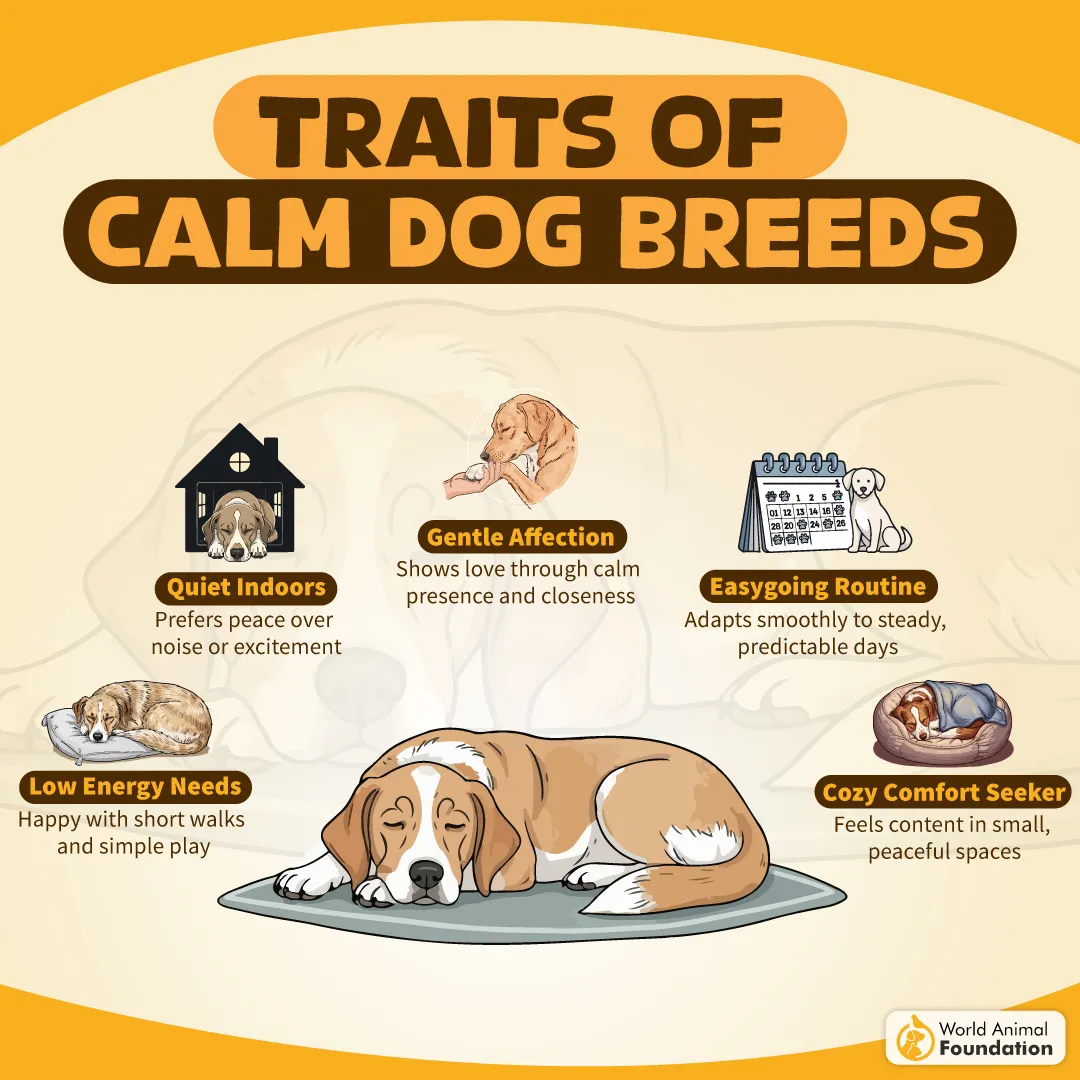
But here’s the deeper layer: this emotional syncing creates a hidden vulnerability—they struggle in emotionally inconsistent homes. Loud arguments, unpredictable schedules, or long periods of isolation can destabilize them faster than expected.
Real owner pattern
Many Cavalier owners describe a “Velcro attachment cycle”—puppy bonds deeply → becomes emotionally dependent → anxiety develops if boundaries aren’t trained early.
Behavioral reality
Attachment style: anxious-leaning but affectionate
Stress trigger: separation + inconsistent routine
Calm-home benefit: stabilizes the owner’s mood in return
Stat insight
Separation anxiety rates in Cavaliers are significantly higher than average companion breeds (commonly reported in behavior surveys as one of the top small breeds for this issue).
They don’t just fit calm homes—they require emotional consistency to stay calm themselves.
2. Basset Hound
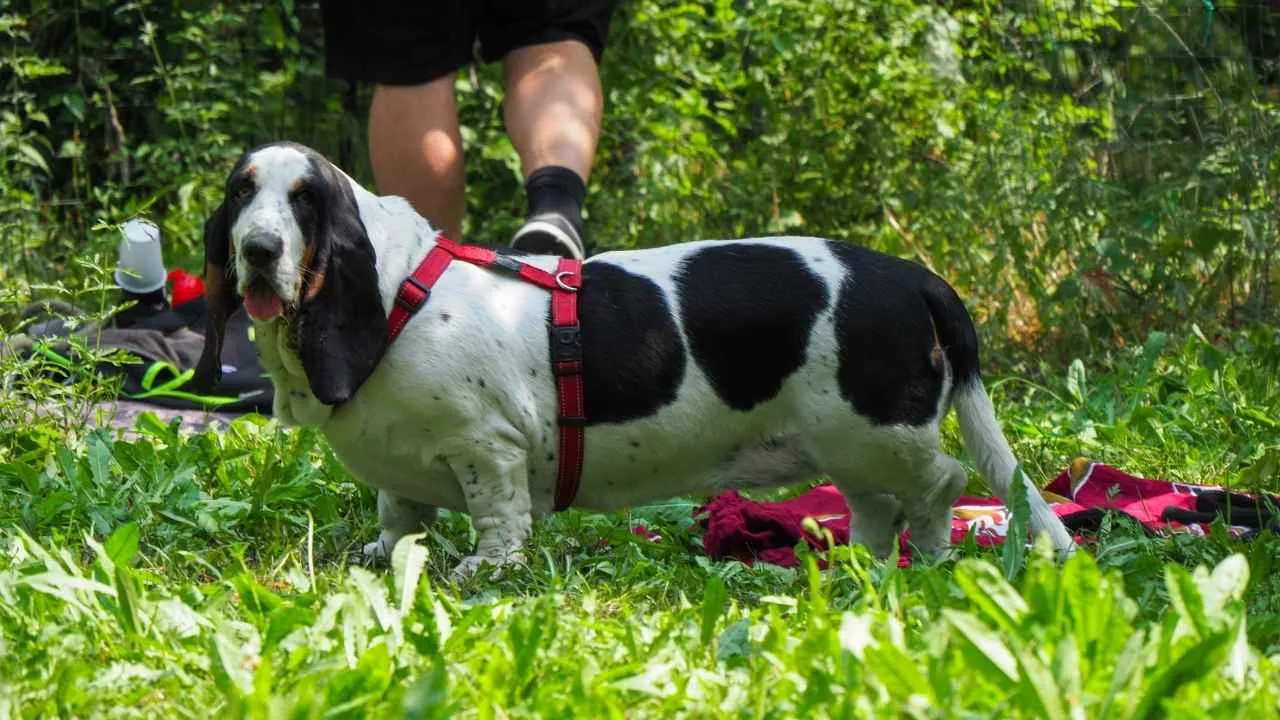
Basset Hounds operate on a completely different cognitive rhythm. Their brain prioritizes olfactory input over obedience processing—meaning scent > commands in many situations.
This is why owners often think they’re stubborn when, in reality, they’re neurologically “locked in” to environmental data processing.
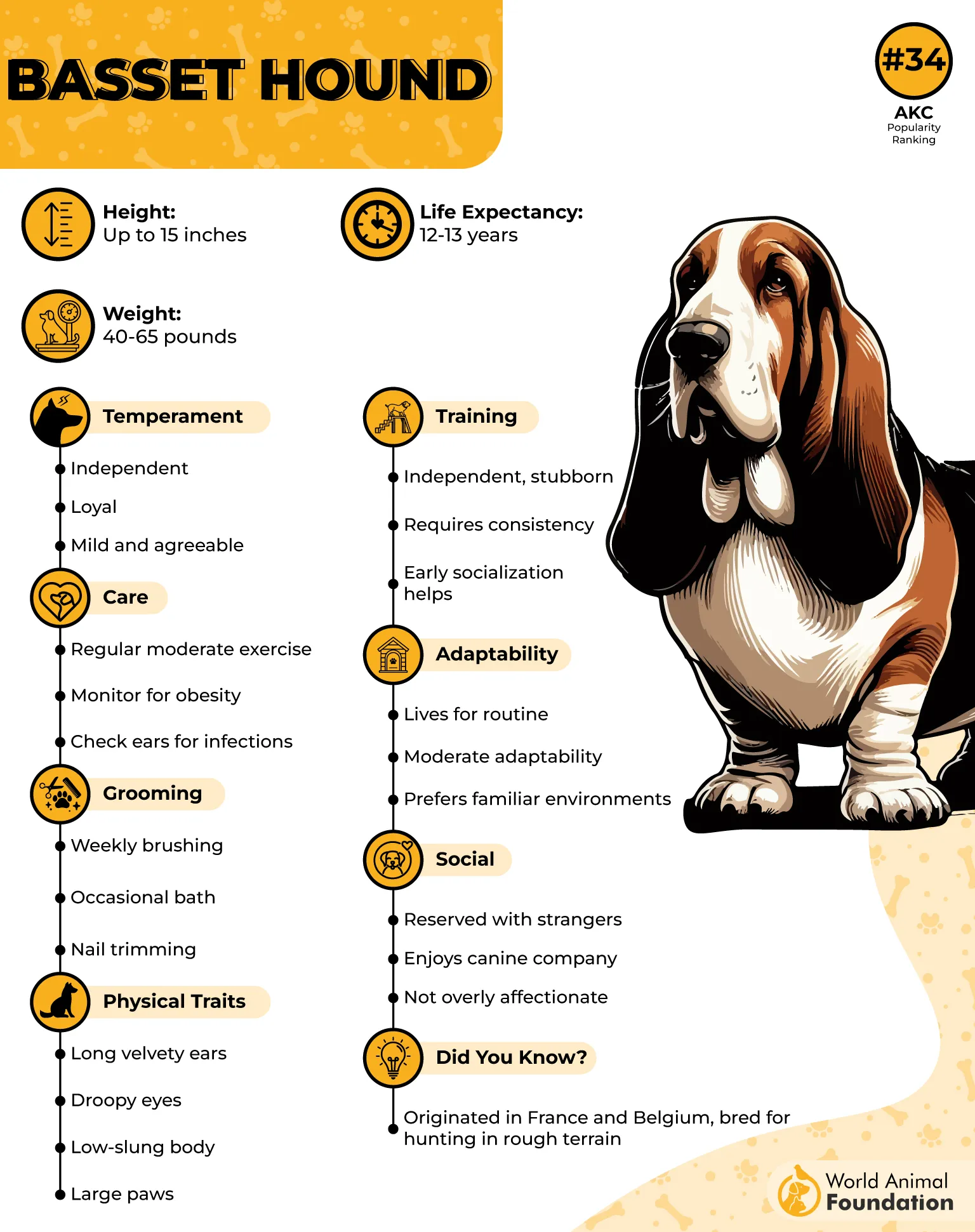
In calm households, this becomes a strength: they are not reactive, not emotionally volatile, and not easily overstimulated. But it also means training must compete with instinctual scent obsession.
The hidden truth most people skip: These hound dogs are not lazy—they are selectively motivated. If something isn’t smell-interesting, they disengage.
Behavioral patterns
Slow response time is normal (not disobedience)
Extremely low reactivity to noise or chaos
High environmental patience
Owner insight trend
People often say, “You don’t own a Basset. You negotiate with one.”
They are ideal for calm homes because they don’t amplify emotional energy—they exist within it.
3. Shih Tzu
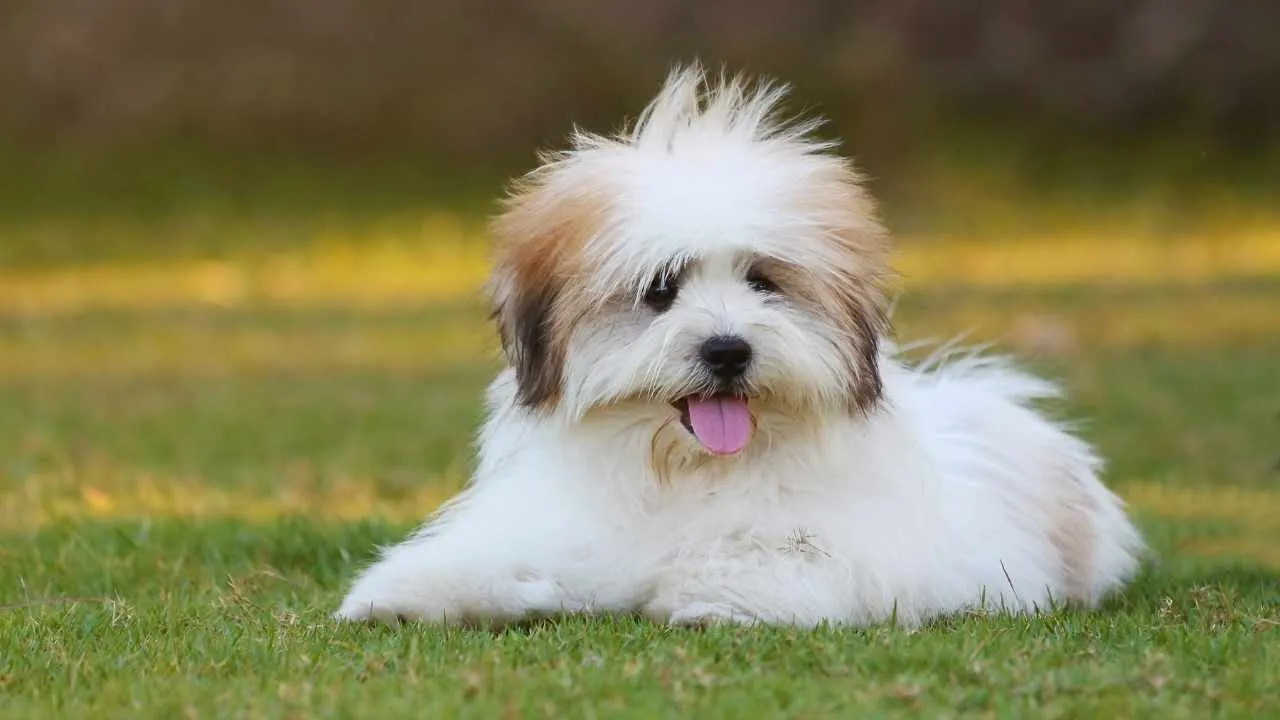
Shih Tzus are among the most domesticated companion breeds in history. Unlike working or hunting breeds, their behavioral baseline is comfort optimization rather than task fulfillment.
This means they actively seek the most comfortable position, temperature, and emotional environment available—like a living algorithm for coziness.
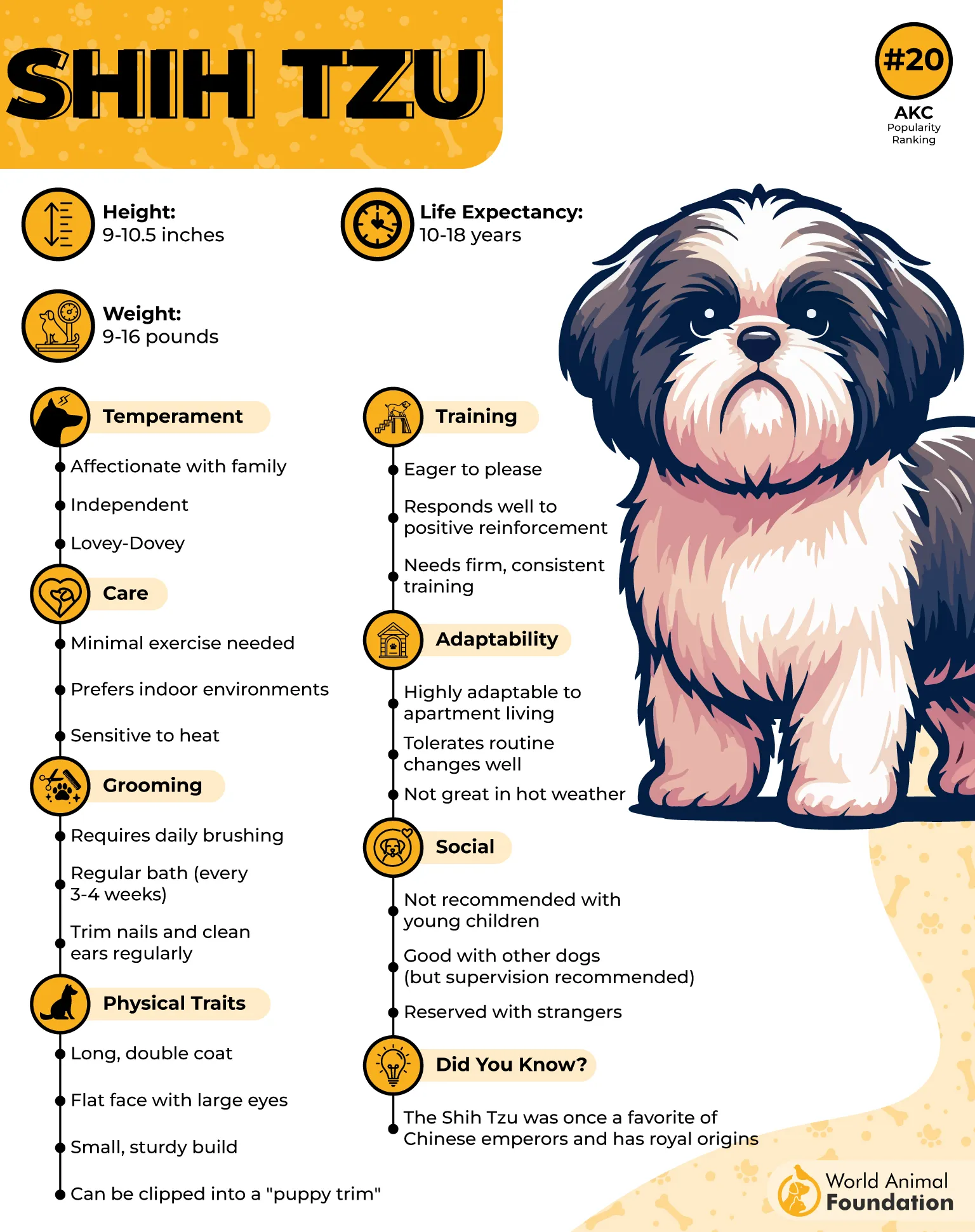
But here’s the deeper insight: they are selectively social. PetMD says they bond deeply, but only within a small trusted circle. This makes them excellent for calm households—but not ideal for highly social, chaotic environments.
Behavioral psychology angle
Low novelty-seeking behavior
High routine dependency
Moderate stubbornness masked as “charm resistance.”
Owner reality
Many Shih Tzu owners report the same pattern:
“They don’t obey out of excitement. They obey out of understanding routine expectations.”
Hidden challenge
Grooming is not cosmetic—it affects emotional comfort. Matting can actually increase irritability and withdrawal behavior.
They don’t just enjoy calm homes—they function best when life is predictable and slow-paced.
4. Clumber Spaniel
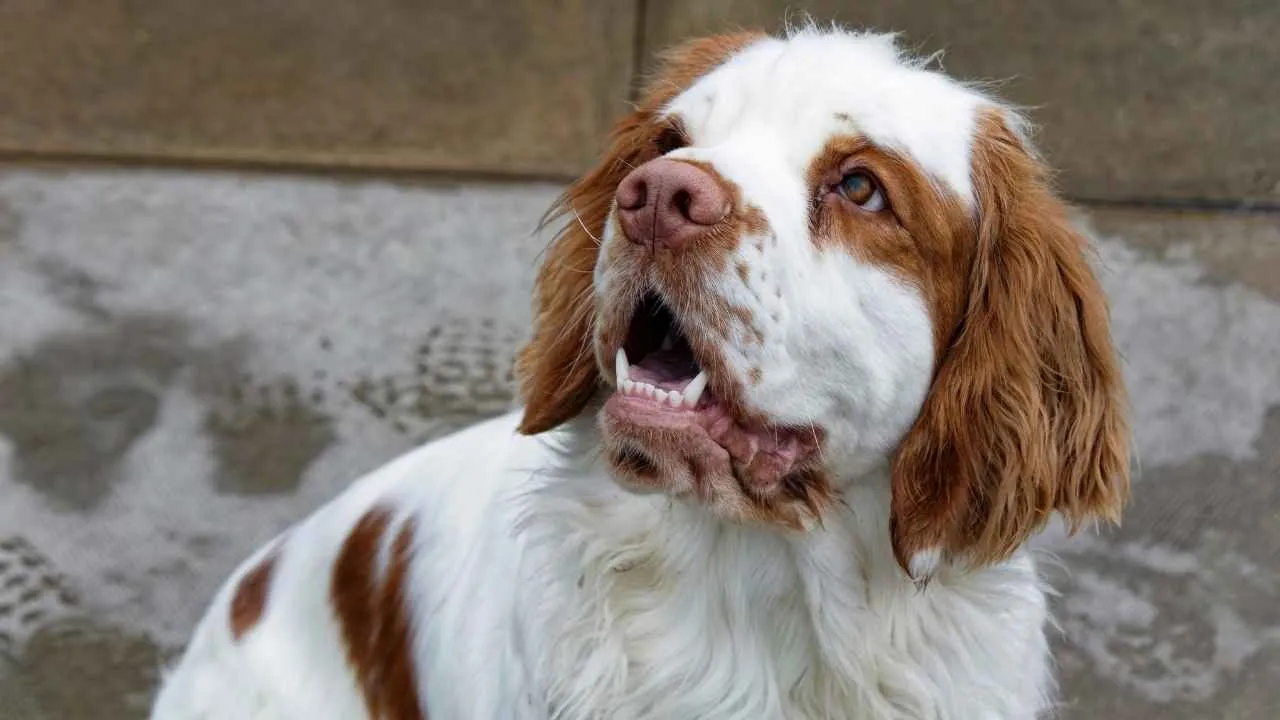
Clumber Spaniels are one of the most behaviorally stable spaniel breeds. Their defining trait is low emotional variance—they don’t easily swing between excitement and stress. Originally bred to hunt, flush, and retrieve game birds, today they make phenomenal companion dogs.
This makes them almost uniquely suited for households that value stability over stimulation.
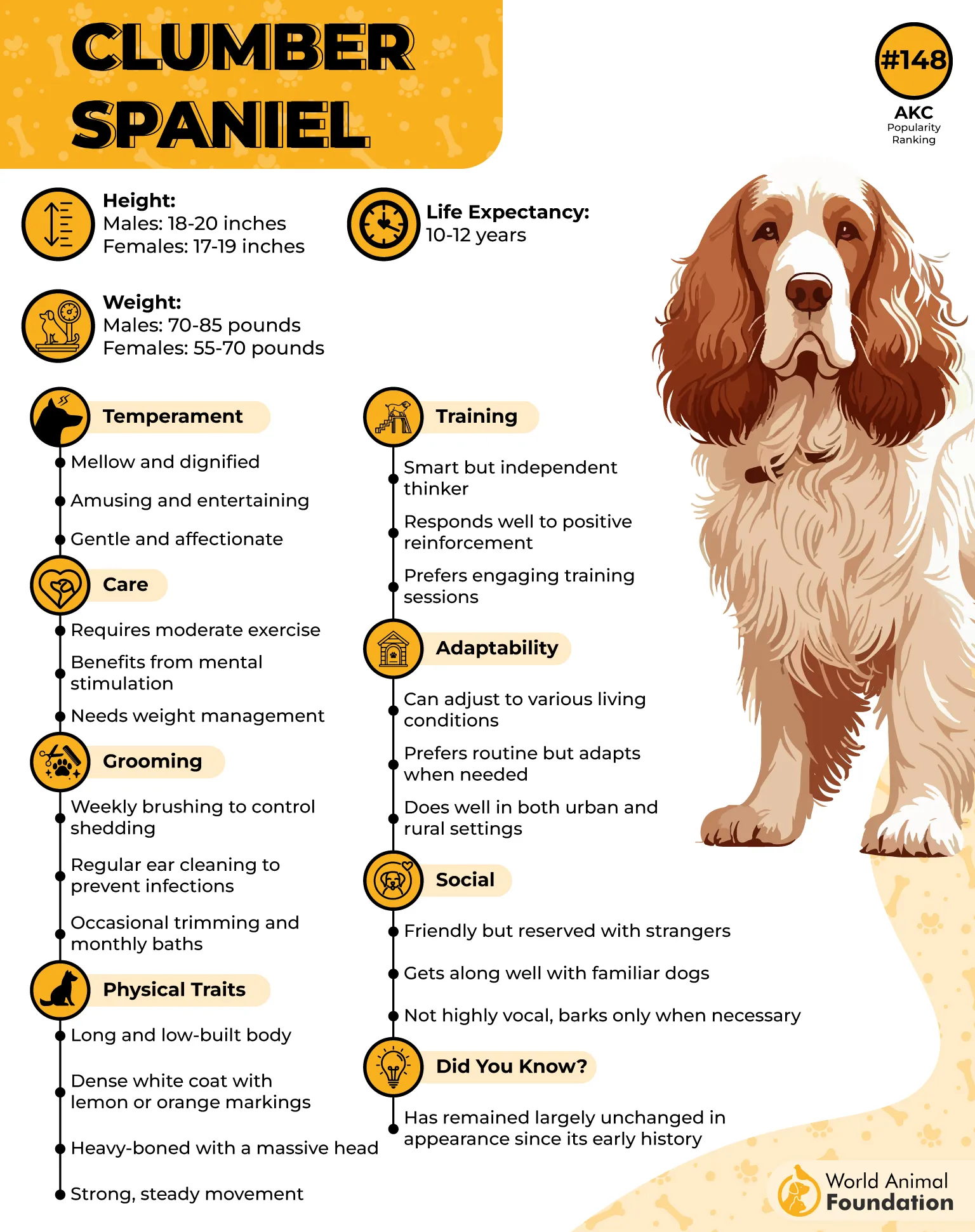
Unlike many sporting breeds that retain high drive indoors, these Spaniels “downshift” aggressively when at home. Think of them as dogs with a built-in off switch.
Behavioral truth
Rarely reactive to noise or visitors
Low dominance drive
Slow but deliberate learning style
Owner insight
Clumber pet parents often describe them as “predictable in the best possible way.” These dogs with an affectionate nature don’t surprise you with behavior spikes.
Hidden consideration
Because of their calm temperament, slow metabolism, and low drive, they require structured exercise to prevent weight gain, not excitement-driven activity.
They are ideal for calm homes because they don’t introduce emotional volatility into the environment.
5. Pekingese
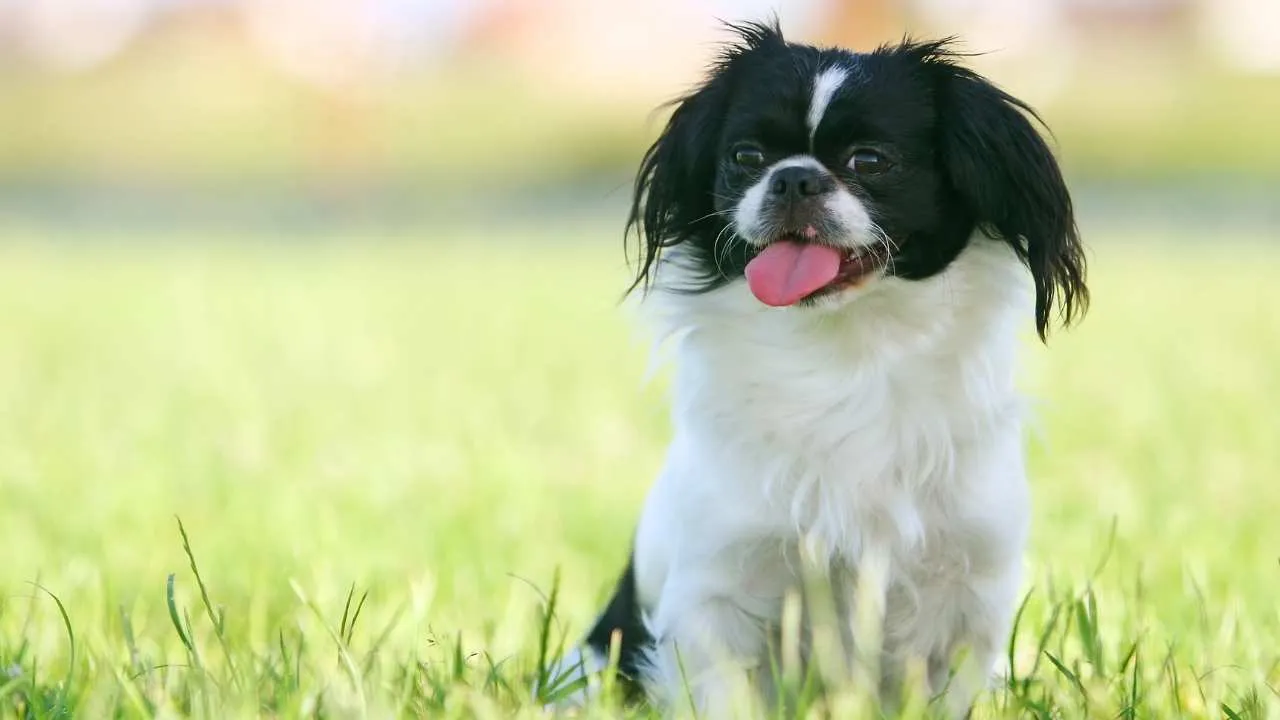
Pekingese is one of the most psychologically independent toy breeds. Unlike clingy lap dogs, they operate on a “co-presence without dependency” model.
This means they are comfortable simply existing in the same space without constant interaction. In behavioral terms, this is closer to feline independence than typical canine attachment.
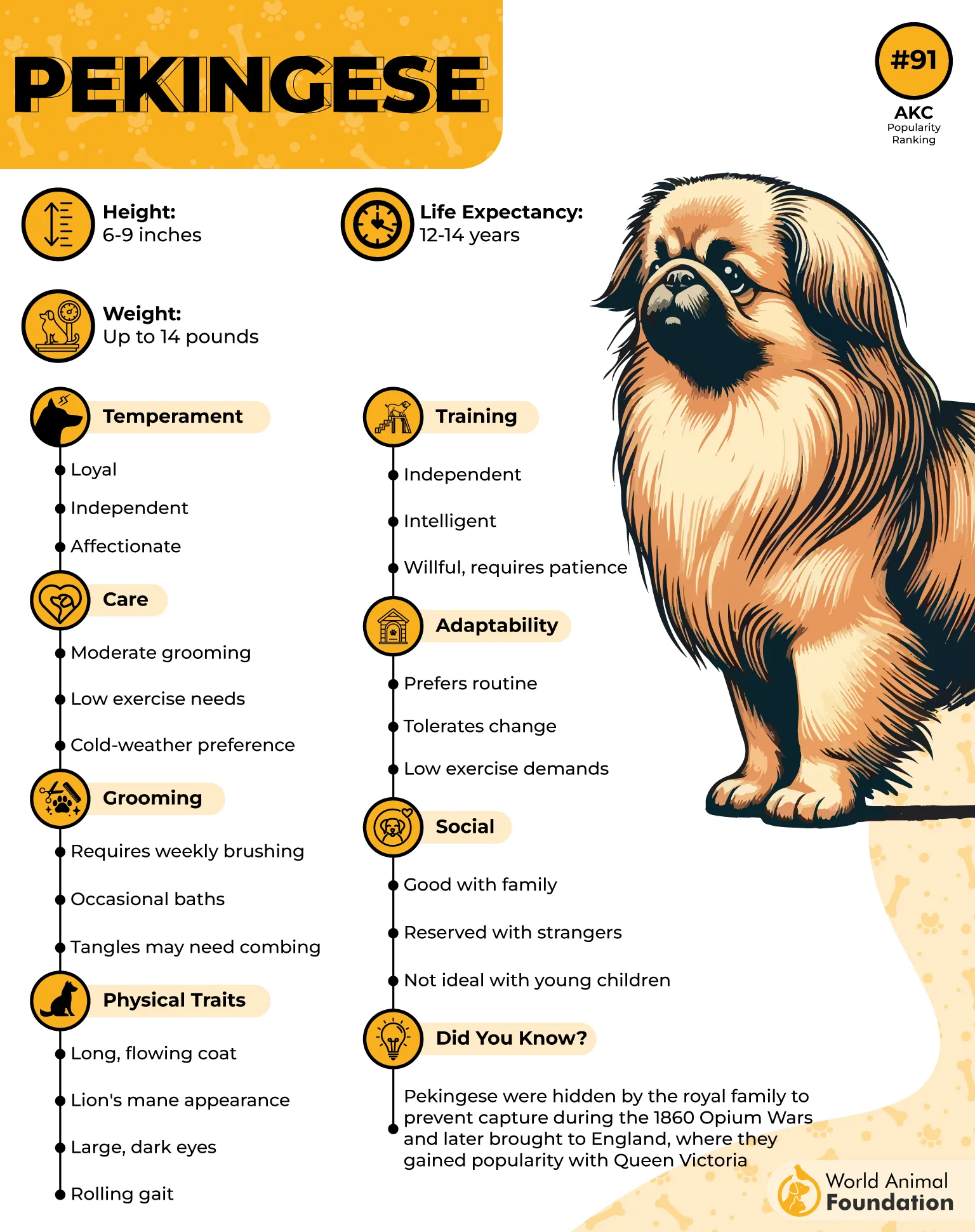
Historically bred for Chinese imperial courts, as per Thoughtco, they developed low urgency responses—meaning they are not easily stressed into action.
Behavioral traits
High self-soothing ability
Low external validation seeking
Selective affection distribution
Owner reality
Many owners say:
“They love you, but they don’t need you constantly to function emotionally.”
Challenge layer
They can become resistant to training if handled with force-based methods. They respond better to respect-based interaction patterns.
They fit calm homes because they do not emotionally “pull” on the household energy—they remain internally stable.
6. Tibetan Spaniel
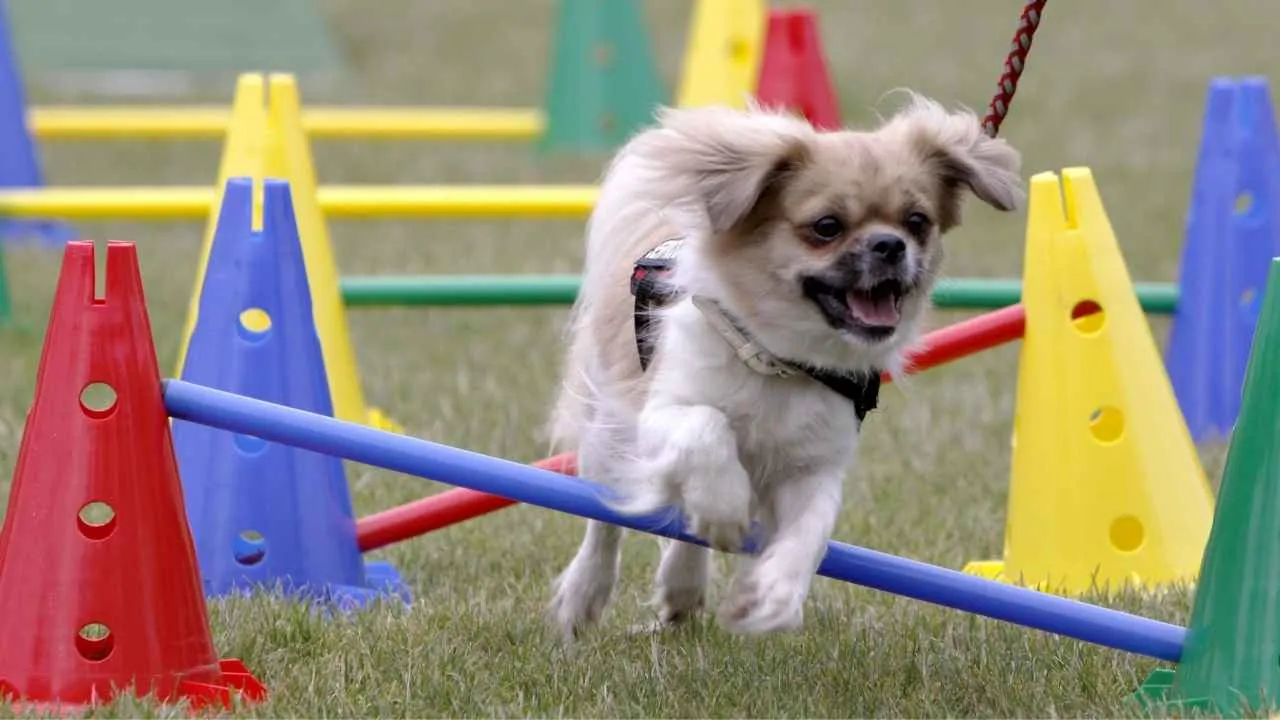
Tibetan Spaniels are cognitively interesting because they combine independence, environmental vigilance, and emotional detachment toward strangers.
Originally monastery watchdogs, they still retain a “perimeter awareness” mindset. They observe everything but rarely escalate emotionally unless necessary.
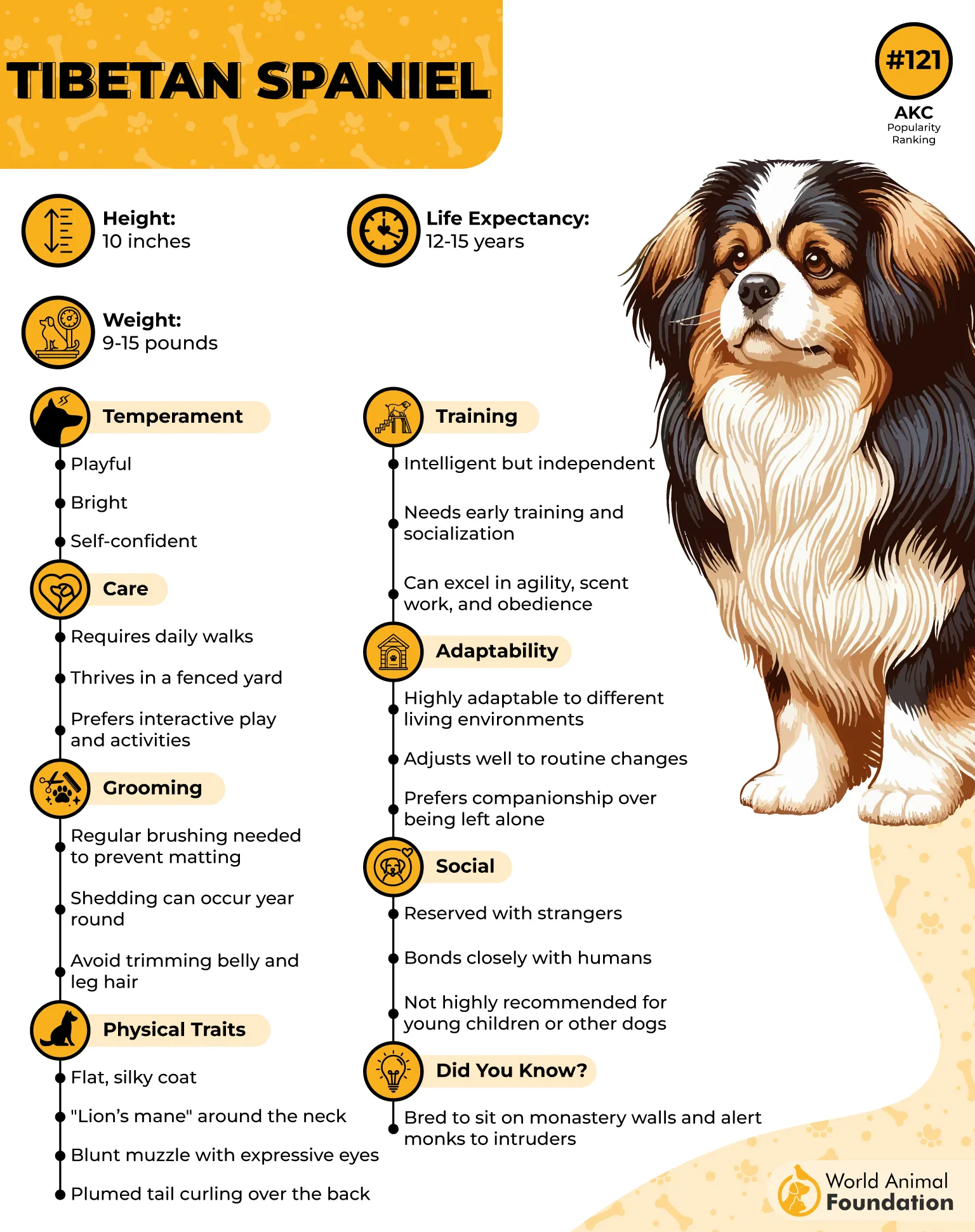
This makes them perfect for calm households where awareness is valued, but chaos is not.
Behavioral profile
High observational intelligence
Moderate independence
Selective social engagement
Owner insight
These good family dogs often form “one primary bond + secondary tolerance circle.” They are not universally social, and that’s intentional in their behavioral structure.
Hidden reality
They are emotionally calm, but mentally alert. That combination makes them excellent for quiet homes with low unpredictability.
These dogs with a calm demeanor don’t demand stimulation—they demand respectful coexistence.
7. Pug
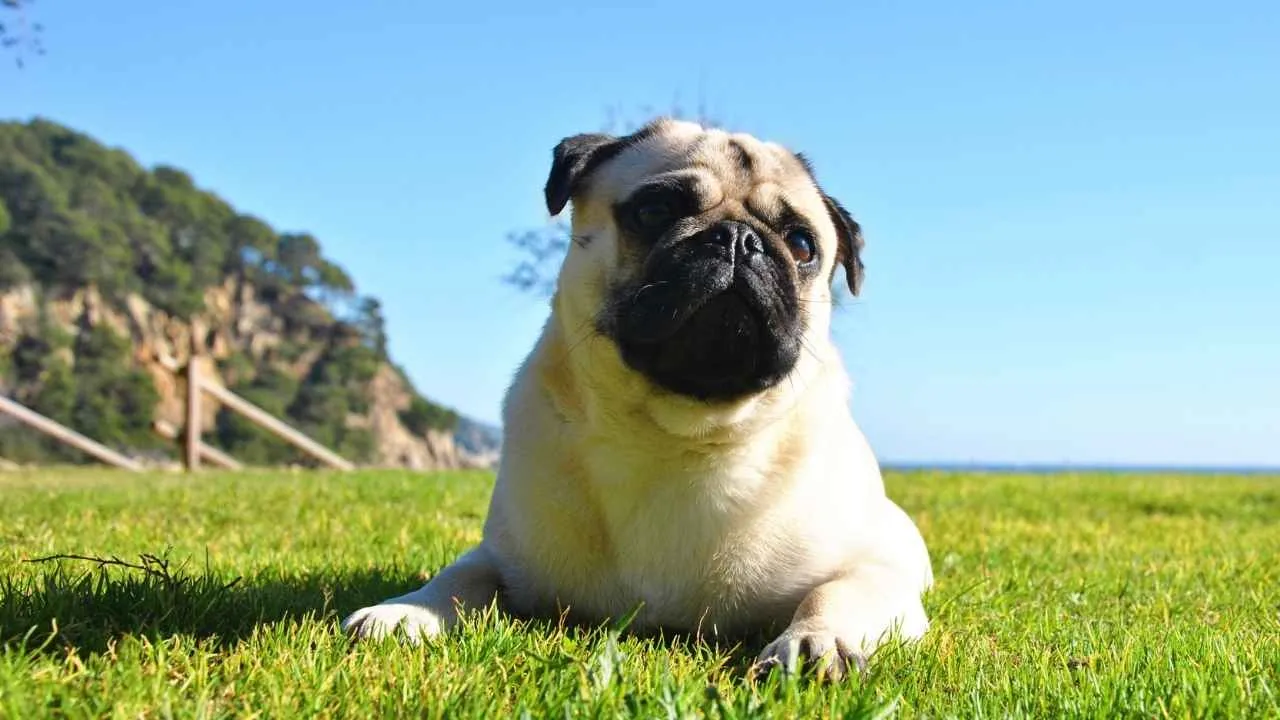
Pugs are fascinating because they are not calm in an inactive sense—they are calm in an emotionally stabilizing sense.
They are highly human-focused, but not high-strung, says Pet Plan. Their behavioral goal is not exploration—it is proximity and emotional resonance.
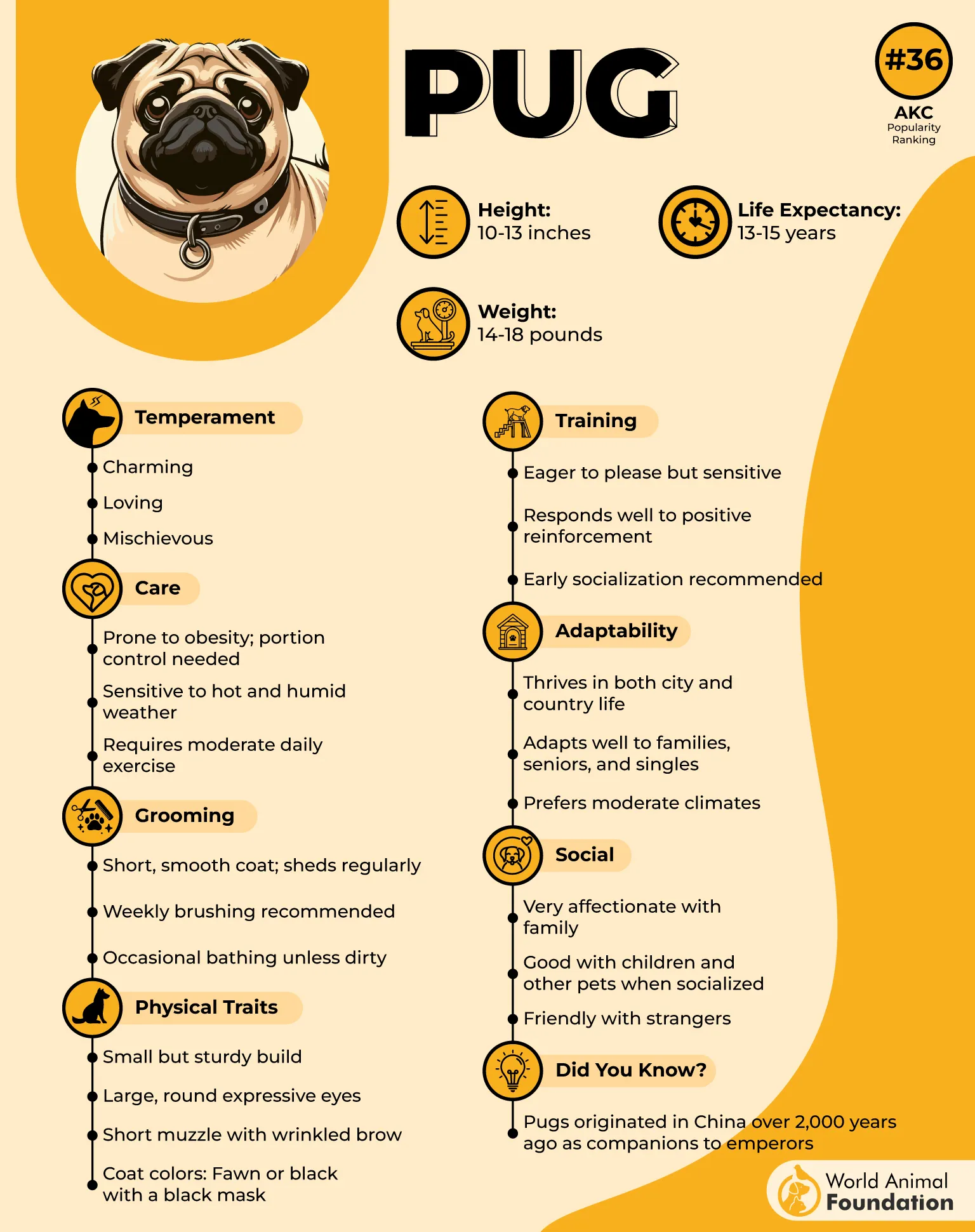
In neuroscience terms (simplified), these dogs with a gentle temperament show strong reinforcement from social bonding rather than environmental novelty.
Behavioral truth
Low territorial aggression
High emotional mirroring
Moderate clinginess balanced by rest cycles
Owner reality
Reddit Pug owners often describe them as:
“They don’t fix your life, but they make your life feel softer.”
Hidden challenge
Their calmness can mask health vulnerabilities (heat sensitivity, breathing issues), which means environment control is part of their “calm compatibility.”
These lazy dogs thrive in calm homes because they prefer emotional stability over physical stimulation.
The real secret isn’t “low energy = calm dog.”
It’s this:
Calm-household dogs share 3 traits:
low emotional volatility + predictable behavior patterns + low environmental reactivity
That’s why these chill dogs work—not because they’re lazy, but because they don’t amplify chaos.
They absorb it, soften it, or ignore it entirely.
Conclusion
A calm home is not empty—it’s balanced. And the best companion animals for it aren’t just quiet; they are emotionally steady systems that integrate into your rhythm instead of disrupting it.
Cavaliers stabilize emotions. Bassets slow down perception. Shih Tzus enforce routine comfort. Clumbers reduce volatility. Pekingese stay internally grounded. Tibetan Spaniels observe without chaos. Pugs soften emotional energy.
If you strip everything down, the best calm-household dog isn’t the one with the low energy dog—it’s the one that makes your home feel more regulated, predictable, and emotionally easy to live in.
